

Apulia · Barletta-Andria-Trani
Trinitapoli
A Tavoliere town between the Saline di Margherita and the Ofanto, sitting on a Bronze Age sanctuary that still surprises archaeologists.
Known for
IPOGEI
Bronze Age underground sanctuary discovered in 1987, with grave goods of Mediterranean importance now displayed in the local museum.
FLAMINGOS
Pink flamingos on the Saline di Margherita, three kilometers from the centro, with year-round nesting and wintering populations.
OLIO DELL'OFANTO
Extra virgin olive oil from coratina cultivars grown along the lower Ofanto, the basis for the Città dell'Olio membership.
When to visit
Best · May–Sep
- J
- F
- M
- A
- M
- J
- J
- A
- S
- O
- N
- D
- Best
- Hot or crowded
- Quiet
- Mostly closed
Why come
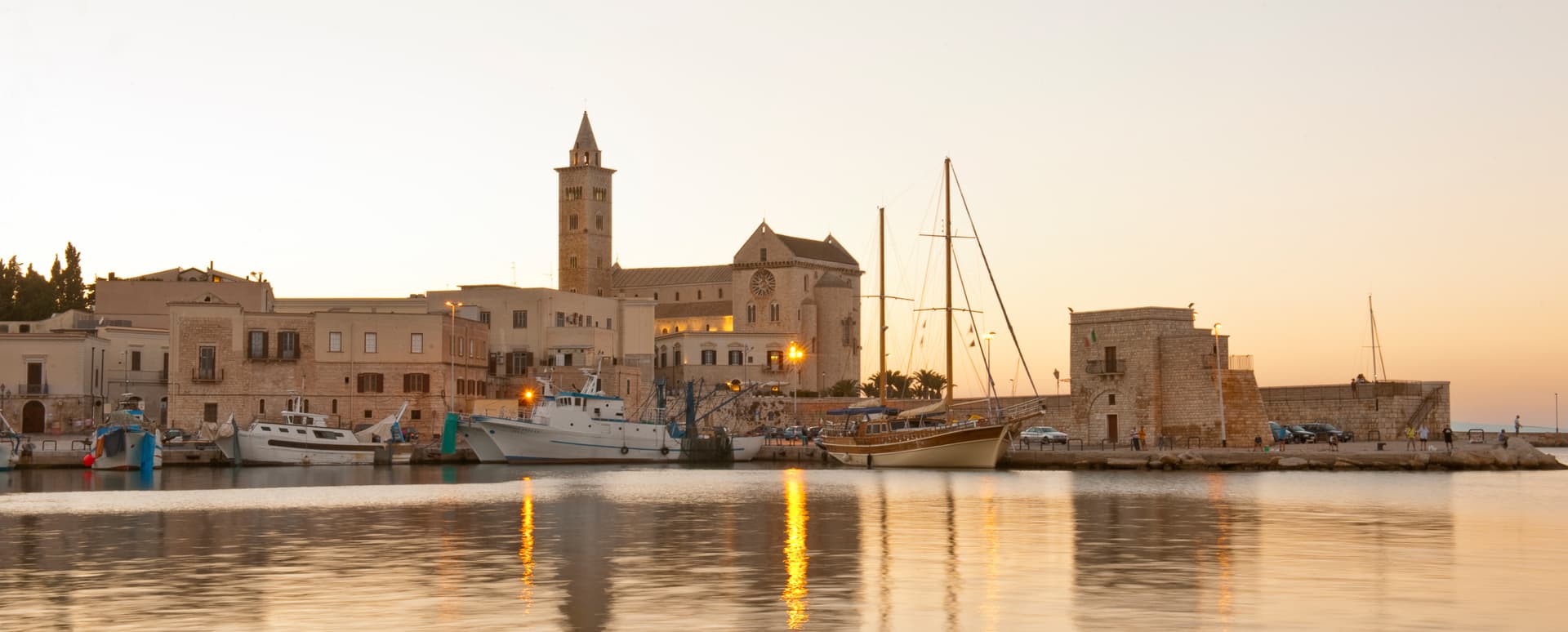
Trinitapoli sits on the Tavoliere plain four kilometers from the Adriatic and three kilometers from the Saline di Margherita di Savoia, the largest salt works in Europe and a wetland thick with pink flamingos. The town grew around a Casaltrinità chapel of the Holy Trinity first mentioned in 1186; Victor Emmanuel II changed the name from Casaltrinità to Trinitapoli by royal decree in 1863. The Bronze Age Ipogei, discovered in 1987 in the Madonna di Loreto locality, turned out to be one of the most important religious sites of the second millennium BC in the Mediterranean: a complex of underground sanctuaries used for fertility rituals, with grave goods now displayed in the Museo Archeologico dei Dolmen e degli Ipogei.
The Santuario della Beata Maria Vergine di Loreto, first recorded in 1204, was rebuilt in the nineteenth century and elevated to a diocesan sanctuary in 1971. The nearby Salapia ruins anchor the town's deep history.
The Sunday letter
We haven’t written Trinitapoli’s letter yet.
One town every Sunday, with the photo, the food, the festa. Be there when this one comes up. Free, by Peter & Sophia from Pietrasanta.
By subscribing you agree to Substack’s Terms of Use, our Privacy Policy and our Information collection notice.
What to see
Parco Archeologico degli Ipogei
Bronze Age underground sanctuary complex discovered in 1987, one of the most important Mediterranean ritual sites of the second millennium BC.
Museo Archeologico dei Dolmen e degli Ipogei
Town museum displaying the grave goods and ritual objects recovered from the Ipogei, including bronzes, amber and Mycenaean ceramics.
Santuario della Beata Maria Vergine di Loreto
Diocesan sanctuary on the western edge of town, first recorded in 1204 and rebuilt as a three-nave church in the early nineteenth century.
Saline di Margherita di Savoia
Largest salt works in Europe, three kilometers from the centro, with pink flamingos and the protected wetland shared with the neighboring commune.
Rovine di Salapia
Ruins of the ancient Daunian and Roman city, a bishopric by 314 that was suppressed in 1547 and absorbed into Trani's diocese.
The slow-trip planner
Building a trip? Find where Trinitapoli fits in a slow Italy circuit.
Answer five questions. We will shape a geographically coherent slow trip from the 1,000 Italian towns most travelers skip. Yours to save and share.
Living here
- Population 13,844
- Commuter belti
- Pharmacy in town
- High school within a 30-minute drive
- Train station in the comune
- Nearest airport Bari / Brindisi, 1 h 6 min drive
- Regional capital Bari, 1 h 10 min drive
Tags & datadesignations · numbers · sources
Recognised as
The numbers
- Elevation: 5 m
- Population: 13,844
- Surface area: 148.77 km²
These figures were compiled from public directories — ISTAT, OpenStreetMap, Wikidata — and from the official listings of the guides named on this page. Town details change; verify with official sources before you travel.
Close by
More towns near Trinitapoli
Trani
Province: Barletta-Andria-Trani
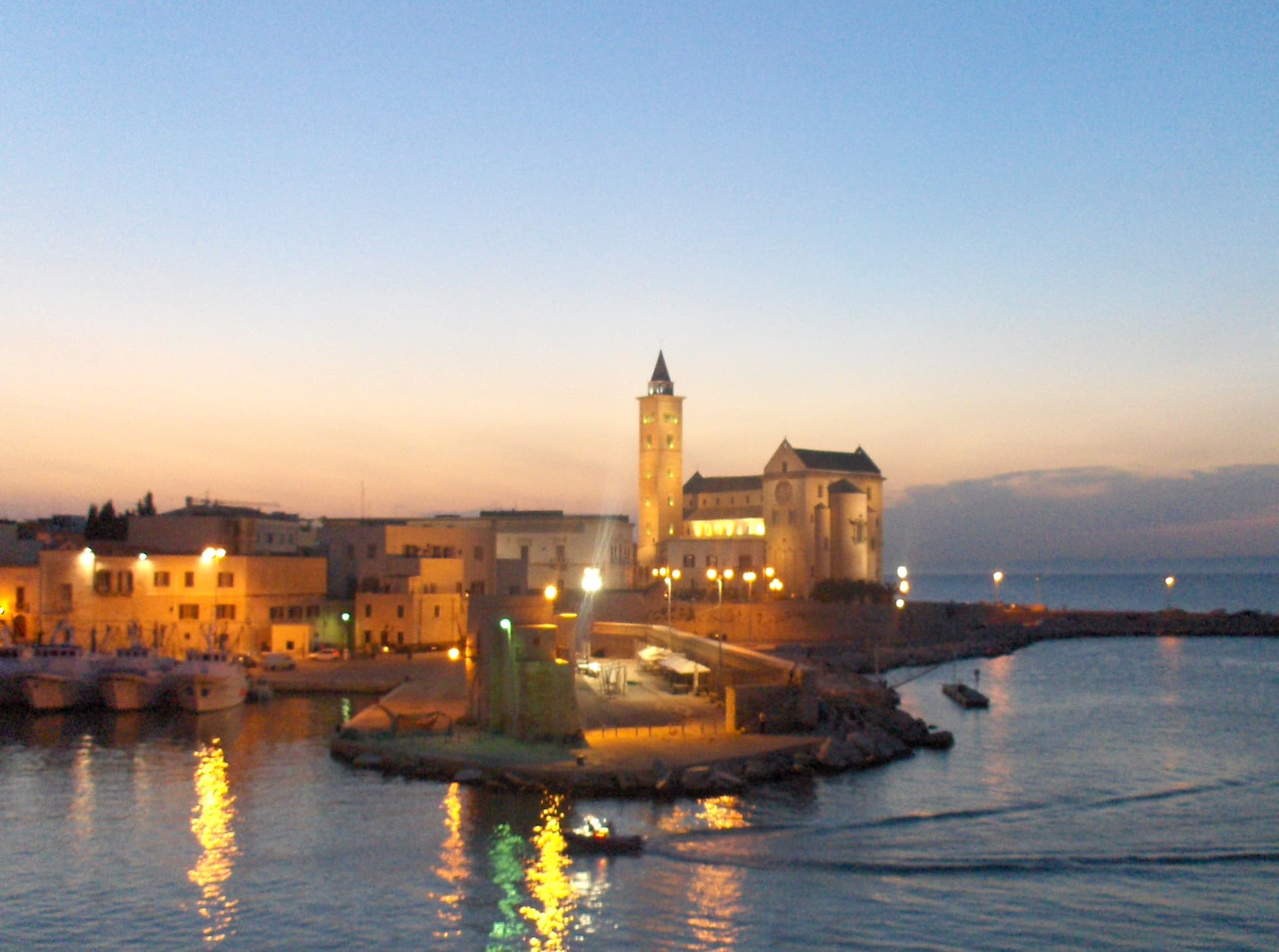
The Adriatic port whose pink-white Romanesque cathedral stands on the water, built for a Greek pilgrim who died here in 1094.
Bisceglie
Province: Barletta-Andria-Trani
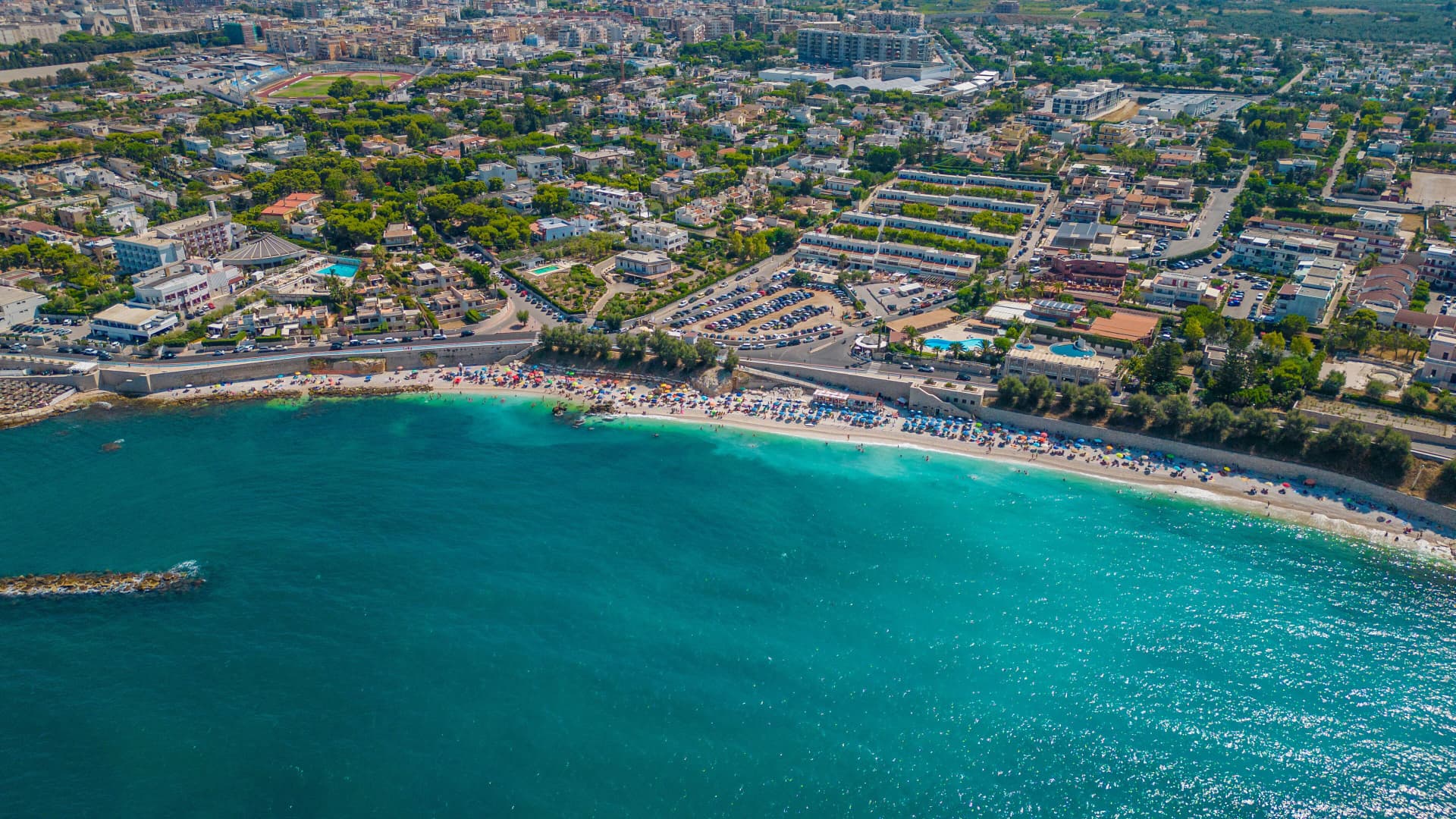
An Adriatic port town between Trani and Molfetta, named for Roman watchtowers, with five dolmens around it and a Norman cathedral begun in 1073.
Minervino Murge
Province: Barletta-Andria-Trani
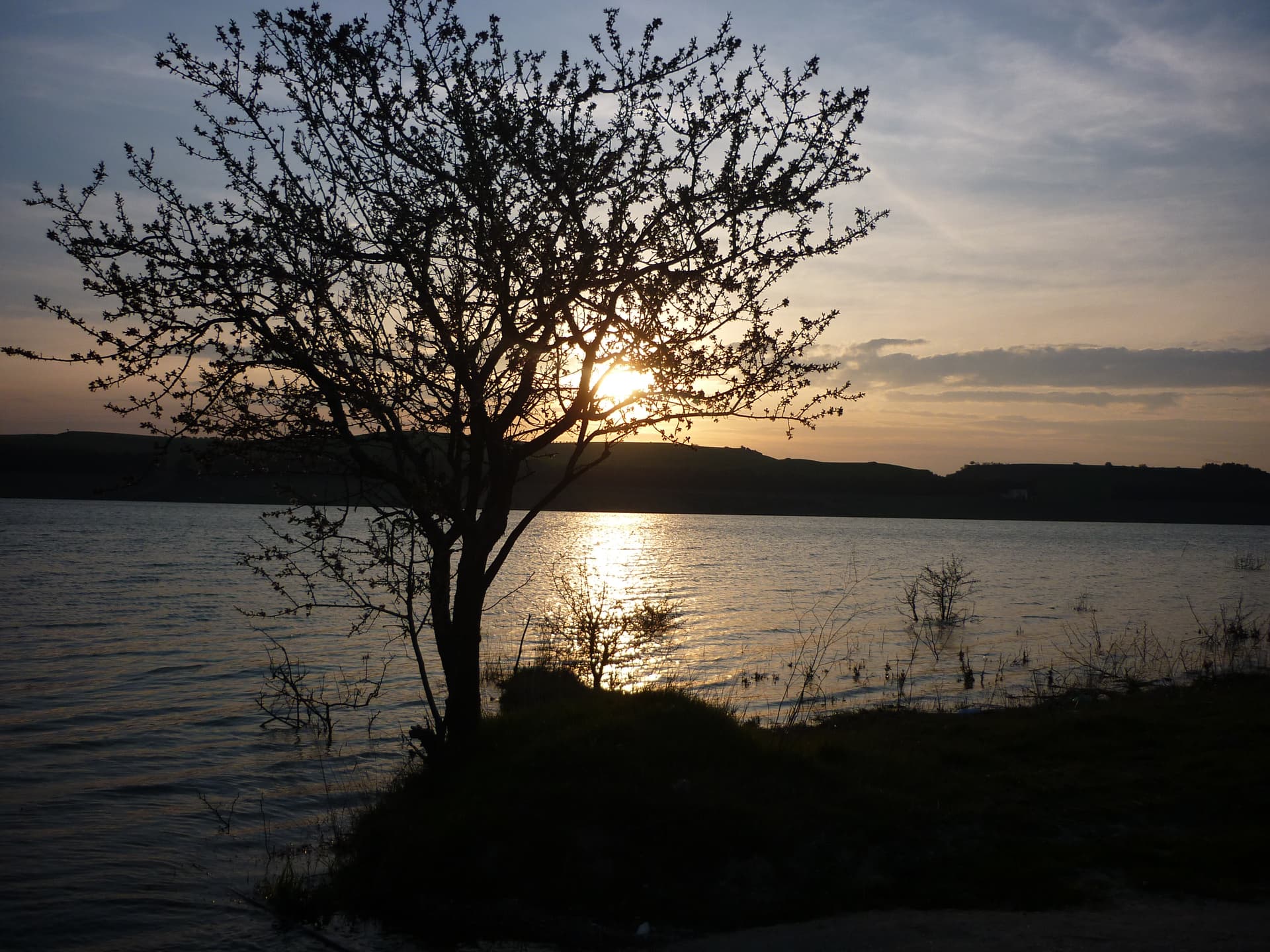
The Balcone di Puglia at 445 meters on the Alta Murgia, between the Ofanto valley and Monte Vulture, inside the national park.
Andria
Province: Barletta-Andria-Trani
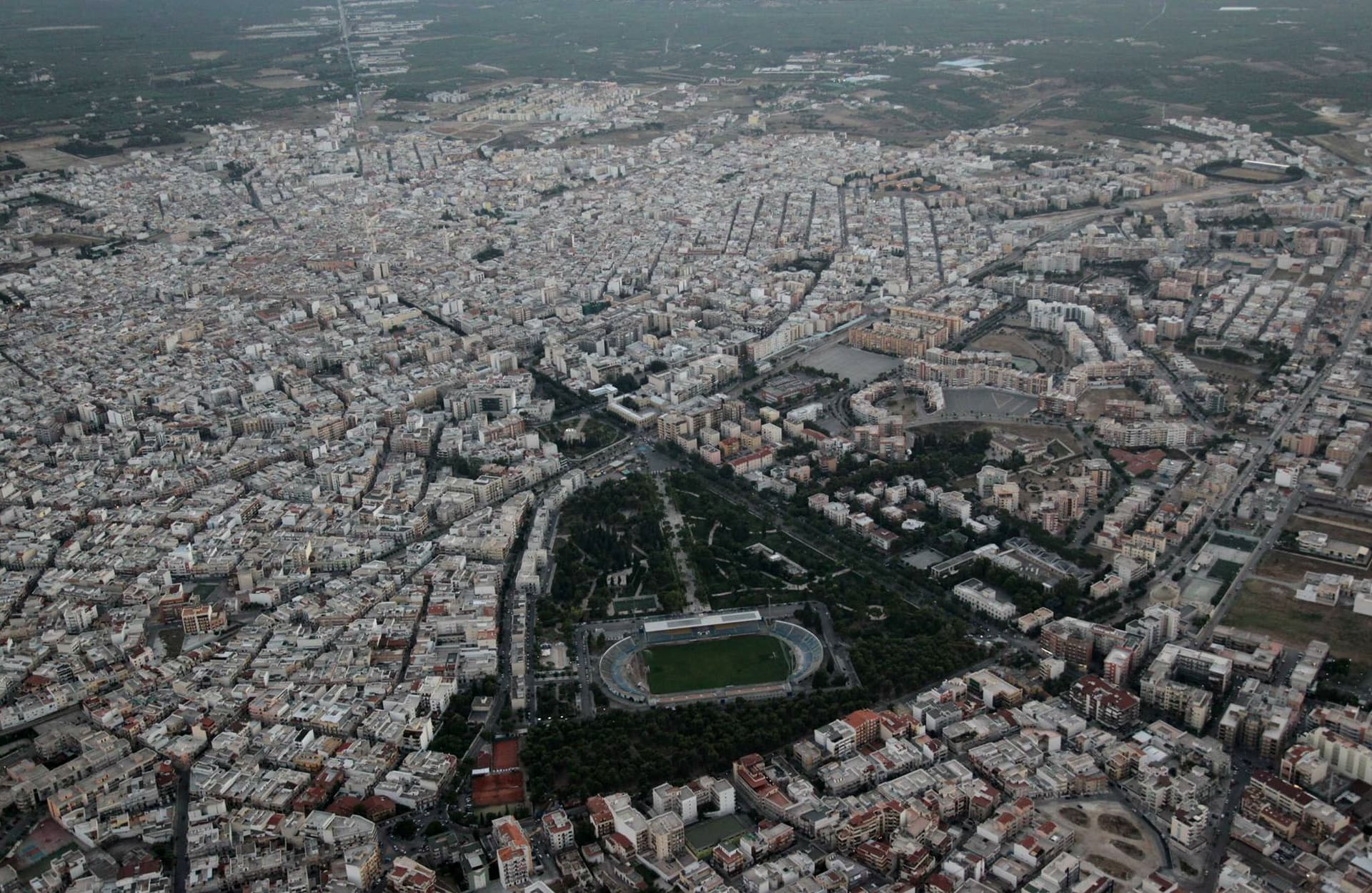
Frederick II's favourite Apulian city, the birthplace of burrata, with the octagonal Castel del Monte rising 540 meters above the Murge eighteen kilometers south.
Giovinazzo
Province: Bari
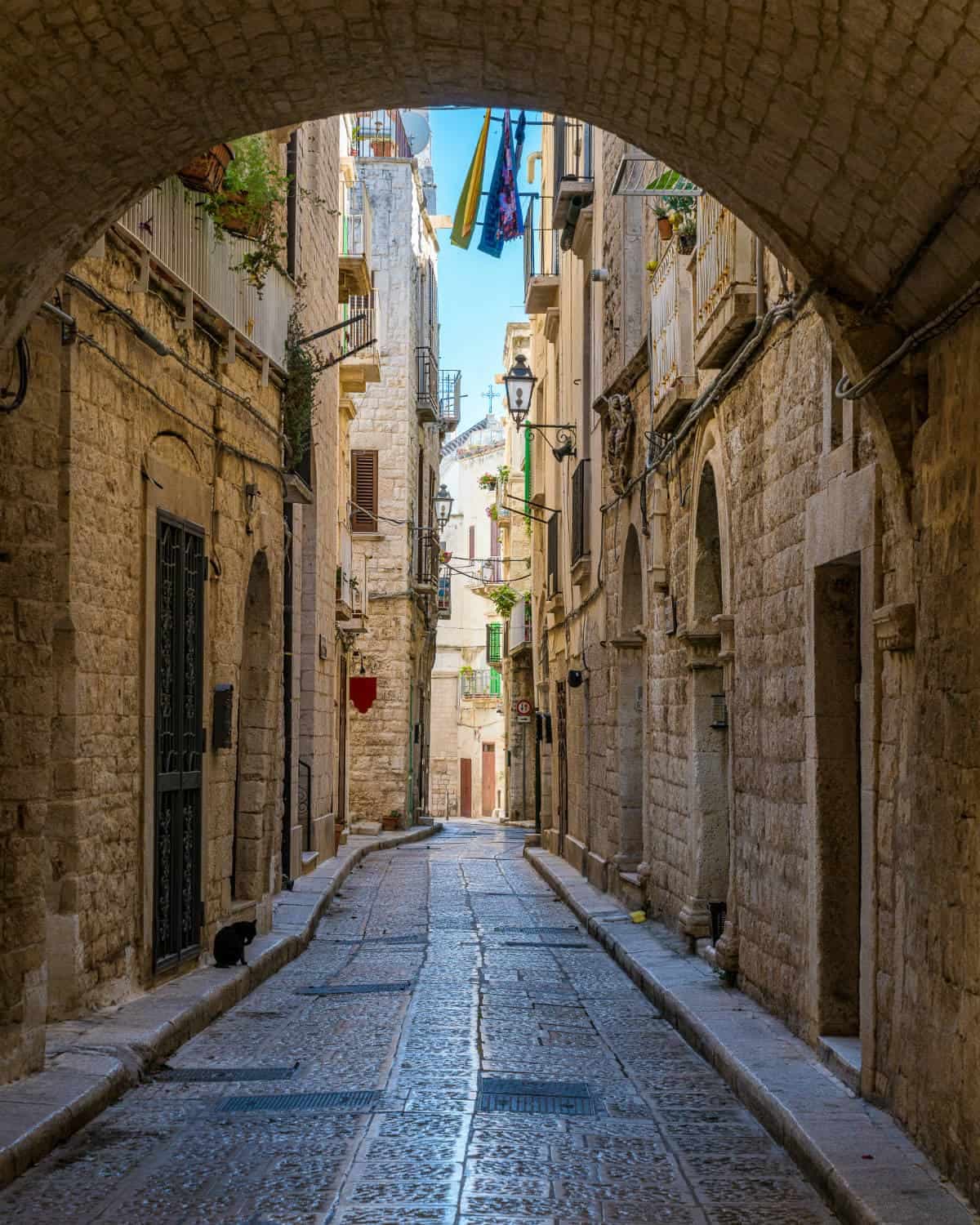
An Adriatic fishing port twenty kilometers northwest of Bari, with a Norman cathedral and a Bronze Age dolmen in the agro inland.
💎 Borghi Autentici
More Borghi Autentici towns in Apulia
Acquaviva delle Fonti
Province: Bari
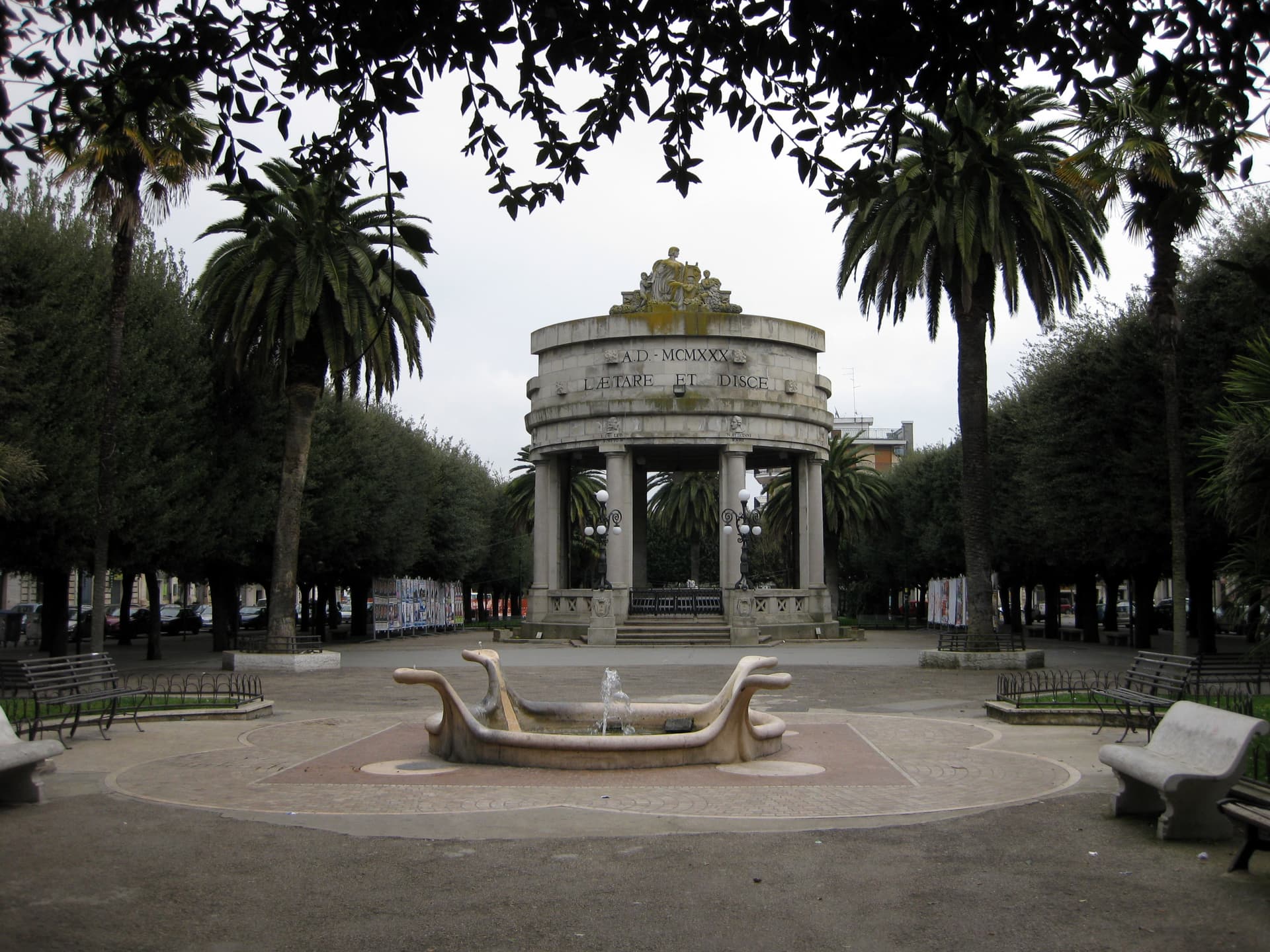
A Murge town at 300 meters between Bari and the Itria valley, named for its springs and a DOP red onion.
Biccari
Province: Foggia
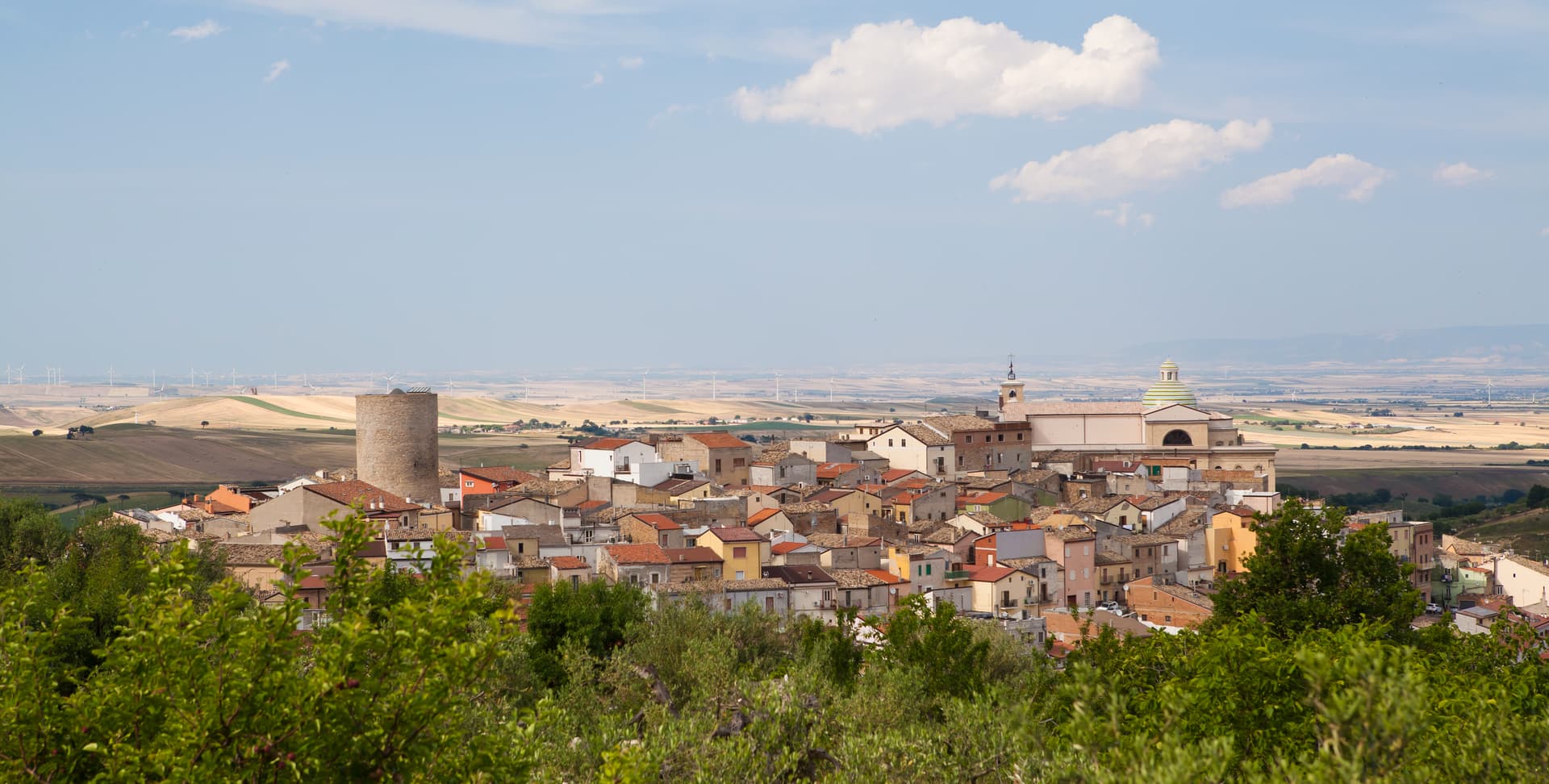
A Subappennino Dauno borgo at 450 meters under Monte Cornacchia, the highest peak in Puglia at 1,151 meters, with a Byzantine tower at its core.
Campi Salentina
Province: Lecce
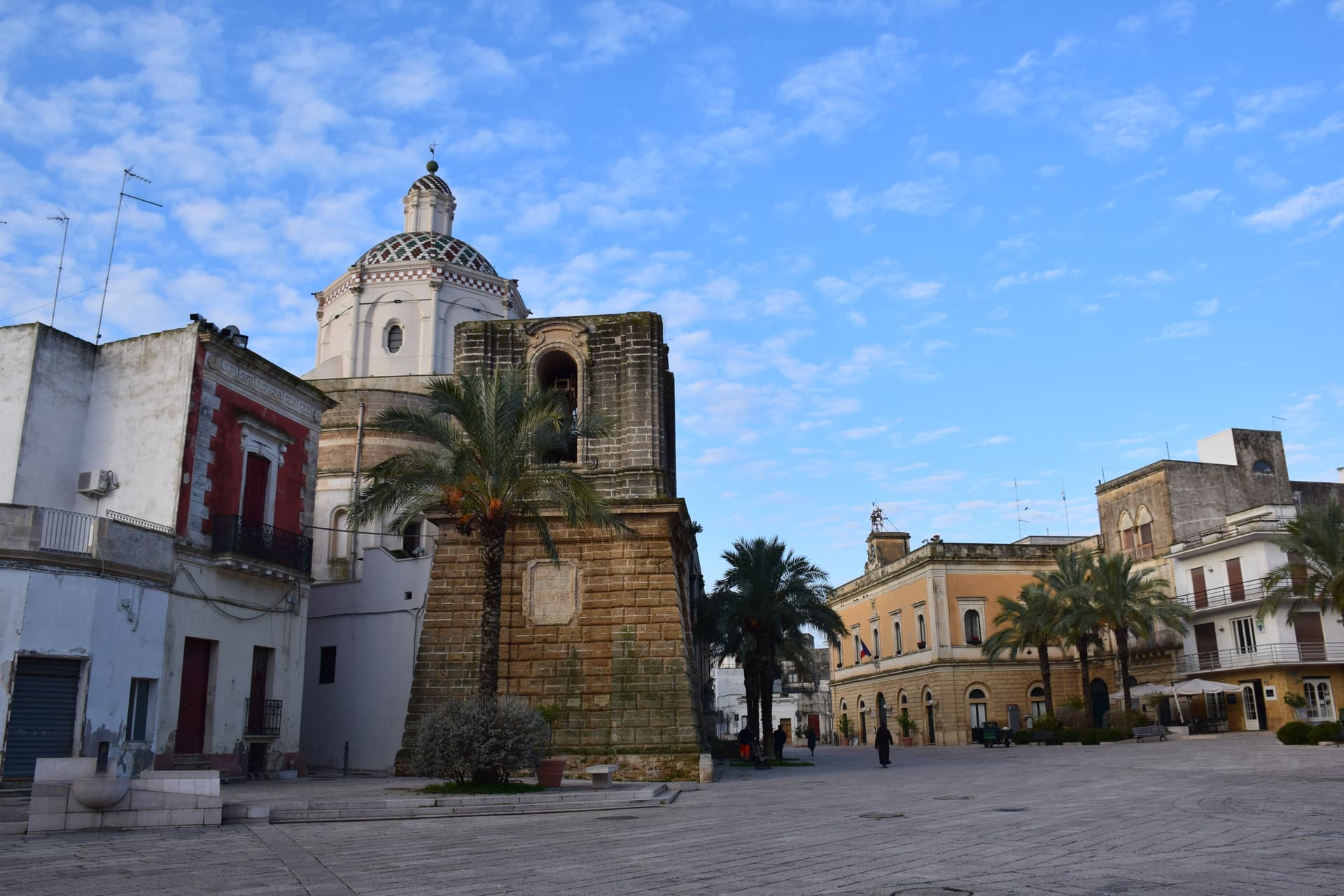
A Salento plain town fifteen kilometers north of Lecce, founded after the Saracen raids of 926, with a Frederician castle that became a Paladini-Enriquez marquisate.
Casamassima
Province: Bari
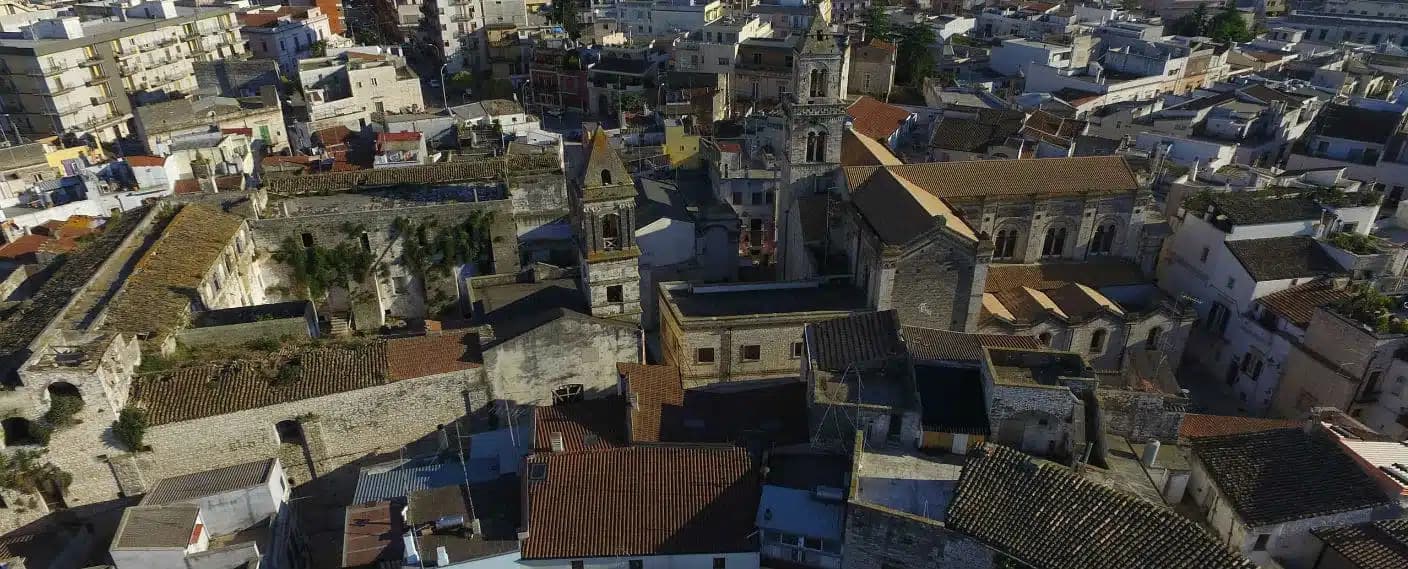
The blue town of the Murge, twenty kilometers south of Bari, its centro storico painted with copper-blue lime after the 1658 plague spared its residents.
Cassano delle Murge
Province: Bari
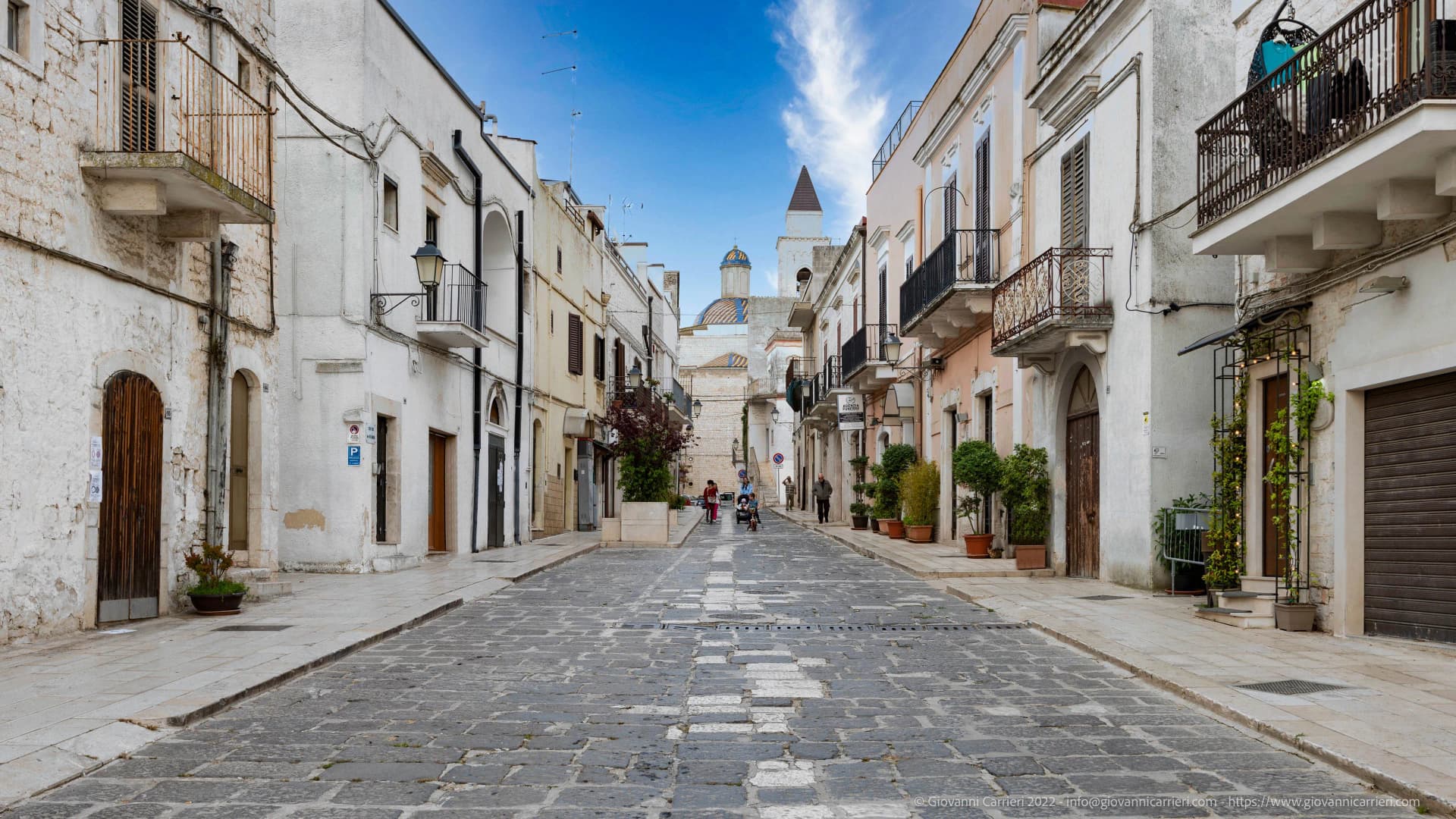
A Murge foothills town at 341 meters at the gate of the Alta Murgia park, with the 1,300-hectare Foresta Mercadante mostly inside its territory.