

Apulia · Bari
Giovinazzo
An Adriatic fishing port twenty kilometers northwest of Bari, with a Norman cathedral and a Bronze Age dolmen in the agro inland.
Known for
NORMAN CATHEDRAL
Santa Maria Assunta, built 1125-1180 by the Normans, holds the Byzantine Madonna of Corsignano icon and is the town's patronal seat.
OLIVE OIL
Città dell'Olio with one of the largest olive-growing agri in the Metropolitan City of Bari, anchoring small frantoi across the countryside.
DOLMEN SAN SILVESTRO
Bronze Age megalithic tomb from roughly 1500 BC, the only intact dolmen in this stretch of the Murgia coastal terrace.
When to visit
Best · May–Sep
- J
- F
- M
- A
- M
- J
- J
- A
- S
- O
- N
- D
- Best
- Hot or crowded
- Quiet
- Mostly closed
The festa: Tommaso, 3 July
Why come
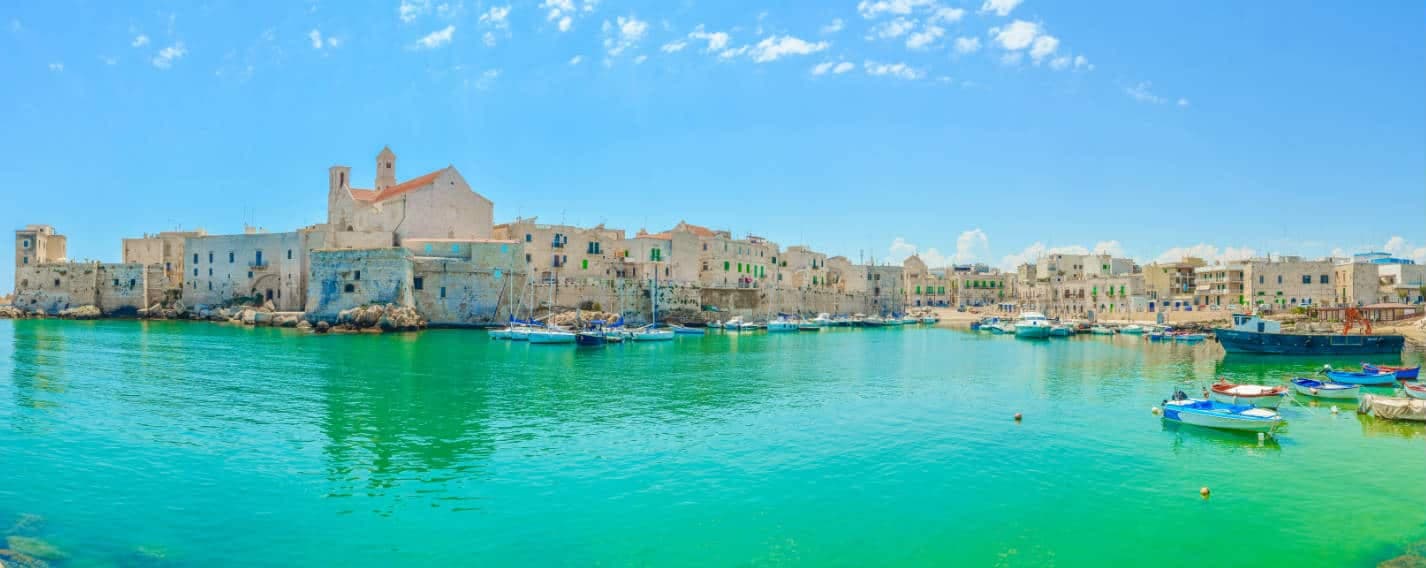
Giovinazzo sits on the Adriatic twenty kilometers northwest of Bari, between Molfetta and the Bari coastal belt. The Romans called it Natolium, fortifying the site under Trajan in 102 AD on what may be the older Peucetian settlement of Netium. The Norman cathedral of Santa Maria Assunta was built between 1125 and 1180 in the Puglian Romanesque style and consecrated in 1283; it still holds the Byzantine icon of the Madonna of Corsignano, the patron, celebrated through August.
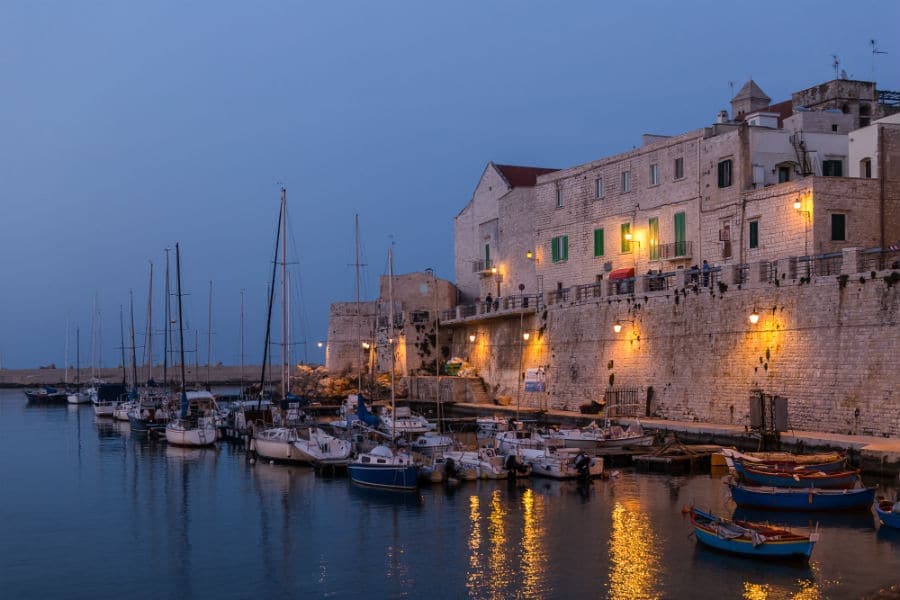
The medieval centro storico runs in narrow stone lanes around the harbor, where the small fishing fleet still ties up below the sea wall. Five kilometers inland, the Dolmen di San Silvestro is a Bronze Age funerary chamber from around 1500 BC, set in a grove of olive and carob, the agro that makes Giovinazzo a Città dell'Olio. The town hosts one of the few elite roller hockey clubs in Italy.
The Sunday letter
We haven’t written Giovinazzo’s letter yet.
One town every Sunday, with the photo, the food, the festa. Be there when this one comes up. Free, by Peter & Sophia from Pietrasanta.
By subscribing you agree to Substack’s Terms of Use, our Privacy Policy and our Information collection notice.
What to see
Concattedrale di Santa Maria Assunta
Norman cathedral of 1125-1180 in Puglian Romanesque, consecrated in 1283, with the Byzantine icon of the Madonna of Corsignano above the main altar.
Centro storico
Medieval old town in narrow stone lanes wrapping the small port, walled on the seaward side and rebuilt after Norman reconquest in the eleventh century.
Dolmen di San Silvestro
Bronze Age funerary dolmen from around 1500 BC, set on a Murgia terrace among olive and carob trees five kilometers inland from town.
Chiesa di San Domenico
Sixteenth-century Dominican church on the main piazza, redone in Baroque style in the eighteenth century, with a painted wooden ceiling.
The slow-trip planner
Building a trip? Find where Giovinazzo fits in a slow Italy circuit.
Answer five questions. We will shape a geographically coherent slow trip from the 1,000 Italian towns most travelers skip. Yours to save and share.
We recommend
Where to eat and stay
Not our picks, but places the guides put their name to — a Michelin star, a Gambero Rosso fork, a Slow Food snail, a Michelin Key for the hotels. Worth a table, a counter, or a night when you pass through.
Ragno d'Oro Caffè dal 1856Bistrot
Ragno d'Oro Caffè dal 1856 carries two Gambero Rosso tables.
Toruccio Terrazza AdriaticaRistorante
A Gambero Rosso listing, at Toruccio Terrazza Adriatica.
Living here
- Population 19,366
- Commuter belti
- Pharmacy in town
- High school within a 30-minute drive
- Train station in the comune
- Nearest airport Bari / Brindisi, 19 min drive
- Regional capital Bari, 31 min drive
Tags & datadesignations · numbers · sources
Recognised as
The numbers
- Elevation: 7 m
- Population: 19,366
- Surface area: 44.3 km²
These figures were compiled from public directories — ISTAT, OpenStreetMap, Wikidata — and from the official listings of the guides named on this page. Town details change; verify with official sources before you travel.
Close by
More towns near Giovinazzo
Bisceglie
Province: Barletta-Andria-Trani
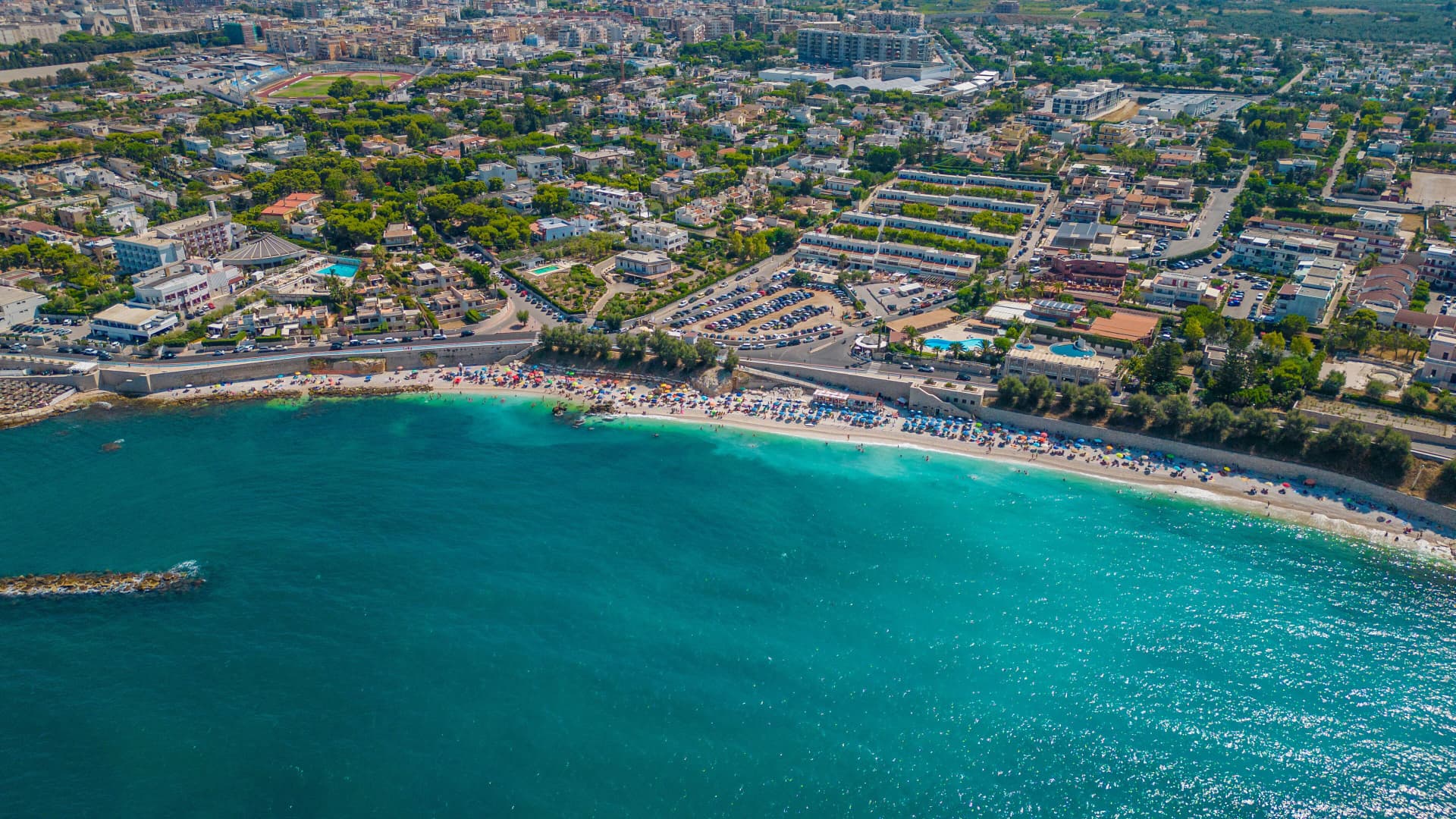
An Adriatic port town between Trani and Molfetta, named for Roman watchtowers, with five dolmens around it and a Norman cathedral begun in 1073.
Trani
Province: Barletta-Andria-Trani
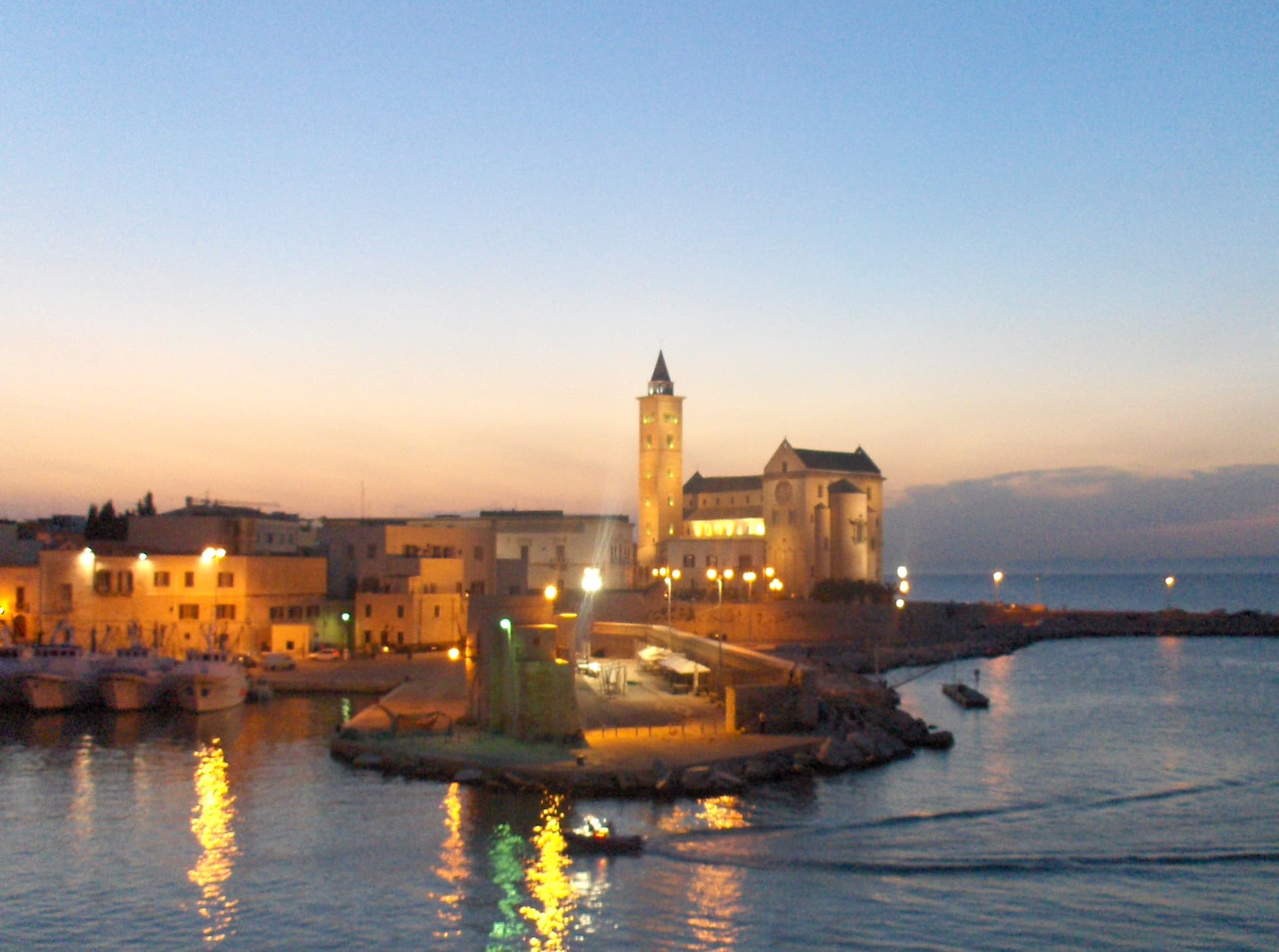
The Adriatic port whose pink-white Romanesque cathedral stands on the water, built for a Greek pilgrim who died here in 1094.
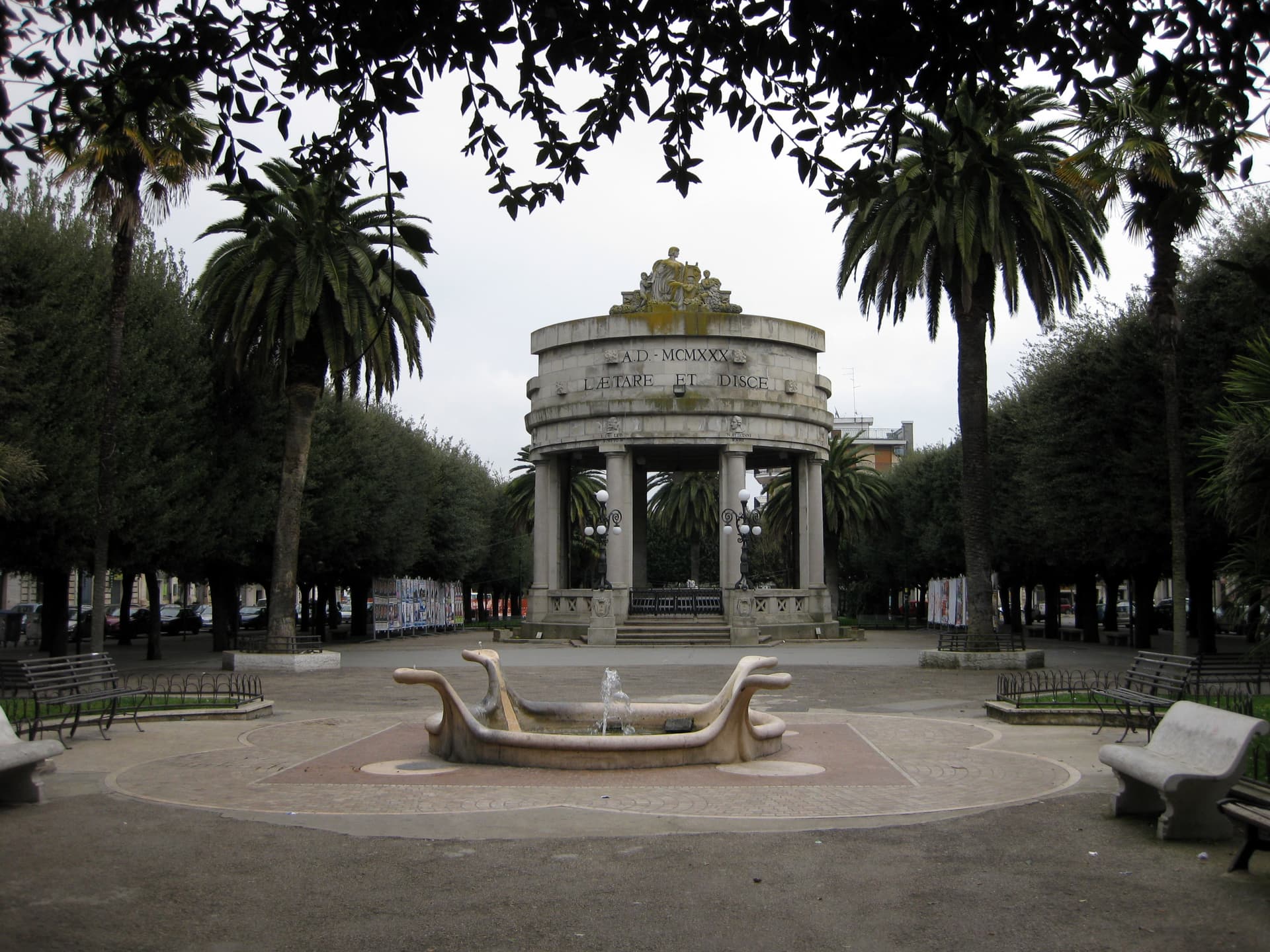
Acquaviva delle Fonti
Province: Bari
A Murge town at 300 meters between Bari and the Itria valley, named for its springs and a DOP red onion.
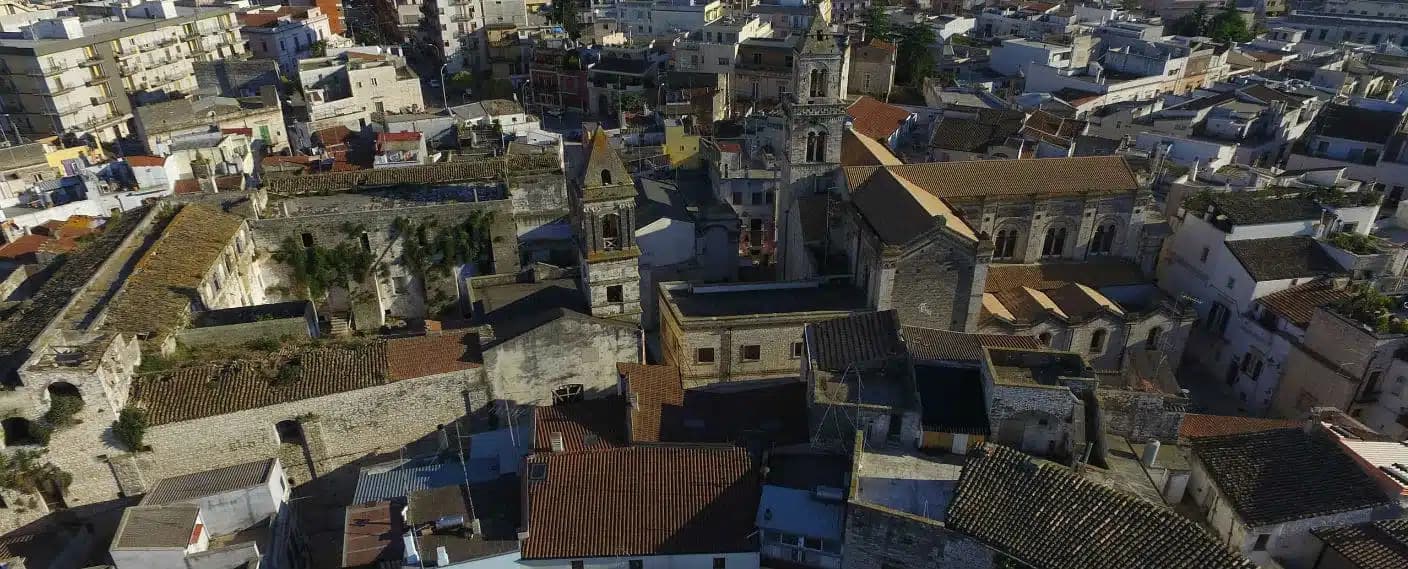
Casamassima
Province: Bari
The blue town of the Murge, twenty kilometers south of Bari, its centro storico painted with copper-blue lime after the 1658 plague spared its residents.
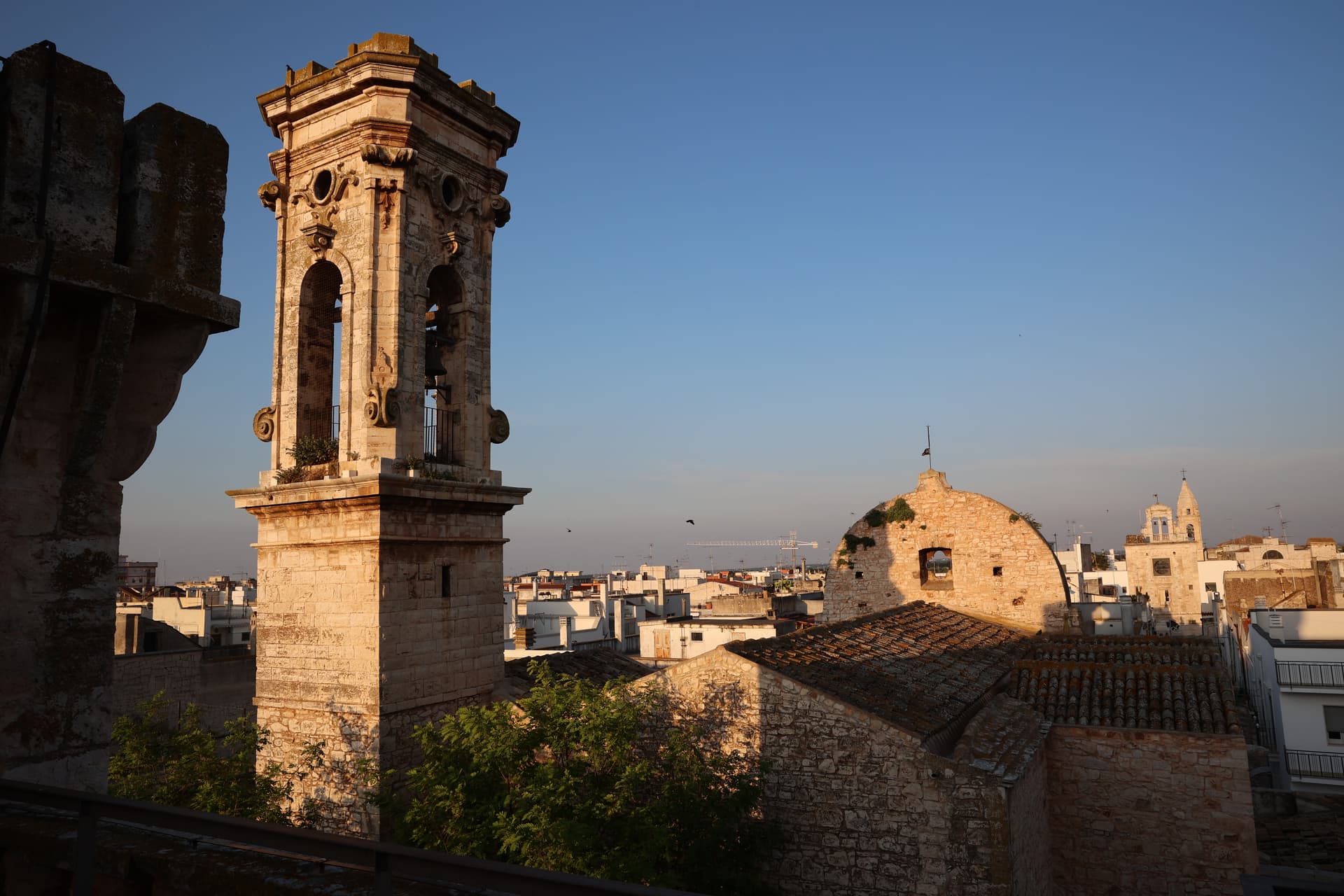
Sammichele di Bari
Province: Bari
A Murge town at 280 meters founded in 1609, anchored by the Caracciolo castle and famous for the zampina pork sausage.
🫒 Città dell'Olio
More Città dell'Olio towns in Apulia
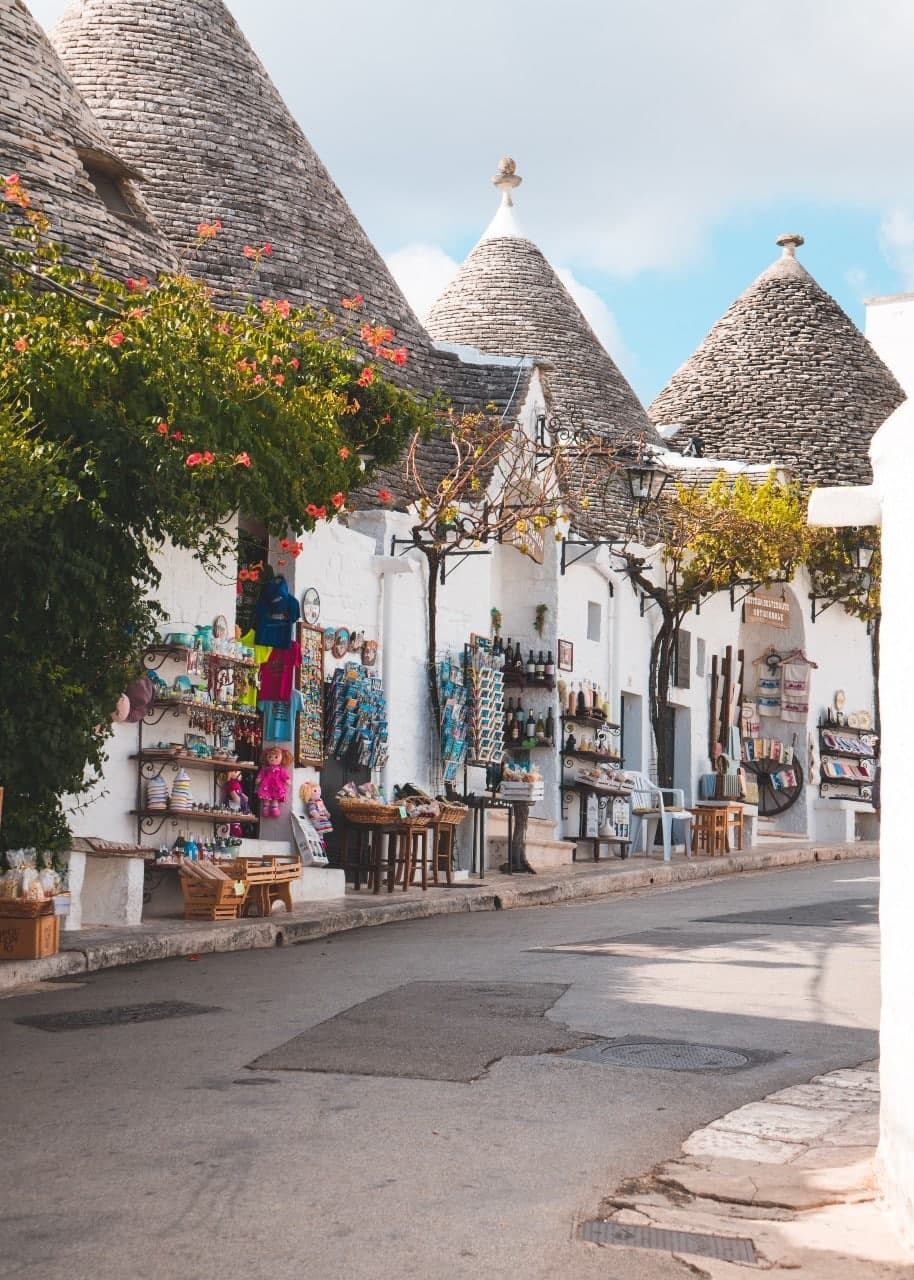
Alberobello
Province: Bari
The Itria valley town built entirely of trulli, 1,500 corbelled limestone cones in two quarters, UNESCO since 1996.
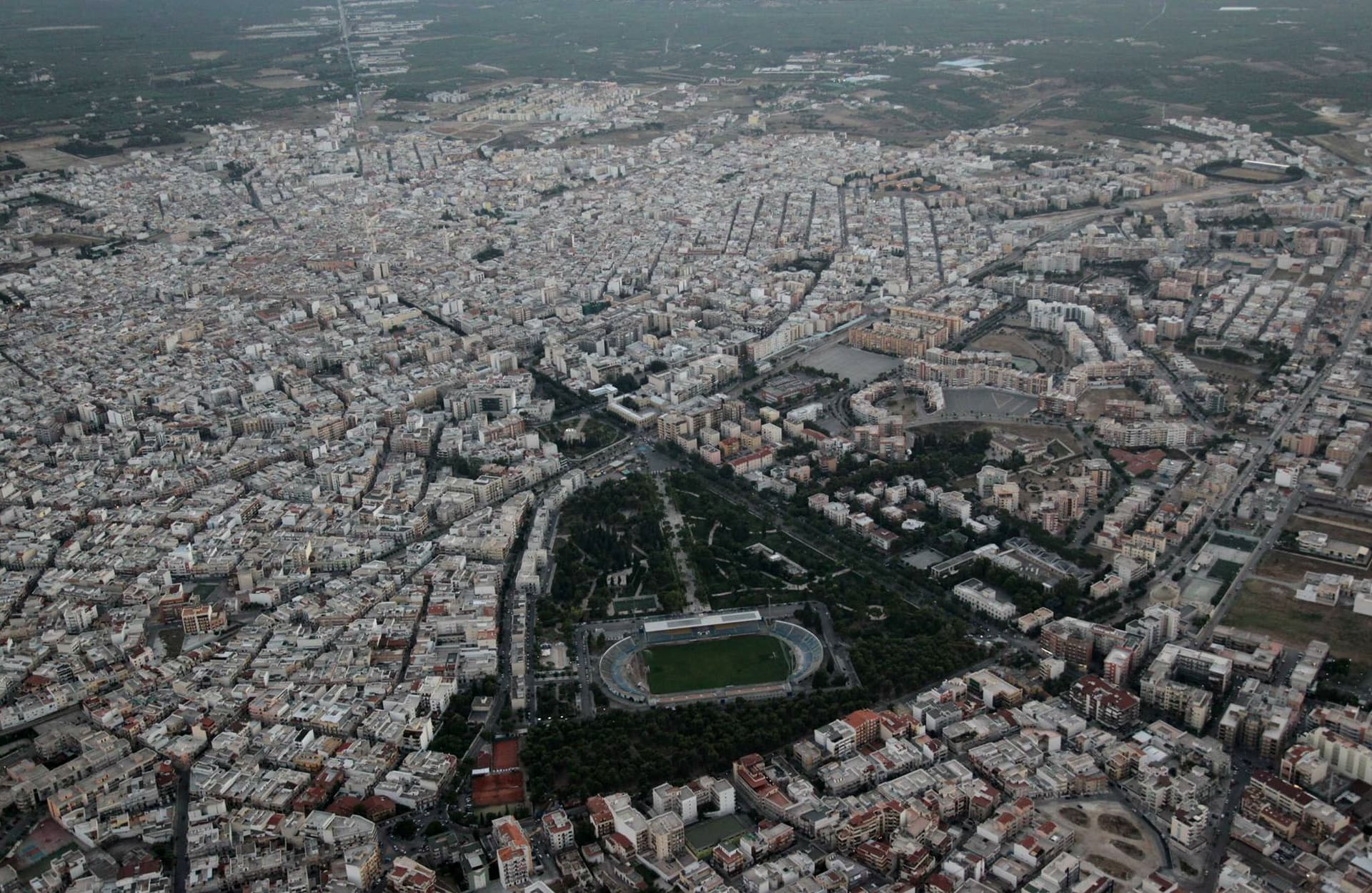
Andria
Province: Barletta-Andria-Trani
Frederick II's favourite Apulian city, the birthplace of burrata, with the octagonal Castel del Monte rising 540 meters above the Murge eighteen kilometers south.
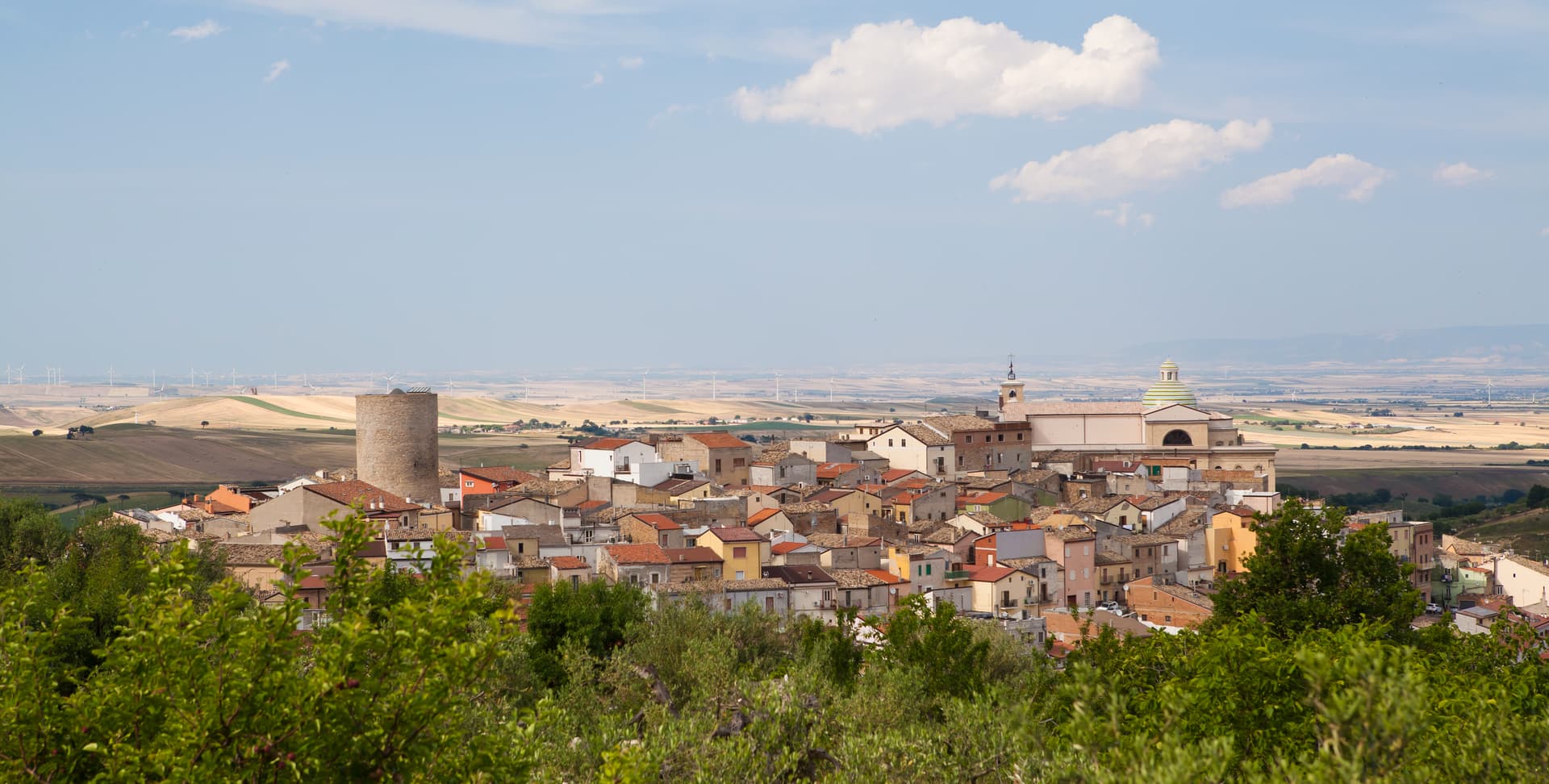
Biccari
Province: Foggia
A Subappennino Dauno borgo at 450 meters under Monte Cornacchia, the highest peak in Puglia at 1,151 meters, with a Byzantine tower at its core.
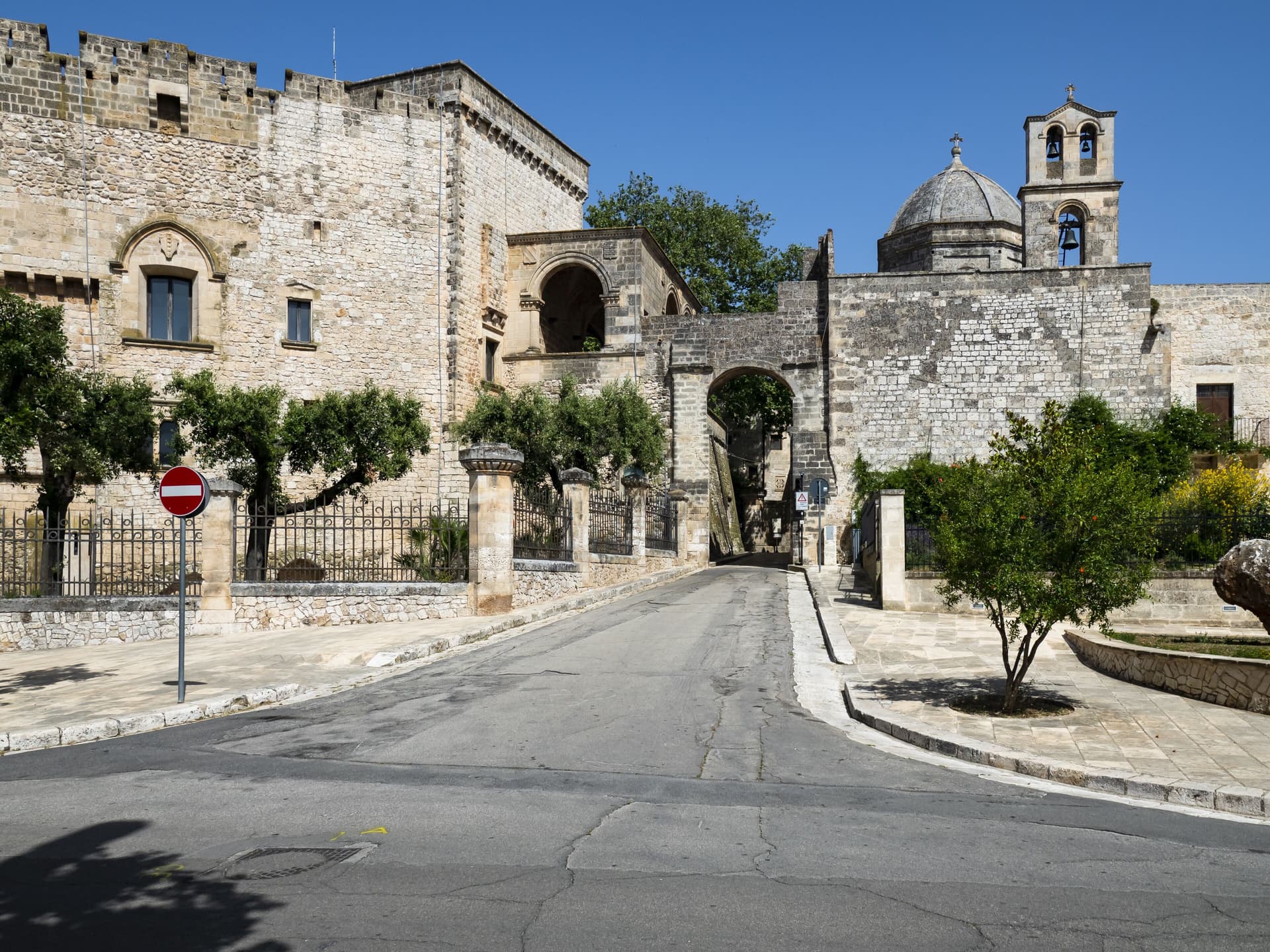
Carovigno
Province: Brindisi
An upper Salento town between Brindisi and Ostuni, built on the Messapian Carbina destroyed in 473 BC, with the Torre Guaceto marine reserve offshore.