

Abruzzo · Pescara
Penne
The brick city between the Tavo and Fino, ancient capital of the Vestini, rebuilt after Allied bombing and awarded the Silver Medal of Civic Merit.
Known for
CITTÀ DEL MATTONE
Streets, palazzi and pavements built almost entirely in red brick, the tone that earned the nickname the small Siena.
SILVER MEDAL
Awarded the Silver Medal of Civic Merit in 2006 for civilian sacrifices during heavy Allied bombing in the Second World War.
VESTIAN CAPITAL
Capital of the Vestini Italic people from at least 300 BC, defeated by Rome in the Social War around 89 BC.
When to visit
Best · Apr–Oct
- J
- F
- M
- A
- M
- J
- J
- A
- S
- O
- N
- D
- Best
- Hot or crowded
- Quiet
- Mostly closed
The festa: Massimo d'Aveia, 7 May
Why come
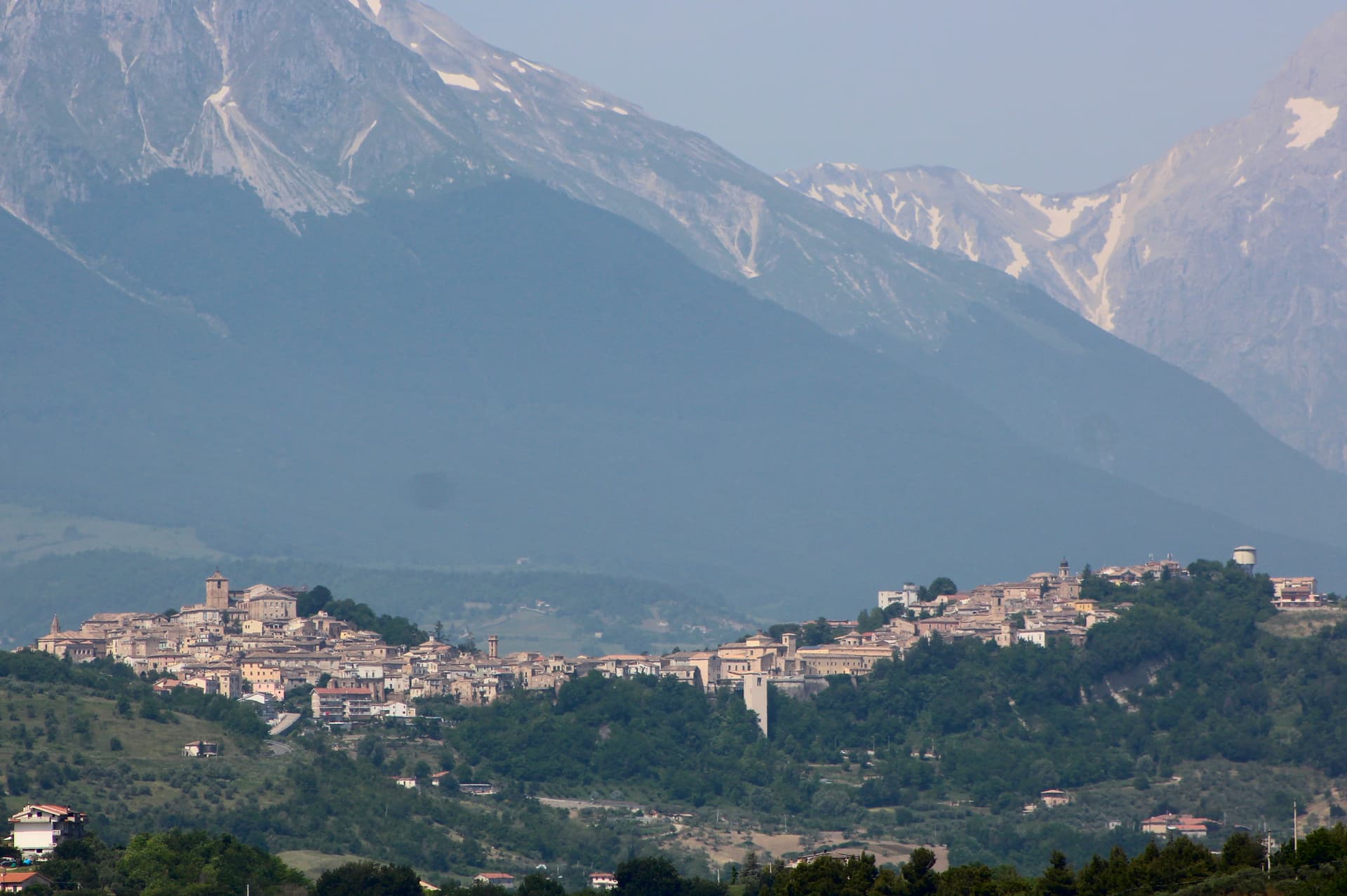
Penne sits on four hills between the Tavo and Fino rivers, twenty-five kilometers from the Adriatic. Of pre-Roman origin, the town was the capital of the Vestini Italic people no later than 300 BC; in around 89 BC the Vestini and other Italic tribes were defeated by Rome in the Social War. The historic centre is built almost entirely of red brick.
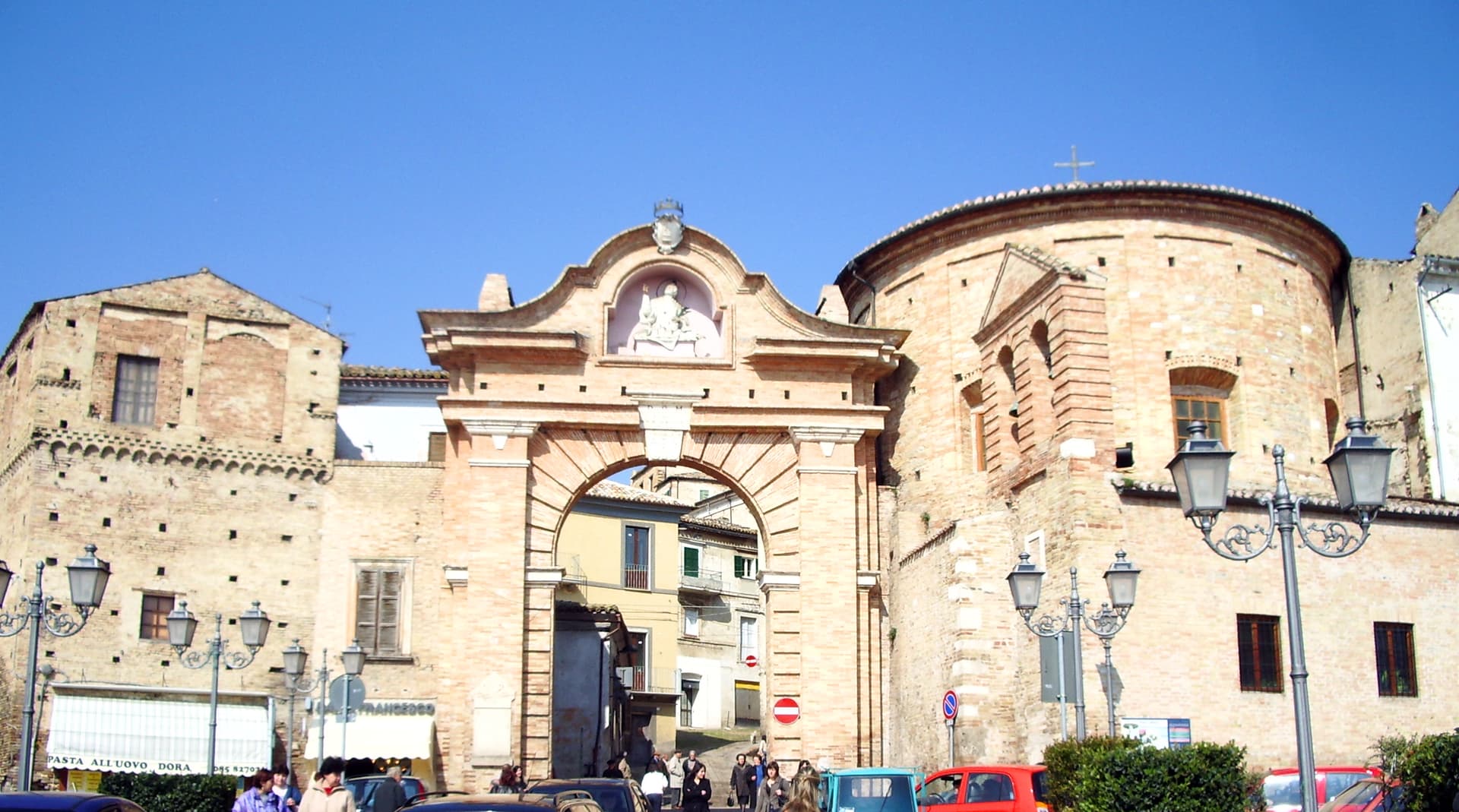
Streets, palazzi, churches and pavements all share the same warm tone, which earned Penne the nickname Città del Mattone, the City of Bricks, and the literary tag the small Siena. The Duomo, dedicated to Saint Massimo of Aveia, stands on a tenth-century crypt; its terracotta façade was rebuilt after the war, but the crypt, the portal, the thirteenth-century rose window and the fifteenth-century bell tower belong to the original Romanesque-Gothic phase. Allied bombing levelled large parts of the town in the Second World War, and in 2006 Penne received the Silver Medal of Civic Merit for what its civilians suffered.
The Sunday letter
We haven’t written Penne’s letter yet.
One town every Sunday, with the photo, the food, the festa. Be there when this one comes up. Free, by Peter & Sophia from Pietrasanta.
By subscribing you agree to Substack’s Terms of Use, our Privacy Policy and our Information collection notice.
What to see
Duomo (Cattedrale di San Massimo)
Concathedral of the Pescara-Penne archdiocese built over a tenth-century crypt, with a thirteenth-century rose window and fifteenth-century bell tower.
Museo Diocesano
Diocese museum inside the Duomo complex, holding liturgical objects, paintings and sculpture from across the Pescara-Penne network.
Chiesa di Santa Maria in Colleromano
Twelfth-century church outside the historic core, one of the earliest religious buildings preserved in the Penne territory.
Chiesa di Sant'Agostino
Augustinian church with a notable historic bell-tower, on the main brick artery of the centro storico.
Centro storico in mattoni
Streets, houses and pavements all in red brick, the continuous warm tone that earned Penne the nickname Città del Mattone.
Chiesa di San Domenico
Dominican church on the higher ridge of the centro storico, with a brick façade and a Baroque interior rebuilt after war damage.
The slow-trip planner
Building a trip? Find where Penne fits in a slow Italy circuit.
Answer five questions. We will shape a geographically coherent slow trip from the 1,000 Italian towns most travelers skip. Yours to save and share.
Living here
- Population 11,165
- In-betweeni
- Pharmacy in town
- High school within a 30-minute drive
- Nearest airport Ancona / Pescara, 2 h 15 min drive
- Regional capital L'Aquila, 1 h 31 min drive
Tags & datadesignations · numbers · sources
The numbers
- Elevation: 438 m
- Population: 11,165
- Surface area: 91.2 km²
These figures were compiled from public directories — ISTAT, OpenStreetMap, Wikidata — and from the official listings of the guides named on this page. Town details change; verify with official sources before you travel.
Close by
More towns near Penne
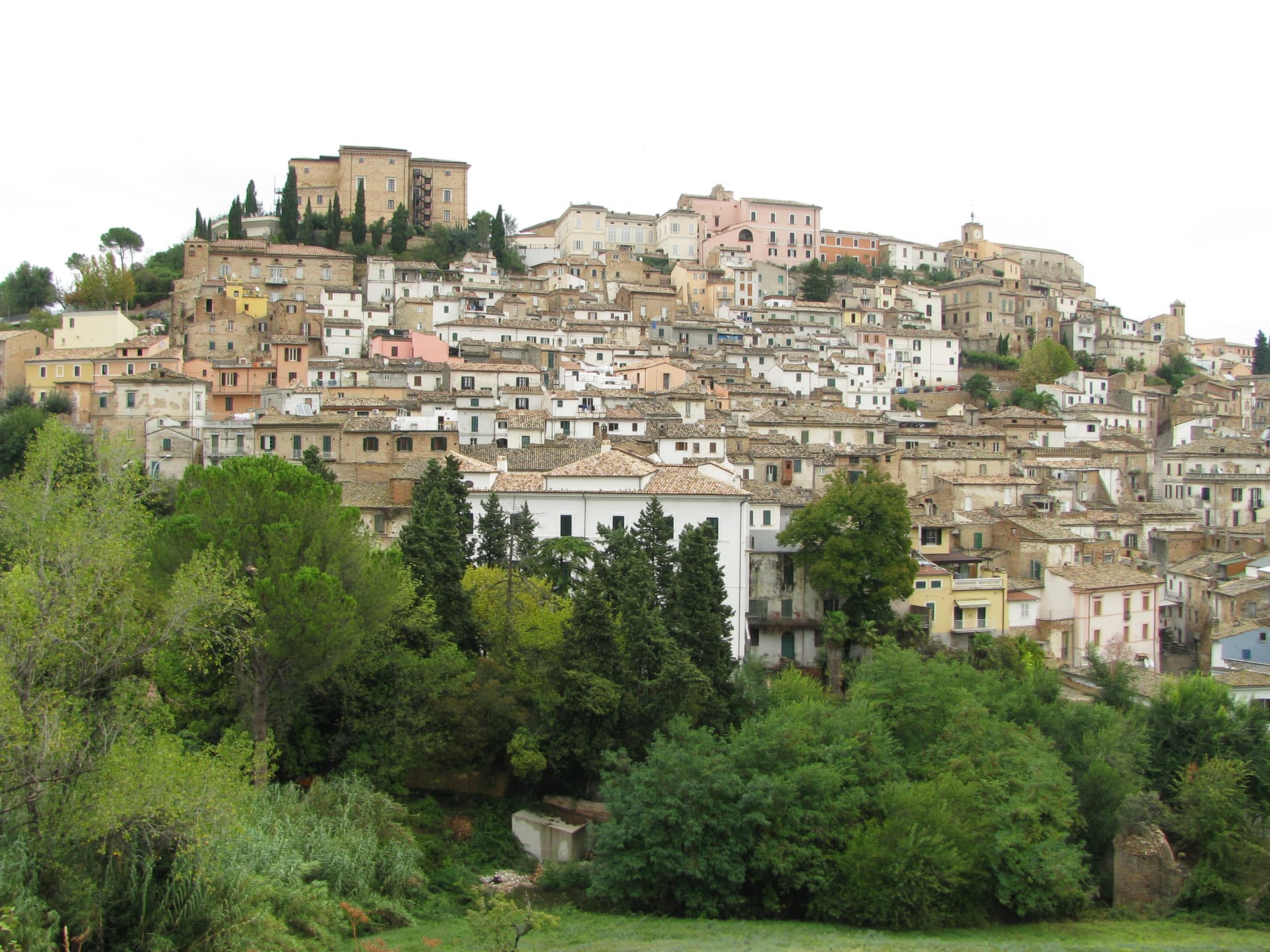
Loreto Aprutino
Province: Pescara
A hilltop town at 290 meters in the Aprutino olive country, with a fourteenth-century Judgment fresco and a Castelli majolica collection.
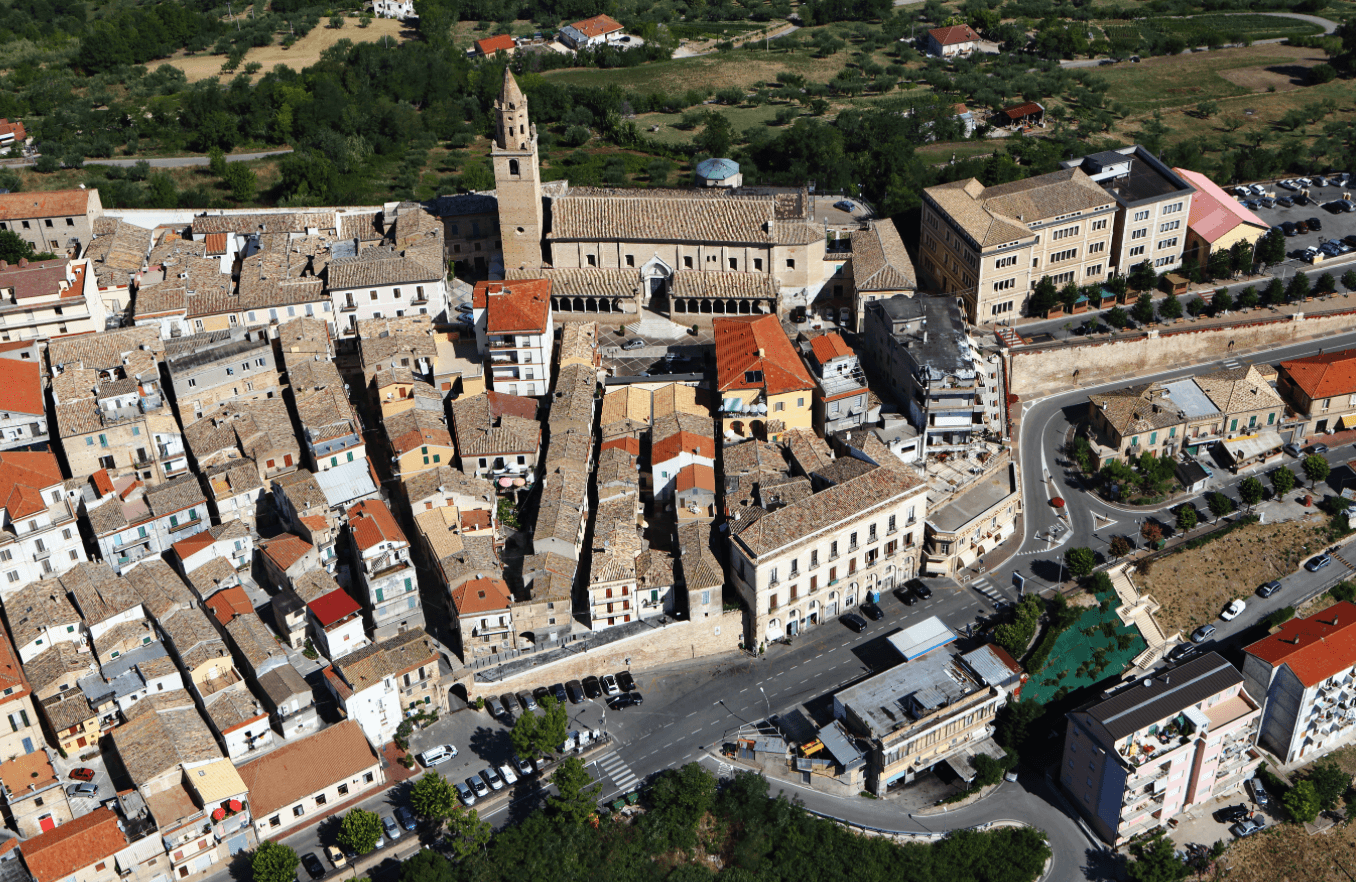
Città Sant'Angelo
Province: Pescara
A hilltop borgo at 320 meters between the Vestina hills and the Adriatic, named for the Archangel and known since 1352 as a Collegiata seat.
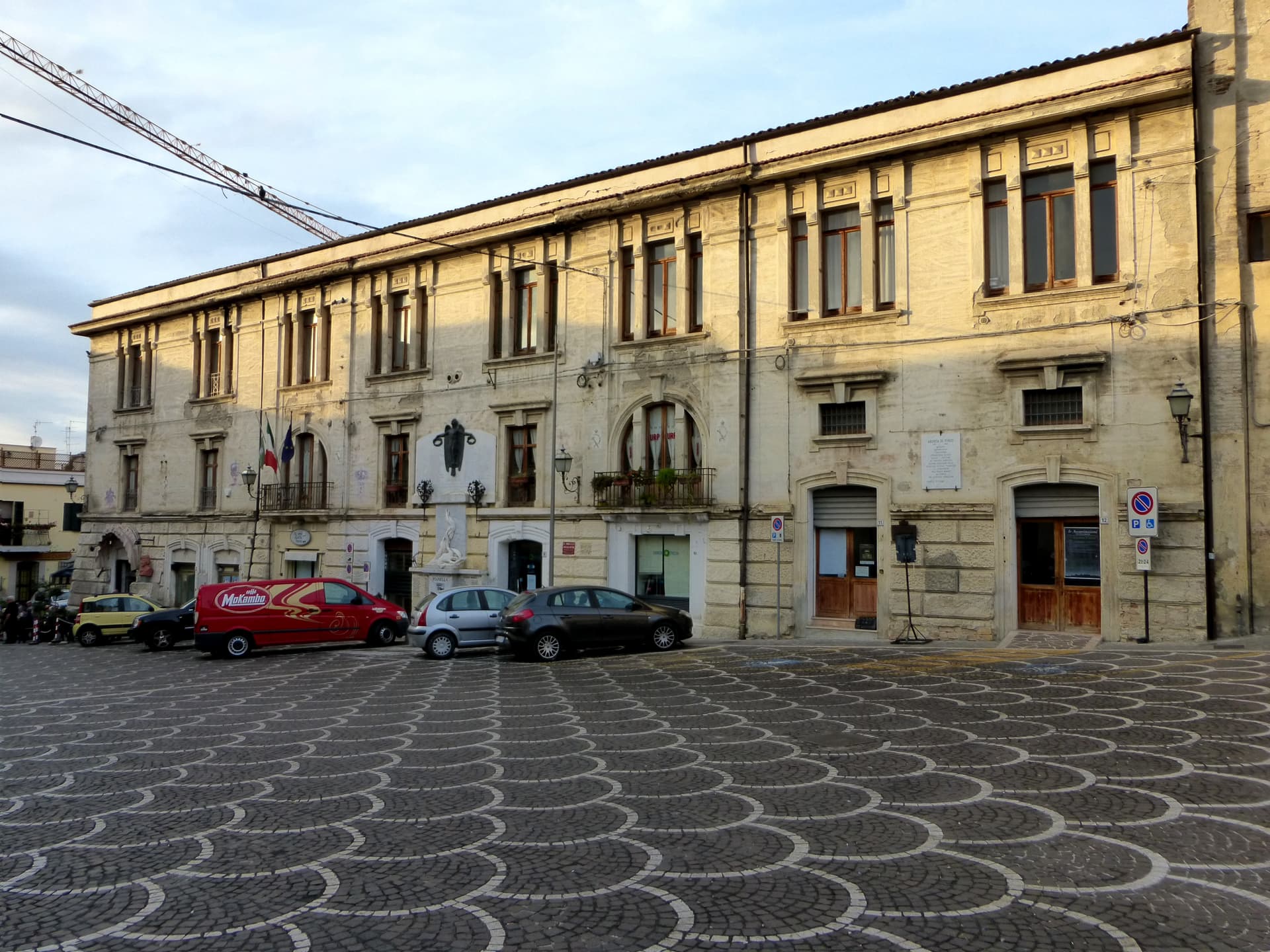
Pianella
Province: Pescara
A Cittaslow hill town at 236 meters between the Tavo and Pescara rivers, anchor of the Aprutino oil triangle and home of the dritta olive.
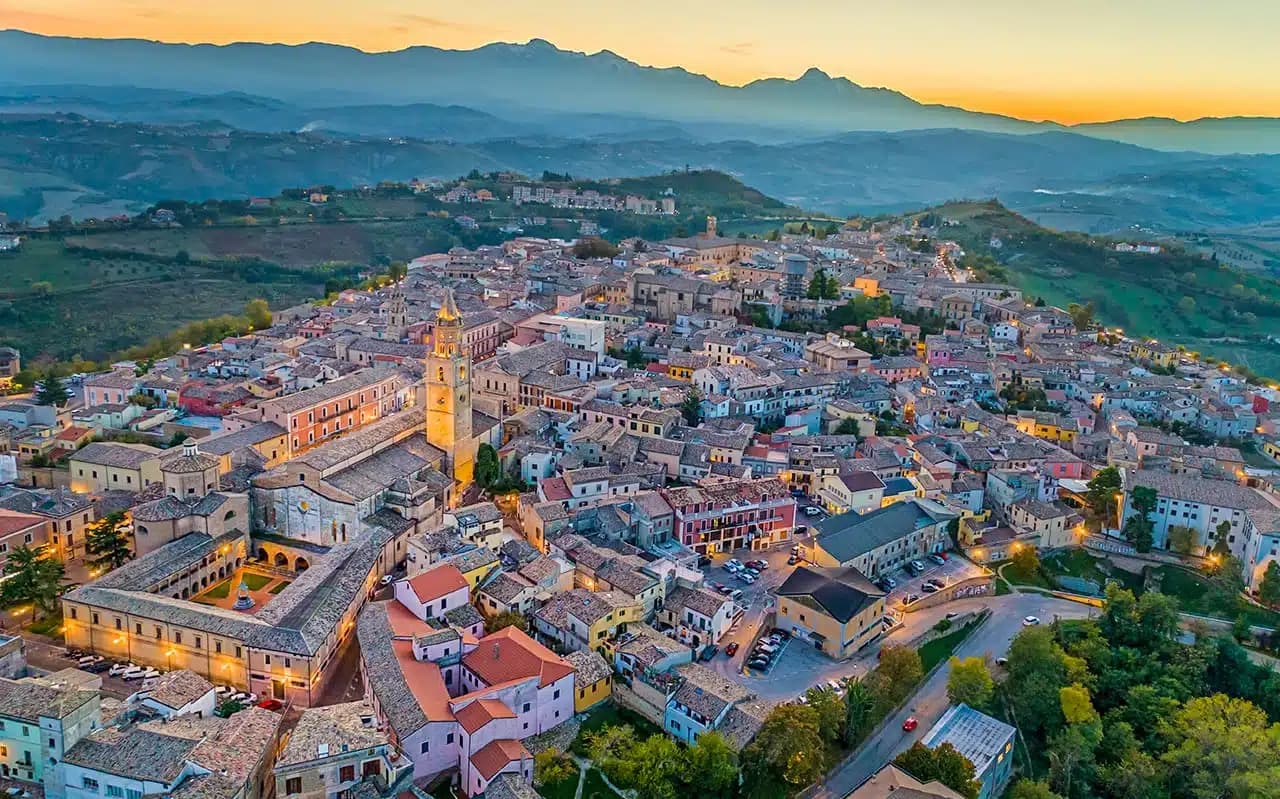
Atri
Province: Teramo
At 442 meters on three hills ten kilometers from the Adriatic, ancient Hadria, source of the emperor Hadrian's family name and the Adriatic's.
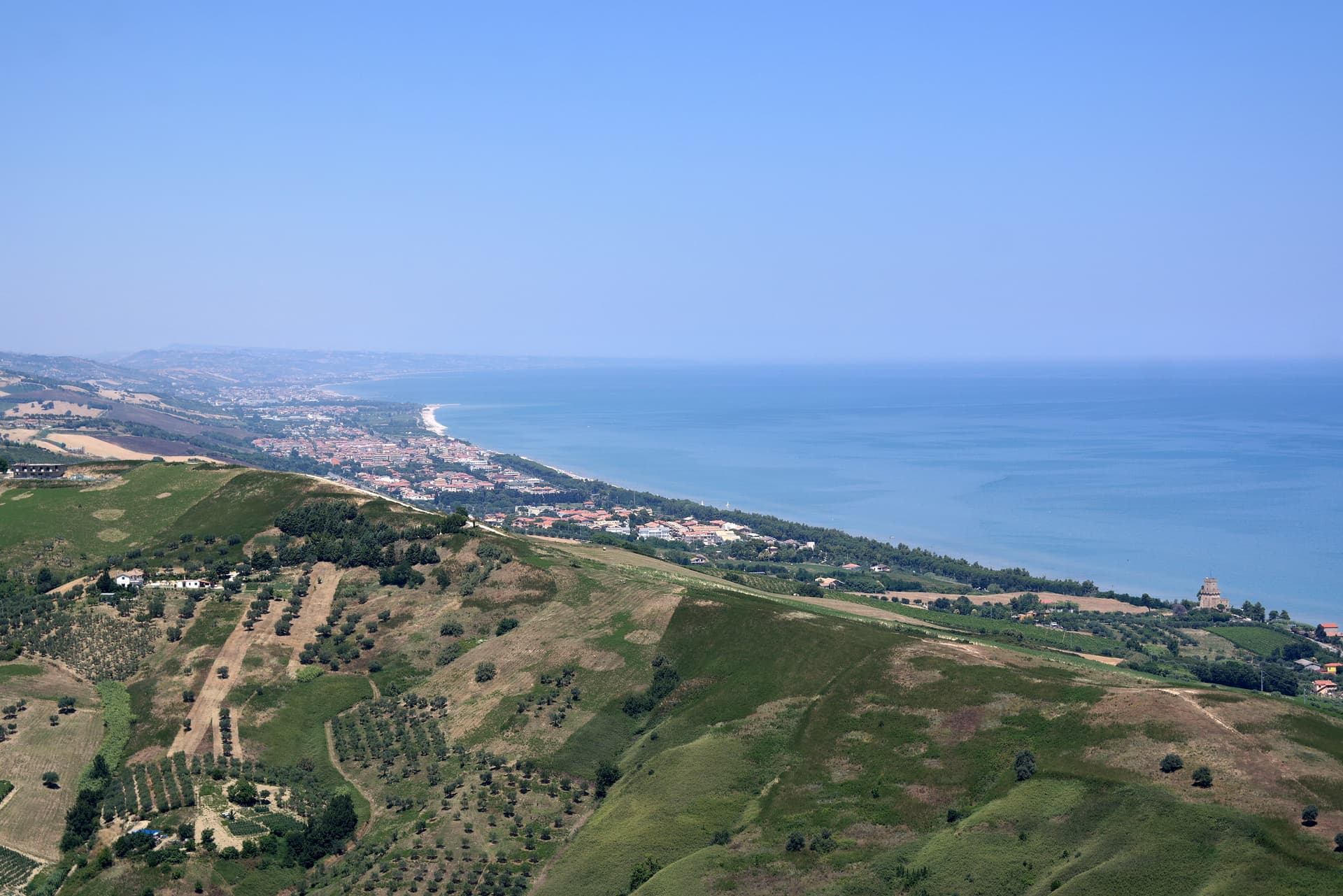
Pineto
Province: Teramo
A planned twentieth-century beach town named for D'Annunzio's poem, with the sixteenth-century Cerrano tower anchoring Abruzzo's first marine protected area.
🎨 Borghi più belli d'Italia
More Borghi più belli d'Italia towns in Abruzzo
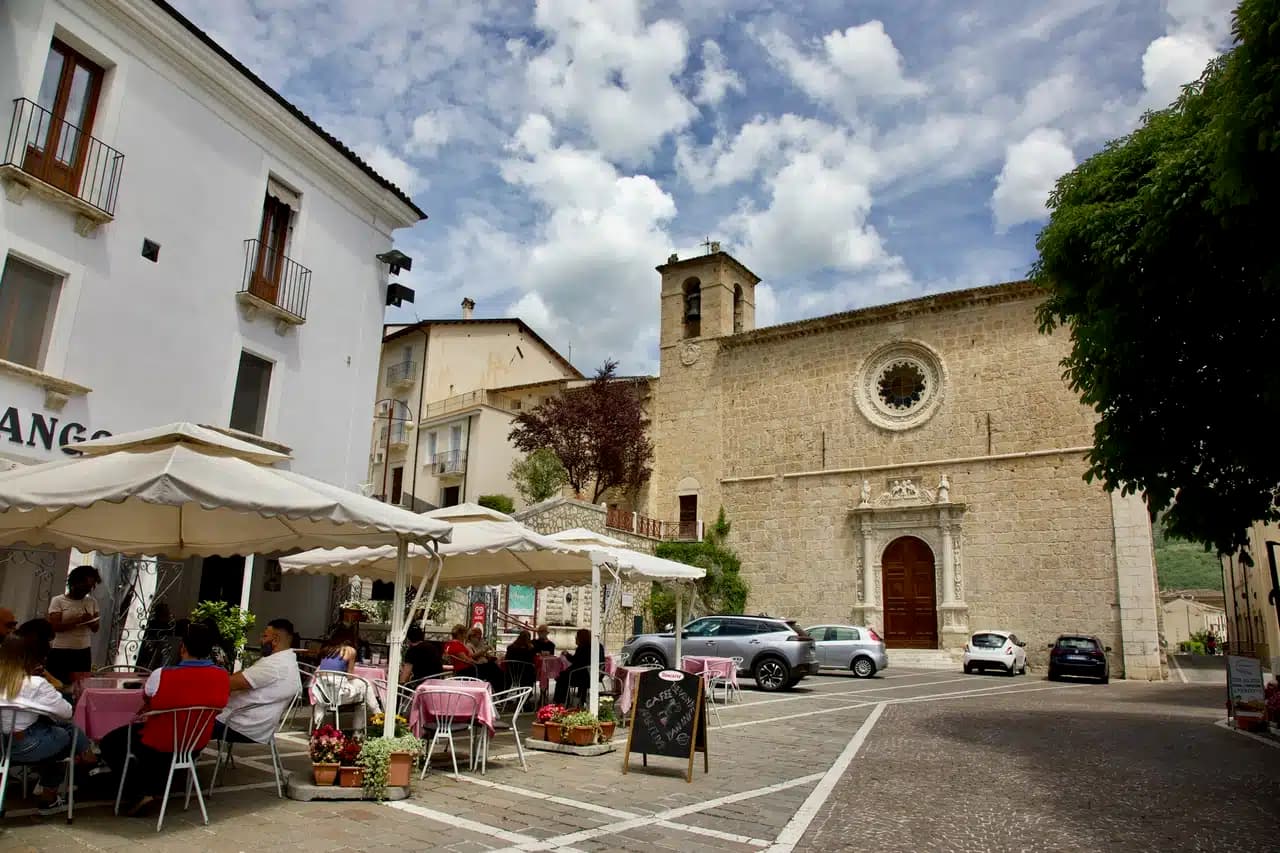
Anversa degli Abruzzi
Province: L'Aquila
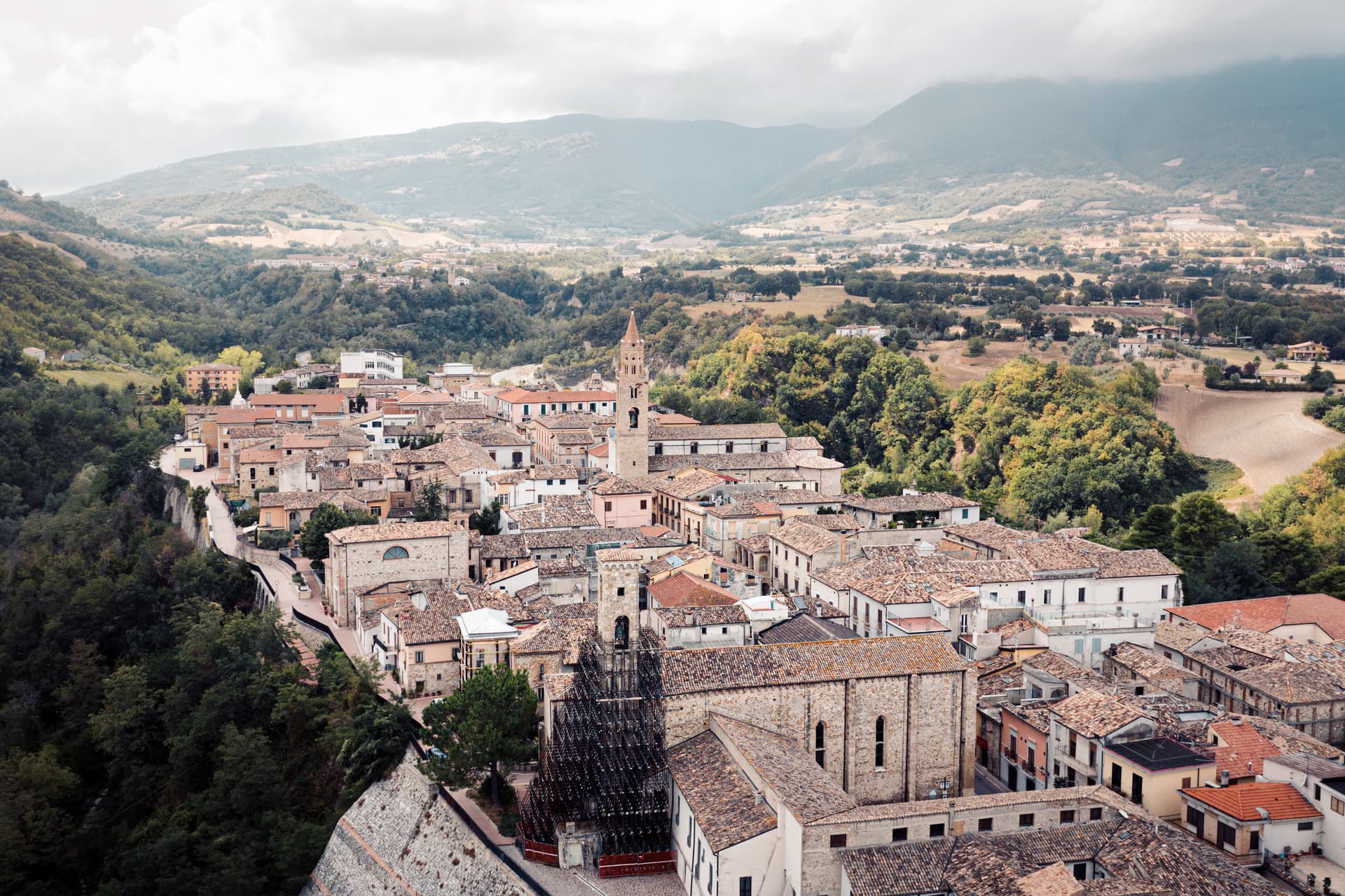
At 604 meters above the Sagittario Gorges, the cliff village where D'Annunzio set La Fiaccola sotto il moggio in 1905.
Campli
Province: Teramo
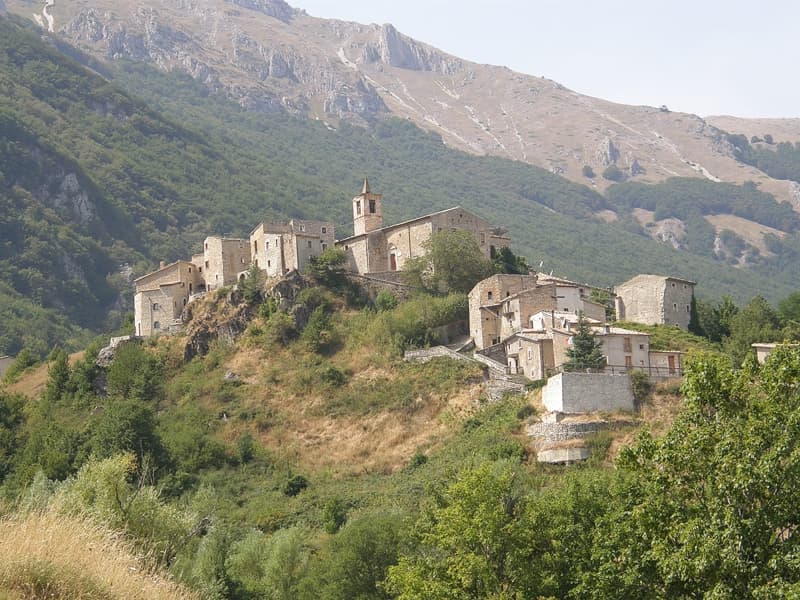
A 393-meter town under the Monti della Laga, held by the Farnese for two centuries, with a Scala Santa carrying papal indulgence.
Caramanico Terme
Province: Pescara
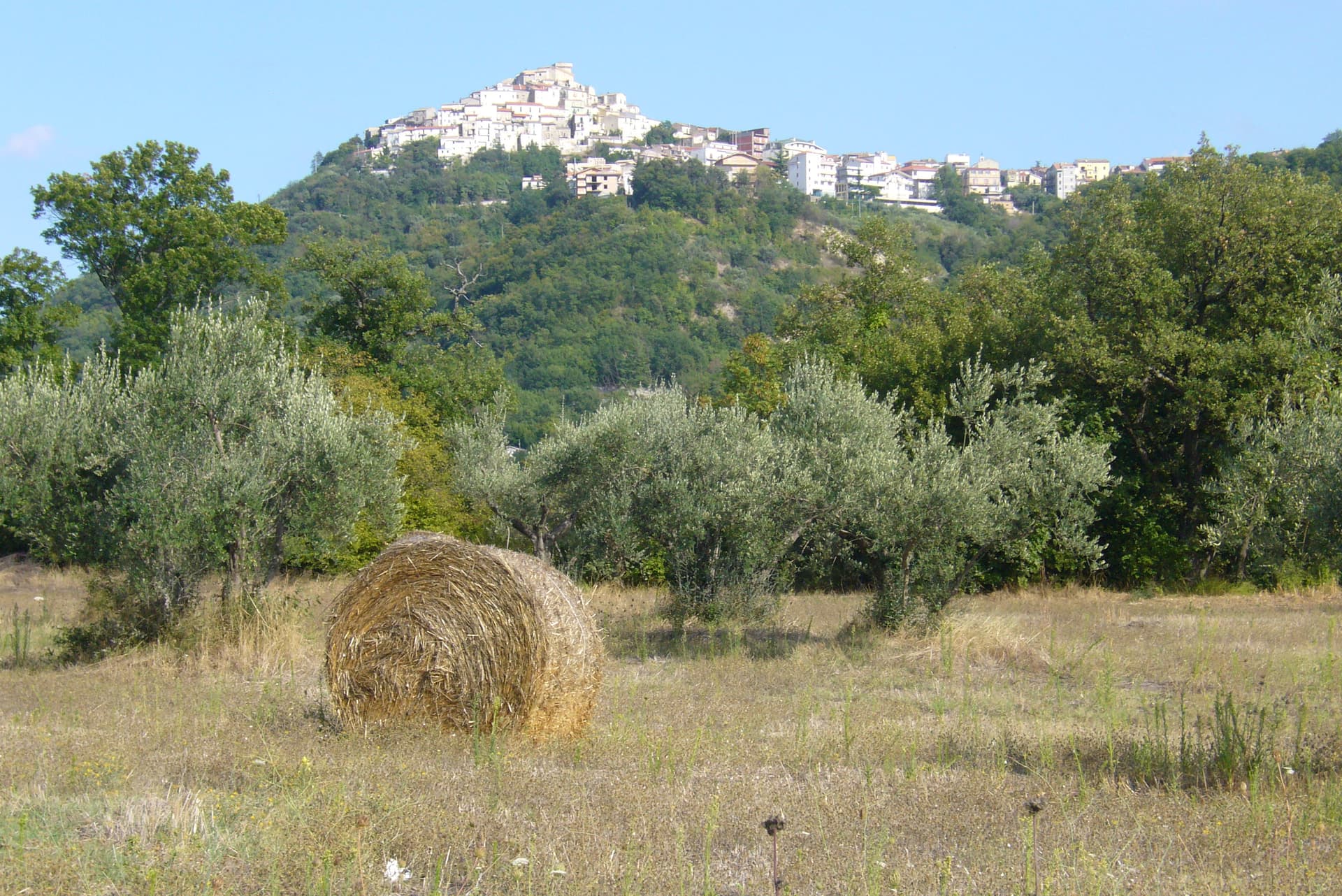
A 650-meter Majella spa village at the confluence of the Orfento and Orta, with sulphurous springs whose properties were documented in 1576.
Casoli
Province: Chieti
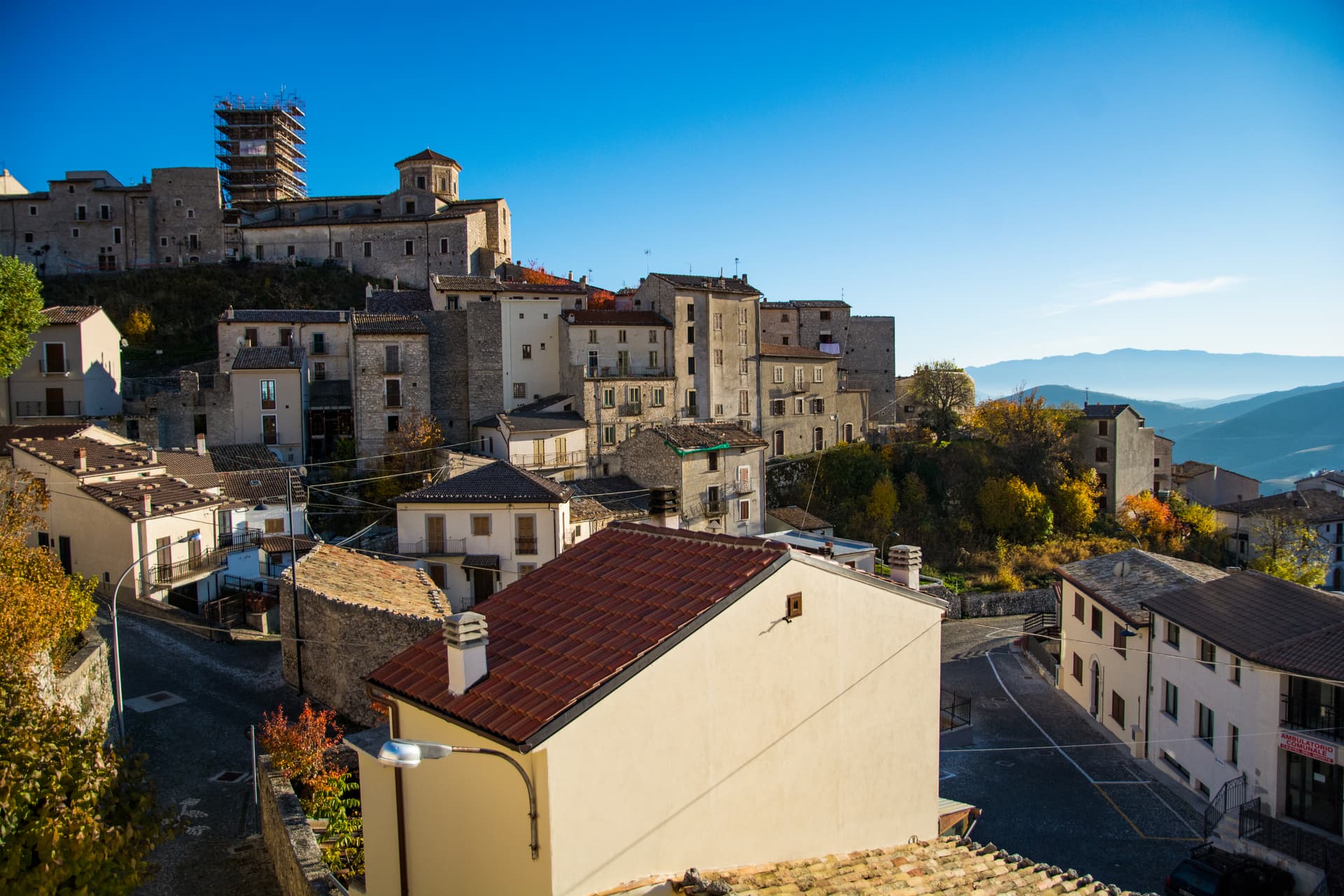
A 378-meter hill town above the Aventino under the Maiella, with a pentagonal Norman tower where Gabriele D'Annunzio held a Renaissance court of artists.
Castel del Monte
Province: L'Aquila
At 1,346 meters under Monte Bolza facing Rocca Calascio, the capital of shepherds, whose wool reached the Medici and whose witches return each August.