

Abruzzo · Pescara
Loreto Aprutino
A hilltop town in the Aprutino olive country, with a fourteenth-century Judgment fresco and a Castelli majolica collection.
Known for
APRUTINO OIL
Producer of DOP Aprutino Pescarese, part of the Golden Triangle of Abruzzo olive oil with Pianella and Moscufo.
JUDGMENT FRESCO
Encaustic Judgment scene at Santa Maria in Piano, with souls crossing a hair-thin bridge over boiling pitch, commissioned by the Aquinas family.
CASTELLI MAJOLICA
Acerbo collection covering five centuries of Castelli ceramics, the most prestigious majolica school in Abruzzo.
When to visit
Best · Apr–Oct
- J
- F
- M
- A
- M
- J
- J
- A
- S
- O
- N
- D
- Best
- Hot or crowded
- Quiet
- Mostly closed
The festa: San Zopito, Domenica di Pentecoste
Why come
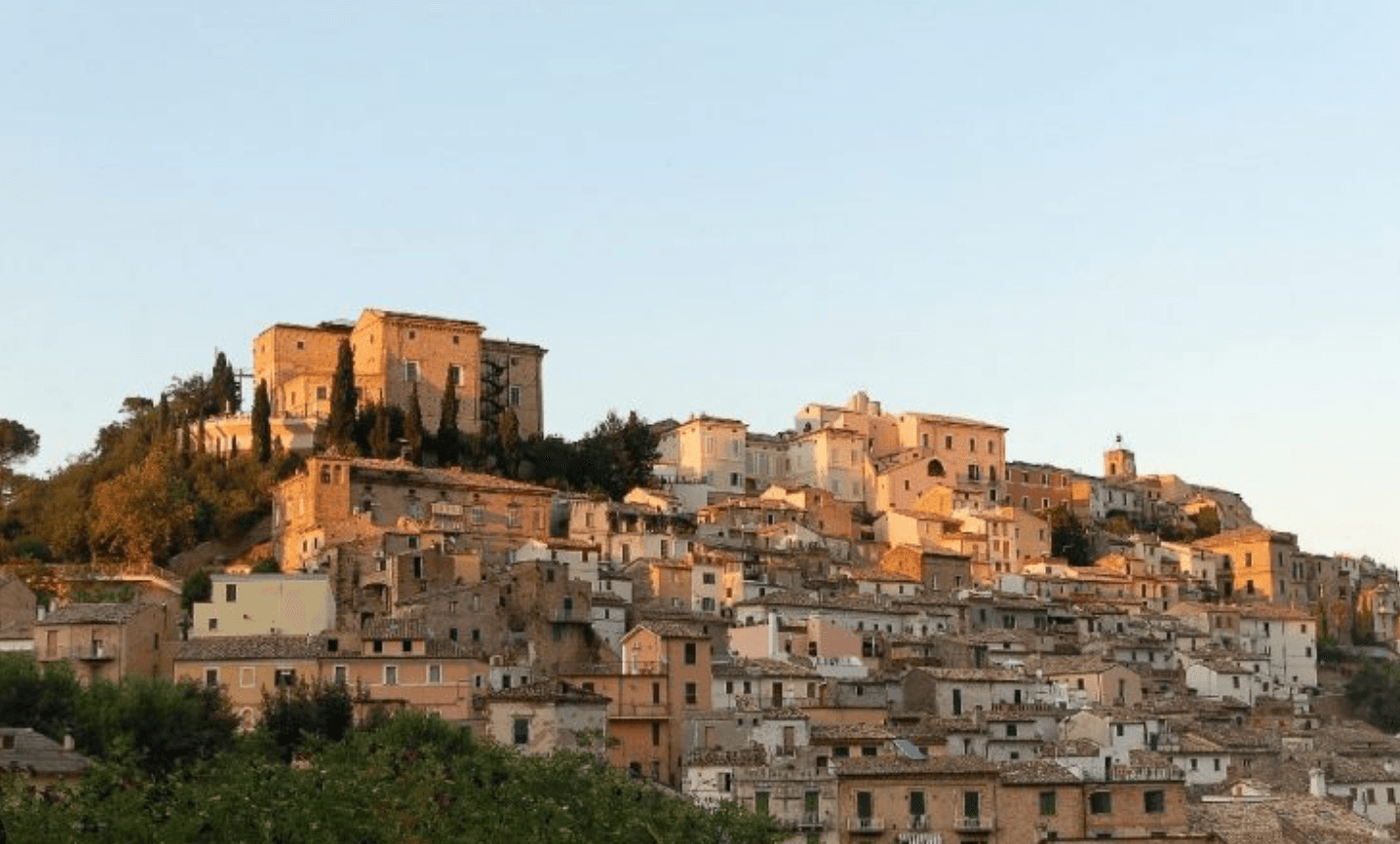
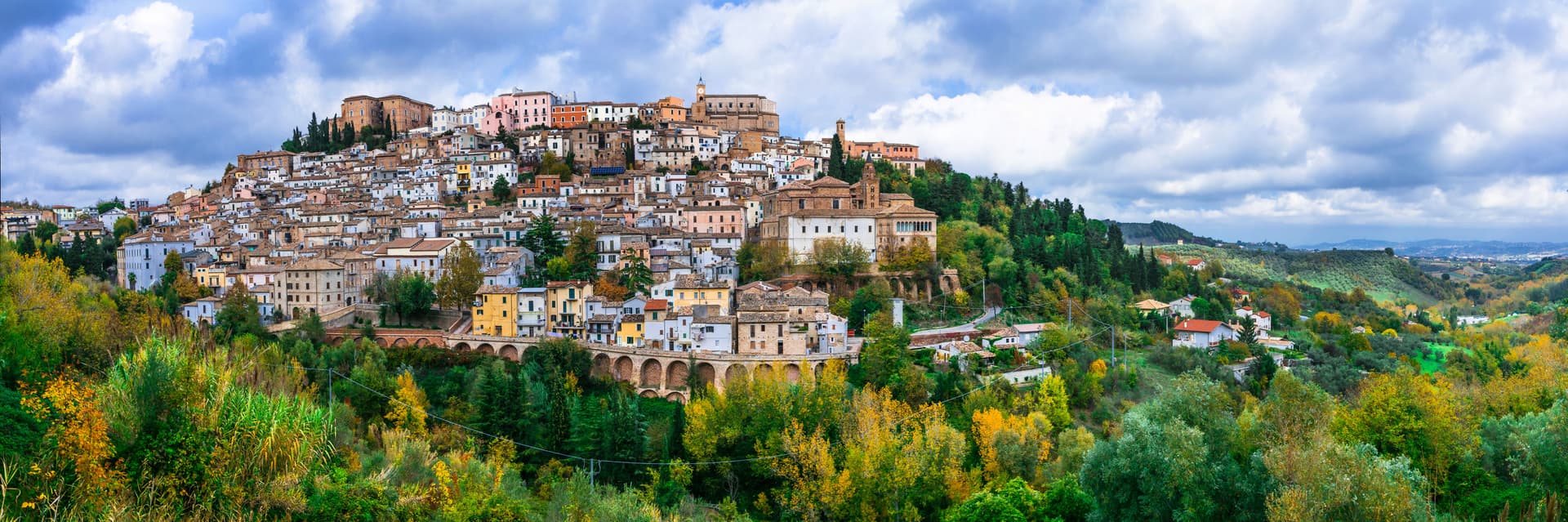
Loreto Aprutino sits on a hill twenty kilometers inland from Pescara, in the so-called Golden Triangle of Abruzzo olive oil that it shares with Pianella and Moscufo. Pre-Roman necropoleis at Colle-Fiorano and Farina-Cardito show a settlement long before the medieval town. The Romanesque-Gothic church of Santa Maria in Piano, built around 1280, holds the Giudizio particolare delle anime, a wall fresco in encaustic technique that shows souls crossing a bridge thin as a human hair, falling into a river of boiling pitch if not saved; the Aquinas family commissioned the cycle.
Castello Chiola dominates the ridge above the town, restored after Italian unification in 1863. The olive-oil tradition runs to the fourth century BC; the local DOP is Aprutino Pescarese, and the town's Museo dell'Olio explains the chain from grove to bottle. The Acerbo Castelli ceramics collection covers majolica from the fifteenth to the nineteenth century.
The Sunday letter
We haven’t written Loreto Aprutino’s letter yet.
One town every Sunday, with the photo, the food, the festa. Be there when this one comes up. Free, by Peter & Sophia from Pietrasanta.
By subscribing you agree to Substack’s Terms of Use, our Privacy Policy and our Information collection notice.
What to see
Chiesa di Santa Maria in Piano
Church from 1280 with the encaustic fresco Giudizio particolare delle anime, the bridge-of-hair Judgment commissioned by the Aquinas family.
Castello Chiola
Medieval castle on the highest point of the ridge, restored after 1863, now a hotel and still the dominant skyline feature.
Museo Acerbo delle Ceramiche di Castelli
Collection of Castelli majolica from the fifteenth to nineteenth century, the most prestigious ceramic tradition of Abruzzo.
Museo dell'Olio
Olive-oil museum walking through the chain from grove to mill to bottle, in a town that has pressed oil since the fourth century BC.
Necropoli di Colle-Fiorano e Farina-Cardito
Pre-Roman burial sites attesting to settlement of the hill long before the medieval town took shape.
The slow-trip planner
Building a trip? Find where Loreto Aprutino fits in a slow Italy circuit.
Answer five questions. We will shape a geographically coherent slow trip from the 1,000 Italian towns most travelers skip. Yours to save and share.
Living here
- Population 7,140
- In-betweeni
- Pharmacy in town
- High school within a 30-minute drive
- Train station in the comune
- Nearest airport Ancona / Pescara, 2 h 11 min drive
- Regional capital L'Aquila, 1 h 44 min drive
Tags & datadesignations · numbers · sources
Recognised as
The numbers
- Elevation: 290 m
- Population: 7,140
- Surface area: 59.5 km²
These figures were compiled from public directories — ISTAT, OpenStreetMap, Wikidata — and from the official listings of the guides named on this page. Town details change; verify with official sources before you travel.
Close by
More towns near Loreto Aprutino
Pianella
Province: Pescara
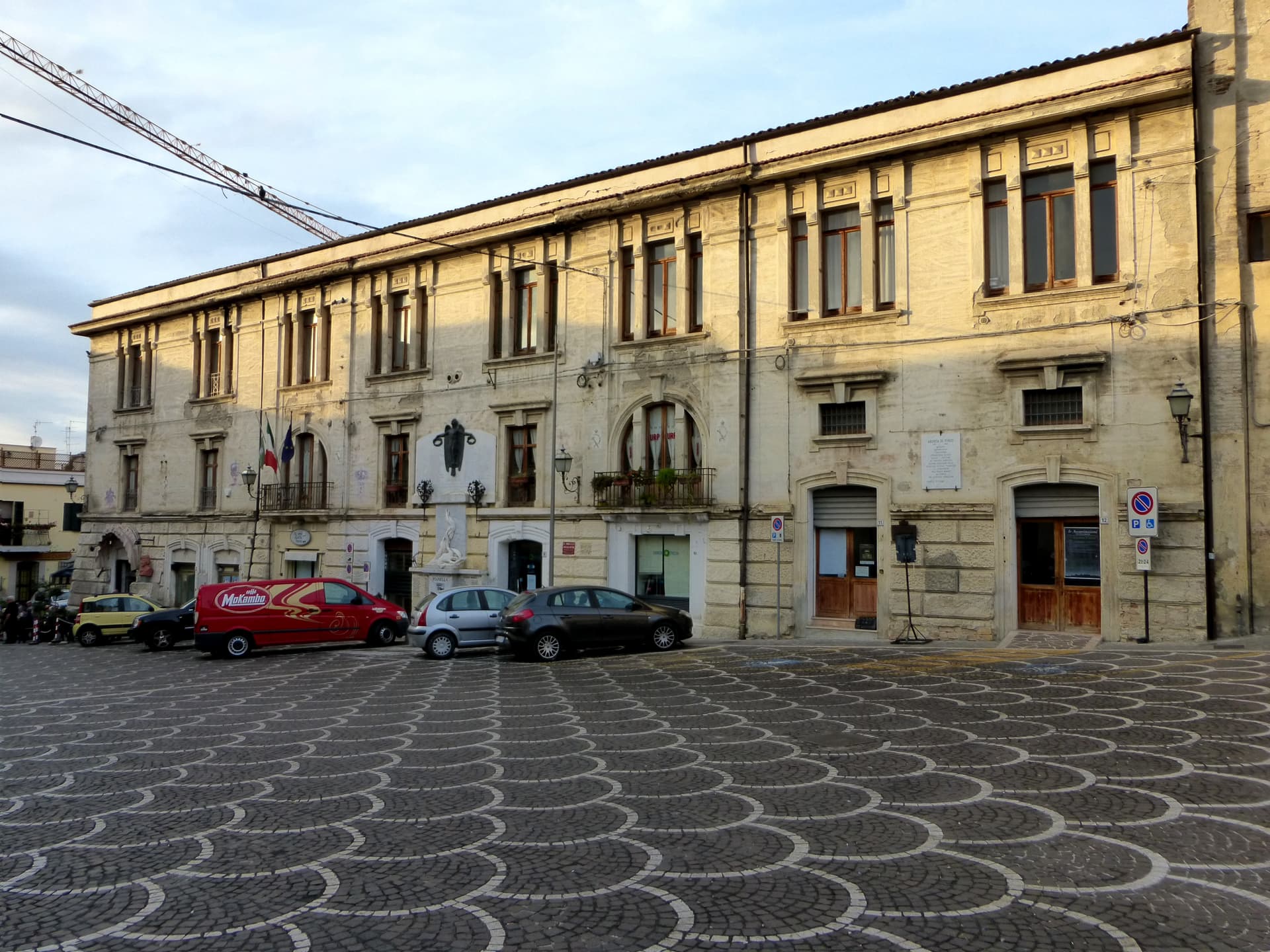
A Cittaslow hill town at 236 meters between the Tavo and Pescara rivers, anchor of the Aprutino oil triangle and home of the dritta olive.
Penne
Province: Pescara
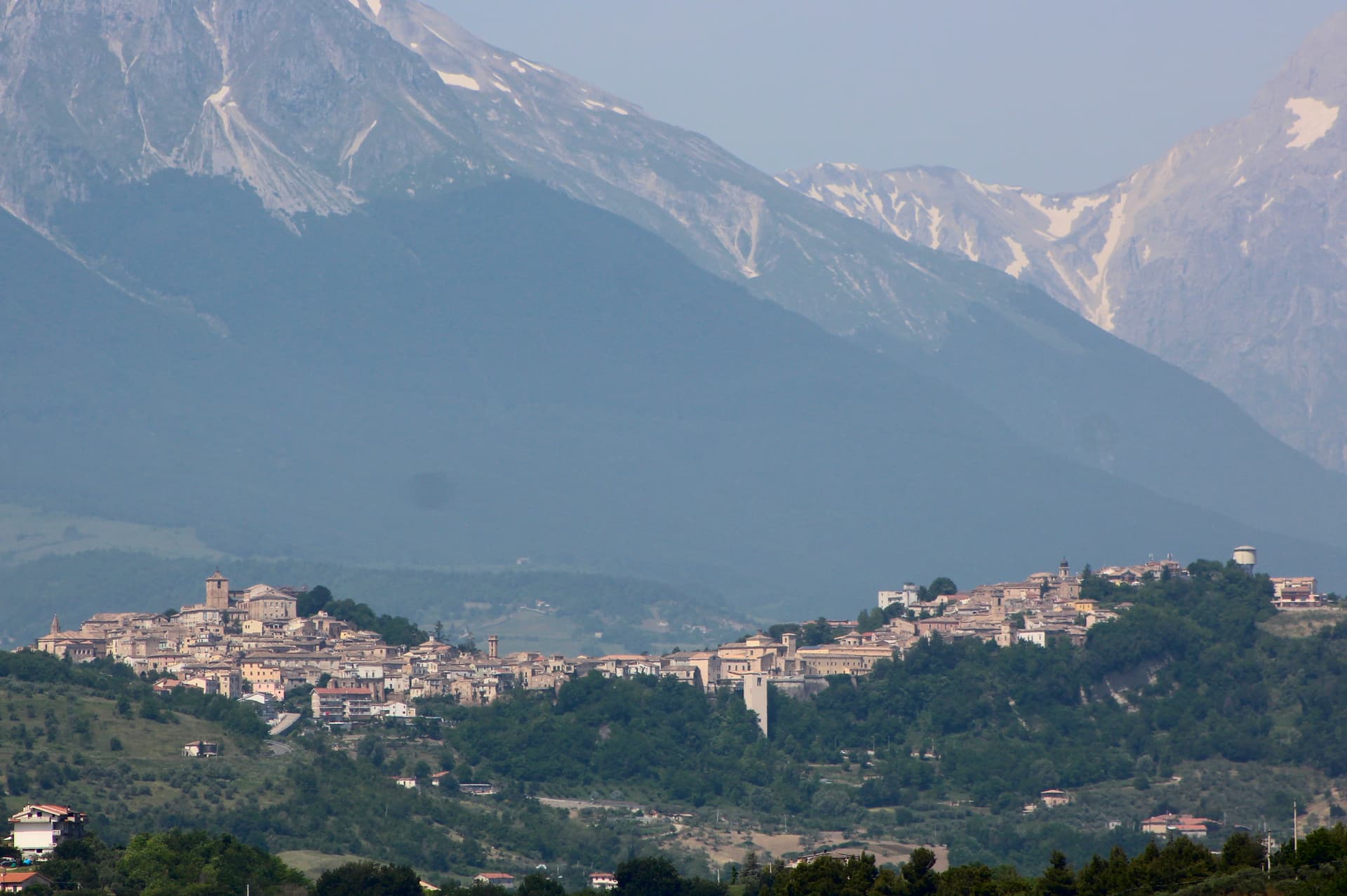
The brick city at 438 meters between the Tavo and Fino, ancient capital of the Vestini, rebuilt after Allied bombing and awarded the Silver Medal of Civic Merit.
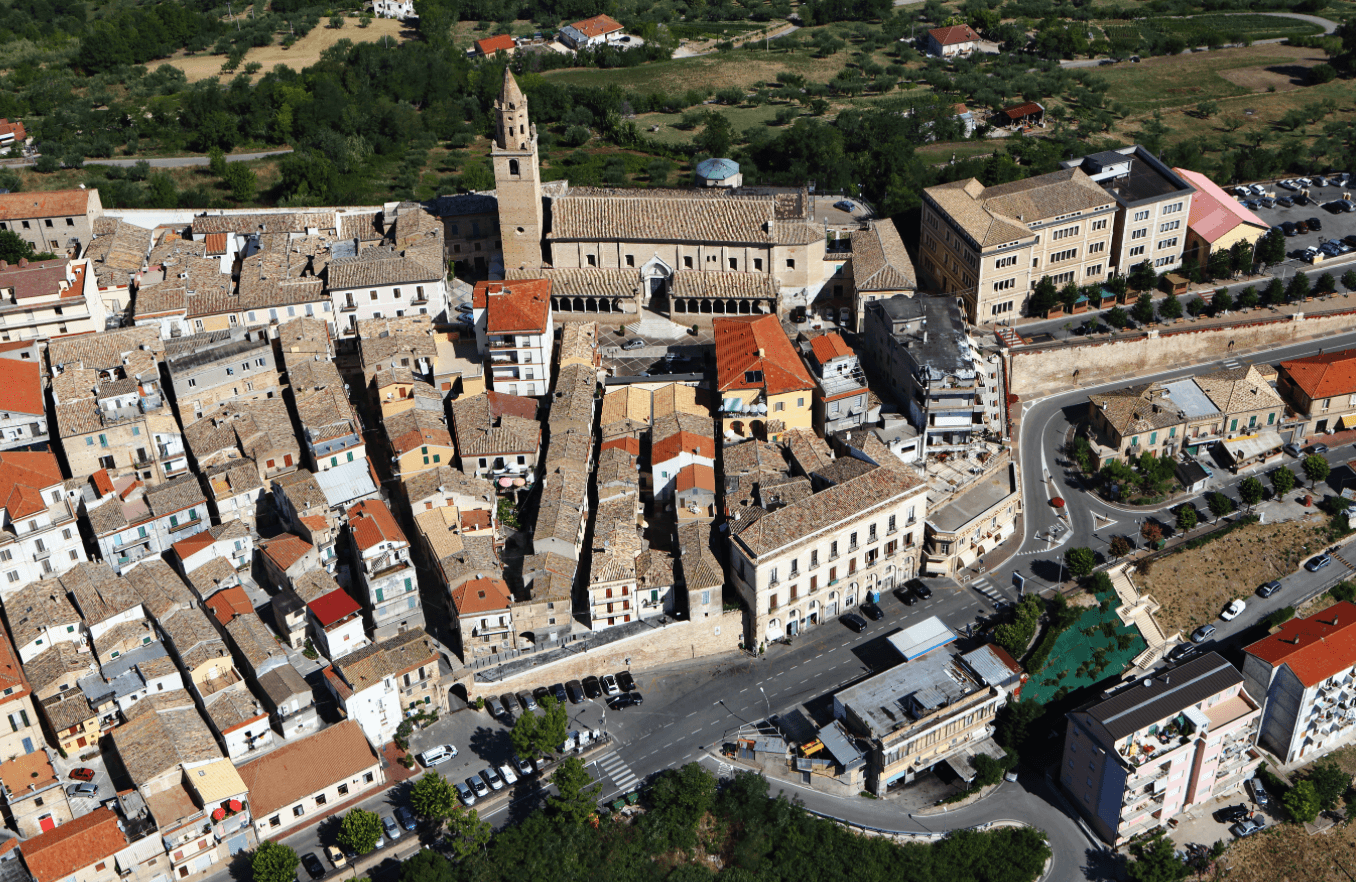
Città Sant'Angelo
Province: Pescara
A hilltop borgo at 320 meters between the Vestina hills and the Adriatic, named for the Archangel and known since 1352 as a Collegiata seat.
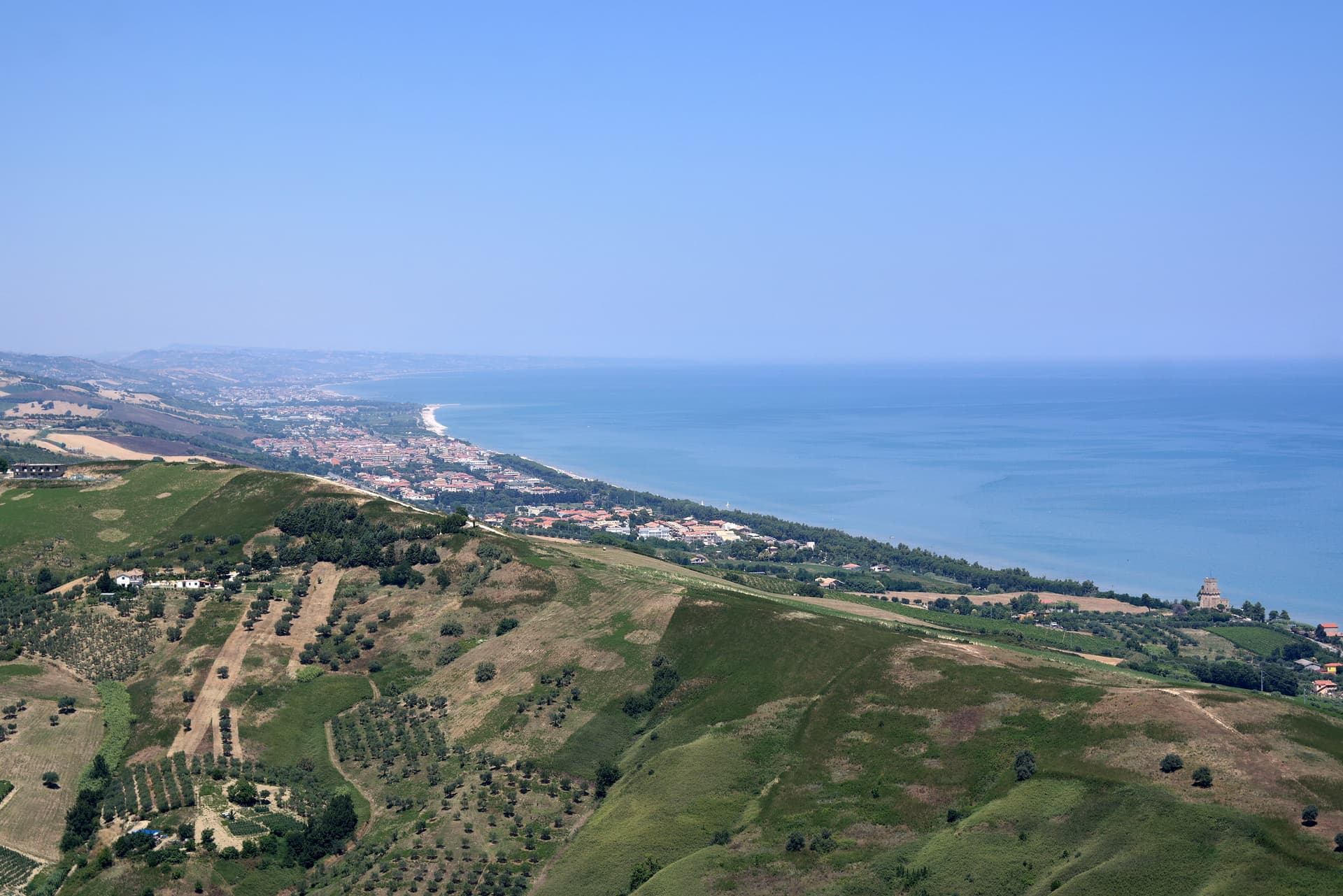
Pineto
Province: Teramo
A planned twentieth-century beach town named for D'Annunzio's poem, with the sixteenth-century Cerrano tower anchoring Abruzzo's first marine protected area.
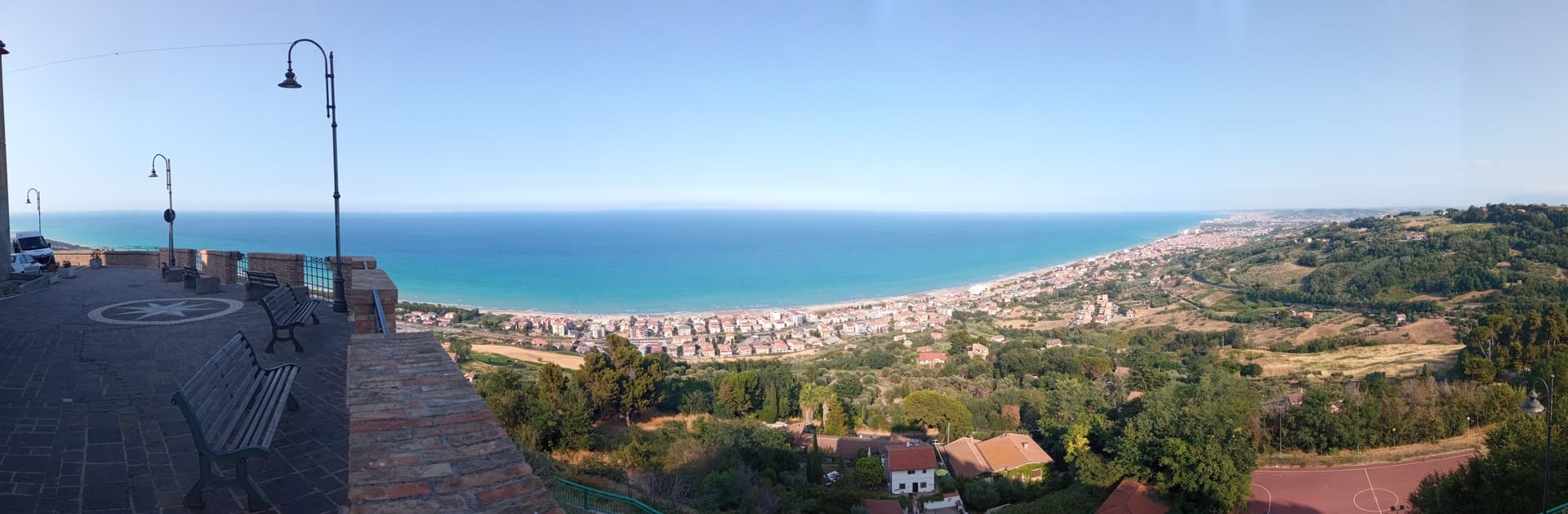
Silvi
Province: Teramo
A split town on the Teramo coast, medieval Silvi Paese at 242 meters above a nine-kilometer beach that built itself on licorice in the 1930s.
🍷 Città del Vino
More Città del Vino towns in Abruzzo
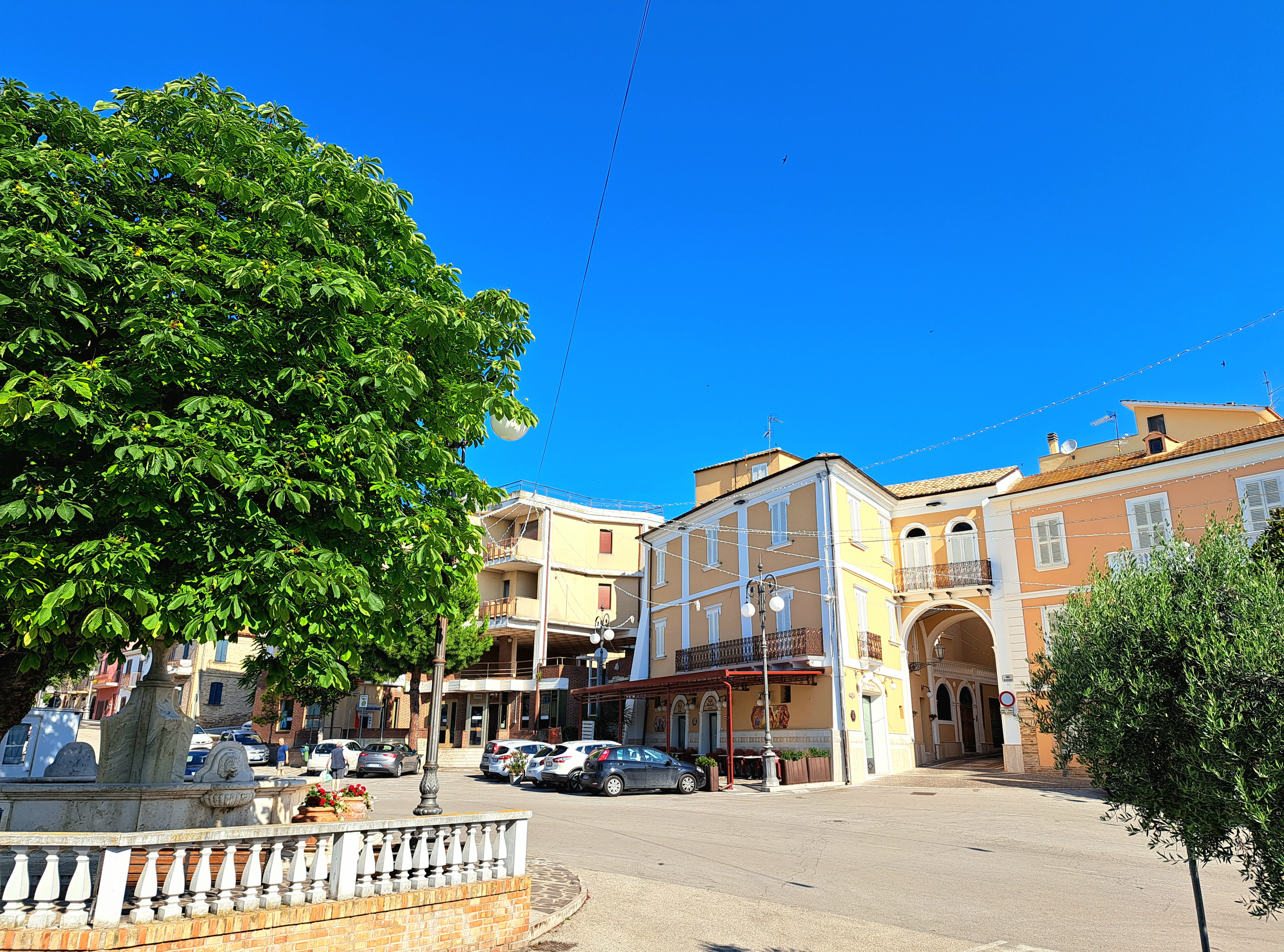
Controguerra
Province: Teramo
A 267-meter Val Vibrata wine village, seat of the Controguerra DOC since 1996, and a founding Cittaslow of the Teramo hills.
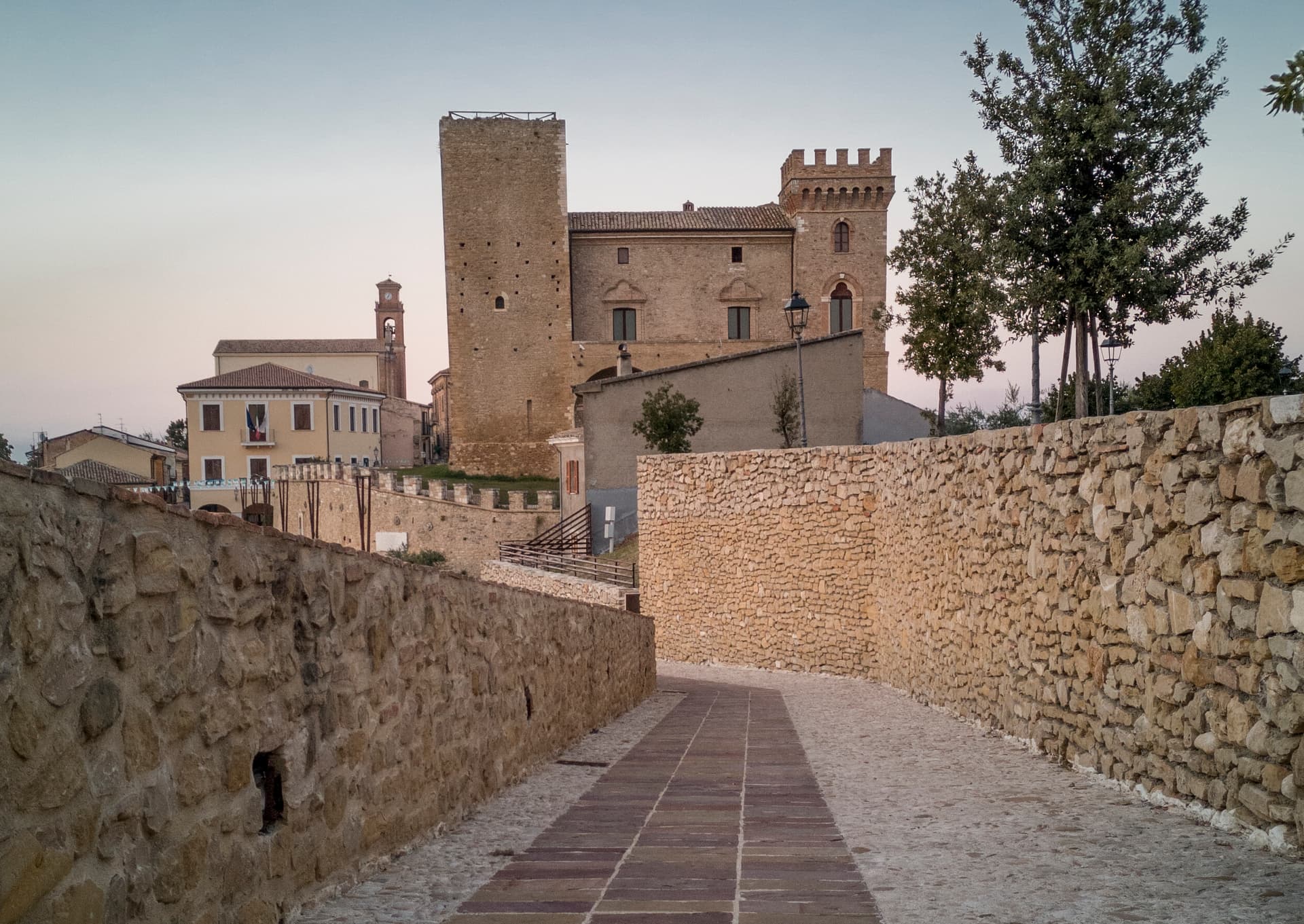
Crecchio
Province: Chieti
A 209-meter hill town between the Adriatic and the Maiella, capital of Italy for one night in 1943 when the king slept in its castle.
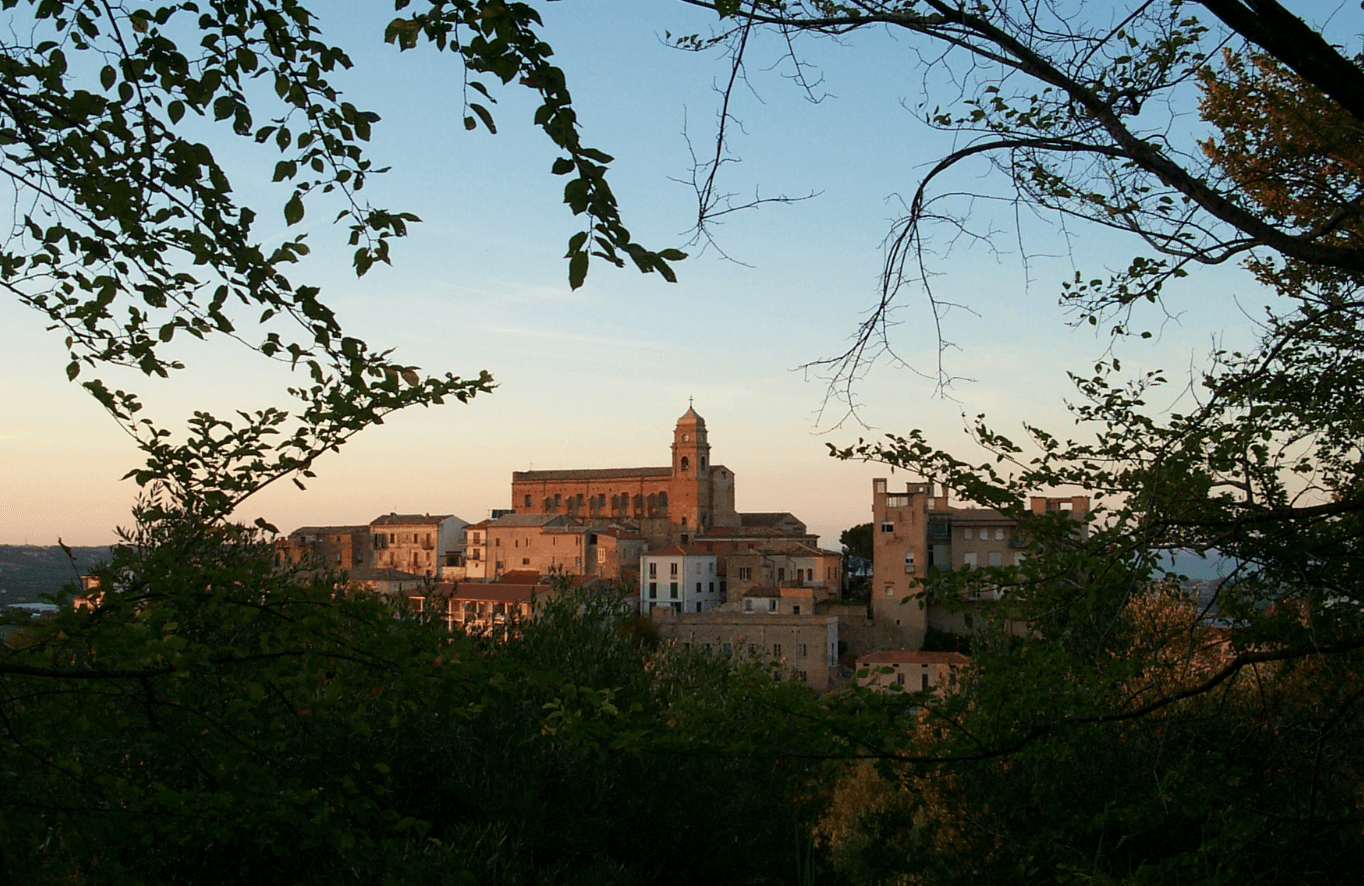
Miglianico
Province: Chieti
A wine hill town at 125 meters between Pescara and the Adriatic, with the sanctuary of San Pantaleone above an unbroken horizon of vineyards.
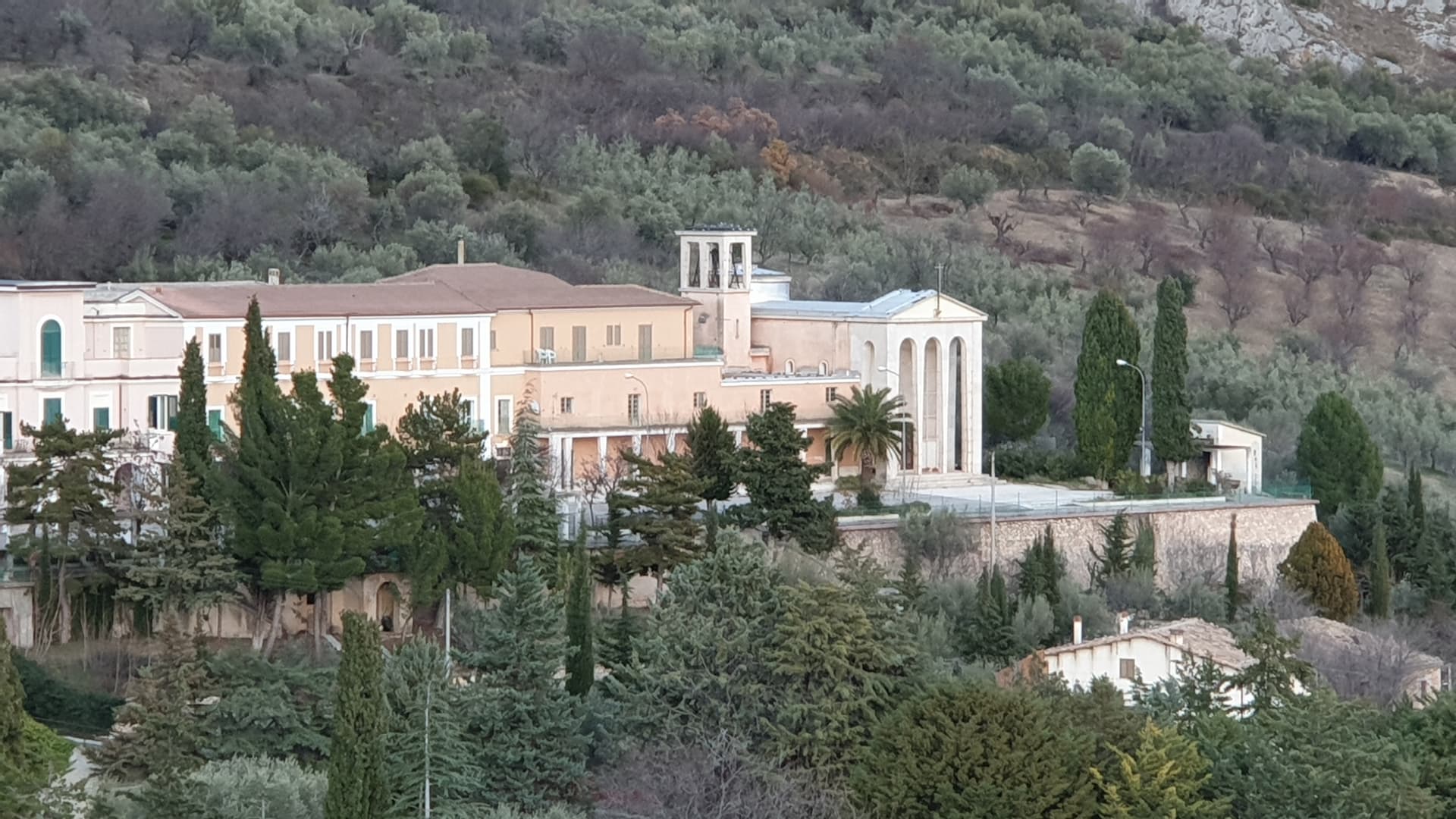
Ofena
Province: L'Aquila
A 531-meter Vestian basin called the Forno d'Abruzzo, sealed by the Gran Sasso wall, where Montepulciano ripens on what may be the oldest of its slopes.
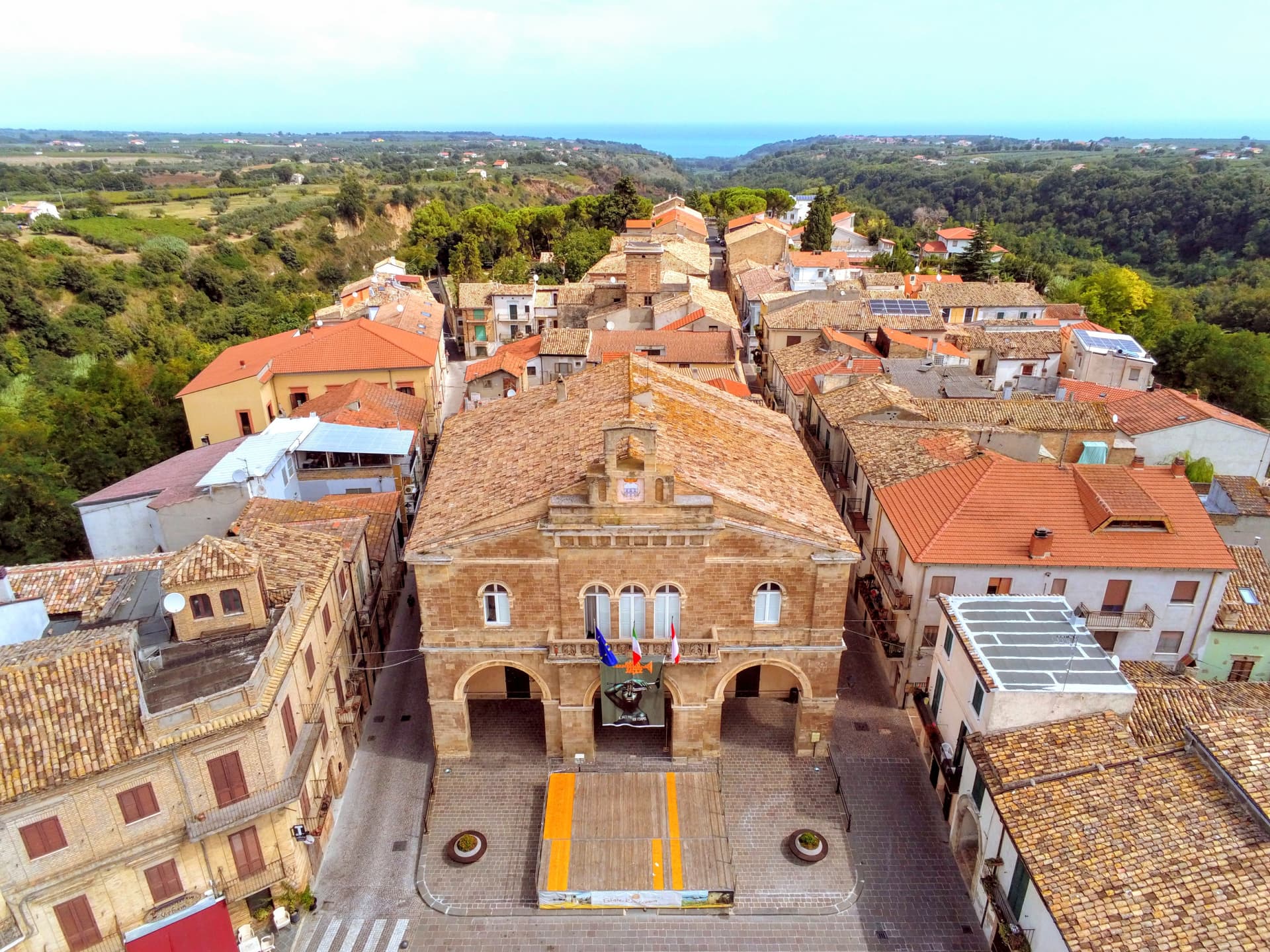
Rocca San Giovanni
Province: Chieti
A walled hill town at 155 meters on the Costa dei Trabocchi, founded around 1060 by an abbot guarding the Abbey of San Giovanni in Venere.