

Abruzzo · Teramo
Atri
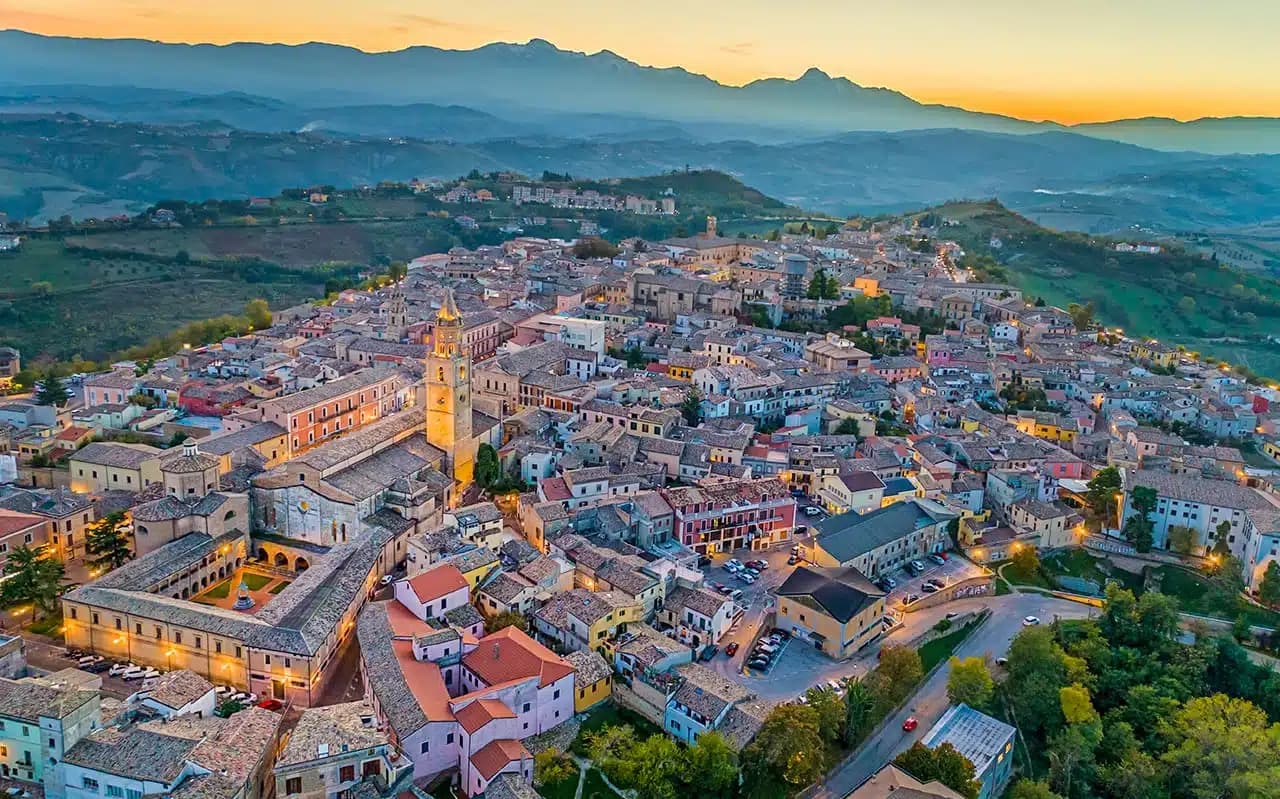
on three hills ten kilometers from the Adriatic, ancient Hadria, source of the emperor Hadrian's family name and the Adriatic's.
Known for
HADRIA
The Roman Hadria, source of both the emperor Hadrian's family name and the name of the Adriatic Sea itself.
DE LITIO
Andrea de Litio's 1460-81 fresco cycle in the cathedral apse, the greatest single Renaissance cycle of the Abruzzo.
CALANCHI
390-hectare badlands reserve south of town, eroded clay gullies that drop 360 meters from Colle della Giustizia to the Piomba valley.
When to visit
Best · Apr–Oct
- J
- F
- M
- A
- M
- J
- J
- A
- S
- O
- N
- D
- Best
- Hot or crowded
- Quiet
- Mostly closed
The festa: Reparata di Cesarea di Palestina, secondo lunedì dopo Pasqua
Why come
Atri sits on three hills ten kilometers from the Adriatic. The town was the pre-Roman Hadria, a Picene and then Italic settlement, refounded by Hadrian as Colonia Aelia Hadria. The emperor's family came from here, and the Adriatic Sea takes its name from the same Hadria.
The Co-Cathedral Basilica of Santa Maria Assunta was built in the 13th and 14th centuries on the site of an earlier 9th-century church, which itself stood on a Roman temple to Hercules. Andrea de Litio painted the apse cycle of the Lives of Joachim, Anne and Mary between 1460 and 1481, the greatest fresco cycle of the Abruzzo Renaissance. The Acquaviva, dukes of Atri from the late 14th century, made the town their seat and commissioned heavily.
Below the upper town, the Calanchi di Atri reserve protects a 390-hectare badlands landscape carved by erosion. Atri is a member of the Città dell'Olio network for the surrounding olive groves.
The Sunday letter
We haven’t written Atri’s letter yet.
One town every Sunday, with the photo, the food, the festa. Be there when this one comes up. Free, by Peter & Sophia from Pietrasanta.
By subscribing you agree to Substack’s Terms of Use, our Privacy Policy and our Information collection notice.
What to see
Cattedrale Basilica di Santa Maria Assunta
13th-14th-century co-cathedral on the site of an earlier 9th-century church and a Roman temple to Hercules, with 1460-81 Andrea de Litio frescoes.
Calanchi di Atri
390-hectare badlands reserve south of town, eroded clay gullies rising from the Piomba valley at 104 meters to Colle della Giustizia at 468 meters.
Palazzo Acquaviva
Seat of the dukes of Atri from the 14th century, with decorations commissioned by Isabella Piccolomini in the early 1500s.
Museo Archeologico Capitolare
Capitular museum next to the cathedral, holding Roman fragments from Hadria, medieval reliquaries and de Litio drawings.
Chiesa di Sant'Agostino
Romanesque-Gothic church on Corso Elio Adriano with a richly carved 14th-century portal and Renaissance-era choir stalls.
The slow-trip planner
Building a trip? Find where Atri fits in a slow Italy circuit.
Answer five questions. We will shape a geographically coherent slow trip from the 1,000 Italian towns most travelers skip. Yours to save and share.
Living here
- Population 9,996
- In-betweeni
- Pharmacy in town
- High school within a 30-minute drive
- Nearest airport Ancona / Pescara, 1 h 46 min drive
- Regional capital L'Aquila, 1 h 10 min drive
Tags & datadesignations · numbers · sources
Recognised as
The numbers
- Elevation: 442 m
- Population: 9,996
- Surface area: 92.18 km²
These figures were compiled from public directories — ISTAT, OpenStreetMap, Wikidata — and from the official listings of the guides named on this page. Town details change; verify with official sources before you travel.
Close by
More towns near Atri
Pineto
Province: Teramo
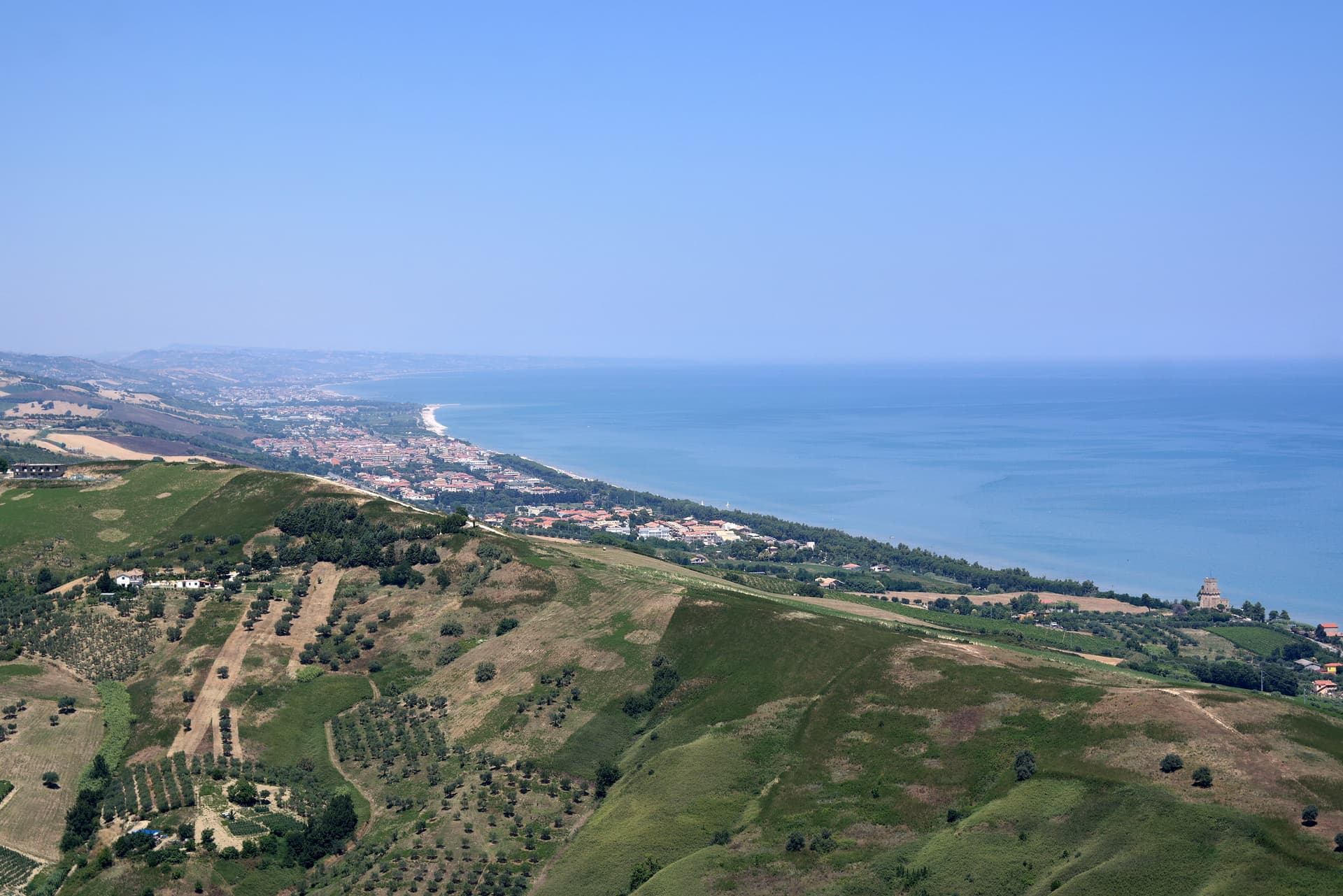
A planned twentieth-century beach town named for D'Annunzio's poem, with the sixteenth-century Cerrano tower anchoring Abruzzo's first marine protected area.
Silvi
Province: Teramo
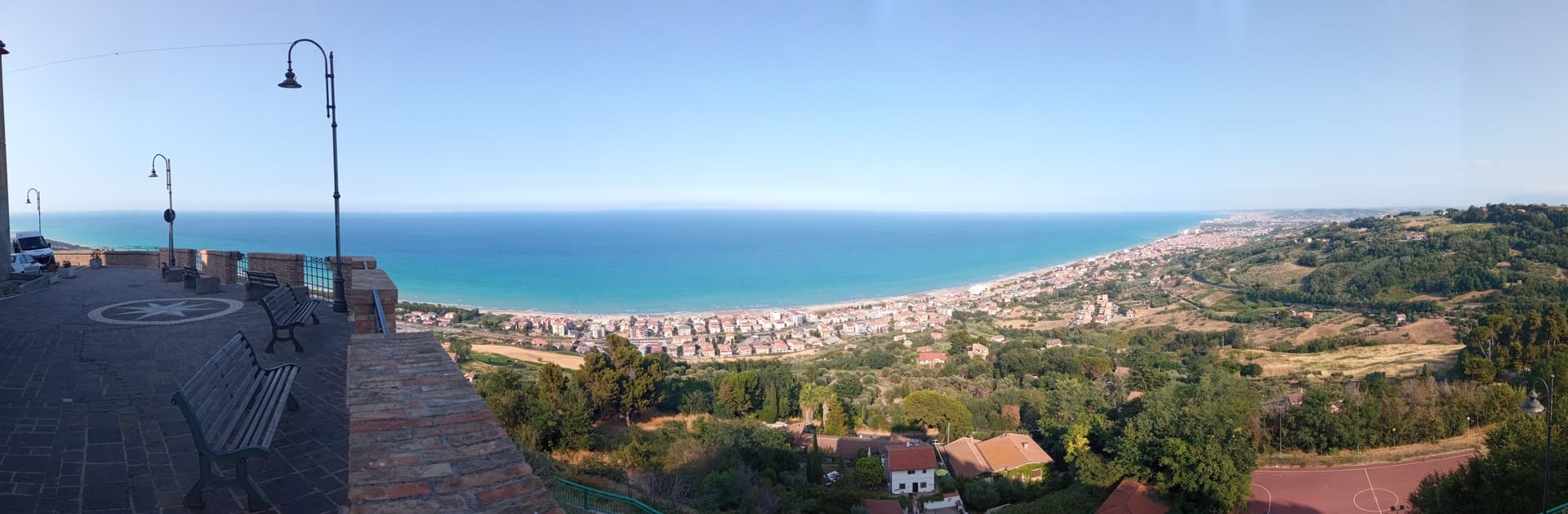
A split town on the Teramo coast, medieval Silvi Paese at 242 meters above a nine-kilometer beach that built itself on licorice in the 1930s.
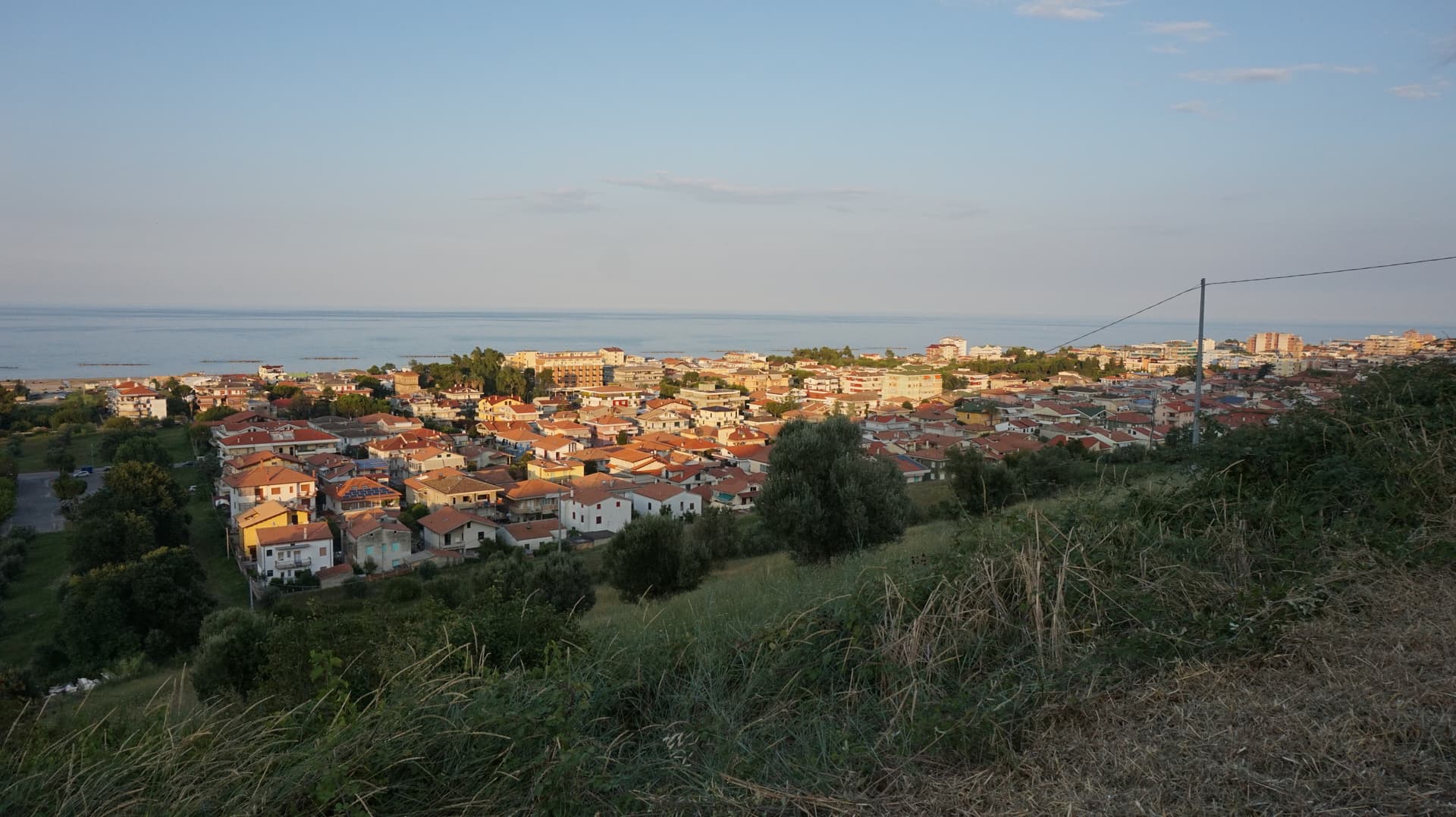
Roseto degli Abruzzi
Province: Teramo
An Adriatic beach town of 25,500 with ten kilometers of low-rise sand, a hilltop frazione at 285 meters, and Blue Flags since 1995.
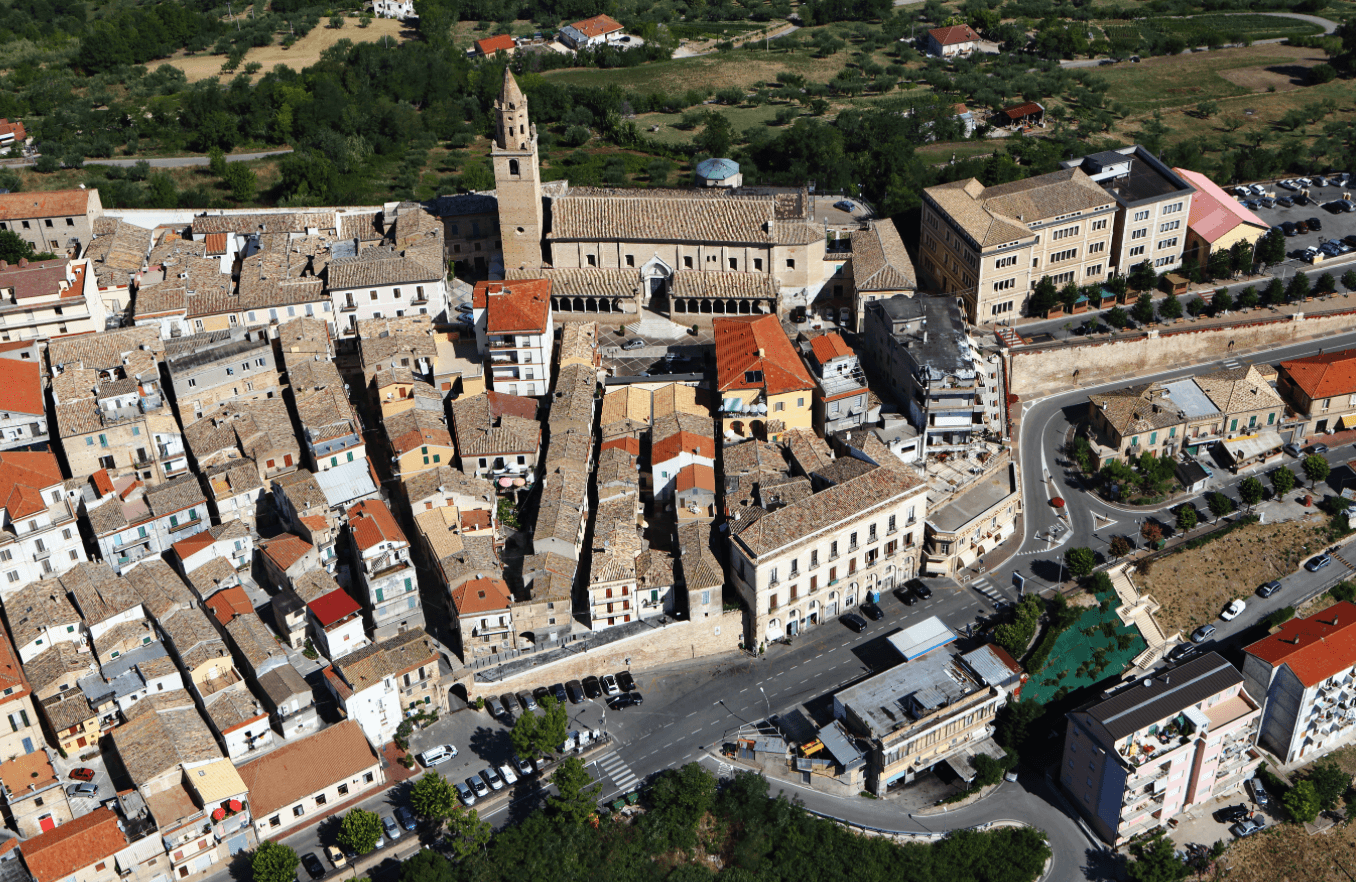
Città Sant'Angelo
Province: Pescara
A hilltop borgo at 320 meters between the Vestina hills and the Adriatic, named for the Archangel and known since 1352 as a Collegiata seat.
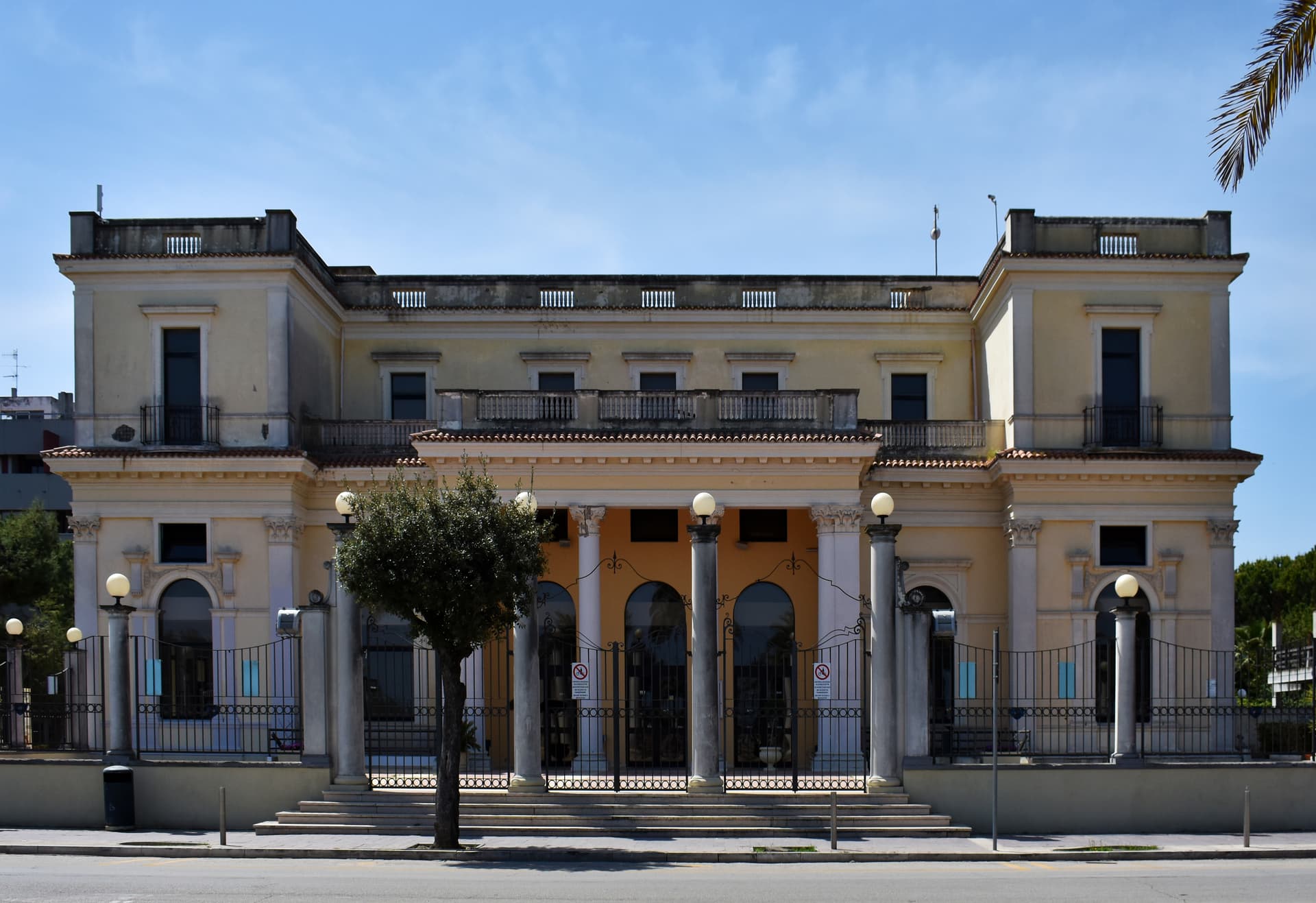
Giulianova
Province: Teramo
Coastal town split between hilltop Paese at 68 meters and the lido, rebuilt in 1471 as a Renaissance ideal city by Giulio Antonio Acquaviva.
🫒 Città dell'Olio
More Città dell'Olio towns in Abruzzo
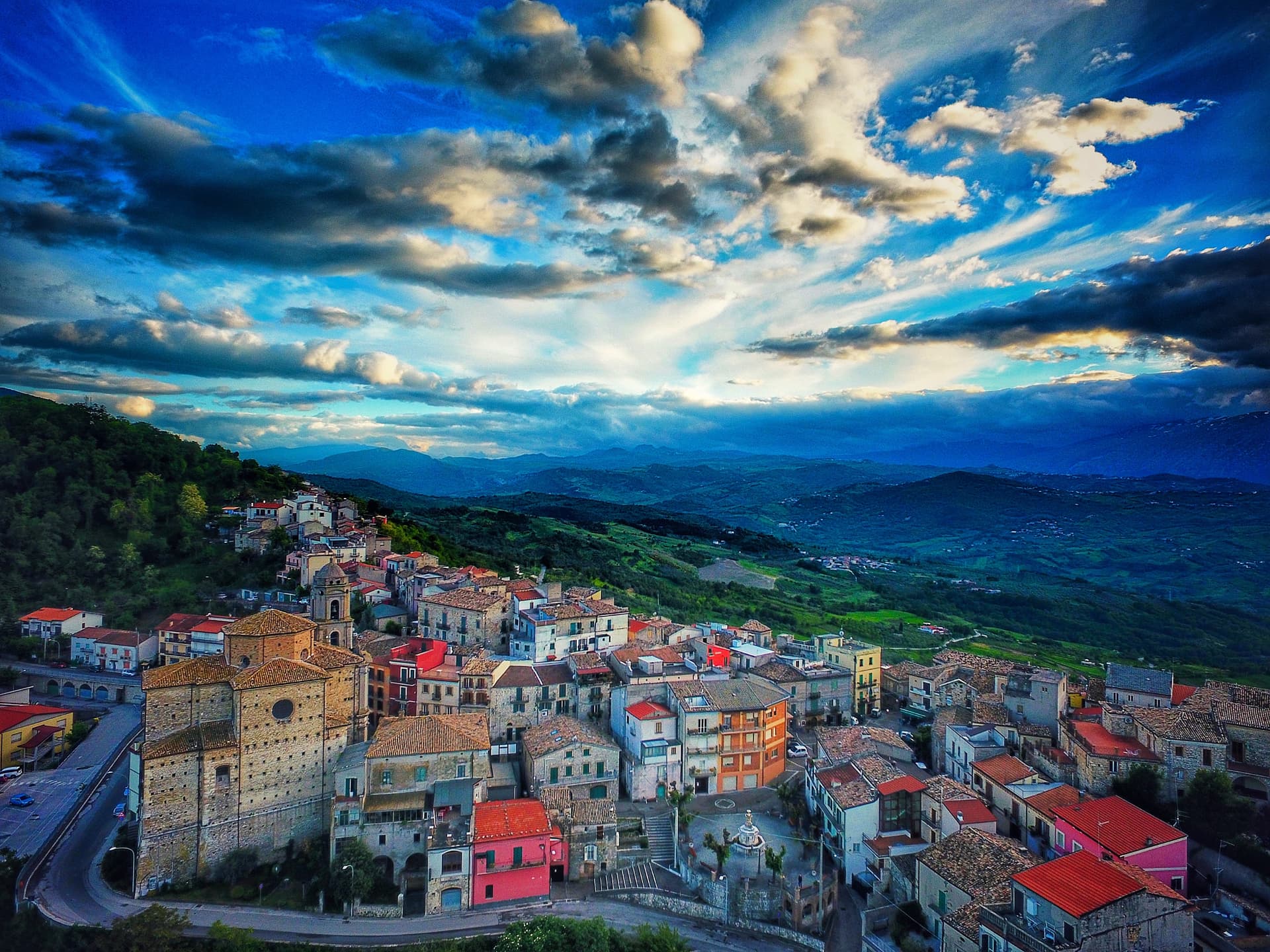
Archi
Province: Chieti
A 492-meter rocky spur called the Terrazza sul Sangro, fief of del Balzo, Cantelmo, Colonna and Carafa, now Città del Tartufo and Città dell'Olio.
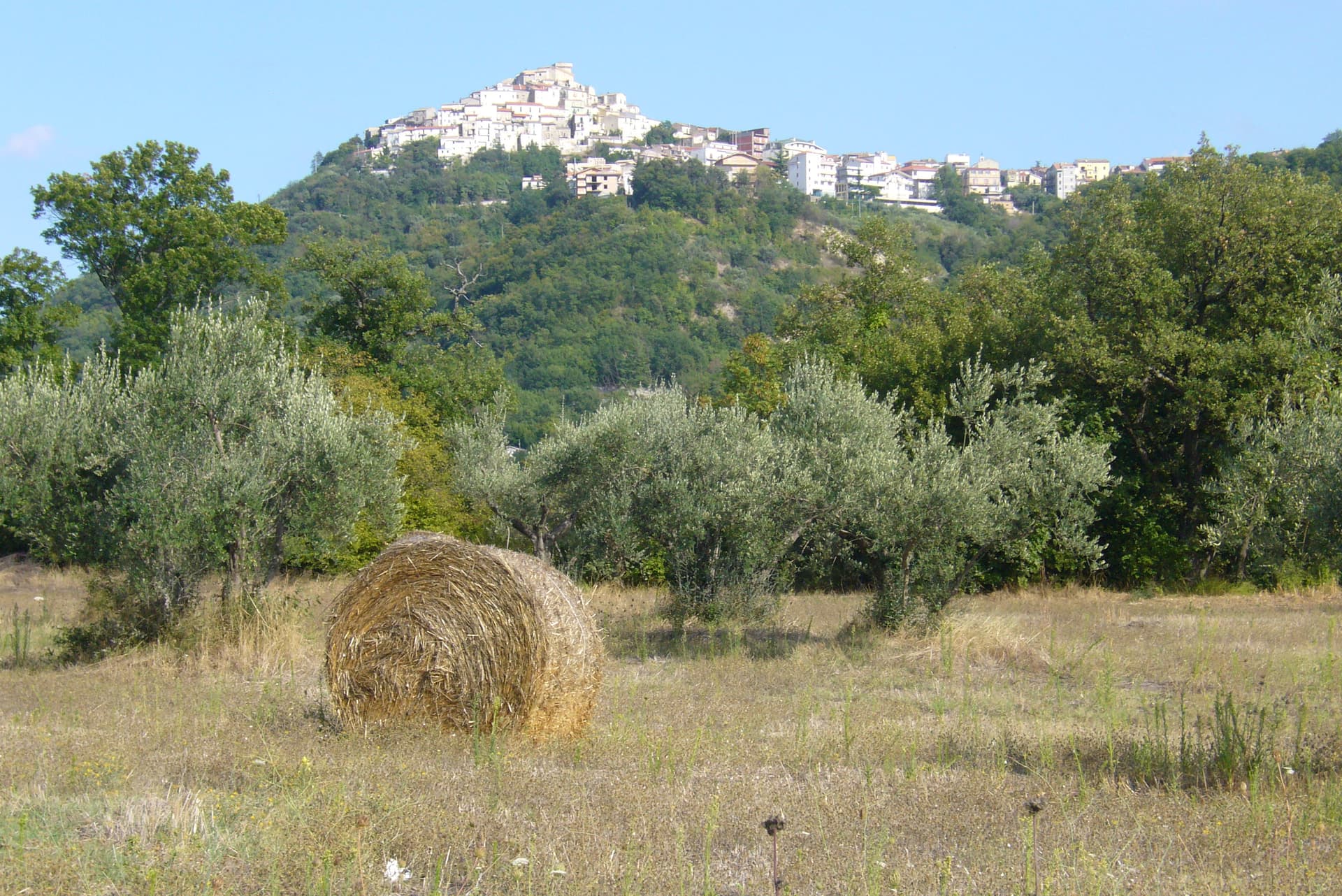
Casoli
Province: Chieti
A 378-meter hill town above the Aventino under the Maiella, with a pentagonal Norman tower where Gabriele D'Annunzio held a Renaissance court of artists.
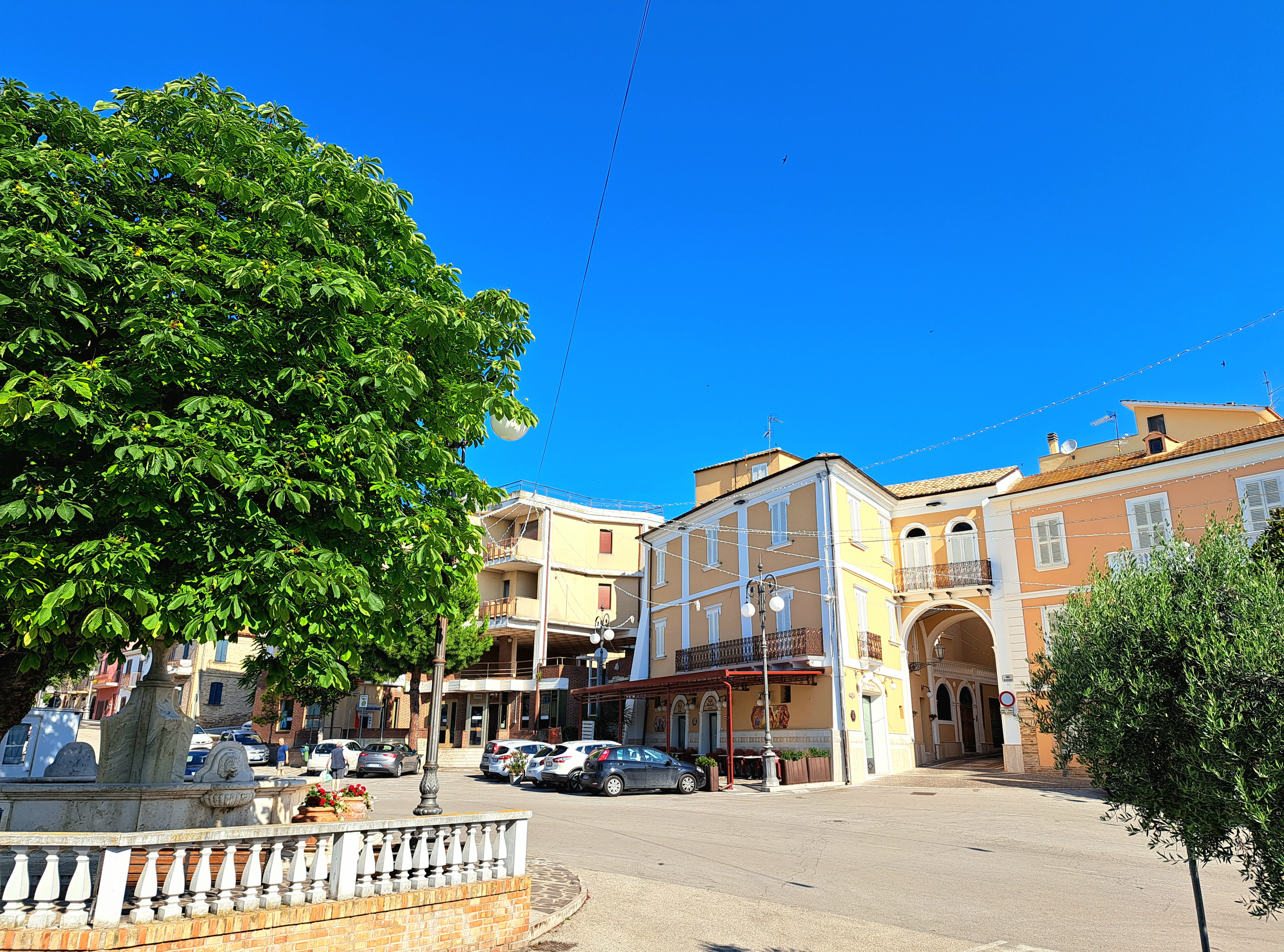
Controguerra
Province: Teramo
A 267-meter Val Vibrata wine village, seat of the Controguerra DOC since 1996, and a founding Cittaslow of the Teramo hills.
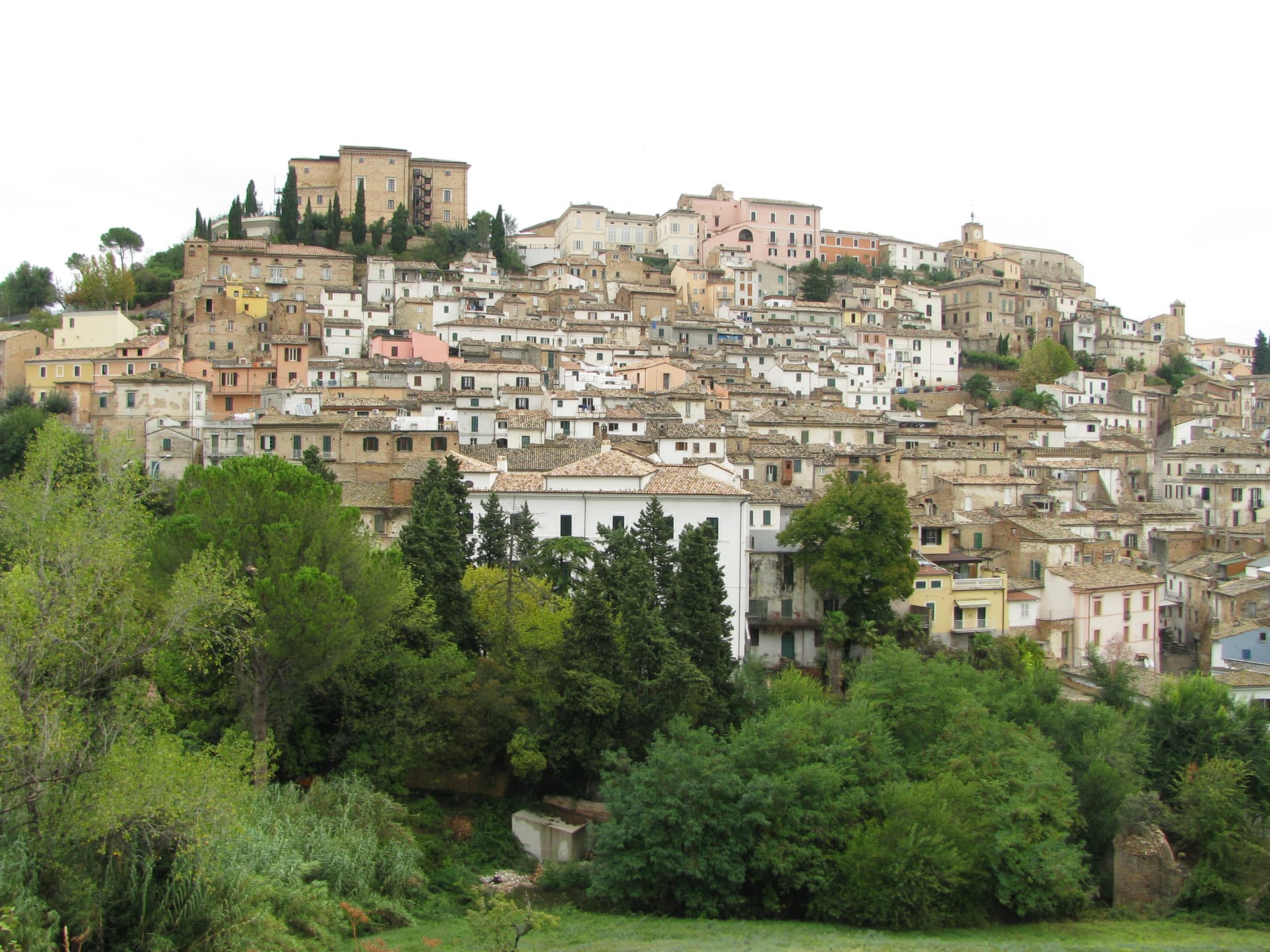
Loreto Aprutino
Province: Pescara
A hilltop town at 290 meters in the Aprutino olive country, with a fourteenth-century Judgment fresco and a Castelli majolica collection.
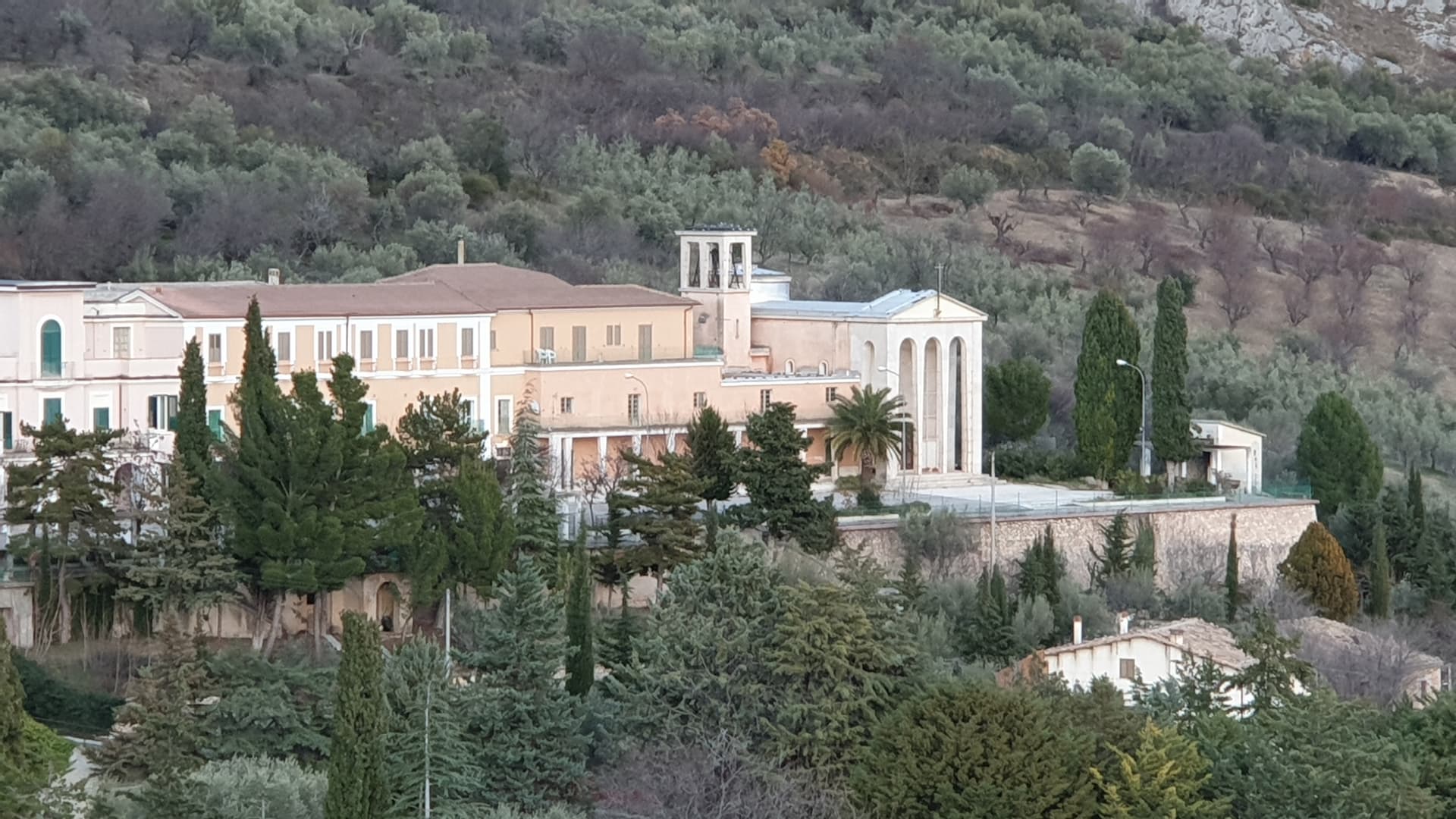
Ofena
Province: L'Aquila
A 531-meter Vestian basin called the Forno d'Abruzzo, sealed by the Gran Sasso wall, where Montepulciano ripens on what may be the oldest of its slopes.