
Marche · Pesaro e Urbino
Vallefoglia
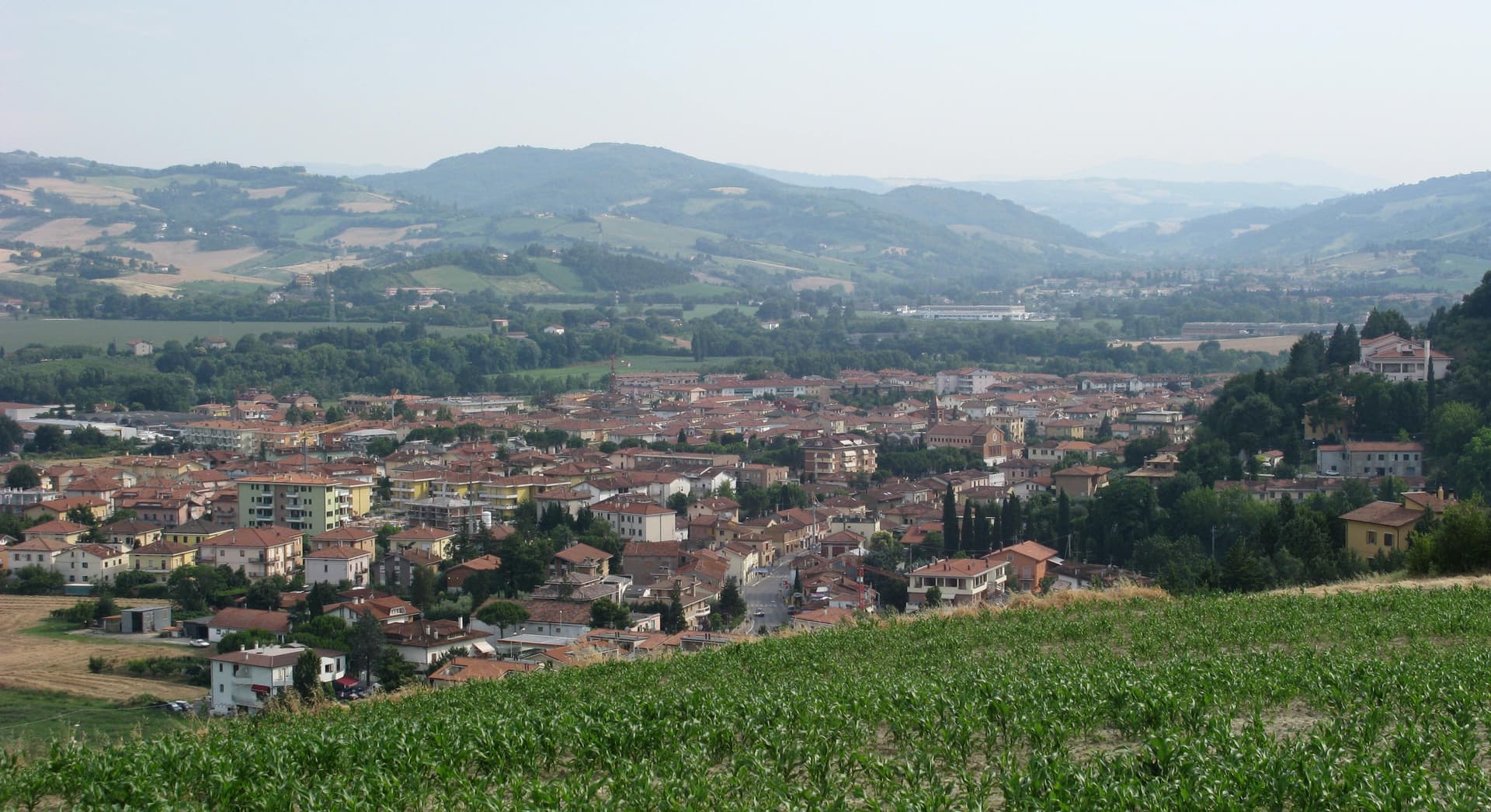
A 2014 merger commune in the Foglia valley, born from Colbordolo, birthplace of Raffaello's father, and Sant'Angelo in Lizzola.
Known for
GIOVANNI SANTI
Painter and chronicler born in Colbordolo c. 1440, father of Raffaello, who ran the Urbino workshop where his son first learned to paint.
TERENZIO MAMIANI
Risorgimento philosopher and statesman from Sant'Angelo in Lizzola (1799-1885), part of the Perticari literary circle that drew Leopardi and Rossini.
FOGLIA OLIVE OIL
Olive oil pressed from the valley slopes between Pesaro and Urbino, the trade that carries the Città dell'Olio signal to the commune.
When to visit
Best · Apr–Oct
- J
- F
- M
- A
- M
- J
- J
- A
- S
- O
- N
- D
- Best
- Hot or crowded
- Quiet
- Mostly closed
Why come
Vallefoglia was created in 2014 by referendum, when 76. 3% of voters approved the merger of Colbordolo and Sant'Angelo in Lizzola, two adjacent communes in the Foglia valley between Pesaro and Urbino. The new commune sits and runs along the river that gives it its name, on the route between the Adriatic coast and the Montefeltro hills.
Colbordolo's castle is documented from 1213 in a bull of Pope Innocent III, and in 1446 Sigismondo Pandolfo Malatesta took it from the Montefeltro after a long siege and burned it. Giovanni Santi, the painter who fathered Raffaello, was born in Colbordolo around 1440 and ran the workshop in Urbino where his son trained. Sant'Angelo in Lizzola produced the engineer Giovanni Branca (1571-1645) and the Risorgimento statesman Terenzio Mamiani (1799-1885); the circle of Giulio Perticari and his wife Costanza Monti drew Leopardi and Rossini in the nineteenth century. Olive oil from the valley slopes carries the Città dell'Olio signal.
The Sunday letter
We haven’t written Vallefoglia’s letter yet.
One town every Sunday, with the photo, the food, the festa. Be there when this one comes up. Free, by Peter & Sophia from Pietrasanta.
By subscribing you agree to Substack’s Terms of Use, our Privacy Policy and our Information collection notice.
What to see
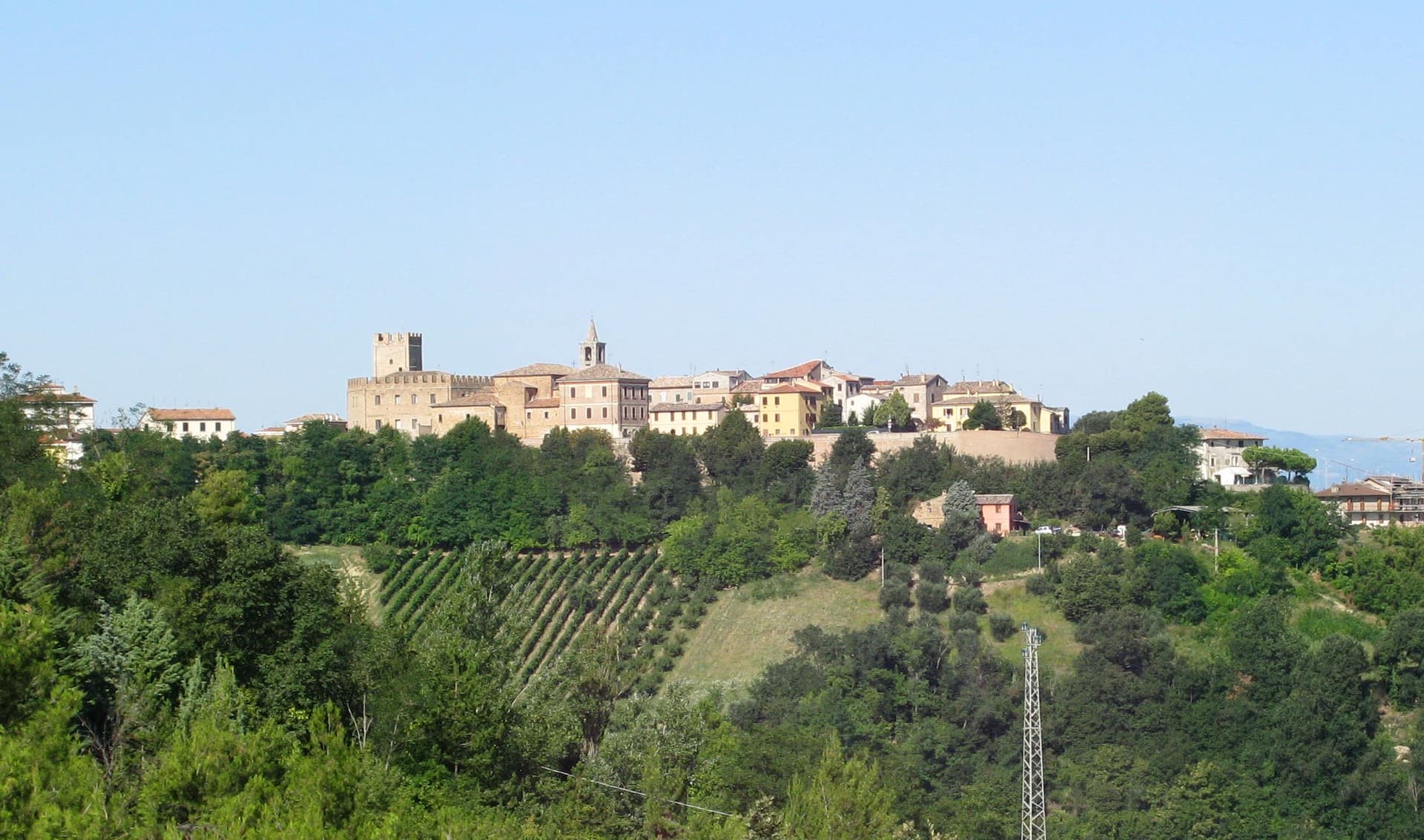
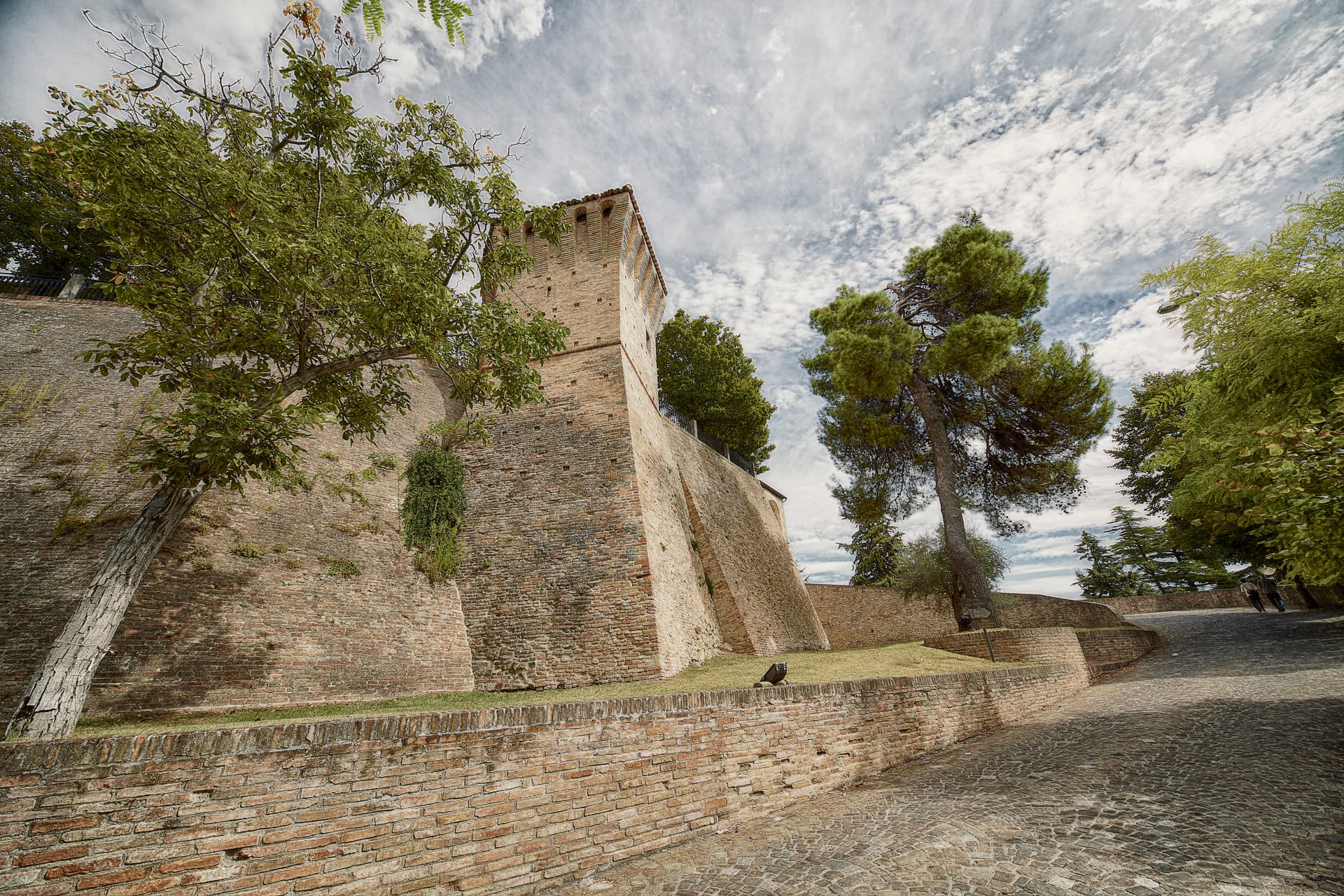
Castello di Colbordolo
Medieval castle documented from 1213, contested between the Malatesta and the Montefeltro, burned by Sigismondo Pandolfo Malatesta in 1446 and rebuilt at lower scale.
Palazzo Mamiani-Della Rovere
Sixteenth-century palace in Sant'Angelo in Lizzola, family seat of the Mamiani della Rovere, who produced Risorgimento statesman Terenzio Mamiani.
Centro storico di Sant'Angelo in Lizzola
Hilltop nucleus on the right bank of the Foglia, with the Piazza della Repubblica, the Chiesa di Sant'Apollinare and views to the Montefeltro ridges.
Casa natale di Giovanni Santi
Birthplace marker in Colbordolo for Giovanni Santi (c. 1440-1494), painter and chronicler of the Montefeltro court and father of Raffaello.
The slow-trip planner
Building a trip? Find where Vallefoglia fits in a slow Italy circuit.
Answer five questions. We will shape a geographically coherent slow trip from the 1,000 Italian towns most travelers skip. Yours to save and share.
Living here
- Population 14,935
- Commuter belti
- Pharmacy in town
- High school within a 30-minute drive
- Nearest airport Rimini, 59 min drive
- Regional capital Ancona, 1 h 16 min drive
Tags & datadesignations · numbers · sources
Recognised as
The numbers
- Elevation: 295 m
- Population: 14,935
- Surface area: 39.3 km²
These figures were compiled from public directories — ISTAT, OpenStreetMap, Wikidata — and from the official listings of the guides named on this page. Town details change; verify with official sources before you travel.
Close by
More towns near Vallefoglia
Montegridolfo
Province: Rimini
A walled borgo of fewer than a thousand residents on the Romagna-Marche border, held alternately by the Malatesta and the Montefeltro through the fifteenth century.
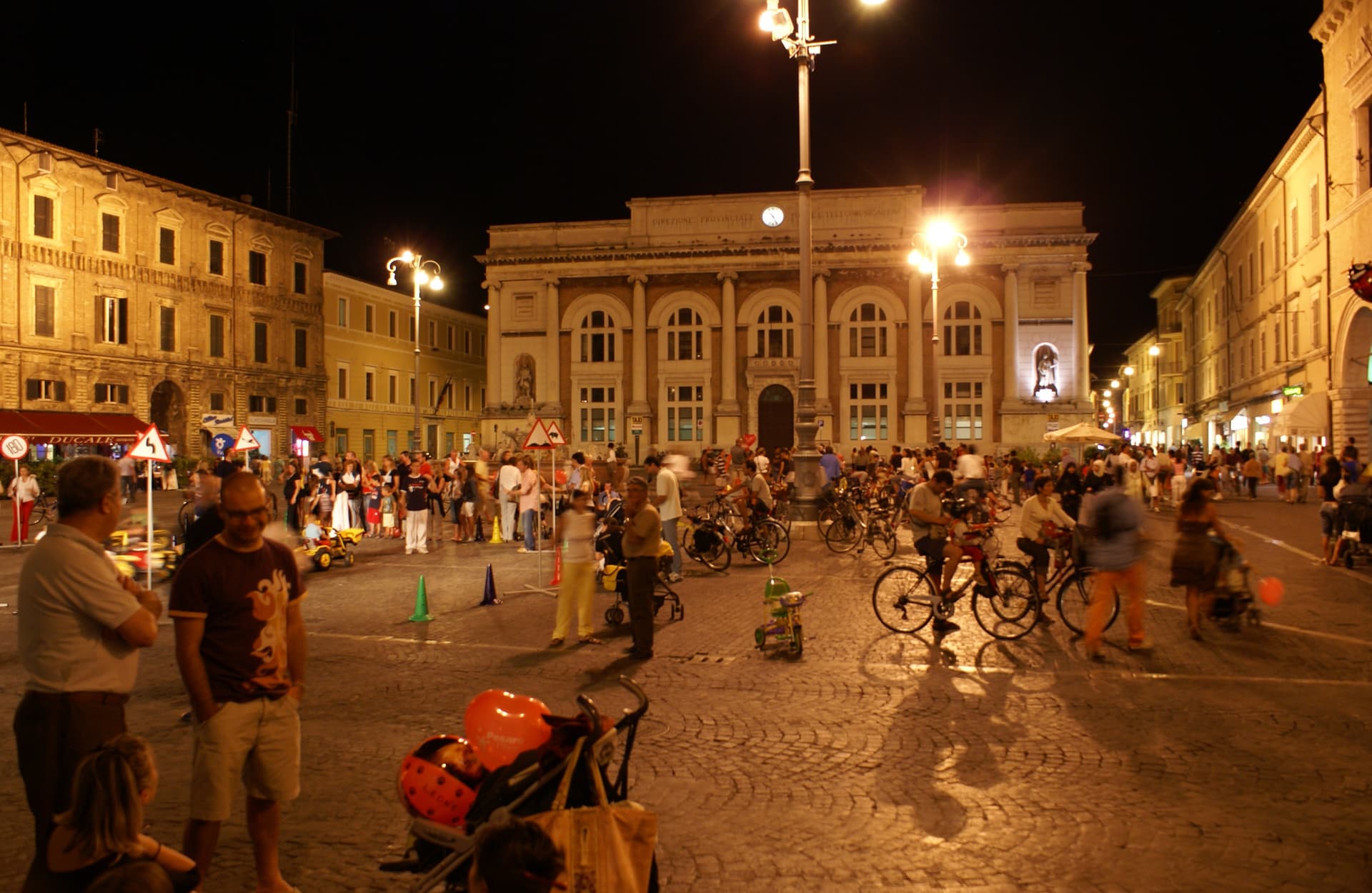
Pesaro
Province: Pesaro e Urbino
The Adriatic port at the mouth of the Foglia, founded as Roman Pisaurum in 184 BC and given to the world by Rossini in 1792.
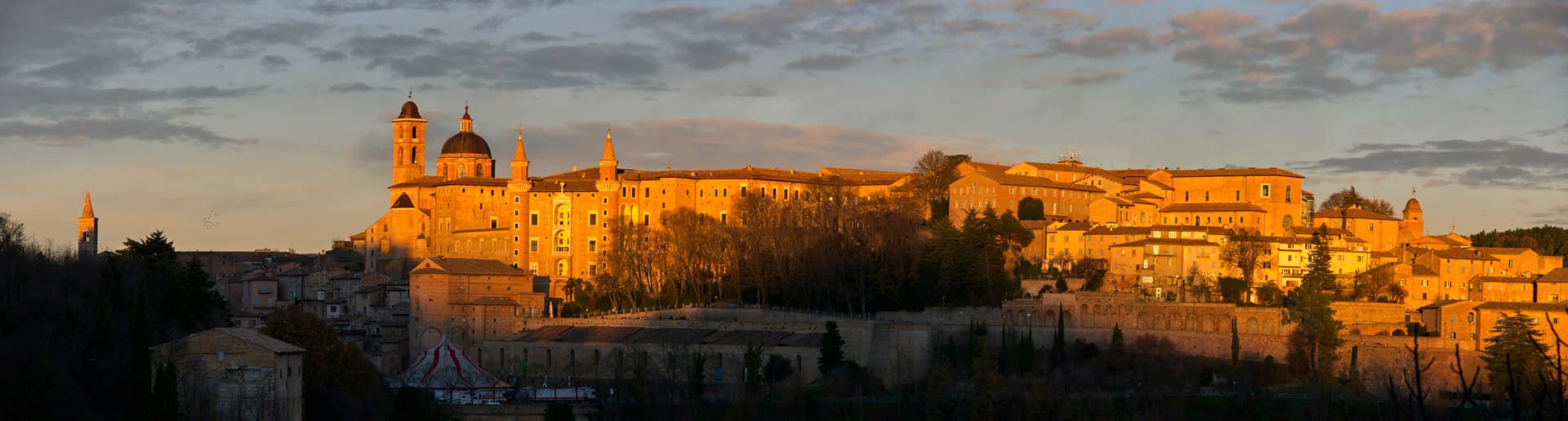
Urbino
Province: Pesaro e Urbino
The Montefeltro capital at 451 meters on twin hills, where Federico II built the Renaissance court that produced Raffaello.
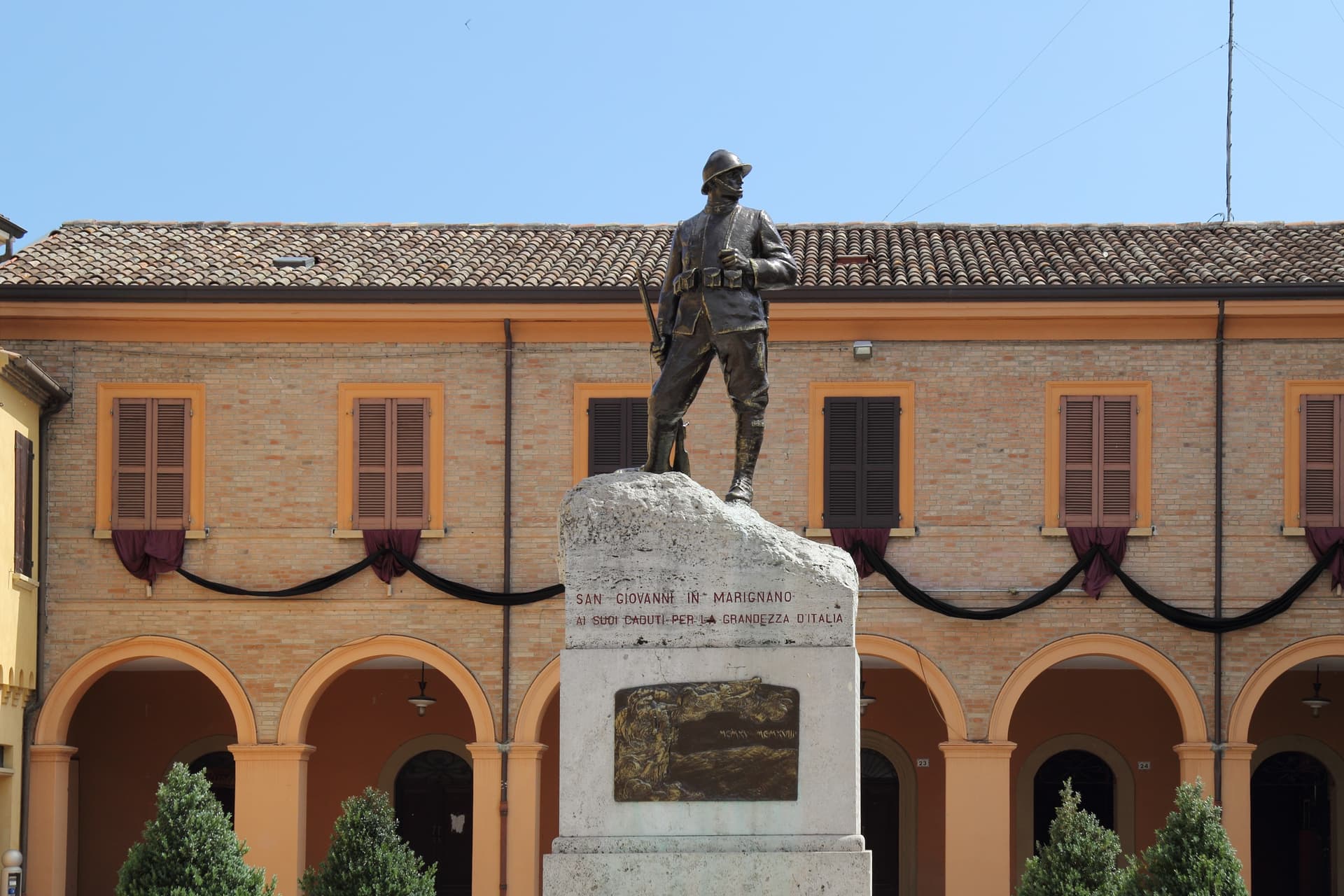
San Giovanni in Marignano
Province: Rimini
A walled Conca-valley borgo, granary of the Malatesta state, where the Notte delle Streghe has marked the summer solstice since 1988.
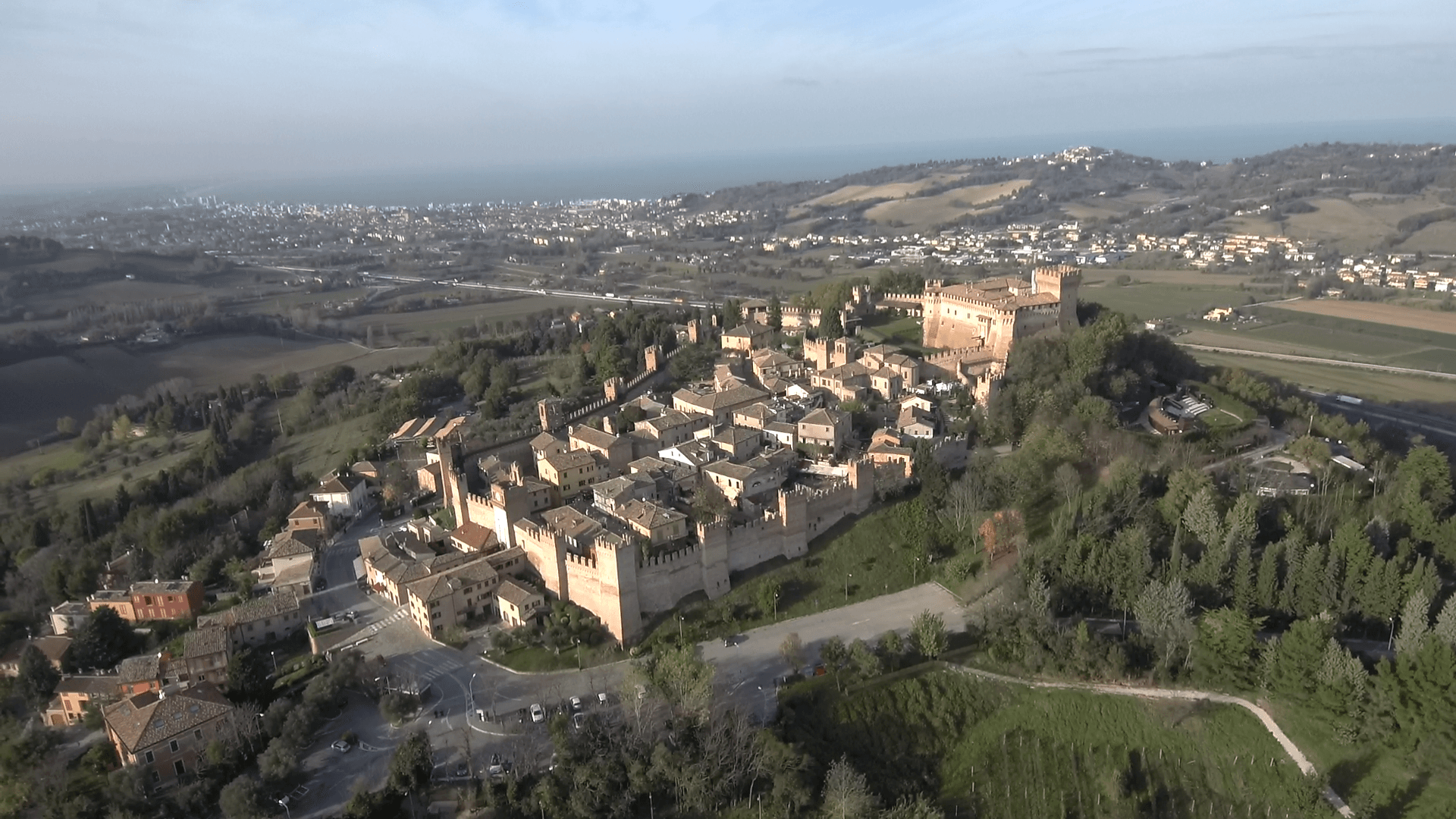
Gradara
Province: Pesaro e Urbino
The walled hill borgo at 142 meters above the Adriatic where Dante set the deaths of Paolo and Francesca, with one of Italy's best-preserved castles.
🎨 Borghi più belli d'Italia
More Borghi più belli d'Italia towns in Marche
Arcevia
Province: Ancona
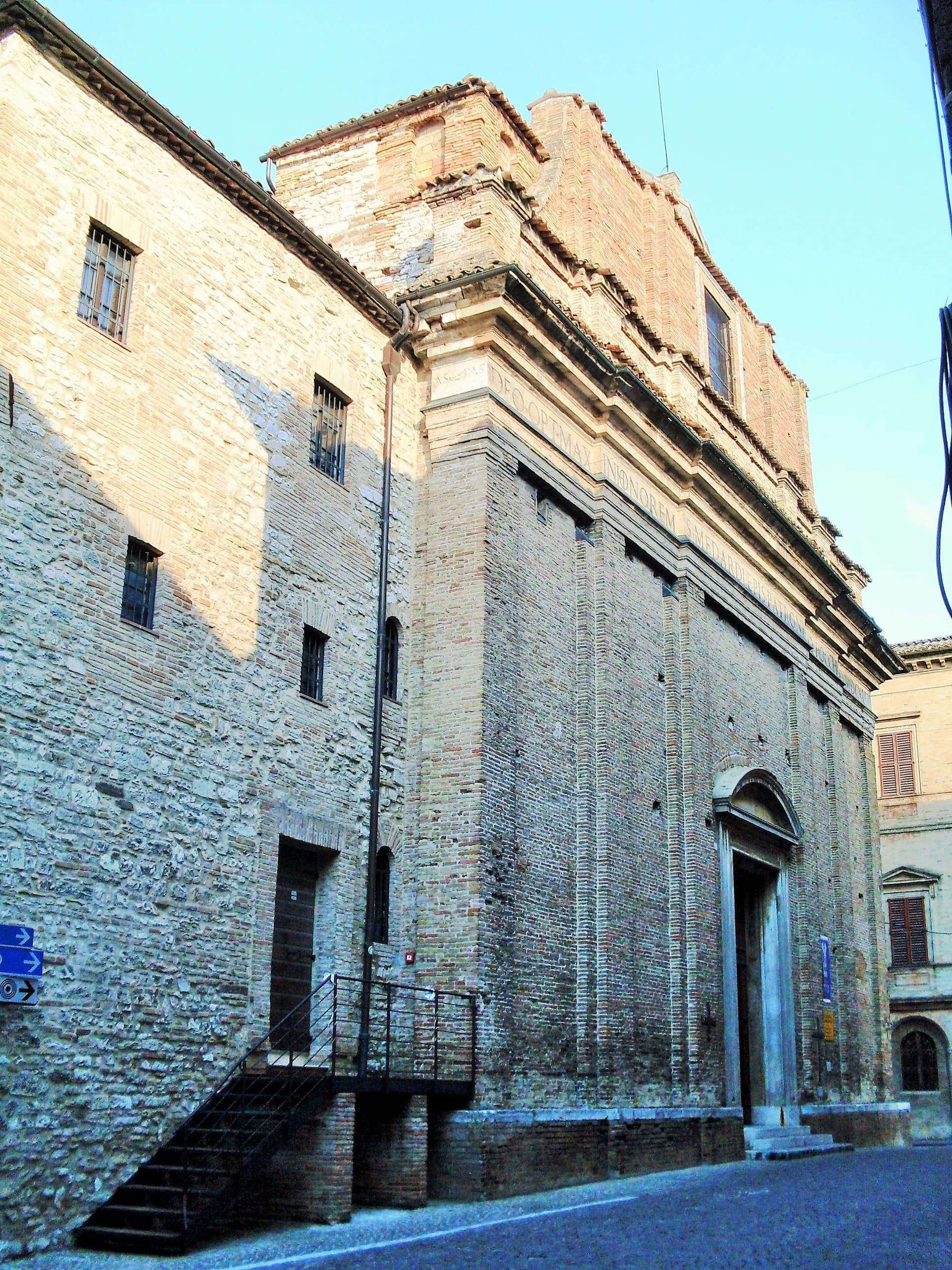
A hilltop borgo at 535 meters above the Misa and Nevola valleys, defended in the Middle Ages by a ring of nine satellite castles.
Cingoli
Province: Macerata
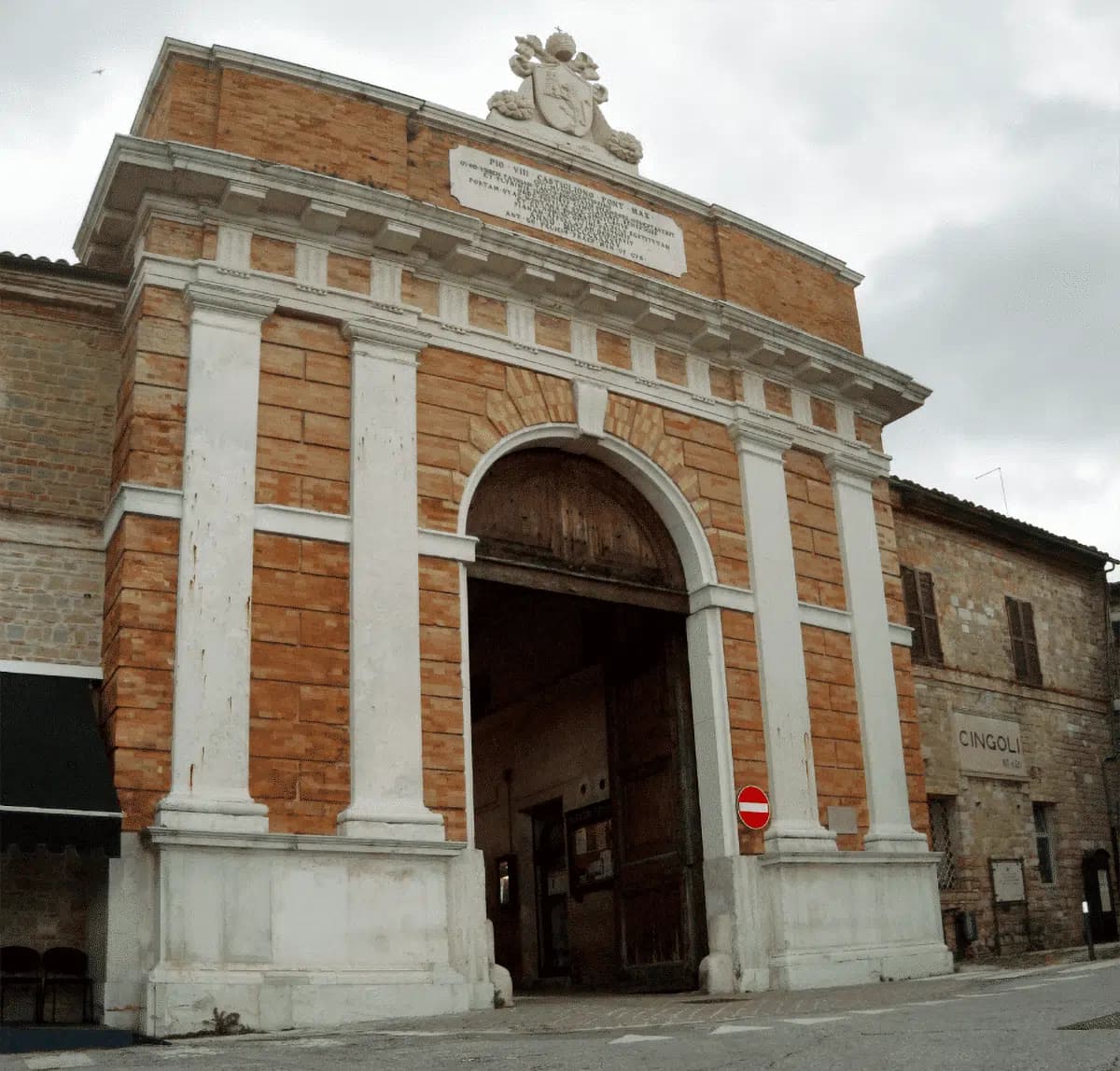
The Balcone delle Marche at 631 meters, a hilltop borgo where on clear days the view runs from the Sibillini to the Croatian coast.
Corinaldo
Province: Ancona
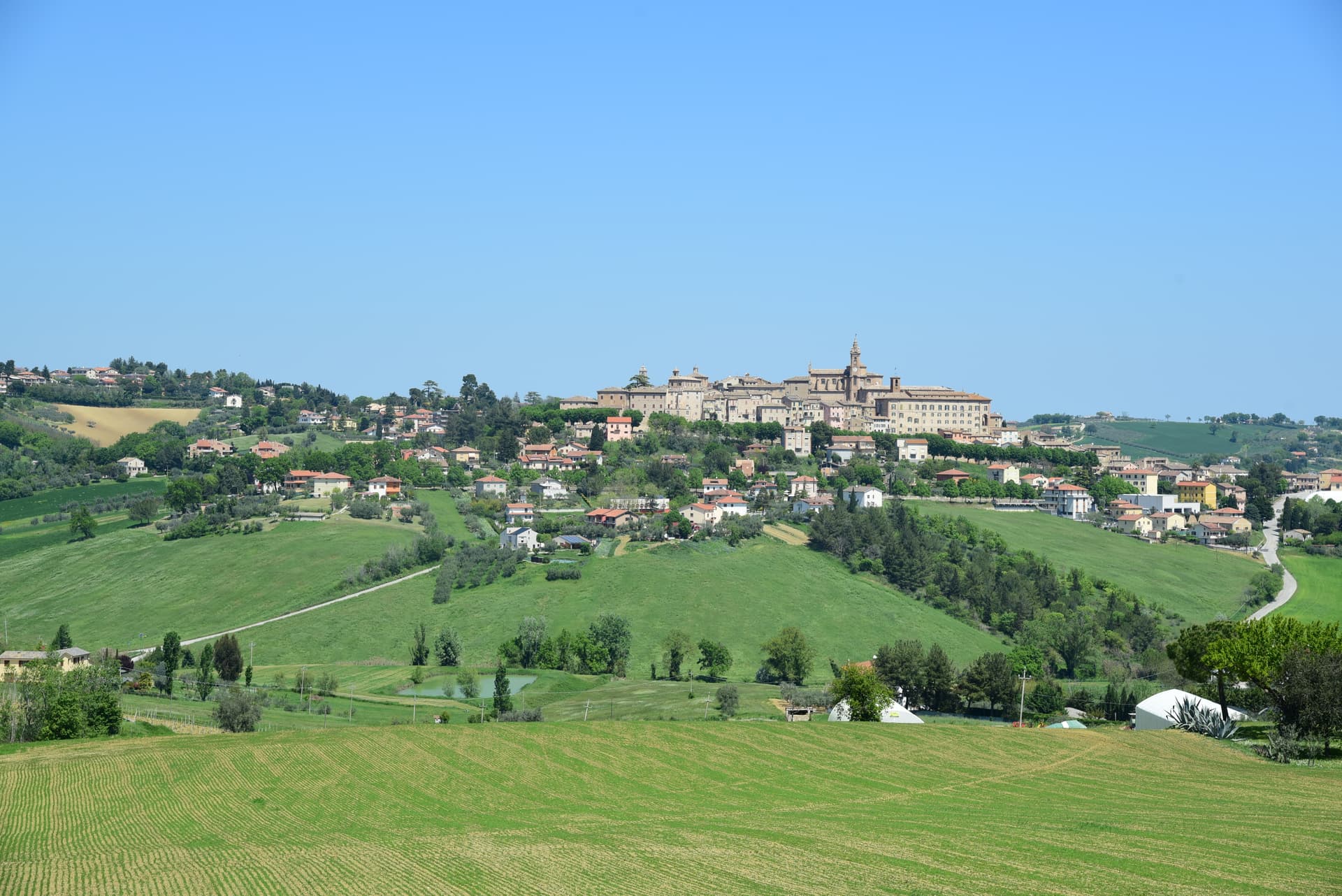
A walled hill borgo at 203 meters with 912 meters of intact medieval walls, the birthplace of Saint Maria Goretti and the Pozzo della Polenta.
Esanatoglia
Province: Macerata
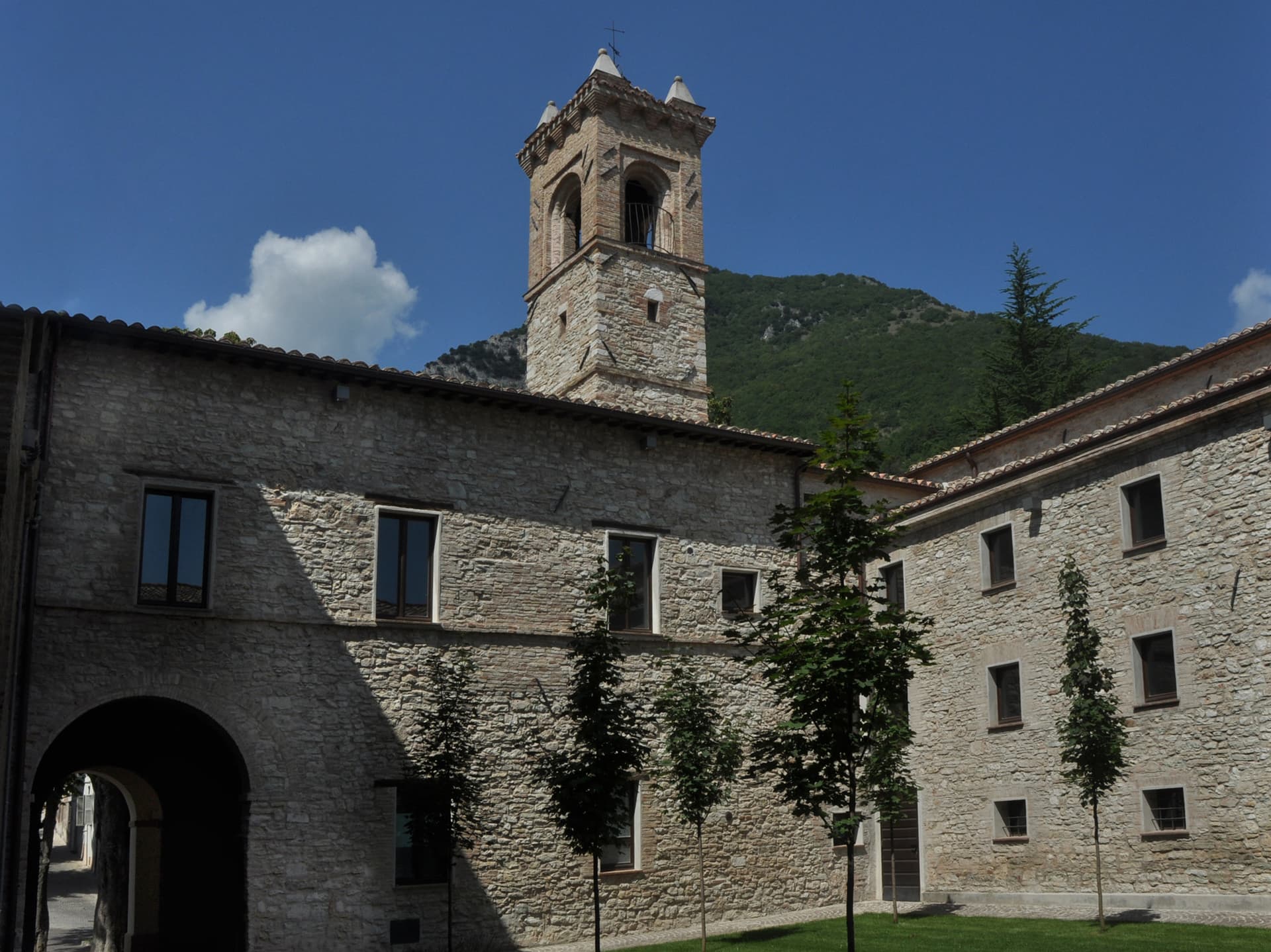
A medieval village of seven bell towers at 358 meters on the Marche-Umbria border, sitting at the source of the Esino river.
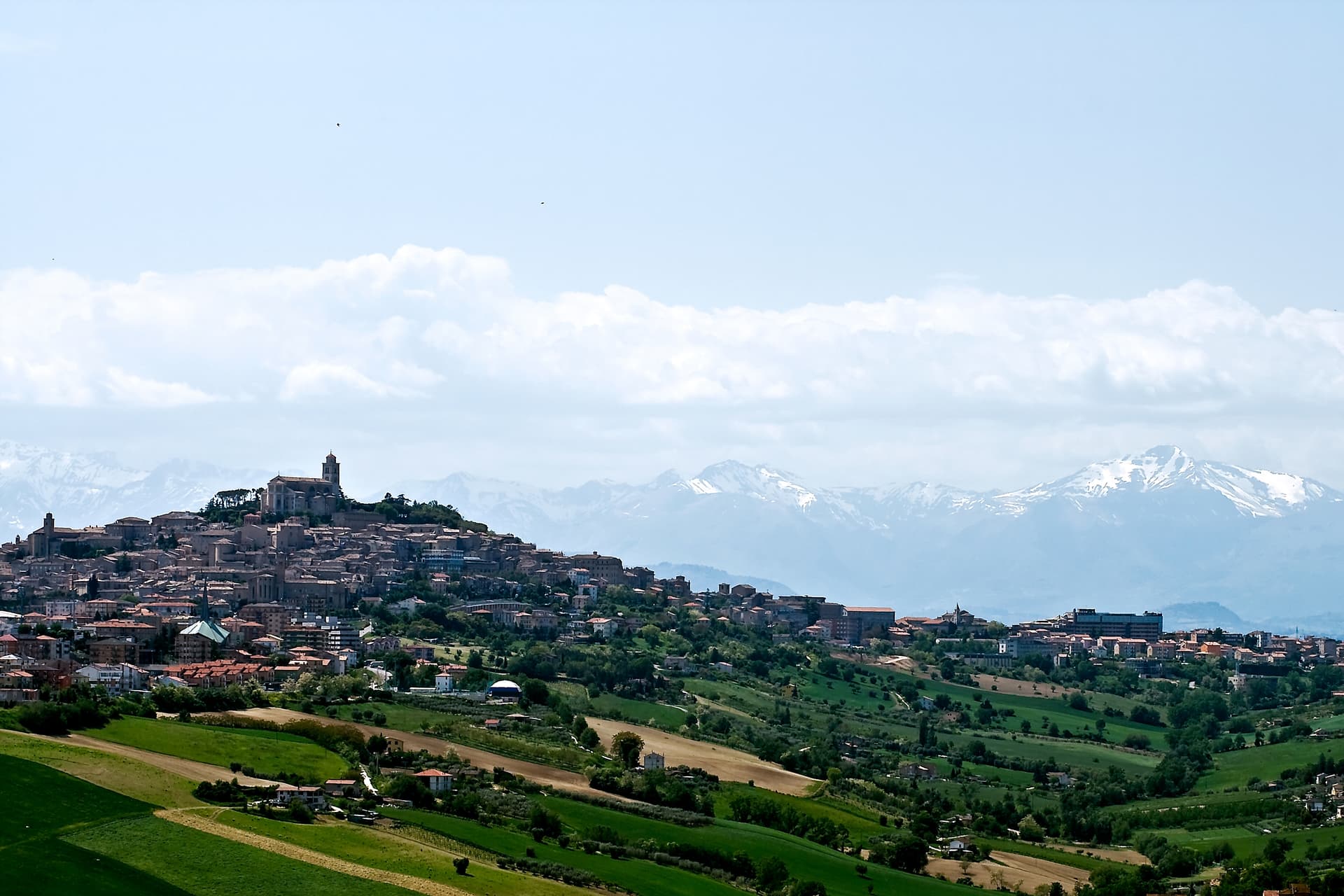
Fermo
Province: Fermo
The provincial capital on the Sabulo hill at 319 meters, with 2,200 square meters of Augustan Roman cisterns running under the centro storico.