

Lazio · Viterbo
Tarquinia
An Etruscan capital on a Maremma ridge whose 6,000 rock-cut tombs at Monterozzi hold the largest body of pre-Roman painting in the Mediterranean.
Known for
PAINTED TOMBS
Around 200 frescoed Etruscan tomb chambers at Monterozzi, the largest body of pre-Roman painting in the Mediterranean.
WINGED HORSES
The Cavalli Alati terracottas from the Ara della Regina temple, fourth-century BC, displayed in the Palazzo Vitelleschi museum.
CERAMICS
Official Città della Ceramica for the medieval and contemporary workshops in the upper town.
When to visit
Best · Apr–Oct
- J
- F
- M
- A
- M
- J
- J
- A
- S
- O
- N
- D
- Best
- Hot or crowded
- Quiet
- Mostly closed
Why come
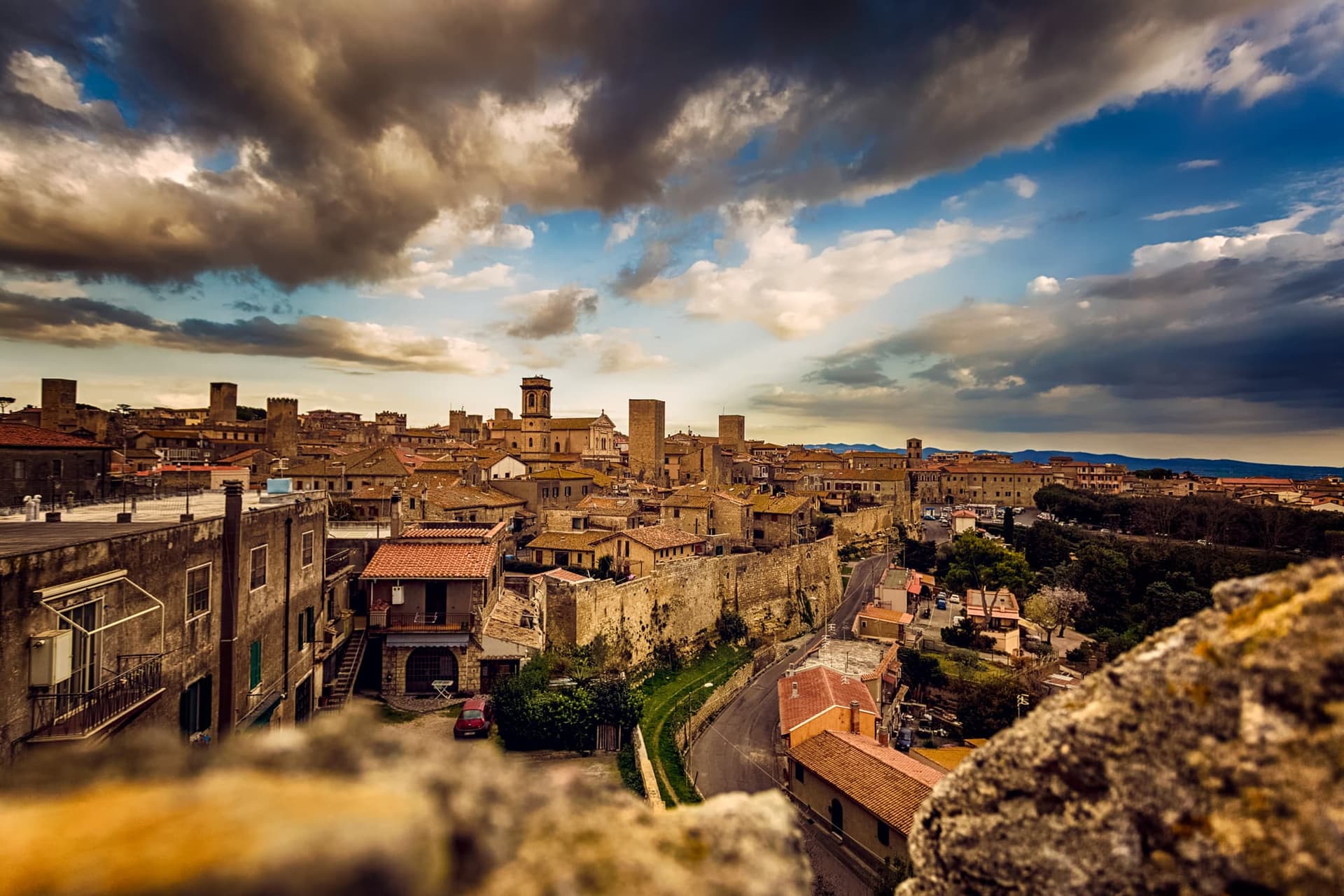
Tarquinia sits on a plateau above the Maremma plain in northern Lazio, six kilometers inland from the Tyrrhenian coast. The Etruscan city of Tarquinii stood on the adjacent Colle della Civita and was one of the twelve great Etruscan capitals, ringed by eight kilometers of sixth-century walls enclosing 135 hectares. What survives above ground is mostly medieval: the present town moved here in the Middle Ages and was renamed Corneto until 1922, when Mussolini's regime restored the ancient name.
What survives below ground is what made the place a UNESCO site in 2004. The Monterozzi necropolis on the hill east of town holds 6,000 rock-cut tombs from the seventh century BC onward, and around two hundred of them carry painted interiors. The frescoed banquets, dancers, hunters and musicians inside Tarquinia's tombs are the largest body of pre-Roman painting in the Mediterranean. The Palazzo Vitelleschi in the upper town houses the national museum and the Winged Horses terracottas.
The Sunday letter
We haven’t written Tarquinia’s letter yet.
One town every Sunday, with the photo, the food, the festa. Be there when this one comes up. Free, by Peter & Sophia from Pietrasanta.
By subscribing you agree to Substack’s Terms of Use, our Privacy Policy and our Information collection notice.
What to see
Necropoli dei Monterozzi
UNESCO Etruscan necropolis on the hill east of the medieval town, 6,000 rock-cut tombs with around 200 painted interiors from the 7th century BC onward.
Museo Archeologico Nazionale Tarquiniense
Housed in the 15th-century Palazzo Vitelleschi, with Etruscan sarcophagi, painted slabs and the famous Cavalli Alati terracottas.
Palazzo Vitelleschi
Early Renaissance palace built between 1436 and 1439 for Cardinal Vitelleschi, blending Gothic and Renaissance elements in a single façade.
Chiesa di Santa Maria di Castello
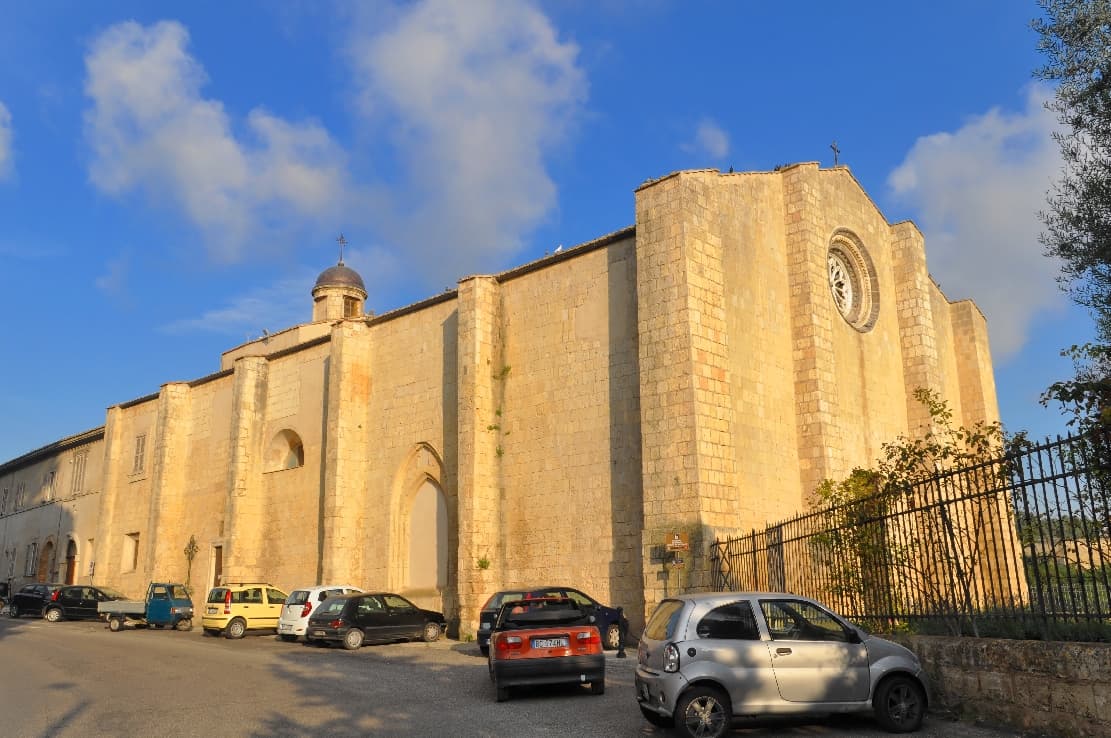
Romanesque-Lombard church begun in 1121 inside the medieval walls, with a cosmatesque pavement and a marble pulpit signed by Giovanni di Guittone.
Civita archaeological area
Remains of Etruscan Tarquinii on the adjacent plateau, with sections of the 6th-century walls and the Ara della Regina sanctuary.
Centro storico medievale
Medieval upper town fortified with towers and gates, threaded with vaulted alleys and the surviving ceramic workshops that earned the Città della Ceramica title.
The slow-trip planner
Building a trip? Find where Tarquinia fits in a slow Italy circuit.
Answer five questions. We will shape a geographically coherent slow trip from the 1,000 Italian towns most travelers skip. Yours to save and share.
Living here
- Population 15,942
- Commuter belti
- Pharmacy in town
- High school within a 30-minute drive
- Train station in the comune
- Nearest airport Rome, 1 h 22 min drive
- Regional capital Roma, 1 h 17 min drive
Tags & datadesignations · numbers · sources
Recognised as
The numbers
- Elevation: 133 m
- Population: 15,942
- Surface area: 279.34 km²
These figures were compiled from public directories — ISTAT, OpenStreetMap, Wikidata — and from the official listings of the guides named on this page. Town details change; verify with official sources before you travel.
Close by
More towns near Tarquinia
Capalbio
Province: Grosseto
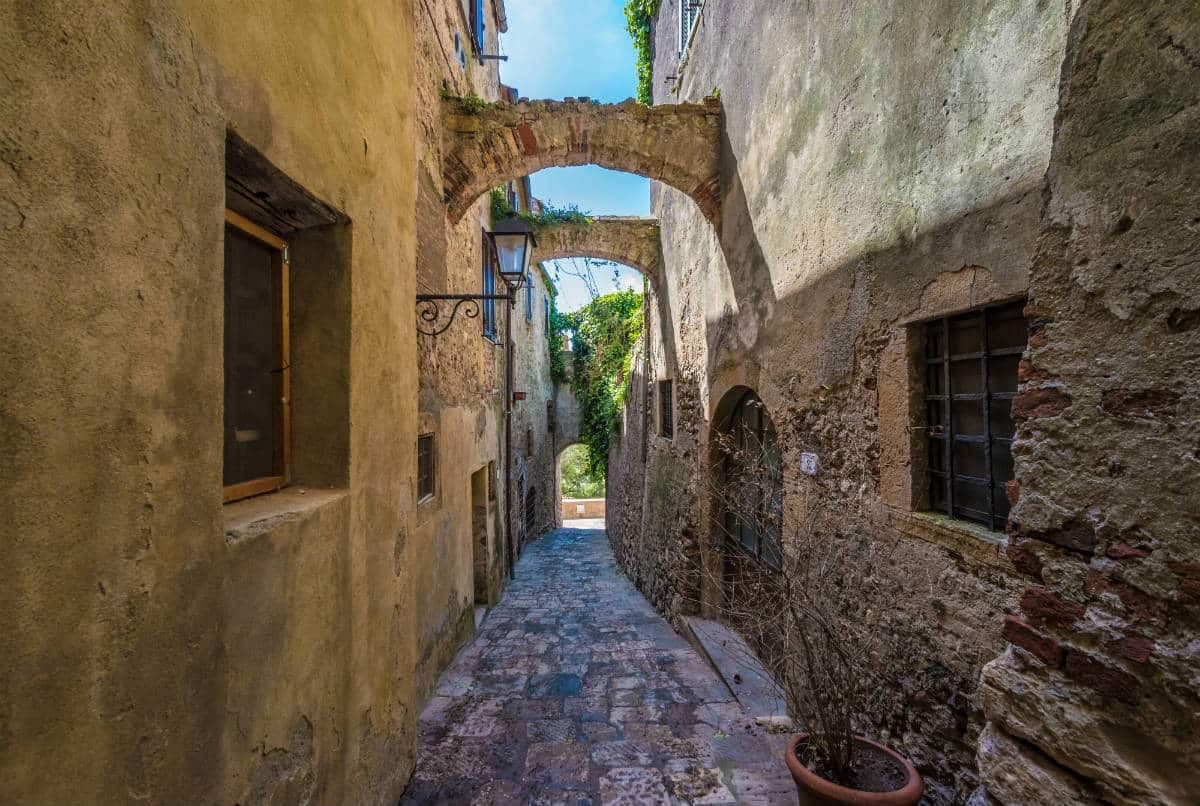
A walled hilltop borgo at 217 meters in the southern Maremma, donated to the Abbey of Tre Fontane by Charlemagne and home of Niki de Saint Phalle's Tarot Garden.
Cerveteri
Province: Roma
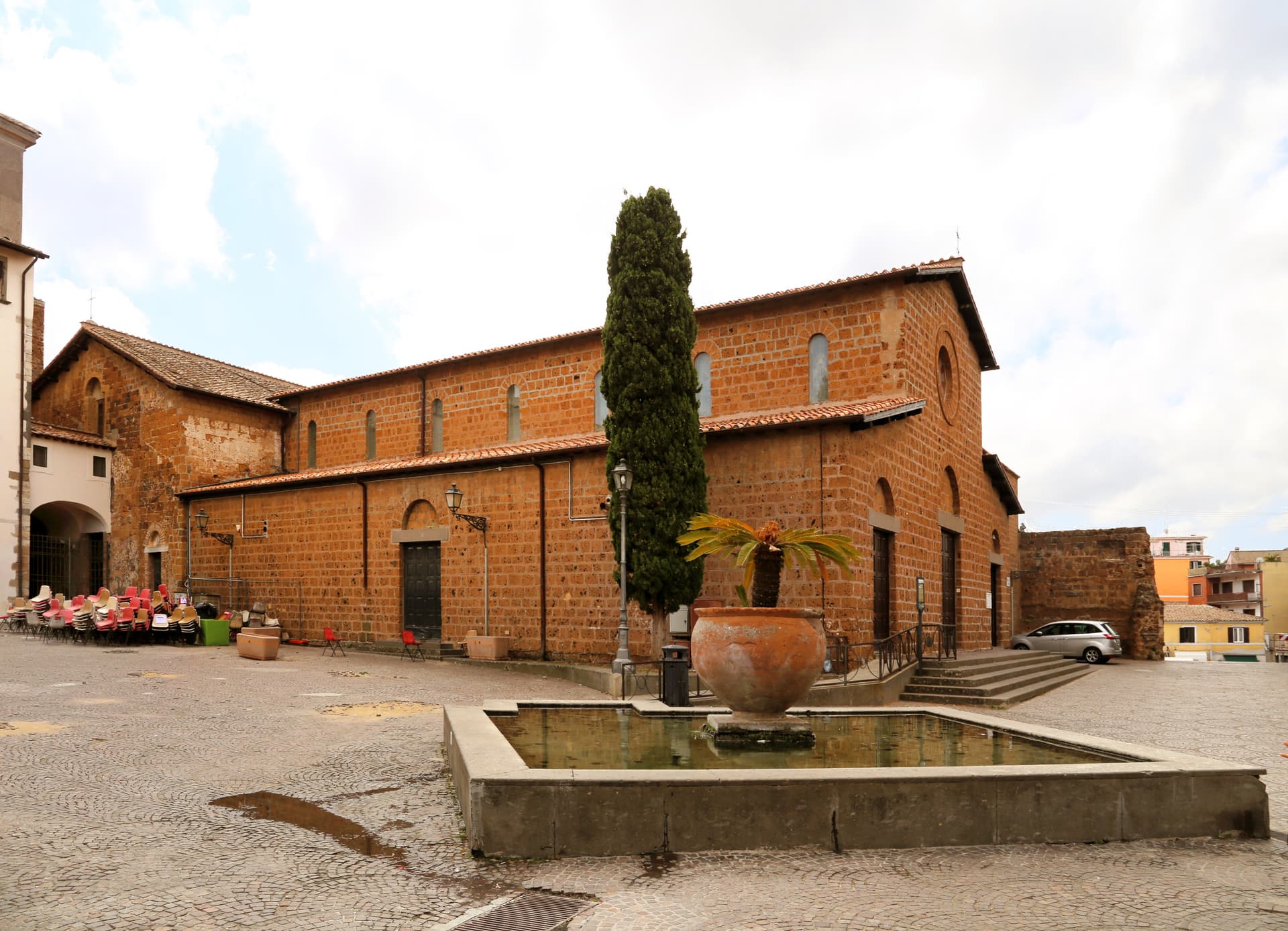
An Etruscan capital seven kilometers inland from the Tyrrhenian coast, with the Banditaccia necropolis holding 1,000 tombs in the largest ancient cemetery in the Mediterranean.
Capodimonte
Province: Viterbo
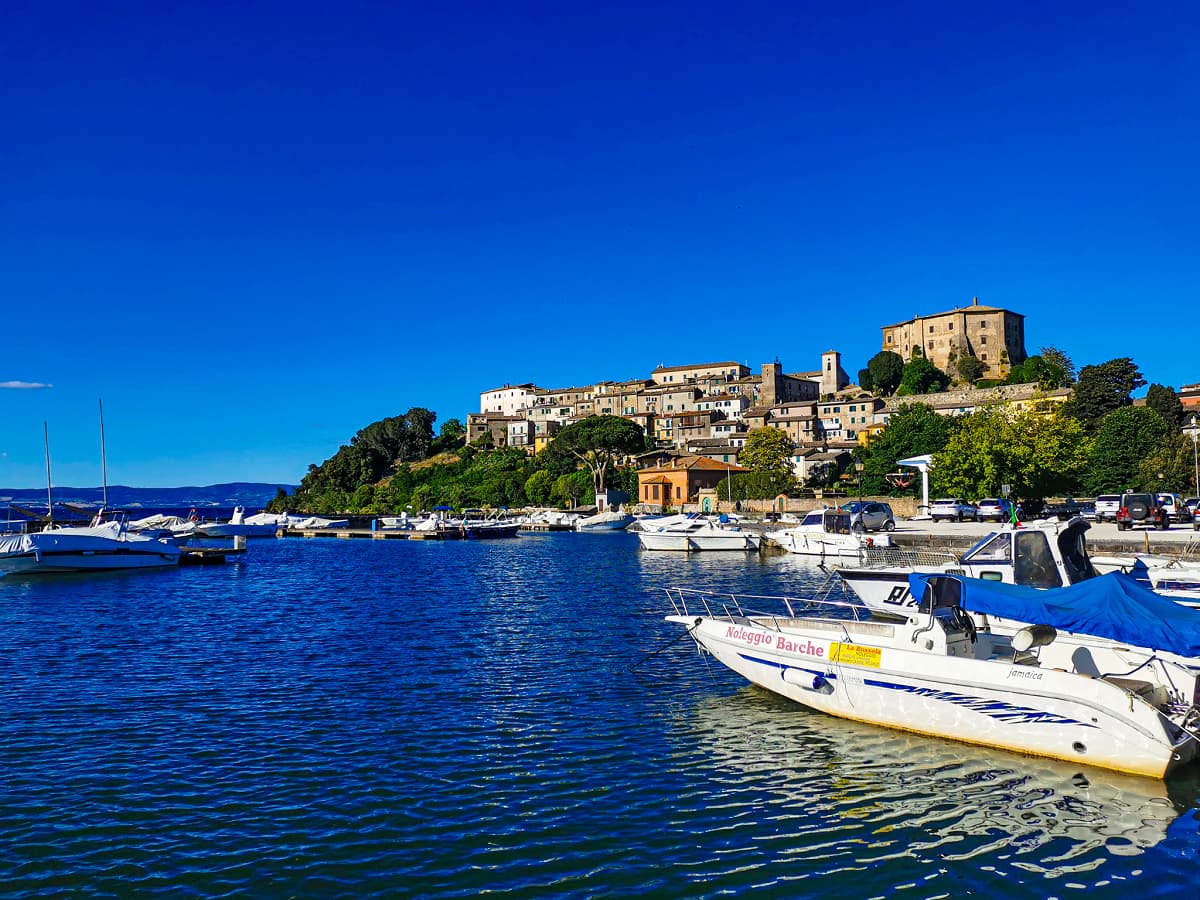
The lakefront Farnese stronghold on Lago di Bolsena — a small Tuscia borgo on a peninsula jutting into Europe's largest volcanic crater lake, with Antonio da Sangallo's octagonal Rocca Farnese, an extra-virgin olive oil tradition (Città dell'Olio), and views across the water to the inhabited Isola Bisentina.
Viterbo
Province: Viterbo
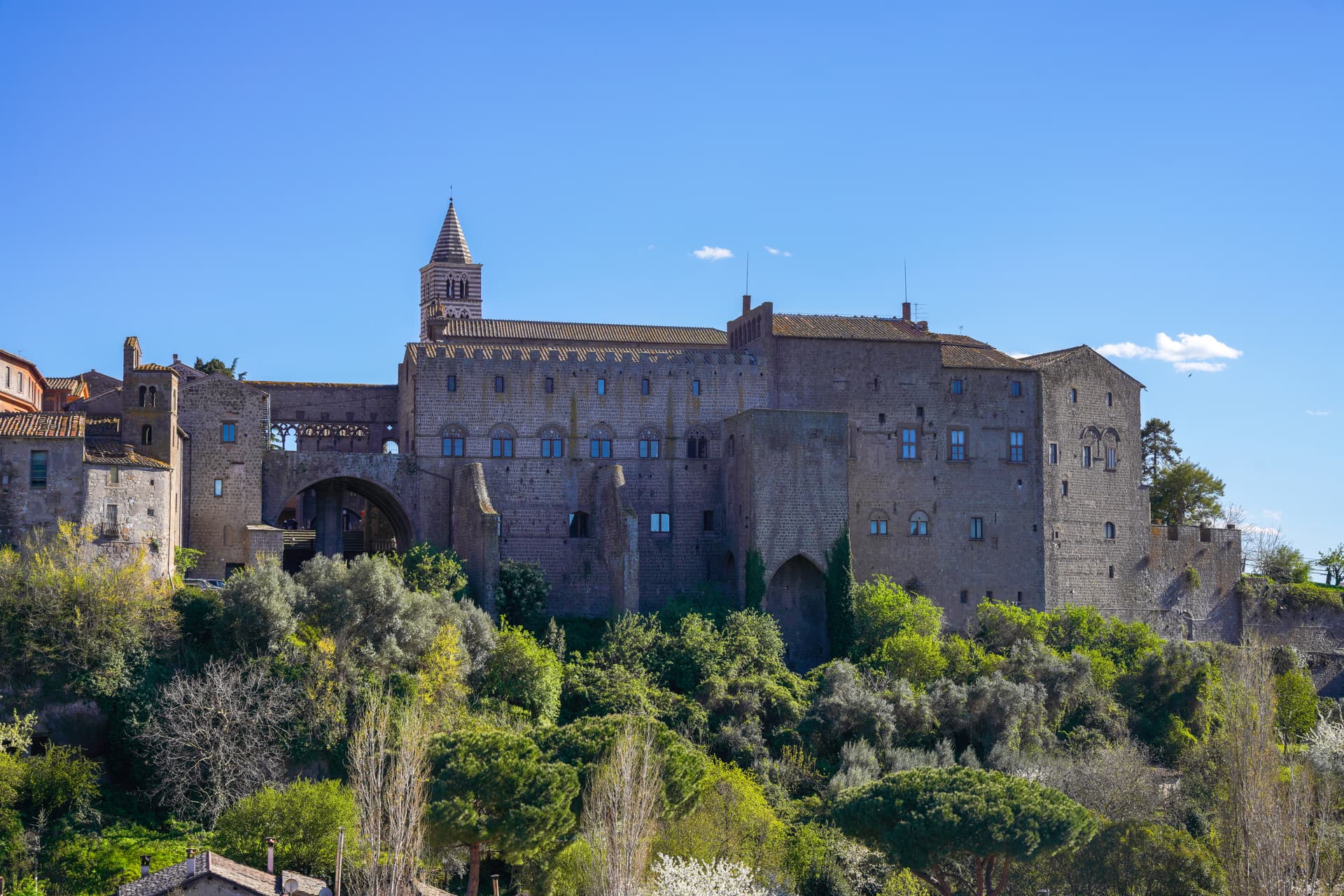
The medieval capital of the Tuscia, papal seat for five popes between 1257 and 1281 and home to the longest conclave in Church history.
Oriolo Romano
Province: Viterbo
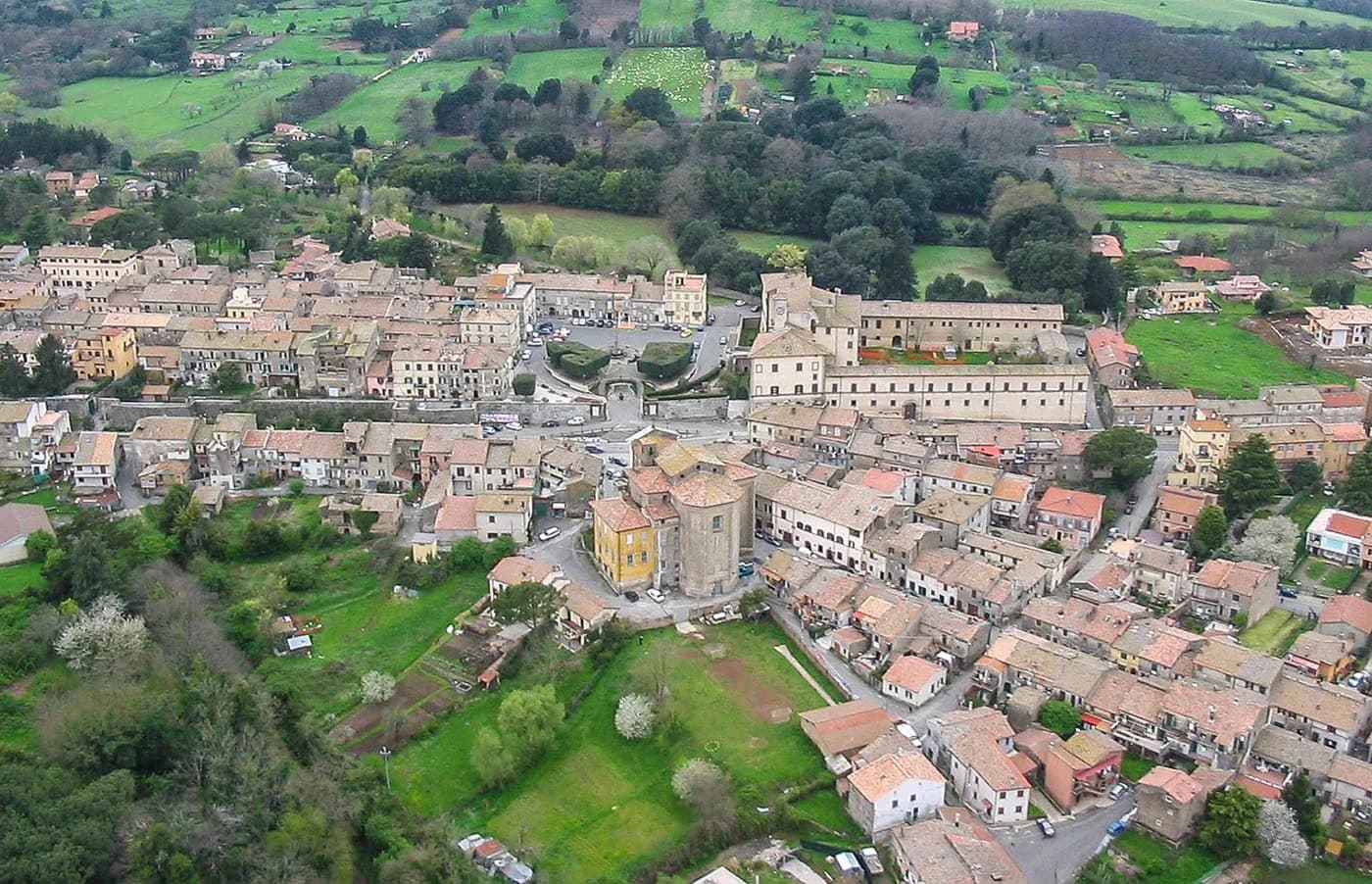
A planned sixteenth-century village in the Sabatini hills, founded in 1560 by a Santacroce nobleman next to the UNESCO beech forest of Monte Raschio.
🏛️ UNESCO
More UNESCO towns
Matera
Province: Matera
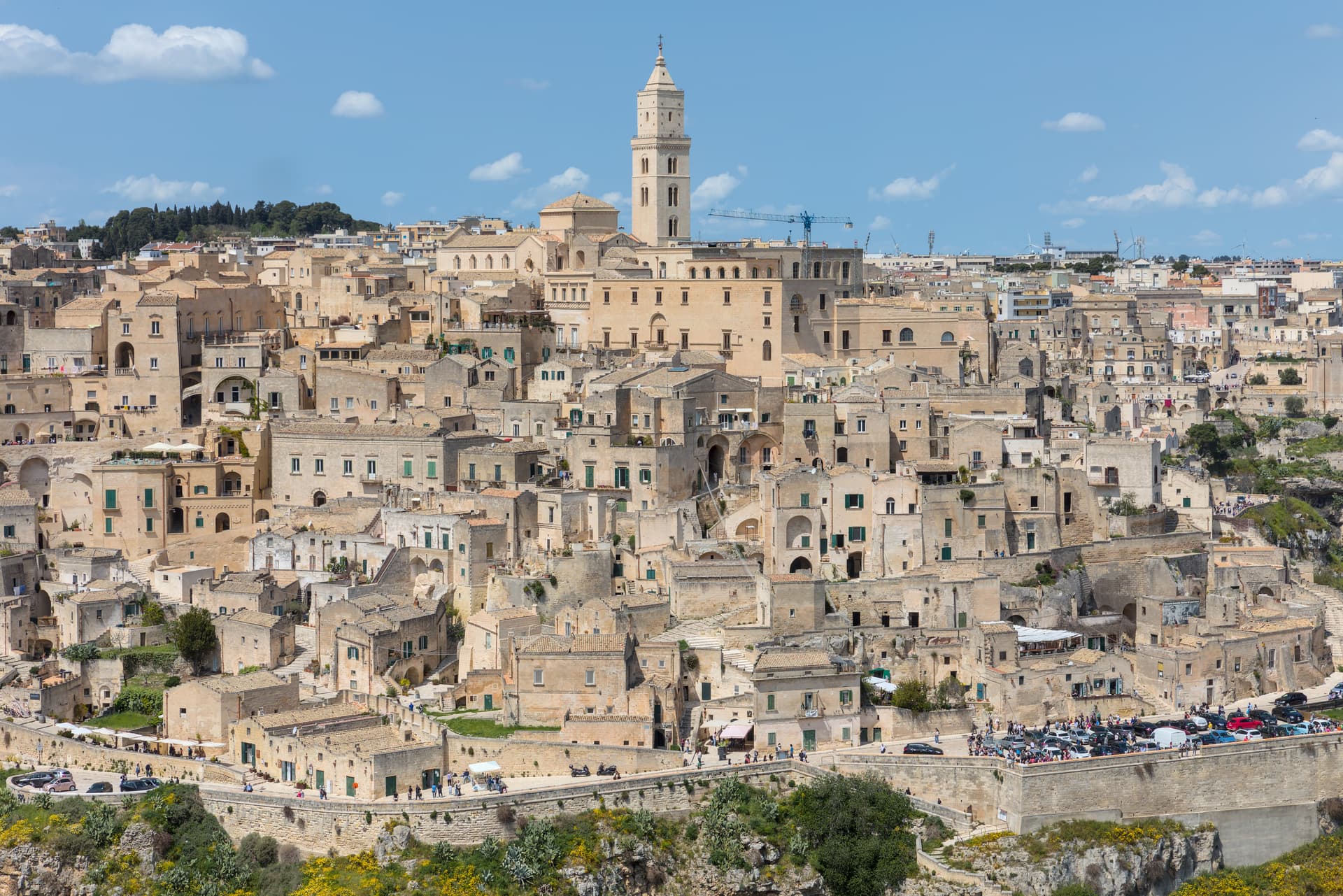
Cave dwellings carved into limestone since the Paleolithic, called the shame of Italy in the 1950s and made European Capital of Culture in 2019.
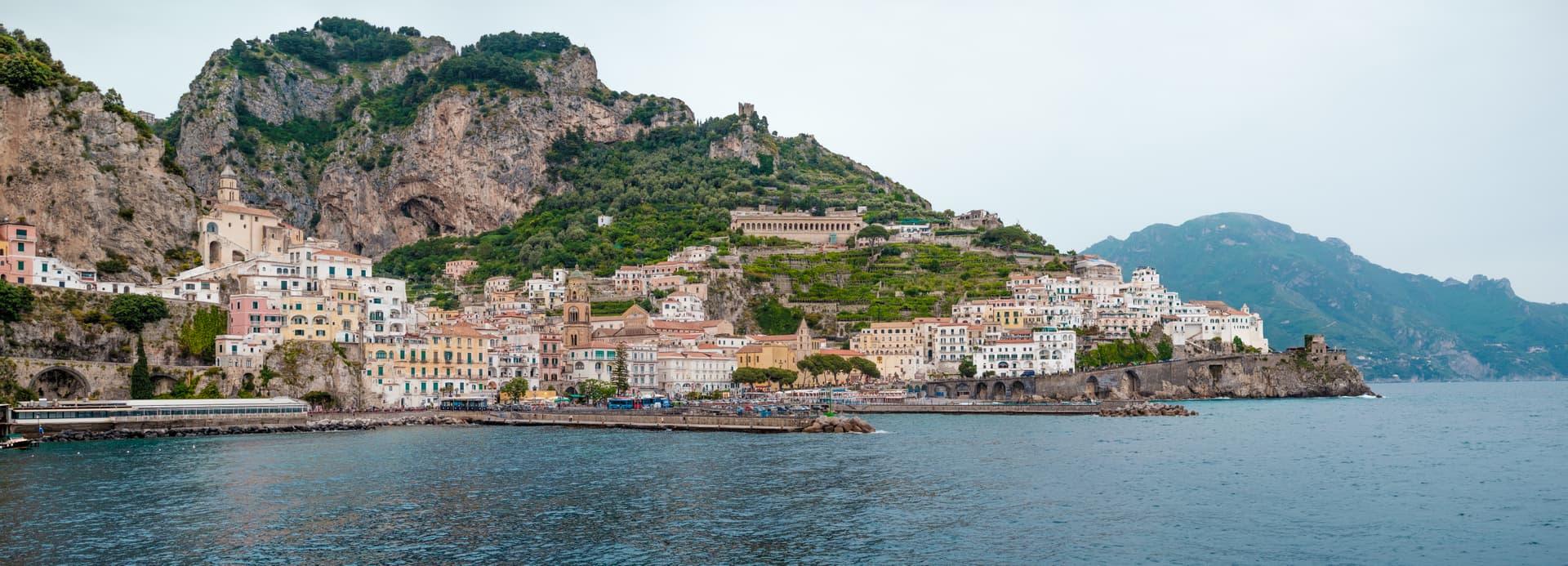
Amalfi
Province: Salerno
The first Italian maritime republic and the coast it named, six meters above the sea between cliffs that close around the duomo's steps.
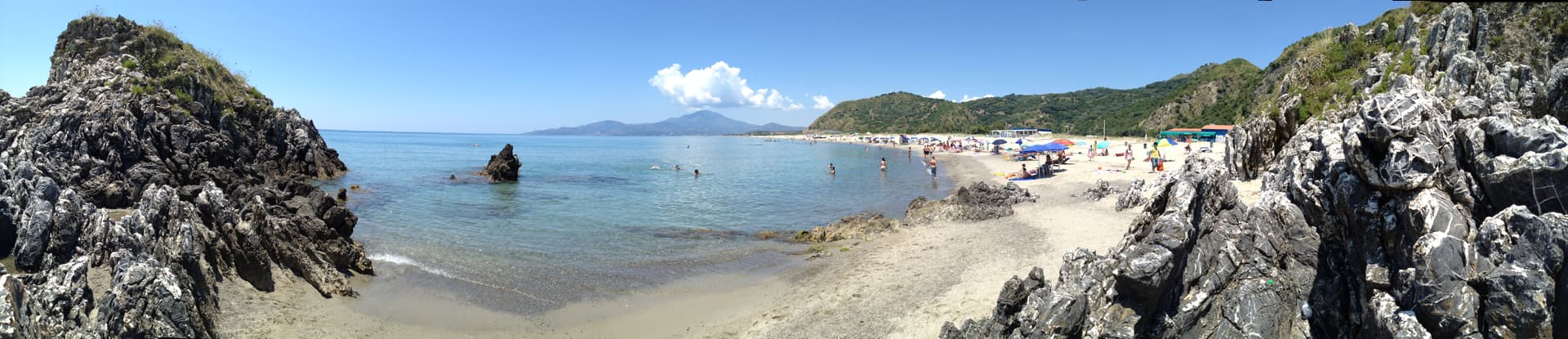
Ascea
Province: Salerno
Two villages, a hilltown at 230 meters and a Cilento marina, with Parmenides and Zeno's Eleatic school in the ruins of Greek Velia below.
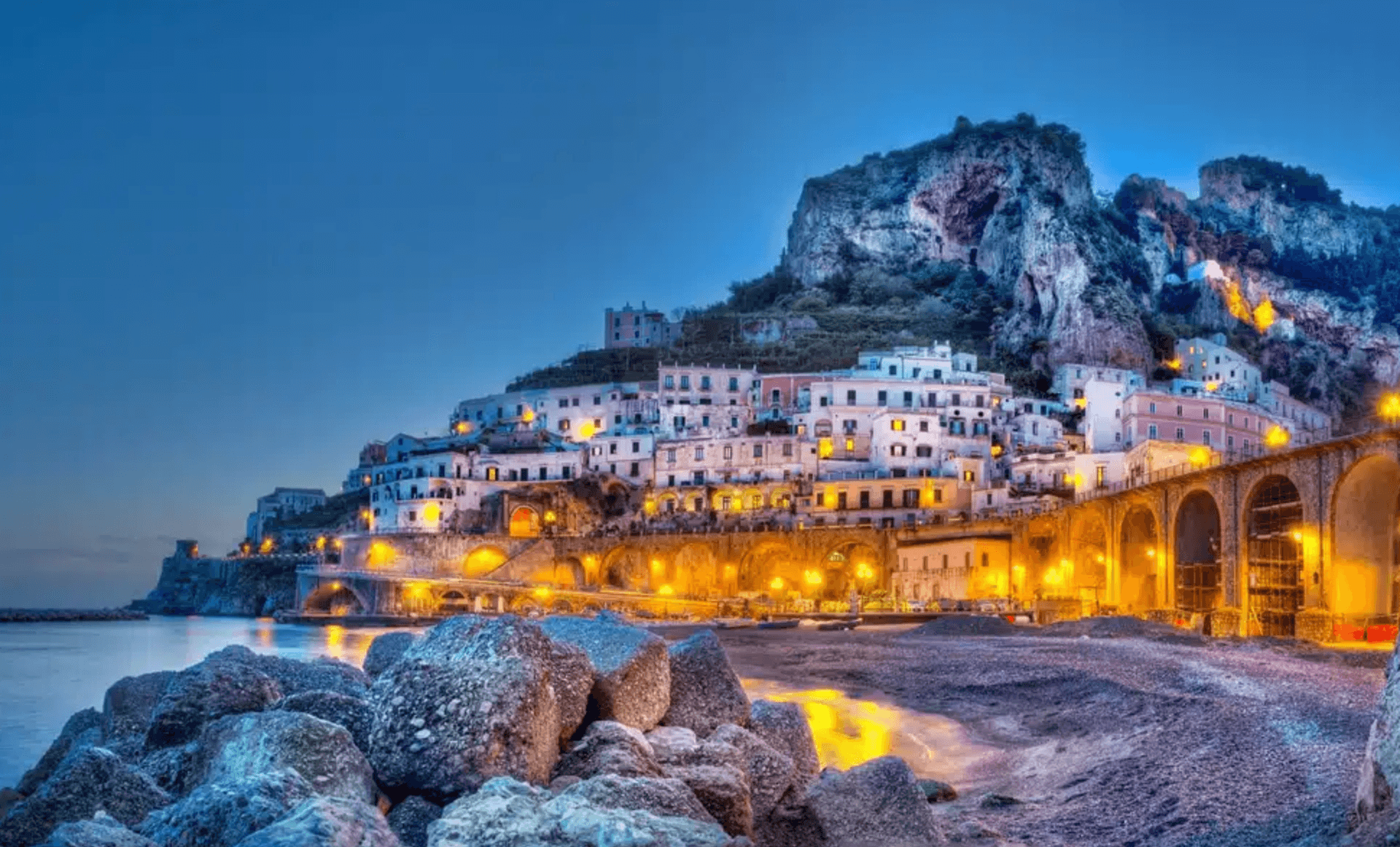
Atrani
Province: Salerno
The smallest commune in Italy by area, twelve hectares of stacked houses where the Amalfi Coast pinches shut around a single piazza.
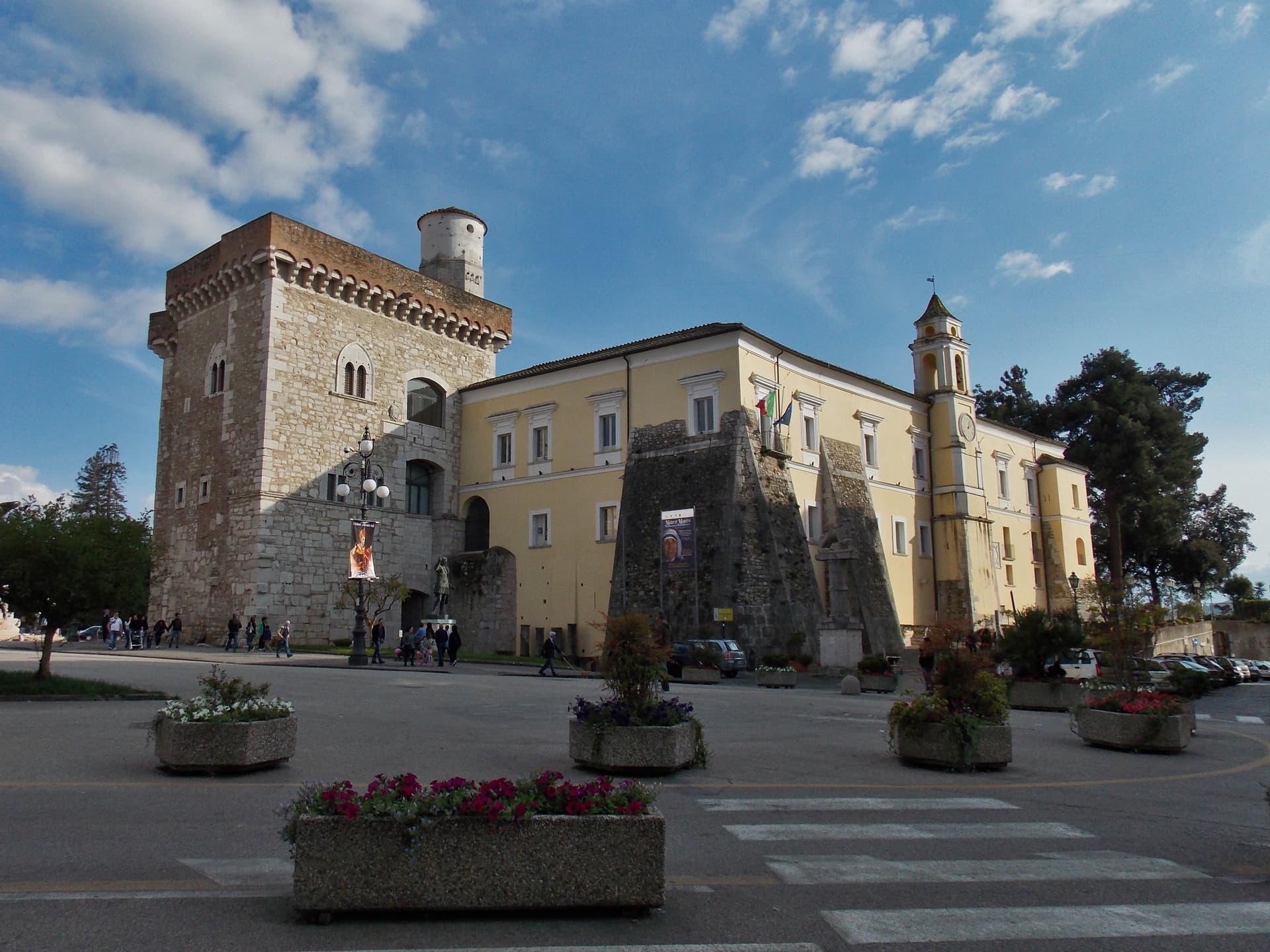
Benevento
Province: Benevento
Sannio capital at the Calore-Sabato confluence, with a 114 AD Trajan arch and a Lombard rotunda on the UNESCO list.