

Lazio · Roma
Cerveteri
An Etruscan capital seven kilometers inland from the Tyrrhenian coast, with the Banditaccia necropolis holding 1,000 tombs in the largest ancient cemetery in the Mediterranean.
Known for
BANDITACCIA
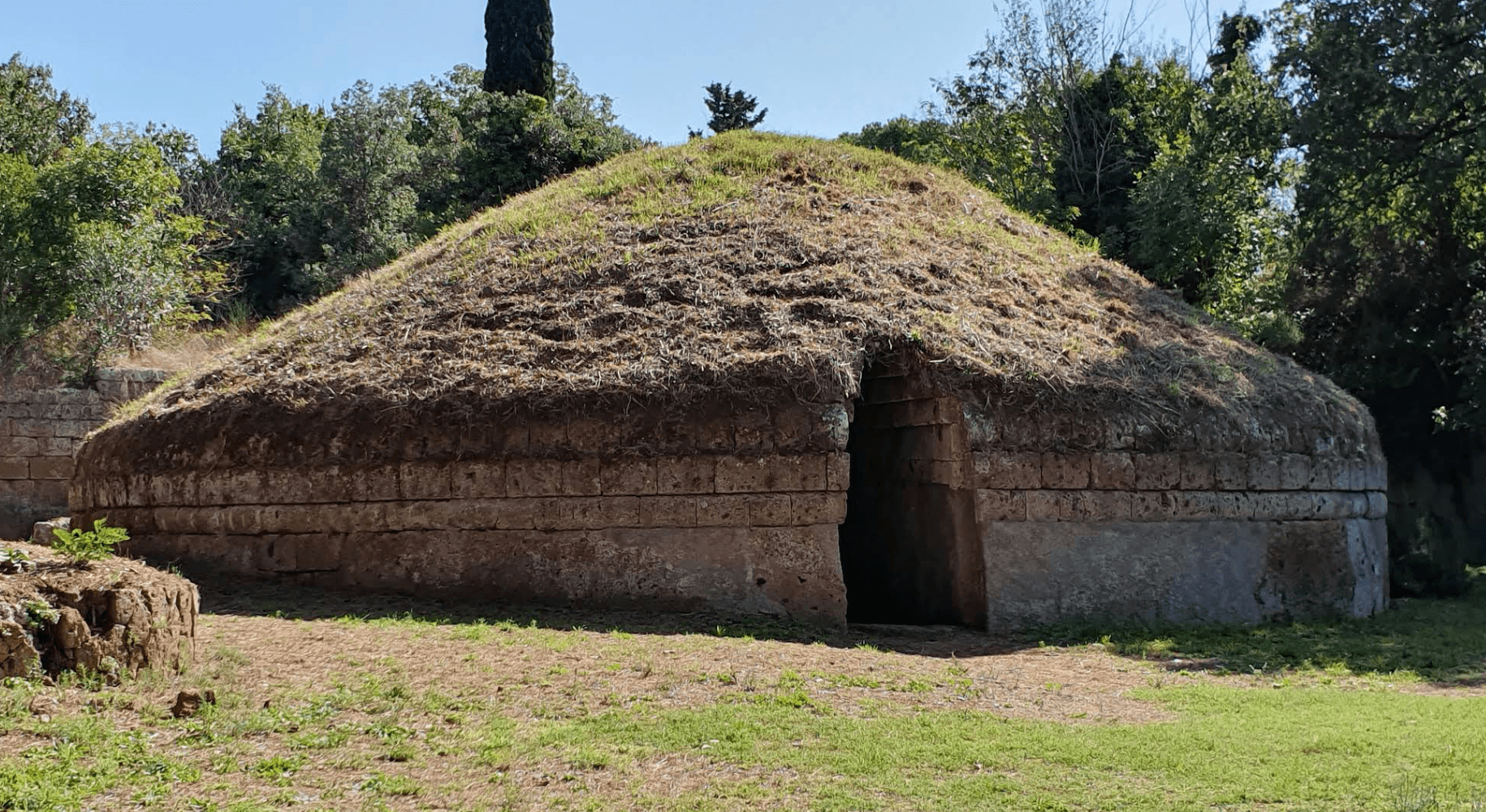
The largest ancient necropolis in the Mediterranean, 400 hectares with around 1,000 Etruscan rock-cut tombs and earth tumuli.
CAERE
One of the twelve great Etruscan city-states, at its sixth-century BC peak fifteen times the area of the modern town.
UNESCO 2004
Listed jointly with Tarquinia for the painted and architecturally elaborate Etruscan funerary cities.
When to visit
Best · May–Sep
- J
- F
- M
- A
- M
- J
- J
- A
- S
- O
- N
- D
- Best
- Hot or crowded
- Quiet
- Mostly closed
The festa: Michele, 8 May
Why come
Cerveteri sits on a tufa outcrop above the coastal plain, seven kilometers inland from the Tyrrhenian and thirty-five northwest of Rome. The Etruscans called it Caisra, the Greeks Agylla, the Romans Caere; at its height around 600 BC it covered fifteen times the area of the modern town and held an estimated 25,000 to 40,000 people, the equal of Tarquinia at the peak of Etruscan power. The medieval town inherited the central plateau and was renamed Caere Vetus, the Old Caere, to distinguish it from the coastal Caere Novum that no longer exists.
The Castello Ruspoli at the centre of the medieval town encloses sections of fourth-century BC Etruscan walls in its base. Two kilometers north, the Banditaccia necropolis covers 400 hectares of which 10 are visitable, with around 1,000 rock-cut tombs and the great earth tumuli that gave Etruscan funerary architecture its most concentrated expression. It joined the UNESCO list with Tarquinia in 2004.
The Sunday letter
We haven’t written Cerveteri’s letter yet.
One town every Sunday, with the photo, the food, the festa. Be there when this one comes up. Free, by Peter & Sophia from Pietrasanta.
By subscribing you agree to Substack’s Terms of Use, our Privacy Policy and our Information collection notice.
What to see
Necropoli della Banditaccia
UNESCO Etruscan necropolis 2 km north of town, covering 400 hectares with around 1,000 tombs and the great earth tumuli that defined Etruscan funerary architecture.
Museo Nazionale Cerite
National Etruscan museum inside the Castello Ruspoli, with sarcophagi, ceramics and grave goods recovered from the Banditaccia tombs.
Castello Ruspoli
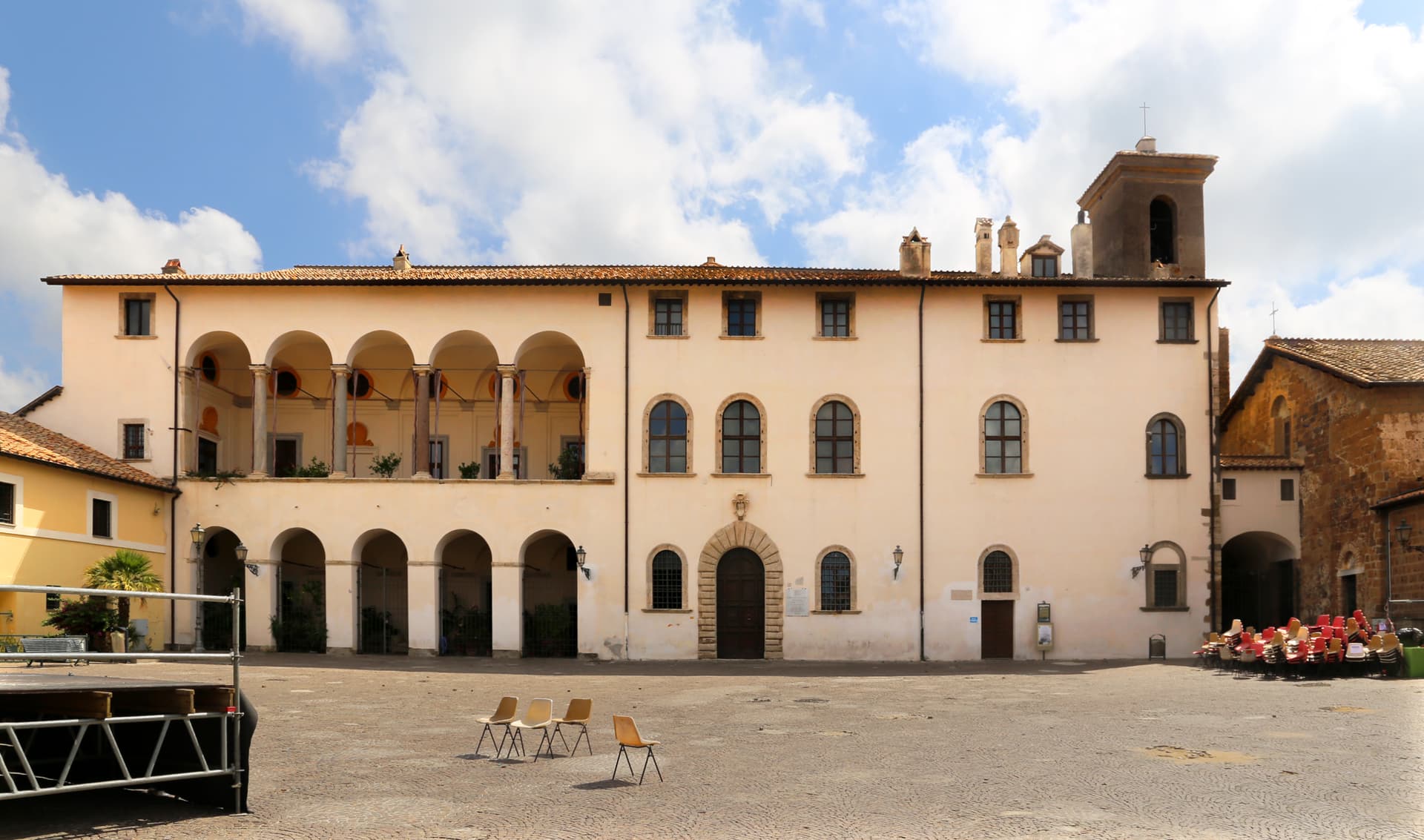
Medieval Orsini-Ruspoli fortress at the centre of the old town, with fourth-century BC Etruscan walls preserved in its base.
Tomba dei Rilievi
Hellenistic-era Banditaccia tomb decorated with stuccoed reliefs of weapons, tools and household objects, the most elaborate of its kind.
Centro storico medievale
Medieval upper town on the tufa plateau above the modern centre, with the Piazza Santa Maria and the parish church facing the castle.
The slow-trip planner
Building a trip? Find where Cerveteri fits in a slow Italy circuit.
Answer five questions. We will shape a geographically coherent slow trip from the 1,000 Italian towns most travelers skip. Yours to save and share.
Living here
- Population 37,855
- In-betweeni
- Pharmacy in town
- High school within a 30-minute drive
- Train station in the comune
- Nearest airport Rome, 55 min drive
- Regional capital Roma, 50 min drive
Tags & datadesignations · numbers · sources
Recognised as
The numbers
- Elevation: 81 m
- Population: 37,855
- Surface area: 134.32 km²
These figures were compiled from public directories — ISTAT, OpenStreetMap, Wikidata — and from the official listings of the guides named on this page. Town details change; verify with official sources before you travel.
Close by
More towns near Cerveteri
Bracciano
Province: Roma
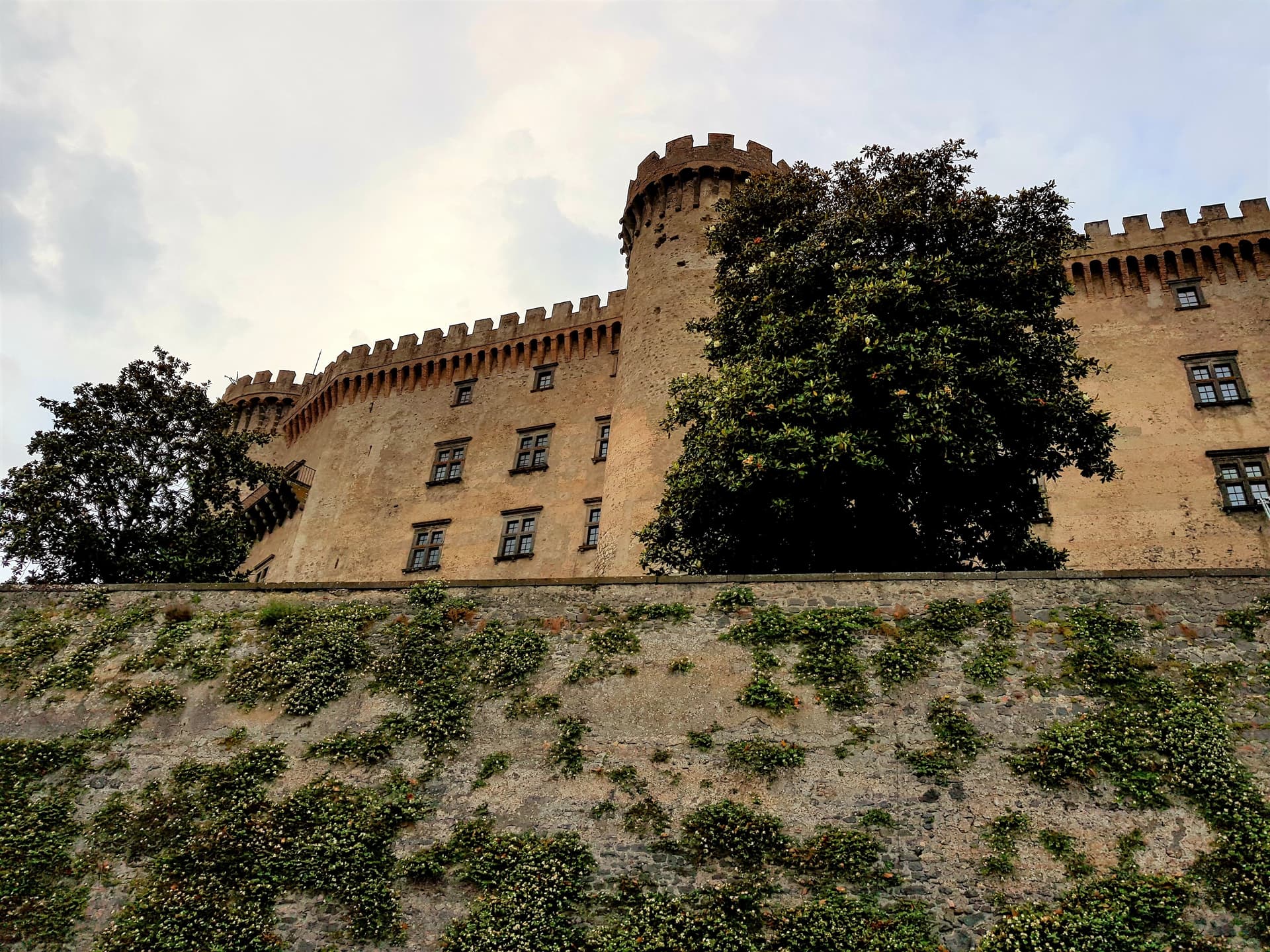
The Lazio lake town with the eighth-largest lake in Italy below it and one of the best-preserved Renaissance castles in the country above it.
Anguillara Sabazia
Province: Roma
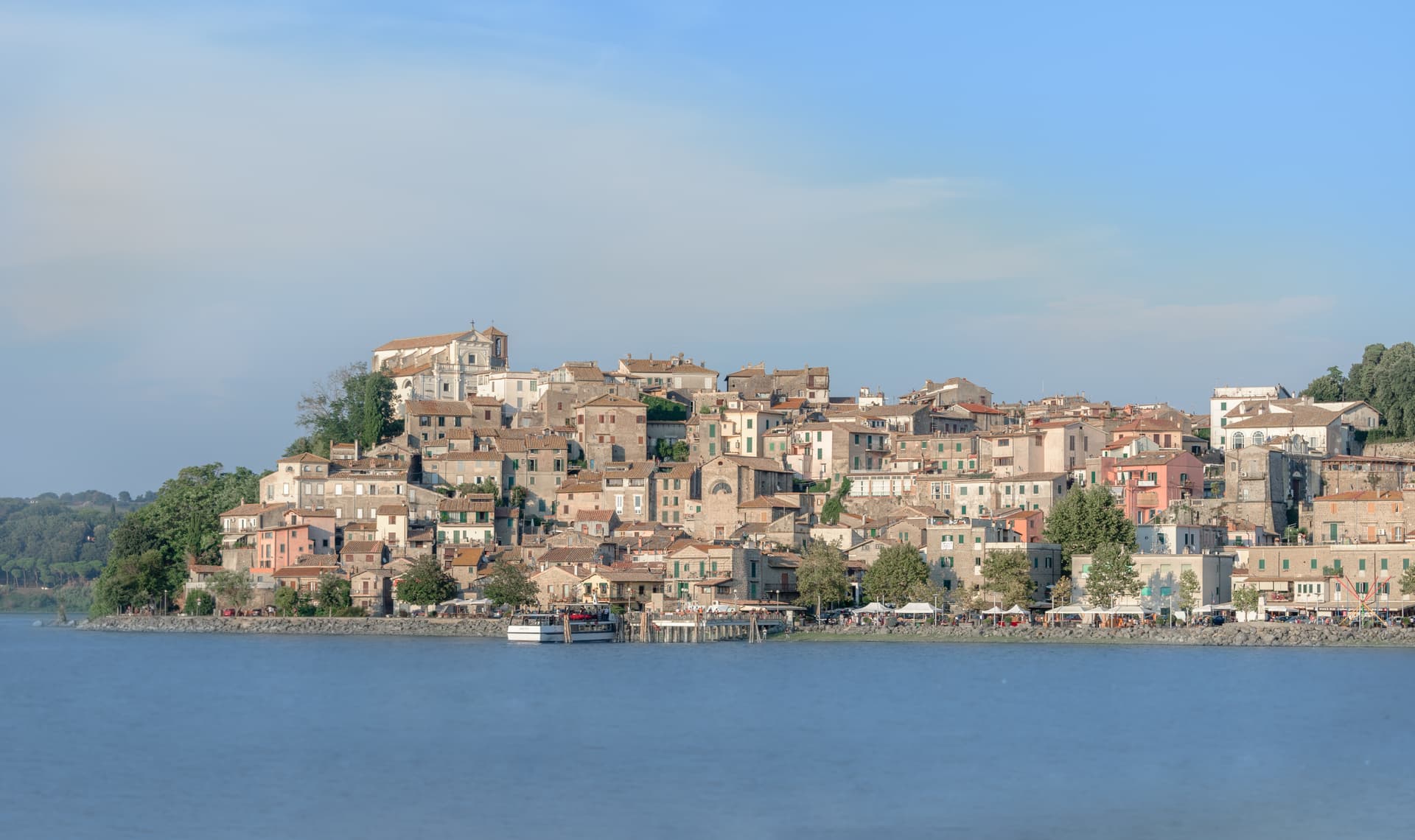
A medieval cape town jutting into Lake Bracciano, twenty-five kilometers from Rome, built above a 5700 BC Neolithic lakeshore village.
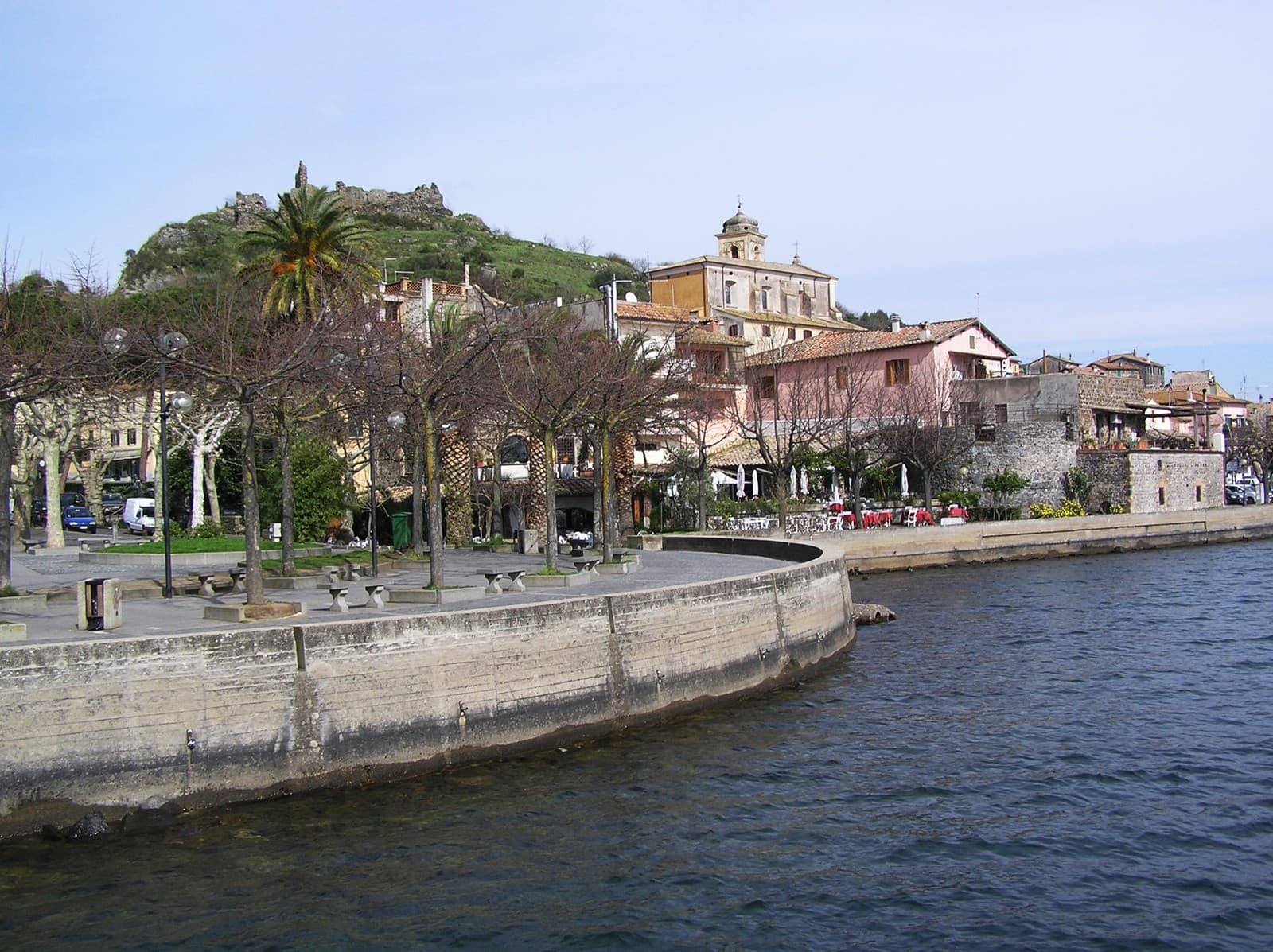
Trevignano Romano
Province: Roma
A volcanic-crater lake town on the northern shore of Bracciano, thirty-five kilometers from Rome, with a medieval rocca above the water.
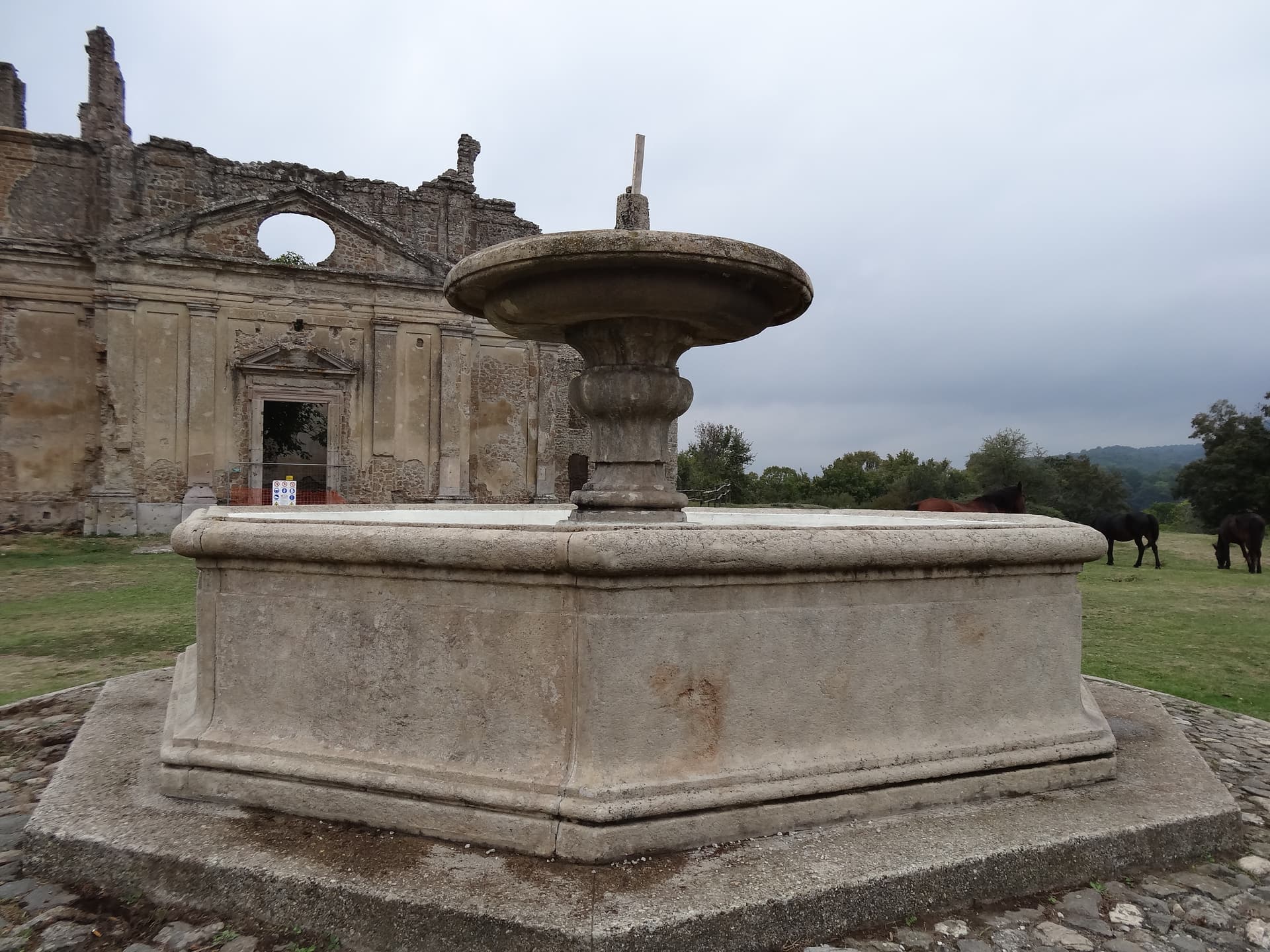
Canale Monterano
Province: Roma
A hilltop village next to the burned ghost town of Monterano, where Bernini's San Bonaventura and the Baroque fountain stand roofless.
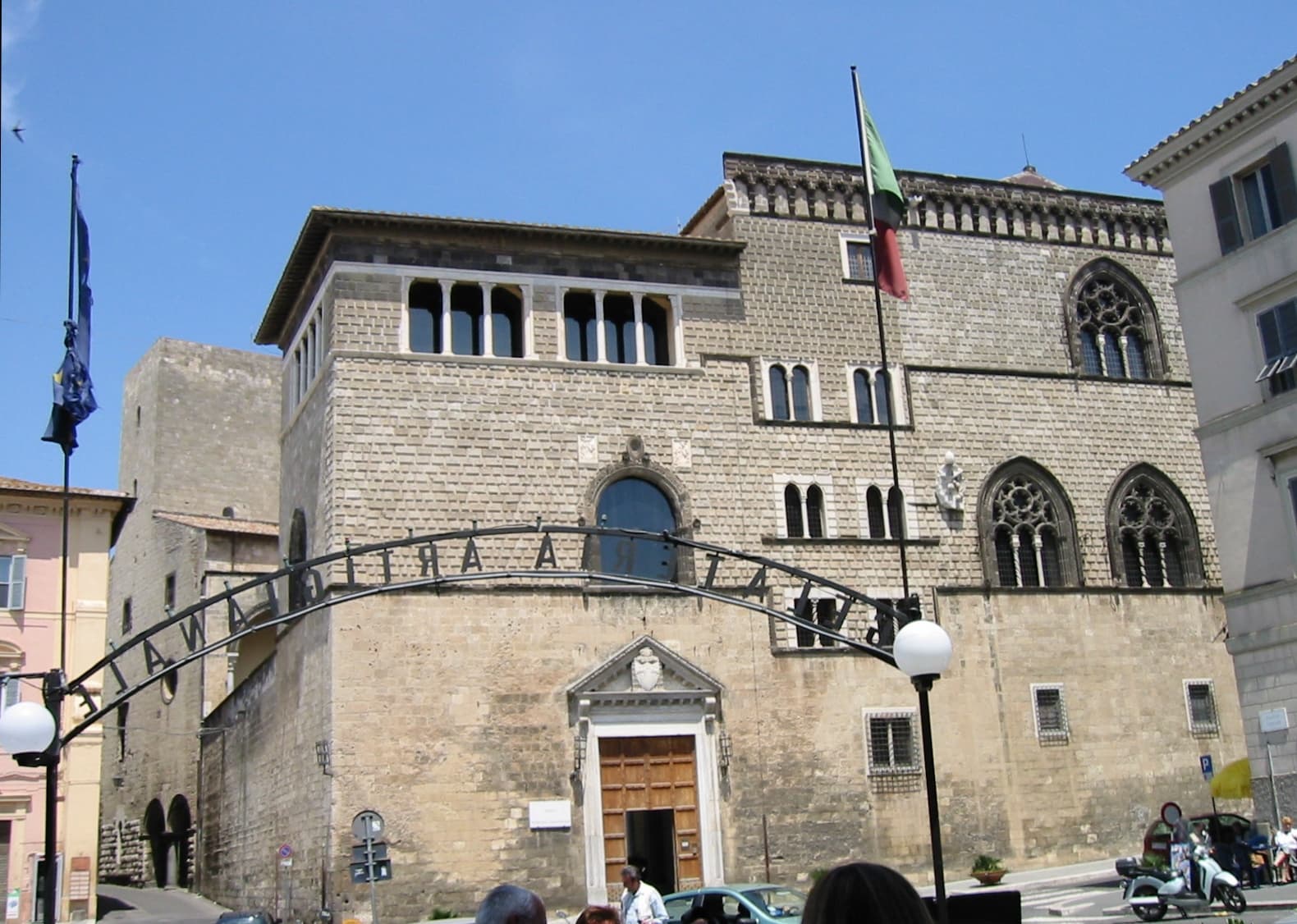
Tarquinia
Province: Viterbo
An Etruscan capital on a Maremma ridge whose 6,000 rock-cut tombs at Monterozzi hold the largest body of pre-Roman painting in the Mediterranean.
🏛️ UNESCO
More UNESCO towns
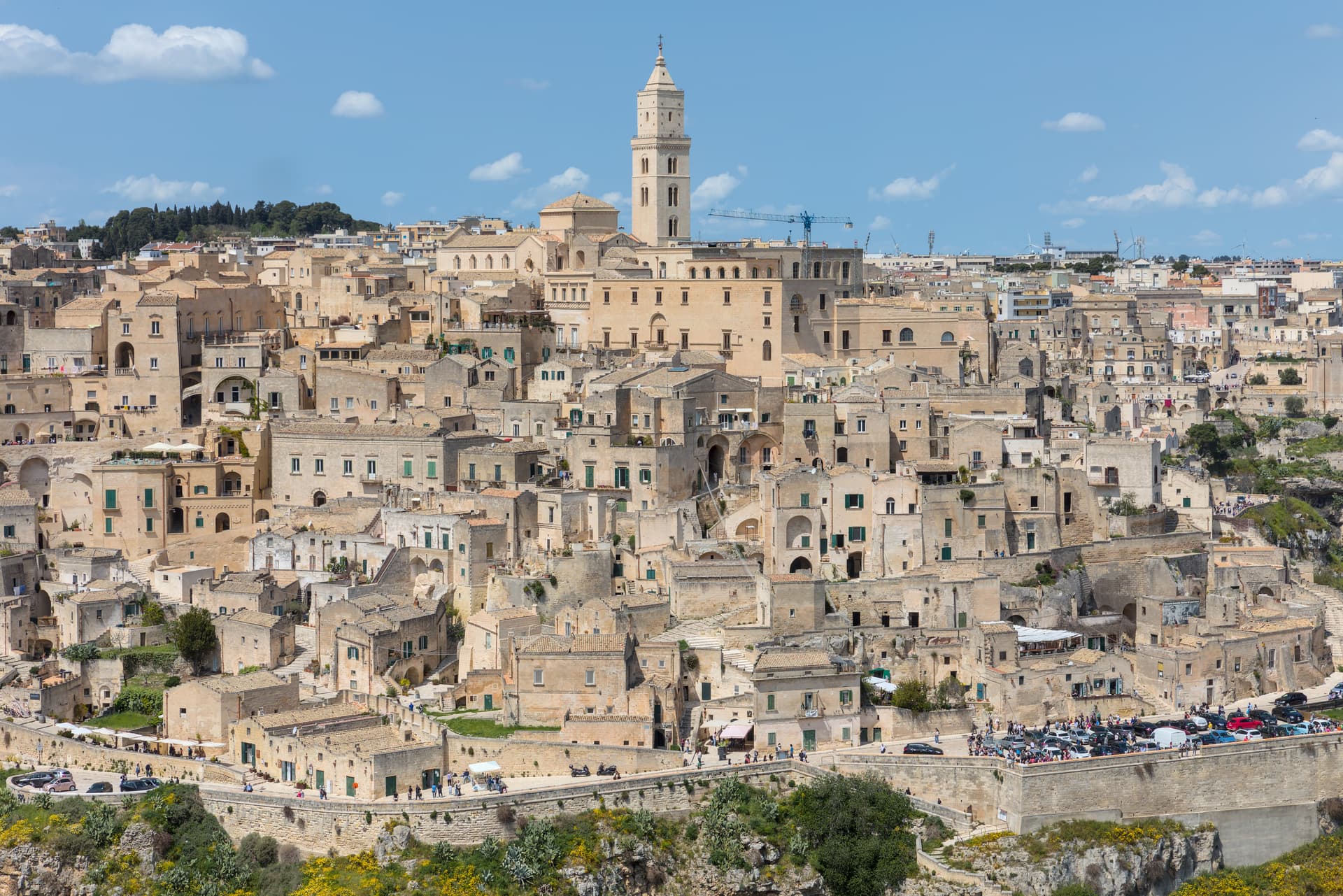
Matera
Province: Matera
Cave dwellings carved into limestone since the Paleolithic, called the shame of Italy in the 1950s and made European Capital of Culture in 2019.
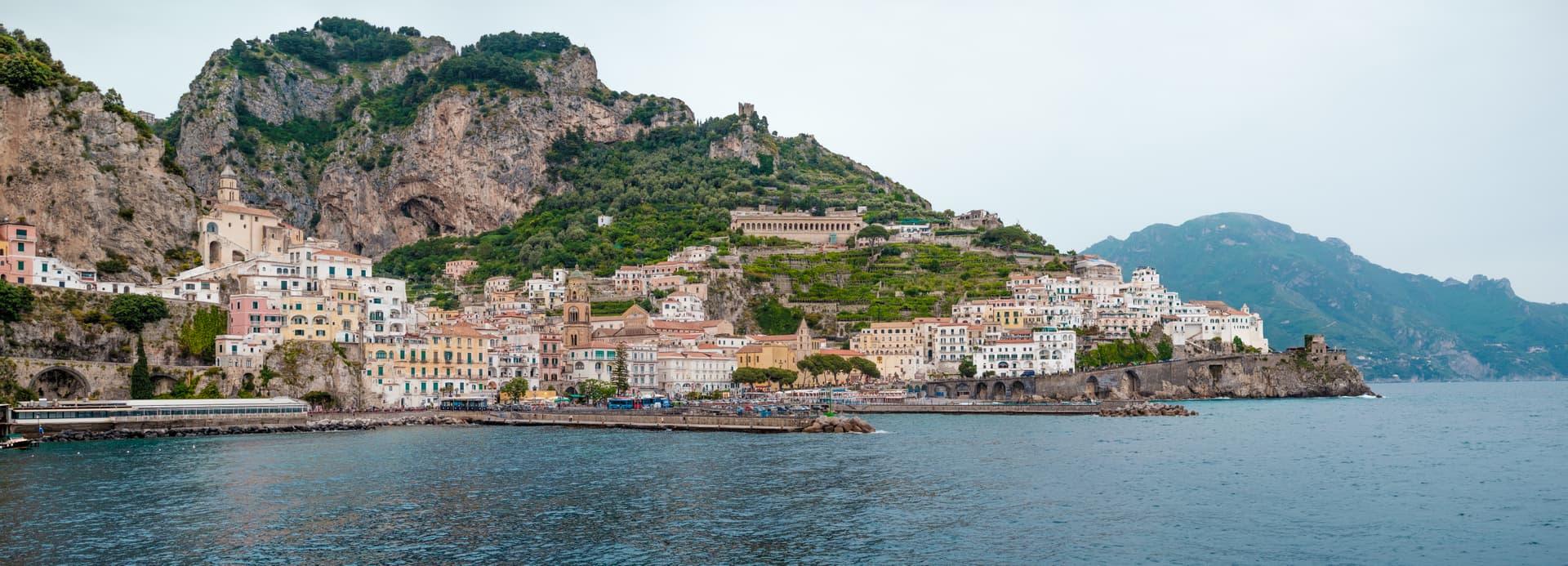
Amalfi
Province: Salerno
The first Italian maritime republic and the coast it named, six meters above the sea between cliffs that close around the duomo's steps.
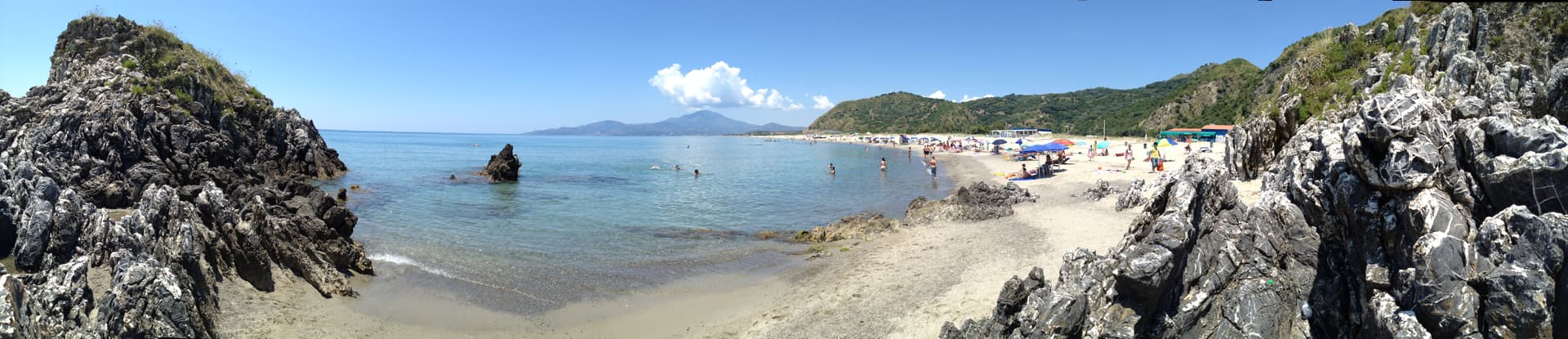
Ascea
Province: Salerno
Two villages, a hilltown at 230 meters and a Cilento marina, with Parmenides and Zeno's Eleatic school in the ruins of Greek Velia below.
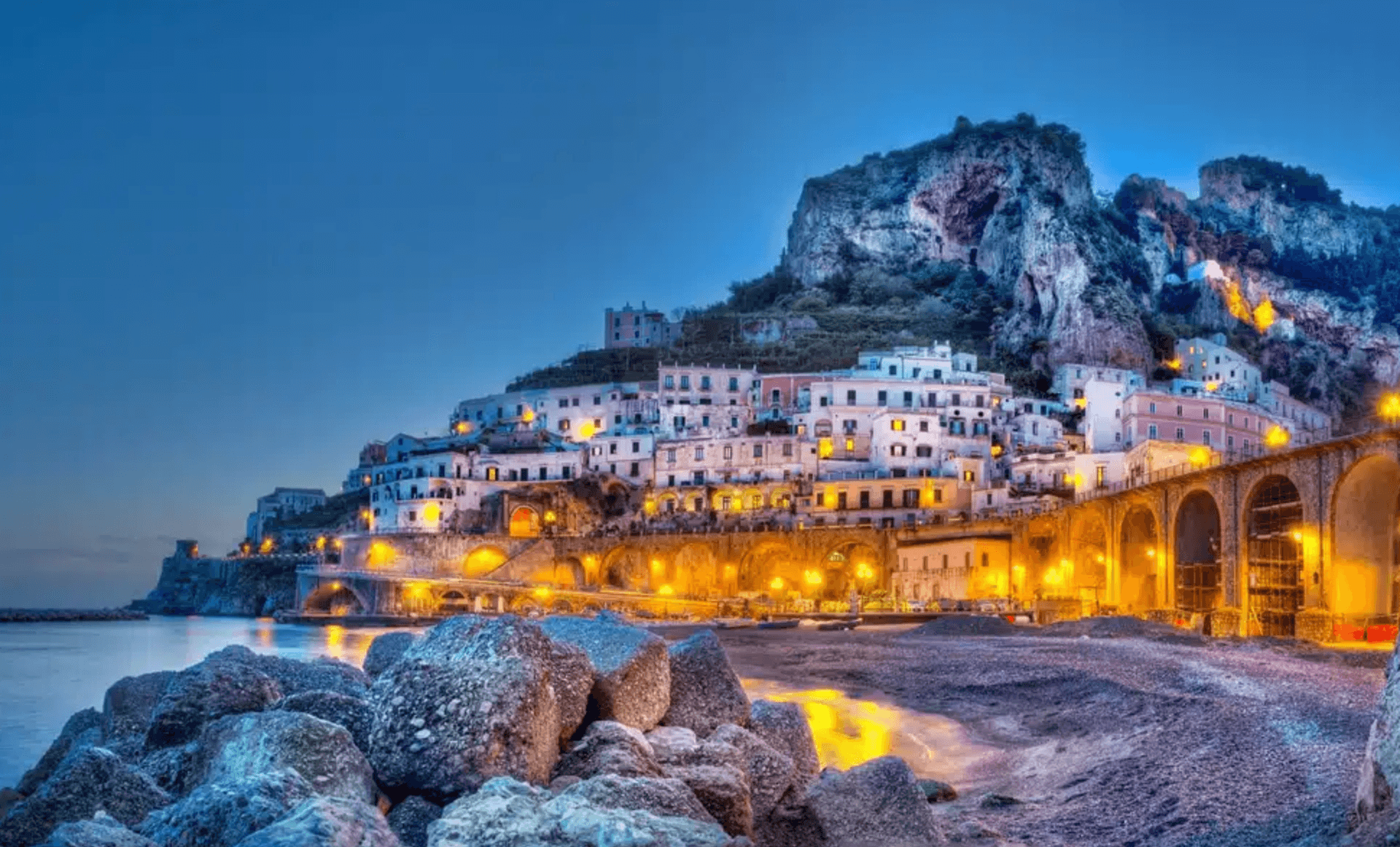
Atrani
Province: Salerno
The smallest commune in Italy by area, twelve hectares of stacked houses where the Amalfi Coast pinches shut around a single piazza.
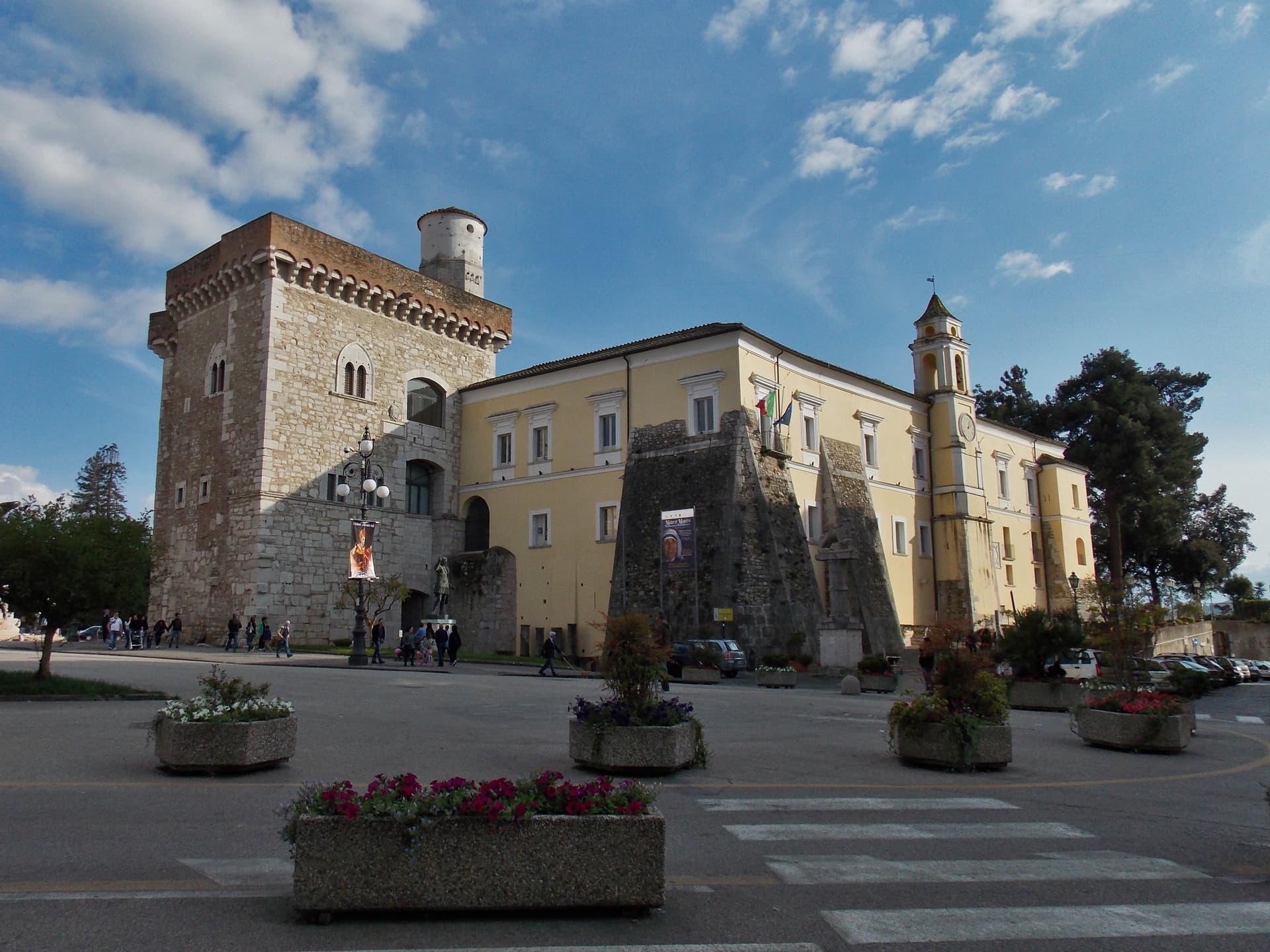
Benevento
Province: Benevento
Sannio capital at the Calore-Sabato confluence, with a 114 AD Trajan arch and a Lombard rotunda on the UNESCO list.