
UNESCO
UNESCO in Piedmont
12 towns
Piedmont carries 12 of the UNESCO towns we cover. They cluster in the Cuneo, Torino, and Verbano-Cusio-Ossola provinces.
The three most recognised in our catalogue are Orta San Giulio, Biella, and Bra. 9 more towns carry the mark alongside them.
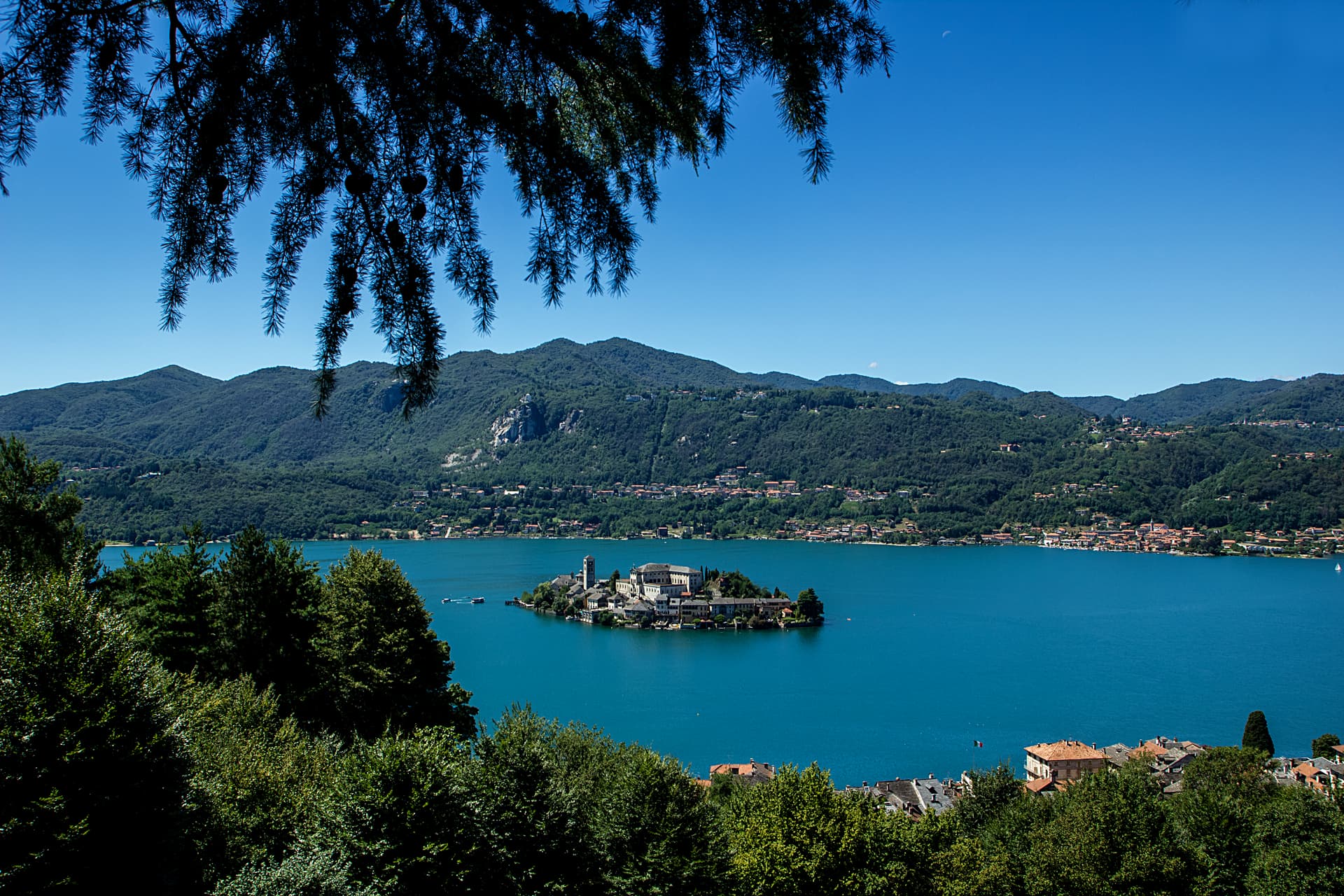
Orta San Giulio
Province: Novara · 294 m
A Lake Orta promontory facing an islet with a Romanesque basilica, plus a UNESCO Sacro Monte of twenty Francis-of-Assisi chapels on the hill above.
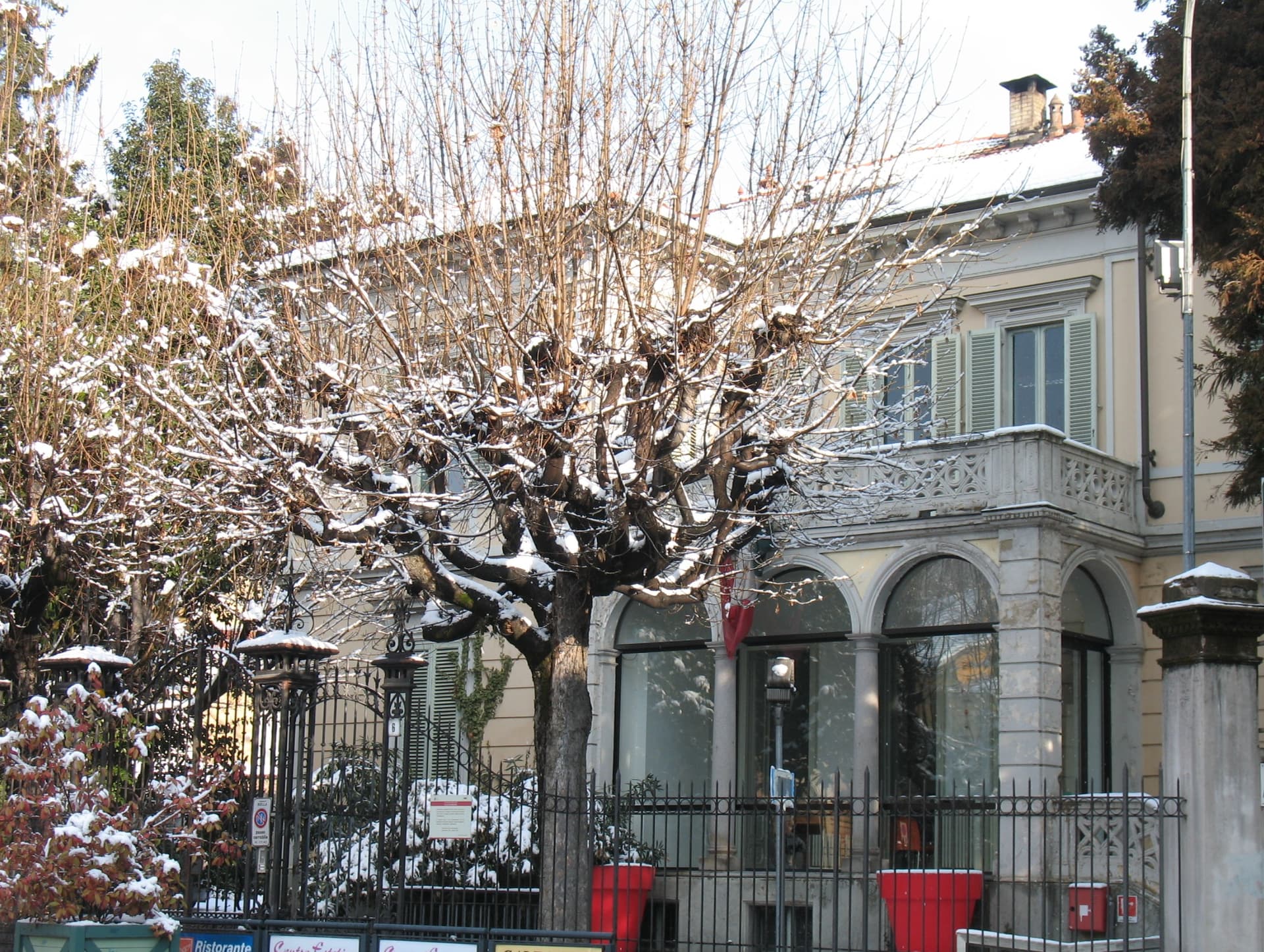
Biella
Province: Biella · 417 m
A wool city at 417 meters in the Alpine foothills, where the medieval Piazzo sits above the modern Piano, connected by a funicular since 1885.
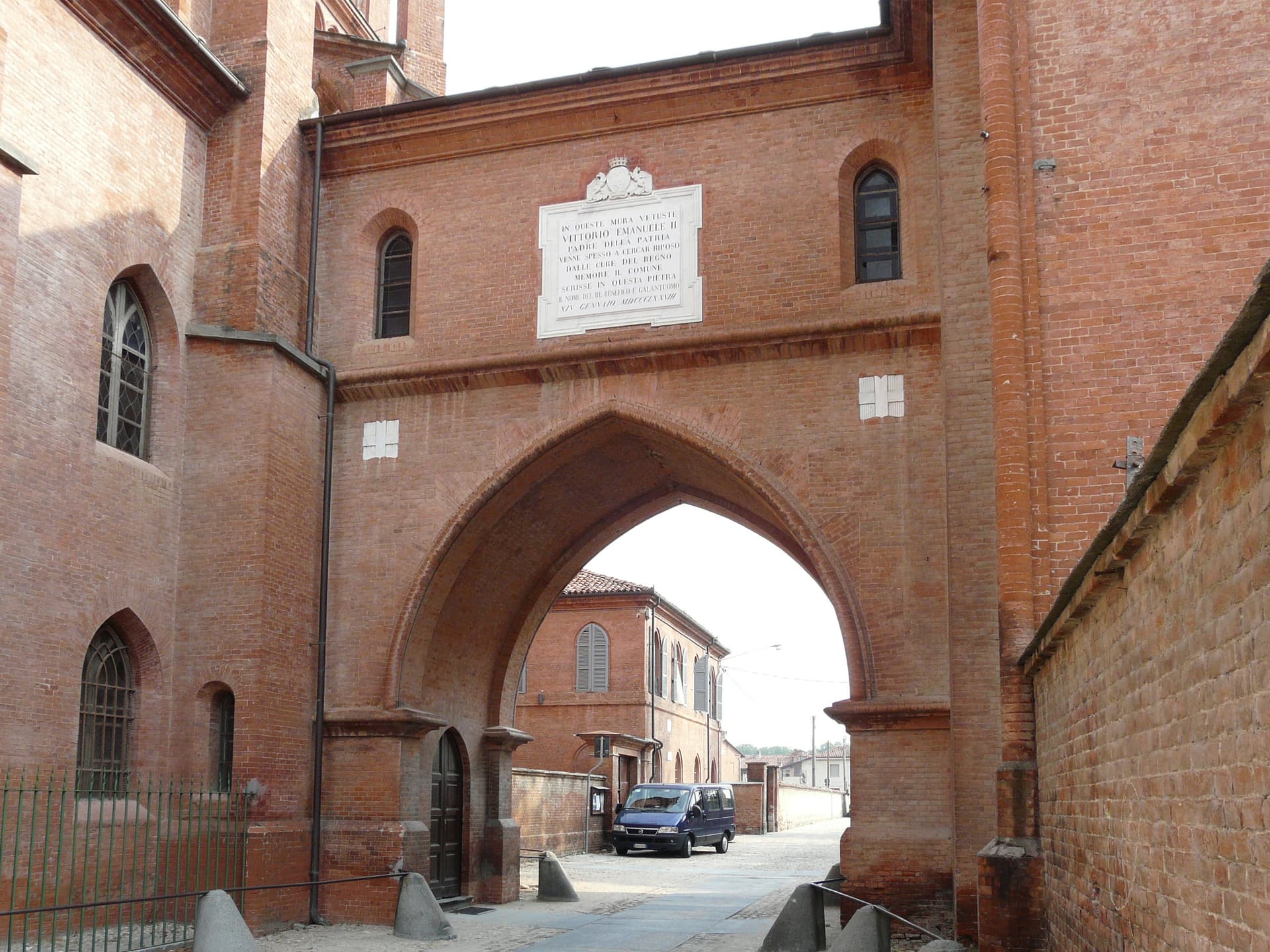
Bra
Province: Cuneo · 290 m
A Roero town at 290 meters where Carlo Petrini founded Slow Food in 1986 and the world's first gastronomic university now teaches food systems.
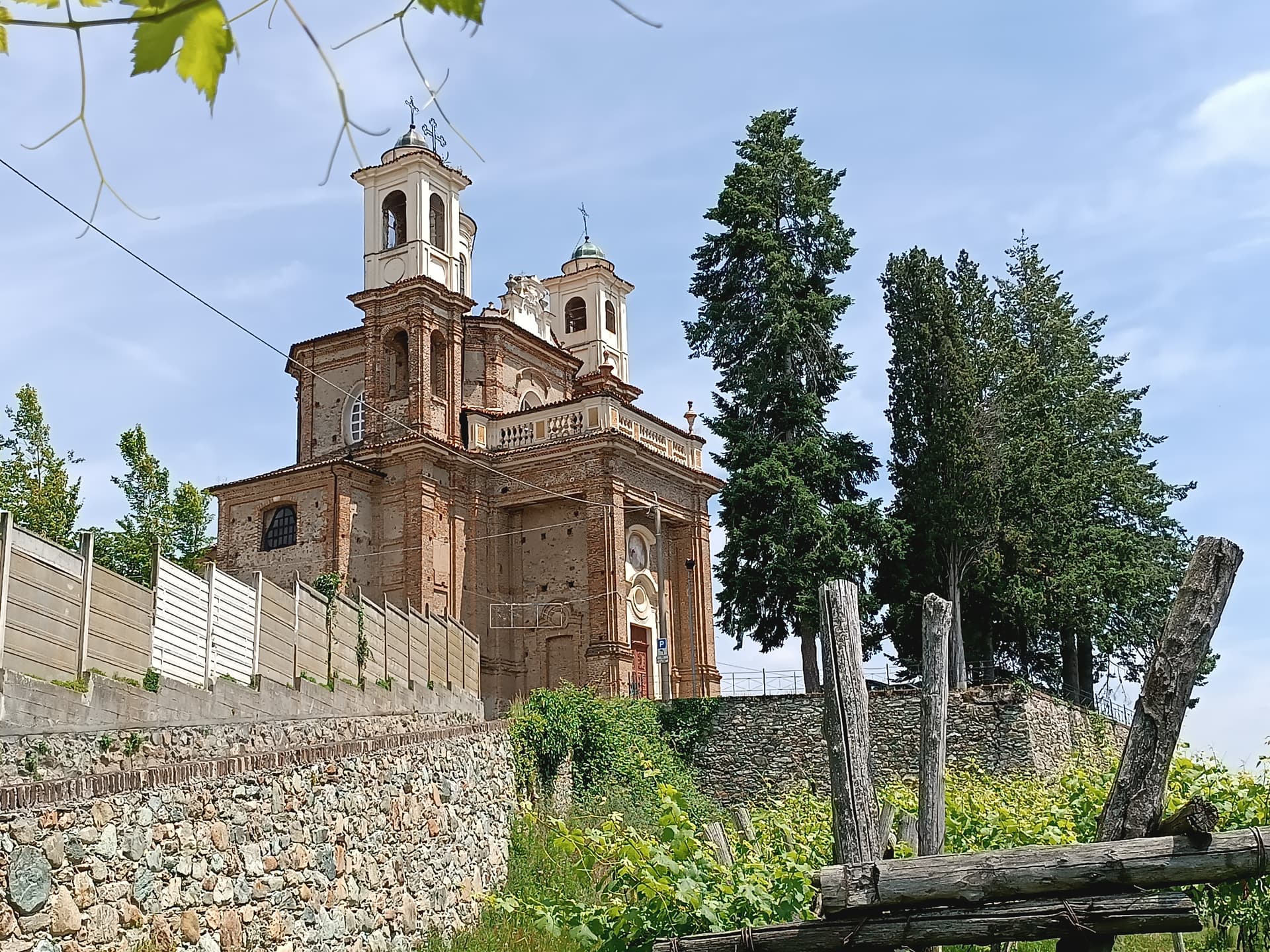
Agliè
Province: Torino · 330 m
A Canavese borgo at 330 meters whose Castello Ducale, a UNESCO Savoy residence since 1997, has been held by the d'Agliè since 1259.
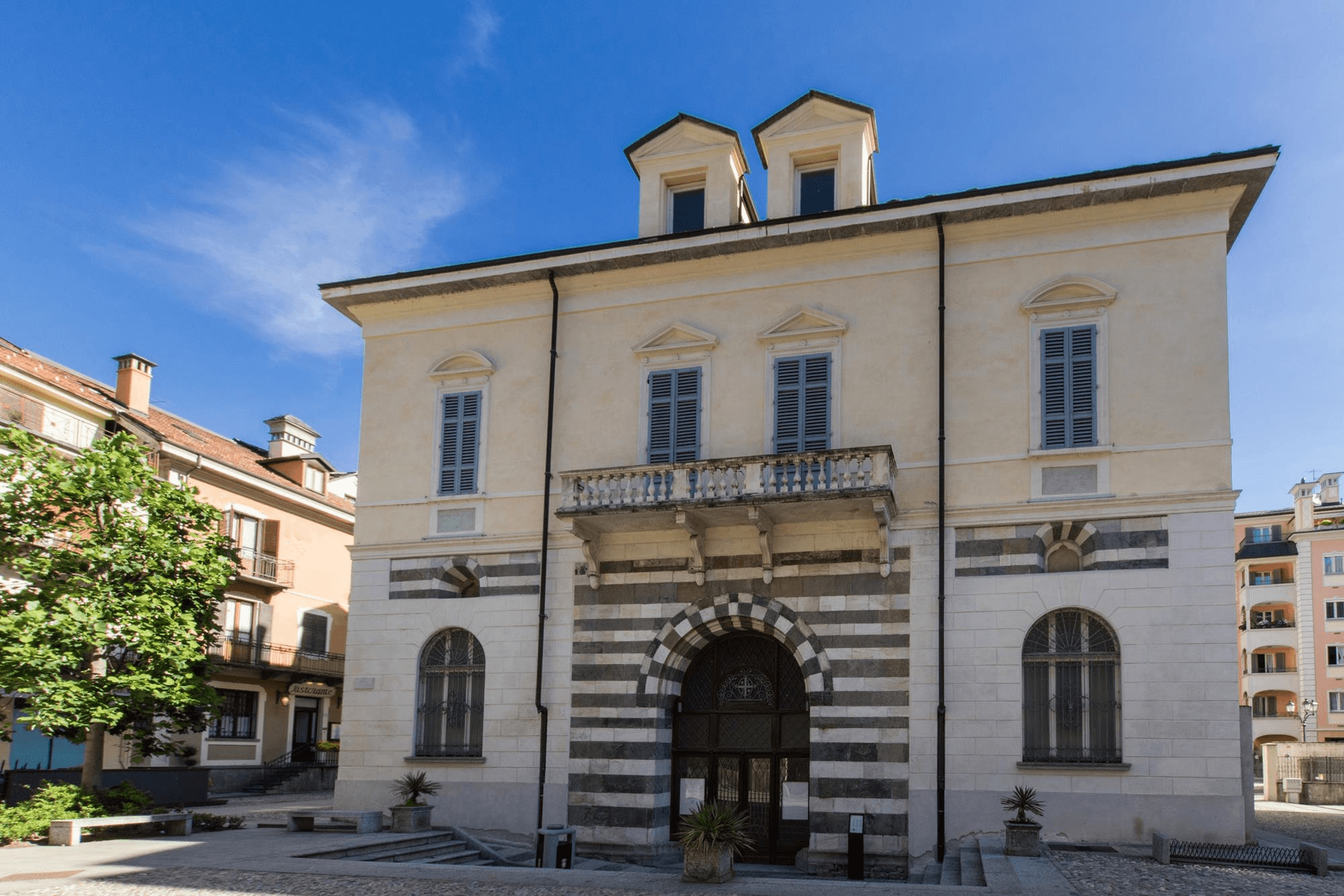
Domodossola
Province: Verbano-Cusio-Ossola · 272 m
The Ossola capital at 272 meters at the foot of the Simplon Pass, with a UNESCO Sacro Monte on the hill above.
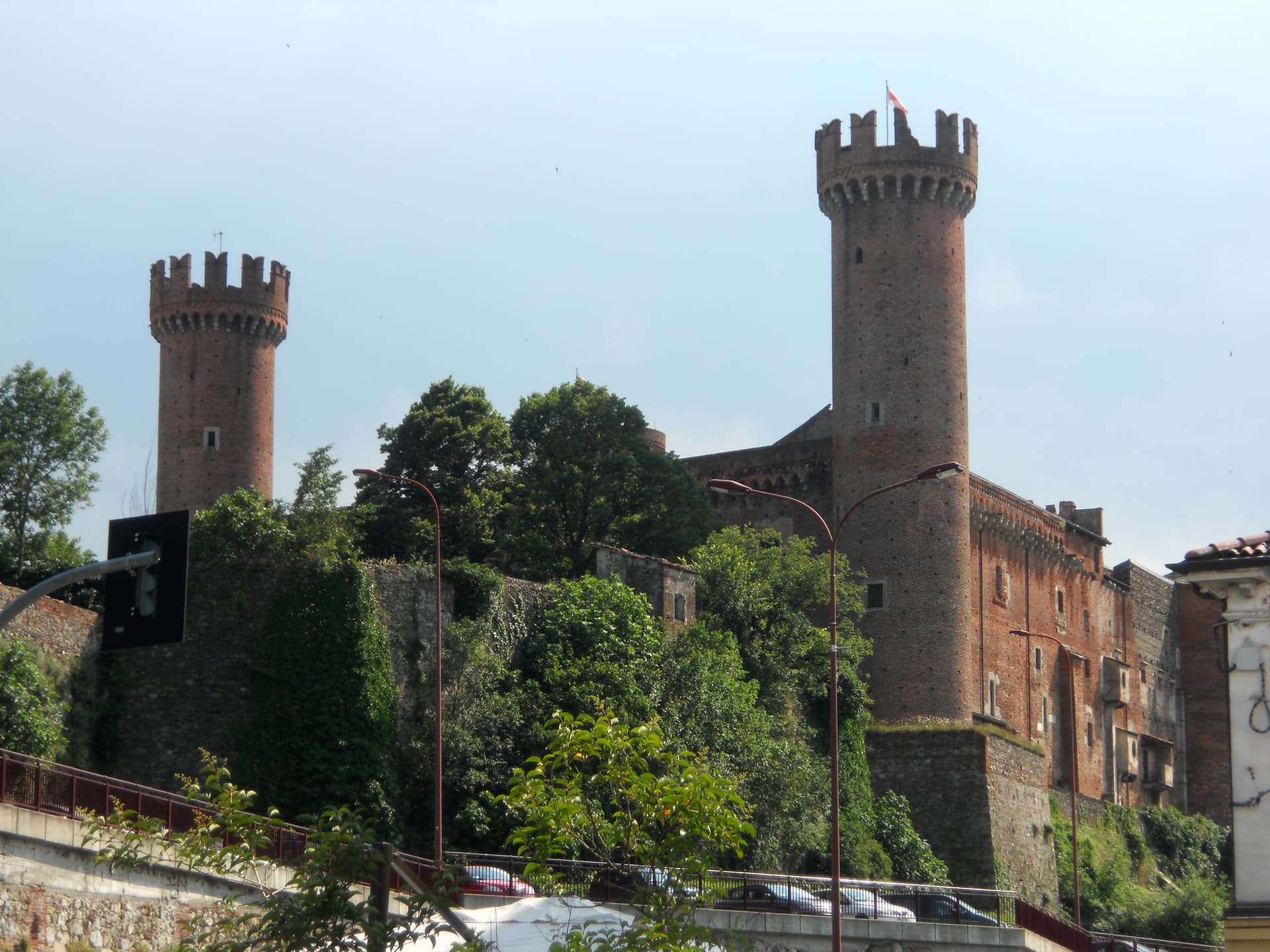
Ivrea
Province: Torino · 267 m
Roman Eporedia on the Dora Baltea, Olivetti's twentieth-century industrial city, UNESCO since 2018, where every February three hundred tons of oranges are thrown.
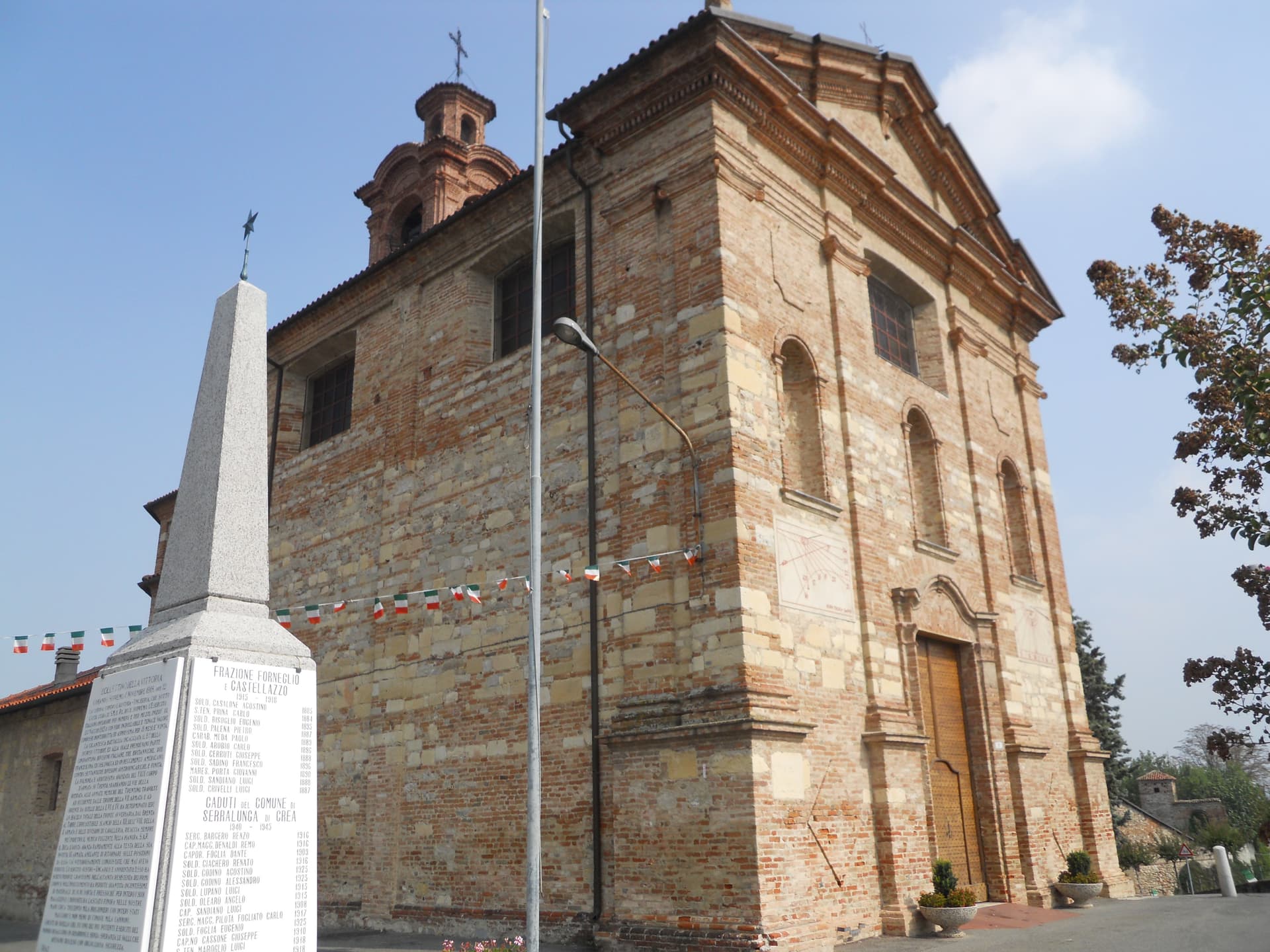
Serralunga di Crea
Province: Alessandria · 302 m
A Basso Monferrato commune of 503 holding the Sacro Monte di Crea, a UNESCO Sacri Monti site of 23 chapels around an Eusebian sanctuary.
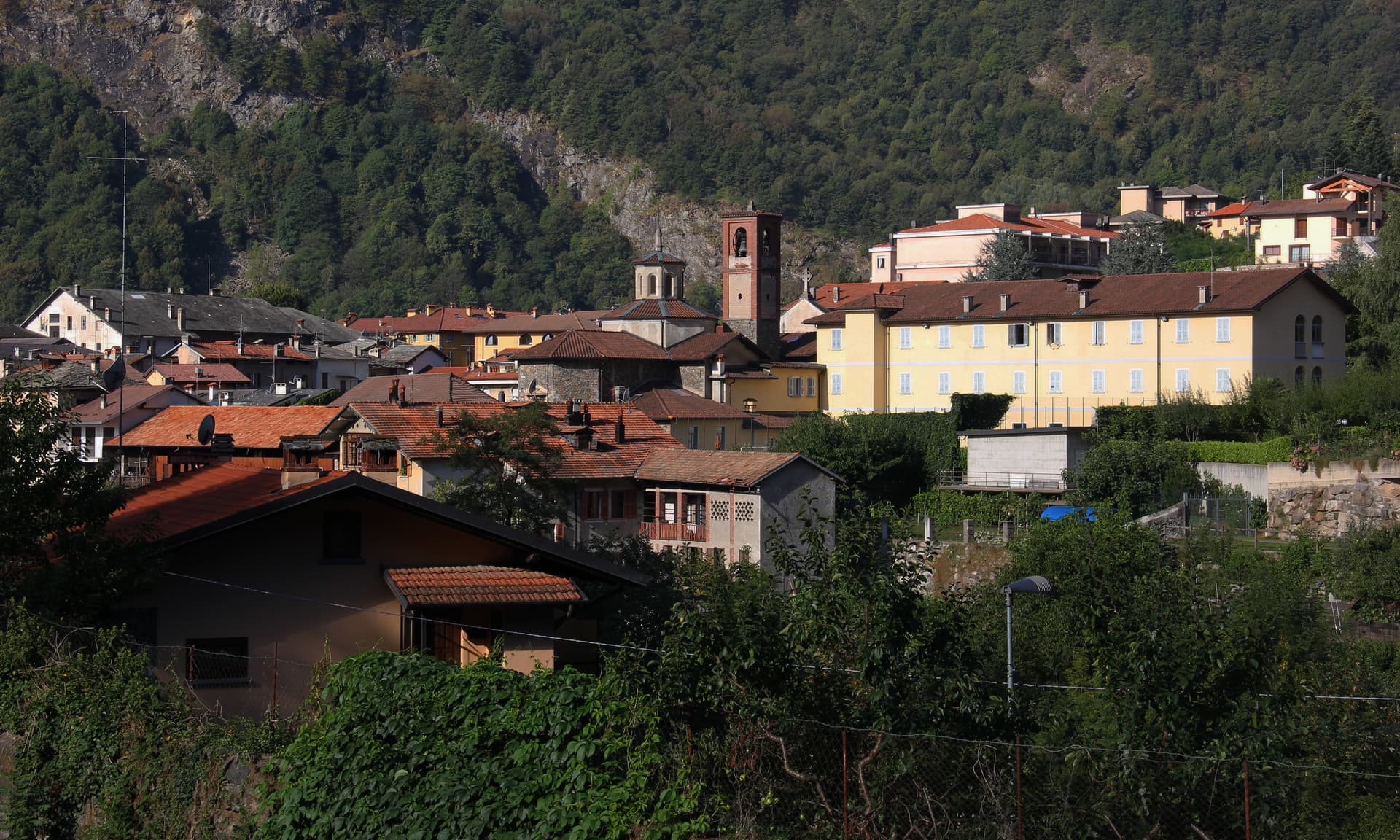
Varallo
Province: Vercelli · 450 m
The capital of Valsesia at 450 meters, the oldest Sacro Monte in Europe and a forty-five-chapel devotional complex on the rock above town.
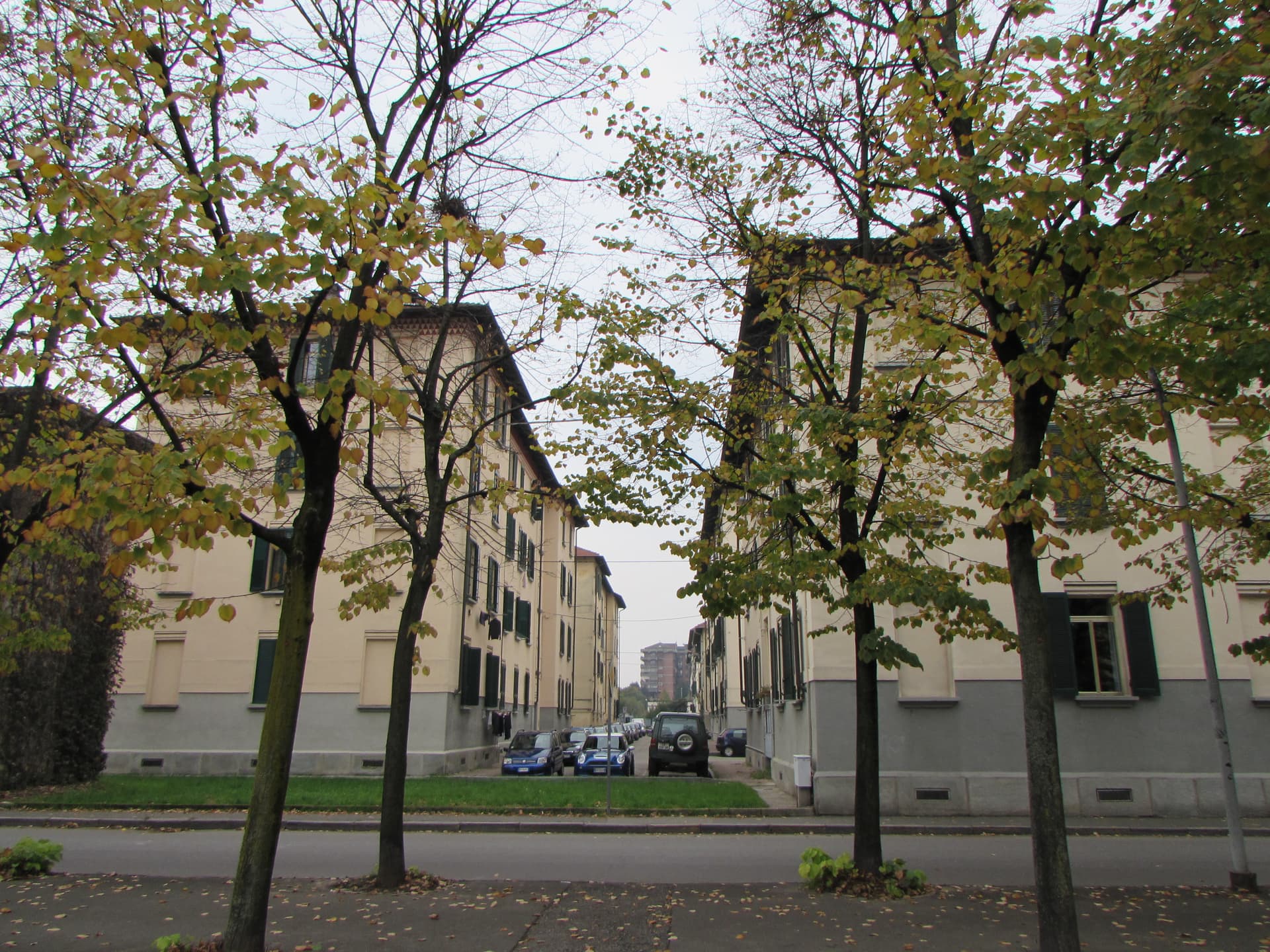
Venaria Reale
Province: Torino · 269 m
A Savoy town on the edge of Torino, built around the Reggia di Venaria, a UNESCO baroque palace with sixty hectares of gardens.
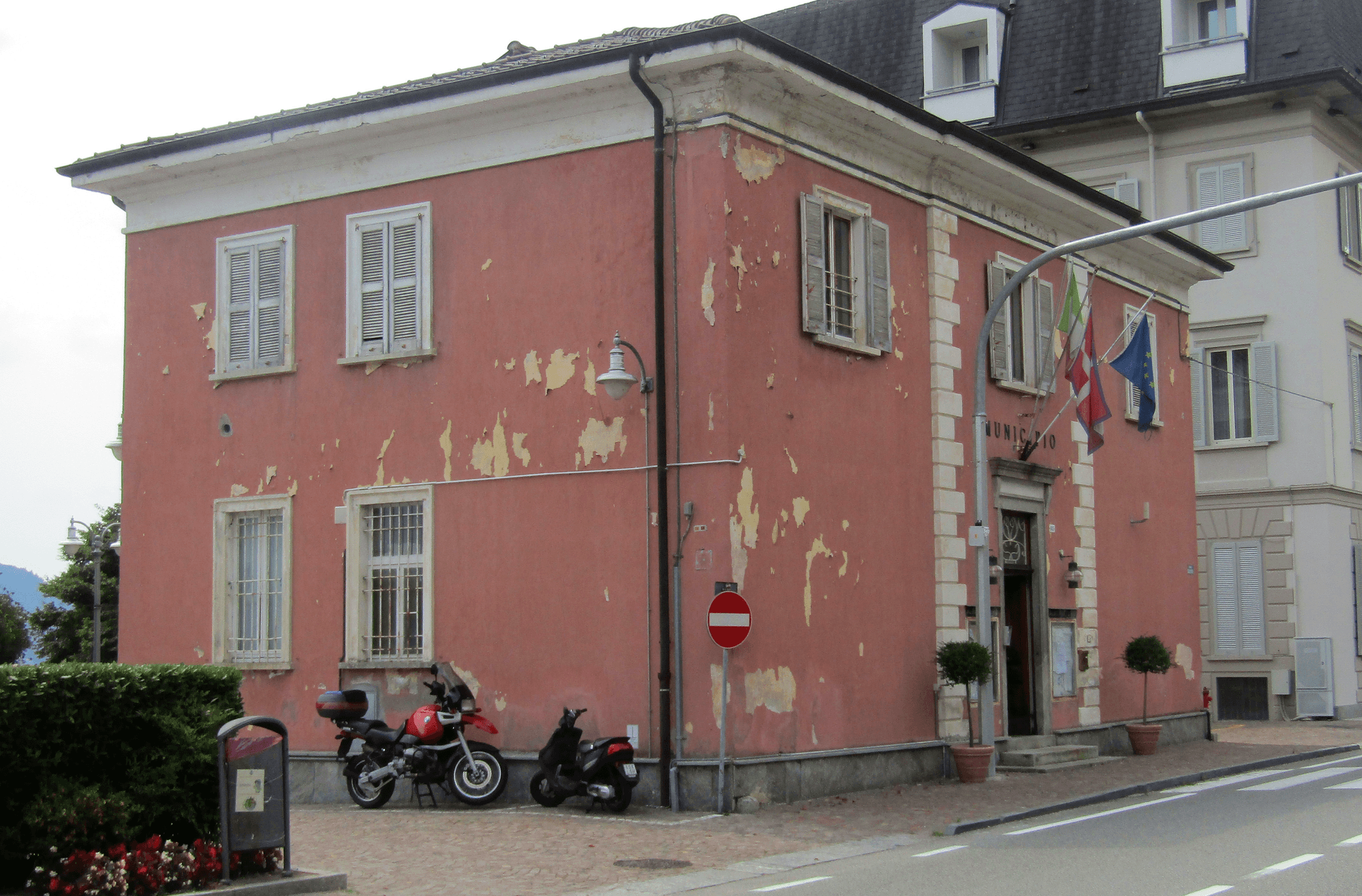
Ghiffa
Province: Verbano-Cusio-Ossola · 201 m
A Lake Maggiore lakeside village whose Sacro Monte della SS. Trinità above town belongs to the UNESCO nine Sacri Monti of Piemonte and Lombardia.
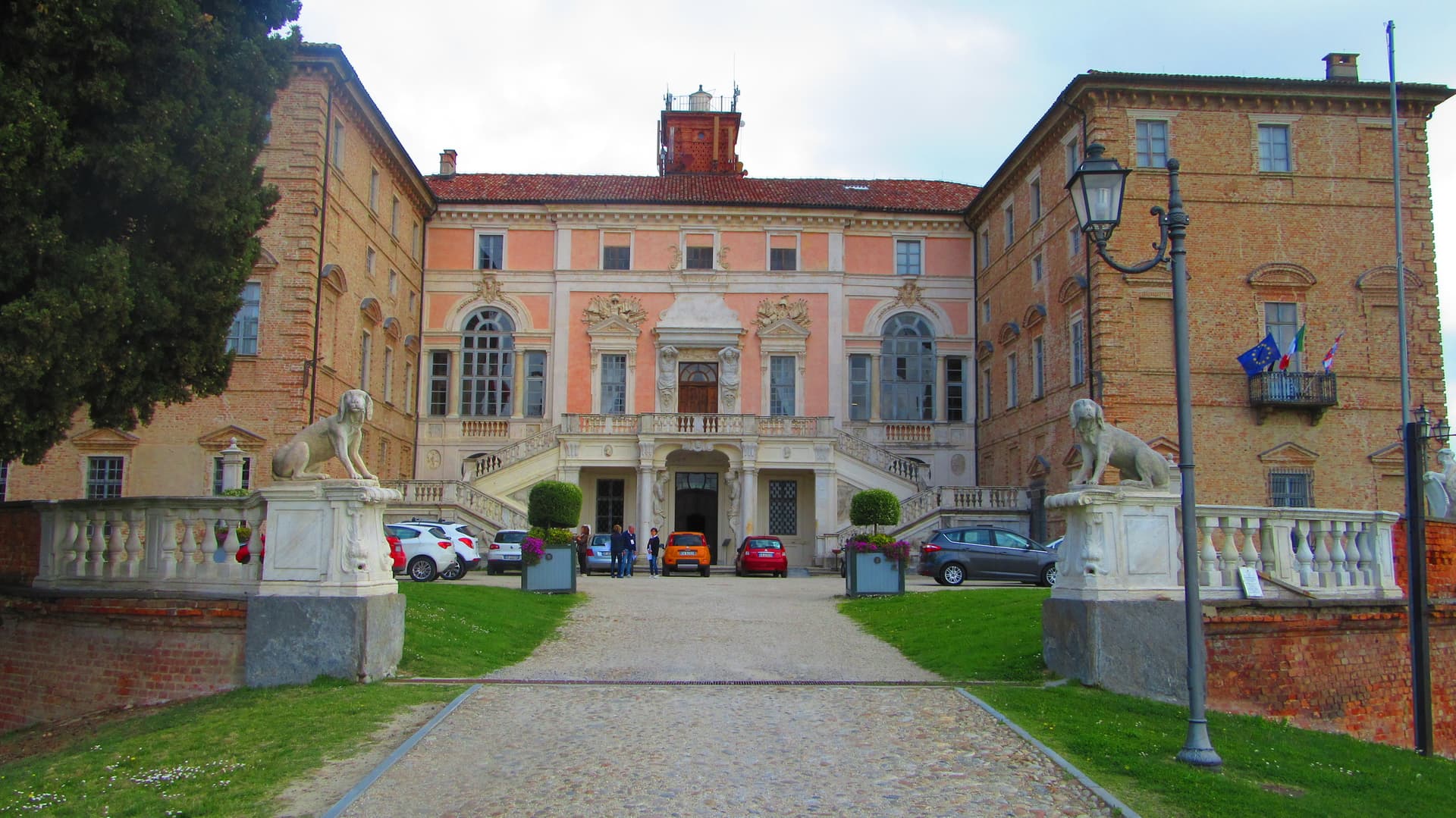
Govone
Province: Cuneo · 301 m
A Roero hill village at 301 meters whose eighteenth-century Savoy royal castle is on the UNESCO Residences list, between Alba and Asti above the Tanaro.
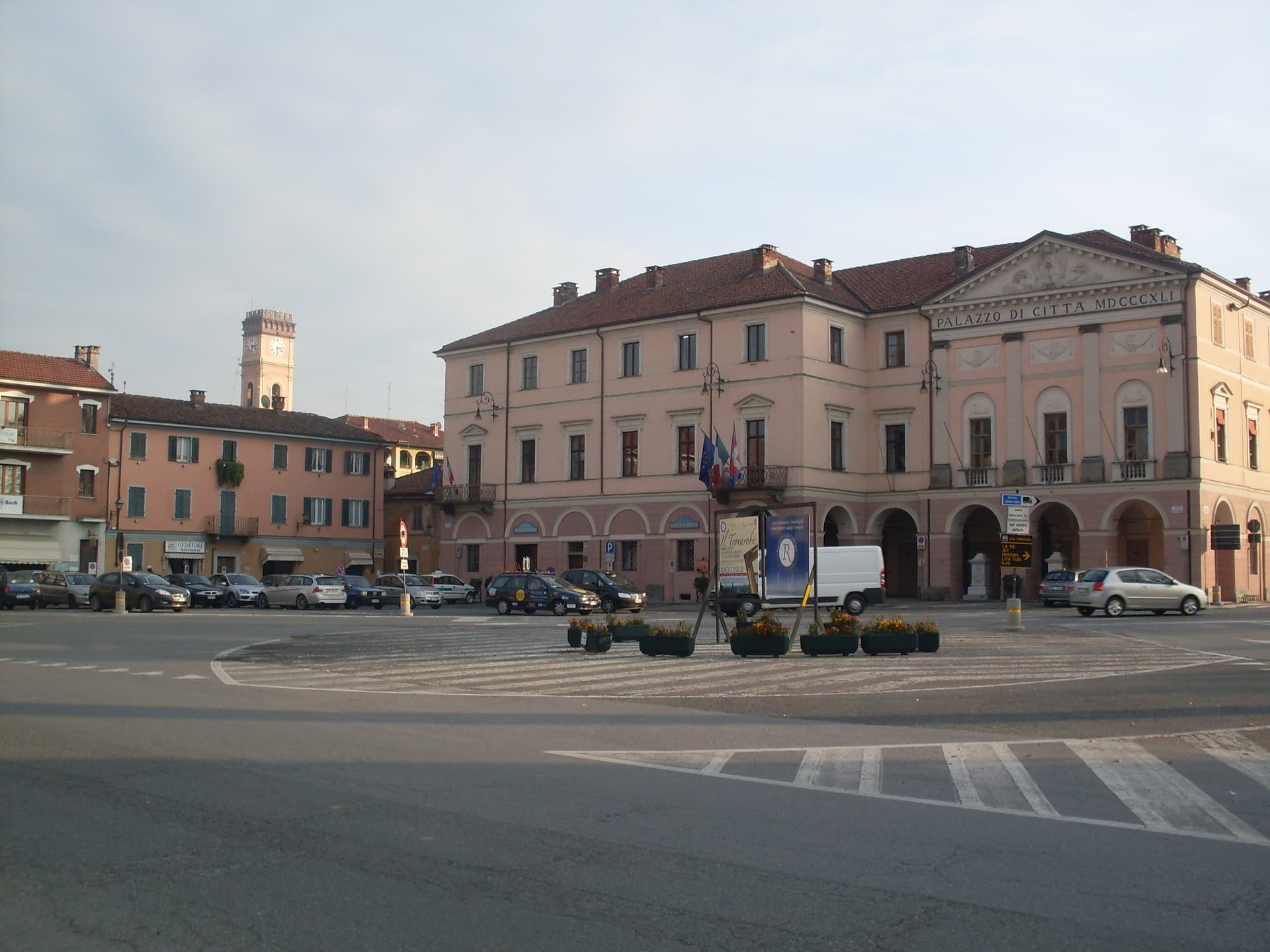
Racconigi
Province: Cuneo · 262 m
A Po-plain town south of Torino built around the UNESCO Castello Reale, the Carignano Savoy residence whose park holds Italy's largest white-stork colony.
Subscribe — free
Get the best guides on hidden Italian towns.
One letter on Sundays. The week’s town, with the photo, the food, the festa. Free, by Peter & Sophia from Pietrasanta.
Substack sends a confirmation link to your inbox. The signup finishes when it’s clicked.
From elsewhere in Italy
Five more towns to discover
Putignano
Province: Bari
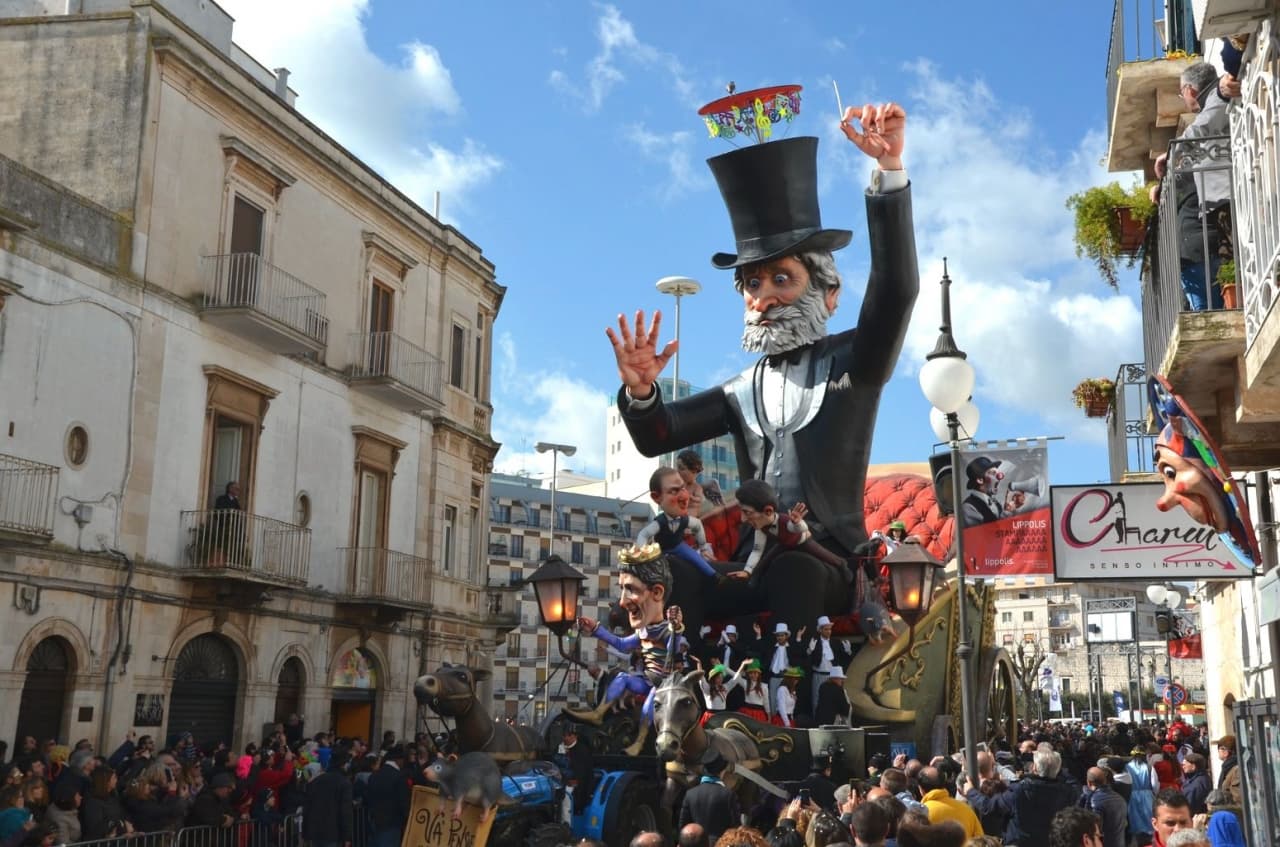
Europe's longest-running carnival — Putignano Carnevale has run continuously since 1394, with 631 years of cartapesta papier-mâché floats, a 26,000-resident Murgia town on the Bari–Lecce plateau, and the Grotta del Trullo karst cave inside the centro.

Pistoia
Province: Pistoia
Italy's nursery capital and the medieval Tuscan rival that gave its name to the pistol — a quietly extraordinary centro storico of zebra-striped Romanesque churches, Andrea della Robbia's polychrome frieze on the Ospedale del Ceppo, and Italy's Capital of Culture 2017, all 30 minutes from Florence by train.
Tropea
Province: Vibo Valentia
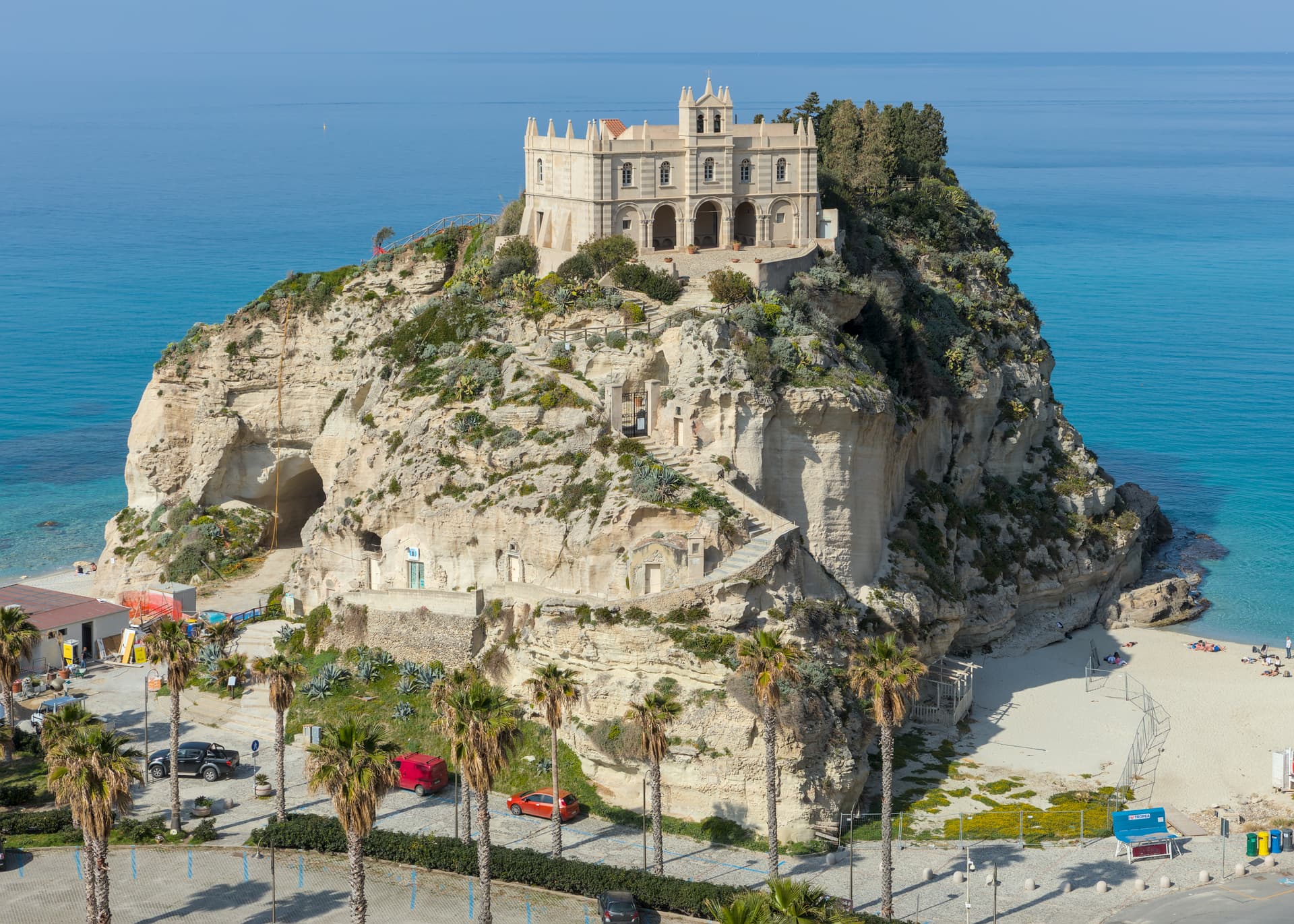
Cliff town on a tufa headland over the Tyrrhenian Coast of the Gods, with a Norman monastery on a sea rock.
Caldes
Province: Trento
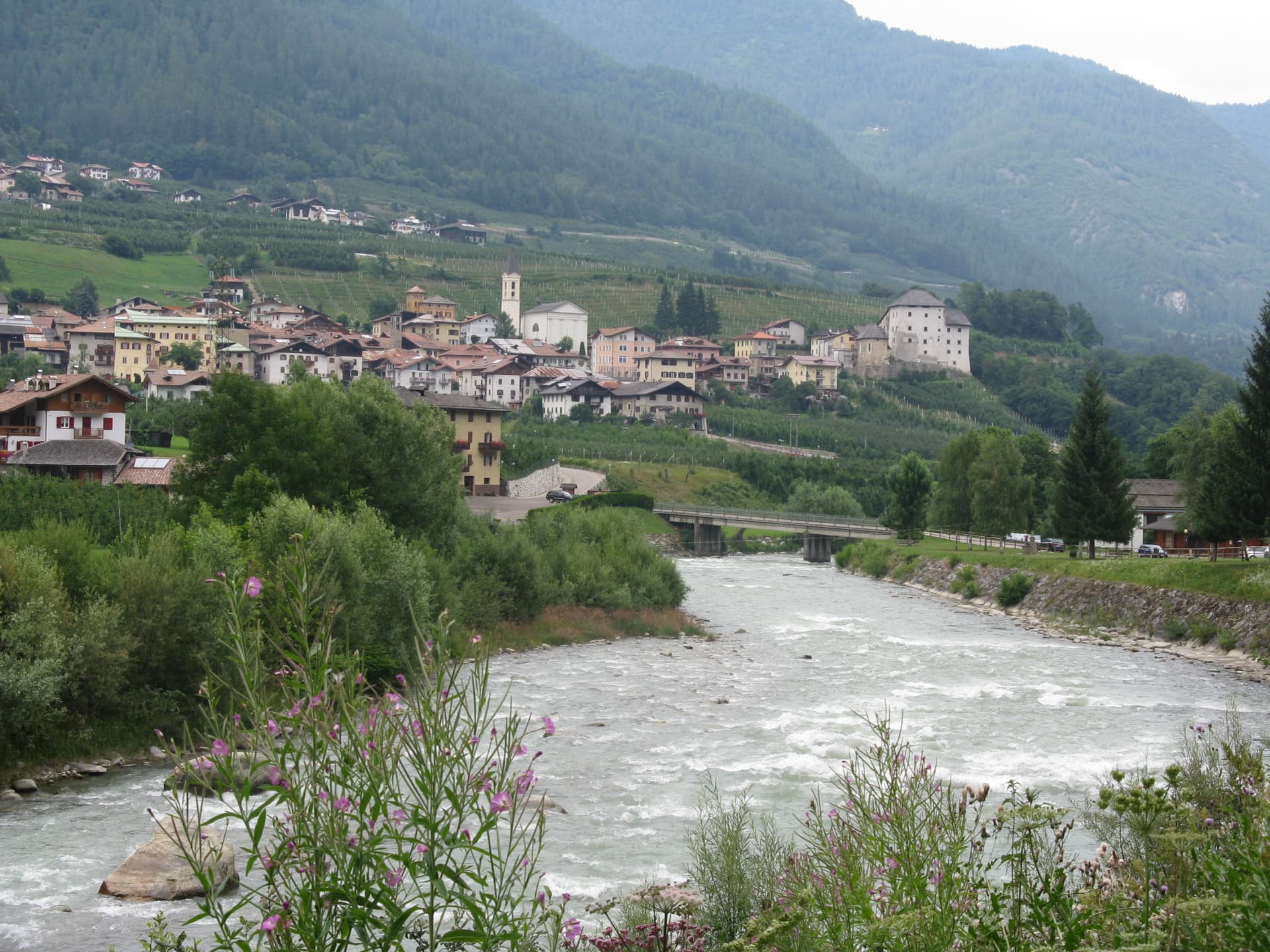
A scattered Val di Sole commune on the Noce, six hamlets gathered around a thirteenth-century tower-house castle that once belonged to the Thun family.
Cantiano
Province: Pesaro e Urbino
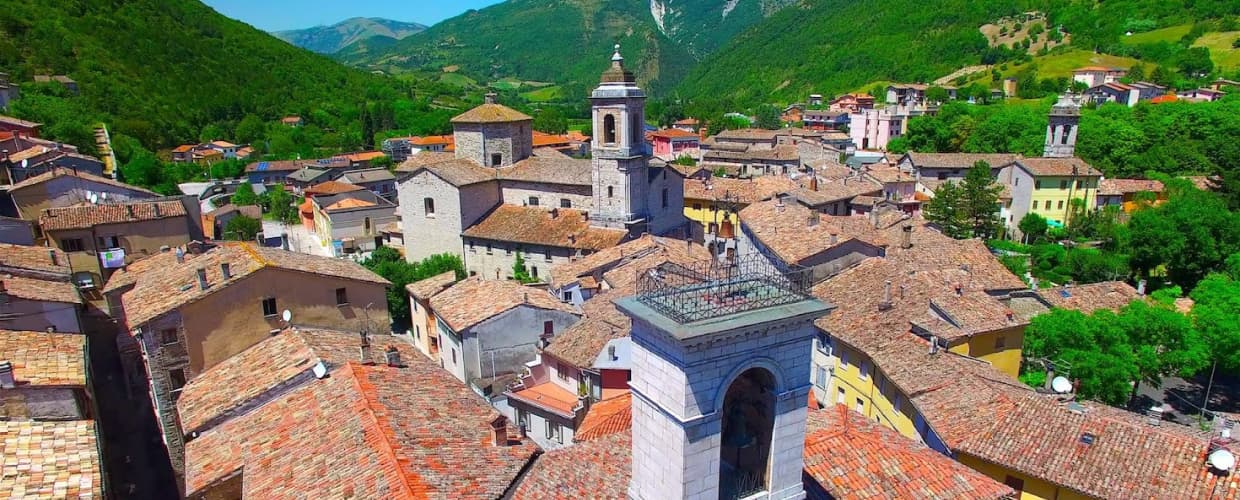
A border borgo at 374 meters under Monte Catria on the old Via Flaminia, known for the Good Friday Turba and the sour-cherry visciola harvest.