

Campania · Salerno
Padula
A hill town at 699 meters above the Vallo di Diano, holding the Certosa di San Lorenzo and the world's largest cloister.
Known for
CERTOSA
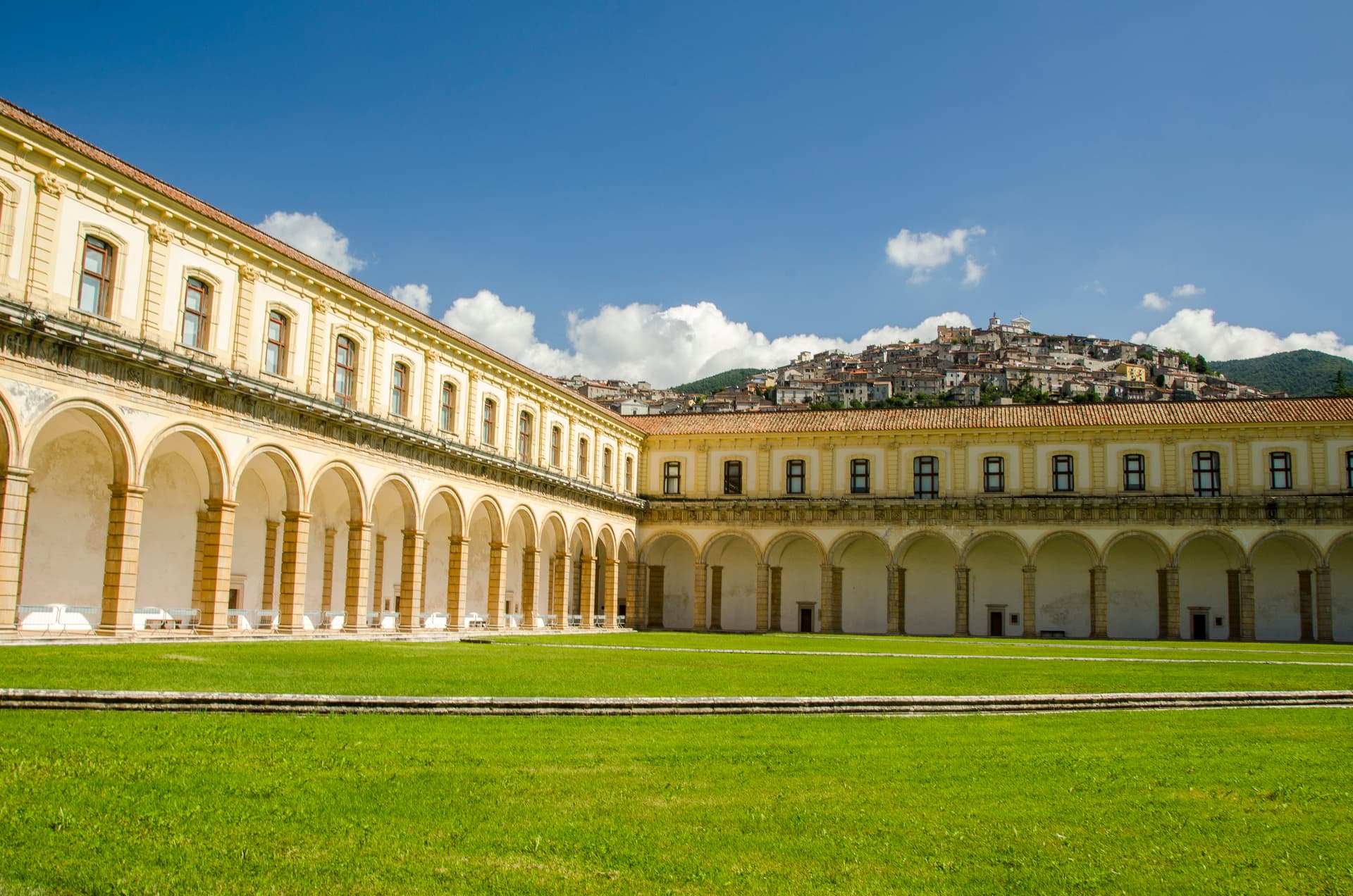
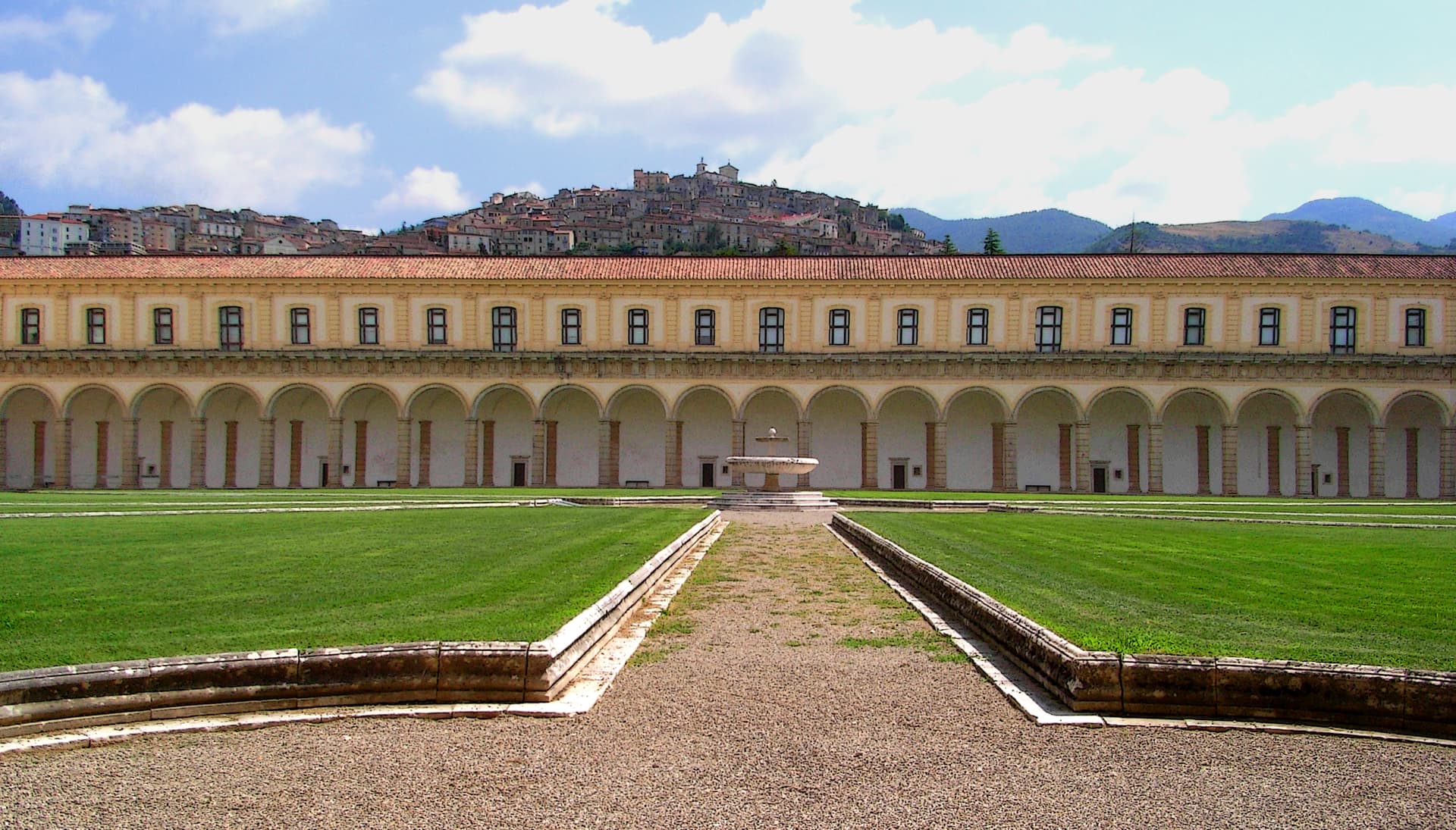
Carthusian monastery founded 1306, the largest in Italy, with a 12,000 m² principal cloister surrounded by 84 columns, UNESCO 1998.
PISACANE
1857 expedition by Carlo Pisacane ended here when local farmers turned on the volunteers and killed most of them in the streets.
PANE DI PADULA
Round wheat loaves from local mills, baked in wood ovens; Padula is part of the Città del Pane network for the tradition.
When to visit
Best · May–Oct
- J
- F
- M
- A
- M
- J
- J
- A
- S
- O
- N
- D
- Best
- Hot or crowded
- Quiet
- Mostly closed
The festa: Michele, 29 September
Why come
Padula sits at 699 meters on two hills above the Vallo di Diano, the long valley between the Cilento and the Lucanian Apennines. The town's gravity is the Certosa di San Lorenzo, founded on 27 April 1306 by Tommaso di Sanseverino and dedicated to the saint burned alive on a griddle, whose shape the monastery plan recalls. The complex covers 51,500 square meters with 320 rooms; the principal cloister at 12,000 square meters and 84 columns is the largest in the world.
The Carthusians built and rebuilt the certosa over four centuries and were finally suppressed in 1866. UNESCO listed the monastery in 1998 as part of the Cilento and Vallo di Diano serial site. The medieval centro climbs the hill above the certosa with the Battaglia di Padula monument to the 1857 Pisacane expedition, whose volunteers were captured and killed in the streets here. The commune is Città del Pane for the local round loaves.
The Sunday letter
We haven’t written Padula’s letter yet.
One town every Sunday, with the photo, the food, the festa. Be there when this one comes up. Free, by Peter & Sophia from Pietrasanta.
By subscribing you agree to Substack’s Terms of Use, our Privacy Policy and our Information collection notice.
What to see
Certosa di San Lorenzo
Carthusian monastery founded in 1306, UNESCO-listed since 1998, with 320 rooms, 51,500 m² of floor and the largest cloister in the world.
Centro storico di Padula
Medieval hill town at 699 meters above the certosa, with stone houses, narrow lanes, and the church of San Michele Arcangelo at the top.
Battaglia di Padula
Site of the 1857 fight in which Carlo Pisacane's volunteers were captured and killed by Bourbon troops and local farmers.
Museo Archeologico della Lucania Occidentale
Archaeology museum in the certosa holding pre-Roman finds from the Vallo di Diano necropolises, including bronze armour and ceramics.
Chiesa di San Michele Arcangelo
Mother church at the top of the centro, rebuilt over a medieval core with a Baroque interior and views across the Vallo di Diano.
The slow-trip planner
Building a trip? Find where Padula fits in a slow Italy circuit.
Answer five questions. We will shape a geographically coherent slow trip from the 1,000 Italian towns most travelers skip. Yours to save and share.
Living here
- Population 4,903
- Off the beaten pathi
- Pharmacy in town
- High school within a 30-minute drive
- Train station in the comune
- Nearest airport Naples / Salerno, 1 h 57 min drive
- Regional capital Napoli, 1 h 57 min drive
Tags & datadesignations · numbers · sources
Recognised as
The numbers
- Elevation: 699 m
- Population: 4,903
- Surface area: 67.12 km²
These figures were compiled from public directories — ISTAT, OpenStreetMap, Wikidata — and from the official listings of the guides named on this page. Town details change; verify with official sources before you travel.
Close by
More towns near Padula
Teggiano
Province: Salerno
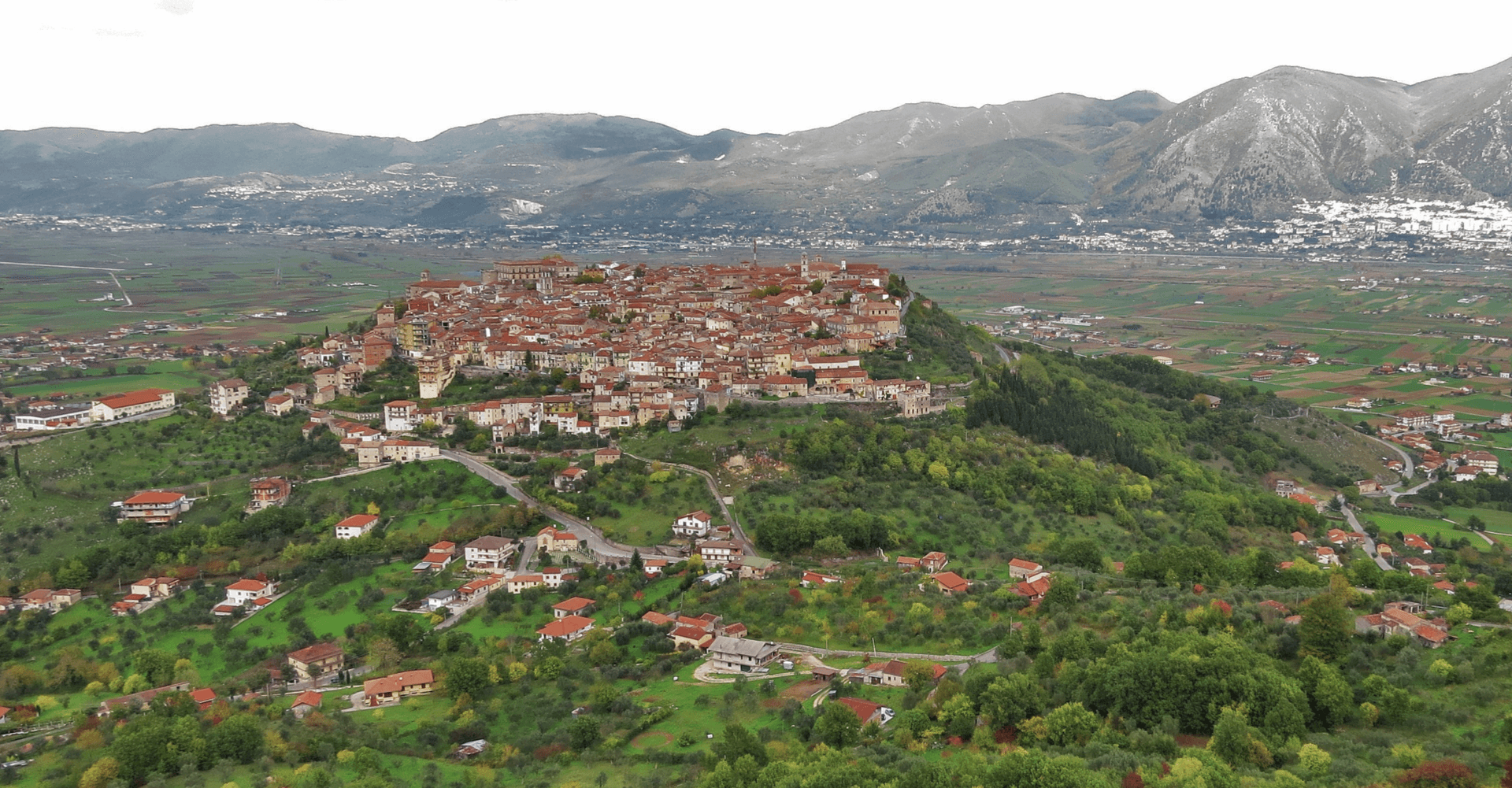
A ridge town at 635 meters above the Vallo di Diano, the ancient Tegianum that named the valley, held by the Sanseverino for three centuries.
Lagonegro
Province: Potenza
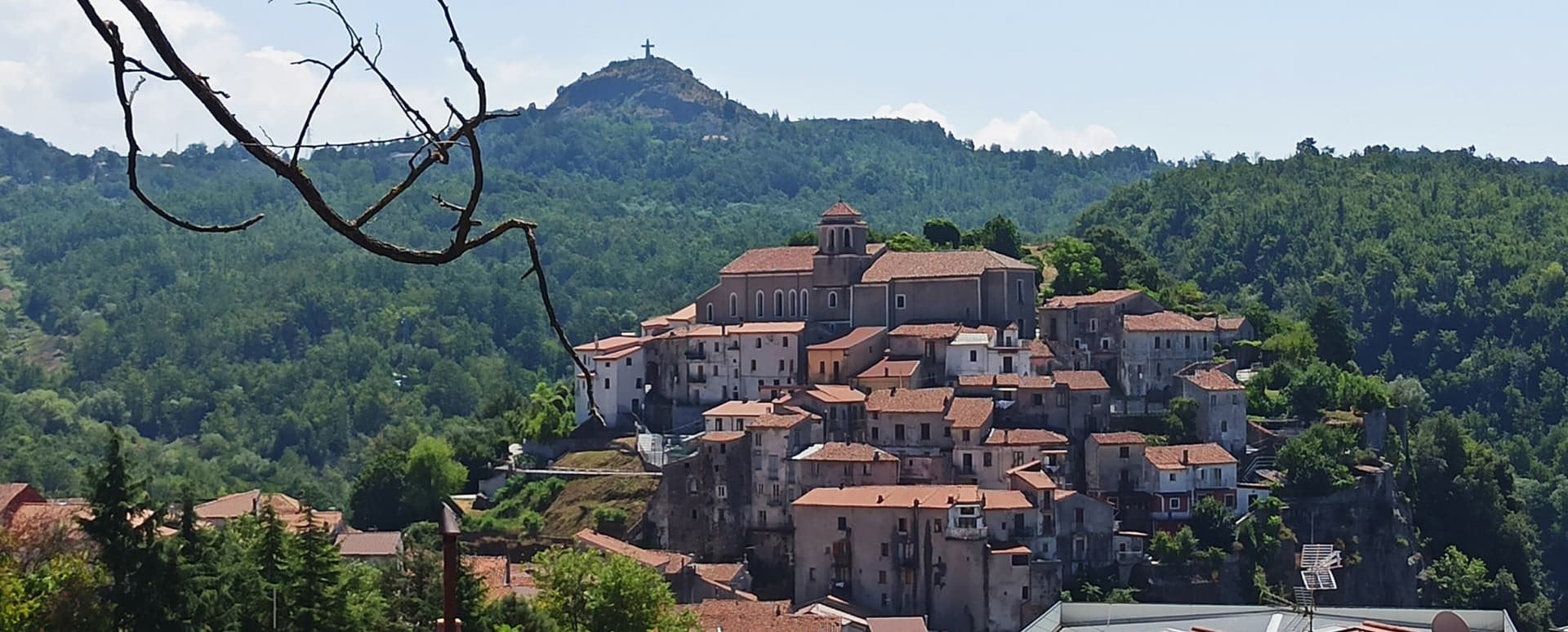
A 666-meter Valle del Noce town founded by Byzantine monks, where local legend places the burial of Lisa del Giocondo, Leonardo's Mona Lisa.
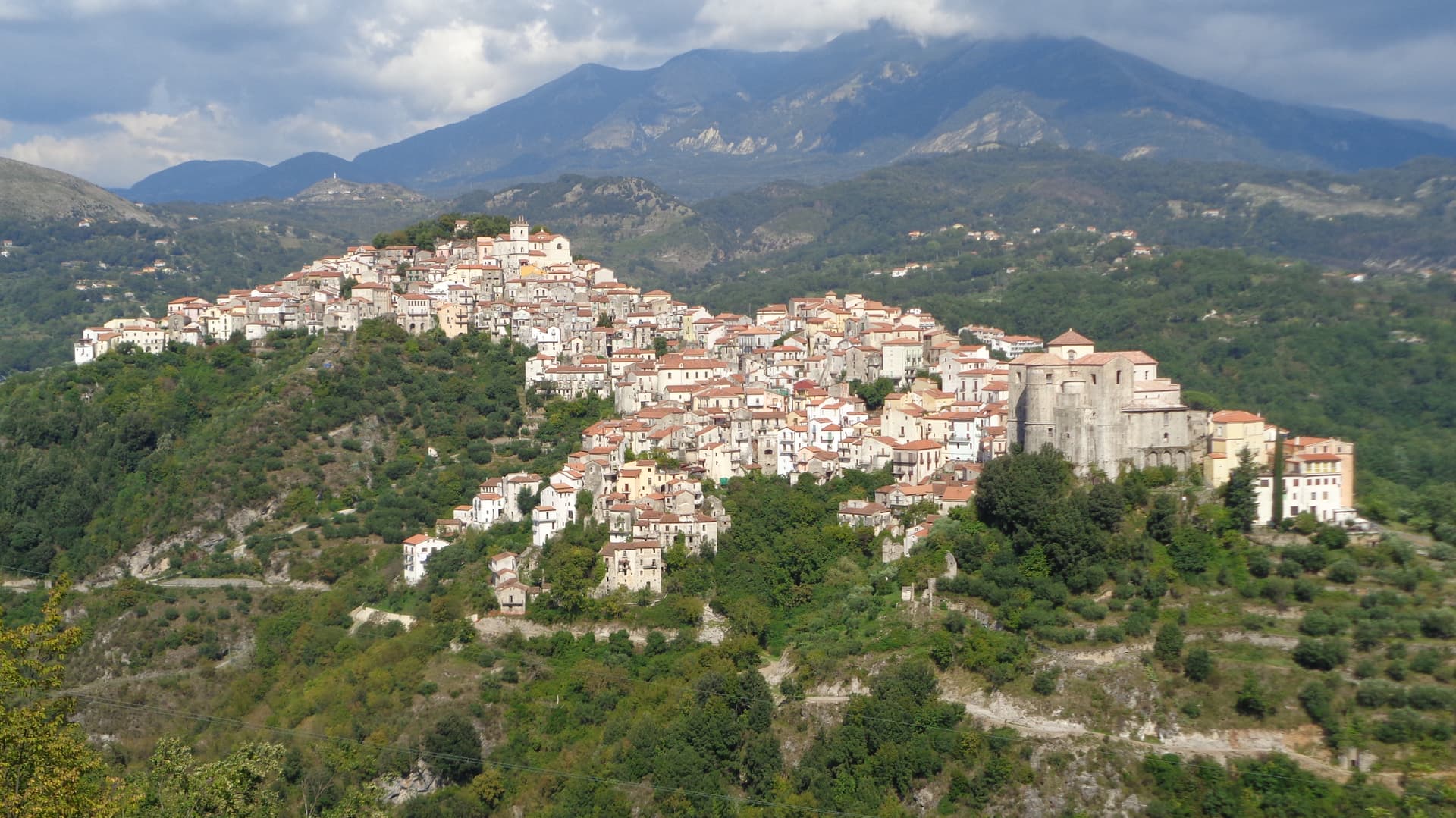
Rivello
Province: Potenza
A 479-meter ridge above the Noce valley where Lombards and Byzantines lived side by side, holding Latin and Greek rites until the seventeenth century.
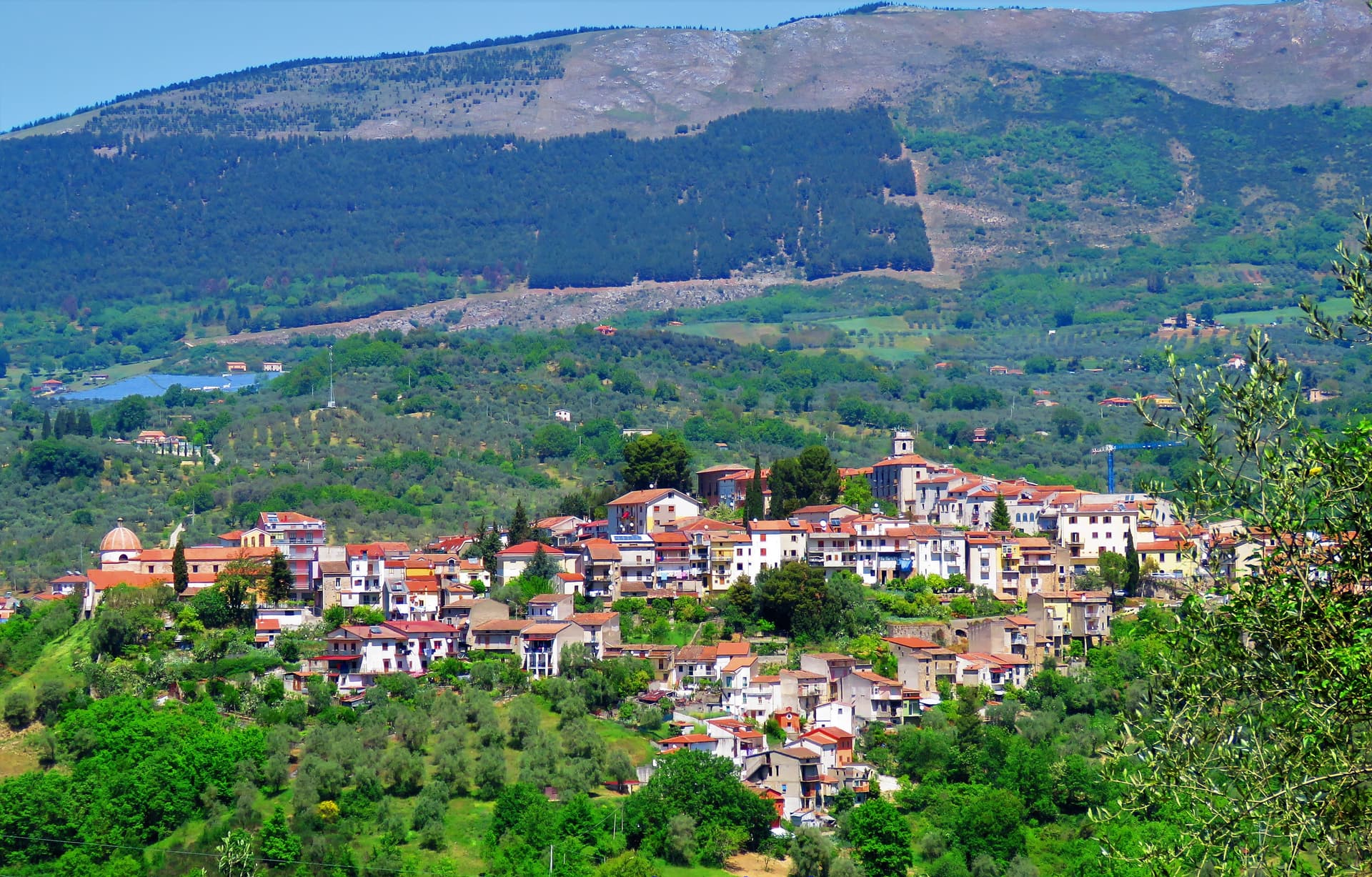
Auletta
Province: Salerno
A Tanagro hill town above the Cilento-Vallo di Diano park, fortified by 1000 AD, scene of an 1861 anti-Piedmont massacre and an 1857 earthquake.
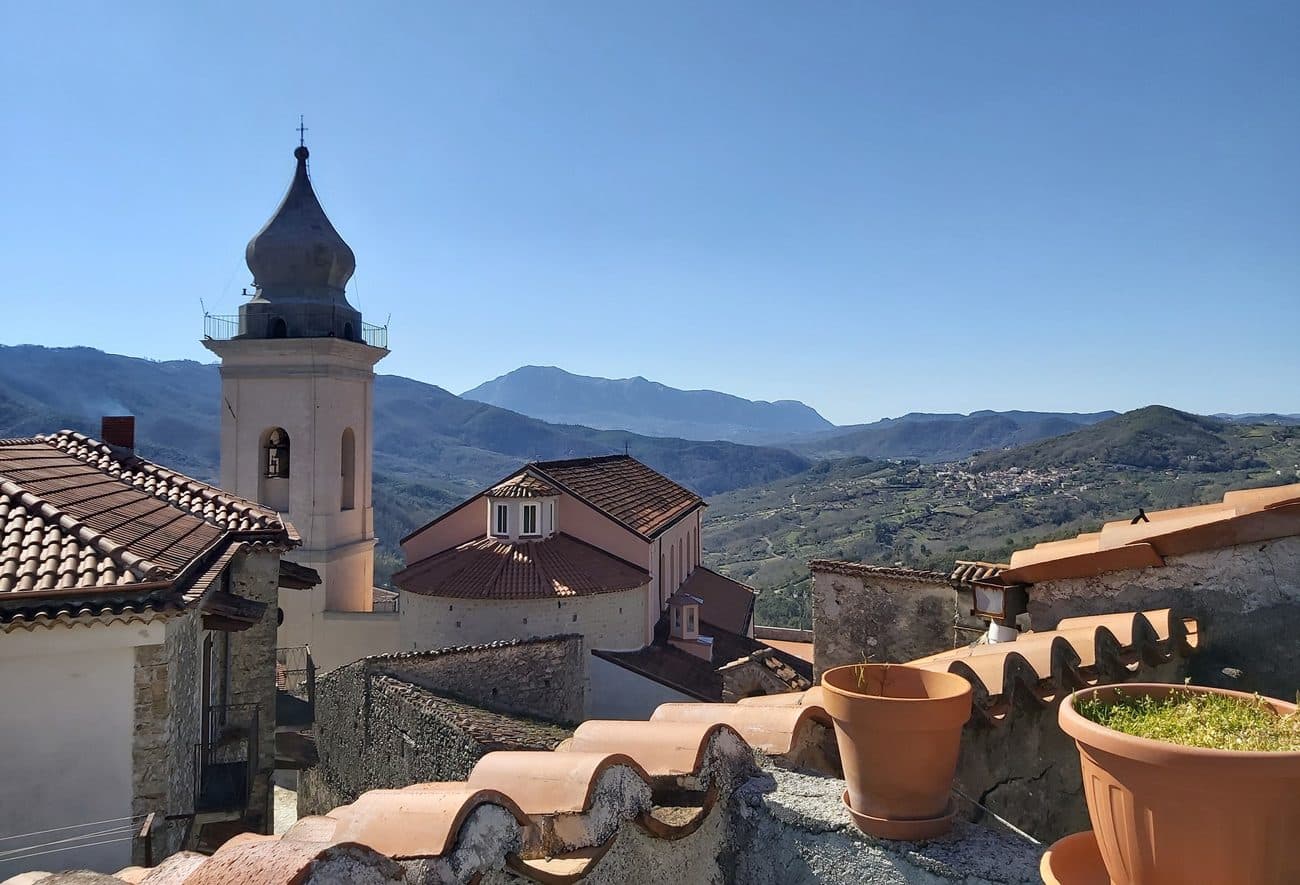
Morigerati
Province: Salerno
A 608-person Cilento village above the Bussento gorge, the river surfacing from underground caves directly beneath the cliffs.
🏛️ UNESCO
More UNESCO towns in Campania
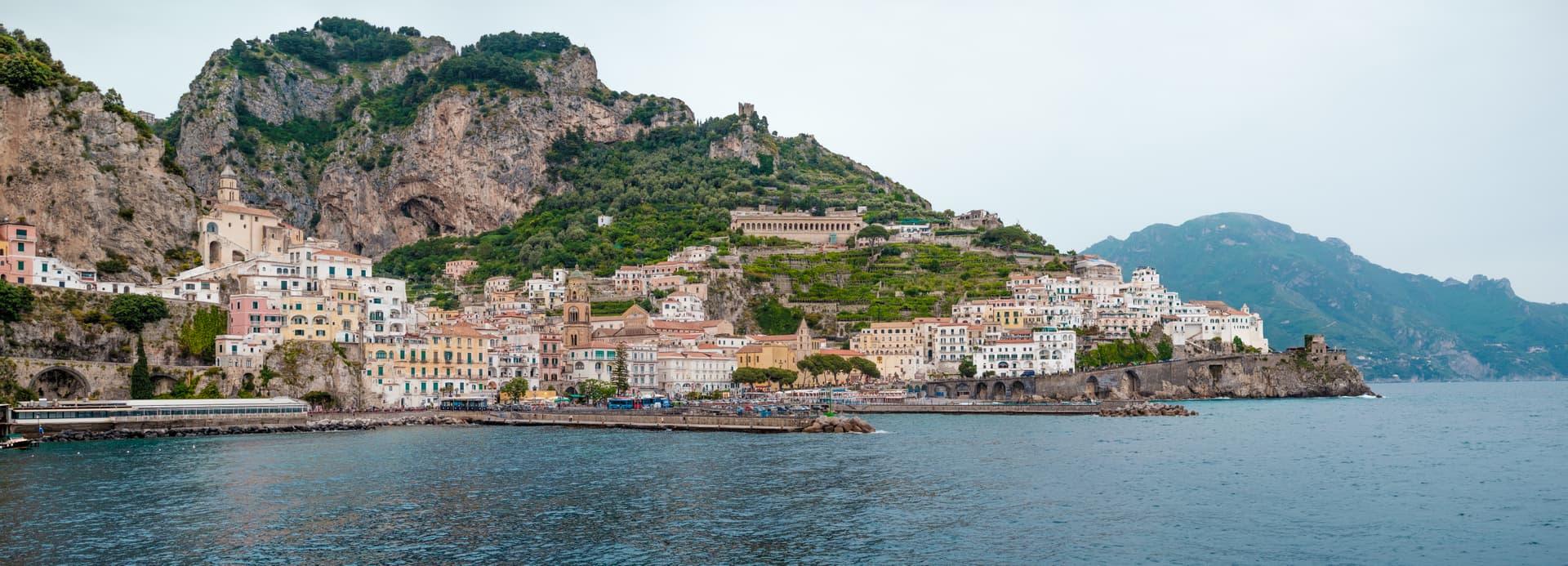
Amalfi
Province: Salerno
The first Italian maritime republic and the coast it named, six meters above the sea between cliffs that close around the duomo's steps.
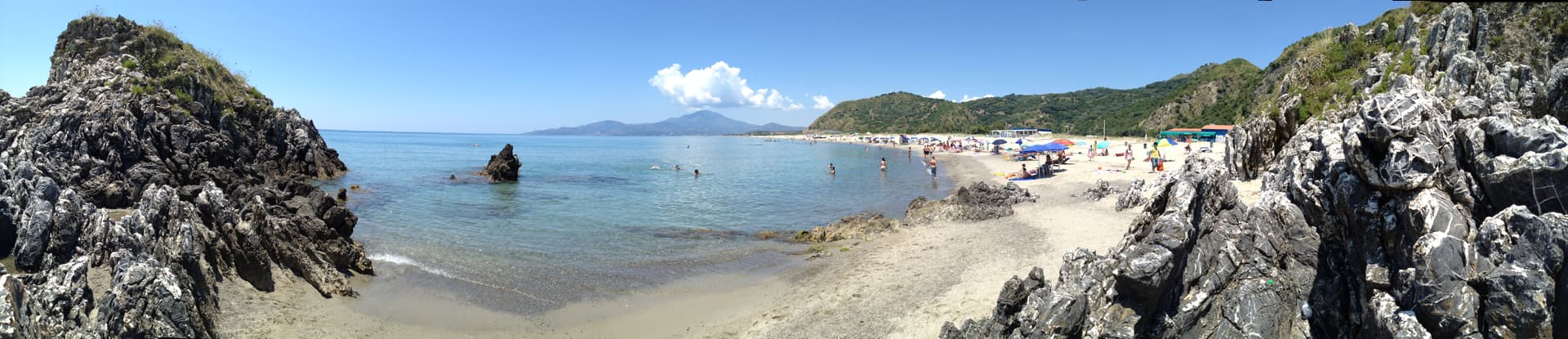
Ascea
Province: Salerno
Two villages, a hilltown at 230 meters and a Cilento marina, with Parmenides and Zeno's Eleatic school in the ruins of Greek Velia below.
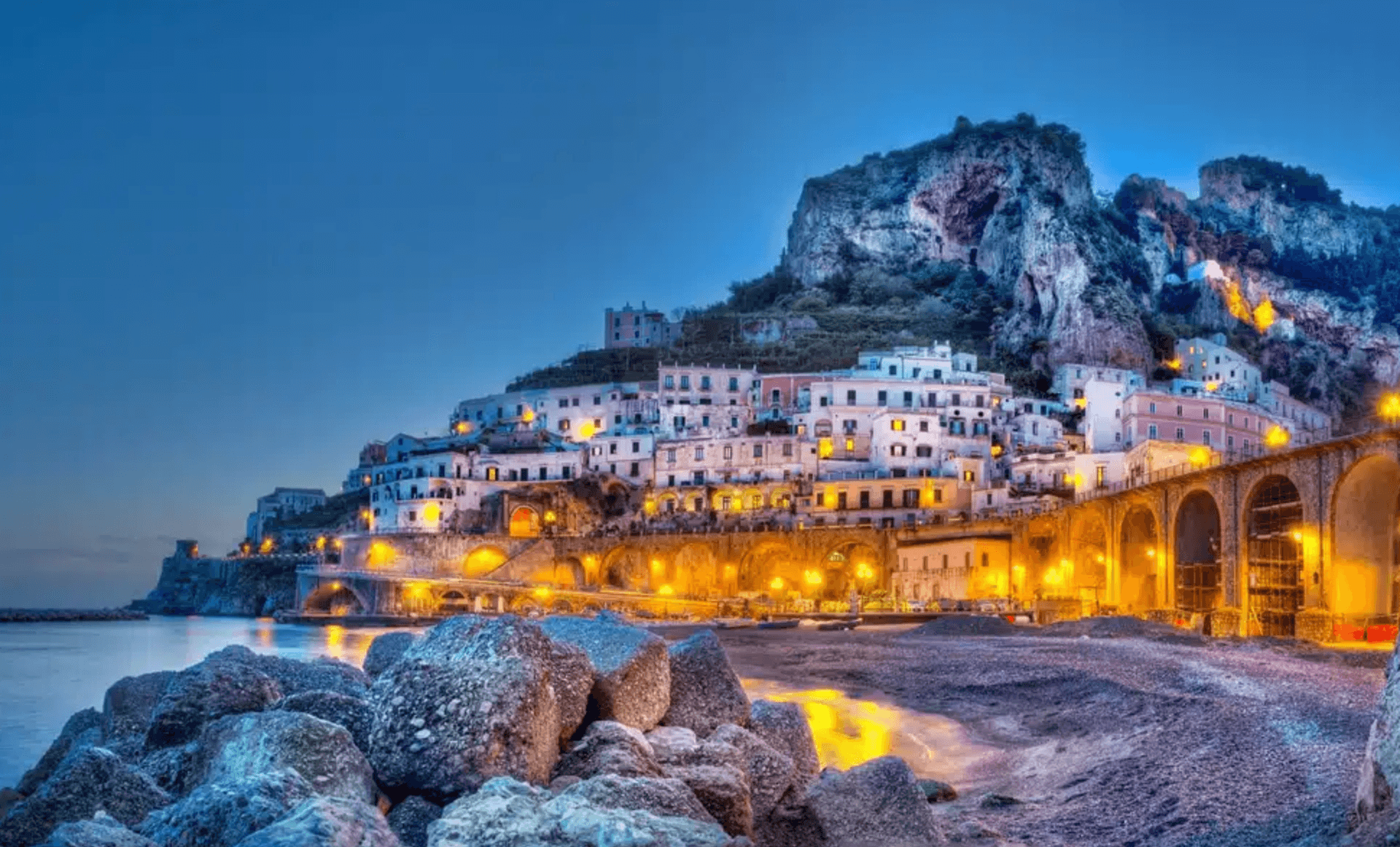
Atrani
Province: Salerno
The smallest commune in Italy by area, twelve hectares of stacked houses where the Amalfi Coast pinches shut around a single piazza.
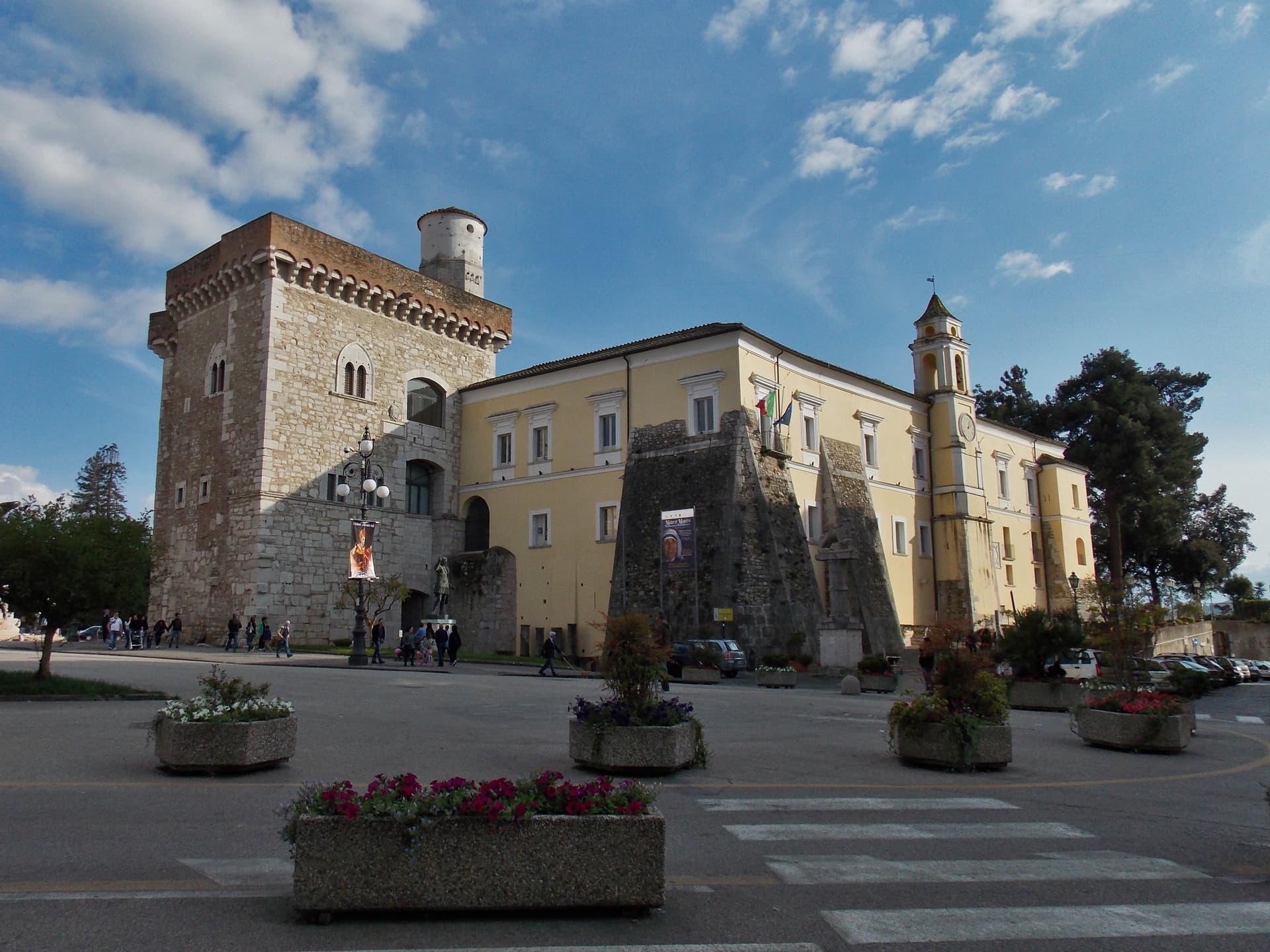
Benevento
Province: Benevento
Sannio capital at the Calore-Sabato confluence, with a 114 AD Trajan arch and a Lombard rotunda on the UNESCO list.
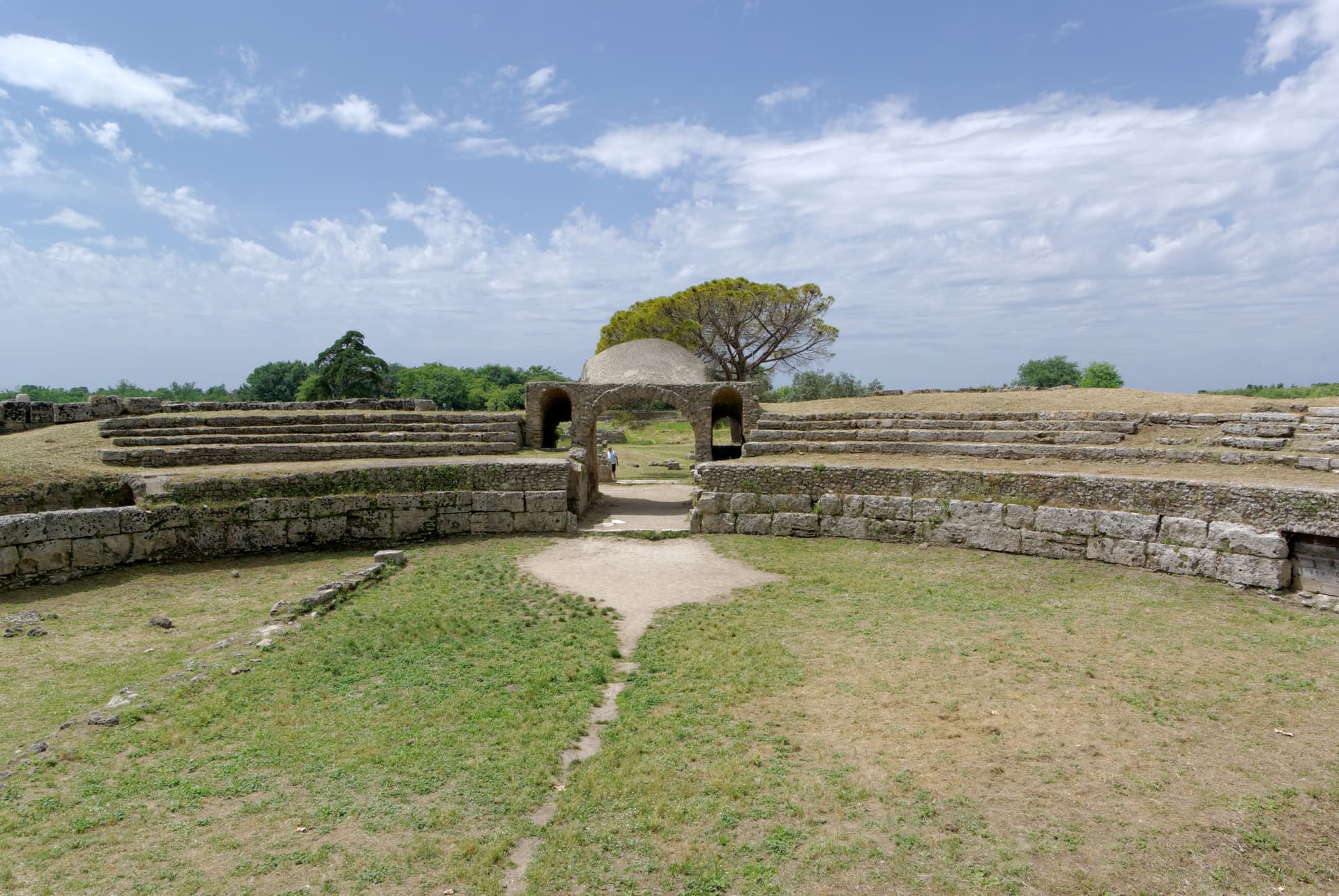
Capaccio Paestum
Province: Salerno
Three Doric temples of 550 to 450 BC on the Sele plain, with mozzarella di bufala DOP on the buffalo flats below Monte Calpazio.