

Liguria · La Spezia
Monterosso al Mare
The westernmost and largest of the Cinque Terre, where Eugenio Montale spent the childhood summers that became Ossi di seppia in 1925.
Known for
EUGENIO MONTALE
The Nobel laureate spent his childhood summers in Fegina; his 1925 Ossi di seppia is set in this landscape.
UNESCO CINQUE TERRE
Westernmost of the five villages inscribed on the World Heritage list in 1997 and inside the Parco Nazionale.
SPIAGGIA DI FEGINA
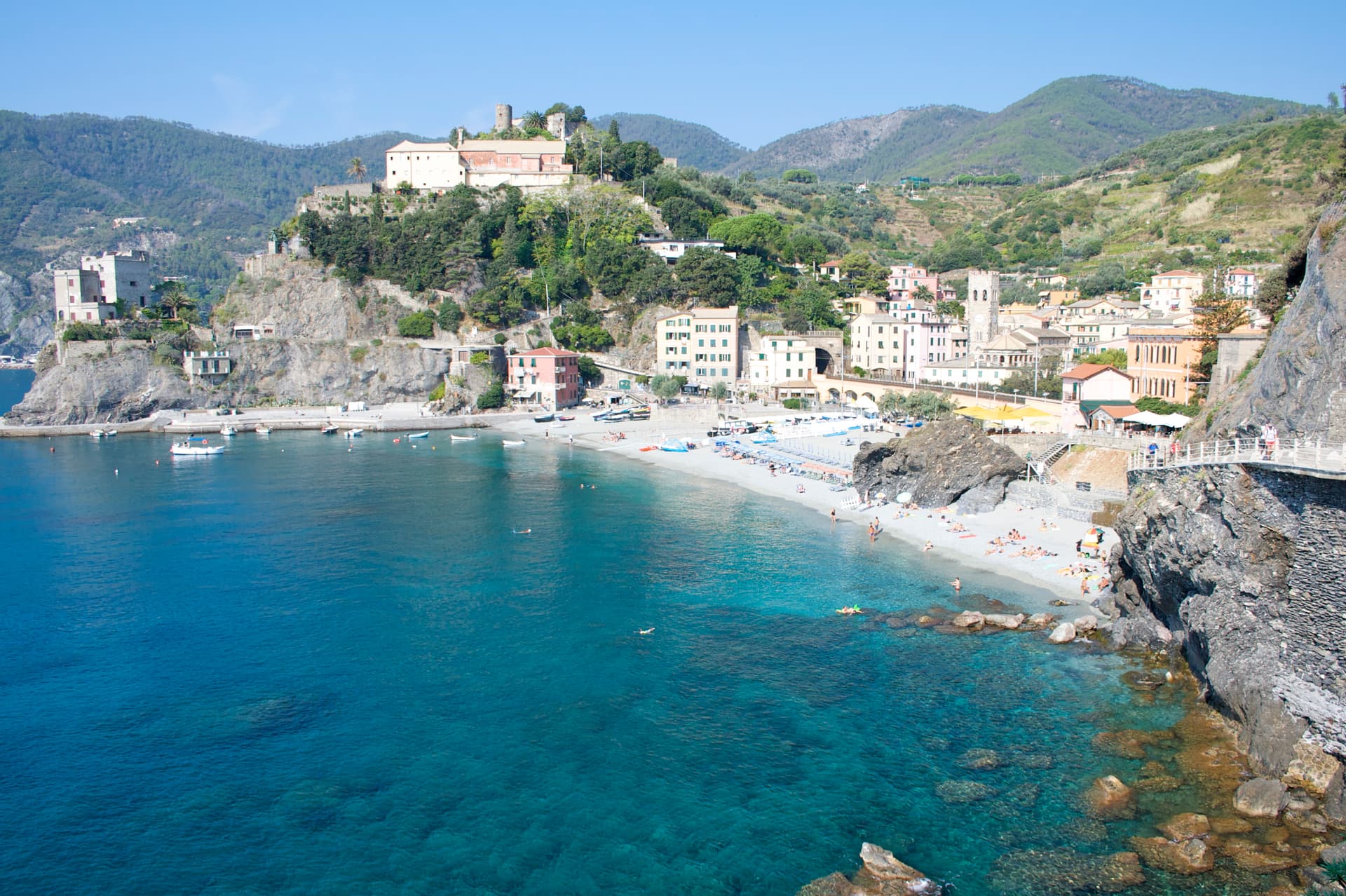
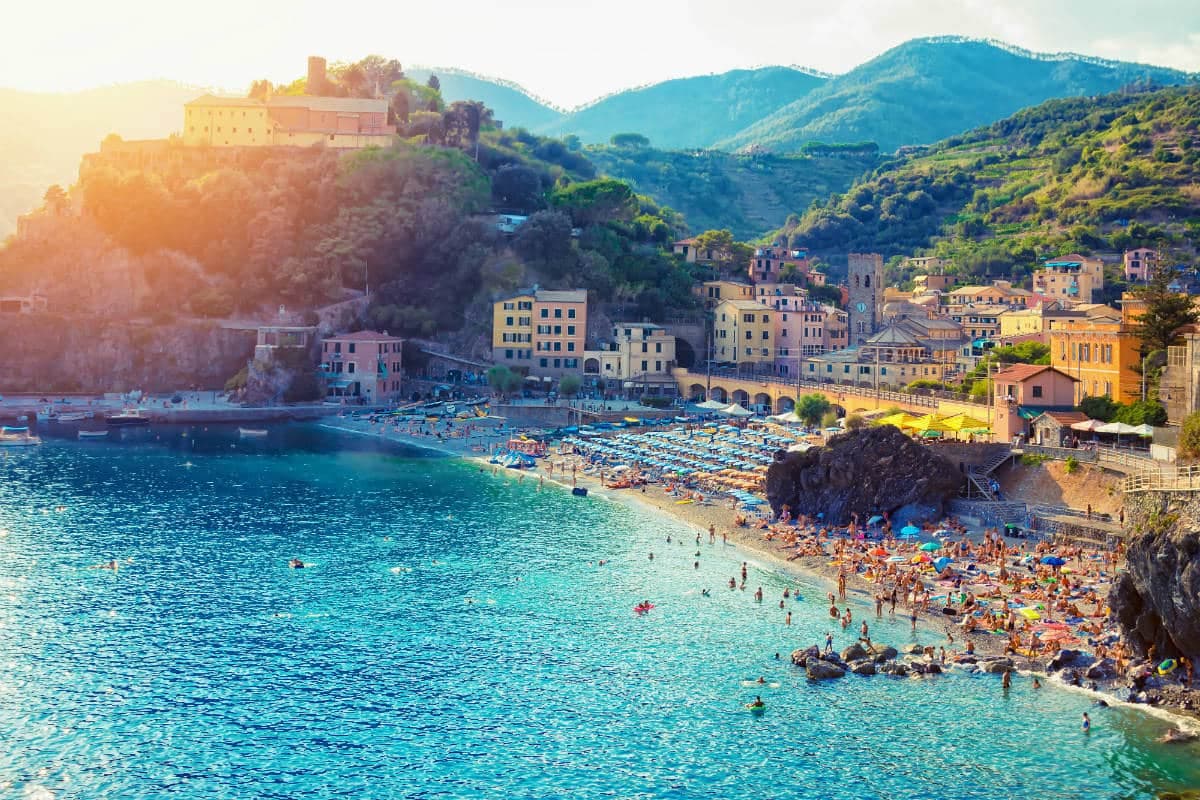
The only large sandy beach in the Cinque Terre, west of the San Cristoforo headland.
When to visit
Best · Apr–Oct
- J
- F
- M
- A
- M
- J
- J
- A
- S
- O
- N
- D
- Best
- Hot or crowded
- Quiet
- Mostly closed
The festa: Giovanni Battista, 24 June
Why come
Monterosso al Mare is the largest and westernmost of the five Cinque Terre villages, split between the older centro storico and the Fegina seafront on the other side of the San Cristoforo headland. The parish church of San Giovanni Battista was built between 1282 and 1307, its façade banded in black and white marble, with a fresco of the baptism of Christ over the main portal. Above the village stands the Santuario di Nostra Signora di Soviore, where a church has occupied the same hilltop since 740.
The seventeenth-century Capuchin convent looks out over both sides of the headland. Monterosso is the village Eugenio Montale carried in his head: the Nobel laureate spent his childhood summers in a villa in Fegina, and his 1925 debut collection Ossi di seppia takes the rocks, sea and cliffs of this coast as its landscape. The whole commune sits inside the UNESCO World Heritage zone and the Parco Nazionale delle Cinque Terre.
What to see
Chiesa di San Giovanni Battista
Parish church built 1282-1307 with a black-and-white-banded marble façade and a fresco of the baptism of Christ over the main portal.
Santuario di Nostra Signora di Soviore
Hilltop sanctuary at 464 meters above the village, occupied by a church since 740, the oldest Marian site in Liguria.
Convento dei Cappuccini
Seventeenth-century Capuchin convent on the San Cristoforo headland, separating the centro storico from Fegina.
Spiaggia di Fegina
Sandy beachfront below the railway, the only large beach in the Cinque Terre, with the giant Statue of Neptune at its western end.
Torre Aurora
Medieval tower on the headland between the two halves of the village, part of the original Genoese defensive system.
Sentiero Azzurro
Coastal path of the Cinque Terre, with the Monterosso-Vernazza leg one of the most heavily walked sections in the park.
The slow-trip planner
Building a trip? Find where Monterosso al Mare fits in a slow Italy circuit.
Answer five questions. We will shape a geographically coherent slow trip from the 1,000 Italian towns most travelers skip. Yours to save and share.
We recommend
Where to eat and stay
Not our picks, but places the guides put their name to — a Michelin star, a Gambero Rosso fork, a Slow Food snail, a Michelin Key for the hotels. Worth a table, a counter, or a night when you pass through.
BurancoAgriturismo
Buranco carries a Gambero Rosso listing.
Da MikyRistorante
Da Miky has a spot in the Michelin Guide to its name.
L'Ancora della TortugaRistorante
L'Ancora della Tortuga has a spot in the Michelin Guide to its name.
Signature dish
Acciughe di MonterossoSeafood
Anchovies salted and layered in the Cinque Terre village, eaten with lemon or kept under oil.
See every town in our catalogue with a dish of its own.
The Sunday letter
Monterosso al Mare got its letter. One town every Sunday, free — the photo, the food, the festa.
By subscribing you agree to Substack’s Terms of Use, our Privacy Policy and our Information collection notice.
Living here
- Population 1,350
- Off the beaten pathi
- Pharmacy in town
- High school within a 30-minute drive
- Train station in the comune
- Nearest airport Genoa, 1 h 28 min drive
- Regional capital Genova, 1 h 18 min drive
Tags & datadesignations · numbers · sources
Recognised as
The numbers
- Elevation: 12 m
- Population: 1,350
- Surface area: 10.94 km²
These figures were compiled from public directories — ISTAT, OpenStreetMap, Wikidata — and from the official listings of the guides named on this page. Town details change; verify with official sources before you travel.
Close by
More towns near Monterosso al Mare
Levanto
Province: La Spezia
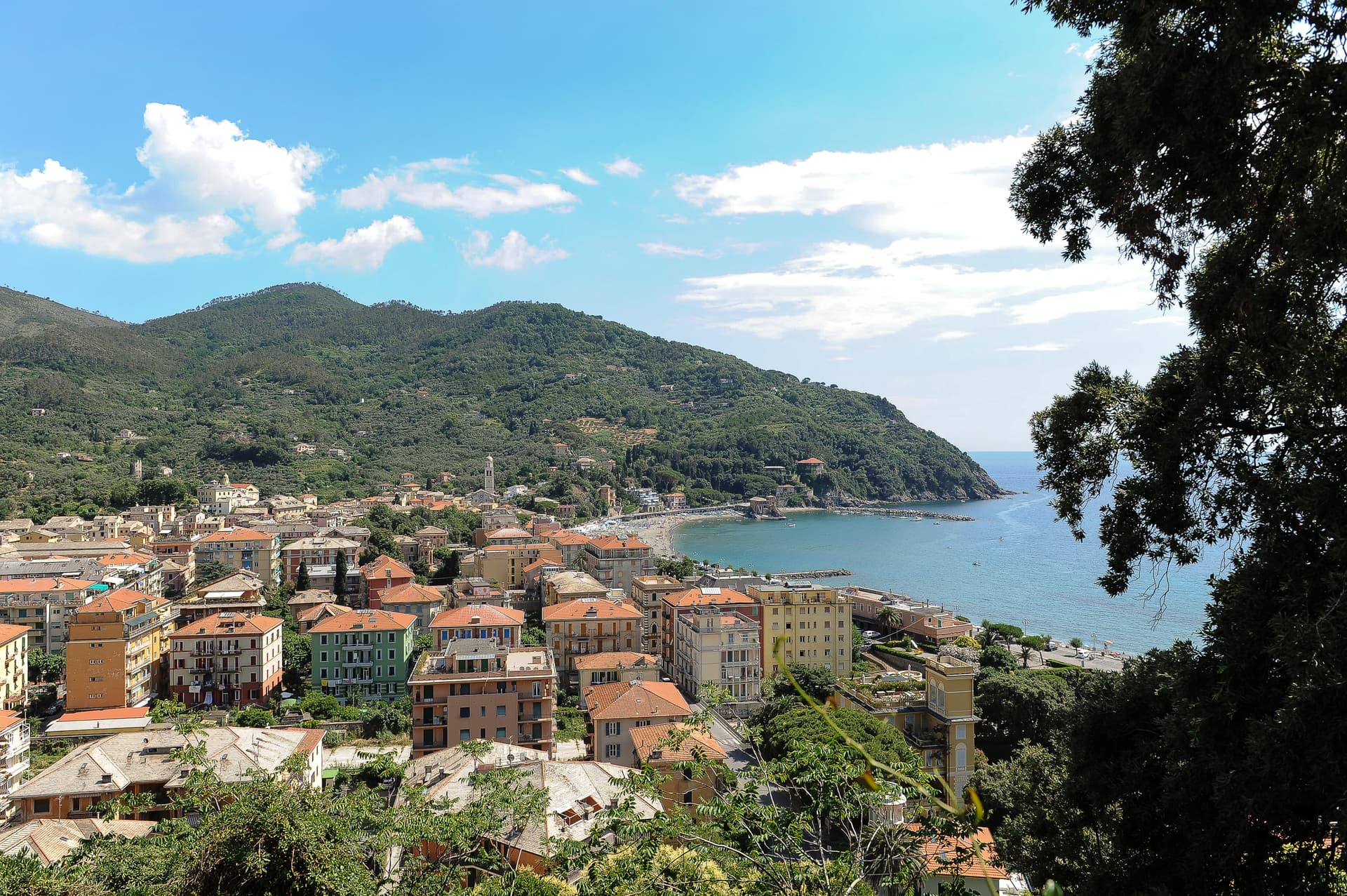
The sixth Cinque Terre, a beach town and Cittaslow at the gateway of the national park, with a surf break and a striped Gothic church.
Vernazza
Province: La Spezia
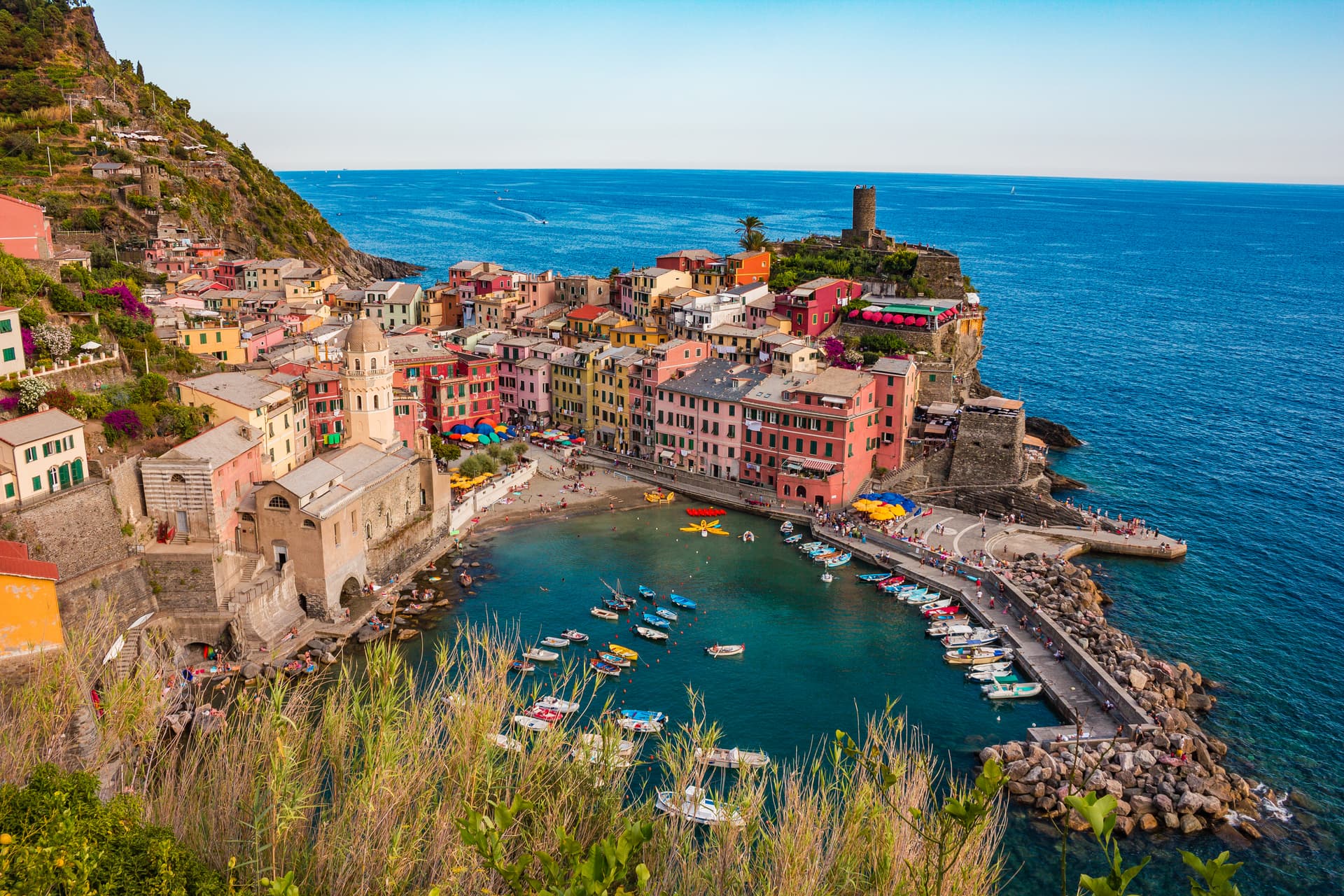
The middle village of the Cinque Terre, the only one with a natural harbor, buried under four meters of mud in October 2011.
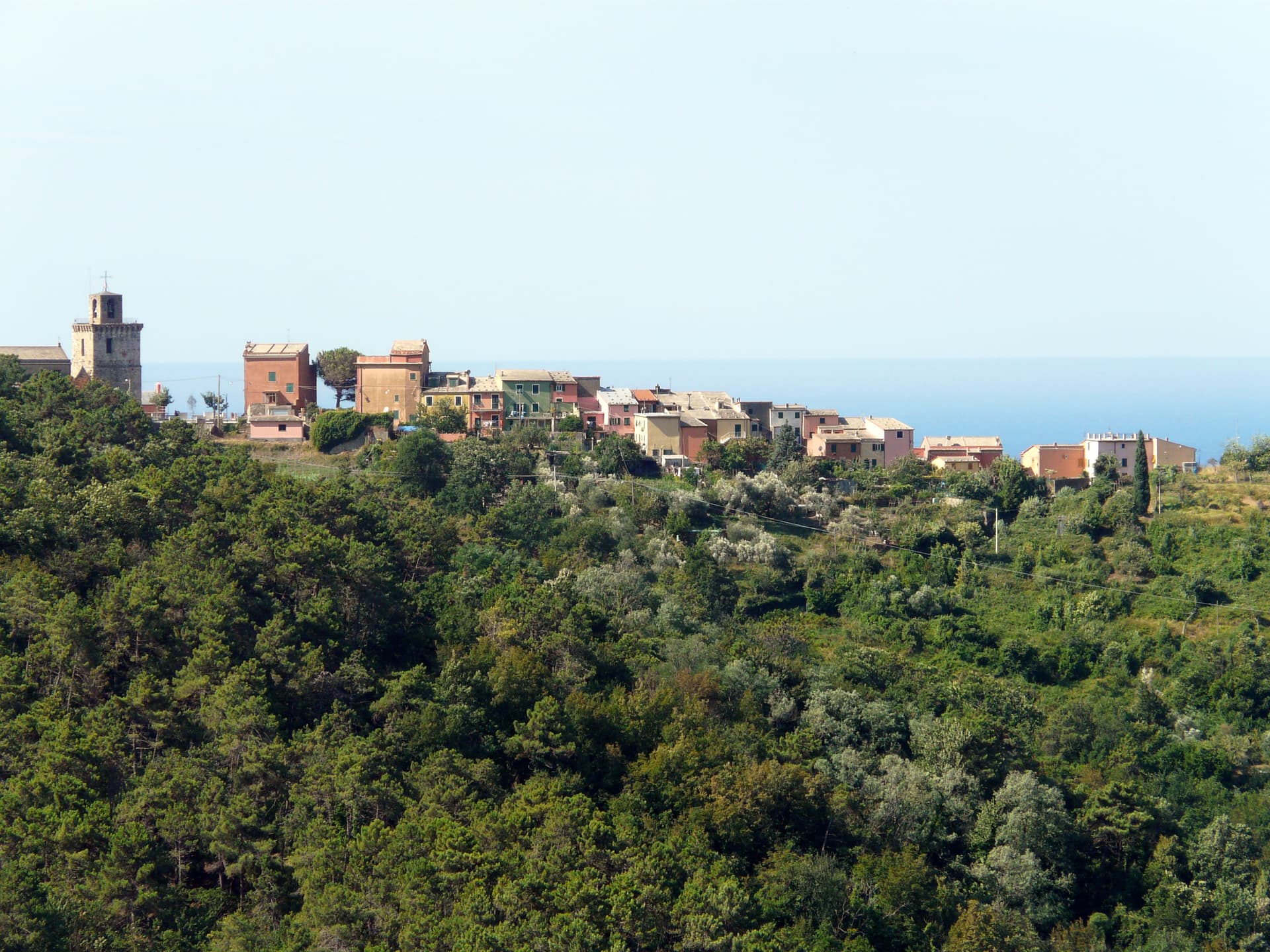
Framura
Province: La Spezia
Five hamlets between sea level and 300 meters on the Riviera di Levante, with Byzantine watchtowers built against Saracen incursions.
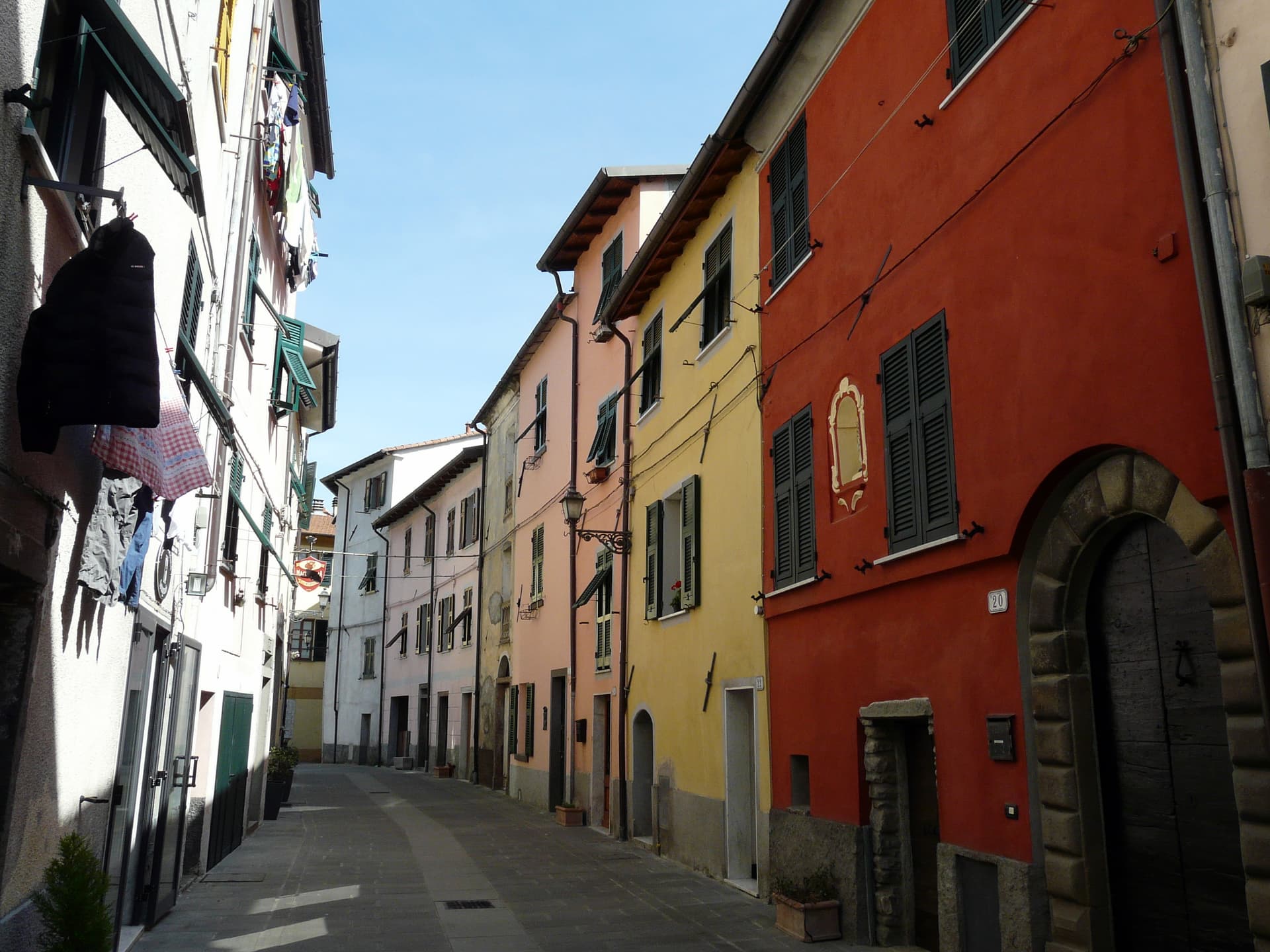
Brugnato
Province: La Spezia
The medieval ecclesiastical capital of the Val di Vara, seat of a diocese from 1133 to 1820, with a co-cathedral built over a Columban monastery.
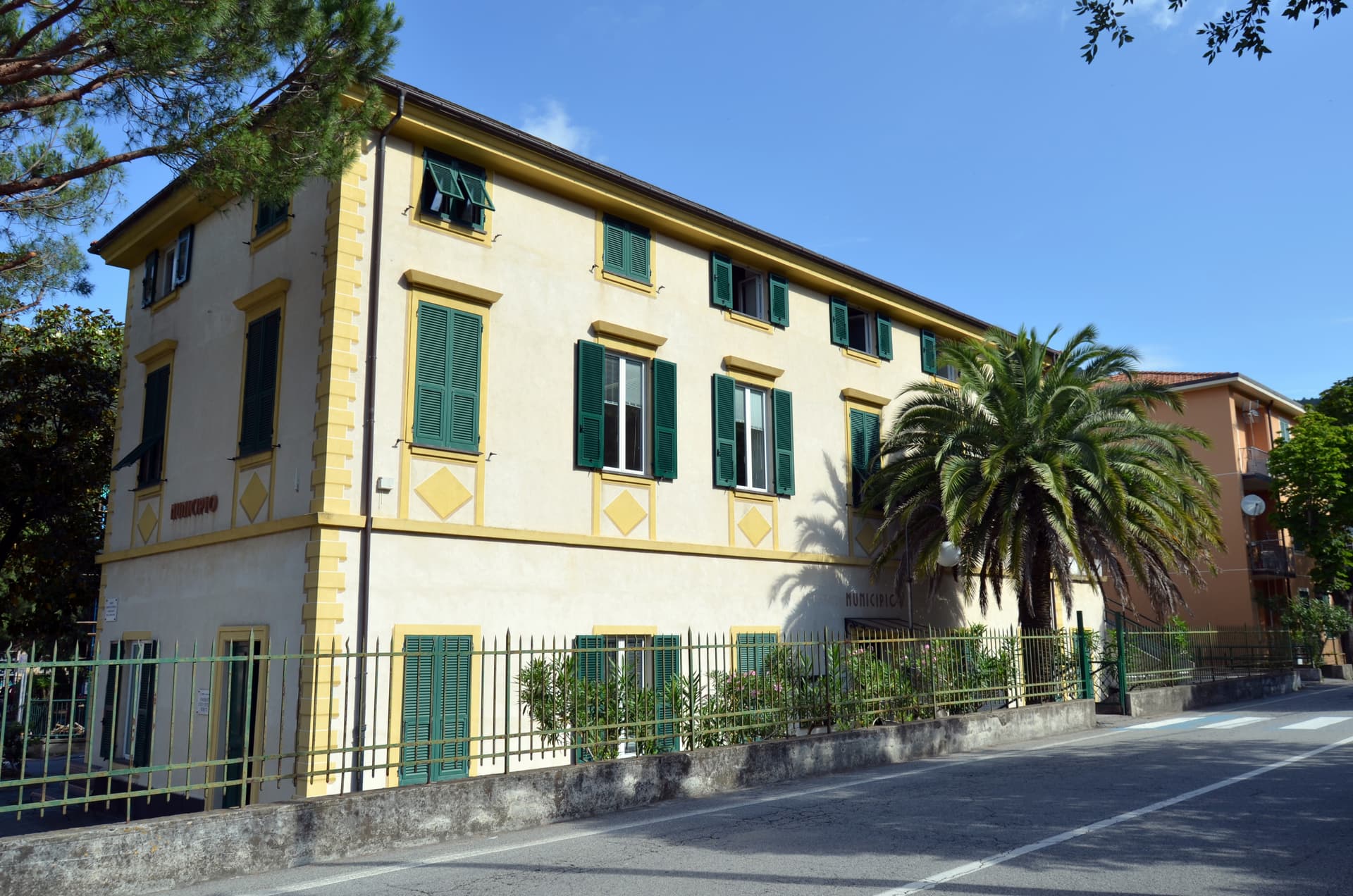
Deiva Marina
Province: La Spezia
A Riviera di Levante seaside commune between Sestri Levante and the Cinque Terre, reachable by sea only after the 1874 railway.
🏛️ UNESCO
More UNESCO towns in Liguria
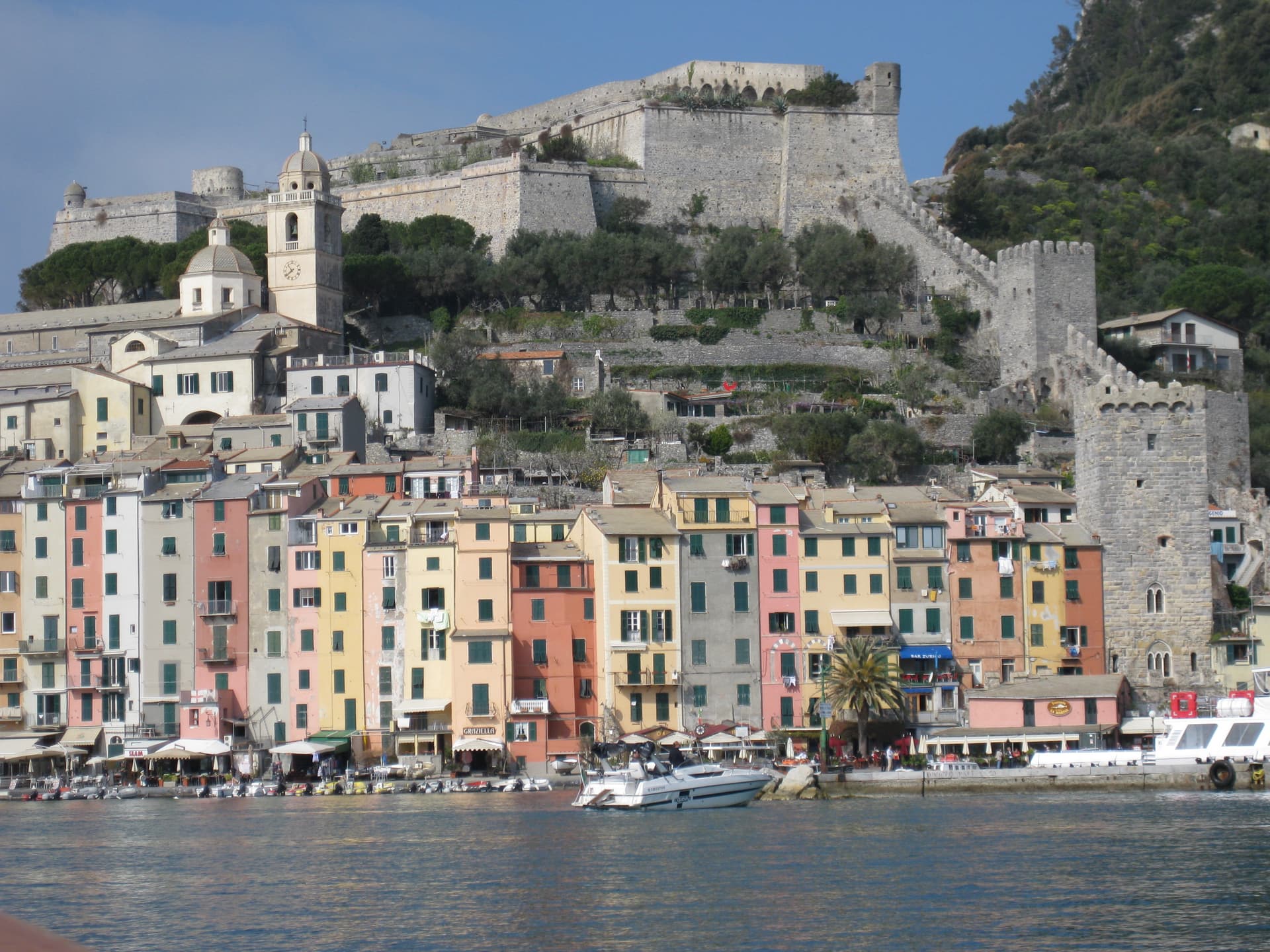
Portovenere
Province: La Spezia
A Genoese fortress at the western mouth of the Gulf of Poets, the black-and-white church of San Pietro on the Venus-temple rock.
Riomaggiore
Province: La Spezia
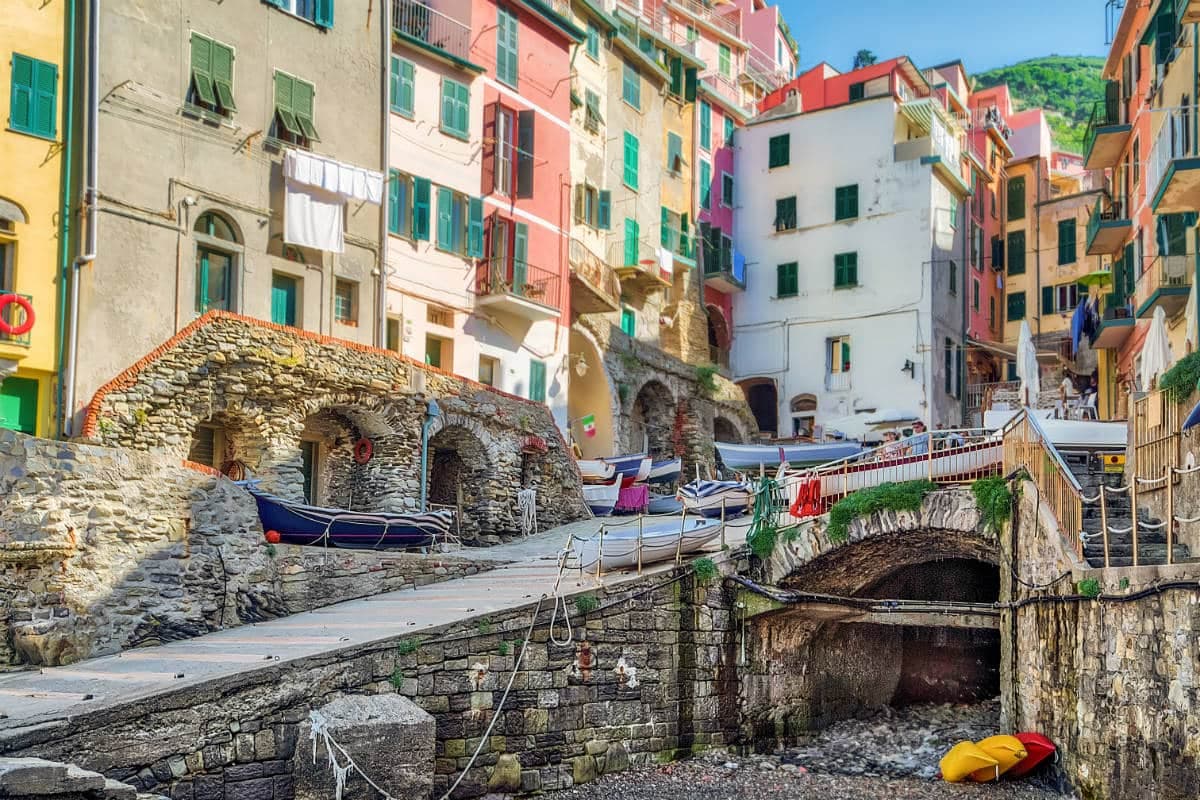
The easternmost of the Cinque Terre, 1,326 people stacked above a fishing inlet, terraced vineyards climbing 250 meters straight off the sea.