

Lombardy · Brescia
Polpenazze del Garda
A Valtenesi hilltop commune above the drained Lake Lucone, where Italy's oldest continuous wine fair has poured Groppello since 1947.
Known for
MOSTRA DEI VINI
Garda Classico wine fair held in the central piazza every last weekend of May, running since 1947.
LUCONE
Bronze Age pile dwellings in the drained lake basin below the village, a UNESCO World Heritage site.
VALTENESI
Hilltop village in the Valtenesi wine and oil district, producing Chiaretto rosé and Garda DOP olive oil.
When to visit
Best · Apr–Oct
- J
- F
- M
- A
- M
- J
- J
- A
- S
- O
- N
- D
- Best
- Hot or crowded
- Quiet
- Mostly closed
The festa: natività della Beata Vergine Maria, 8 September
Why come
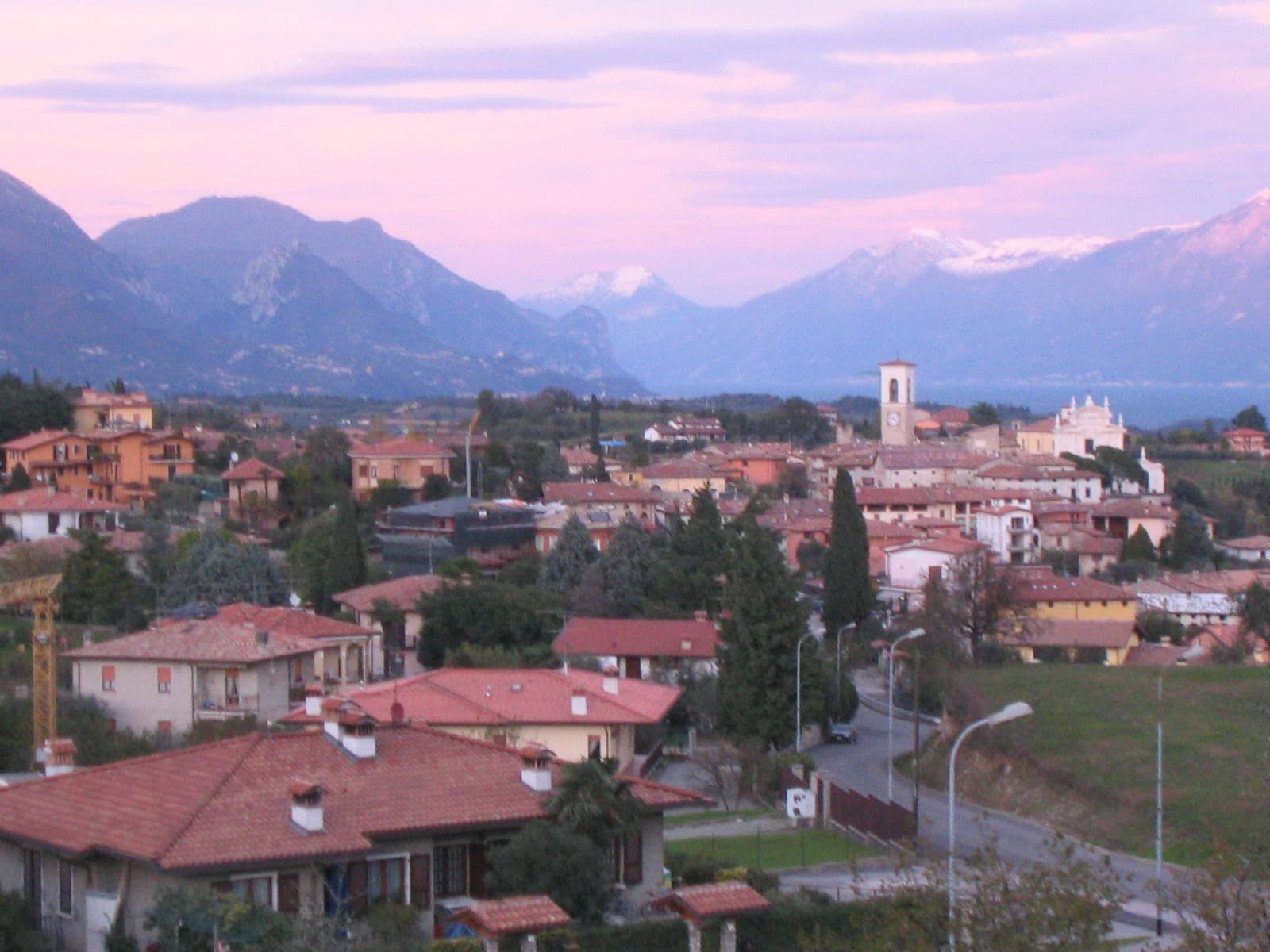
Polpenazze sits on a Valtenesi hill 207 meters above sea level, six kilometers inland from Lake Garda's western shore. The lower ground below the village was once Lake Lucone, a small basin between the hills of Cassaga, Brassina and San Pietro that was progressively drained between the fifteenth and eighteenth centuries to recover farmland. The Bronze Age pile-dwelling settlements found in the Lucone sediments are part of the UNESCO Prehistoric Pile Dwellings around the Alps World Heritage Site: wooden tools, vases and fabrics preserved by the wet clay.
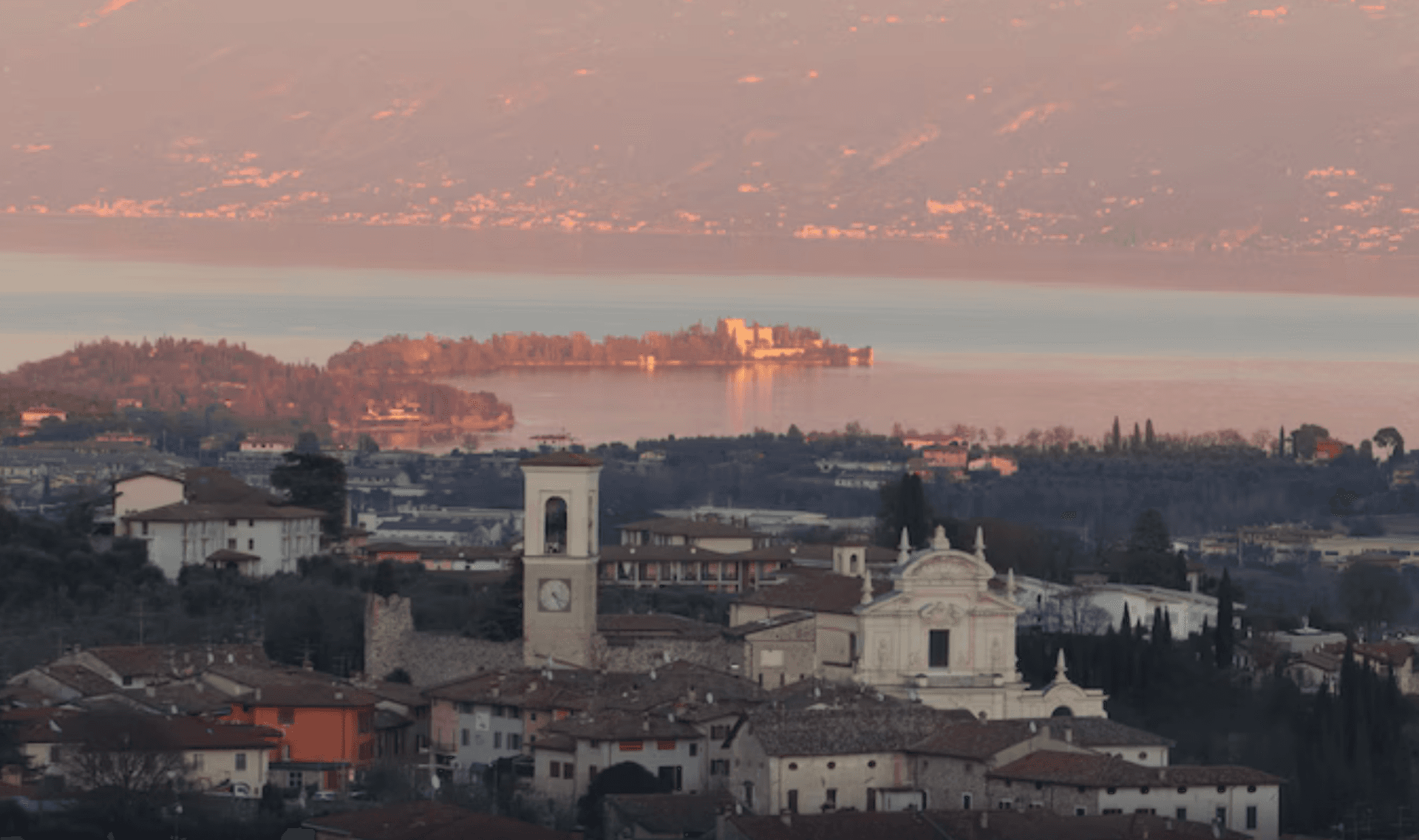
The medieval Castello di Polpenazze crowns the village, with the parish church inside its walls. The annual Mostra dei Vini del Garda Classico, held in the central piazza on the last weekend of May, started in 1947 and is among the oldest wine fairs in Italy. The surrounding vineyards produce Valtenesi Chiaretto, Garda Classico rosso, and Garda DOP olive oil.
The Sunday letter
We haven’t written Polpenazze del Garda’s letter yet.
One town every Sunday, with the photo, the food, the festa. Be there when this one comes up. Free, by Peter & Sophia from Pietrasanta.
By subscribing you agree to Substack’s Terms of Use, our Privacy Policy and our Information collection notice.
What to see
Castello di Polpenazze
Medieval hilltop castle with the parish church inside its walls, the visible center of the village.
Pieve di San Pietro in Lucone
Romanesque parish church on the hill above the former Lake Lucone, with twelfth-century frescoes.
Sito palafitticolo del Lucone
UNESCO World Heritage Bronze Age pile-dwelling site in the drained lake basin, with on-site interpretation panels.
Belvedere del Castello
Castle terrace looking east across the Valtenesi vineyards toward Lake Garda and Monte Baldo.
The slow-trip planner
Building a trip? Find where Polpenazze del Garda fits in a slow Italy circuit.
Answer five questions. We will shape a geographically coherent slow trip from the 1,000 Italian towns most travelers skip. Yours to save and share.
Living here
- Population 2,710
- Commuter belti
- Pharmacy: none mapped
- High school within a 30-minute drive
- Nearest airport Verona, 57 min drive
- Regional capital Milano, 1 h 39 min drive
Tags & datadesignations · numbers · sources
The numbers
- Elevation: 207 m
- Population: 2,710
- Surface area: 9.12 km²
These figures were compiled from public directories — ISTAT, OpenStreetMap, Wikidata — and from the official listings of the guides named on this page. Town details change; verify with official sources before you travel.
Close by
More towns near Polpenazze del Garda
Manerba del Garda
Province: Brescia
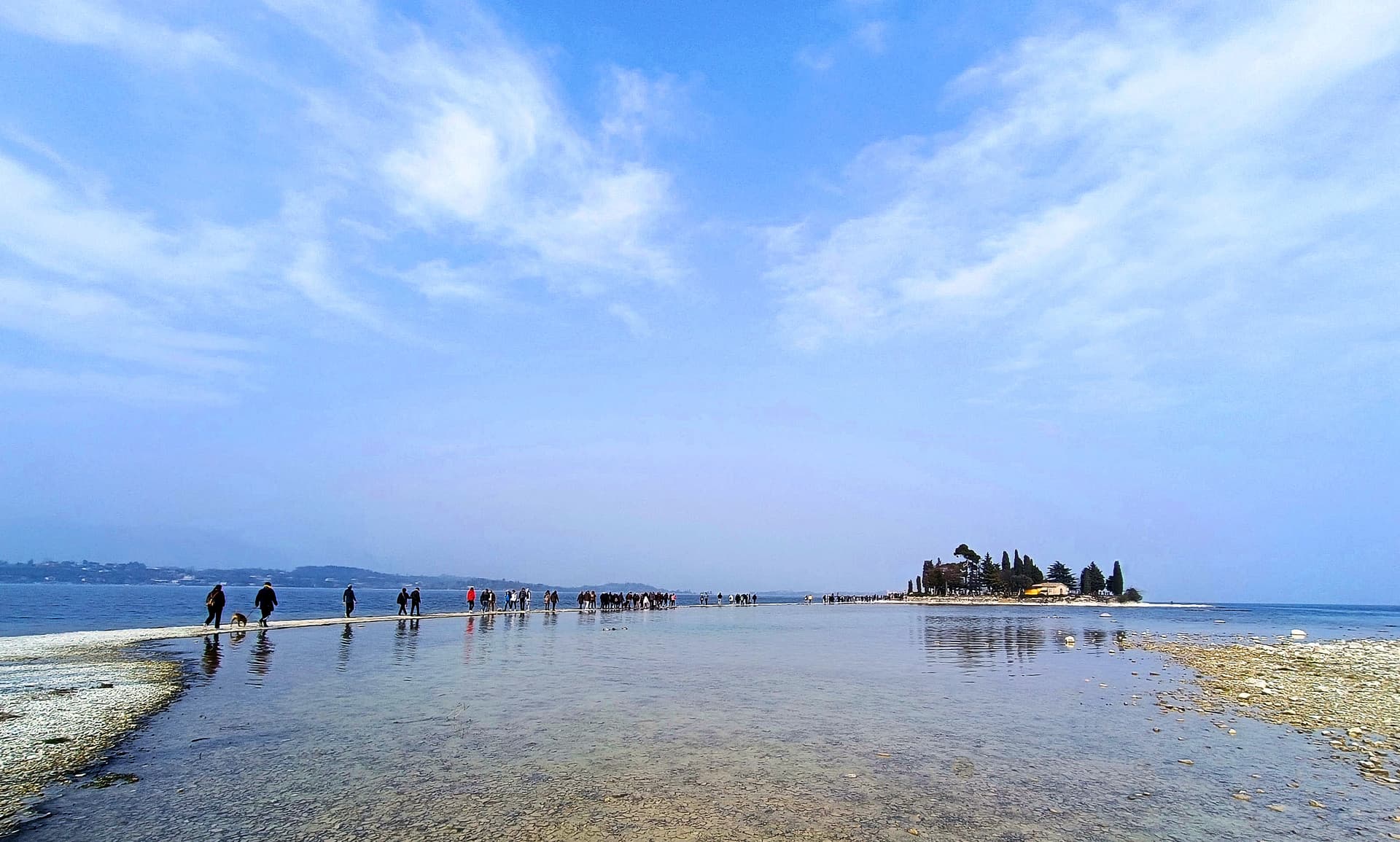
A Valtenesi commune on Lake Garda's southwestern shore, anchored by a limestone cliff that held a Roman temple to Minerva and a medieval fortress.
Salò
Province: Brescia
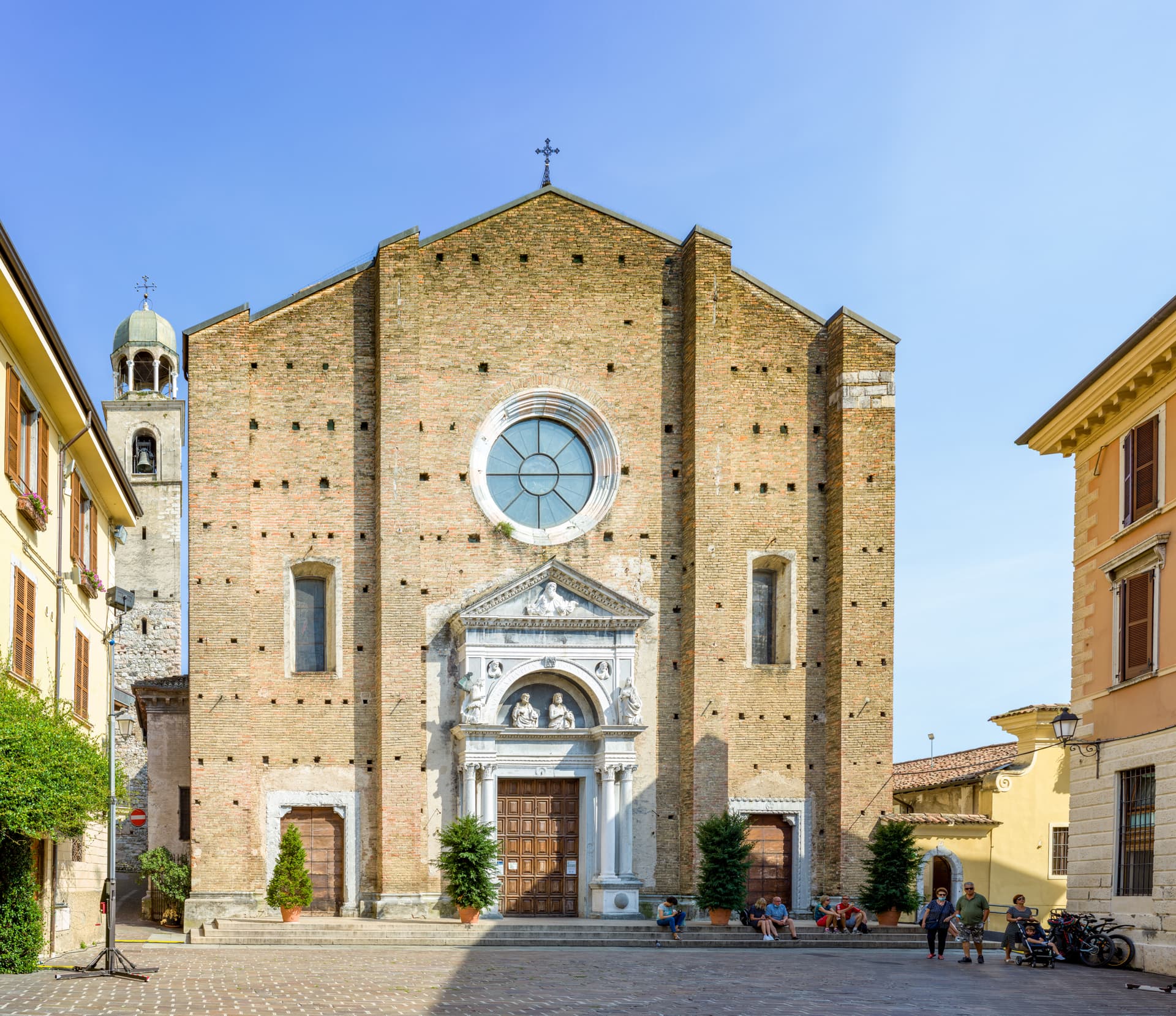
On the deepest gulf of Lake Garda, with the lake's longest waterfront promenade and the cathedral of the Riviera di Salò.
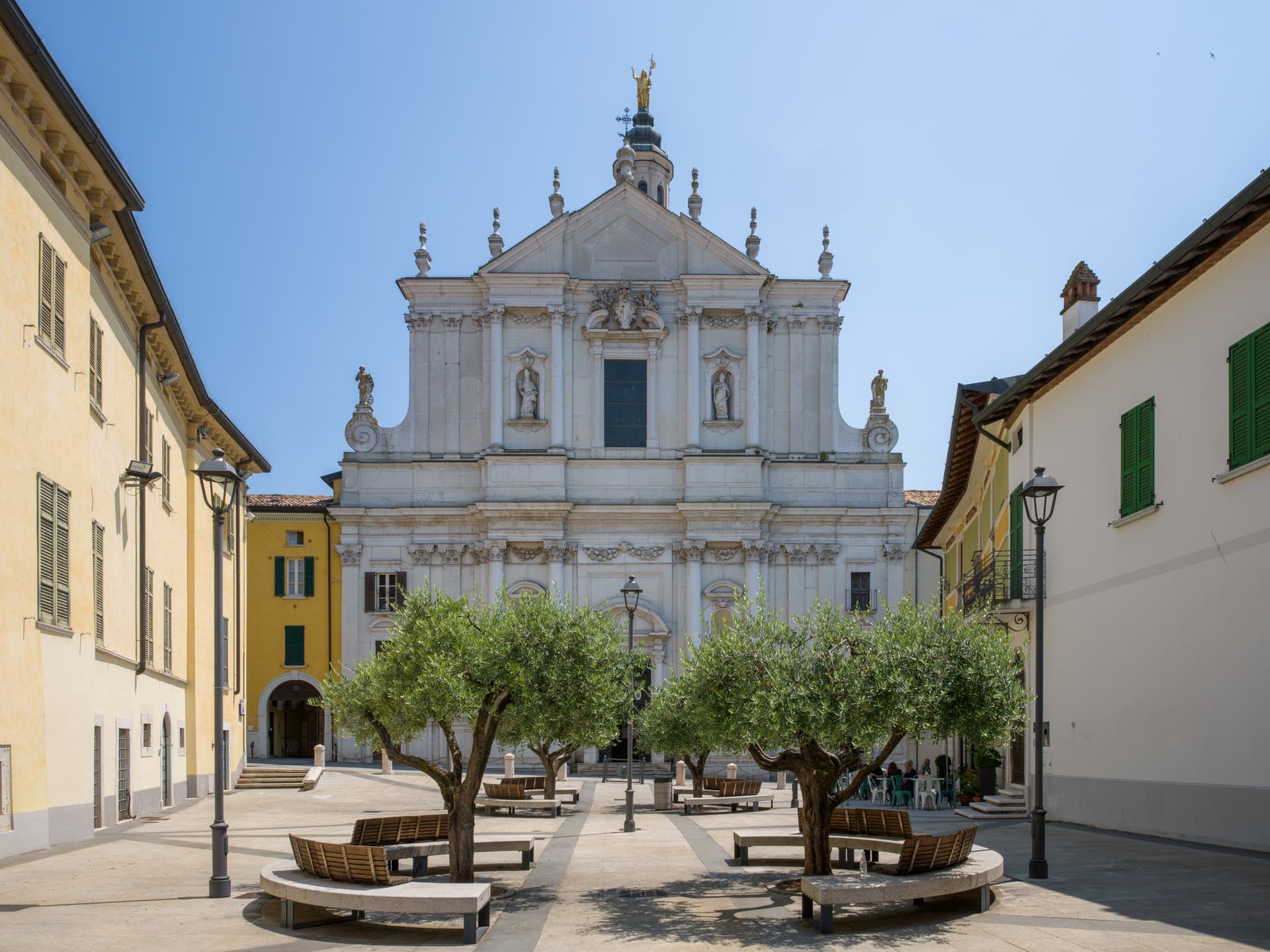
Lonato del Garda
Province: Brescia
A hilltop commune on the southwestern Garda morainic ridge, with a Visconti Rocca and the 52,000-volume Casa del Podestà library.
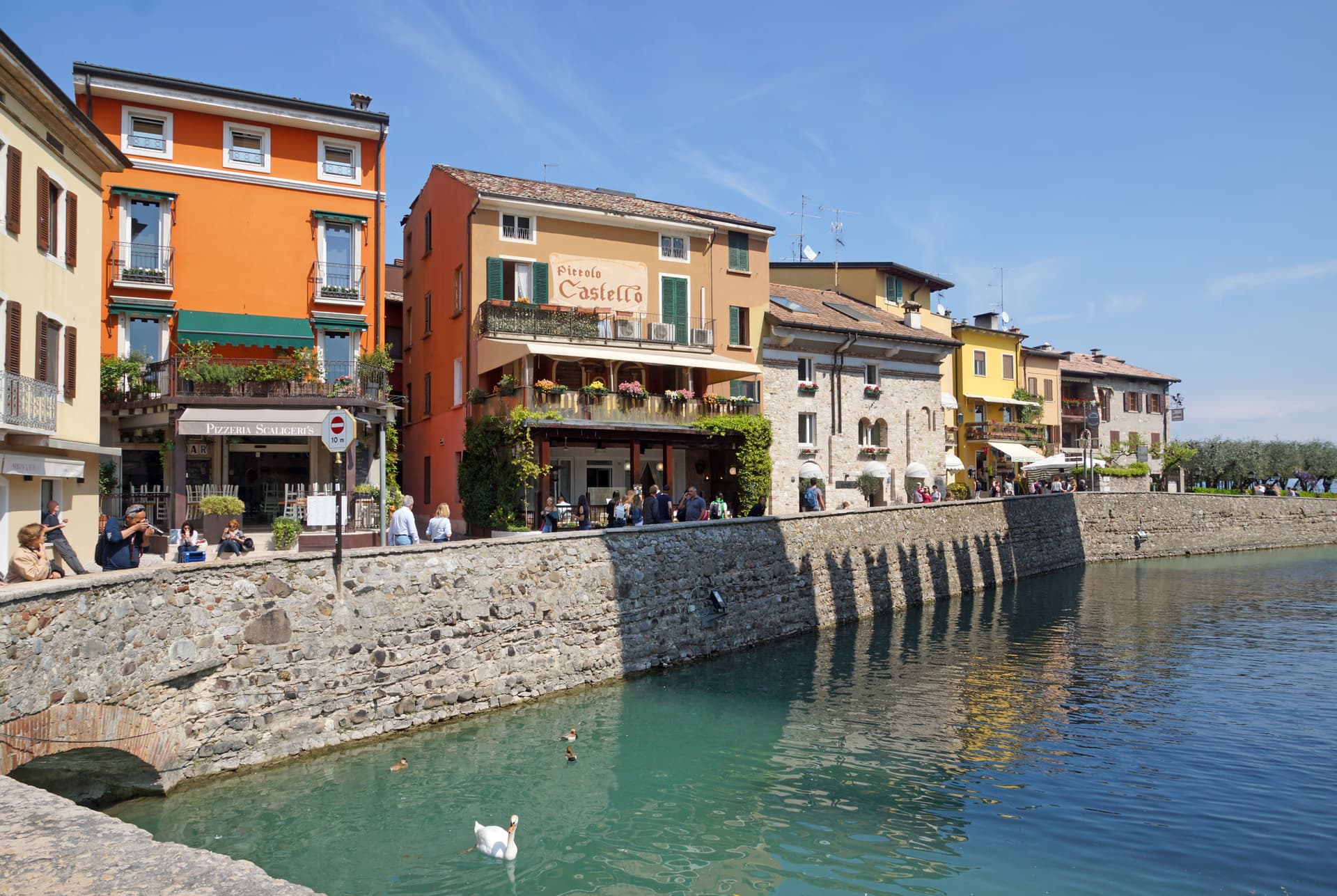
Sirmione
Province: Brescia
A 4-kilometer peninsula reaching into the southern Garda, with the Scaliger fortified port and the Roman villa called the Grotte di Catullo at its tip.
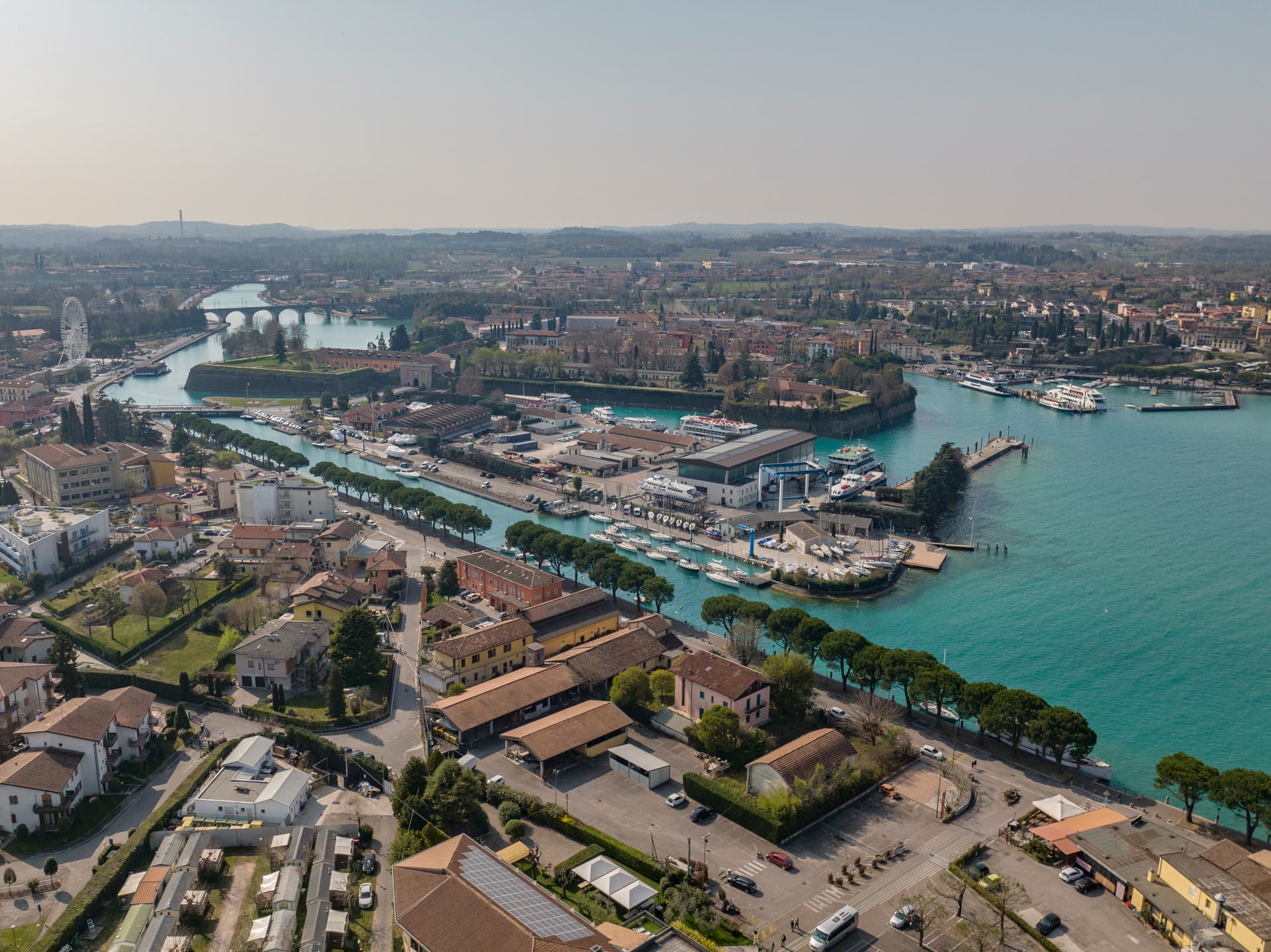
Peschiera del Garda
Province: Verona
The Venetian fortress town on a Mincio island at the southern outlet of Lake Garda, UNESCO-listed in 2017 for its Sanmicheli bastions.