

Sardinia · Sud Sardegna
Calasetta
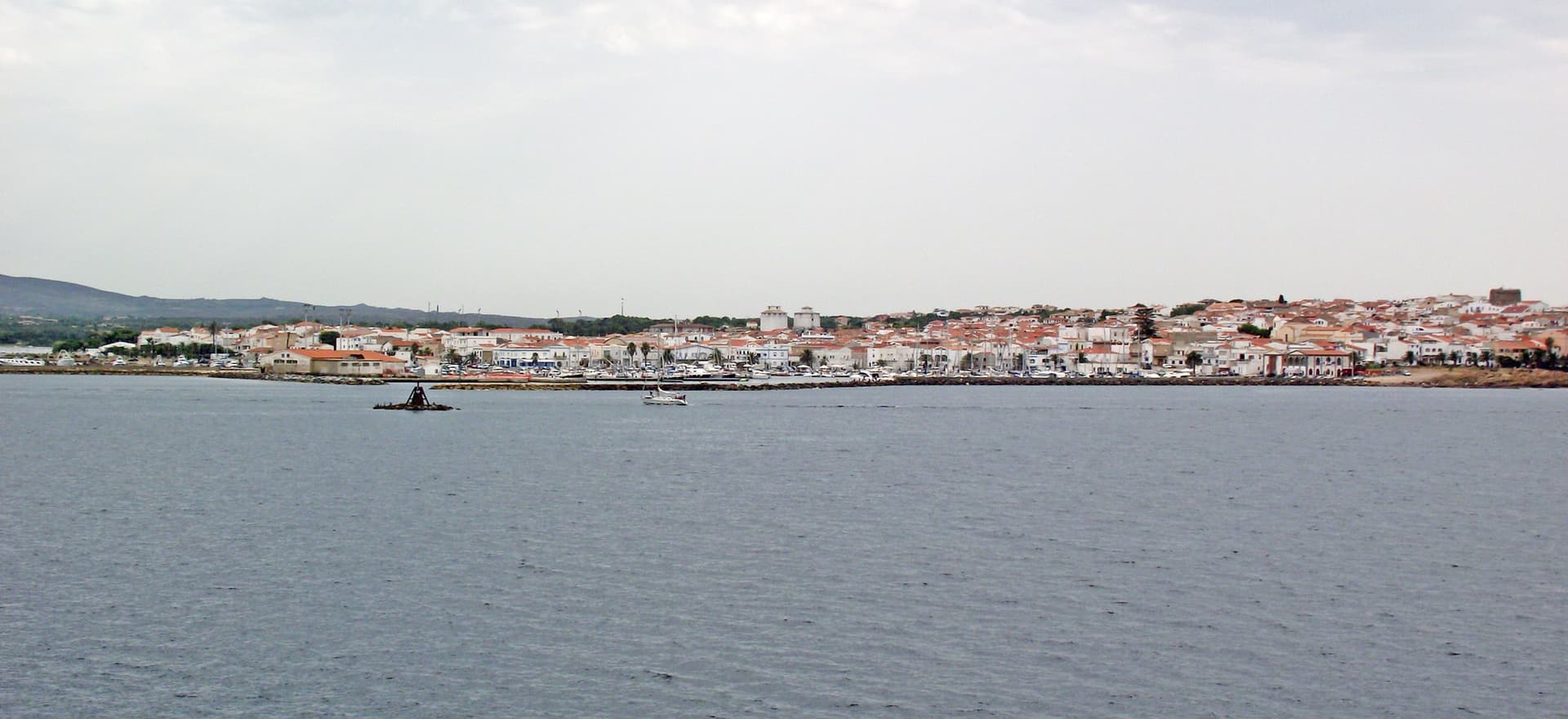
The Ligurian town founded by Tabarka exiles in 1770 on the northwest tip of Sant'Antioco, where Tabarchino is still spoken in the streets.
Known for
TABARCHINO
Ligurian dialect carried from Tabarka in Tunisia via the 1770 settlement, still spoken in the streets alongside Italian.
TORRE SABAUDA
Eleven-meter Savoy coastal watchtower built in the late 18th century, the town's emblem and an exhibition space.
MACC
Unusually serious contemporary art museum for a town of 2,800, with a collection of 1960s and 1970s European painting.
When to visit
Best · May–Oct
- J
- F
- M
- A
- M
- J
- J
- A
- S
- O
- N
- D
- Best
- Hot or crowded
- Quiet
- Mostly closed
Why come
Calasetta sits on the northwest tip of the island of Sant'Antioco, founded in 1770 by Ligurian families who had spent two centuries on the Tunisian island of Tabarka working as coral fishermen for the Genoese Lomellini. When the Tabarka colony collapsed in 1738, King Charles Emmanuel III of Savoy received them in the Kingdom of Sardinia: part settled Carloforte on Isola di San Pietro, the rest received Calasetta thirty-two years later. The grid plan and low whitewashed houses come from that founding.
The Tabarchino dialect, a variant of Ligurian, is still spoken alongside Italian. The Torre Sabauda, an eleven-meter truncated cone built in the late 18th century as part of the coastal defense network, now houses an exhibition on the town and the territory. The MACC, the Museum of Contemporary Art opened in 2007, holds a collection of European painting from 1960 to 1970 unusual for a town of three thousand.
The Sunday letter
We haven’t written Calasetta’s letter yet.
One town every Sunday, with the photo, the food, the festa. Be there when this one comes up. Free, by Peter & Sophia from Pietrasanta.
By subscribing you agree to Substack’s Terms of Use, our Privacy Policy and our Information collection notice.
What to see
Torre Sabauda
Late 18th-century coastal watchtower, eleven meters high in truncated cone form, built by the Savoy government against pirate raids.
MACC
Museum of Contemporary Art opened in 2007, holding a collection of European paintings from the 1960s and 1970s.
Centro storico tabarchino
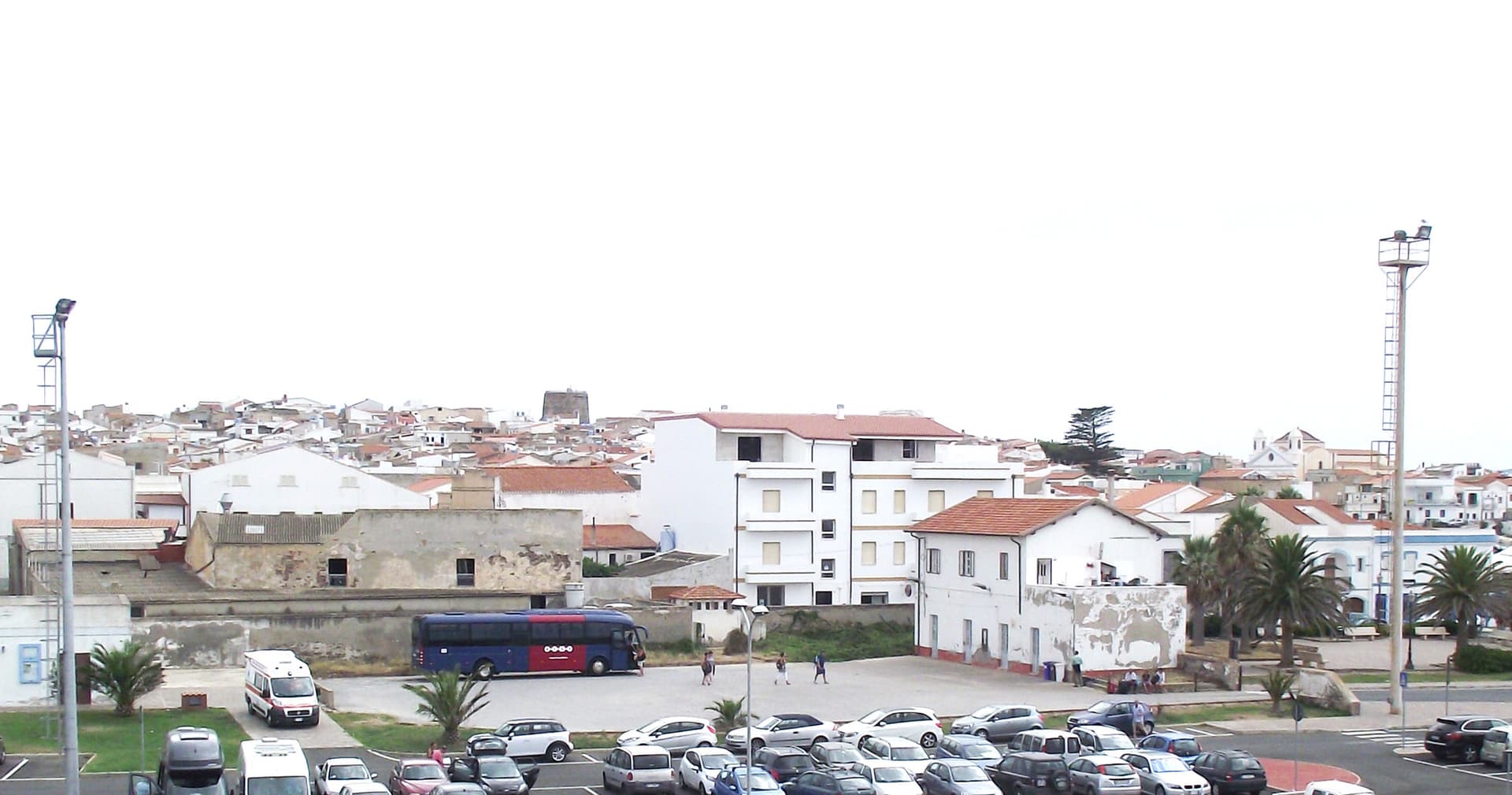
Grid of whitewashed low houses laid out in 1770 by the Ligurian Tabarka settlers, still the core of the town today.
Spiaggia Sottotorre
Town beach below the Torre Sabauda, shallow water and pale sand, popular for swimming with families and easy to reach from the centro.
Porto di Calasetta
Ferry harbor with regular crossings to Carloforte on Isola di San Pietro, the standard way to reach the smaller neighboring island.
The slow-trip planner
Building a trip? Find where Calasetta fits in a slow Italy circuit.
Answer five questions. We will shape a geographically coherent slow trip from the 1,000 Italian towns most travelers skip. Yours to save and share.
Living here
- Population 2,775
- In-betweeni
- Pharmacy in town
- High school within a 30-minute drive
- Regional capital Cagliari, 1 h 45 min drive
Tags & datadesignations · numbers · sources
The numbers
- Elevation: 9 m
- Population: 2,775
- Surface area: 31.06 km²
On the map
These figures were compiled from public directories — ISTAT, OpenStreetMap, Wikidata — and from the official listings of the guides named on this page. Town details change; verify with official sources before you travel.
Close by
More towns near Calasetta
Carloforte
Province: Sud Sardegna
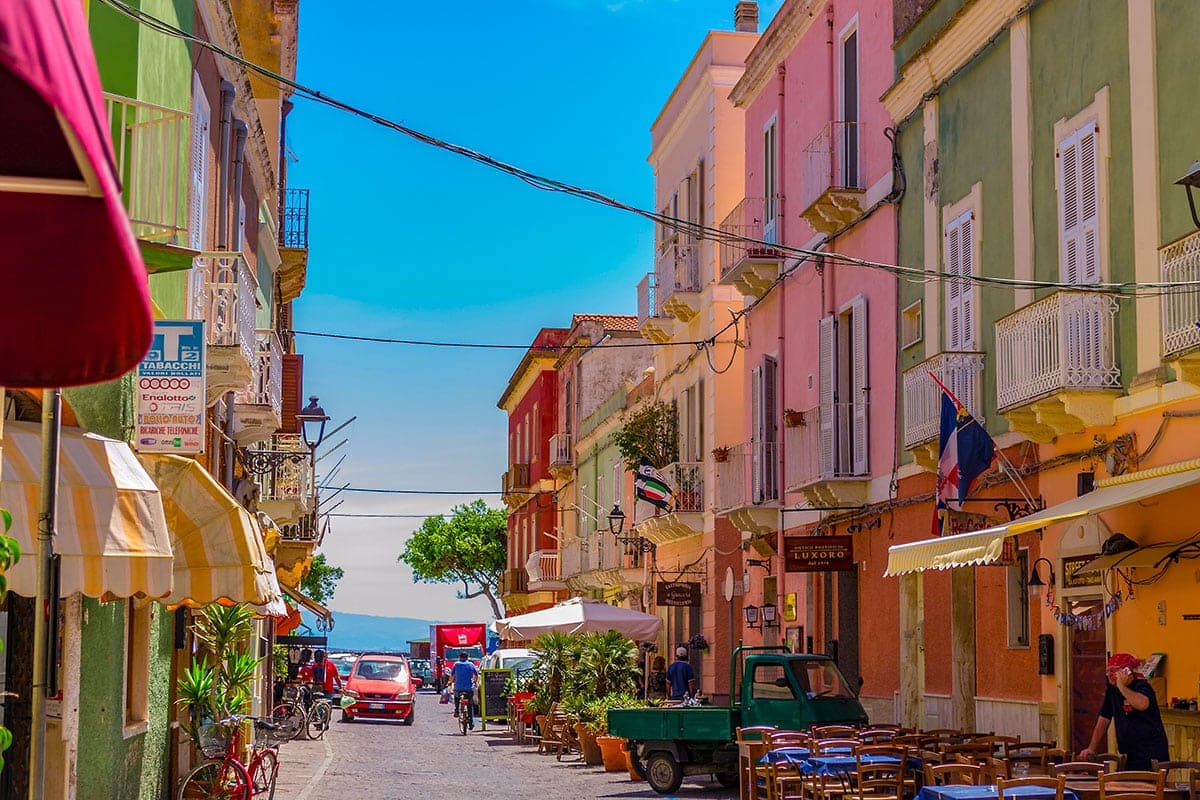
A Ligurian-speaking fishing town on the Isola di San Pietro, founded in 1738 by coral fishers returning from Tunisian Tabarka.
Iglesias
Province: Sud Sardegna
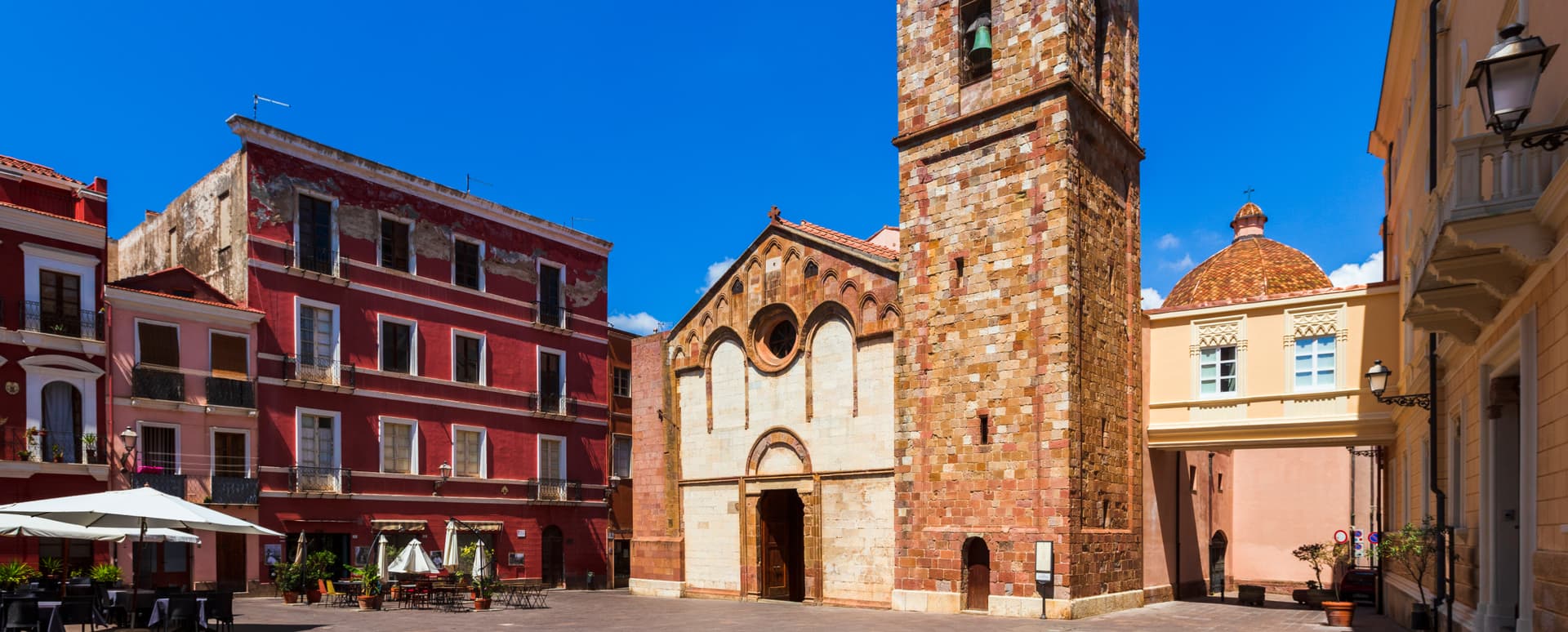
Sardinia's medieval mining capital — a 25,000-resident Pisan-Aragonese walled town in the Sulcis-Iglesiente metalliferous district, with the 13th-c Castello di Salvaterra anchoring an intact Gothic centro storico, UNESCO-recognised mining heritage at Monteponi just outside town, and a Settimana Santa Spanish-influenced procession tradition.
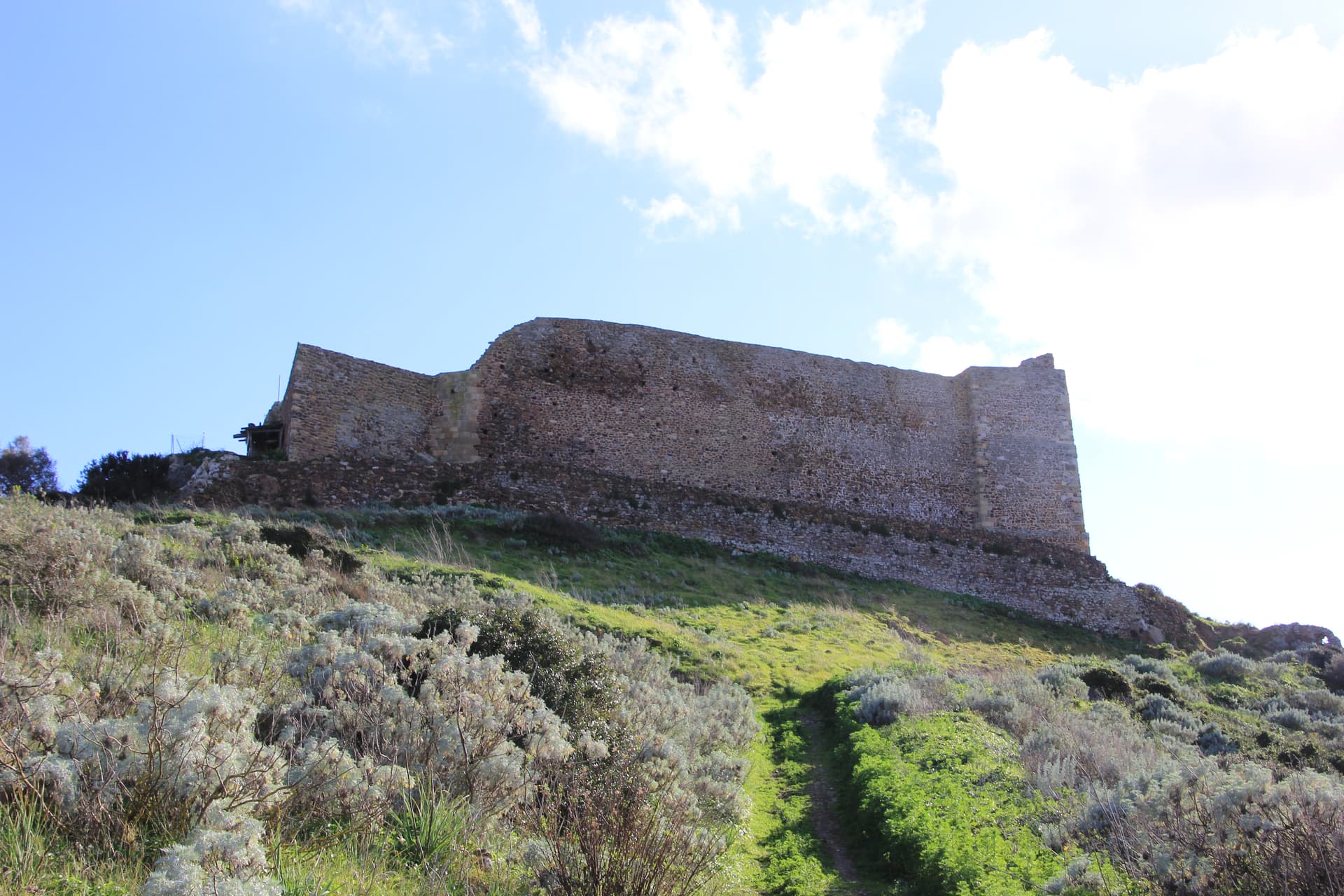
Sardara
Province: Sud Sardegna
A Campidano thermal town where Nuragic well-temples, Roman Aquae Neapolitanae and a hilltop Arborea castle share the same hot springs.
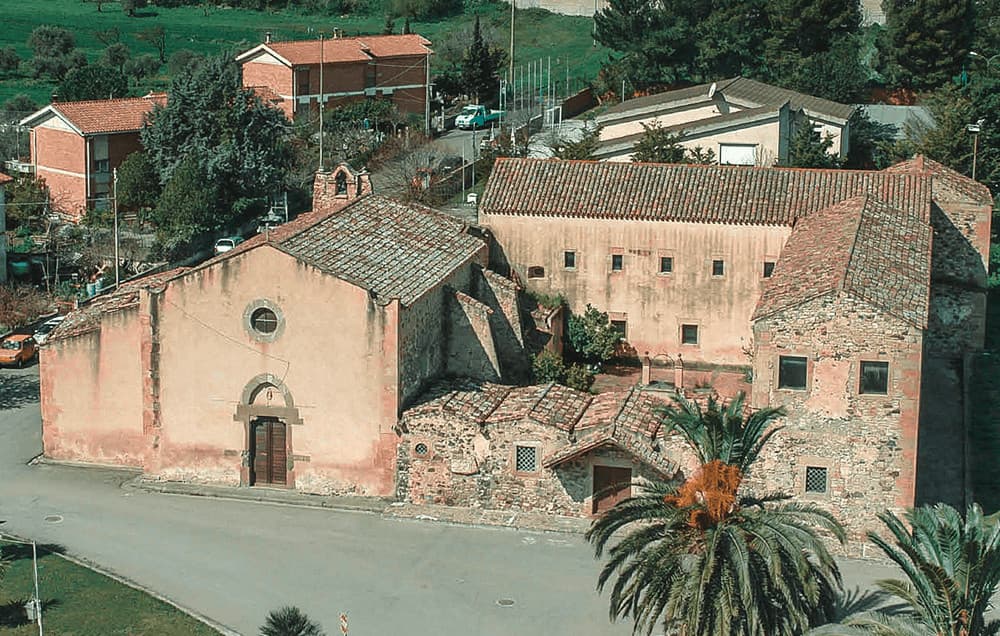
Masullas
Province: Oristano
A Marmilla village at 129 meters where a 17th-century Capuchin convent houses fossils, minerals, and the volcanic history of Monte Arci.
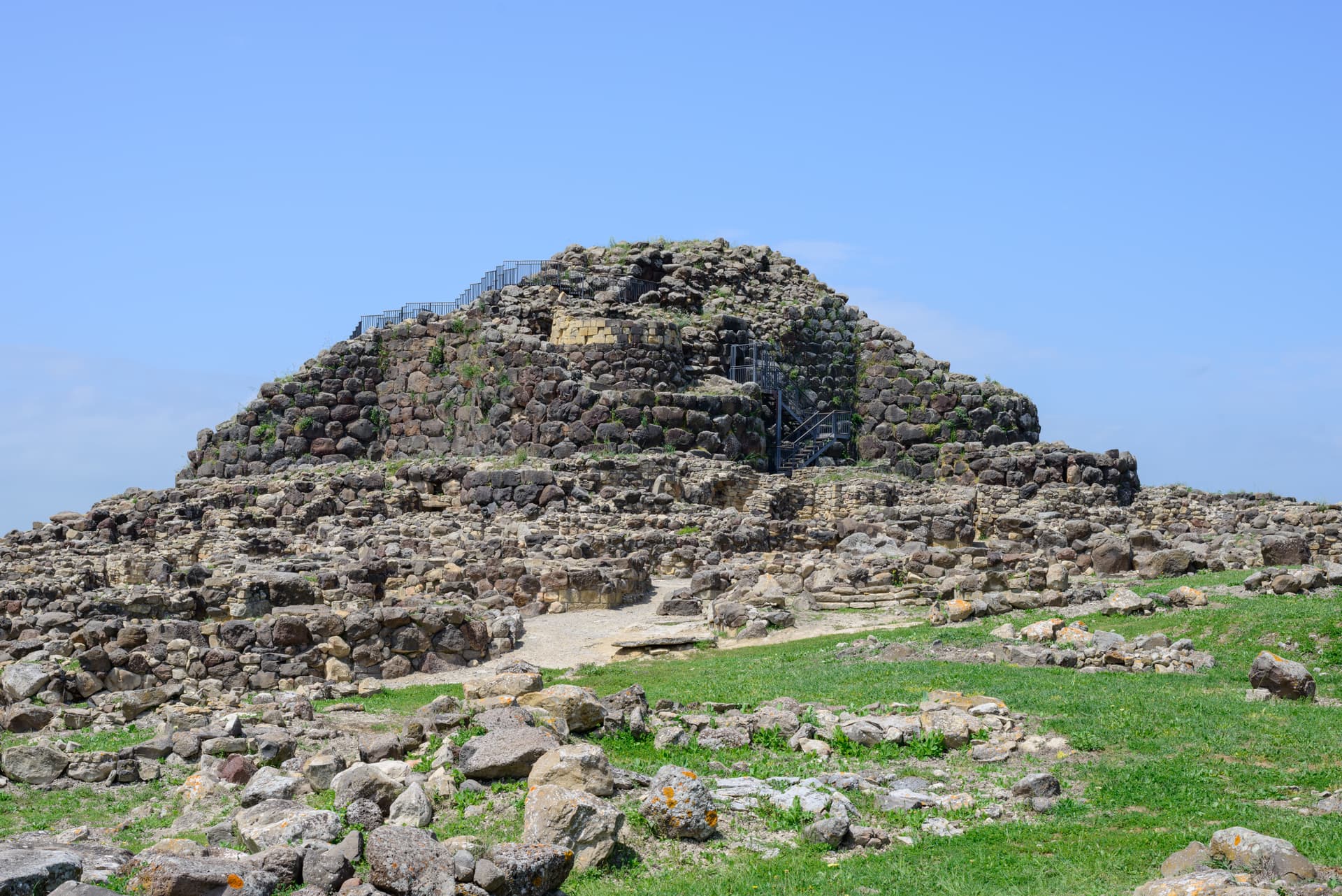
Barumini
Province: Sud Sardegna
A Marmilla village at the foot of the Giara di Gesturi whose Bronze Age nuraghe became Sardegna's first UNESCO site.