

Sardinia · Sud Sardegna
Iglesias
Sardinia's medieval mining capital — a 25,000-resident Pisan-Aragonese walled town in the Sulcis-Iglesiente metalliferous district, with the 13th-c Castello di Salvaterra anchoring an intact Gothic centro storico, UNESCO-recognised mining heritage at Monteponi just outside town, and a Settimana Santa Spanish-influenced procession tradition.
Known for
SARDINIA'S MINING CAPITAL
Historic centre of the Sulcis-Iglesiente — Phoenician/Roman/medieval/industrial-era mining across 1,200 km². Parco Geominerario UNESCO Global Geopark since 2007.
ARAGONESE-GOTHIC PLAN
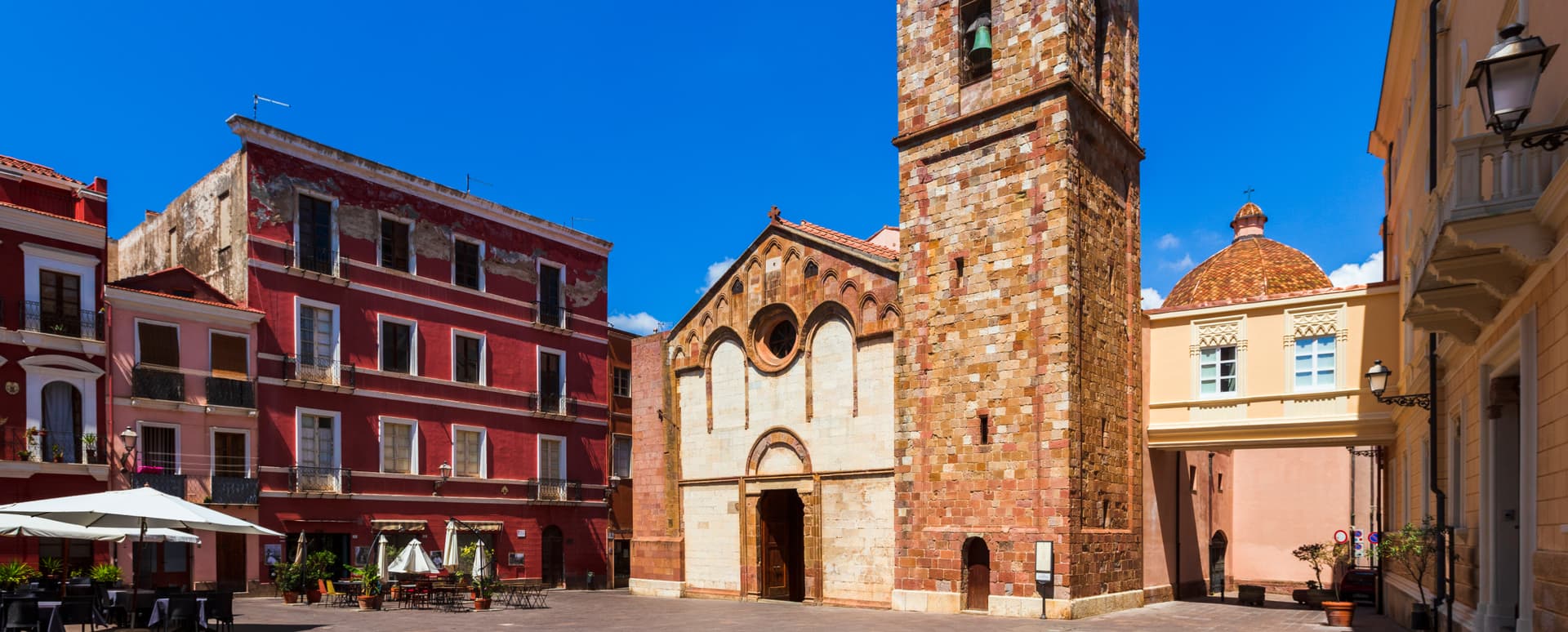
The only fully Aragonese-Gothic urban plan in Sardinia. Pisan walls + Castello Salvaterra + Catalan-Gothic cathedral facade + 'finestre crociate' on palazzi.
PORTO FLAVIA + PAN DI ZUCCHERO
Underground cliff loading port (1924) + the iconic offshore sea stack. The whole Masua coastline is industrial-archaeology meets dramatic Sardinian shoreline.
SPANISH-INFLUENCED HOLY WEEK
5-day processional cycle by the 16th-c Arciconfraternita del Santo Monte — among the most distinctive Settimana Santa traditions in Italy.
When to visit
Best · Mar–Jun, Sep–Oct
- J
- F
- M
- A
- M
- J
- J
- A
- S
- O
- N
- D
- Best
- Hot or crowded
- Quiet
- Mostly closed
Why come
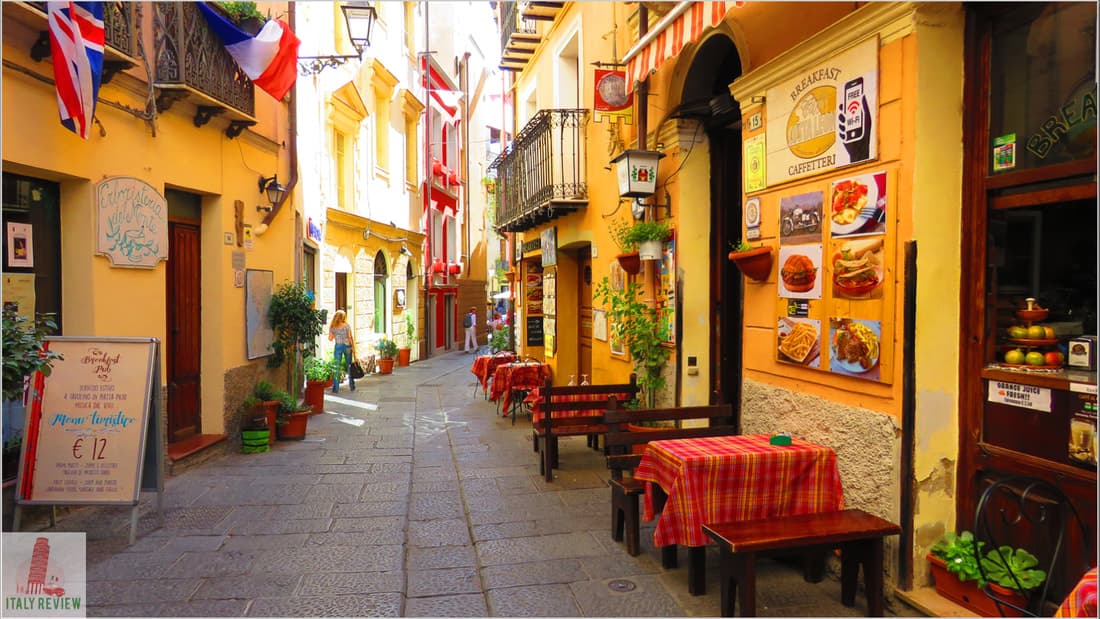
Iglesias is the historic capital of Sardinia's south-western mining district — the Sulcis-Iglesiente, an industrial-archaeology landscape stretching across 1,200 km² of lead, zinc, silver and coal extraction sites worked continuously from Phoenician/Roman times through the 1990s. The town itself (25,000 residents, 200m altitude, 60 km west of Cagliari) sits at the confluence of two valleys at the centre of the district, founded as Villa di Chiesa in the 1240s by Pisans expanding their commercial empire to the Sardinian metal trade, then taken by the Aragonese in 1324 and rebuilt as Iglesias inside the Pisan walls — the only fully Aragonese-Gothic urban plan in Sardinia. The centro storico is the set-piece: intact medieval walls with seven gates (four still standing), the 13th-c Castello di Salvaterra anchoring the high end of town, the Cattedrale di Santa Chiara di Assisi (Pisan-Romanesque founded 1284, Aragonese reworking 14th c, full Catalan-Gothic façade), Piazza La Marmora, the Pisan-era Palazzo Pubblico, and the dense grid of vicoli with the Catalan-style 'finestre crociate' double windows still visible on the older palazzi.
The mines: the Monteponi complex (3 km west, 18th–20th c industrial-archaeology, the iconic 1865 Palazzo della Direzione, the 1km Galleria Henry tunnel walkable from the surface to the seacliff at Nebida), Masua (with the spectacular Pan di Zucchero sea stack offshore and the unique Porto Flavia underground loading port carved into a cliff in 1924 — visits via guided tour), and several others. The Parco Geominerario UNESCO inscribed the whole district on the Global Geoparks Network in 2007. Settimana Santa (Holy Week) is the year's other identifying event: a 5-day cycle of Spanish-influenced processions (Discesa, Processione dei Misteri, Lu Scravamentu) staged by the Arciconfraternita del Santo Monte going back to the 16th-c Aragonese period — among the most distinctive Holy Week traditions in Italy. The food is Sulcis-Sardinian: pane carasau, malloreddus alla campidanese, porceddu (roast suckling pig), the local Carignano del Sulcis red and the coastal Vermentino whites.
The Sunday letter
We haven’t written Iglesias’s letter yet.
One town every Sunday, with the photo, the food, the festa. Be there when this one comes up. Free, by Peter & Sophia from Pietrasanta.
By subscribing you agree to Substack’s Terms of Use, our Privacy Policy and our Information collection notice.
What to see
Castello di Salvaterra + centro storico
13th-c Pisan castle anchoring the high end of town, with intact medieval walls + 4 standing gates. Catalan-Gothic 'finestre crociate' on older palazzi mark the Aragonese phase.
Cattedrale di Santa Chiara d'Assisi
Founded 1284 in Pisan-Romanesque, reworked 14th-c by the Aragonese with a full Catalan-Gothic façade. The cathedral of the historic Sulcis diocese.
Monteponi + Galleria Henry mining complex
3 km west — 18th–20th c industrial-archaeology. The 1865 Palazzo della Direzione + the 1 km Galleria Henry tunnel walkable to the cliff at Nebida. Guided tours.
Porto Flavia + Pan di Zucchero (Masua)
Unique underground loading port carved into a cliff in 1924 for shipping ore directly to vessels below — guided tours. Pan di Zucchero sea stack offshore is Sardinia's iconic geological monument.
Settimana Santa processions
Spanish-influenced 5-day Holy Week cycle from the 16th-c Aragonese period — Discesa, Processione dei Misteri, Lu Scravamentu. Among the most distinctive in Italy.
The slow-trip planner
Building a trip? Find where Iglesias fits in a slow Italy circuit.
Answer five questions. We will shape a geographically coherent slow trip from the 1,000 Italian towns most travelers skip. Yours to save and share.
Living here
- Population 25,093
- A local hubi
- Pharmacy in town
- High school within a 30-minute drive
- Train station in the comune
- Nearest airport Sardinia, 1 h 11 min drive
- Regional capital Cagliari, 1 h 2 min drive
Tags & datadesignations · numbers · sources
The numbers
- Elevation: 200 m
- Population: 25,093
- Surface area: 208.23 km²
These figures were compiled from public directories — ISTAT, OpenStreetMap, Wikidata — and from the official listings of the guides named on this page. Town details change; verify with official sources before you travel.
Close by
More towns near Iglesias
Sardara
Province: Sud Sardegna
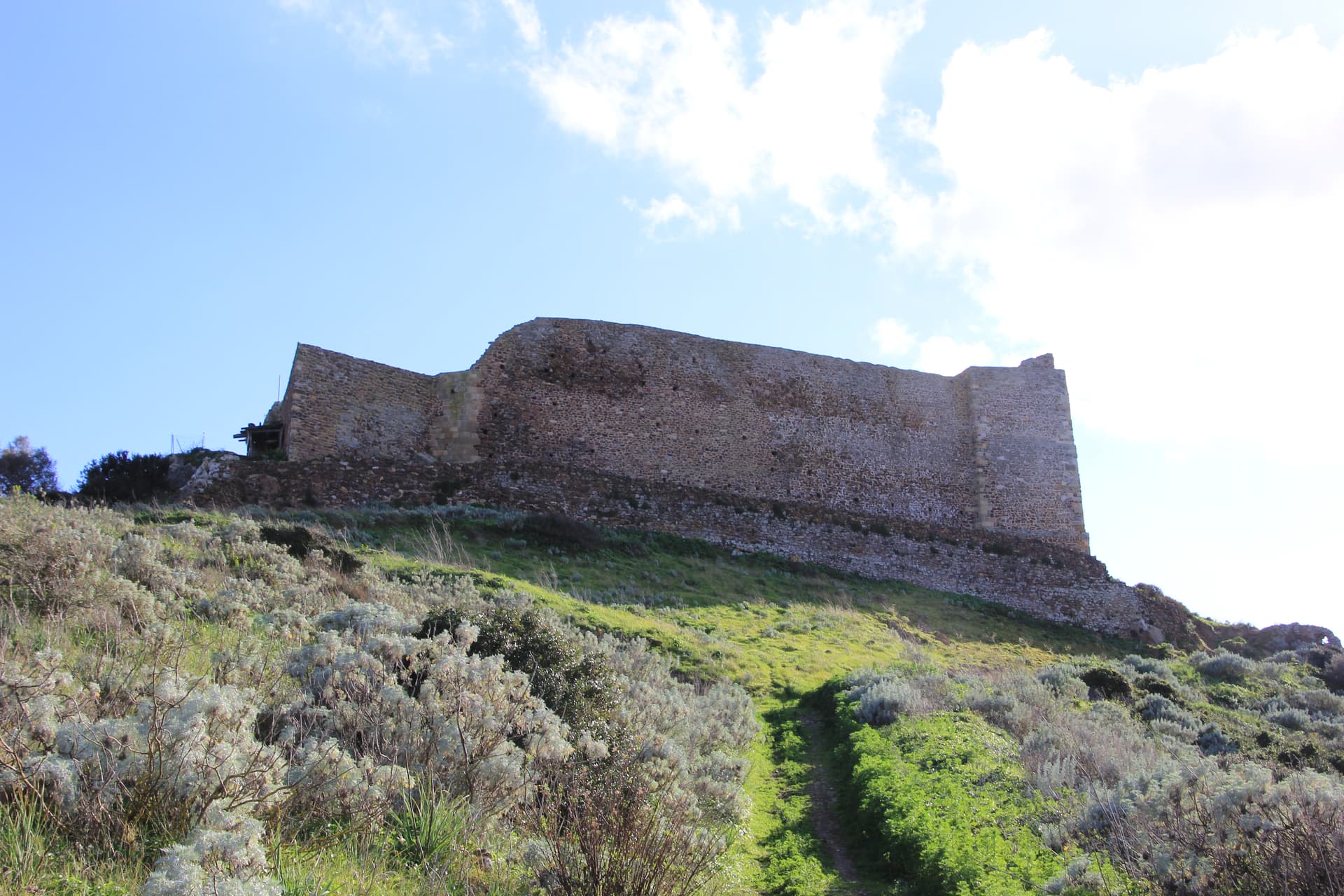
A Campidano thermal town where Nuragic well-temples, Roman Aquae Neapolitanae and a hilltop Arborea castle share the same hot springs.
Barumini
Province: Sud Sardegna
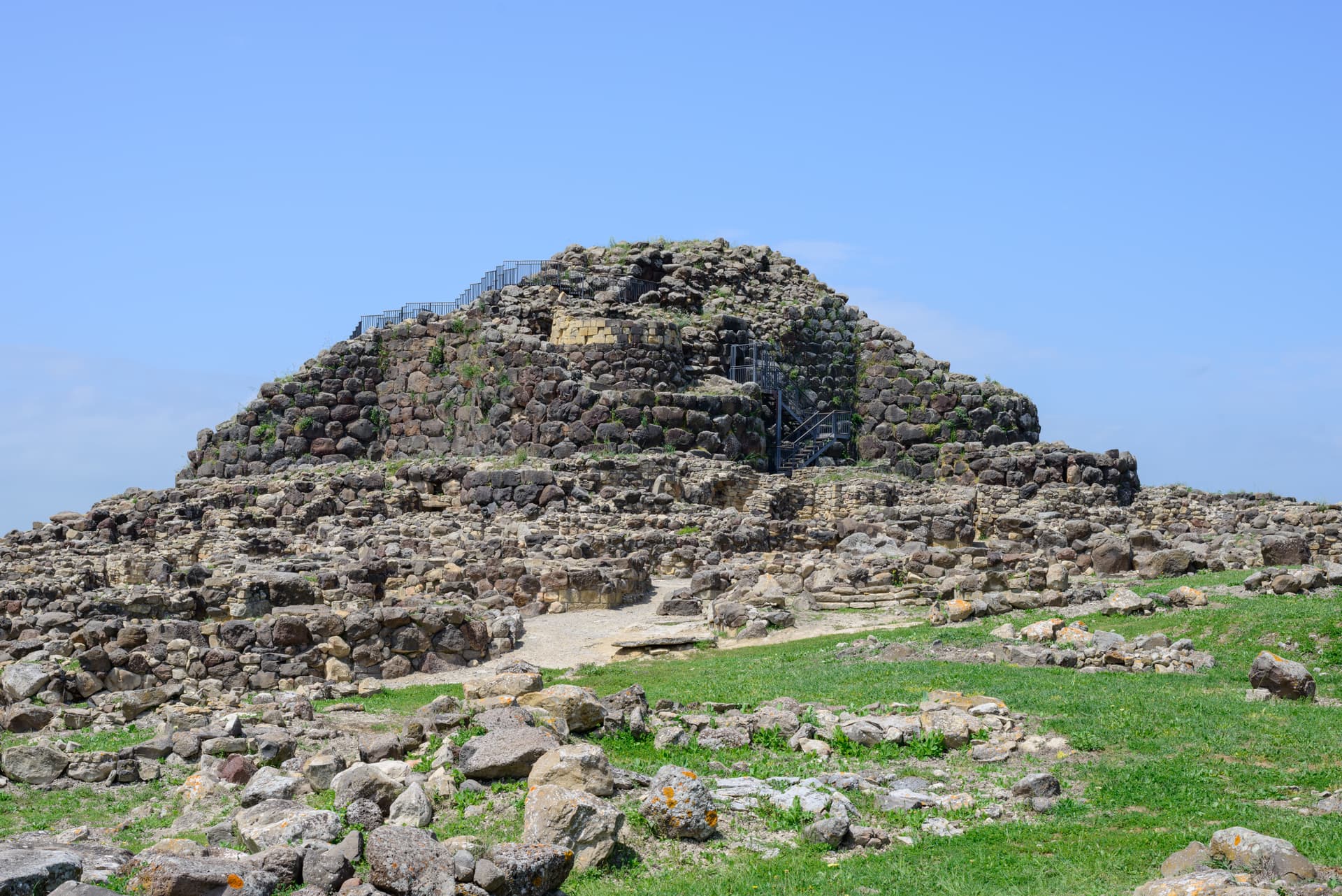
A Marmilla village at the foot of the Giara di Gesturi whose Bronze Age nuraghe became Sardegna's first UNESCO site.
Masullas
Province: Oristano
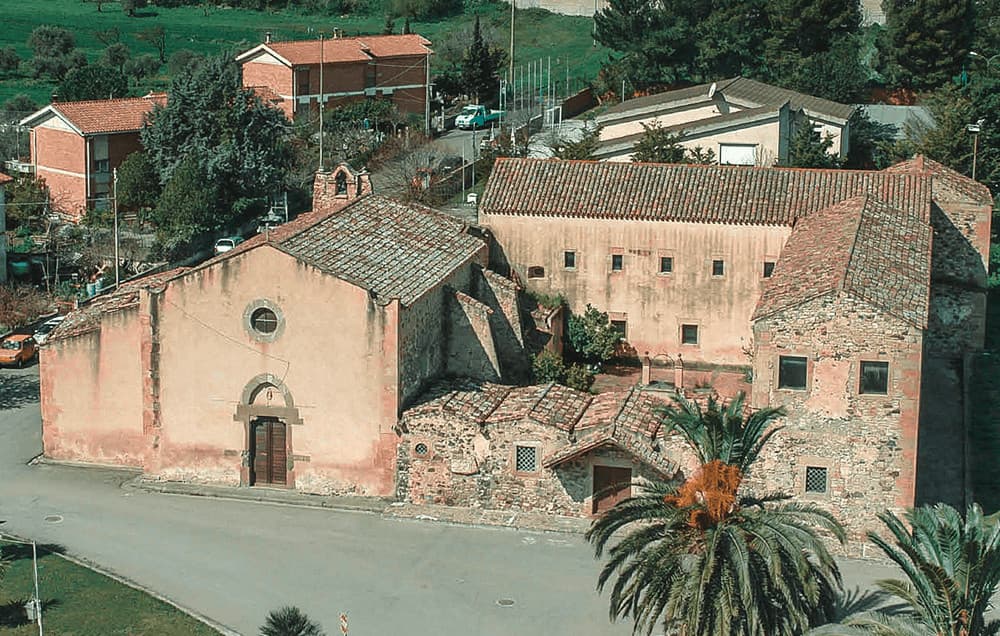
A Marmilla village at 129 meters where a 17th-century Capuchin convent houses fossils, minerals, and the volcanic history of Monte Arci.
Oristano
Province: Oristano
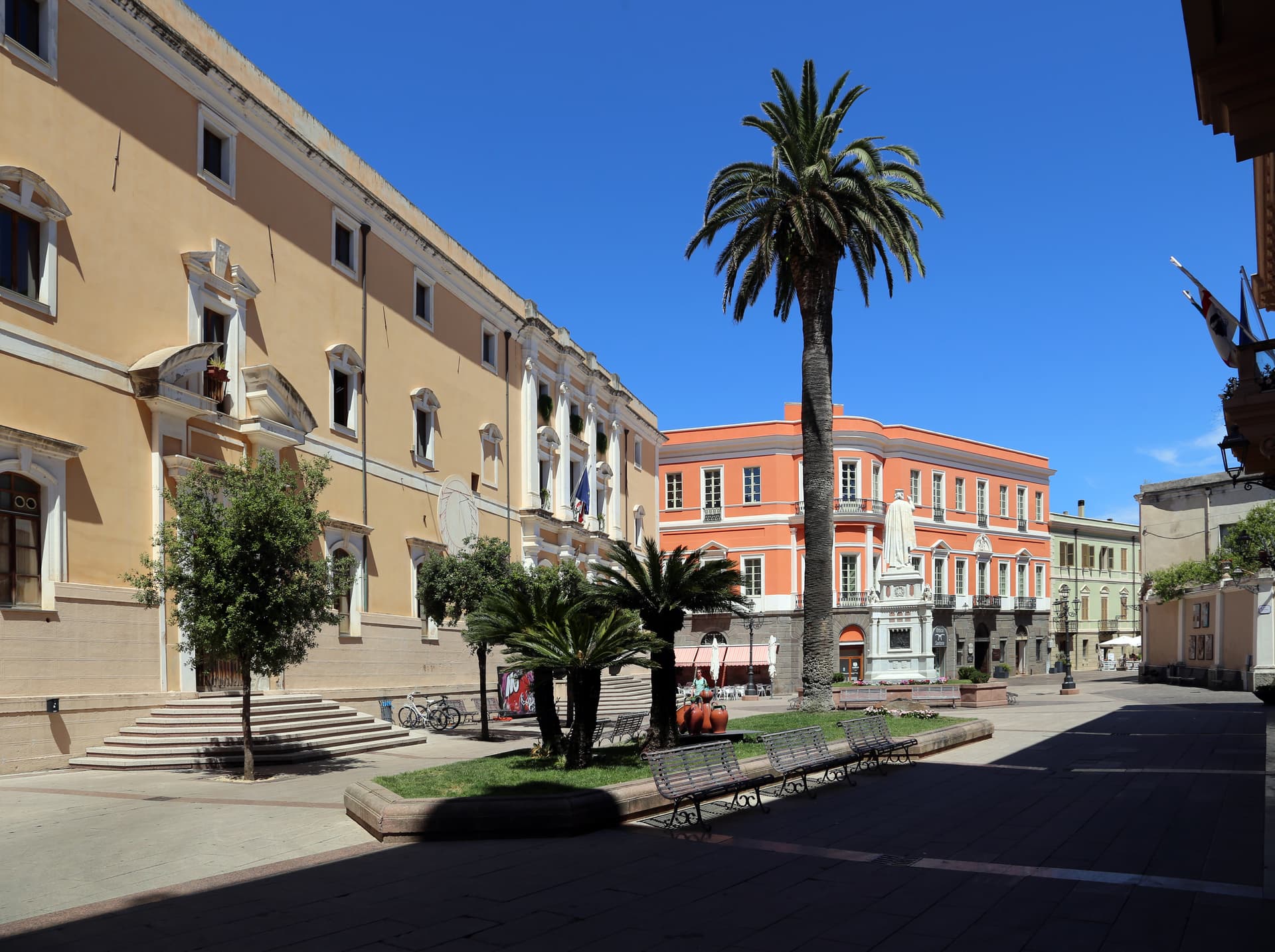
The old capital of the Giudicato di Arborea, city of Eleonora and the Carta de Logu, host of Sa Sartiglia equestrian joust at Carnival.
Samugheo
Province: Oristano
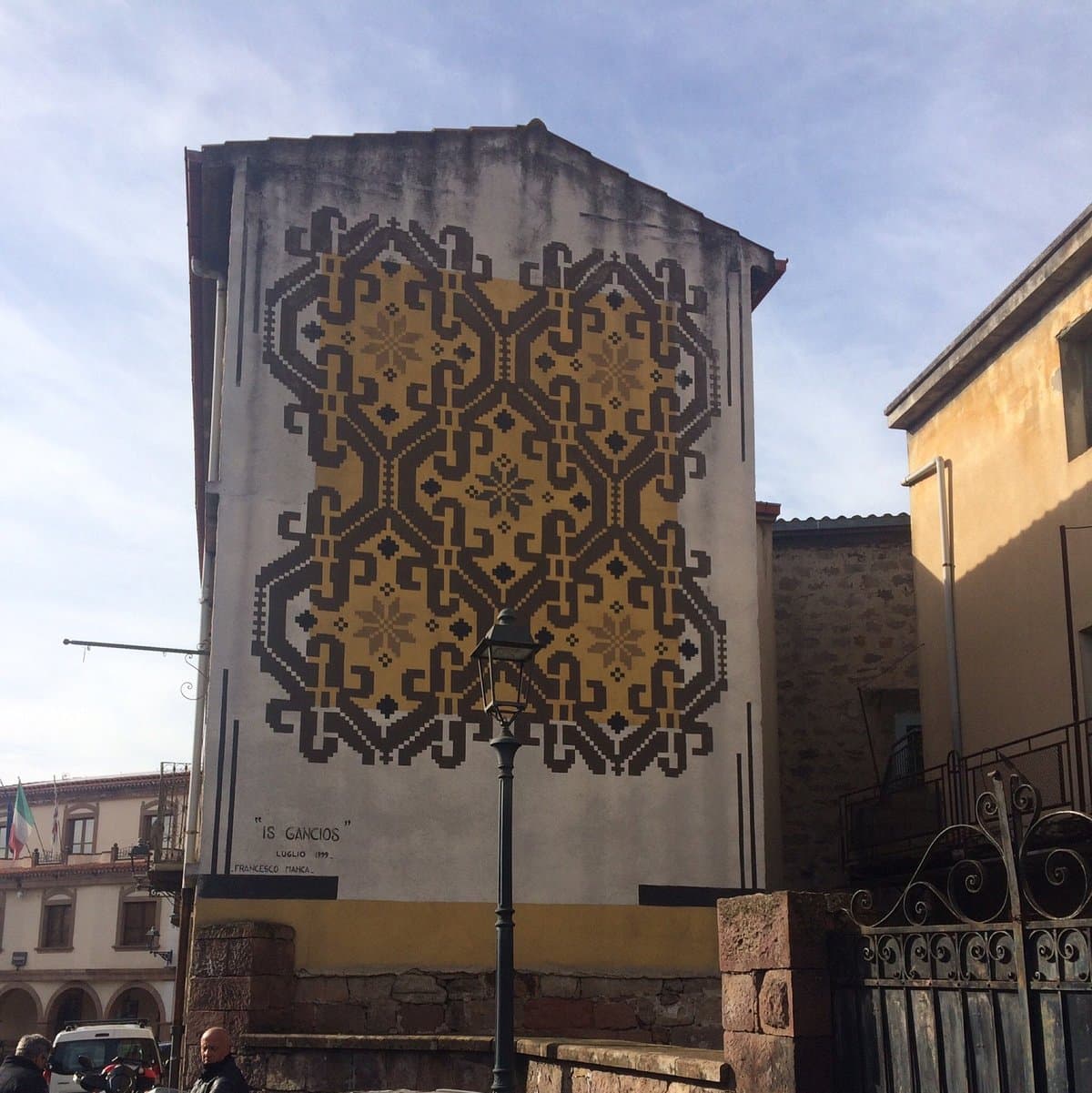
Sardinia's textile-weaving capital — a 2,757-resident Mandrolisai borgo with the MURATS regional textile museum, the annual Tessingiu woven-art biennale, an active community of weavers still on traditional looms, and the Mandrolisai DOC red from the granite-soil vineyards around it.