

Trentino-South Tyrol · Bolzano
Fortezza
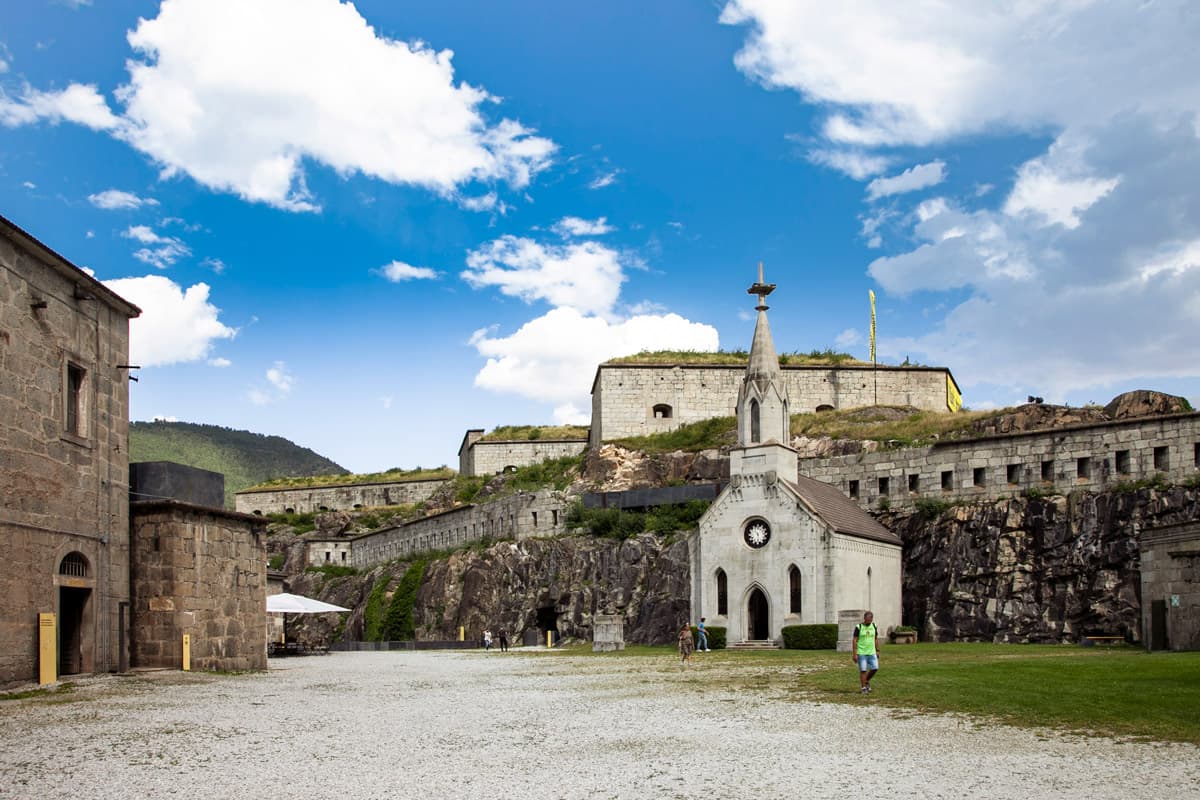
A South-Tyrolean village in the Isarco valley anchored by Forte di Fortezza — the 19th-century Habsburg star fortress that gave the village its German name (Franzensfeste, for Emperor Francis I), one of the largest unconquered fortresses in the Alps.
Known for
HABSBURG FORTRESS
Forte di Fortezza / Franzensfeste — 1833-1838 star fortress, never captured, named for Emperor Francis I of Austria.
PUSTERIA JUNCTION
The railway junction where the Pusteria line leaves the main Brenner corridor — Fortezza's reason for existing as a settlement.
GERMAN-SPEAKING
Predominantly German-speaking comune (Franzensfeste), one of the smaller South-Tyrolean villages on the trunk corridor.
When to visit
Best · May–Oct
- J
- F
- M
- A
- M
- J
- J
- A
- S
- O
- N
- D
- Best
- Hot or crowded
- Quiet
- Mostly closed
Why come
Fortezza sits at 750 metres in the Isarco/Eisack valley, on the trunk railway line between Bolzano/Bozen and the Brenner pass. The village is named for the fortress directly above it: the Forte di Fortezza (German Franzensfeste), built between 1833 and 1838 by Austria-Hungary to defend the strategic narrows where the Pusteria valley joins the main Isarco corridor north to Innsbruck. Designed by Franz von Scholl on direct orders from Emperor Francis I (whose name the fortress carries in German), the complex covers some 65 hectares across three connected forts on opposite banks of the river.
It was never attacked and never captured. After 1918 it passed to the Italian army; it now operates as a permanent exhibition site, hosting the Manifesta biennial in 2008 and a year-round programme on the architecture and history of the Habsburg defence system. The village itself is small — under 1,100 residents, predominantly German-speaking — with the railway station, a single main square, and the parish church of Sant'Eligio/St.
Eligius (1820) at its core. South Tyrol's Pusteria-line cycle path passes through on its way east to San Candido/Innichen.
The Sunday letter
We haven’t written Fortezza’s letter yet.
One town every Sunday, with the photo, the food, the festa. Be there when this one comes up. Free, by Peter & Sophia from Pietrasanta.
By subscribing you agree to Substack’s Terms of Use, our Privacy Policy and our Information collection notice.
What to see
Forte di Fortezza / Franzensfeste
65-hectare star fortress complex built 1833-1838 by Austria-Hungary to defend the Isarco/Pusteria junction. Three connected forts across the river, never captured. Now a permanent exhibition site.
Stazione di Fortezza/Franzensfeste
Historic railway junction on the Brenner line where the Pusteria branch leaves the main corridor — a Habsburg-era stone station building from 1867 still in active use.
Parrocchia di Sant'Eligio (St. Eligius)
1820 Habsburg-Tyrolean parish church on the village square — the spiritual centre of the small German-speaking community before the fortress was even built.
Pista ciclabile della Pusteria
South Tyrol's east-west cycle path passes through Fortezza on its way from the Bolzano corridor to San Candido/Innichen, with the fortress visible above the route for kilometres.
The slow-trip planner
Building a trip? Find where Fortezza fits in a slow Italy circuit.
Answer five questions. We will shape a geographically coherent slow trip from the 1,000 Italian towns most travelers skip. Yours to save and share.
Living here
- Population 1,086
- In-betweeni
- Pharmacy: none mapped
- Train station in the comune
- Nearest airport Verona, 3 h 23 min drive
- Regional capital Bolzano, 1 h 45 min drive
Tags & datadesignations · numbers · sources
The numbers
- Elevation: 750 m
- Population: 1,086
- Surface area: 61.77 km²
These figures were compiled from public directories — ISTAT, OpenStreetMap, Wikidata — and from the official listings of the guides named on this page. Town details change; verify with official sources before you travel.
Close by
More towns near Fortezza
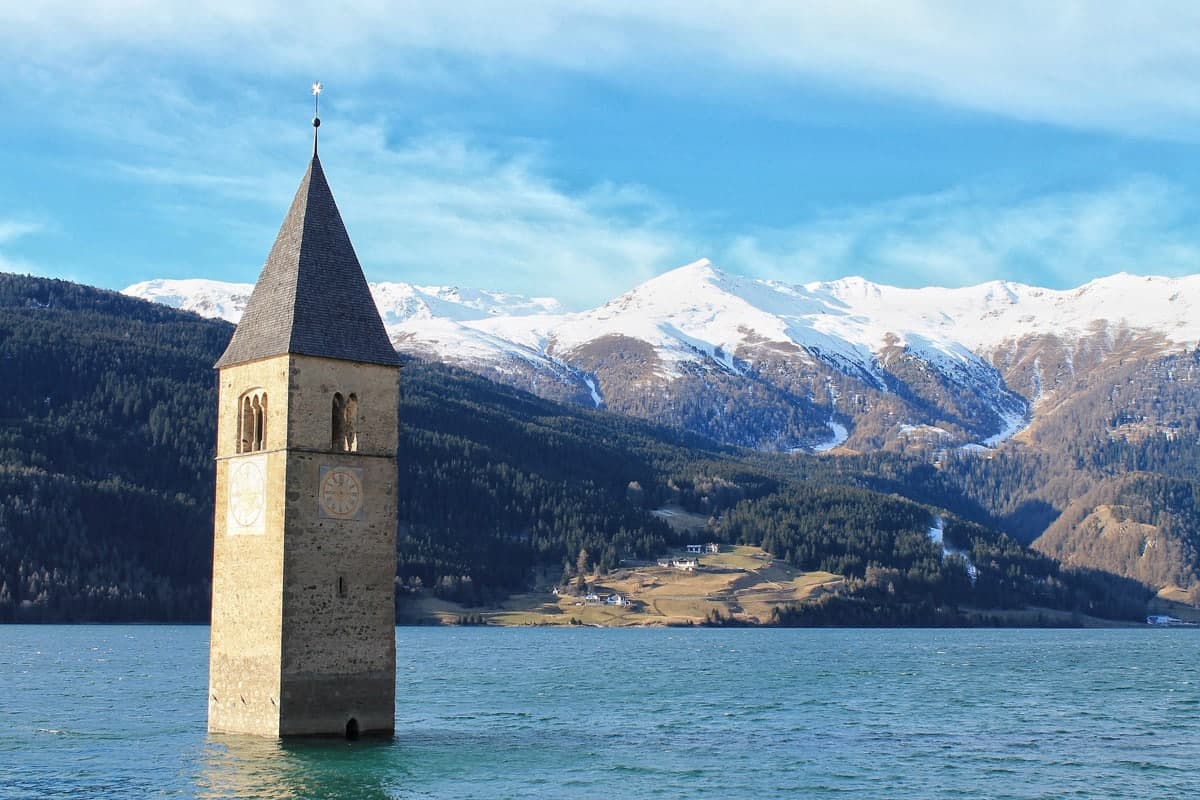
Sterzing
Province: Bolzano
A bilingual mining town at 948 metres on the Brenner road, where a 46-metre tower built in 1472 still divides the old town from the new.
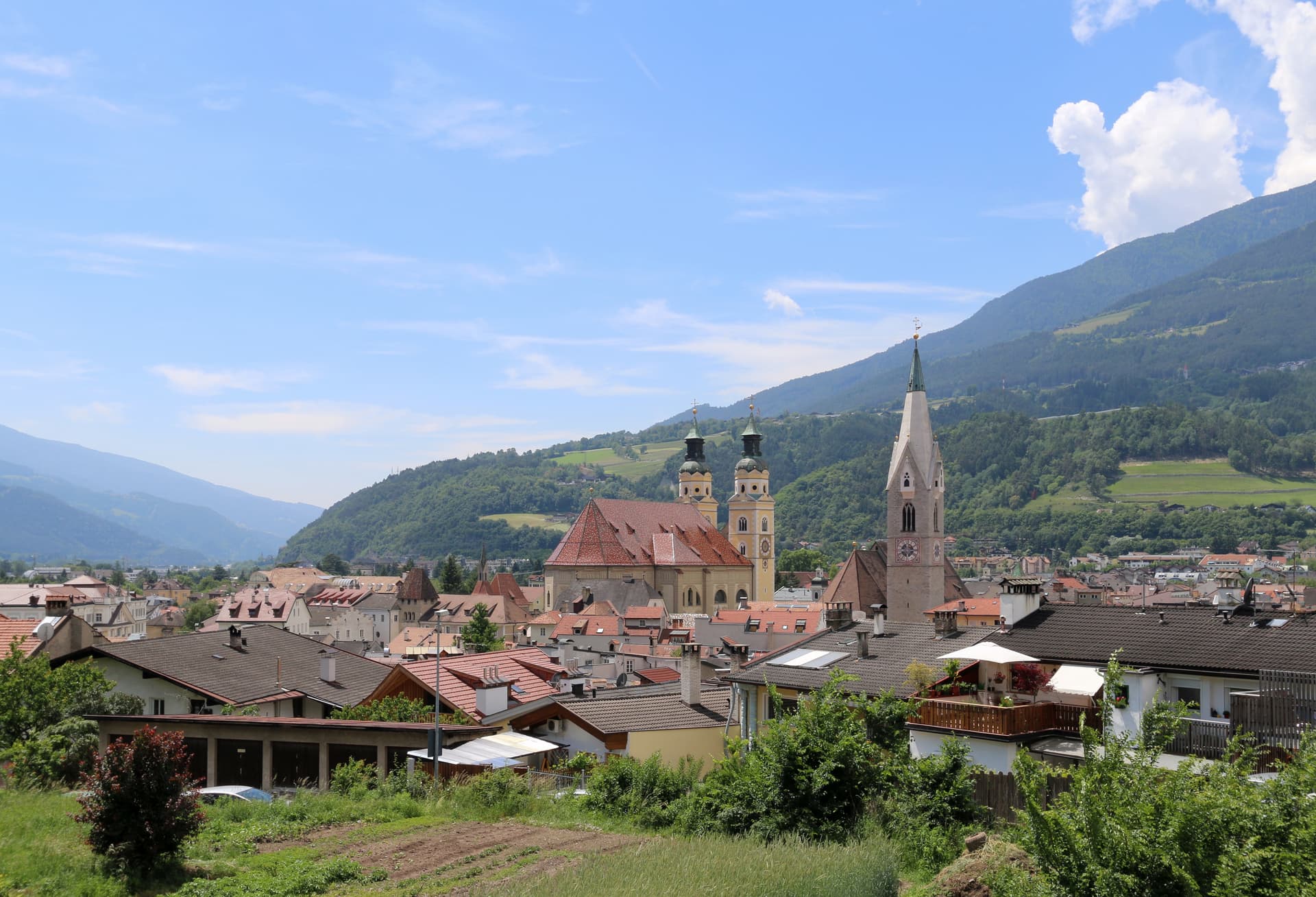
Bressanone
Province: Bolzano
The oldest town in Tyrol, a prince-bishopric for eight centuries at the confluence of the Eisack and Rienz, below the Plose ridge.
Brunico
Province: Bolzano
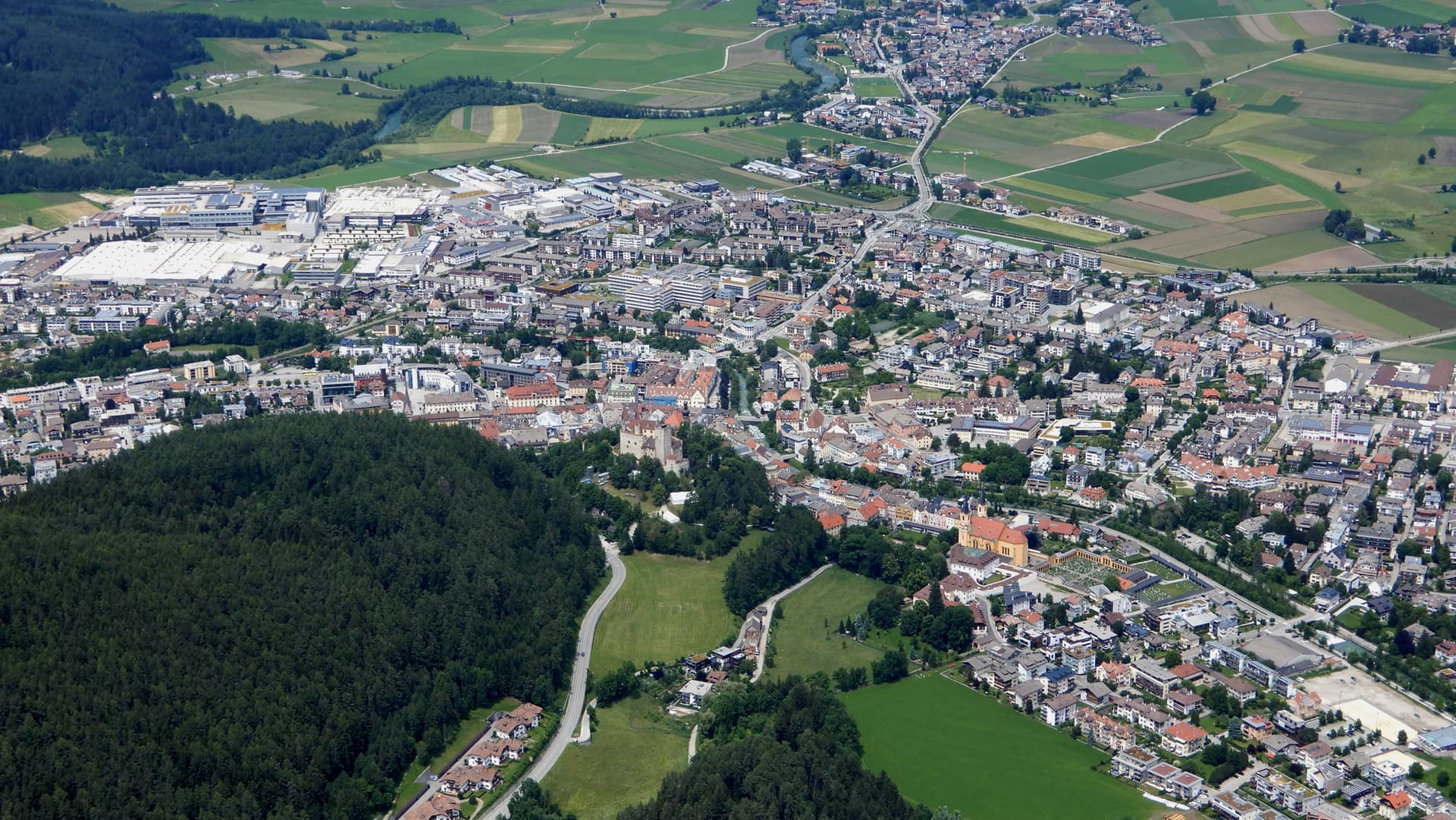
The largest town of the Pustertal at 838 metres, built around the prince-bishop's castle and the Stadtgasse, with Plan de Corones rising above the valley.
St. Ulrich
Province: Bolzano
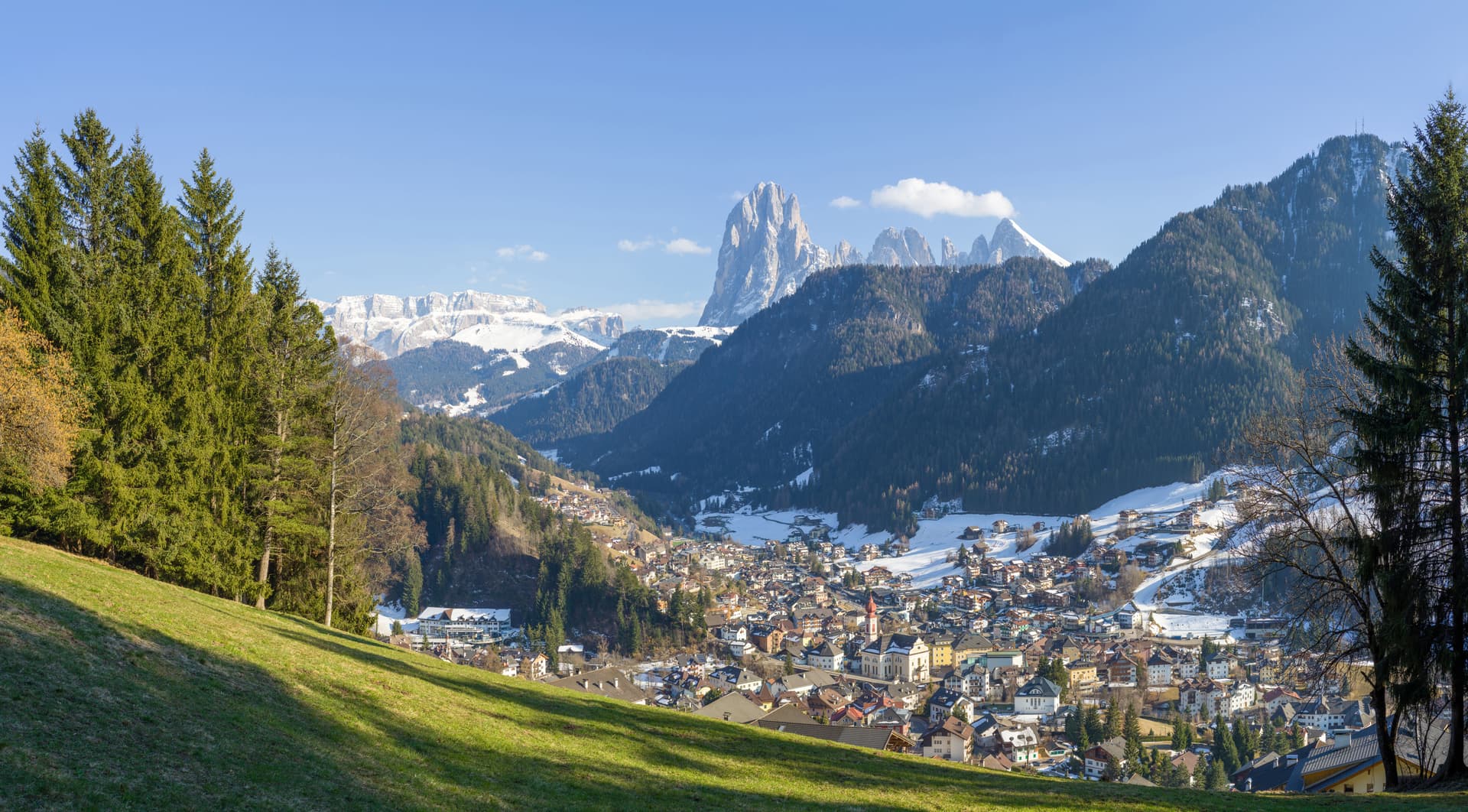
The Ladin capital of Val Gardena, a wood-carving town at 1,236 metres between Seceda and the Alpe di Siusi.
Kastelruth
Province: Bolzano
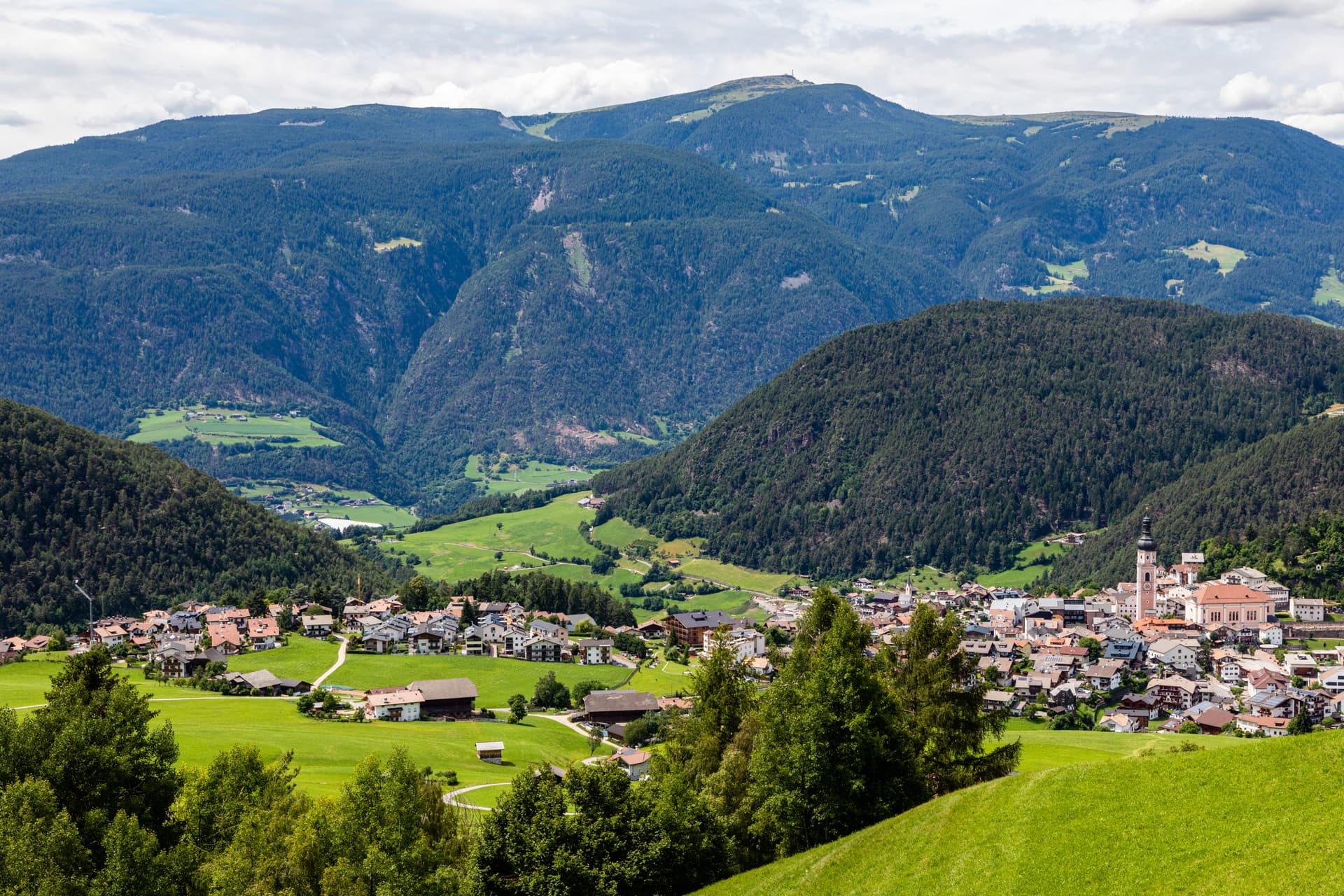
South Tyrolean gateway to the Alpe di Siusi at 1,060 metres, eighty-two-metre bell tower over the square, home of the Kastelruther Spatzen.