

Trentino-South Tyrol · Bolzano
Bressanone
The oldest town in Tyrol, a prince-bishopric for eight centuries at the confluence of the Eisack and Rienz, below the Plose ridge.
Known for
PRINCE-BISHOPRIC
Seat of the prince-bishops from 1027 to 1803, with the Hofburg palace and the Romanesque-Baroque cathedral as the surviving monuments of that authority.
NOVACELLA WINE
Augustinian abbey founded in 1142 four kilometres north, running South Tyrol's northernmost winery with Müller-Thurgau, Kerner and Sylvaner whites.
PLOSE
Town mountain east of the city, with skiing in winter and ridge hiking in summer, the local high-altitude counterpart to the riverside historic centre.
When to visit
Best · Apr–Oct
- J
- F
- M
- A
- M
- J
- J
- A
- S
- O
- N
- D
- Best
- Hot or crowded
- Quiet
- Mostly closed
Why come
Bressanone, Brixen in German, is the third-largest town and the oldest urban settlement in South Tyrol, founded in the sixth century at the confluence of the Eisack and Rienz rivers at 560 metres, forty kilometres north of Bolzano. The bishopric was established here in the early Middle Ages and received imperial immediacy in 1027; in 1179 Frederick Barbarossa granted the bishop the title of prince of the Holy Roman Empire, and Brixen remained a prince-bishopric until secularisation in 1803. The Hofburg, the bishops' palace, served as the seat of that power from the thirteenth century, with Renaissance courtyards, Baroque state rooms and the Diocesan Museum of religious art and historic nativity scenes inside.
The Romanesque cathedral was rebuilt in Baroque form between 1745 and 1754, faced with thirty-three different types of marble and joined to the older cloister. The Stufles district, across the Eisack bridge, is the oldest neighbourhood in the city. The Augustinian Abbey of Novacella, founded in 1142 by Bishop Hartmann four kilometres north, runs South Tyrol's northernmost winery, producing Müller-Thurgau, Kerner and Sylvaner.
The Sunday letter
We haven’t written Bressanone’s letter yet.
One town every Sunday, with the photo, the food, the festa. Be there when this one comes up. Free, by Peter & Sophia from Pietrasanta.
By subscribing you agree to Substack’s Terms of Use, our Privacy Policy and our Information collection notice.
What to see
Duomo di Bressanone
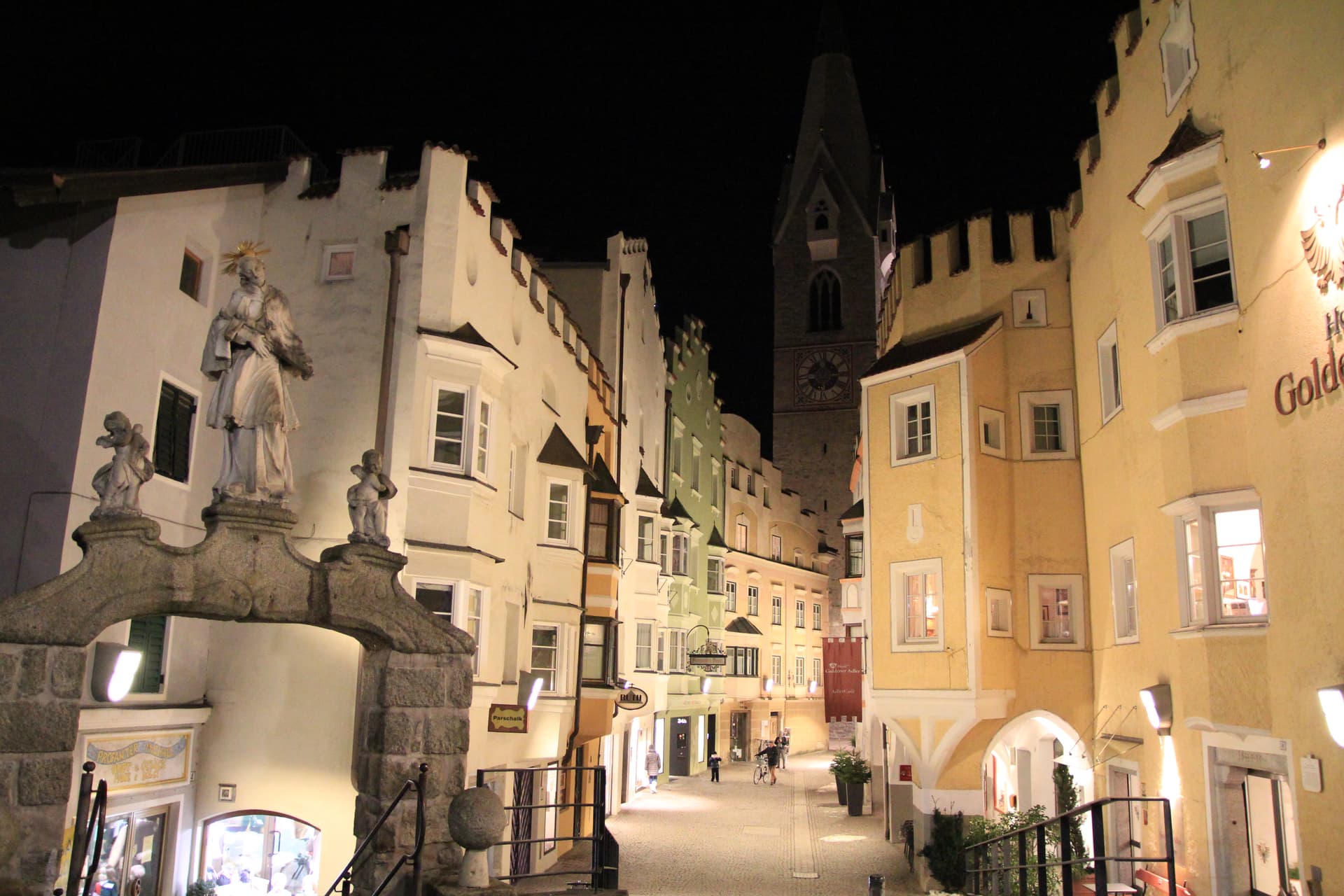
Cathedral on the site of a tenth-century church, rebuilt as a Romanesque basilica in 1174 and reworked between 1745 and 1754 in Baroque form with thirty-three types of marble.
Hofburg
Bishops' palace and seat of the prince-bishops from the thirteenth century to 1803, with Renaissance courtyard, Baroque state rooms and the Diocesan Museum.
Torre Bianca / Weißer Turm
Seventy-eight metre bell tower of the parish church of San Michele, named for its bright tiled roof, with the present shape dating to 1459 and now a museum.
Abbazia di Novacella / Kloster Neustift
Augustinian abbey founded in 1142 by Bishop Hartmann four kilometres north, with Romanesque church, Renaissance well of wonders, Baroque library and the northernmost winery in South Tyrol.
Stufles
Oldest district of the city, across the Eisack bridge from the centre, with low stone houses and the original riverside settlement.
Plose
Town mountain rising east of Brixen to 2,562 metres, reached by cable car from St. Andrä, with skiing in winter and hiking on the high-altitude ridges in summer.
The slow-trip planner
Building a trip? Find where Bressanone fits in a slow Italy circuit.
Answer five questions. We will shape a geographically coherent slow trip from the 1,000 Italian towns most travelers skip. Yours to save and share.
We recommend
Where to eat and stay
Not our picks, but places the guides put their name to — a Michelin star, a Gambero Rosso fork, a Slow Food snail, a Michelin Key for the hotels. Worth a table, a counter, or a night when you pass through.
ApostelstubeRistorante
Apostelstube carries one Michelin star, two Gambero Rosso forks (85/100), plus a place in L'Espresso's Top 300.
AlpenroseRistorante
Alpenrose carries a spot in the Michelin Guide.
ElephantRistorante
Elephant carries a spot in the Michelin Guide.
FinkTrattoria
Fink holds a Gambero Rosso listing.
Oste Scuro - FinsterwirtRistorante
Oste Scuro - Finsterwirt carries a spot in the Michelin Guide.
VitisRistorante
A spot in the Michelin Guide, at Vitis.
ForestisHotel
Forestis carries two Michelin Keys, a La Liste score of 96, plus a Condé Nast Traveler nod.
My Arbor - DolomitesHotel
My Arbor - Dolomites carries a place in the Michelin hotel guide.
Living here
- Population 22,816
- Off the beaten pathi
- Pharmacy in town
- High school within a 30-minute drive
- Train station in the comune
- Nearest airport Verona, 2 h 29 min drive
- Regional capital Bolzano, 51 min drive
Tags & datadesignations · numbers · sources
Recognised as
The numbers
- Elevation: 560 m
- Population: 22,816
- Surface area: 84.7 km²
These figures were compiled from public directories — ISTAT, OpenStreetMap, Wikidata — and from the official listings of the guides named on this page. Town details change; verify with official sources before you travel.
Close by
More towns near Bressanone
St. Ulrich
Province: Bolzano
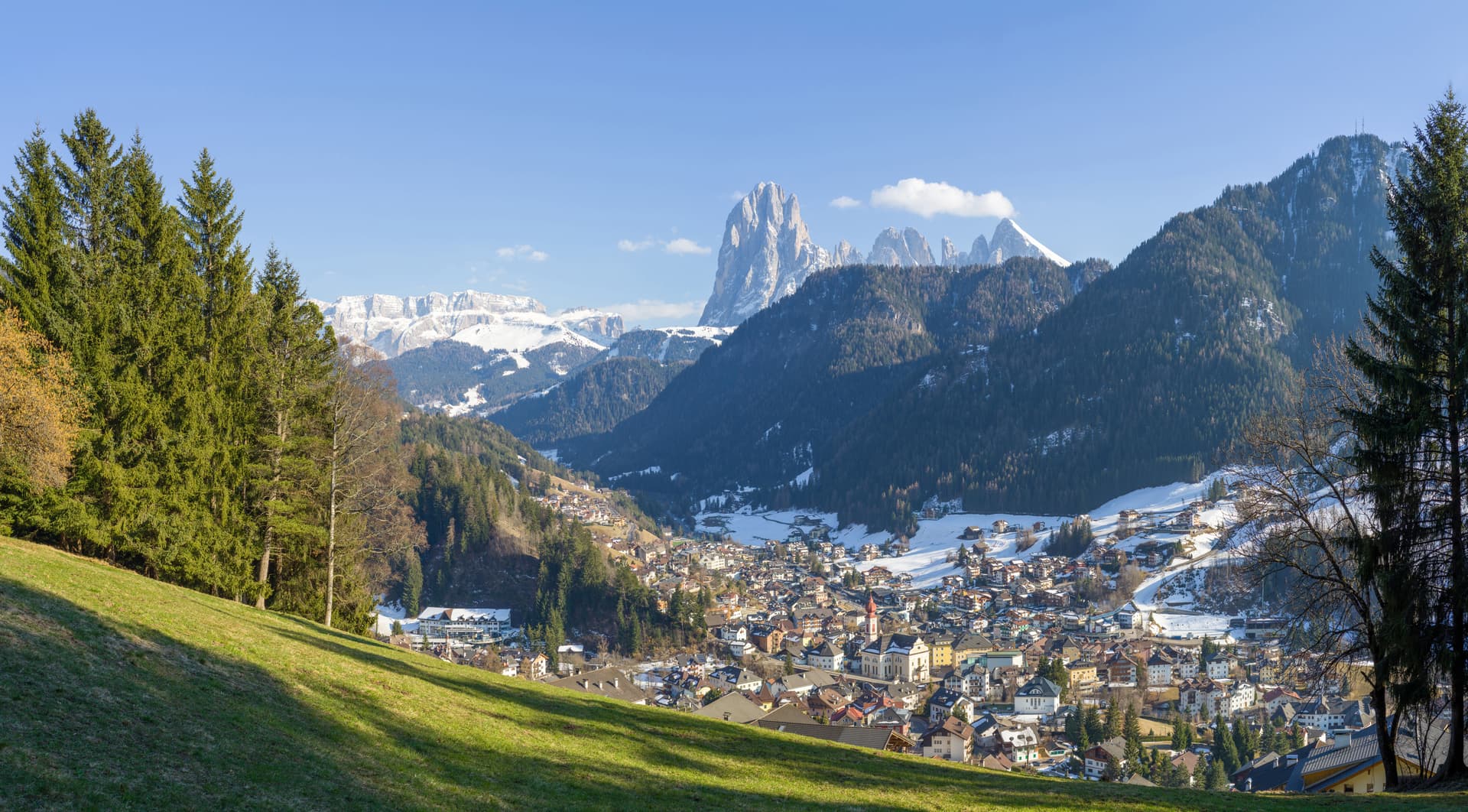
The Ladin capital of Val Gardena, a wood-carving town at 1,236 metres between Seceda and the Alpe di Siusi.
Brunico
Province: Bolzano
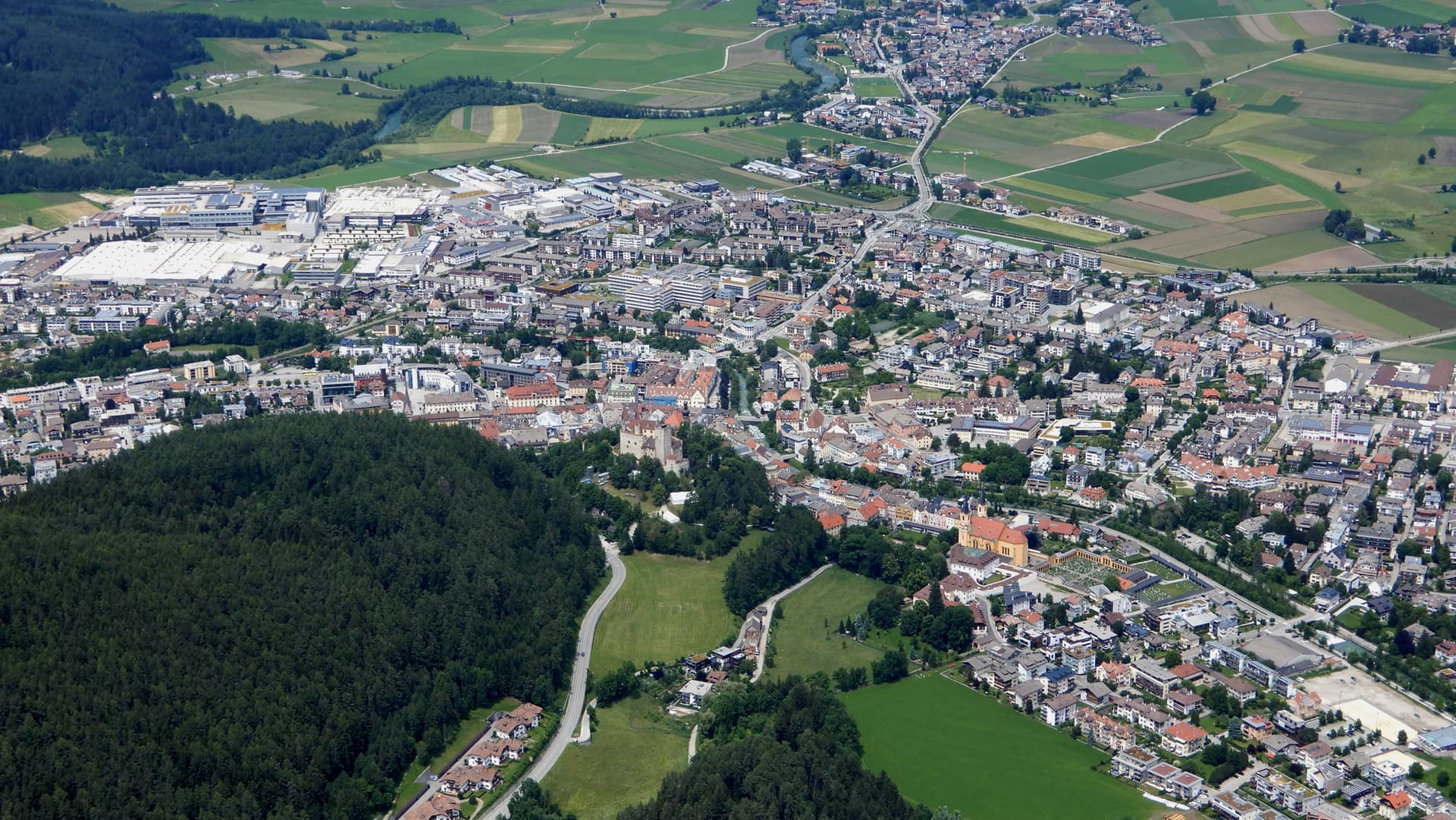
The largest town of the Pustertal at 838 metres, built around the prince-bishop's castle and the Stadtgasse, with Plan de Corones rising above the valley.
Kastelruth
Province: Bolzano
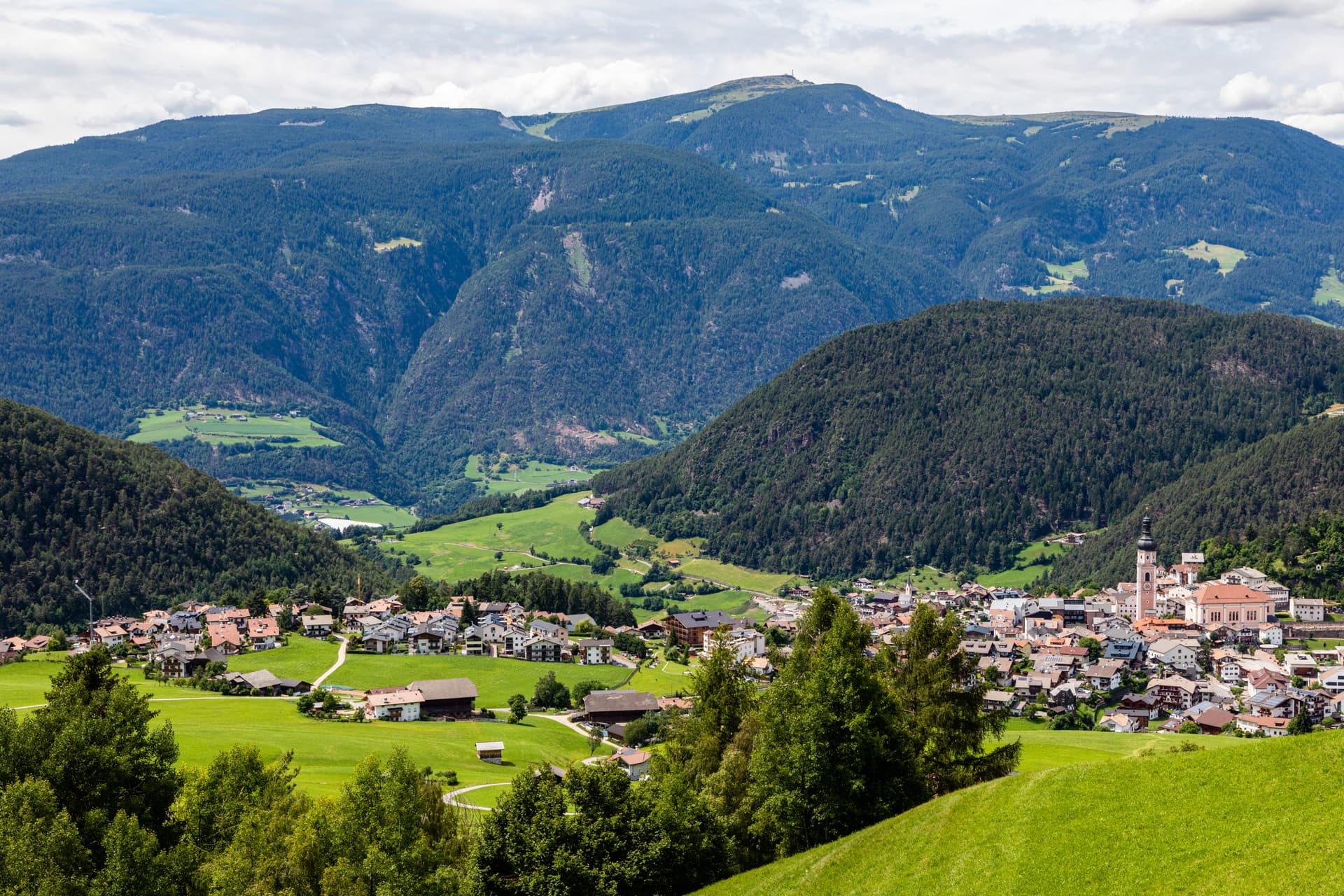
South Tyrolean gateway to the Alpe di Siusi at 1,060 metres, eighty-two-metre bell tower over the square, home of the Kastelruther Spatzen.
Sterzing
Province: Bolzano
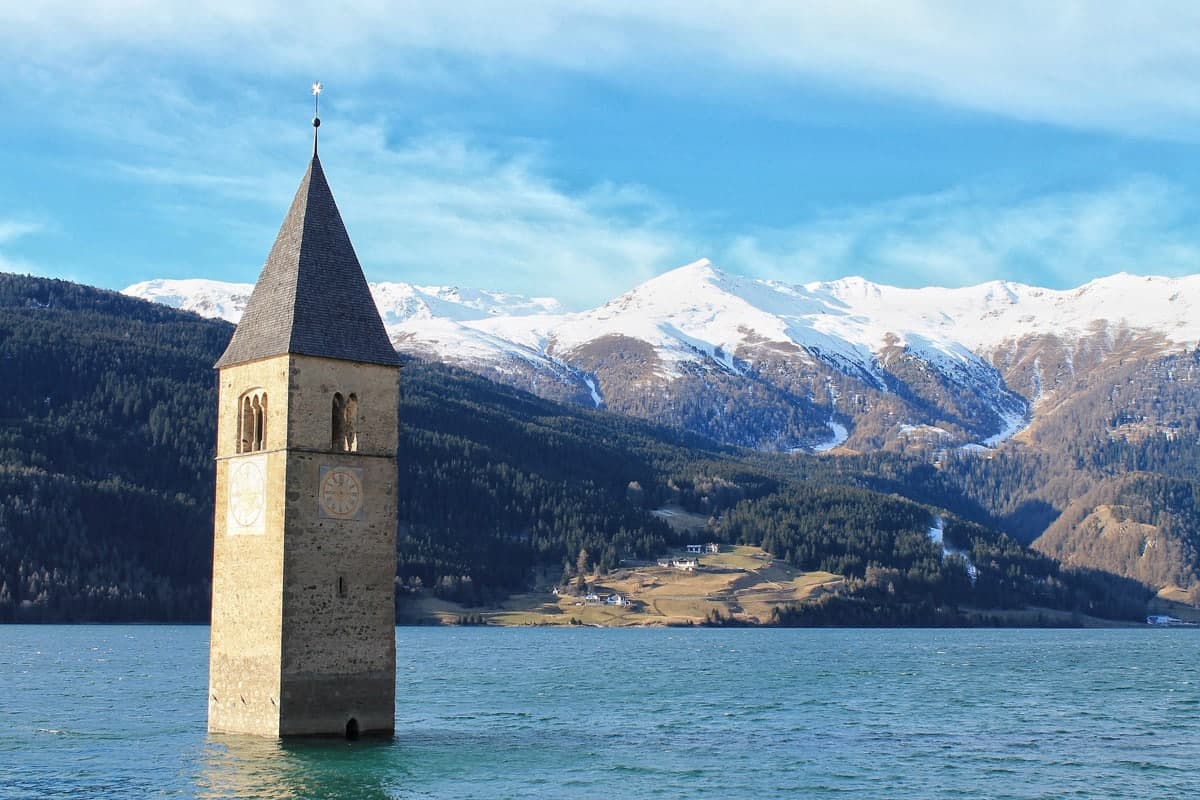
A bilingual mining town at 948 metres on the Brenner road, where a 46-metre tower built in 1472 still divides the old town from the new.
Corvara in Badia
Province: Bolzano
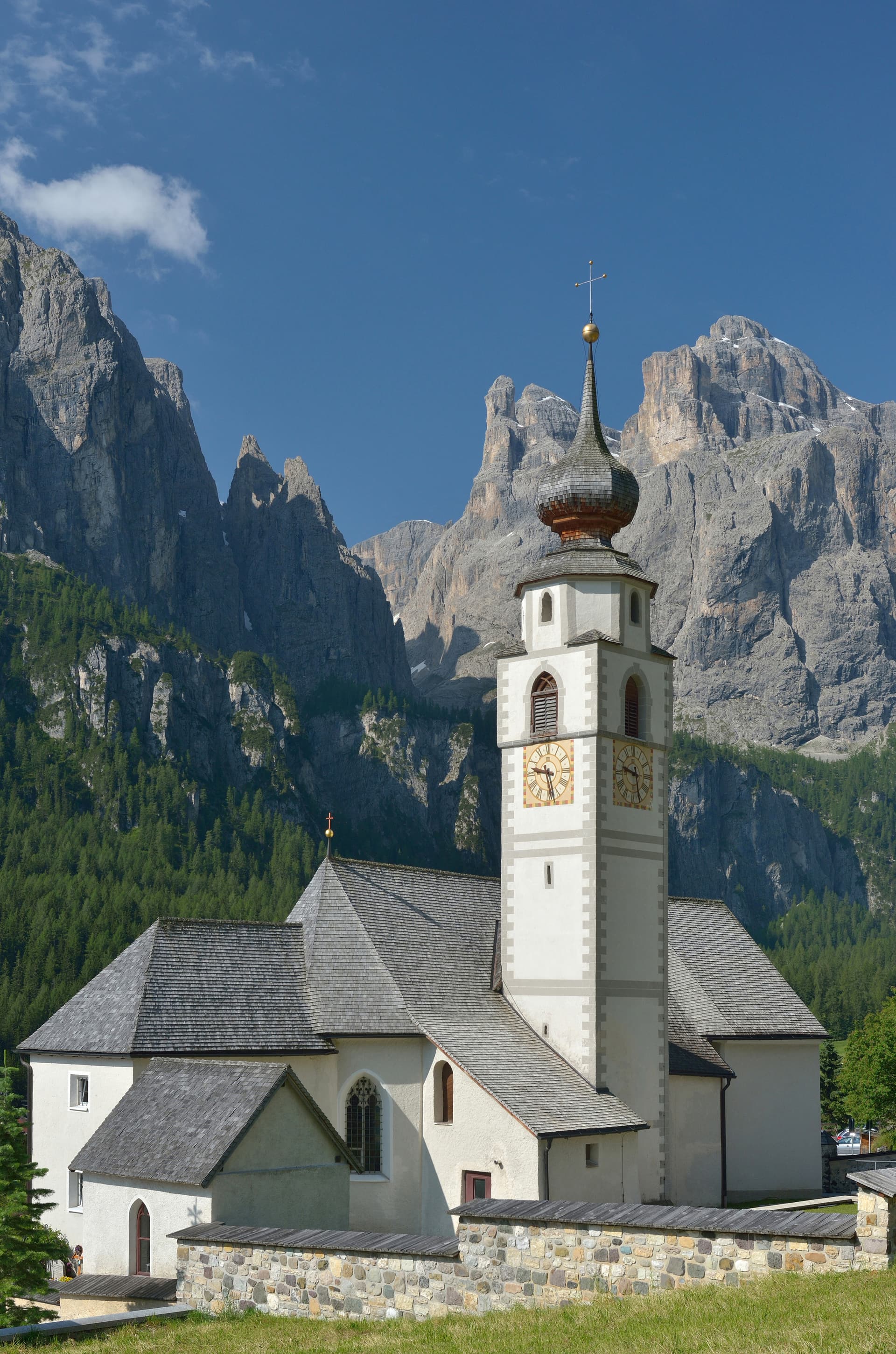
The Ladin centre of Alta Badia at 1,568 metres, at the foot of the Sassongher, on the four-pass Sellaronda ski circuit.
⛷️ Ski Area
More Ski Area towns in Trentino-Alto Adige/Südtirol
Andalo
Province: Trento
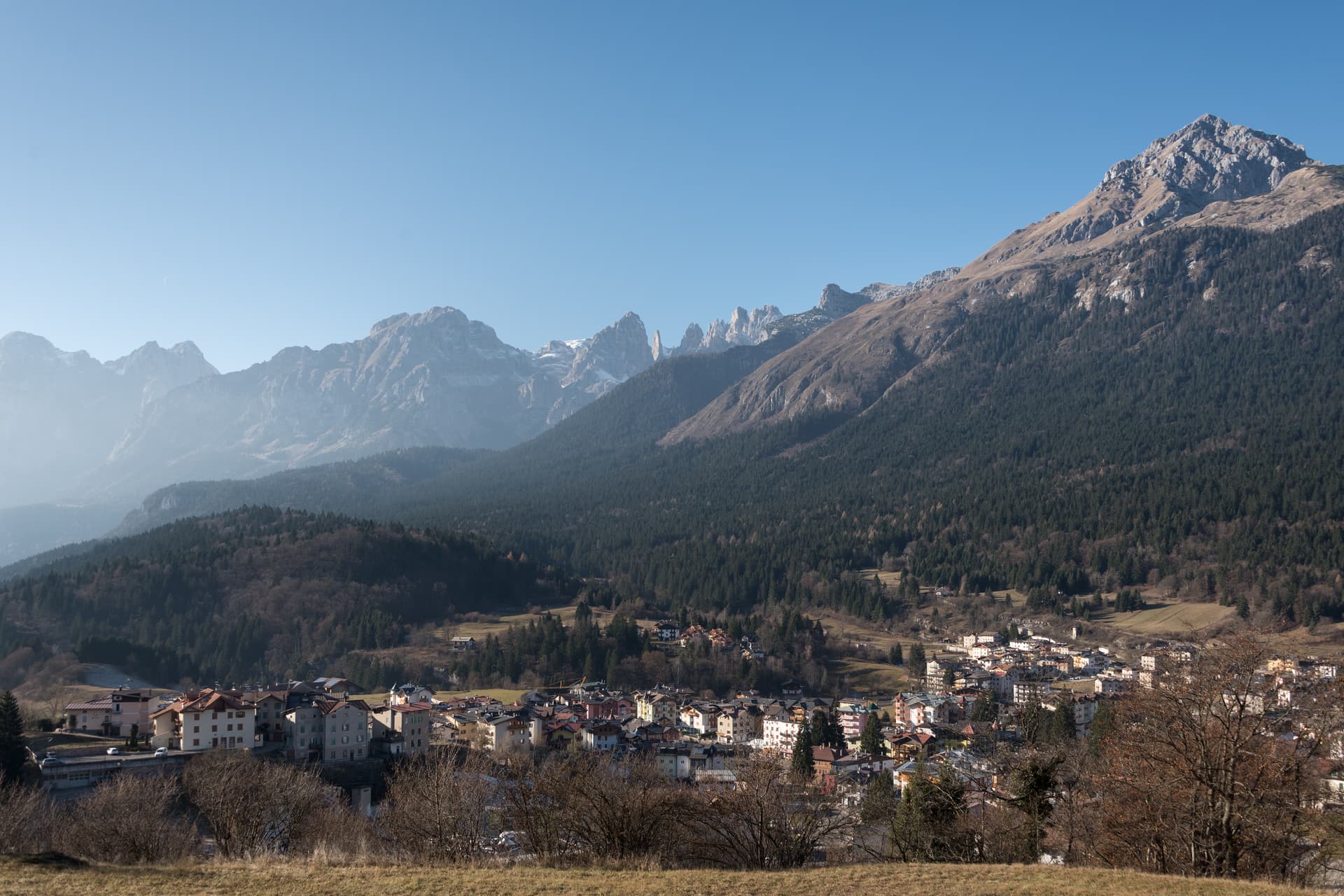
An alpine pass at 1,042 metres on the Paganella plateau, with the Brenta Dolomites on one side and a periodic lake that empties and refills.
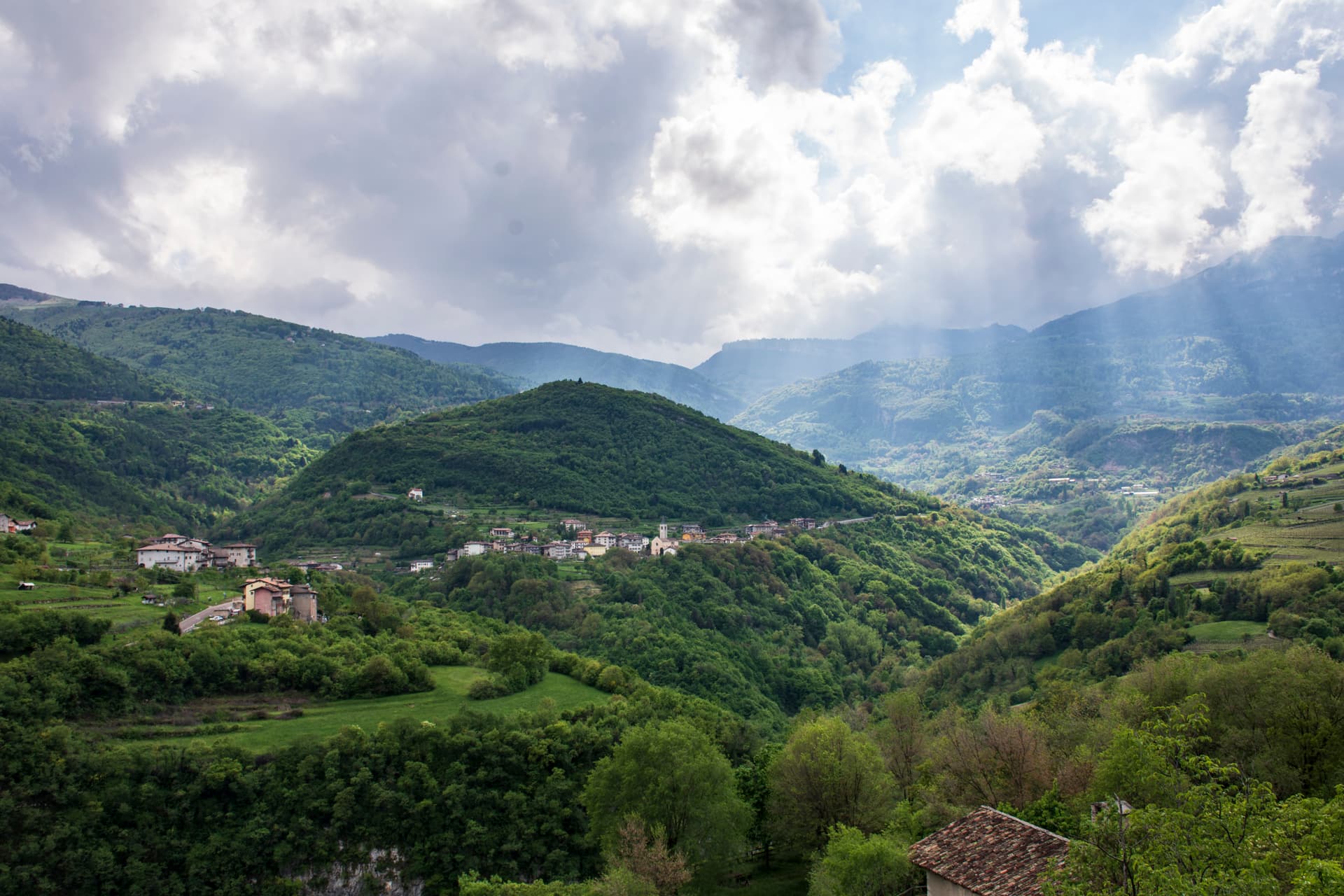
Brentonico
Province: Trento
The Monte Baldo plateau town between Lake Garda and the Vallagarina, with chestnut groves, war trenches and a botanical garden of the Garden of Italy.
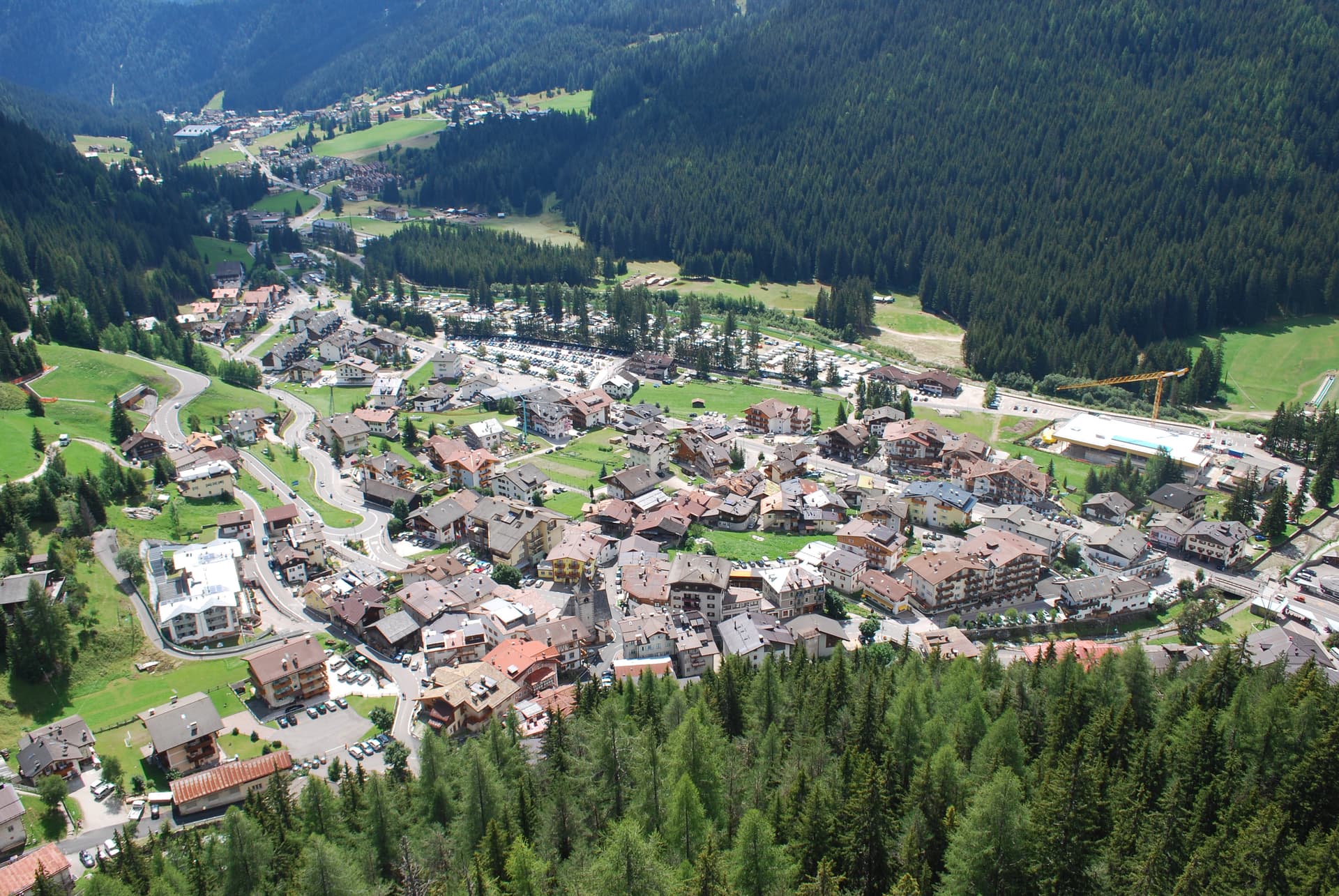
Canazei
Province: Trento
A Ladin village at 1,465 metres at the head of Val di Fassa, ringed by Marmolada, Sella and Sassolungo and the Sellaronda circuit.
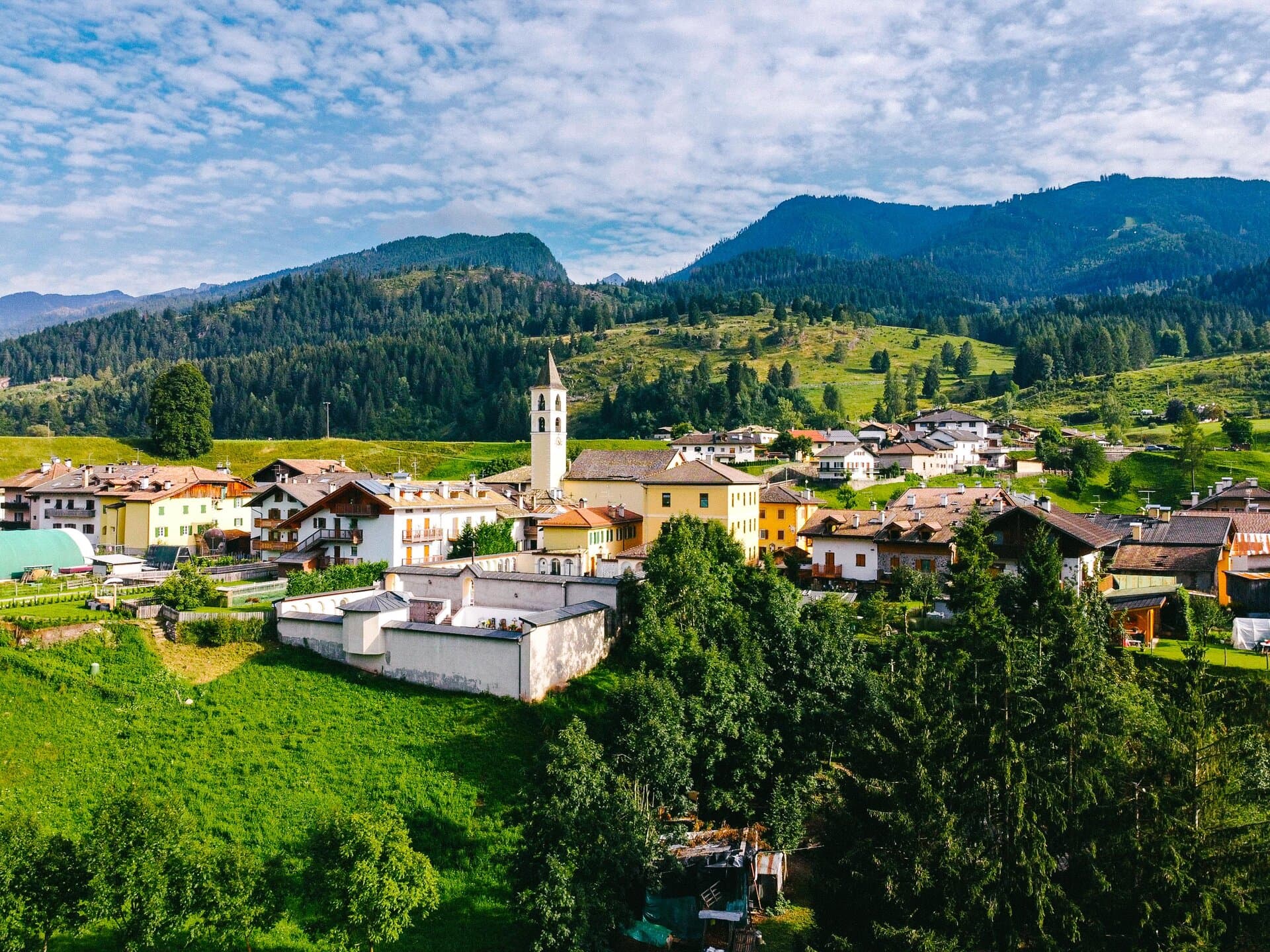
Cavalese
Province: Trento
The capital of Val di Fiemme at 1,000 metres, seat of the Magnifica Comunità since 1111 and its open-air Banco della Reson parliament.