

Apulia · Lecce
Giurdignano
A two-thousand-resident Salento borgo known as the megalithic garden of Italy, with nineteen menhirs and a cluster of dolmens.
Known for
MEGALITHIC GARDEN
Nineteen menhirs and a cluster of dolmens in the surrounding countryside, the highest concentration of prehistoric megaliths in Italy.
WHITE TRUFFLE
Salento white truffle, foraged in the macchia and olive groves around the borgo, the basis for the town's Città del Tartufo membership.
OTRANTO BASE
Four kilometers from Otranto, a quiet two-thousand-resident base for the Adriatic coast without the summer accommodation prices.
When to visit
Best · Apr–Oct
- J
- F
- M
- A
- M
- J
- J
- A
- S
- O
- N
- D
- Best
- Hot or crowded
- Quiet
- Mostly closed
The festa: San Rocco, 16 August
Why come
Giurdignano sits inland from Otranto on the limestone shelf of southern Salento, four kilometers from the Adriatic. The village has fewer than two thousand residents and the highest concentration of megalithic monuments in Italy. Nineteen menhirs stand in the countryside around it, the tallest the Menhir San Vincenzo at over three and a half meters; several were Christianized in the early medieval period, including the Menhir San Paolo, set beside a Byzantine rupestrian crypt and pierced at the top for an iron cross.
The dolmens nearby are likely from the fifth or fourth millennium BC. Roman imperial necropoleis from the second and third centuries AD have surfaced in the Cantalupi locality. The borgo joined the Città del Tartufo network for the Salento white truffle found in the surrounding macchia and olive groves. Giurdignano runs as a quiet base for the Otranto coast, four kilometers away.
The Sunday letter
We haven’t written Giurdignano’s letter yet.
One town every Sunday, with the photo, the food, the festa. Be there when this one comes up. Free, by Peter & Sophia from Pietrasanta.
By subscribing you agree to Substack’s Terms of Use, our Privacy Policy and our Information collection notice.
What to see
Menhir San Paolo
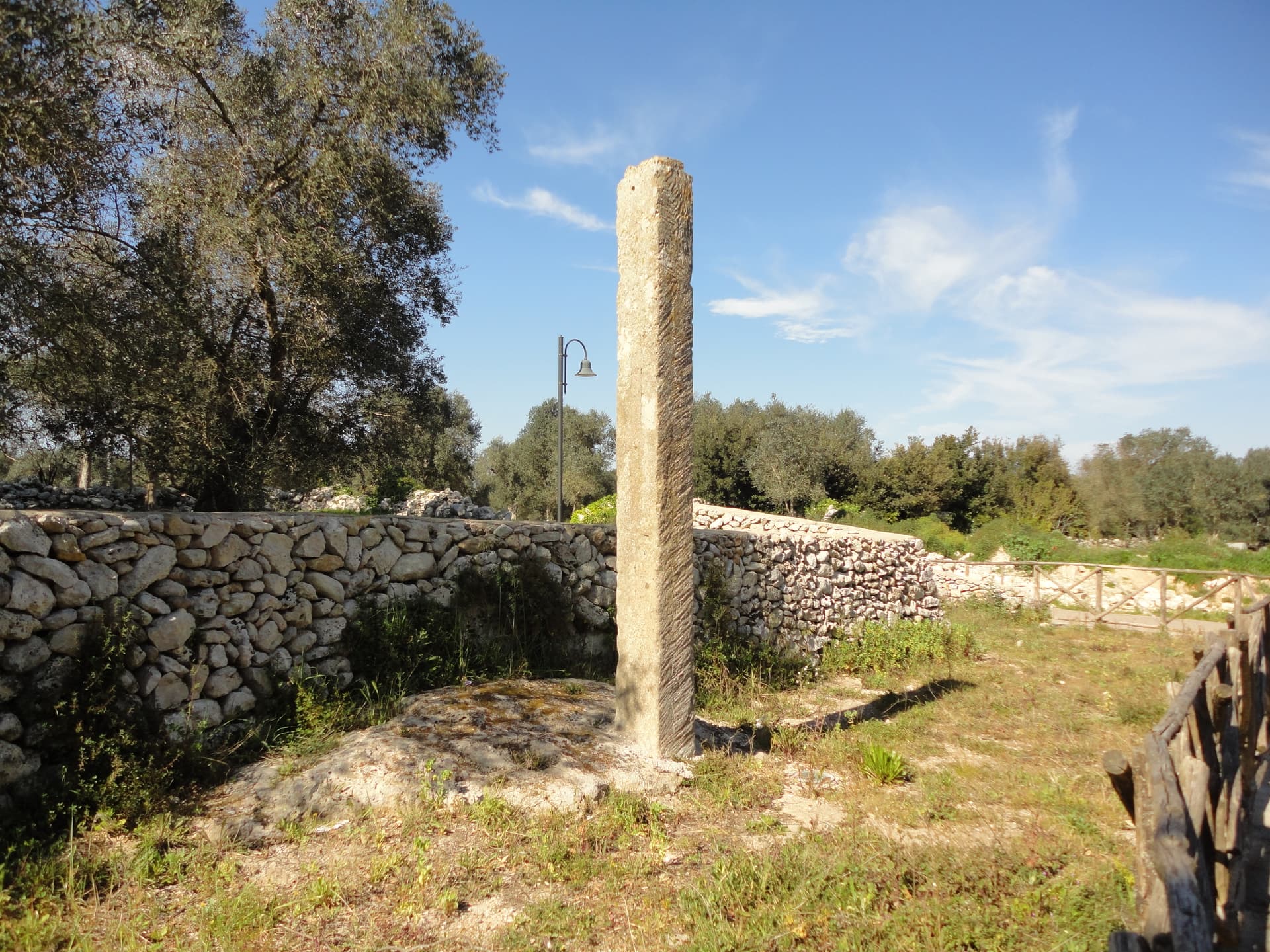
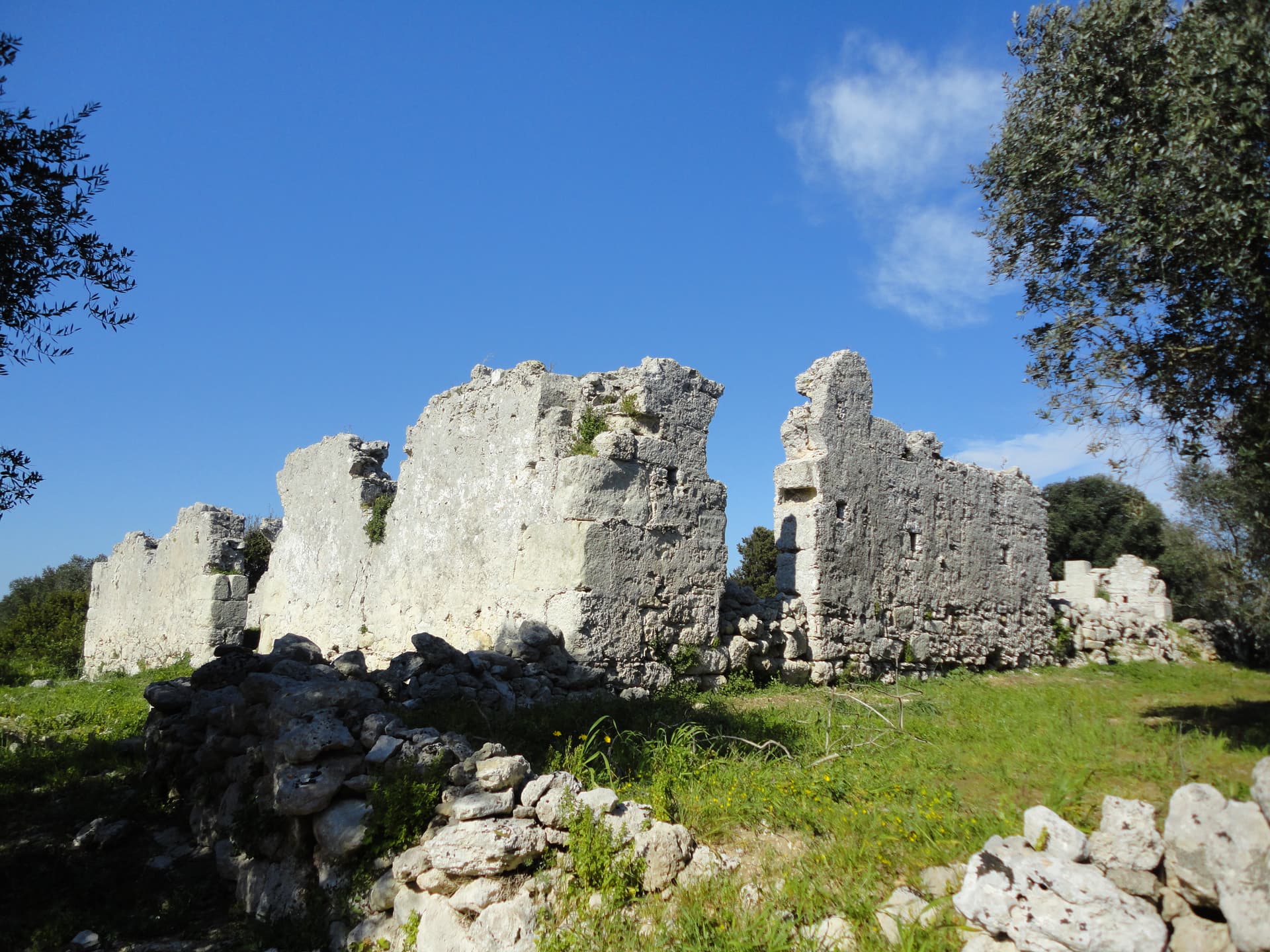
Christianized prehistoric standing stone beside a Byzantine rupestrian crypt, pierced at the top in the early medieval period to hold an iron cross.
Menhir San Vincenzo
The tallest menhir in the Lecce province at over 3.5 meters, one of the nineteen prehistoric standing stones in the territory of Giurdignano.
Dolmen Stabile
Megalithic funerary chamber on the road to Uggiano, three slabs and a capstone, dated to the fifth or fourth millennium BC.
Centro storico
Small Salento borgo around the Chiesa Madre di San Giorgio, stone houses and the spring-fed wells that sustained the medieval settlement.
The slow-trip planner
Building a trip? Find where Giurdignano fits in a slow Italy circuit.
Answer five questions. We will shape a geographically coherent slow trip from the 1,000 Italian towns most travelers skip. Yours to save and share.
Living here
- Population 1,947
- In-betweeni
- Pharmacy: none mapped
- High school within a 30-minute drive
- Train station in the comune
- Nearest airport Bari / Brindisi, 2 h 44 min drive
- Regional capital Bari, 2 h 32 min drive
Tags & datadesignations · numbers · sources
Recognised as
The numbers
- Elevation: 78 m
- Population: 1,947
- Surface area: 14.04 km²
These figures were compiled from public directories — ISTAT, OpenStreetMap, Wikidata — and from the official listings of the guides named on this page. Town details change; verify with official sources before you travel.
Close by
More towns near Giurdignano
Otranto
Province: Lecce
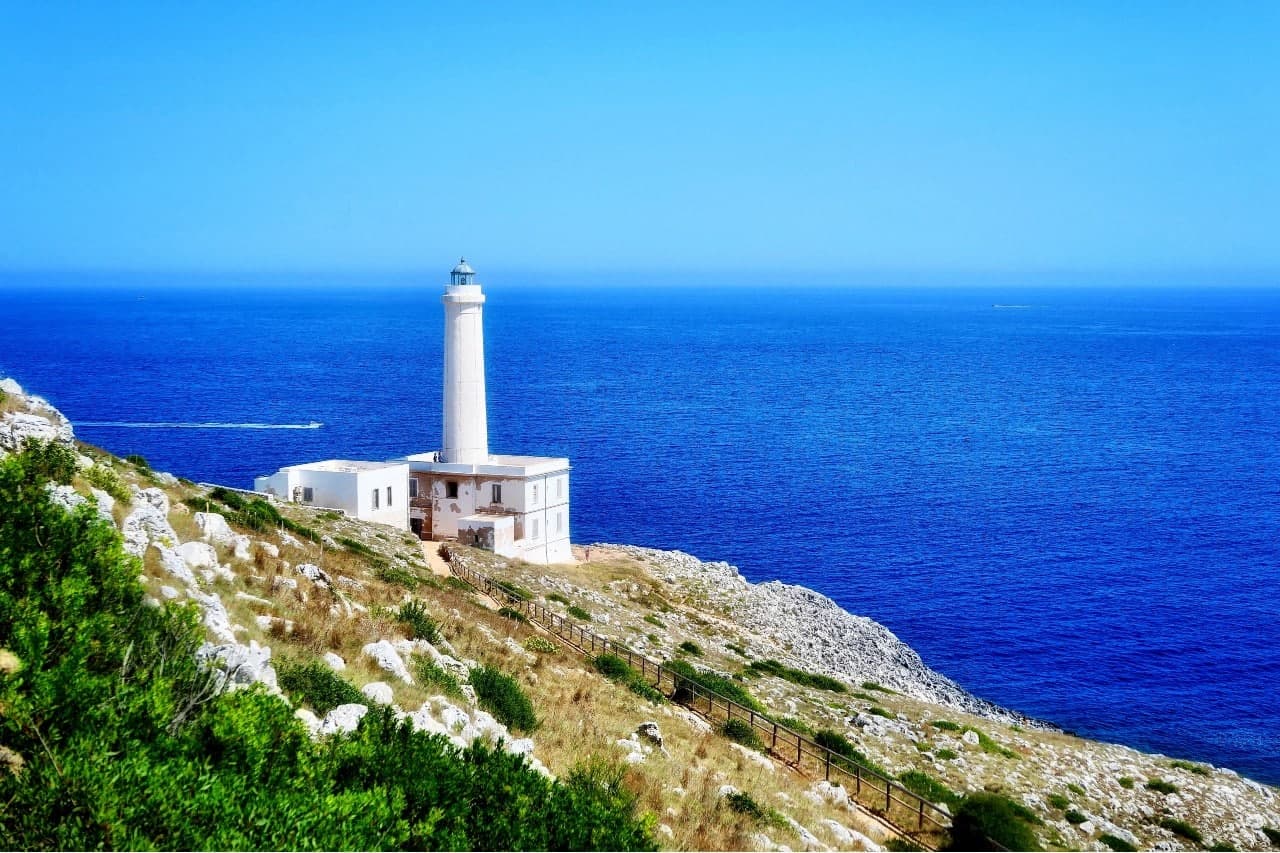
Italy's easternmost city, eighty kilometers from Albania, with a Norman mosaic floor and the bones of 813 martyrs in the cathedral.
Corigliano d'Otranto
Province: Lecce
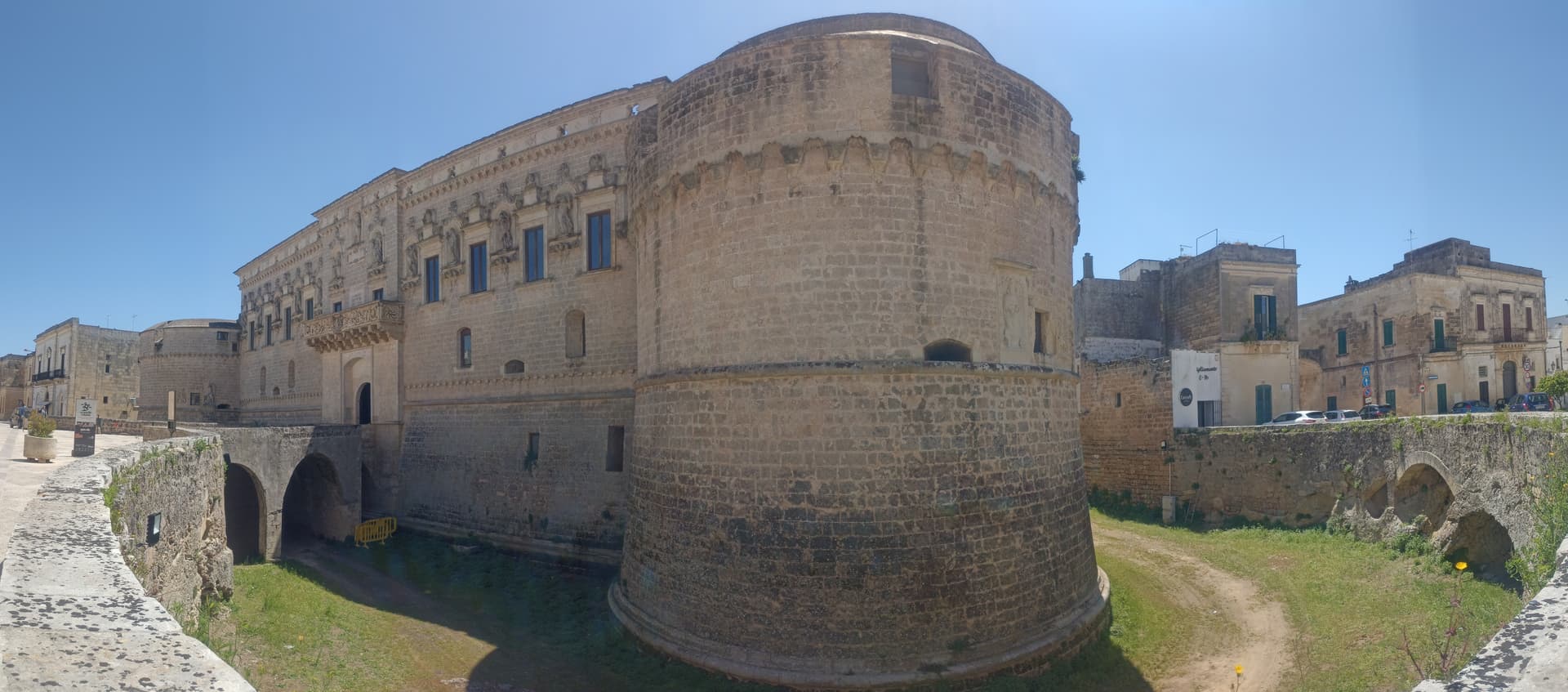
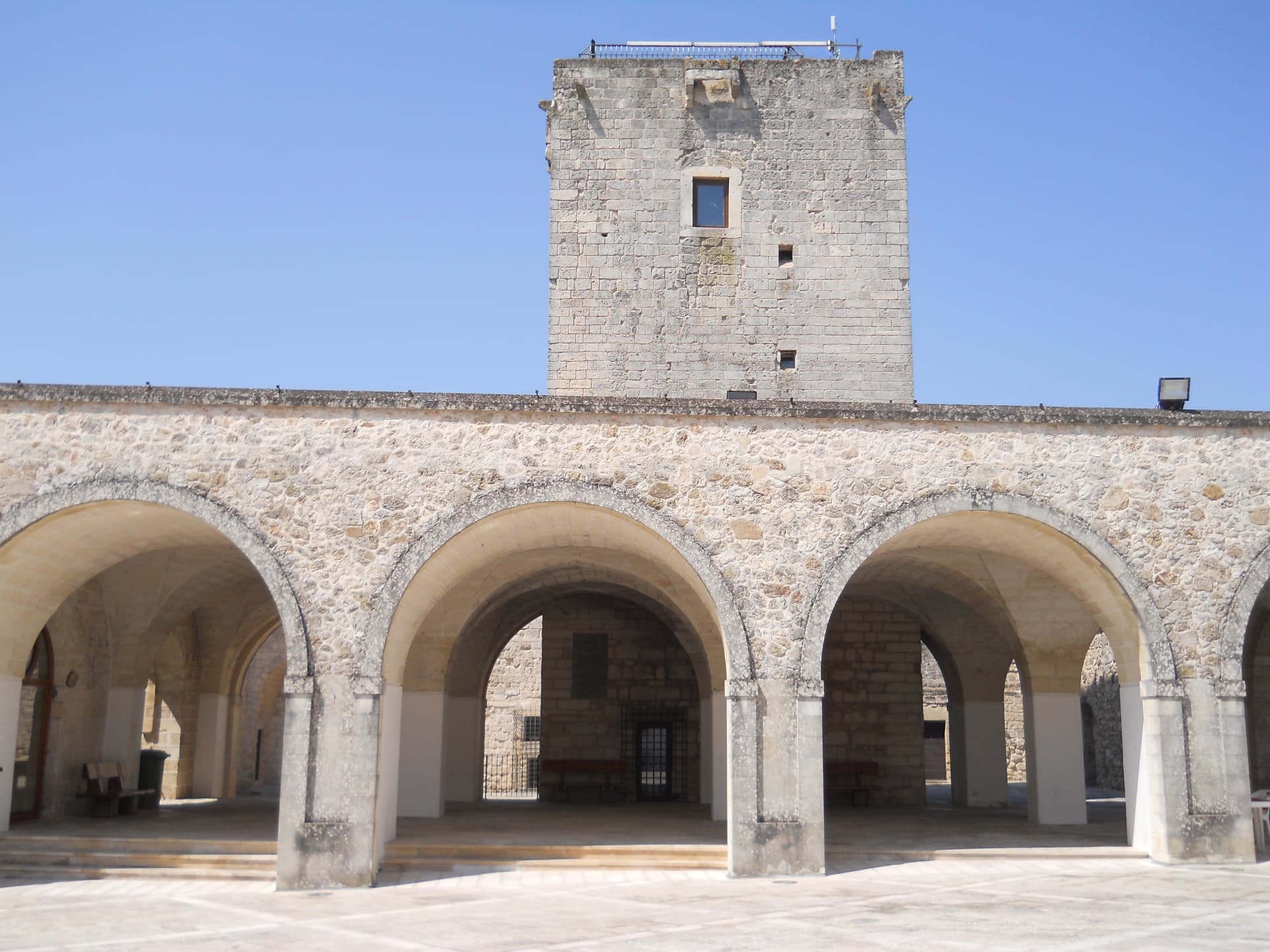
A Grecìa Salentina town twenty-five kilometers south of Lecce, Griko-speaking, with a 1500s Lecce-stone castle of circular towers around a quadrangular plan.
Nociglia
Province: Lecce
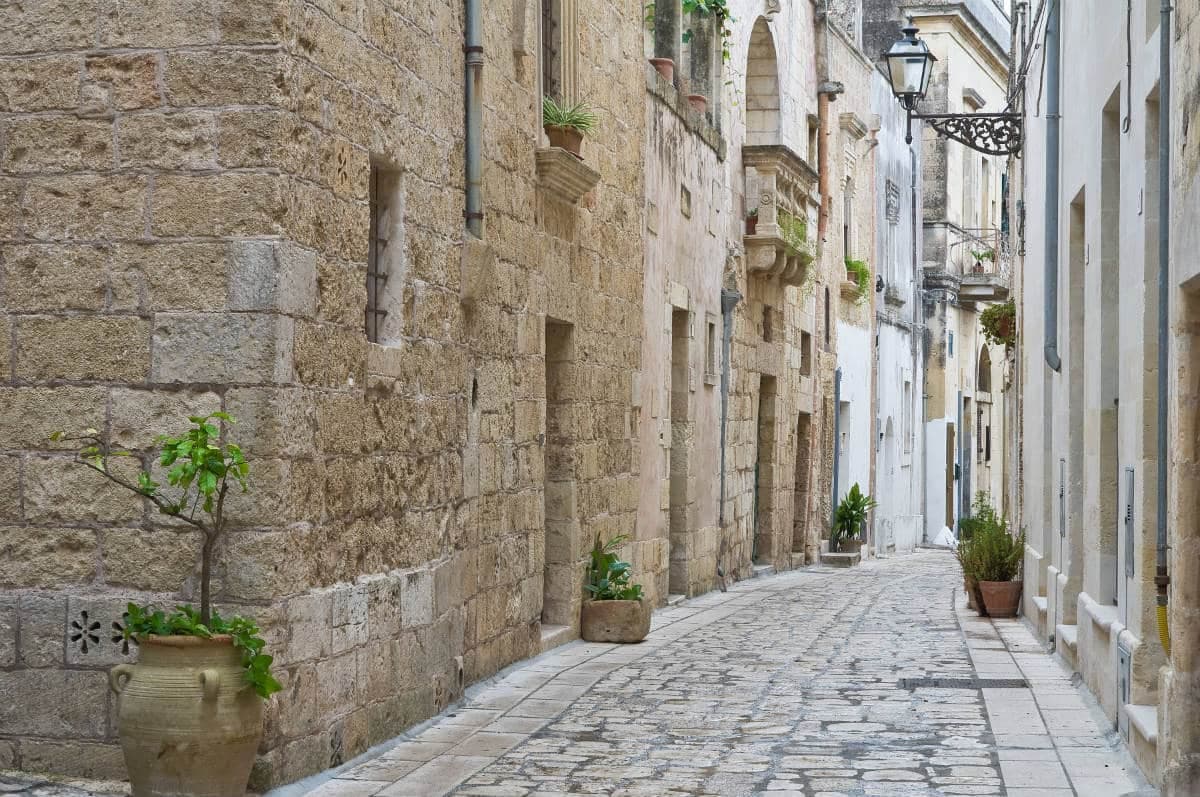
A small Salento interior village forty kilometers south of Lecce, a fourteenth-century baronial castle and a Bosco Belvedere that gave the place its name.
Martano
Province: Lecce
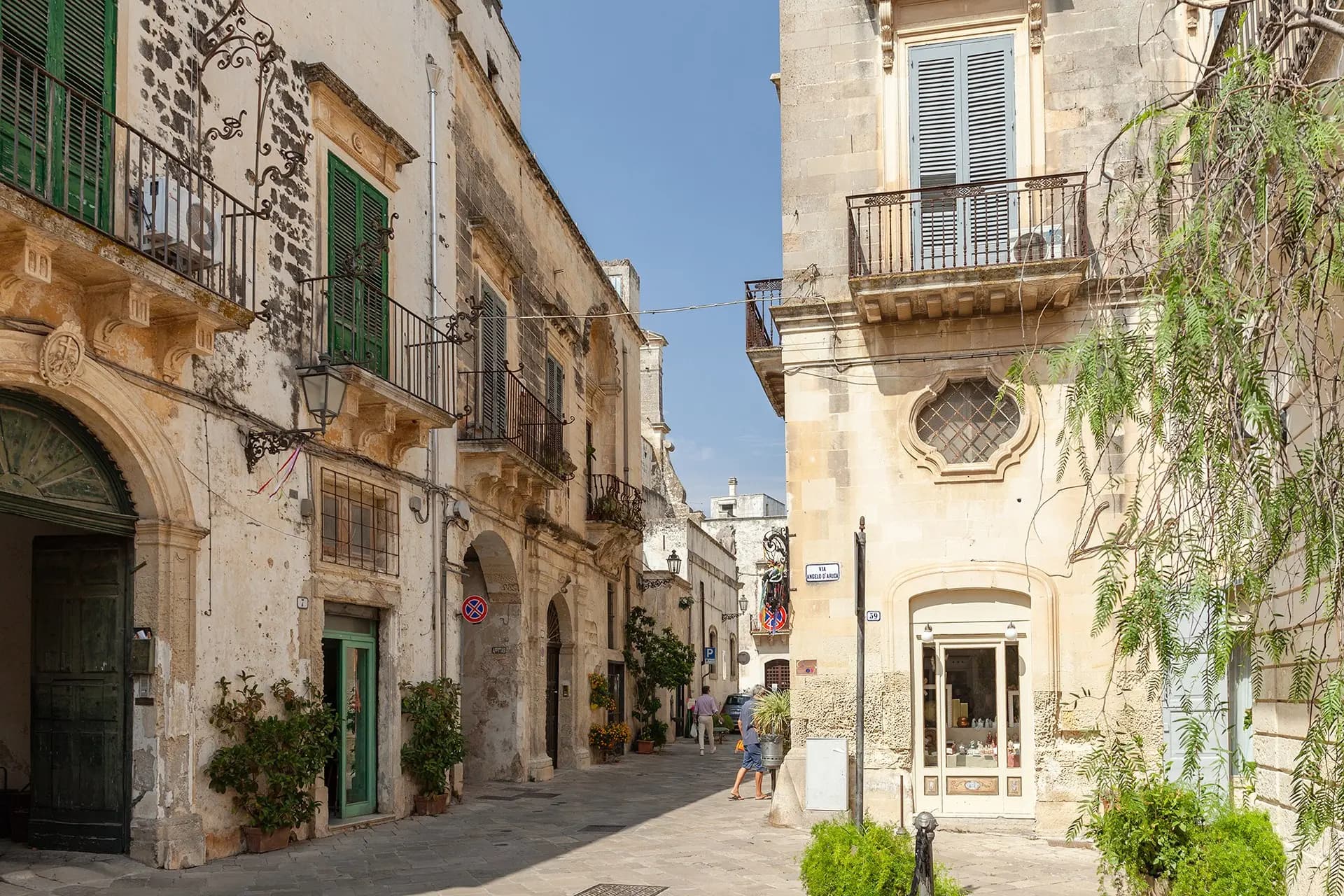
The biggest town in the Grecìa Salentina, twenty kilometers south of Lecce, where the Griko language still survives among older residents.
Galatina
Province: Lecce
The Salento town at 78 meters where the cult of San Paolo bred tarantism and gave the pizzica its origin myth.
💎 Borghi Autentici
More Borghi Autentici towns in Apulia
Acquaviva delle Fonti
Province: Bari
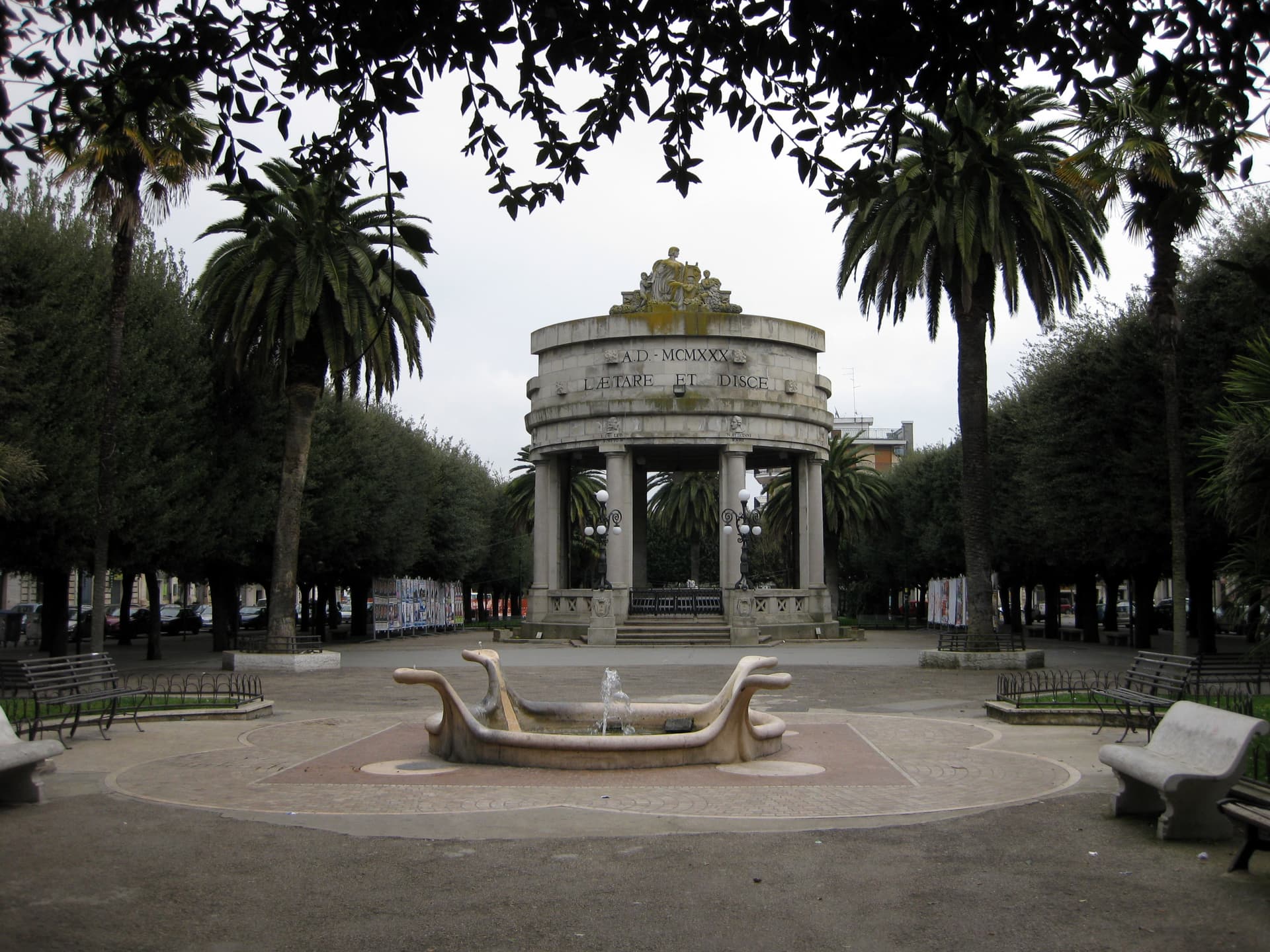
A Murge town at 300 meters between Bari and the Itria valley, named for its springs and a DOP red onion.
Biccari
Province: Foggia
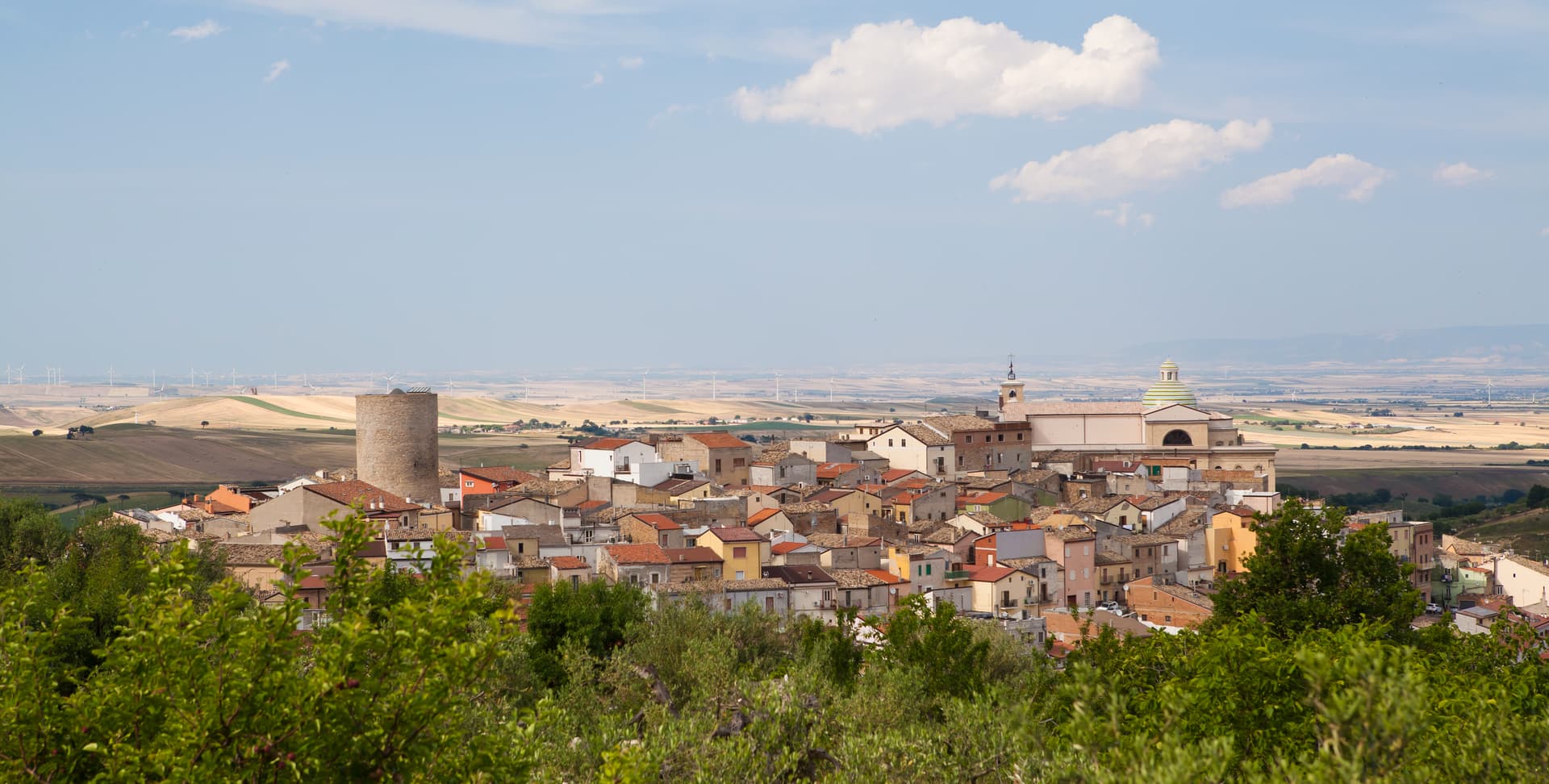
A Subappennino Dauno borgo at 450 meters under Monte Cornacchia, the highest peak in Puglia at 1,151 meters, with a Byzantine tower at its core.
Campi Salentina
Province: Lecce
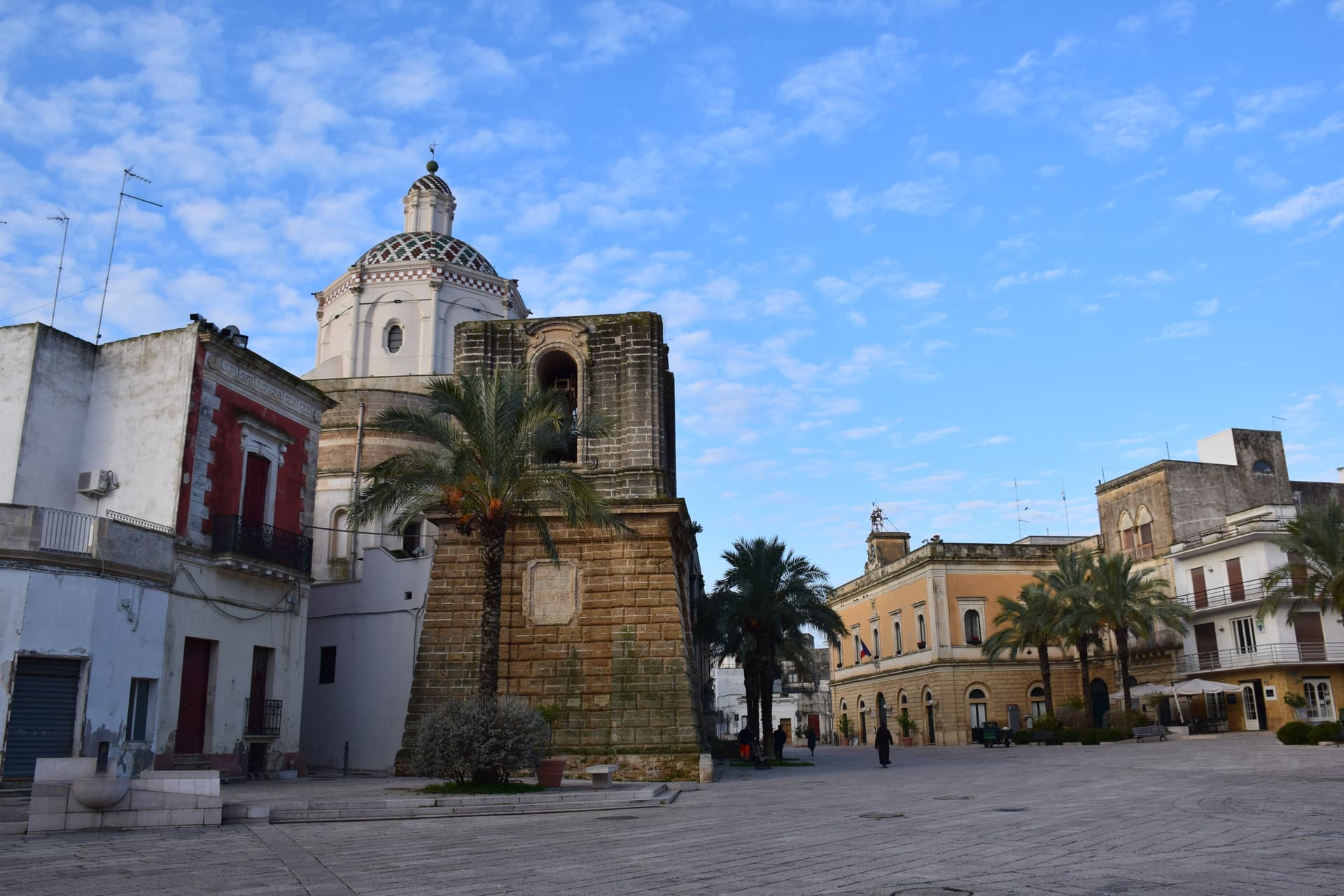
A Salento plain town fifteen kilometers north of Lecce, founded after the Saracen raids of 926, with a Frederician castle that became a Paladini-Enriquez marquisate.
Casamassima
Province: Bari
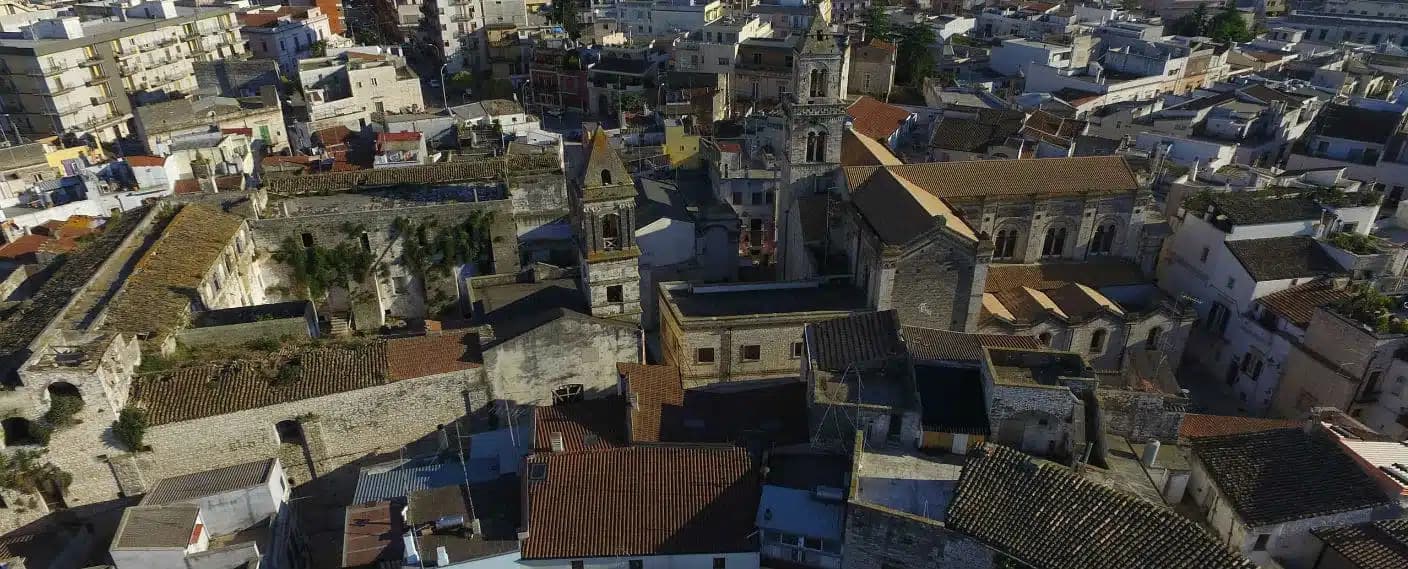
The blue town of the Murge, twenty kilometers south of Bari, its centro storico painted with copper-blue lime after the 1658 plague spared its residents.
Cassano delle Murge
Province: Bari
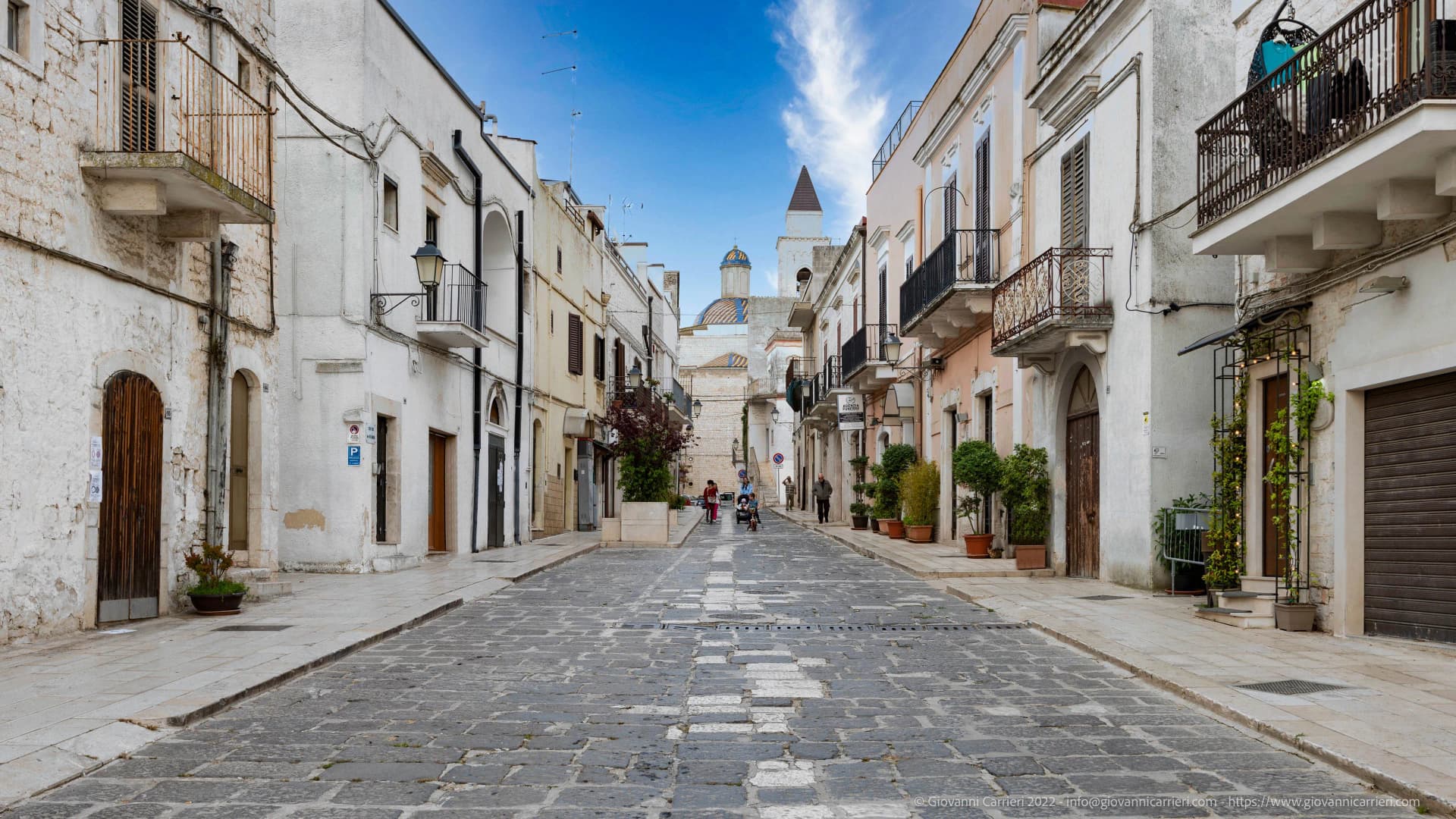
A Murge foothills town at 341 meters at the gate of the Alta Murgia park, with the 1,300-hectare Foresta Mercadante mostly inside its territory.