

Calabria · Vibo Valentia
Pizzo
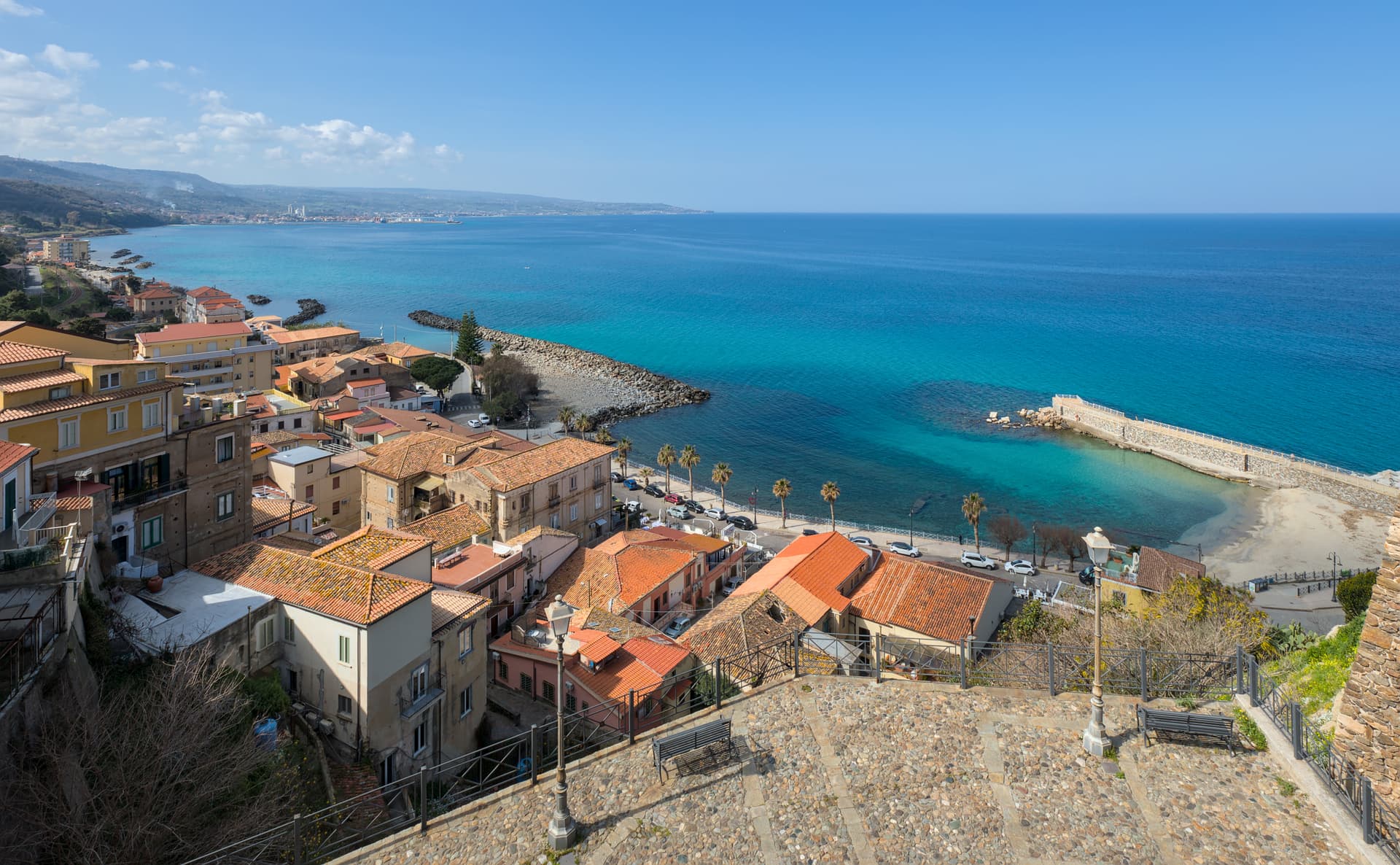
A tuff-cliff town over the Gulf of Sant'Eufemia, where Joachim Murat was shot in 1815 and the tartufo gelato was invented a century later.
Known for
TARTUFO DI PIZZO
Hand-moulded hazelnut and chocolate gelato with a molten heart, IGP since 2007, the first gelato in Europe to earn the mark.
MURAT'S CASTLE
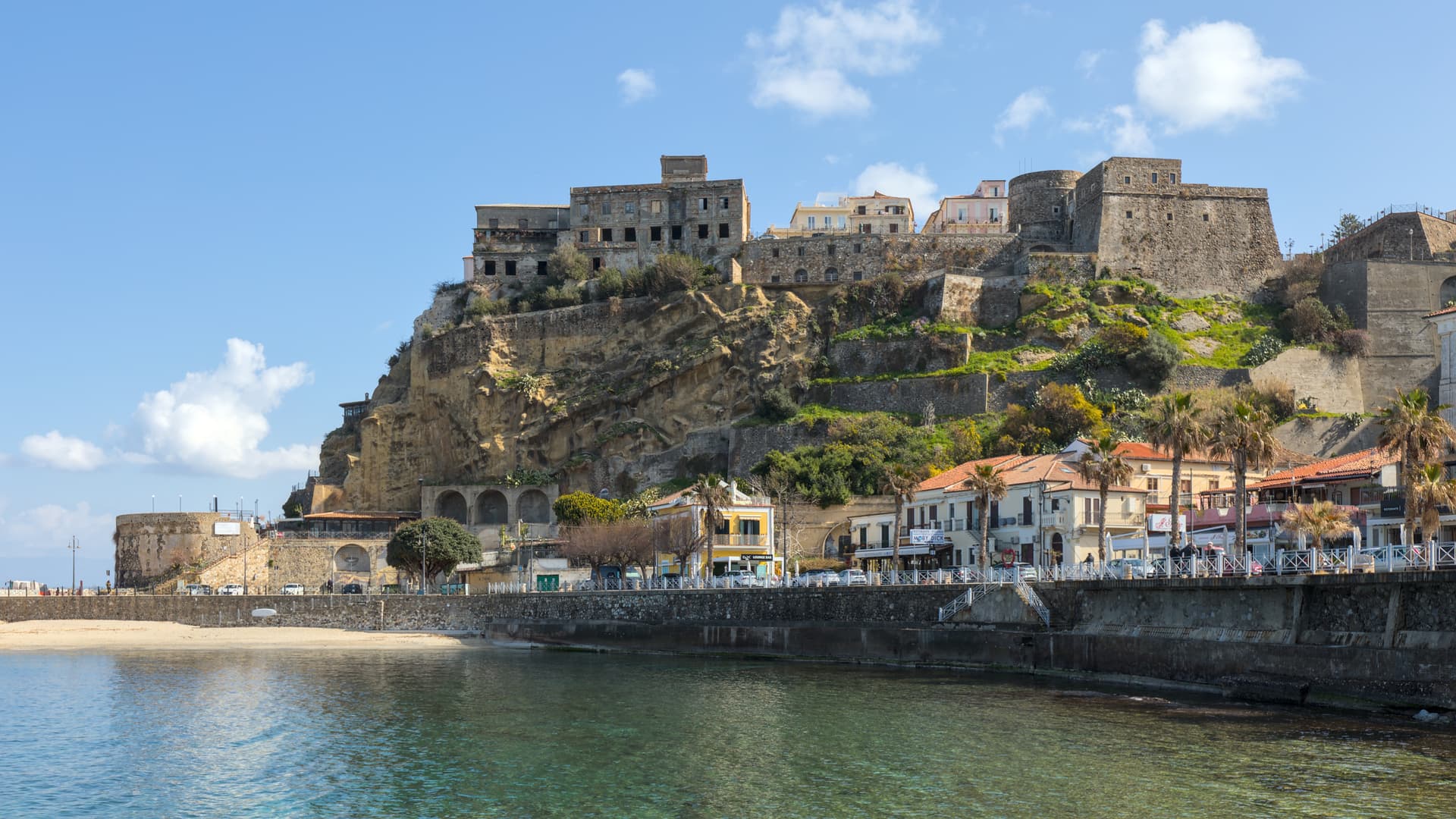
Joachim Murat, former King of Naples, was tried and shot here on 13 October 1815 after trying to retake his throne.
CHIESA DI PIEDIGROTTA
Seventeenth-century cave church carved into the tuff cliff, filled with life-size tufa figures of biblical scenes.
When to visit
Best · May–Sep
- J
- F
- M
- A
- M
- J
- J
- A
- S
- O
- N
- D
- Best
- Hot or crowded
- Quiet
- Mostly closed
Why come
Pizzo sits on a tuff promontory rising about 70 meters above the Tyrrhenian, at the northern end of the Costa degli Dei. The fortress on the headland, Castello Aragonese, is more often called the Castello Murat: Joachim Murat, brother-in-law of Napoleon and former King of Naples, landed here in October 1815 hoping to retake his throne, was captured by townspeople, court-martialled in the castle and shot in its main hall on October 13. The other thing Pizzo is known for is the tartufo, a hazelnut and chocolate gelato moulded by hand in the form of a hemisphere with a molten chocolate centre, dusted with cocoa.
It was developed by local gelato-makers in the twentieth century and was the first gelato in Europe to receive IGP status, in 2007. The cliff-edge Piazza della Repubblica is where both stories meet on summer evenings.
The Sunday letter
We haven’t written Pizzo’s letter yet.
One town every Sunday, with the photo, the food, the festa. Be there when this one comes up. Free, by Peter & Sophia from Pietrasanta.
By subscribing you agree to Substack’s Terms of Use, our Privacy Policy and our Information collection notice.
What to see
Castello Aragonese (Murat)
Fifteenth-century fortress on the headland, the site of Joachim Murat's 1815 trial and execution, now a museum to the Napoleonic king.
Chiesa di Piedigrotta
Cave church carved into the tuff cliff north of town in the seventeenth century, filled with full-size tufa statues of biblical scenes.
Piazza della Repubblica
Cliff-edge piazza with cafés and gelaterie, the social centre of the town and the place to eat tartufo in summer.
Chiesa Matrice di San Giorgio
Sixteenth-century mother church, holds the tomb of Joachim Murat in a side chapel.
Spiaggia della Marinella
Main town beach below the cliff, with views back up to the castle and the promontory above.
The slow-trip planner
Building a trip? Find where Pizzo fits in a slow Italy circuit.
Answer five questions. We will shape a geographically coherent slow trip from the 1,000 Italian towns most travelers skip. Yours to save and share.
We recommend
Where to eat and stay
Not our picks, but places the guides put their name to — a Michelin star, a Gambero Rosso fork, a Slow Food snail, a Michelin Key for the hotels. Worth a table, a counter, or a night when you pass through.
Locanda ToscanoRistorante
Locanda Toscano carries one Gambero Rosso fork (76/100), plus a spot in the Michelin Guide.
San Domenico RistoranteRistorante
One Gambero Rosso fork (78/100), at San Domenico Ristorante.
Signature dish
Tartufo di PizzoSweet
A hand-formed ice-cream ball with a molten chocolate heart, invented in Pizzo and copied all along the coast.
See every town in our catalogue with a dish of its own.
Living here
- Population 8,766
- Commuter belti
- Pharmacy in town
- High school within a 30-minute drive
- Train station in the comune
- Nearest airport Lamezia / Reggio, 27 min drive
- Regional capital Catanzaro, 43 min drive
Tags & datadesignations · numbers · sources
Recognised as
The numbers
- Elevation: 44 m
- Population: 8,766
- Surface area: 22.89 km²
These figures were compiled from public directories — ISTAT, OpenStreetMap, Wikidata — and from the official listings of the guides named on this page. Town details change; verify with official sources before you travel.
Close by
More towns near Pizzo
Tropea
Province: Vibo Valentia
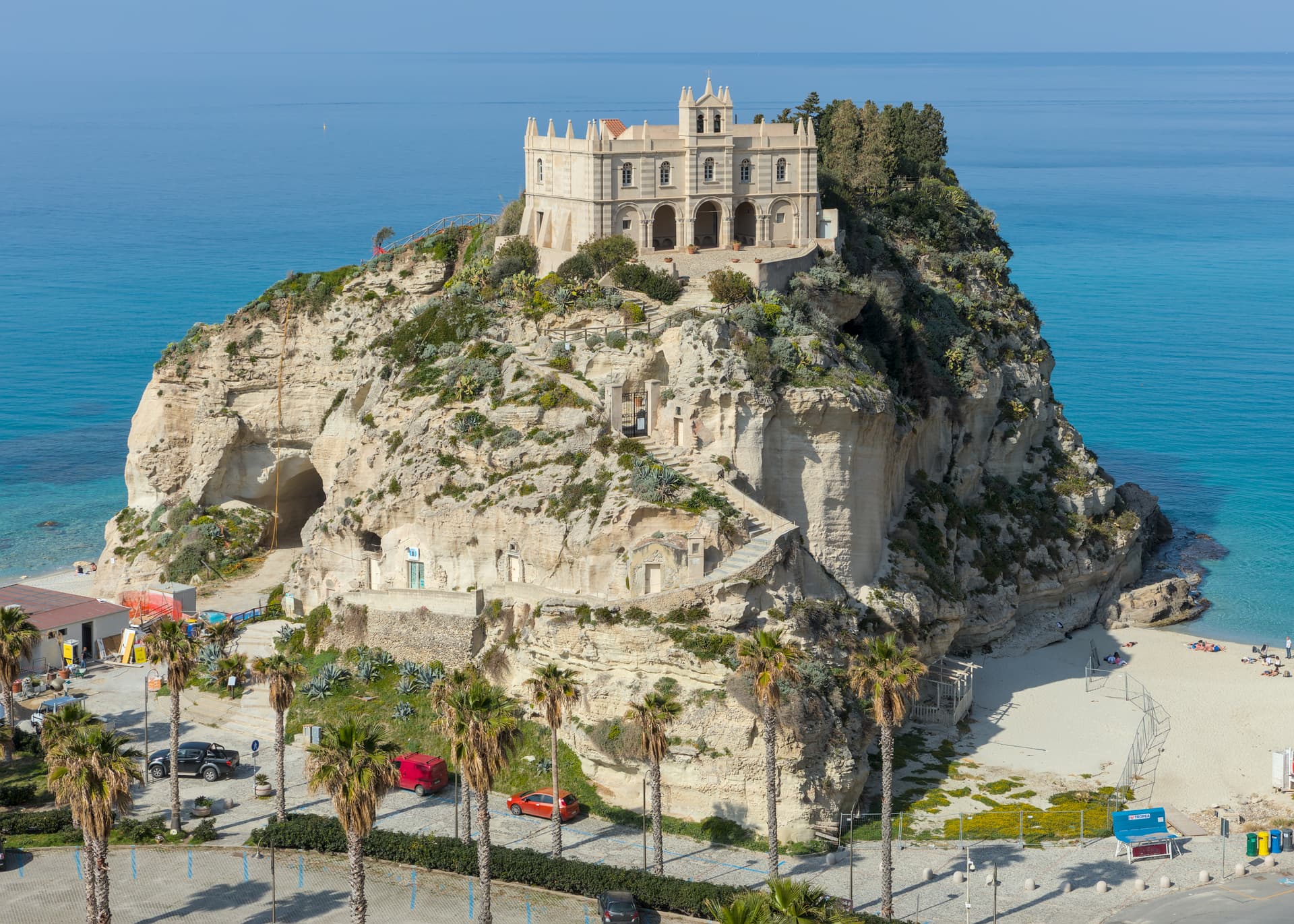
Cliff town on a tufa headland over the Tyrrhenian Coast of the Gods, with a Norman monastery on a sea rock.
Gizzeria
Province: Catanzaro
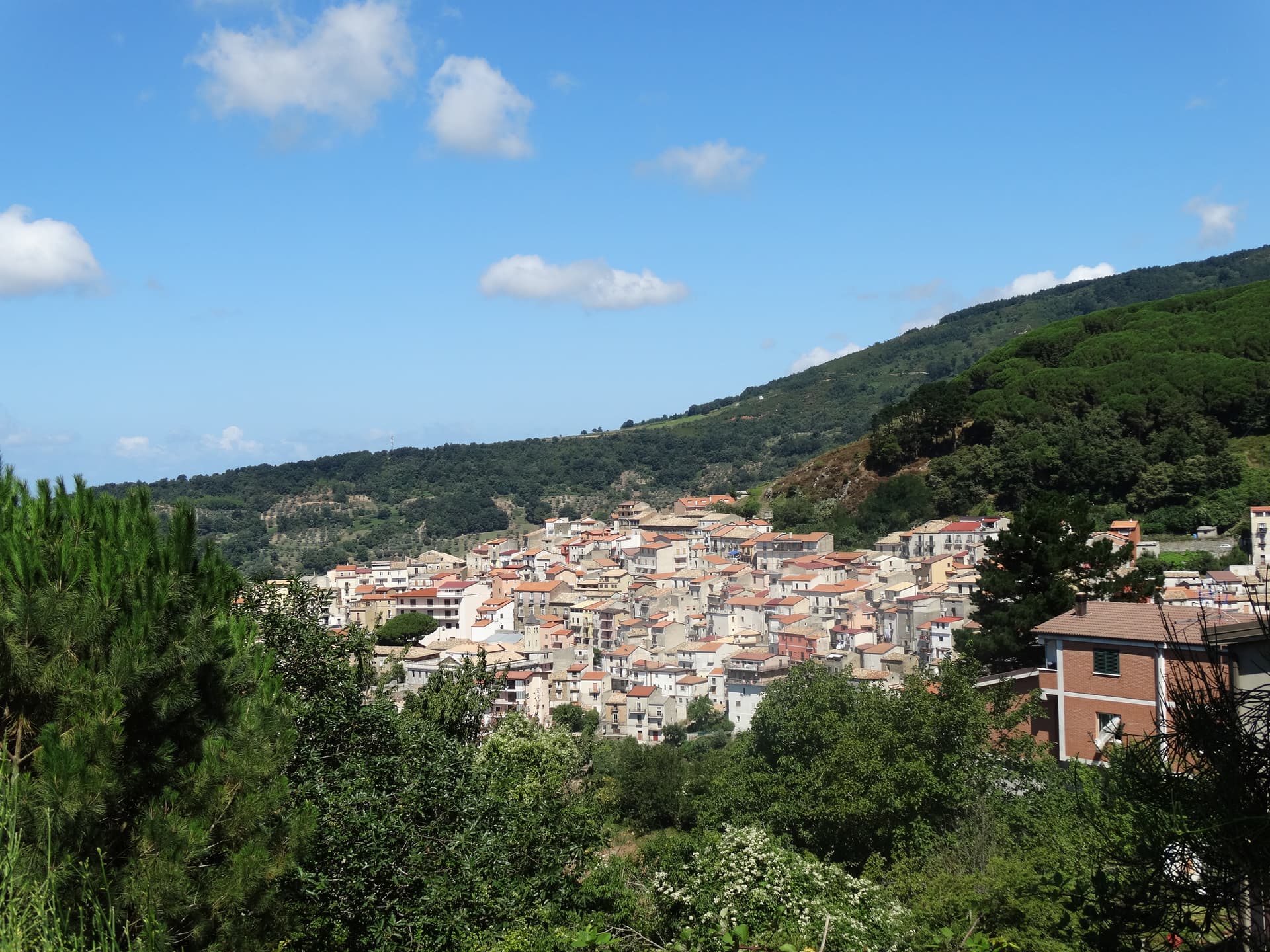
An Arbëreshë hill village at 600 meters above the Gulf of Sant'Eufemia, with kitesurf beaches and brackish lagoons on the Tyrrhenian below.
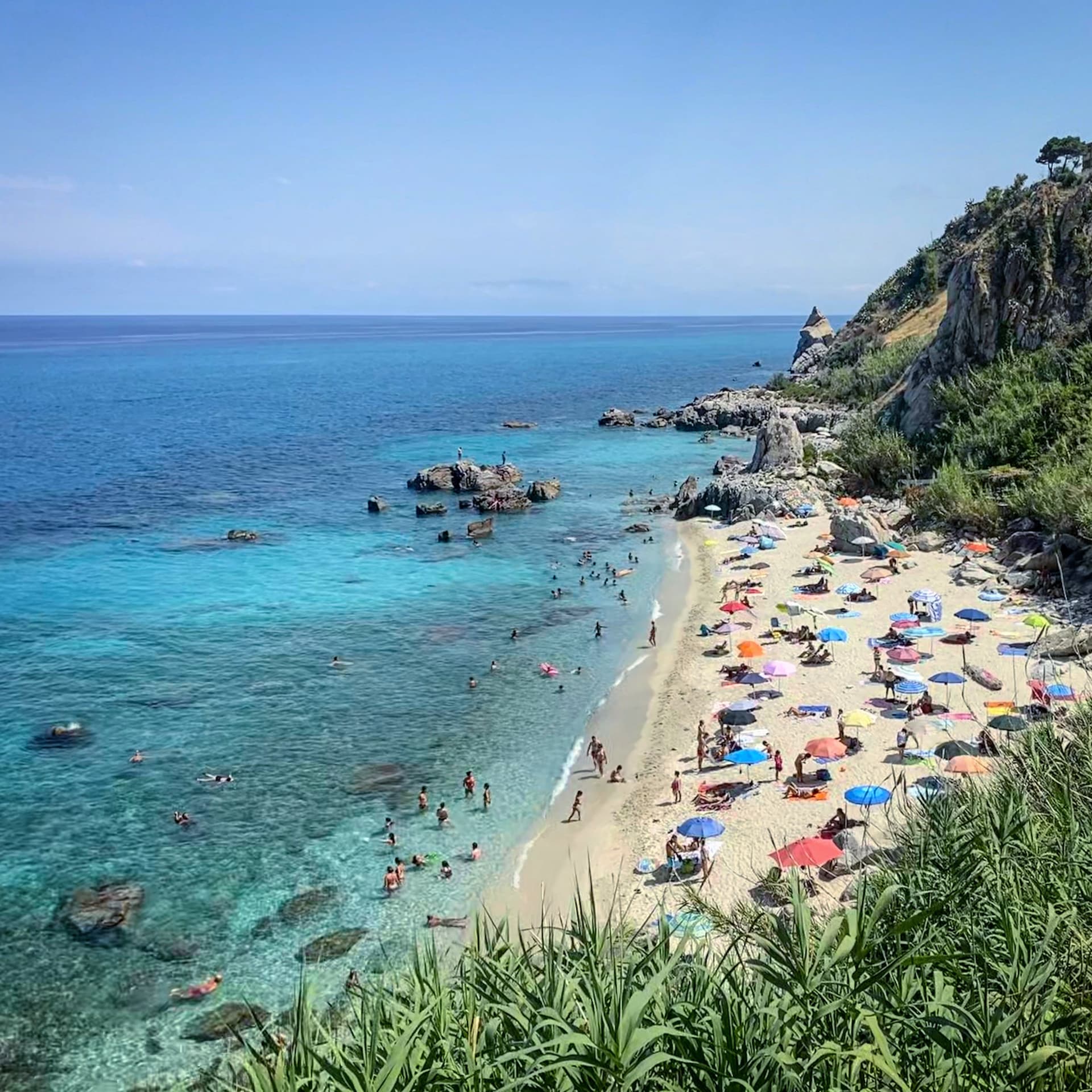
Parghelia
Province: Vibo Valentia
A 1,300-person village on the Costa degli Dei at 70 meters, four kilometers from Tropea and quieter than its famous neighbour.
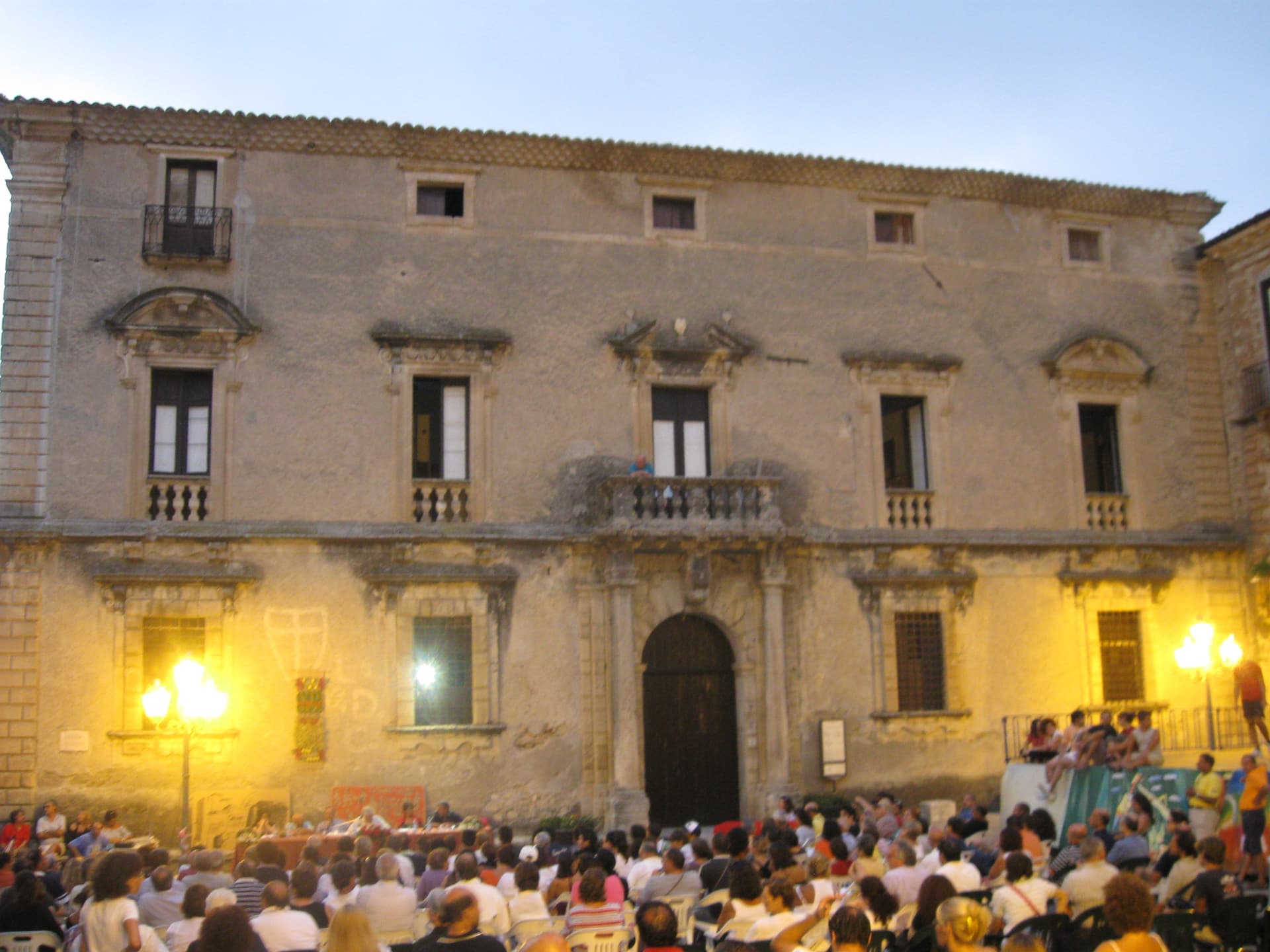
Aiello Calabro
Province: Cosenza
A hilltop borgo at 502 meters in the Tyrrhenian hinterland of Cosenza, ruled for two centuries by the Cybo-Malaspina from Massa Carrara.
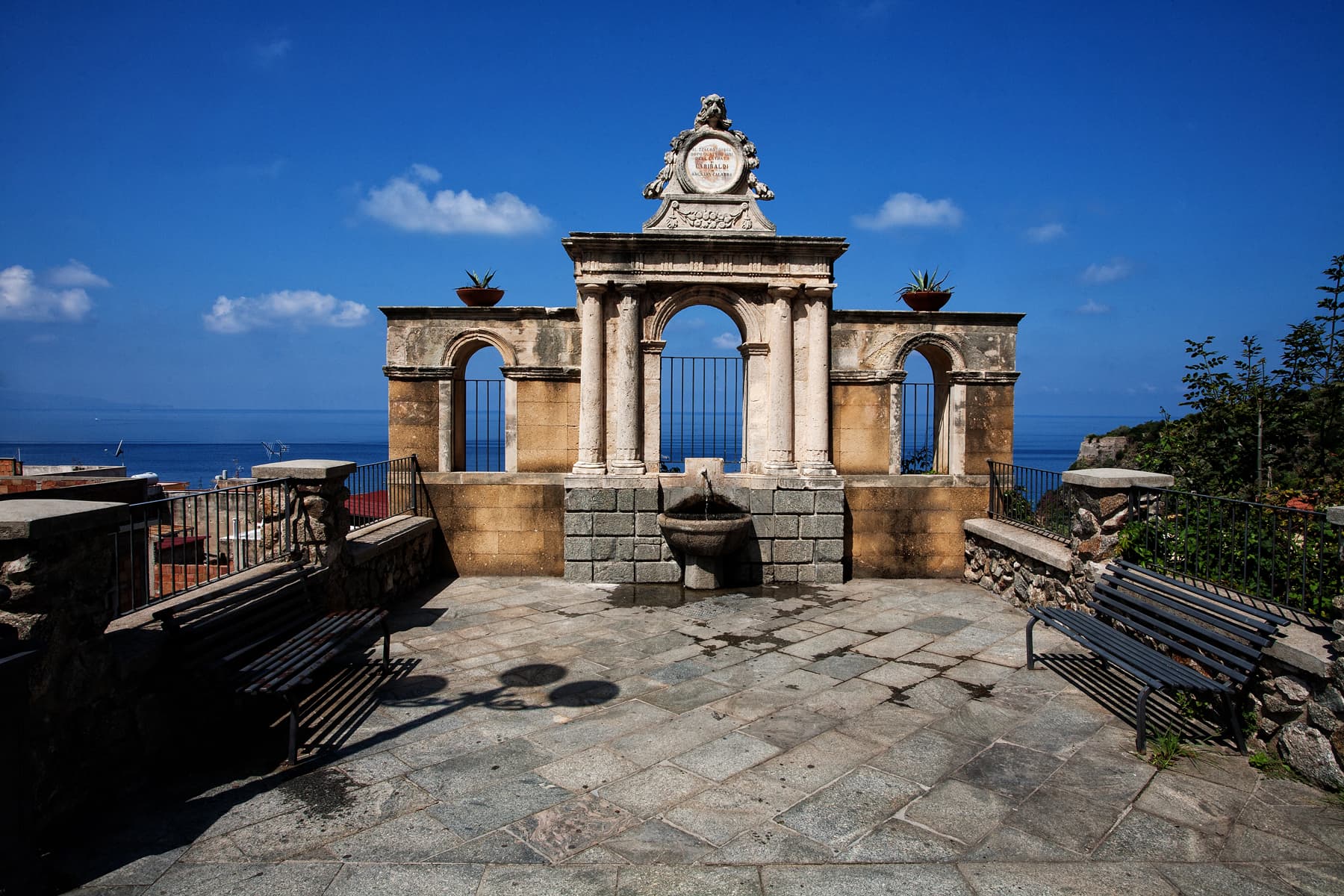
Bagnara Calabra
Province: Reggio di Calabria
A swordfish town on the Costa Viola where boats with lookout masts still hunt the Strait, and the IGP torrone has been made by hand since the eighteenth century.
🌳 Parco Regionale
More Parco Regionale towns
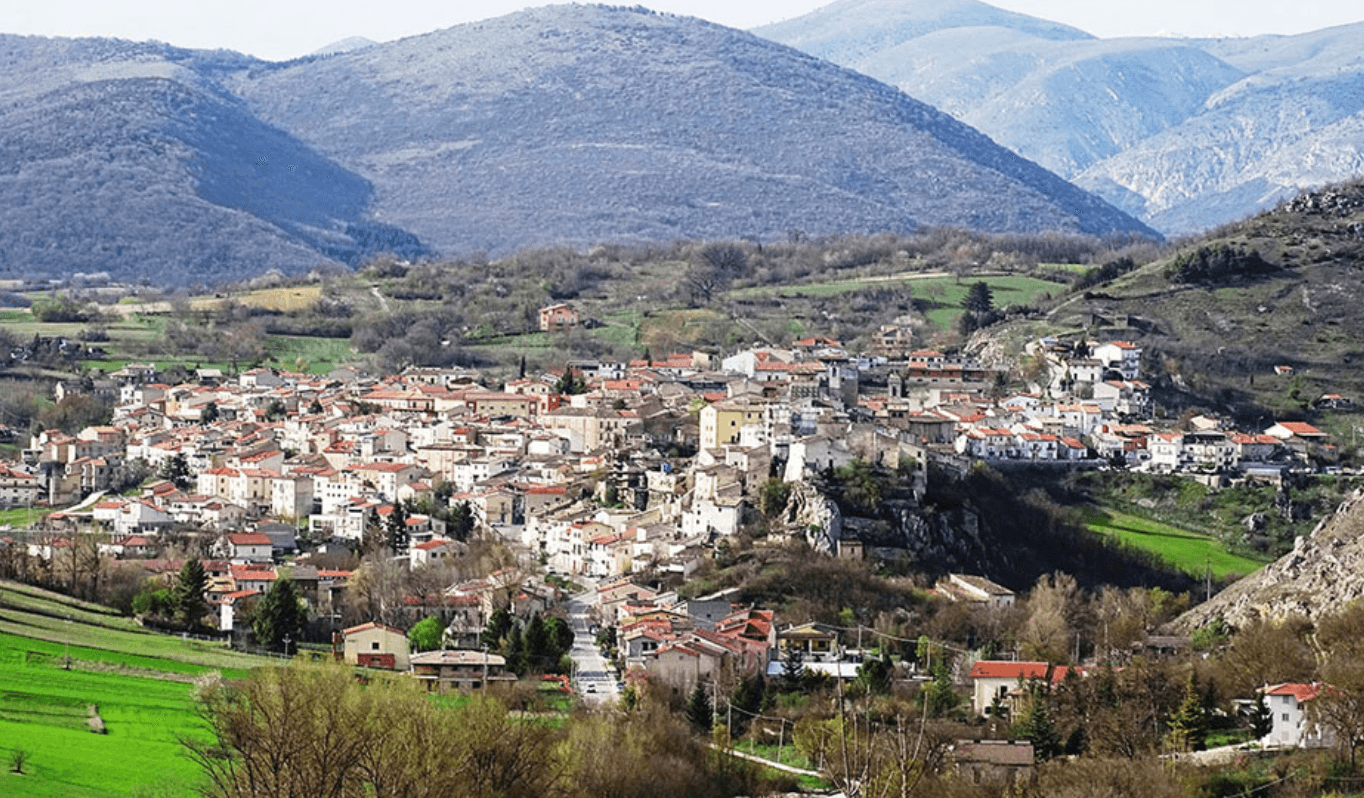
Castelvecchio Subequo
Province: L'Aquila
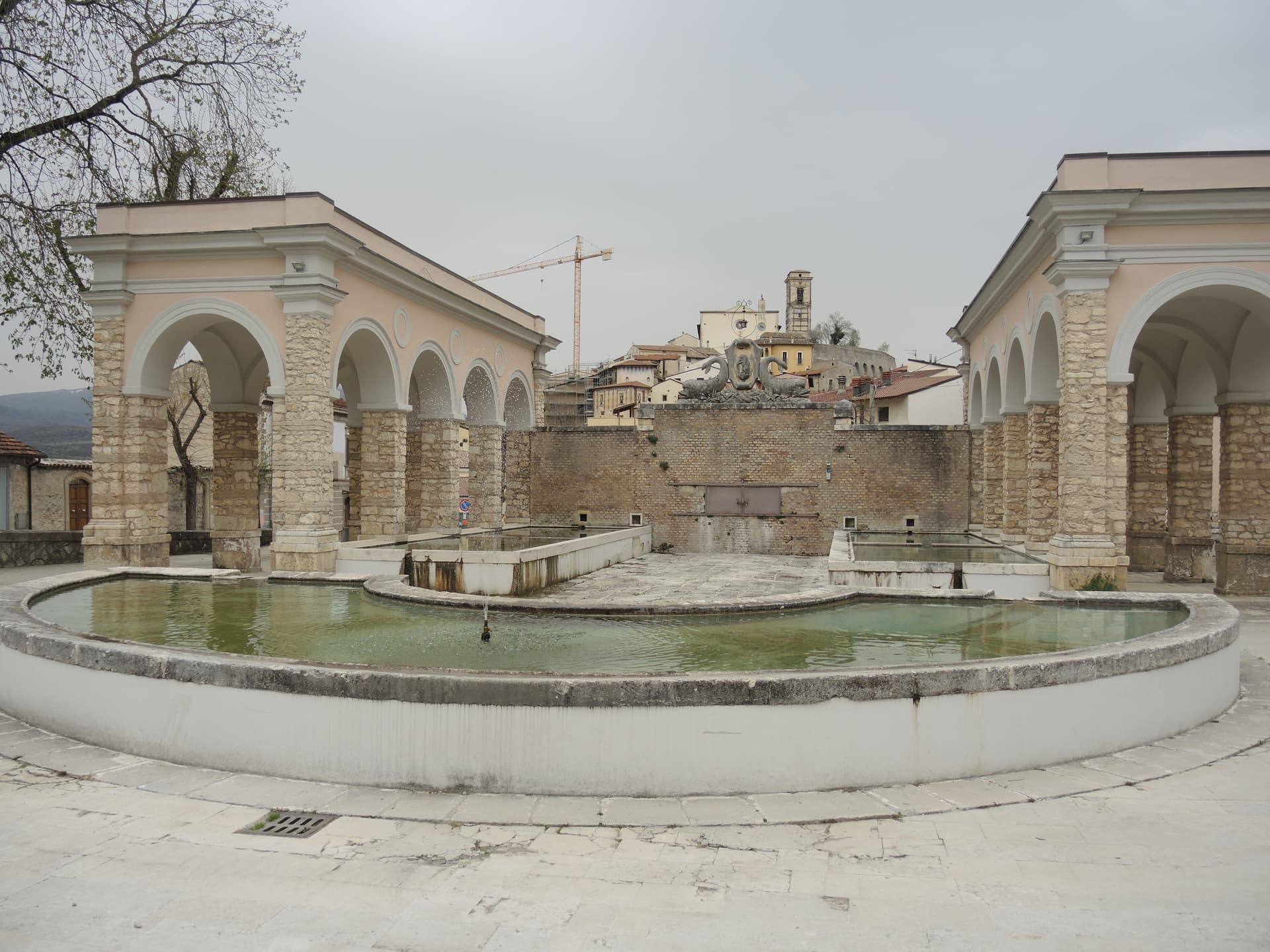
At 409 meters under Monte Sirente, the Roman Superaequum and Franciscan station where the saint himself built a convent between 1221 and 1261.
Goriano Sicoli
Province: L'Aquila
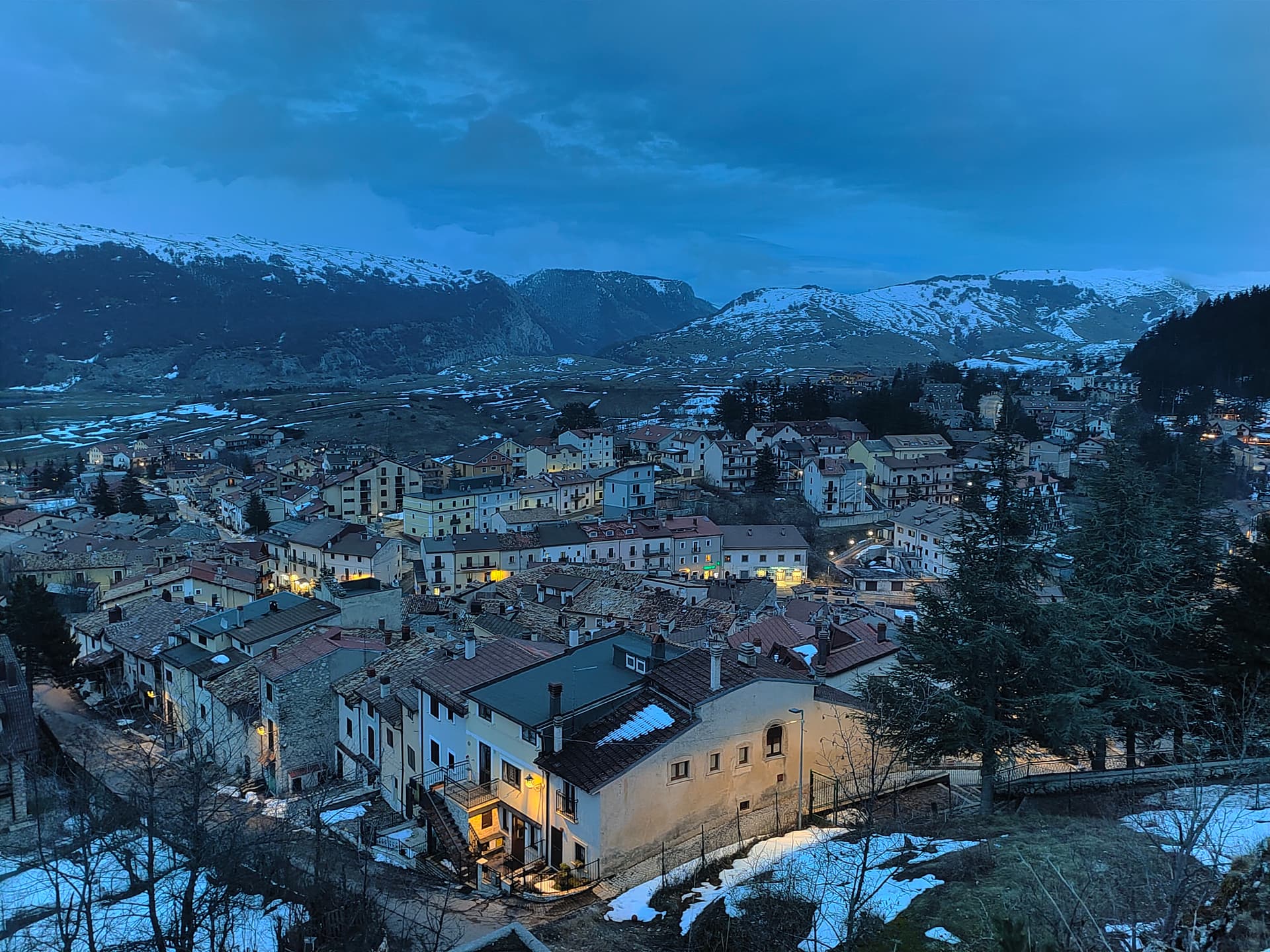
At 720 meters in the Subequana valley, the medieval village M.C. Escher drew in 1929 and a May ritual the folklorists trace to Demeter.
Ovindoli
Province: L'Aquila
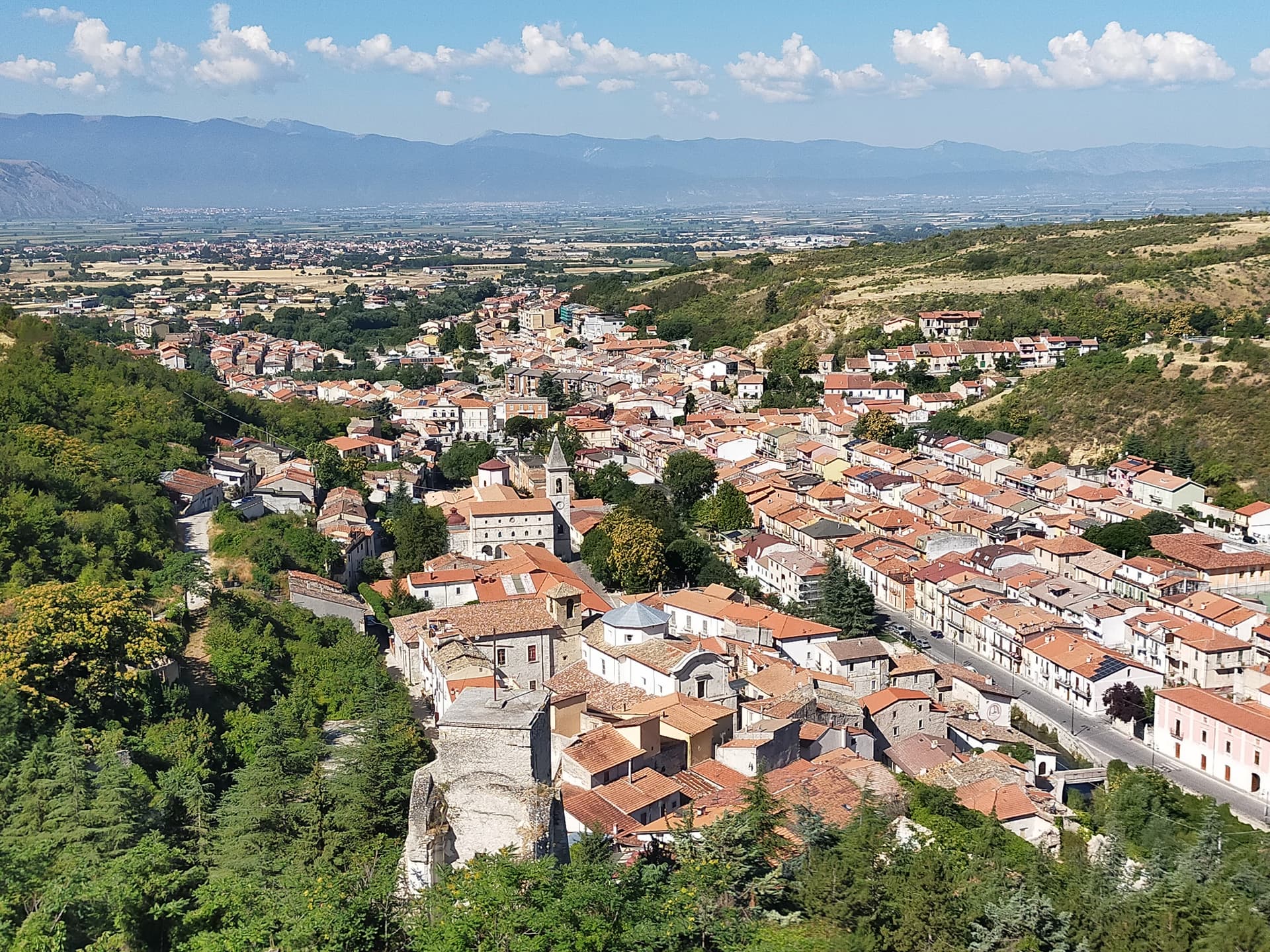
At 1,375 meters on the Altopiano delle Rocche, the closest serious ski station to Rome, working since 1959 on the slopes of Monte Magnola.
Pescina
Province: L'Aquila
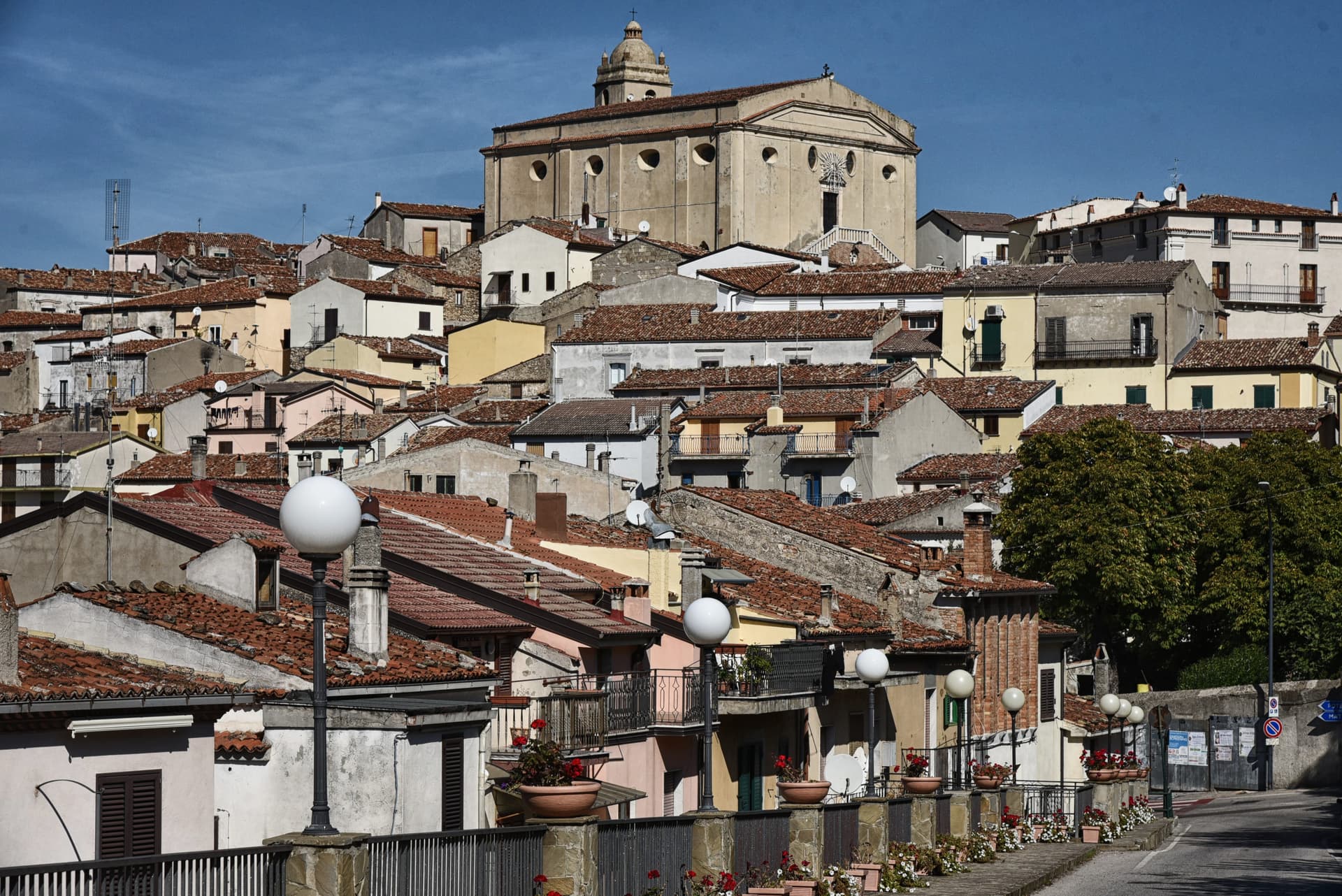
A Marsica town at 735 meters that lost five thousand of six thousand people in the 1915 earthquake, birthplace of Cardinal Mazarin and Ignazio Silone.
Accettura
Province: Matera
A 770-meter village in the Gallipoli Cognato park where, each Pentecost, a Turkey oak is married to a holly tree.