

Apulia · Bari
Castellana Grotte
A Murge town above the karst cave system discovered in 1938, with a 3-kilometer subterranean route 60 meters deep.
Known for
THE CAVES
Karst system discovered 23 January 1938 by Franco Anelli, three kilometers long and 60 meters deep, the most visited show cave in Italy.
GROTTA BIANCA
Pure white alabaster cavern at the end of the route, defined by President Einaudi in 1952 as the most beautiful cave in the world.
MADONNA DELLA VETRANA
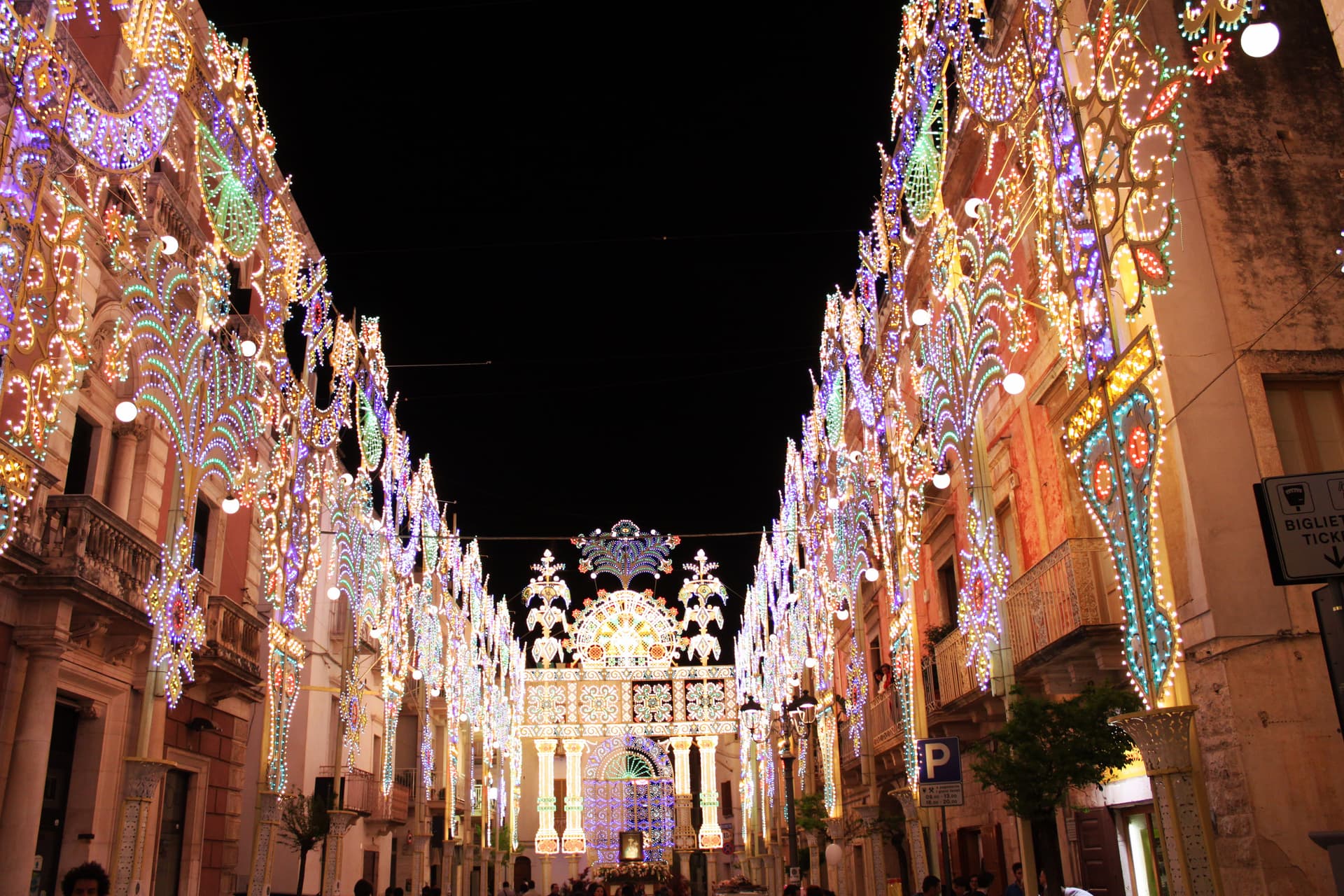
Plague Madonna of 1690, carried each 12 January from the Capuchin convent to the mother church, the town's identifying festa.
When to visit
Best · Apr–Oct
- J
- F
- M
- A
- M
- J
- J
- A
- S
- O
- N
- D
- Best
- Hot or crowded
- Quiet
- Mostly closed
Why come
Castellana Grotte sits on the south-eastern Murge, forty kilometers south of Bari and inland from Monopoli and Polignano. The town is named for the karst cave complex beneath it. On 23 January 1938 the speleologist Franco Anelli, sent down by the Italian Touring Club, descended into a known sinkhole called La Grave and broke through into a system of galleries, stalactites and stalagmites running three kilometers under the limestone plateau.
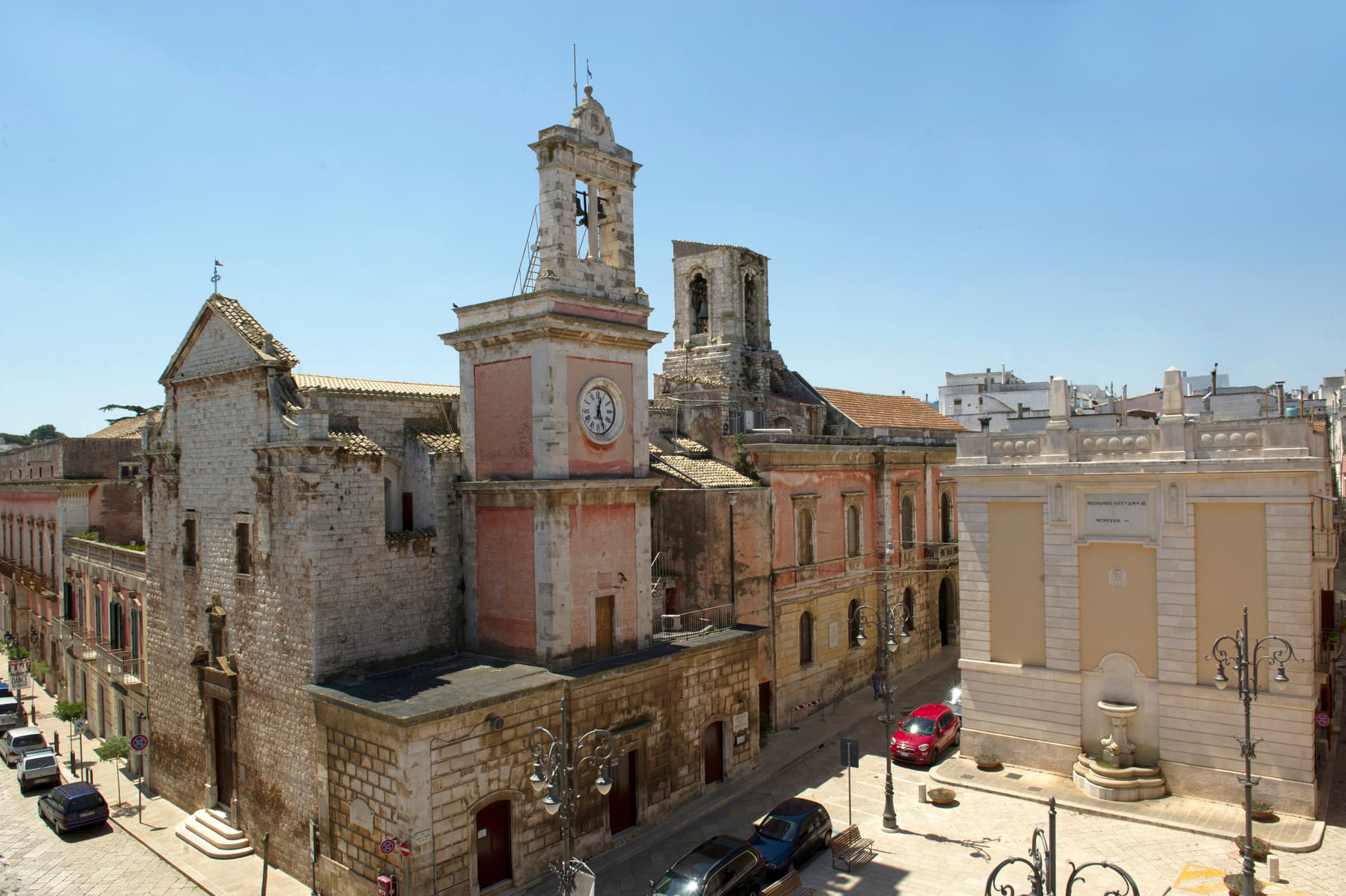
The Grotta Bianca, discovered two years later and named for its pure white alabaster formations, was called by President Luigi Einaudi in 1952 the most beautiful cave in the world. Above ground, the Chiesa Madre di San Leone Magno was raised on Romanesque foundations in 1383 with a Norman tower repurposed as bell tower. The Sanctuary of Madonna della Vetrana on the hilltop above town commemorates the 1690 plague deliverance, marked each January with a procession from the Capuchin convent to the mother church.
The Sunday letter
We haven’t written Castellana Grotte’s letter yet.
One town every Sunday, with the photo, the food, the festa. Be there when this one comes up. Free, by Peter & Sophia from Pietrasanta.
By subscribing you agree to Substack’s Terms of Use, our Privacy Policy and our Information collection notice.
What to see
Grotte di Castellana
Karst cave system discovered in 1938 by Franco Anelli, three kilometers of galleries 60 meters deep, with the alabaster Grotta Bianca at the far end.
Chiesa Madre di San Leone Magno
Romanesque mother church rebuilt in 1383, three naves under round arches, with a Norman defensive tower converted into the bell tower.
Santuario di Santa Maria della Vetrana
Hilltop sanctuary built in 1690 in thanks for deliverance from plague, the destination of the January procession that carries the Madonna statue from the Capuchin convent.
Centro storico
Walled old town on the Murge plateau, white stone alleys and arches organized around the cathedral square.
The slow-trip planner
Building a trip? Find where Castellana Grotte fits in a slow Italy circuit.
Answer five questions. We will shape a geographically coherent slow trip from the 1,000 Italian towns most travelers skip. Yours to save and share.
Living here
- Population 19,505
- In-betweeni
- Pharmacy in town
- High school within a 30-minute drive
- Train station in the comune
- Nearest airport Bari / Brindisi, 58 min drive
- Regional capital Bari, 47 min drive
Tags & datadesignations · numbers · sources
Recognised as
The numbers
- Elevation: 290 m
- Population: 19,505
- Surface area: 69.13 km²
These figures were compiled from public directories — ISTAT, OpenStreetMap, Wikidata — and from the official listings of the guides named on this page. Town details change; verify with official sources before you travel.
Close by
More towns near Castellana Grotte
Putignano
Province: Bari
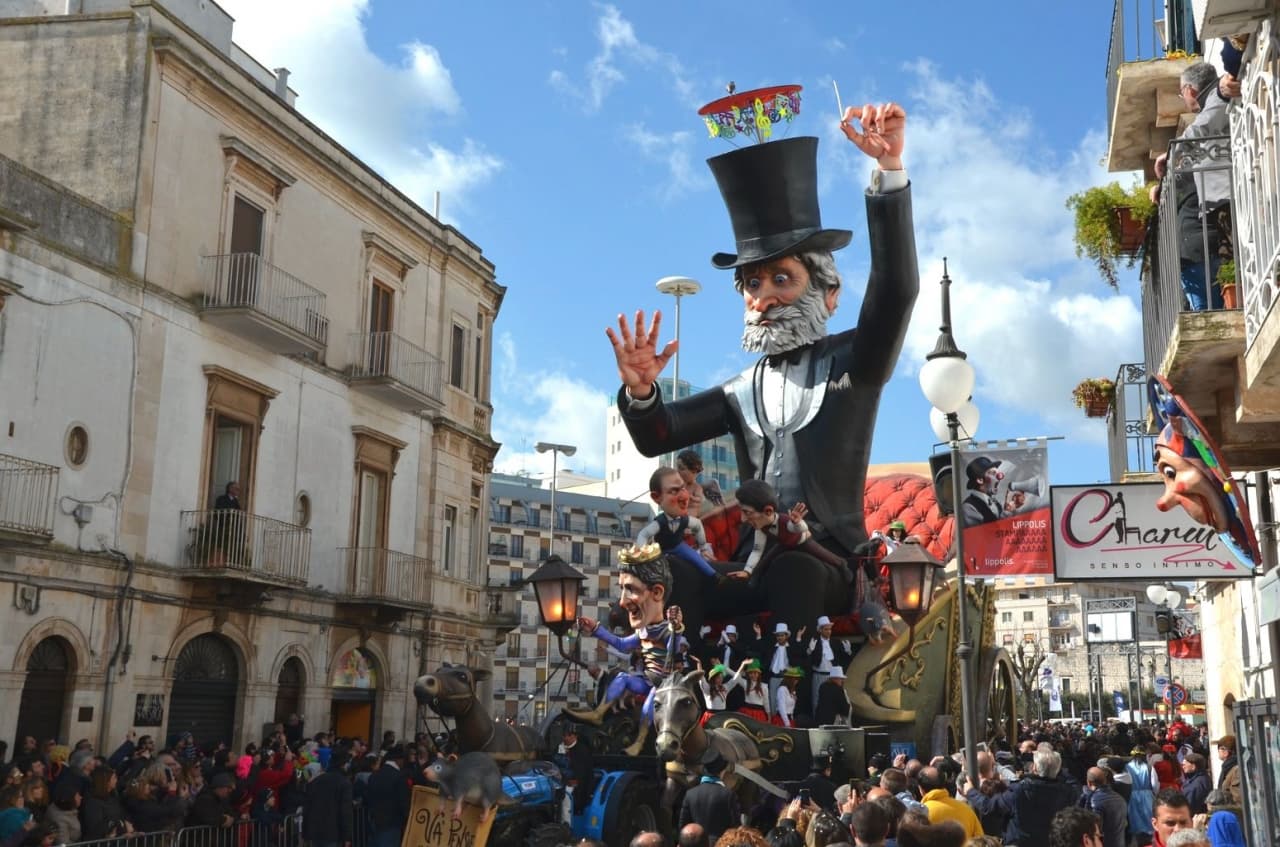
Europe's longest-running carnival — Putignano Carnevale has run continuously since 1394, with 631 years of cartapesta papier-mâché floats, a 26,000-resident Murgia town on the Bari–Lecce plateau, and the Grotta del Trullo karst cave inside the centro.
Monopoli
Province: Bari
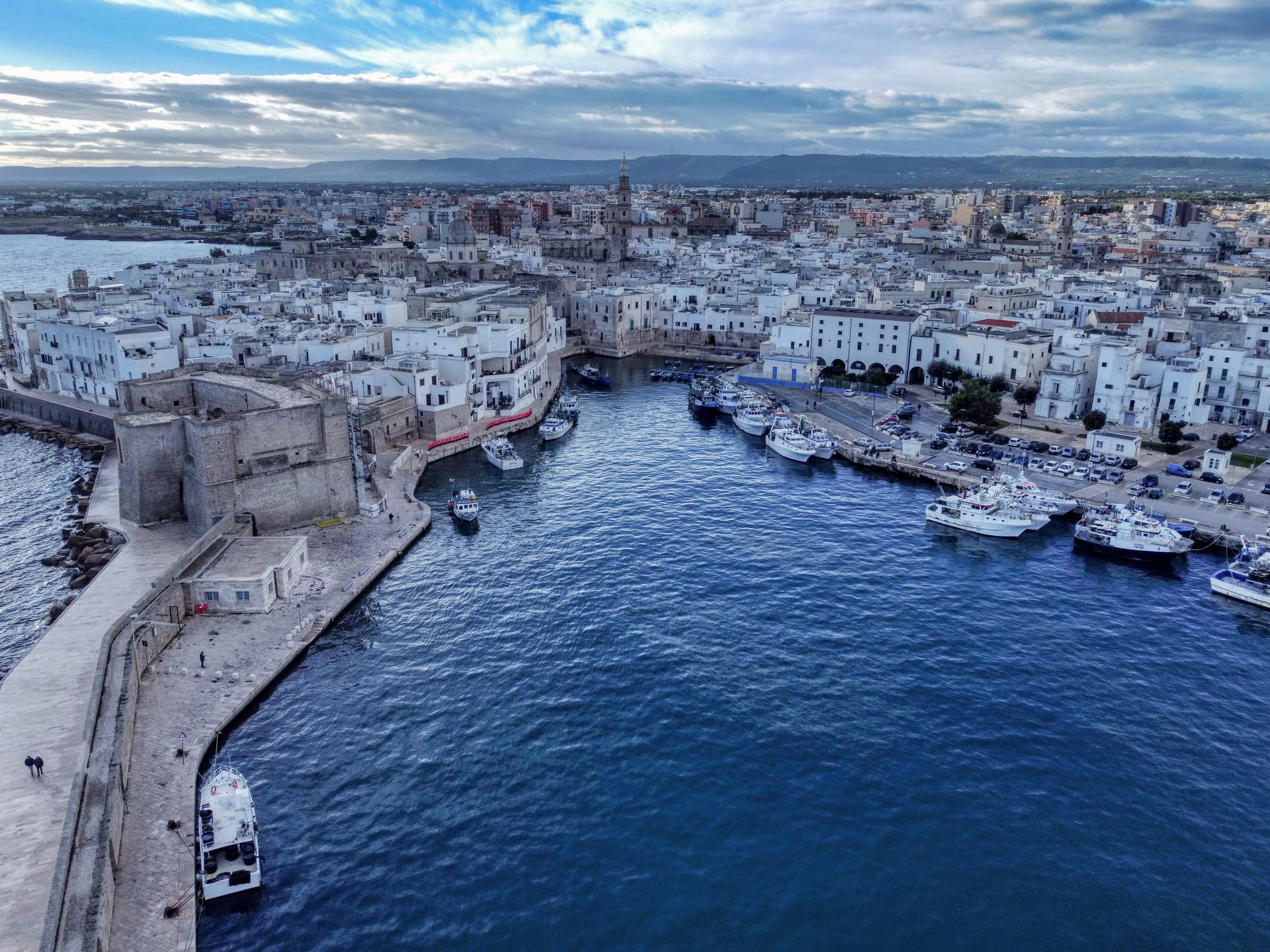
An Adriatic walled town forty kilometers south of Bari, the Charles V castle on the headland, 156 square kilometers of coastline behind it.
Alberobello
Province: Bari
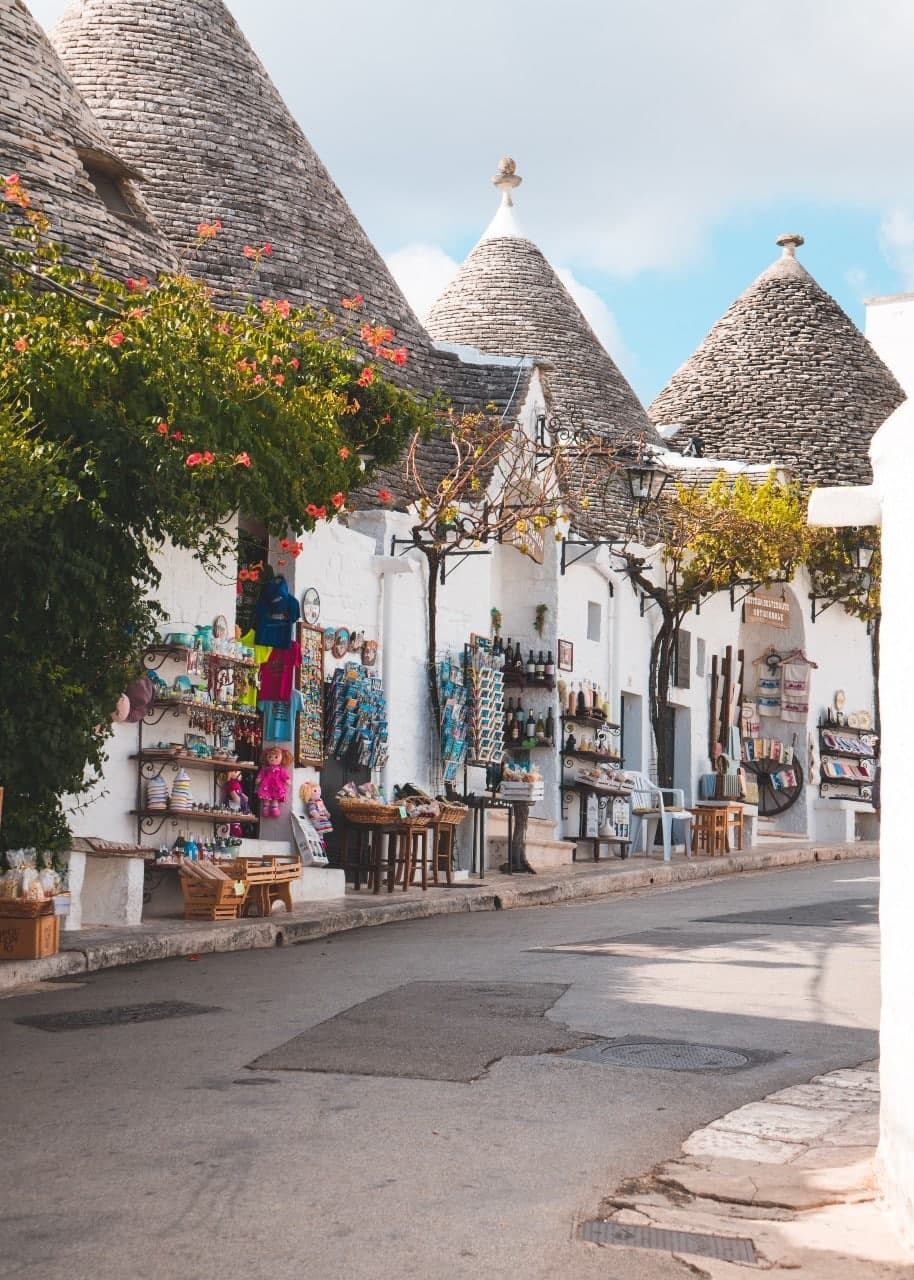
The Itria valley town built entirely of trulli, 1,500 corbelled limestone cones in two quarters, UNESCO since 1996.
Conversano
Province: Bari
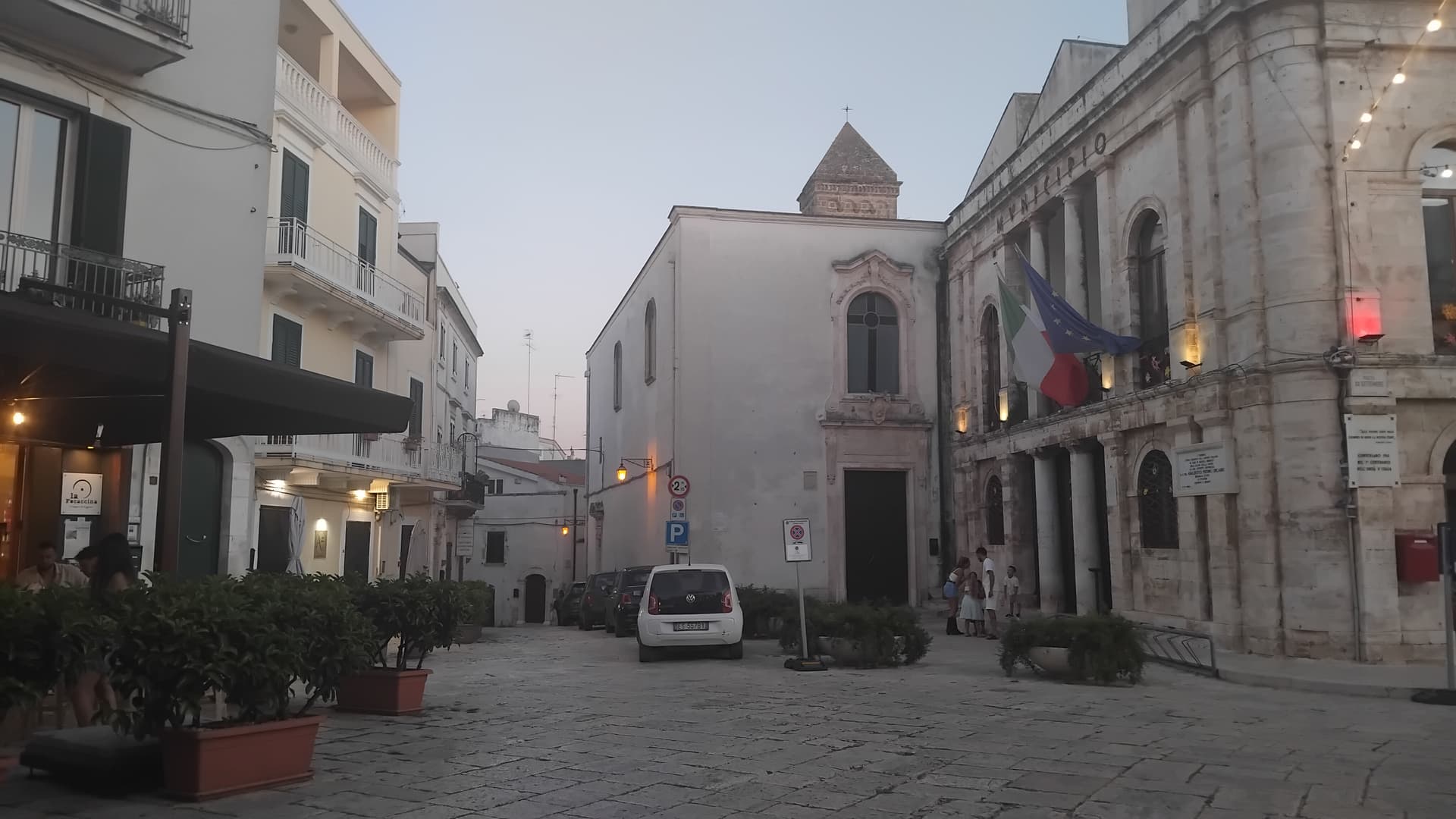
A pre-Murge hill town at 219 meters, three centuries seat of the Acquaviva counts, with the abbey-monastery once called the Wonder of Puglia.
Polignano a Mare
Province: Bari
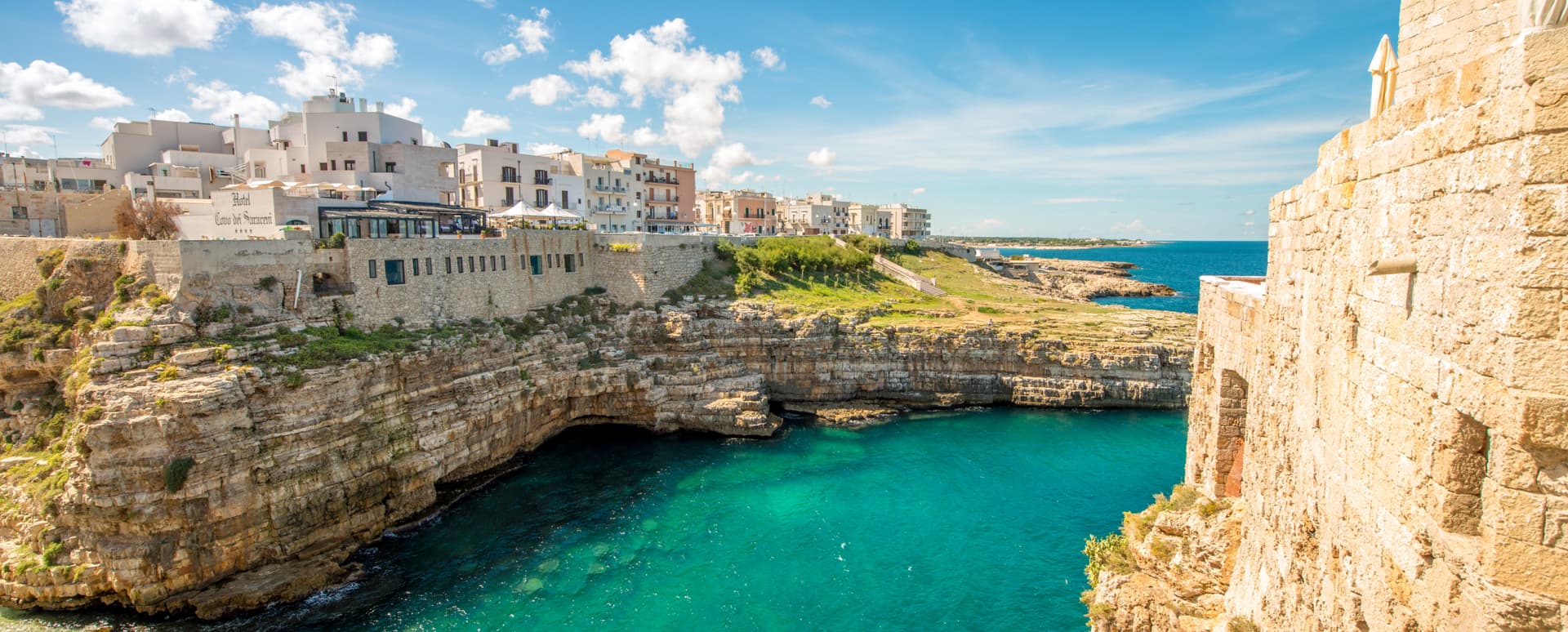
The Adriatic cliff town thirty kilometers south of Bari, built on a twenty-metre limestone bluff, birthplace of Domenico Modugno.
🫒 Città dell'Olio
More Città dell'Olio towns in Apulia
Acquaviva delle Fonti
Province: Bari
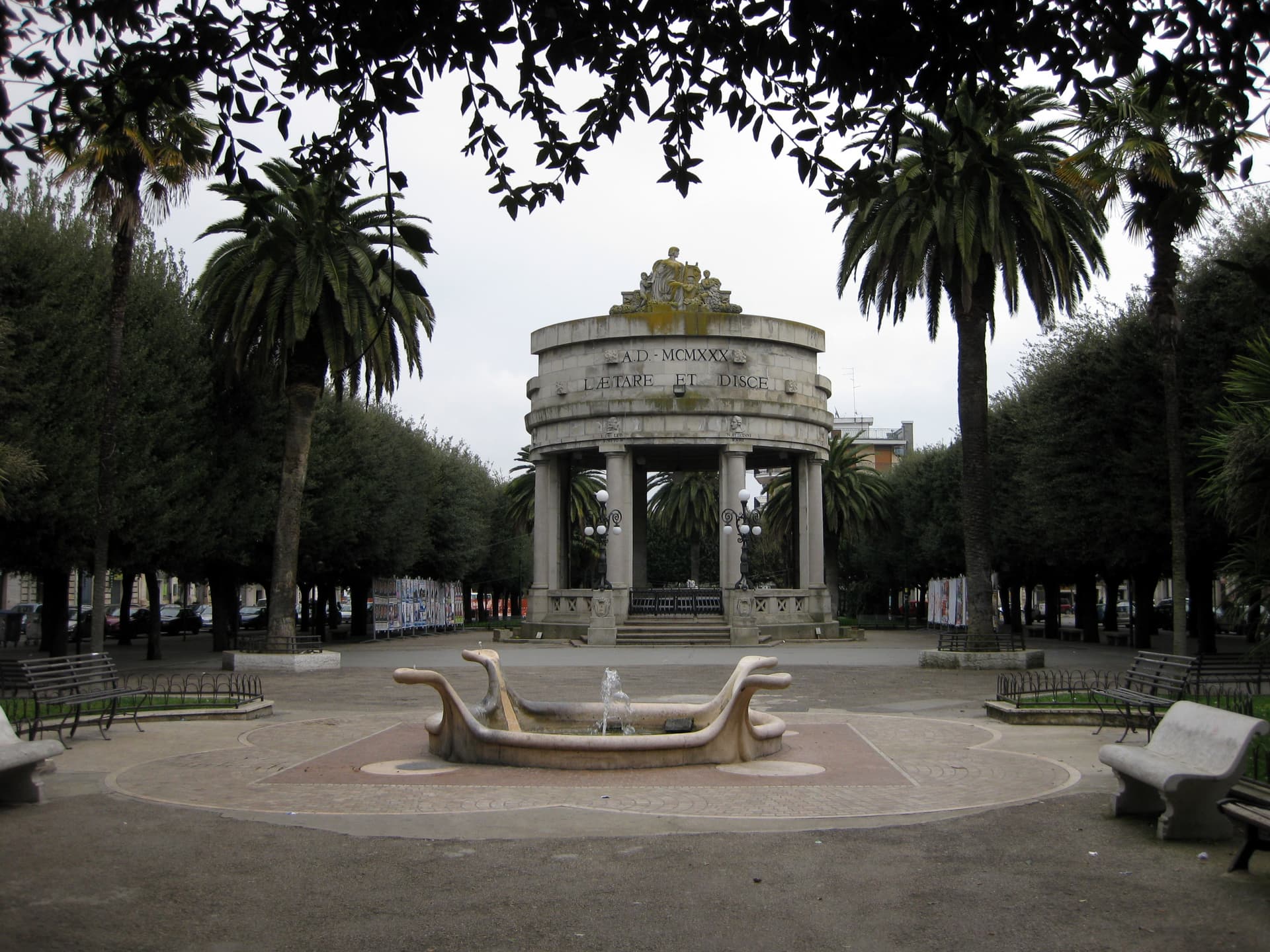
A Murge town at 300 meters between Bari and the Itria valley, named for its springs and a DOP red onion.
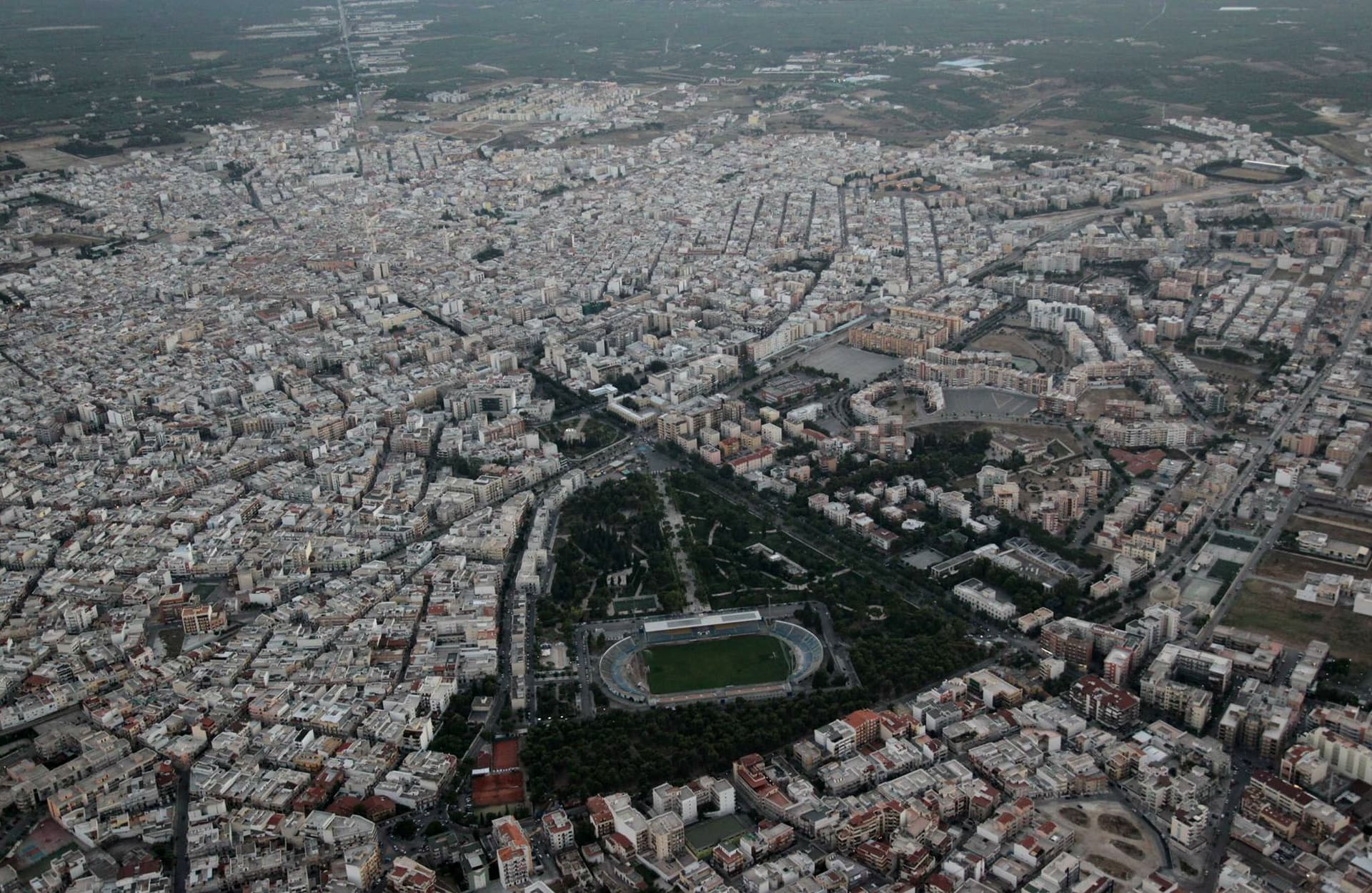
Andria
Province: Barletta-Andria-Trani
Frederick II's favourite Apulian city, the birthplace of burrata, with the octagonal Castel del Monte rising 540 meters above the Murge eighteen kilometers south.
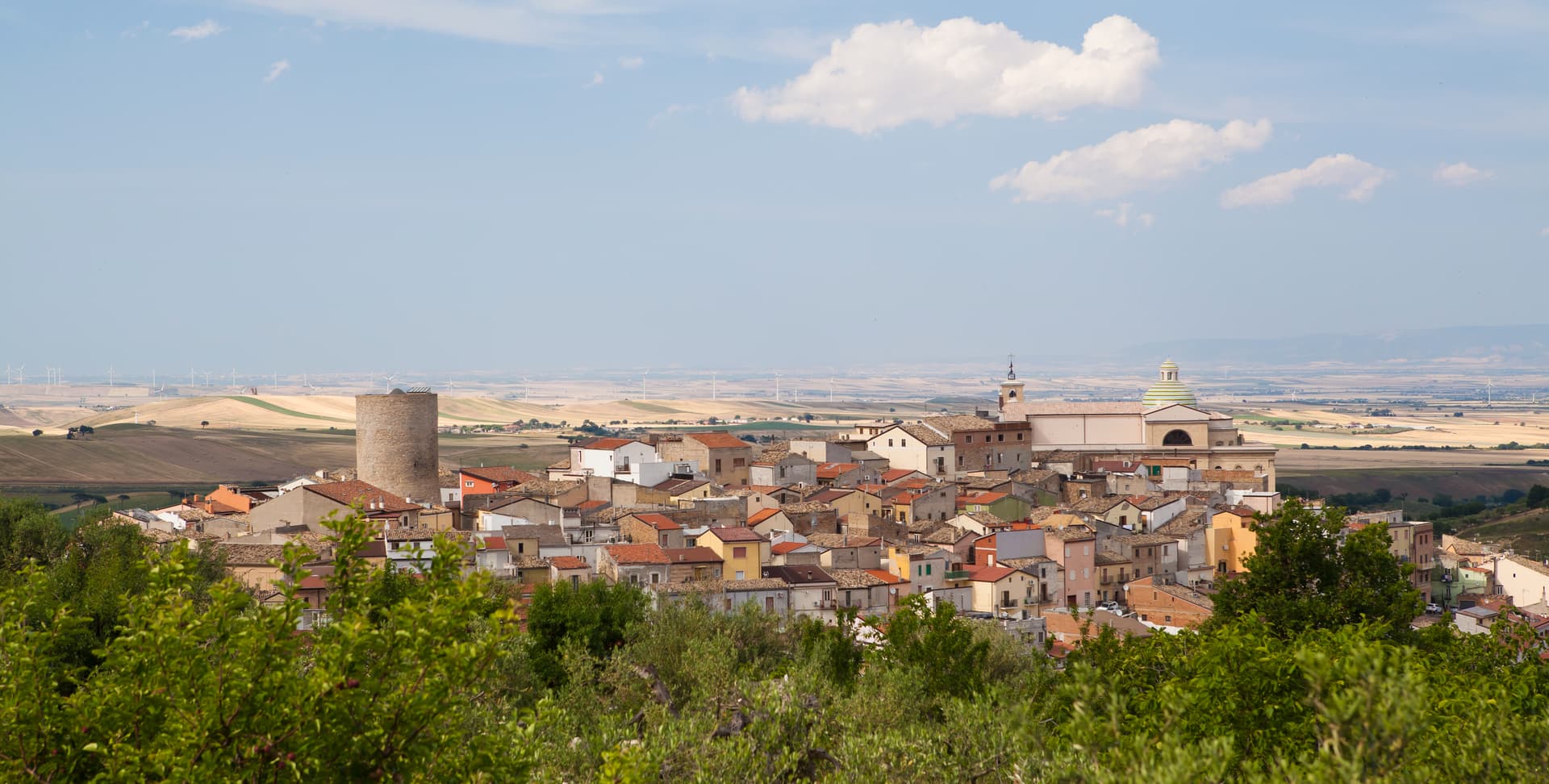
Biccari
Province: Foggia
A Subappennino Dauno borgo at 450 meters under Monte Cornacchia, the highest peak in Puglia at 1,151 meters, with a Byzantine tower at its core.
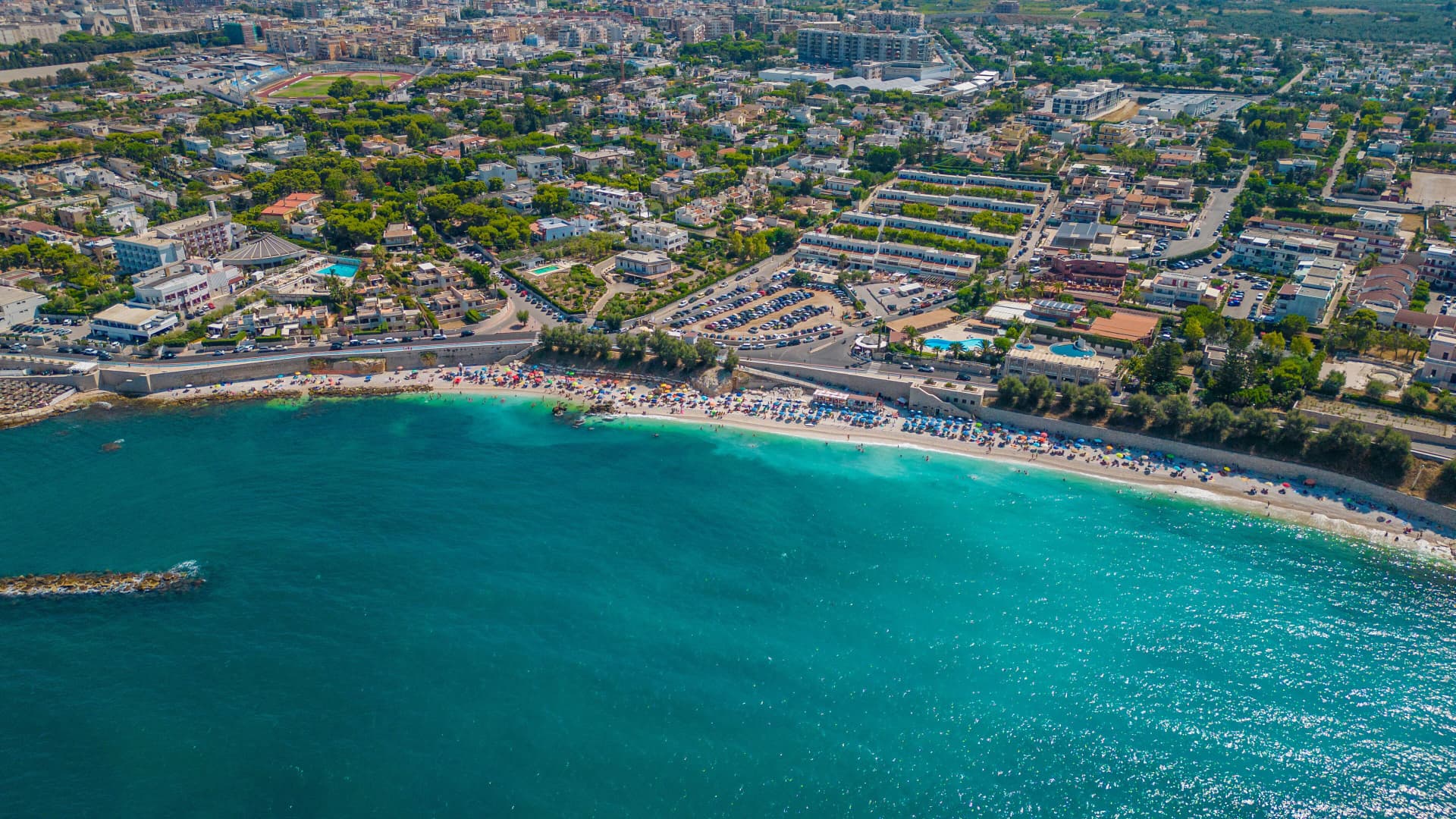
Bisceglie
Province: Barletta-Andria-Trani
An Adriatic port town between Trani and Molfetta, named for Roman watchtowers, with five dolmens around it and a Norman cathedral begun in 1073.
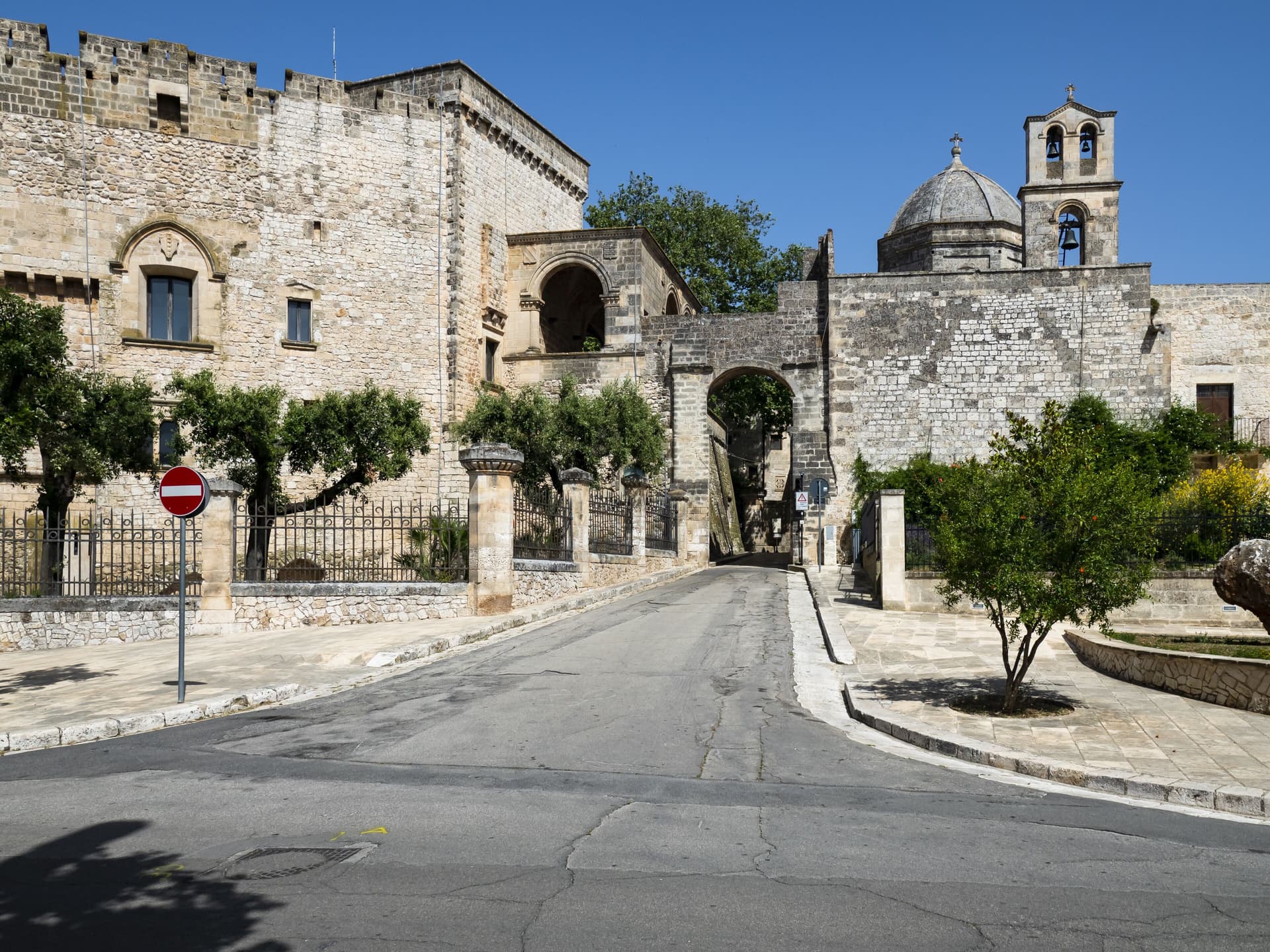
Carovigno
Province: Brindisi
An upper Salento town between Brindisi and Ostuni, built on the Messapian Carbina destroyed in 473 BC, with the Torre Guaceto marine reserve offshore.