

Marche · Pesaro e Urbino
Pergola
A hill town in the upper Cesano valley, holding the only surviving group of Roman gilded bronze statues from antiquity.
Known for
BRONZI DORATI
Only surviving group of Roman gilded bronze statues from antiquity, found at Cartoceto in 1946, two women, two riders and two horses from 50-30 BC.
WHITE TRUFFLE
Città del Tartufo with three October weekends of the Mostra Mercato del Tartufo Bianco Pregiato, the second-largest white truffle fair in the Marche.
1234 FOUNDATION
Founded in 1234 by the people of Gubbio with the inhabitants of the surrounding castles, on older Roman ground along the Via Flaminia.
When to visit
Best · Apr–Oct
- J
- F
- M
- A
- M
- J
- J
- A
- S
- O
- N
- D
- Best
- Hot or crowded
- Quiet
- Mostly closed
The festa: San Secondo, 1 June
Why come
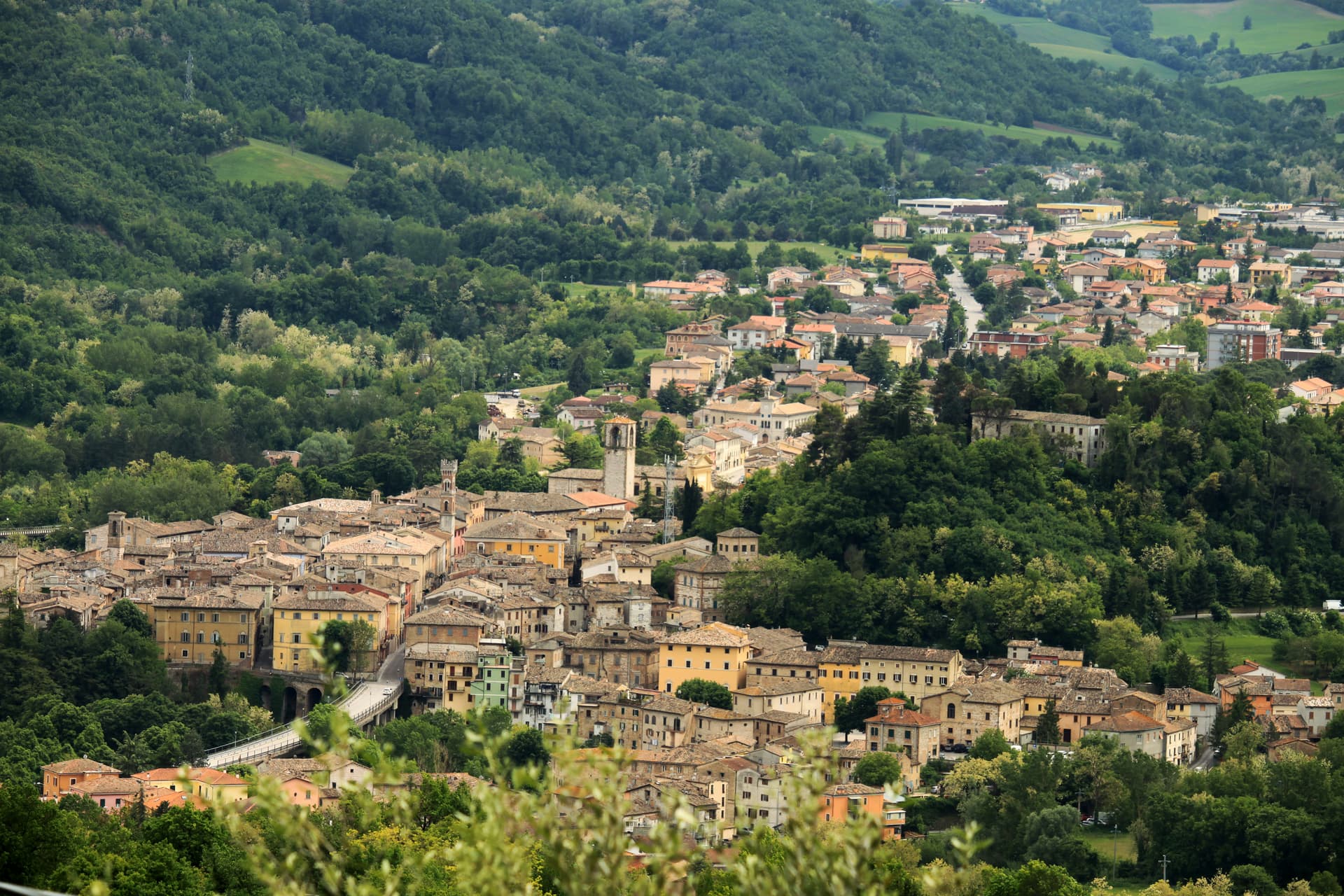
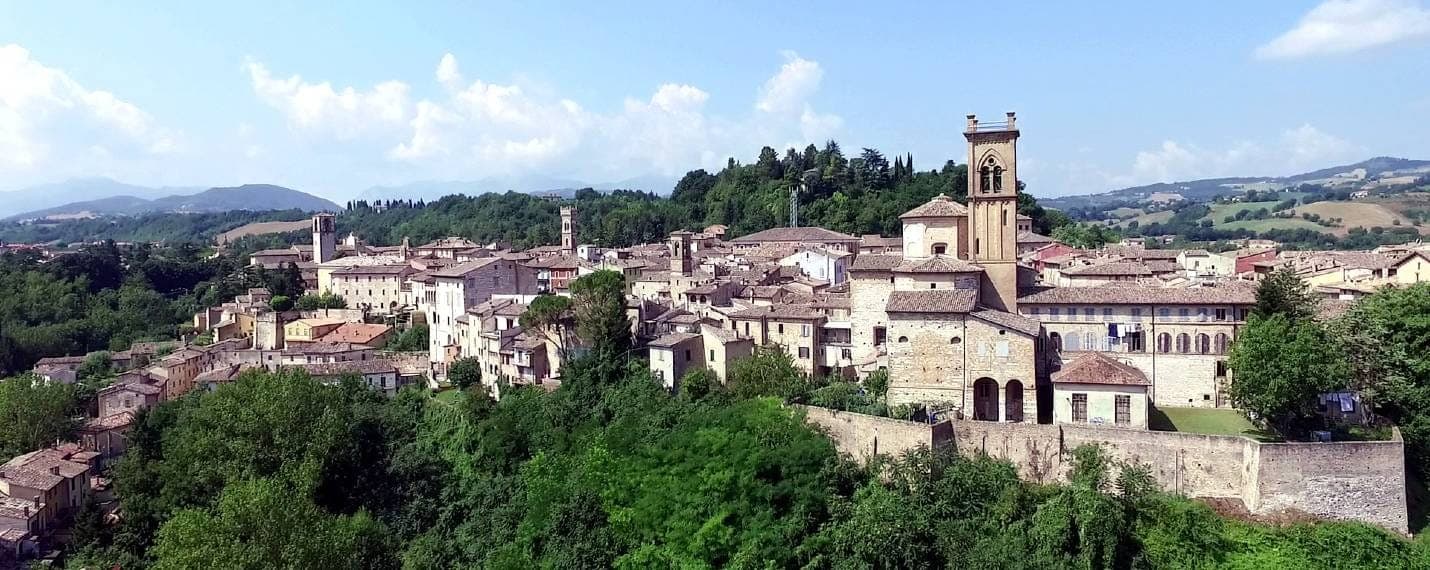
Pergola sits on a terrace at the confluence of the Cesano and the Cinisco, fifty-five kilometers from Ancona in the inland Apennines. The town was founded in 1234 by the people of Gubbio with inhabitants of the surrounding castles, raised on older Roman ground along the Via Flaminia. The defining find is the Bronzi Dorati da Cartoceto: hundreds of gilded bronze fragments unearthed in June and July 1946 at Santa Lucia di Calamello, in the frazione of Cartoceto, the only surviving group of Roman gilded bronze statues from antiquity.
Reassembled into two standing women, two riders and two horses, the group dates to the late Republican period between 50 and 30 BC and is held in the Museo dei Bronzi Dorati, opened on 9 October 1999 in the fourteenth-century convent of San Giacomo. Pergola is also a Città del Tartufo, with the Mostra Mercato del Tartufo Bianco Pregiato running across three weekends in October.
The Sunday letter
We haven’t written Pergola’s letter yet.
One town every Sunday, with the photo, the food, the festa. Be there when this one comes up. Free, by Peter & Sophia from Pietrasanta.
By subscribing you agree to Substack’s Terms of Use, our Privacy Policy and our Information collection notice.
What to see
Museo dei Bronzi Dorati e della Città di Pergola
Opened 9 October 1999 in the fourteenth-century former convent of San Giacomo, holding the only surviving group of Roman gilded bronze statues, found at Cartoceto in 1946.
Bronzi Dorati da Cartoceto di Pergola
Two standing women, two riders and two horses in gilded bronze from the late Republican period, 50 to 30 BC, the only surviving group of its kind in the world.
Cattedrale di San Secondo
Pergola was a co-cathedral diocese until 1986; the cathedral on the central piazza holds works tied to the medieval and renaissance town.
Centro storico
Medieval centro storico founded 1234 by Gubbio settlers on the Cesano-Cinisco confluence, with later expansions through the seventeenth and eighteenth centuries from tanning, dyeing and wood crafts.
Mostra Mercato del Tartufo Bianco Pregiato
Three October weekends of white truffle fair, the second-largest in the Marche after Acqualagna, with tasting stands across the centro storico.
The slow-trip planner
Building a trip? Find where Pergola fits in a slow Italy circuit.
Answer five questions. We will shape a geographically coherent slow trip from the 1,000 Italian towns most travelers skip. Yours to save and share.
Living here
- Population 5,784
- Off the beaten pathi
- Pharmacy in town
- High school within a 30-minute drive
- Nearest airport Ancona / Pescara, 1 h 3 min drive
- Regional capital Ancona, 1 h 15 min drive
Tags & datadesignations · numbers · sources
Recognised as
The numbers
- Elevation: 265 m
- Population: 5,784
- Surface area: 112.4 km²
These figures were compiled from public directories — ISTAT, OpenStreetMap, Wikidata — and from the official listings of the guides named on this page. Town details change; verify with official sources before you travel.
Close by
More towns near Pergola
Mondavio
Province: Pesaro e Urbino
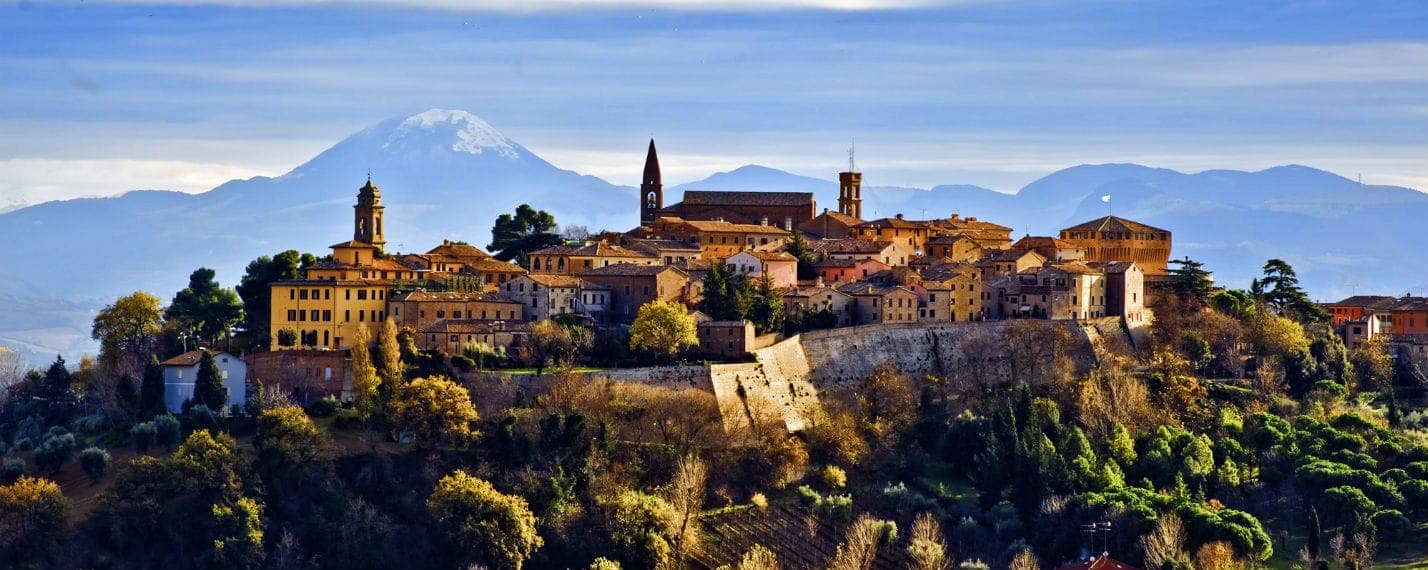
A hill borgo at 280 meters whose Rocca Roveresca, designed by Francesco di Giorgio Martini in the 1480s, never took a cannon shot.
Sassoferrato
Province: Ancona
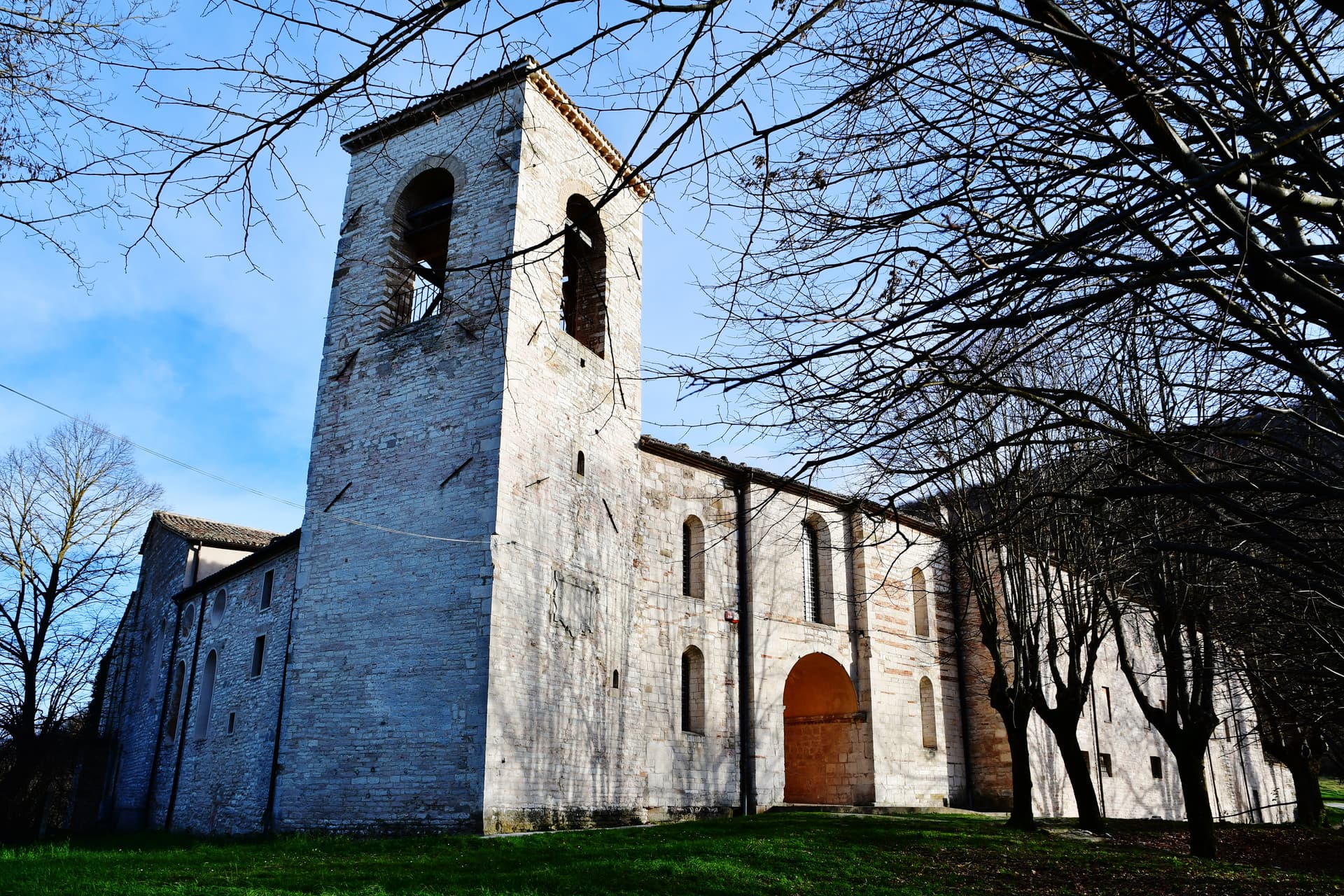
A two-level Apennine town above Roman Sentinum, where the consuls Decius Mus and Fabius Maximus defeated four allied tribes in 295 BC.
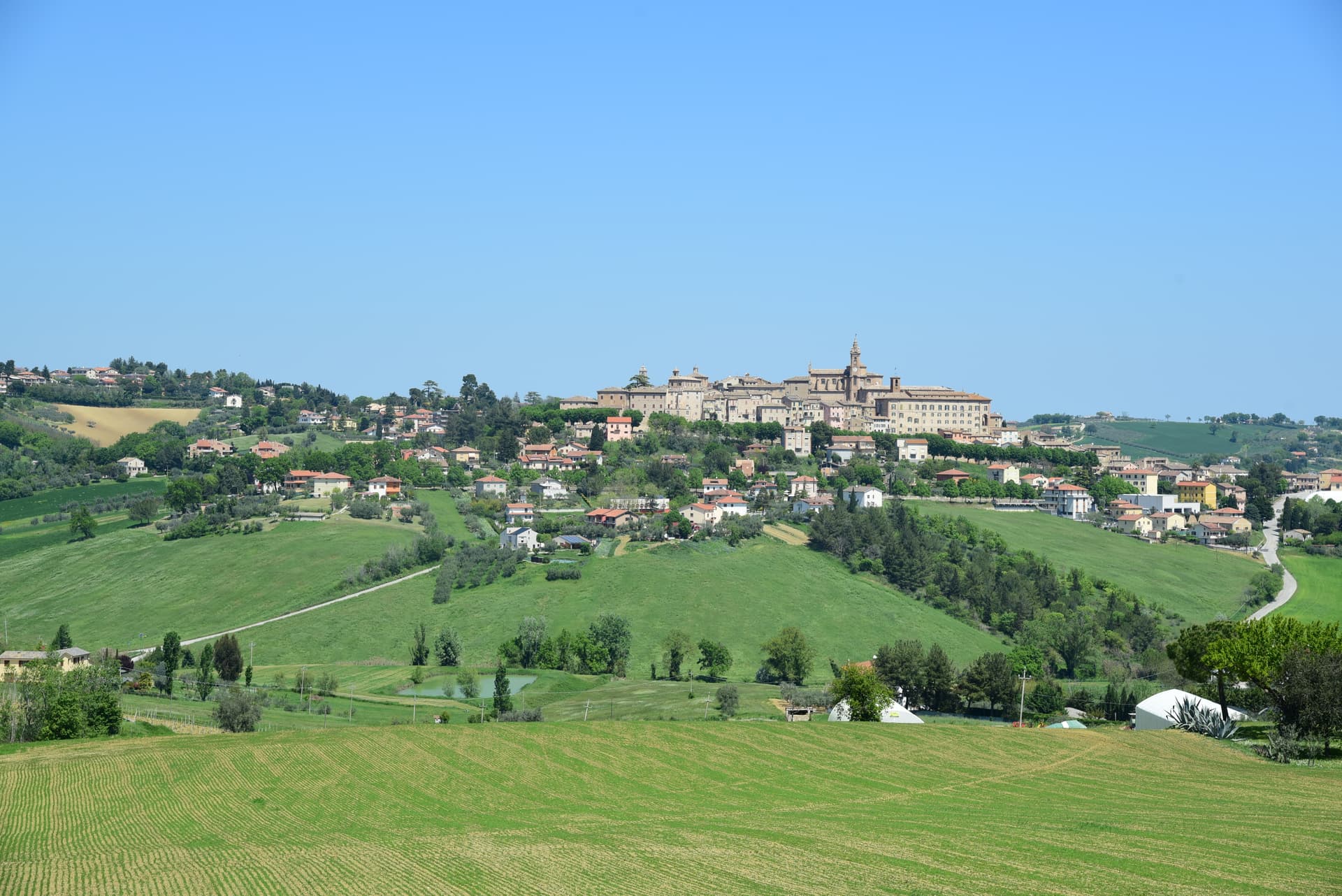
Corinaldo
Province: Ancona
A walled hill borgo at 203 meters with 912 meters of intact medieval walls, the birthplace of Saint Maria Goretti and the Pozzo della Polenta.
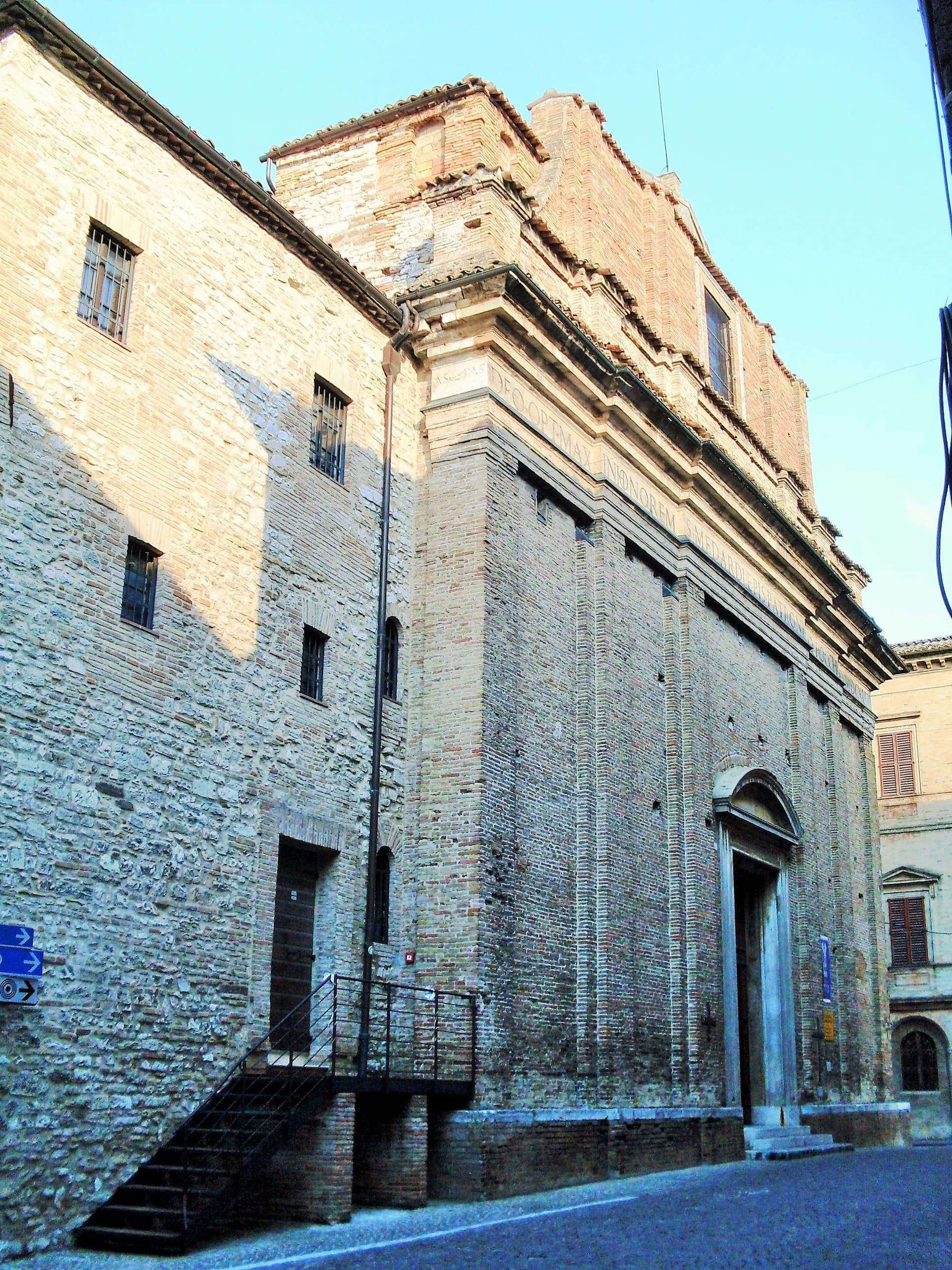
Arcevia
Province: Ancona
A hilltop borgo at 535 meters above the Misa and Nevola valleys, defended in the Middle Ages by a ring of nine satellite castles.
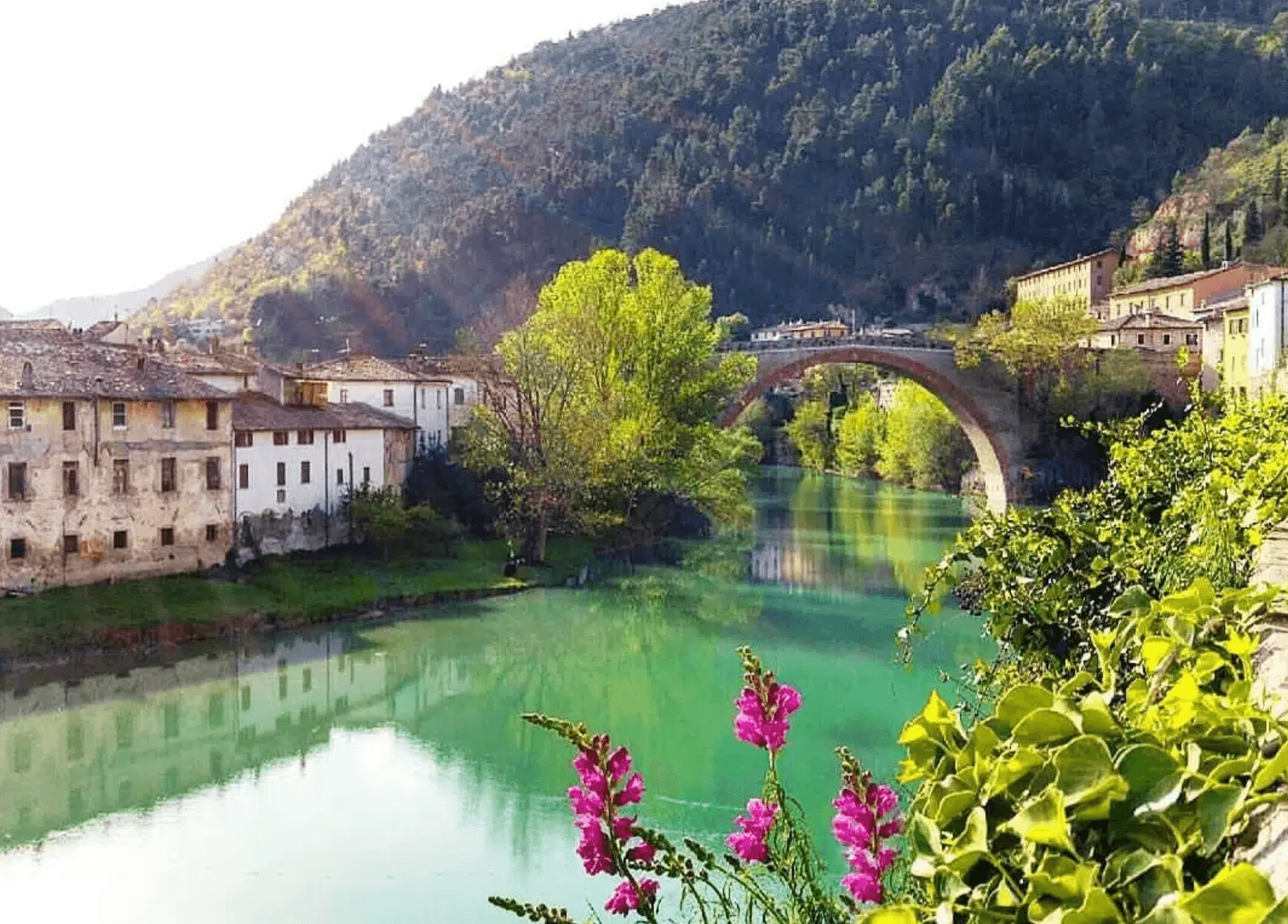
Fossombrone
Province: Pesaro e Urbino
An inland Marchigiano town on the Metauro river layered over the Roman Forum Sempronii, a Renaissance Della Rovere ducal court above, and the Furlo Gorge with its 76 AD Roman road tunnel a few kilometers upstream.
🎨 Borghi più belli d'Italia
More Borghi più belli d'Italia towns in Marche
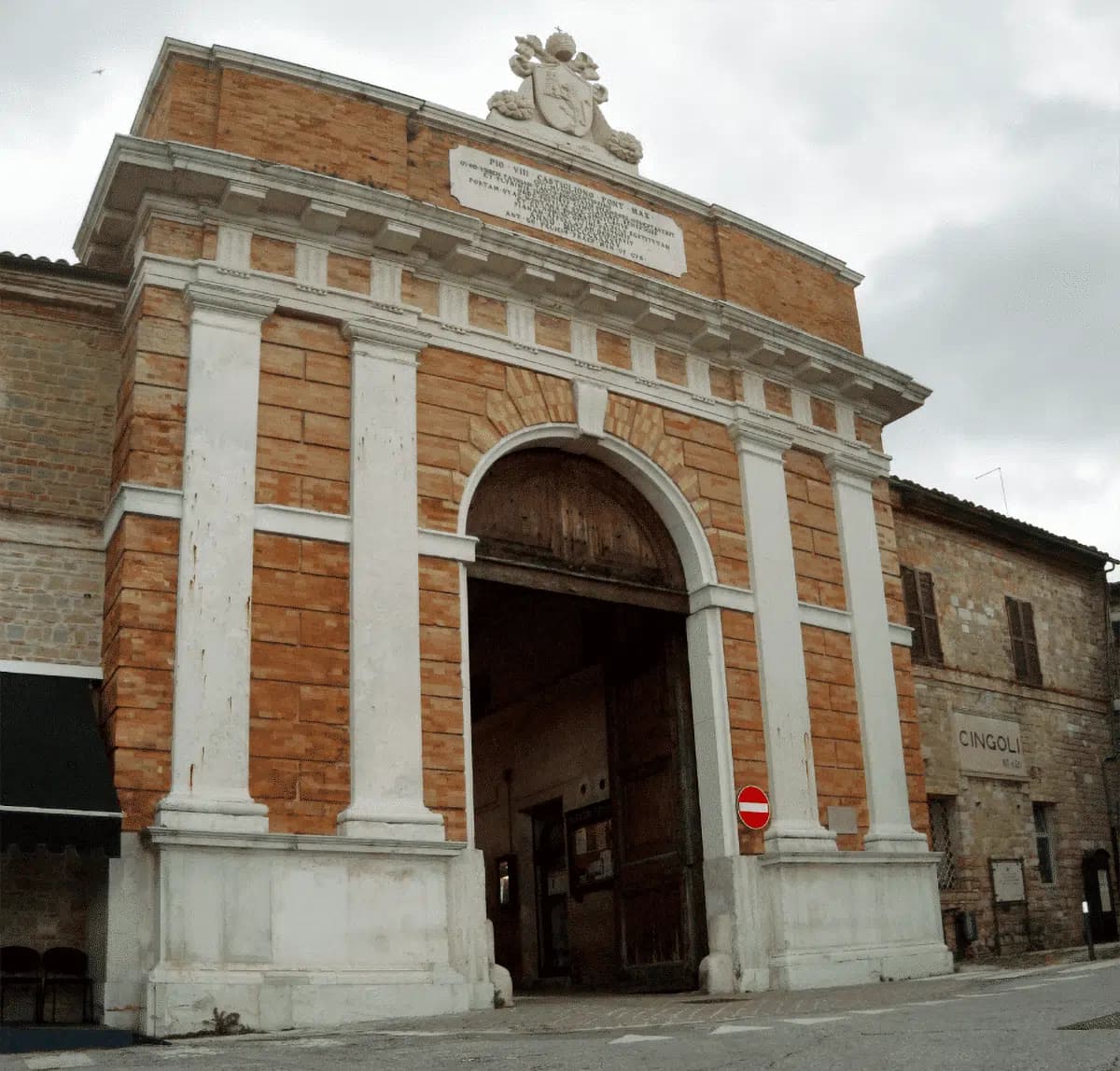
Cingoli
Province: Macerata
The Balcone delle Marche at 631 meters, a hilltop borgo where on clear days the view runs from the Sibillini to the Croatian coast.
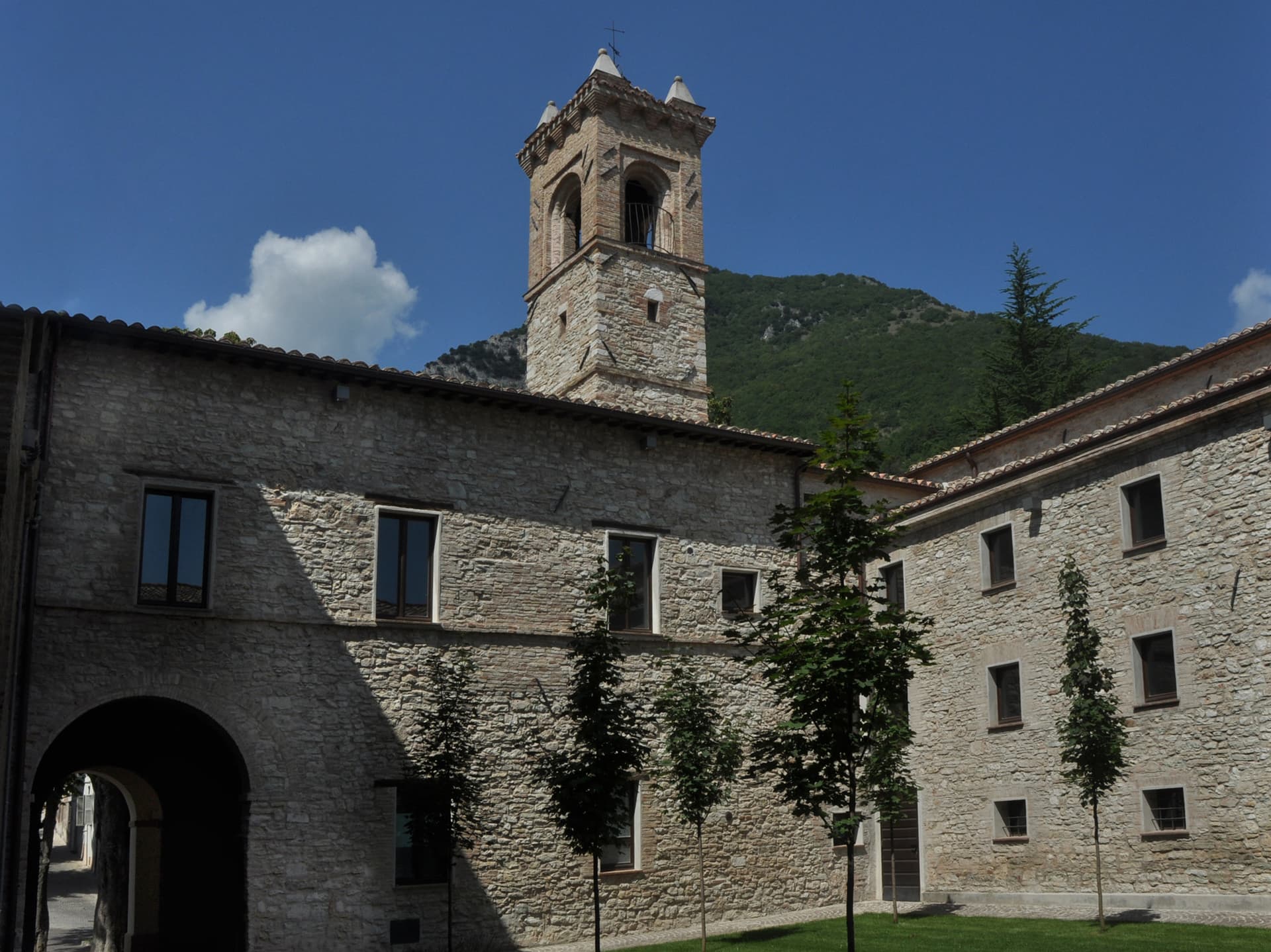
Esanatoglia
Province: Macerata
A medieval village of seven bell towers at 358 meters on the Marche-Umbria border, sitting at the source of the Esino river.
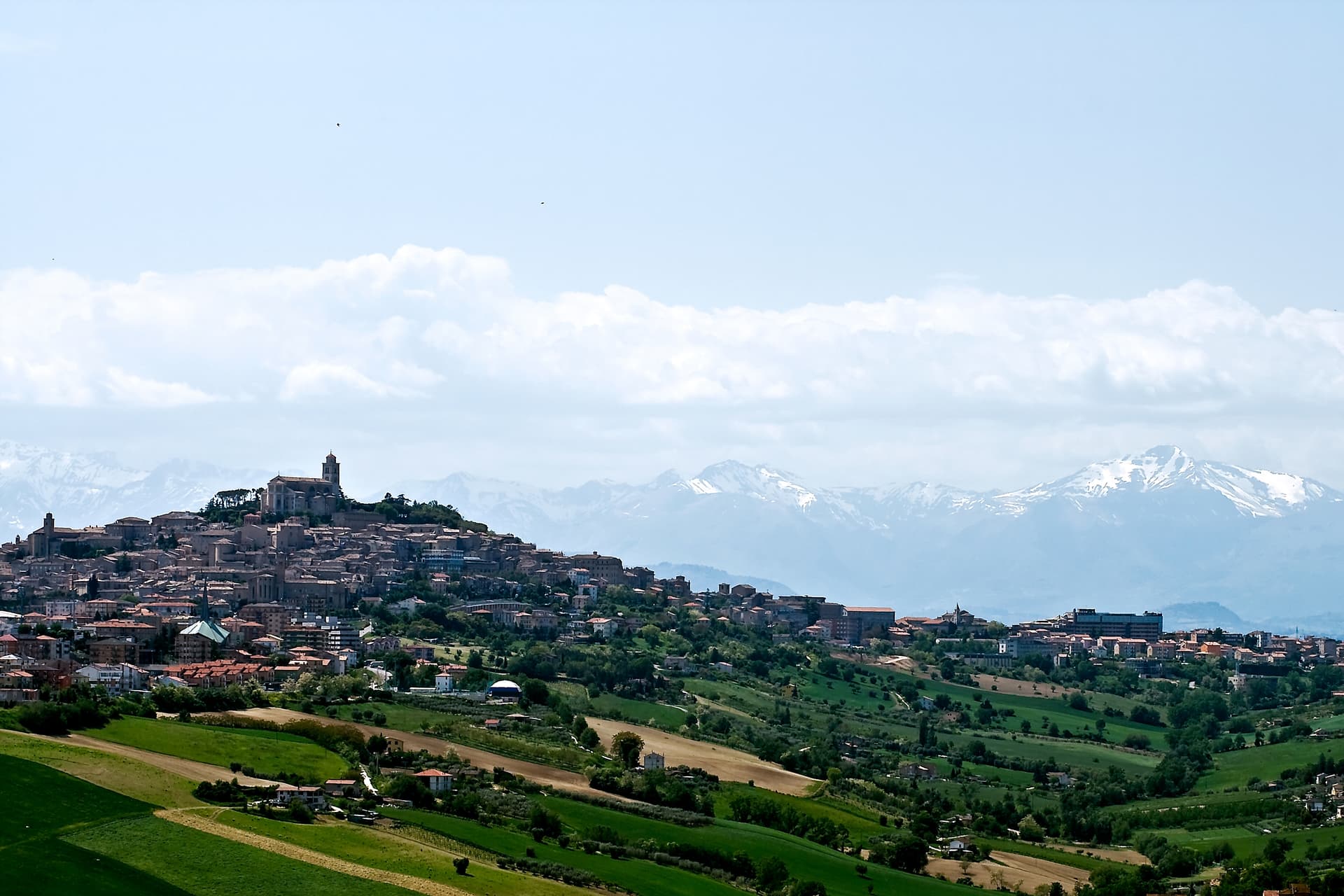
Fermo
Province: Fermo
The provincial capital on the Sabulo hill at 319 meters, with 2,200 square meters of Augustan Roman cisterns running under the centro storico.
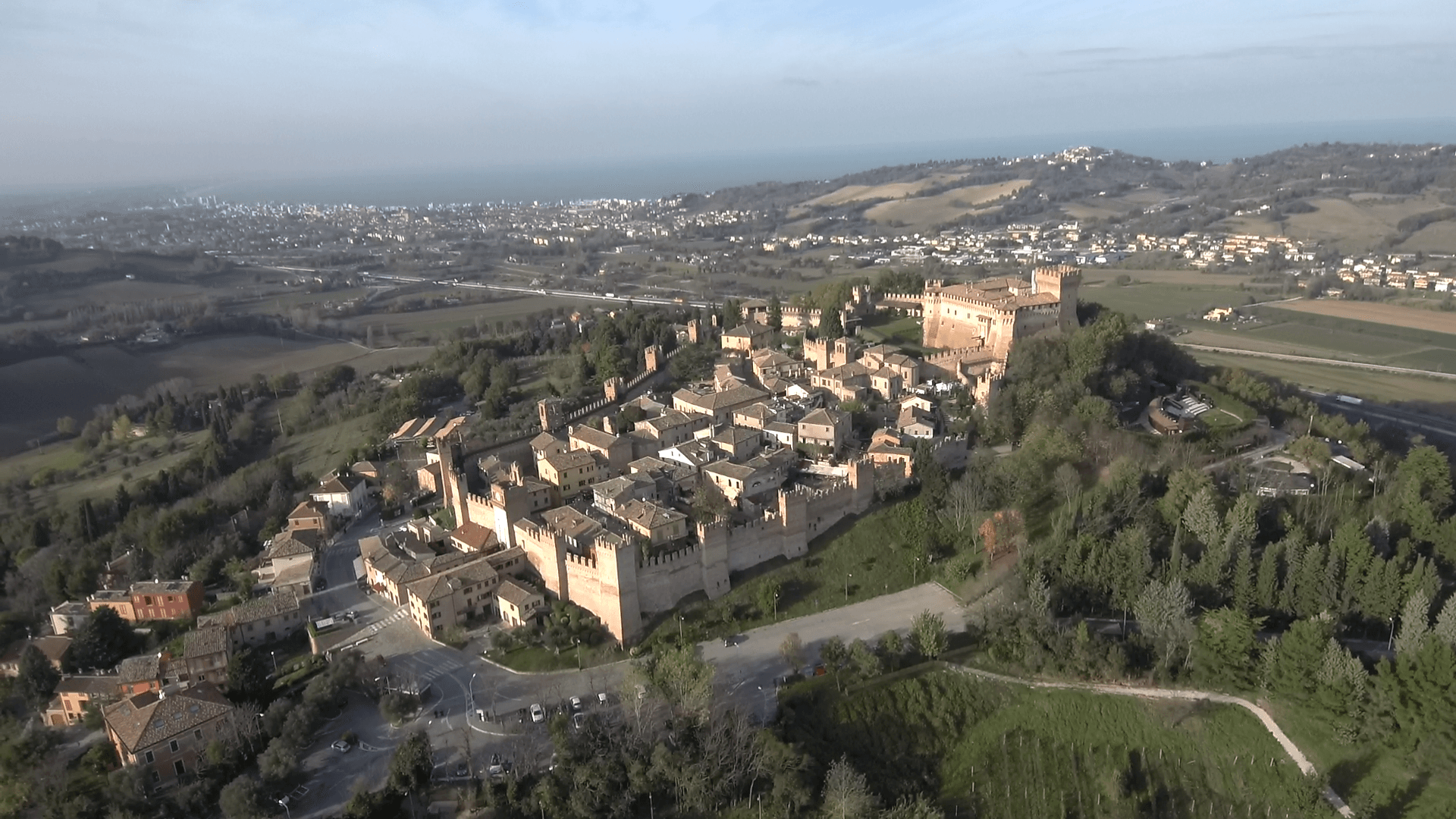
Gradara
Province: Pesaro e Urbino
The walled hill borgo at 142 meters above the Adriatic where Dante set the deaths of Paolo and Francesca, with one of Italy's best-preserved castles.