

Lazio · Latina
Ponza
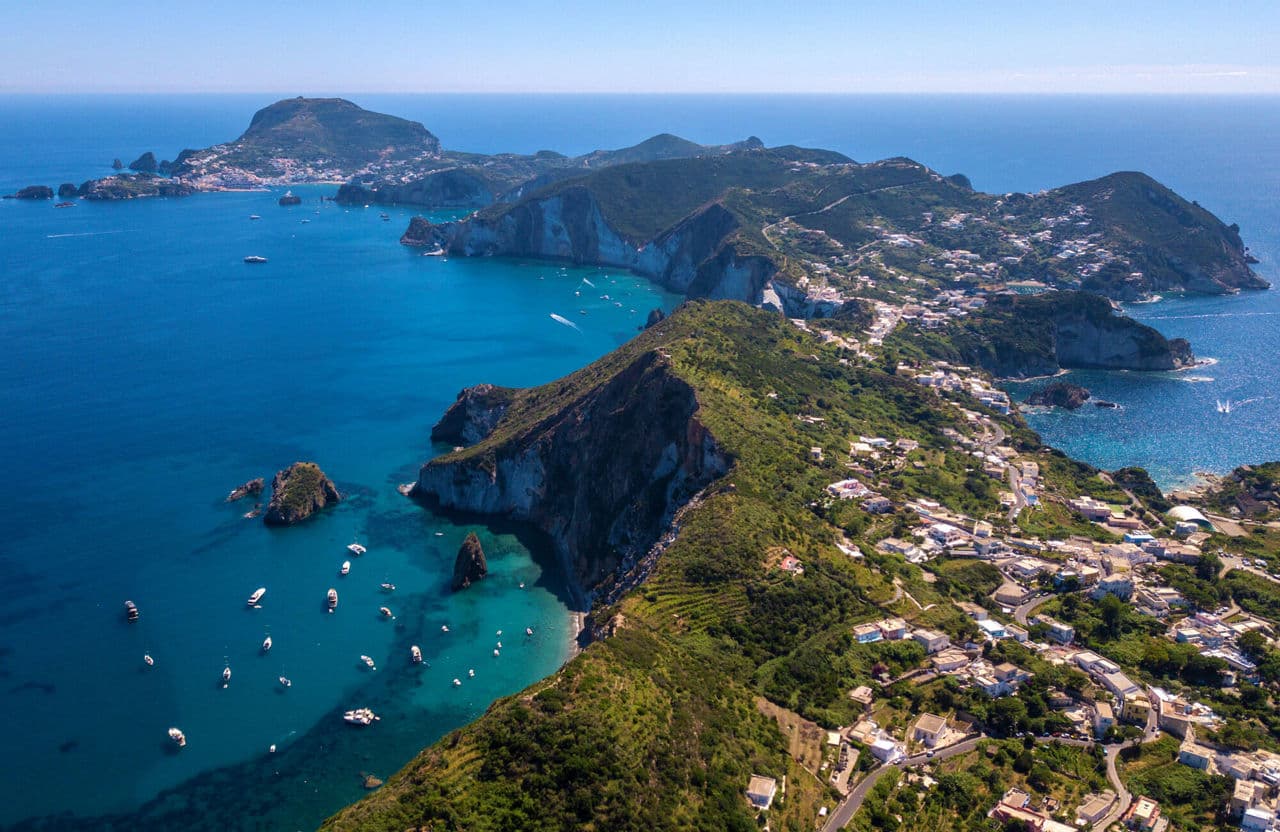
The main island of the Pontine archipelago — a volcanic crescent 40 km off Formia with the white tuff cliffs of Chiaia di Luna, the Roman fishpond tunnels at Pilato, Cala Feola's natural pools, and a 3,200-resident borgo curving around a horseshoe harbour painted in 18th-century Bourbon-pastel.
Known for
BOURBON-PASTEL HARBOUR
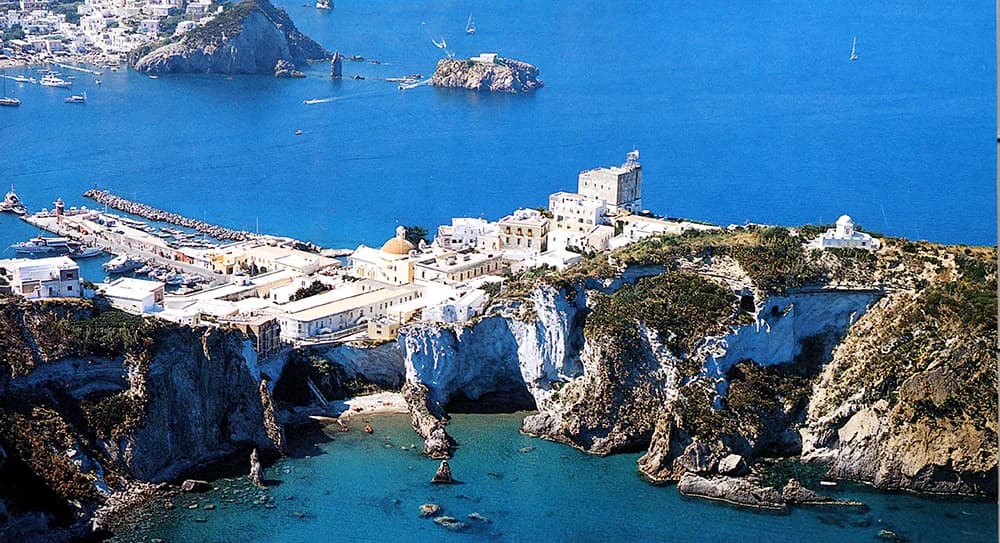
Ferdinand IV of Naples colonised Ponza in the 1770s — the painted horseshoe port and the cascading pastel houses date from then.
CHIAIA DI LUNA
The defining image — crescent of tuff sand against a 100m sheer white cliff at the north of the village.
ROMAN FISHPONDS
Grotte di Pilato — 1st-century AD artificial sea caves carved as private breeding tanks for sea bream and moray. One of the best-preserved Roman maritime engineering sites.
RISERVA MARINA ISOLE PONZIANE
All the archipelago's waters are a marine protected area — clear visibility, healthy fish populations, prized diving sites at Palmarola and Zannone.
When to visit
Best · May–Jun, Sep
- J
- F
- M
- A
- M
- J
- J
- A
- S
- O
- N
- D
- Best
- Hot or crowded
- Quiet
- Mostly closed
The festa: papa Silverio, 20 June
Why come
Ponza is the main island of the Pontine archipelago — a 7. 3 km² volcanic crescent in the Tyrrhenian Sea 40 km off the Lazio coast at Formia, 90 km off Naples. The shape is the story: Ponza is half of a collapsed Pliocene volcano, so the island is essentially a curved ridge of pumice and white tuff cliffs rising 280m above the sea, with sheltered bays carved into the eastern (lee) side and dramatic vertical cliffs facing west.
The settlement is concentrated at the southeast end where the only natural harbour is — a horseshoe port lined with pastel-painted houses laid out by the Bourbon king Ferdinand IV of Naples in the 1770s when he colonised the island with people from the Bay of Naples to displace pirate use. The painted town is Ponza's first signature image. The second is Chiaia di Luna — a crescent of pale tuff sand backed by a 100m sheer white cliff at the north of the village, accessed via an ancient Roman tunnel cut through the cliff (currently closed for safety; the beach is reachable only by boat).
The Romans were here before everyone — the Grotte di Pilato at the southeastern tip are a complex of artificial sea caves and fishponds carved into the cliff by Roman aristocrats in the 1st century AD as private breeding tanks for sea bream, moray and lobster. The northern half of the island (Le Forna) is greener and quieter, with Cala Feola (natural rock pools fed by waves) and the abandoned bentonite mines of Cala dell'Acqua. Ponza is part of the Riserva Naturale Marina Isole Ponziane, a marine protected area covering all the archipelago's waters.
The food is Tyrrhenian-island: zuppa di pesce, spaghetti alle vongole, fresh tuna, pesce azzurro, lentils from neighbouring Ventotene, and the local Biancolella and Forastera white wines grown on terraced volcanic slopes. Ferries from Formia and Anzio run year-round but service drops sharply October–April. The island is genuinely seasonal — summer it doubles in population with Romans and Neapolitans; in winter it's quiet, atmospheric, and most restaurants close.
The Sunday letter
We haven’t written Ponza’s letter yet.
One town every Sunday, with the photo, the food, the festa. Be there when this one comes up. Free, by Peter & Sophia from Pietrasanta.
By subscribing you agree to Substack’s Terms of Use, our Privacy Policy and our Information collection notice.
What to see
Chiaia di Luna
Crescent of pale tuff sand backed by a 100m sheer white cliff — Ponza's defining image. Roman tunnel access currently closed; reachable by boat from the harbour.
Grotte di Pilato
Roman fishpond cave complex at the southeastern tip — artificial sea caves carved into the cliff in the 1st century AD as private breeding tanks for sea bream, moray and lobster.
Bourbon-pastel harbour
The horseshoe port — laid out by Ferdinand IV in the 1770s, lined with 18th-century pastel houses cascading up the hillside. The town's main piazza Pisacane is at sea level.
Cala Feola natural pools
At Le Forna on the northern half — natural rock pools fed by waves, plus the abandoned bentonite mines at Cala dell'Acqua. Quieter than the southern beaches.
Boat circumnavigation
The standard day plan — rented gozzo around the island, swims at Chiaia di Luna, Cala dell'Acqua, the Faraglioni della Madonna sea stacks, the smaller islets Palmarola and Zannone within the marine reserve.
The slow-trip planner
Building a trip? Find where Ponza fits in a slow Italy circuit.
Answer five questions. We will shape a geographically coherent slow trip from the 1,000 Italian towns most travelers skip. Yours to save and share.
We recommend
Where to eat and stay
Not our picks, but places the guides put their name to — a Michelin star, a Gambero Rosso fork, a Slow Food snail, a Michelin Key for the hotels. Worth a table, a counter, or a night when you pass through.
Acqua PazzaRistorante
Acqua Pazza has one Michelin star and two Gambero Rosso forks (85/100).
EeaRistorante
Eea carries one Gambero Rosso fork (79/100), plus a spot in the Michelin Guide.
Living here
- Population 3,289
- Very remotei
- Pharmacy in town
- High school within a 30-minute drive
- Regional capital Roma, 12 h 15 min drive
Tags & datadesignations · numbers · sources
Recognised as
The numbers
- Elevation: 5 m
- Population: 3,289
- Surface area: 10.16 km²
On the map
These figures were compiled from public directories — ISTAT, OpenStreetMap, Wikidata — and from the official listings of the guides named on this page. Town details change; verify with official sources before you travel.
Close by
More towns near Ponza
San Felice Circeo
Province: Latina
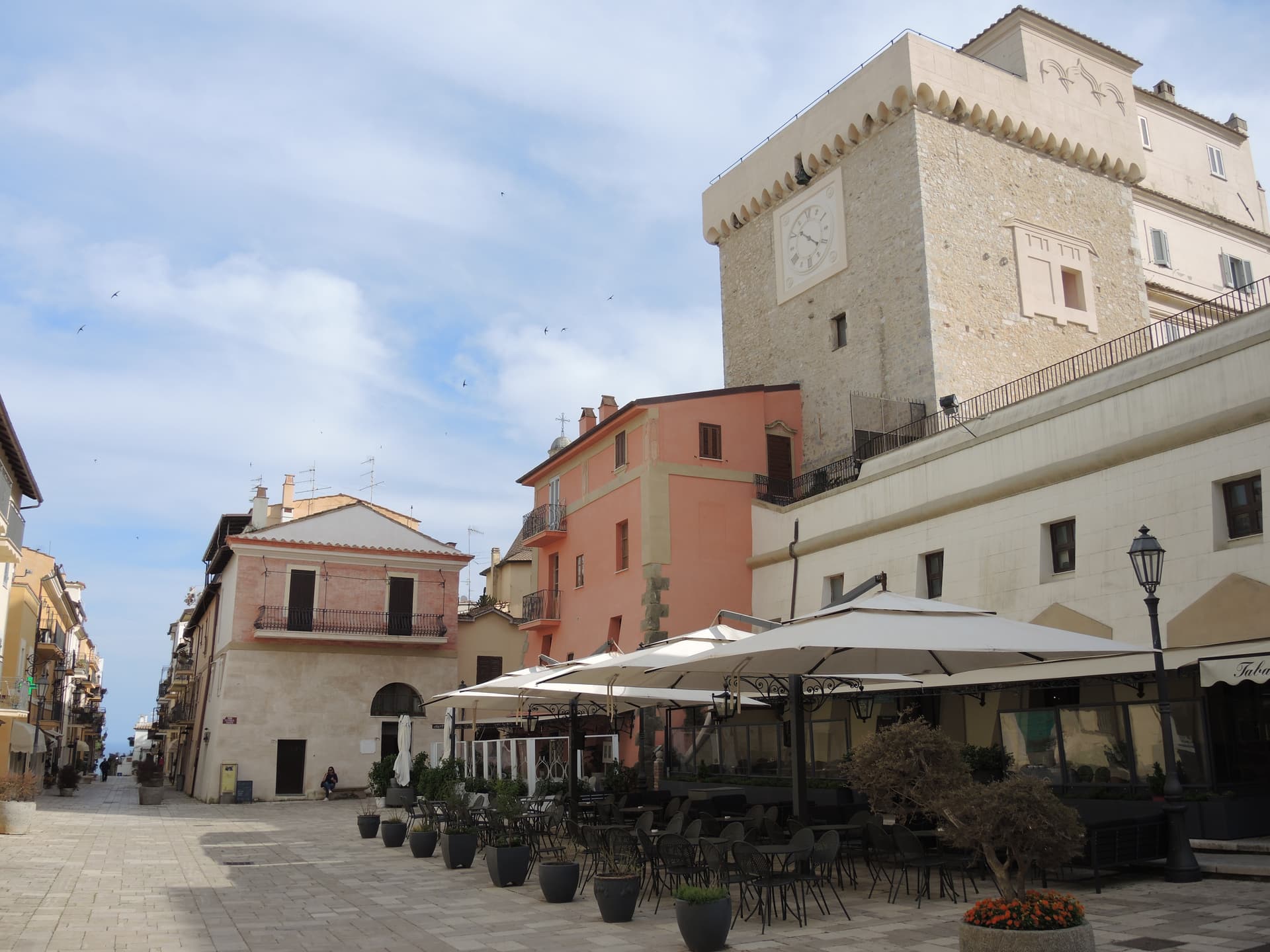
A medieval borgo on the flank of Monte Circeo, the 540-meter promontory Homer made the home of Circe in the Odyssey.
Ventotene
Province: Latina
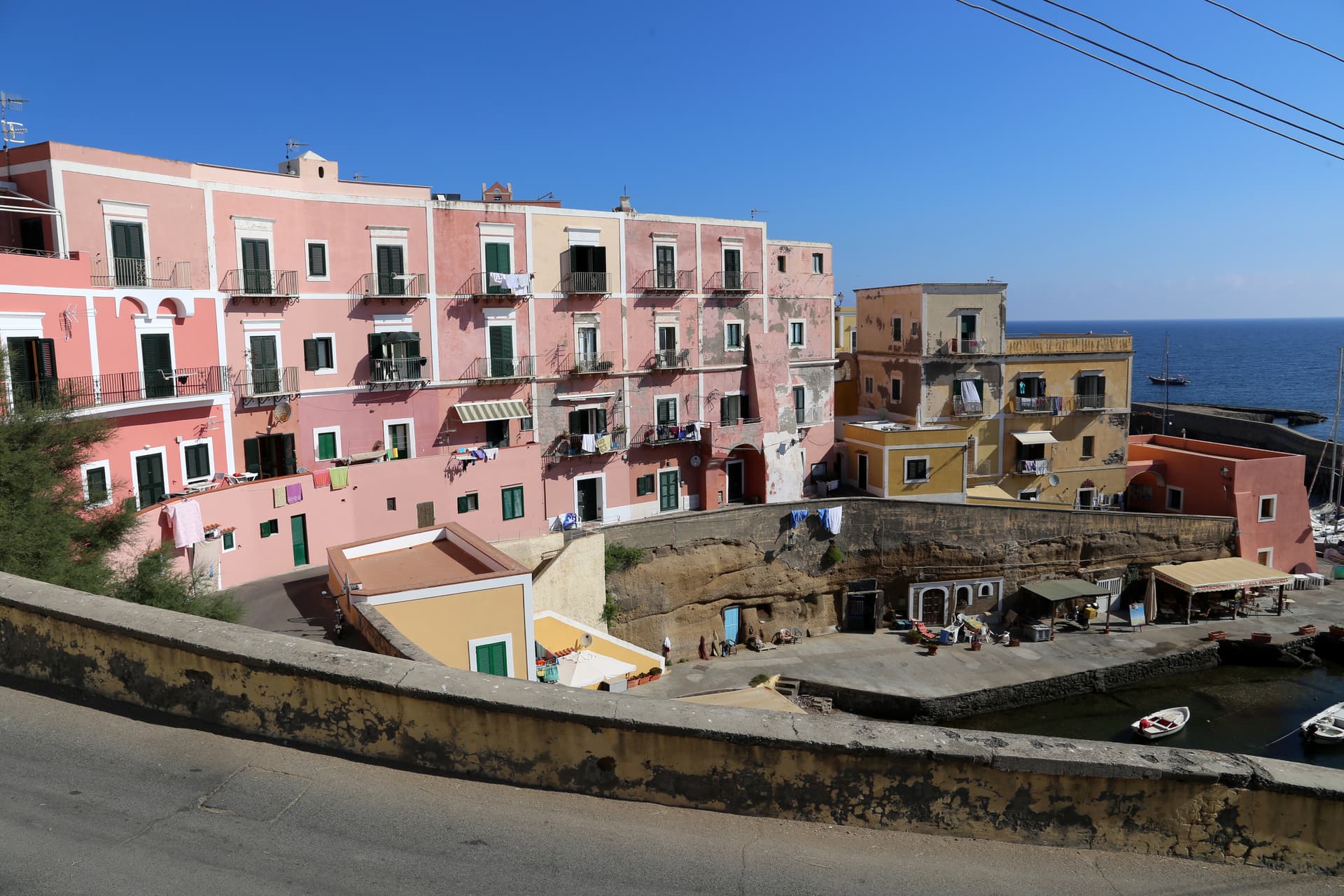
The smaller of the inhabited Pontine Islands, a flat three-kilometer tuff platform where Altiero Spinelli drafted the federalist Manifesto in 1941.
Sabaudia
Province: Latina
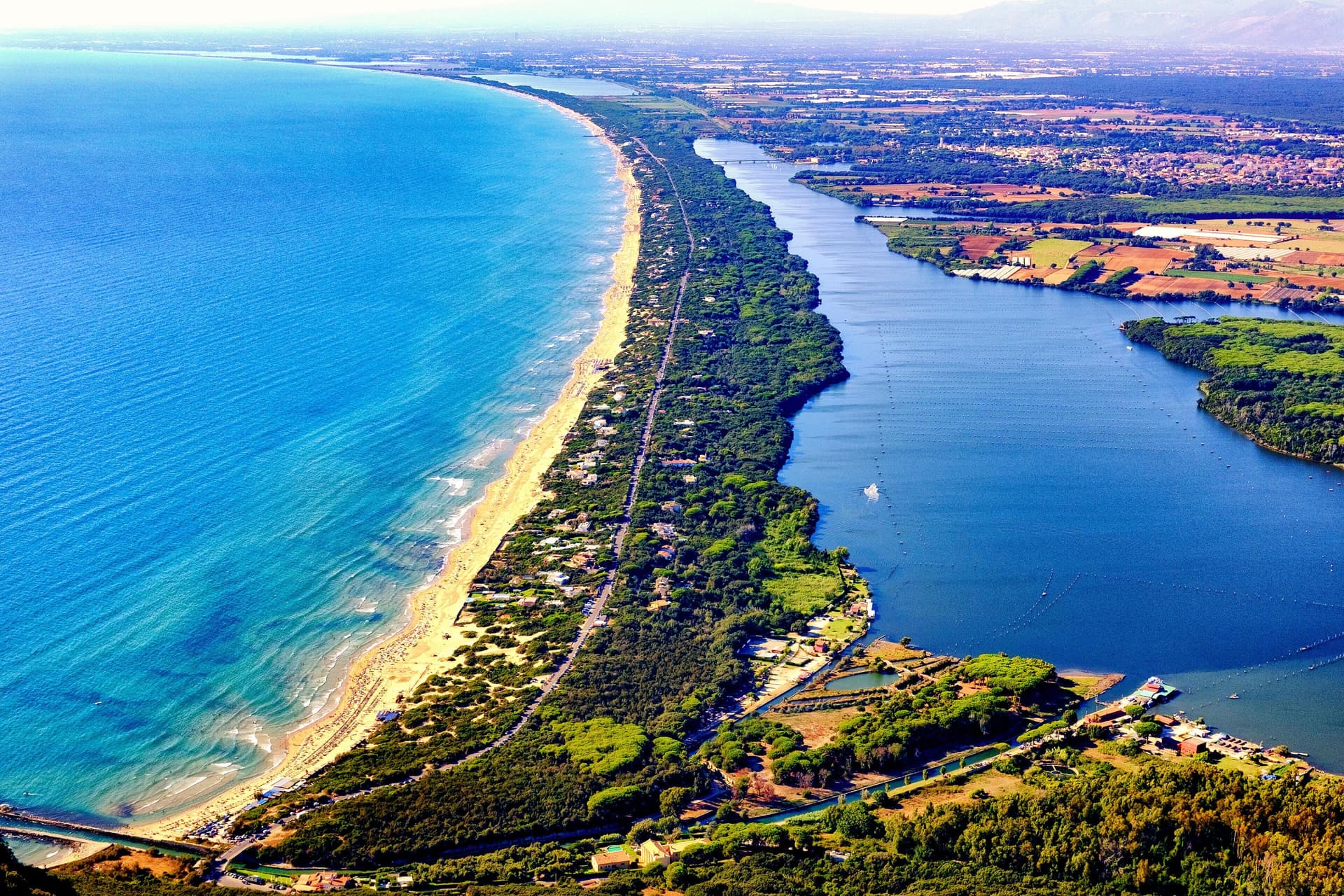
A rationalist city built in 253 days on drained Pontine marshland, founded 15 April 1934 between Lago di Paola and the Tyrrhenian dunes.
Terracina
Province: Latina
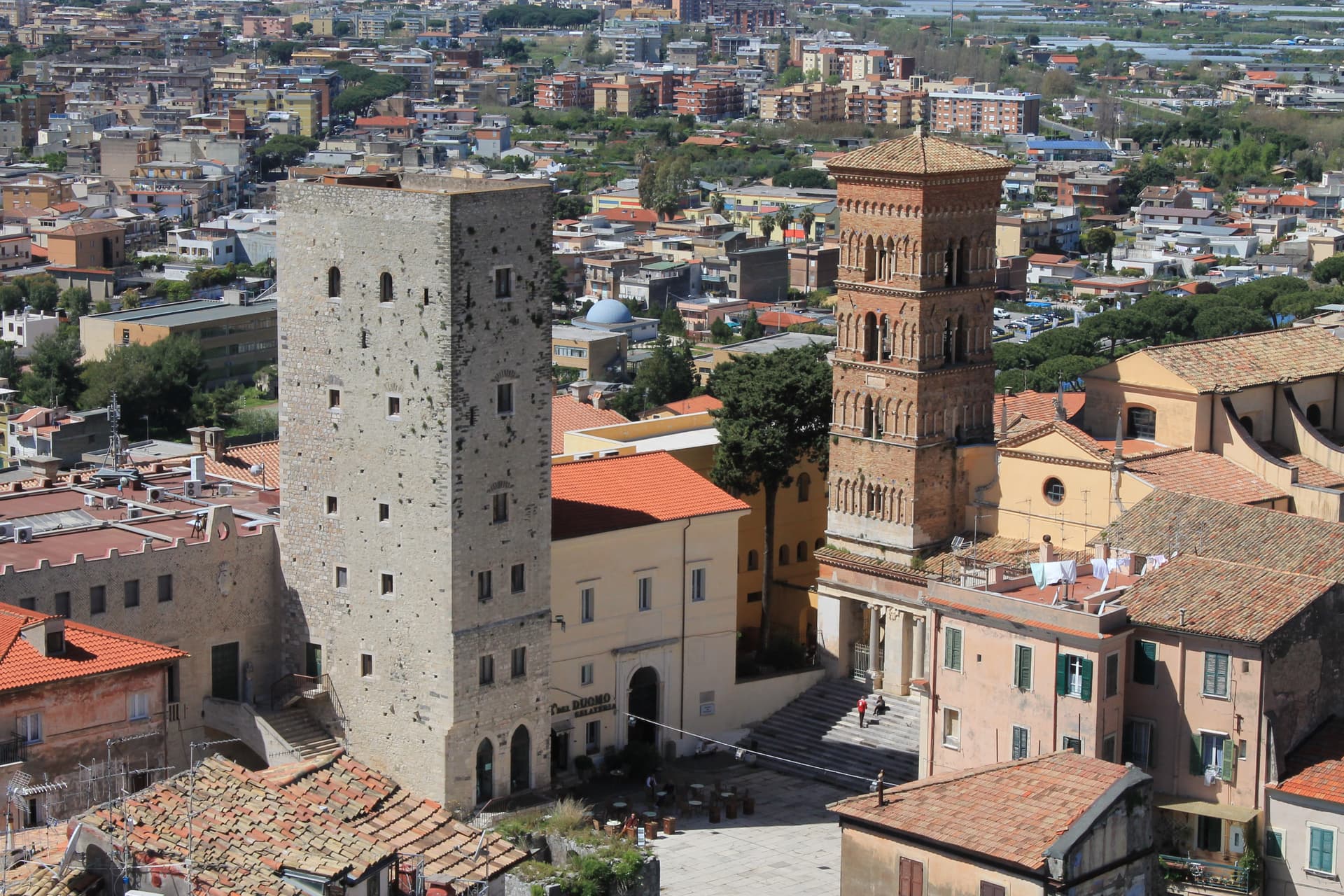
The Volscian Anxur on the Via Appia, where Jupiter's temple sits 227 meters above a port Trajan cleared through stone.
Sperlonga
Province: Latina
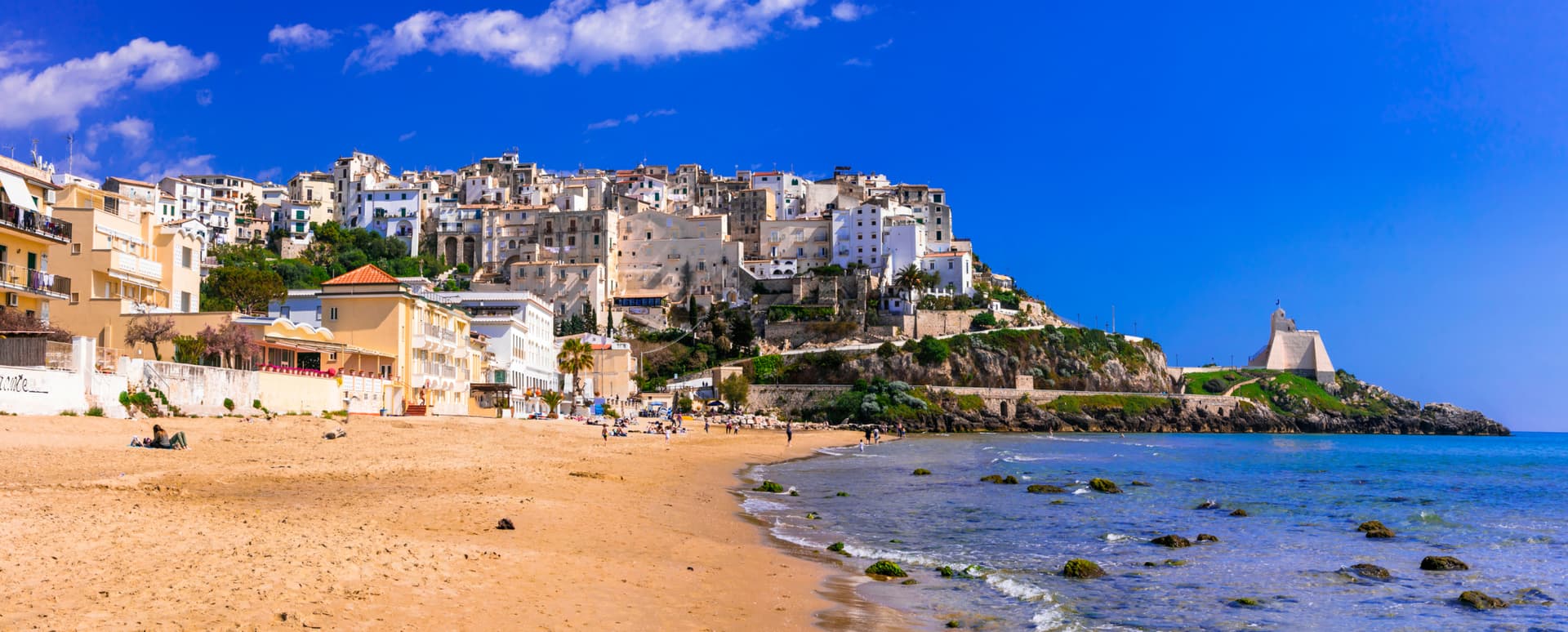
A whitewashed cliff town on Monte San Magno halfway between Rome and Naples, built above the sea grotto where Tiberius staged the Odyssey in marble.
🌲 Parco Nazionale
More Parco Nazionale towns in Lazio
Amatrice
Province: Rieti
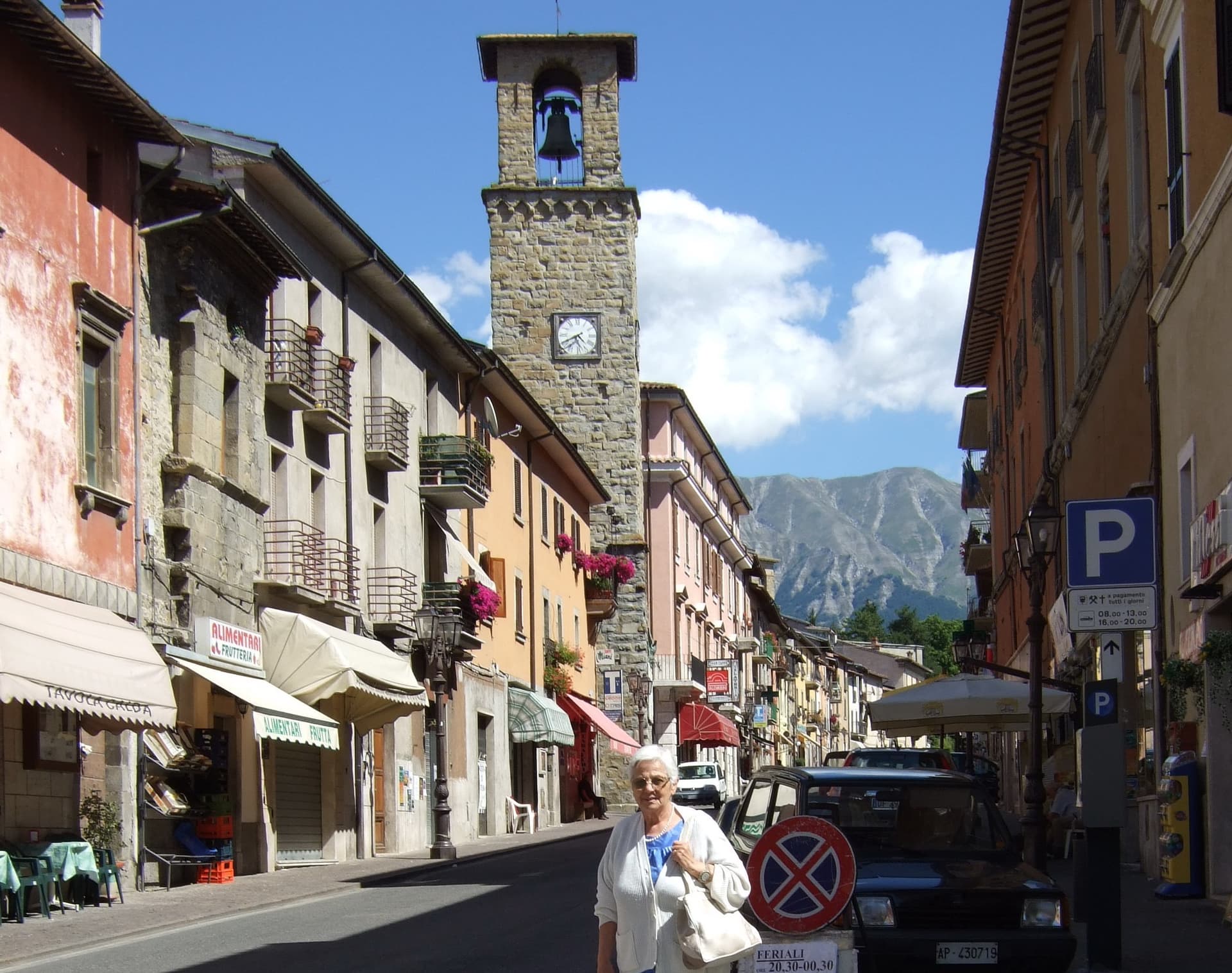
A 955-meter Apennine town leveled by the 24 August 2016 earthquake, slowly rebuilding the streets that gave amatriciana its name.
Picinisco
Province: Frosinone
A medieval village at 725 meters above the Val di Comino, the source of much of Italo-Scottish emigration and of Pecorino di Picinisco DOP.
San Donato Val di Comino
Province: Frosinone
A medieval village at 728 meters at the gateway to Forca d'Acero, the pass into the Abruzzo National Park.