

Lazio · Latina
Ventotene
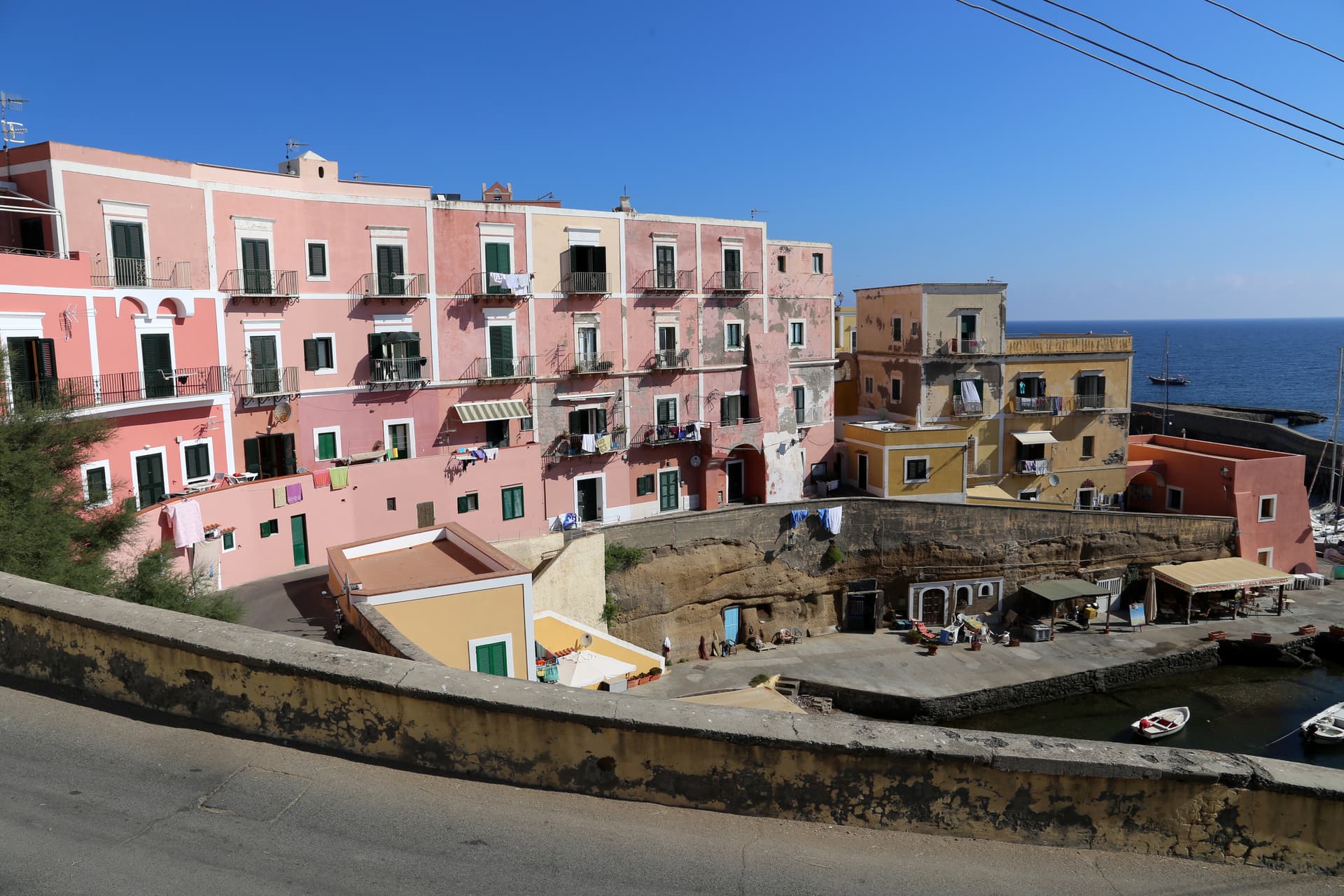
The smaller of the inhabited Pontine Islands, a flat three-kilometer tuff platform where Altiero Spinelli drafted the federalist Manifesto in 1941.
Known for
VENTOTENE MANIFESTO
1941 federalist text drafted by Altiero Spinelli, Ernesto Rossi, and Eugenio Colorni in confino, foundational document of European federalism.
SANTO STEFANO
Bourbon prison on the islet 1.5 kilometers east, reopened under Mussolini to hold antifascist political prisoners until 1943.
PORTO ROMANO
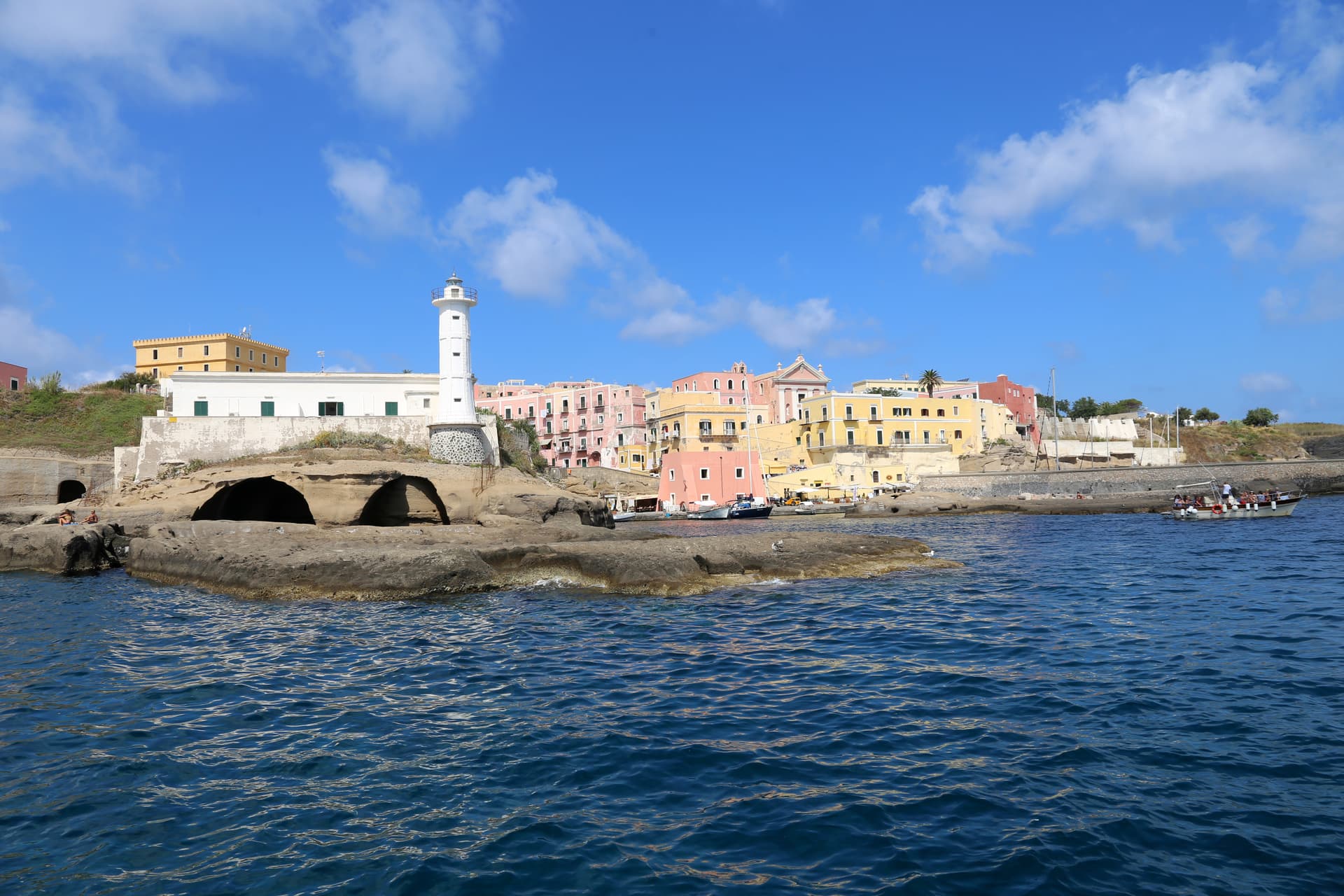
Roman harbor cut directly into the tuff cliff, the same dock where Julia the Elder was unloaded into exile in 2 BC.
When to visit
Best · May–Sep
- J
- F
- M
- A
- M
- J
- J
- A
- S
- O
- N
- D
- Best
- Hot or crowded
- Quiet
- Mostly closed
Why come
Ventotene is three kilometers long, eight hundred meters wide, and almost flat, the smallest inhabited Pontine island. Volcanic in origin, it sits in the Tyrrhenian Sea southeast of Ponza. The Romans used it as a place of imperial exile, banishing Julia the Elder, daughter of Augustus, here in 2 BC, then her granddaughter Agrippina, then Octavia, Nero's first wife.
The Roman harbor, Porto Romano, is cut directly into the tuff cliff and still functions as one of the island's two ports. The Bourbons converted the neighboring islet of Santo Stefano into a prison in 1797; Mussolini reactivated it. Between 1939 and 1943, up to seven hundred political prisoners were held on Ventotene and Santo Stefano, including the communist Altiero Spinelli, who drafted the Ventotene Manifesto in 1941 on cigarette papers.
The document, written with Ernesto Rossi and Eugenio Colorni, became one of the founding texts of European federalism. The island has roughly seven hundred year-round residents.
The Sunday letter
We haven’t written Ventotene’s letter yet.
One town every Sunday, with the photo, the food, the festa. Be there when this one comes up. Free, by Peter & Sophia from Pietrasanta.
By subscribing you agree to Substack’s Terms of Use, our Privacy Policy and our Information collection notice.
What to see
Porto Romano
Roman-era harbor cut directly into the tuff cliff, still used today, one of the few ancient harbors in continuous service in Italy.
Carcere di Santo Stefano
Bourbon-built prison on the neighboring islet, reopened under Mussolini, where up to 700 antifascists were detained between 1939 and 1943.
Museo del Manifesto di Ventotene
Town museum dedicated to Altiero Spinelli and the 1941 Ventotene Manifesto, foundational document of European federalism.
Villa Giulia
Roman imperial villa ruins on the eastern bluff where Julia the Elder, daughter of Augustus, was exiled from 2 BC.
Cala Nave
Main swimming beach on the eastern coast under tuff cliffs, with the offshore stack of Scoglio della Nave as its visual anchor.
The slow-trip planner
Building a trip? Find where Ventotene fits in a slow Italy circuit.
Answer five questions. We will shape a geographically coherent slow trip from the 1,000 Italian towns most travelers skip. Yours to save and share.
Living here
- Population 704
- Very remotei
- Pharmacy in town
- Regional capital Roma, 13 h 0 min drive
Tags & datadesignations · numbers · sources
Recognised as
The numbers
- Elevation: 18 m
- Population: 704
- Surface area: 1.75 km²
On the map
These figures were compiled from public directories — ISTAT, OpenStreetMap, Wikidata — and from the official listings of the guides named on this page. Town details change; verify with official sources before you travel.
Close by
More towns near Ventotene
Forio
Province: Napoli
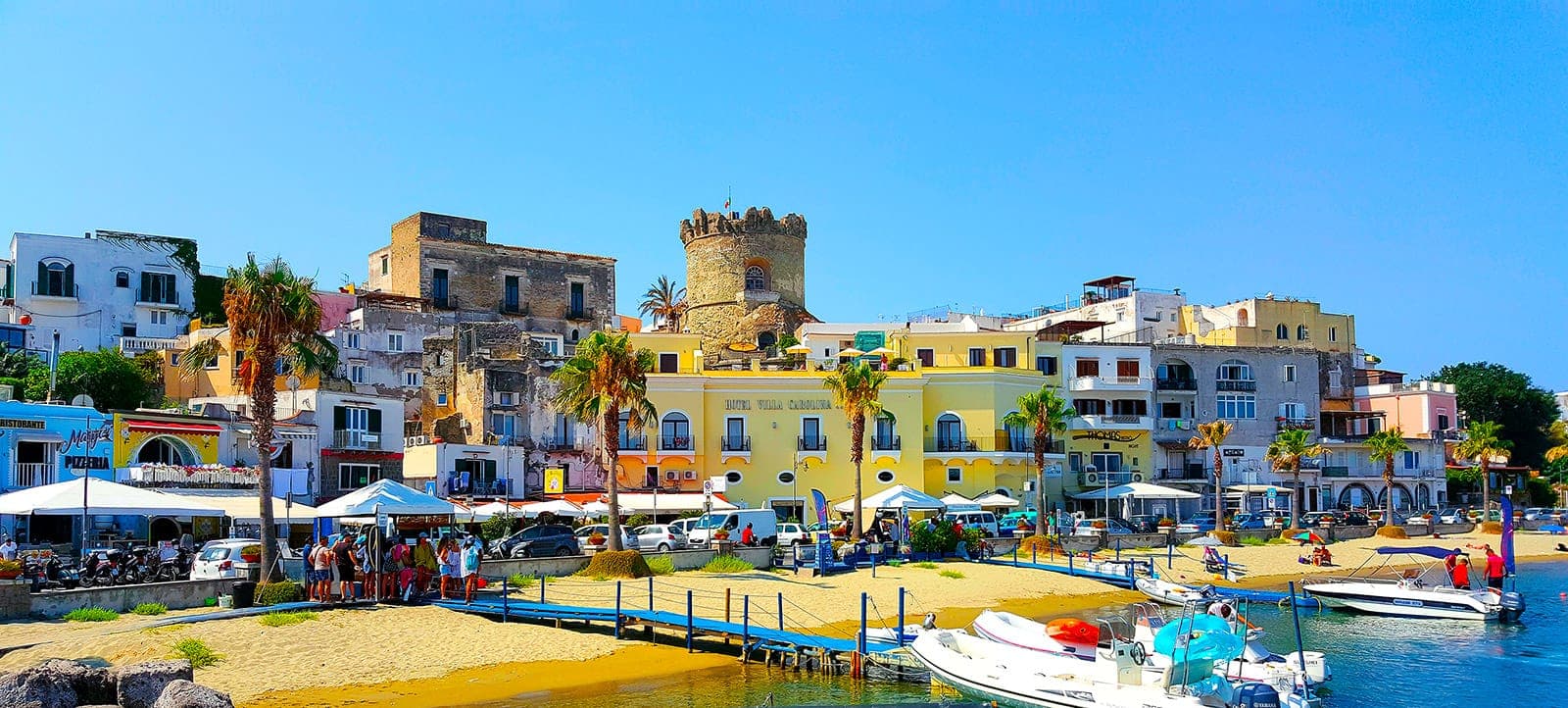
The largest Ischia commune by area, a Tyrrhenian coastal town with the white Soccorso church on a sea promontory and the Walton gardens above.
Casamicciola Terme
Province: Napoli
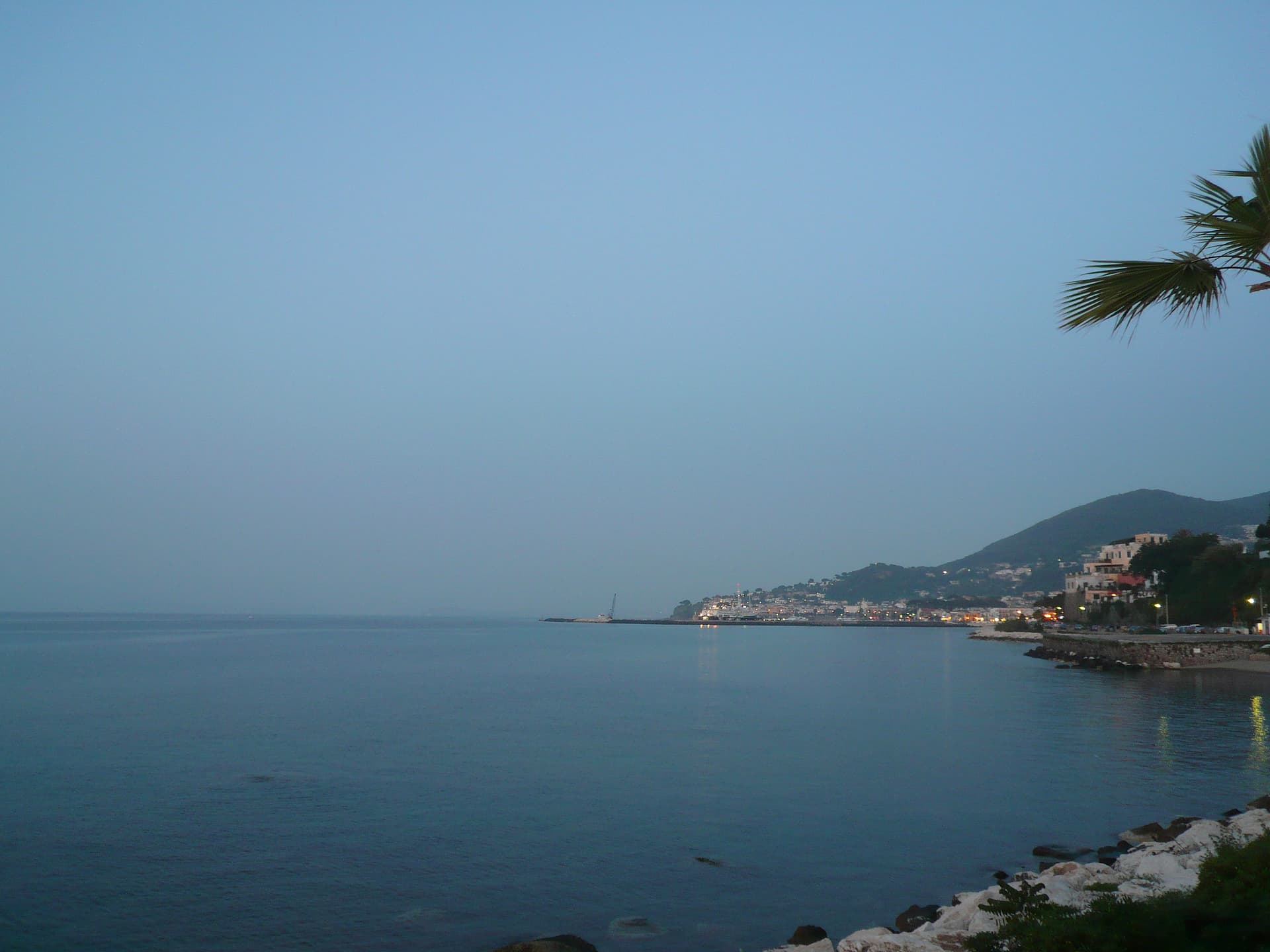
Ischia's thermal town on the flank of Monte Epomeo, levelled by the 1883 earthquake and again in 2017, rebuilt on the Gurgitello springs.
Ponza
Province: Latina
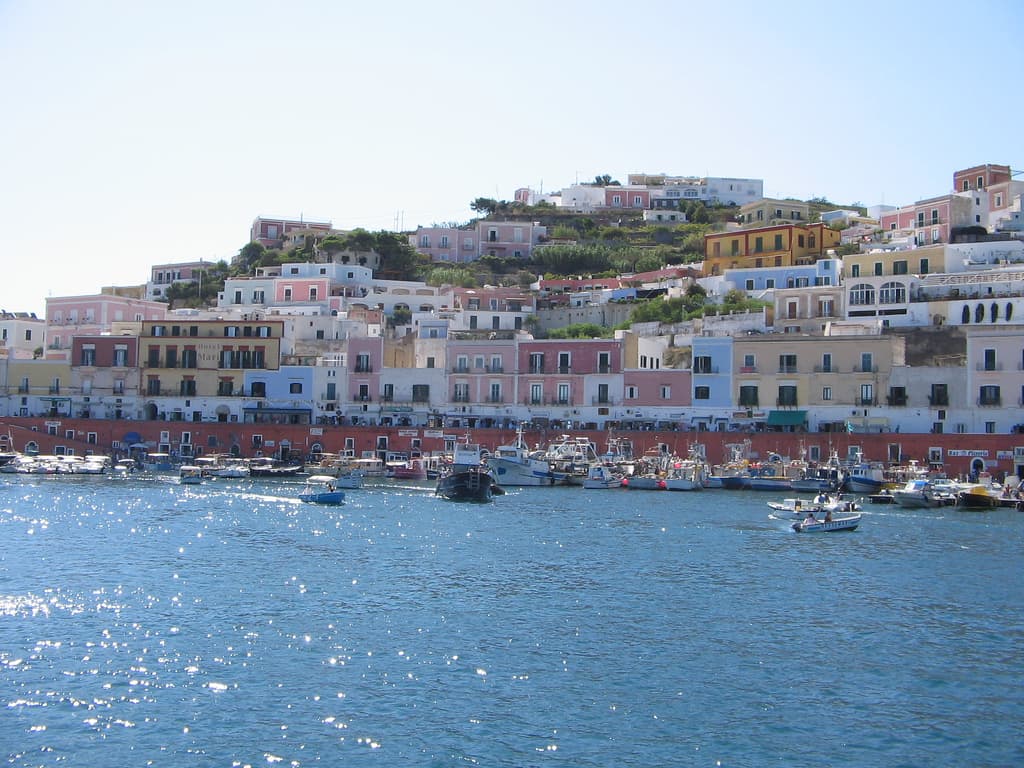
The main island of the Pontine archipelago — a volcanic crescent 40 km off Formia with the white tuff cliffs of Chiaia di Luna, the Roman fishpond tunnels at Pilato, Cala Feola's natural pools, and a 3,200-resident borgo curving around a horseshoe harbour painted in 18th-century Bourbon-pastel.
Procida
Province: Napoli
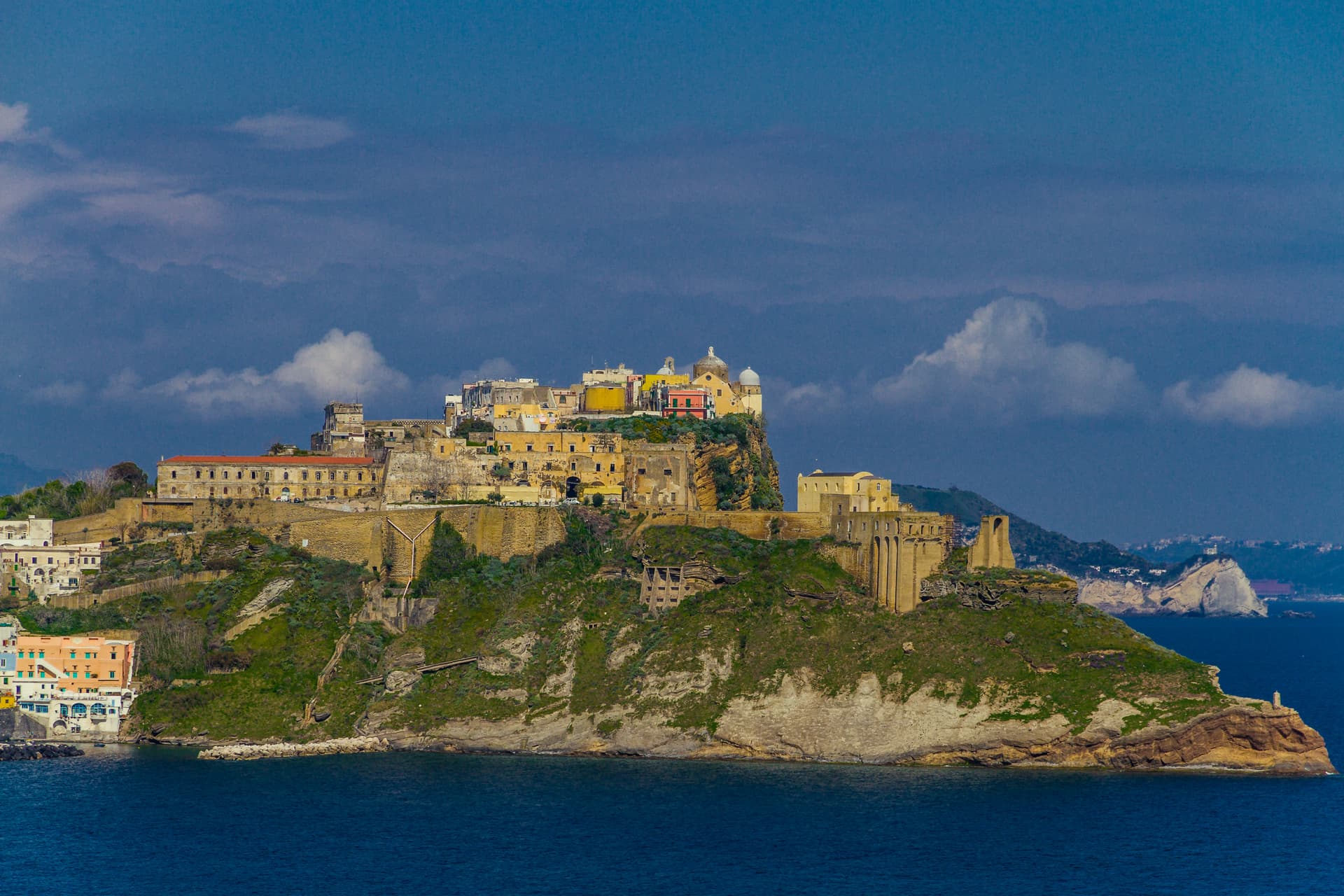
A four-square-kilometer Flegrean island of pastel fishing houses, the 2022 Italian Capital of Culture, with the fortified village of Terra Murata at 91 meters.
Gaeta
Province: Latina
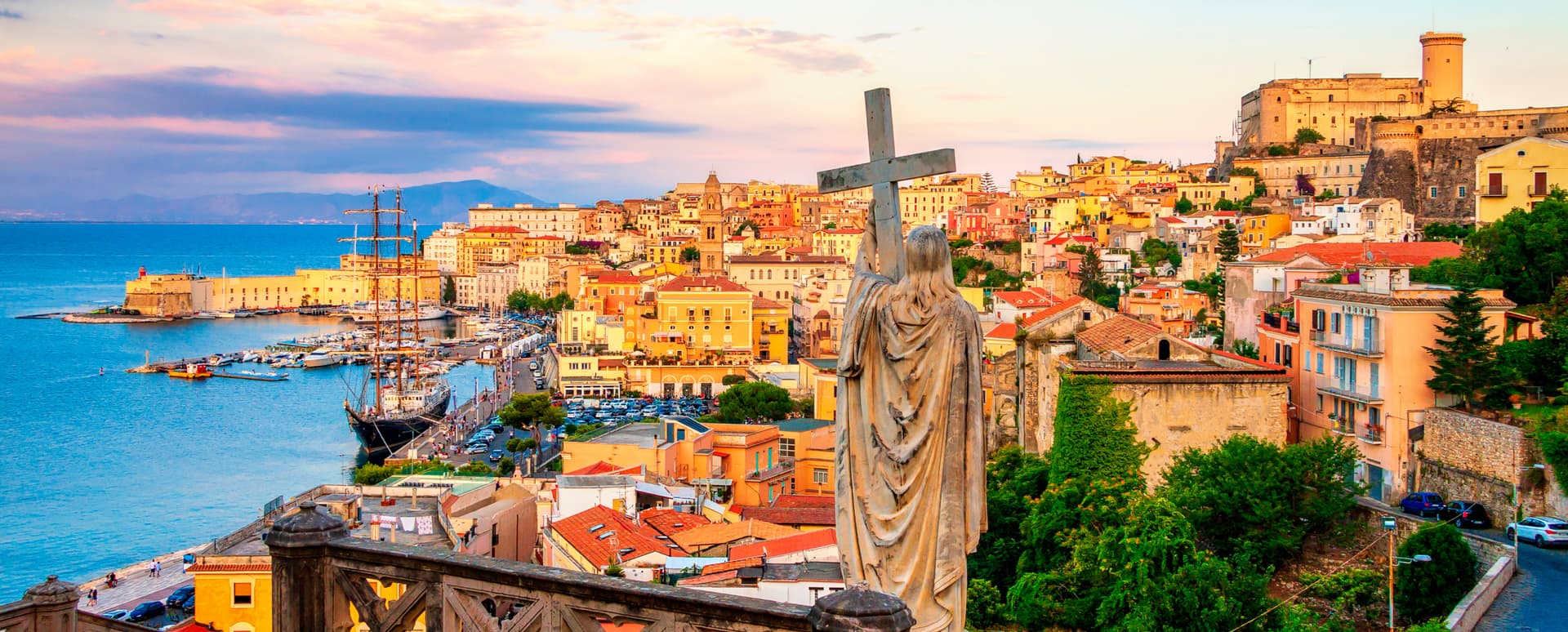
The promontory port where the Bourbon Kingdom of the Two Sicilies fell in February 1861 and the south of Italy stopped existing as a state.
🌿 Riserva Naturale
More Riserva Naturale towns in Lazio
Acquapendente
Province: Viterbo
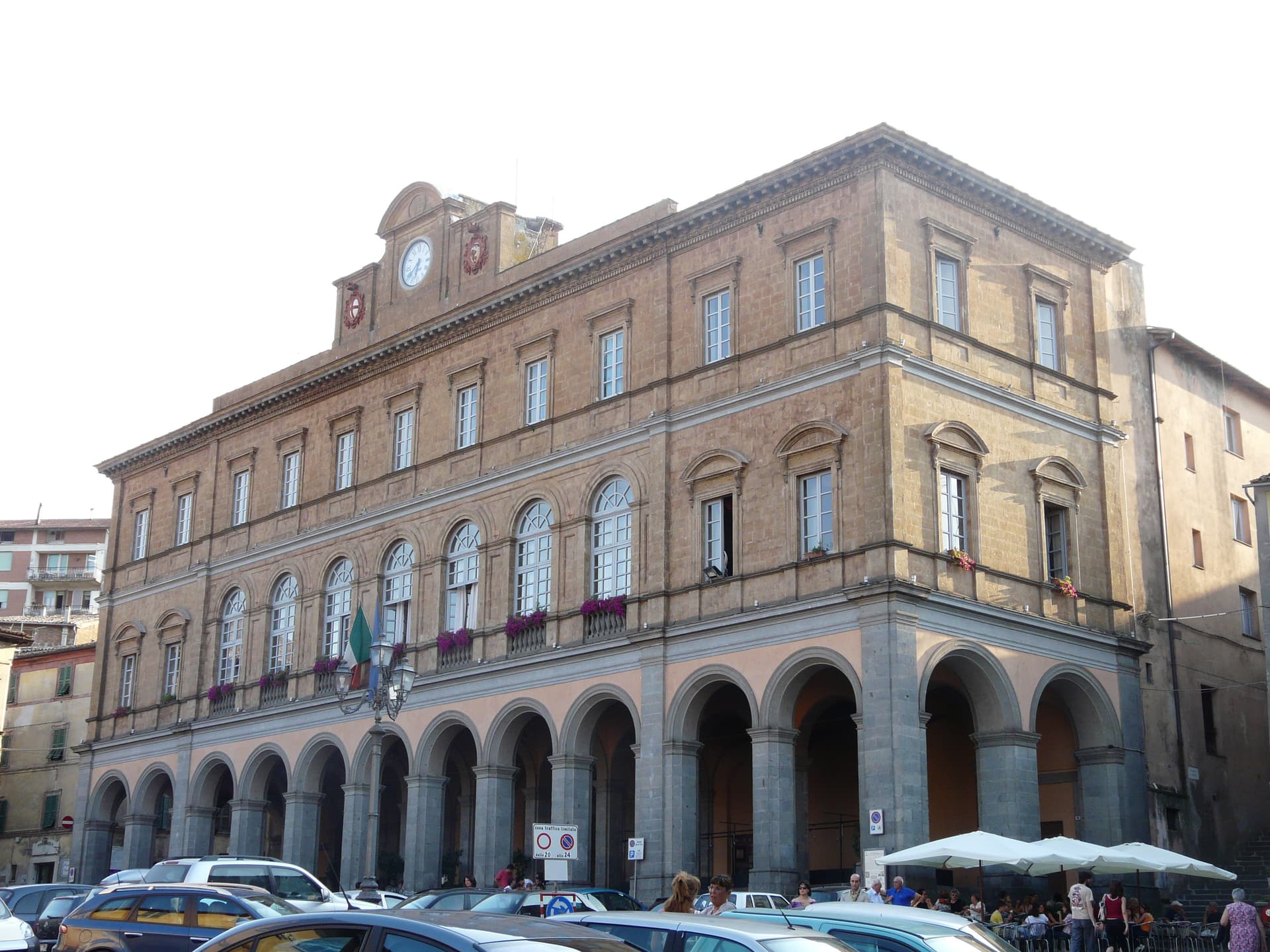
The northernmost town in Lazio on the Via Francigena, at 420 meters above the Paglia, named in 964 for its waterfalls.
Bomarzo
Province: Viterbo
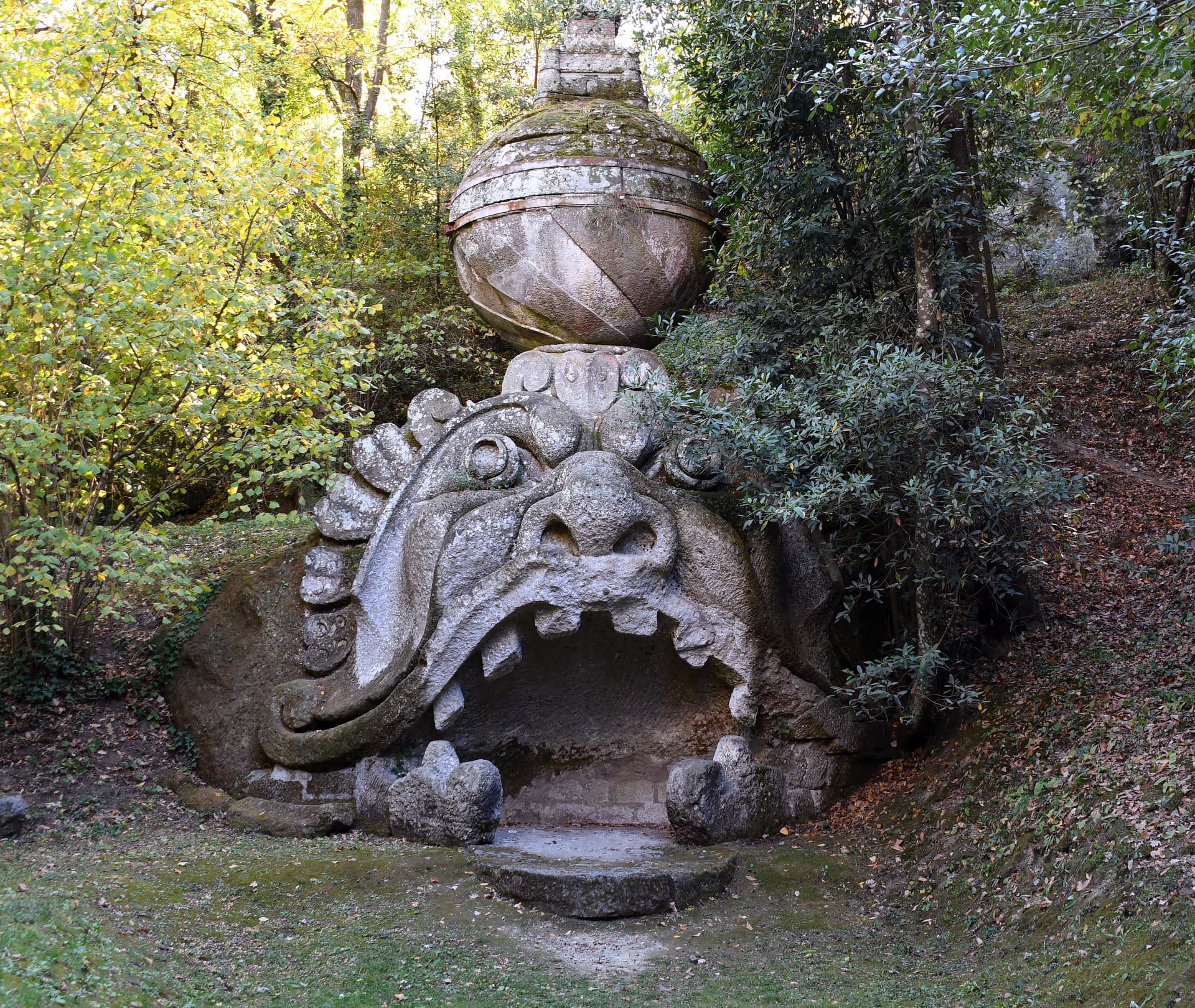
The Tuscia village below the Sacro Bosco, the 16th-century stone-monster garden built by a grieving condottiero for his dead wife.
Canale Monterano
Province: Roma
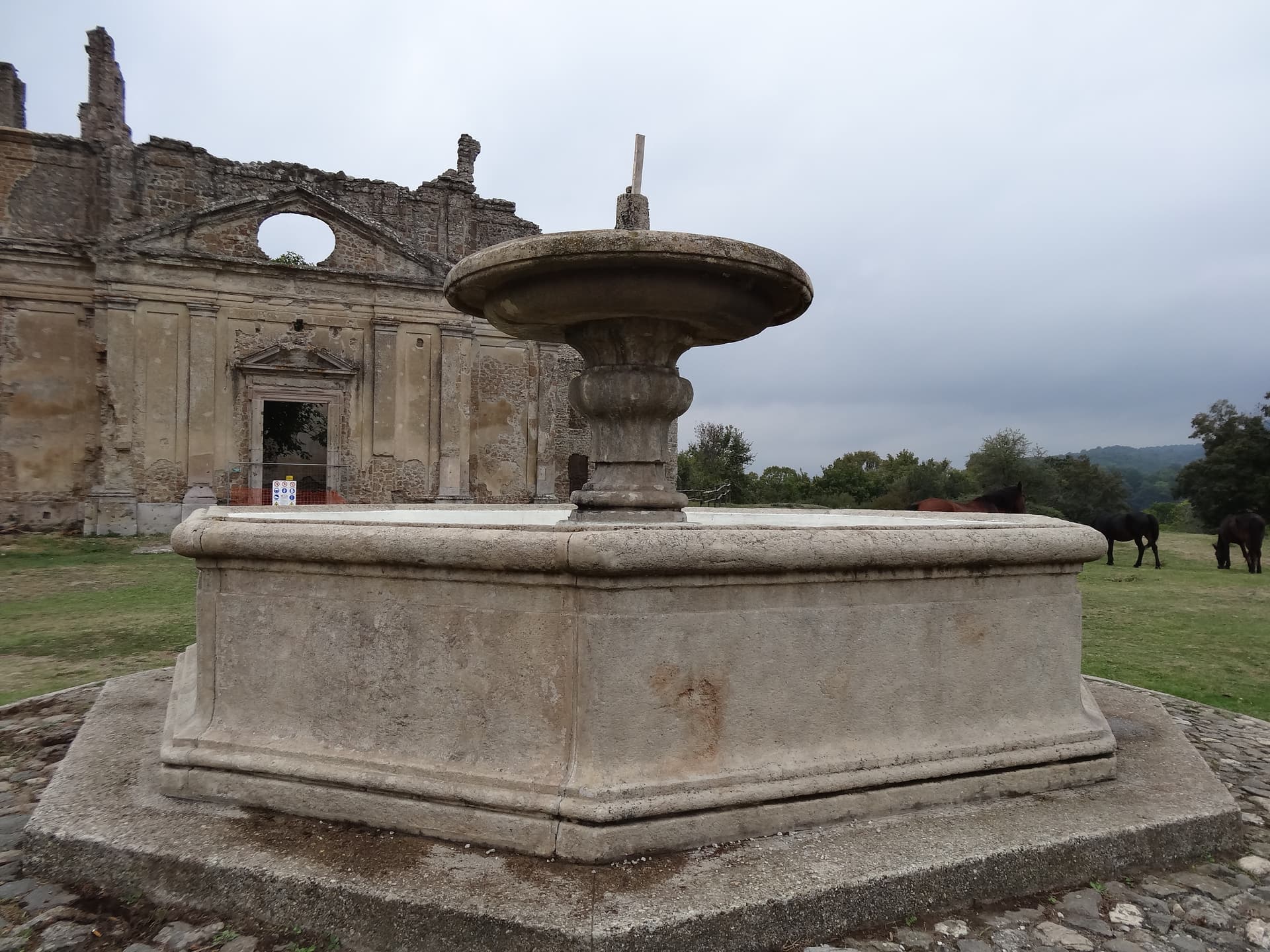
A hilltop village next to the burned ghost town of Monterano, where Bernini's San Bonaventura and the Baroque fountain stand roofless.
Caprarola
Province: Viterbo
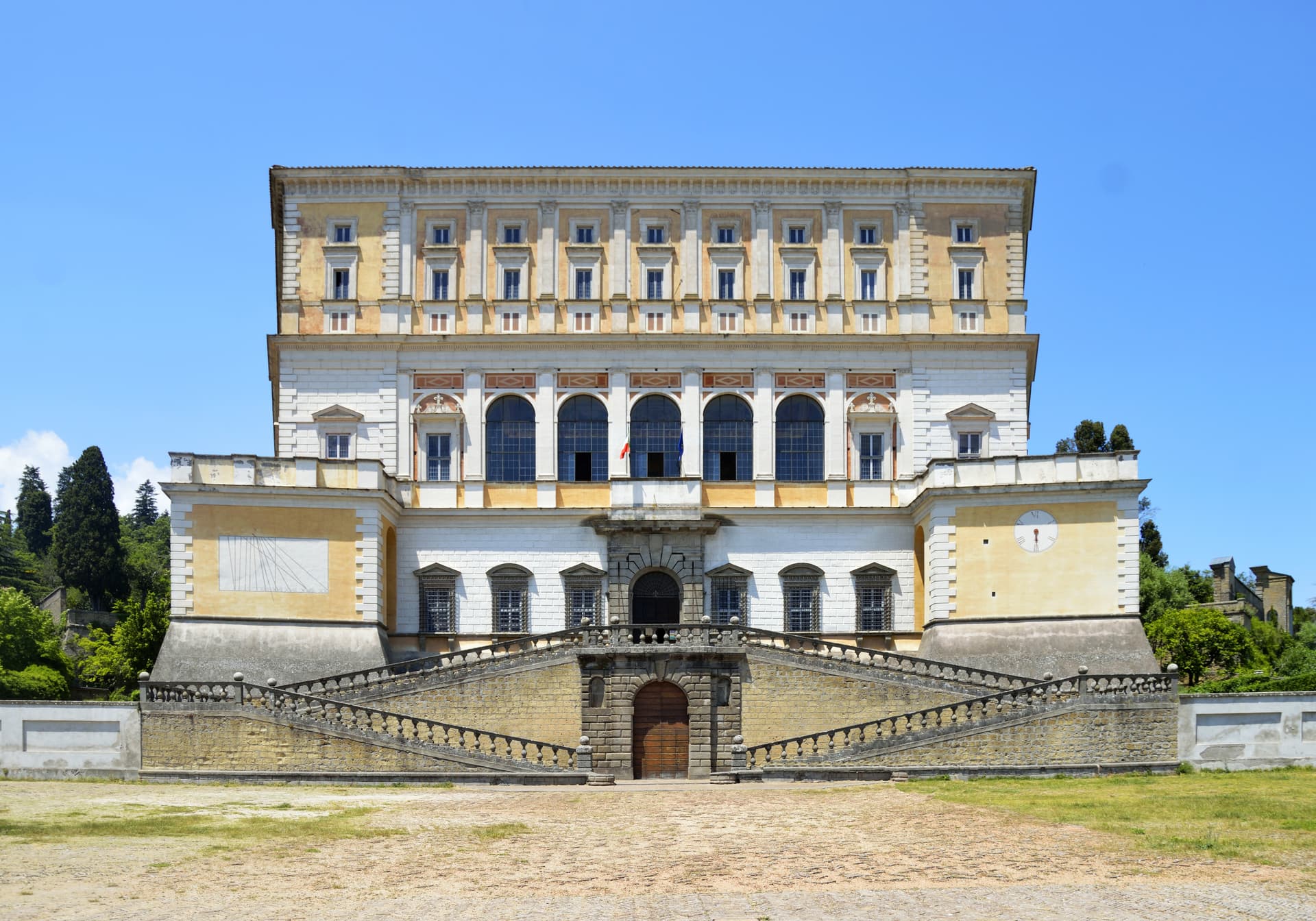
A Cimini hill town above Lago di Vico, dominated by the pentagonal Villa Farnese that Vignola built for the Farnese cardinals between 1559 and 1573.
Castel di Tora
Province: Rieti
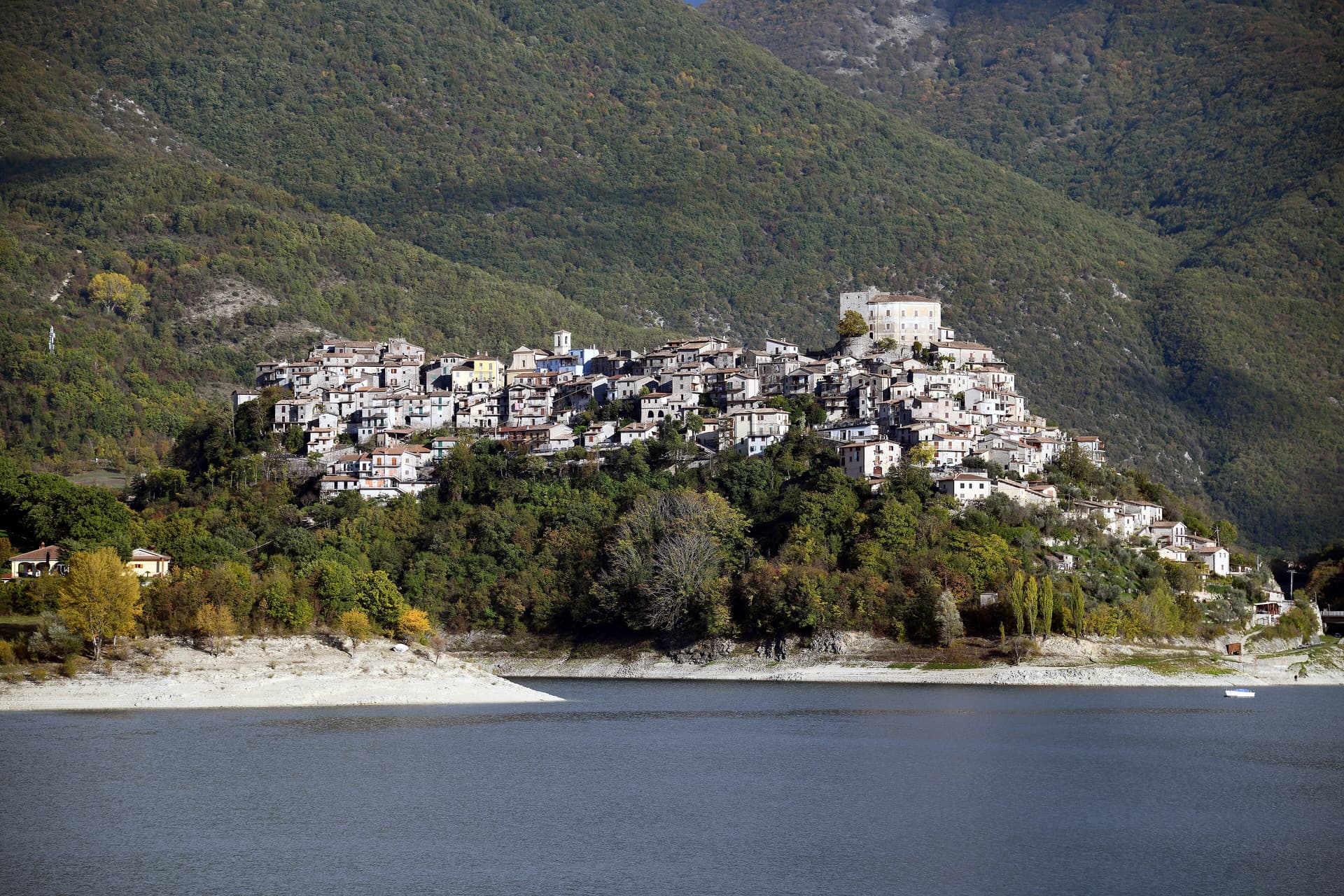
A village of 266 on Lago del Turano at 607 meters, with an eleventh-century polygonal tower and a ghost promontory called Antuni.