

Lazio · Rieti
Magliano Sabina
A 222-meter Sabine town on a Tiber terrace facing Monte Soratte, cathedral seat of the Sabina diocese on the Lazio-Umbria border.
Known for
SABINE DIOCESE
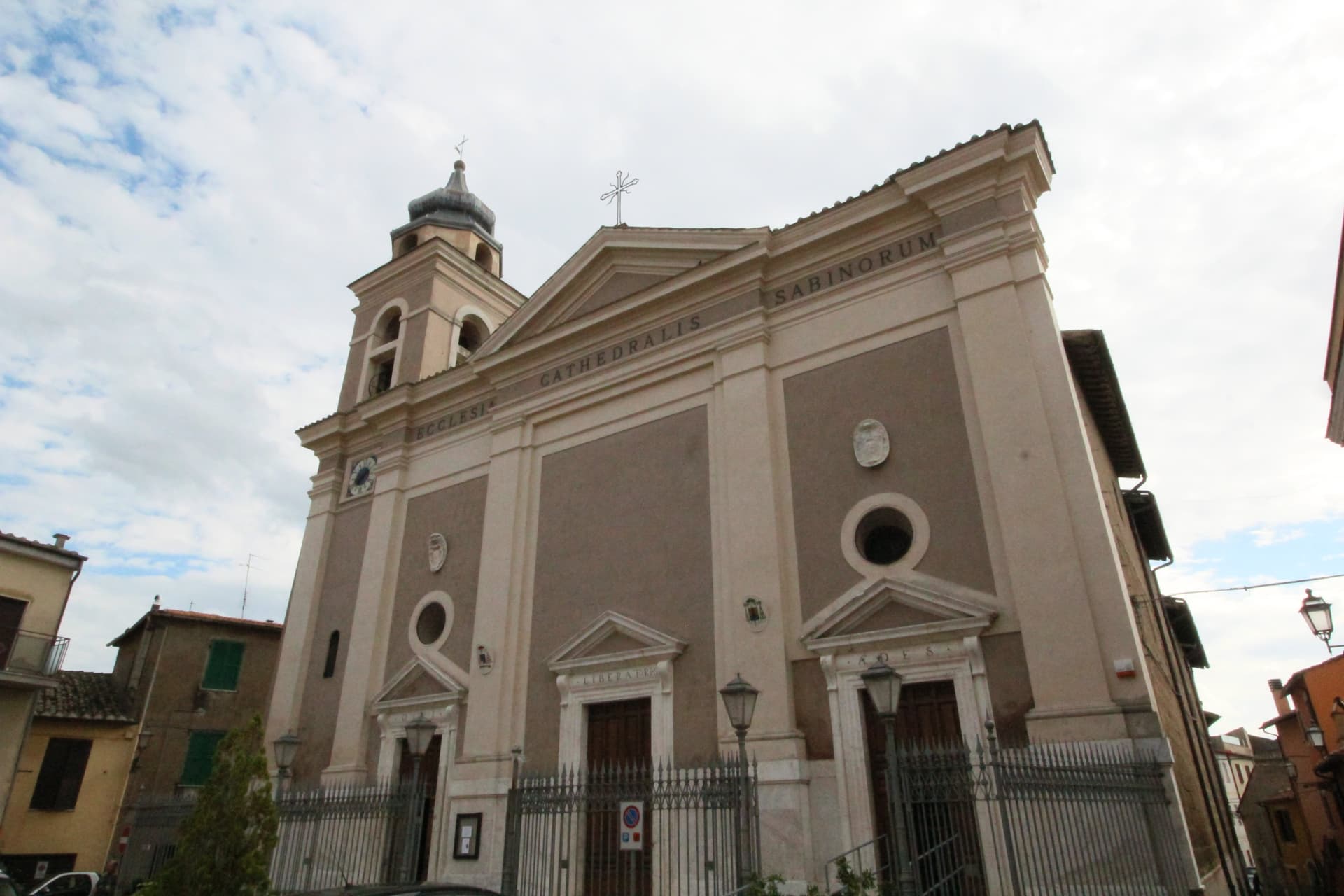
Seat of the Sabina diocese since the Middle Ages, the cathedral on Piazza Duomo carrying an Alfieri façade from 1735.
MONTE SORATTE
The terrace view across the Tiber to Soratte, the conical limestone outlier Horace named in his Carmina.
SABINA OLIVE OIL
DOP-protected Sabina extra-virgin olive oil produced in the comune territory, the first oil DOP recognized in Italy in 1996.
When to visit
Best · Apr–Oct
- J
- F
- M
- A
- M
- J
- J
- A
- S
- O
- N
- D
- Best
- Hot or crowded
- Quiet
- Mostly closed
The festa: San Liberatore, 15 May
Why come
Magliano Sabina sits on a terrace above the Tiber valley, fifty kilometers north of Rome on the border between Lazio and Umbria. The hill above the river was Sabine ground; the Roman town of Ocriculum, just across in modern Umbria, was the regional anchor. The medieval centre grew up under the Benedictine abbey of Farfa and passed to the Holy See in the fourteenth century.
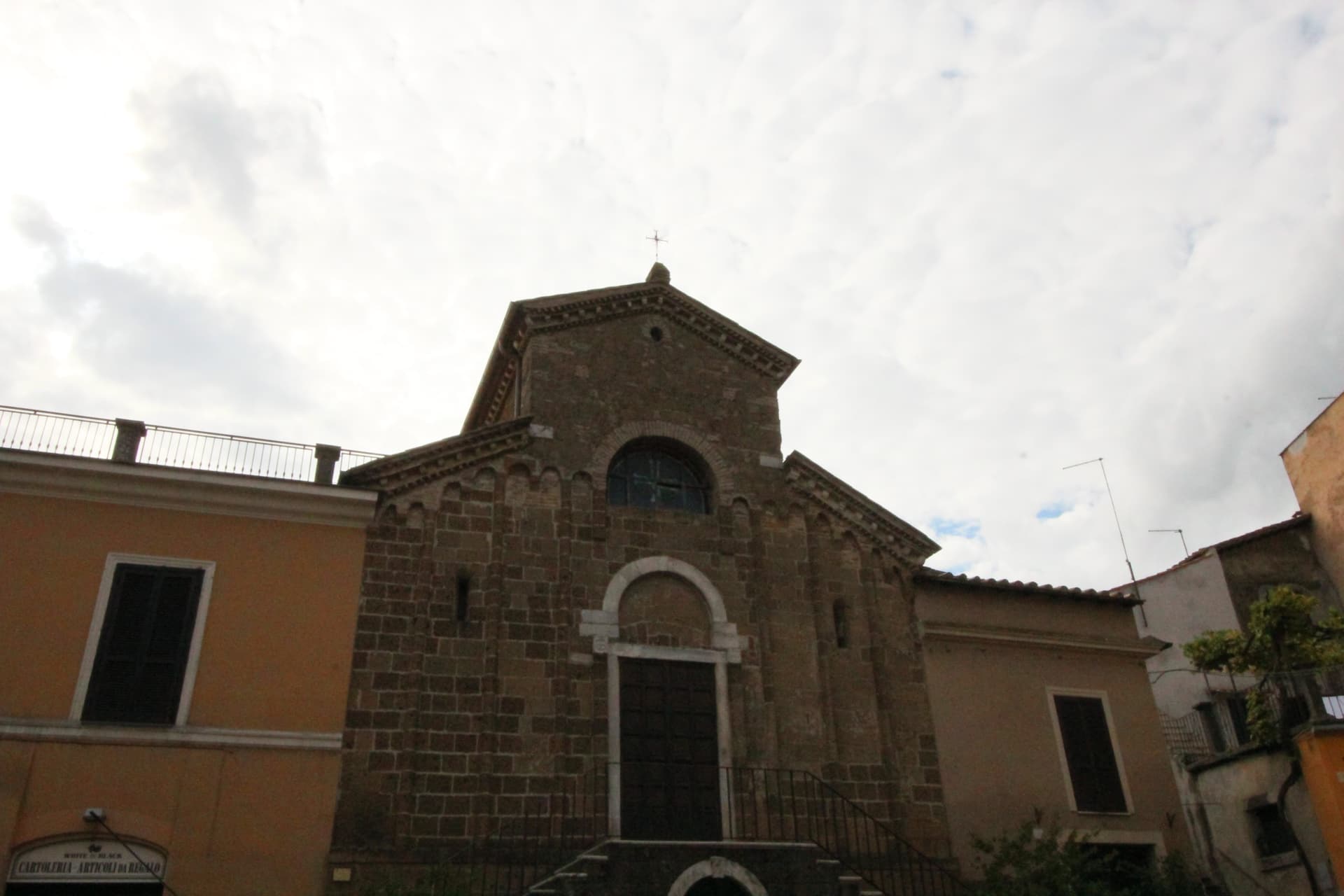
The town has been the seat of the Sabina diocese since the early Middle Ages, and the Cattedrale di San Liberatore on Piazza Duomo carries an Alfieri façade from 1735. The Chiesa di San Pietro is a twelfth-century Romanesque survival, one of the oldest standing buildings in town. From the ridge the panorama opens west across the Tiber toward Monte Soratte, the conical limestone outlier Horace wrote about in his Carmina; the view alone earned the Borghi più belli d'Italia membership in 2003.
The Sunday letter
We haven’t written Magliano Sabina’s letter yet.
One town every Sunday, with the photo, the food, the festa. Be there when this one comes up. Free, by Peter & Sophia from Pietrasanta.
By subscribing you agree to Substack’s Terms of Use, our Privacy Policy and our Information collection notice.
What to see
Cattedrale di San Liberatore
Cathedral of the Sabina diocese on Piazza Duomo, with a façade by Alfieri completed in 1735.
Chiesa di San Pietro
Twelfth-century Romanesque church, one of the oldest standing buildings in town, with its original masonry preserved.
Centro storico
Medieval upper town on the Tiber terrace, with the Palazzo Comunale, the Sabine diocese seat and surviving sections of the village walls.
Panorama on Monte Soratte
View from the ridge across the Tiber toward Monte Soratte, the conical limestone outlier praised by Horace in his Carmina.
Area archeologica di Vescovio
Remains of the Roman Forum Novum and the medieval cathedral of Santa Maria di Vescovio in the comune territory, the original Sabine episcopal seat.
The slow-trip planner
Building a trip? Find where Magliano Sabina fits in a slow Italy circuit.
Answer five questions. We will shape a geographically coherent slow trip from the 1,000 Italian towns most travelers skip. Yours to save and share.
Living here
- Population 3,433
- In-betweeni
- Pharmacy in town
- High school within a 30-minute drive
- Train station in the comune
- Nearest airport Rome, 1 h 37 min drive
- Regional capital Roma, 1 h 2 min drive
Tags & datadesignations · numbers · sources
Recognised as
The numbers
- Elevation: 222 m
- Population: 3,433
- Surface area: 43.23 km²
These figures were compiled from public directories — ISTAT, OpenStreetMap, Wikidata — and from the official listings of the guides named on this page. Town details change; verify with official sources before you travel.
Close by
More towns near Magliano Sabina
Narni
Province: Terni
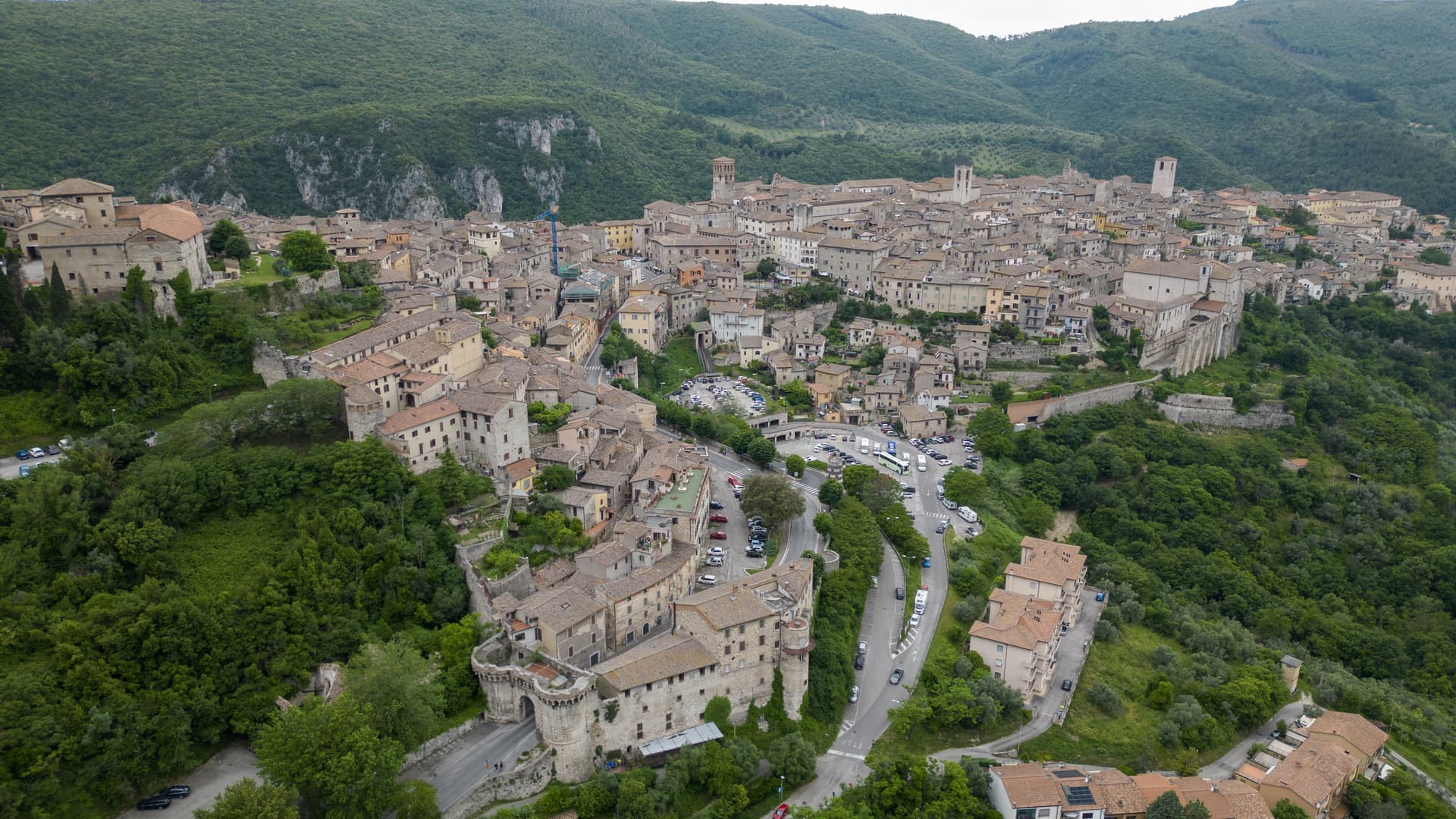
Italy's geographical centre and the etymological 'Narnia' — a 17,900-resident hilltop town on a travertine outcrop above the Nera valley, with the Rocca Albornoz papal fortress, a 30m Roman arch of the Ponte d'Augusto, a hidden underground complex containing a 13th-c Inquisition cell with original prisoner graffiti, and the documented Latin name (Narnia) that C.S. Lewis lifted for his fictional kingdom.
Bassano in Teverina
Province: Viterbo
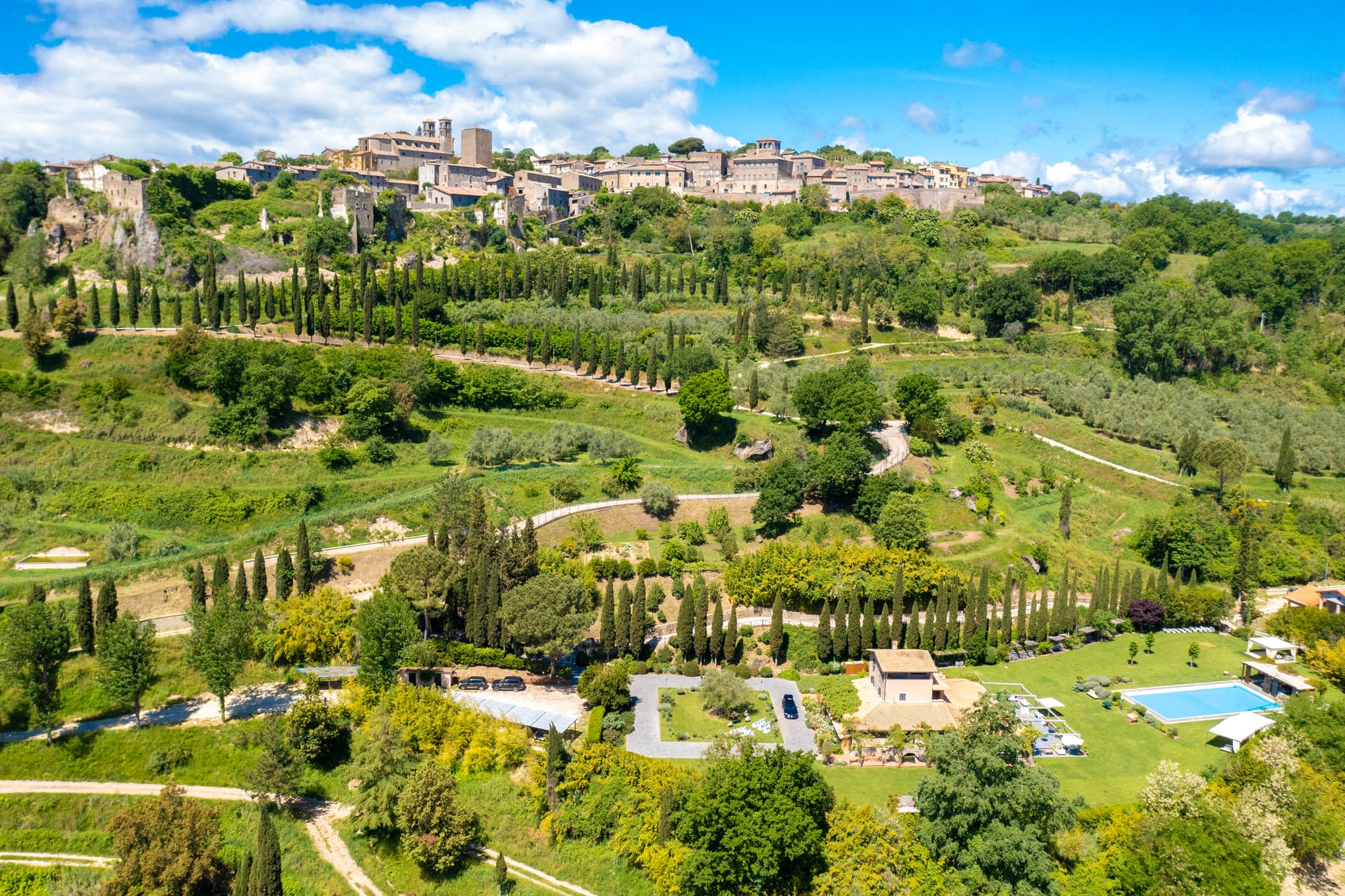
A tufa-spur borgo of 1,260 above the Tiber valley between Lazio and Umbria, with a clock tower that hides an eleventh-century animated bell tower.
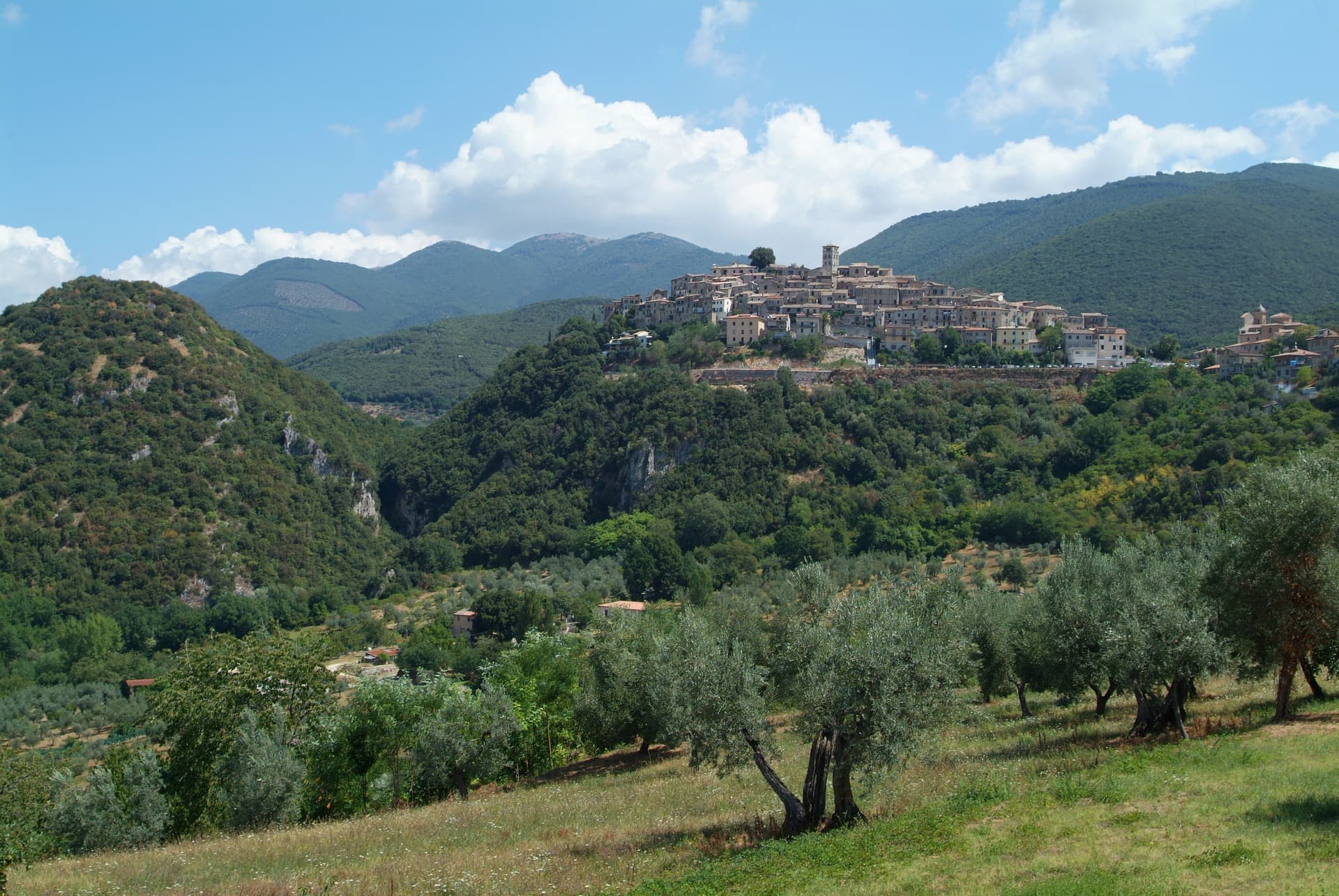
Casperia
Province: Rieti
A Sabina hill village named Aspra in Virgil's Aeneid, called that until 1947, ringed by walls from 1282 and Sabina DOP olive groves below.
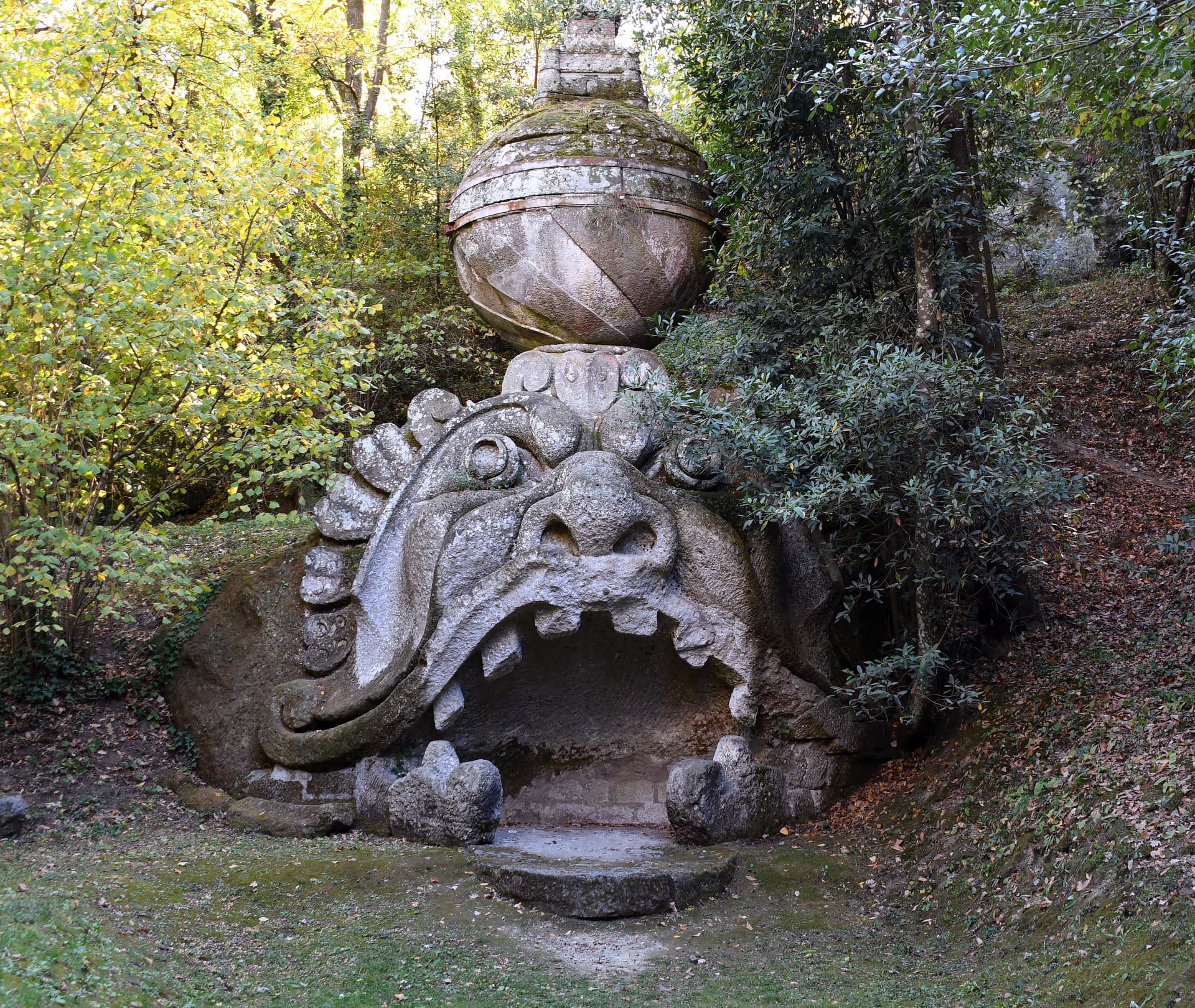
Bomarzo
Province: Viterbo
The Tuscia village below the Sacro Bosco, the 16th-century stone-monster garden built by a grieving condottiero for his dead wife.
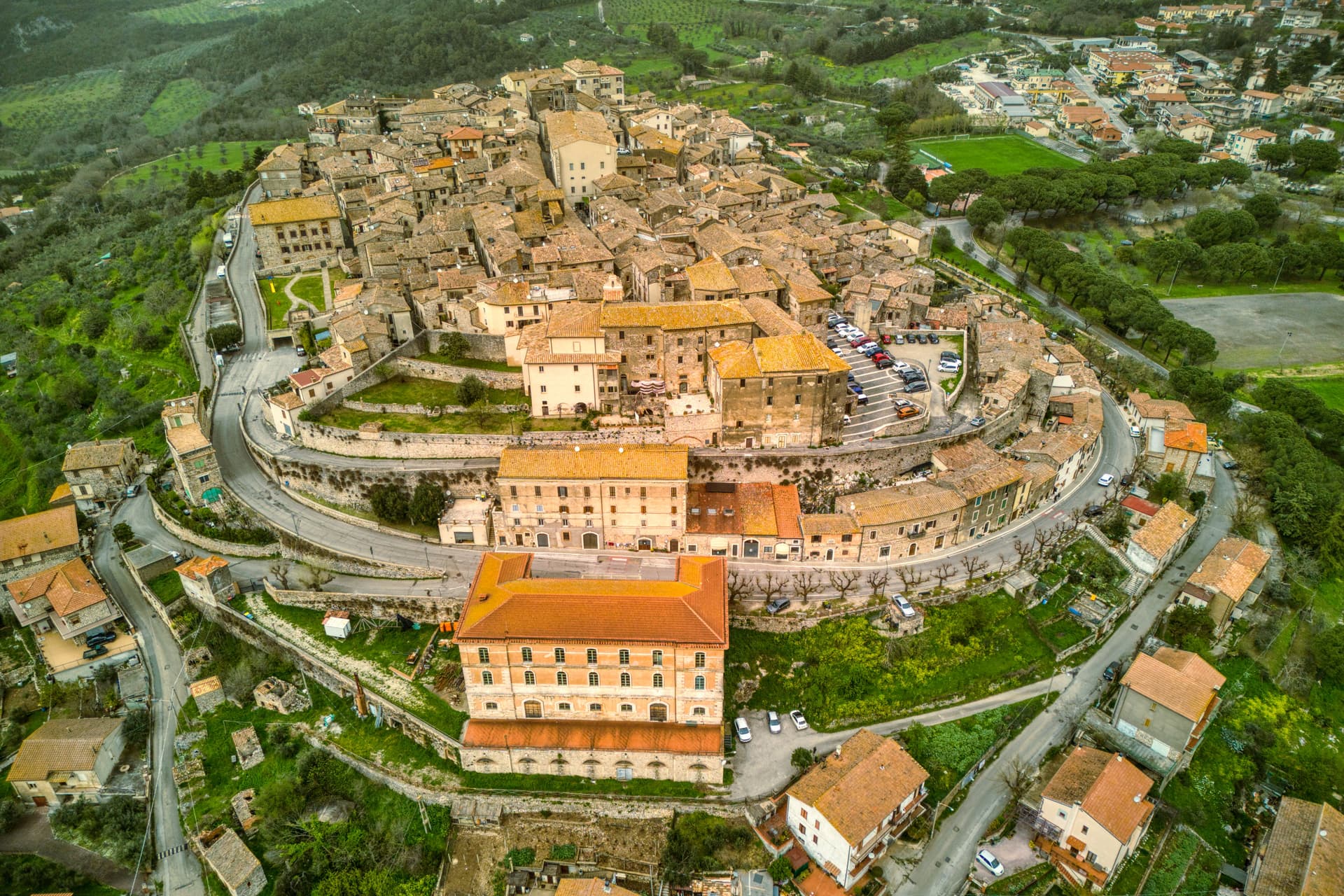
Lugnano in Teverina
Province: Terni
A ridge town at 441 meters above the lower Tiber valley, with a 1230 Romanesque collegiata and a late-Roman infant cemetery on the hill below.
🎨 Borghi più belli d'Italia
More Borghi più belli d'Italia towns in Lazio
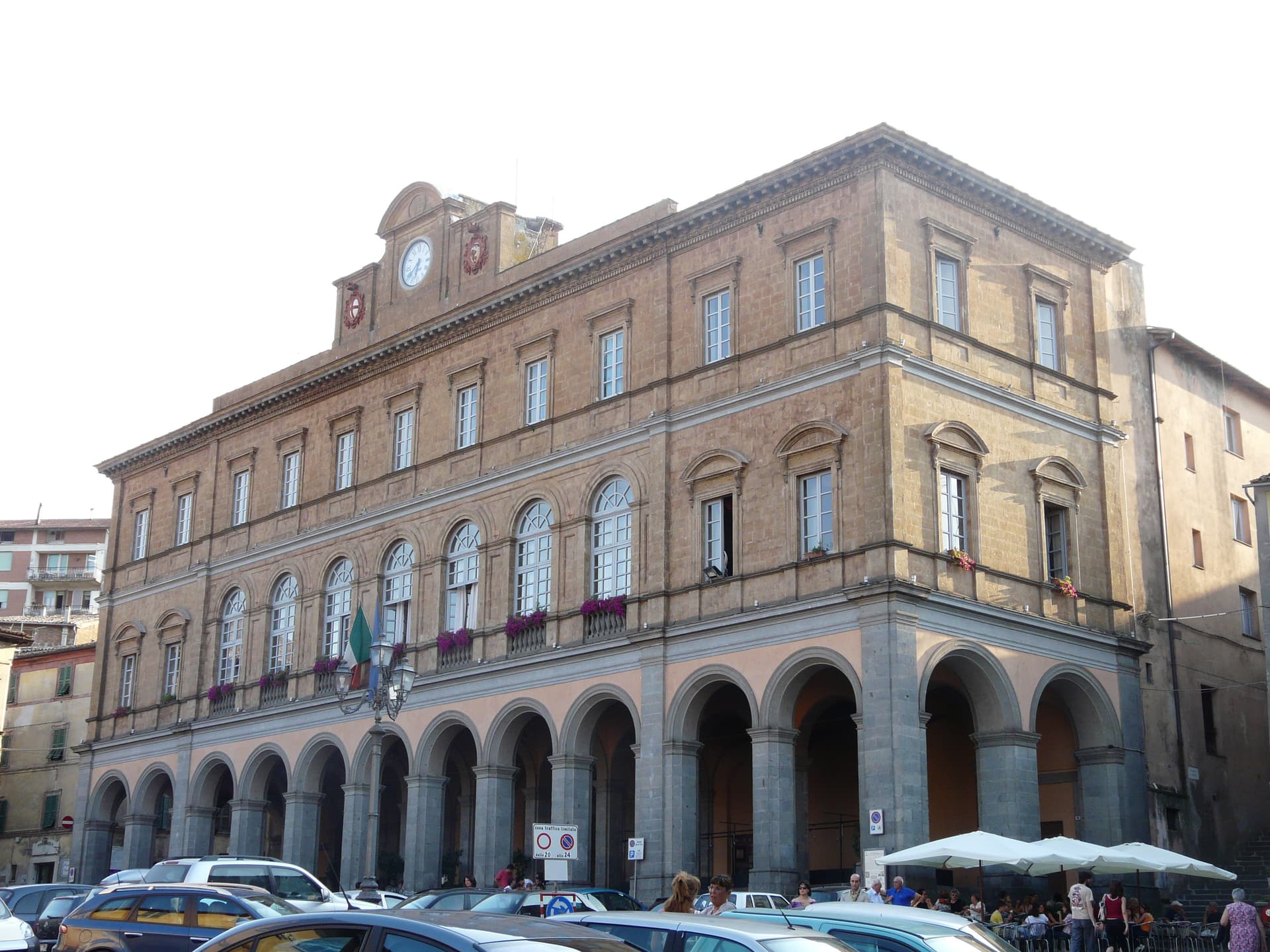
Acquapendente
Province: Viterbo
The northernmost town in Lazio on the Via Francigena, at 420 meters above the Paglia, named in 964 for its waterfalls.
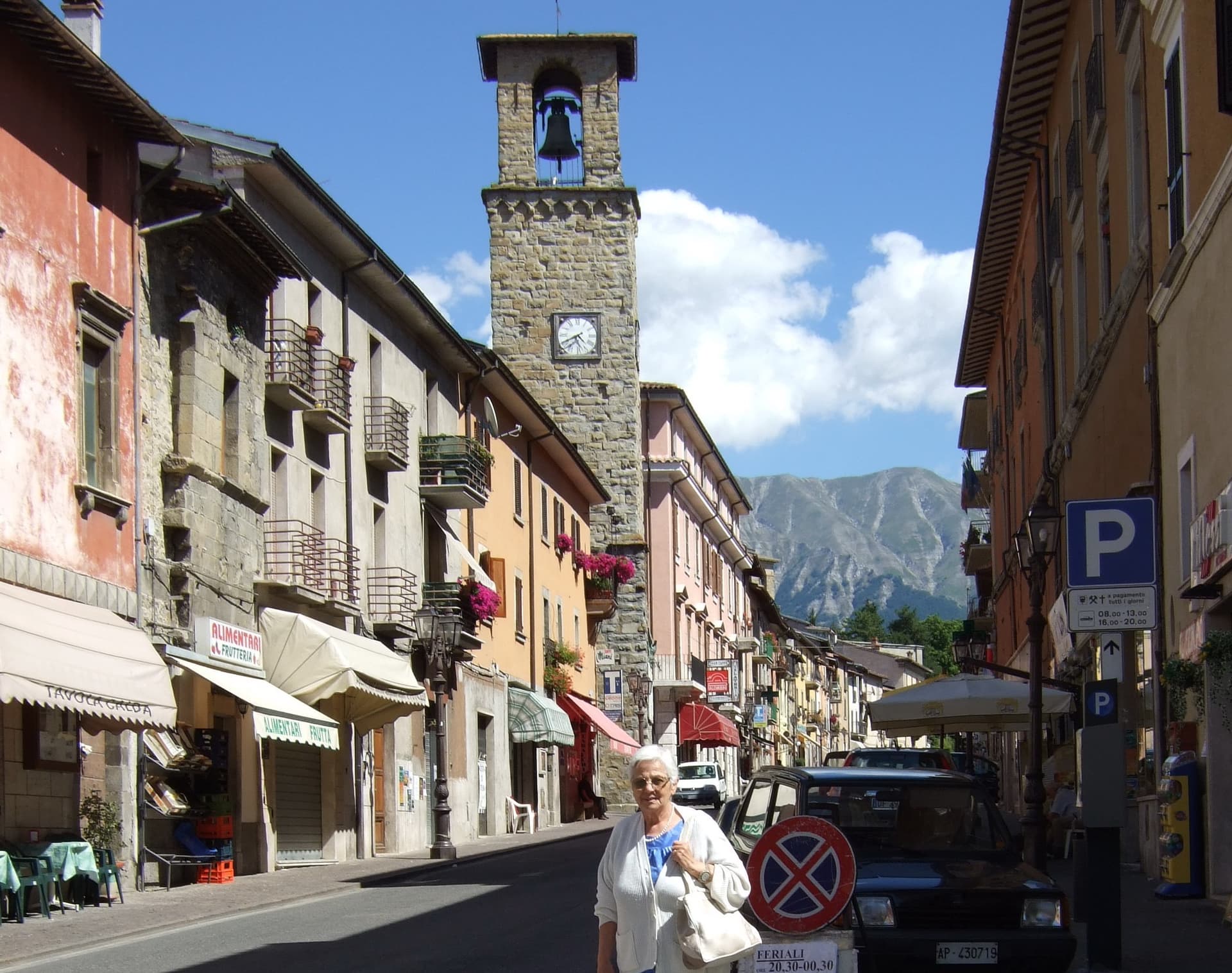
Amatrice
Province: Rieti
A 955-meter Apennine town leveled by the 24 August 2016 earthquake, slowly rebuilding the streets that gave amatriciana its name.
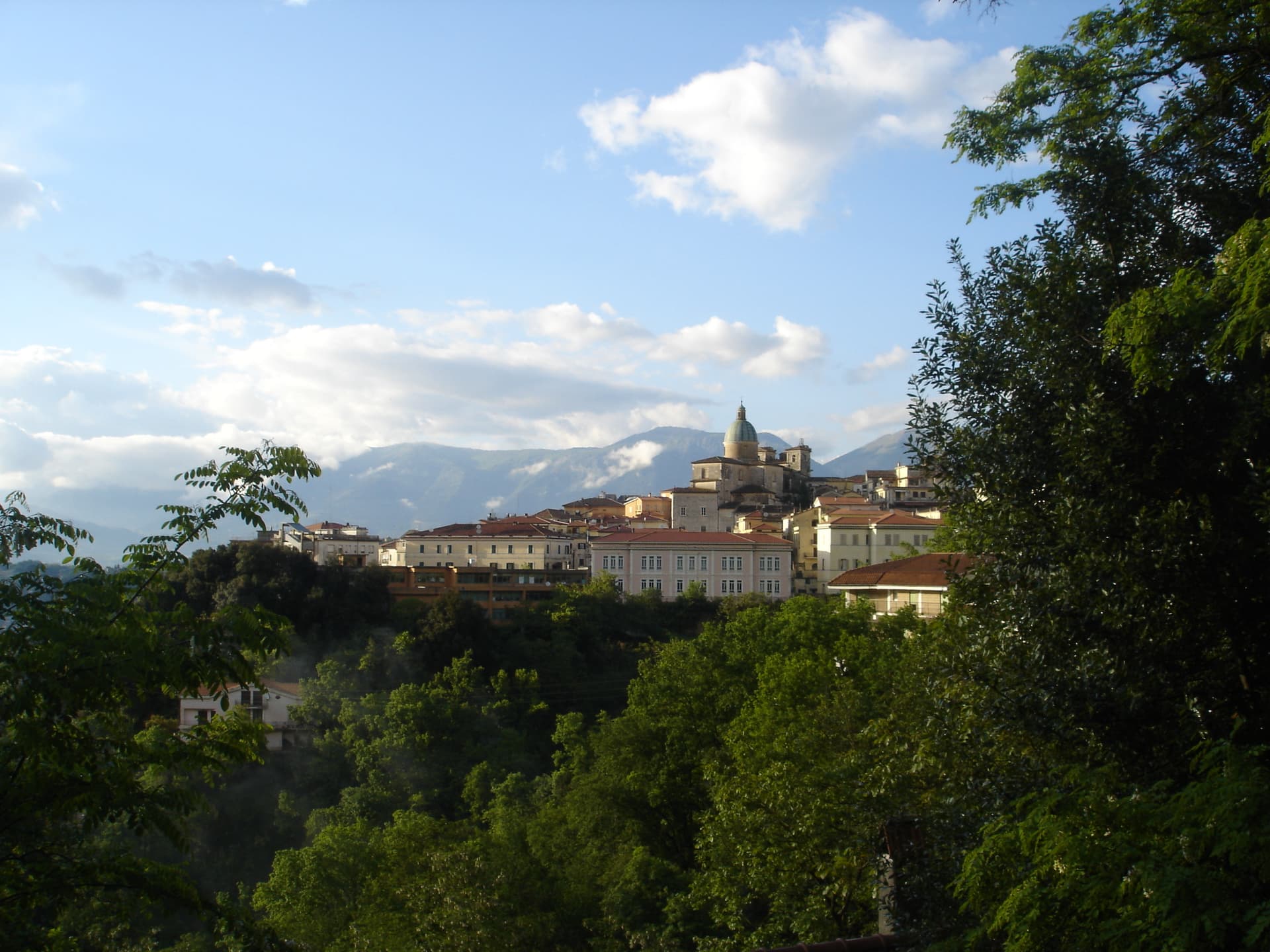
Atina
Province: Frosinone
A polygonal-walled town in the Val di Comino at the foot of the Mainarde, and the DOC that makes Cabernet in central Italy.
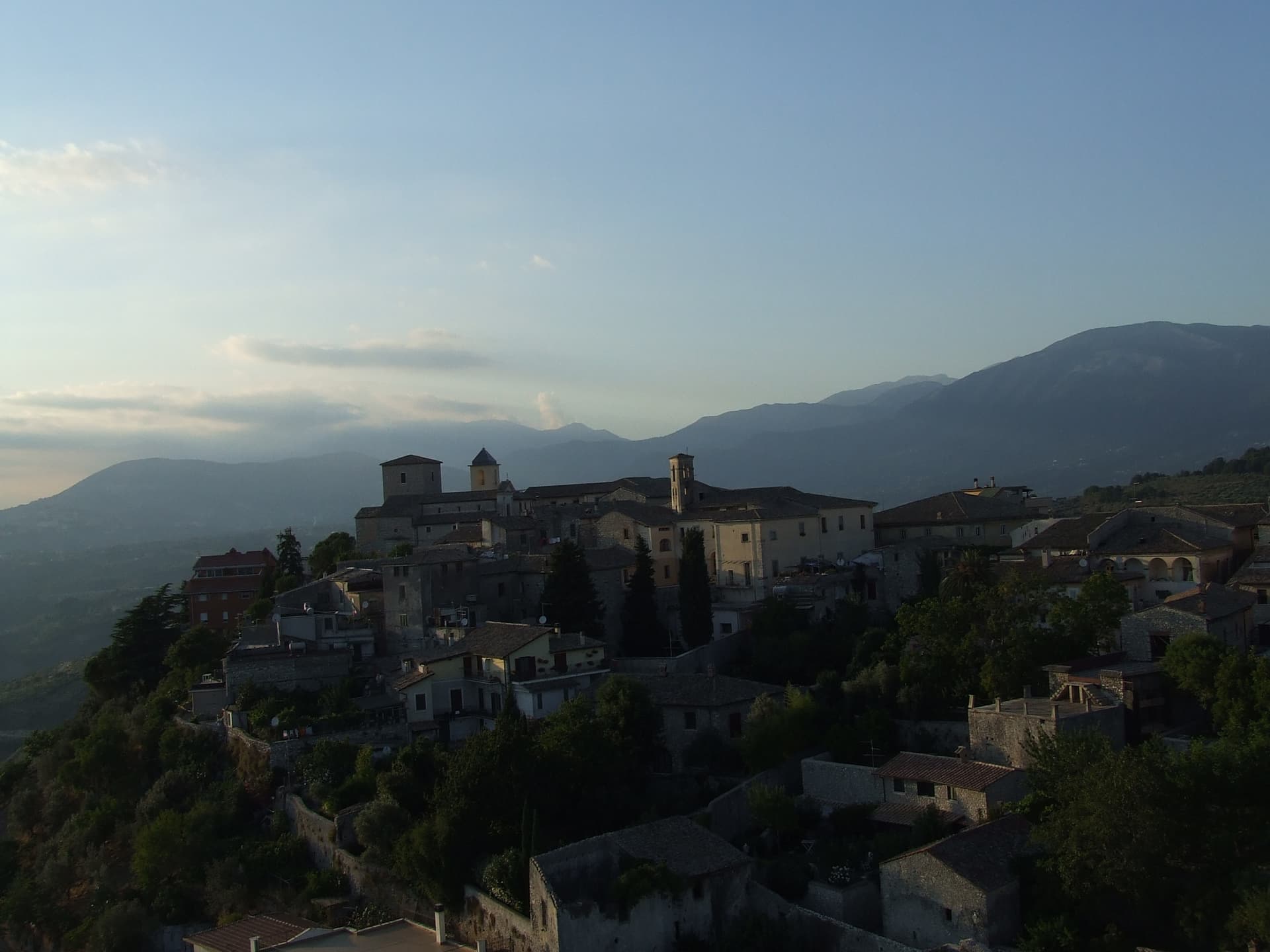
Boville Ernica
Province: Frosinone
A Ciociaria hilltop town with eighteen intact medieval towers and Giotto's only surviving mosaic, the Angelo del Navicella, in San Pietro Ispano.
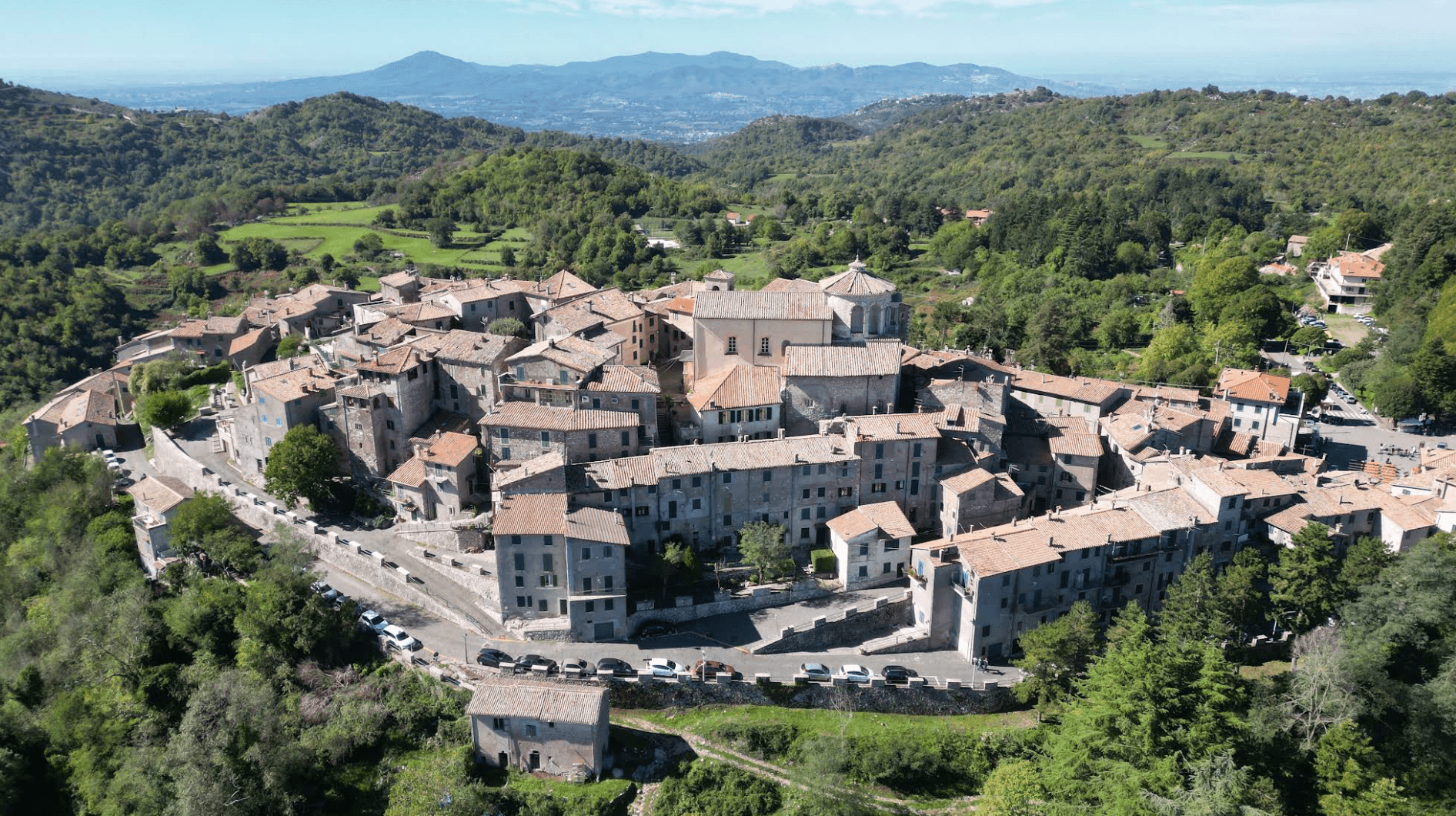
Capranica Prenestina
Province: Roma
A 915-meter ridge village on the Monti Prenestini east of Rome, with the Mentorella sanctuary at 1,018 meters above the Giovenzano valley.