

Tuscany · Massa-Carrara
Mulazzo
A Malaspina fief in the Lunigiana hills where Dante stayed in 1306, with a frazione of booksellers who walked their wares across Italy.
Known for
MALASPINA
Imperial fief of the Malaspina from 1164, the seat of the Moroello branch, with Dante a documented guest of the family in 1306.
MONTEREGGIO
Frazione three kilometers up the ridge, the only Italian member of the International Organisation of Book Towns, in honor of its bookselling tradition.
ALESSANDRO MALASPINA
Eighteenth-century navigator who mapped the Pacific coast of the Americas for the Spanish crown, born into the Mulazzo branch of the family.
When to visit
Best · Apr–Oct
- J
- F
- M
- A
- M
- J
- J
- A
- S
- O
- N
- D
- Best
- Hot or crowded
- Quiet
- Mostly closed
The festa: Martino di Tours, 11 November
Why come
Mulazzo sits in the Lunigiana, the corner of Toscana that bends north toward Liguria and Emilia. The town was an imperial fief of the Malaspina family from 1164, the seat of the marquisate that descended from Moroello Malaspina, and the place where Dante Alighieri is believed to have stayed in 1306 during his exile from Firenze. The Torre di Dante, the medieval tower at the head of the borgo, was once thirty meters high and six stories tall; most of it was demolished around 1750, and what remains is a sixth of the original mass.
The Alessandro Malaspina study centre, inside the tower, holds materials on the eighteenth-century navigator from the same family who mapped the Pacific coast of the Americas for the Spanish crown. Three kilometers up the ridge, the frazione of Montereggio is the only Italian member of the International Organisation of Book Towns, in honor of the booksellers who left the village in the nineteenth century with panniers of books on their backs to sell across central and northern Italy.
The Sunday letter
We haven’t written Mulazzo’s letter yet.
One town every Sunday, with the photo, the food, the festa. Be there when this one comes up. Free, by Peter & Sophia from Pietrasanta.
By subscribing you agree to Substack’s Terms of Use, our Privacy Policy and our Information collection notice.
What to see
Torre di Dante
Tenth-century Malaspina tower at the head of the borgo, once six stories and thirty meters, now reduced to a sixth of its original height.
Montereggio
Frazione three kilometers up the ridge, the only Italian member of the International Organisation of Book Towns, in honor of the village's bookselling diaspora.
Centro Studi Alessandro Malaspina
Inside the Torre di Dante, holds documents on the eighteenth-century Pacific navigator Alessandro Malaspina, born in the family that ruled the borgo.
Castello Malaspina di Castevoli
Ruined Malaspina castle in the frazione of Castevoli, ten kilometers from the centro, a separate branch of the Lunigiana fiefdom.
Centro storico
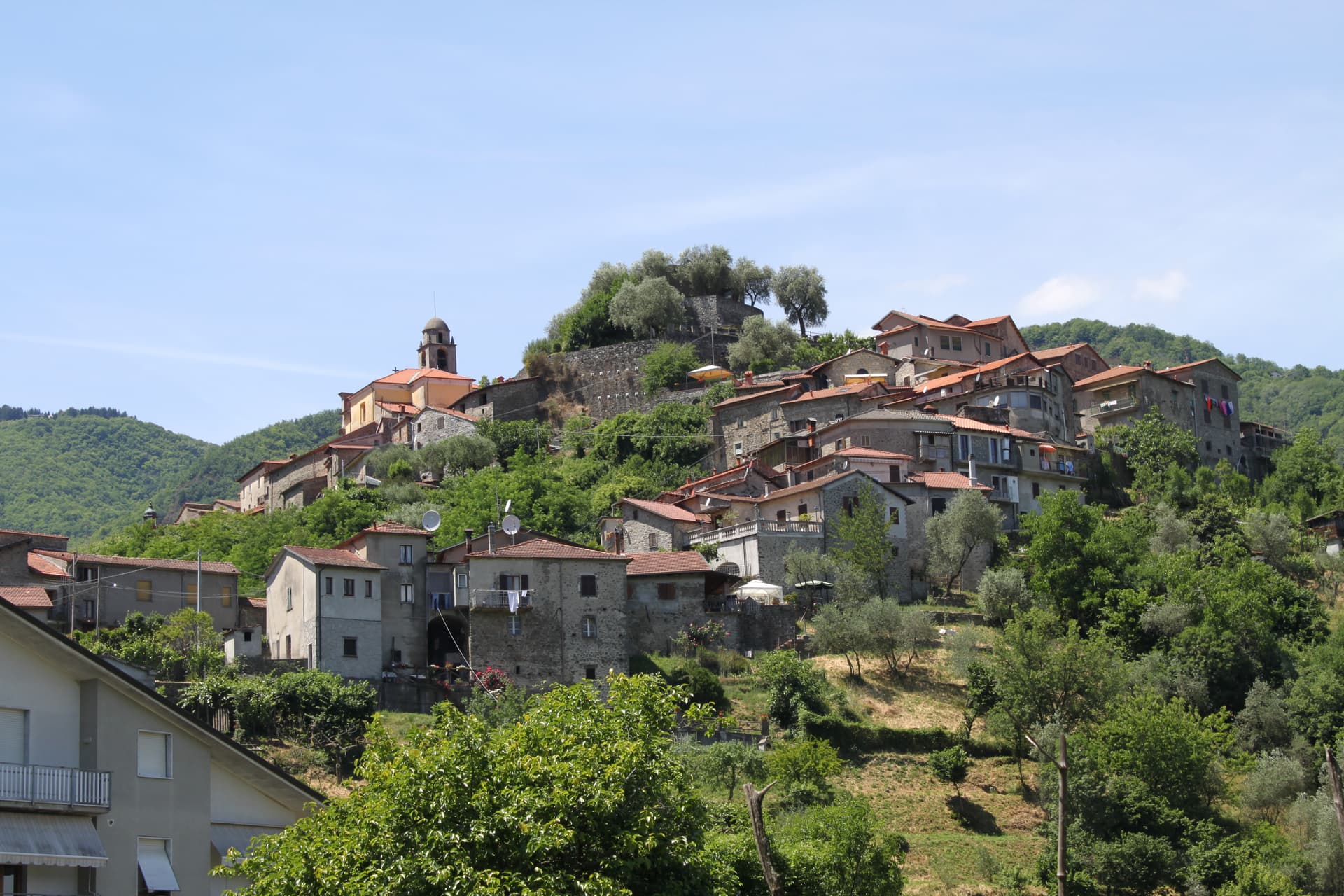
Stone medieval village on a Lunigiana ridge, with narrow stepped streets converging on the Malaspina tower and the parish church.
The slow-trip planner
Building a trip? Find where Mulazzo fits in a slow Italy circuit.
Answer five questions. We will shape a geographically coherent slow trip from the 1,000 Italian towns most travelers skip. Yours to save and share.
Living here
- Population 2,284
- In-betweeni
- Pharmacy: none mapped
- High school within a 30-minute drive
- Nearest airport Florence / Pisa, 1 h 46 min drive
- Regional capital Firenze, 2 h 23 min drive
Tags & datadesignations · numbers · sources
Recognised as
The numbers
- Elevation: 351 m
- Population: 2,284
- Surface area: 62.51 km²
These figures were compiled from public directories — ISTAT, OpenStreetMap, Wikidata — and from the official listings of the guides named on this page. Town details change; verify with official sources before you travel.
Close by
More towns near Mulazzo
Pontremoli
Province: Massa-Carrara
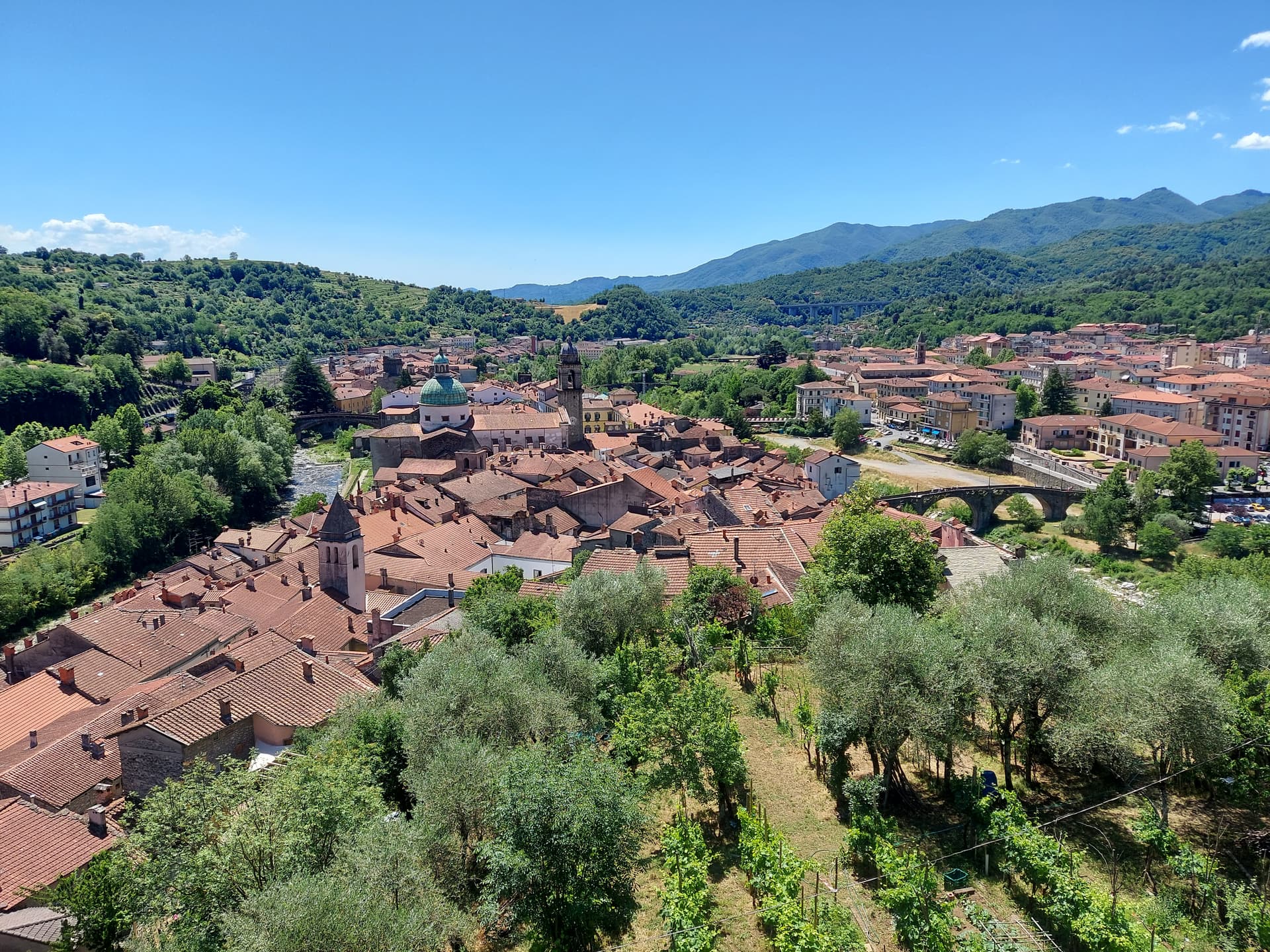
The capital of Lunigiana at the confluence of the Magra and Verde, holding the prehistoric stele statues and the oldest book prize in Italy.
Licciana Nardi
Province: Massa-Carrara
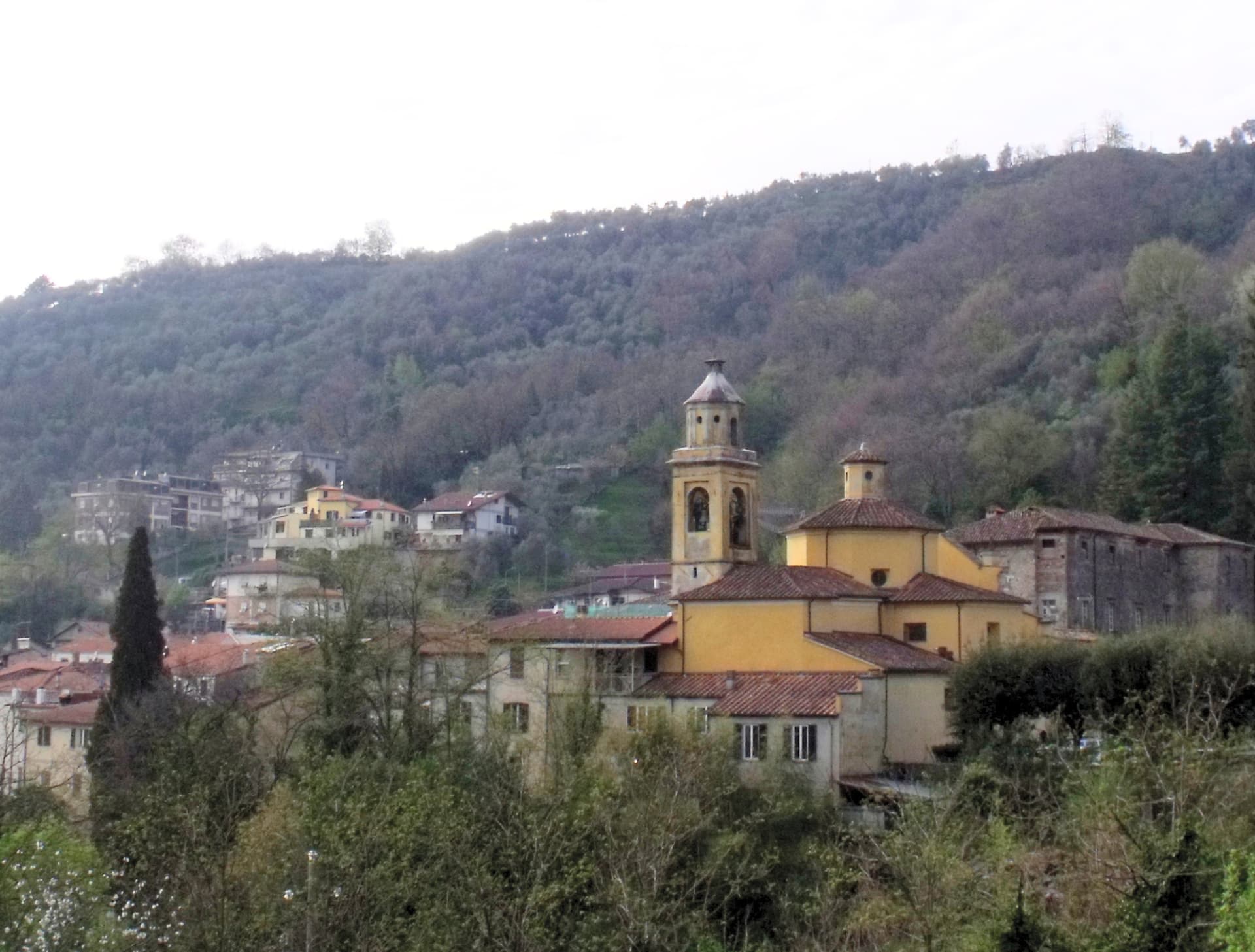
A Lunigiana Malaspina village at 215 meters in the Apennine Tosco-Emiliano park, named in 1933 for the Risorgimento patriot Anacarsi Nardi.
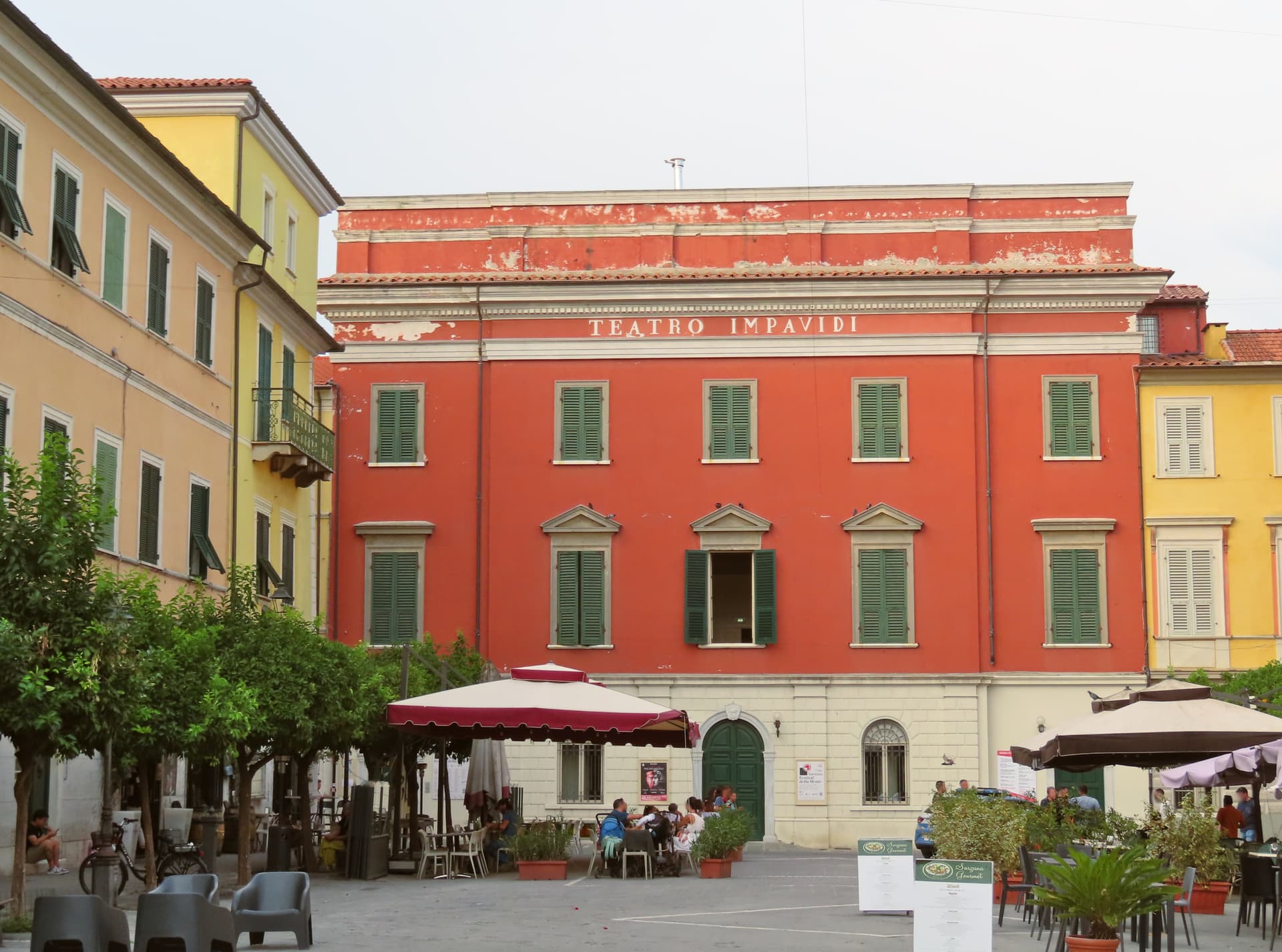
Sarzana
Province: La Spezia
The unofficial capital of the Lunigiana on the Magra plain, birthplace of Pope Niccolò V and home to Italy's oldest dated painted crucifix.
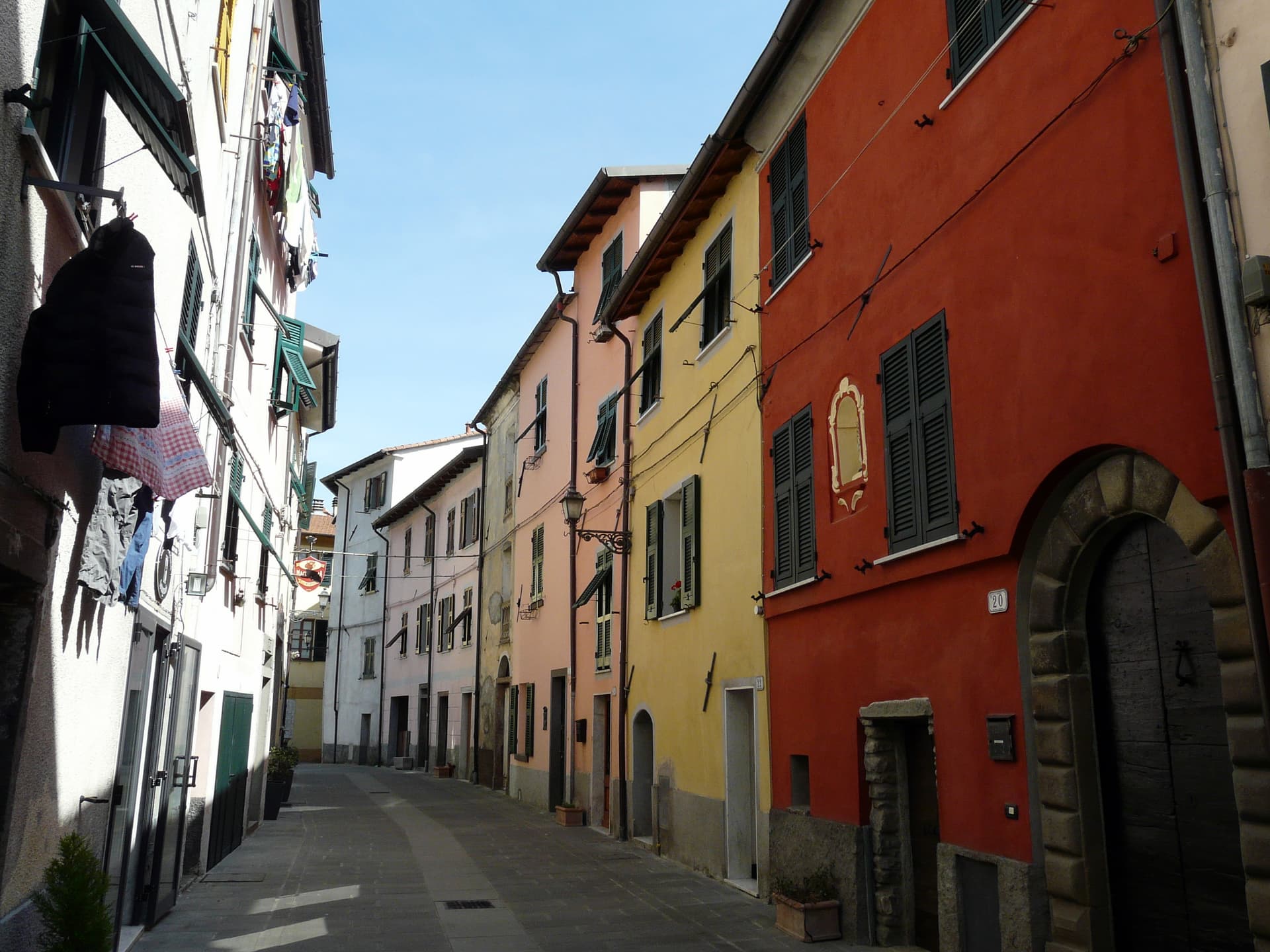
Brugnato
Province: La Spezia
The medieval ecclesiastical capital of the Val di Vara, seat of a diocese from 1133 to 1820, with a co-cathedral built over a Columban monastery.
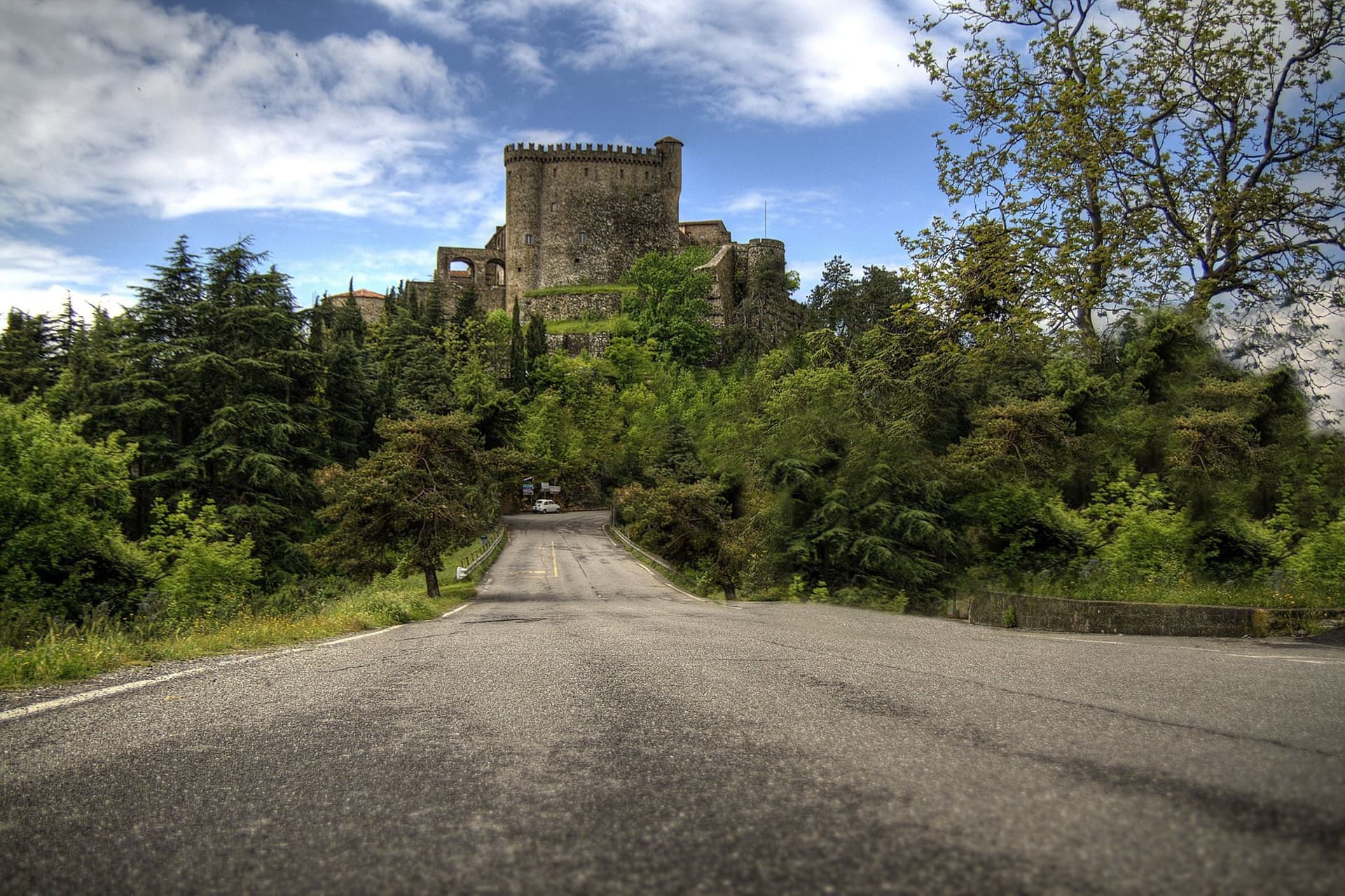
Fosdinovo
Province: Massa-Carrara
The southern Lunigiana stronghold at 500 meters, the Malaspina castle where Dante took shelter in 1306 and later set a Purgatorio canto.
🎨 Borghi più belli d'Italia
More Borghi più belli d'Italia towns in Tuscany
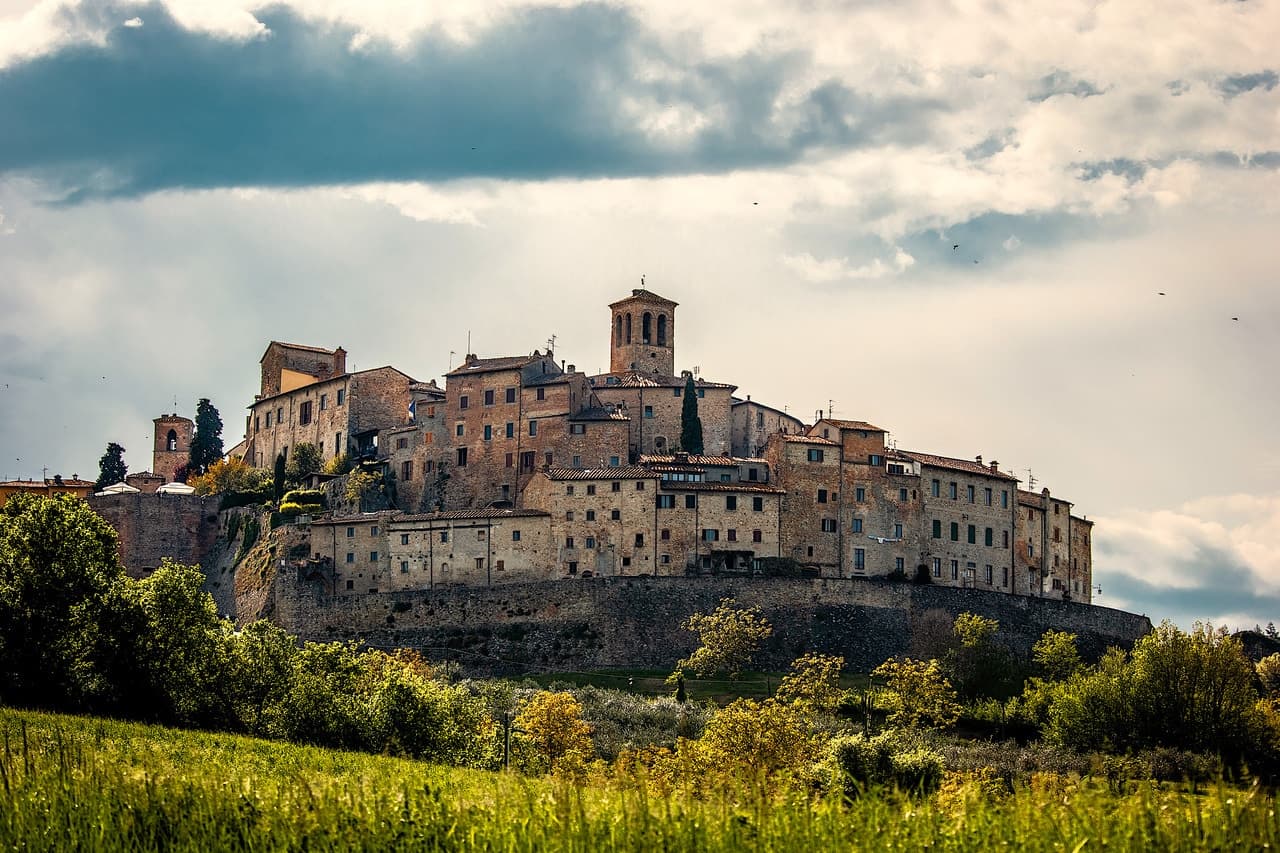
Anghiari
Province: Arezzo
A walled medieval town at 430 meters over the upper Tiber valley, where Florence beat Milan in 1440 and Leonardo started the fresco he never finished.
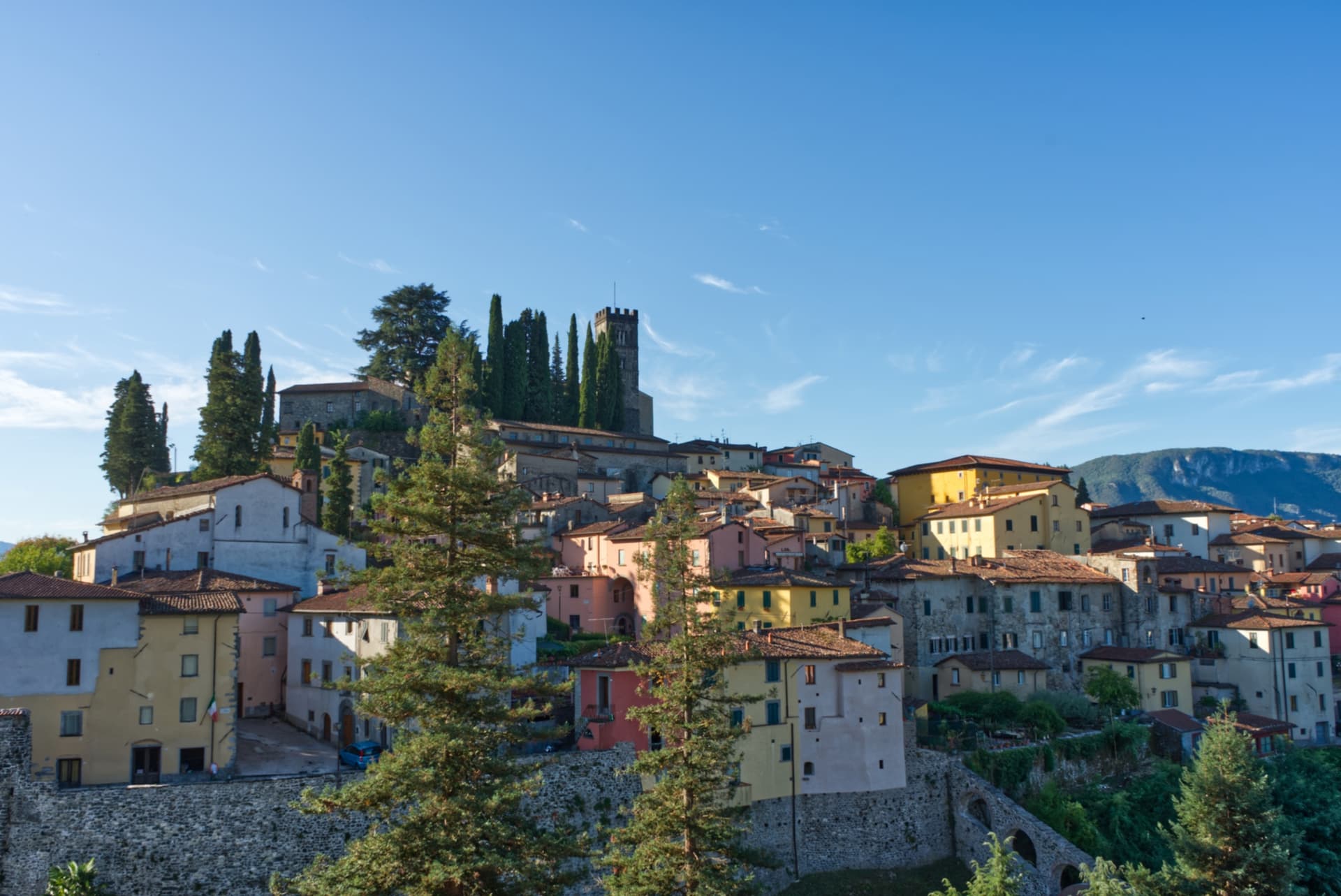
Barga
Province: Lucca
A medieval hilltop town at 410 meters in the Serchio valley between the Apuan Alps and the Apennines, where Giovanni Pascoli wrote his last poems and the August festival serves fish and chips.
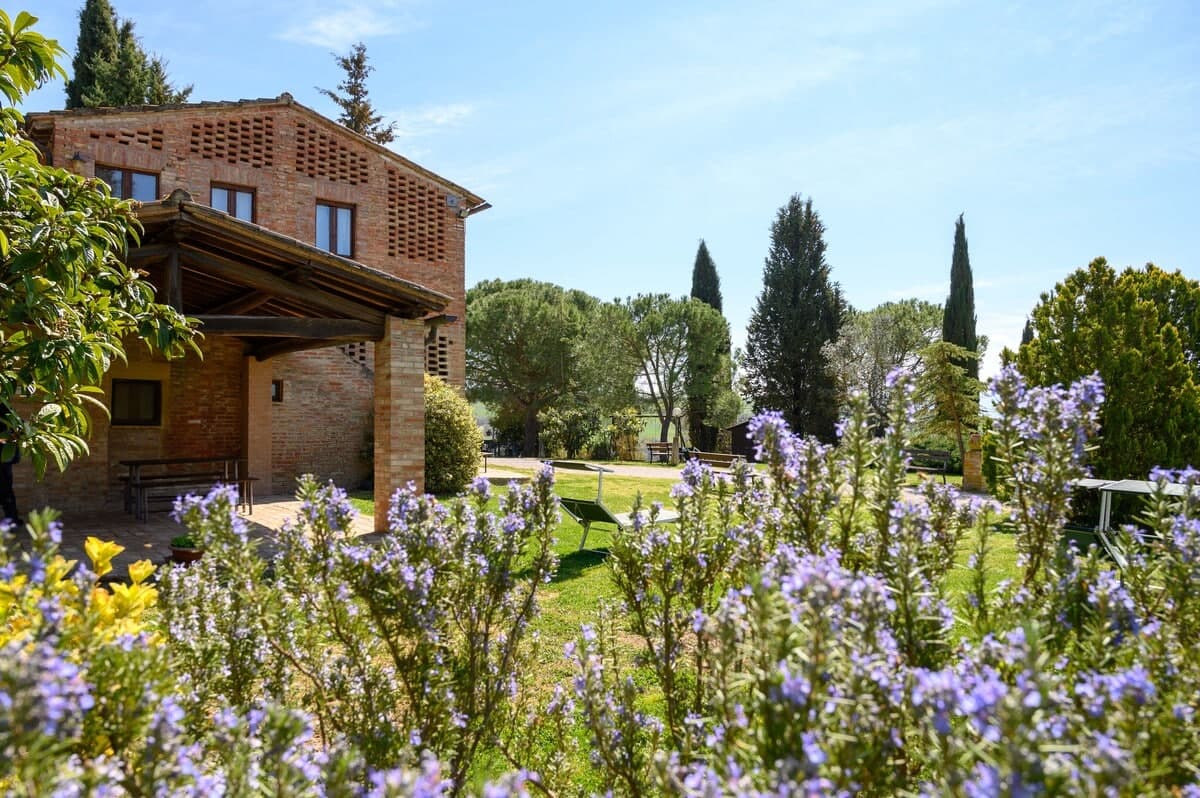
Buonconvento
Province: Siena
The walled brick borgo in the Crete Senesi where Emperor Henry VII died in 1313, on the Via Cassia at the confluence of the Arbia and Ombrone.
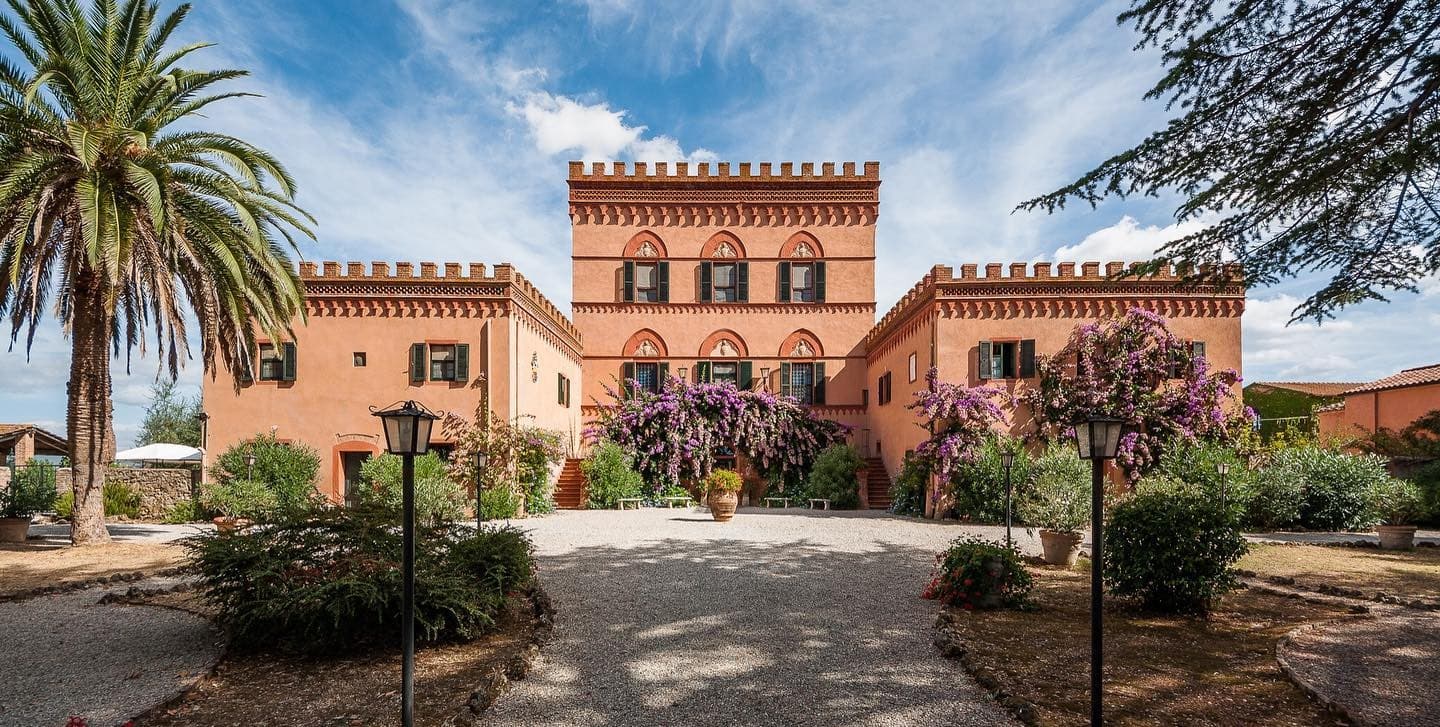
Campiglia Marittima
Province: Livorno
A walled hilltop borgo above the Val di Cornia, where the Rocca tower watches a mining landscape worked from the Etruscans to 1976.
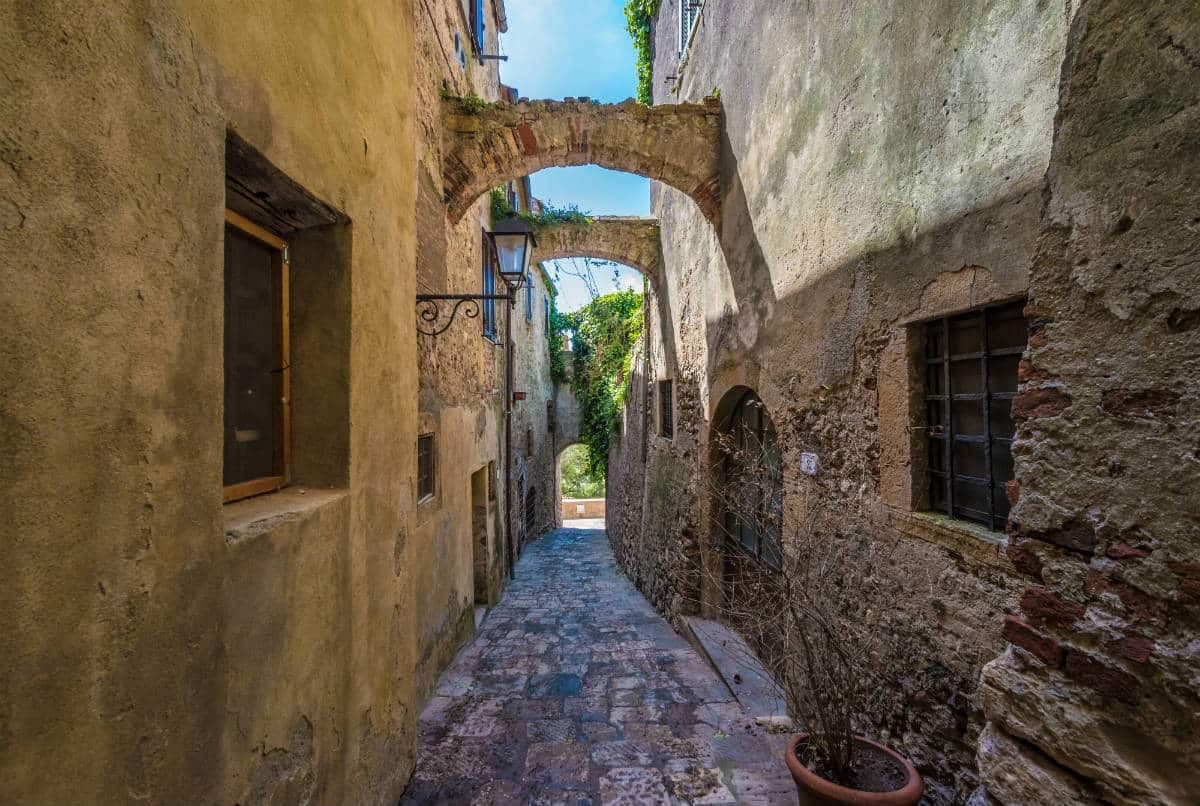
Capalbio
Province: Grosseto
A walled hilltop borgo at 217 meters in the southern Maremma, donated to the Abbey of Tre Fontane by Charlemagne and home of Niki de Saint Phalle's Tarot Garden.