

Marche · Pesaro e Urbino
Urbania
The Montefeltro ceramics town on the upper Metauro, known as Casteldurante until Pope Urban VIII gave it his name in 1636.
Known for
CASTELDURANTE MAIOLICA
One of the three great Renaissance maiolica centers (with Urbino and Pesaro), producing prized tin-glazed wares through the sixteenth century.
MUMMY CEMETERY
Eighteen naturally mummified bodies in the Chiesa dei Morti, displayed since 1833, desiccated by a mold that drew moisture from the corpses.
PALAZZO DUCALE
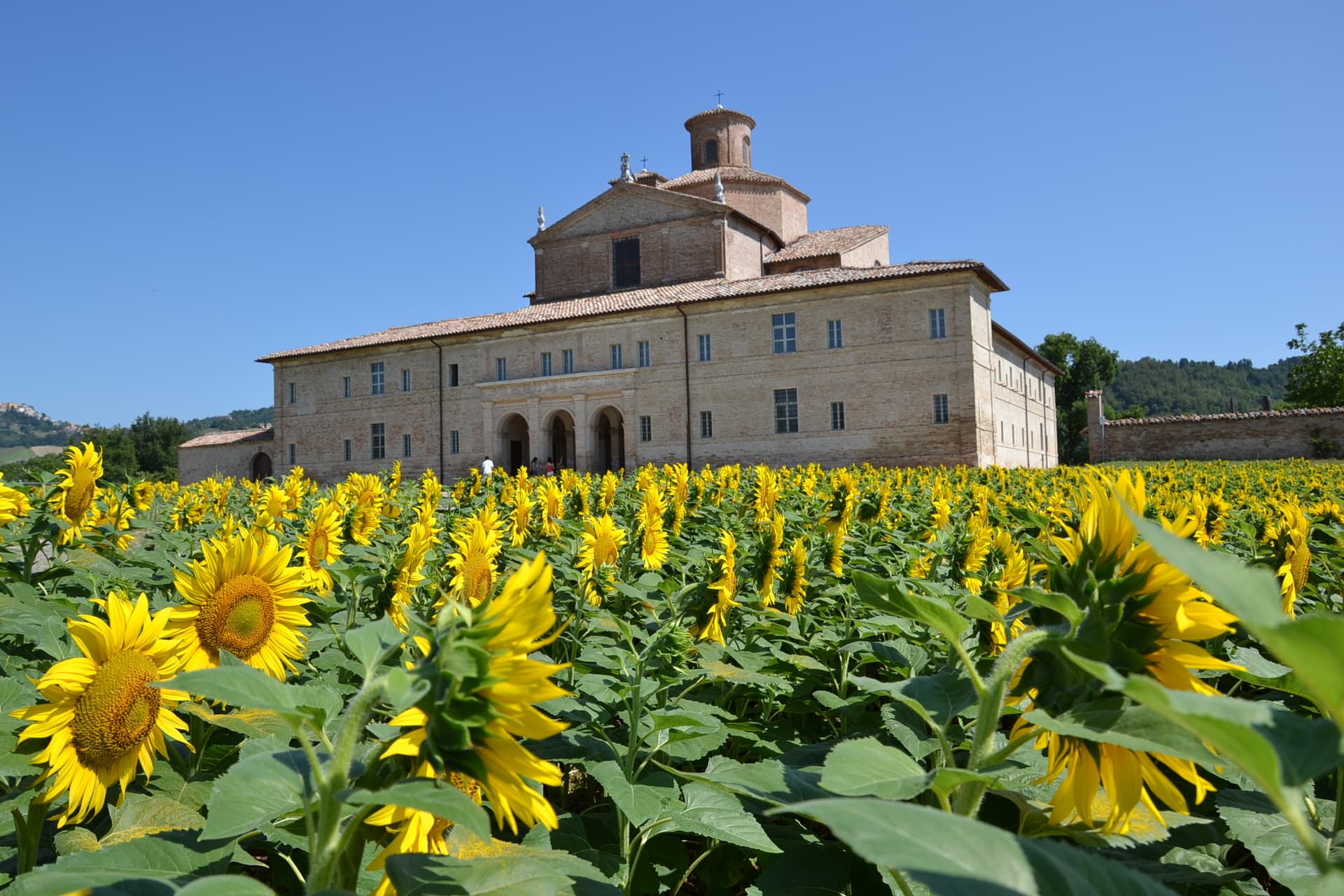
Summer residence of the Montefeltro and Della Rovere dukes, designed by Francesco di Giorgio Martini from 1470 over the older Brancaleoni fortress.
When to visit
Best · Apr–Oct
- J
- F
- M
- A
- M
- J
- J
- A
- S
- O
- N
- D
- Best
- Hot or crowded
- Quiet
- Mostly closed
The festa: San Cristoforo, 25 July
Why come
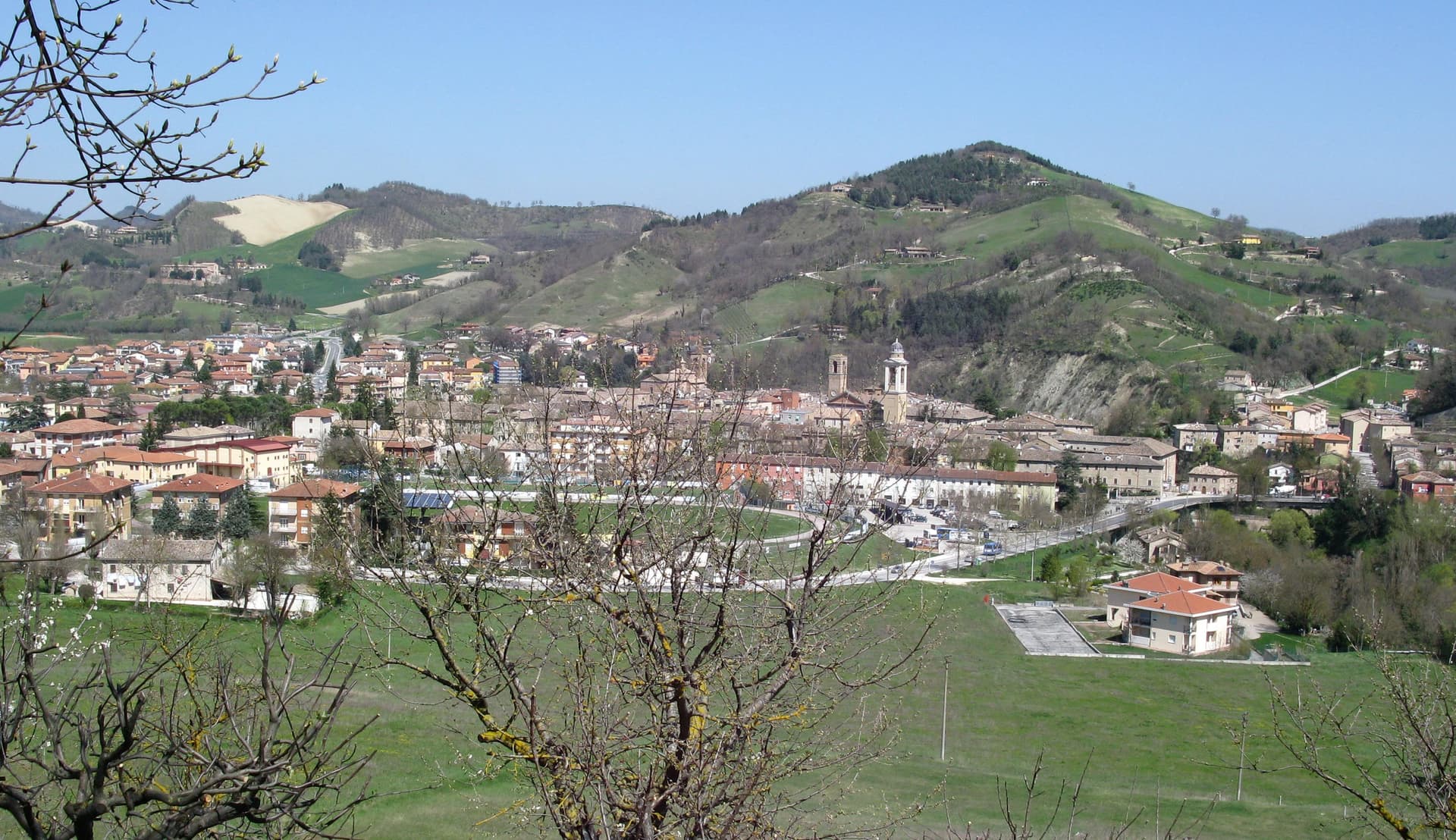
Urbania sits on the upper Metauro, thirteen kilometers downstream from Urbino. The original Ghibelline village was destroyed in 1277 and rebuilt seven years later by the Provençal Cardinal Guillaume Durand, who renamed it Castel Durante. The town passed to the Brancaleoni family in the fourteenth century and to the Dukes of Urbino in the fifteenth, who turned the Brancaleoni fortress into a summer Palazzo Ducale on plans by Francesco di Giorgio Martini from 1470 and used the river island as a hunting reserve, the Barco Ducale, fitted with a small church.
Through the sixteenth century Casteldurante produced some of the finest maiolica of the Renaissance, traded alongside the Urbino and Pesaro workshops. Pope Urban VIII renamed the town Urbania in 1636 after his own name. The Chiesa dei Morti, just off the centro storico, preserves eighteen naturally mummified bodies displayed behind the altar from 1833, dried by a particular mold that drew the moisture from the corpses in the original graveyard.
The Sunday letter
We haven’t written Urbania’s letter yet.
One town every Sunday, with the photo, the food, the festa. Be there when this one comes up. Free, by Peter & Sophia from Pietrasanta.
By subscribing you agree to Substack’s Terms of Use, our Privacy Policy and our Information collection notice.
What to see
Palazzo Ducale
Summer Ducal Palace of the Montefeltro and Della Rovere on top of the Brancaleoni castle, begun on plans by Francesco di Giorgio Martini in 1470, completed by Girolamo Genga.
Barco Ducale
Hunting estate of the Dukes of Urbino, built 1465 with an attached Church of San Giovanni Battista, expanded 1594-1596 by Francesco Maria II Della Rovere.
Chiesa dei Morti e Cimitero delle Mummie
Former Cappella Cola, with a Gothic portal, holding eighteen naturally mummified bodies displayed behind the altar from 1833 after Napoleon's 1804 burial edict closed the church graveyard.
Bottega Storica di Ceramica Casteldurante
Active maiolica workshops continuing the Renaissance Casteldurante tradition, with a municipal collection in the Palazzo Ducale documenting the sixteenth-century production.
Centro storico sul Metauro
Medieval and Renaissance core arranged along the river, with the Cattedrale dei Santi Cristoforo e Vitale, the Porta Parco and the Loggia dei Mercanti.
The slow-trip planner
Building a trip? Find where Urbania fits in a slow Italy circuit.
Answer five questions. We will shape a geographically coherent slow trip from the 1,000 Italian towns most travelers skip. Yours to save and share.
Living here
- Population 6,836
- Off the beaten pathi
- Pharmacy in town
- High school within a 30-minute drive
- Train station in the comune
- Nearest airport Ancona / Pescara, 1 h 37 min drive
- Regional capital Ancona, 1 h 49 min drive
Tags & datadesignations · numbers · sources
Recognised as
The numbers
- Elevation: 273 m
- Population: 6,836
- Surface area: 77.53 km²
These figures were compiled from public directories — ISTAT, OpenStreetMap, Wikidata — and from the official listings of the guides named on this page. Town details change; verify with official sources before you travel.
Close by
More towns near Urbania
Sant'Angelo in Vado
Province: Pesaro e Urbino
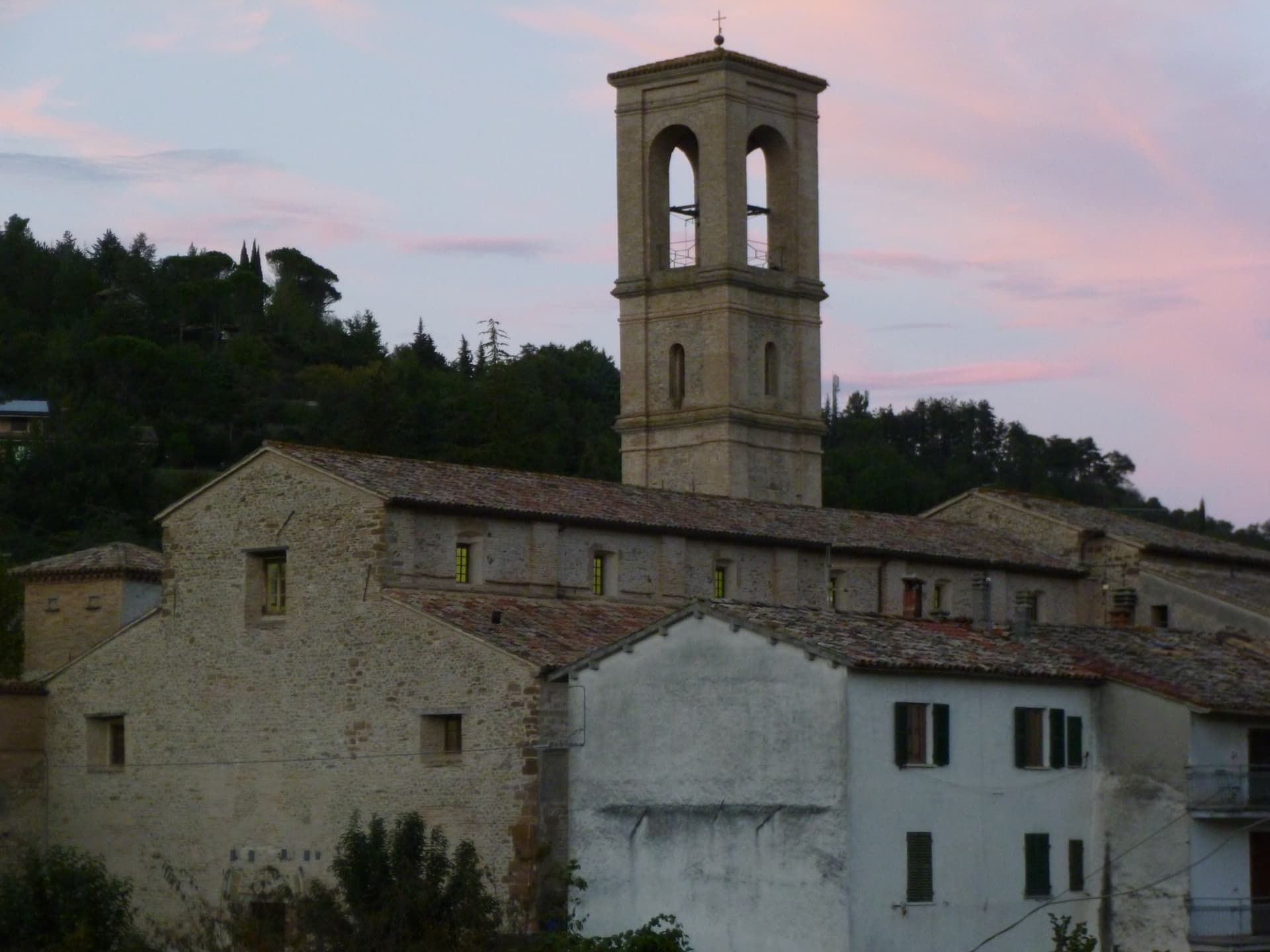
A 359-meter terrace town on the upper Metauro, built over Roman Tifernum Mataurense and host of Italy's oldest white truffle fair after Alba.
Acqualagna
Province: Pesaro e Urbino
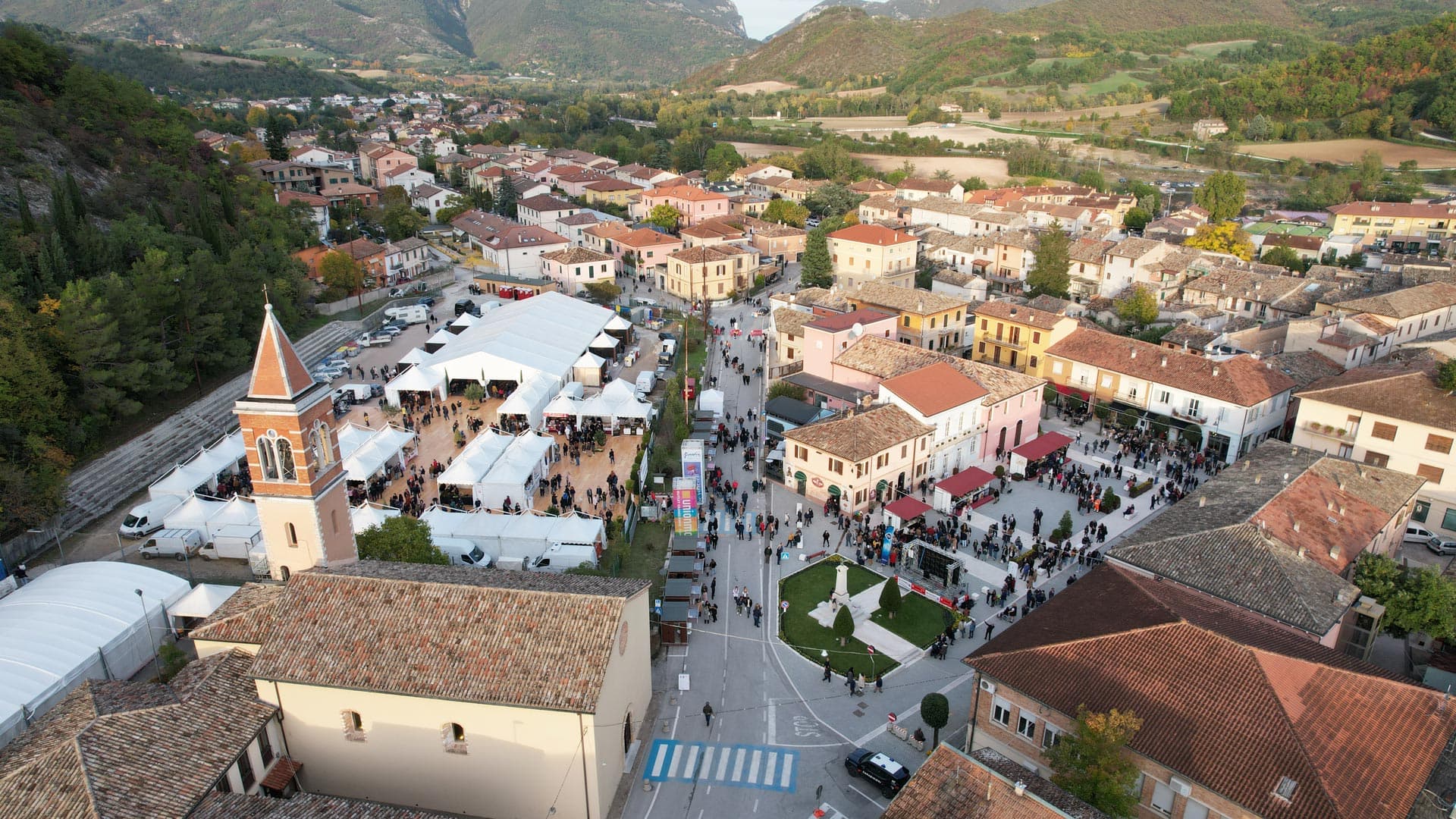
The Italian truffle capital at 204 meters in the Metauro valley, supplying two-thirds of the country's white truffle harvest from the surrounding limestone woods.
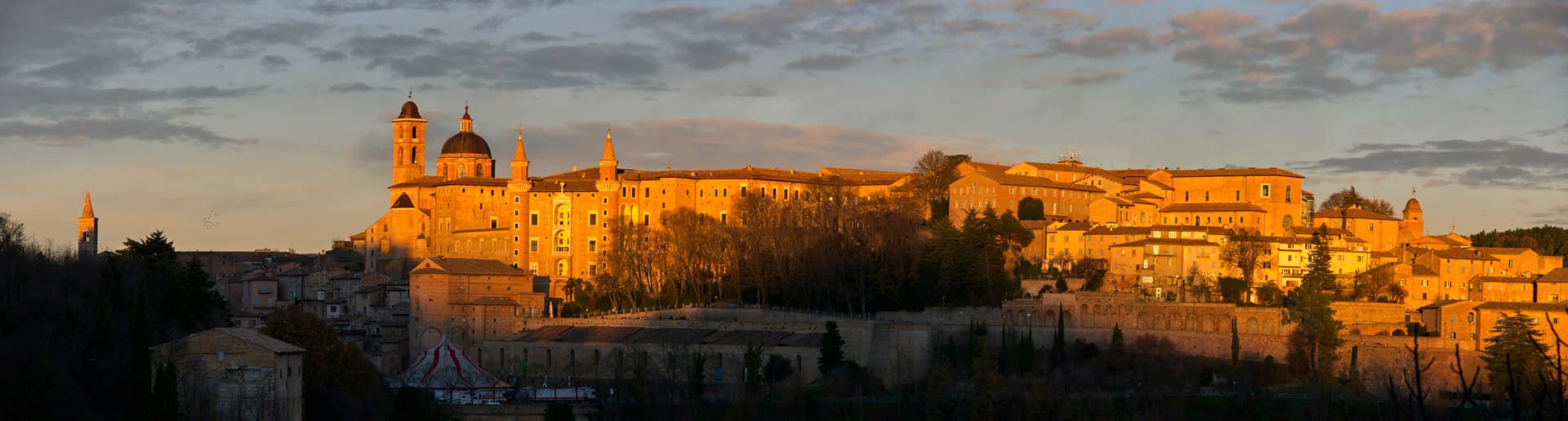
Urbino
Province: Pesaro e Urbino
The Montefeltro capital at 451 meters on twin hills, where Federico II built the Renaissance court that produced Raffaello.
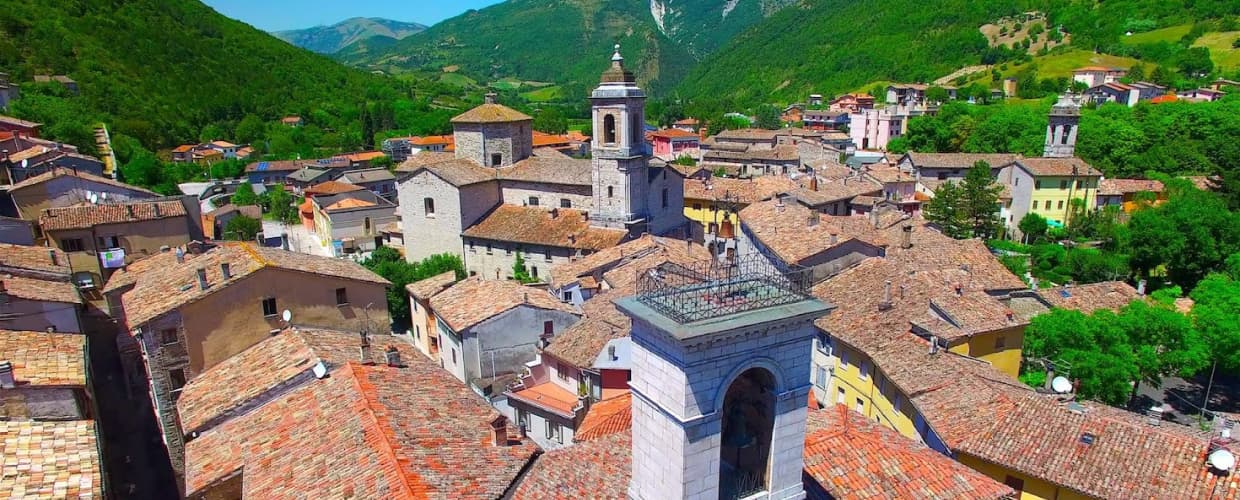
Cantiano
Province: Pesaro e Urbino
A border borgo at 374 meters under Monte Catria on the old Via Flaminia, known for the Good Friday Turba and the sour-cherry visciola harvest.
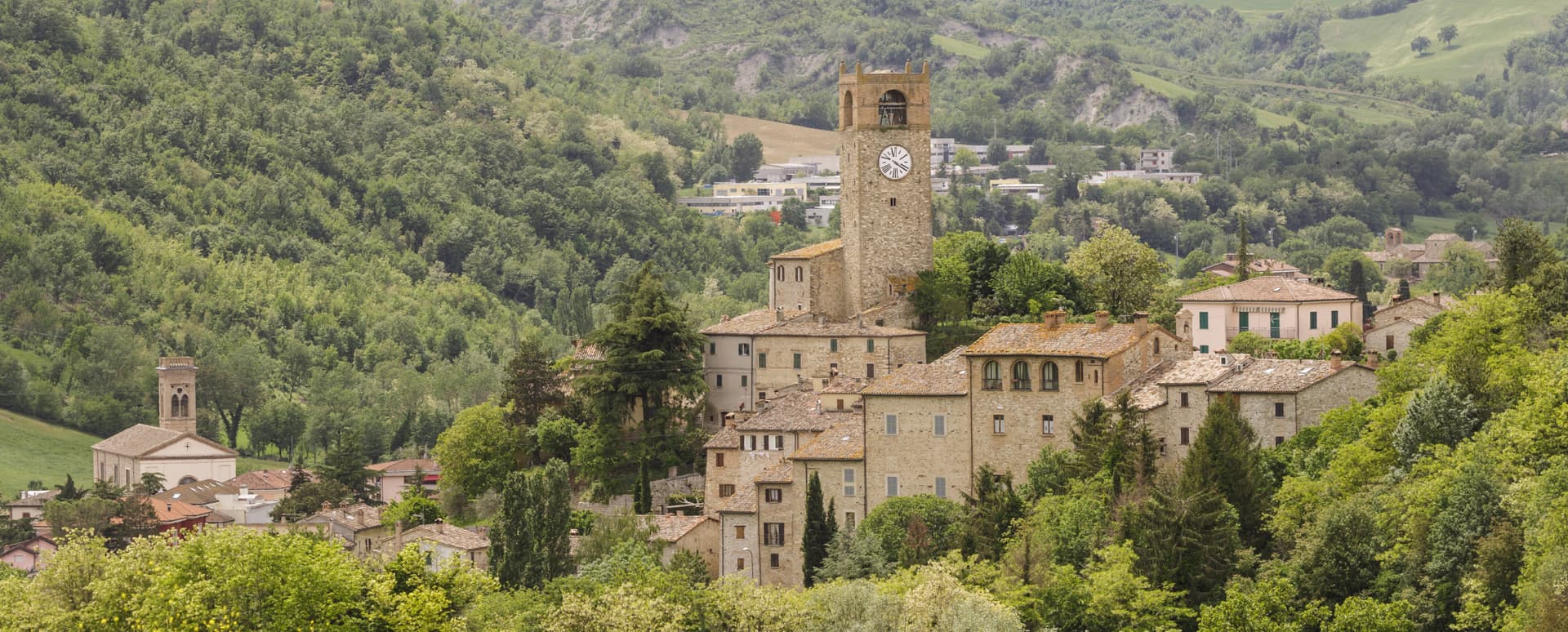
Macerata Feltria
Province: Pesaro e Urbino
Roman Pitinum + Renaissance Montefeltro — a 1,889-resident BPB borgo at 321m in the Marche side of the Montefeltro, built over the Roman municipium of Pitinum Pisaurense (1st c BC), with the Pieve di San Cassiano, a small thermal spa using sulphurous spring water, and Federico da Montefeltro fortifications.
🫖 Città della Ceramica
More Città della Ceramica towns
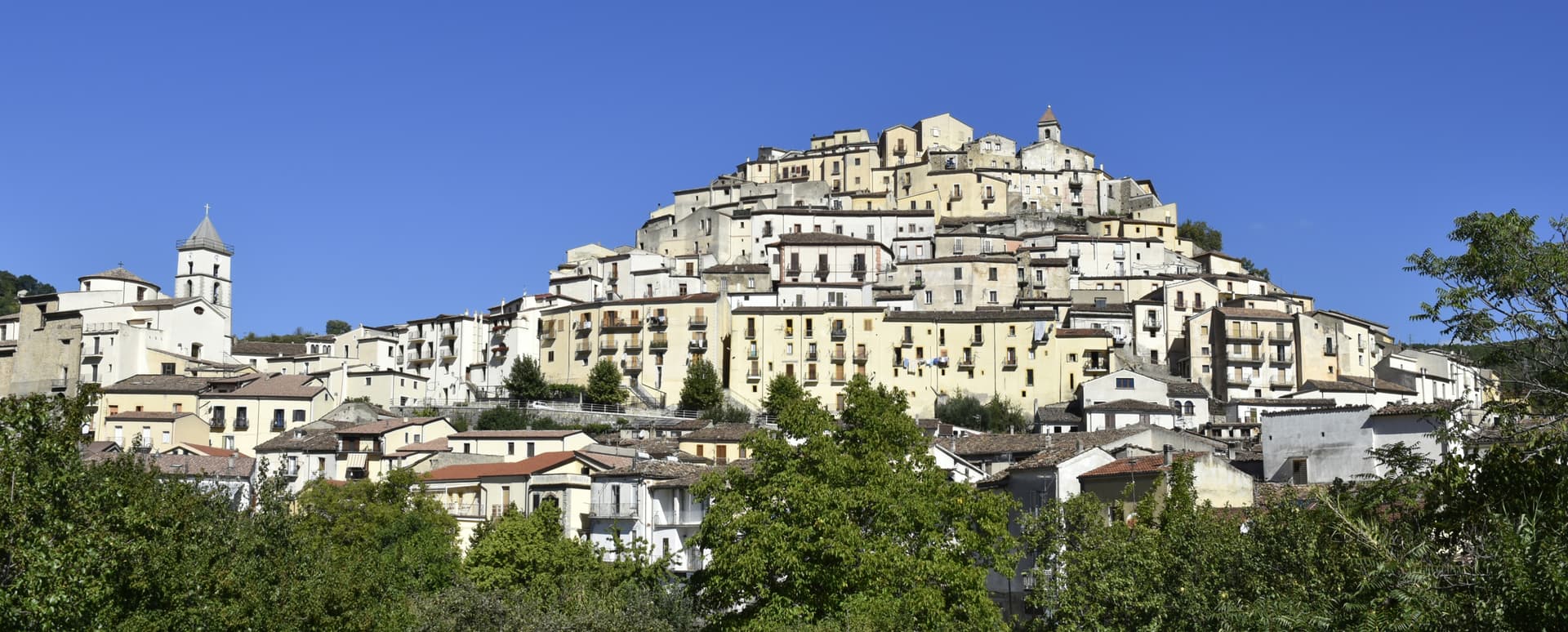
Calvello
Province: Potenza
A 730-meter ceramic town at the foot of Monte Venturino, working clay since 1200 when Benedictines from Faenza brought the wheel south.
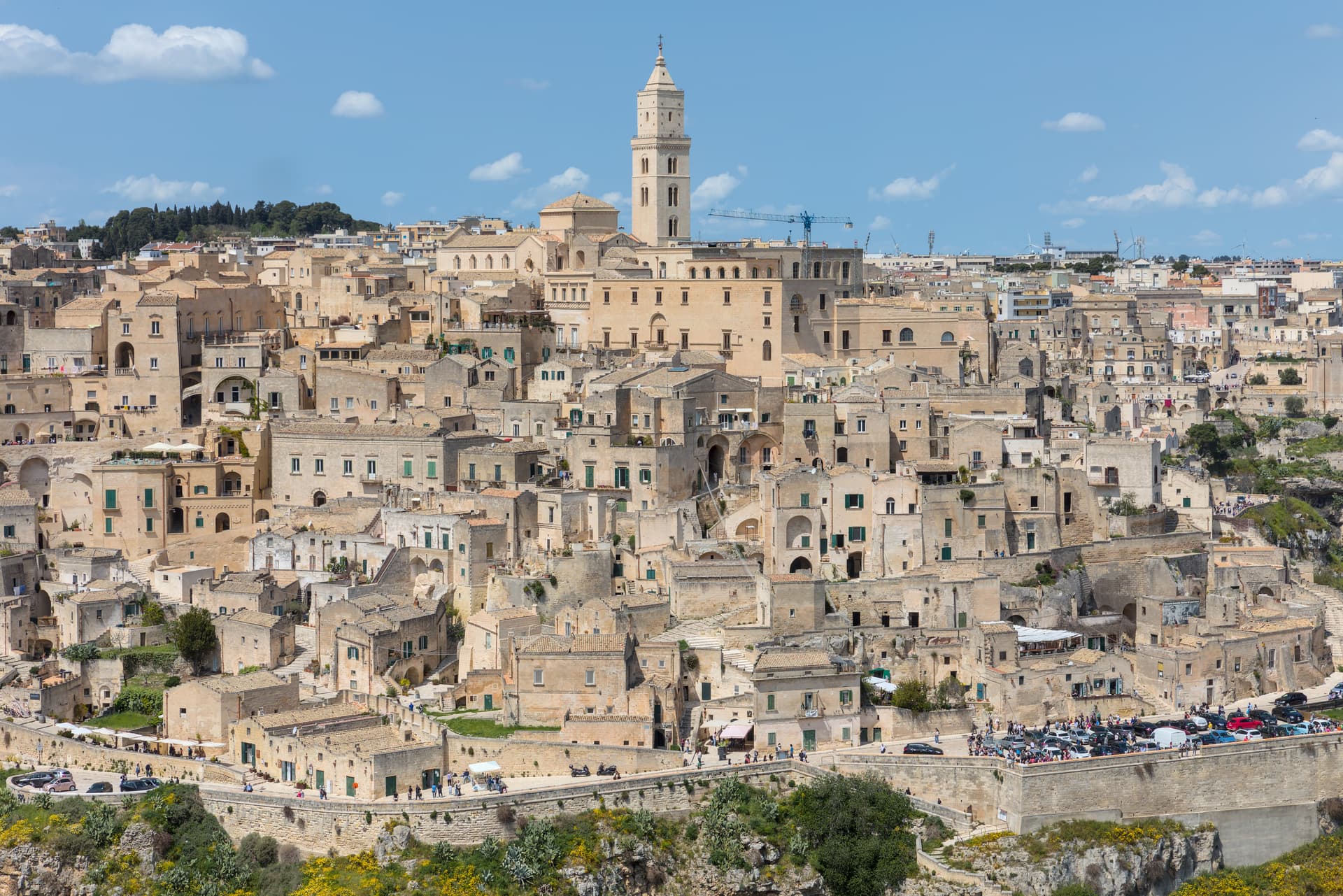
Matera
Province: Matera
Cave dwellings carved into limestone since the Paleolithic, called the shame of Italy in the 1950s and made European Capital of Culture in 2019.
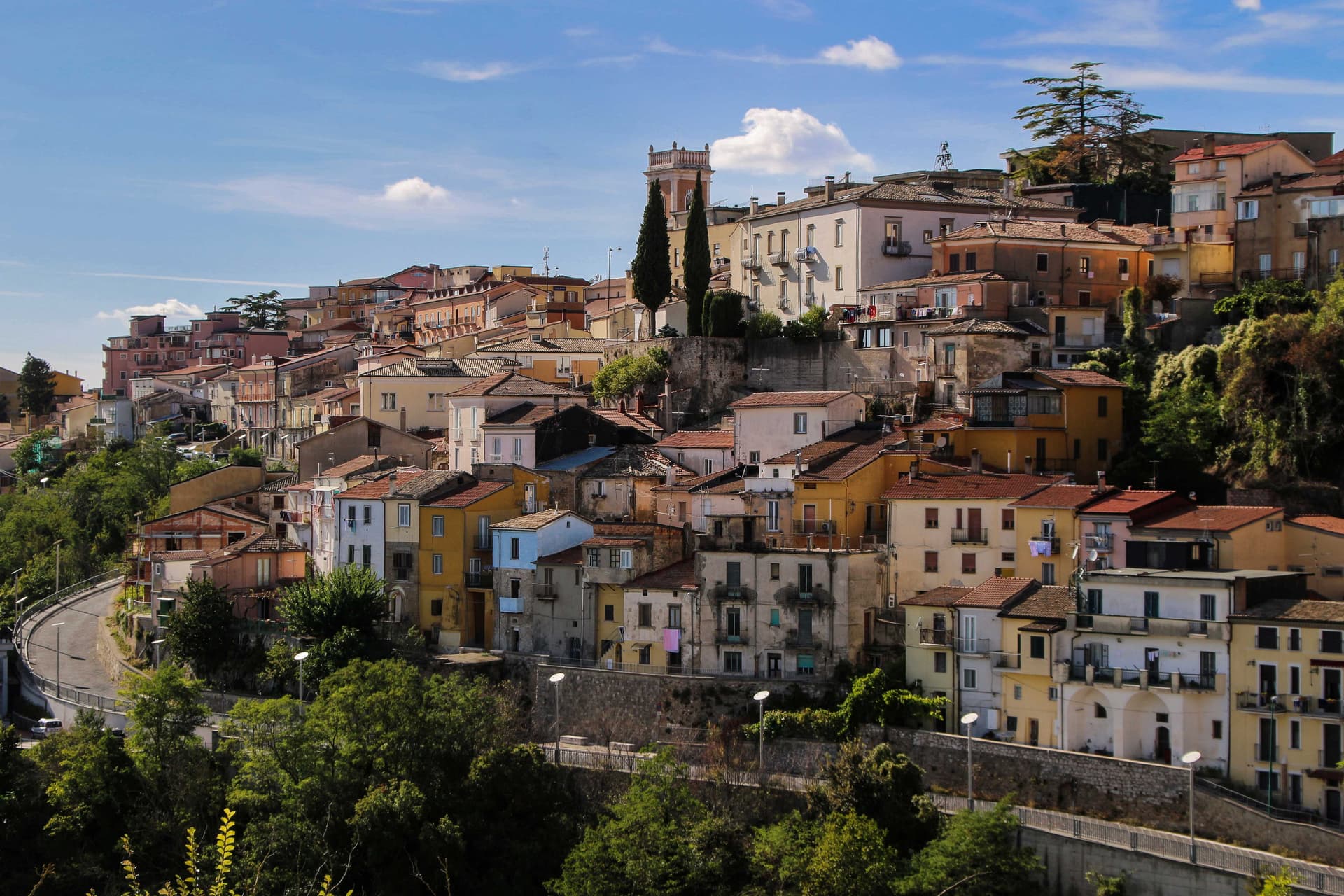
Ariano Irpino
Province: Avellino
The City of the Three Hills at 788 meters, where Roger II promulgated the Assizes of 1140 and majolica kilns still fire.
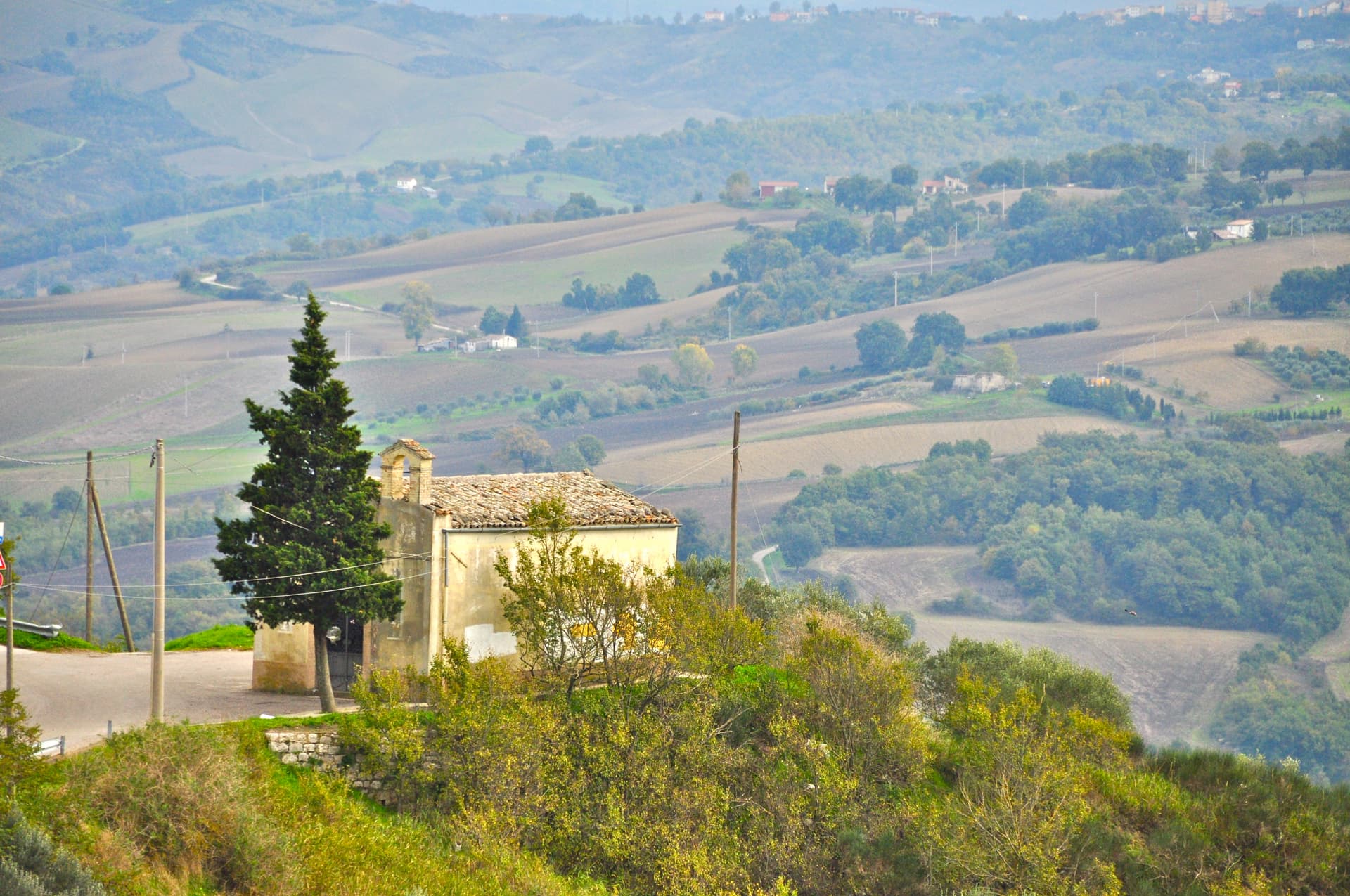
Calitri
Province: Avellino
An Alta Irpinia ceramic town at 530 meters, half-emptied by the 1980 earthquake and rebuilt around Vinicio Capossela's Sponz Fest.
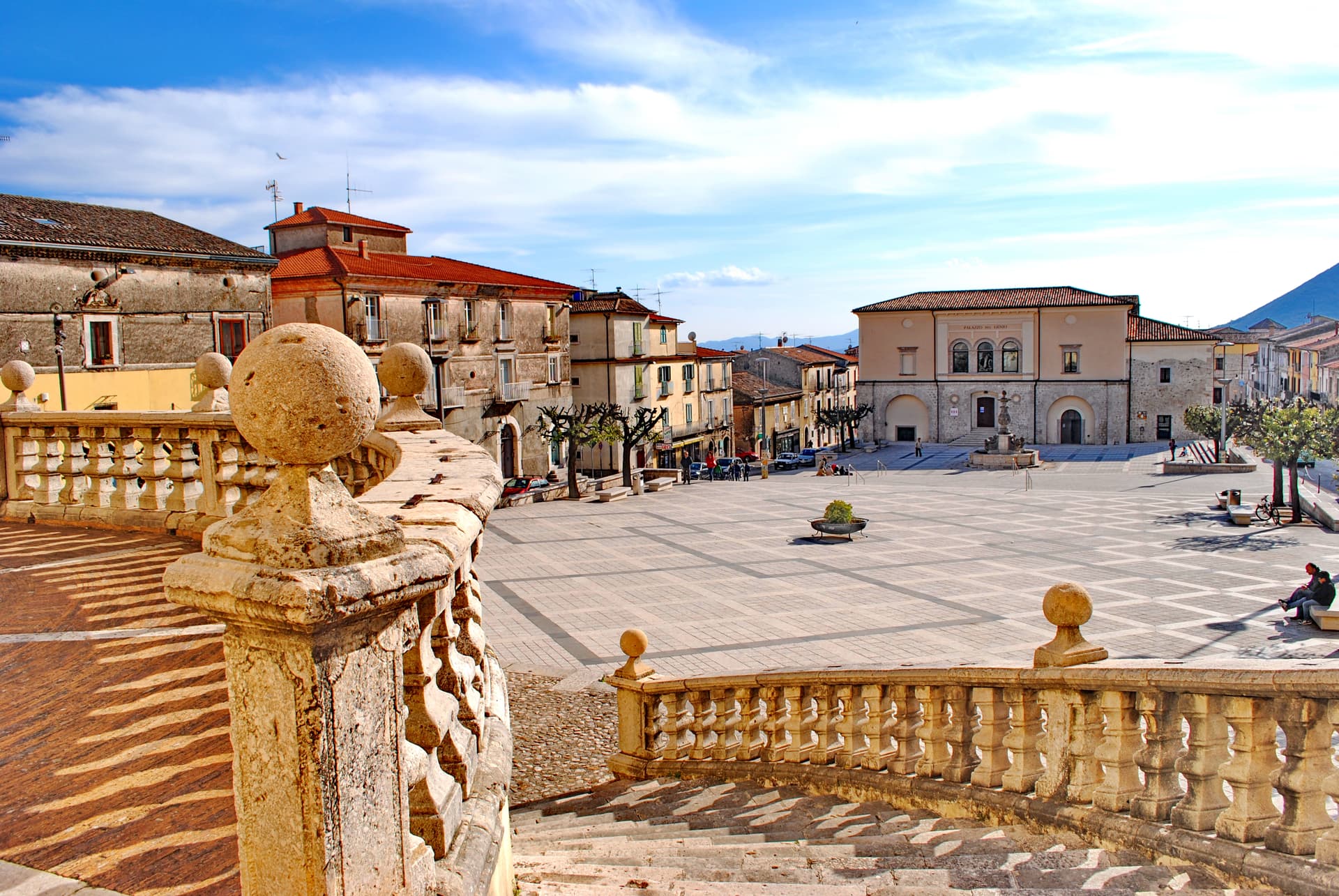
Cerreto Sannita
Province: Benevento
A Sannio ceramics town at 290 meters, rebuilt from scratch by royal engineer Giovanni Battista Manni after the 1688 earthquake leveled the old hill.