

Marche · Ancona
Fabriano
The Italian paper town, making fine watermarked sheets since 1264 and a UNESCO Creative City of Crafts and Folk Art.
Known for
PAPER SINCE 1264
Fabriano has made paper since 1264, invented the watermark in the twelfth century and is a UNESCO Creative City of Crafts and Folk Art.
PIAZZA DEL COMUNE
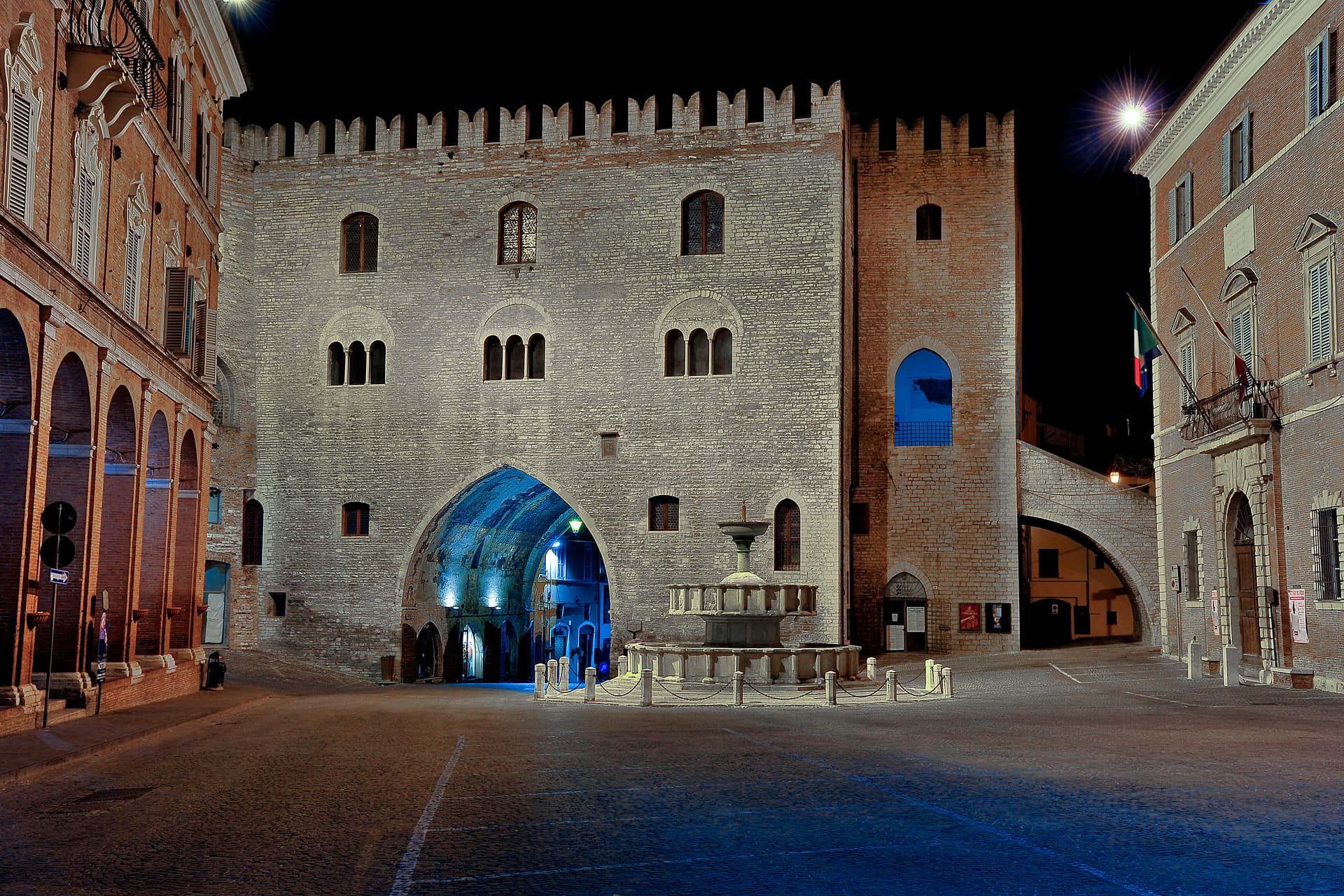
1255 Palazzo del Podestà and the 1285 Sturinalto fountain in white Vallemontagnana stone, a square laid out at the height of Fabriano's medieval wealth.
ALLEGRETTO NUZI
Local fourteenth-century painter whose frescoes in the cathedral's San Lorenzo chapel anchor the Fabriano late Gothic school.
When to visit
Best · Apr–Oct
- J
- F
- M
- A
- M
- J
- J
- A
- S
- O
- N
- D
- Best
- Hot or crowded
- Quiet
- Mostly closed
The festa: Giovanni Battista, 24 June
Why come
Fabriano sits on the Apennine watershed in inland Ancona province, fifty kilometers from Perugia and the Umbrian border. The town has made paper since 1264, when an Amalfi-style document held today in Matelica recorded paper production here; by 1276 Fabriano was one of the earliest centers of European paper, and the watermark was invented in the local workshops in the twelfth century to countersign sheets. Fabriano is a UNESCO Creative City of Crafts and Folk Art on the strength of that continuous tradition.
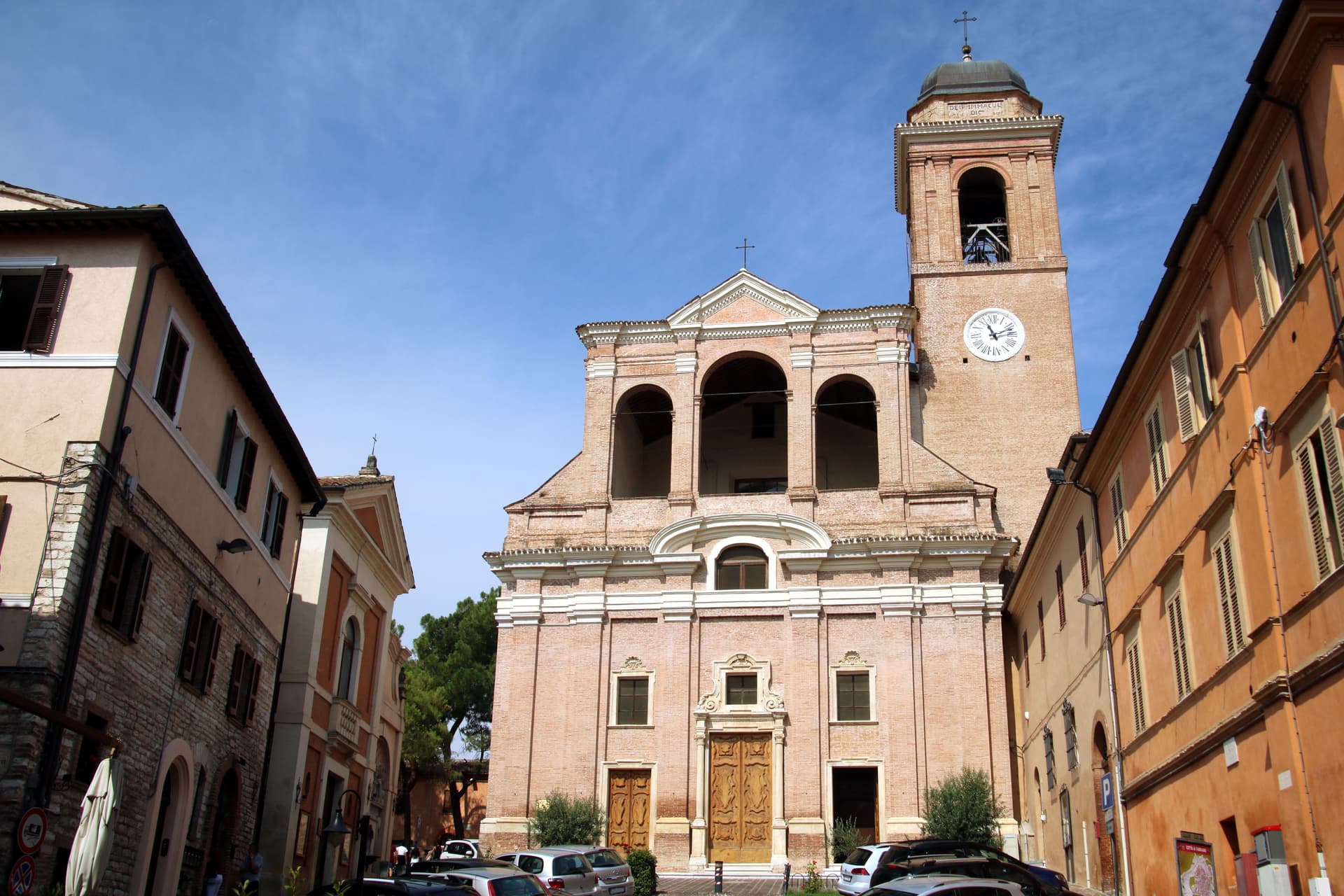
The Museo della Carta e della Filigrana occupies a former convent and reproduces the medieval workshops with working vats and watermark molds. Piazza del Comune holds the 1255 Palazzo del Podestà and the 1285 Sturinalto fountain, both in white Vallemontagnana stone. The cathedral of San Venanzio, started in the thirteenth century and rebuilt in 1607-17, preserves a fresco cycle by the local fourteenth-century painter Allegretto Nuzi in the chapel of San Lorenzo.
The Sunday letter
We haven’t written Fabriano’s letter yet.
One town every Sunday, with the photo, the food, the festa. Be there when this one comes up. Free, by Peter & Sophia from Pietrasanta.
By subscribing you agree to Substack’s Terms of Use, our Privacy Policy and our Information collection notice.
What to see
Museo della Carta e della Filigrana
Paper and watermark museum in a former convent, with reproduced medieval workshops, working vats and the largest documented watermark collection.
Piazza del Comune
Main square with the 1255 Palazzo del Podestà in white Vallemontagnana stone and the Sturinalto fountain from 1285.
Cattedrale di San Venanzio
Thirteenth-century cathedral rebuilt 1607 to 1617, preserving the Cappella di San Lorenzo frescoes by Allegretto Nuzi from the 1360s.
Palazzo del Podestà
Built in 1255 in white local stone, one of the oldest surviving civic palaces in central Italy and still a defining building of the square.
Pinacoteca Civica Bruno Molajoli
Civic art gallery with Gentile da Fabriano works, Allegretto Nuzi panels and a collection covering the Fabriano school of late Gothic painting.
The slow-trip planner
Building a trip? Find where Fabriano fits in a slow Italy circuit.
Answer five questions. We will shape a geographically coherent slow trip from the 1,000 Italian towns most travelers skip. Yours to save and share.
We recommend
Where to eat and stay
Not our picks, but places the guides put their name to — a Michelin star, a Gambero Rosso fork, a Slow Food snail, a Michelin Key for the hotels. Worth a table, a counter, or a night when you pass through.
Marchese del GrilloRistorante
Marchese del Grillo has one Gambero Rosso fork (79/100) to its name.
Osteria San BiagioRistorante
Osteria San Biagio has a Slow Food snail to its name.
Osteria SanBiagioBistrot
Osteria SanBiagio holds three Gambero Rosso tables.
Living here
- Population 28,918
- Off the beaten pathi
- Pharmacy in town
- High school within a 30-minute drive
- Train station in the comune
- Nearest airport Ancona / Pescara, 54 min drive
- Regional capital Ancona, 1 h 5 min drive
Tags & datadesignations · numbers · sources
Recognised as
The numbers
- Elevation: 325 m
- Population: 28,918
- Surface area: 272.08 km²
These figures were compiled from public directories — ISTAT, OpenStreetMap, Wikidata — and from the official listings of the guides named on this page. Town details change; verify with official sources before you travel.
Close by
More towns near Fabriano
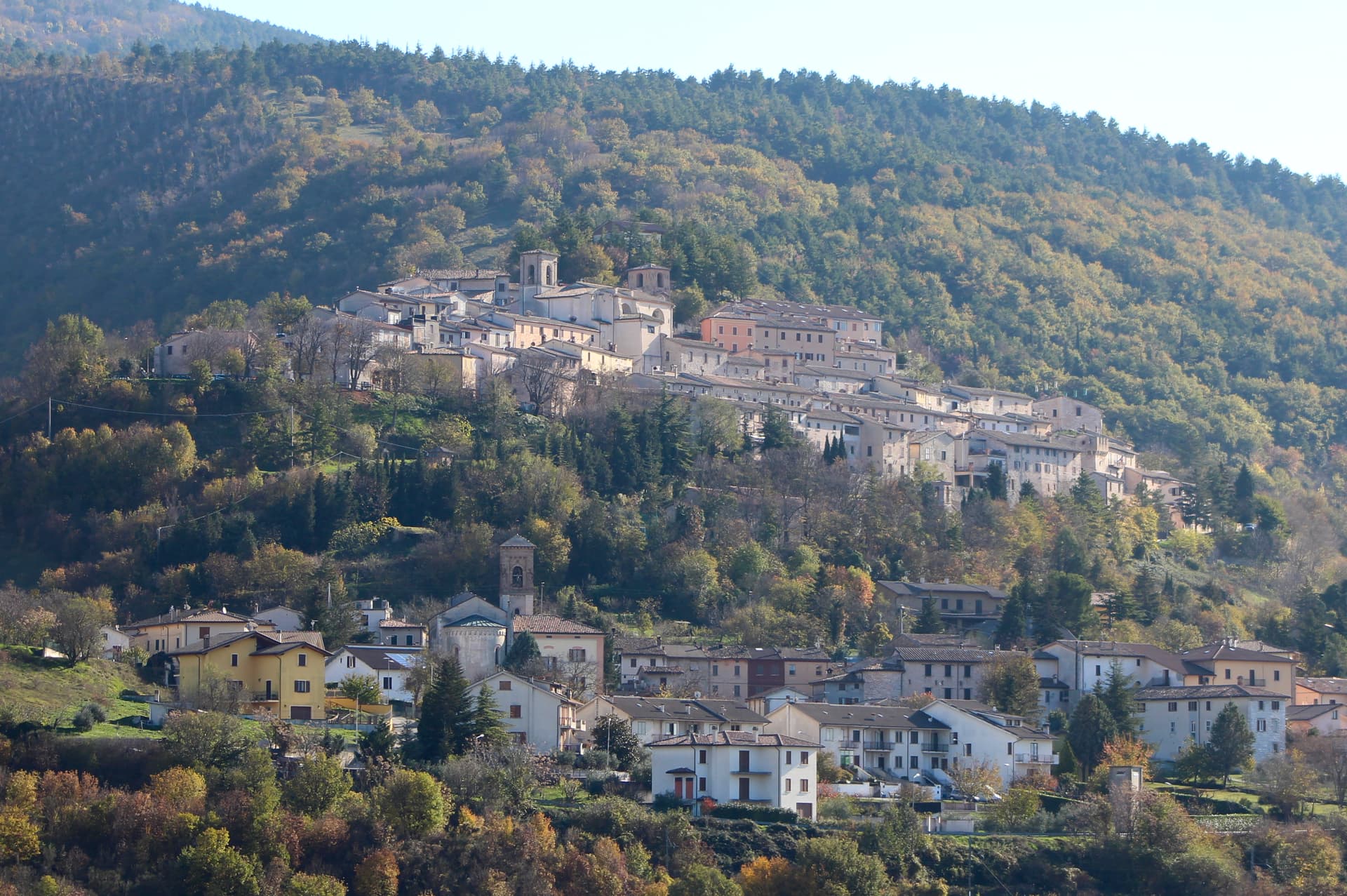
Fossato di Vico
Province: Perugia
A medieval village on Mount Mutali at 581 meters, where the Via Flaminia's Roman waystation Hellvillum became a tenth-century castle still threaded by covered alleyways.
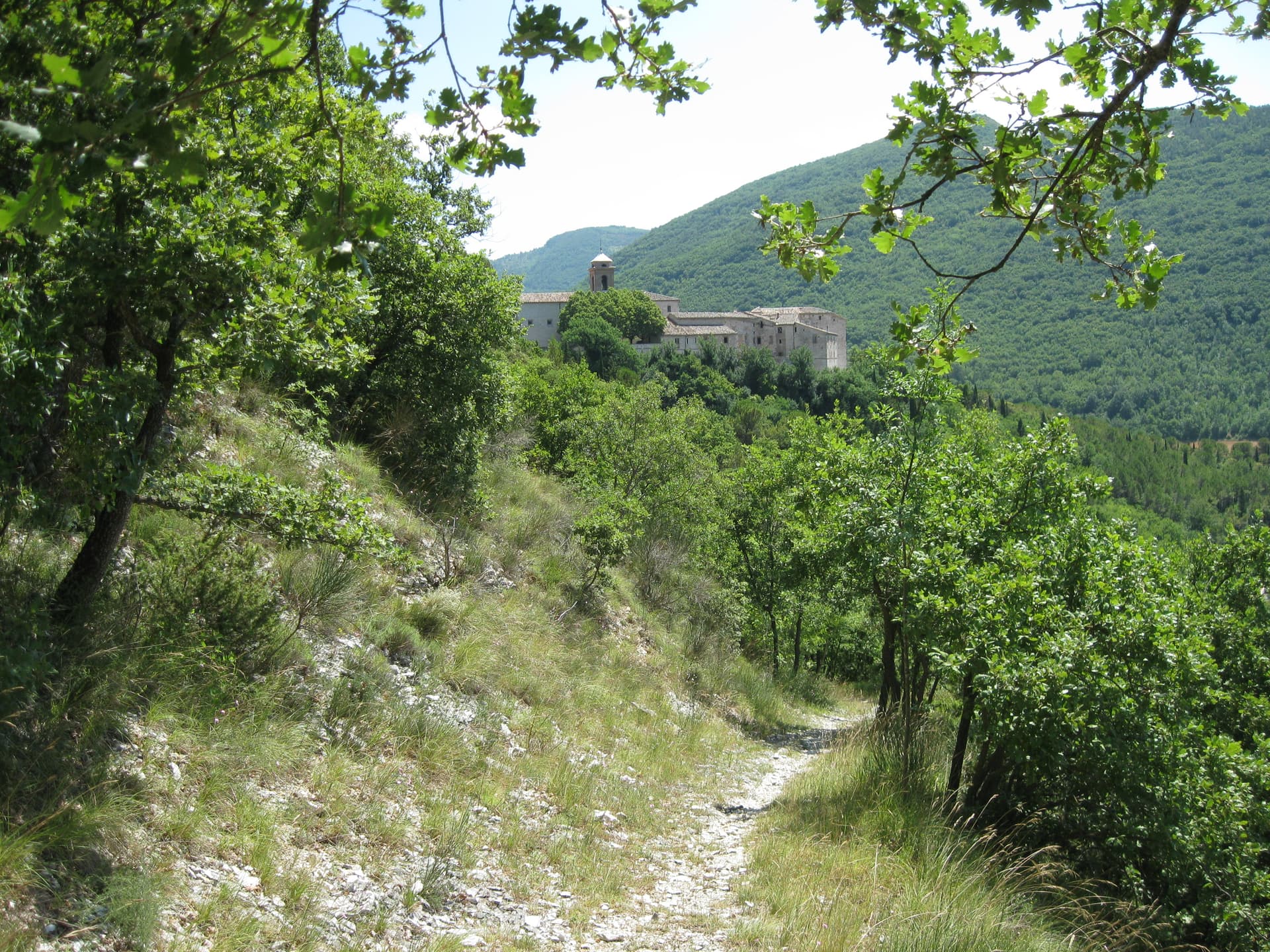
Genga
Province: Ancona
A small Sentino-valley commune at 322 meters whose territory holds the Frasassi caves, the largest karst show cave in Italy.
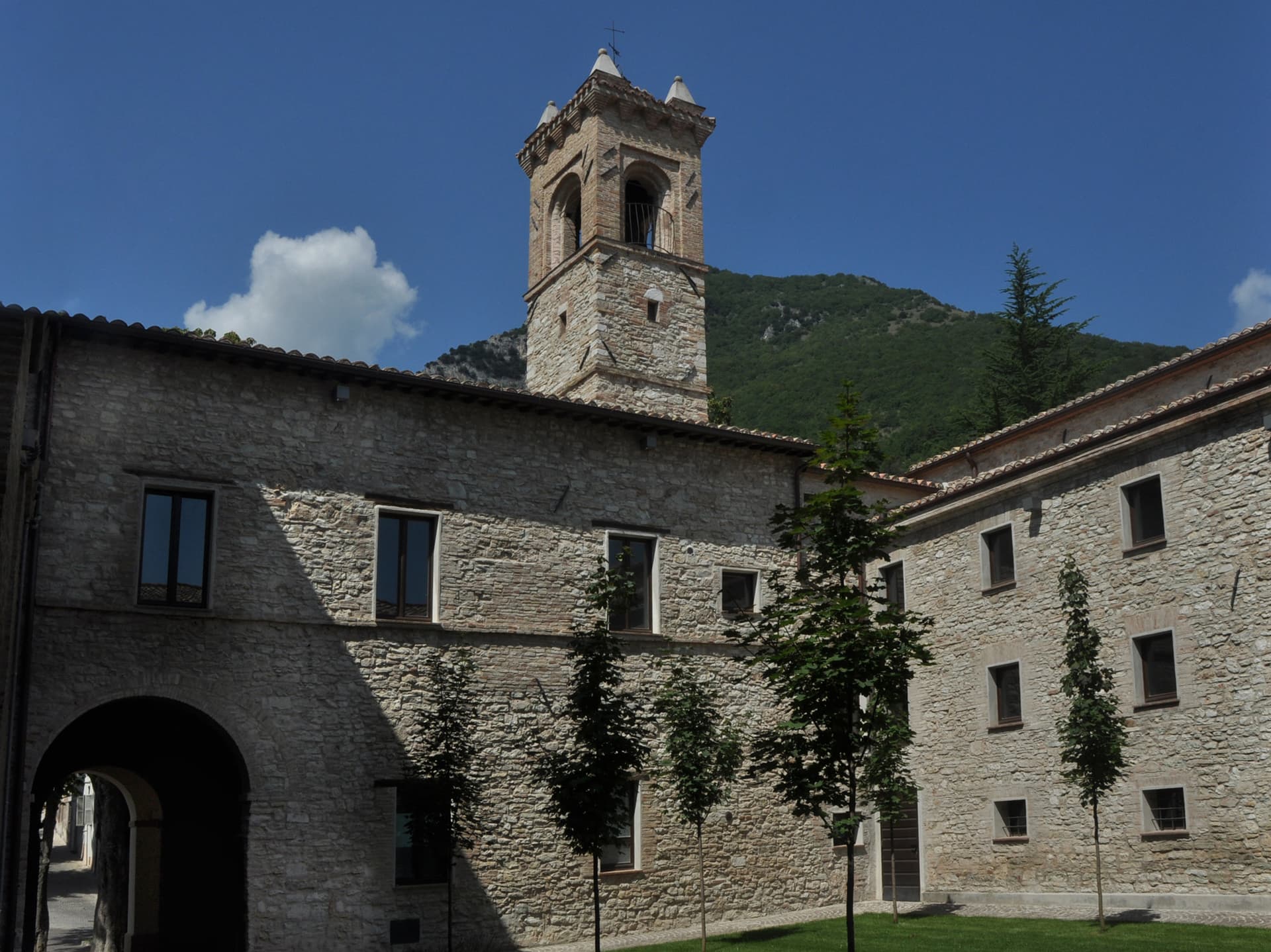
Esanatoglia
Province: Macerata
A medieval village of seven bell towers at 358 meters on the Marche-Umbria border, sitting at the source of the Esino river.
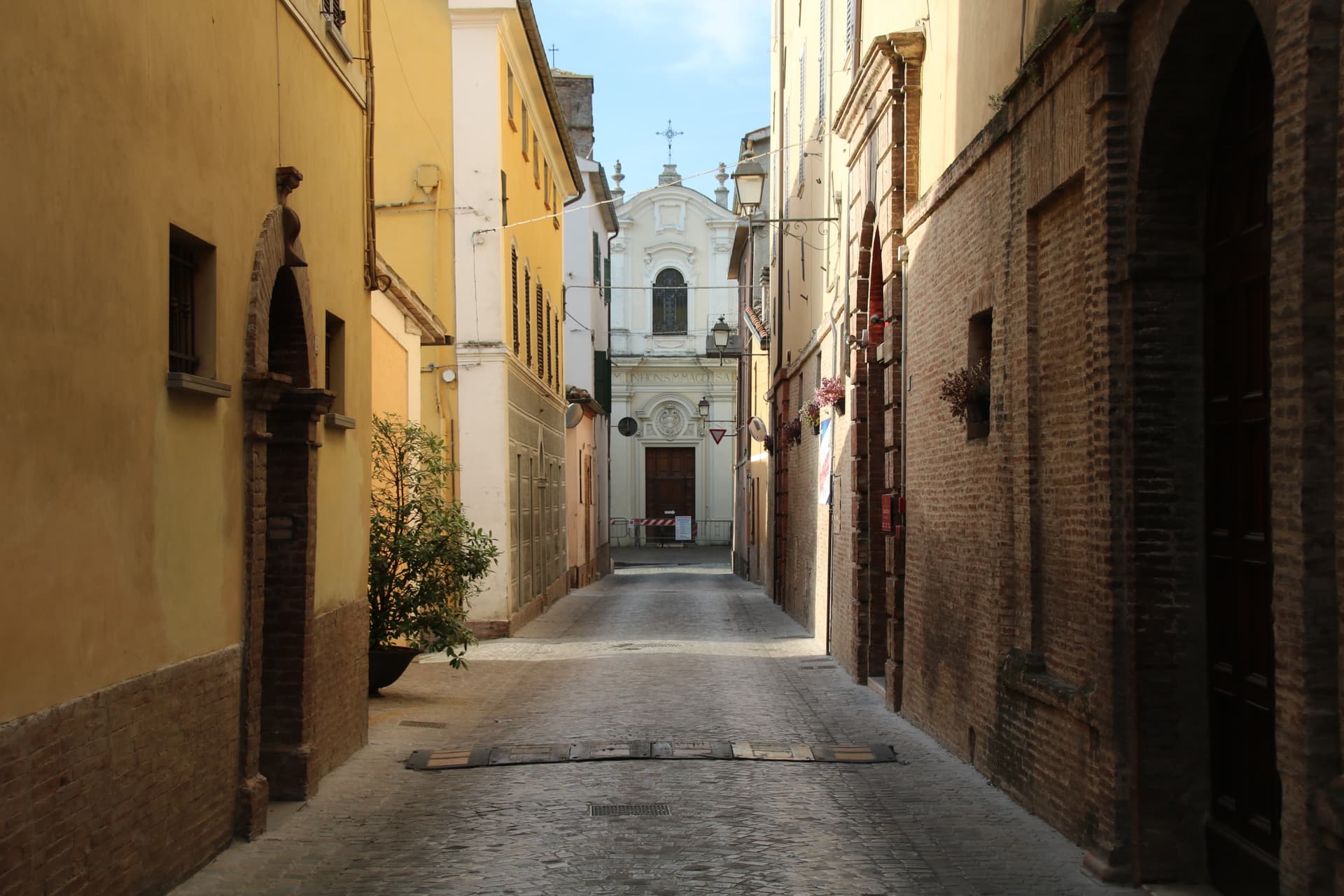
Matelica
Province: Macerata
A Verdicchio town at 354 meters in the upper Esino valley, with a Roman marble globe in its archaeological museum.
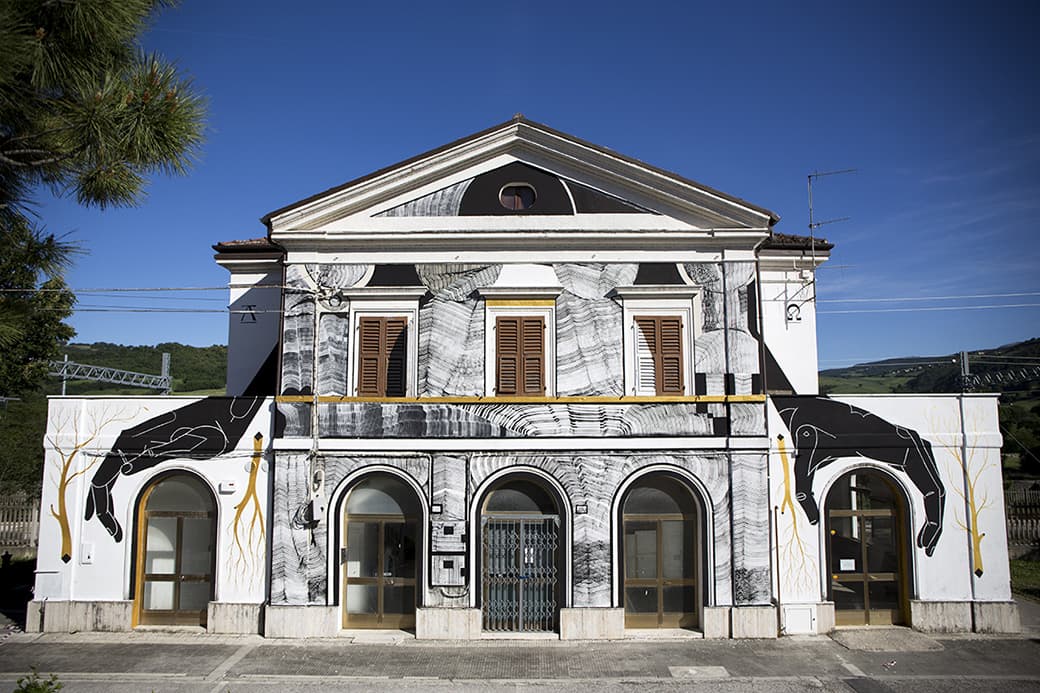
Serra San Quirico
Province: Ancona
A stone borgo on Monte Murano at the entrance to the Gola della Rossa, ringed by 1300 walls with covered passageways called copertelle.
🌳 Parco Regionale
More Parco Regionale towns in Marche
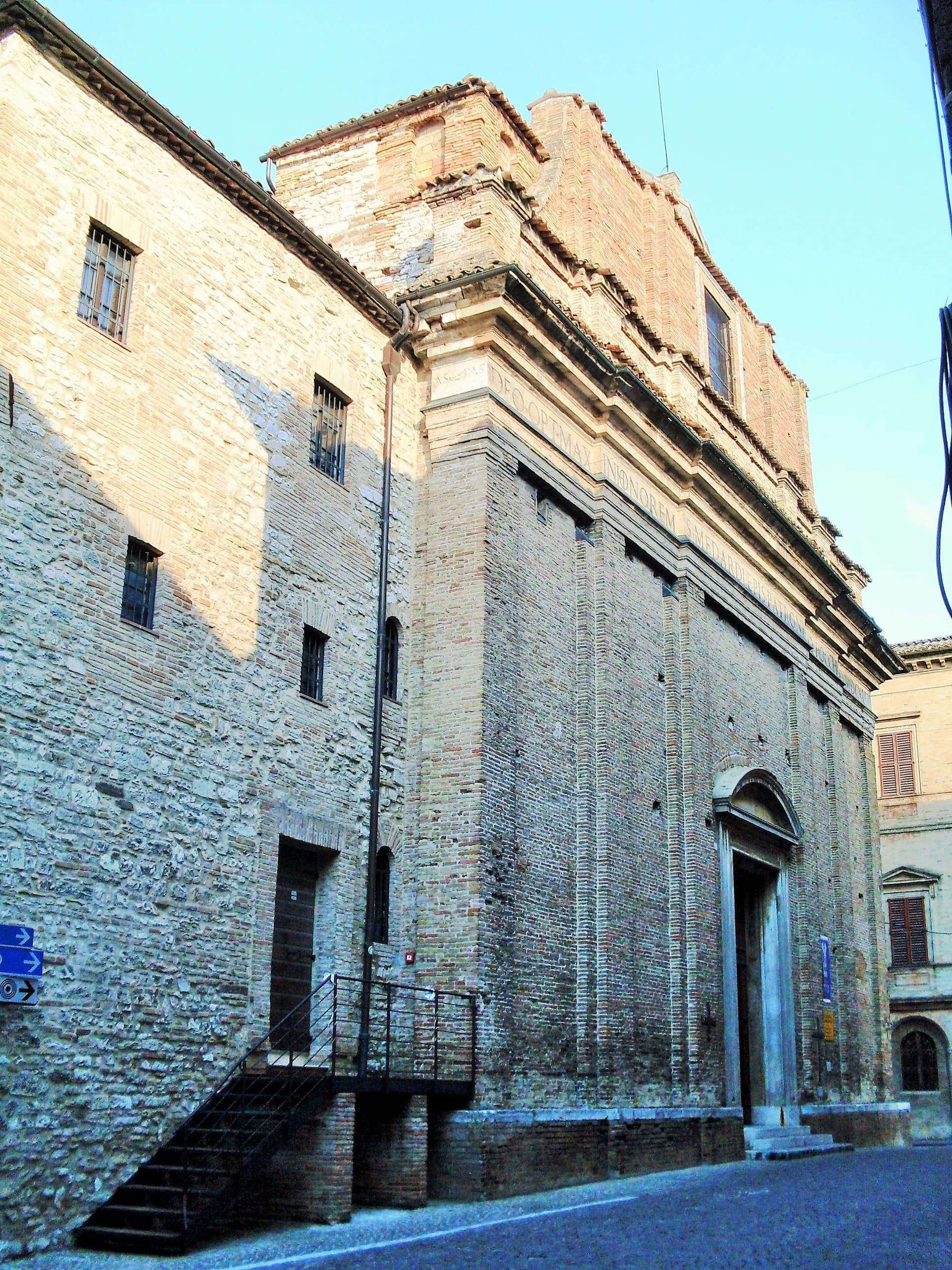
Arcevia
Province: Ancona
A hilltop borgo at 535 meters above the Misa and Nevola valleys, defended in the Middle Ages by a ring of nine satellite castles.
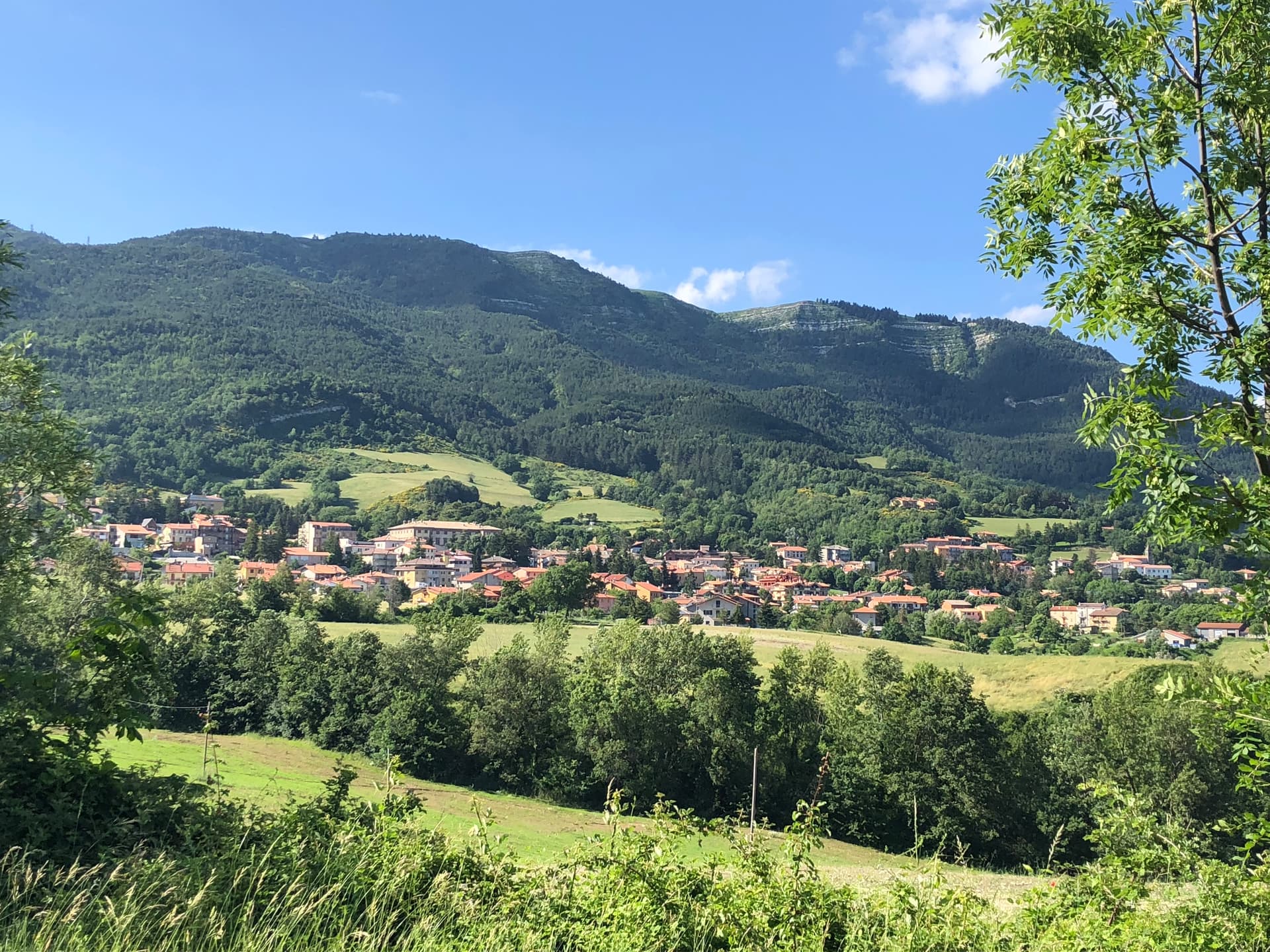
Carpegna
Province: Pesaro e Urbino
A Montefeltro mountain town at 748 meters under Monte Carpegna, home of the DOP prosciutto and the Carpegna family seat built in 1675.
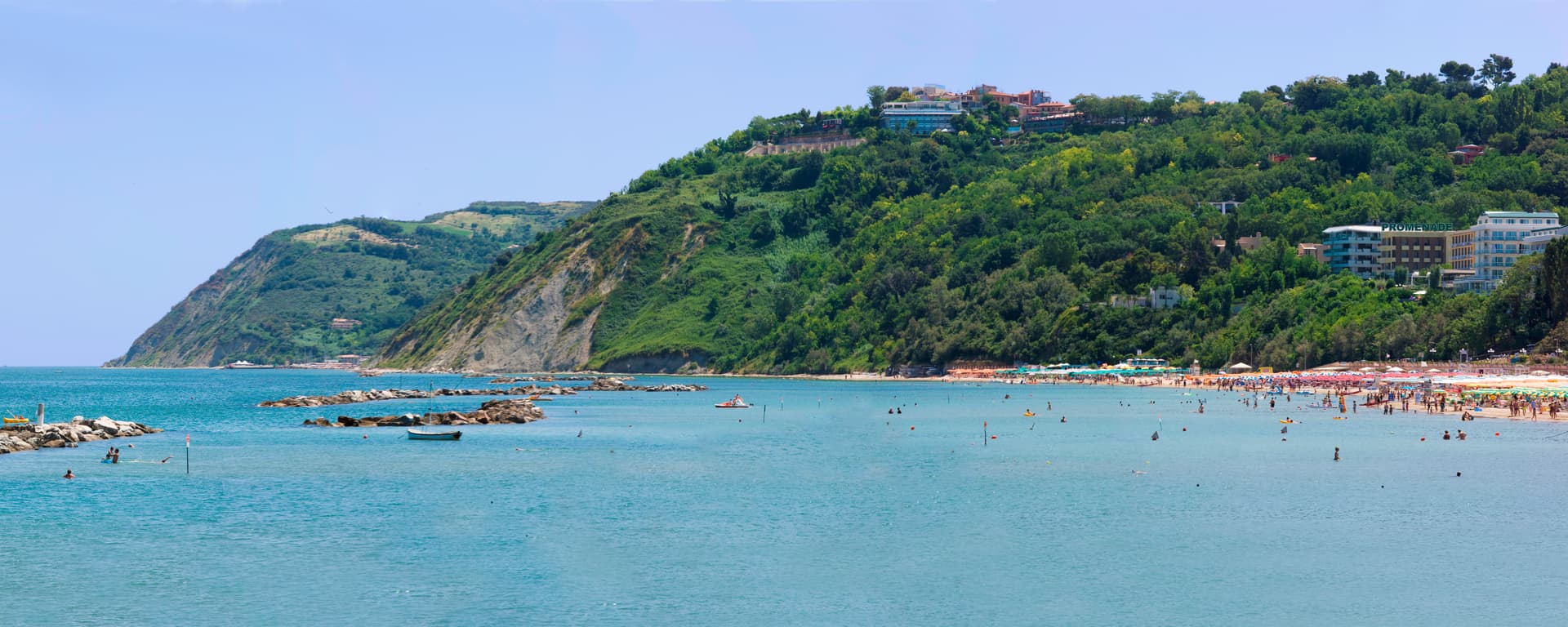
Gabicce Mare
Province: Pesaro e Urbino
The northernmost Marche seaside on the Adriatic, where the Riviera Romagnola meets the cliffs of the Parco del San Bartolo at the Romagna border.
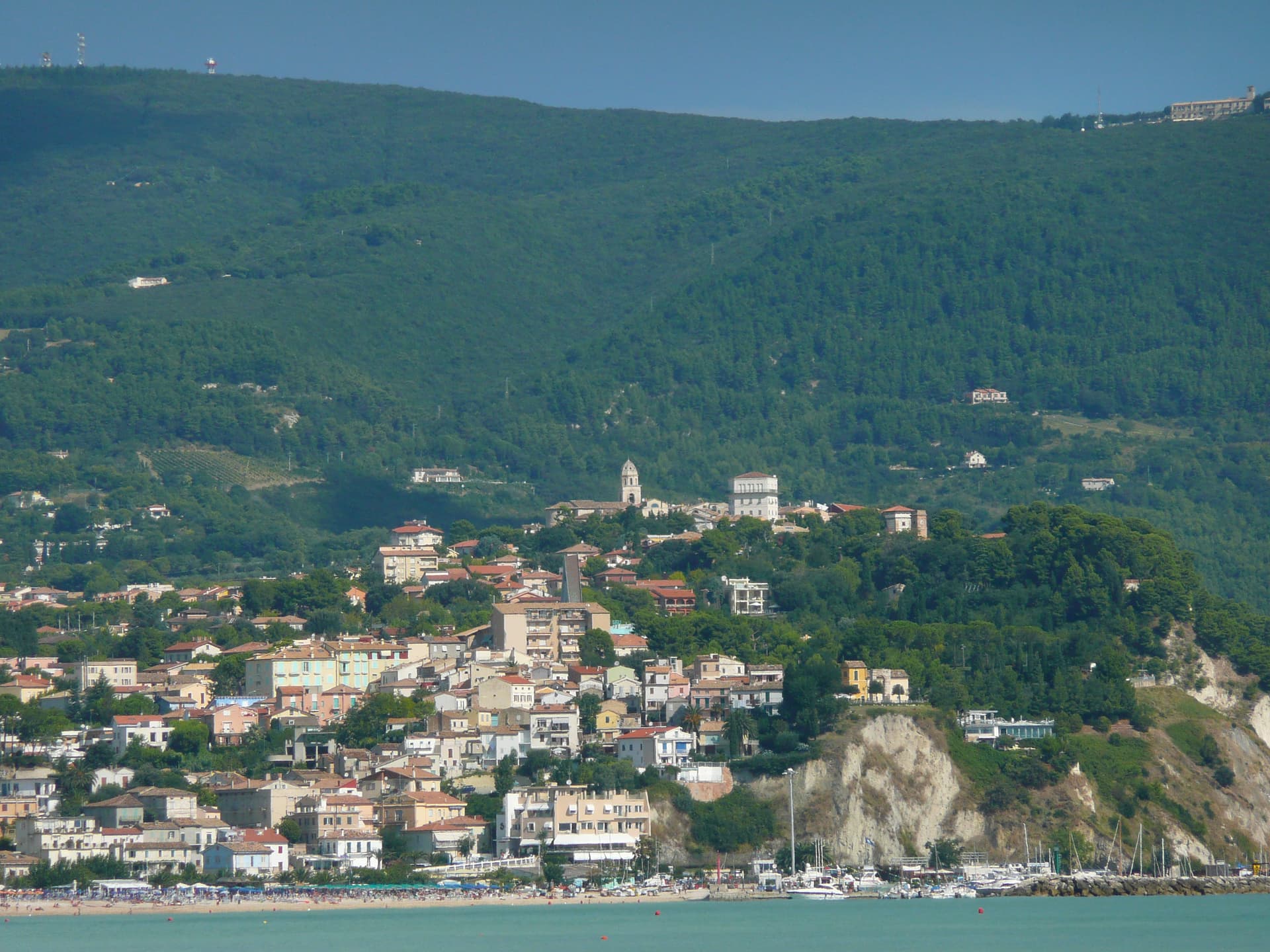
Numana
Province: Ancona
A Conero coastal town at 56 meters above its port, the Picene harbour that traded with Greek ships from the sixth century BC.
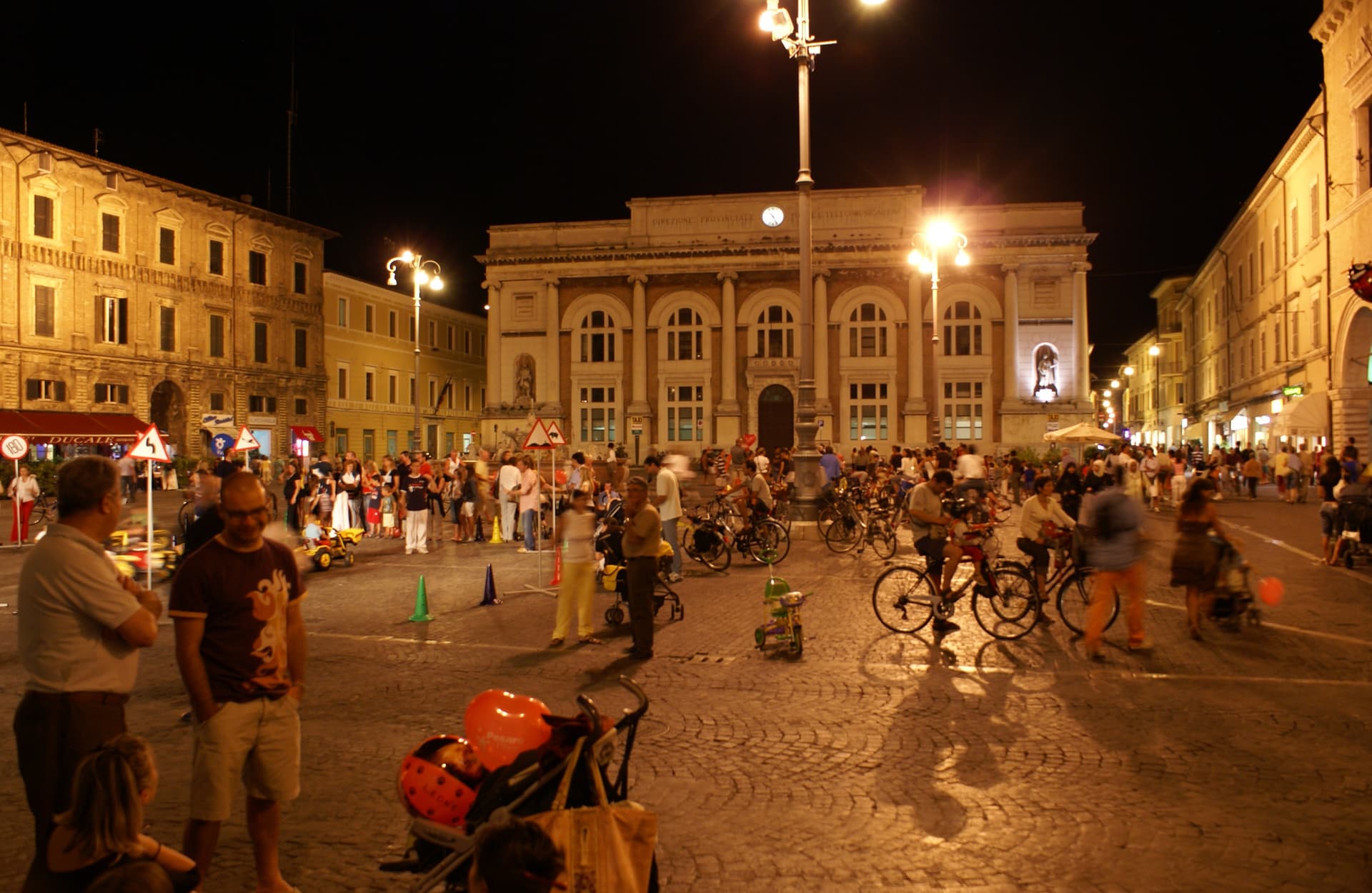
Pesaro
Province: Pesaro e Urbino
The Adriatic port at the mouth of the Foglia, founded as Roman Pisaurum in 184 BC and given to the world by Rossini in 1792.