

Umbria · Perugia
Giano dell'Umbria
A hill commune at 547 meters between Foligno, Spoleto and Todi, anchored by a Romanesque abbey founded over the tomb of a fourth-century martyr.
Known for
SAN FELICE
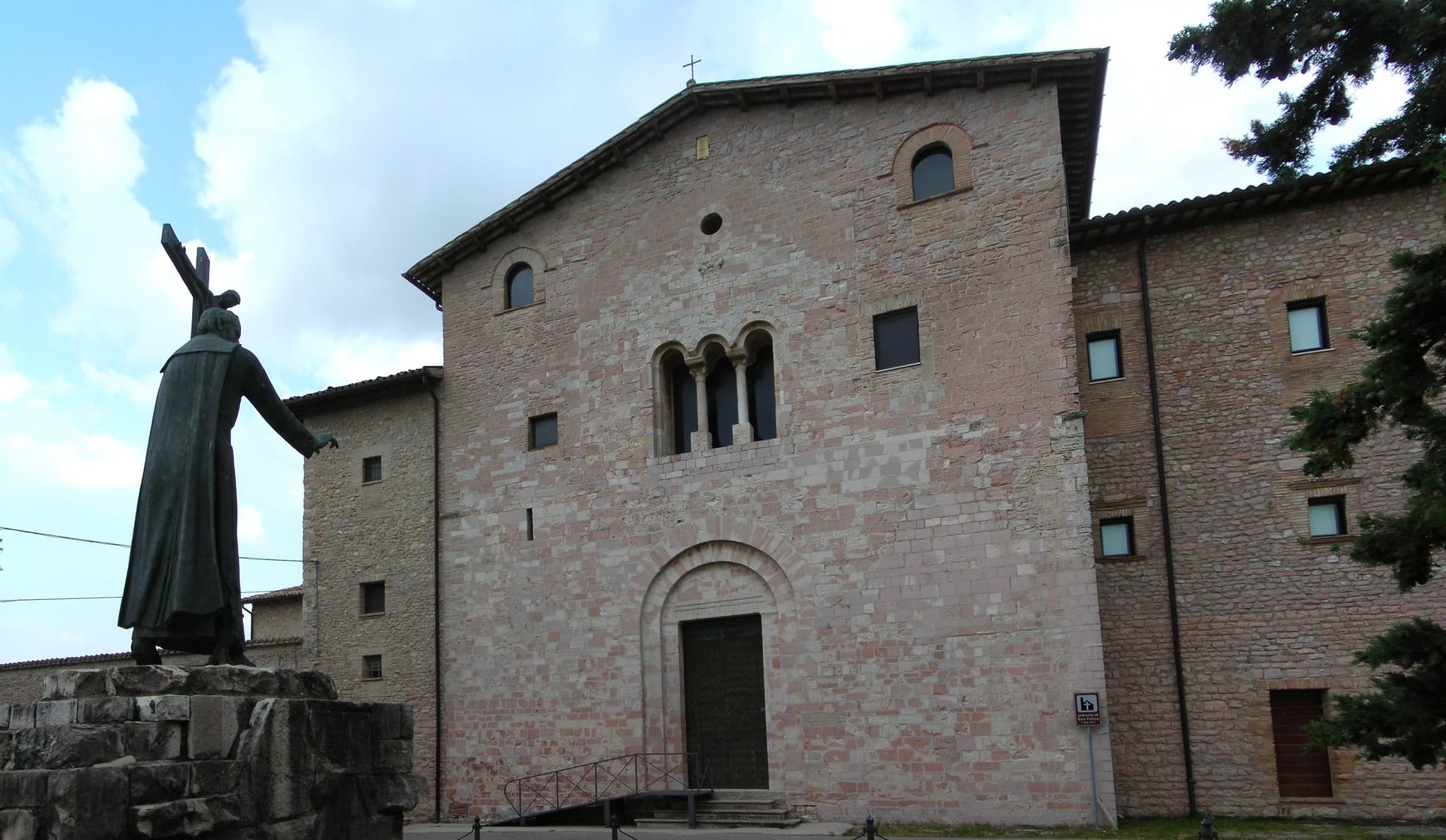
Romanesque abbey rebuilt in the early 12th century over a 4th-century oratory at the tomb of the martyred bishop.
OLIO MARTANI
Olive groves on the Monti Martani slopes feed the Frantoi Aperti weekends every November; the town carries the Città dell'Olio designation.
TREBBIANO SPOLETINO
Native white grape revived in the last decade by local producers in the DOC Spoleto area surrounding the commune.
When to visit
Best · Apr–Oct
- J
- F
- M
- A
- M
- J
- J
- A
- S
- O
- N
- D
- Best
- Hot or crowded
- Quiet
- Mostly closed
The festa: Felice di Massa Martana, 30 October
Why come
Giano dell'Umbria sits at 547 meters on the eastern slope of the Monti Martani, inside the triangle between Foligno, Spoleto and Todi. The territory is full of small medieval castles, Montecchio and Morcicchia the most intact, and small Romanesque churches scattered between olive groves. The Abbazia di San Felice, just outside the walls of the capoluogo, occupies a fourth-century oratory built over the tomb of the martyred bishop Felice; the current church and monastery date from the early twelfth century, set above a remarkable Romanesque crypt.
The Roman Villa Rufione along the Via Flaminia Vetus produced the artifacts now in the Antiquarium of Montecchio. The town is the seat of the DOC Spoleto wine and the Trebbiano Spoletino reborn here in the last decade, and the olive groves around Bastardo feed the Frantoi Aperti weekends every November.
The Sunday letter
We haven’t written Giano dell'Umbria’s letter yet.
One town every Sunday, with the photo, the food, the festa. Be there when this one comes up. Free, by Peter & Sophia from Pietrasanta.
By subscribing you agree to Substack’s Terms of Use, our Privacy Policy and our Information collection notice.
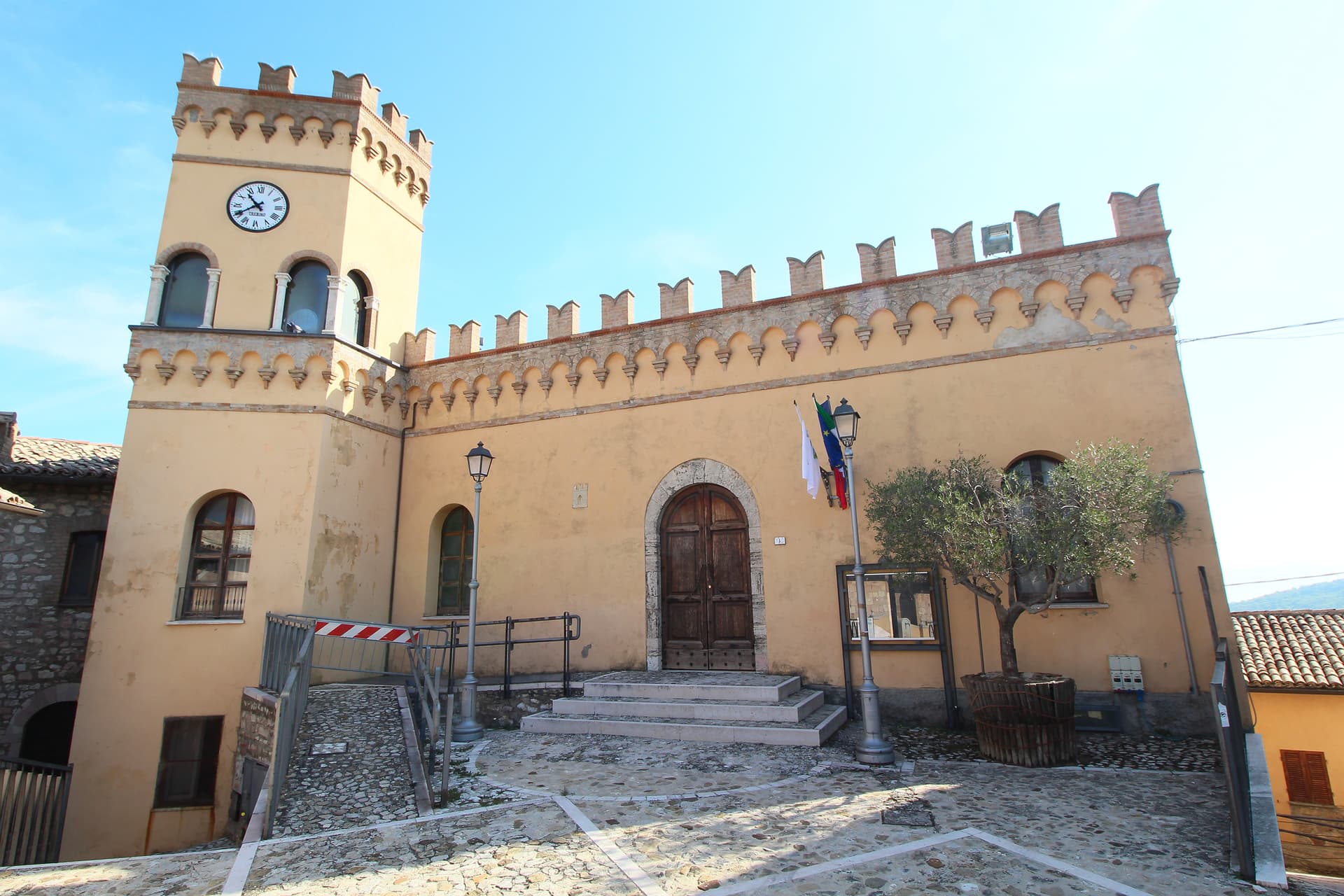
What to see
Abbazia di San Felice
Romanesque abbey rebuilt early 12th century over a 4th-century oratory marking the tomb of bishop-martyr Felice, with a remarkable crypt below.
Castello di Montecchio
Tenth-century castle on the Monti Martani slope along the Via Flaminia, fortified in the 10th century and held by the lords of Giano from the 12th.
Villa Rufione
Roman rural villa between Montecchio and Bastardo along the Via Flaminia Vetus; excavated finds now displayed in the Antiquarium of Montecchio.
Borgo di Montecchio
Medieval frazione on the ridge above Bastardo, with Antiquarium inside the restored castle complex and views across the Martani slopes.
The slow-trip planner
Building a trip? Find where Giano dell'Umbria fits in a slow Italy circuit.
Answer five questions. We will shape a geographically coherent slow trip from the 1,000 Italian towns most travelers skip. Yours to save and share.
Living here
- Population 3,648
- In-betweeni
- Pharmacy in town
- High school within a 30-minute drive
- Nearest airport Ancona / Pescara, 2 h 6 min drive
- Regional capital Perugia, 57 min drive
Tags & datadesignations · numbers · sources
The numbers
- Elevation: 547 m
- Population: 3,648
- Surface area: 44.48 km²
These figures were compiled from public directories — ISTAT, OpenStreetMap, Wikidata — and from the official listings of the guides named on this page. Town details change; verify with official sources before you travel.
Close by
More towns near Giano dell'Umbria
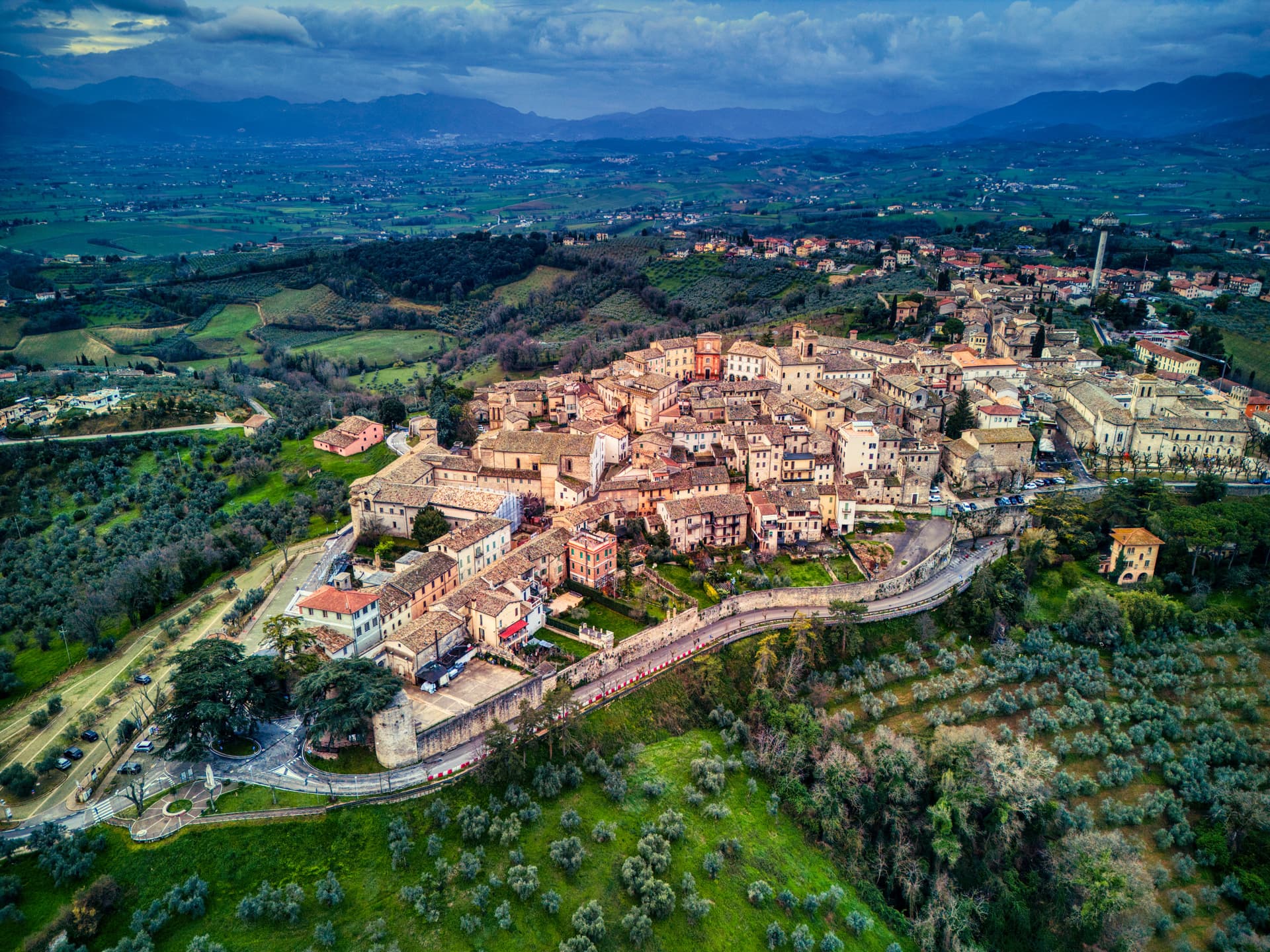
Montefalco
Province: Perugia
The hilltop wine capital of Umbria at 472 meters, where Sagrantino is grown almost nowhere else and Benozzo Gozzoli painted Francis in 1452.
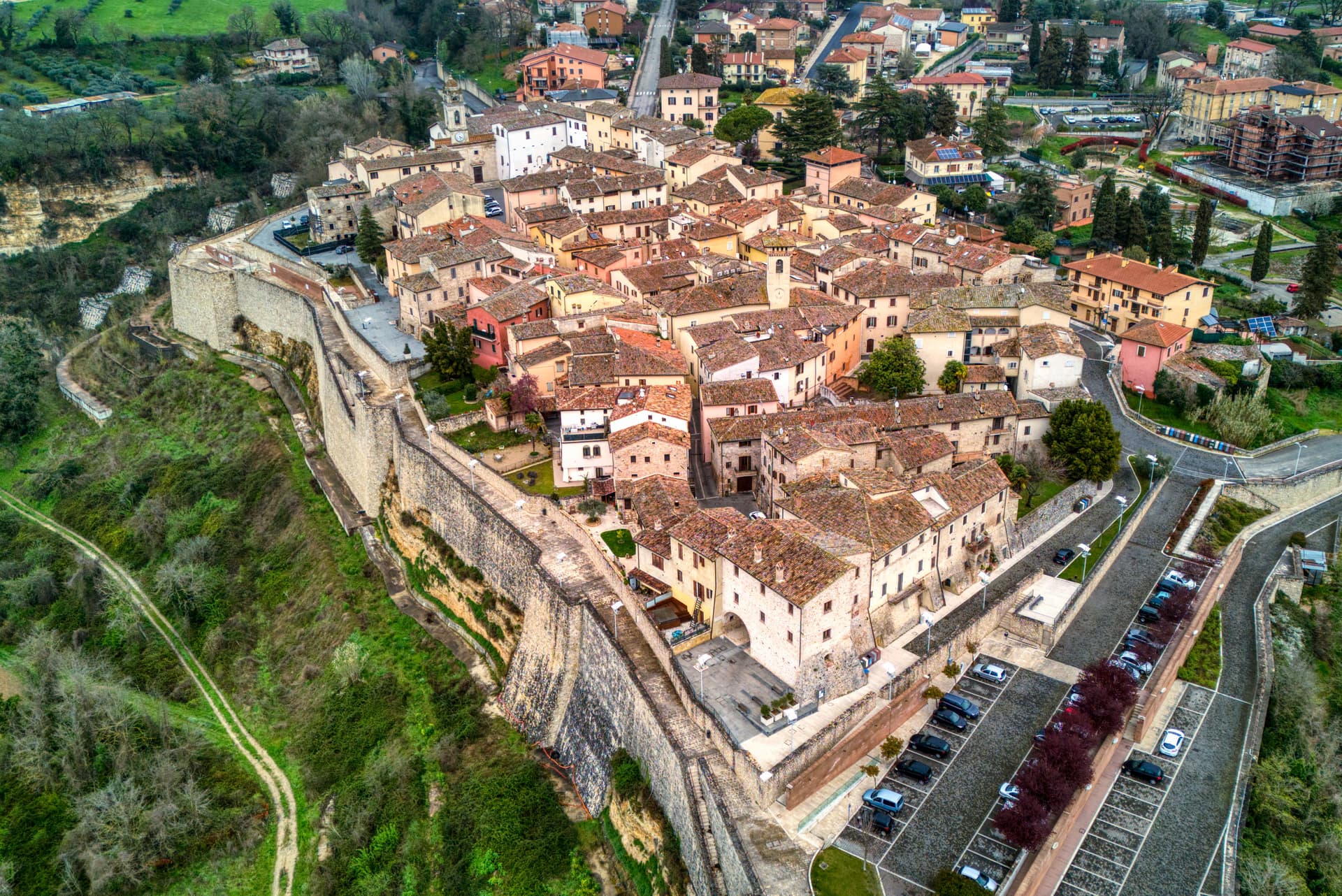
Massa Martana
Province: Perugia
Umbria's Via Flaminia BPB — a 3,613-resident borgo on the original Roman consular road between Rome and Rimini, with the intact 9th-c Abbazia dei Santi Fidenzio e Terenzio above town, a network of Roman-era catacombe Cristiane (Catacombe di Villa San Faustino, the only ones in Umbria), and the Borghi più belli inscription restored after the 1997 Marche-Umbria earthquake.
Bevagna
Province: Perugia
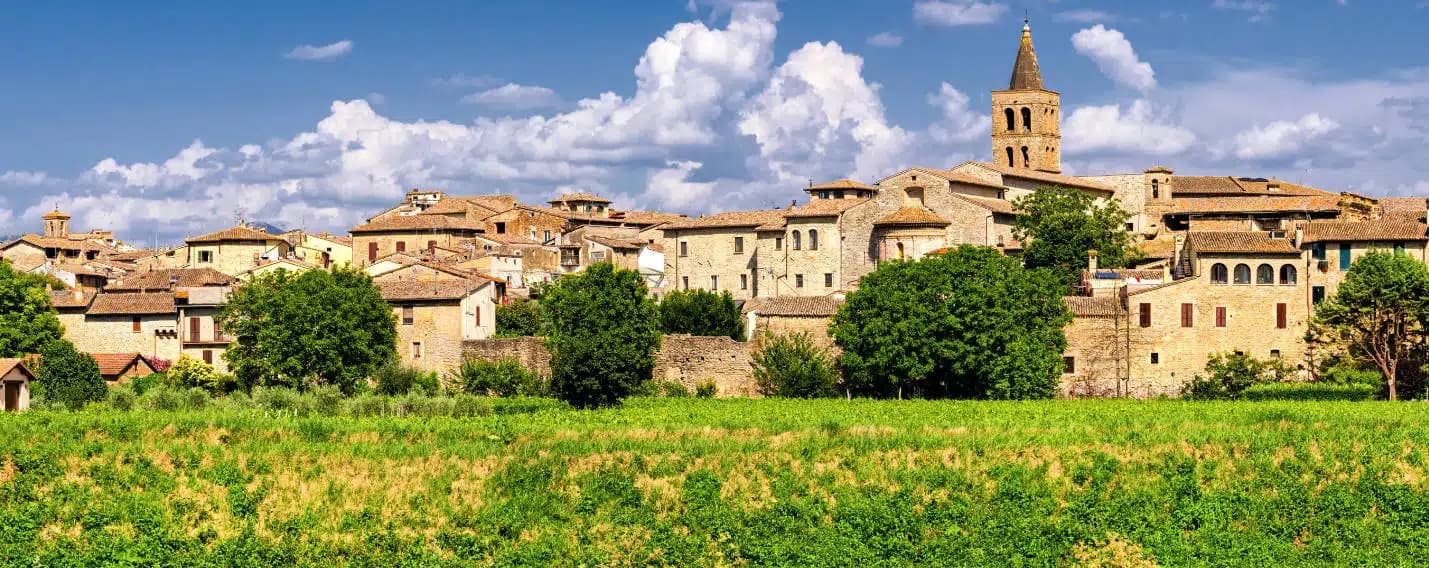
Roman Mevania on the Umbrian plain at 225 meters, four medieval quarters that compete every June in a reconstructed market of the 13th century.
Todi
Province: Perugia
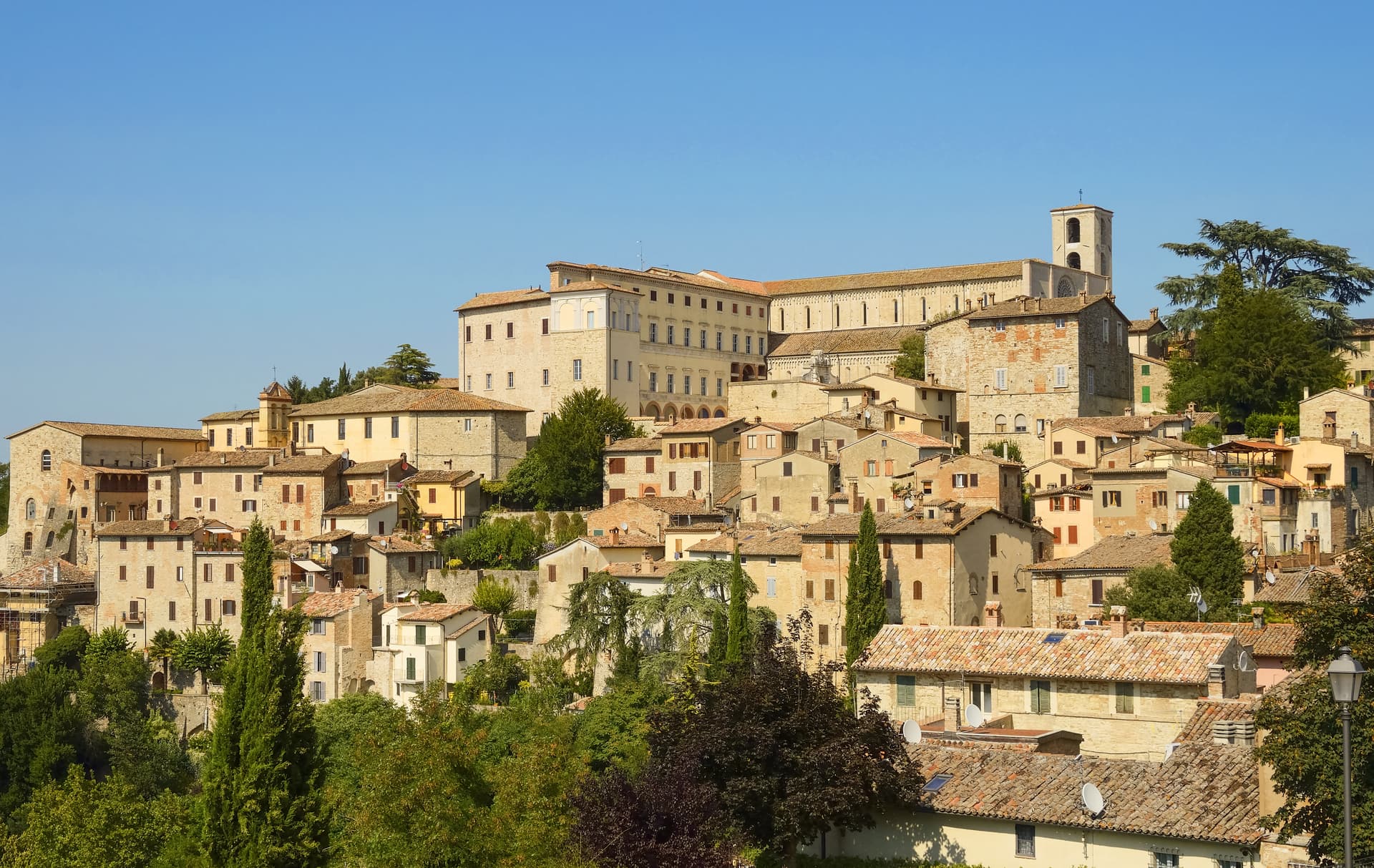
A walled hill town at 398 meters on the Tiber, with Etruscan, Roman, and medieval rings stacked up Colle Nidoli.
Acquasparta
Province: Terni
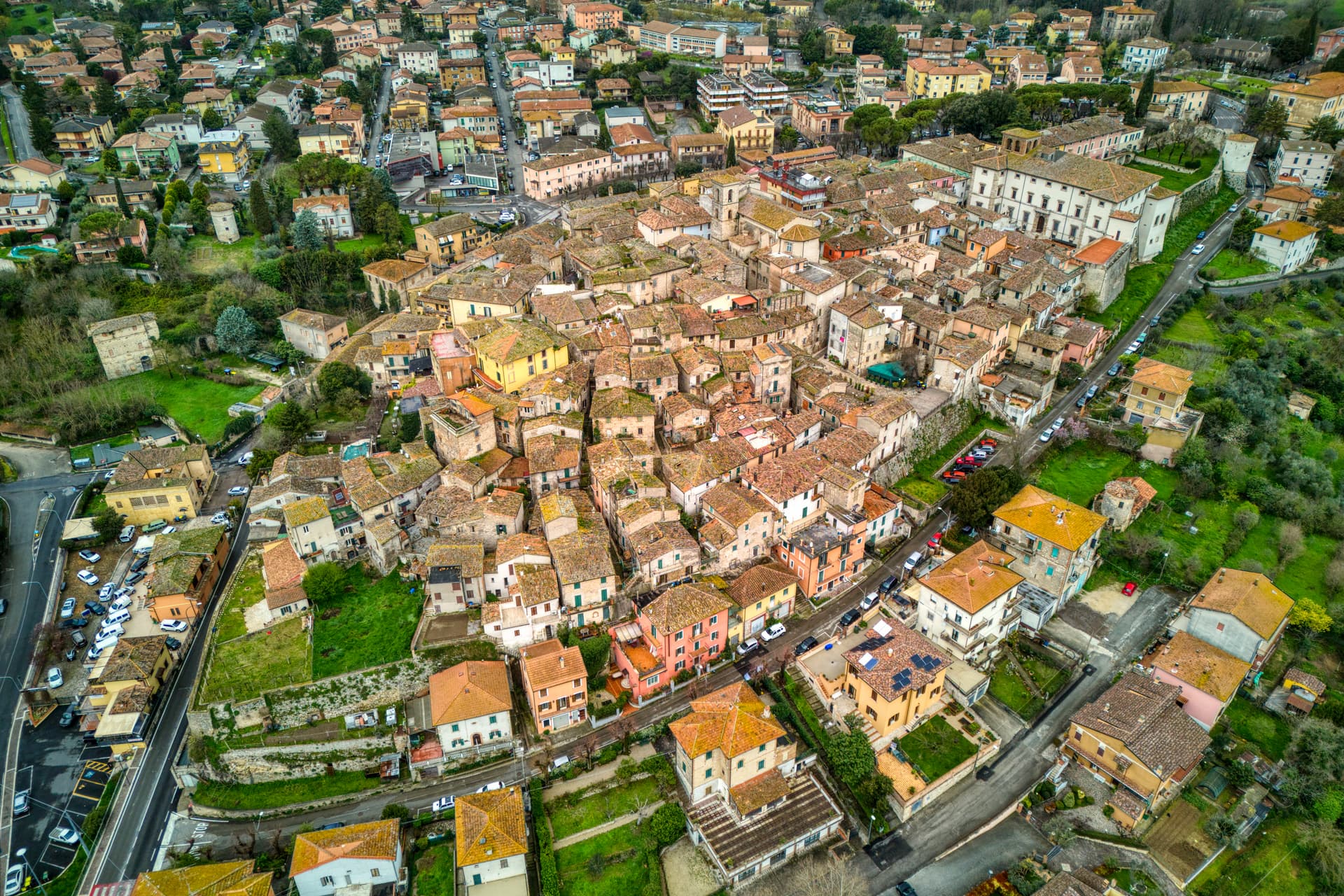
A hill town at 350 meters above the Naia valley, where Federico Cesi convened the first Accademia dei Lincei in his Palazzo Cesi in 1603.
🎨 Borghi più belli d'Italia
More Borghi più belli d'Italia towns in Umbria
Allerona
Province: Terni
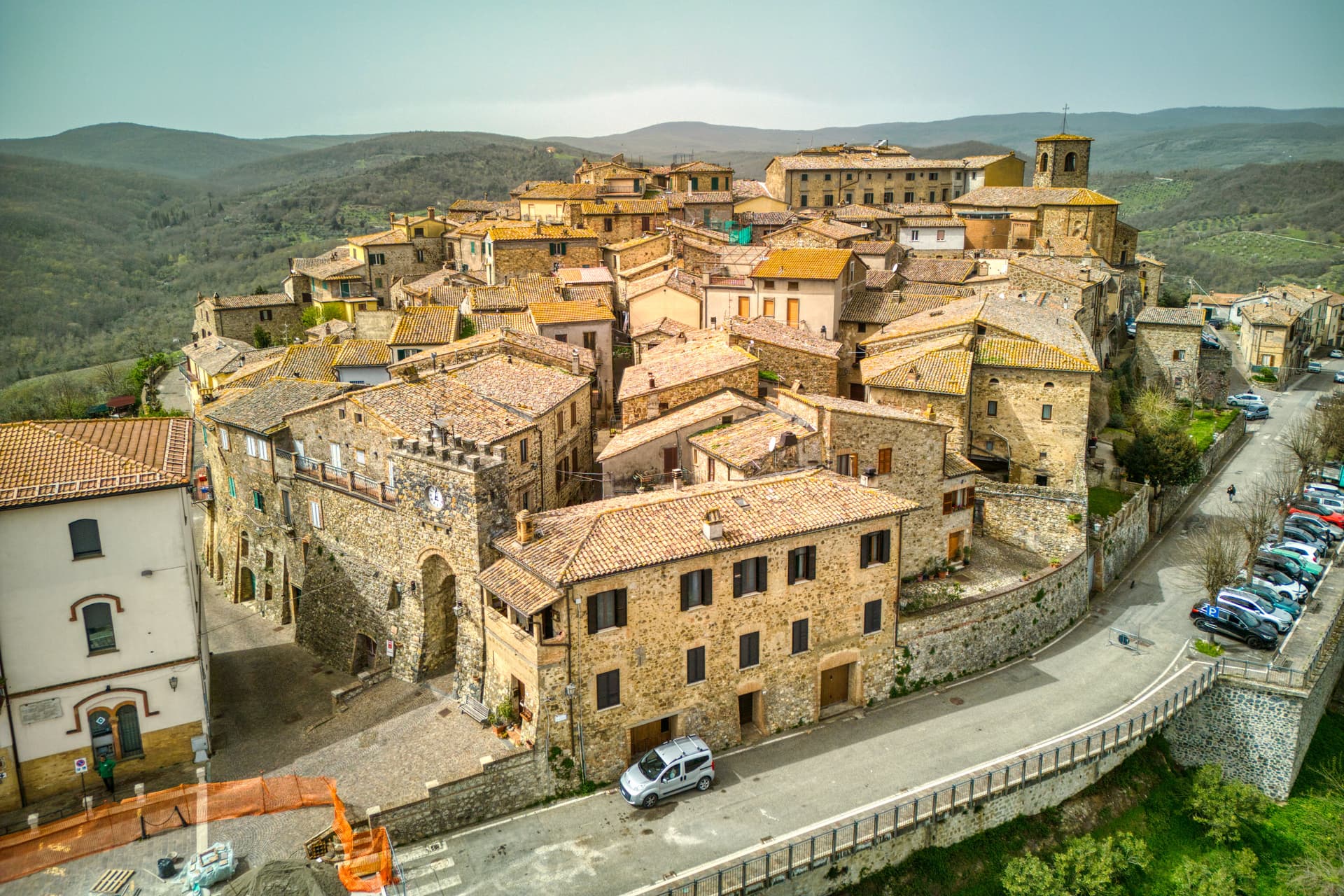
A stone borgo at 472 meters between the Paglia valley and the Valdichiana, an Orvieto outpost whose Monaldeschi castle fell to Charles V.
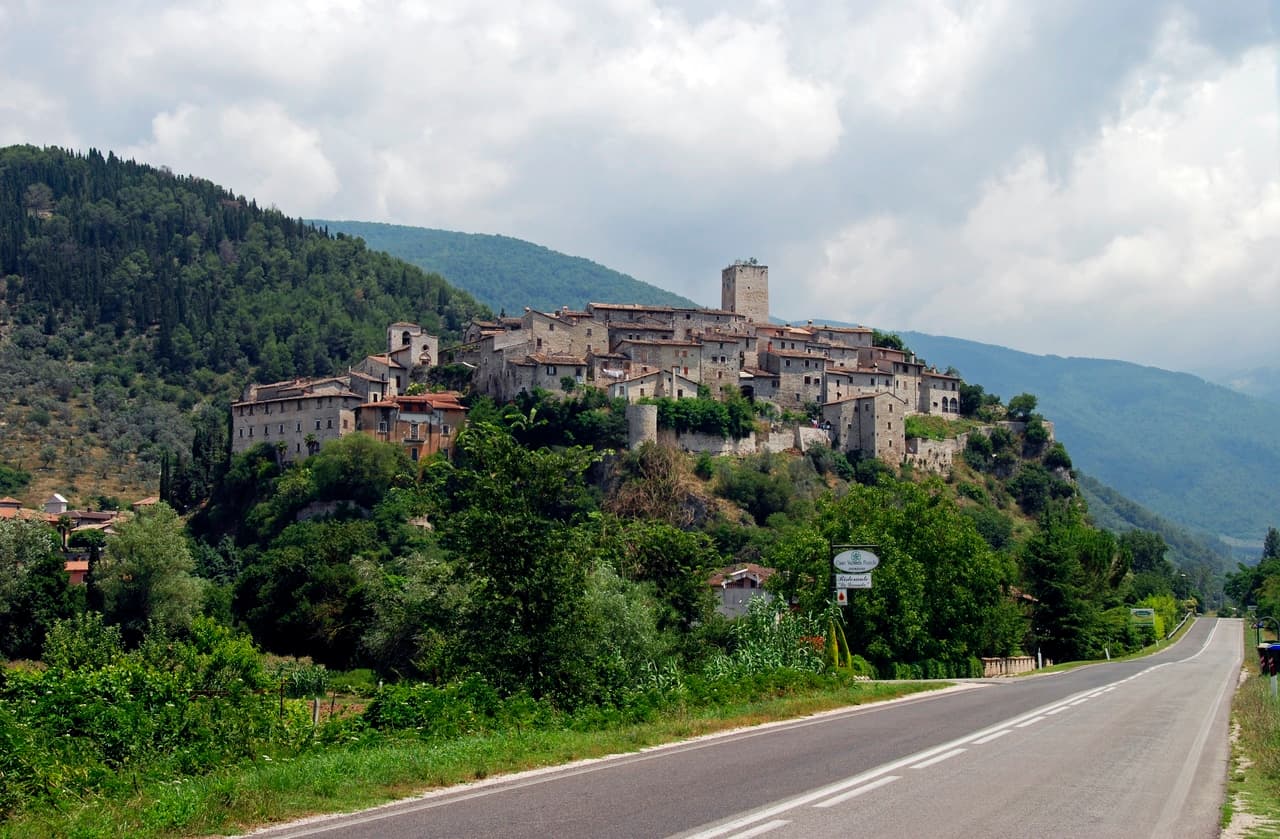
Arrone
Province: Terni
Medieval castle village on the left bank of the Nera at 243 meters, upstream from the largest man-made waterfall in the world.
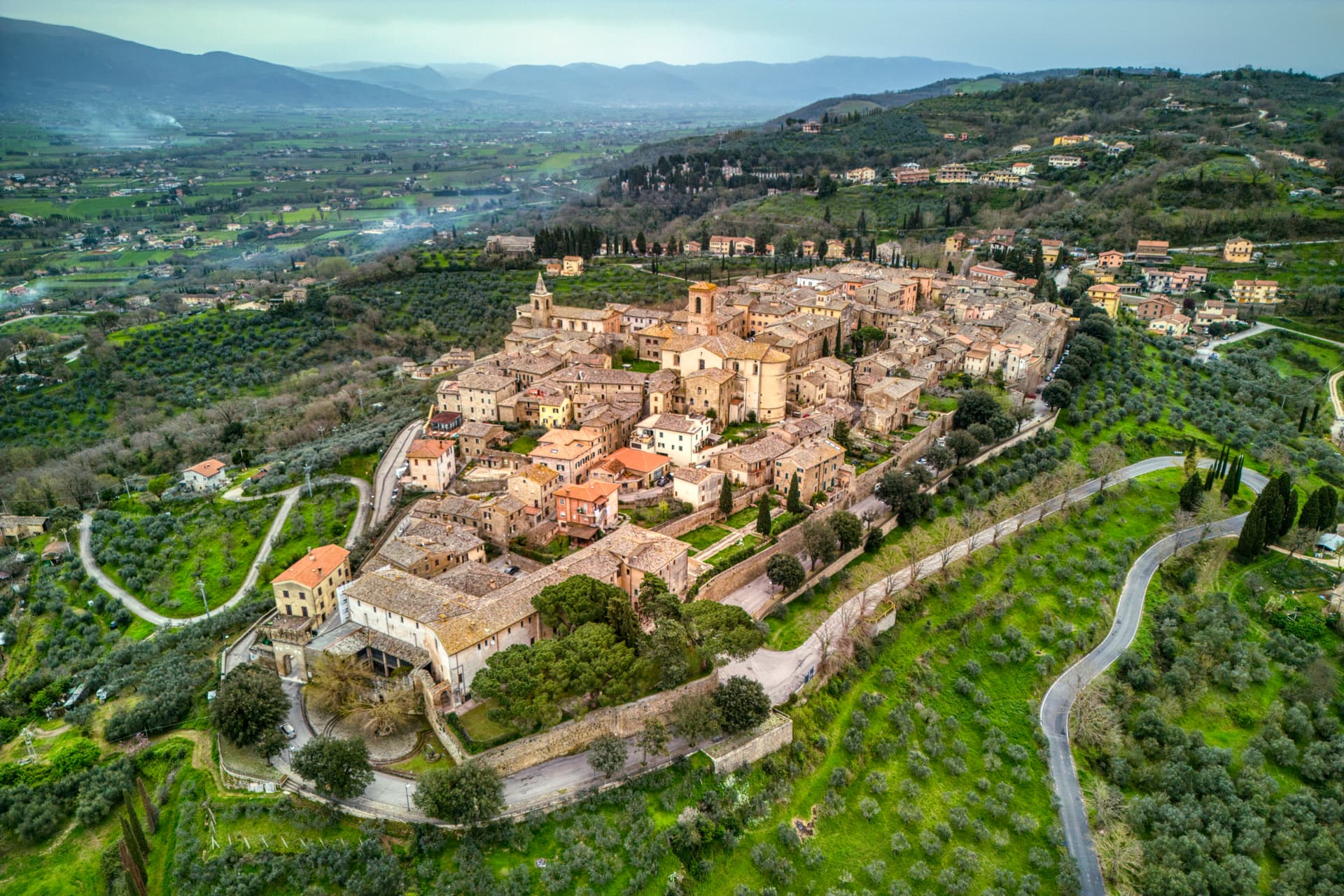
Bettona
Province: Perugia
A hill town at 353 meters between the Topino and Chiascio rivers, the only Etruscan settlement ever built east of the Tiber.
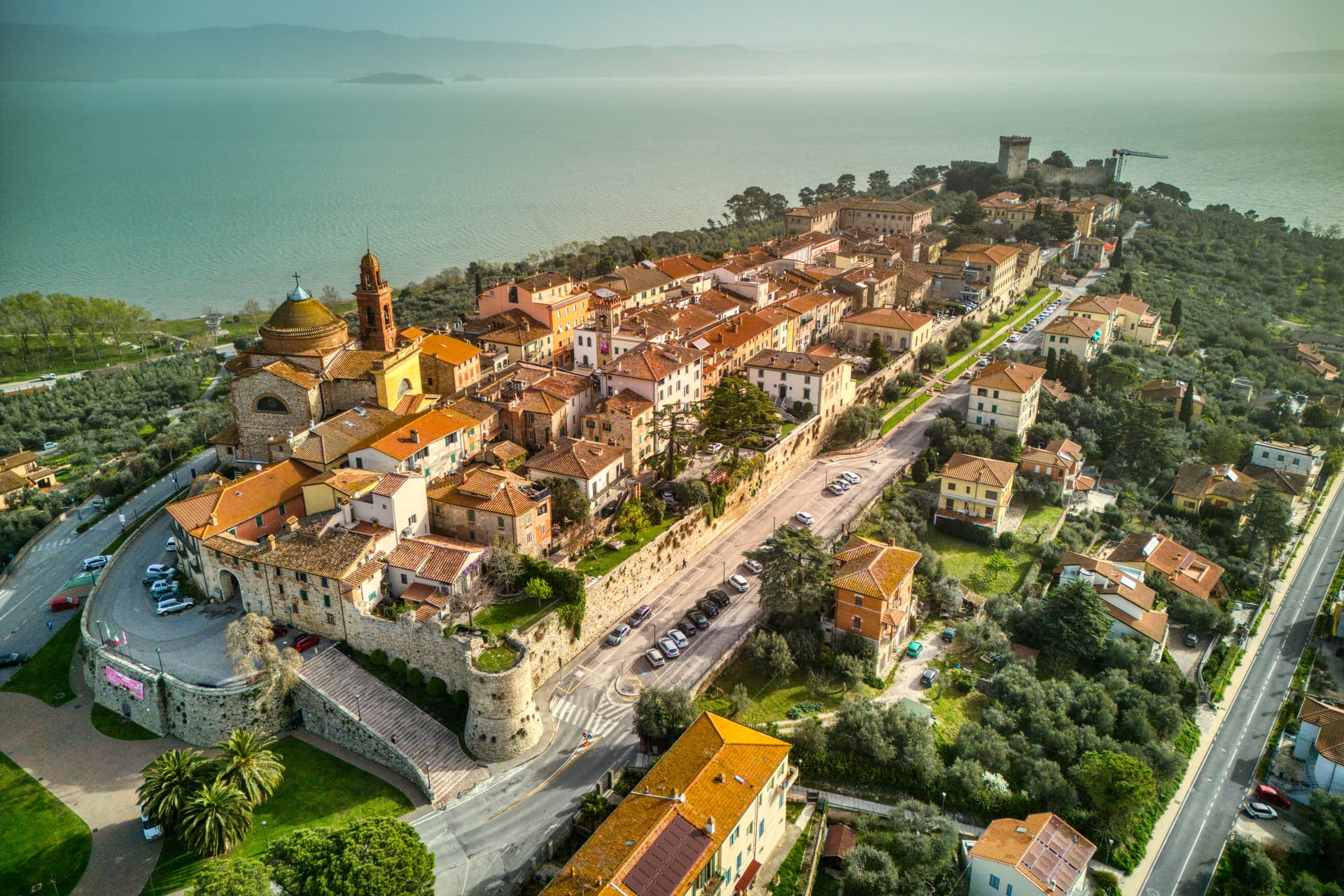
Castiglione del Lago
Province: Perugia
Trasimeno's western promontory, once the lake's fourth island, fortified by Federico II in 1247 and frescoed by Pomarancio for the Corgna marquises.