

Lazio · Rieti
Greccio
A 705-meter borgo above the Rieti valley where Francis of Assisi staged the first living nativity scene in a cliff cave on Christmas Eve 1223.
Known for
FIRST NATIVITY
Site of the first living nativity scene staged by Francis of Assisi in a cliff cave on Christmas Eve 1223.
SACRED VALLEY
One of the four Franciscan shrines of the Rieti Sacred Valley, alongside Fonte Colombo, La Foresta and Poggio Bustone.
PRESEPIO MUSEUM
International nativity-scene museum holding crèches from cultures across the world inside the sanctuary.
When to visit
Best · May–Oct
- J
- F
- M
- A
- M
- J
- J
- A
- S
- O
- N
- D
- Best
- Hot or crowded
- Quiet
- Mostly closed
The festa: Michele, 29 September
Why come
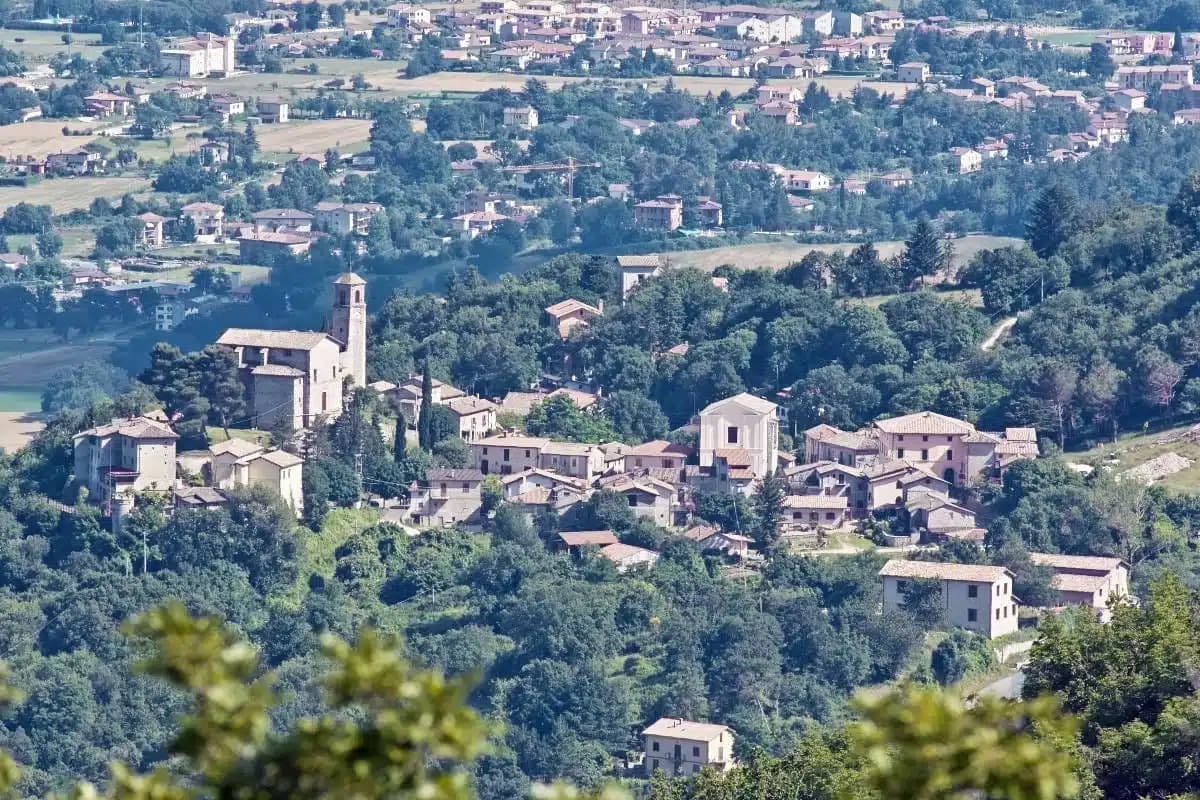
Greccio sits at 705 meters on a forested ridge above the Rieti valley, fifteen kilometers from Rieti in the Sabina. Francis of Assisi came here in December 1223, recalling his pilgrimage to Bethlehem fifteen years earlier, and asked the local lord Giovanni Velita for a cave where he could stage a representation of the Nativity. On Christmas Eve the friars and villagers gathered in the rock chamber with a manger, an ox and a donkey; one of the friars said Mass and Francis preached.
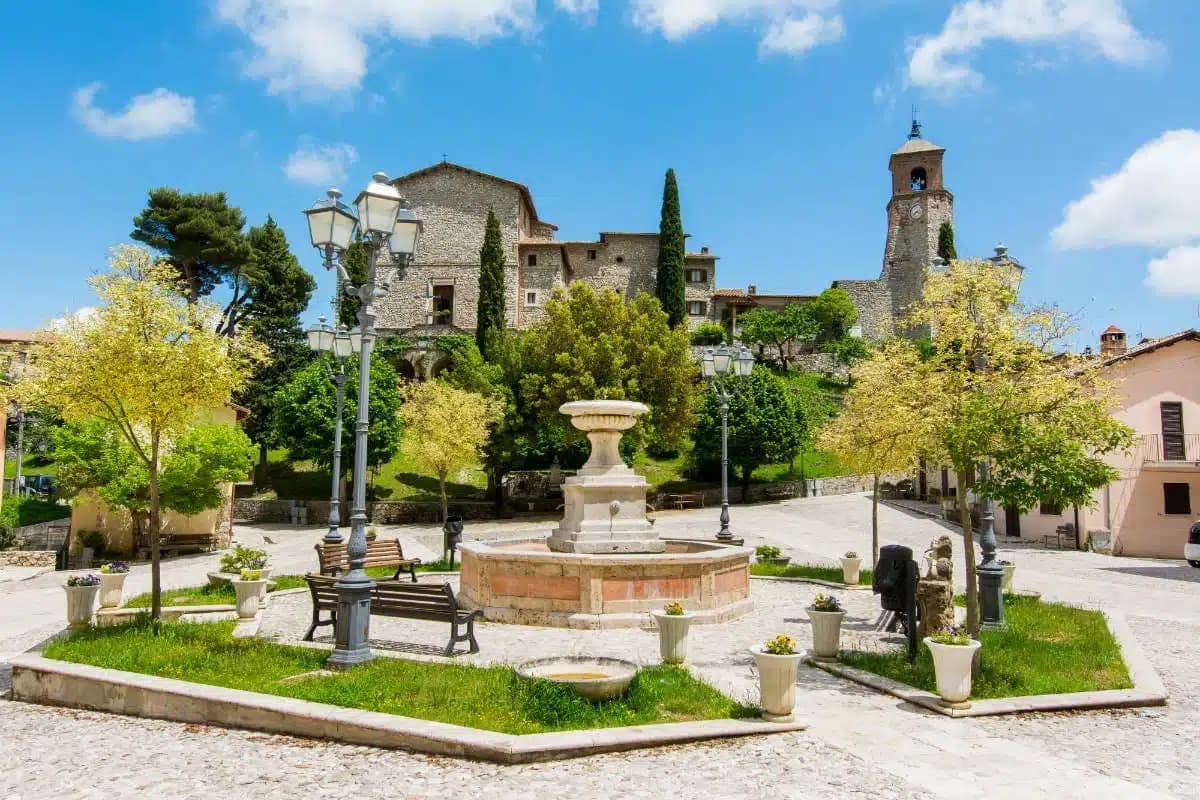
It was the first living nativity scene in the western tradition, and Greccio has been making versions of it every Christmas for eight centuries. The Santuario Francescano grew up around the cave; the Cappella del Presepio was built inside it in 1228, the year of Francis's canonisation. Above the sanctuary the medieval village runs along the ridge, one of the four shrines of the Sacred Valley of Rieti.
The Sunday letter
We haven’t written Greccio’s letter yet.
One town every Sunday, with the photo, the food, the festa. Be there when this one comes up. Free, by Peter & Sophia from Pietrasanta.
By subscribing you agree to Substack’s Terms of Use, our Privacy Policy and our Information collection notice.
What to see
Santuario Francescano
Franciscan sanctuary built around the cave where Francis staged the first living nativity scene in December 1223, with the Cappella del Presepio carved into the rock.
Museo Internazionale del Presepio
International nativity-scene museum inside the sanctuary, with crèches and presepi from cultures across the world.
Centro storico medievale
Walled medieval village on the ridge above the sanctuary, with stone houses, vaulted passages and the original village gates.
Panorama over the Rieti valley
View from the ridge over the Rieti basin toward Monte Terminillo and the surrounding Sabine peaks.
Riserva Naturale Monte Salto del Cieco
Wooded reserve covering the slopes between the village and the Franciscan sanctuary, with marked trails through beech and oak woodland.
The slow-trip planner
Building a trip? Find where Greccio fits in a slow Italy circuit.
Answer five questions. We will shape a geographically coherent slow trip from the 1,000 Italian towns most travelers skip. Yours to save and share.
Living here
- Population 1,495
- Commuter belti
- Pharmacy: none mapped
- High school within a 30-minute drive
- Train station in the comune
- Nearest airport Rome, 2 h 9 min drive
- Regional capital Roma, 1 h 34 min drive
Tags & datadesignations · numbers · sources
Recognised as
The numbers
- Elevation: 705 m
- Population: 1,495
- Surface area: 17.86 km²
These figures were compiled from public directories — ISTAT, OpenStreetMap, Wikidata — and from the official listings of the guides named on this page. Town details change; verify with official sources before you travel.
Close by
More towns near Greccio
Labro
Province: Rieti
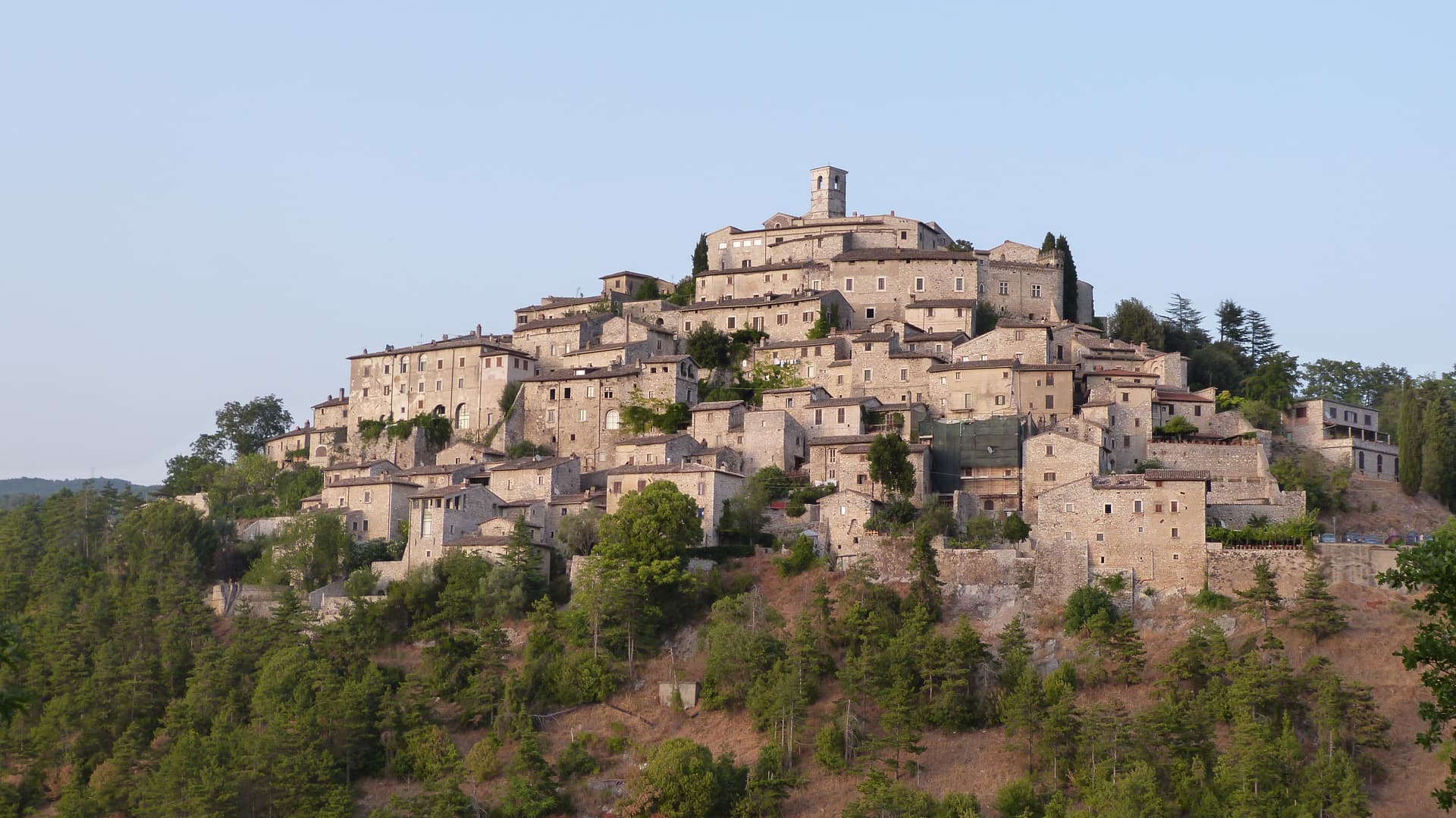
A 355-person stone borgo at 628 meters above Lake Piediluco, restored since the 1960s by a Belgian architect and his descendants.
Arrone
Province: Terni
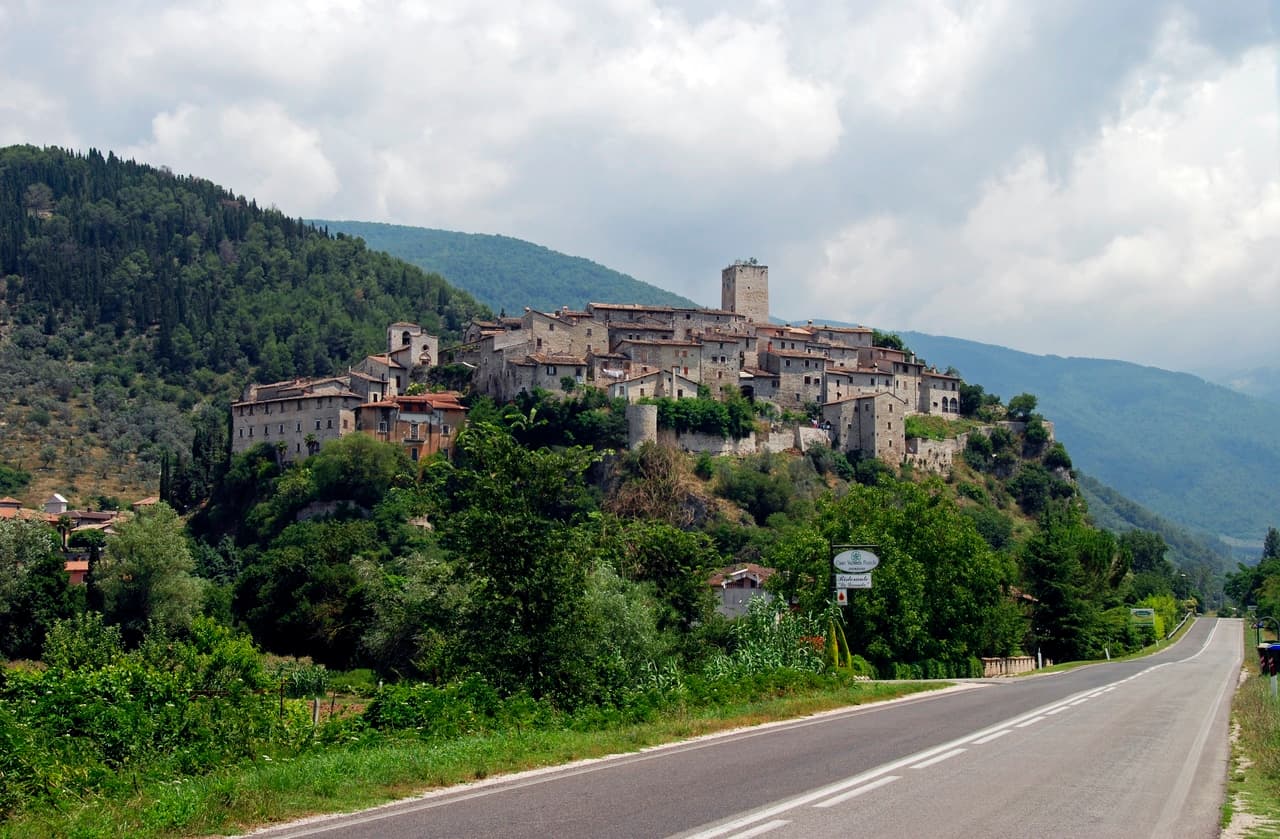
Medieval castle village on the left bank of the Nera at 243 meters, upstream from the largest man-made waterfall in the world.
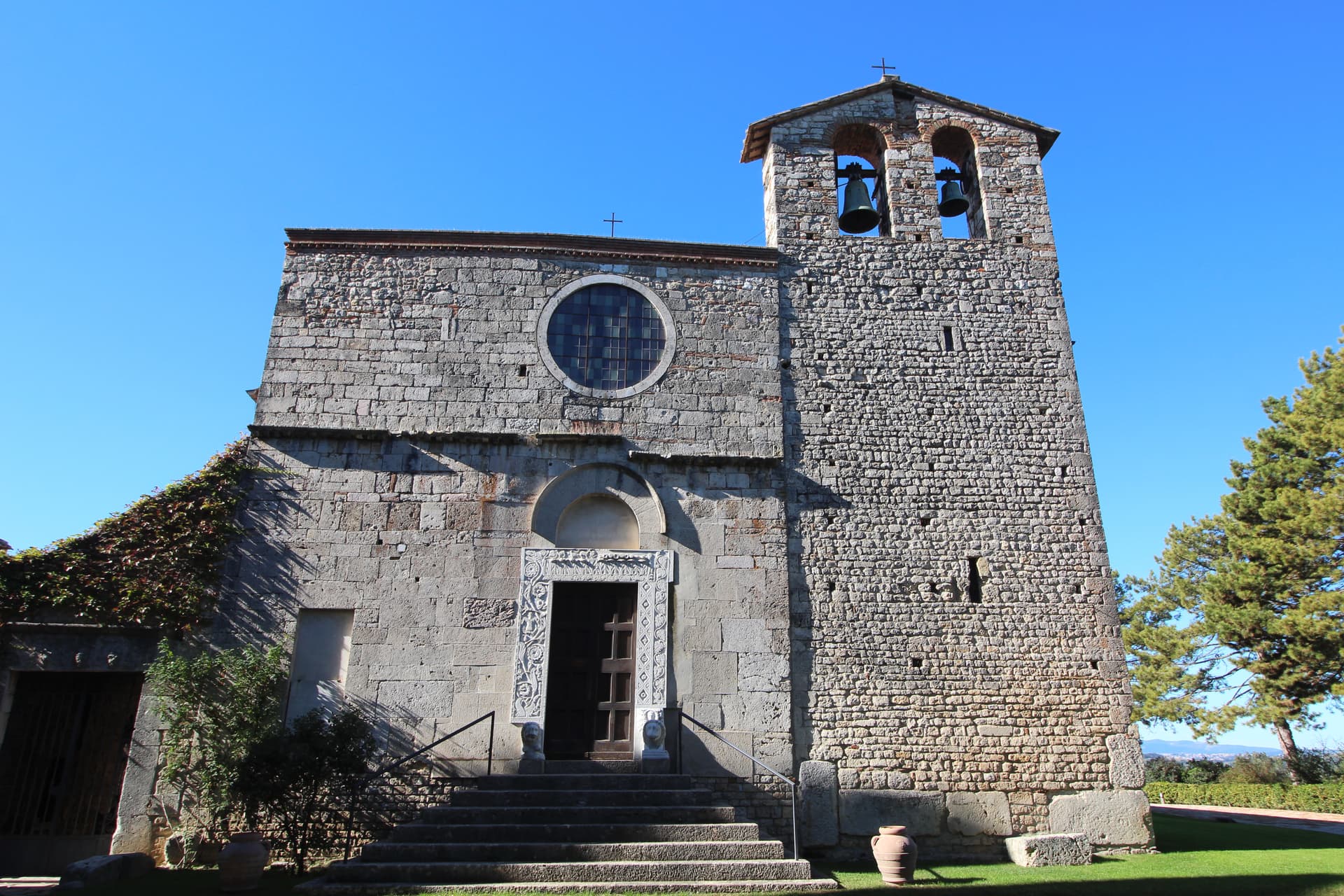
San Gemini
Province: Terni
A medieval borgo at 337 meters above the Via Flaminia, four kilometers below the ruins of Roman Carsulae.
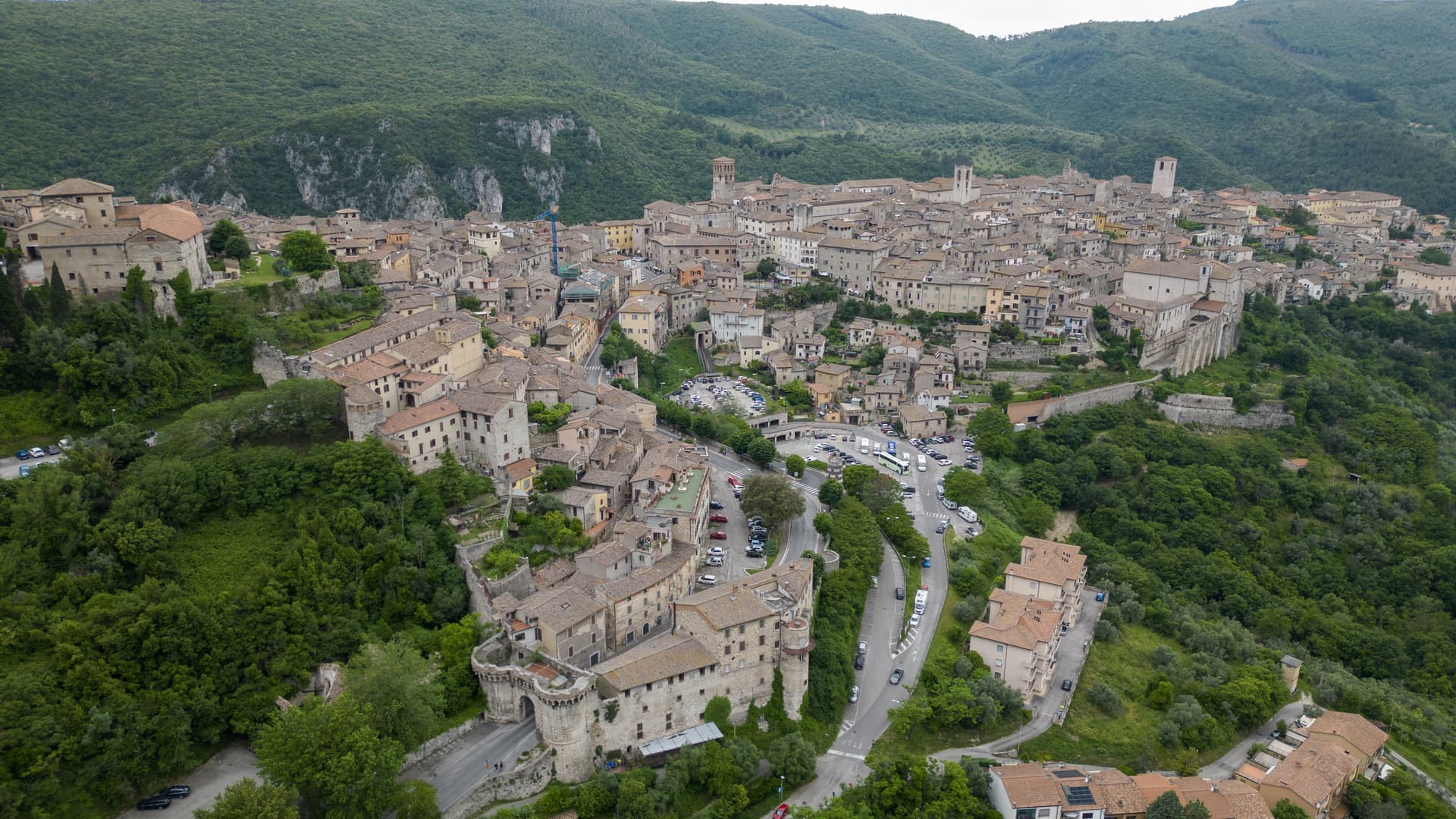
Narni
Province: Terni
Italy's geographical centre and the etymological 'Narnia' — a 17,900-resident hilltop town on a travertine outcrop above the Nera valley, with the Rocca Albornoz papal fortress, a 30m Roman arch of the Ponte d'Augusto, a hidden underground complex containing a 13th-c Inquisition cell with original prisoner graffiti, and the documented Latin name (Narnia) that C.S. Lewis lifted for his fictional kingdom.
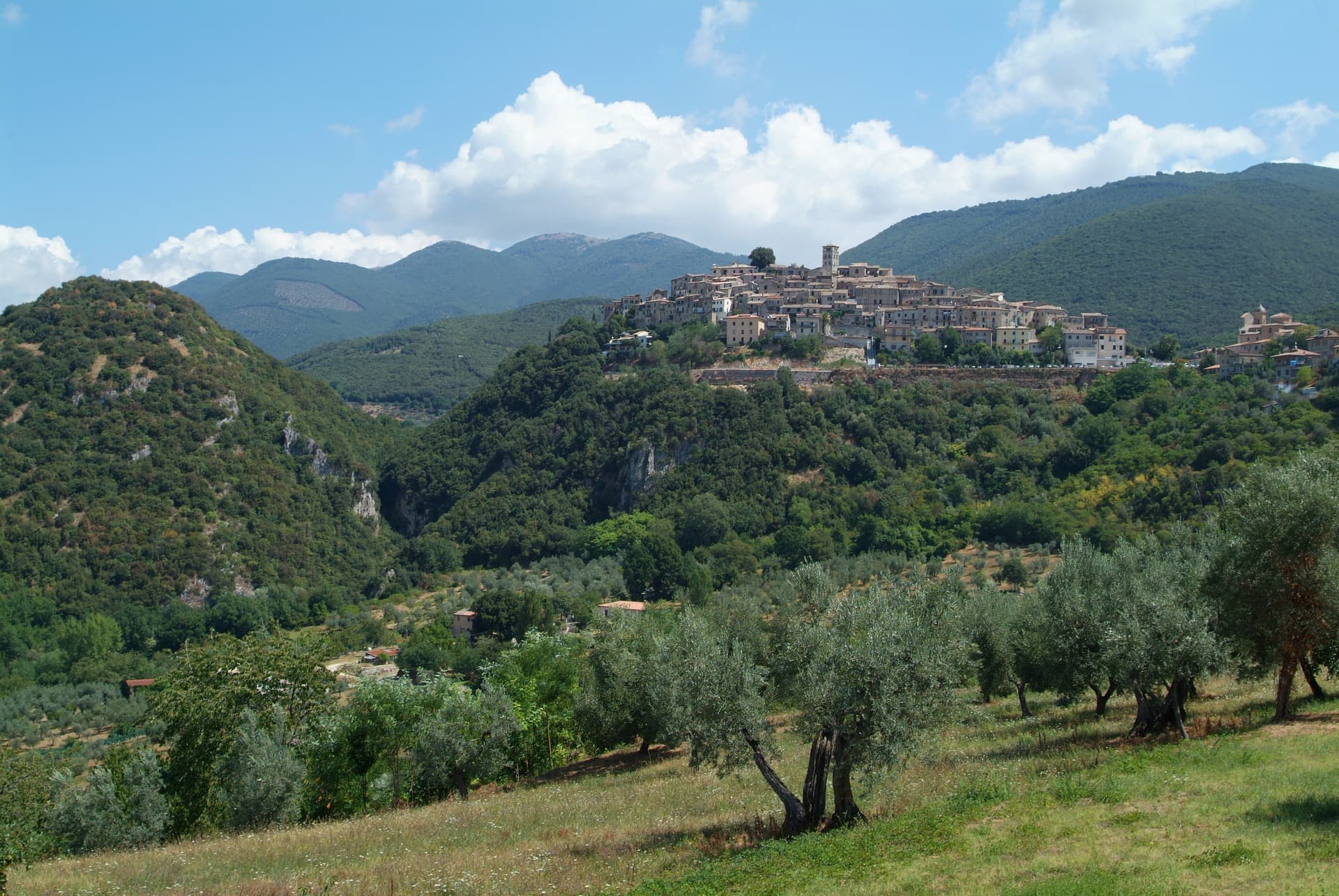
Casperia
Province: Rieti
A Sabina hill village named Aspra in Virgil's Aeneid, called that until 1947, ringed by walls from 1282 and Sabina DOP olive groves below.
🎨 Borghi più belli d'Italia
More Borghi più belli d'Italia towns in Lazio
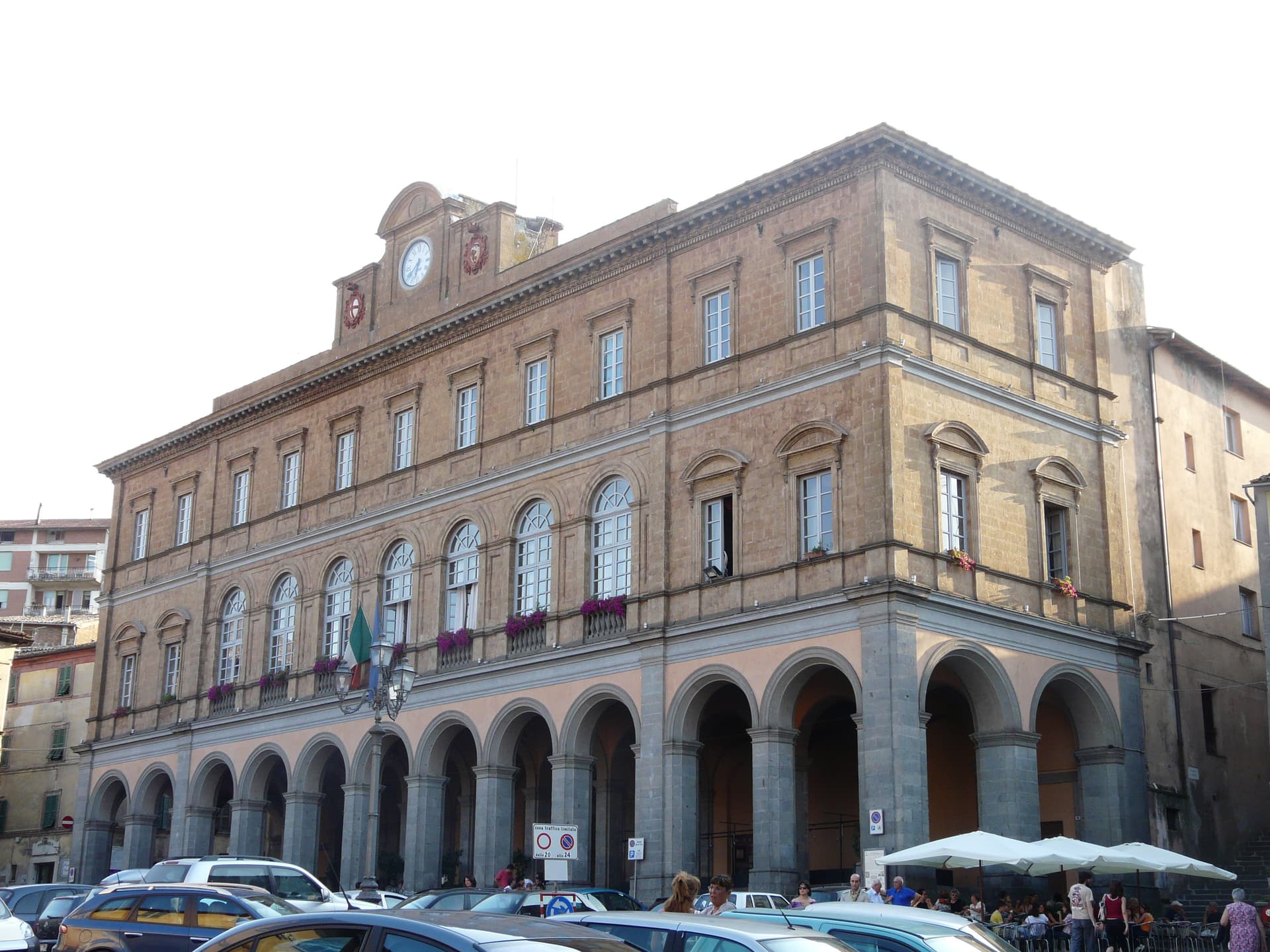
Acquapendente
Province: Viterbo
The northernmost town in Lazio on the Via Francigena, at 420 meters above the Paglia, named in 964 for its waterfalls.
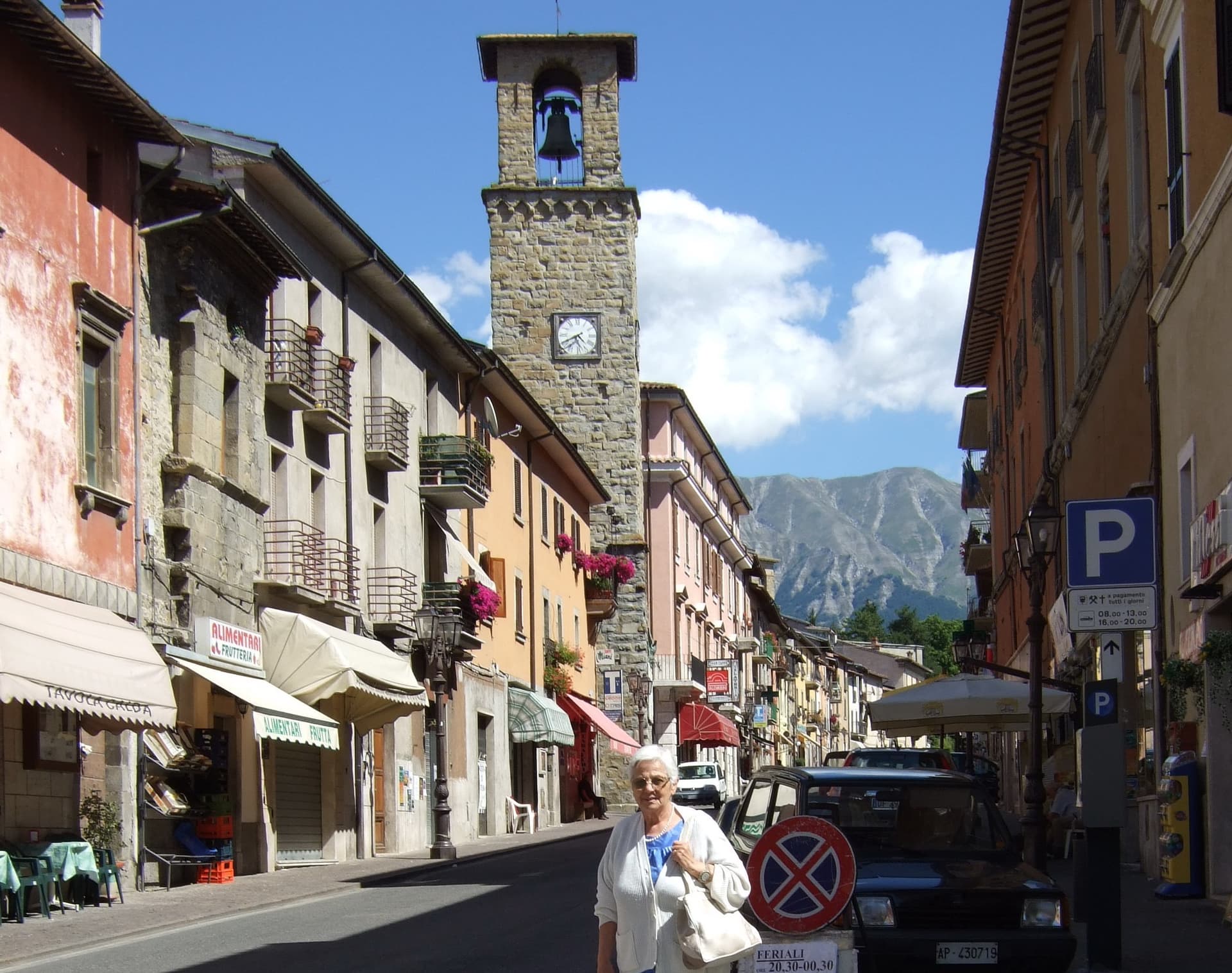
Amatrice
Province: Rieti
A 955-meter Apennine town leveled by the 24 August 2016 earthquake, slowly rebuilding the streets that gave amatriciana its name.
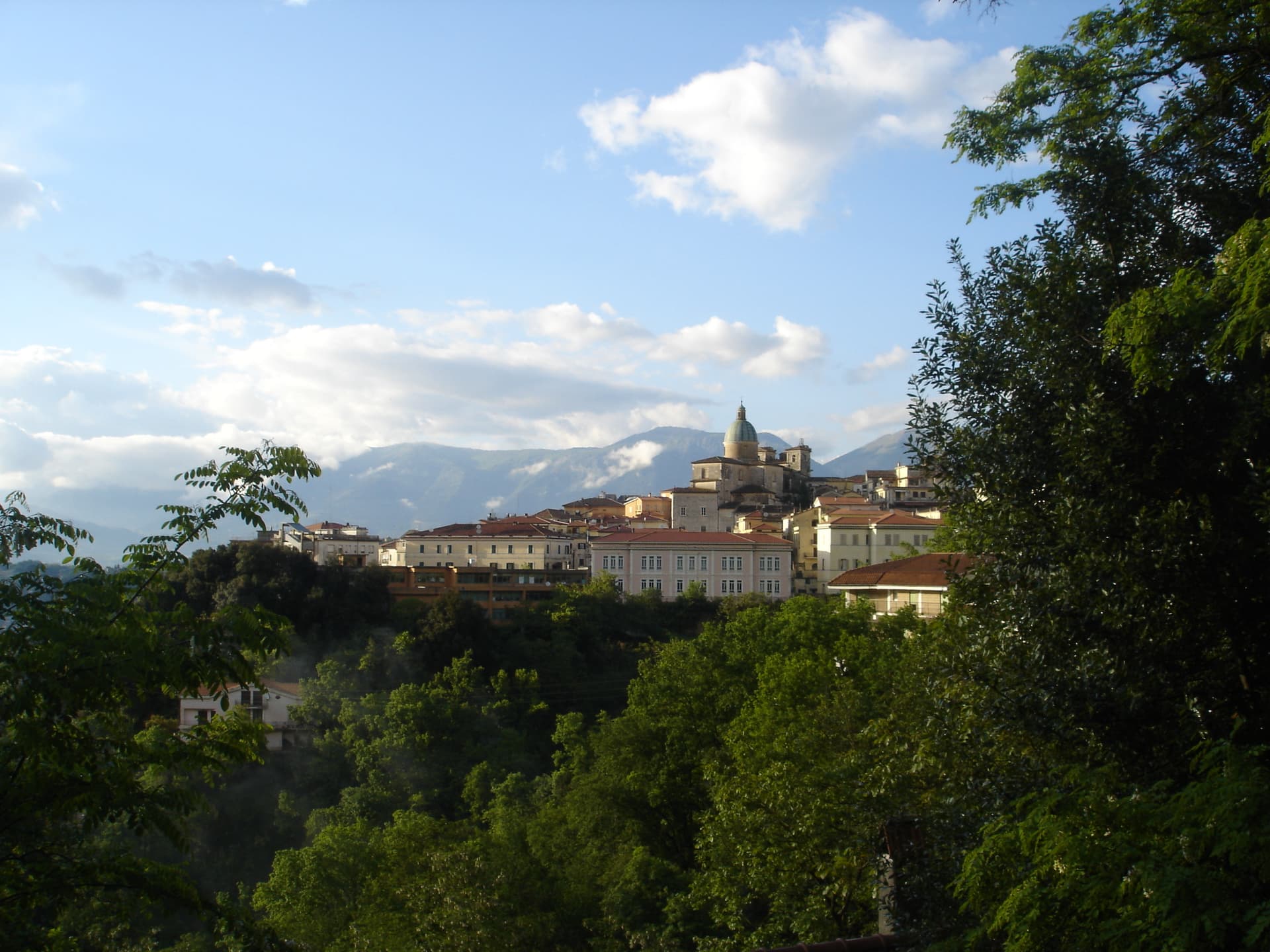
Atina
Province: Frosinone
A polygonal-walled town in the Val di Comino at the foot of the Mainarde, and the DOC that makes Cabernet in central Italy.
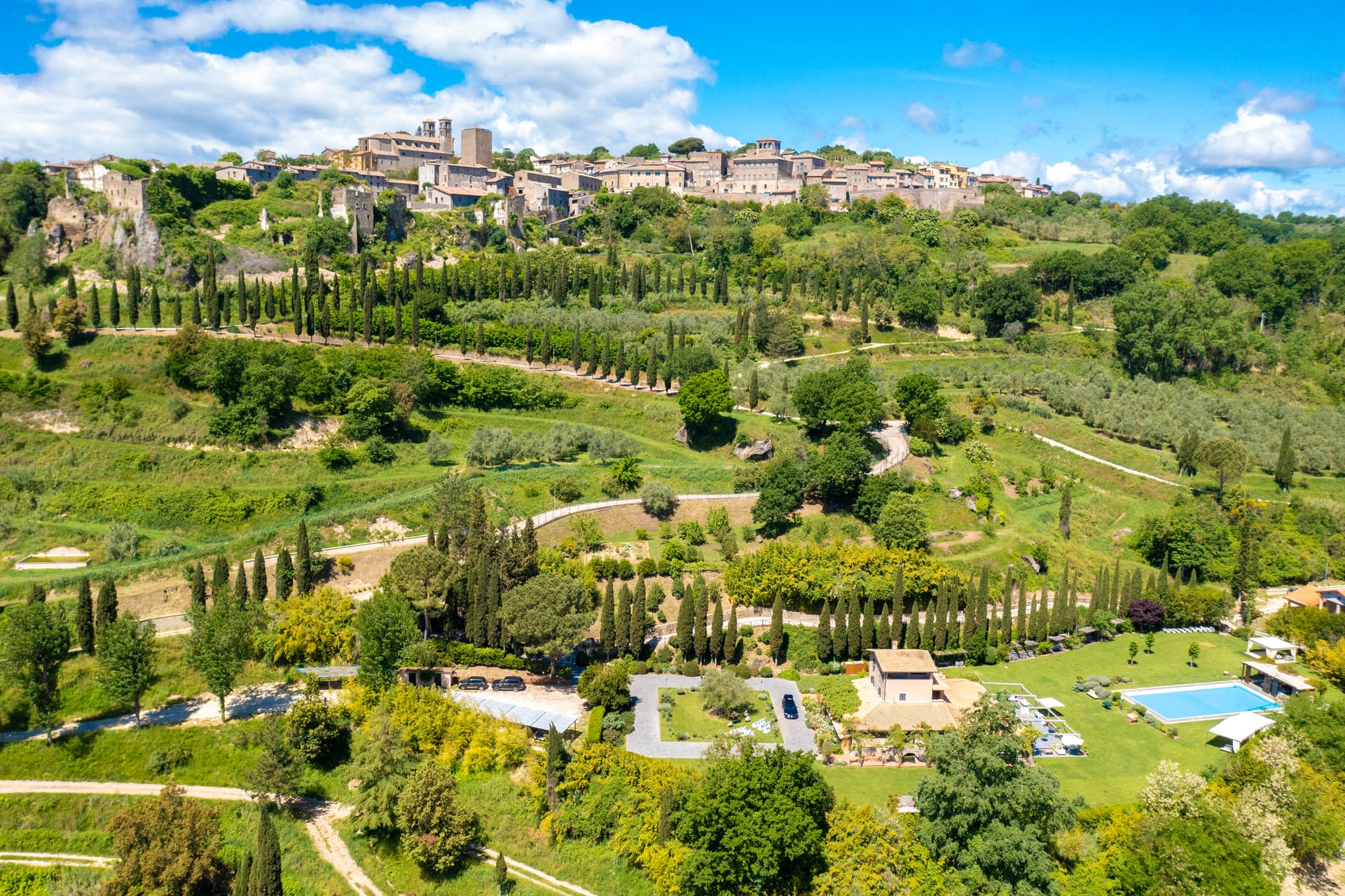
Bassano in Teverina
Province: Viterbo
A tufa-spur borgo of 1,260 above the Tiber valley between Lazio and Umbria, with a clock tower that hides an eleventh-century animated bell tower.
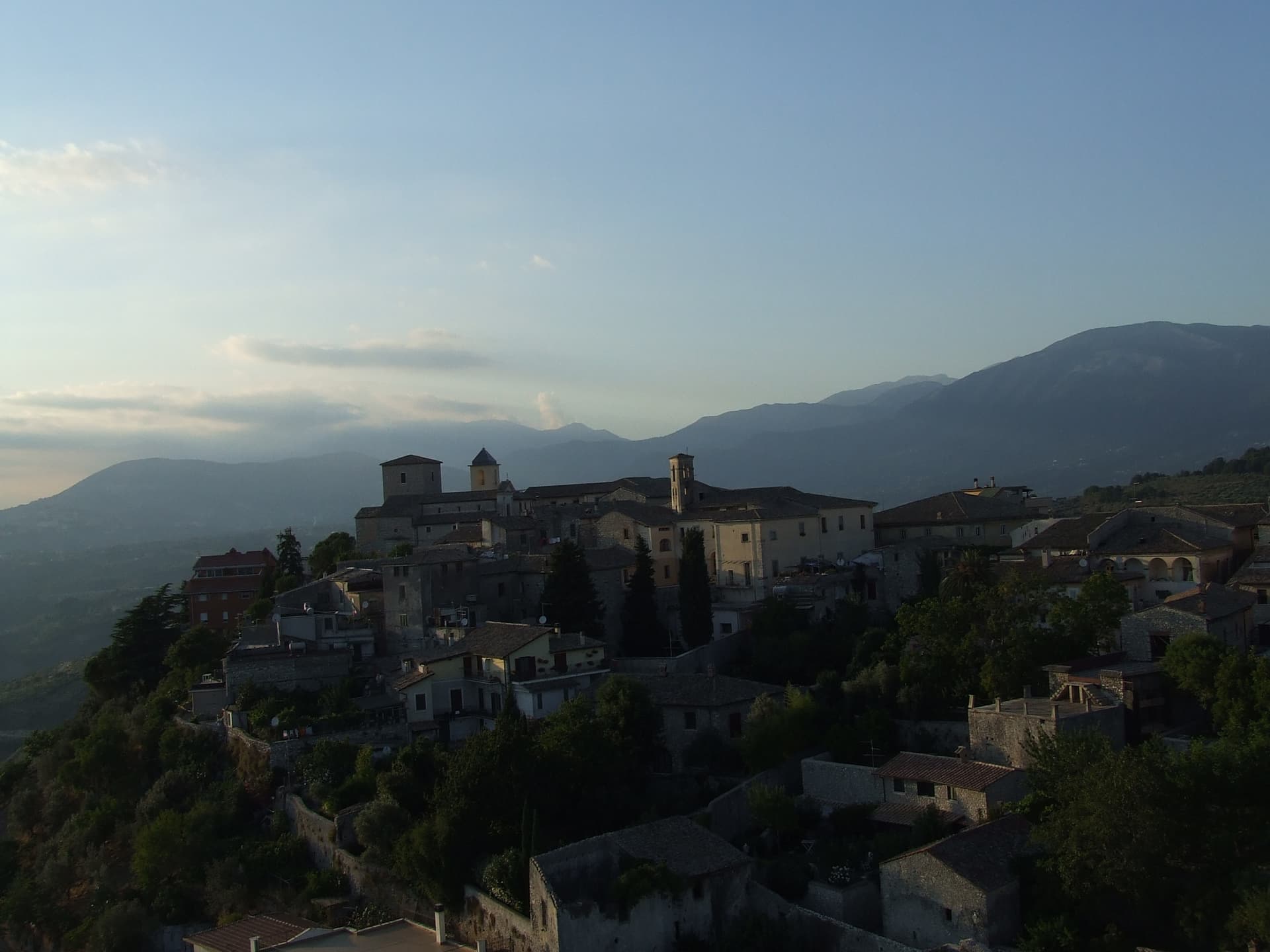
Boville Ernica
Province: Frosinone
A Ciociaria hilltop town with eighteen intact medieval towers and Giotto's only surviving mosaic, the Angelo del Navicella, in San Pietro Ispano.