

Emilia-Romagna · Reggio nell'Emilia
Gualtieri
A right-bank Po commune in the Reggiana lowlands, built around a hundred-meter-square arcaded piazza and the Bentivoglio palace that holds the Ligabue collection.
Known for
PIAZZA BENTIVOGLIO
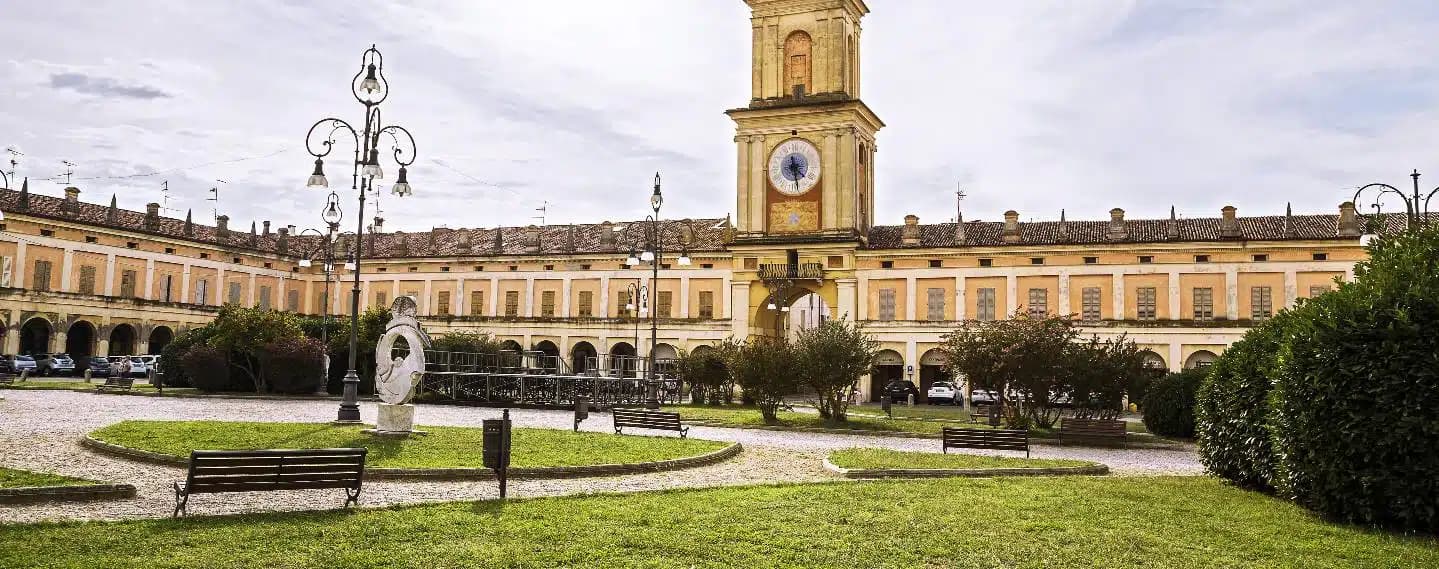
Hundred-meter-square arcaded piazza with sixty-nine arches, the largest porticoed square in Emilia and the heart of the Bentivoglio reclamation project.
ANTONIO LIGABUE
The Naïf painter (1899-1965) lived and worked in poverty on the Po floodplain around Gualtieri; the museum holds the largest permanent collection of his work.
THE PO FLOODS
The 1951 Polesine flood reached 3.80 meters in Piazza Bentivoglio, marked on the keystones of the arches and visible from the square.
When to visit
Best · Apr–Jun, Sep–Oct
- J
- F
- M
- A
- M
- J
- J
- A
- S
- O
- N
- D
- Best
- Hot or crowded
- Quiet
- Mostly closed
The festa: Nostra Signora della Neve, 5 August
Why come
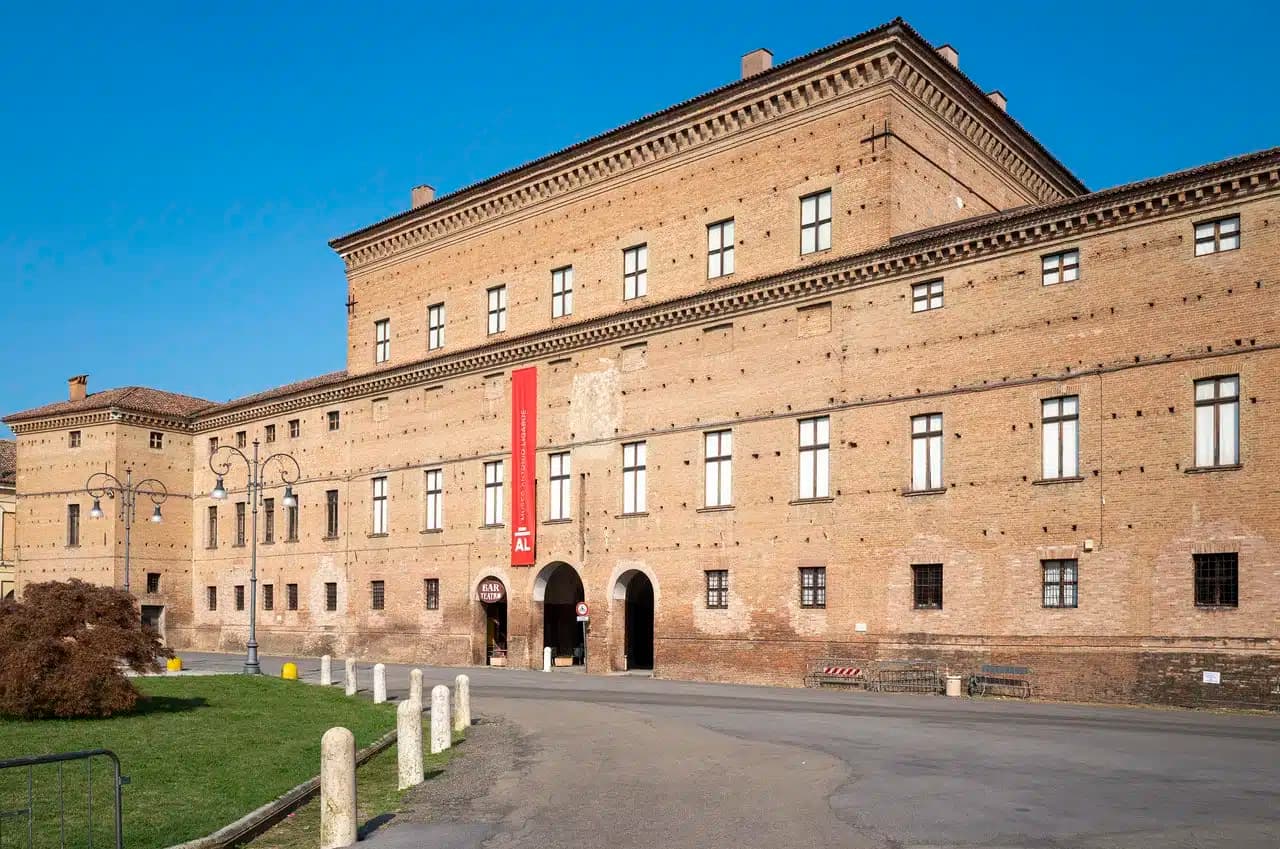
Gualtieri sits on the right bank of the Po, twenty-five kilometers north of Reggio Emilia, on the floodplain the Bentivoglio family reclaimed in the late sixteenth century. Piazza Bentivoglio, designed as a perfect hundred-meter square with arcades on three sides and sixty-nine arches, is the largest porticoed square in Emilia. Palazzo Bentivoglio at the closed end was built between 1594 and 1600 by Ippolito Bentivoglio, who incorporated the older family Casa Vecchia.
The square and the palace flooded repeatedly through the centuries; the 1951 Polesine flood reached 3. 80 meters, marked on the arch keystones. The Palazzo holds the Antonio Ligabue Museum: Ligabue (1899-1965), the self-taught Naïf painter who lived in poverty on the Po floodplain, painted the jaguars, tigers and rural scenes that have made him the most recognised twentieth-century Reggiana artist. The same building holds the Umberto Tirelli costume collection.
The Sunday letter
We haven’t written Gualtieri’s letter yet.
One town every Sunday, with the photo, the food, the festa. Be there when this one comes up. Free, by Peter & Sophia from Pietrasanta.
By subscribing you agree to Substack’s Terms of Use, our Privacy Policy and our Information collection notice.
What to see
Piazza Bentivoglio
Hundred-meter-square arcaded piazza laid out in the late sixteenth century, with sixty-nine arches on three sides and Palazzo Bentivoglio closing the fourth.
Palazzo Bentivoglio
Late-sixteenth-century palace by Ippolito Bentivoglio, with frescoed halls and a series of allegorical cycles by Pier Francesco Battistelli and Marcantonio Franceschini.
Museo Antonio Ligabue
Permanent collection of paintings and sculptures by the Naïf master Antonio Ligabue, housed inside Palazzo Bentivoglio.
Collezione Umberto Tirelli
Stage costumes and film wardrobe assembled by tailor Umberto Tirelli for Visconti, Zeffirelli and others, displayed in the palace.
Golena del Po
Po river floodplain north of the centro storico, with cycle paths along the levee and the marks on the piazza arches recording the 1951 flood height.
The slow-trip planner
Building a trip? Find where Gualtieri fits in a slow Italy circuit.
Answer five questions. We will shape a geographically coherent slow trip from the 1,000 Italian towns most travelers skip. Yours to save and share.
Living here
- Population 6,241
- In-betweeni
- Pharmacy: none mapped
- High school within a 30-minute drive
- Nearest airport Bologna, 1 h 17 min drive
- Regional capital Bologna, 1 h 22 min drive
Tags & datadesignations · numbers · sources
Recognised as
The numbers
- Elevation: 22 m
- Population: 6,241
- Surface area: 35.65 km²
These figures were compiled from public directories — ISTAT, OpenStreetMap, Wikidata — and from the official listings of the guides named on this page. Town details change; verify with official sources before you travel.
Close by
More towns near Gualtieri
Pomponesco
Province: Mantova
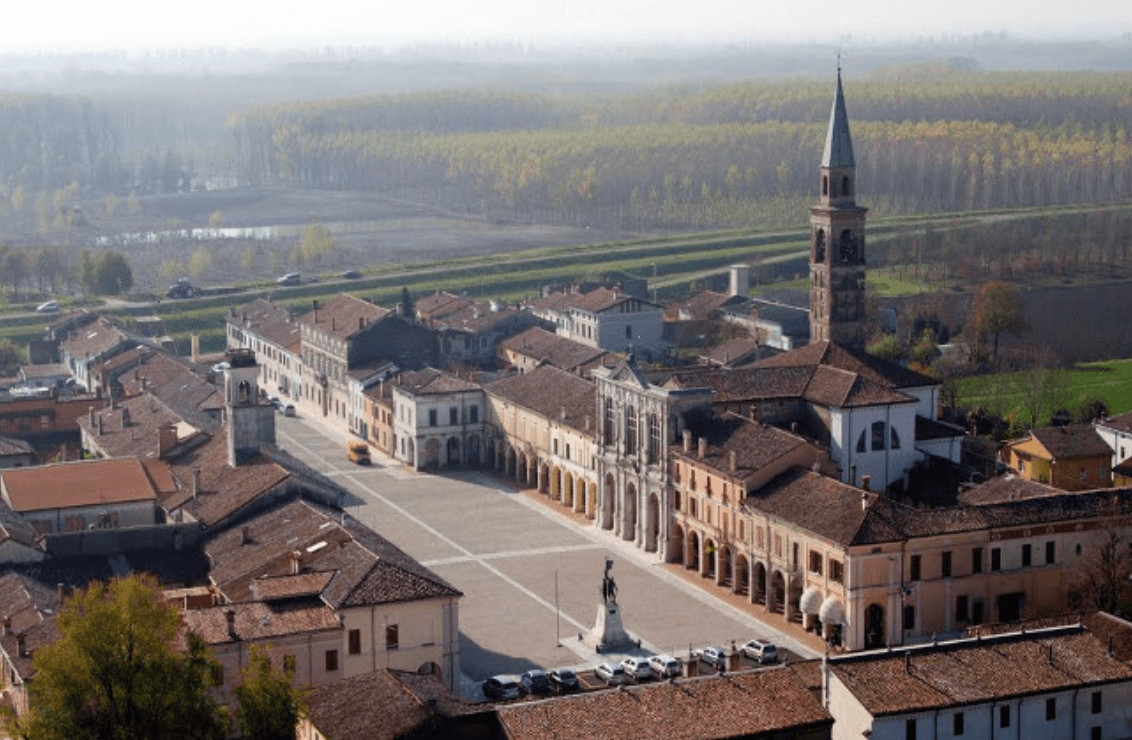
A Mantova river village at 21 meters on the Po's left bank, with a late-Cinquecento Gonzaga grid and arcaded central piazza.
Sabbioneta
Province: Mantova
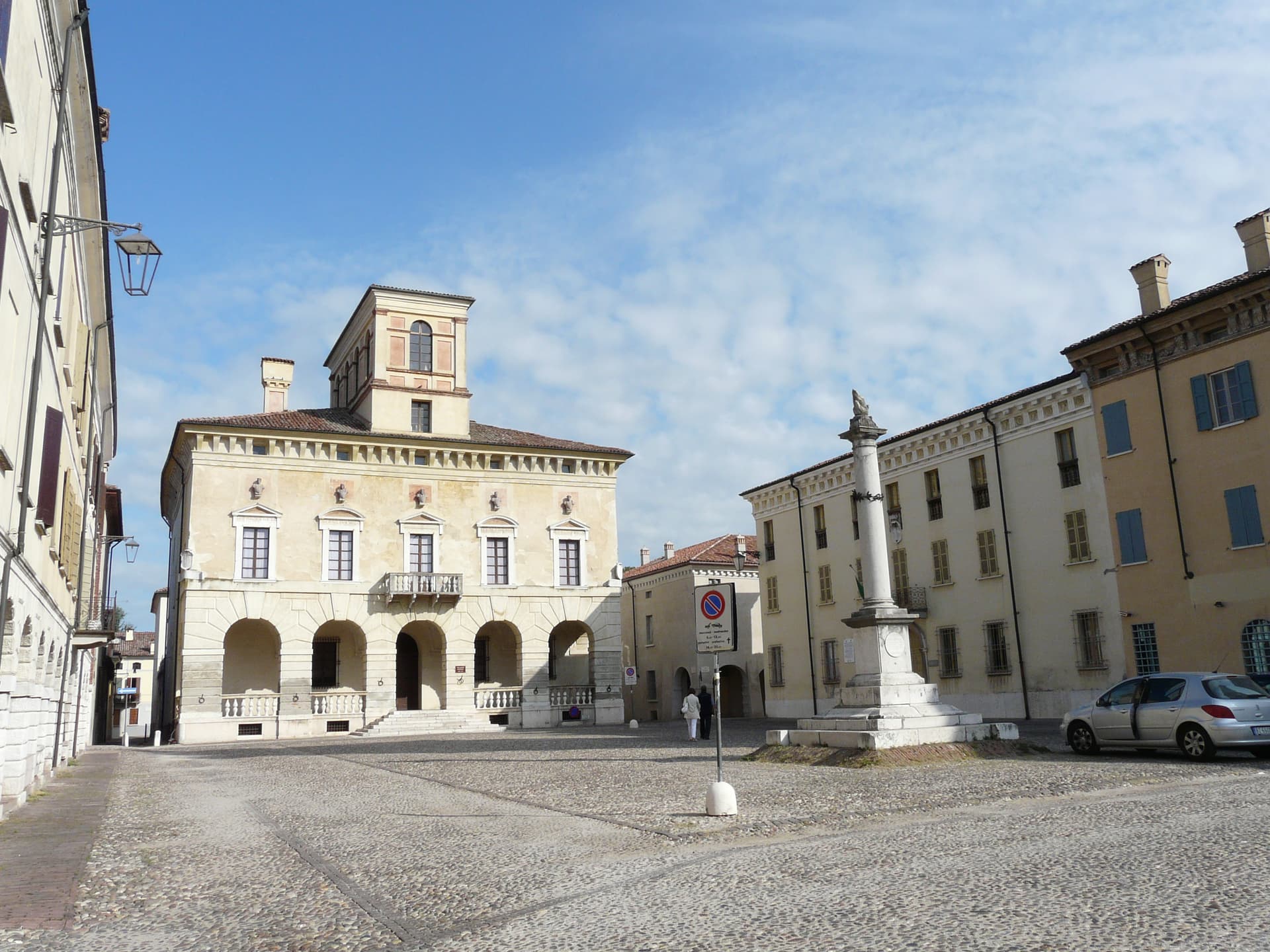
A Renaissance ideal city on the Po, built in thirty years by Vespasiano I Gonzaga and laid out as a six-pointed star.
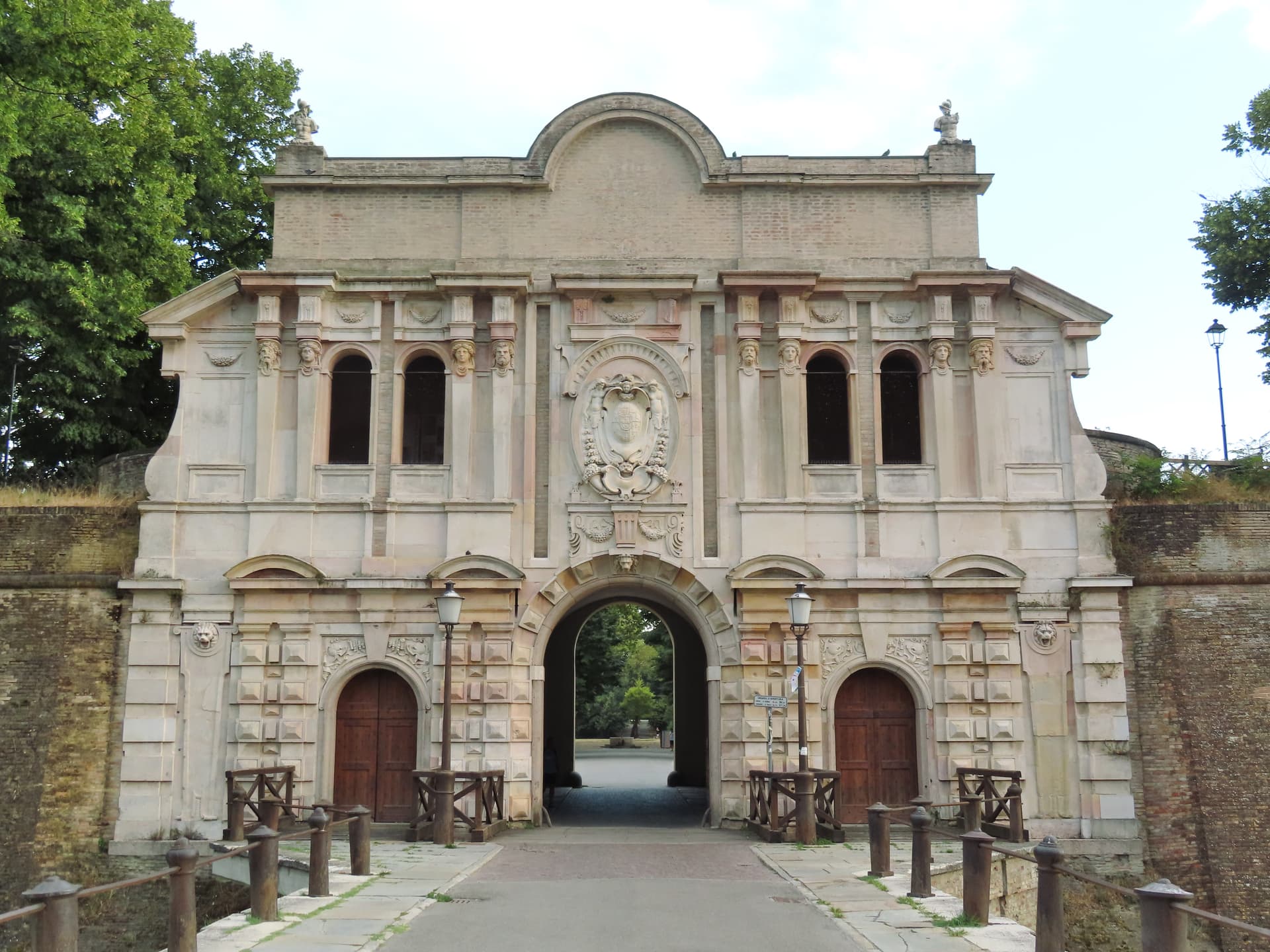
Parma
Province: Parma
A 57-meter Po-plain capital on the Via Emilia, where Correggio painted the Duomo dome and Parmigiano ages in vaults across the province.
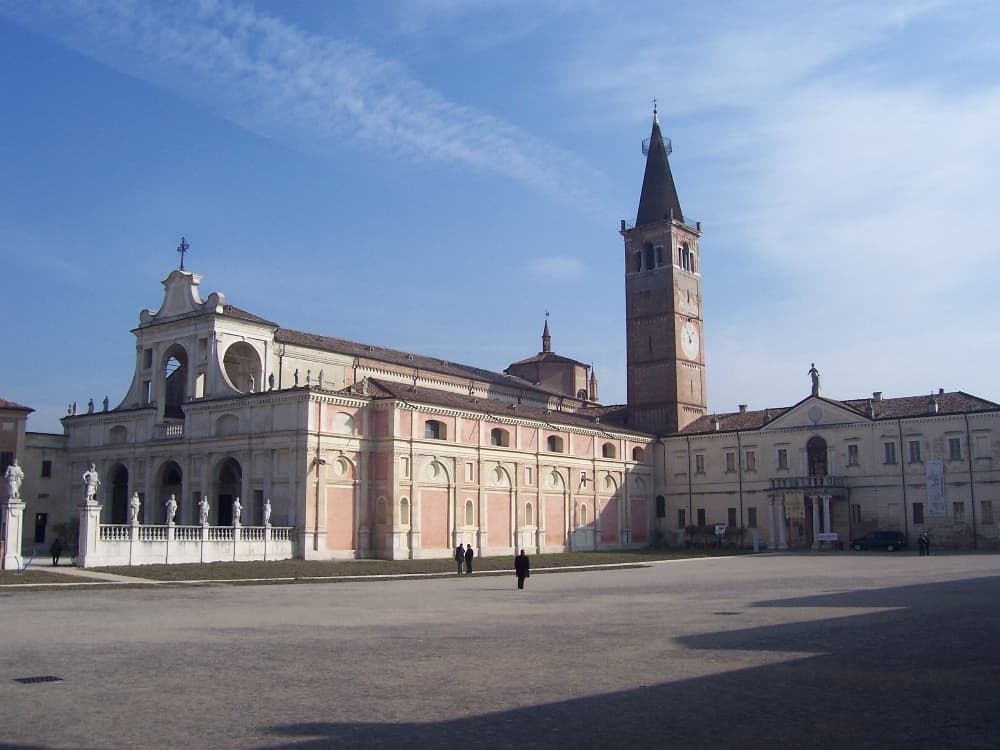
San Benedetto Po
Province: Mantova
The town that grew up around Polirone, the abbey founded in 1007 by the Canossa family, where Matilda of Canossa was buried for five centuries.
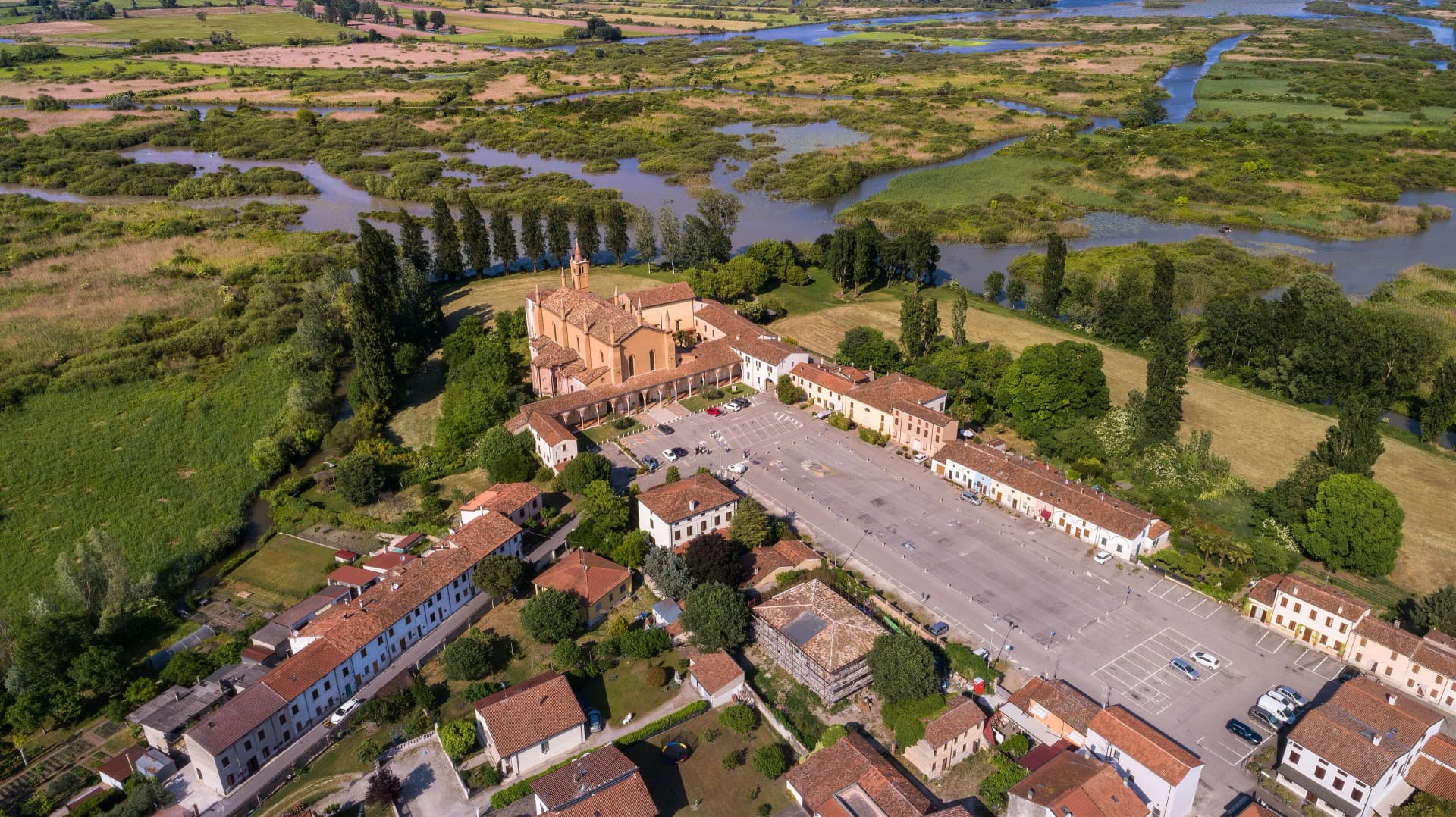
Curtatone
Province: Mantova
A commune of eight frazioni west of Mantova, anchored by the Grazie sanctuary and the 1848 battle that delayed Radetzky's advance.
🎨 Borghi più belli d'Italia
More Borghi più belli d'Italia towns in Emilia-Romagna
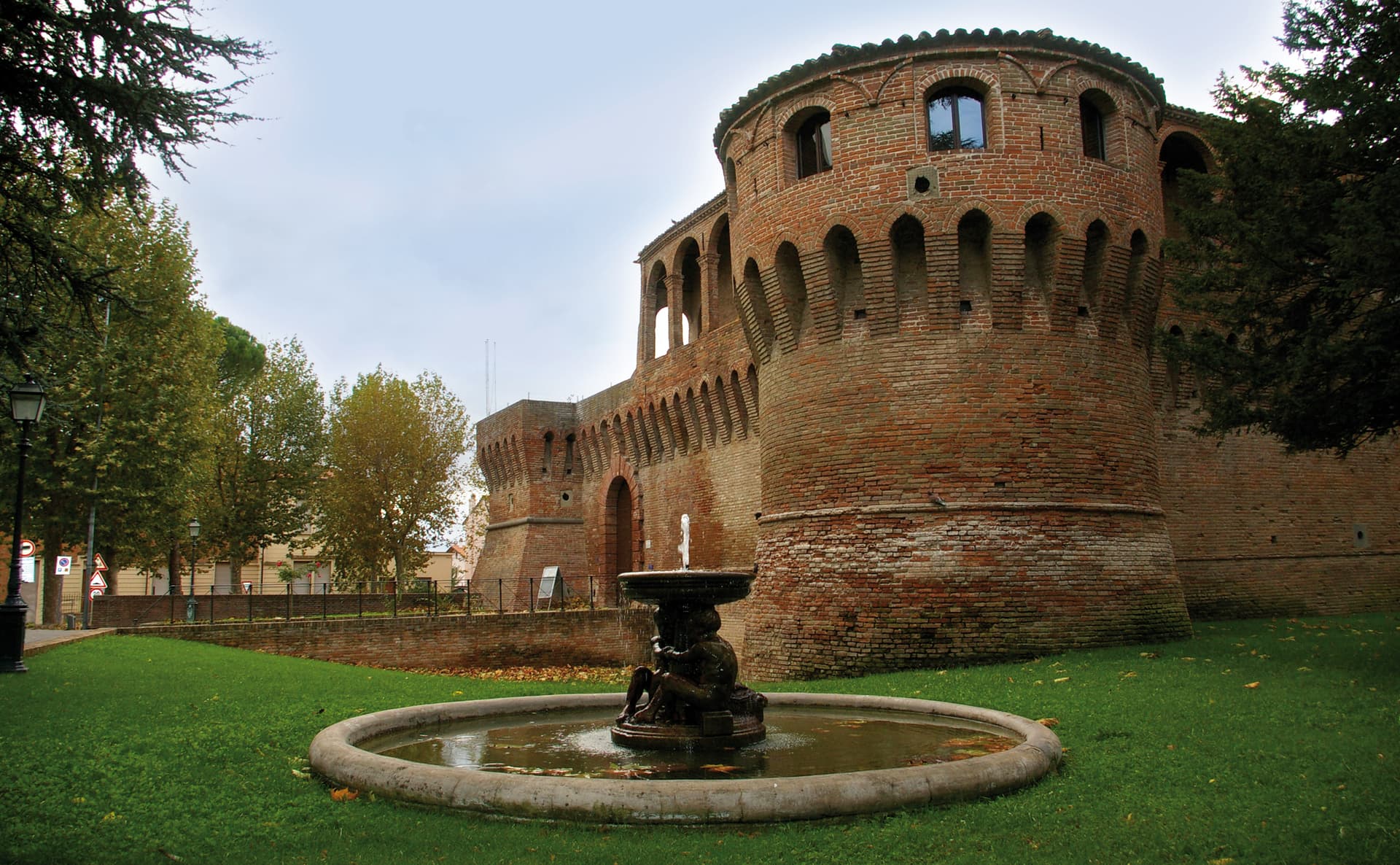
Bagnara di Romagna
Province: Ravenna
A 22-meter plain commune in the Bassa Romagna, the only fully preserved medieval castrum surviving in the Romagna lowlands.
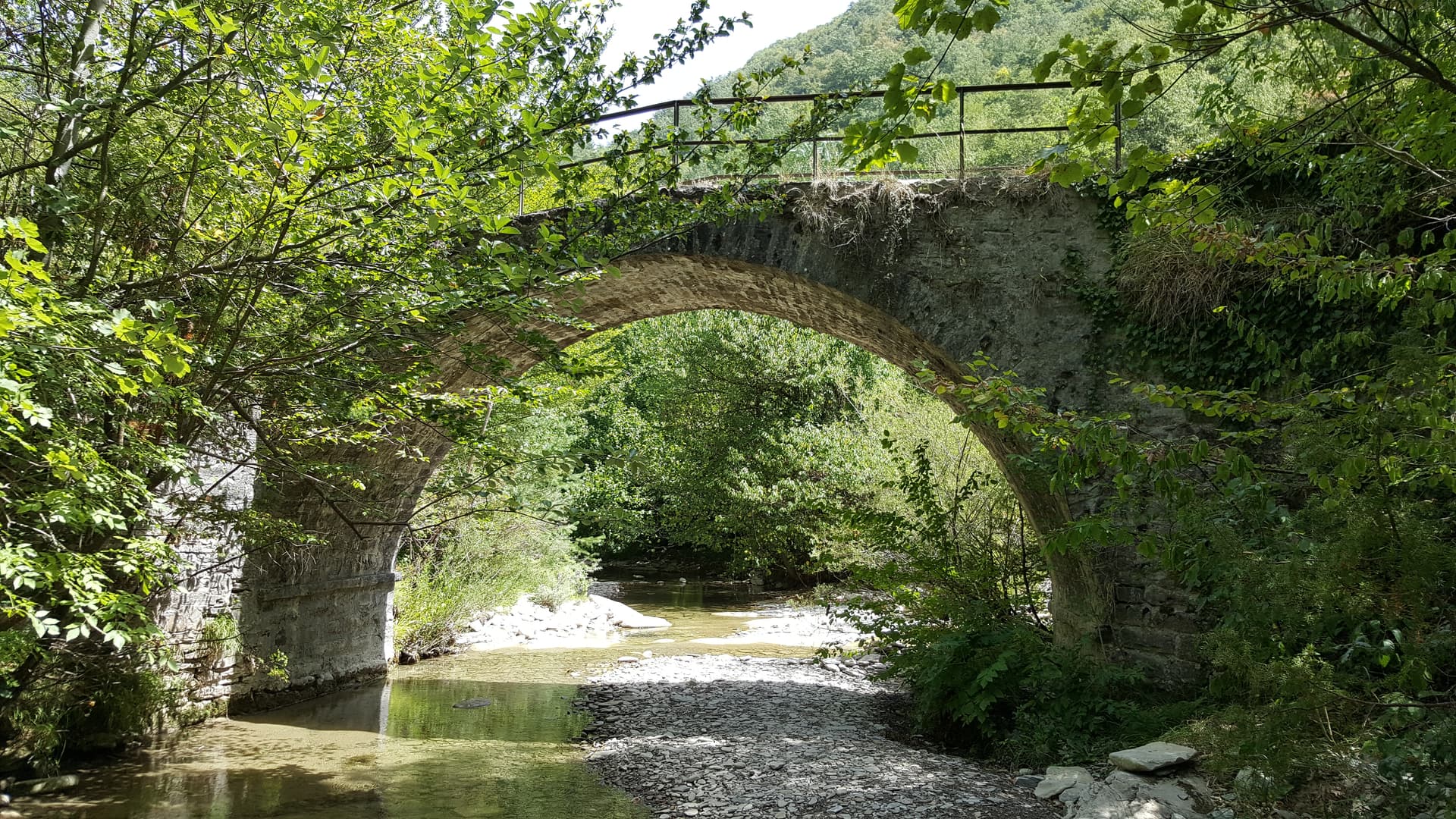
Bagno di Romagna
Province: Forlì-Cesena
A 491-meter thermal town at the head of the Savio valley, drawing on springs that have run at 47 degrees since Roman times.
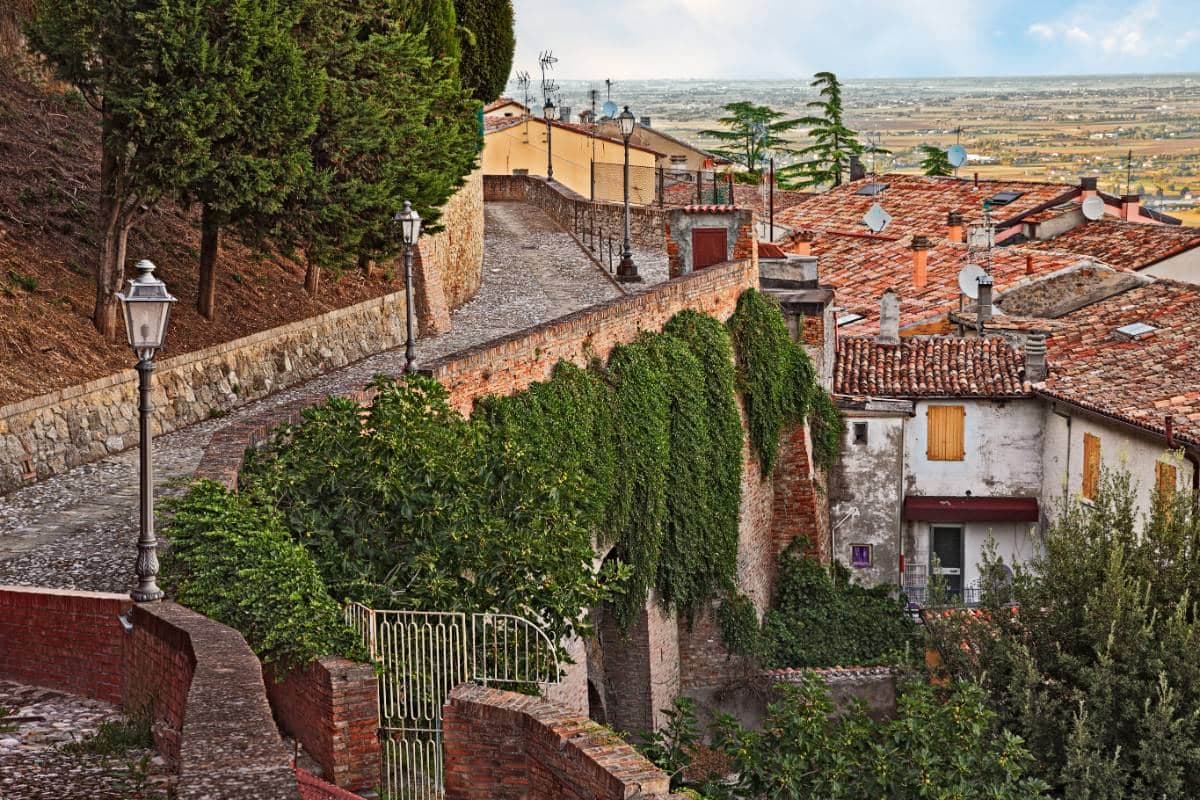
Bertinoro
Province: Forlì-Cesena
A 254-meter Romagna-hill borgo above the Via Emilia, with a twelve-ring hospitality column from 1300 and the slopes that grow Albana DOCG.
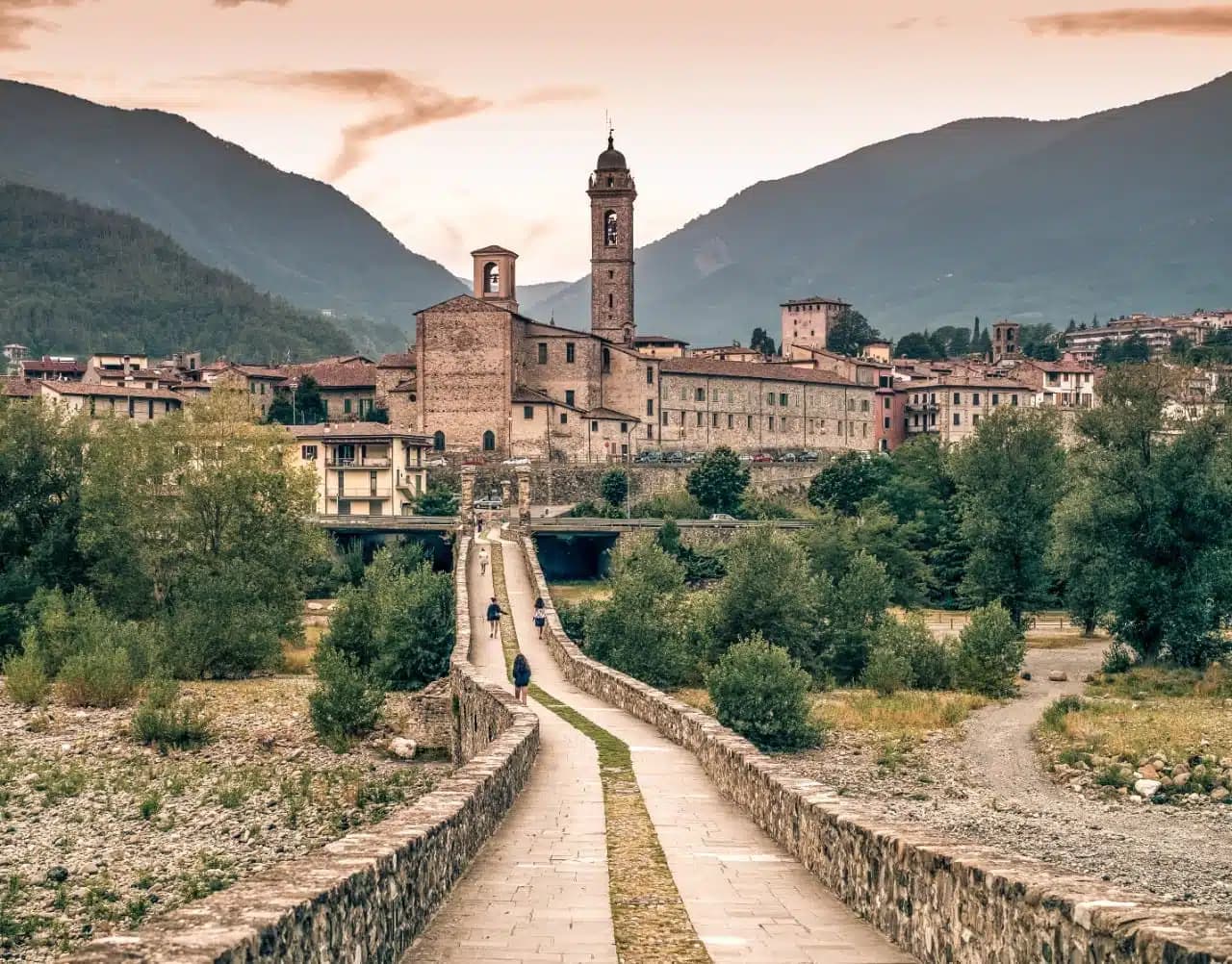
Bobbio
Province: Piacenza
A 272-meter Trebbia-valley town built around the abbey Saint Columbanus founded in 614, named Borgo dei Borghi by RAI in 2019.
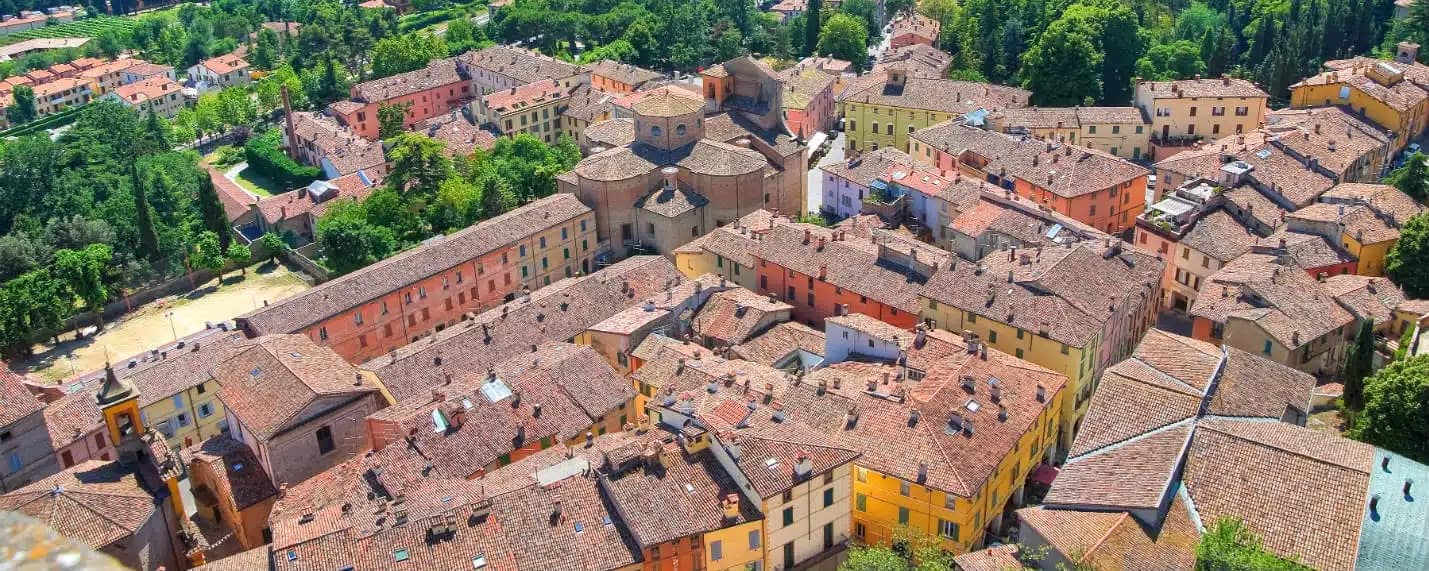
Brisighella
Province: Ravenna
A Lamone-valley borgo at 115 meters under three selenite hills crowned by a fortress, a clock tower, and a sanctuary.