
Umbria · Perugia
Monte Castello di Vibio
A fifteenth-century walled village above the Tiber, home to the world's smallest all'italiana theatre with 99 seats.
Known for
THE SMALLEST THEATRE
Teatro della Concordia, 99 seats in a bell-shaped plan, built in 1808 by nine families in the spirit of the French Revolution.
WALLED FIFTEENTH
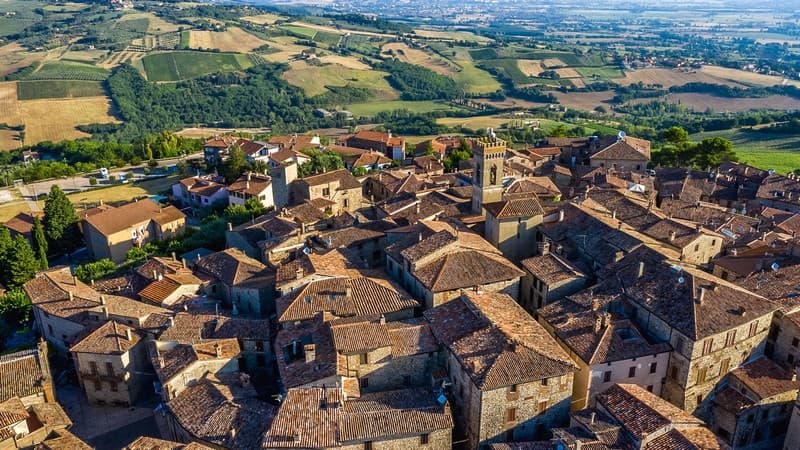
A fifteenth-century walled borgo above the Tiber valley, the small medieval circuit still framing the centro storico.
CITTASLOW
Cittaslow member: a population of 1,429 and a rhythm shaped around the theatre season and the surrounding olive groves.
When to visit
Best · Apr–Oct
- J
- F
- M
- A
- M
- J
- J
- A
- S
- O
- N
- D
- Best
- Hot or crowded
- Quiet
- Mostly closed
Why come
Monte Castello di Vibio sits on a ridge above the Tiber valley, eight kilometers north of Todi and thirty south of Perugia. The town is a walled fifteenth-century borgo on a slope of cultivated Umbrian hills, and its later name carries the trace of an old Perugian Roman family, the Vibii, attached to it in 1863 to distinguish the place from other Monte Castello communes. The Teatro della Concordia, built in 1808 by nine wealthy families in the spirit of the French Revolution's ideals of liberty, equality and fraternity, is the smallest theatre all'italiana in the world: 99 seats, 62 in four tiers of boxes and 37 in the stalls, an auditorium of 68 square meters in a bell-shaped plan, a stage of 50.
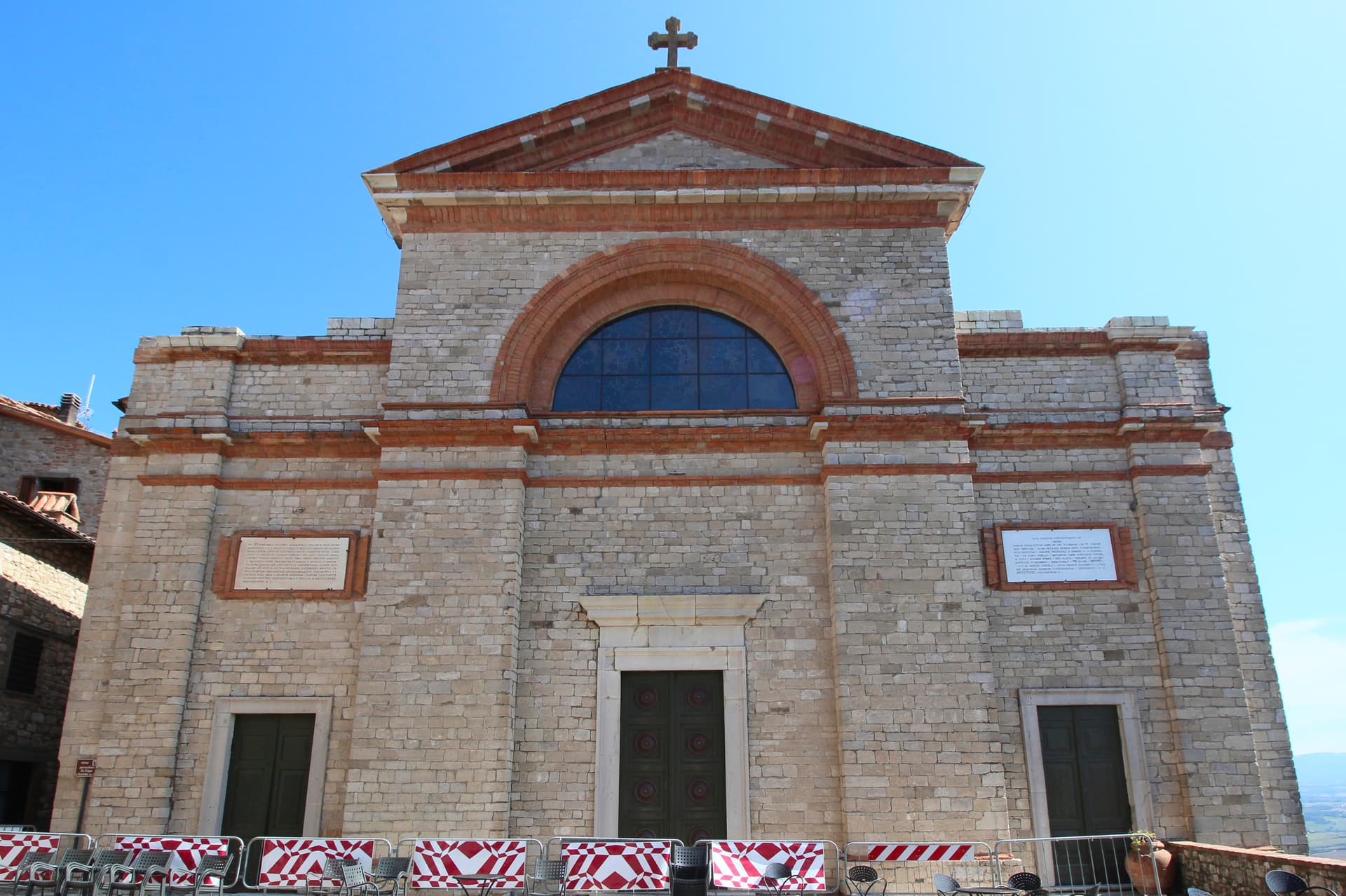
The theatre closed in 1951 after wartime damage and reopened in 1993 after restoration. The Chiesa dei Santi Filippo e Giacomo, built in 1851 on the main square, replaced an older parish on the same footprint. The Madonna delle Grazie, an older stone church from 1505, holds frescoed walls.
The Sunday letter
We haven’t written Monte Castello di Vibio’s letter yet.
One town every Sunday, with the photo, the food, the festa. Be there when this one comes up. Free, by Peter & Sophia from Pietrasanta.
By subscribing you agree to Substack’s Terms of Use, our Privacy Policy and our Information collection notice.
What to see
Teatro della Concordia
The smallest all'italiana theatre in the world: 99 seats, built in 1808 in a bell-shaped plan, closed in 1951 and reopened in 1993.
Chiesa dei Santi Filippo e Giacomo
Main parish church on the central square, built in 1851 on the footprint of an earlier and smaller church.
Madonna delle Grazie
Stone church of 1505 on the edge of the borgo, with frescoed interior walls dating to the early sixteenth century.
Centro storico
Fifteenth-century walled core arranged around the main square, looking out across the Tiber valley toward Todi to the south.
Belvedere sulla Valle del Tevere
Panoramic terrace on the southern edge of the walls, with views across the cultivated Tiber valley toward the Martani hills.
The slow-trip planner
Building a trip? Find where Monte Castello di Vibio fits in a slow Italy circuit.
Answer five questions. We will shape a geographically coherent slow trip from the 1,000 Italian towns most travelers skip. Yours to save and share.
Living here
- Population 1,429
- In-betweeni
- Pharmacy: none mapped
- High school within a 30-minute drive
- Nearest airport Ancona / Pescara, 2 h 14 min drive
- Regional capital Perugia, 48 min drive
Tags & datadesignations · numbers · sources
Recognised as
The numbers
- Elevation: 422 m
- Population: 1,429
- Surface area: 31.95 km²
These figures were compiled from public directories — ISTAT, OpenStreetMap, Wikidata — and from the official listings of the guides named on this page. Town details change; verify with official sources before you travel.
Close by
More towns near Monte Castello di Vibio
Todi
Province: Perugia
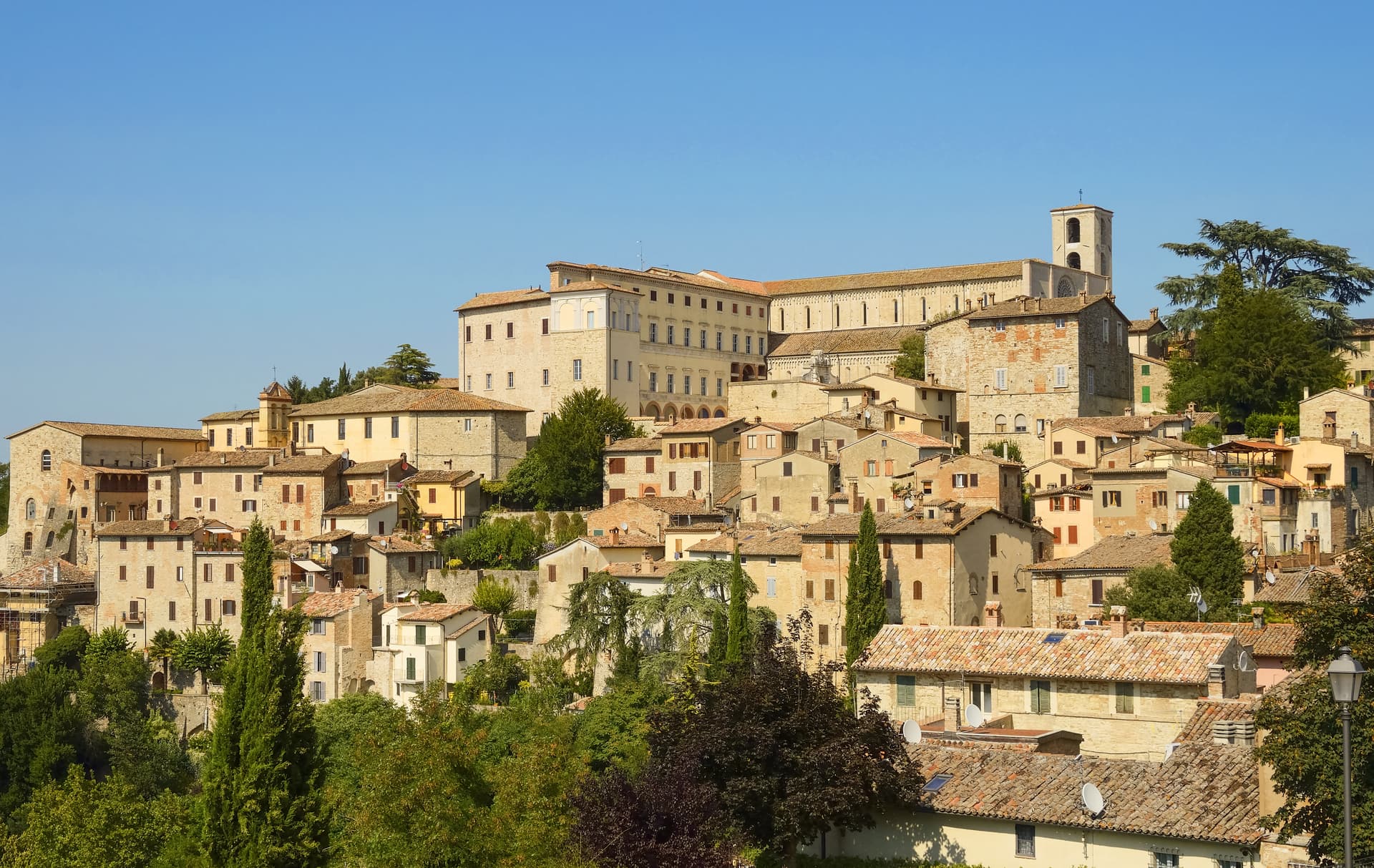
A walled hill town at 398 meters on the Tiber, with Etruscan, Roman, and medieval rings stacked up Colle Nidoli.
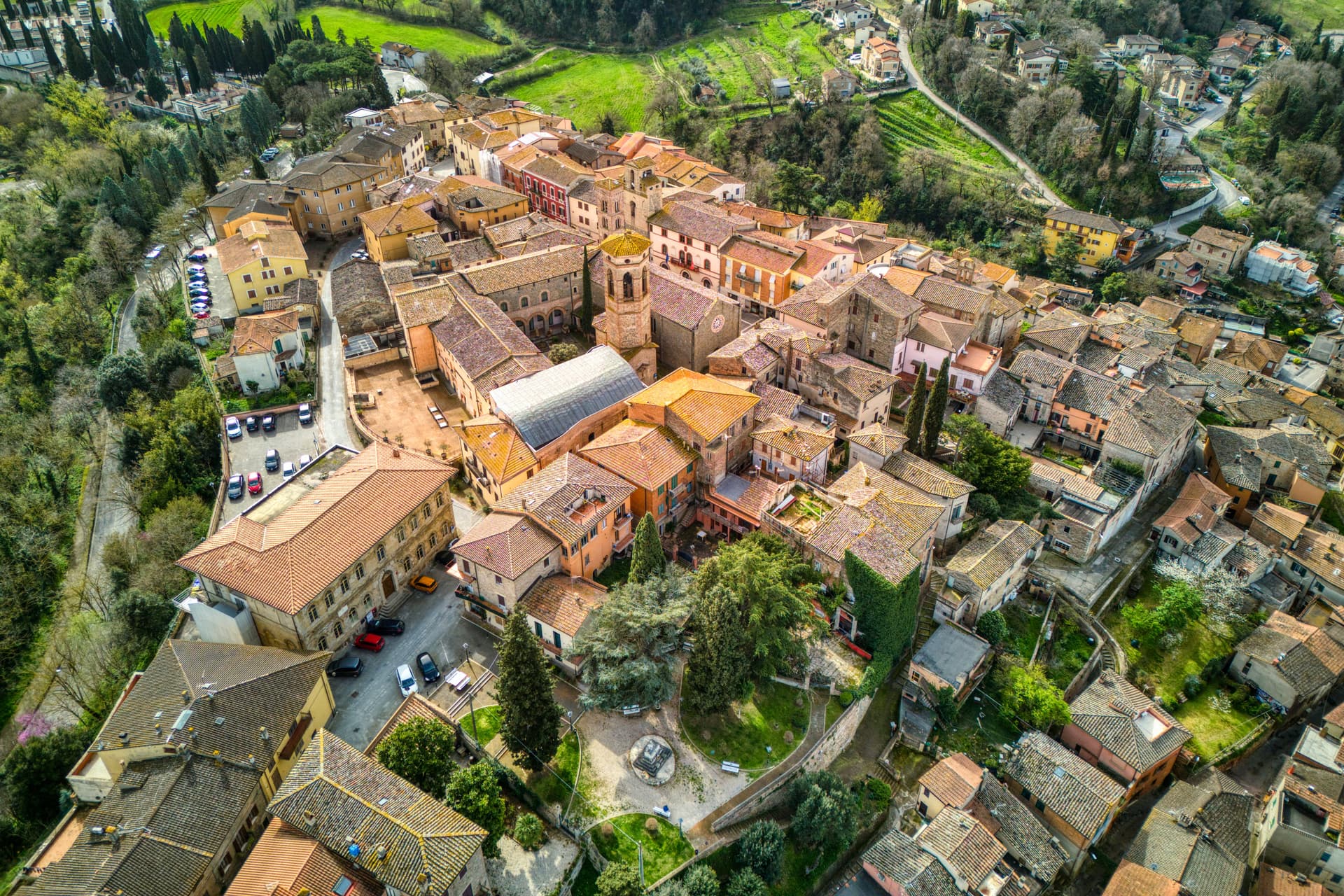
Deruta
Province: Perugia
A hill town at 218 meters on the left bank of the Tiber, the maiolica capital of central Italy since the late thirteenth century.
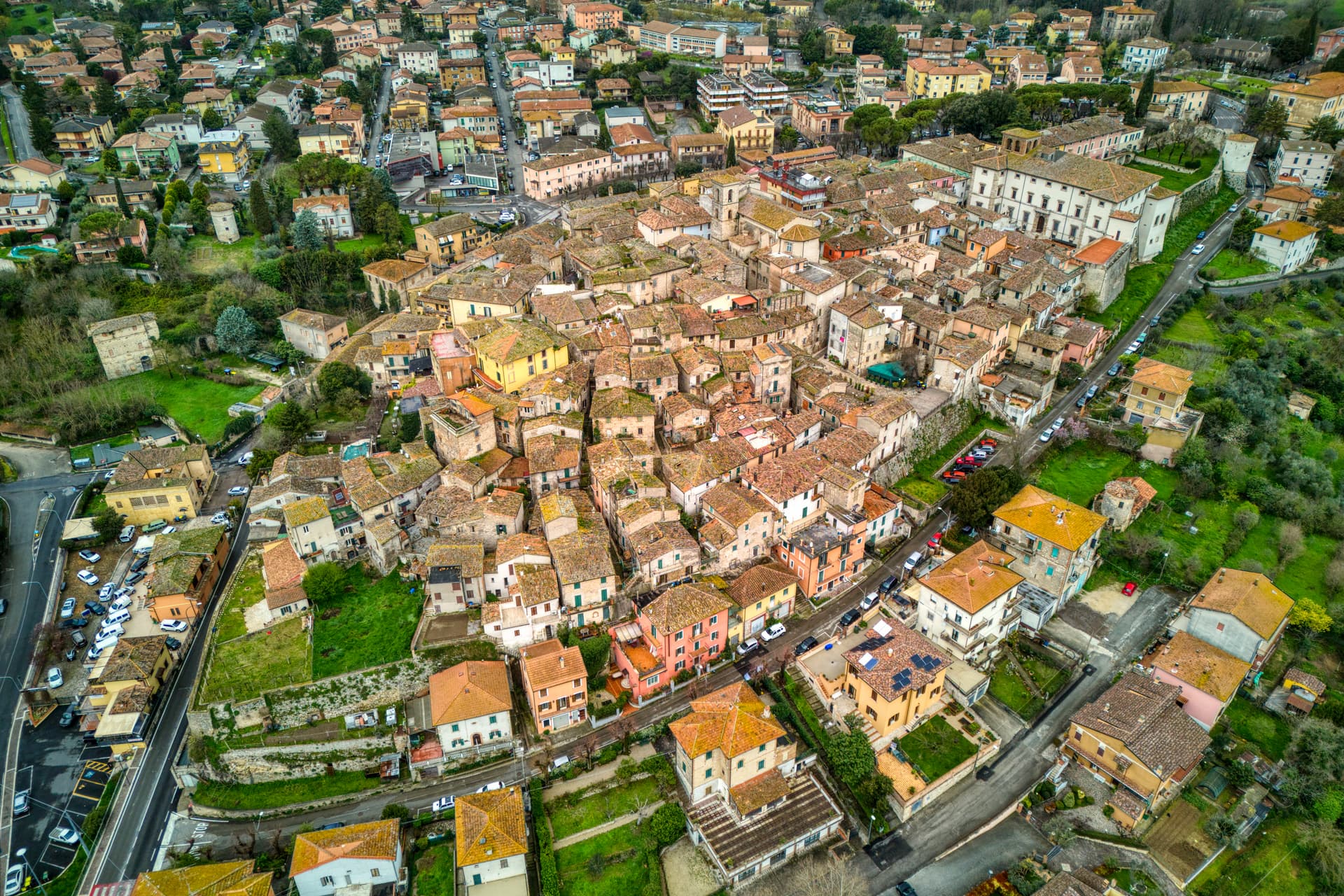
Acquasparta
Province: Terni
A hill town at 350 meters above the Naia valley, where Federico Cesi convened the first Accademia dei Lincei in his Palazzo Cesi in 1603.
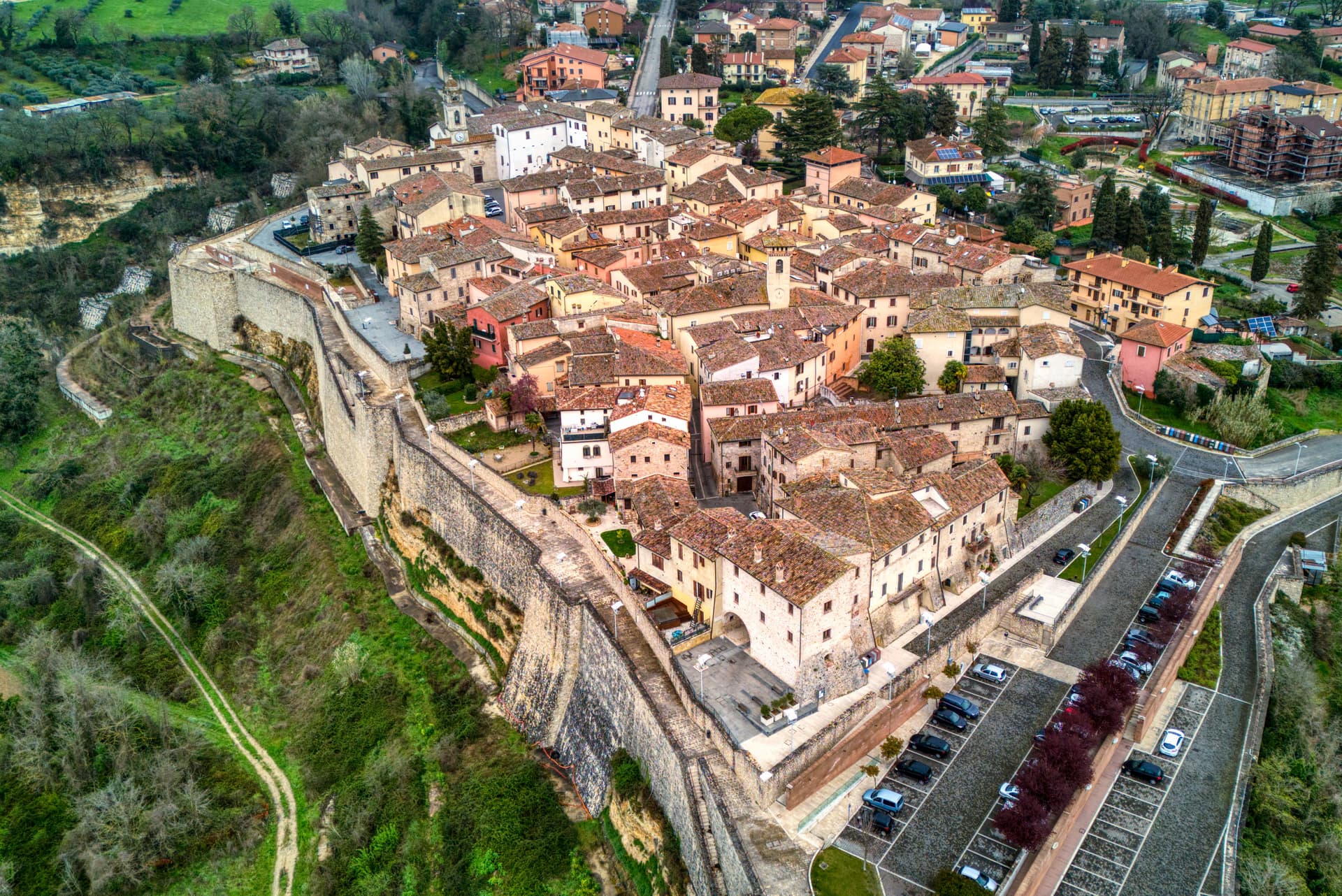
Massa Martana
Province: Perugia
Umbria's Via Flaminia BPB — a 3,613-resident borgo on the original Roman consular road between Rome and Rimini, with the intact 9th-c Abbazia dei Santi Fidenzio e Terenzio above town, a network of Roman-era catacombe Cristiane (Catacombe di Villa San Faustino, the only ones in Umbria), and the Borghi più belli inscription restored after the 1997 Marche-Umbria earthquake.
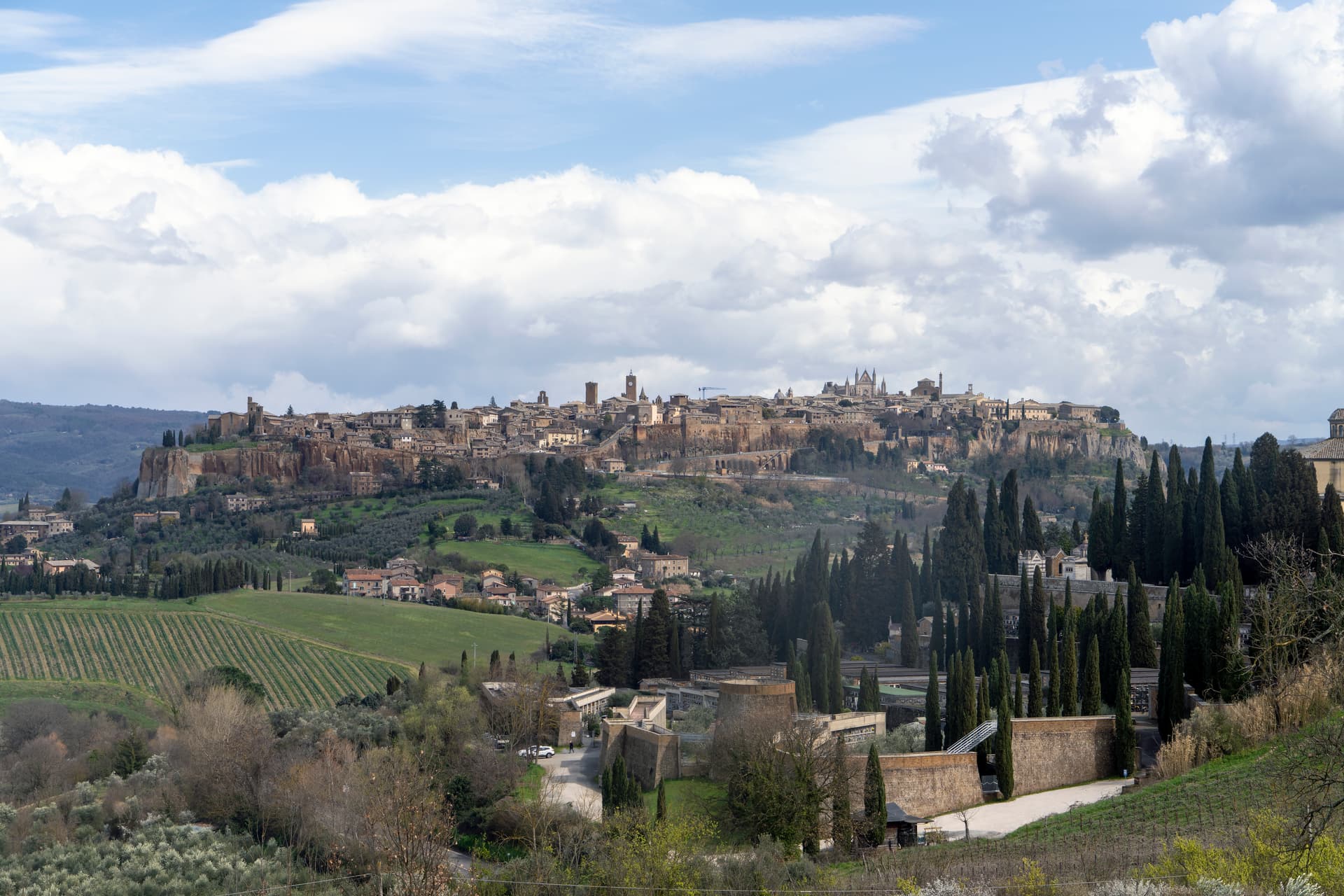
Orvieto
Province: Terni
Etruscan Velzna on a 325-meter tufa butte, the medieval refuge of popes and the home of Italy's most decorated Gothic cathedral.
🎨 Borghi più belli d'Italia
More Borghi più belli d'Italia towns in Umbria
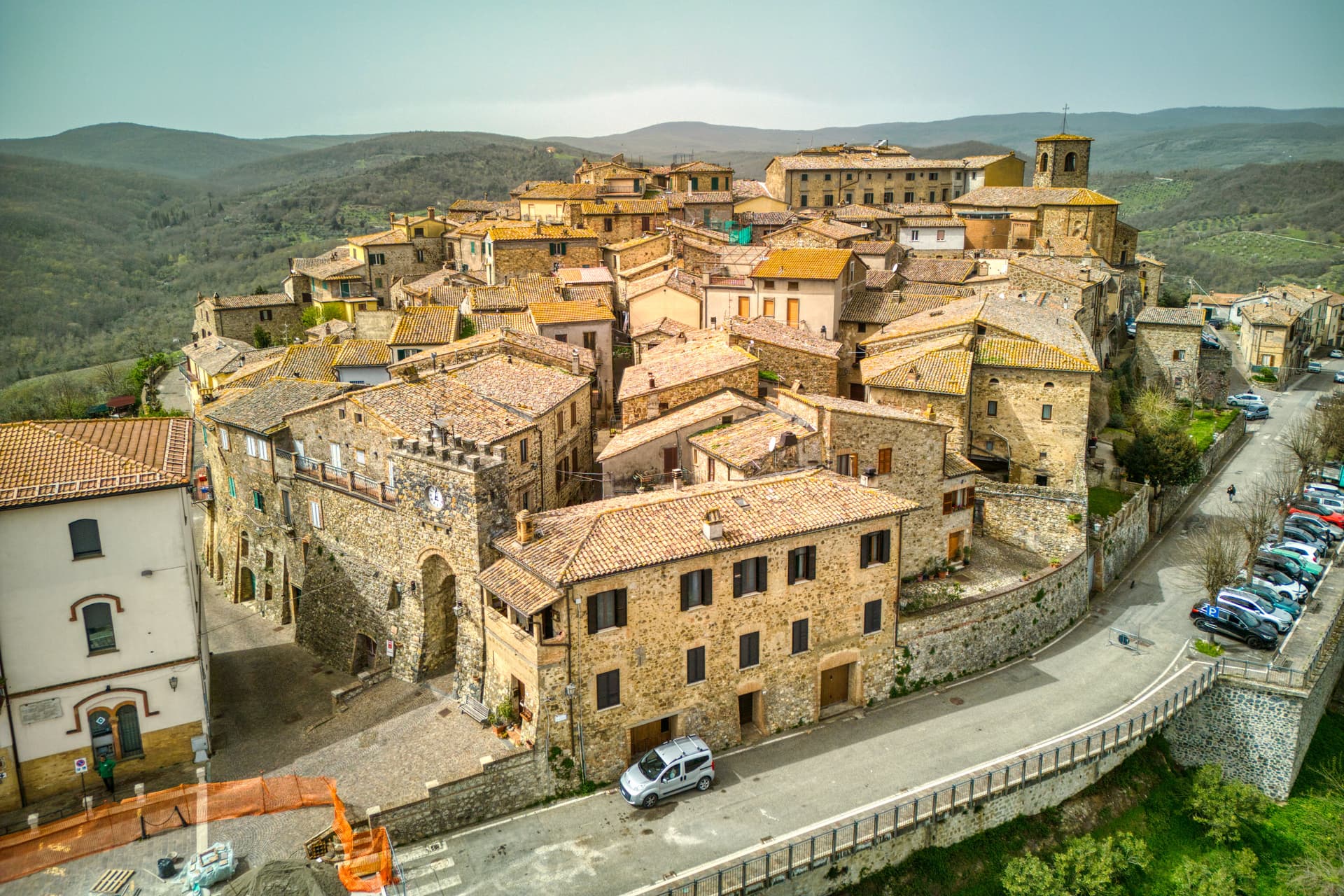
Allerona
Province: Terni
A stone borgo at 472 meters between the Paglia valley and the Valdichiana, an Orvieto outpost whose Monaldeschi castle fell to Charles V.
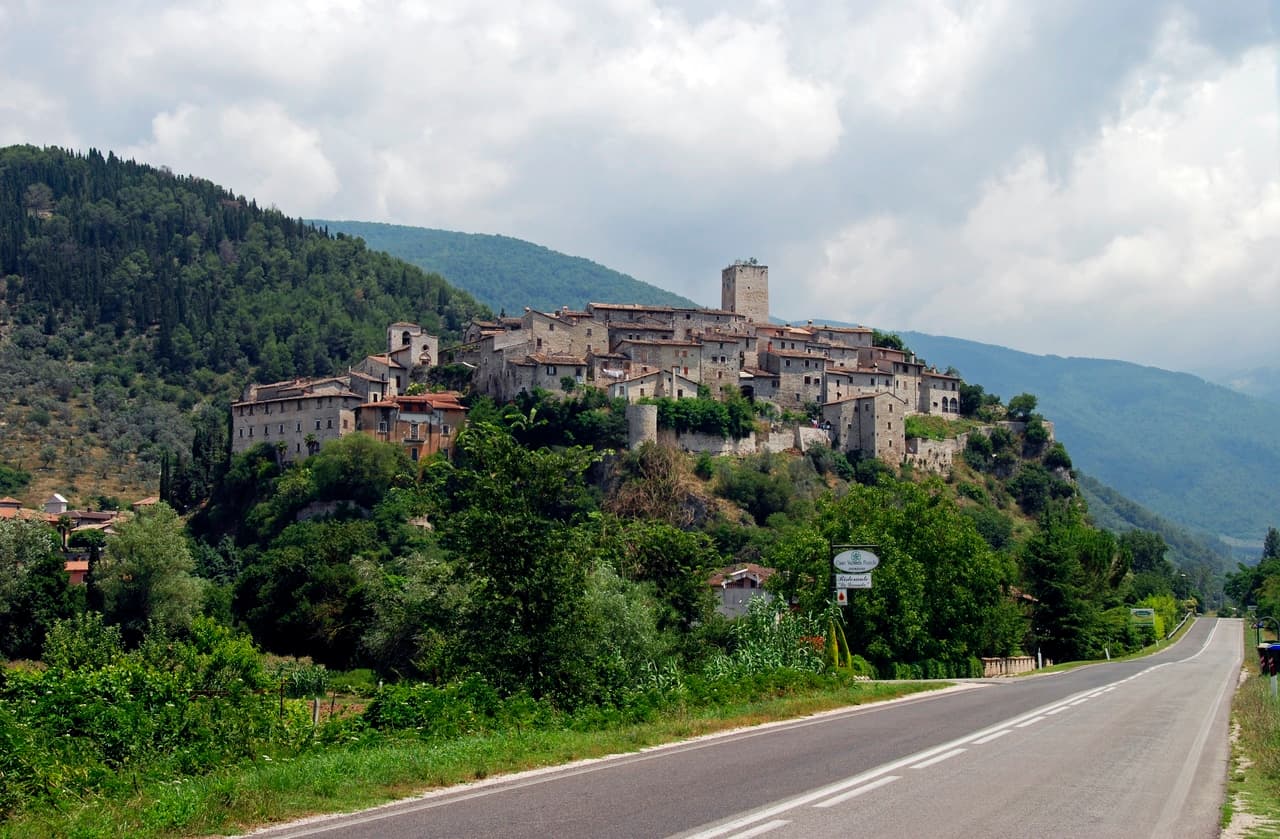
Arrone
Province: Terni
Medieval castle village on the left bank of the Nera at 243 meters, upstream from the largest man-made waterfall in the world.
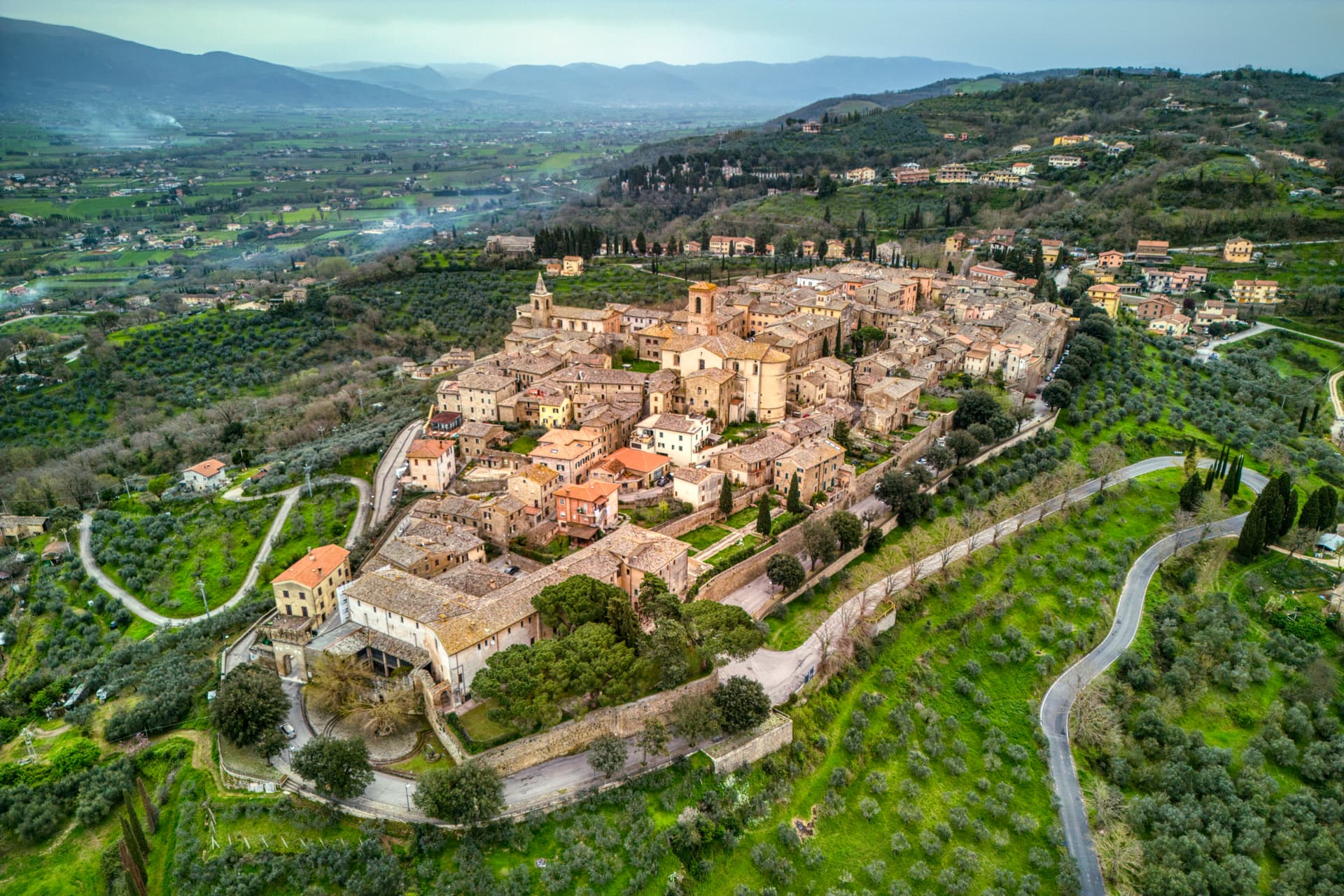
Bettona
Province: Perugia
A hill town at 353 meters between the Topino and Chiascio rivers, the only Etruscan settlement ever built east of the Tiber.
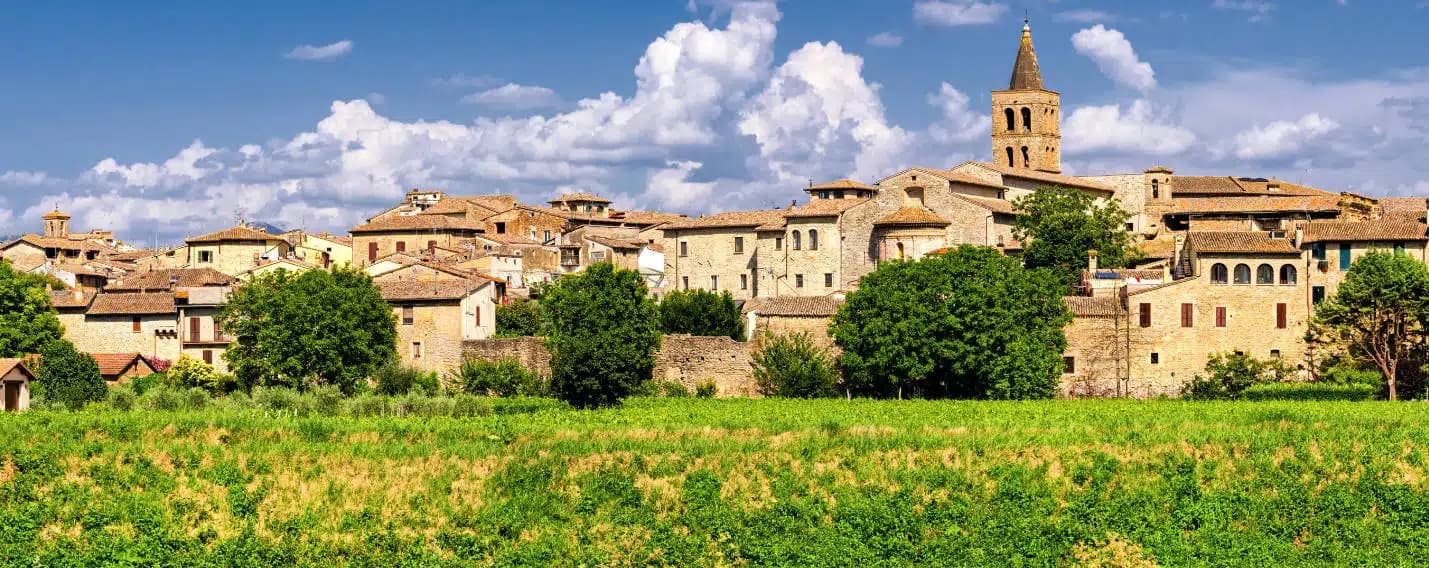
Bevagna
Province: Perugia
Roman Mevania on the Umbrian plain at 225 meters, four medieval quarters that compete every June in a reconstructed market of the 13th century.
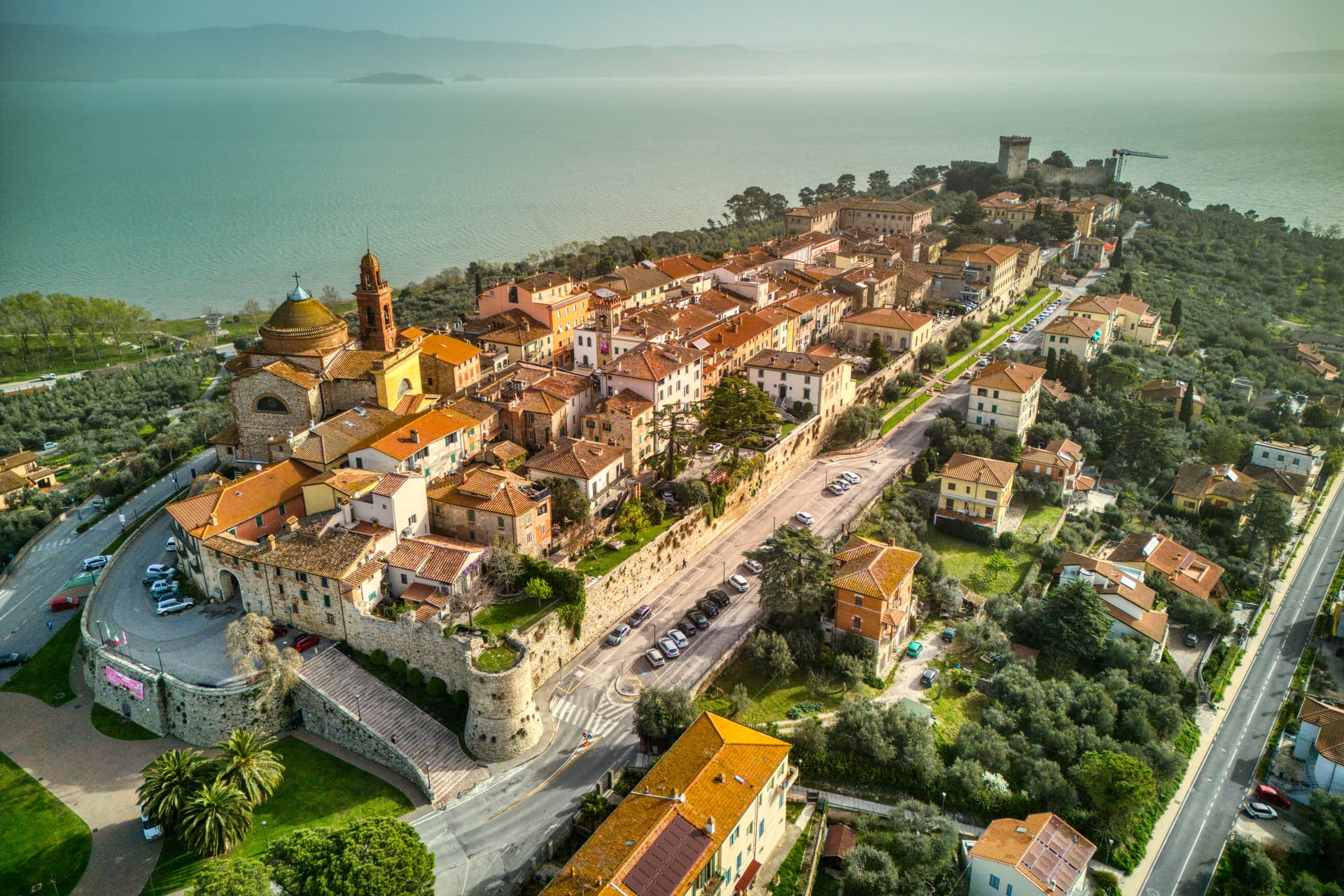
Castiglione del Lago
Province: Perugia
Trasimeno's western promontory, once the lake's fourth island, fortified by Federico II in 1247 and frescoed by Pomarancio for the Corgna marquises.