

Friuli-Venezia Giulia · Trieste
Muggia
The only town on the Istrian peninsula still inside Italy, a small Venetian port on the Gulf of Trieste five kilometers from the Slovenian border.
Known for
CARNEVALE
Ten parading companies in custom costumes, the oldest carnival in Friuli-Venezia Giulia, running through the weeks before Lent.
ISTRIA IN ITALY
The only town on the Istrian peninsula that remained inside Italy after the 1947 treaty divisions, carrying Venetian and Istrian heritage at once.
SHIPYARD TOWN
Naval shipbuilding center under Austria from 1797 to after World War II, the industry that built modern Muggia behind the medieval port.
When to visit
Best · May–Sep
- J
- F
- M
- A
- M
- J
- J
- A
- S
- O
- N
- D
- Best
- Hot or crowded
- Quiet
- Mostly closed
The festa: Giovanni e Paolo, 26 June
Why come
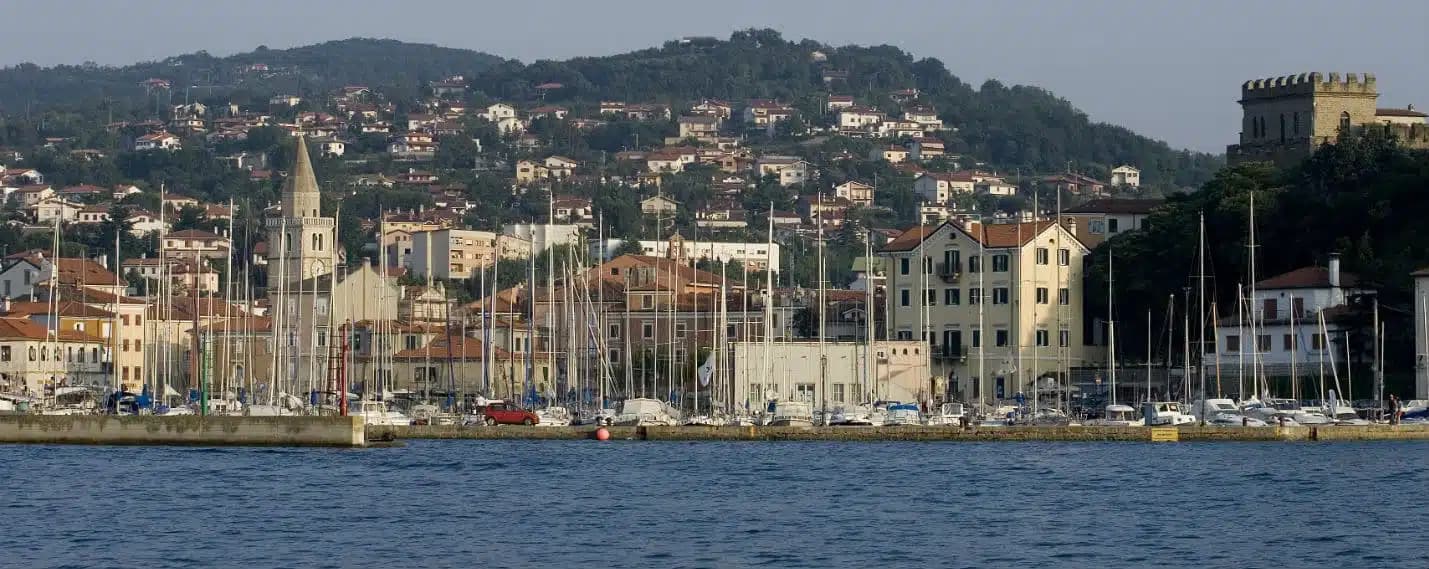
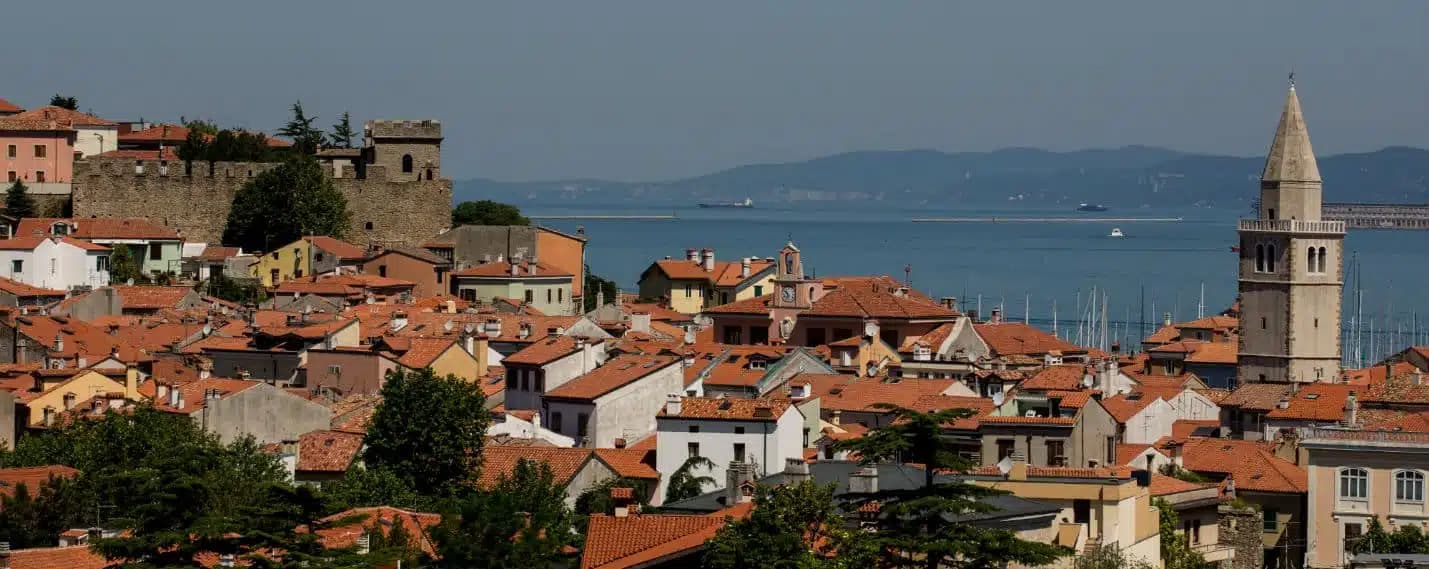
Muggia sits on the eastern flank of the Gulf of Trieste, the only Italian port town on the Istrian peninsula and the last commune before the Slovenian border. The bones go back to a prehistoric castelliere, eighth or seventh century BC, which the Romans turned into Castrum Muglae in 178 BC. After Venice took it in 1420 the town acquired the architecture it still wears: tri-lobed Gothic facades, narrow calli, a mandracchio harbor ringed by pastel houses.
The Duomo of Santi Giovanni e Paolo was consecrated in 1263 and faced with Aurisina limestone in 1467 in Venetian Renaissance Gothic. After Venice fell in 1797, Muggia entered the Austrian Empire and grew on naval shipbuilding through World War II. The town joined Italy in 1918. The Carnevale, ten parading companies in custom costumes, runs as the oldest in Friuli-Venezia Giulia.
The Sunday letter
We haven’t written Muggia’s letter yet.
One town every Sunday, with the photo, the food, the festa. Be there when this one comes up. Free, by Peter & Sophia from Pietrasanta.
By subscribing you agree to Substack’s Terms of Use, our Privacy Policy and our Information collection notice.
What to see
Duomo dei Santi Giovanni e Paolo
Cathedral consecrated in 1263, refaced in 1467 with Aurisina limestone and a tri-lobed Venetian Renaissance Gothic façade, the visual symbol of the town.
Castello di Muggia Vecchia
Hilltop fortress above the town on the site of the prehistoric castelliere, rebuilt by Romans, the Patriarchate of Aquileia, and Venice, then abandoned.
Mandracchio
Sheltered small-boat harbor at the center of the town, pastel houses lining the water, ranked among the fifteen most beautiful small ports in Italy.
Centro storico
Venetian-era street plan of narrow calli and small piazzas inside the medieval walls, marked by Venetian and Austrian architectural layers.
Muggia Vecchia archaeological park
Site of the original medieval Muggia on the hill, abandoned after Venice took the lower town in 1420, with the romanesque basilica still standing.
The slow-trip planner
Building a trip? Find where Muggia fits in a slow Italy circuit.
Answer five questions. We will shape a geographically coherent slow trip from the 1,000 Italian towns most travelers skip. Yours to save and share.
Living here
- Population 12,862
- Commuter belti
- Pharmacy in town
- High school within a 30-minute drive
- Train station in the comune
- Nearest airport Venice, 2 h 3 min drive
- Regional capital Trieste, 22 min drive
Tags & datadesignations · numbers · sources
Recognised as
The numbers
- Elevation: 13 m
- Population: 12,862
- Surface area: 13.85 km²
These figures were compiled from public directories — ISTAT, OpenStreetMap, Wikidata — and from the official listings of the guides named on this page. Town details change; verify with official sources before you travel.
Close by
More towns near Muggia
San Dorligo della Valle-Dolina
Province: Trieste
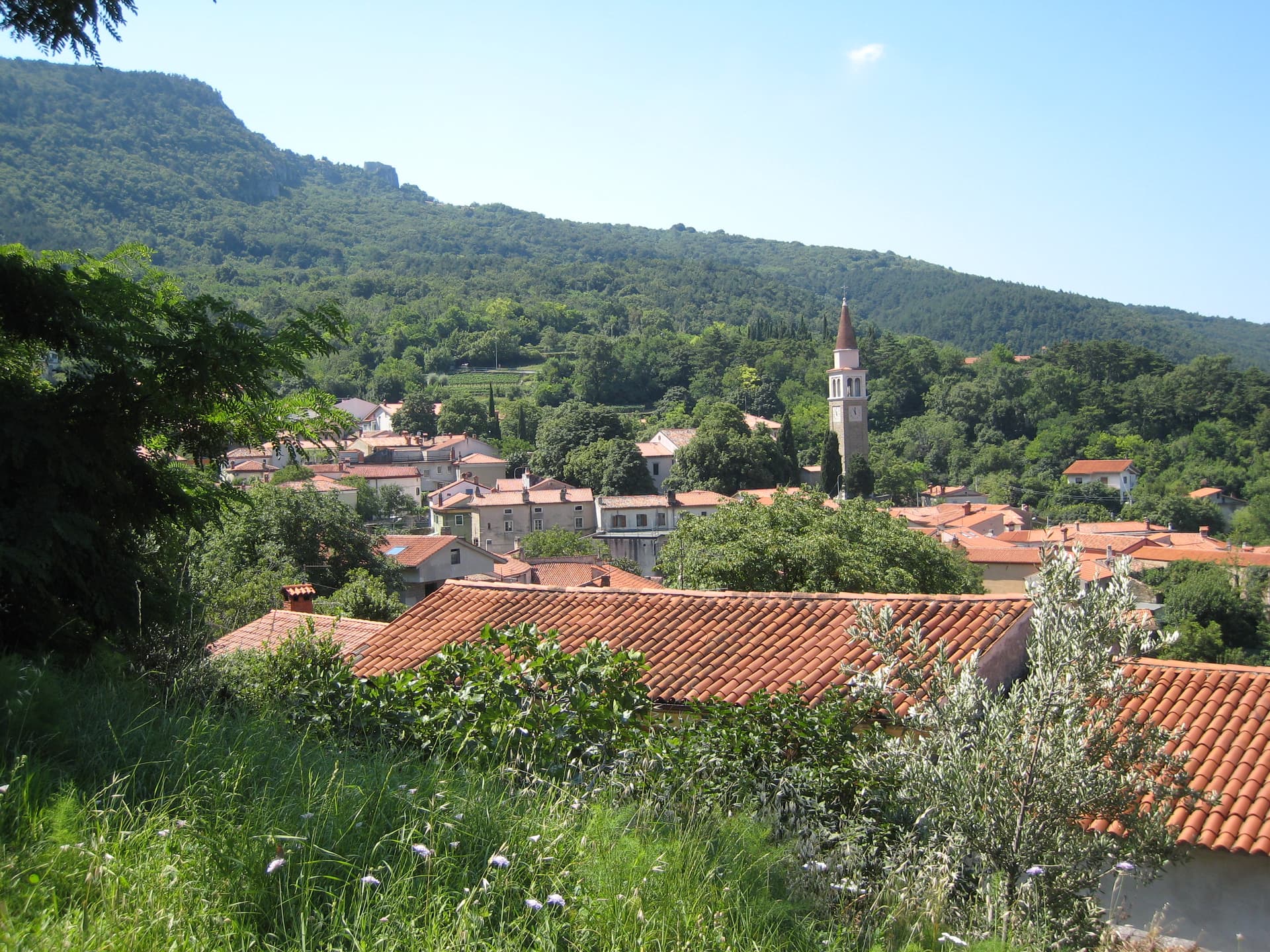
A Slovene-speaking Karst commune ten kilometers from Trieste, with its own valley, its own wine, and a canyon Roman aqueducts once crossed.
Trieste
Province: Trieste
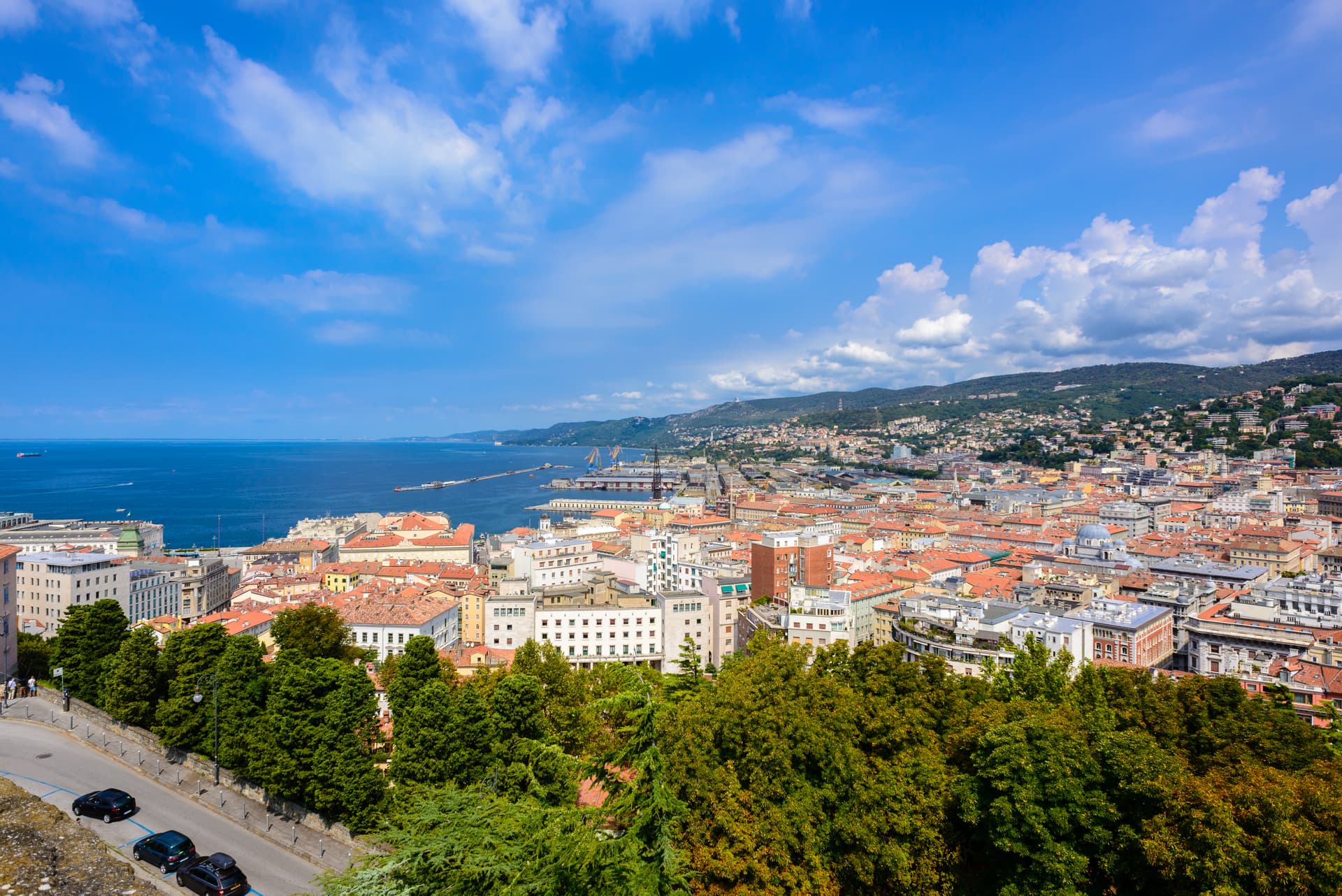
The Adriatic port the Habsburgs built as their window on the sea, an Italian regional capital still arguing in four languages on the Slovenian border.
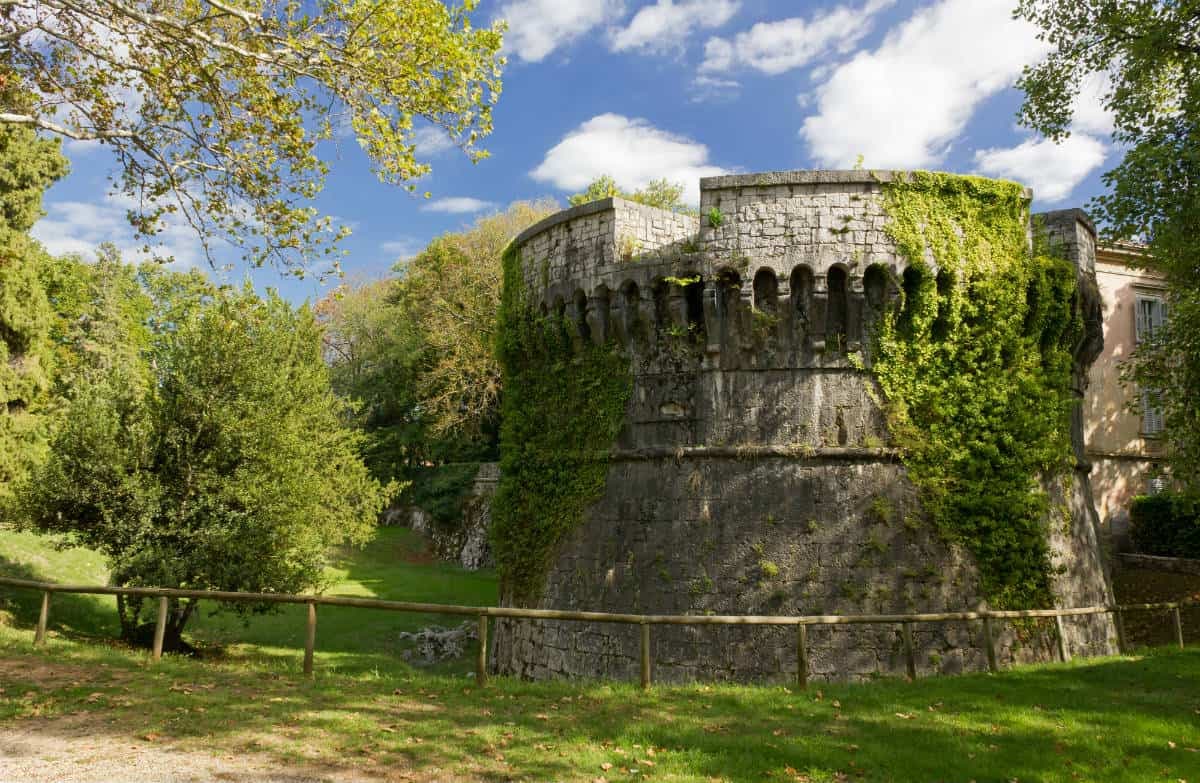
Gradisca d'Isonzo
Province: Gorizia
A 1479 Venetian bastion on the right bank of the Isonzo, with seven towers, twenty-meter walls, and a Habsburg court inside.
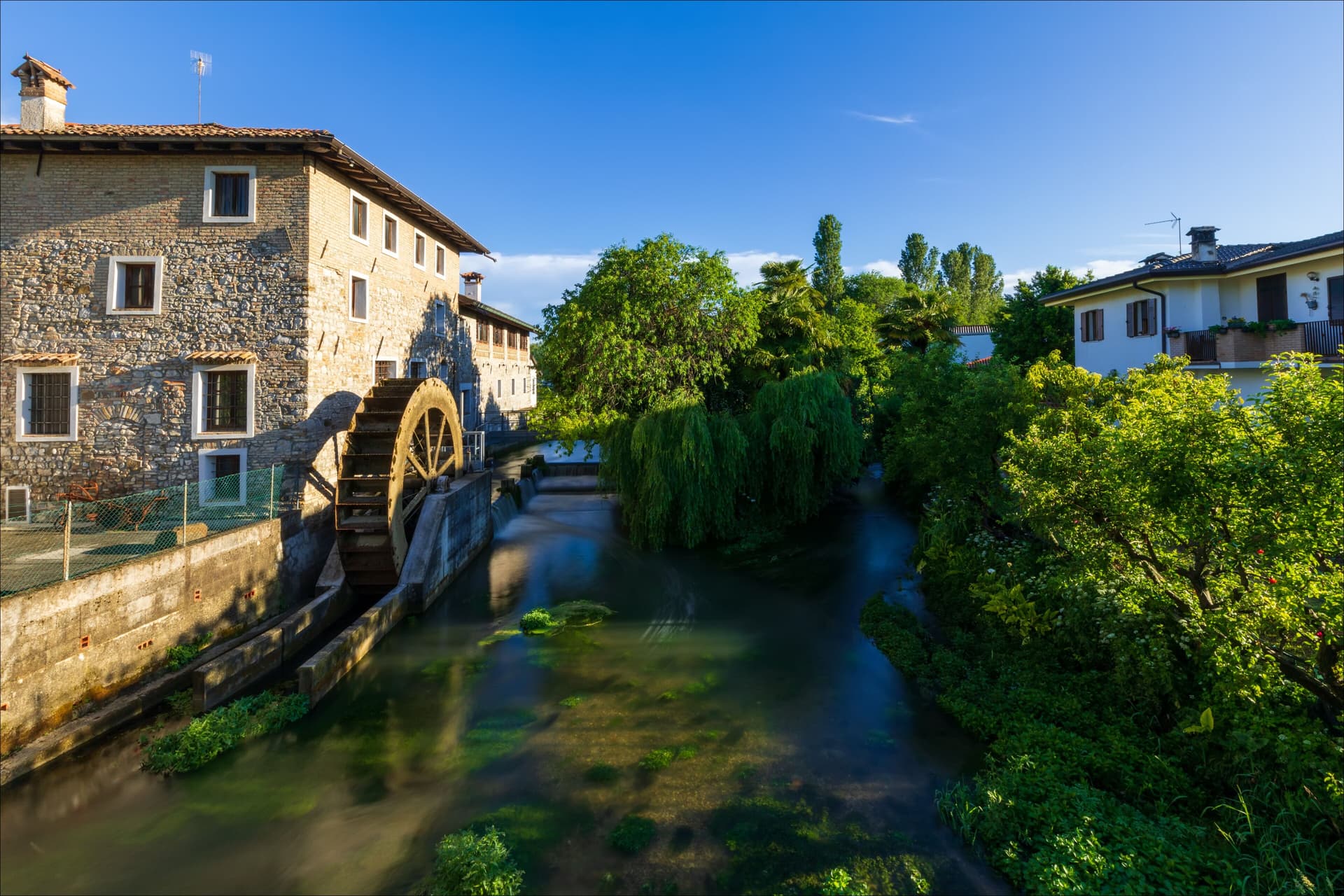
Cervignano del Friuli
Province: Udine
The capital of Bassa Friulana on the Ausa river, an inland river port for Aquileia in 181 BC and a railway junction since 1860.
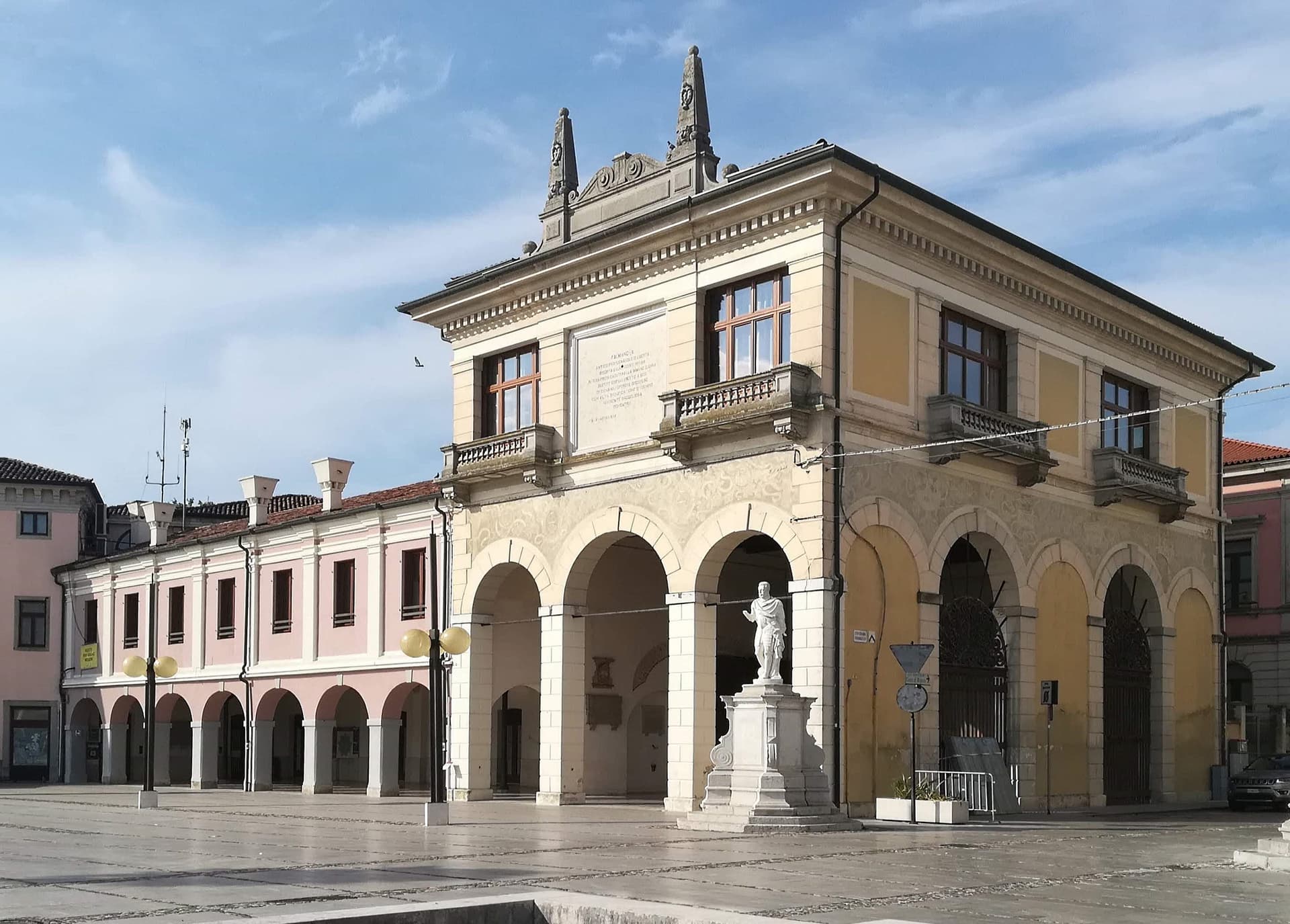
Palmanova
Province: Udine
A nine-pointed Venetian star fortress founded 7 October 1593, designed as a perfect Renaissance city and finished, in three phases, under Napoleon in 1813.
🍷 Città del Vino
More Città del Vino towns in Friuli-Venezia Giulia
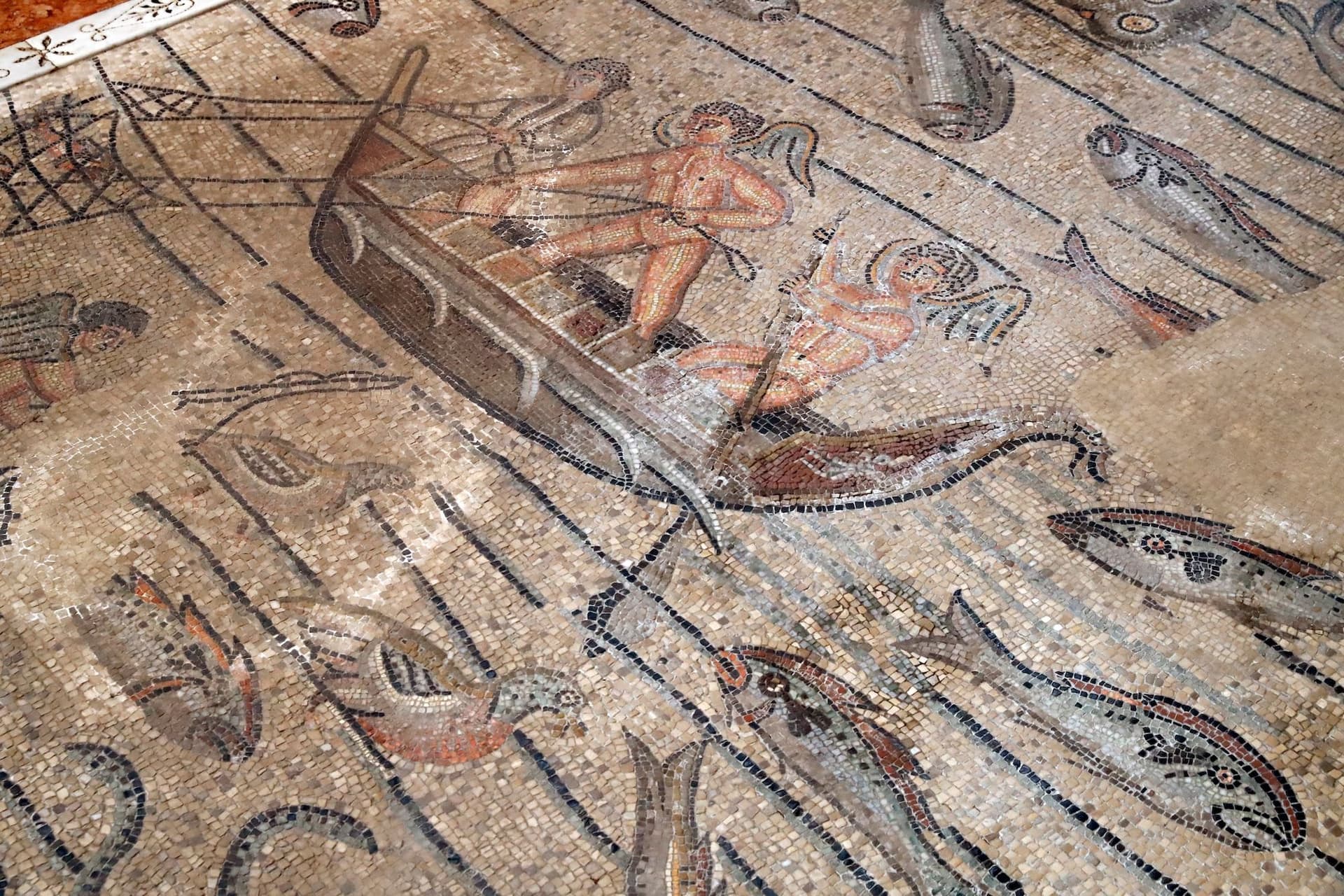
Aquileia
Province: Udine
A village of 3,128 on a Roman capital of 100,000, where the largest paleochristian mosaic floor in the West runs under a Romanesque basilica.
Cividale del Friuli
Province: Udine
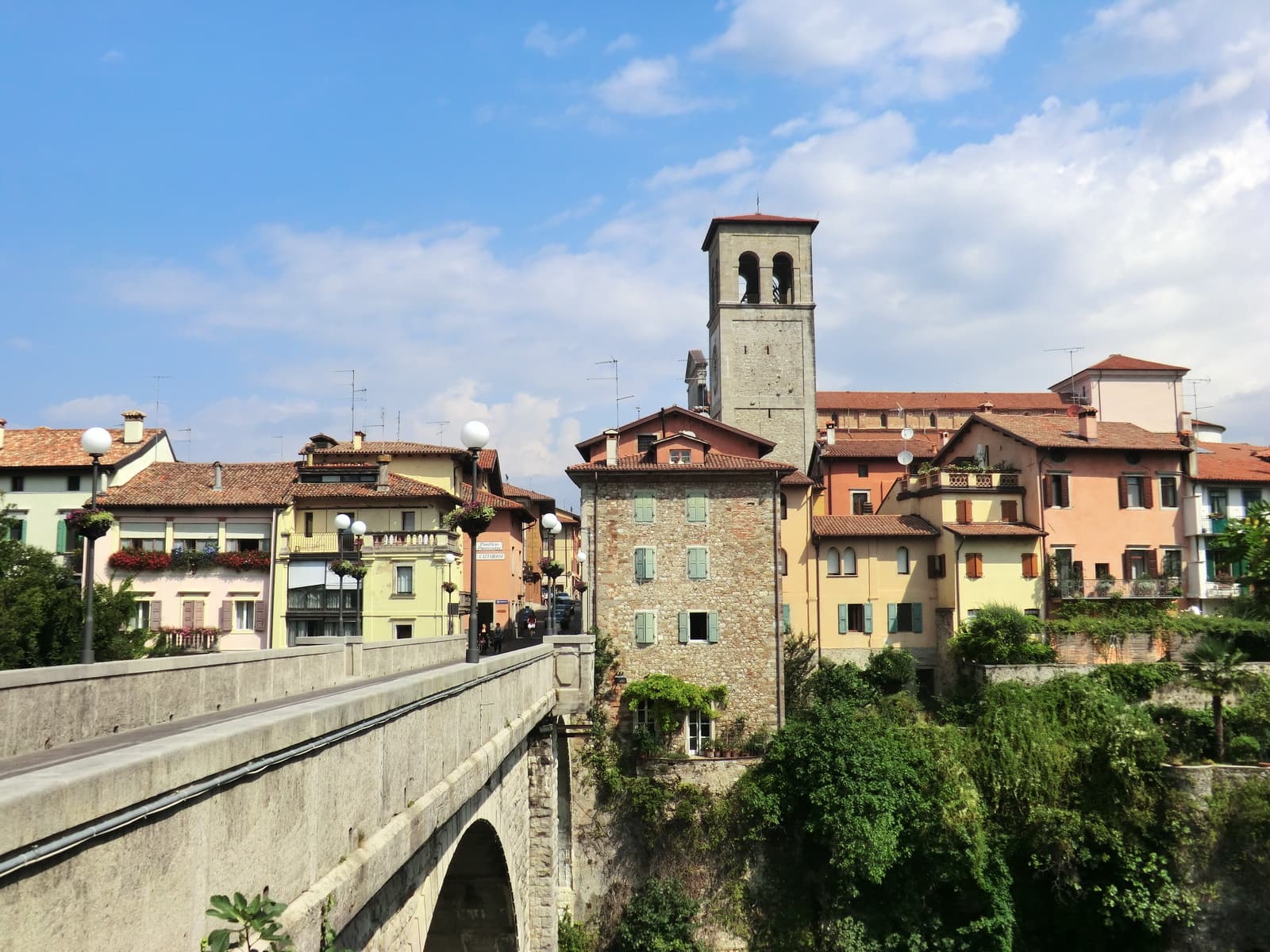
The Lombard capital on the Natisone, founded as Forum Iulii by Julius Caesar, where an eighth-century chapel still holds six stucco saints.
Cormons
Province: Gorizia
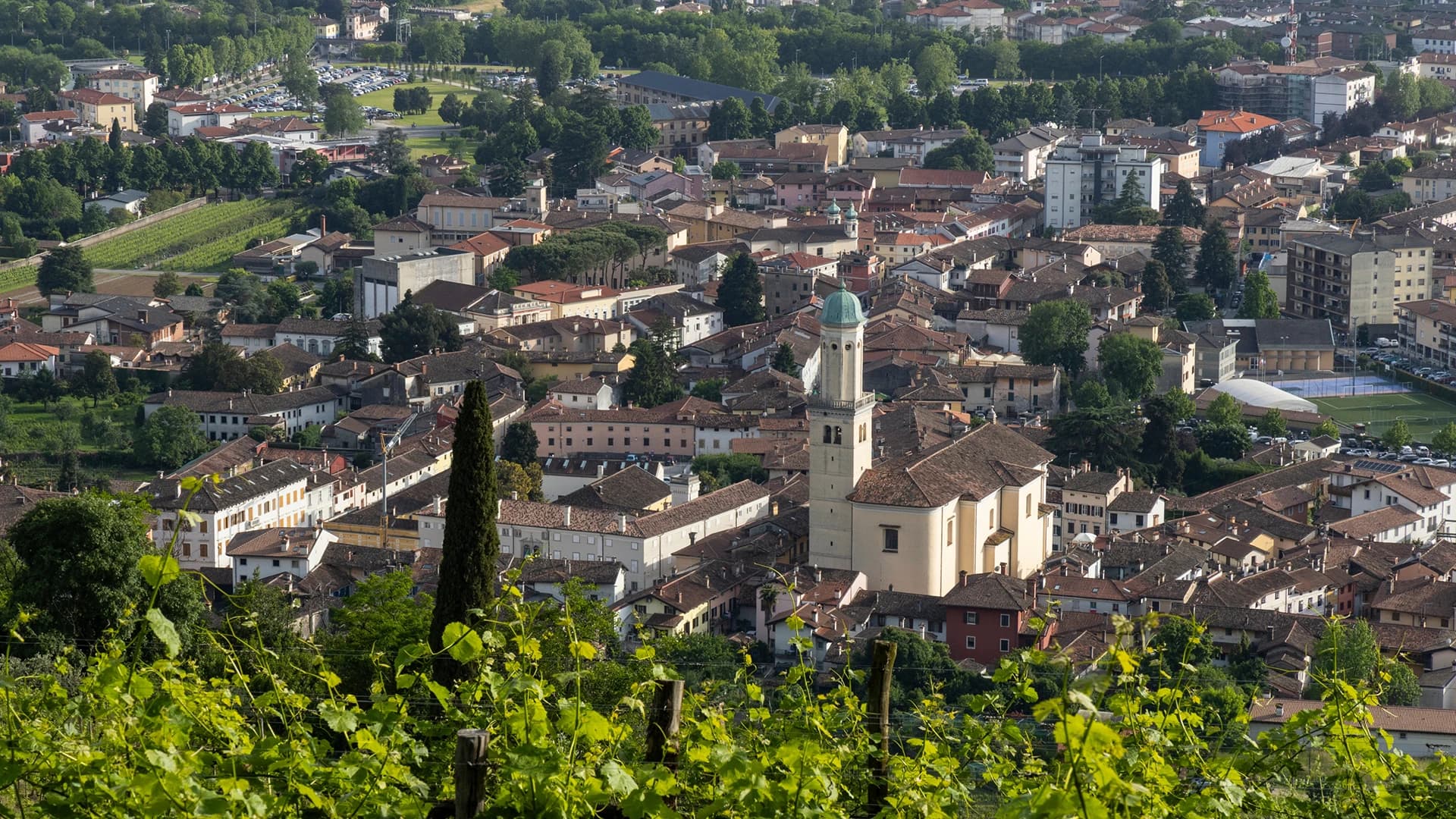
The capital of the Collio wine zone at the foot of the Friulian-Slovenian hills, with a statue of Emperor Maximilian I on its main square.
Gorizia
Province: Gorizia
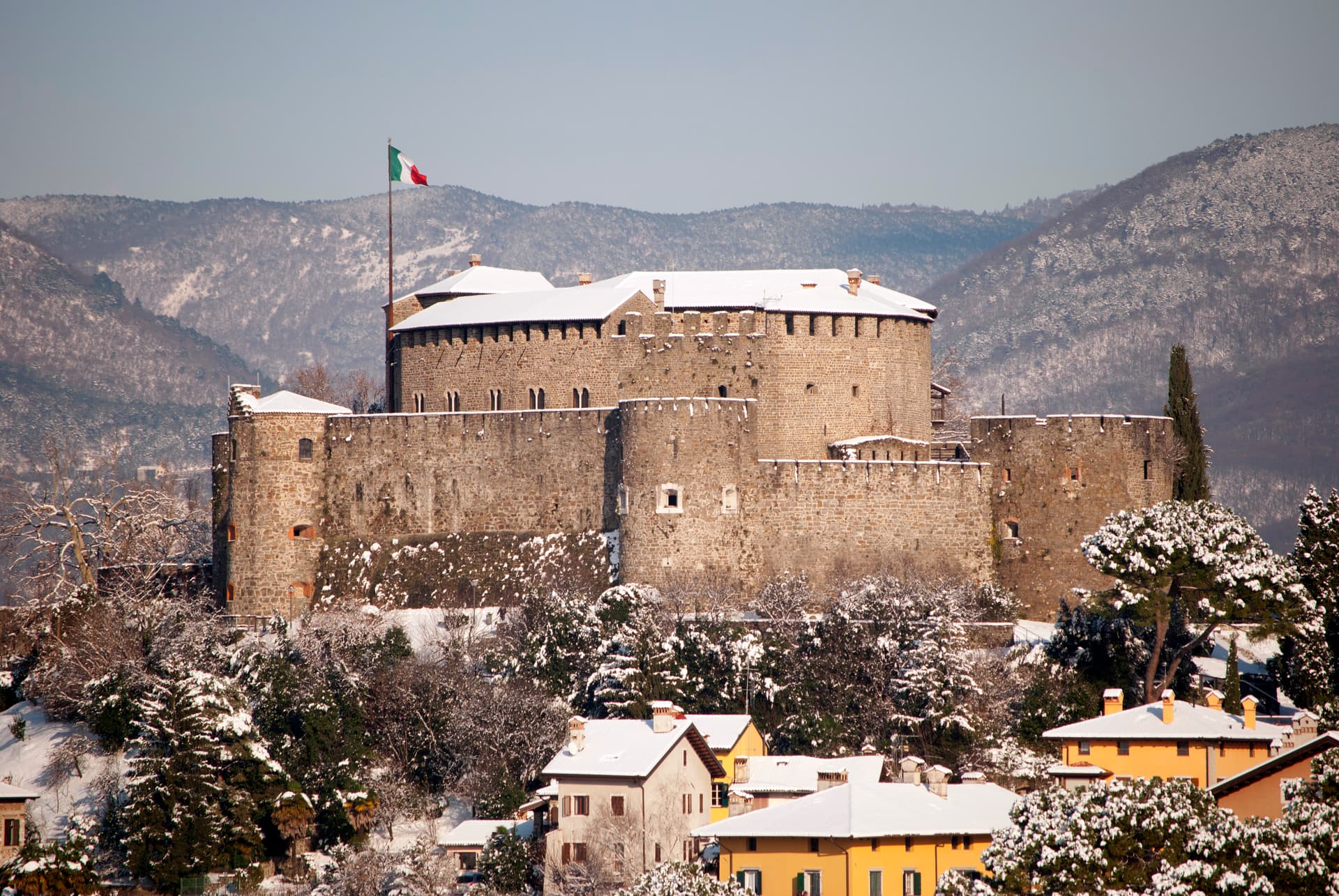
Border city below the Julian Alps, divided from Nova Gorica by a 1947 wall and rejoined as European Capital of Culture 2025.