

Sicily · Enna
Nicosia
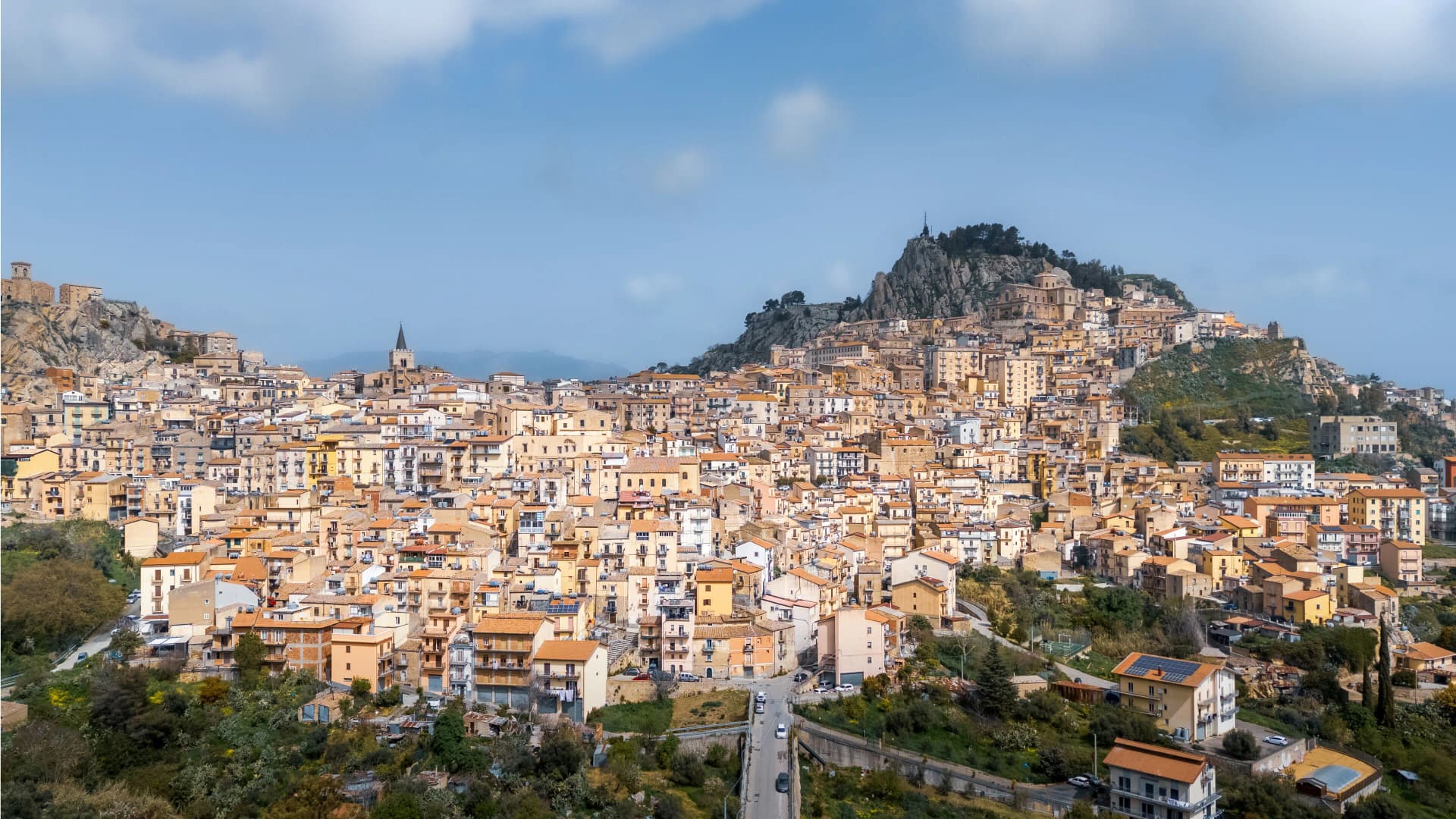
A Byzantine-Norman royal city at 720 meters on four hills, one of Sicily's principal Gallo-Italic centres where the Lombard dialect nkoukkà still survives.
Known for
GALLO-ITALIC
Nkoukkà, the Gallo-Italic dialect of Piedmontese and Ligurian origin brought by Norman-era Lombard settlers, still spoken in the old town.
ROYAL CITY
Made a city of the royal demesne by William II of Sicily, the only royal city of inland eastern Sicily for centuries.
CATTEDRALE
Cattedrale di San Nicolò, fourteenth-century Gothic foundation with wooden ceiling, raised to collegiate status by Leo X in 1521.
When to visit
Best · May–Oct
- J
- F
- M
- A
- M
- J
- J
- A
- S
- O
- N
- D
- Best
- Hot or crowded
- Quiet
- Mostly closed
The festa: Nicola di Bari, 6 December
Why come
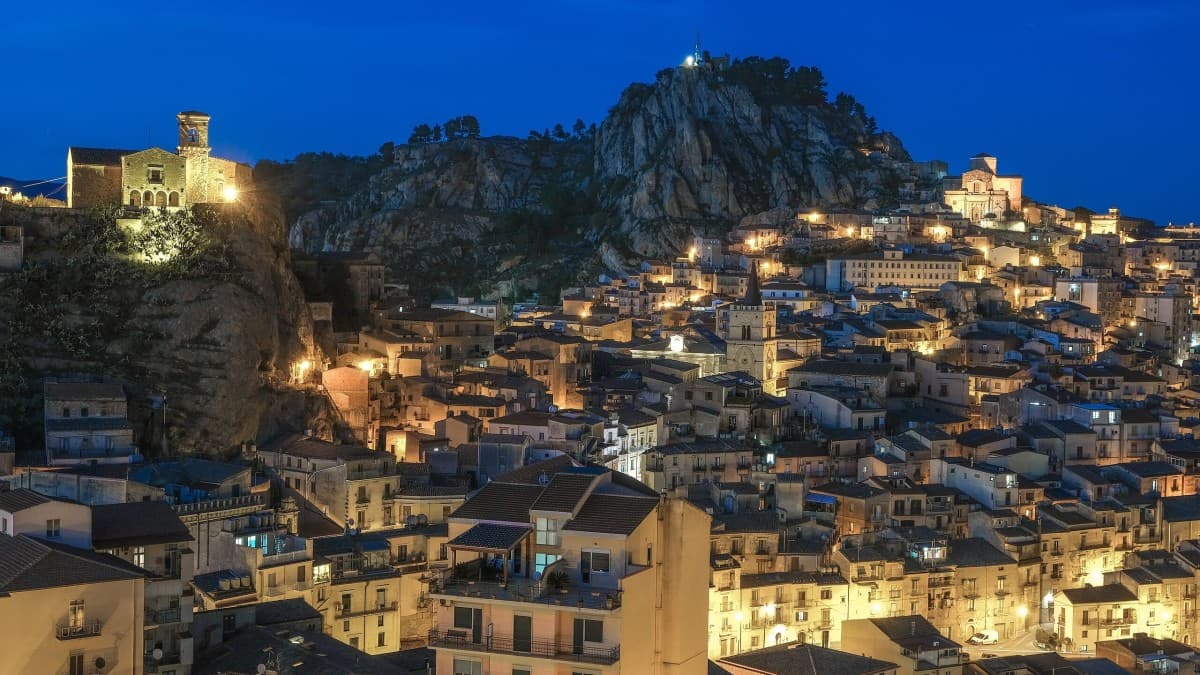
Nicosia sits at 720 meters in the Erei mountains of inland Sicily, on four rocky hills crowned by a Norman castle. The modern town was founded by Byzantine colonists in the sixth century and expanded under Arab and then Norman rule. When the Normans took the city in 1064, Roger I repopulated it with settlers from Piedmont and Liguria, the Lombardi, whose Gallo-Italic dialect still lives in town as nkoukkà.
King William II made Nicosia a royal city. The Cattedrale di San Nicolò, dedicated to Nicholas of Bari, was begun in the early 1300s under Frederick II of Aragon and completed by 1340, in Gothic style with a fourteenth-century wooden ceiling and a bell tower listed as a national monument since 1940. Pope Leo X raised the church to collegiate status in 1521. The Castello Normanno still stands in ruins above the town, anchoring the highest of the four hills.
The Sunday letter
We haven’t written Nicosia’s letter yet.
One town every Sunday, with the photo, the food, the festa. Be there when this one comes up. Free, by Peter & Sophia from Pietrasanta.
By subscribing you agree to Substack’s Terms of Use, our Privacy Policy and our Information collection notice.
What to see
Cattedrale di San Nicolò
Gothic cathedral begun under Frederick II of Aragon and completed by 1340, with a fourteenth-century wooden ceiling and a national-monument bell tower.
Chiesa di Santa Maria Maggiore
Second great church of the town, on one of the four hills, with a marble polyptych by Antonello Gagini.
Castello Normanno
Ruined Norman fortress on the highest of the four hills, built during the eleventh-century conquest of the city.
Centro storico medievale
Old town spread across four hills, with palaces, churches and stone houses on steep alleys; the Lombard quarter still preserves the nkoukkà dialect.
The slow-trip planner
Building a trip? Find where Nicosia fits in a slow Italy circuit.
Answer five questions. We will shape a geographically coherent slow trip from the 1,000 Italian towns most travelers skip. Yours to save and share.
Living here
- Population 12,686
- Very remotei
- Pharmacy in town
- High school within a 30-minute drive
- Train station in the comune
- Nearest airport Sicily, 1 h 50 min drive
- Regional capital Palermo, 2 h 9 min drive
Tags & datadesignations · numbers · sources
Recognised as
The numbers
- Elevation: 720 m
- Population: 12,686
- Surface area: 218.51 km²
These figures were compiled from public directories — ISTAT, OpenStreetMap, Wikidata — and from the official listings of the guides named on this page. Town details change; verify with official sources before you travel.
Close by
More towns near Nicosia
Sperlinga
Province: Enna
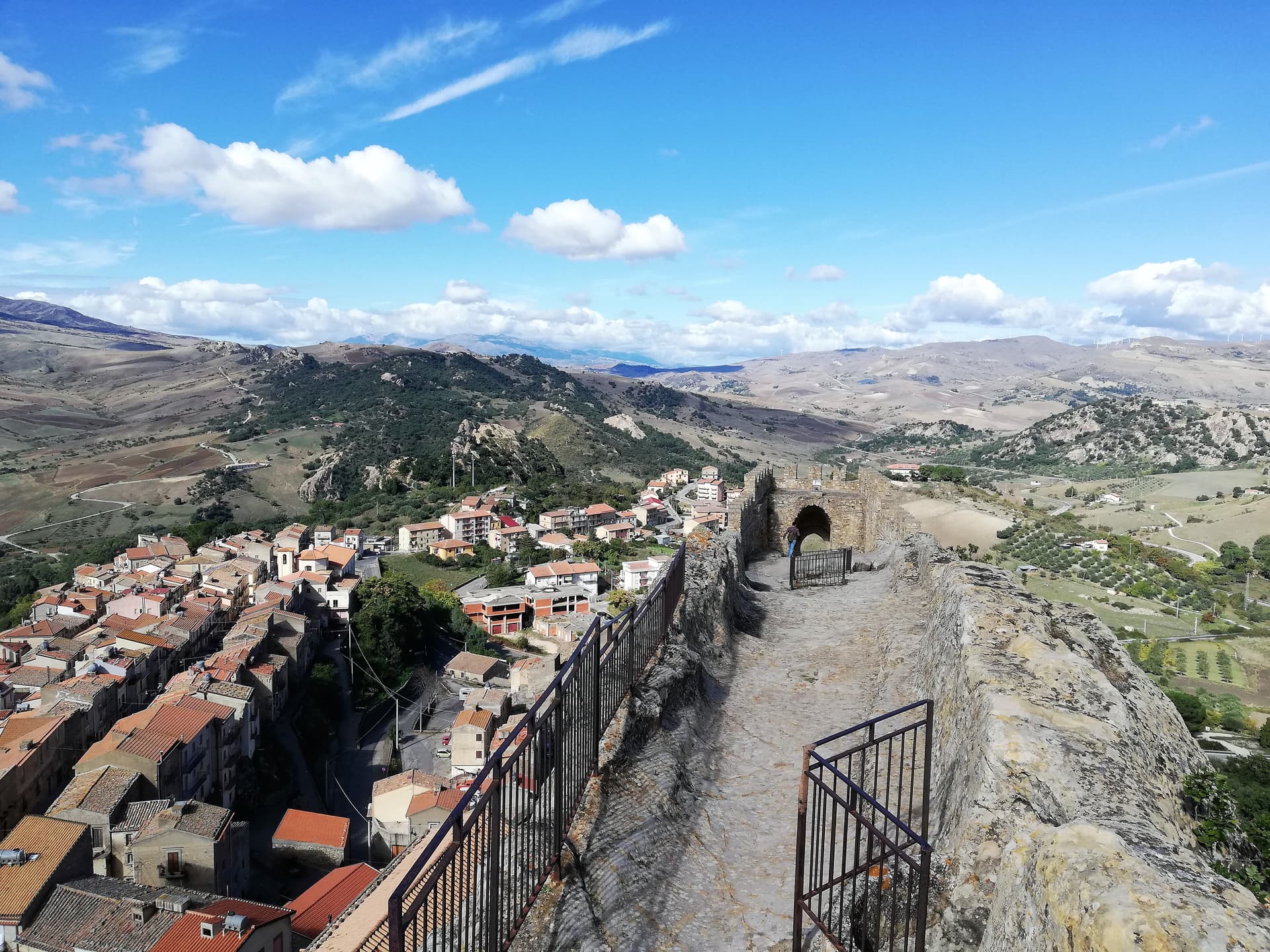
A sandstone borgo at 750 meters in the Nebrodi foothills where a Norman castle and dwellings are carved into the rock as one continuous mass.
Petralia Soprana
Province: Palermo
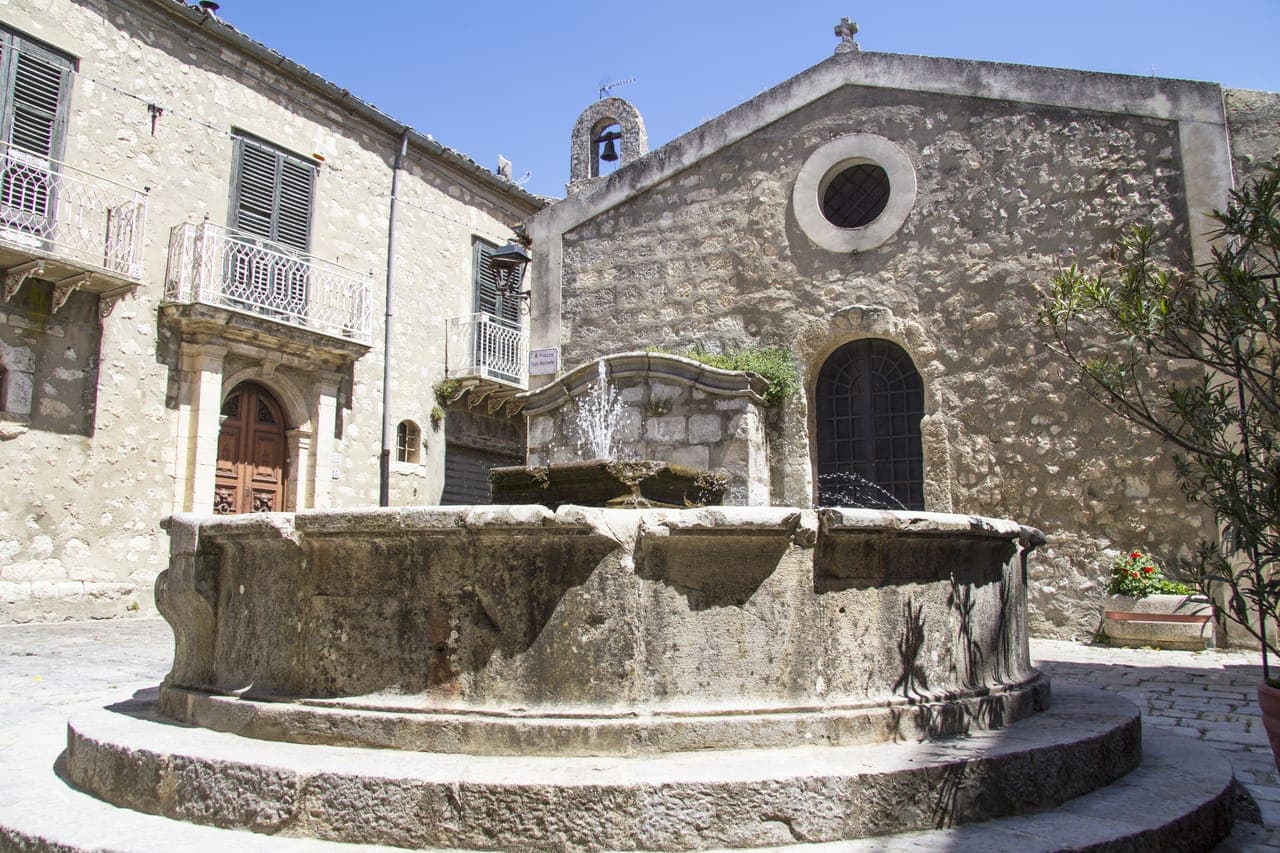
The highest village in the Madonie at 1,147 meters, RAI Borgo dei Borghi 2018 winner, sitting above 80 kilometers of salt tunnels.
Gangi
Province: Palermo
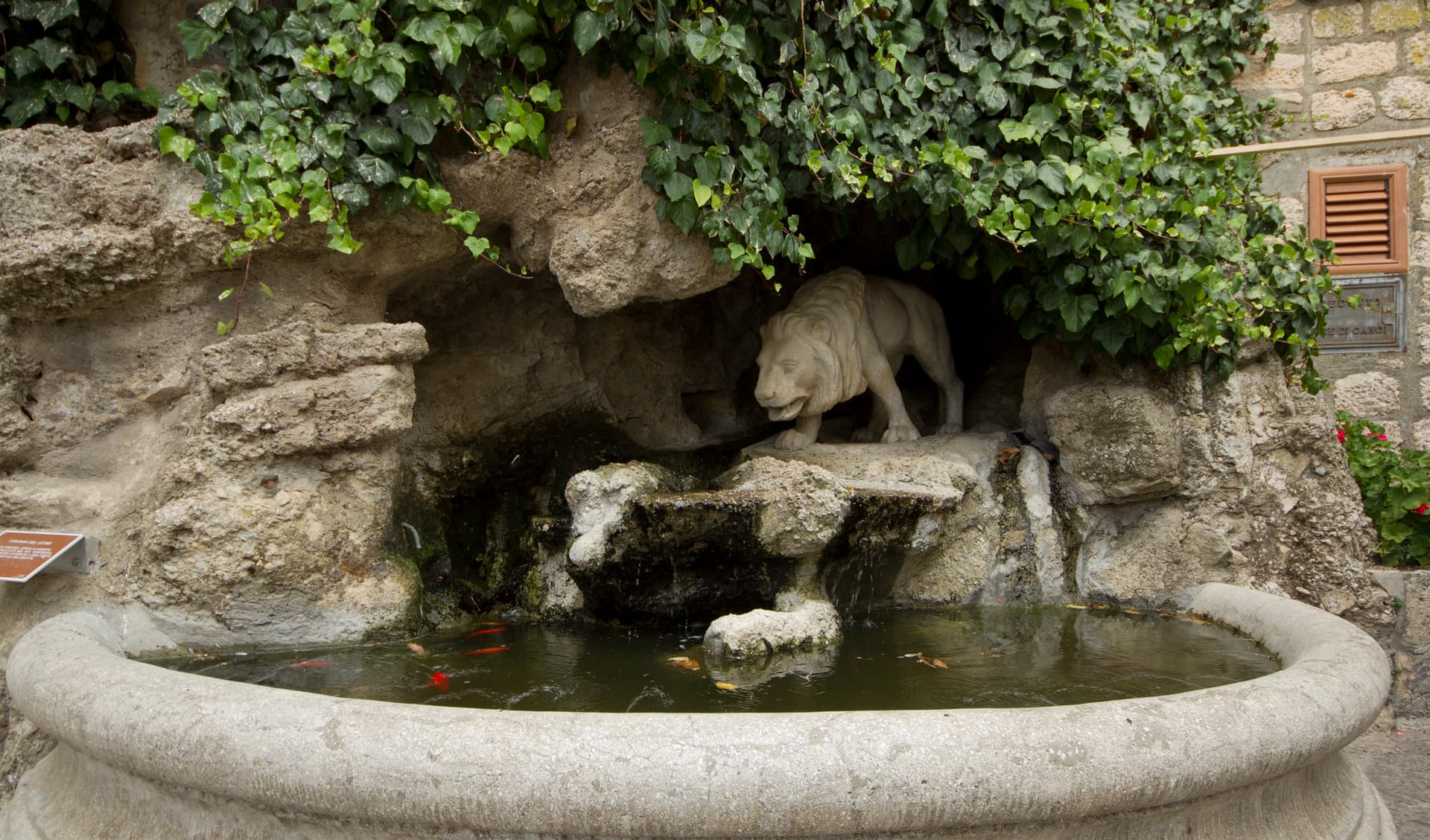
A Madonie hill town stacked down Monte Marone at 1,011 meters, RAI's Borgo dei Borghi 2014 and the launching pad for the one-euro-house programme.
Agira
Province: Enna
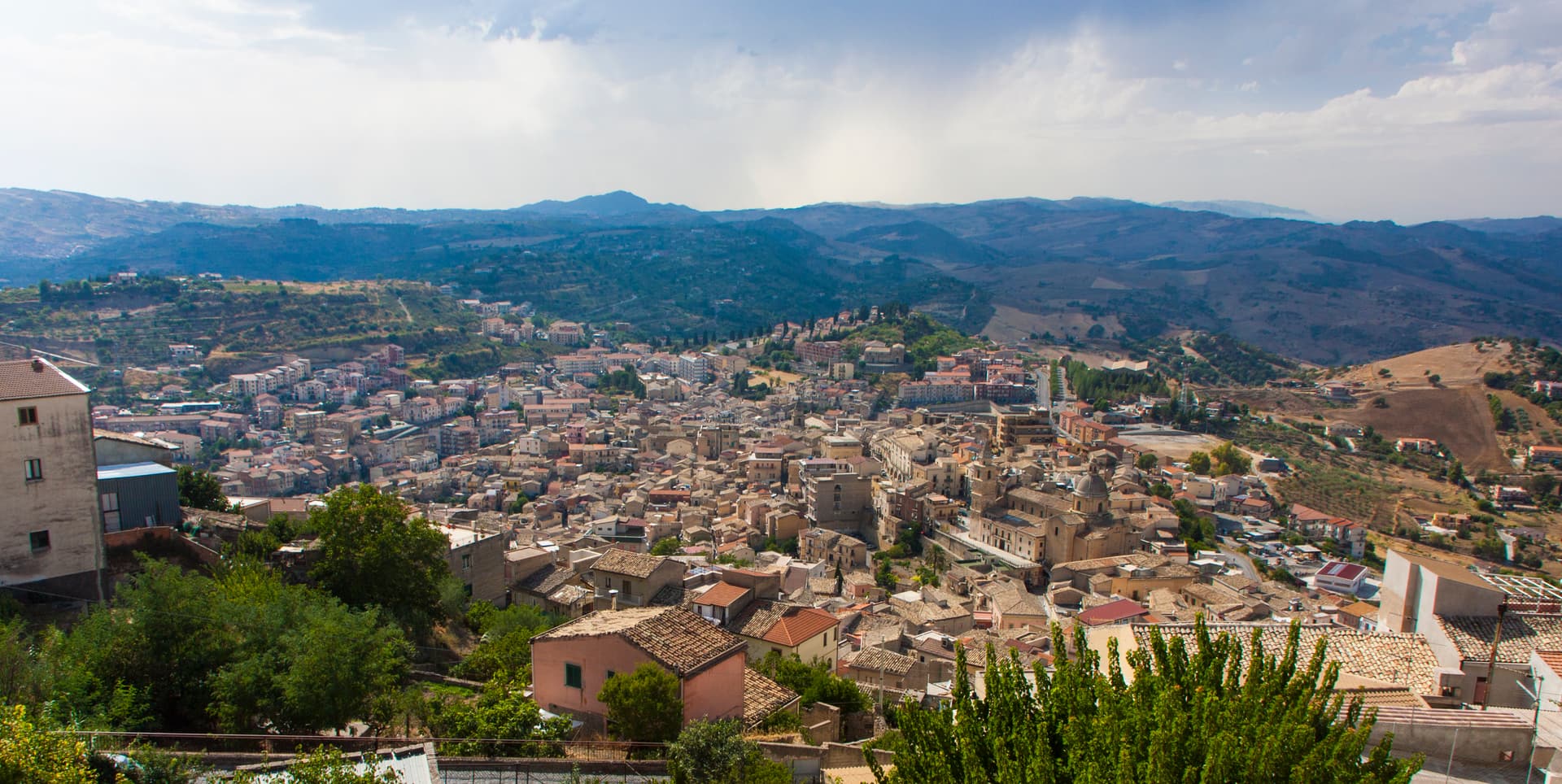
On the slopes of Monte Teja at 650 meters, birthplace of the Greek historian Diodorus Siculus and burial site of 490 Canadian soldiers of the 1943 campaign.
Troina
Province: Enna
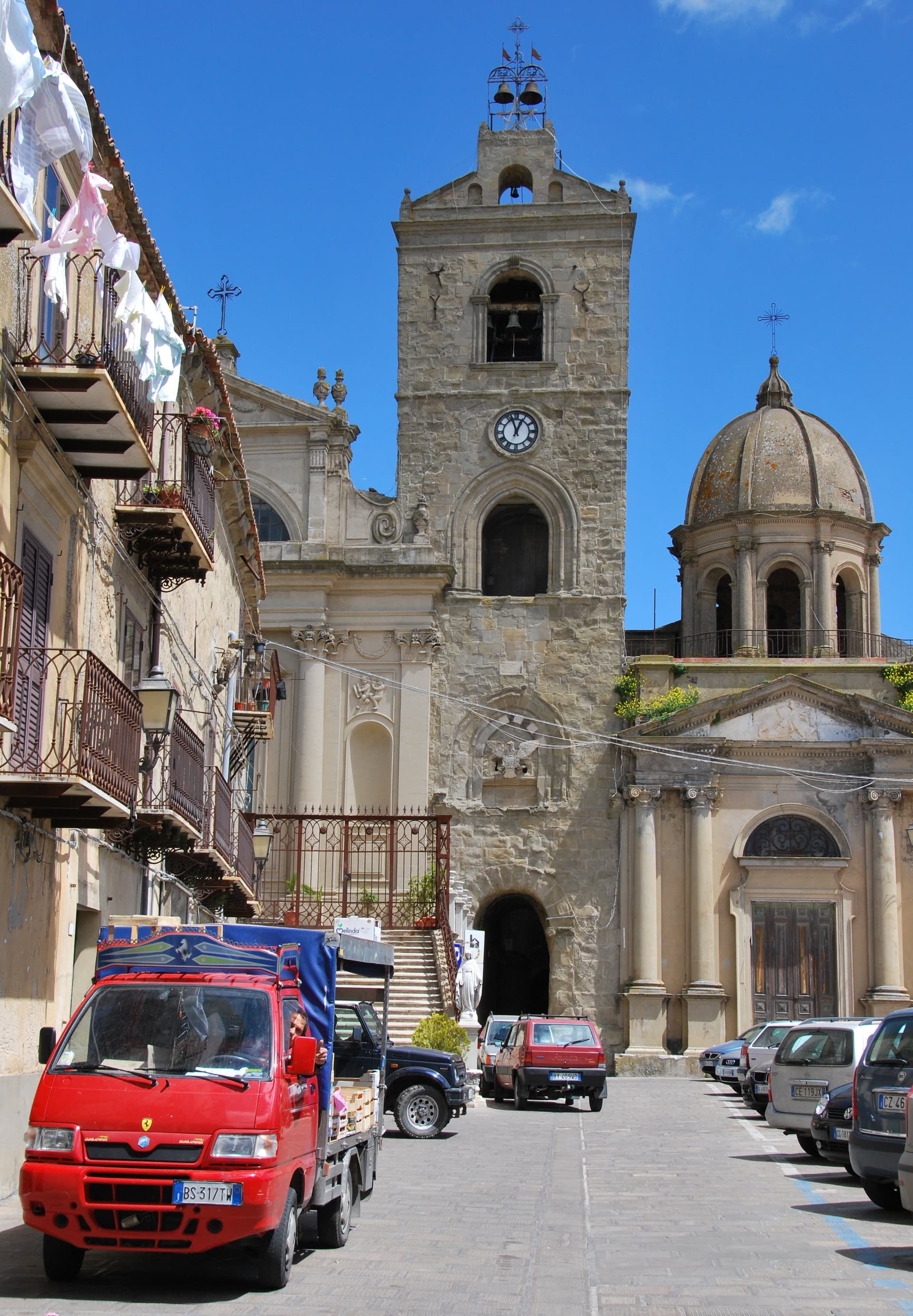
At 1,121 meters on the Nebrodi ridge, the first capital and first bishopric the Normans set up in Sicily after taking it from the Arabs.
🌿 Riserva Naturale
More Riserva Naturale towns in Sicily
Aci Castello
Province: Catania
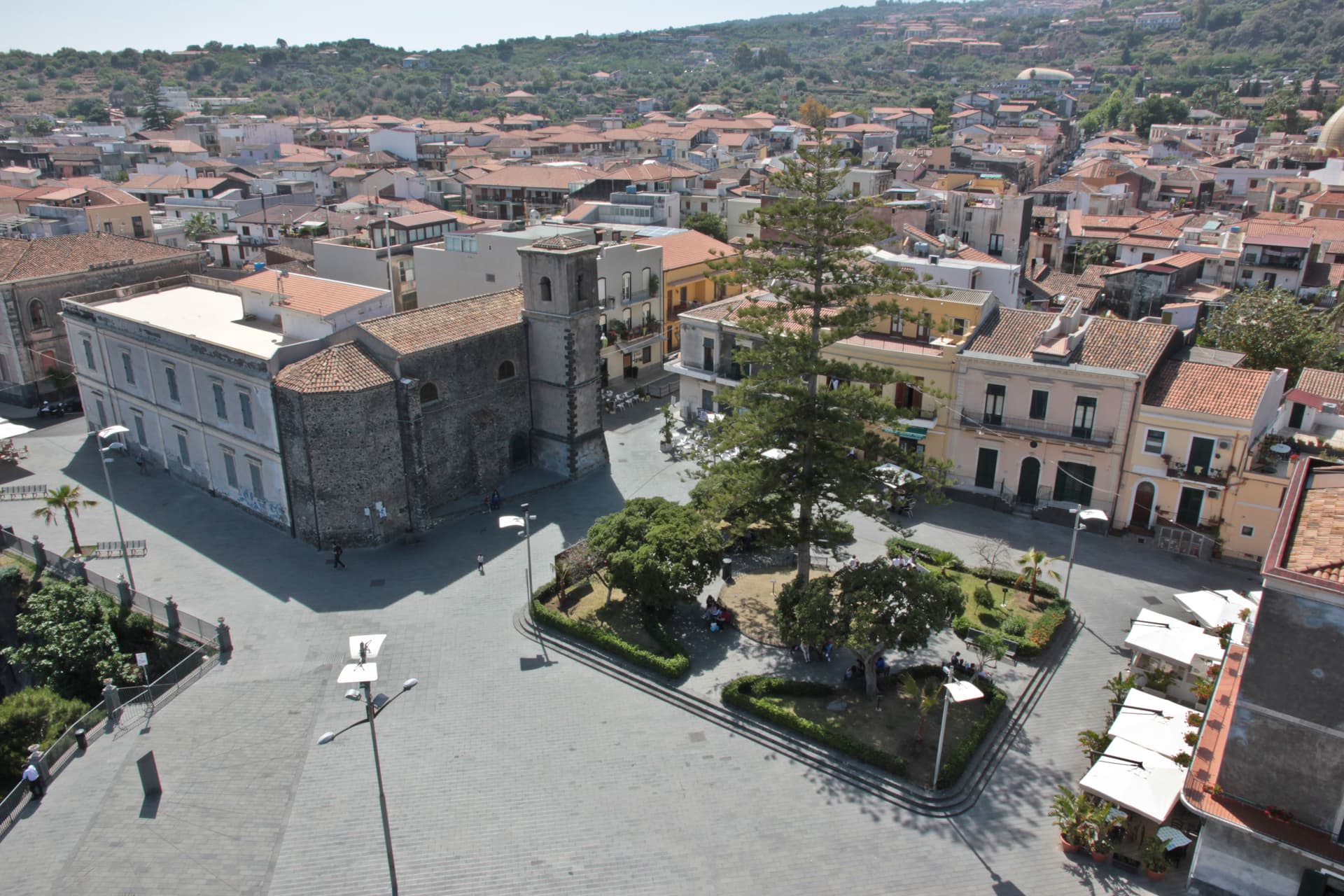
A coastal town just north of Catania on the Riviera dei Ciclopi, where the basalt headland holds the 1076 Norman Castello d'Aci and the seven volcanic Faraglioni dei Ciclopi rise from the sea — the rocks the Cyclops threw at Odysseus in Homer's Odyssey.
Caltagirone
Province: Catania
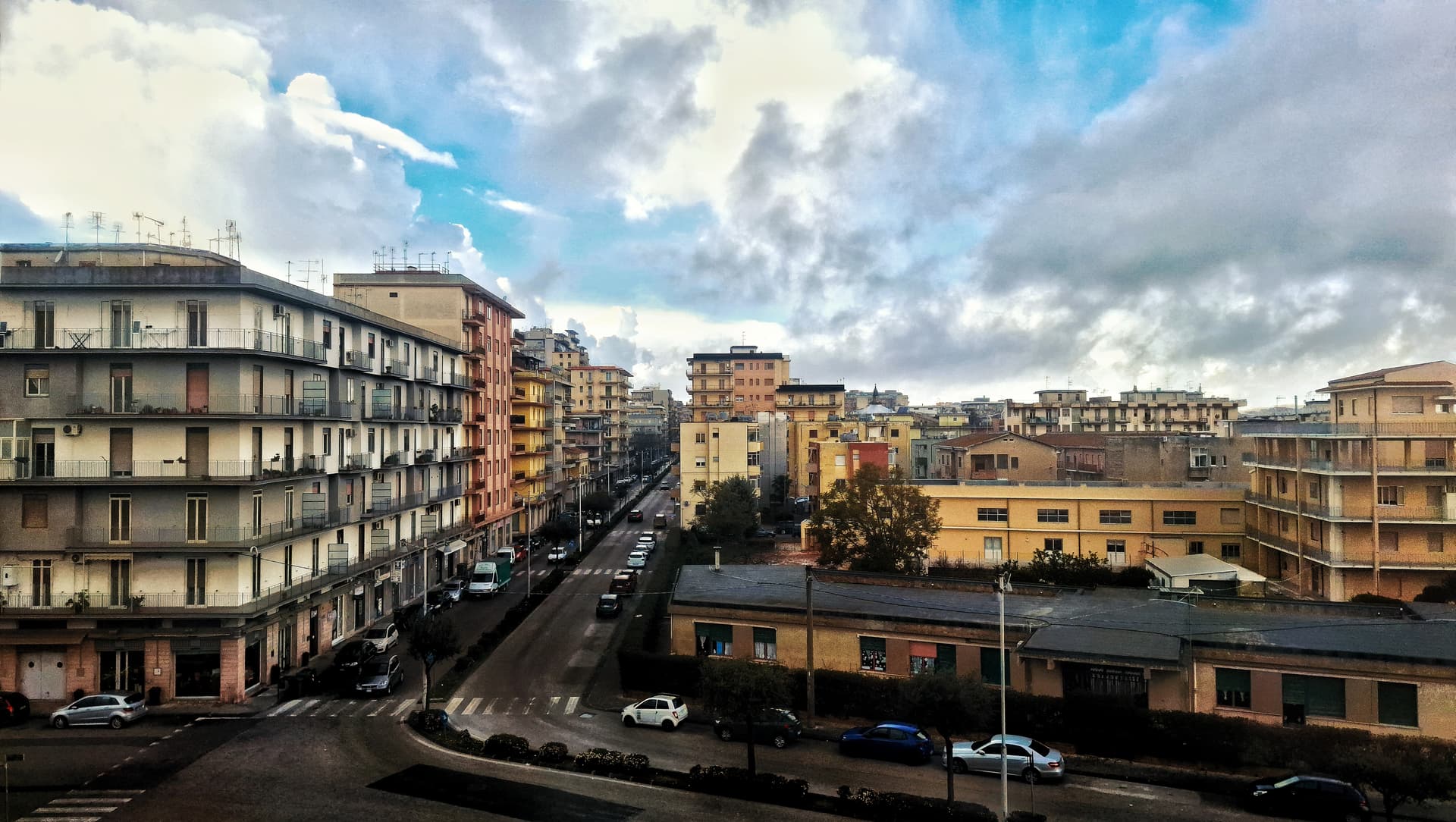
Sicily's ceramic capital at 611 meters on the Erei ridge, 142 majolica-tiled steps to Santa Maria del Monte and a Val di Noto UNESCO baroque rebuild.
Cammarata
Province: Agrigento
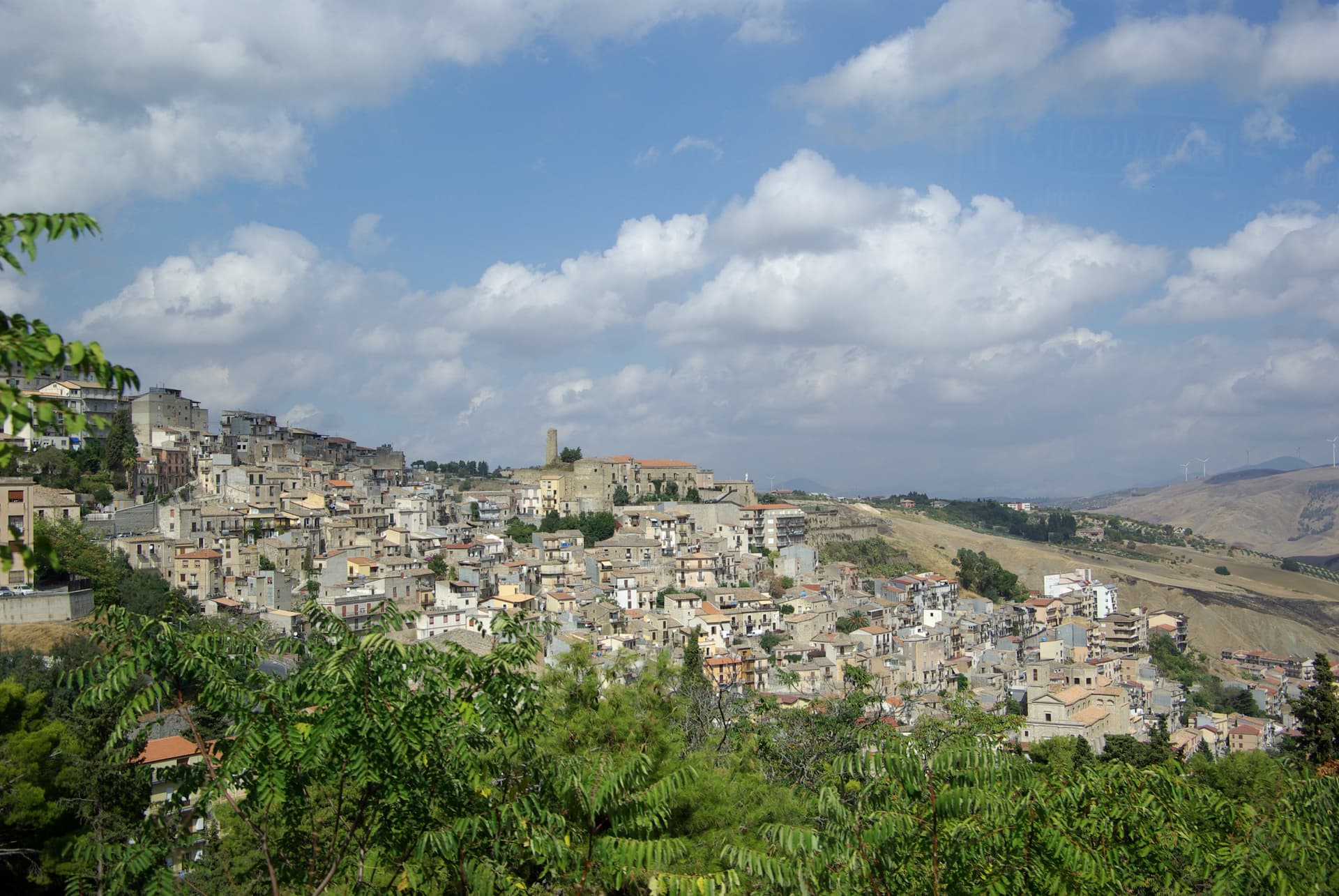
A Sicani town at 700 meters on the northeast slope of Monte Cammarata, the 1,578-meter peak that gives the comune its name and shape.
Castelvetrano
Province: Trapani
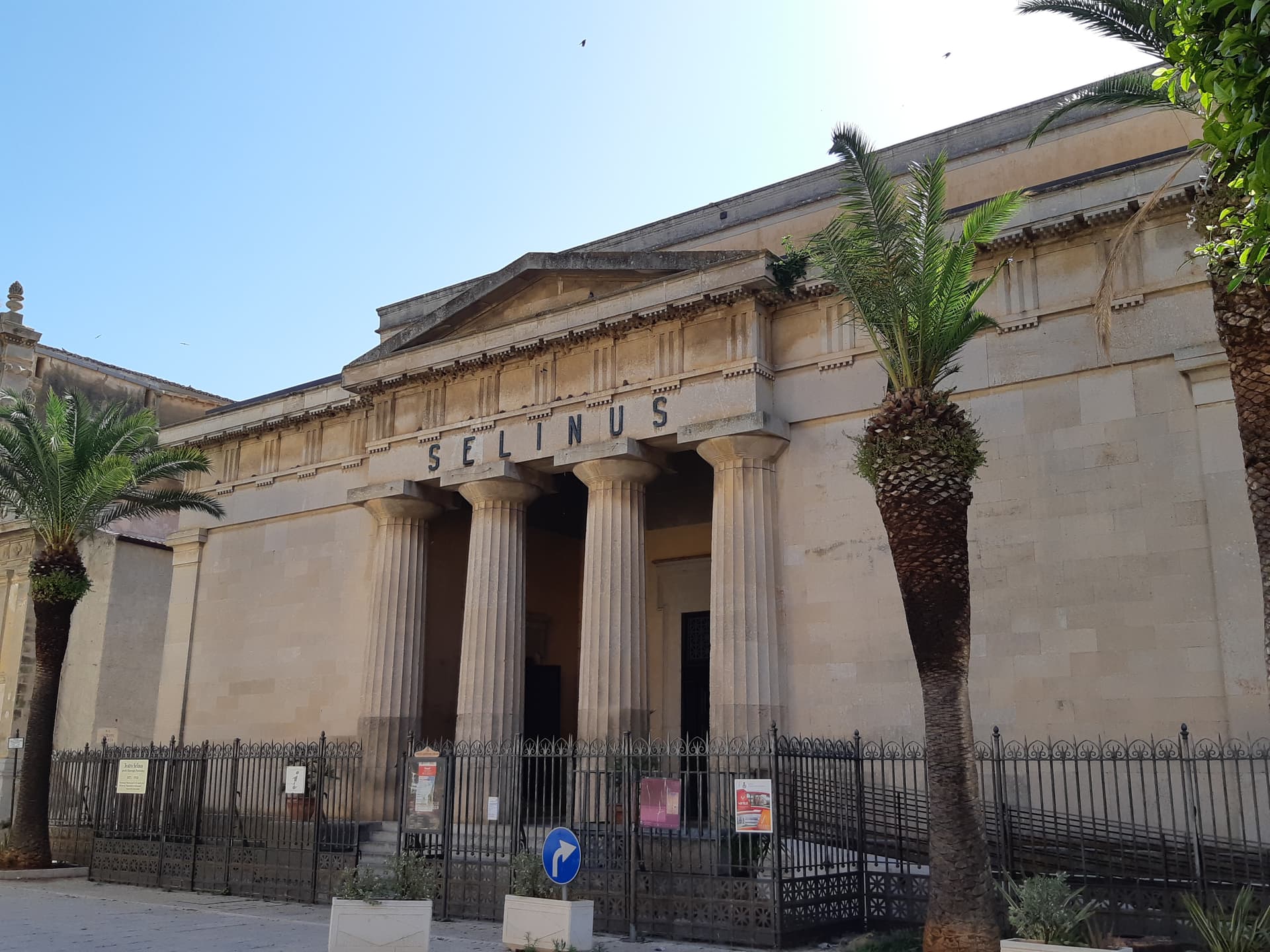
The Belice valley town that owns Selinunte, the largest archaeological park in Europe, and bakes black bread from grain found in its tombs.
Catania
Province: Catania
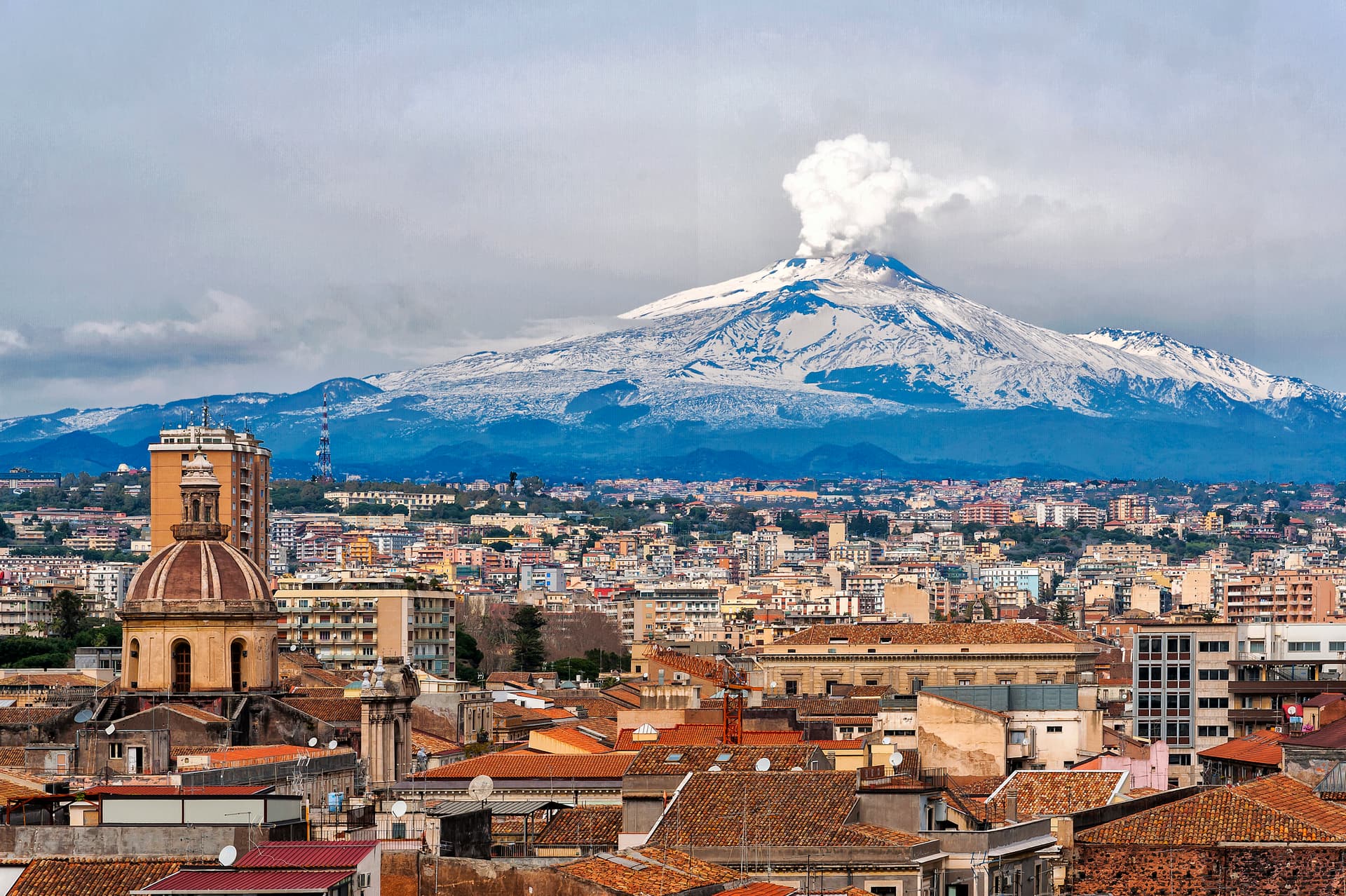
Sicily's second city and the cultural anchor of the Ionian coast — a UNESCO late-Baroque centro storico rebuilt in lava-black stone after the 1693 earthquake, sitting at the foot of Etna with a 17th-century elephant fountain (U Liotru) as its civic symbol.