
Tuscany · Arezzo
Loro Ciuffenna
A Valdarno village straddling the Ciuffenna torrent, with the oldest working water mill in Tuscany and a Lombard pulpit two kilometers up the road.
Known for
PIEVE DI GROPINA
Romanesque parish church 2 km up the Setteponti, built around the year 1000 with an 8th-century Lombard pulpit preserved in the right aisle.
THE MILL
Twelfth-century water mill on the Ciuffenna, still in working order, traditionally used to grind chestnut flour from the Pratomagno slopes.
PRATOMAGNO
The mountain ridge above the village, 1,592 meters at the iron cross, separating the Valdarno from the Casentino since pre-Roman times.
When to visit
Best · Apr–Oct
- J
- F
- M
- A
- M
- J
- J
- A
- S
- O
- N
- D
- Best
- Hot or crowded
- Quiet
- Mostly closed
The festa: Assunzione di Maria, second Sunday of September
Why come
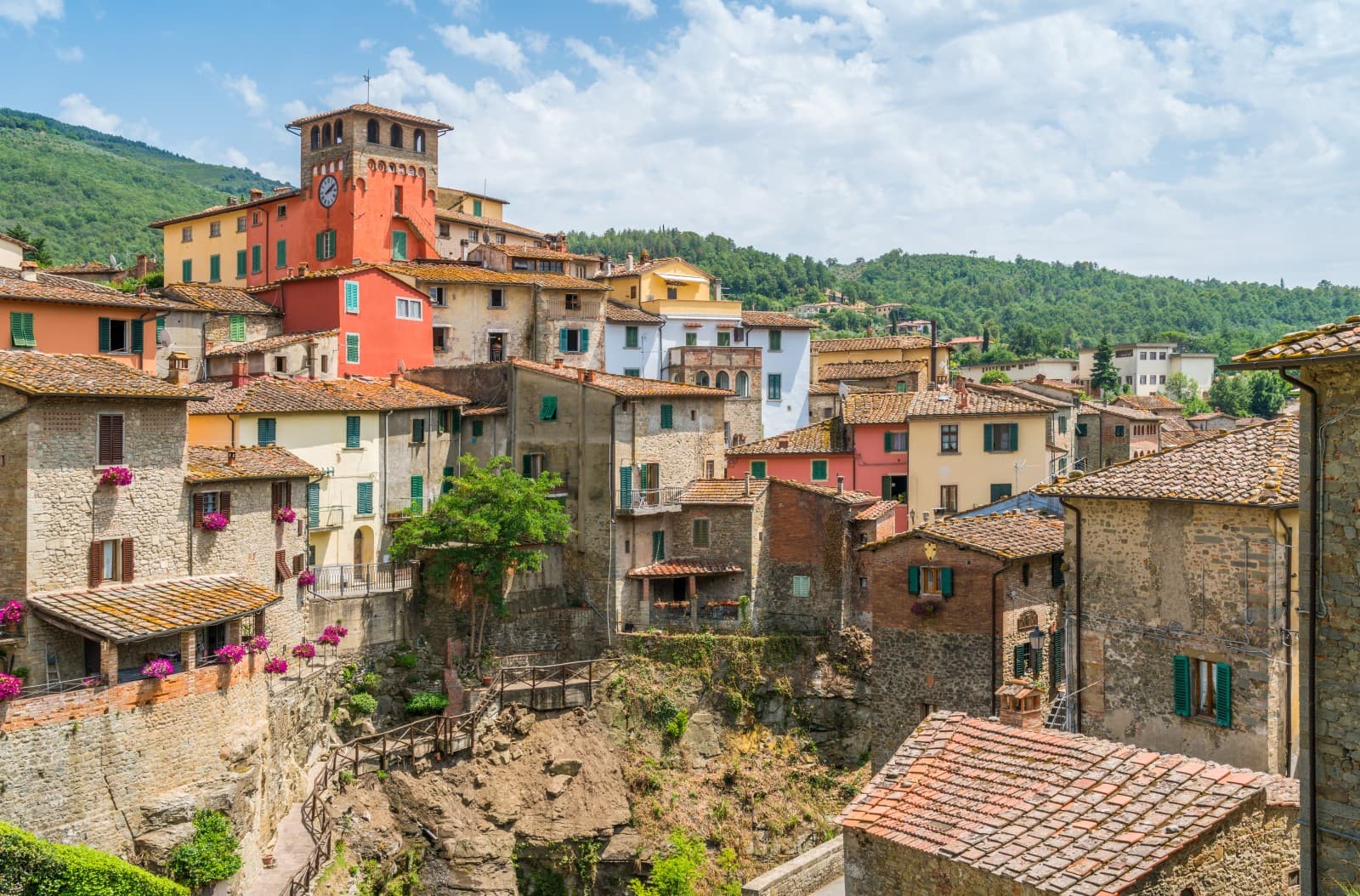
Loro Ciuffenna sits on the western slopes of the Pratomagno, between the Arno valley and the Casentino. The torrent it is named for cuts through the centro storico under a hump-backed stone bridge of Roman origin, remodeled in the Middle Ages. A water mill on the bank is still in operation, the oldest active mill in Tuscany, dating to the 12th century and used until recently to grind chestnuts into flour.
The inhabitants of the castle of Loro were the first to submit to the Florentine Republic in 1306, and the village formed its own statutes as an autonomous comune in 1462. Two kilometers up the Setteponti road stands the Pieve di San Pietro a Gropina, one of the great Romanesque parish churches of Tuscany, built around the year 1000 over two earlier churches; its circular pulpit, supported by two knotted Lombard columns, is 8th century.
The Sunday letter
We haven’t written Loro Ciuffenna’s letter yet.
One town every Sunday, with the photo, the food, the festa. Be there when this one comes up. Free, by Peter & Sophia from Pietrasanta.
By subscribing you agree to Substack’s Terms of Use, our Privacy Policy and our Information collection notice.
What to see
Pieve di San Pietro a Gropina
Romanesque parish church 2 km south of the village, built around 1000 over a 5th-century church and an 8th-century Lombard one with a knotted-column pulpit.
Ponte sul Ciuffenna
Hump-backed stone bridge of Roman origin crossing the torrent in the centro storico, heavily remodeled in the medieval period.
Mulino di Loro Ciuffenna
12th-century water mill on the Ciuffenna, the oldest active mill in Tuscany, traditionally used to grind chestnut flour.
Pratomagno
Mountain ridge above the village, with the iron cross on its summit at 1,592 meters and pastures used since the Middle Ages for transhumance.
Museo Venturino Venturi
Museum dedicated to the Valdarno sculptor born nearby, with a collection of drawings, sculptures and paintings donated to the comune.
The slow-trip planner
Building a trip? Find where Loro Ciuffenna fits in a slow Italy circuit.
Answer five questions. We will shape a geographically coherent slow trip from the 1,000 Italian towns most travelers skip. Yours to save and share.
We recommend
Where to eat and stay
Not our picks, but places the guides put their name to — a Michelin star, a Gambero Rosso fork, a Slow Food snail, a Michelin Key for the hotels. Worth a table, a counter, or a night when you pass through.
Casa e CiliegieAgriturismo
Casa e Ciliegie has a Slow Food snail and a Gambero Rosso listing.
Osteria del BorroRistorante
Osteria del Borro carries two Gambero Rosso forks (83/100), plus a spot in the Michelin Guide.
Il Cipresso - Da CioniRistorante
Il Cipresso - Da Cioni holds a spot in the Michelin Guide.
Living here
- Population 5,869
- In-betweeni
- Pharmacy in town
- Nearest high school over ~30 minutes away
- Nearest airport Bologna, 2 h 2 min drive
- Regional capital Firenze, 1 h 2 min drive
Tags & datadesignations · numbers · sources
Recognised as
The numbers
- Elevation: 330 m
- Population: 5,869
- Surface area: 86.52 km²
These figures were compiled from public directories — ISTAT, OpenStreetMap, Wikidata — and from the official listings of the guides named on this page. Town details change; verify with official sources before you travel.
Close by
More towns near Loro Ciuffenna
Arezzo
Province: Arezzo
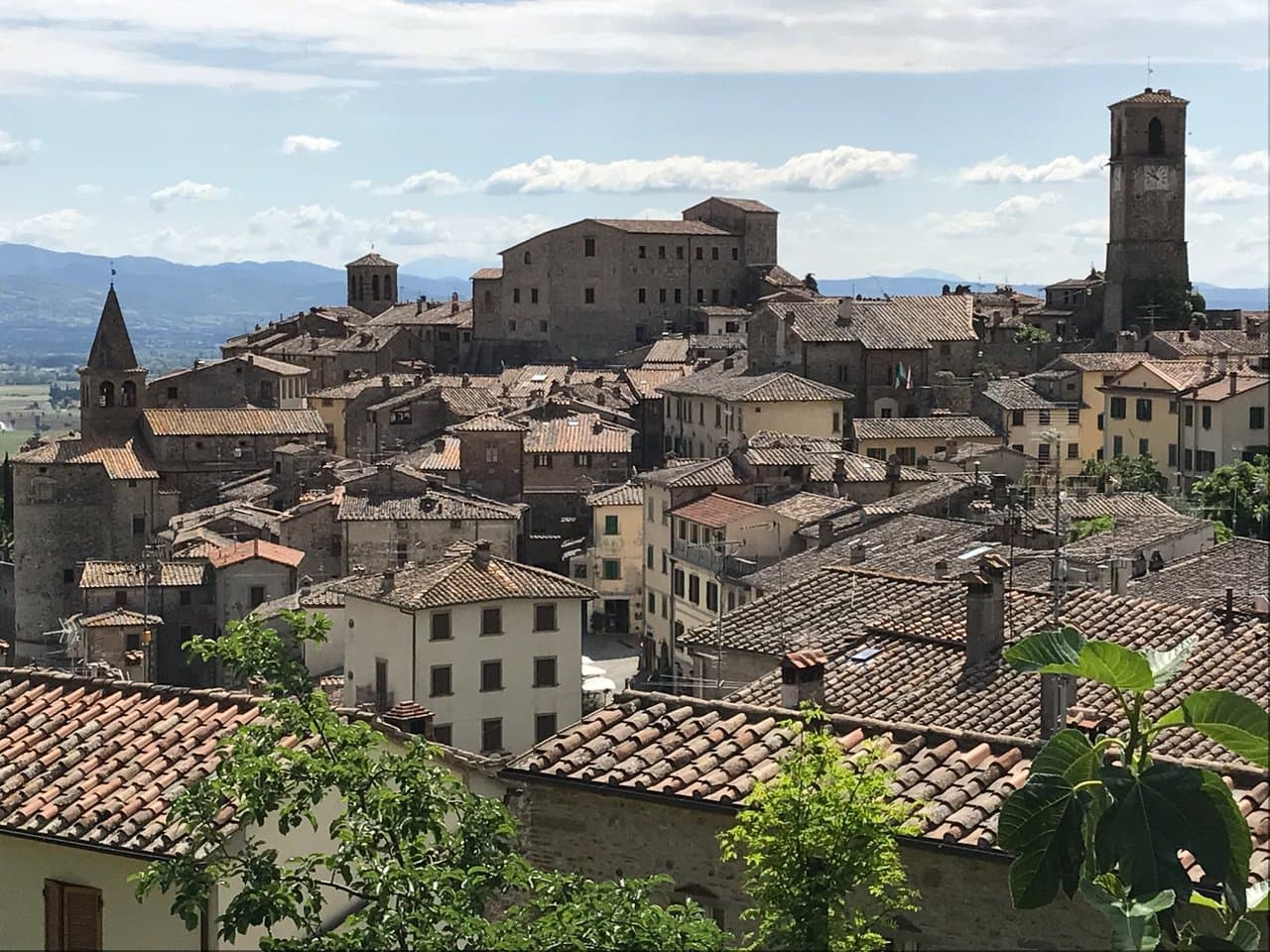
Tuscany's other set-piece — a 96,000-resident Etruscan-Roman-medieval hilltop city 80 km southeast of Florence, with Piero della Francesca's Leggenda della Vera Croce fresco cycle in San Francesco (1452–66), the sloped Piazza Grande set used by Roberto Benigni in Life is Beautiful, and the Fiera Antiquaria — Italy's largest monthly antique fair, running since 1968.
Lucignano
Province: Arezzo
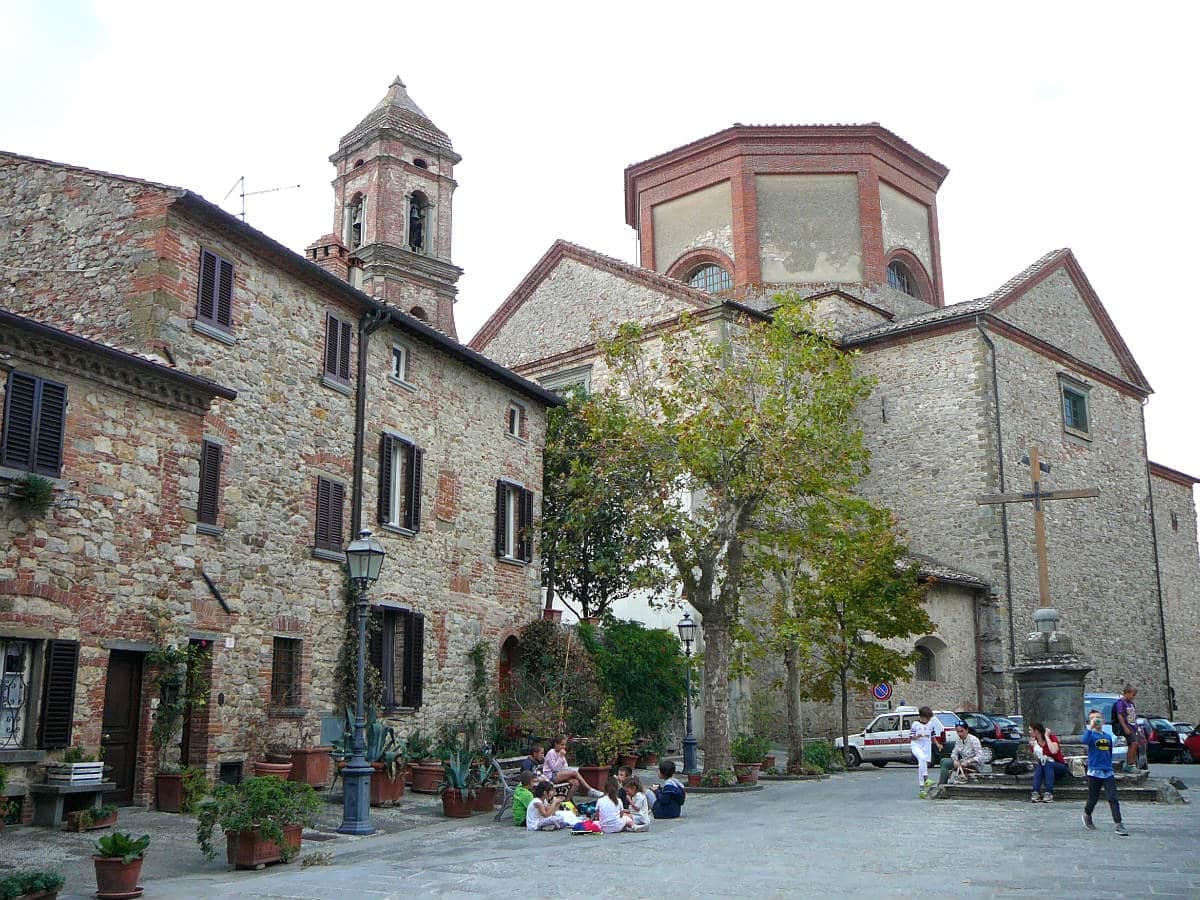
A walled elliptical hill town at 400 meters between Siena and Arezzo, planned in medieval concentric rings around the goldsmith's reliquary called the Tree of Life.
Castelnuovo Berardenga
Province: Siena
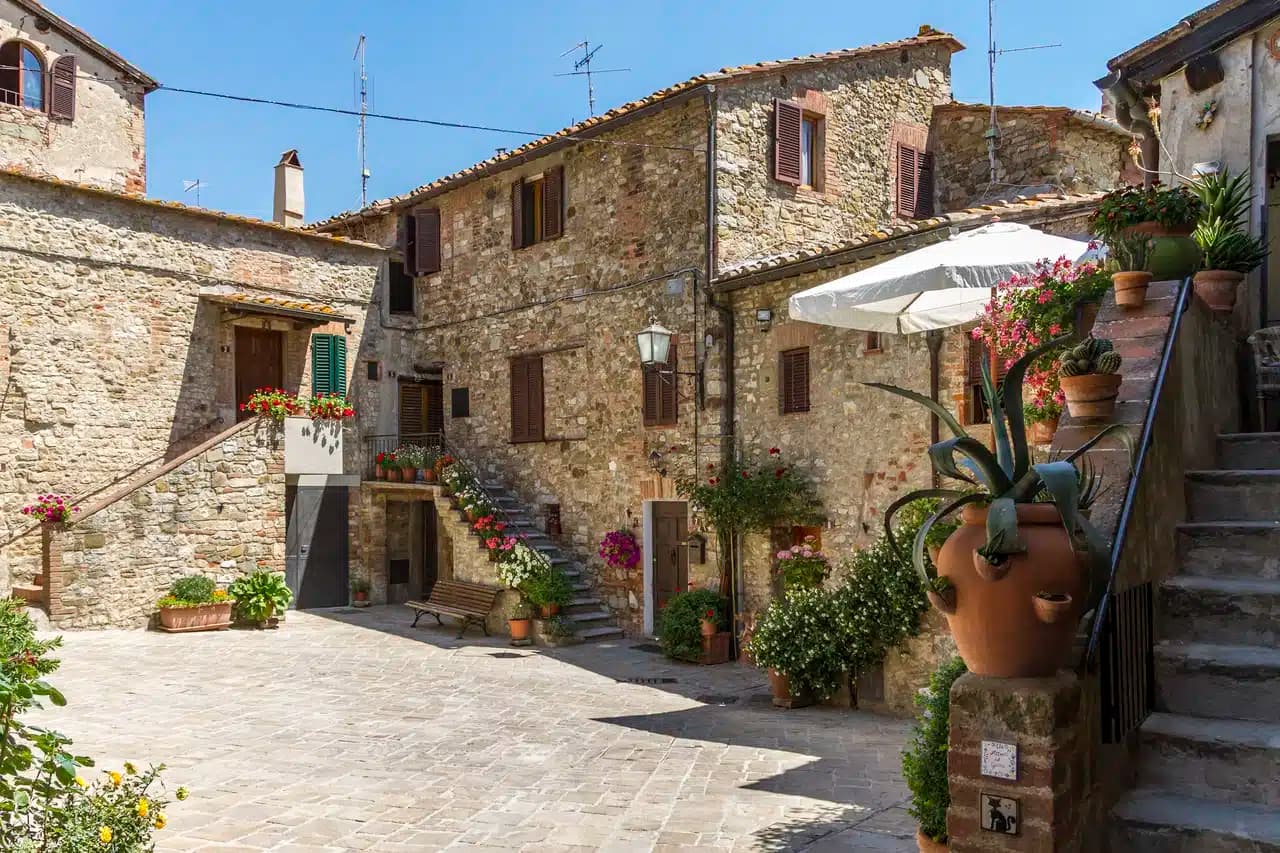
A Chianti Classico commune at 351 meters between the Ombrone and the Crete Senesi, the last castle Siena built against Florence, in 1366.
Castiglion Fiorentino
Province: Arezzo
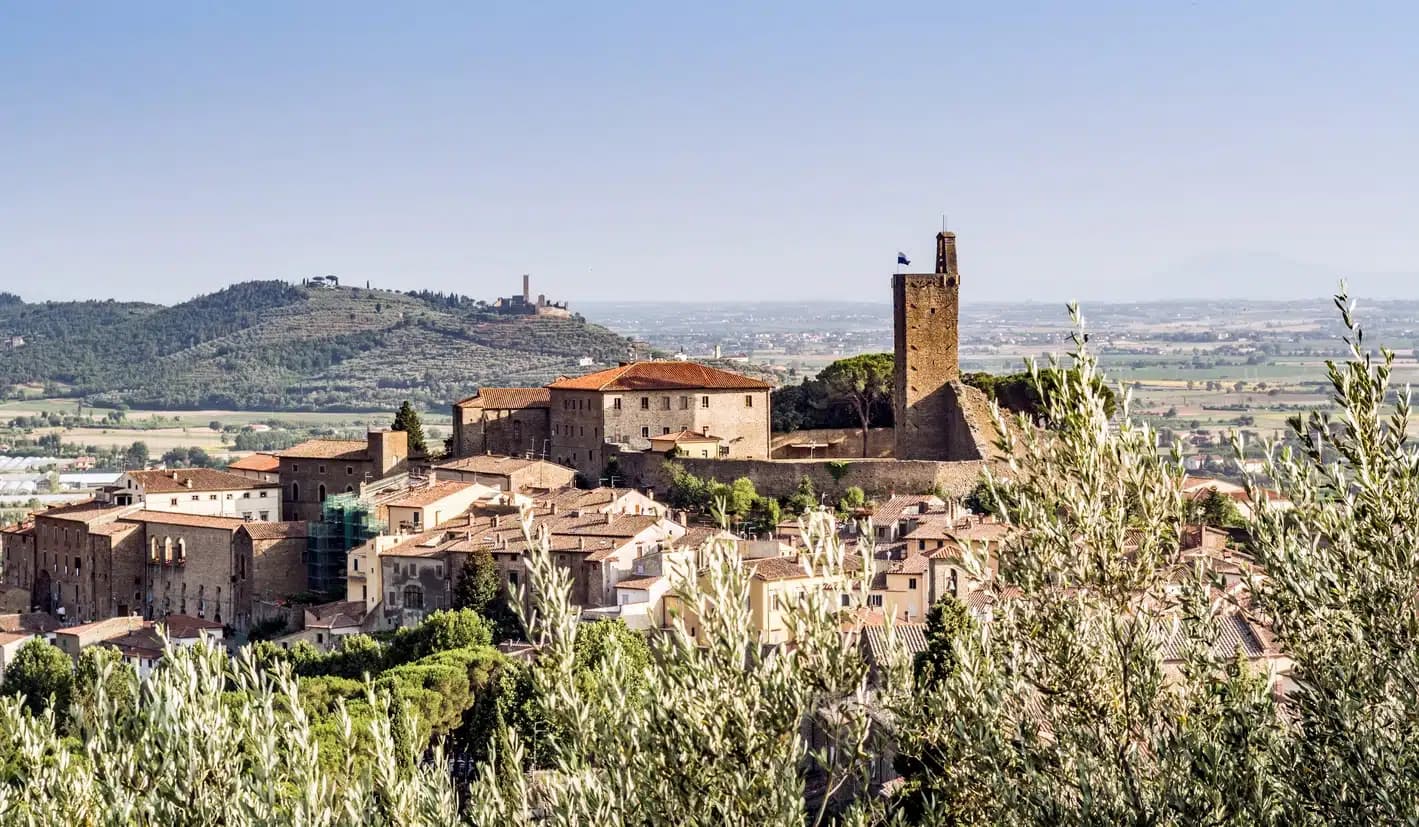
A walled hill town at 342 meters between Arezzo and Cortona, where Etruscan walls support the medieval Cassero and Vasari's loggia frames the Val di Chiana below.
Poppi
Province: Arezzo
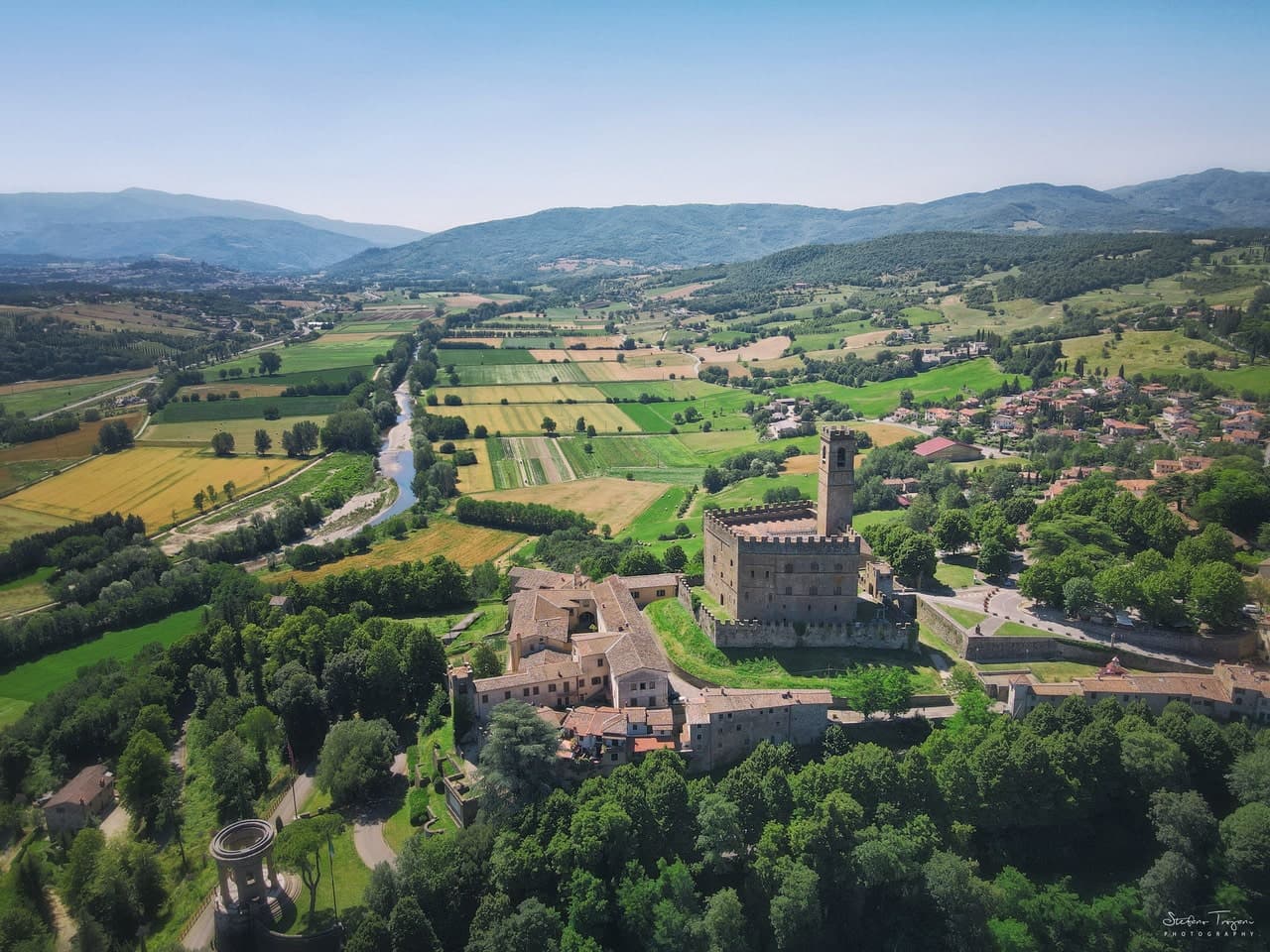
The Casentino borgo at 437 meters whose castle sat above the field where Dante fought the Battle of Campaldino in June 1289.
🎨 Borghi più belli d'Italia
More Borghi più belli d'Italia towns in Tuscany
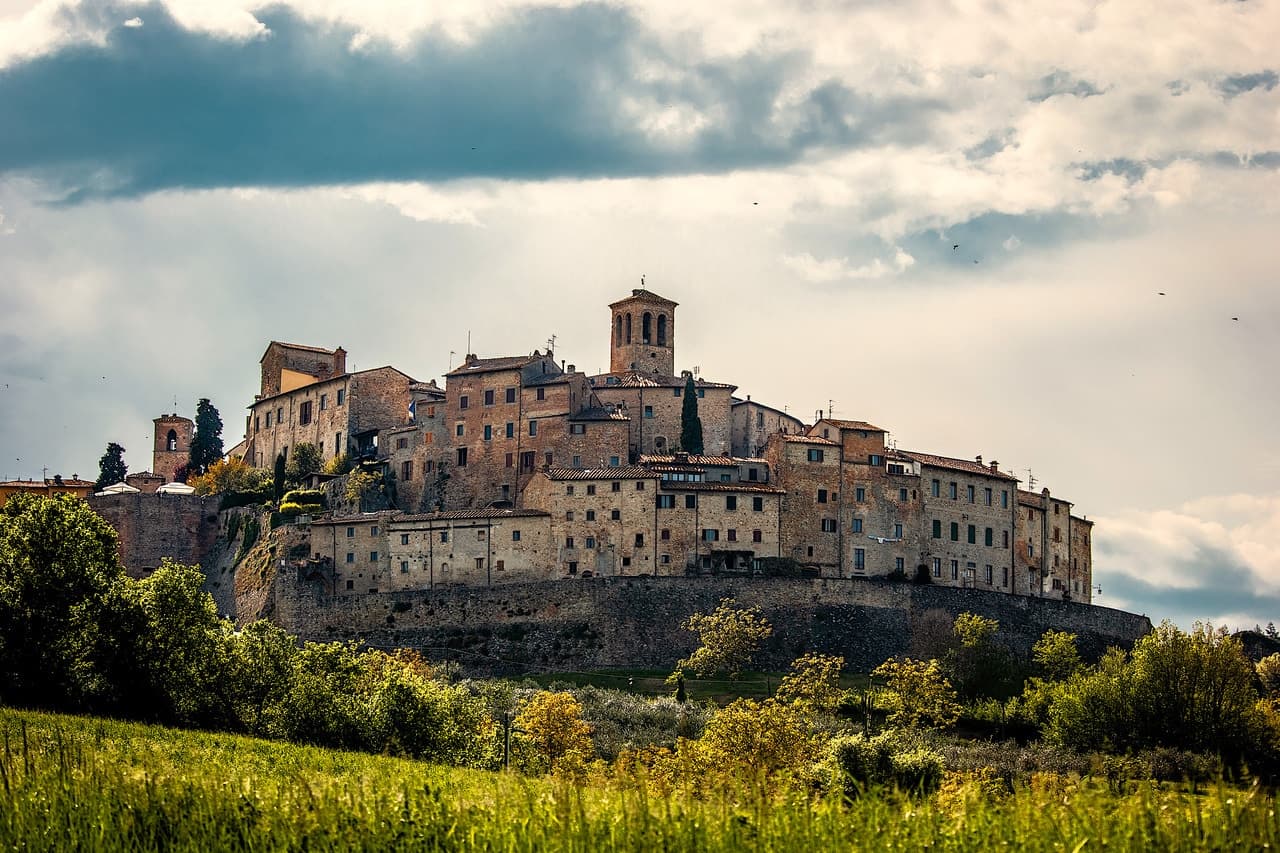
Anghiari
Province: Arezzo
A walled medieval town at 430 meters over the upper Tiber valley, where Florence beat Milan in 1440 and Leonardo started the fresco he never finished.
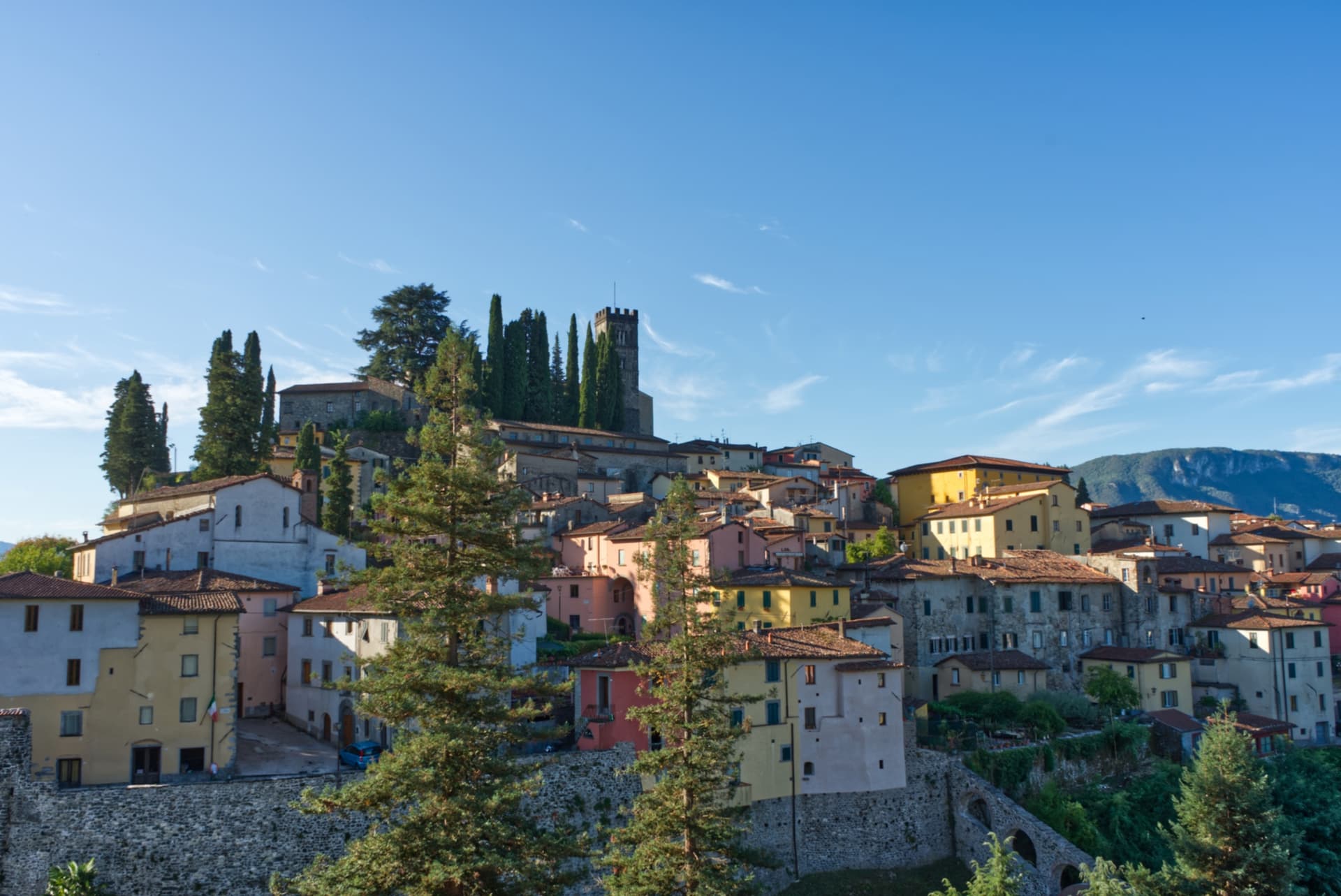
Barga
Province: Lucca
A medieval hilltop town at 410 meters in the Serchio valley between the Apuan Alps and the Apennines, where Giovanni Pascoli wrote his last poems and the August festival serves fish and chips.
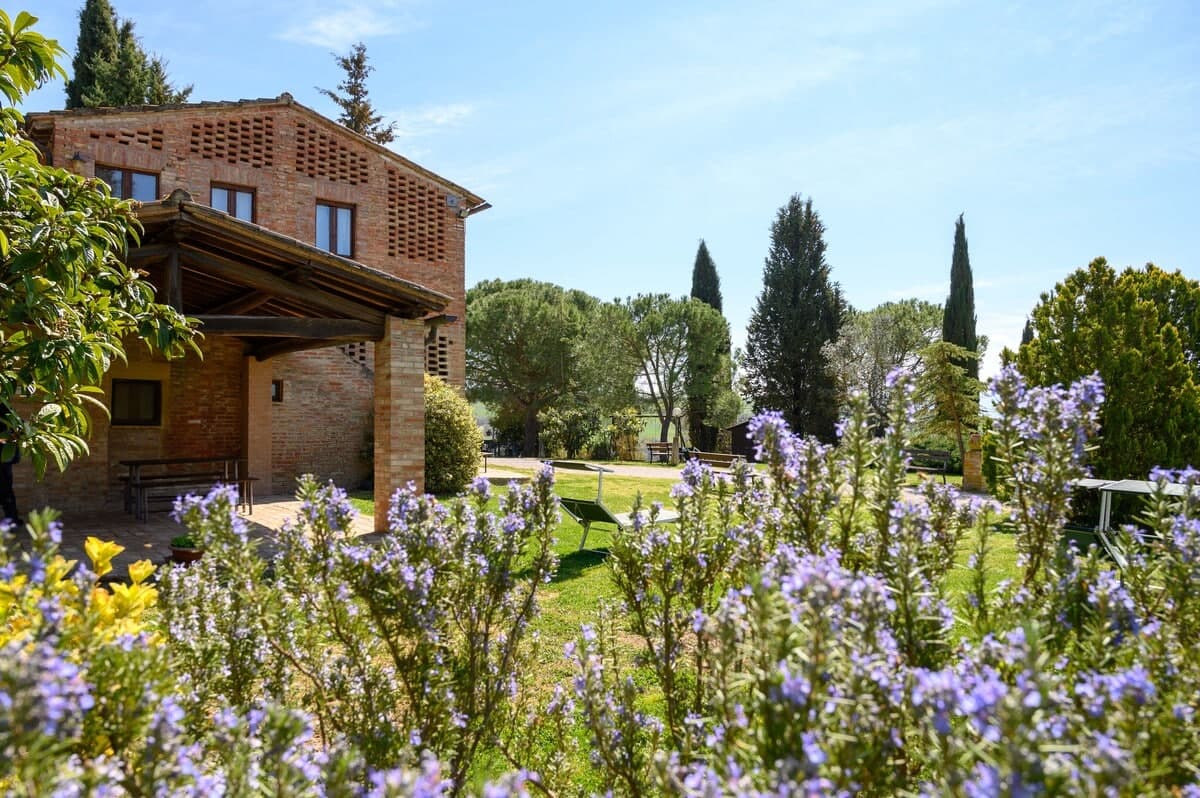
Buonconvento
Province: Siena
The walled brick borgo in the Crete Senesi where Emperor Henry VII died in 1313, on the Via Cassia at the confluence of the Arbia and Ombrone.
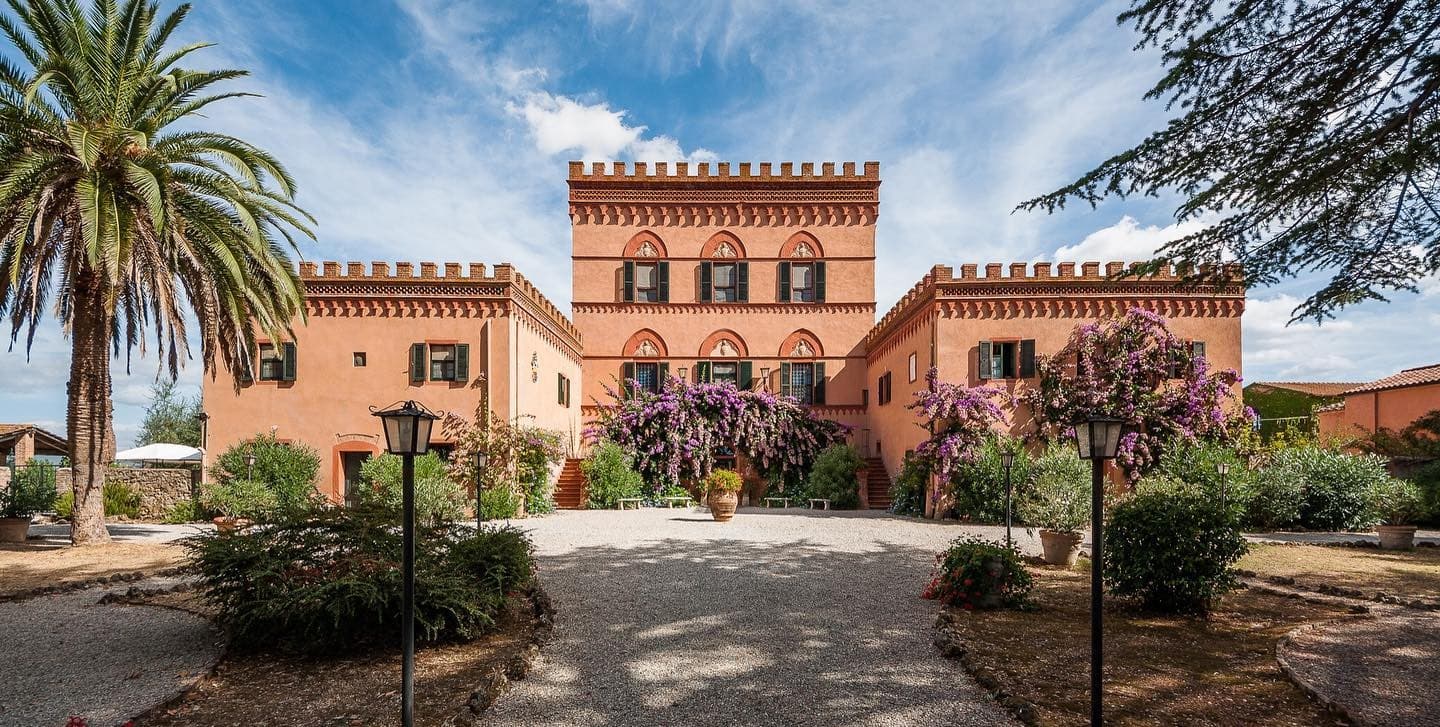
Campiglia Marittima
Province: Livorno
A walled hilltop borgo above the Val di Cornia, where the Rocca tower watches a mining landscape worked from the Etruscans to 1976.
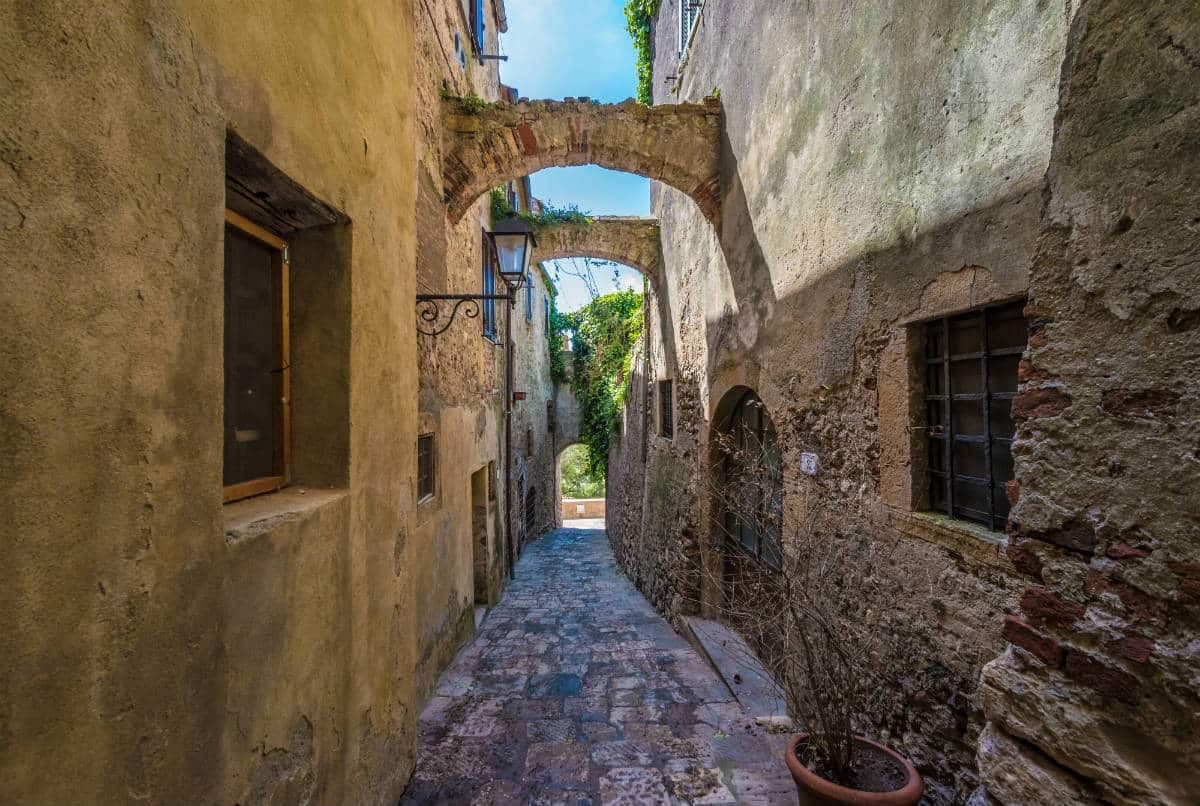
Capalbio
Province: Grosseto
A walled hilltop borgo at 217 meters in the southern Maremma, donated to the Abbey of Tre Fontane by Charlemagne and home of Niki de Saint Phalle's Tarot Garden.