

Tuscany · Arezzo
Poppi
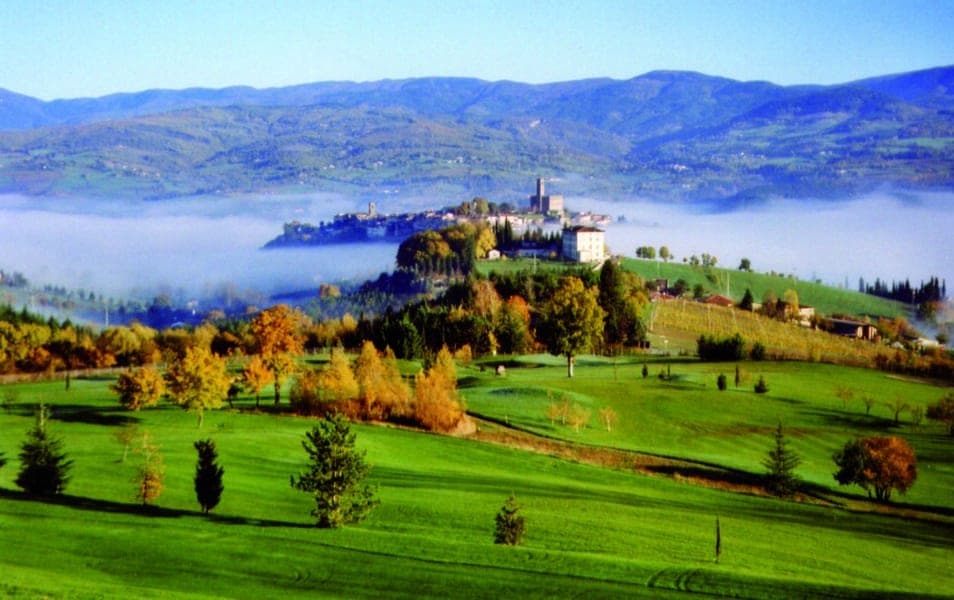
The Casentino borgo whose castle sat above the field where Dante fought the Battle of Campaldino in June 1289.
Known for
CASTELLO GUIDI
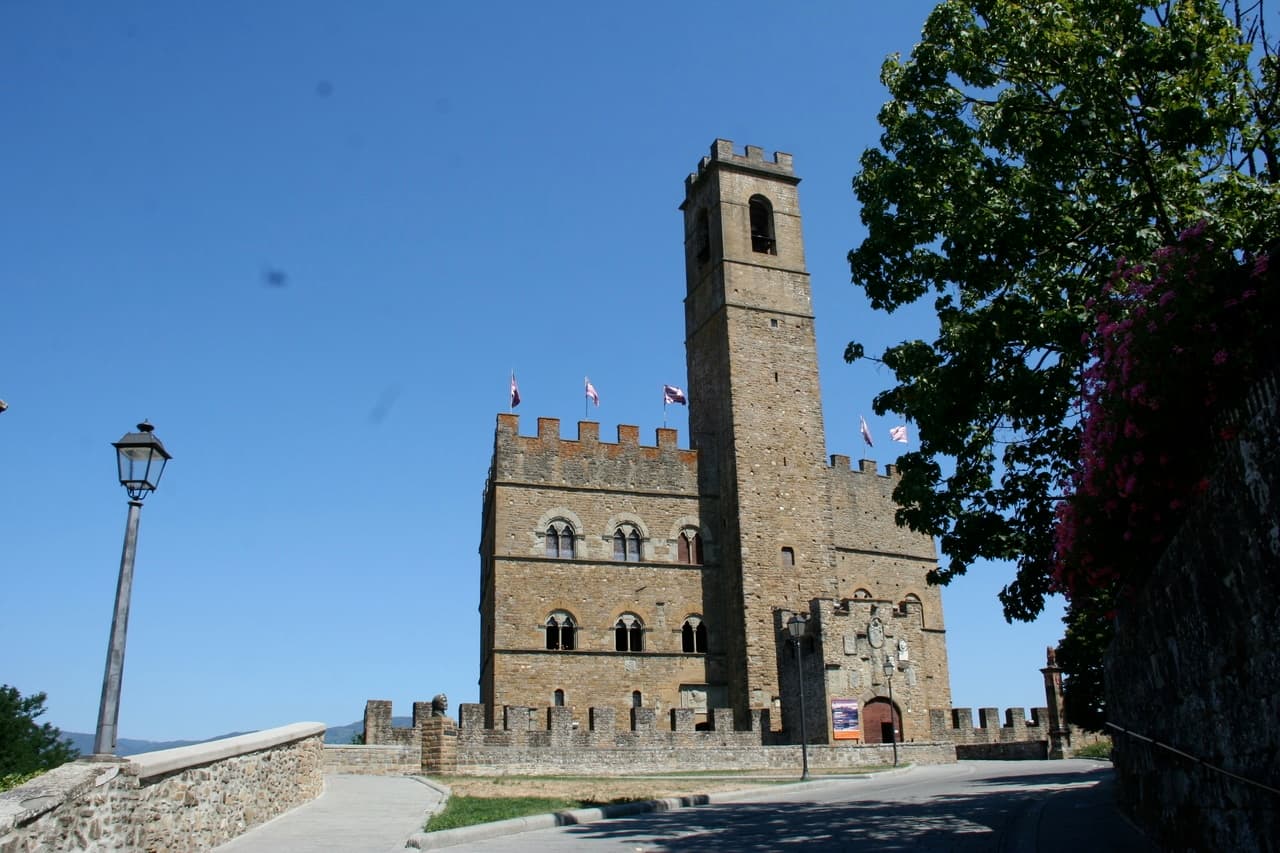
Late twelfth-century Counts Guidi castle, model for Palazzo Vecchio in Florence, with frescoed chapel and the Rilliana library.
CAMPALDINO 1289
Battle on the plain below the castle where Florence beat Arezzo and Dante fought in the Guelph front rank at twenty-four.
FORESTE CASENTINESI
National park east of Poppi covering the beech and fir forests of the Apennine watershed, one of the oldest managed in Europe.
When to visit
Best · Apr–Oct
- J
- F
- M
- A
- M
- J
- J
- A
- S
- O
- N
- D
- Best
- Hot or crowded
- Quiet
- Mostly closed
The festa: Torello da Poppi, terza domenica dopo Pasqua
Why come
Poppi rises above the upper Arno in the Casentino, the wooded valley between Pratovecchio and Bibbiena. The Counts Guidi held this hill from at least 1169, and the castle they built across the late twelfth and thirteenth centuries, attributed in its older part to Lapo di Cambio and in the later upper section to Arnolfo di Cambio, became the model for the Palazzo Vecchio in Florence. On 11 June 1289 the plain of Campaldino, directly below the castle, was the battlefield where the Guelphs of Florence beat the Ghibellines of Arezzo.
Dante Alighieri fought on the Guelph side, twenty-four years old, in the front rank of the feditori. He returned later as a guest of the Guidi during his exile. The castle now holds a working library, a fourteenth-century chapel frescoed by the school of Giotto, and a hand-painted model of the Campaldino battle with more than four thousand tin soldiers.
The Sunday letter
We haven’t written Poppi’s letter yet.
One town every Sunday, with the photo, the food, the festa. Be there when this one comes up. Free, by Peter & Sophia from Pietrasanta.
By subscribing you agree to Substack’s Terms of Use, our Privacy Policy and our Information collection notice.
What to see
Castello dei Conti Guidi
Late twelfth- and thirteenth-century castle of the Guidi family, model for the Palazzo Vecchio in Florence, with frescoed chapel and library.
Piano di Campaldino
Plain below the castle where the Guelphs beat the Ghibellines on 11 June 1289, with Dante Alighieri in the Florentine front line.
Abbazia di San Fedele
Romanesque abbey church inside the borgo, with single nave and stone façade, dating from the early twelfth century.
Pieve di San Pietro a Romena
Twelfth-century Romanesque pieve a short distance from Poppi, dated 1152, built entirely of stone with three apses.
Parco Nazionale delle Foreste Casentinesi
National park covering the forested ridges east of Poppi, one of the oldest managed beech and fir forests in Europe.
The slow-trip planner
Building a trip? Find where Poppi fits in a slow Italy circuit.
Answer five questions. We will shape a geographically coherent slow trip from the 1,000 Italian towns most travelers skip. Yours to save and share.
We recommend
Where to eat and stay
Not our picks, but places the guides put their name to — a Michelin star, a Gambero Rosso fork, a Slow Food snail, a Michelin Key for the hotels. Worth a table, a counter, or a night when you pass through.
Living here
- Population 5,823
- In-betweeni
- Pharmacy in town
- High school within a 30-minute drive
- Train station in the comune
- Nearest airport Bologna, 2 h 11 min drive
- Regional capital Firenze, 1 h 4 min drive
Tags & datadesignations · numbers · sources
The numbers
- Elevation: 437 m
- Population: 5,823
- Surface area: 97.09 km²
These figures were compiled from public directories — ISTAT, OpenStreetMap, Wikidata — and from the official listings of the guides named on this page. Town details change; verify with official sources before you travel.
Close by
More towns near Poppi
Arezzo
Province: Arezzo
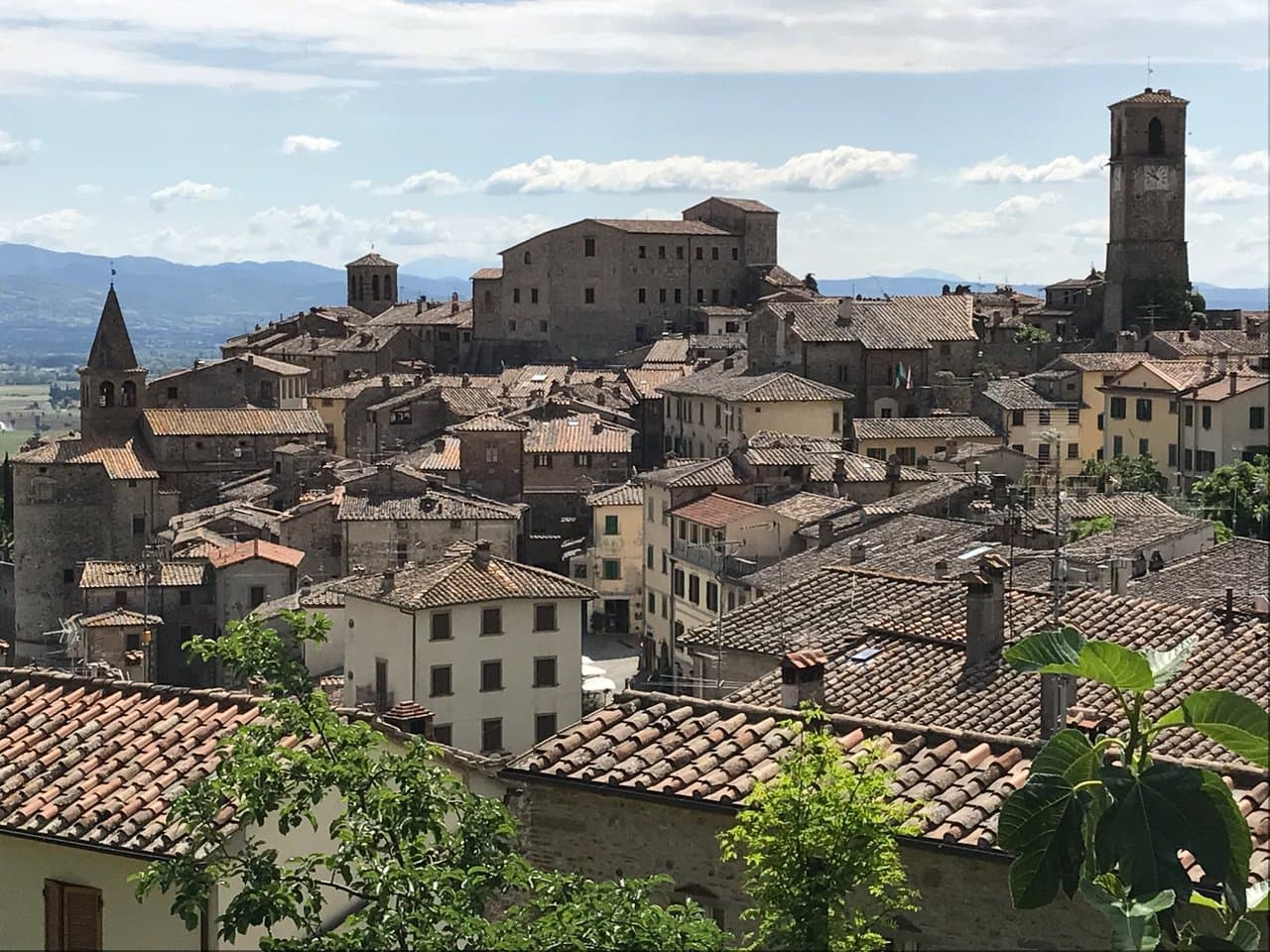
Tuscany's other set-piece — a 96,000-resident Etruscan-Roman-medieval hilltop city 80 km southeast of Florence, with Piero della Francesca's Leggenda della Vera Croce fresco cycle in San Francesco (1452–66), the sloped Piazza Grande set used by Roberto Benigni in Life is Beautiful, and the Fiera Antiquaria — Italy's largest monthly antique fair, running since 1968.
Bagno di Romagna
Province: Forlì-Cesena
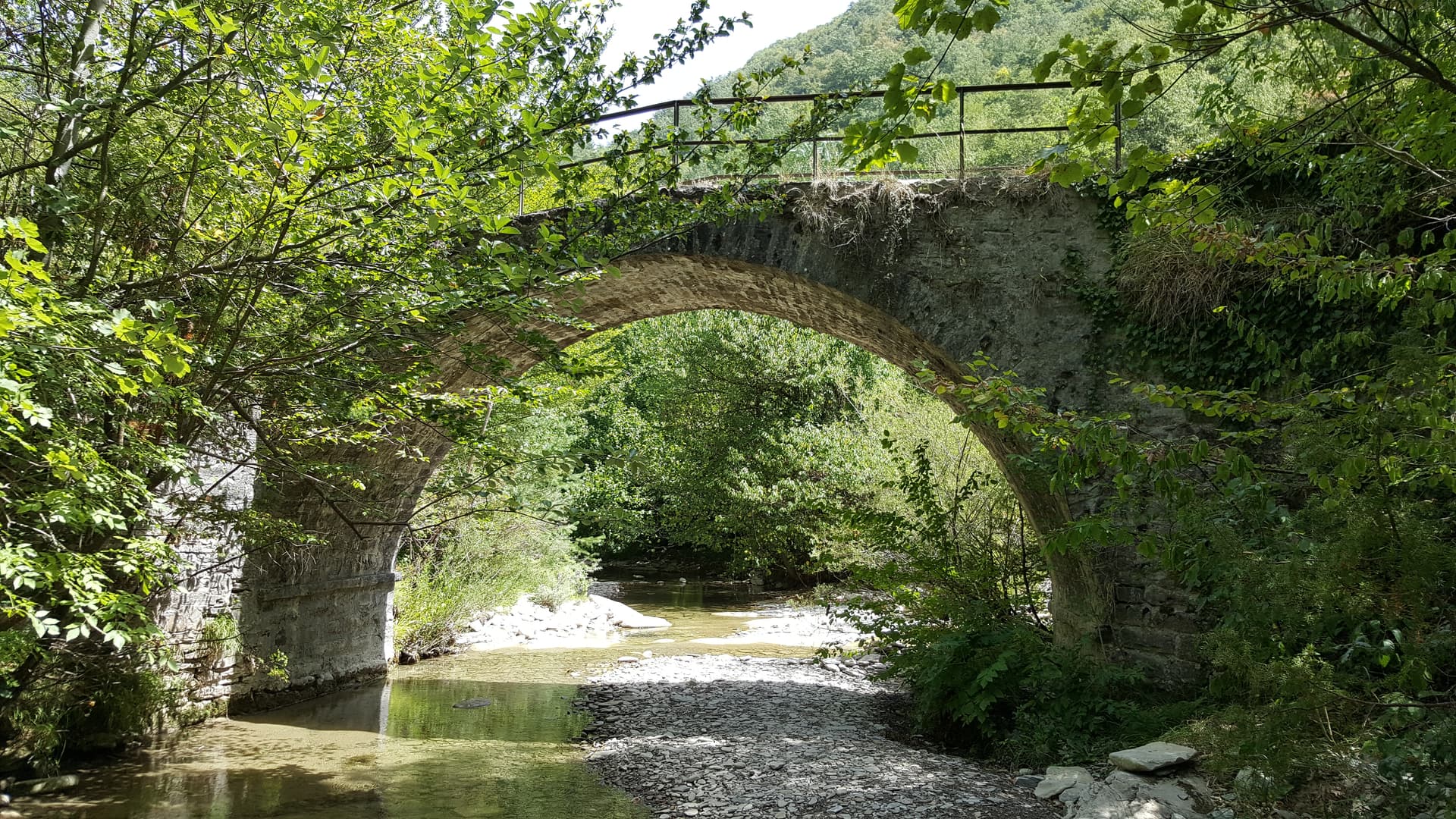
A 491-meter thermal town at the head of the Savio valley, drawing on springs that have run at 47 degrees since Roman times.
Anghiari
Province: Arezzo
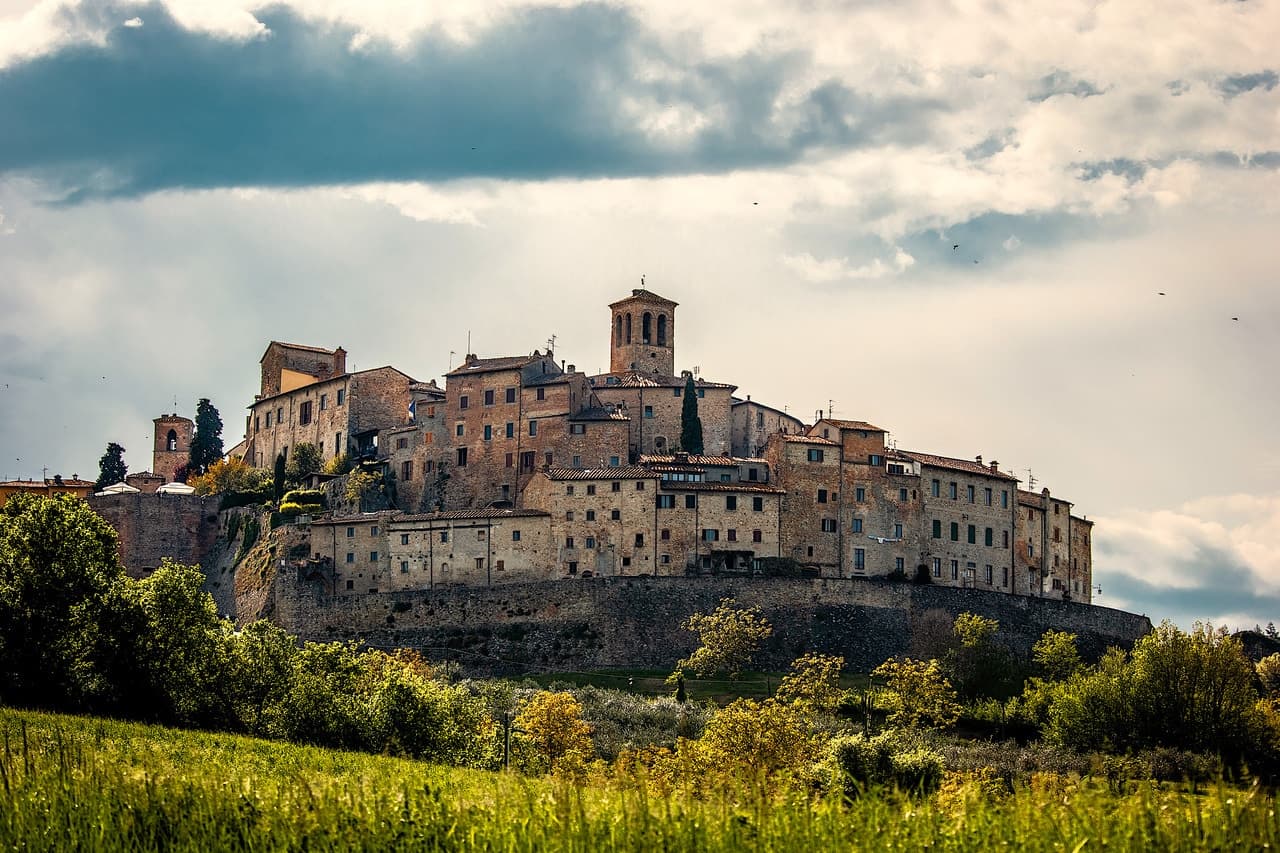
A walled medieval town at 430 meters over the upper Tiber valley, where Florence beat Milan in 1440 and Leonardo started the fresco he never finished.
Fiesole
Province: Firenze
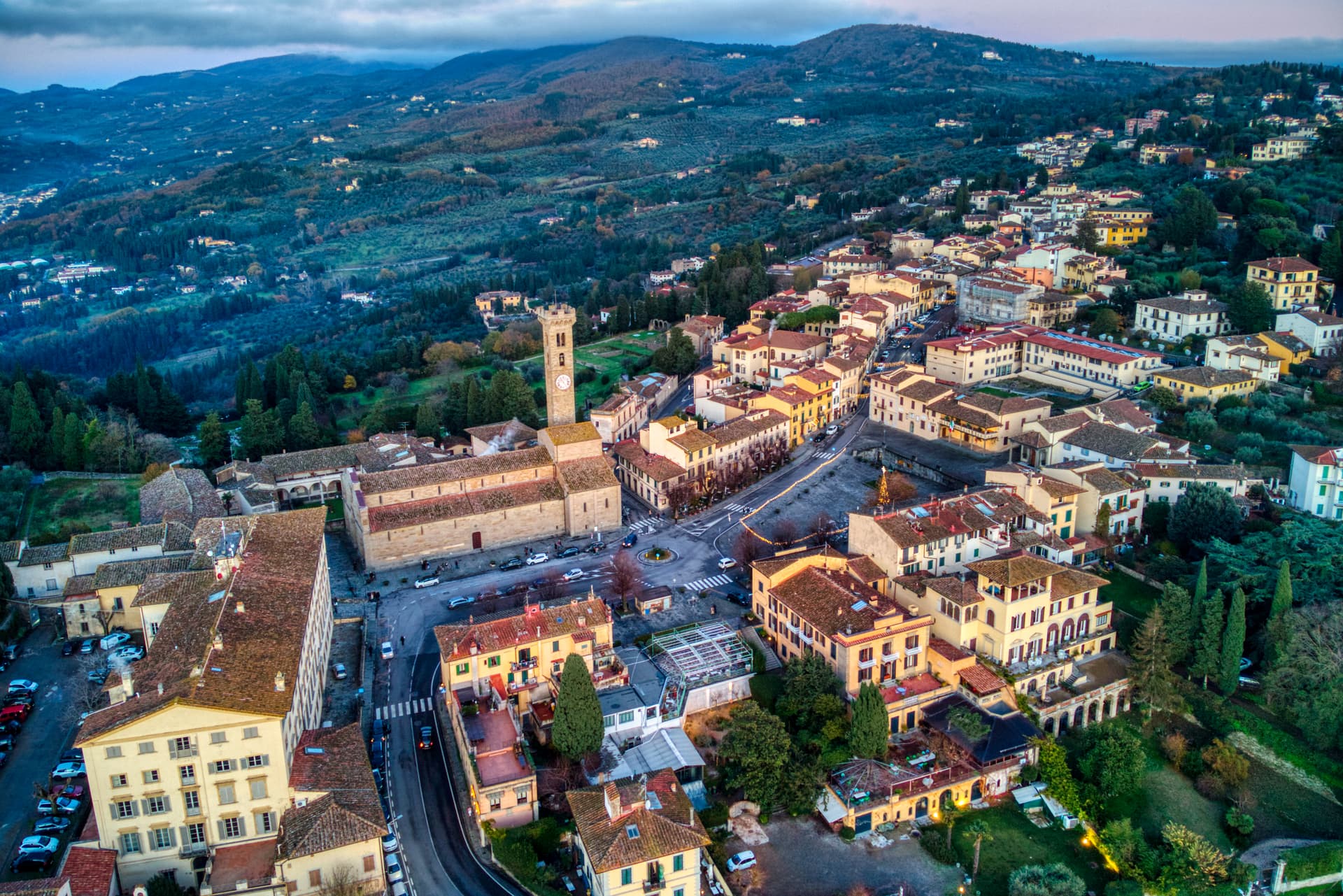
An Etruscan hilltop at 295 meters above Florence, founded in the ninth century BC and conquered by Rome in 283 BC, still looking down on what later replaced it.
Castiglion Fiorentino
Province: Arezzo
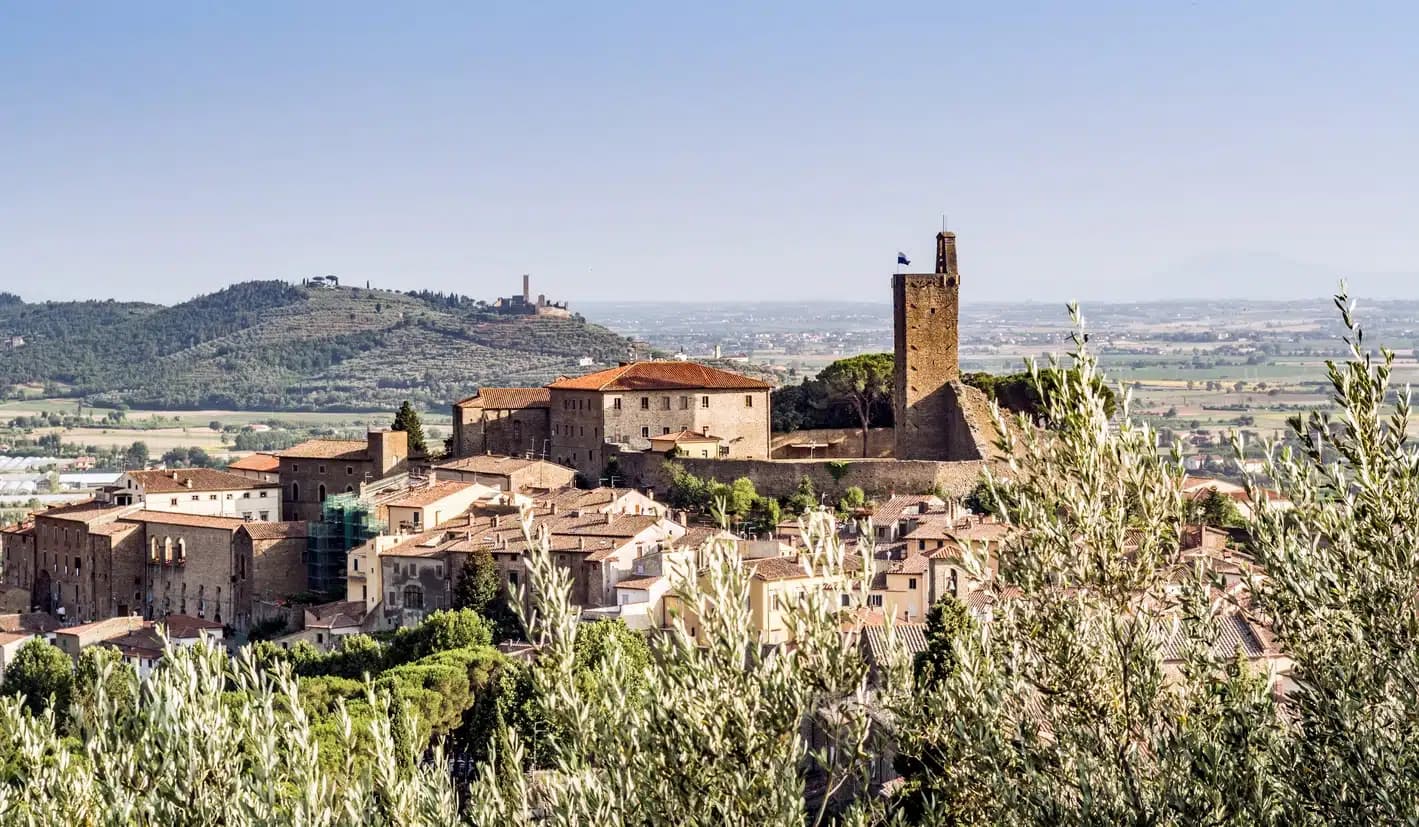
A walled hill town at 342 meters between Arezzo and Cortona, where Etruscan walls support the medieval Cassero and Vasari's loggia frames the Val di Chiana below.
🎨 Borghi più belli d'Italia
More Borghi più belli d'Italia towns in Tuscany
Barga
Province: Lucca
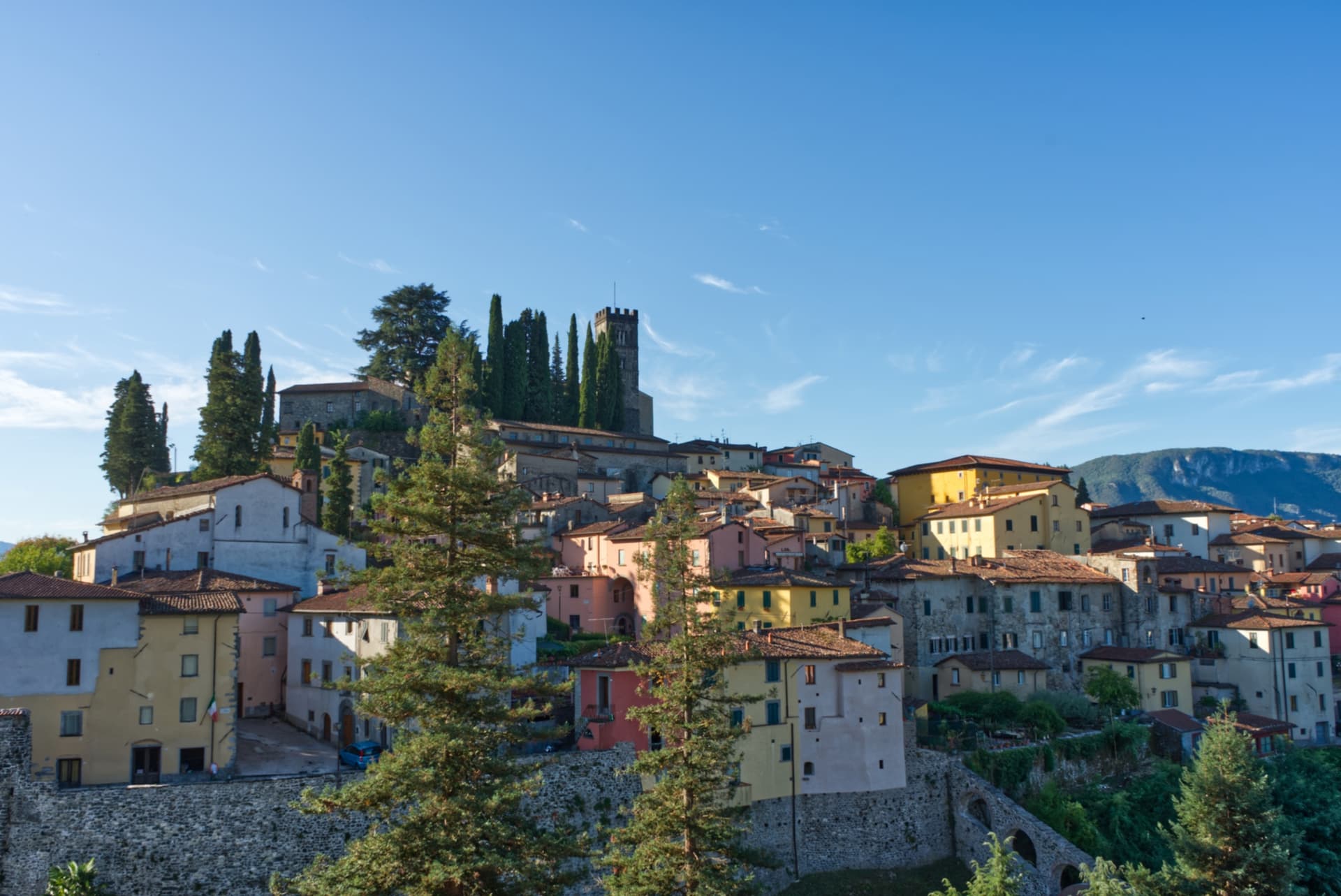
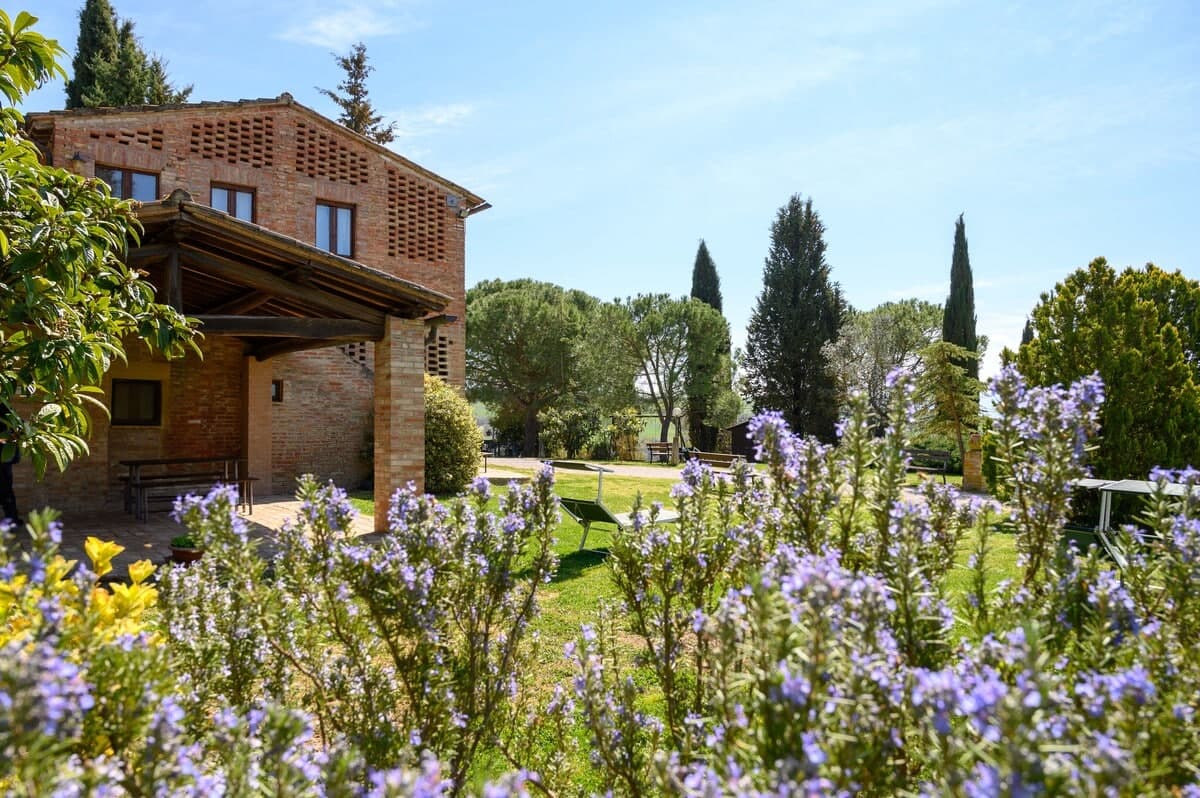
A medieval hilltop town at 410 meters in the Serchio valley between the Apuan Alps and the Apennines, where Giovanni Pascoli wrote his last poems and the August festival serves fish and chips.
Buonconvento
Province: Siena
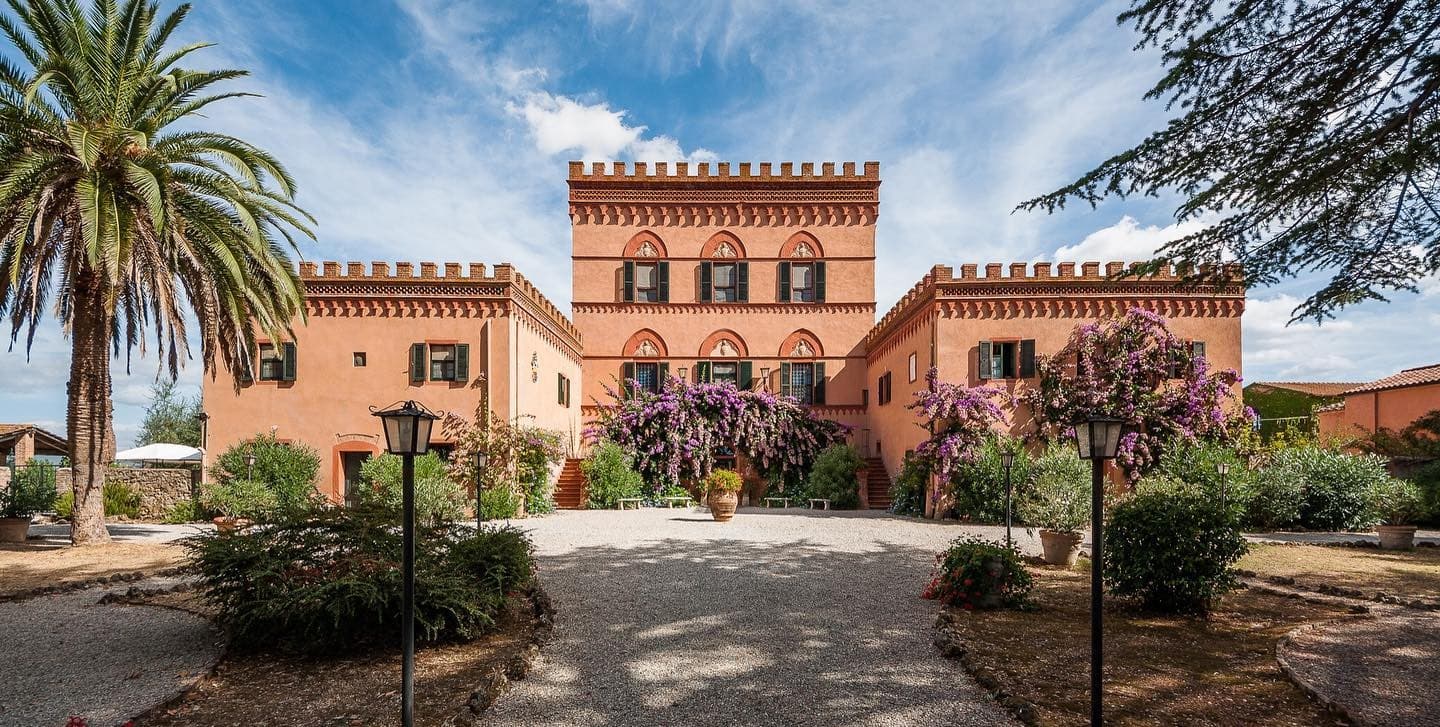
The walled brick borgo in the Crete Senesi where Emperor Henry VII died in 1313, on the Via Cassia at the confluence of the Arbia and Ombrone.
Campiglia Marittima
Province: Livorno
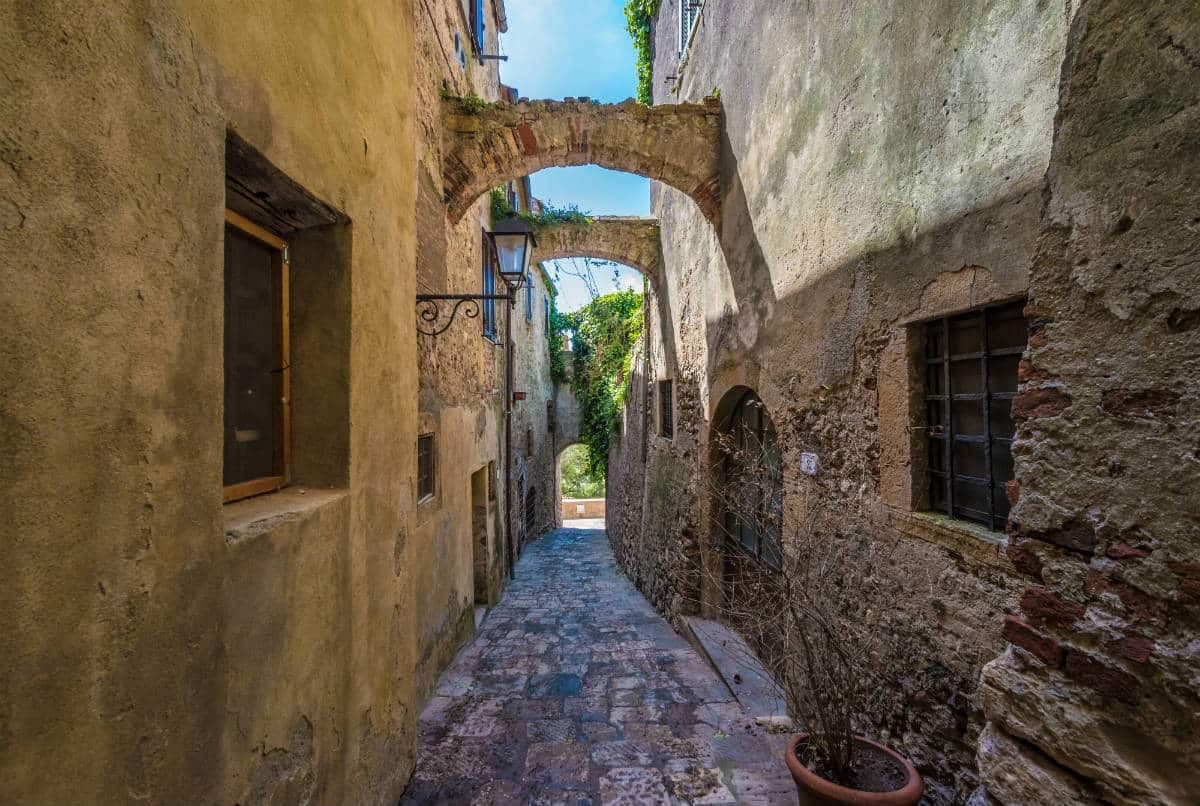
A walled hilltop borgo above the Val di Cornia, where the Rocca tower watches a mining landscape worked from the Etruscans to 1976.
Capalbio
Province: Grosseto
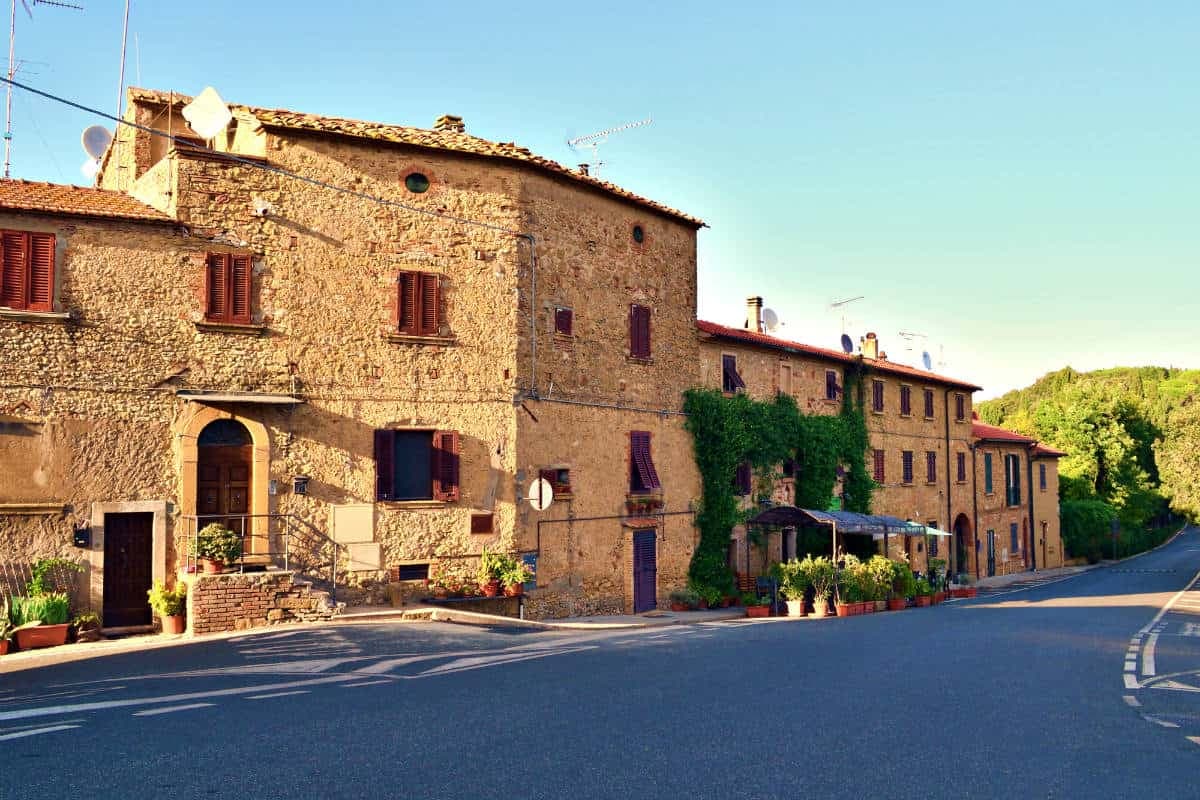
A walled hilltop borgo at 217 meters in the southern Maremma, donated to the Abbey of Tre Fontane by Charlemagne and home of Niki de Saint Phalle's Tarot Garden.
Casale Marittimo
Province: Pisa
A concentric stone borgo at 214 meters above the Val di Cecina, built where a seventh-century BC Etruscan outpost of Volterra once stood.