

Basilicata · Potenza
Melfi
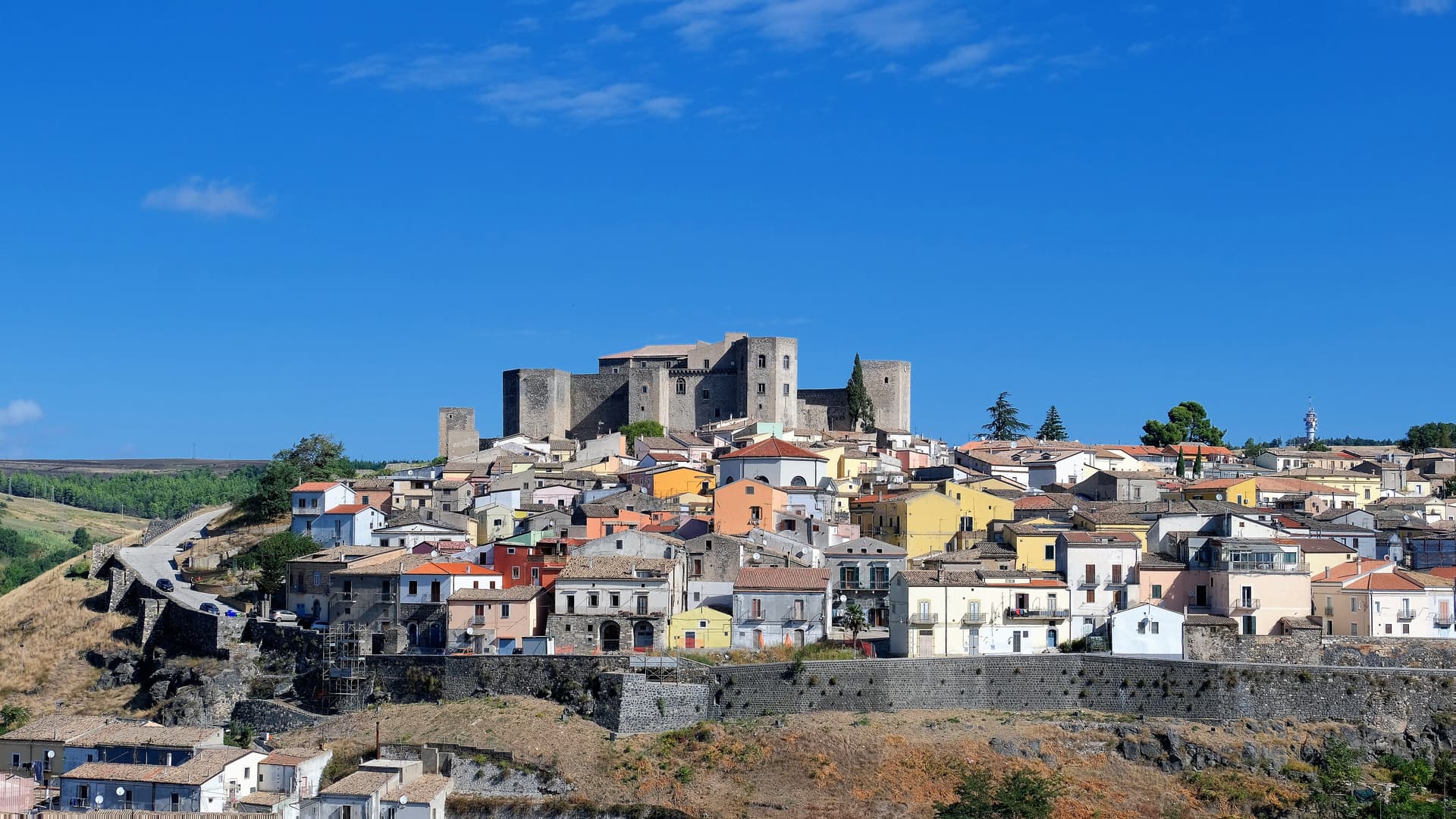
At 530 meters on the slopes of Monte Vulture, first Norman capital of the south and the seat of Frederick II's 1231 Constitutions of Melfi.
Known for
FREDERICK II
Issued the 1231 Constitutions of Melfi from the castle, the legal code of the Kingdom of Sicily and a landmark of medieval European law.
1089 COUNCIL
Pope Urban II convened a synod of seventy bishops in Melfi cathedral in September 1089, six years before the First Crusade was preached.
AGLIANICO
Anchor of the Aglianico del Vulture DOC and DOCG, grown on the volcanic slopes of Monte Vulture surrounding the town.
When to visit
Best · Apr–Oct
- J
- F
- M
- A
- M
- J
- J
- A
- S
- O
- N
- D
- Best
- Hot or crowded
- Quiet
- Mostly closed
Why come
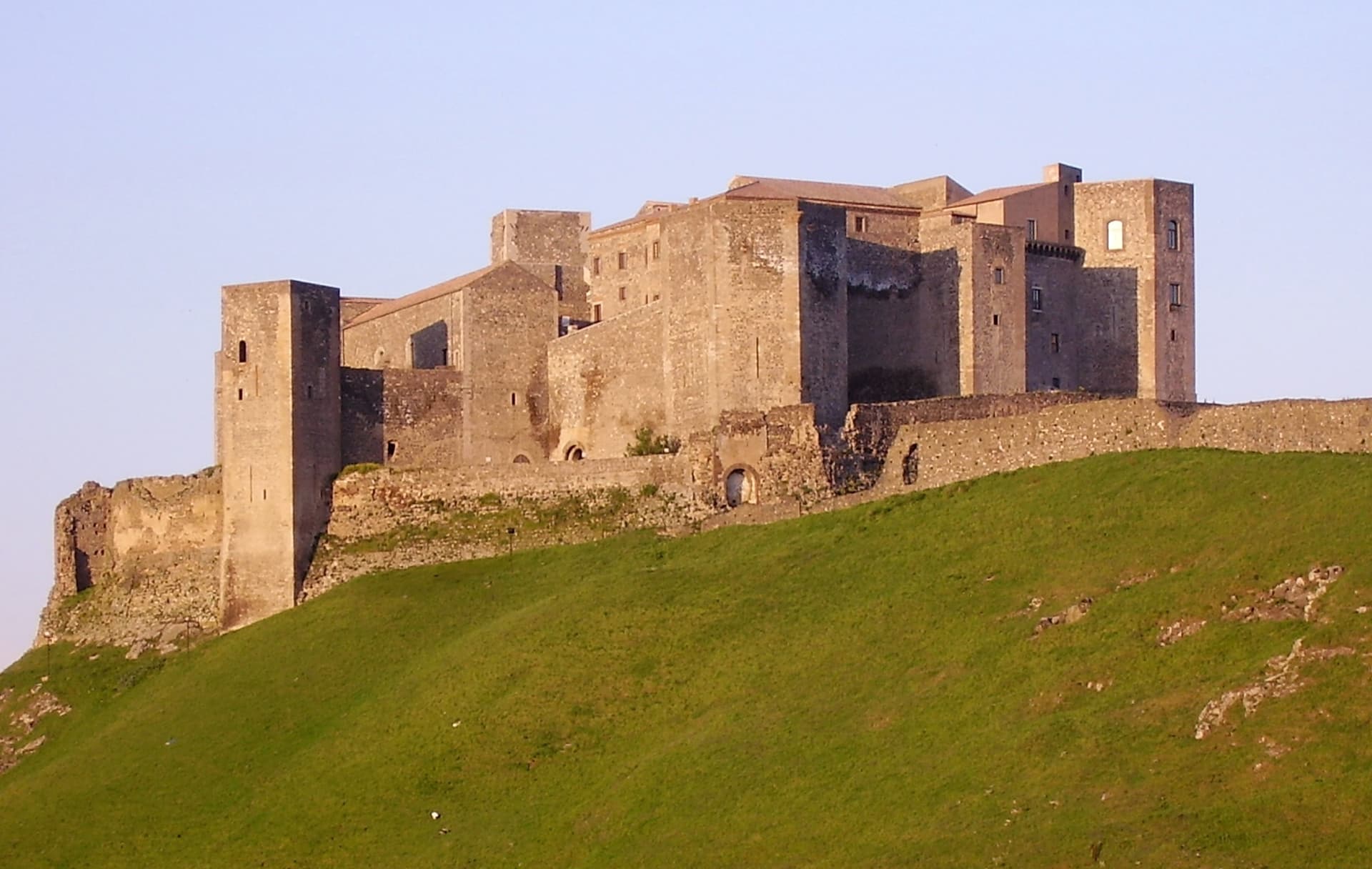
Melfi sits at 530 meters on the slopes of Monte Vulture, the 1,326-meter extinct volcano east of the Apennine spine. The Hauteville Normans took the town in 1041 and made it the first capital of their southern Italian duchy. The Castello di Melfi, built in the late eleventh century with ten towers, seven rectangular and three pentagonal, was expanded by Frederick II of Swabia after 1194; from this castle in 1231 he promulgated the Liber Augustalis, the Constitutions of Melfi, the legal code of the Kingdom of Sicily and one of the most ambitious medieval law texts in Europe.
The Cattedrale di Santa Maria Assunta dates from 1056 and hosted five ecumenical councils between 1059 and 1137, including the 1089 council at which Pope Urban II prepared the ground for the First Crusade. The Castle today holds the Museo Archeologico Nazionale del Vulture-Melfese, with the second-century Roman sarcophagus of Rapolla as its centerpiece. Melfi anchors the Aglianico del Vulture DOC and DOCG zone.
The Sunday letter
We haven’t written Melfi’s letter yet.
One town every Sunday, with the photo, the food, the festa. Be there when this one comes up. Free, by Peter & Sophia from Pietrasanta.
By subscribing you agree to Substack’s Terms of Use, our Privacy Policy and our Information collection notice.
What to see
Castello di Melfi
Late-eleventh-century Norman fortress with ten towers, expanded by Frederick II, source of the 1231 Constitutions of Melfi.
Cattedrale di Santa Maria Assunta
Dating from 1056, host of five ecumenical councils between 1059 and 1137, including the 1089 council of Pope Urban II.
Museo Archeologico Nazionale del Vulture-Melfese
Inside the castle, with the second-century Roman sarcophagus of Rapolla and finds from the Daunian, Lucanian and Roman periods.
Sarcofago di Rapolla
Second-century Roman marble sarcophagus carved with reclining figure and architectural niches, found near Rapolla and now in the castle museum.
Monte Vulture
Extinct volcano at 1,326 meters east of the Apennines, with the Laghi di Monticchio in the crater, defining the Aglianico del Vulture wine zone.
Centro storico
Walled medieval centre below the castle, with the Cathedral, the Porta Venosina city gate and the noble palazzi of the Norman-Swabian period.
The slow-trip planner
Building a trip? Find where Melfi fits in a slow Italy circuit.
Answer five questions. We will shape a geographically coherent slow trip from the 1,000 Italian towns most travelers skip. Yours to save and share.
Living here
- Population 17,092
- Off the beaten pathi
- Pharmacy in town
- High school within a 30-minute drive
- Train station in the comune
- Nearest airport Bari / Brindisi, 1 h 38 min drive
- Regional capital Potenza, 52 min drive
Tags & datadesignations · numbers · sources
Recognised as
The numbers
- Elevation: 530 m
- Population: 17,092
- Surface area: 206.23 km²
These figures were compiled from public directories — ISTAT, OpenStreetMap, Wikidata — and from the official listings of the guides named on this page. Town details change; verify with official sources before you travel.
Close by
More towns near Melfi
Monteverde
Province: Avellino
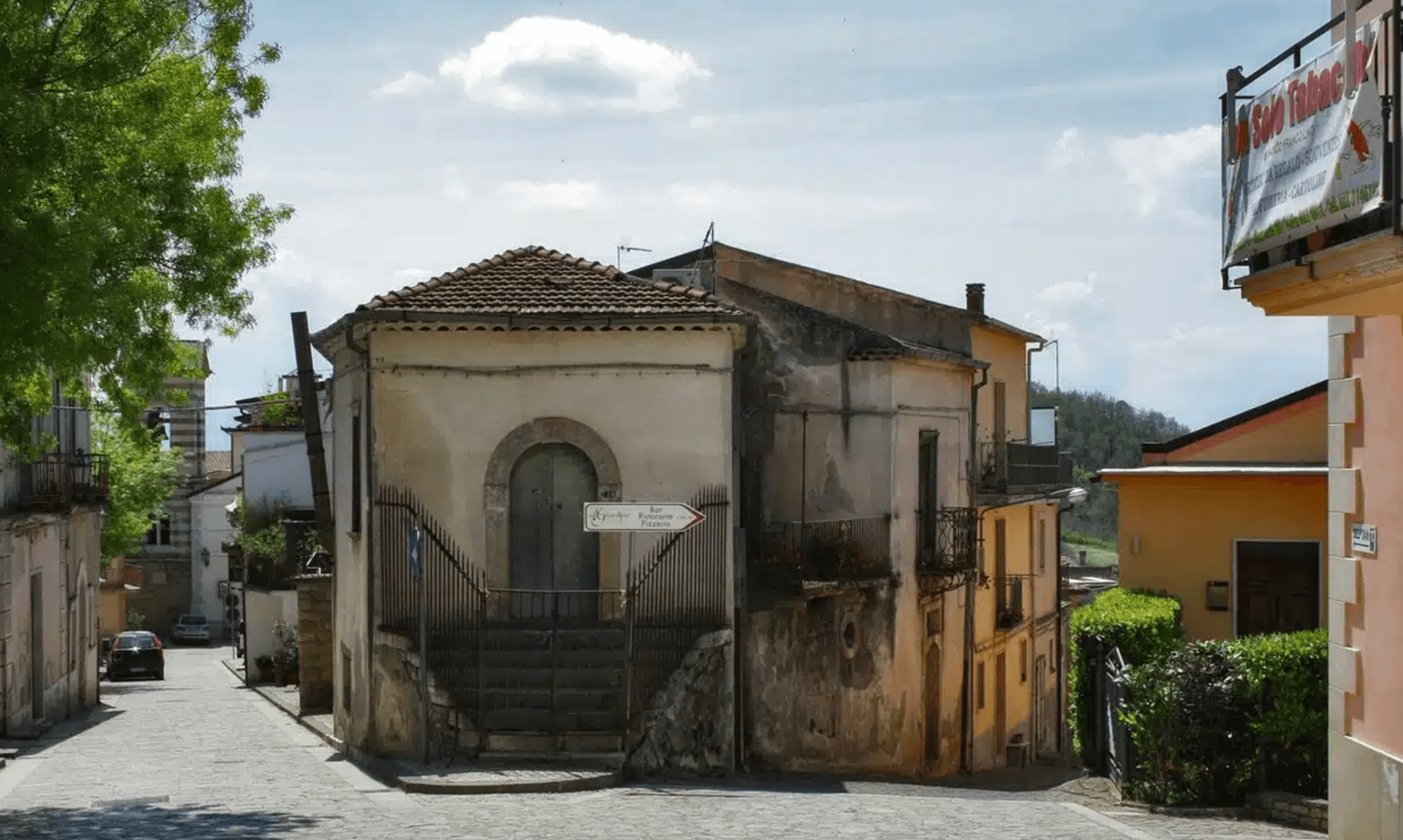
A 740-meter borgo on the Apulian border of Irpinia where the Grimaldi of Monaco held the castle from 1532 to 1641.
Venosa
Province: Potenza
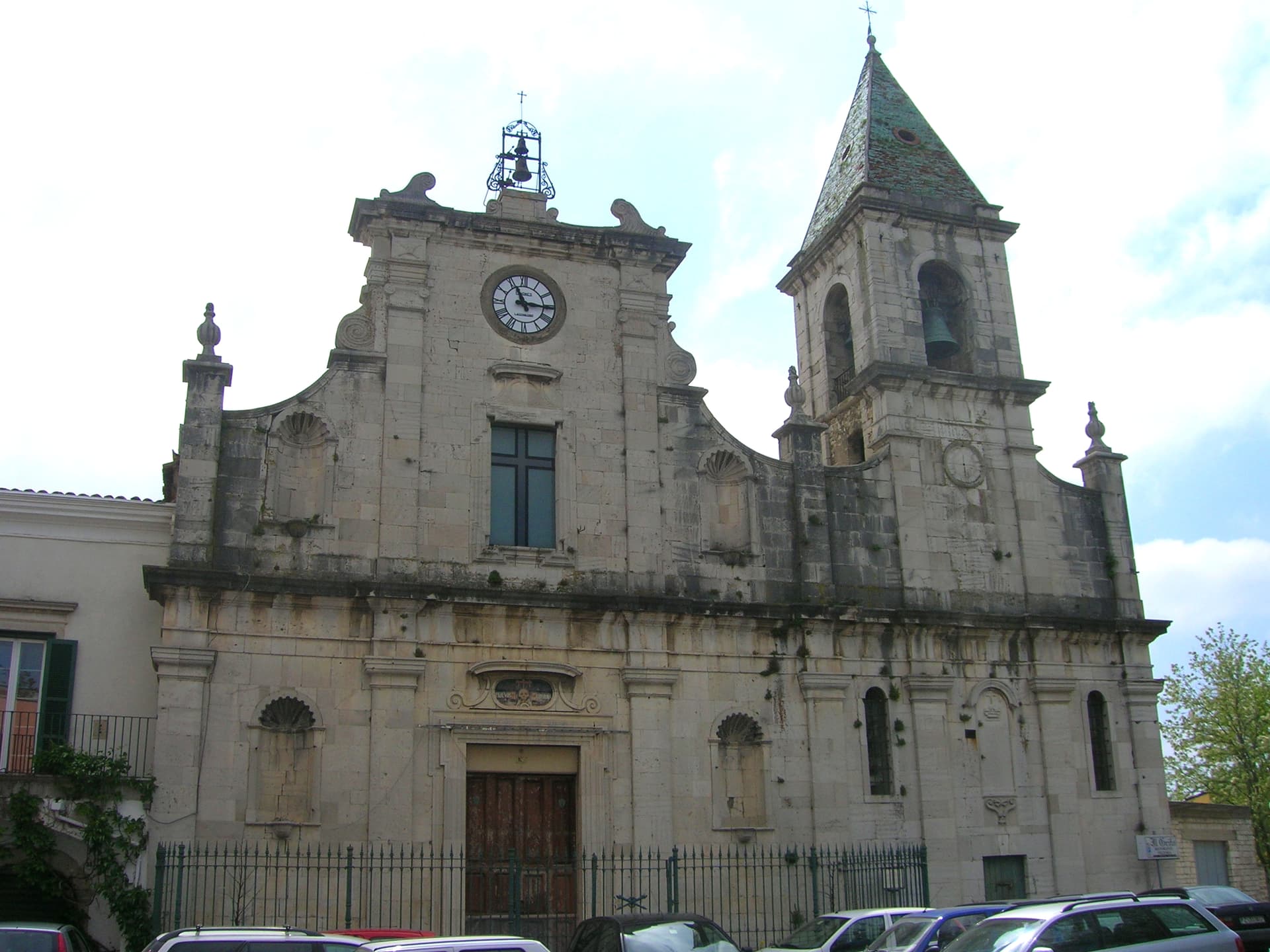
Founded as Roman Venusia in 291 BC, birthplace of Horace, with an unfinished abbey built from amphitheater stones and a 1470 Aragonese castle.
San Fele
Province: Potenza
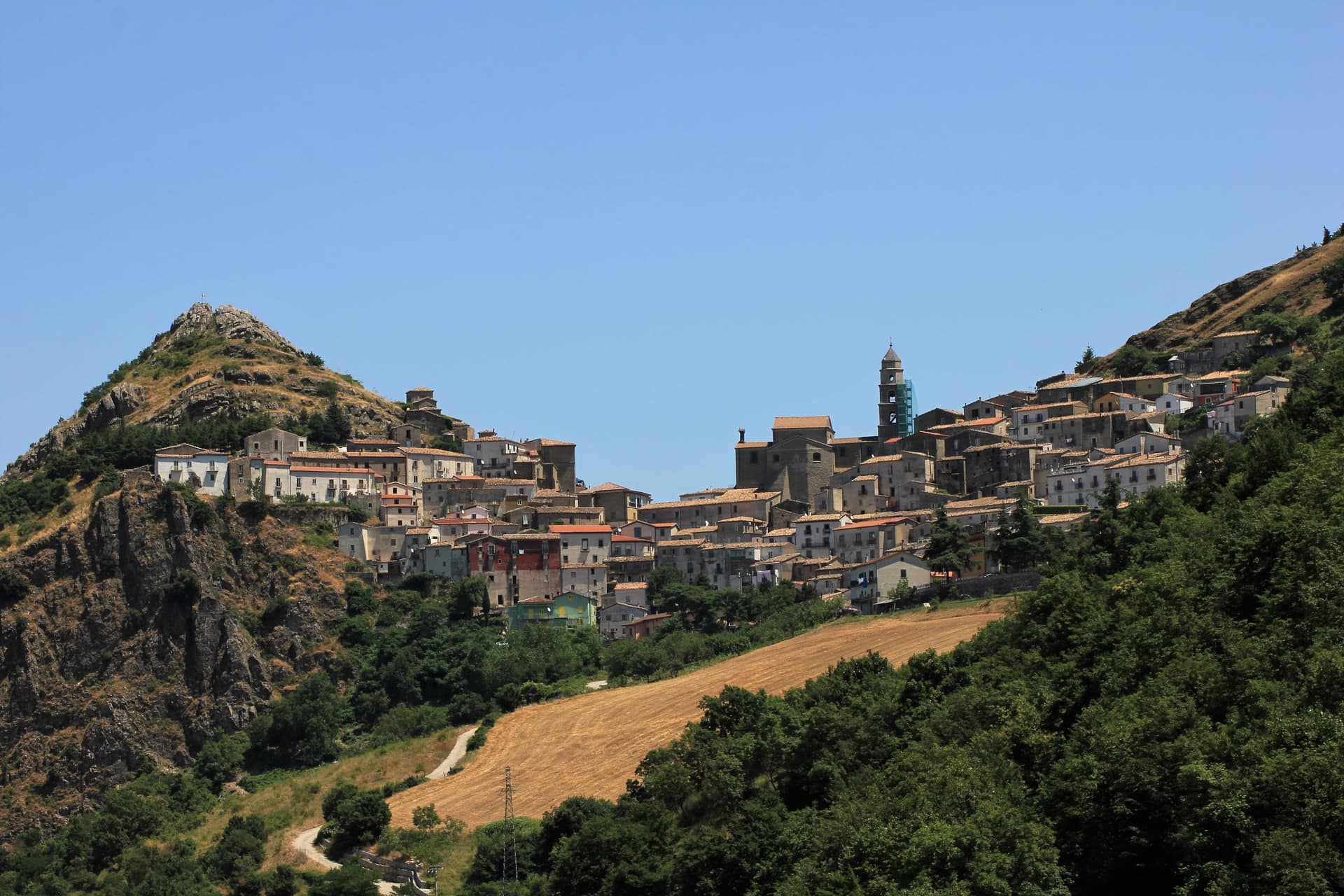
A stone village at 872 meters between Monte Toretta and Castello, anchored by Otto I's 969 fortress and ten waterfalls down the Bradano.
Bovino
Province: Foggia
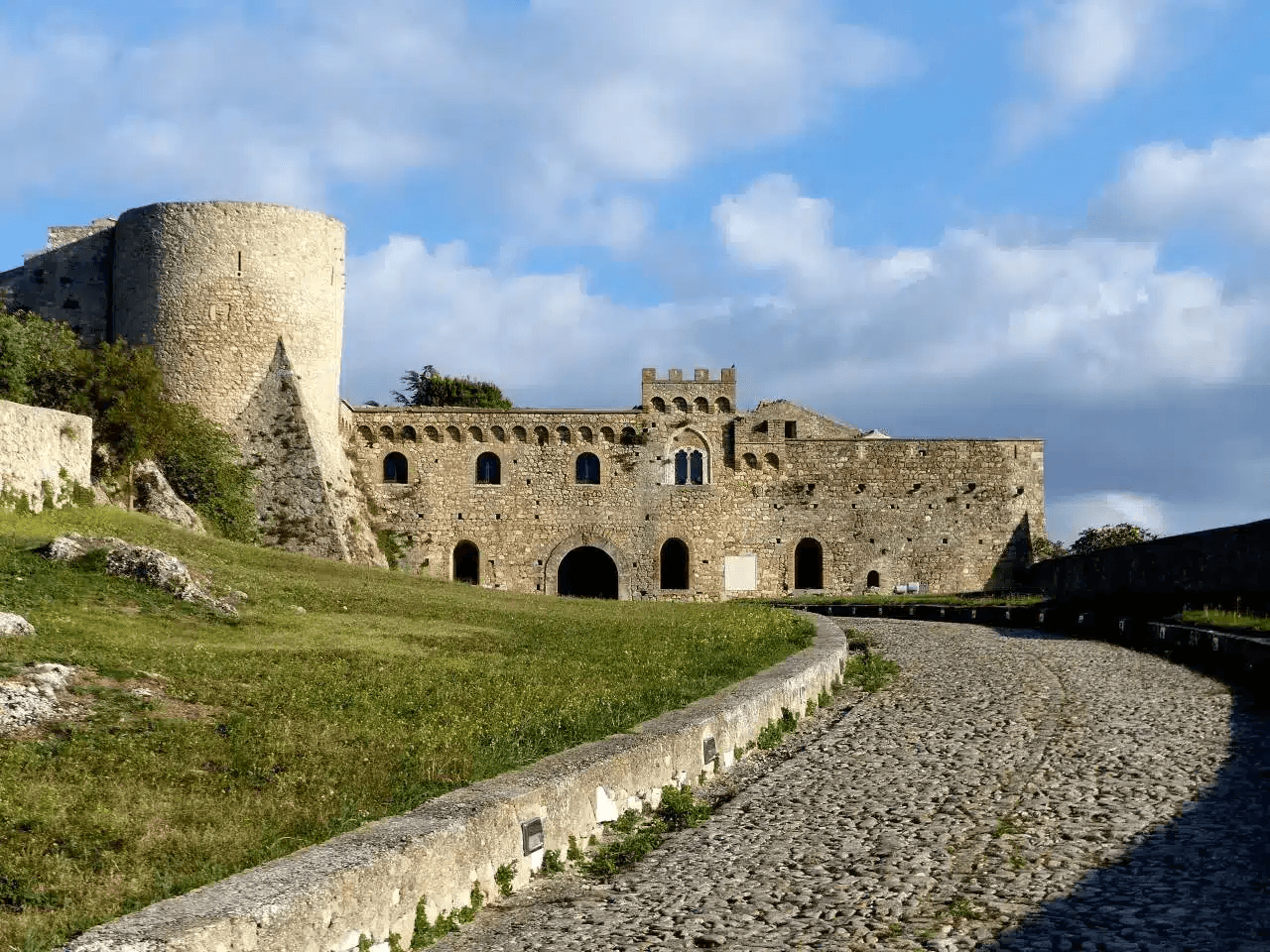
A Daunian Mountains hill town at 646 meters above the Cervaro valley, Roman Vibinum, with a Norman-Swabian castle later turned into a Guevara ducal palace.
Calitri
Province: Avellino
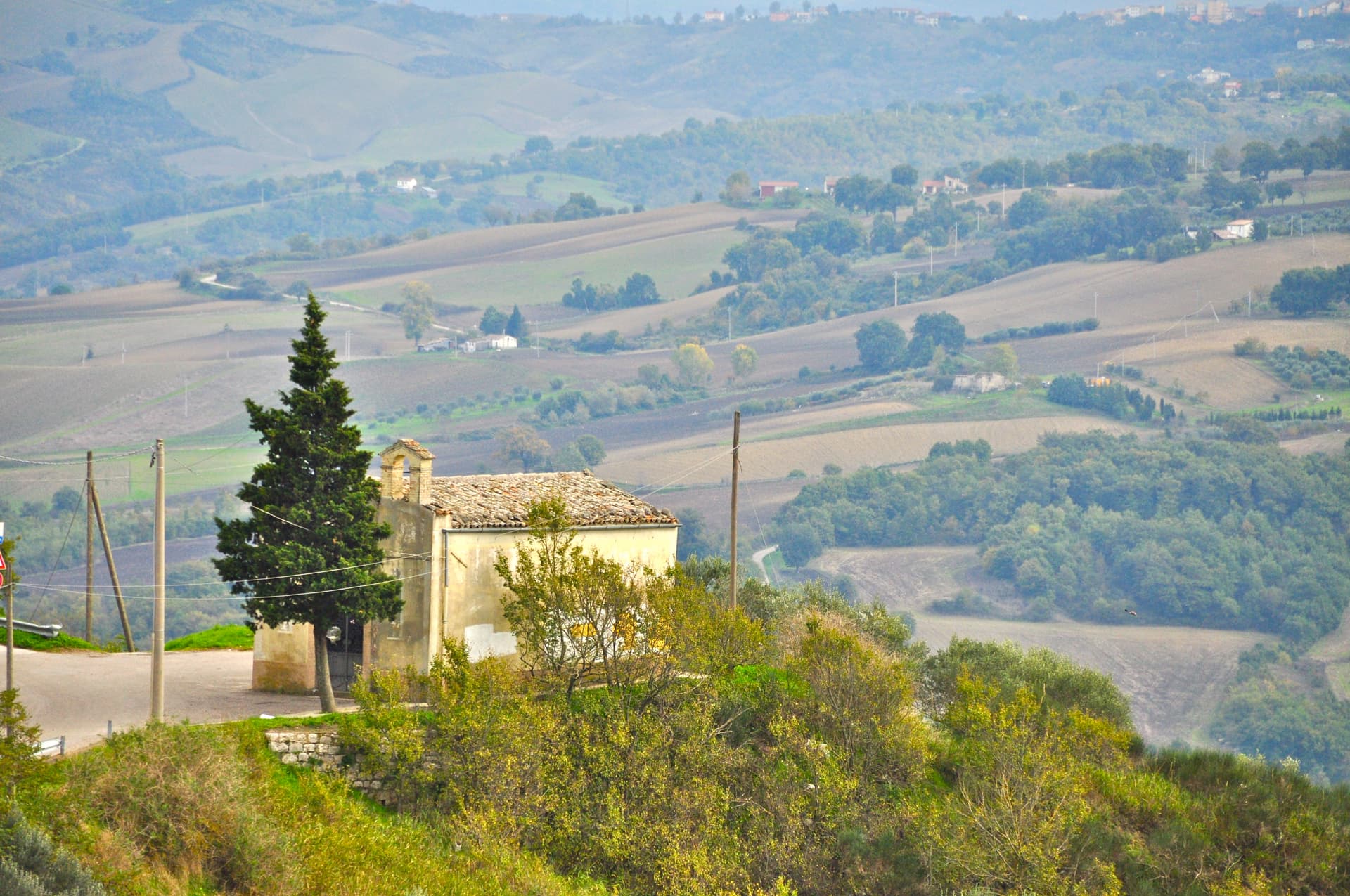
An Alta Irpinia ceramic town at 530 meters, half-emptied by the 1980 earthquake and rebuilt around Vinicio Capossela's Sponz Fest.
🌳 Parco Regionale
More Parco Regionale towns in Basilicata
Accettura
Province: Matera
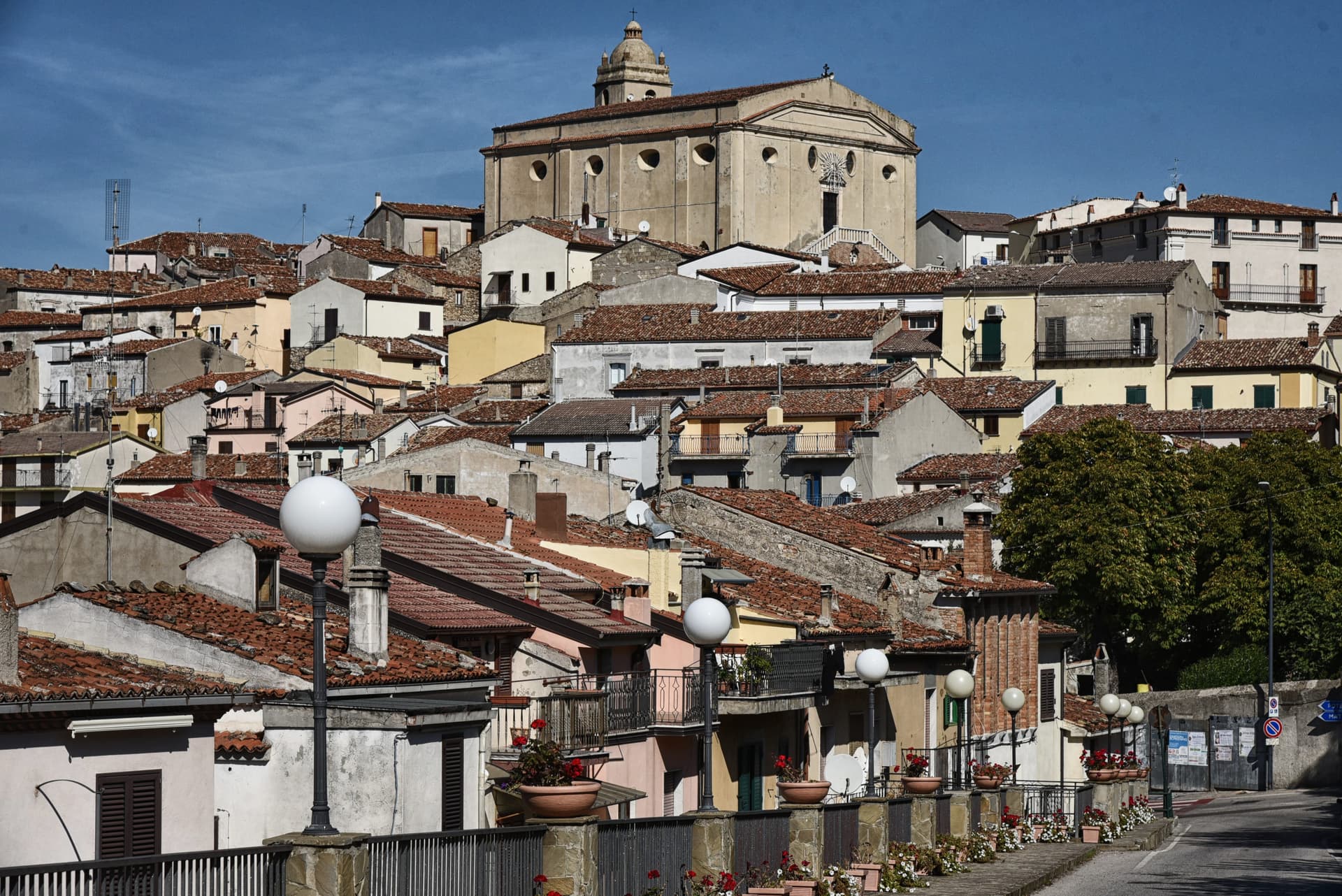
A 770-meter village in the Gallipoli Cognato park where, each Pentecost, a Turkey oak is married to a holly tree.
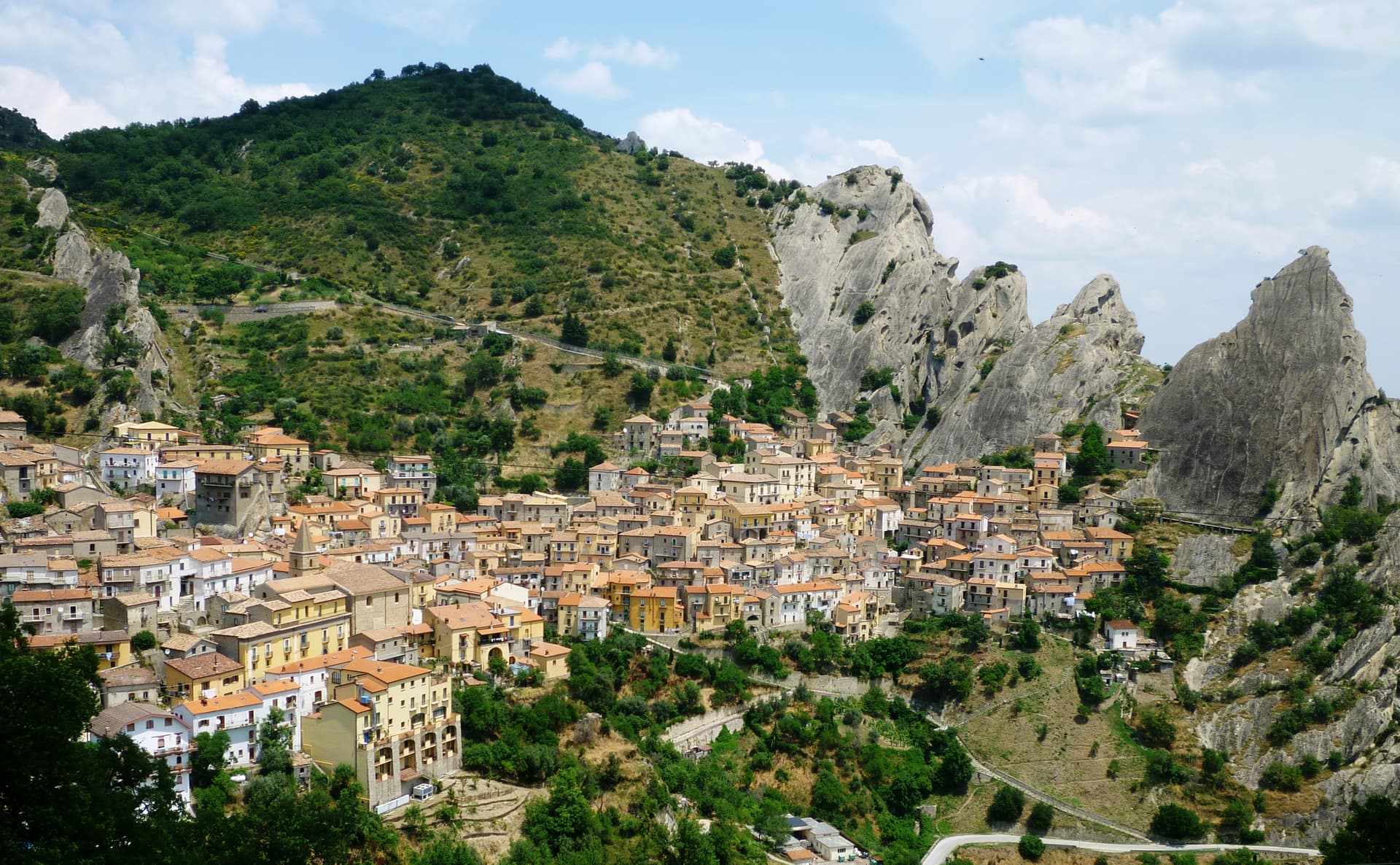
Castelmezzano
Province: Potenza
A medieval village at 750 meters wedged into the Dolomiti Lucane sandstone teeth, linked to Pietrapertosa by a 1,452-meter zipline since 2007.
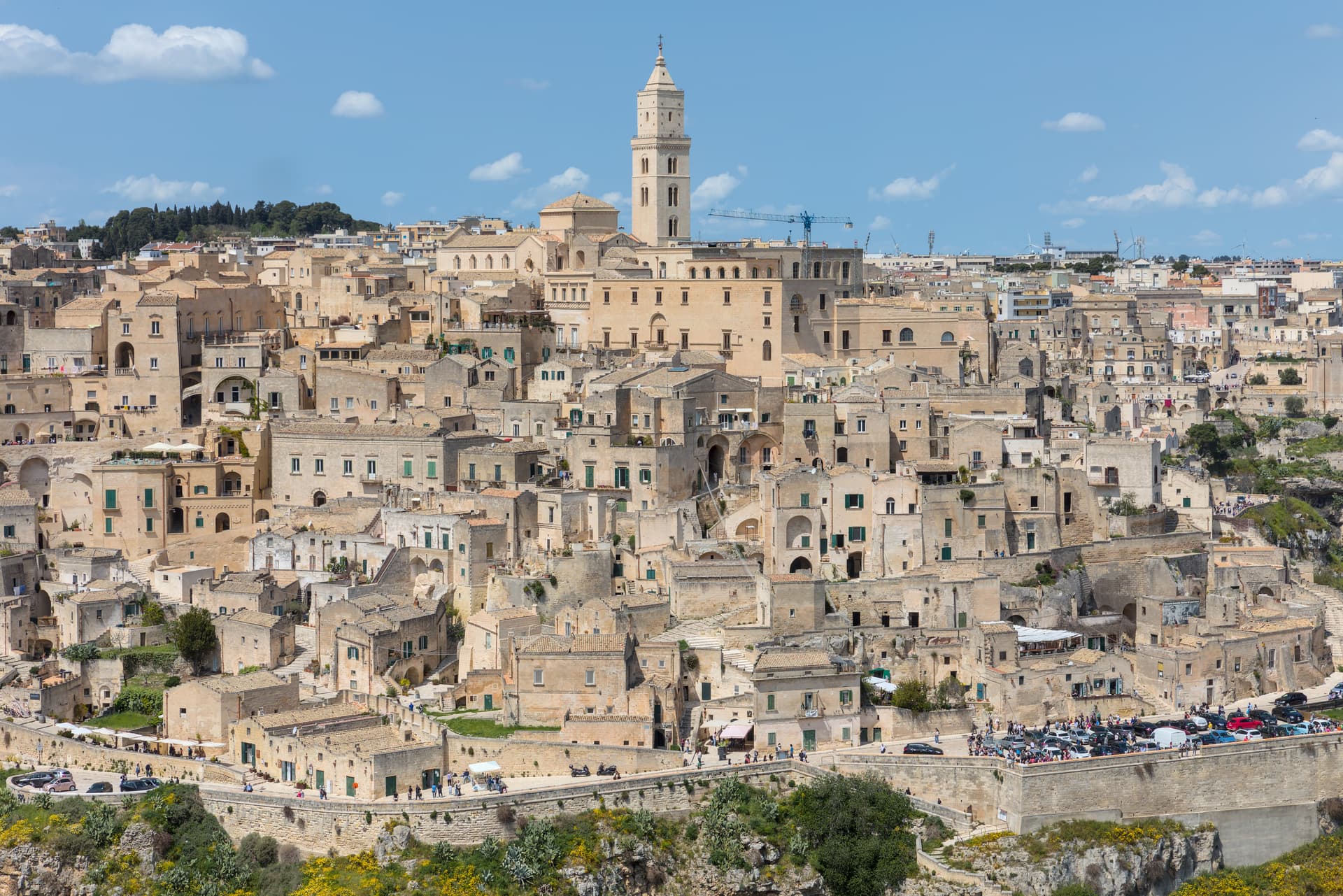
Matera
Province: Matera
Cave dwellings carved into limestone since the Paleolithic, called the shame of Italy in the 1950s and made European Capital of Culture in 2019.
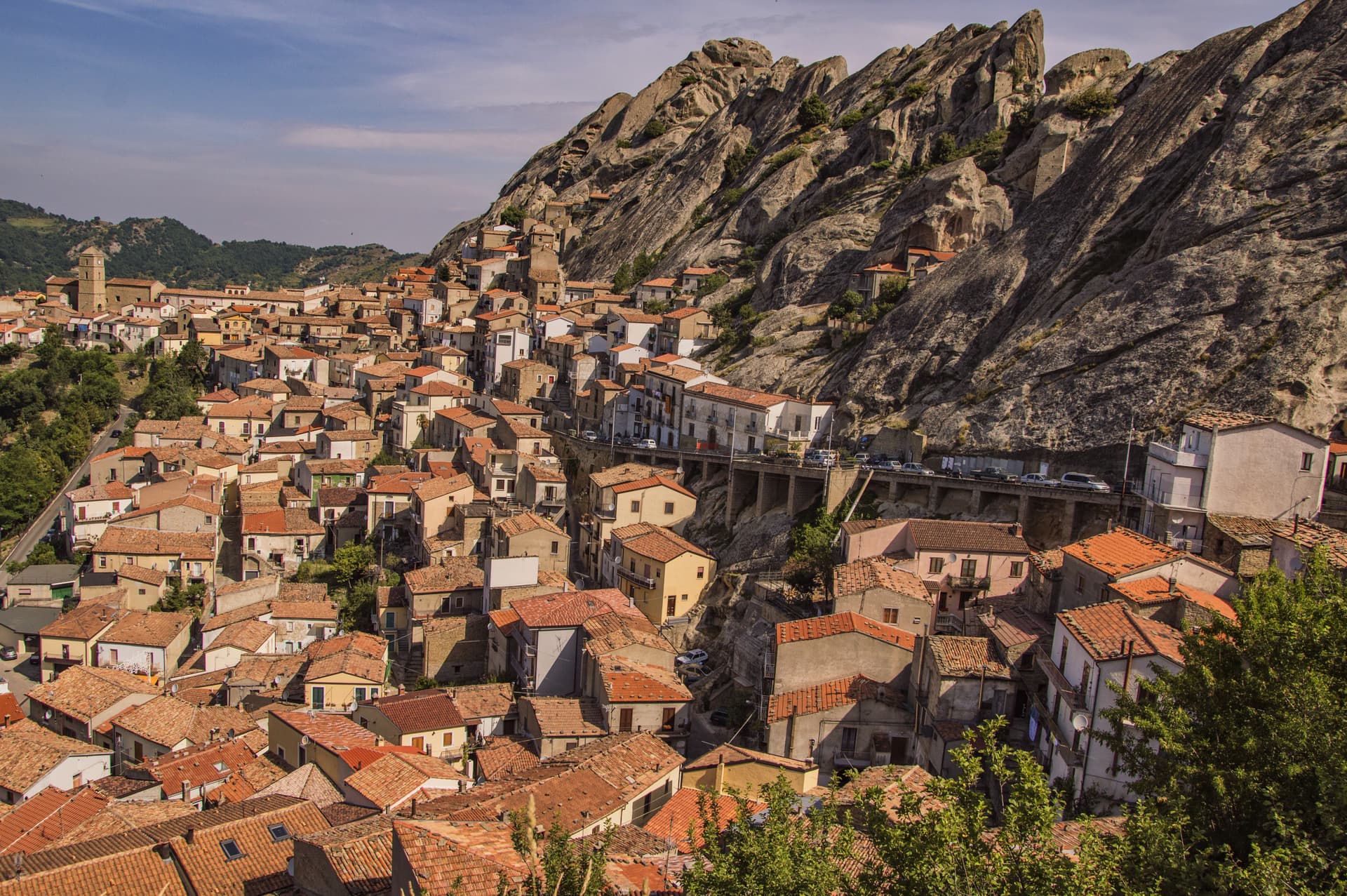
Pietrapertosa
Province: Potenza
Basilicata's highest commune at 1,088 meters, built into the Lucanian Dolomites with a Saracen rock-cut fortress and a 1,400-meter zipline to Castelmezzano.