

Basilicata · Potenza
Venosa
Founded as Roman Venusia in 291 BC, birthplace of Horace, with an unfinished abbey built from amphitheater stones and a 1470 Aragonese castle.
Known for
HORACE
Birthplace of Quintus Horatius Flaccus in 65 BC, the Roman poet who returned to Venusia repeatedly in his Odes and Satires.
AGLIANICO DEL VULTURE
Heart of the Aglianico del Vulture DOC and DOCG, southern Italy's great red, grown on the volcanic soils around Monte Vulture.
THE INCOMPIUTA
Roofless thirteenth-century cathedral built from Roman amphitheater stones, abandoned mid-construction, still standing as the town's most photographed ruin.
When to visit
Best · Apr–Oct
- J
- F
- M
- A
- M
- J
- J
- A
- S
- O
- N
- D
- Best
- Hot or crowded
- Quiet
- Mostly closed
The festa: San Rocco, 16 August
Why come
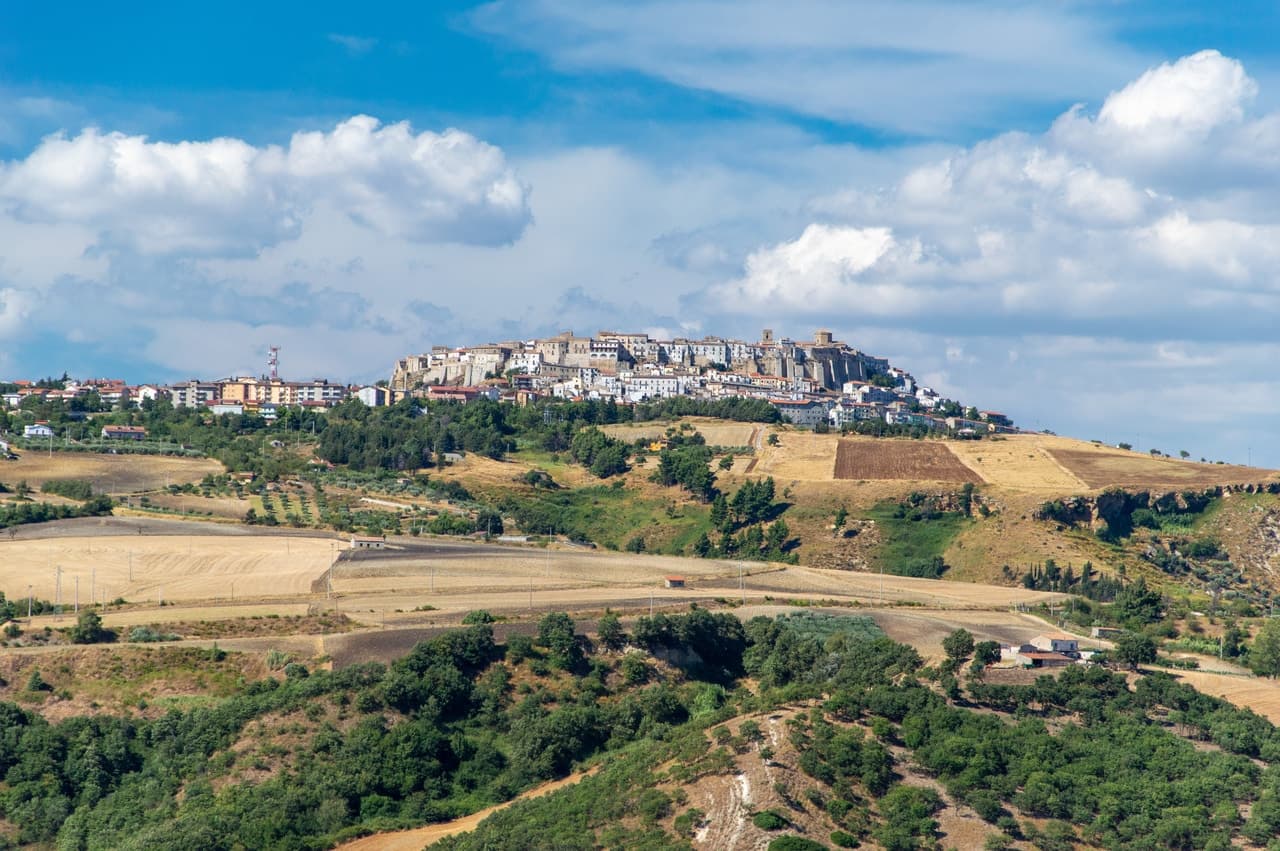
Venosa sits in the Vulture hills, ninety kilometers east of Salerno. The Romans founded Venusia here in 291 BC as a colony on the Appian Way, and it became the birthplace of Quintus Horatius Flaccus, the poet Horace, in 65 BC. The Parco Archeologico preserves a Roman amphitheater, the baths, and mosaic floors, alongside the so-called Casa di Orazio.
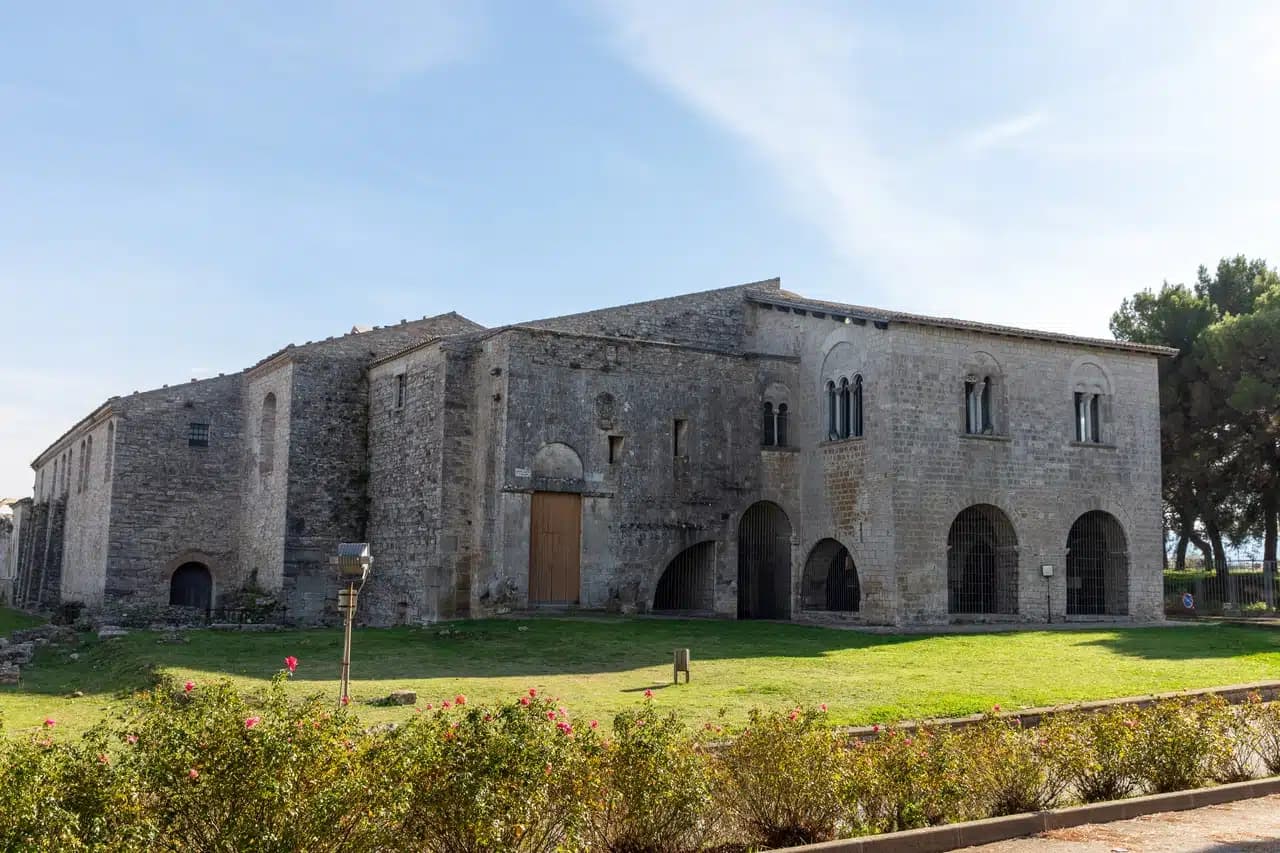
Above the ruins stands the Abbazia della Santissima Trinità, an eleventh-century Benedictine complex begun in 1059, with its walls built from blocks salvaged out of the Roman amphitheater next door. The Incompiuta, the unfinished thirteenth-century cathedral expansion immediately behind the abbey, is roofless and visibly stitched together from Roman fragments. The town centre is dominated by the Castello di Pirro del Balzo, built in 1470 on the foundations of an earlier cathedral and modelled on the Maschio Angioino in Naples. Venosa is at the heart of the Aglianico del Vulture DOC and DOCG zone, the great red of southern Italy, grown on the volcanic slopes of nearby Monte Vulture.
The Sunday letter
We haven’t written Venosa’s letter yet.
One town every Sunday, with the photo, the food, the festa. Be there when this one comes up. Free, by Peter & Sophia from Pietrasanta.
By subscribing you agree to Substack’s Terms of Use, our Privacy Policy and our Information collection notice.
What to see
Abbazia della Santissima Trinità
Benedictine abbey of 1059 with walls built from blocks of the adjacent Roman amphitheater, the spiritual centre of Norman Venosa.
Incompiuta
Roofless thirteenth-century cathedral expansion behind the abbey of Santissima Trinità, abandoned mid-build, visibly assembled from Roman spolia.
Castello di Pirro del Balzo
Quadrangular Aragonese castle of 1470 with corner towers, built on the foundations of the earlier cathedral, modelled on Castel Nuovo in Naples.
Parco Archeologico di Venusia
Roman amphitheater, baths, paved streets and mosaic floors of the colony founded in 291 BC, alongside the so-called Casa di Orazio.
Museo Archeologico Nazionale
Housed in the Castello, the museum holds finds from the Roman colony, the early Christian catacombs and the Jewish necropolis.
Catacombe ebraiche e paleocristiane
Underground Jewish and early Christian burial chambers from the third to fifth centuries on the slopes outside the centro.
The slow-trip planner
Building a trip? Find where Venosa fits in a slow Italy circuit.
Answer five questions. We will shape a geographically coherent slow trip from the 1,000 Italian towns most travelers skip. Yours to save and share.
Living here
- Population 10,913
- Off the beaten pathi
- Pharmacy in town
- High school within a 30-minute drive
- Train station in the comune
- Nearest airport Bari / Brindisi, 1 h 35 min drive
- Regional capital Potenza, 54 min drive
Tags & datadesignations · numbers · sources
Recognised as
The numbers
- Elevation: 415 m
- Population: 10,913
- Surface area: 170.39 km²
These figures were compiled from public directories — ISTAT, OpenStreetMap, Wikidata — and from the official listings of the guides named on this page. Town details change; verify with official sources before you travel.
Close by
More towns near Venosa
Melfi
Province: Potenza
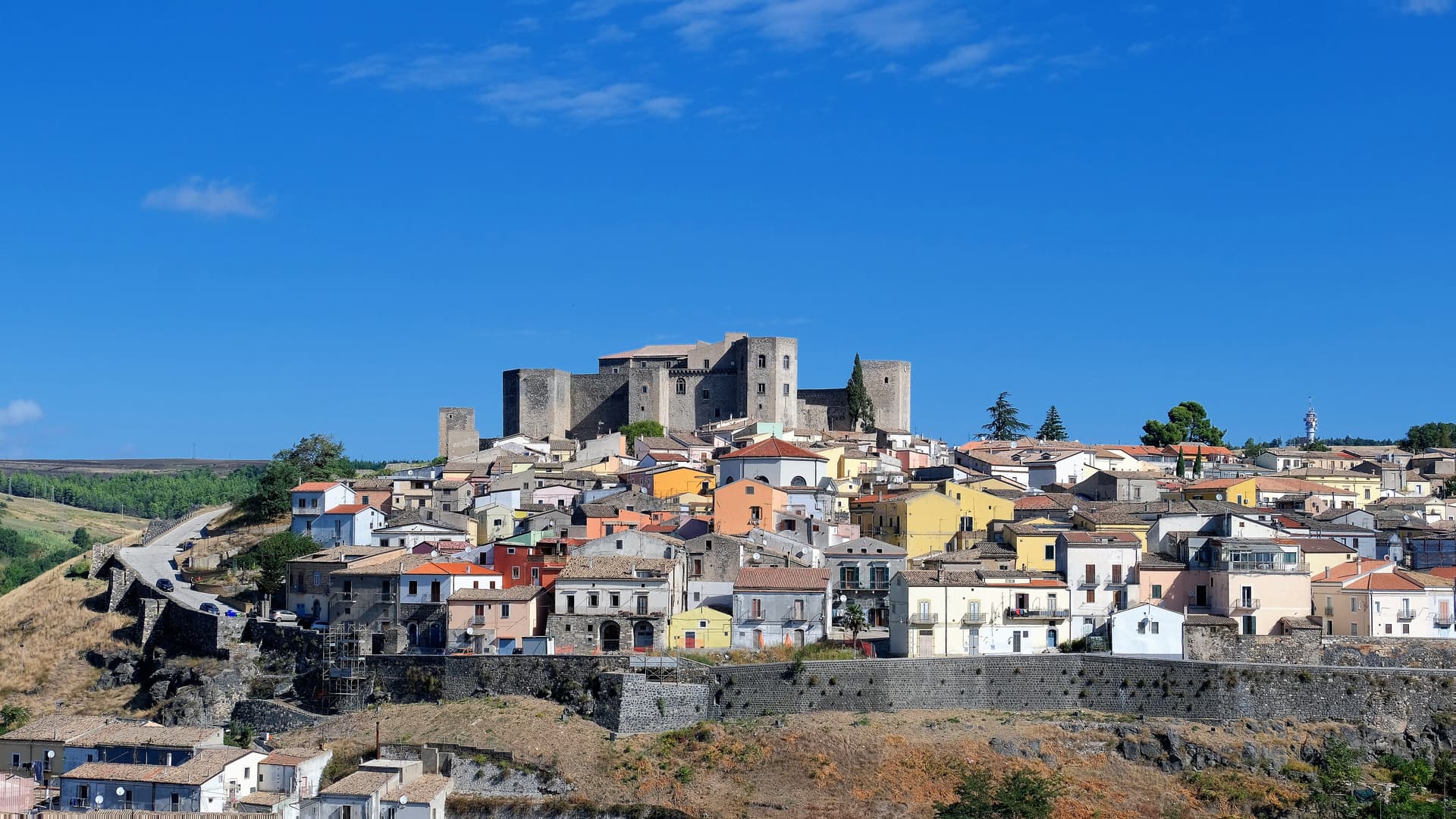
At 530 meters on the slopes of Monte Vulture, first Norman capital of the south and the seat of Frederick II's 1231 Constitutions of Melfi.
Minervino Murge
Province: Barletta-Andria-Trani
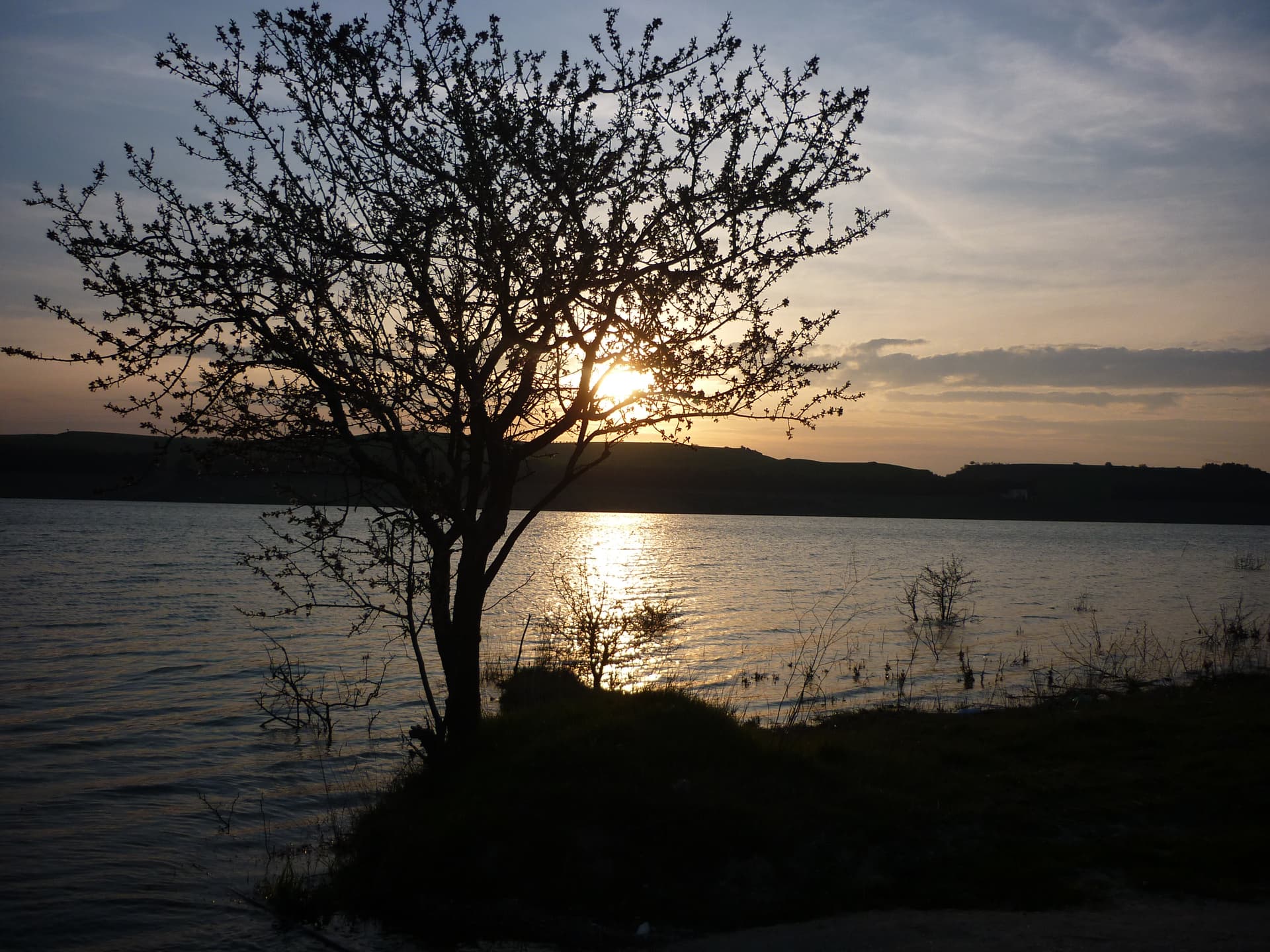
The Balcone di Puglia at 445 meters on the Alta Murgia, between the Ofanto valley and Monte Vulture, inside the national park.
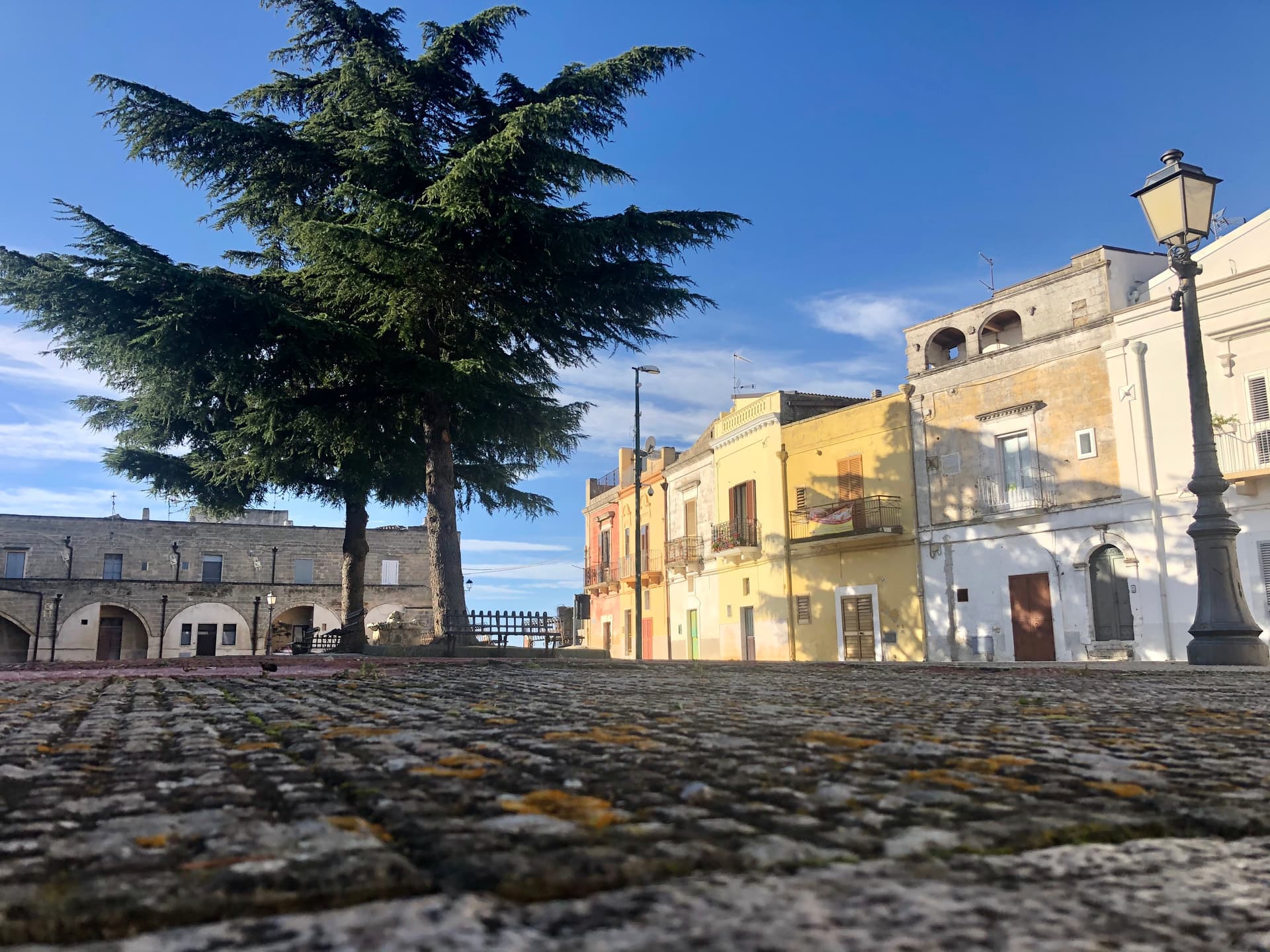
Poggiorsini
Province: Bari
The smallest commune in metropolitan Bari, an Orsini estate of 1609 that became an independent town only in 1957.
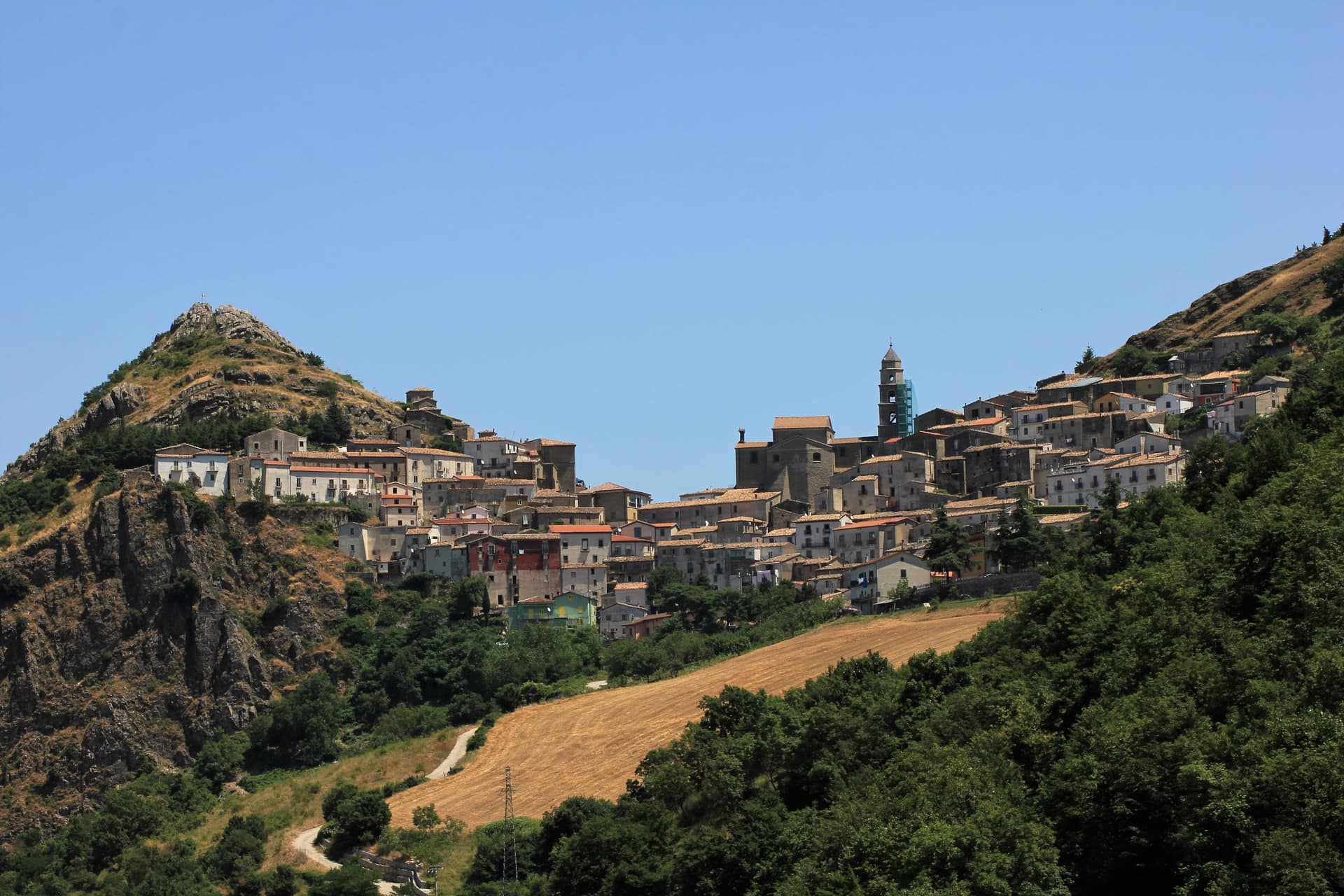
San Fele
Province: Potenza
A stone village at 872 meters between Monte Toretta and Castello, anchored by Otto I's 969 fortress and ten waterfalls down the Bradano.
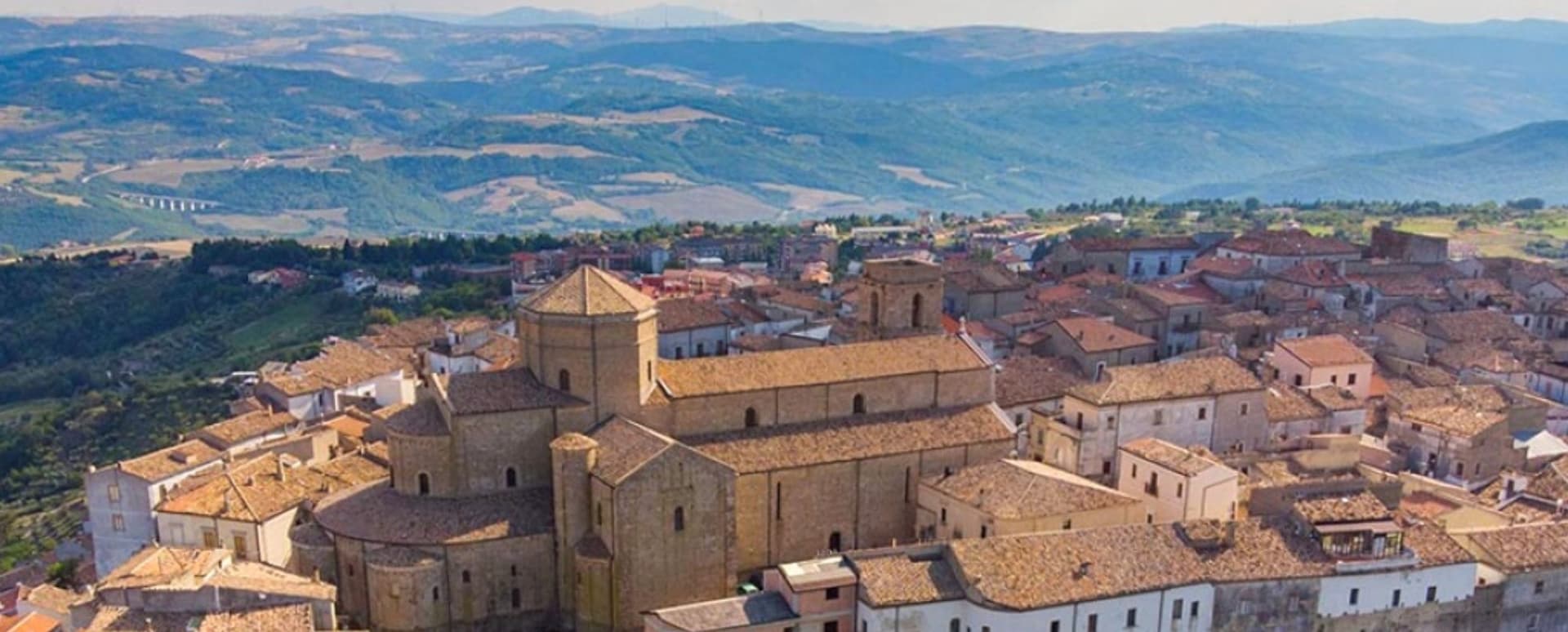
Acerenza
Province: Potenza
A walled ridge town at 833 meters in the north Lucanian hills, archbishopric since 1068 under a Romanesque cathedral begun in 1080.
🎨 Borghi più belli d'Italia
More Borghi più belli d'Italia towns in Basilicata
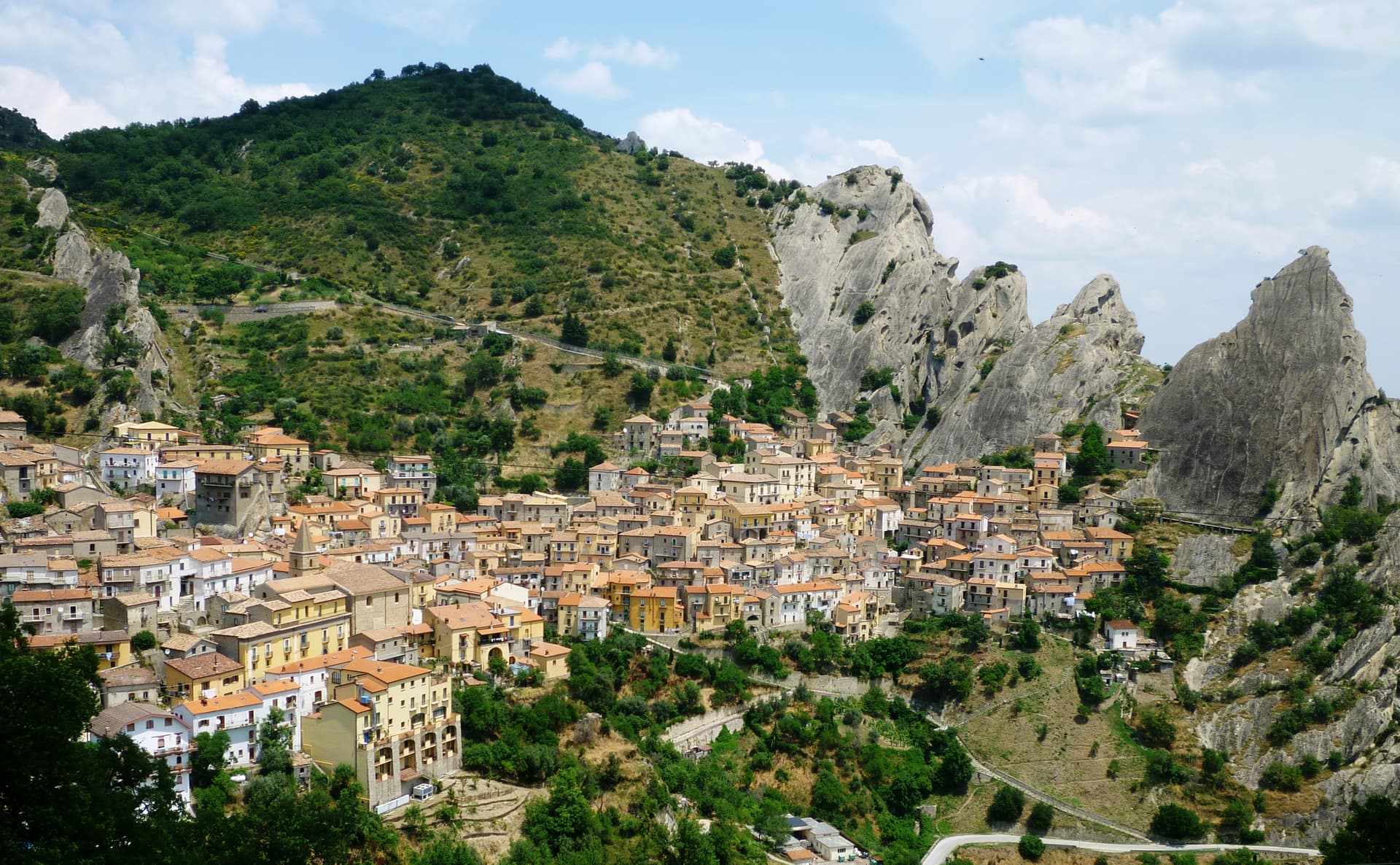
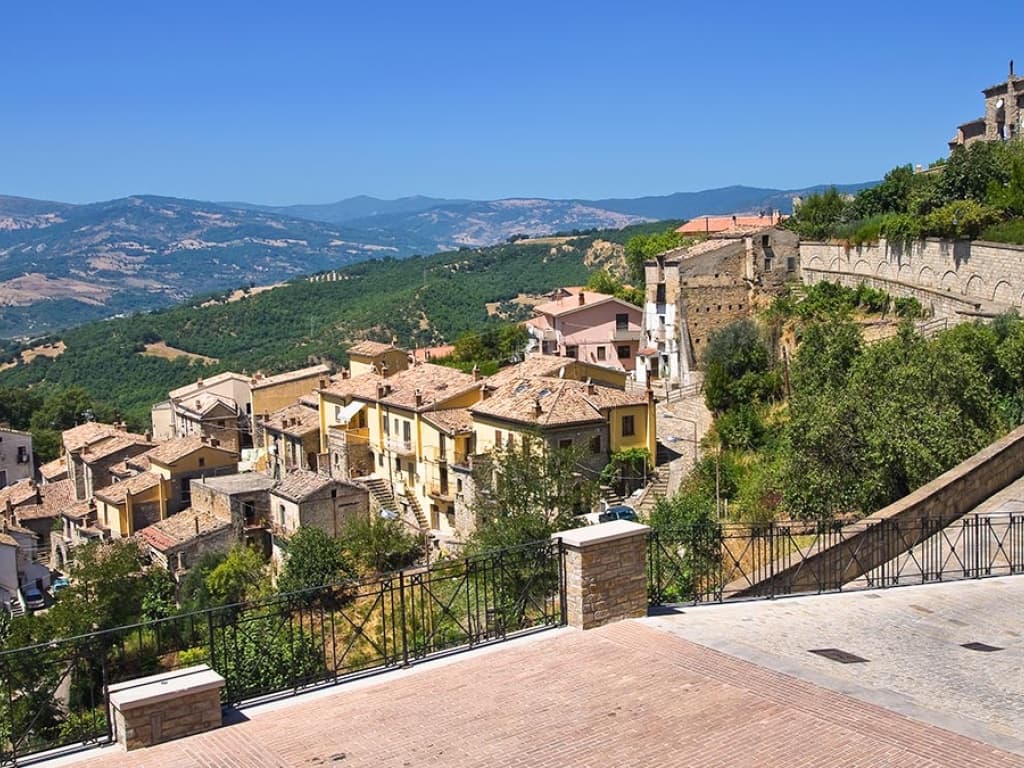
Castelmezzano
Province: Potenza
A medieval village at 750 meters wedged into the Dolomiti Lucane sandstone teeth, linked to Pietrapertosa by a 1,452-meter zipline since 2007.
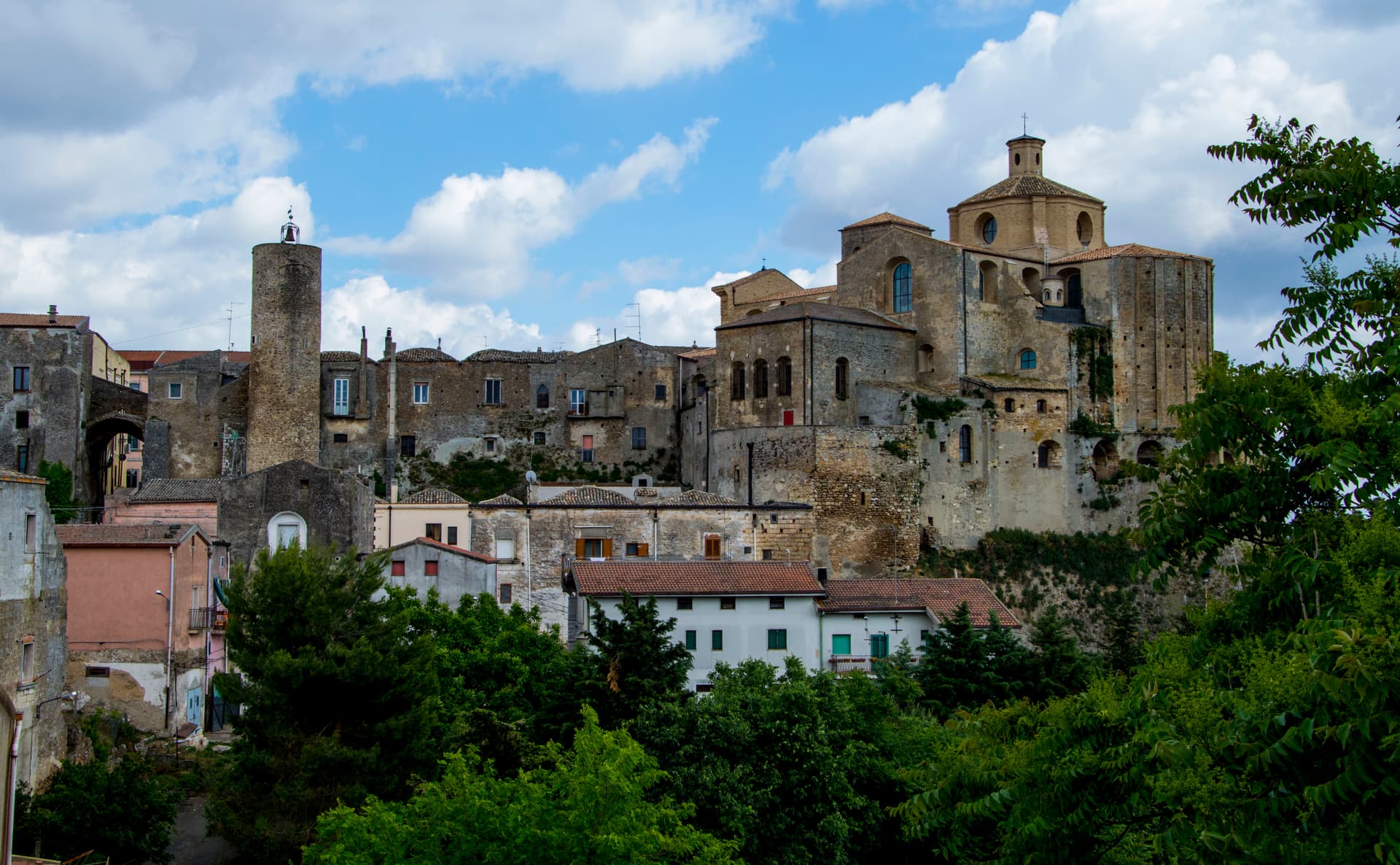
Guardia Perticara
Province: Potenza
The stone village at 678 meters above the Sauro valley, rebuilt block by block in Gorgoglione sandstone after the 1980 earthquake.
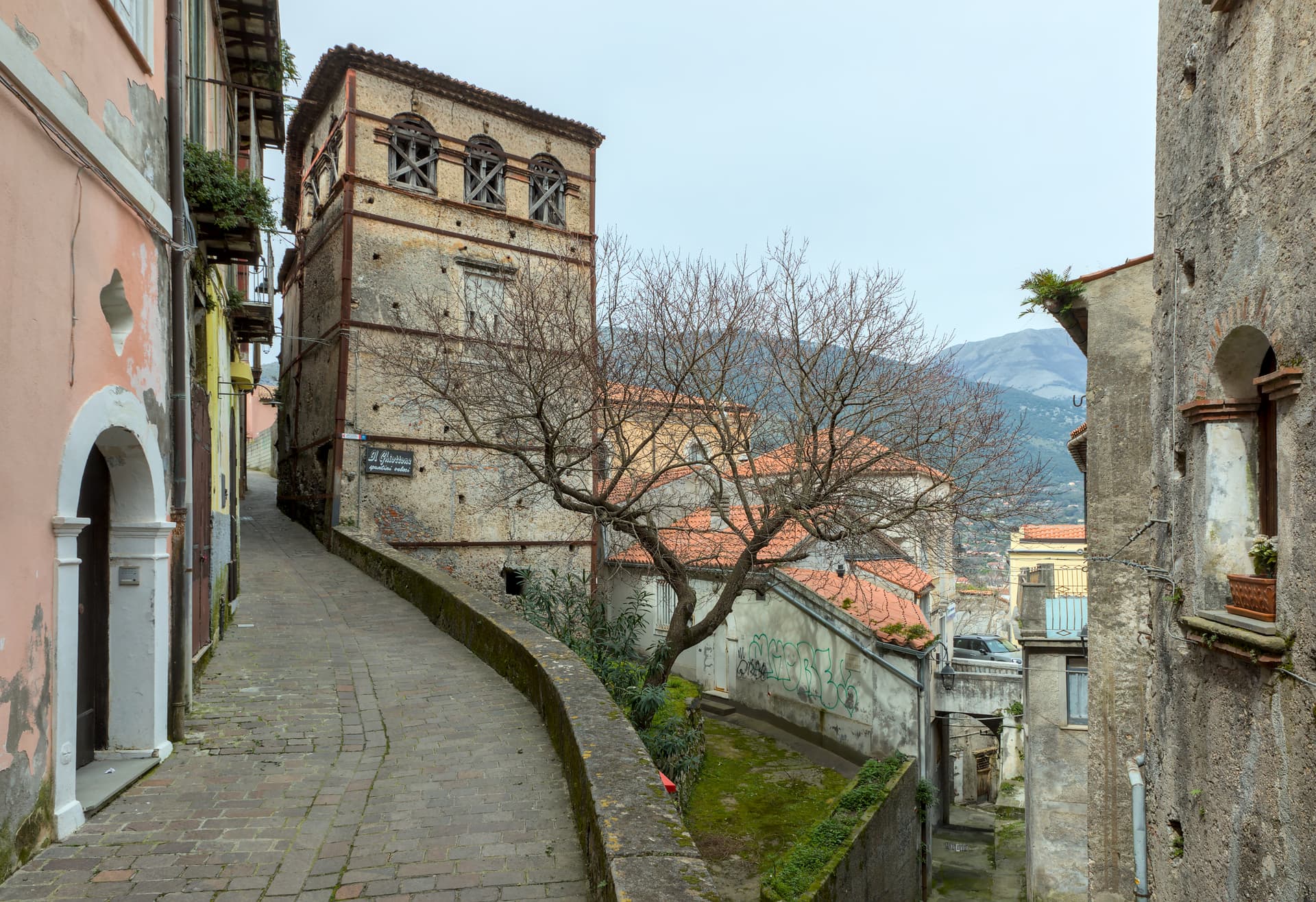
Irsina
Province: Matera
Called Montepeloso until 1895, a 548-meter Bradano-valley hill town whose cathedral holds the only surviving polychrome sculpture attributed to Andrea Mantegna.
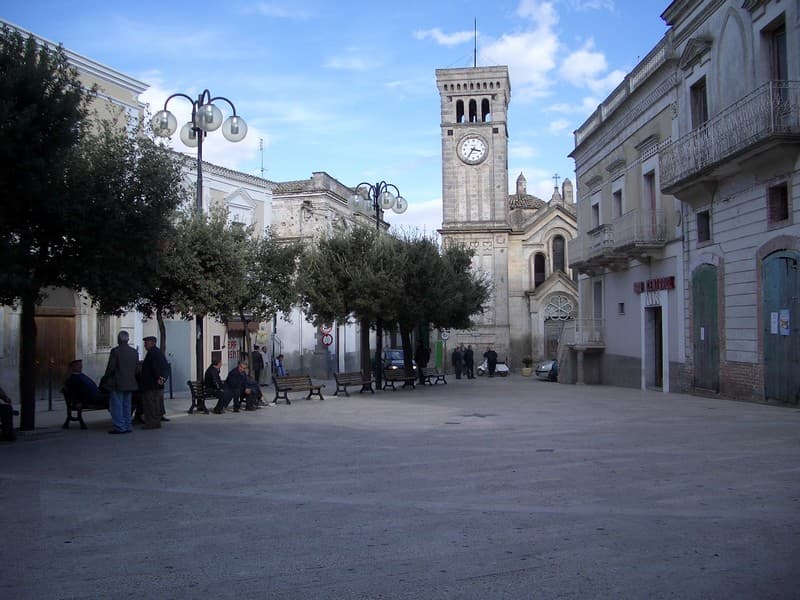
Maratea
Province: Potenza
Basilicata's only commune on the Tyrrhenian, thirty-two kilometers of rocky coast under a twenty-one meter marble Christ raised over Monte San Biagio in 1965.
Miglionico
Province: Matera
A hilltop borgo at 461 meters above the Bradano, the seven-tower castle that gave the 1485 Conspiracy of the Barons its hall.