

Emilia-Romagna · Parma
Compiano
A 519-meter walled borgo over the Taro, ruled by the Landi for 425 years and used by Maria Luigia as a state prison.
Known for
CASTELLO LANDI
Medieval fortress on a Taro spur, ruled by the Landi family for 425 consecutive years and used in 1821 by Maria Luigia as a Carbonari prison.
STATO LANDI
Compiano was the seat of an autonomous Landi statelet that minted its own coin, ran state schools, and operated a pawn system into the eighteenth century.
FUNGO DI BORGOTARO IGP
Wild porcini from the Val di Taro forests around Compiano and Borgo Val di Taro, granted Protected Geographical Indication status in 1996.
When to visit
Best · Apr–Oct
- J
- F
- M
- A
- M
- J
- J
- A
- S
- O
- N
- D
- Best
- Hot or crowded
- Quiet
- Mostly closed
Why come
Compiano sits on a rocky spur at 519 meters above the Taro river, in the Parma Apennines on the road that links Emilia to Liguria. The fortress was raised by the Lombards in the early Middle Ages as a Carolingian stronghold defending the Val di Taro. It belonged in turn to the Malaspina, the Comune di Piacenza, and from the late thirteenth century to the Landi, who held the fief for 425 consecutive years.
Under the Landi the borgo coined its own money, opened state schools and ran a pawn-shop system. In the eighteenth century Compiano passed from the Farnese to the Bourbons; Maria Luigia of Austria, Duchess of Parma after Napoleon, used the castle as a state prison for Carbonari captives in 1821. The castle was last privately owned by Marchesa Gambarotta and now belongs to the commune; it houses the International Masonic Museum, the only one in Italy, opened in 2002.
The Sunday letter
We haven’t written Compiano’s letter yet.
One town every Sunday, with the photo, the food, the festa. Be there when this one comes up. Free, by Peter & Sophia from Pietrasanta.
By subscribing you agree to Substack’s Terms of Use, our Privacy Policy and our Information collection notice.
What to see
Castello di Compiano
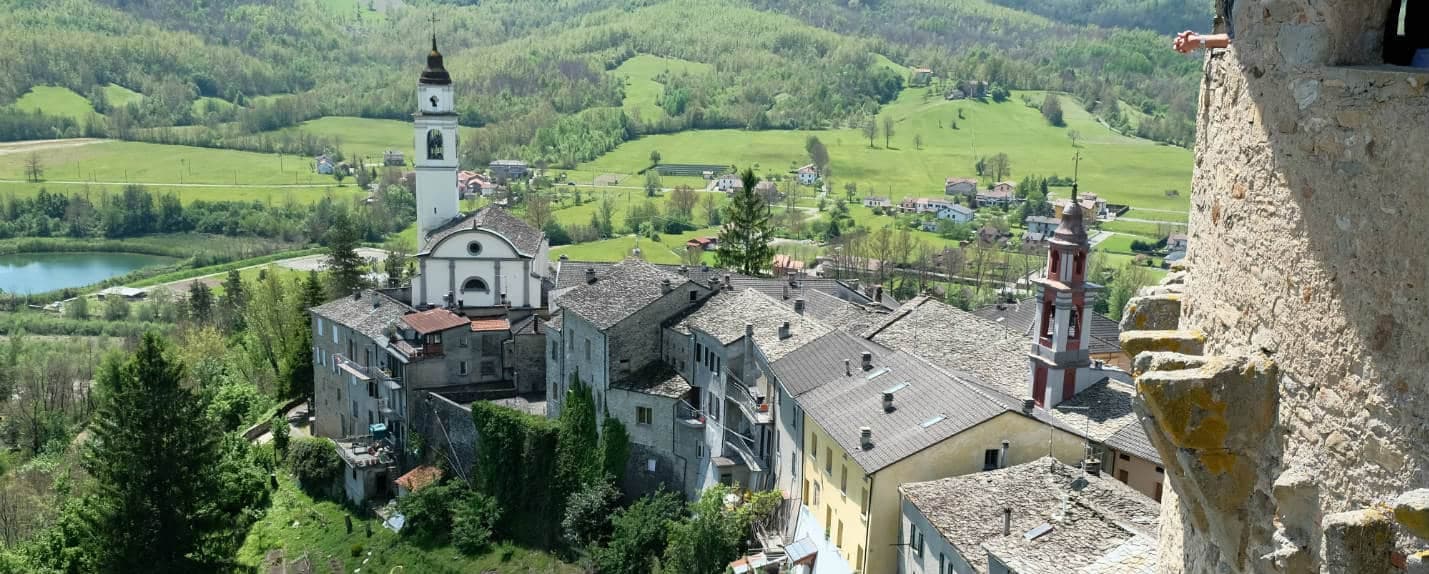
Medieval fortress built on a rocky spur above the Taro, expanded under the Landi family and used in 1821 by Maria Luigia as a state prison for the Carbonari.
Museo Internazionale Massonico
Masonic museum inside the castle, opened in 2002 in the Orizzonti Massonici collection, the only public museum on Freemasonry in Italy.
Borgo di Compiano
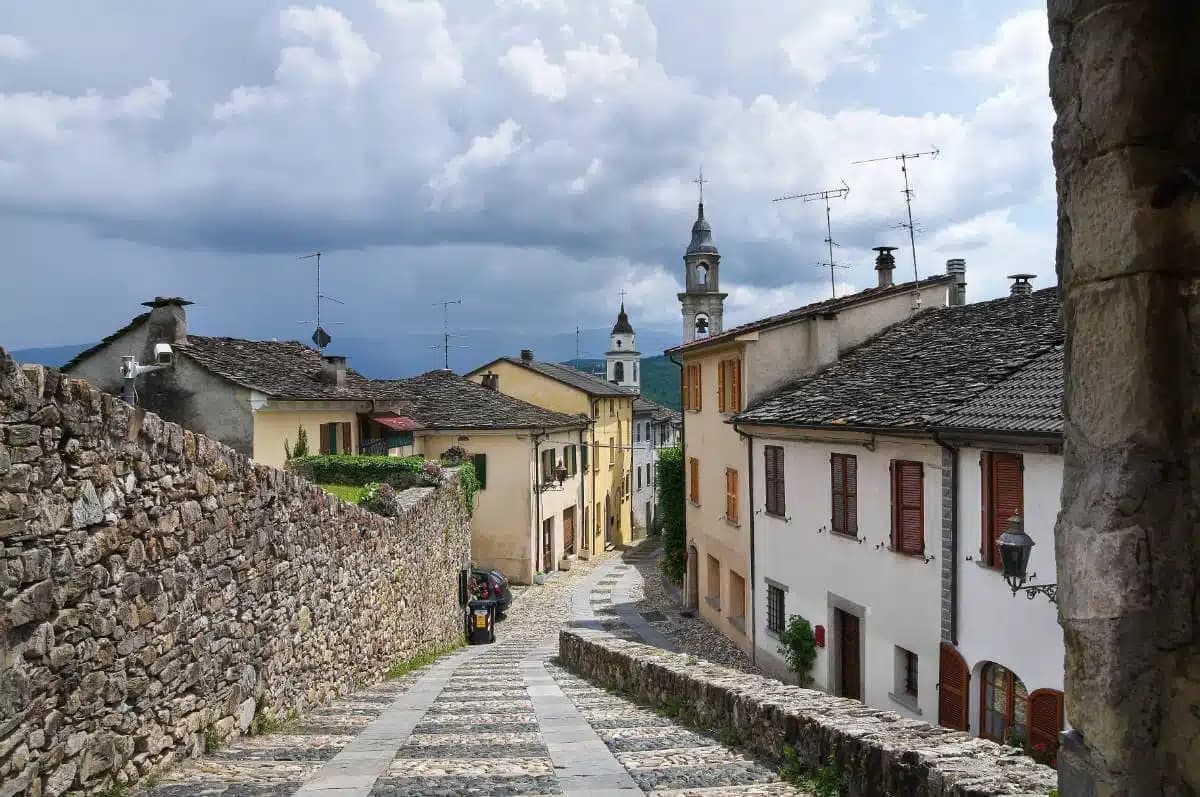
Walled medieval nucleus around the castle, with a single main street, stone houses, and views down to the Taro and across to the Ligurian Apennines.
Chiesa di San Giovanni Battista
Parish church inside the walls, rebuilt in the seventeenth century on the foundations of the older Romanesque pieve.
The slow-trip planner
Building a trip? Find where Compiano fits in a slow Italy circuit.
Answer five questions. We will shape a geographically coherent slow trip from the 1,000 Italian towns most travelers skip. Yours to save and share.
Living here
- Population 1,058
- Off the beaten pathi
- Pharmacy: none mapped
- High school within a 30-minute drive
- Nearest airport Genoa, 1 h 56 min drive
- Regional capital Bologna, 2 h 21 min drive
Tags & datadesignations · numbers · sources
Recognised as
The numbers
- Elevation: 519 m
- Population: 1,058
- Surface area: 37.53 km²
These figures were compiled from public directories — ISTAT, OpenStreetMap, Wikidata — and from the official listings of the guides named on this page. Town details change; verify with official sources before you travel.
Close by
More towns near Compiano
Borgo Val di Taro
Province: Parma
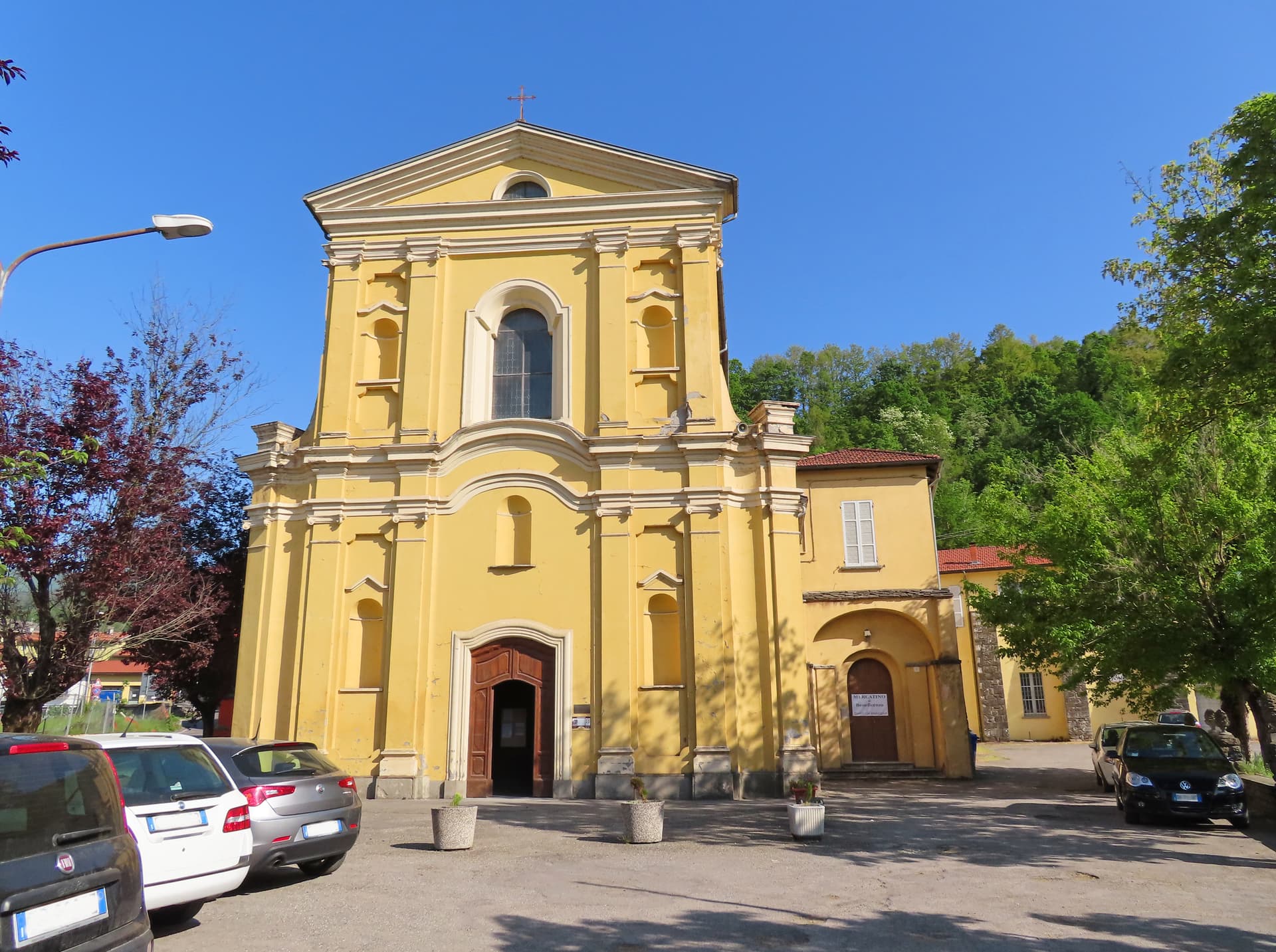
The Cittaslow capital of the upper Taro valley at 411 meters, where the Fungo di Borgotaro IGP porcini has been protected since 1996.
Varese Ligure
Province: La Spezia
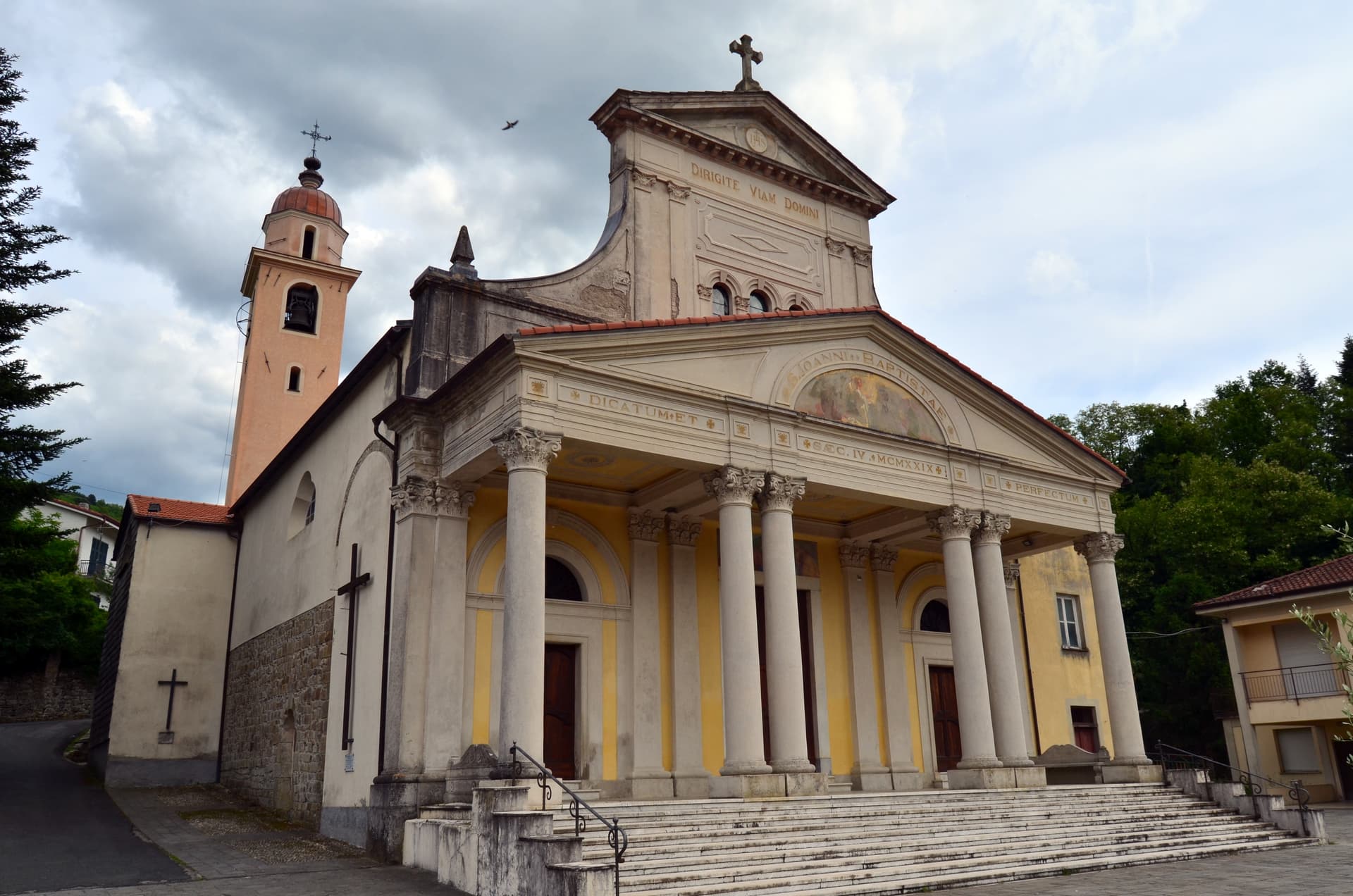
The Val di Vara's medieval seat at 358 meters, the first European municipality with ISO 14001 certification, anchor of Italy's largest organic district.
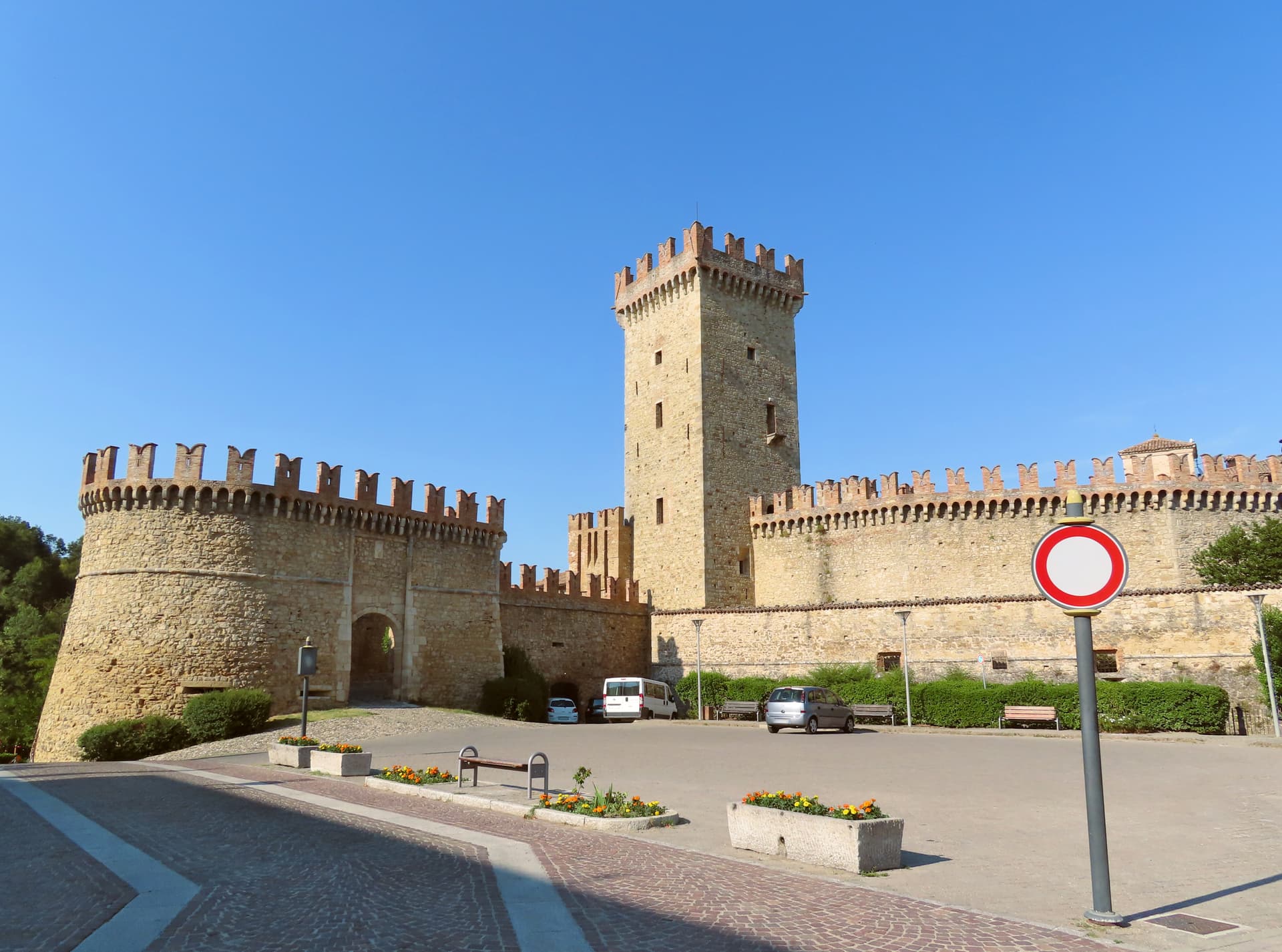
Vernasca
Province: Piacenza
A Val d'Arda commune in the Piacenza Apennines, holding the walled village of Vigoleno and one of the most compact castled borghi in Emilia.
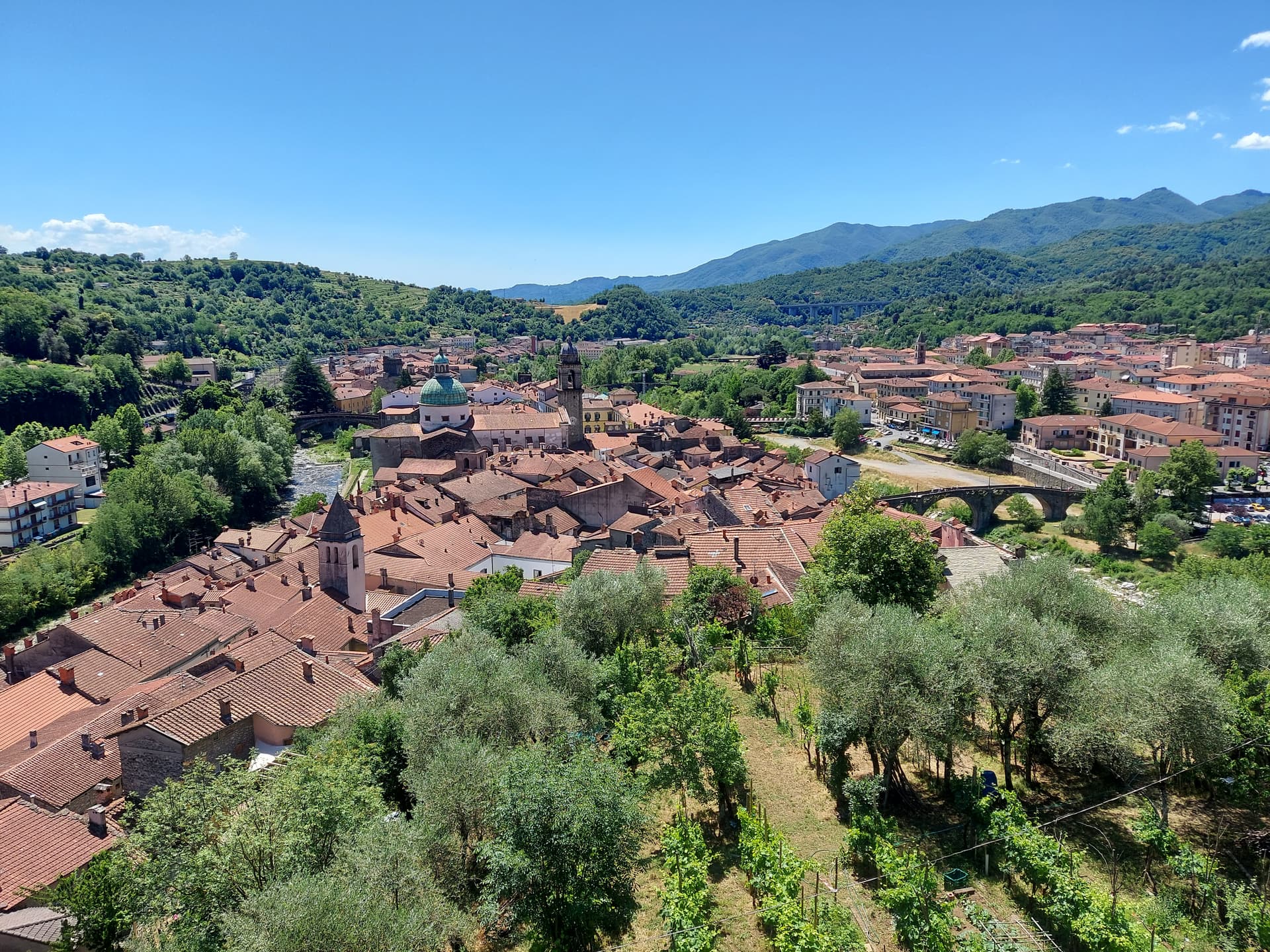
Pontremoli
Province: Massa-Carrara
The capital of Lunigiana at the confluence of the Magra and Verde, holding the prehistoric stele statues and the oldest book prize in Italy.
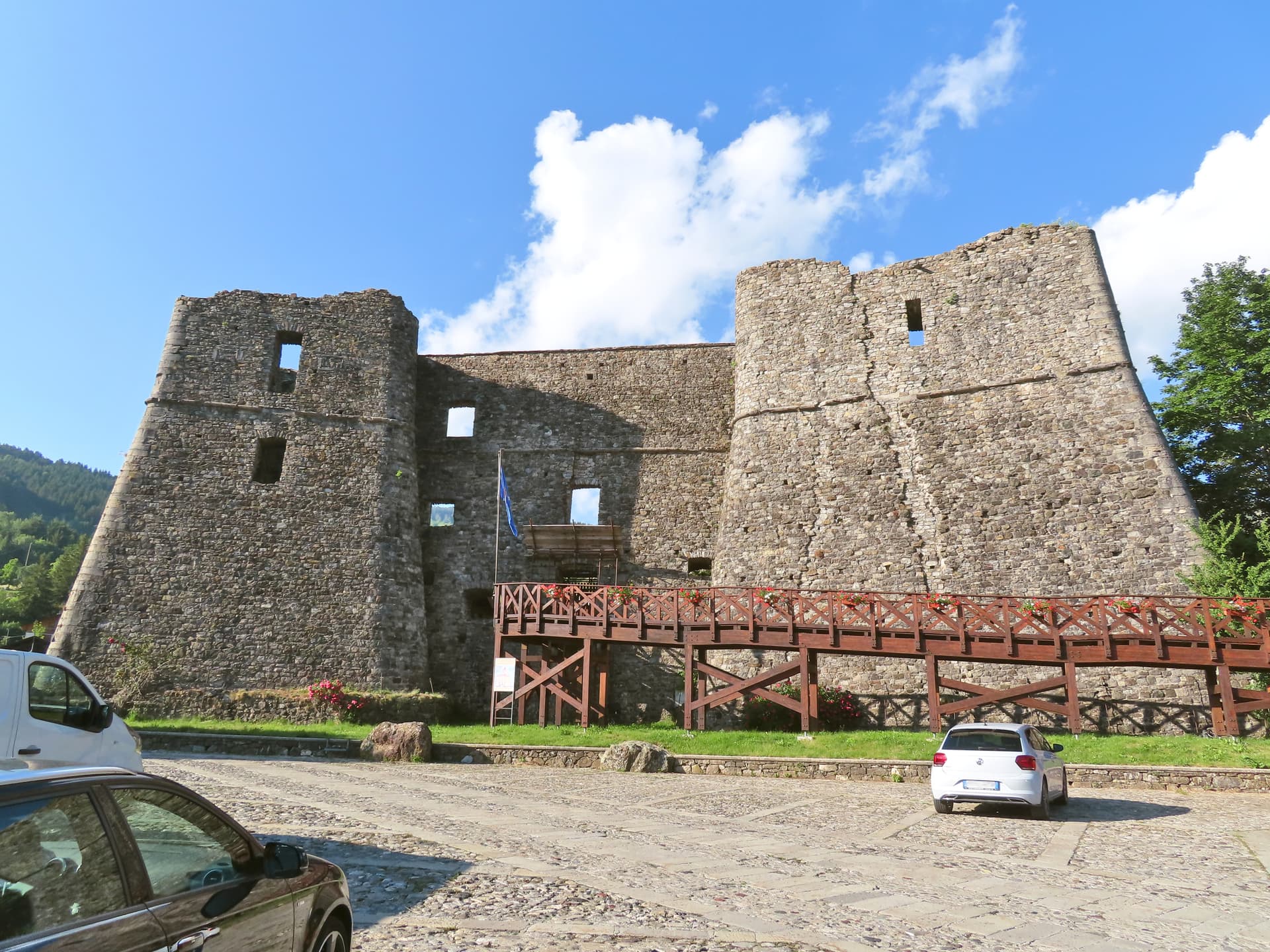
Santo Stefano d'Aveto
Province: Genova
Liguria's highest commune at 1,012 meters in the Ligurian-Emilian Apennines, with a Malaspina-Doria castle and the only ski resort in the region.
🎨 Borghi più belli d'Italia
More Borghi più belli d'Italia towns in Emilia-Romagna
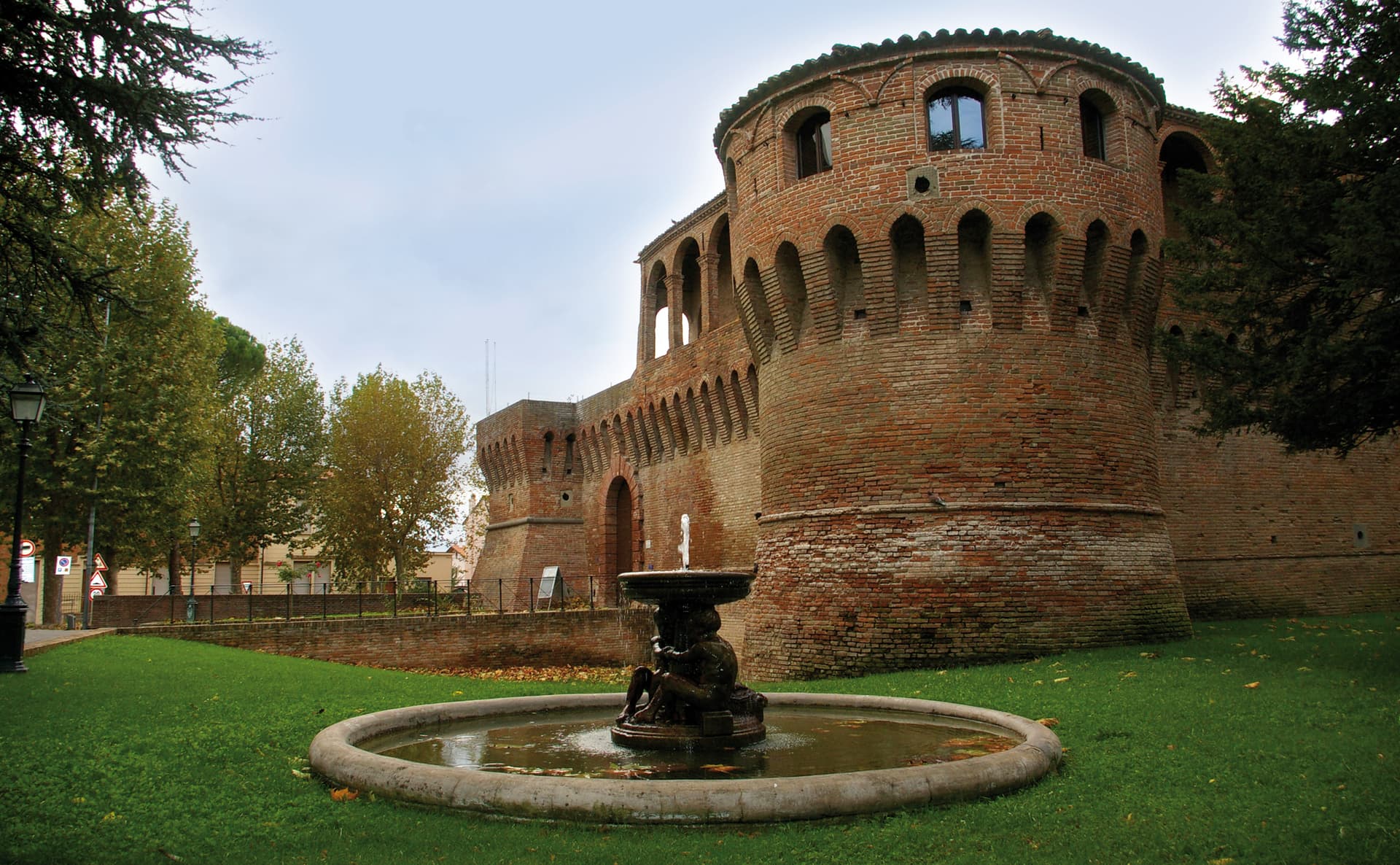
Bagnara di Romagna
Province: Ravenna
A 22-meter plain commune in the Bassa Romagna, the only fully preserved medieval castrum surviving in the Romagna lowlands.
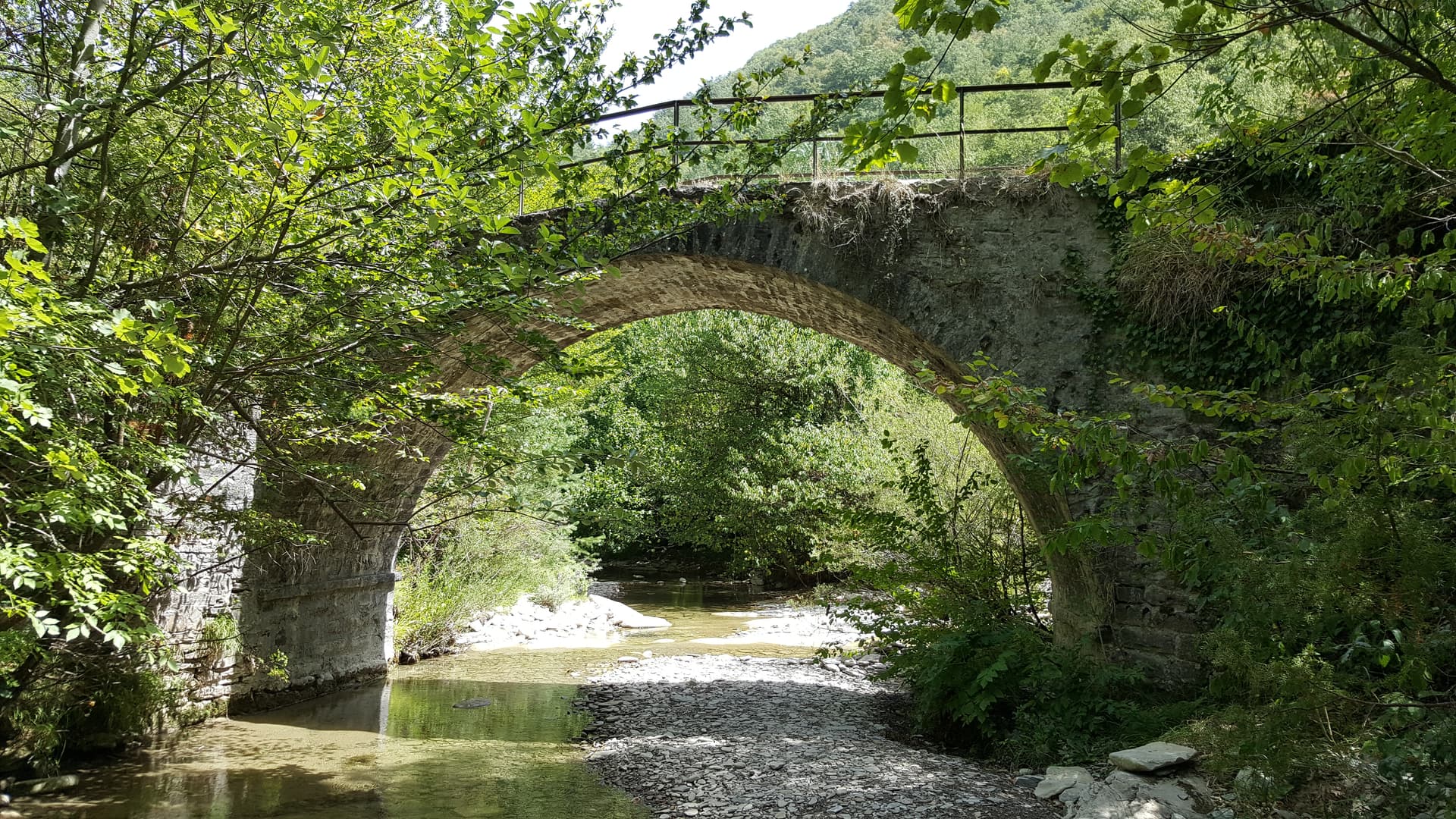
Bagno di Romagna
Province: Forlì-Cesena
A 491-meter thermal town at the head of the Savio valley, drawing on springs that have run at 47 degrees since Roman times.
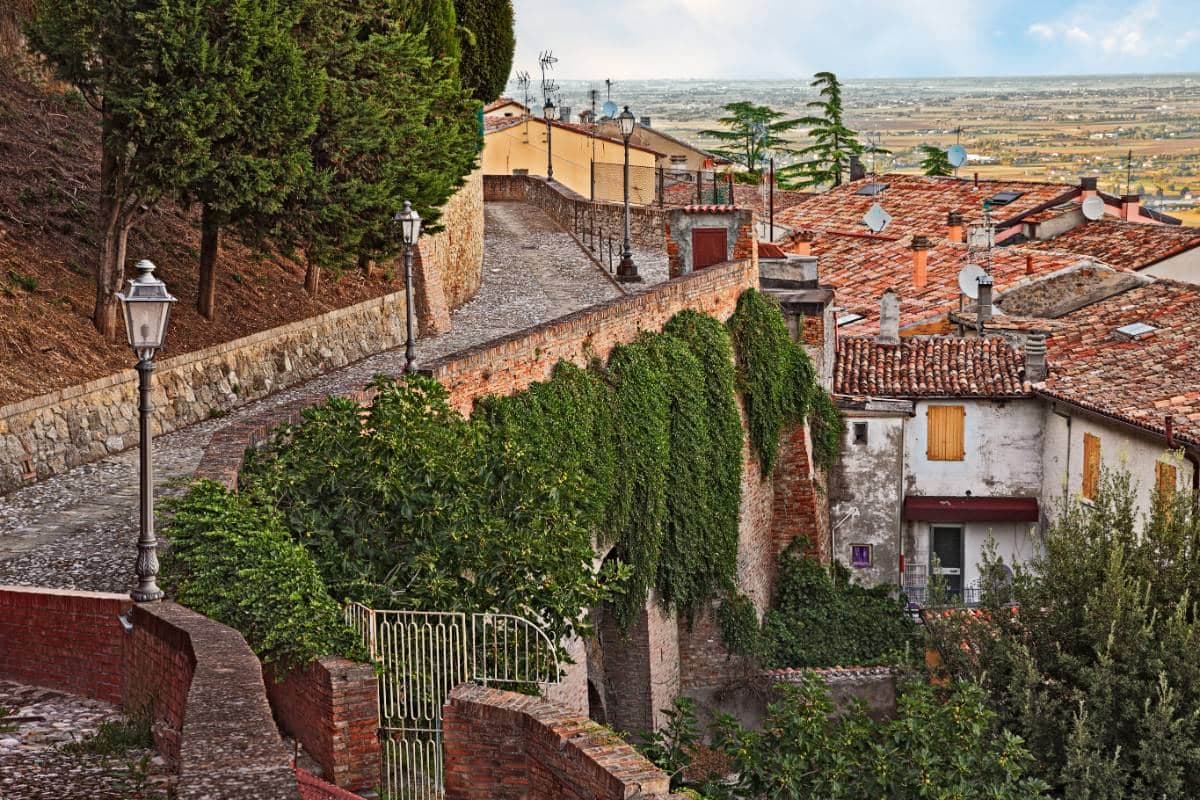
Bertinoro
Province: Forlì-Cesena
A 254-meter Romagna-hill borgo above the Via Emilia, with a twelve-ring hospitality column from 1300 and the slopes that grow Albana DOCG.
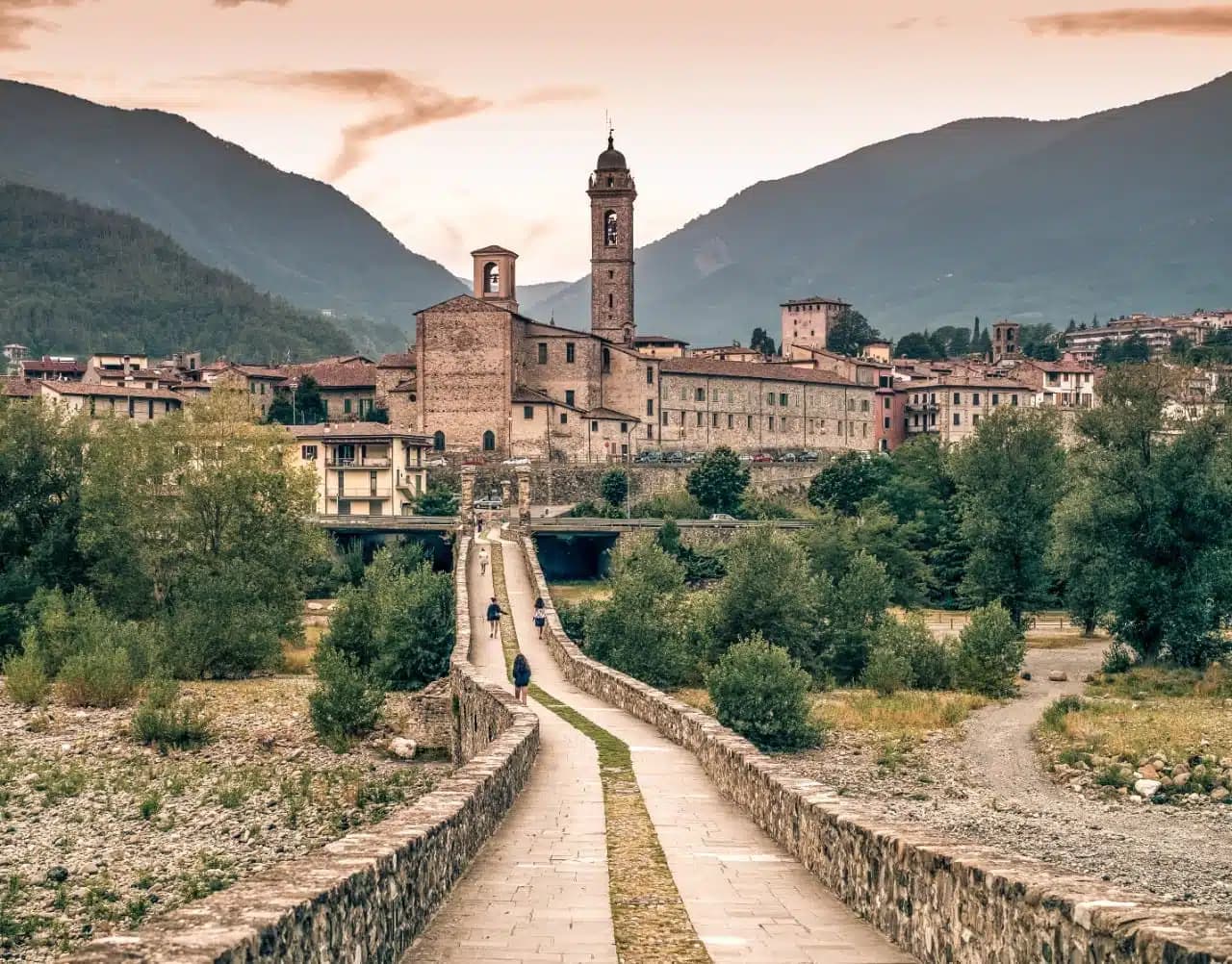
Bobbio
Province: Piacenza
A 272-meter Trebbia-valley town built around the abbey Saint Columbanus founded in 614, named Borgo dei Borghi by RAI in 2019.
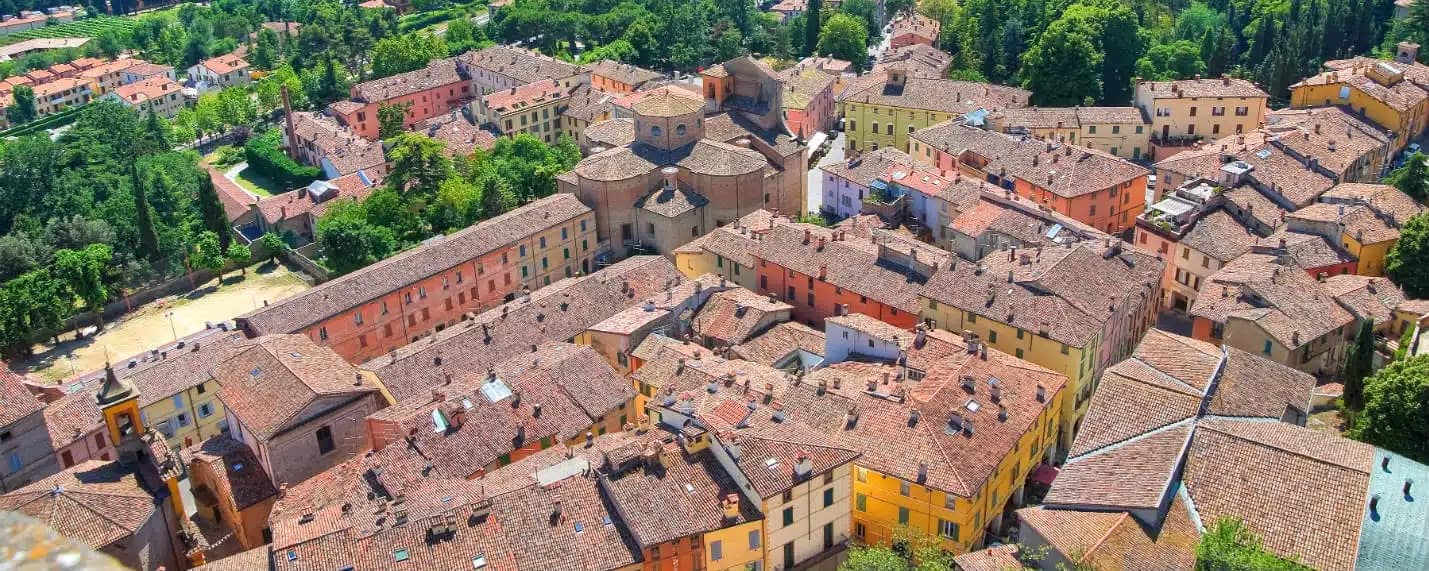
Brisighella
Province: Ravenna
A Lamone-valley borgo at 115 meters under three selenite hills crowned by a fortress, a clock tower, and a sanctuary.