

Abruzzo · L'Aquila
Sulmona
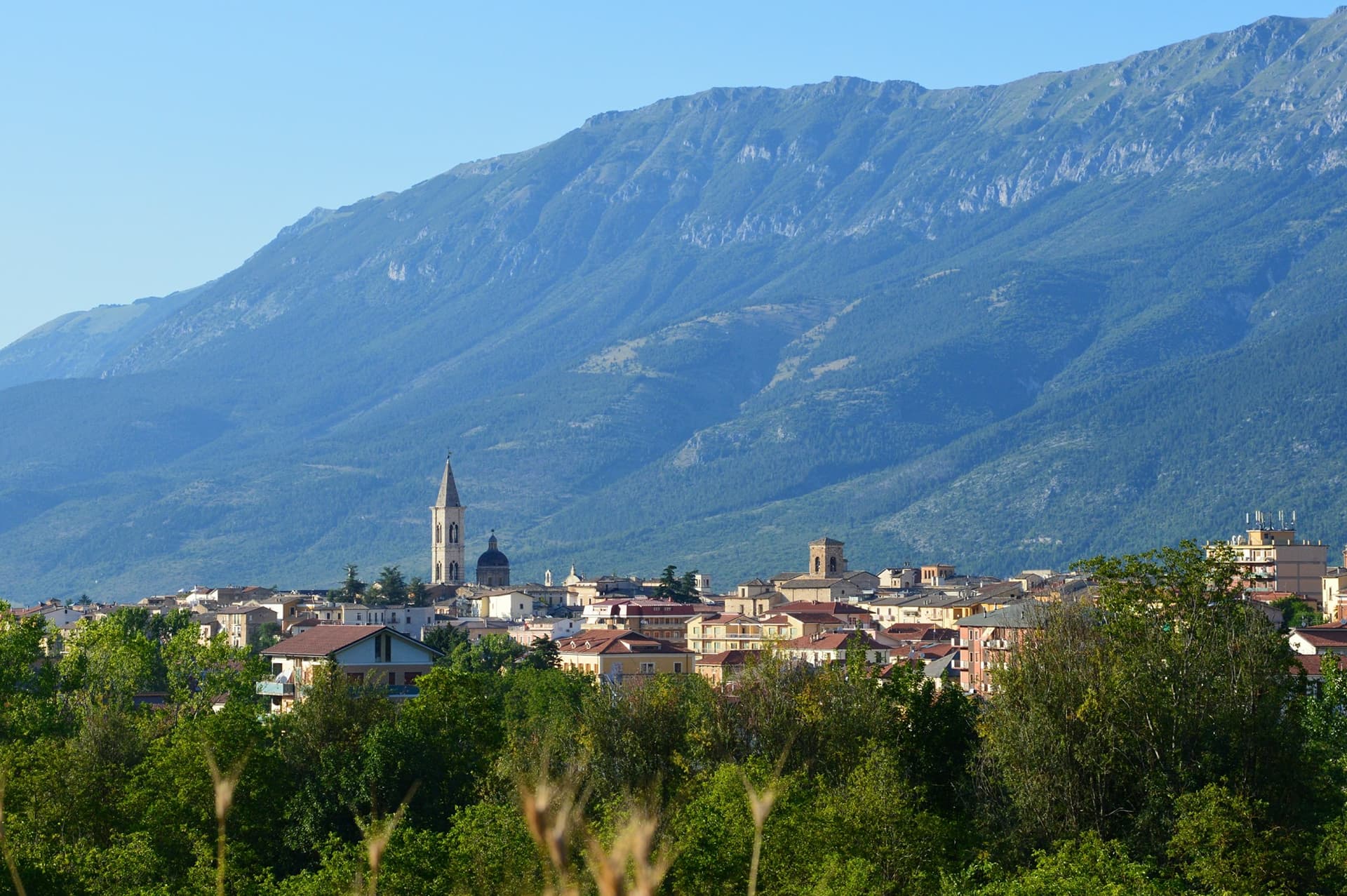
in the Valle Peligna, birthplace of Ovid in 43 BC and home of the sugared-almond confetti industry since the 14th century.
Known for
CONFETTI
Italian sugared-almond confection produced in Sulmona since at least the 14th century, with Confetti Pelino operating in town since 1783.
OVID
The Roman poet was born in Sulmona in 43 BC, and the town adopted his initials SMPE (Sulmo Mihi Patria Est) as its civic mark.
GIOSTRA
Annual July ring-jousting tournament of the seven city boroughs, in Renaissance costume, descended from a 13th-century practice.
When to visit
Best · Apr–Oct
- J
- F
- M
- A
- M
- J
- J
- A
- S
- O
- N
- D
- Best
- Hot or crowded
- Quiet
- Mostly closed
The festa: Panfilo di Sulmona, 28 April
Why come
Sulmona sits in the Valle Peligna, at the confluence of the Gizio and Vella rivers, ringed by the Maiella, the Morrone and the Genzana ranges. The Roman poet Ovid was born here in 43 BC and never stopped writing about the salubrity of its water, a claim still made by the town. Under Frederick II in the 13th century, Sulmona became the capital of the imperial province of Abruzzo and got the aqueduct of Manfred of Swabia, which still defines the long side of Piazza Garibaldi.
The town survived two earthquakes, in 1349 and 1456, and emerged as the home of confetti, the sugared-almond confection given at weddings and baptisms. Confetti Pelino, the best-known house, has been producing in town since 1783. Every July, the Giostra Cavalleresca brings out the city's seven boroughs in Renaissance procession from the Cathedral of San Panfilo, ending in a ring-jousting tournament in Piazza Garibaldi.
The Sunday letter
We haven’t written Sulmona’s letter yet.
One town every Sunday, with the photo, the food, the festa. Be there when this one comes up. Free, by Peter & Sophia from Pietrasanta.
By subscribing you agree to Substack’s Terms of Use, our Privacy Policy and our Information collection notice.
What to see
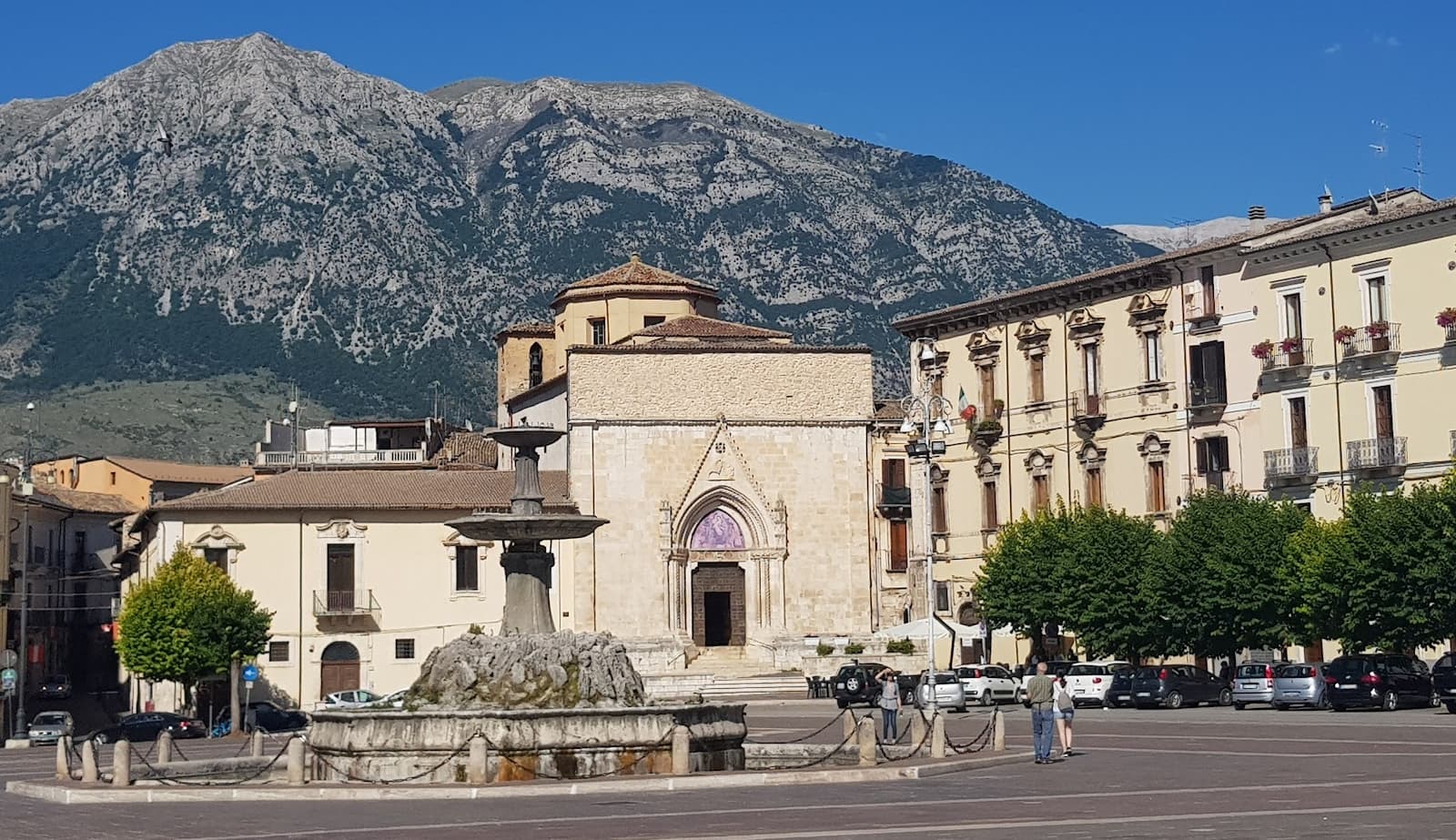
Piazza Garibaldi
The town's main piazza, dominated on its long side by the 13th-century aqueduct of Manfred of Swabia, host of the July Giostra Cavalleresca.
Cattedrale di San Panfilo
Cathedral of the city's patron, the oldest church in Sulmona, starting point of the Giostra historical procession.
Palazzo dell'Annunziata
Late-Gothic and Renaissance palace on Corso Ovidio with three different facade phases visible, now housing the civic museum.
Museo dell'Arte e Tecnologia Confettiera Pelino
Confetti museum at the Pelino factory, in operation since 1783, with original 19th-century pans and molds.
Giostra Cavalleresca
July tournament with the seven boroughs of the city sending knights to thread rings on horseback, drawing on a 13th-century practice.
The slow-trip planner
Building a trip? Find where Sulmona fits in a slow Italy circuit.
Answer five questions. We will shape a geographically coherent slow trip from the 1,000 Italian towns most travelers skip. Yours to save and share.
Signature dish
Confetti di SulmonaSweet
Sugared almonds shaped into flowers and bouquets, a craft Sulmona has kept since the Renaissance.
See every town in our catalogue with a dish of its own.
Living here
- Population 22,175
- Off the beaten pathi
- Pharmacy in town
- High school within a 30-minute drive
- Train station in the comune
- Nearest airport Rome, 2 h 30 min drive
- Regional capital L'Aquila, 1 h 14 min drive
Tags & datadesignations · numbers · sources
Recognised as
The numbers
- Elevation: 405 m
- Population: 22,175
- Surface area: 57.93 km²
These figures were compiled from public directories — ISTAT, OpenStreetMap, Wikidata — and from the official listings of the guides named on this page. Town details change; verify with official sources before you travel.
Close by
More towns near Sulmona
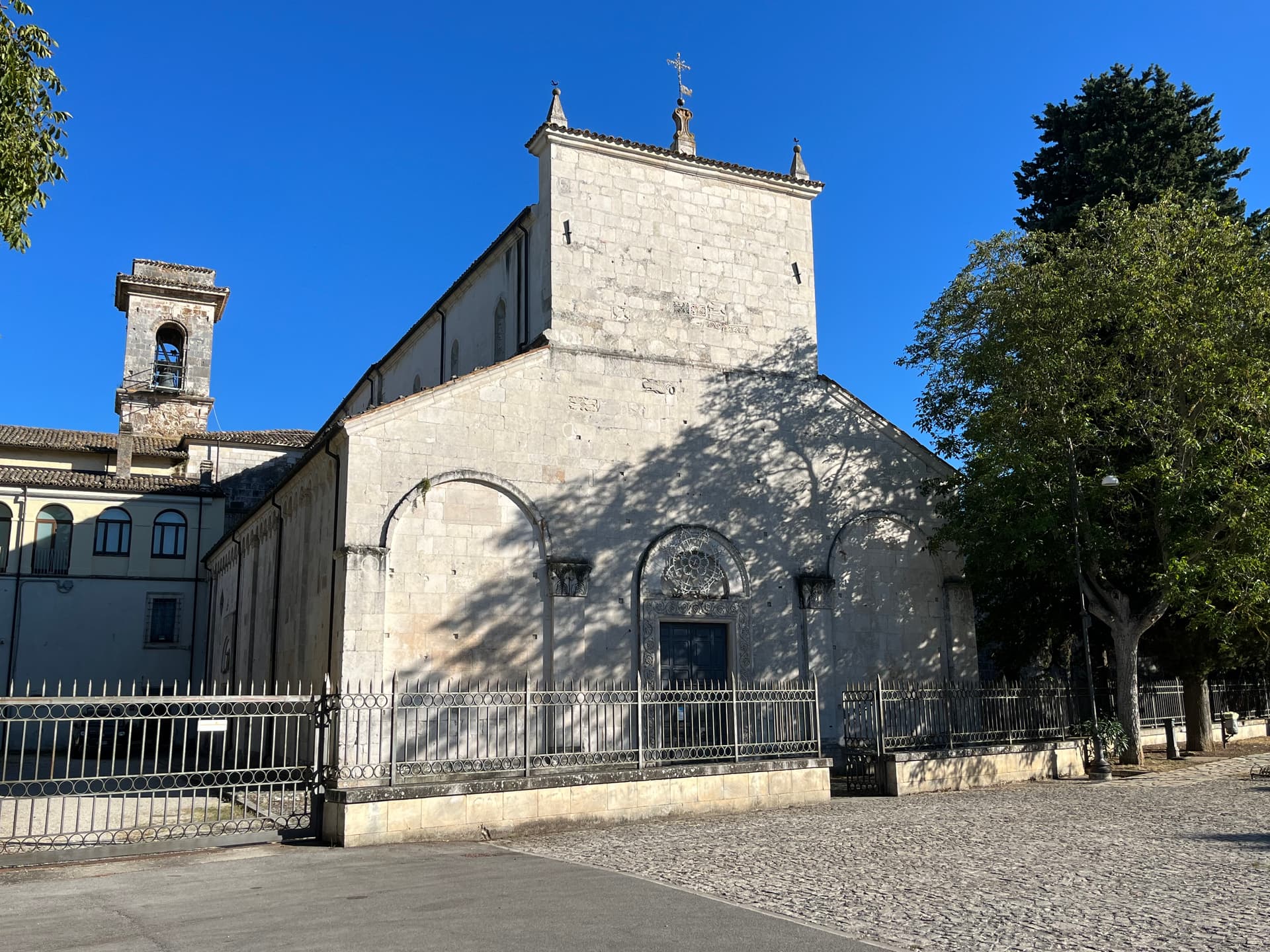
Corfinio
Province: L'Aquila
A village of under a thousand on the Peligna valley floor at 346 meters, sitting on the Italic League's would-be capital Italia.
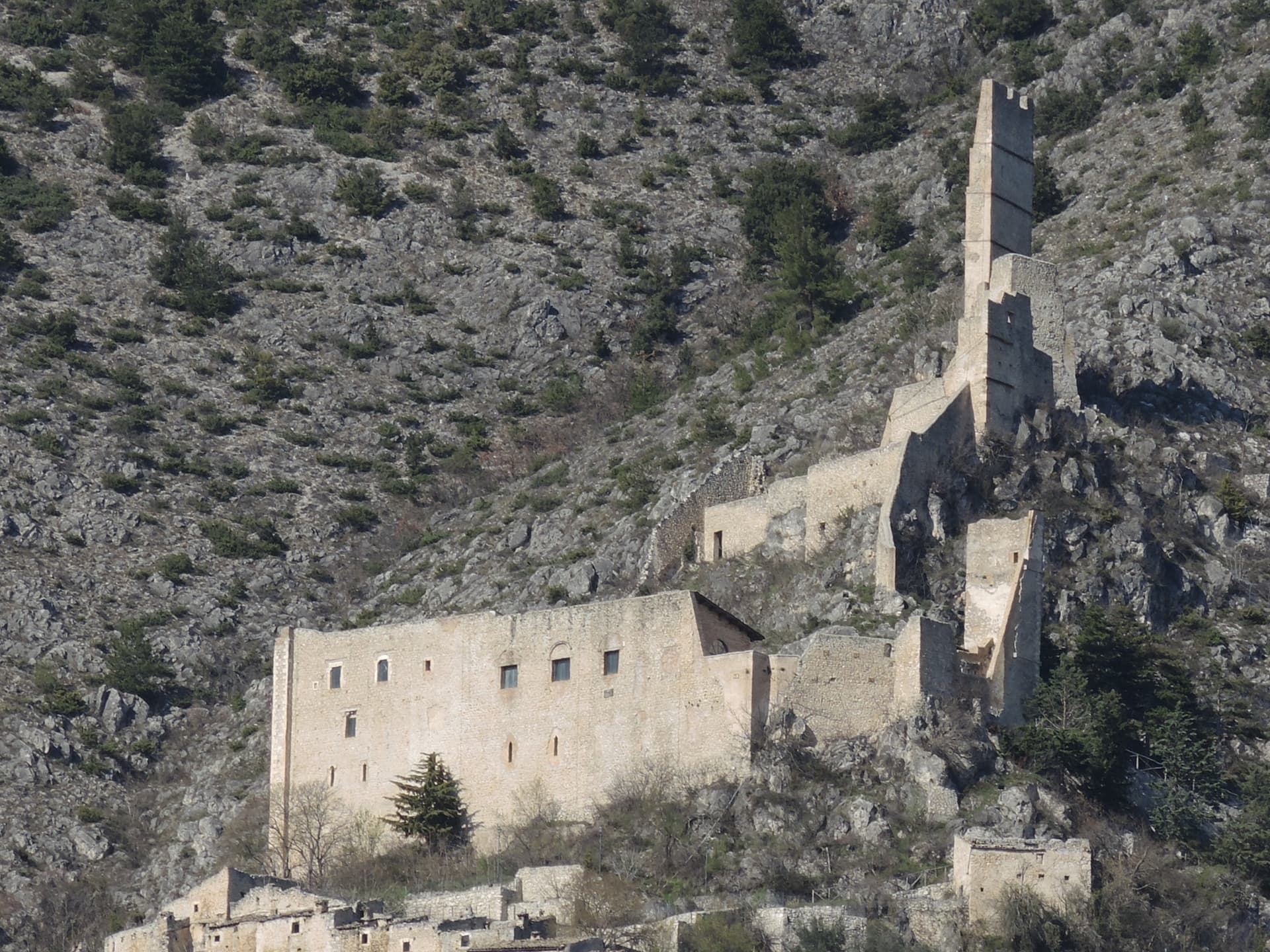
Roccacasale
Province: L'Aquila
A village of 597 on the slopes of Monte Morrone, under the ruins of a Cantelmo-De Sanctis castle blown up by Napoleon's army in 1803.
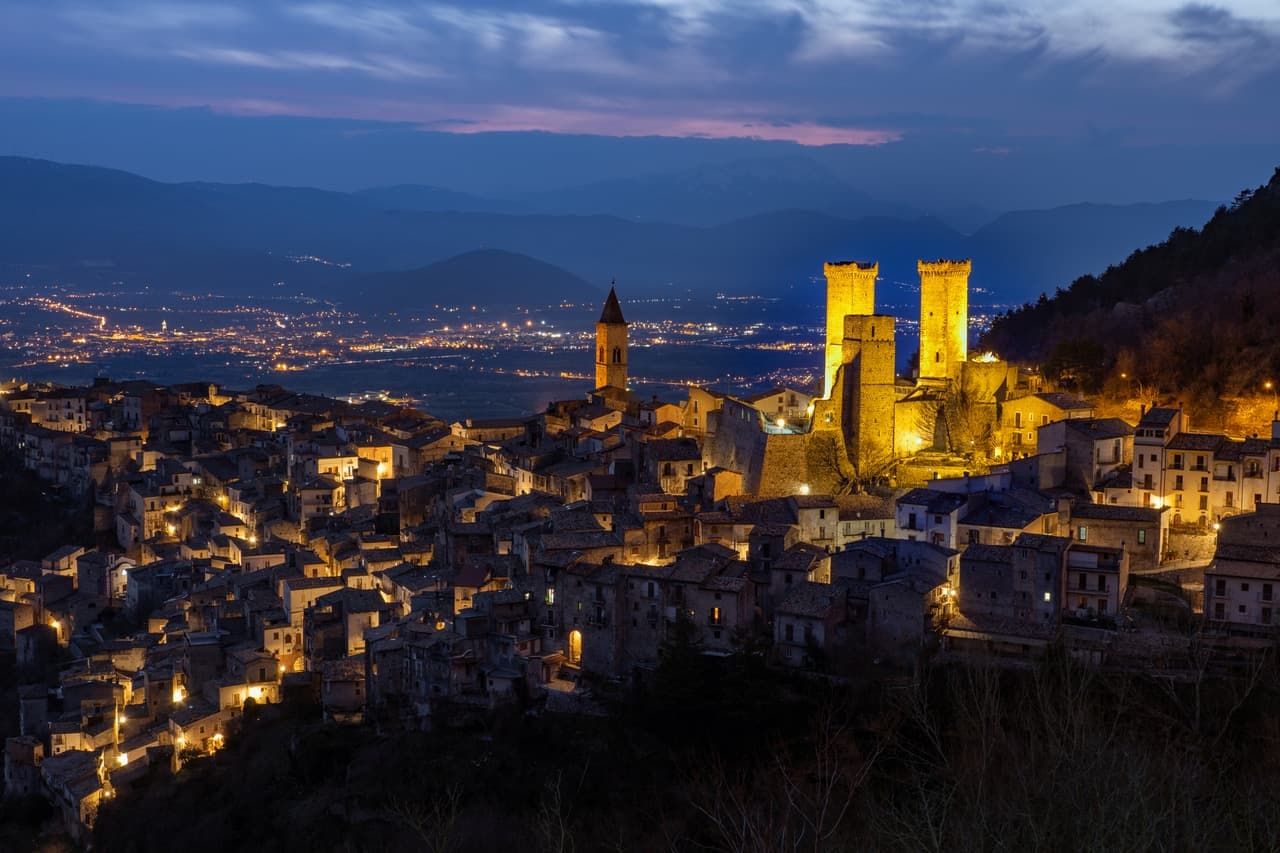
Pacentro
Province: L'Aquila
A medieval village at 650 meters under the Caldora castle towers, where every September a barefoot race honors a Madonna and a pop singer's grandparents.
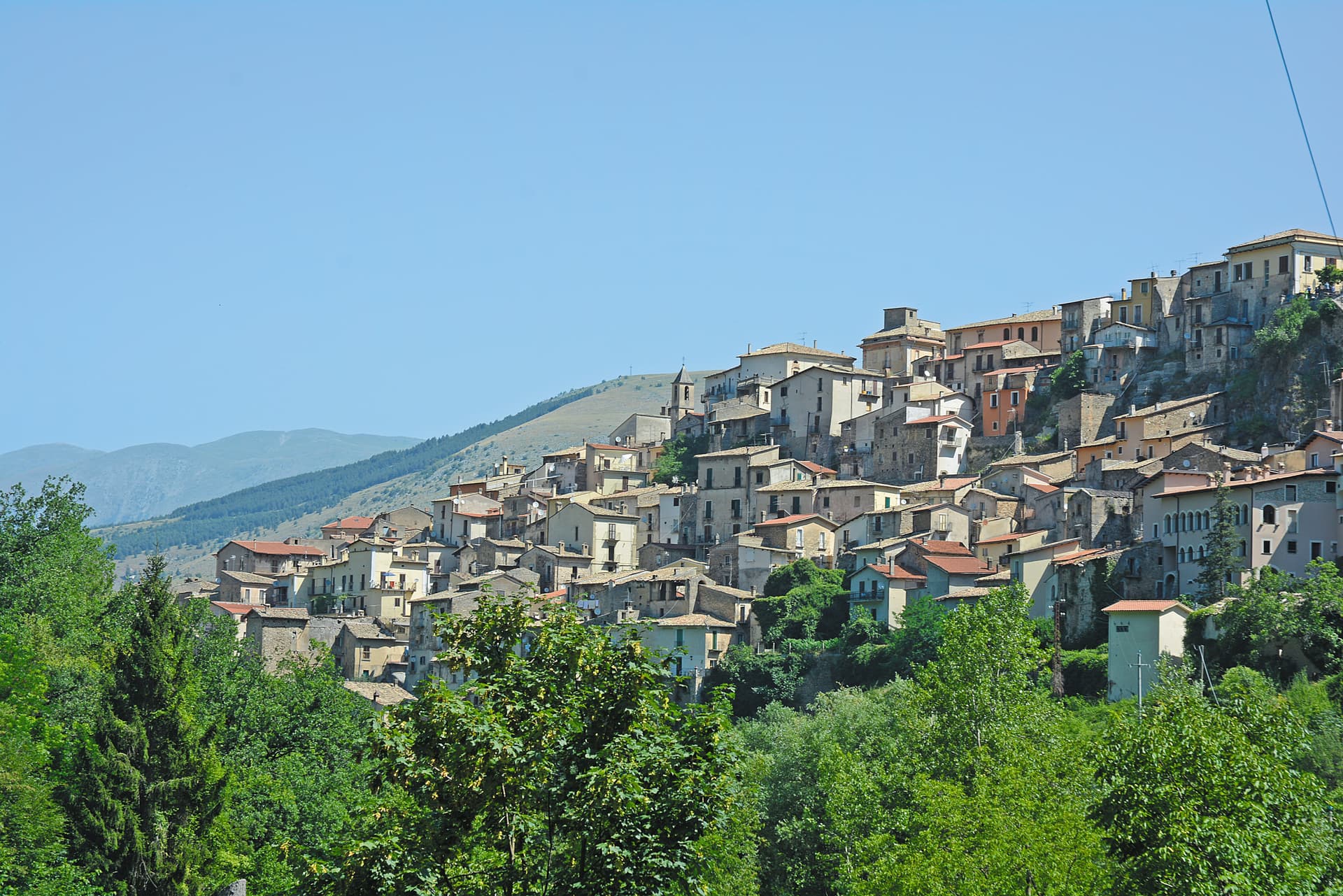
Pettorano sul Gizio
Province: L'Aquila
At 656 meters above the Gizio river, a Cantelmo fortress town that guarded the gateway to the Peligna valley for four hundred years.
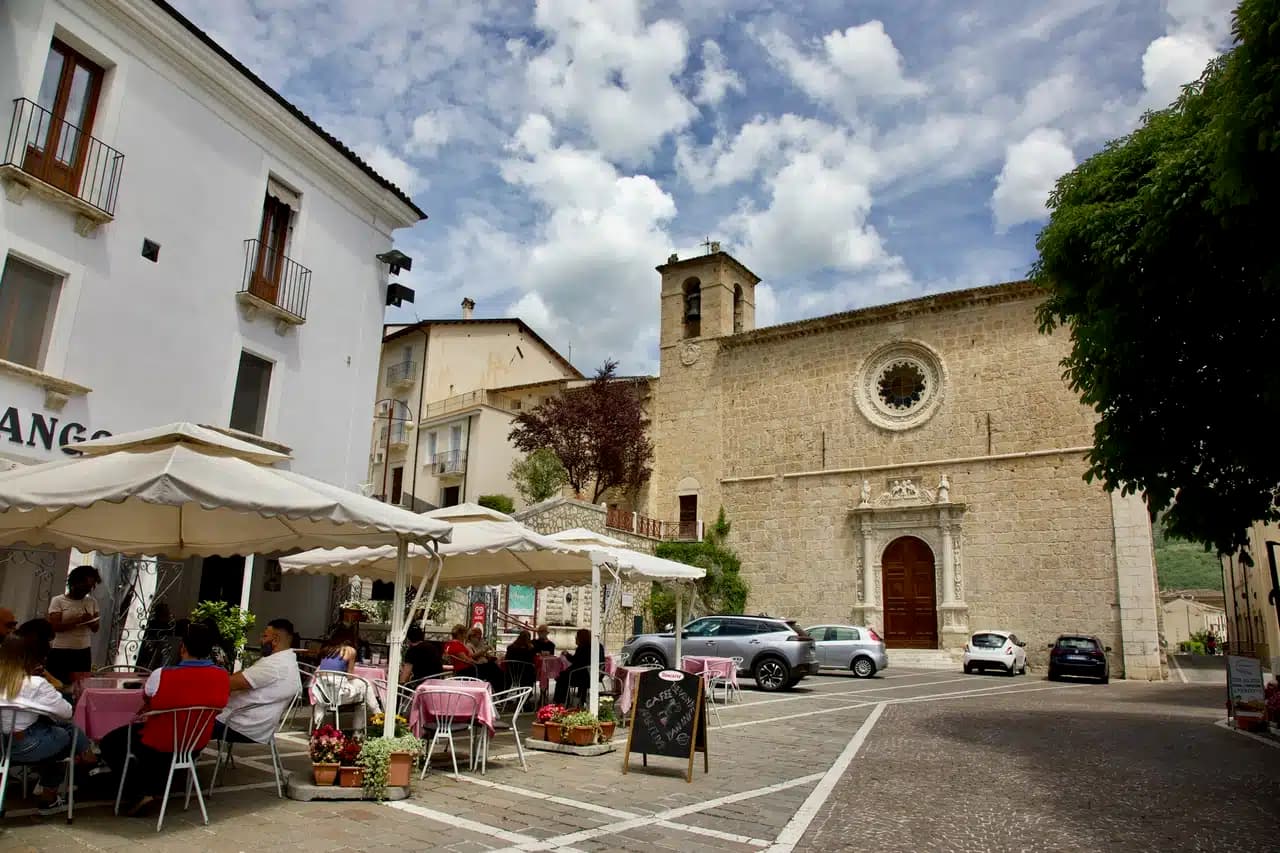
Anversa degli Abruzzi
Province: L'Aquila
At 604 meters above the Sagittario Gorges, the cliff village where D'Annunzio set La Fiaccola sotto il moggio in 1905.
🌲 Parco Nazionale
More Parco Nazionale towns in Abruzzo
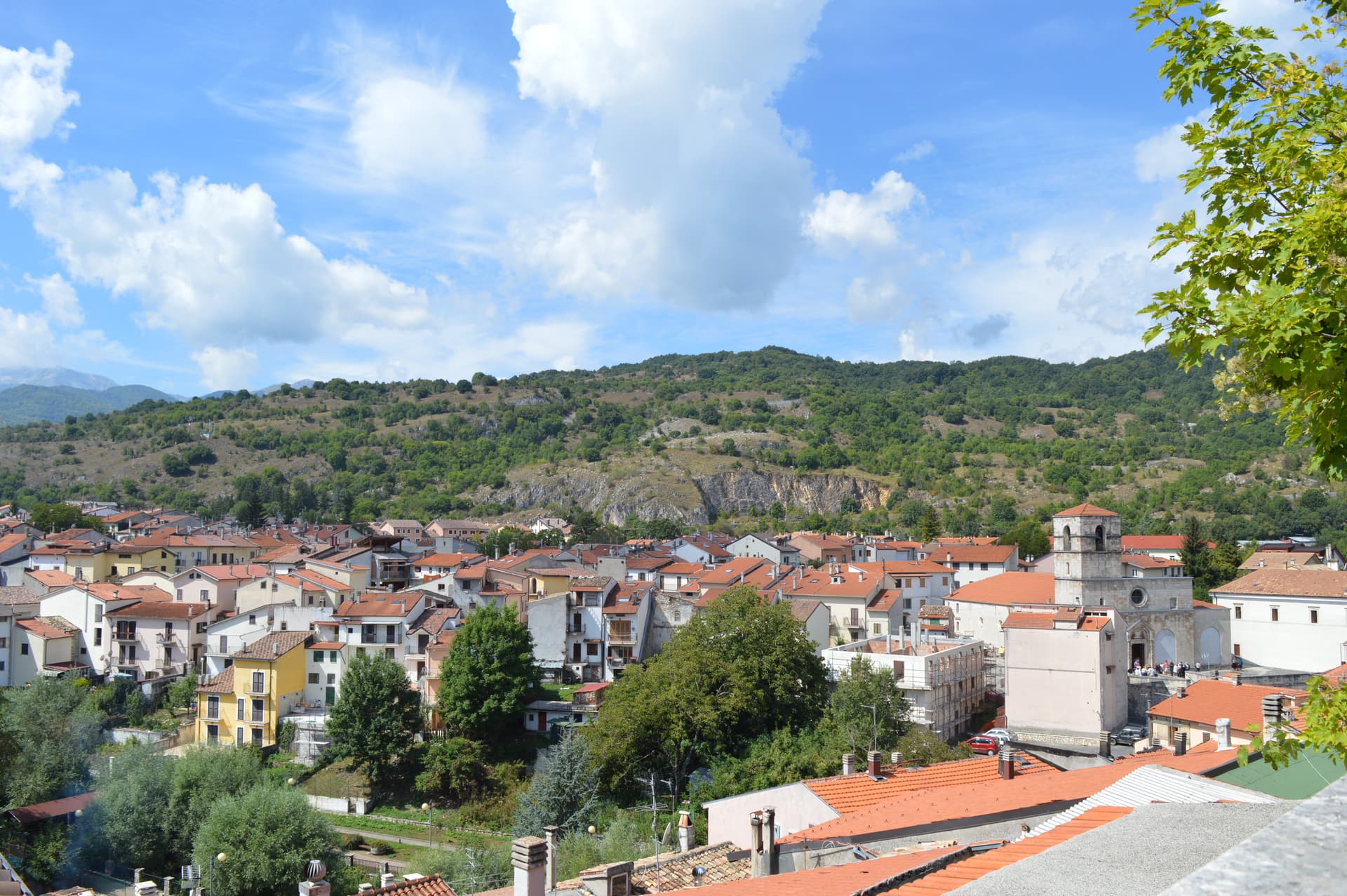
Alfedena
Province: L'Aquila
At 914 meters at the head of the upper Sangro valley, the Samnite Aufidena, with a 15,000-tomb necropolis and a Roman conquest in 298 BC.
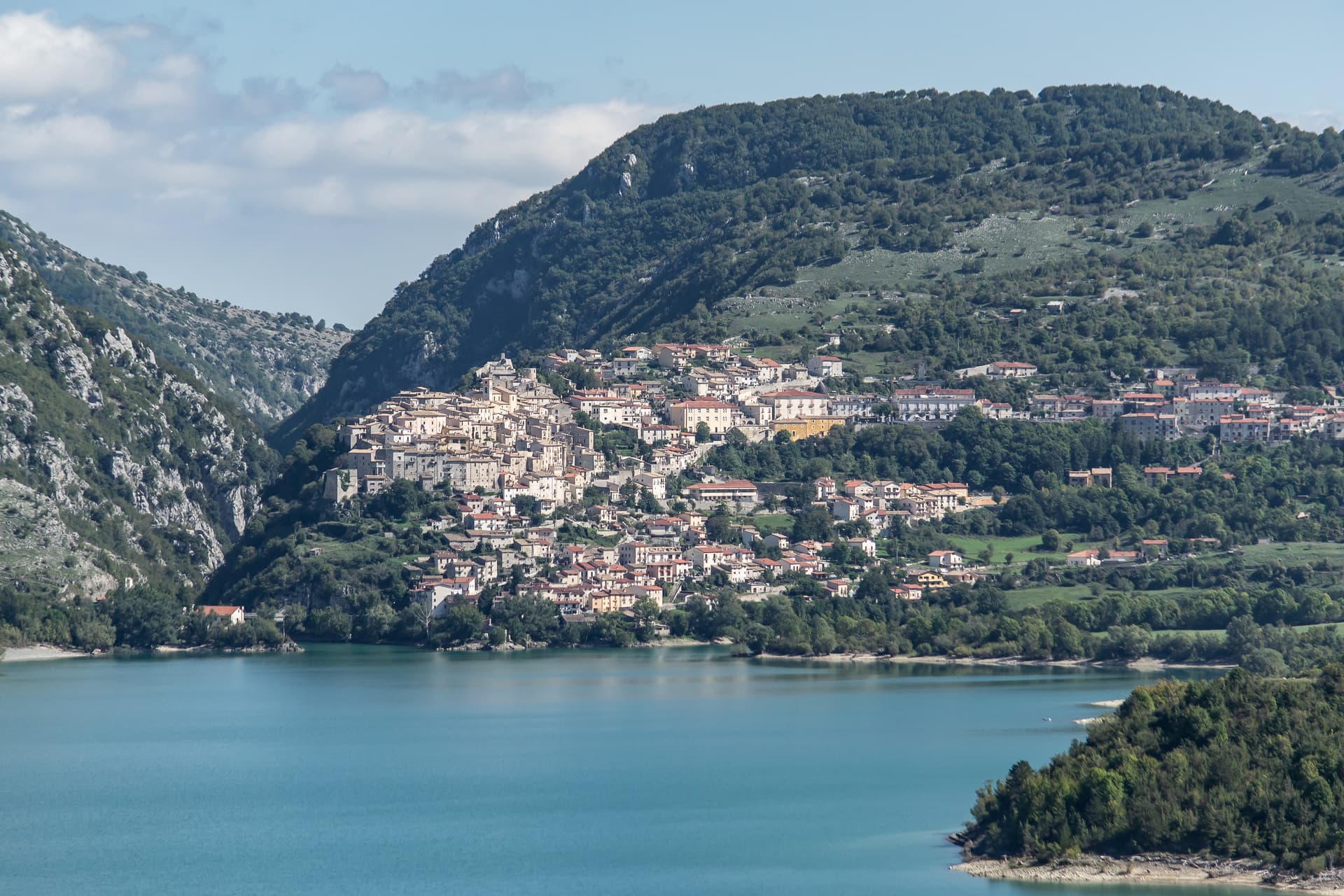
Barrea
Province: L'Aquila
A 1,066-meter spur above an artificial lake at the heart of the Abruzzo National Park, with a Samnite necropolis and an 11th-century di Sangro castle.
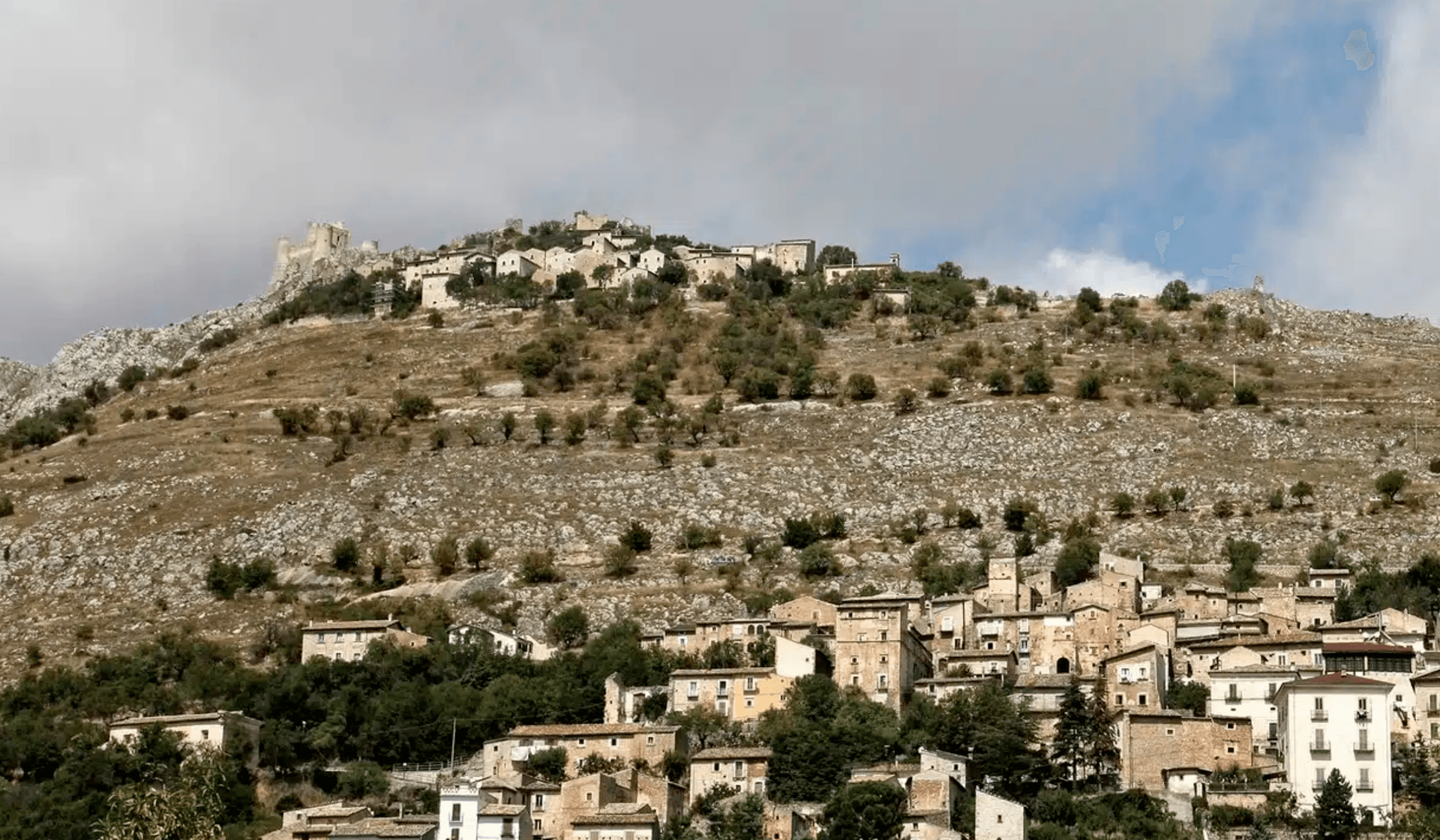
Calascio
Province: L'Aquila
At 1,200 meters under the highest castle in the Apennines, a village of 125 people that played the monk's refuge in Ladyhawke.
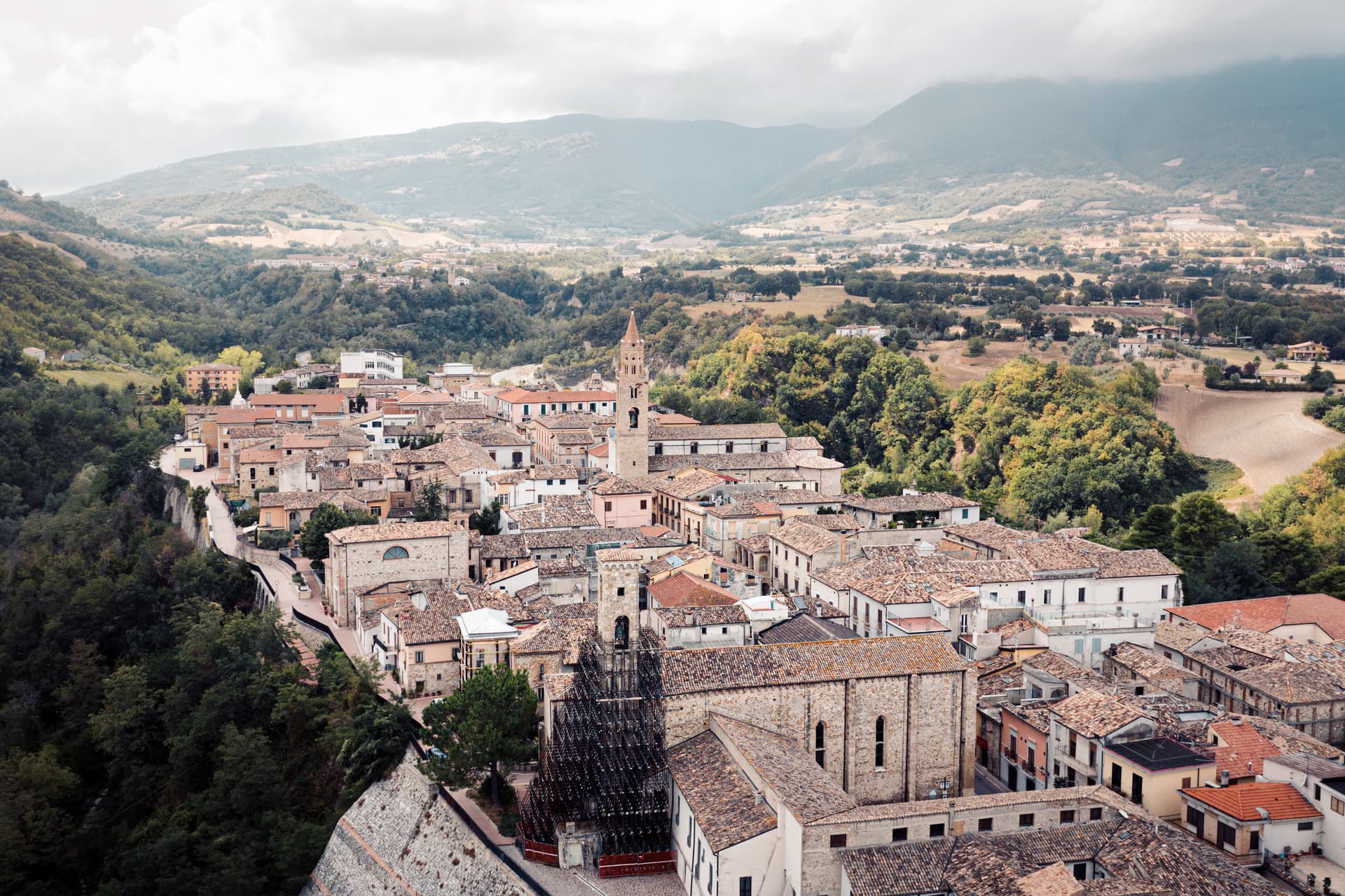
Campli
Province: Teramo
A 393-meter town under the Monti della Laga, held by the Farnese for two centuries, with a Scala Santa carrying papal indulgence.
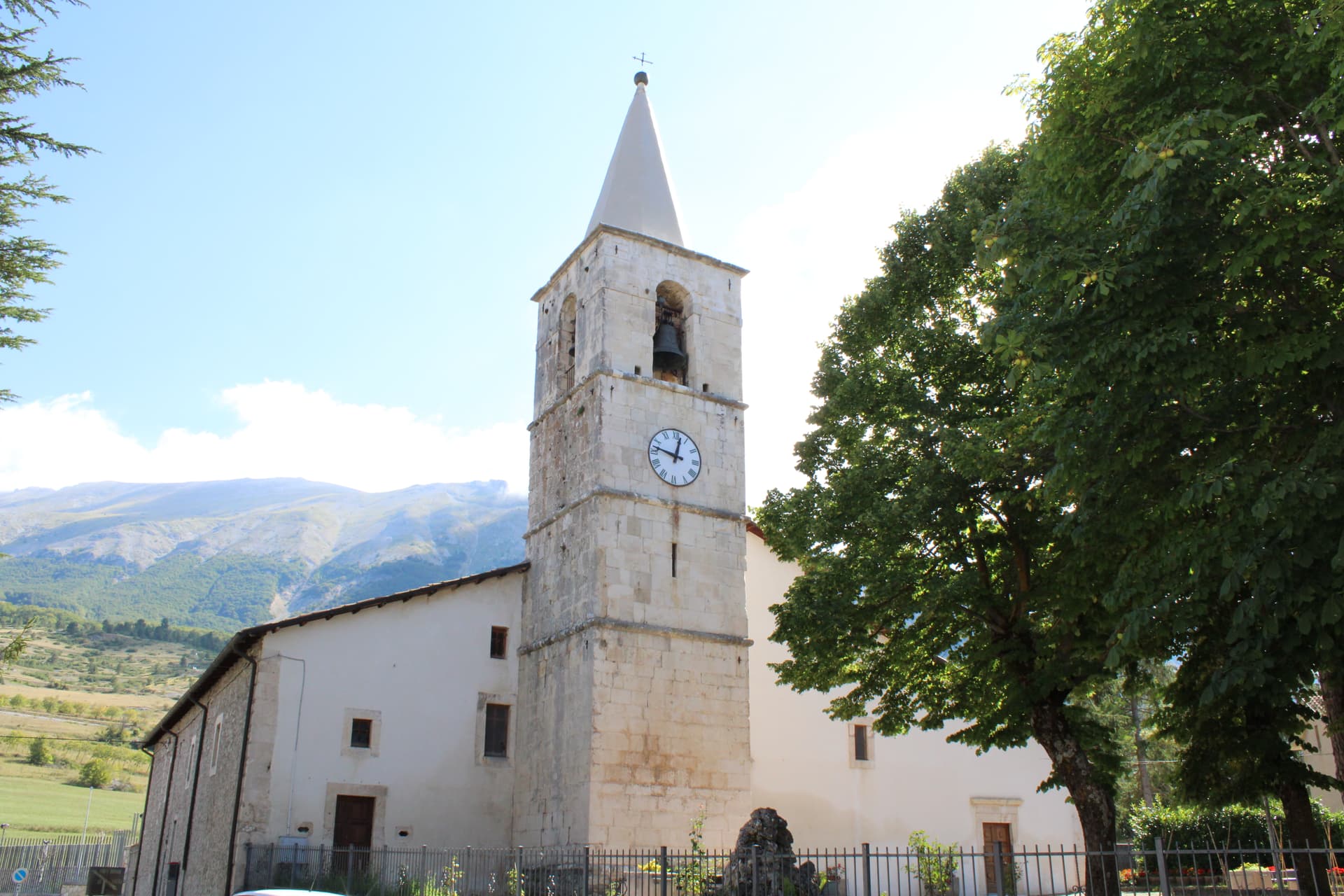
Campo di Giove
Province: L'Aquila
At 1,064 meters under the southwestern Maiella, the highest village in the park, named for a Roman temple to Jupiter.