

Umbria · Perugia
Torgiano
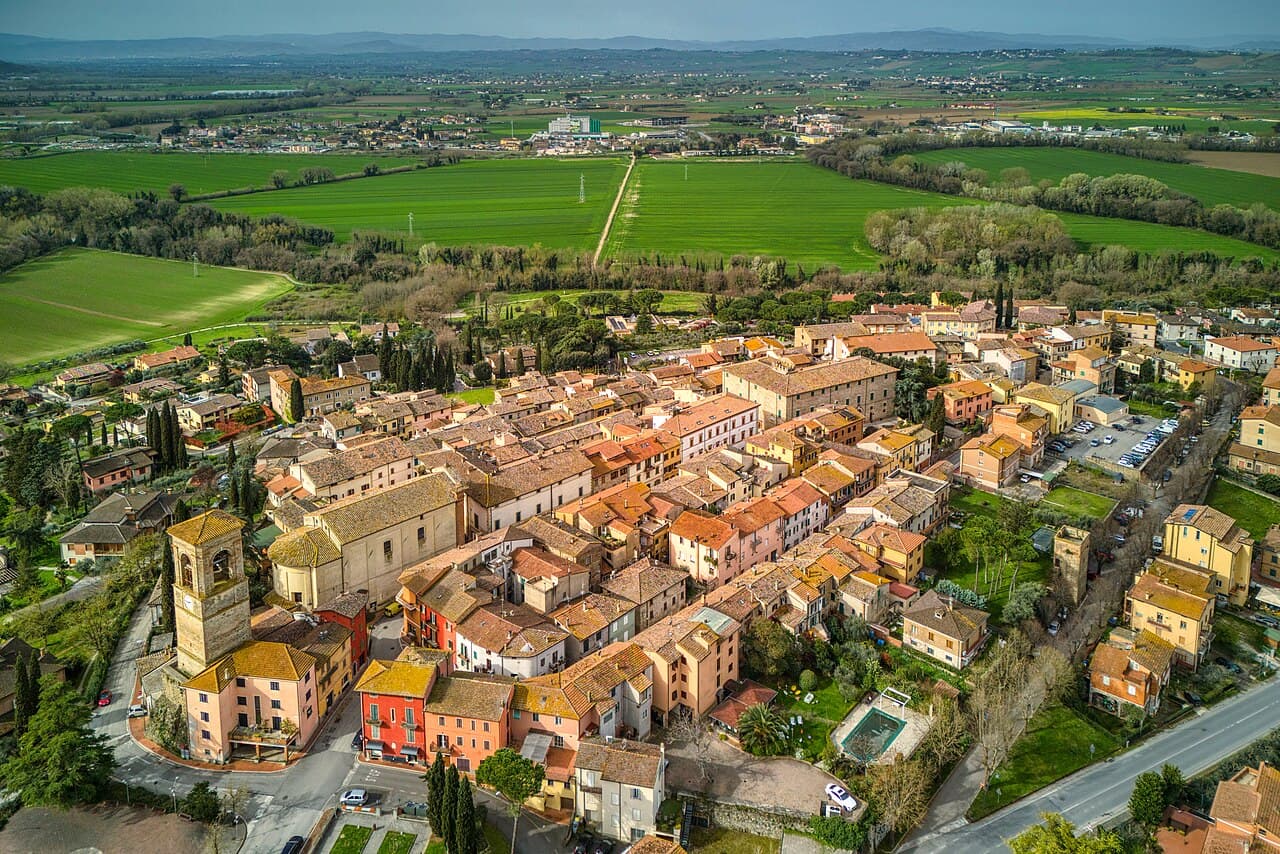
A walled river town at the confluence of the Tiber and the Chiascio, the first DOC and DOCG zone in Umbria.
Known for
TORGIANO DOCG
First Umbrian wine area to receive DOC in 1968 and DOCG in 1990; Rubesco and Torgiano Rosso Riserva are the flagship reds.
MUVIT
Wine museum opened 1974 by Giorgio and Maria Grazia Lungarotti, the most-visited specialist wine museum in Italy with 5,000 years of history.
OLIO MOO
Companion oil museum inside the medieval walls, documenting Mediterranean olive culture from antiquity to the present.
When to visit
Best · Apr–Oct
- J
- F
- M
- A
- M
- J
- J
- A
- S
- O
- N
- D
- Best
- Hot or crowded
- Quiet
- Mostly closed
The festa: Bartolomeo, 25 August
Why come
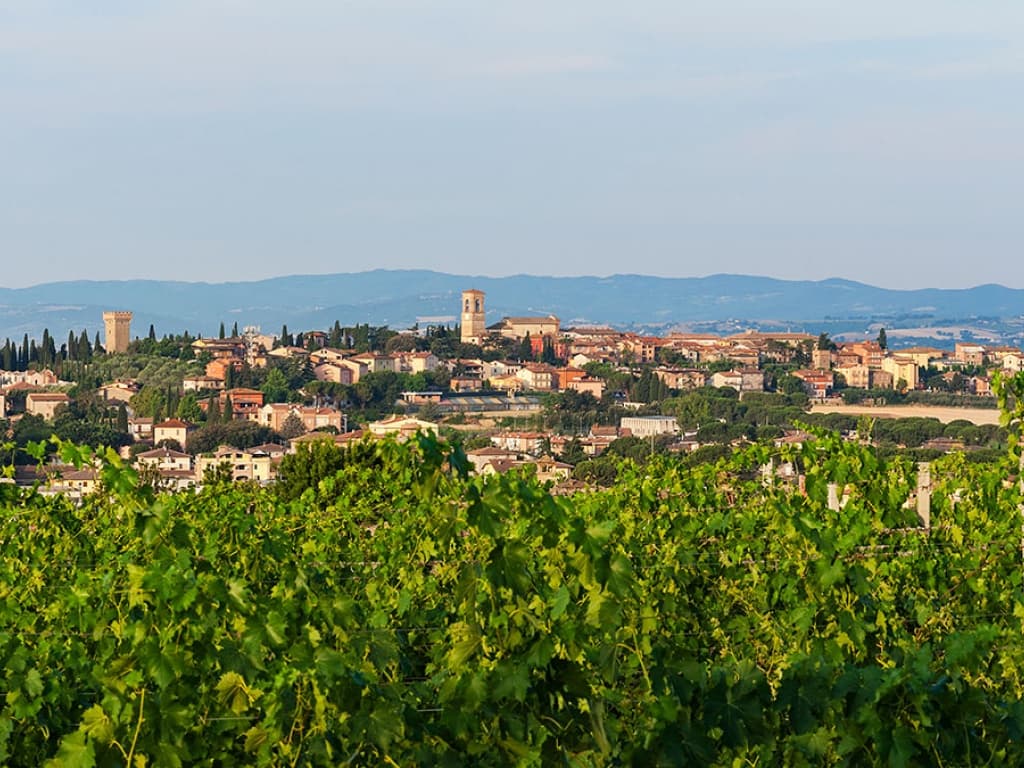
Torgiano sits at the point where the Chiascio joins the Tiber, ten kilometers south of Perugia. The Torre della Guardia, also called Torre Baglioni, was raised in 1274 to control the river customs traffic that moved up toward Rome from the Tiber valley. Torgiano was the first Umbrian wine area to receive the DOC mark in 1968 and to be elevated to DOCG in 1990.
Giorgio and Maria Grazia Lungarotti turned the wine economy of the town into a cultural project: the MUVIT, opened in 1974 inside the seventeenth-century Palazzo Graziani-Baglioni, holds three thousand pieces across twenty rooms documenting five thousand years of wine history. The companion MOO, on the olive and oil, is inside a small medieval cluster within the castle walls. Both are managed by the Lungarotti Foundation. The cantina itself, on the edge of the centro storico, has been the largest single Umbrian producer for half a century.
The Sunday letter
We haven’t written Torgiano’s letter yet.
One town every Sunday, with the photo, the food, the festa. Be there when this one comes up. Free, by Peter & Sophia from Pietrasanta.
By subscribing you agree to Substack’s Terms of Use, our Privacy Policy and our Information collection notice.
What to see
MUVIT Museo del Vino
Wine museum opened 1974 in 17th-century Palazzo Graziani-Baglioni, with 3,000 pieces across 20 rooms covering 5,000 years of wine history.
MOO Museo dell'Olivo e dell'Olio
Olive and oil museum in a medieval cluster within the castle walls, managed alongside MUVIT by the Lungarotti Foundation.
Torre della Guardia (Torre Baglioni)
Defensive tower raised 1274 to control the Tiber-Chiascio customs traffic, the only standing element of the original river fortifications.
Centro storico
Walled medieval core at the confluence of Tiber and Chiascio, with original gates and a network of small streets around the main piazza.
Cantine Lungarotti
Largest single Umbrian wine producer for half a century, with tasting rooms and tours on the edge of the centro storico.
The slow-trip planner
Building a trip? Find where Torgiano fits in a slow Italy circuit.
Answer five questions. We will shape a geographically coherent slow trip from the 1,000 Italian towns most travelers skip. Yours to save and share.
We recommend
Where to eat and stay
Not our picks, but places the guides put their name to — a Michelin star, a Gambero Rosso fork, a Slow Food snail, a Michelin Key for the hotels. Worth a table, a counter, or a night when you pass through.
Elementi Fine Dining - Hotel Borgo BrufaRistorante
Elementi Fine Dining - Hotel Borgo Brufa has two Gambero Rosso forks (85/100) and a place in L'Espresso's Top 300.
Olimpia RistoranteRistorante
One Gambero Rosso fork (77/100), at Olimpia Ristorante.
Living here
- Population 6,583
- Commuter belti
- Pharmacy in town
- High school within a 30-minute drive
- Nearest airport Ancona / Pescara, 1 h 48 min drive
- Regional capital Perugia, 23 min drive
Tags & datadesignations · numbers · sources
The numbers
- Elevation: 219 m
- Population: 6,583
- Surface area: 37.66 km²
These figures were compiled from public directories — ISTAT, OpenStreetMap, Wikidata — and from the official listings of the guides named on this page. Town details change; verify with official sources before you travel.
Close by
More towns near Torgiano
Bettona
Province: Perugia
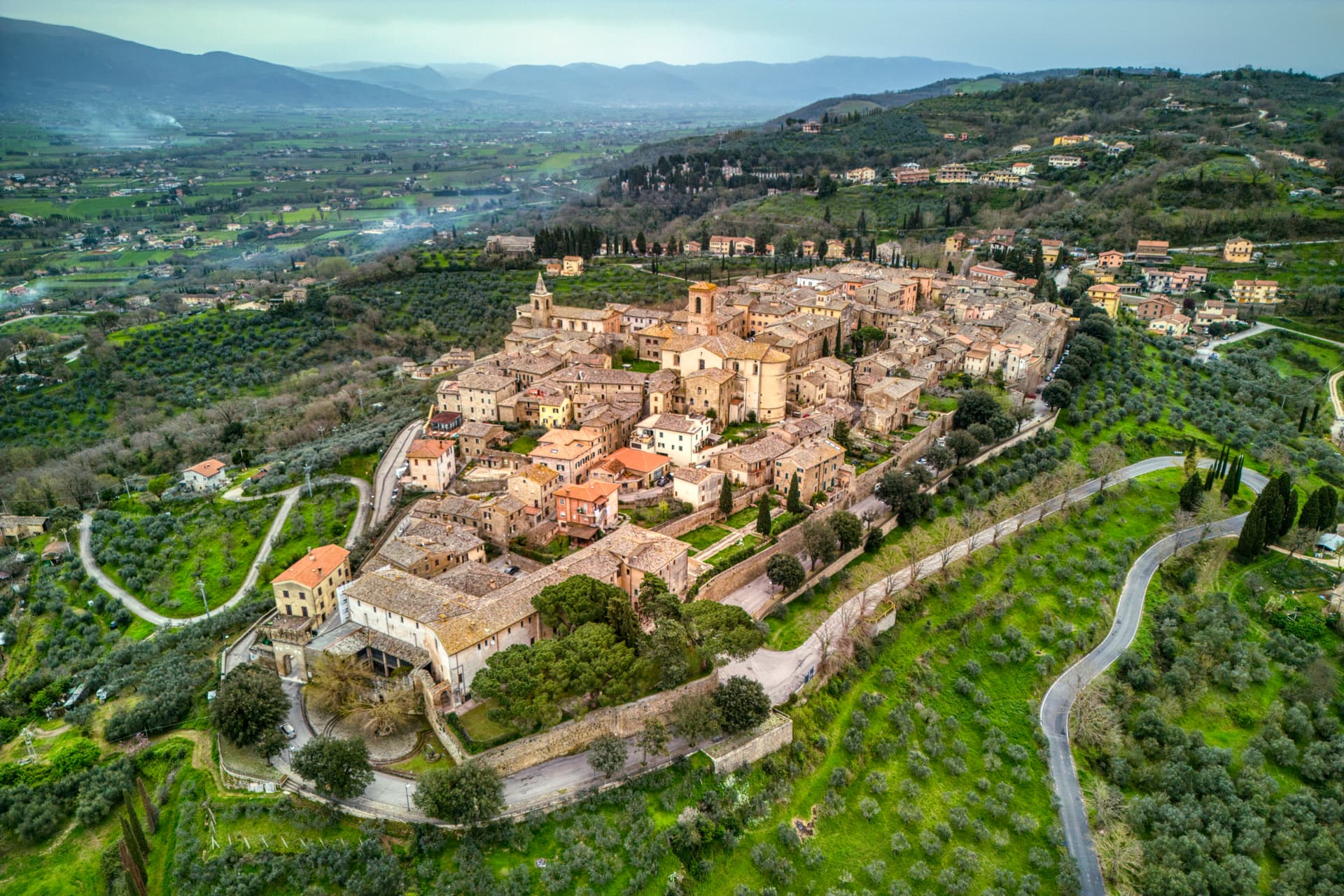
A hill town at 353 meters between the Topino and Chiascio rivers, the only Etruscan settlement ever built east of the Tiber.
Deruta
Province: Perugia
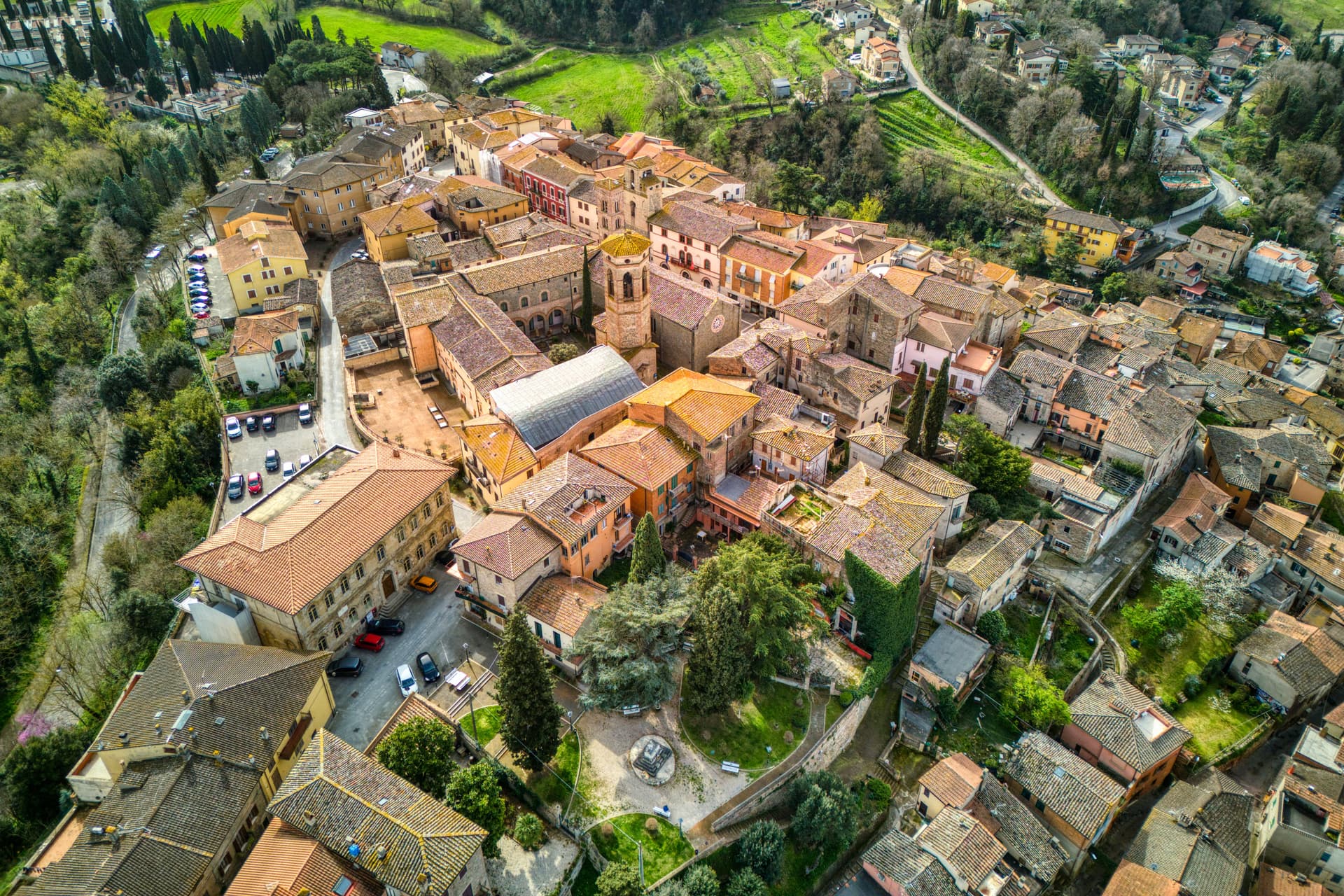
A hill town at 218 meters on the left bank of the Tiber, the maiolica capital of central Italy since the late thirteenth century.
Bevagna
Province: Perugia
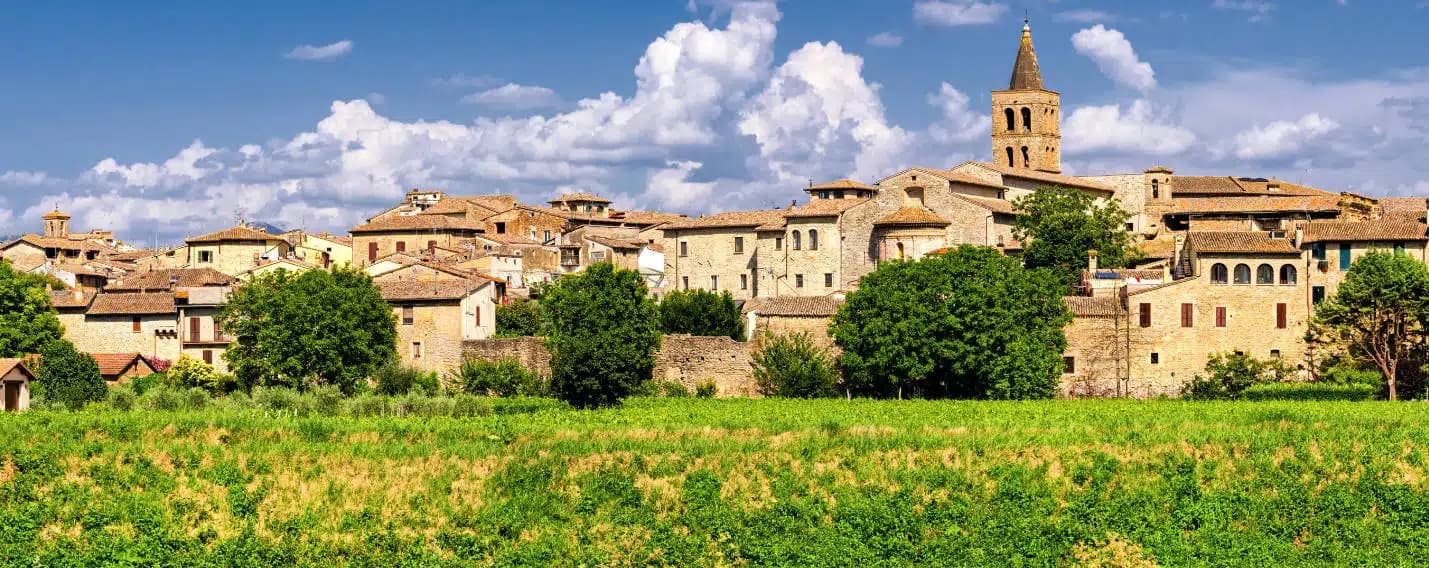
Roman Mevania on the Umbrian plain at 225 meters, four medieval quarters that compete every June in a reconstructed market of the 13th century.
Corciano
Province: Perugia
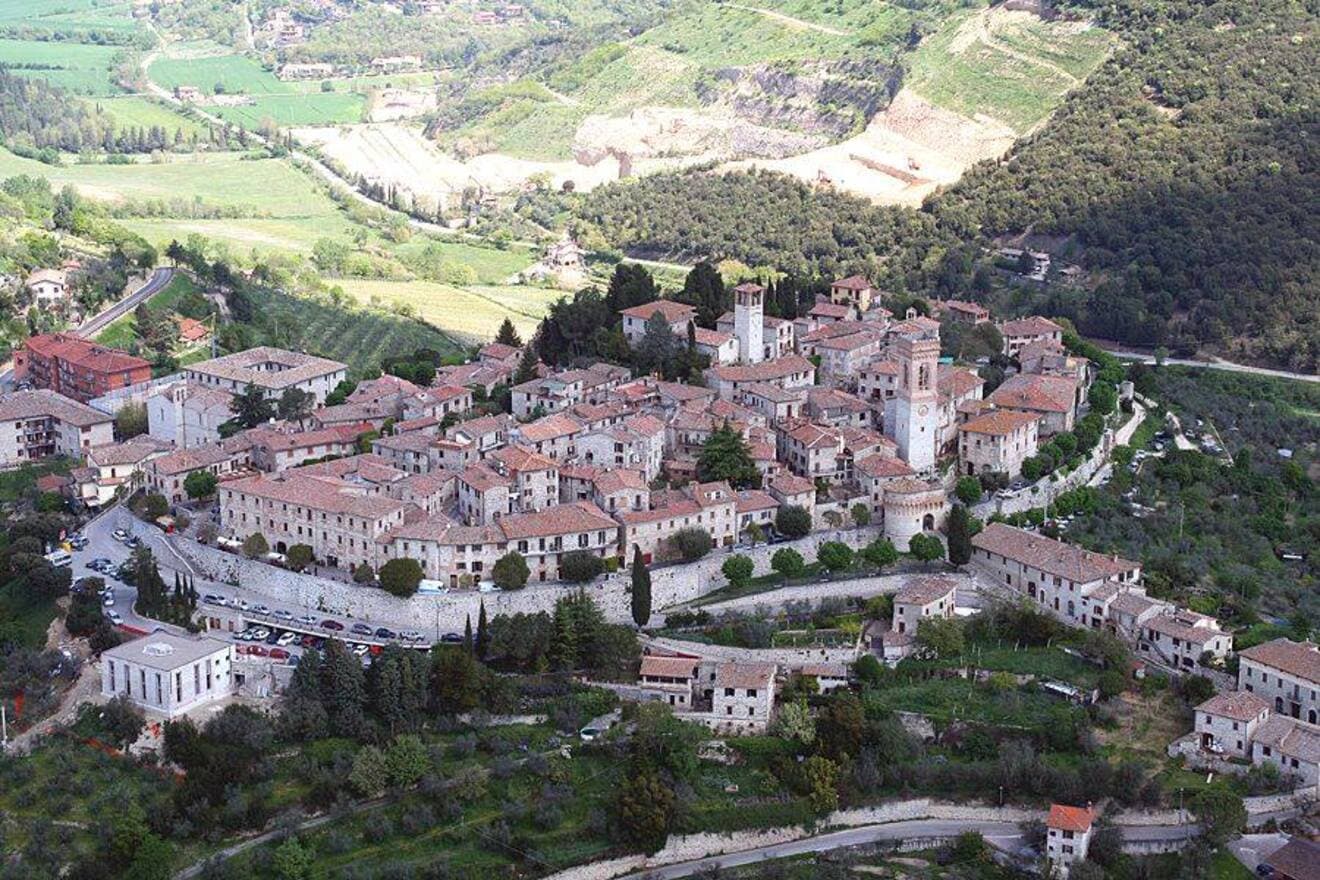
A walled medieval castello at 408 meters eight kilometers west of Perugia, where Saint Francis stopped on his way back from Isola Maggiore in 1223.
Spello
Province: Perugia
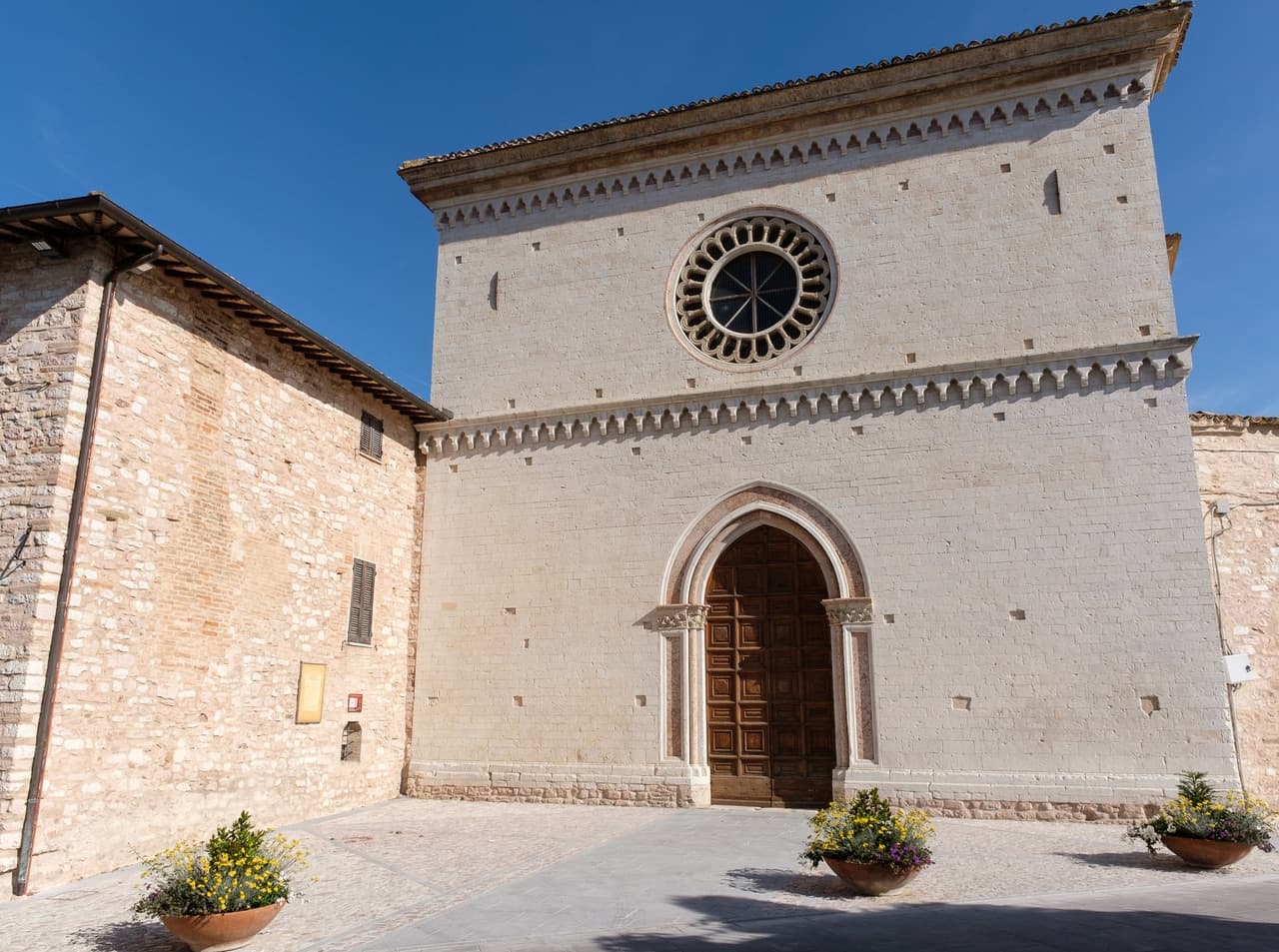
Augustan Hispellum at 280 meters on Monte Subasio, where streets carry flower petals each Corpus Domini and Pinturicchio frescoed the Baglioni Chapel in 1501.
🎨 Borghi più belli d'Italia
More Borghi più belli d'Italia towns in Umbria
Acquasparta
Province: Terni
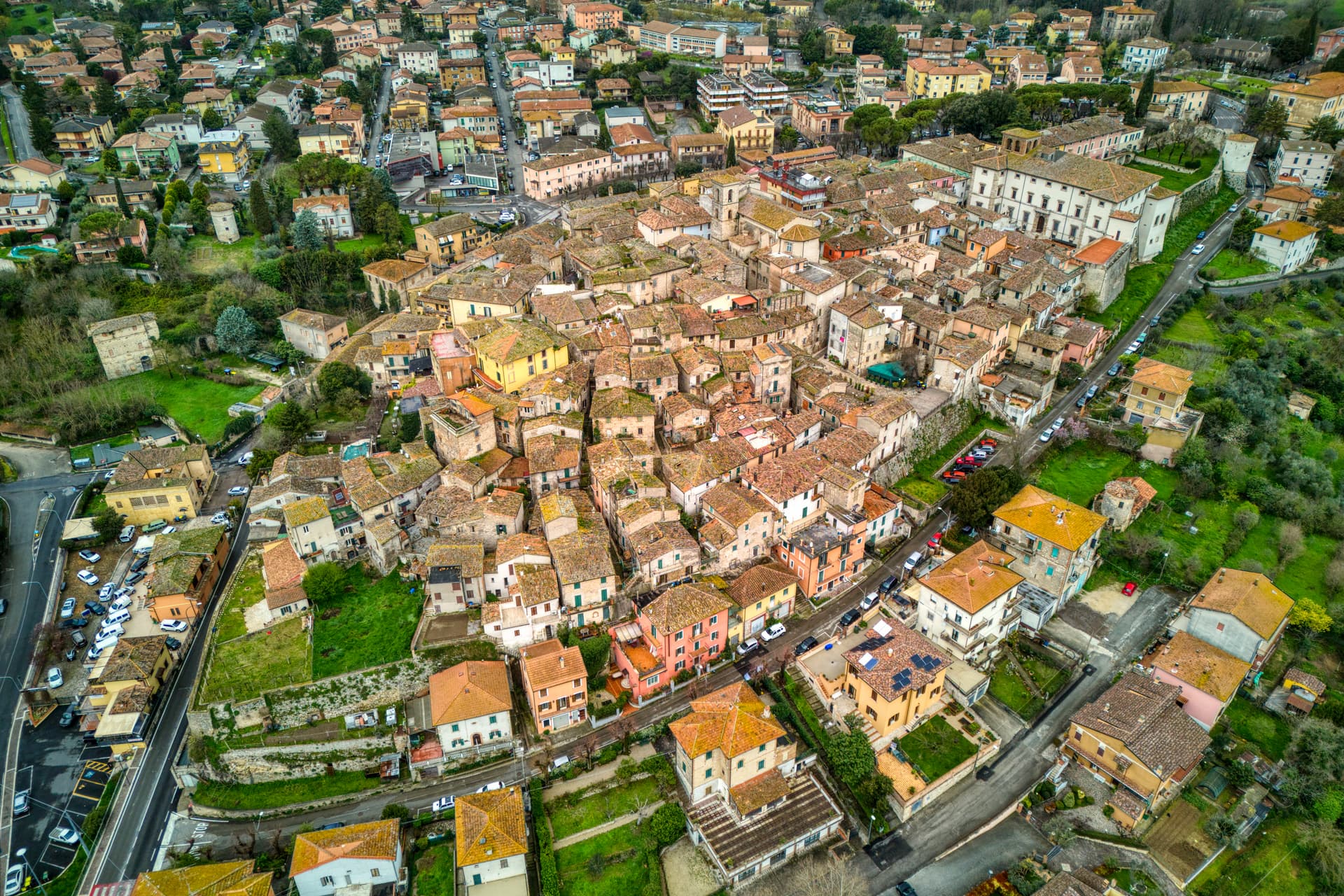
A hill town at 350 meters above the Naia valley, where Federico Cesi convened the first Accademia dei Lincei in his Palazzo Cesi in 1603.
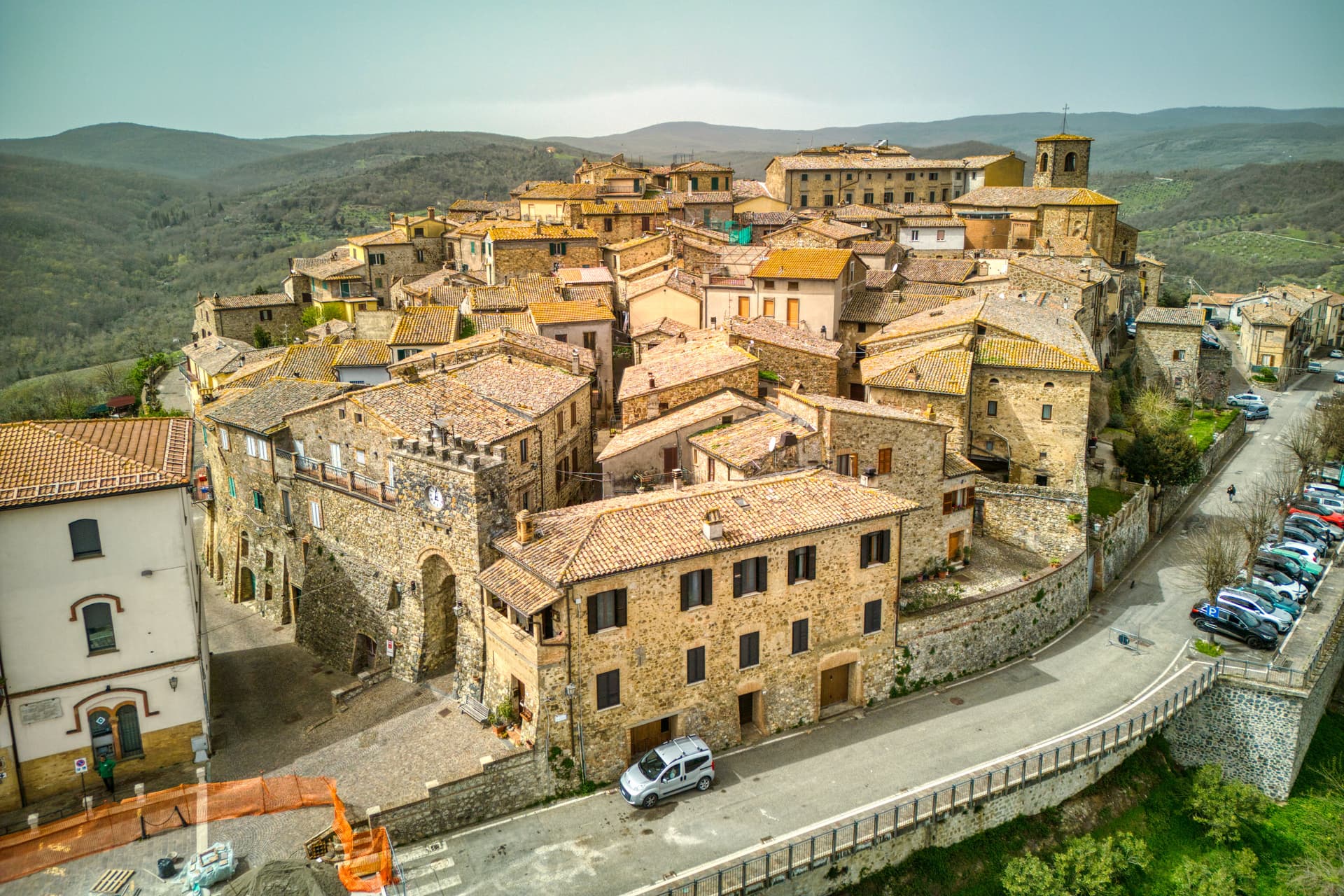
Allerona
Province: Terni
A stone borgo at 472 meters between the Paglia valley and the Valdichiana, an Orvieto outpost whose Monaldeschi castle fell to Charles V.
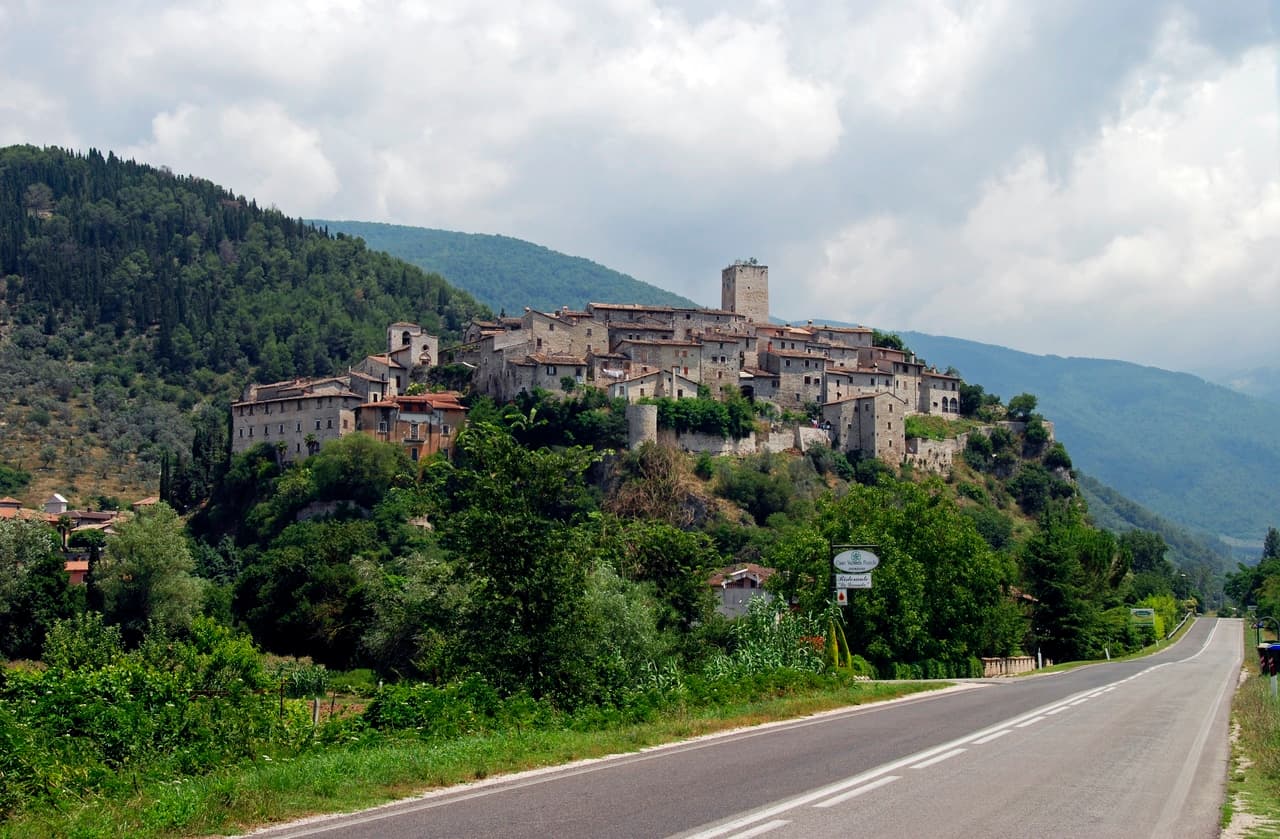
Arrone
Province: Terni
Medieval castle village on the left bank of the Nera at 243 meters, upstream from the largest man-made waterfall in the world.
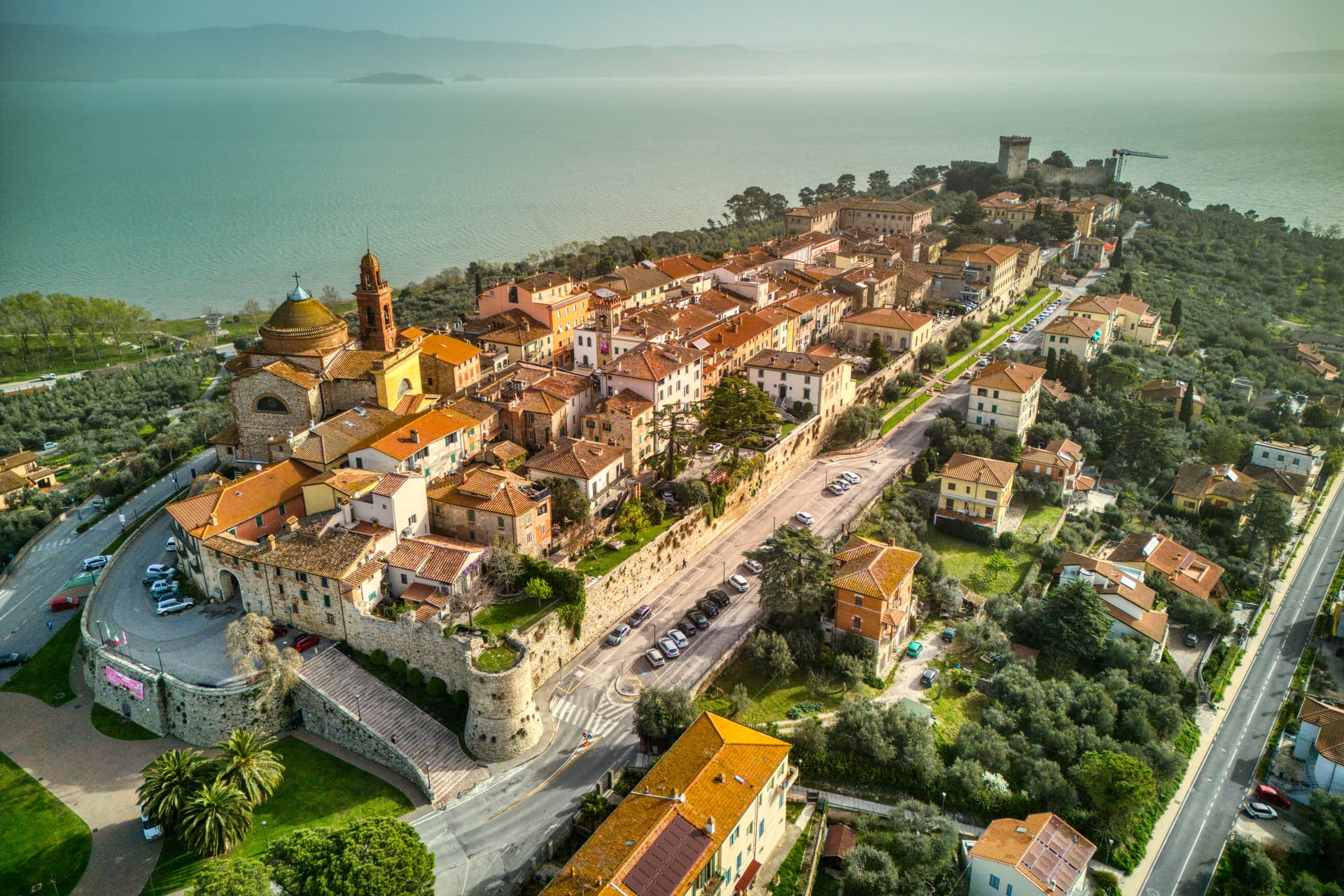
Castiglione del Lago
Province: Perugia
Trasimeno's western promontory, once the lake's fourth island, fortified by Federico II in 1247 and frescoed by Pomarancio for the Corgna marquises.