
Ski Area
Ski Area in Aosta Valley
8 towns
Aosta Valley holds 8 Ski Area sites inside our catalogue. All sit in the province of Valle d'Aosta/Vallée d'Aoste.
The three most recognised in our catalogue are Aymavilles, Cogne, and Gressoney-Saint-Jean. 5 more towns carry the mark alongside them.
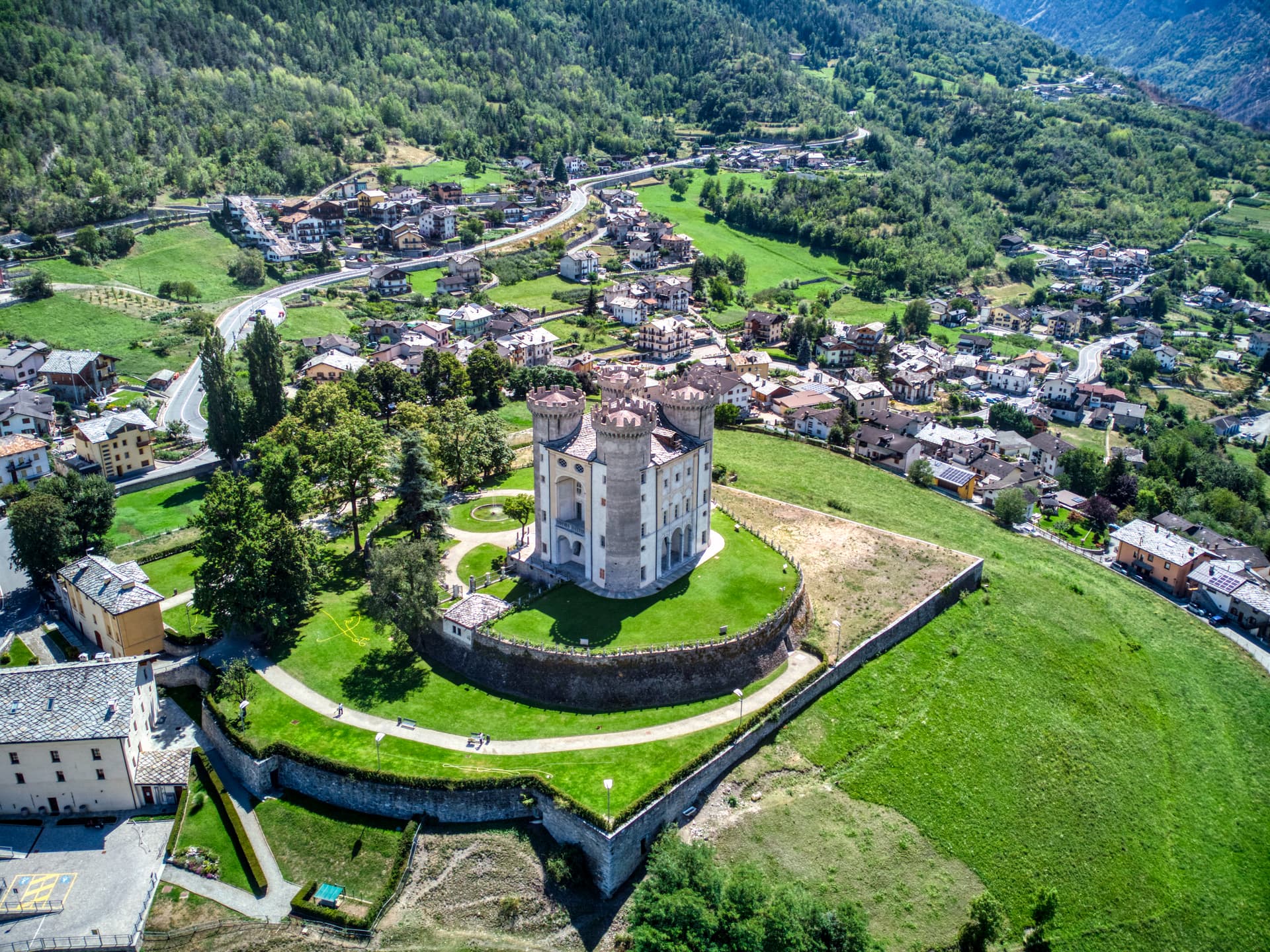
Aymavilles
Province: Aosta Valley · 646 m
Gateway to the Gran Paradiso at 646 metres, with a four-towered Challant castle and a 3 BC Roman aqueduct above the Grand'Eyvia.
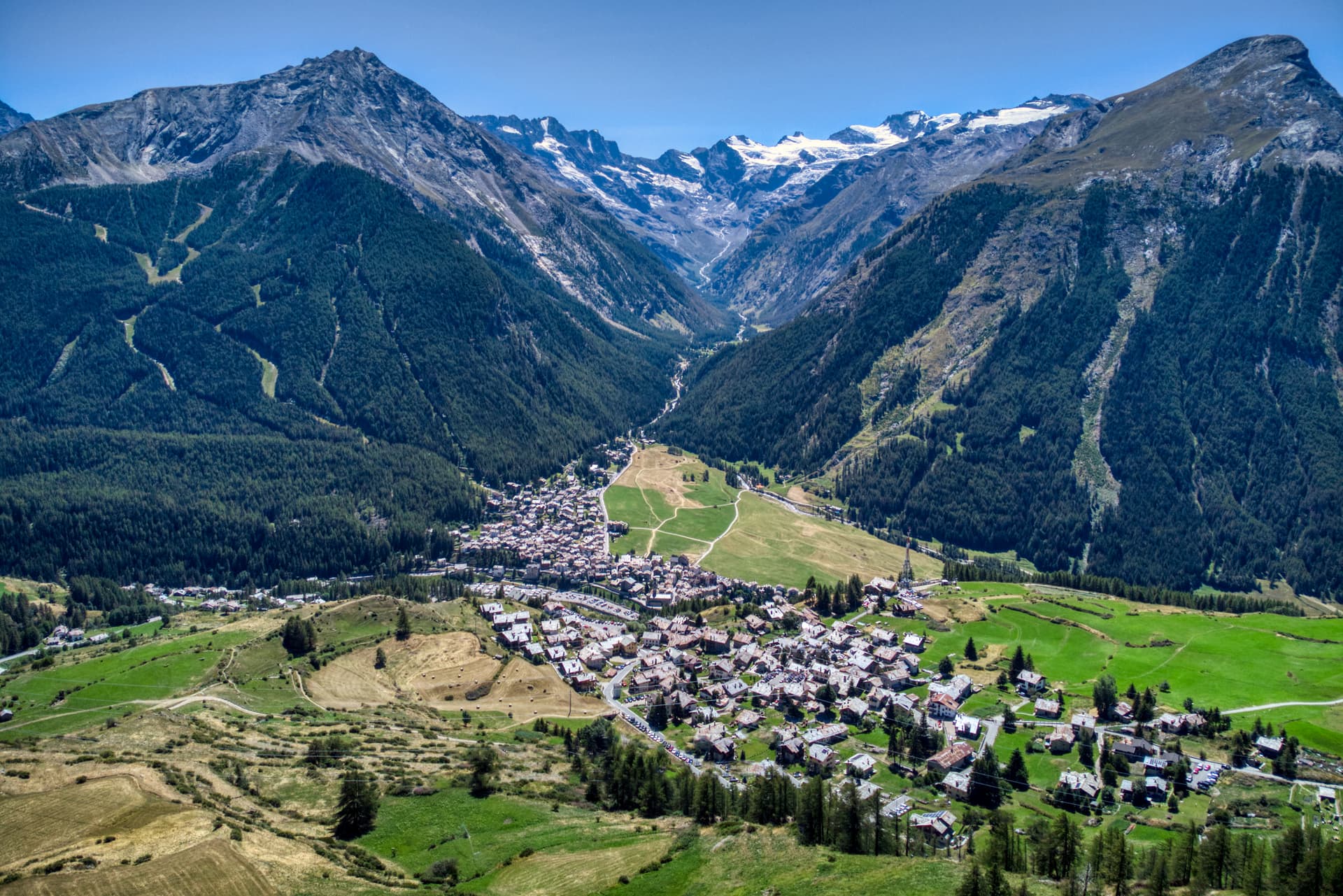
Cogne
Province: Aosta Valley · 1,534 m
The mining town turned capital of the Gran Paradiso, the Aosta Valley's largest commune with 95 percent of its land inside Italy's oldest park.
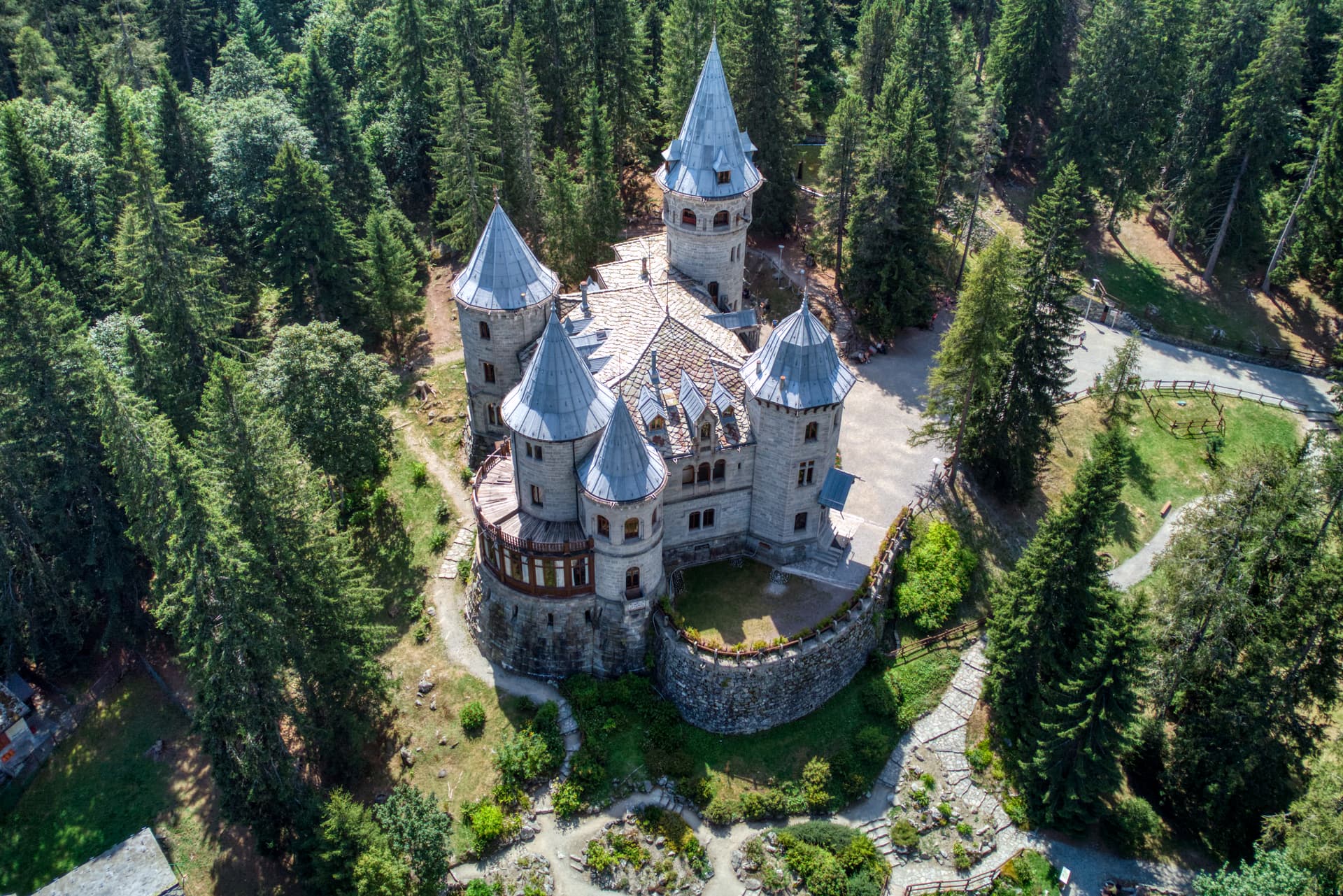
Gressoney-Saint-Jean
Province: Aosta Valley · 1,385 m
A Walser village in the Lys valley where Titsch is still spoken, Queen Margherita summered, and the Lyskamm glacier closes the view.
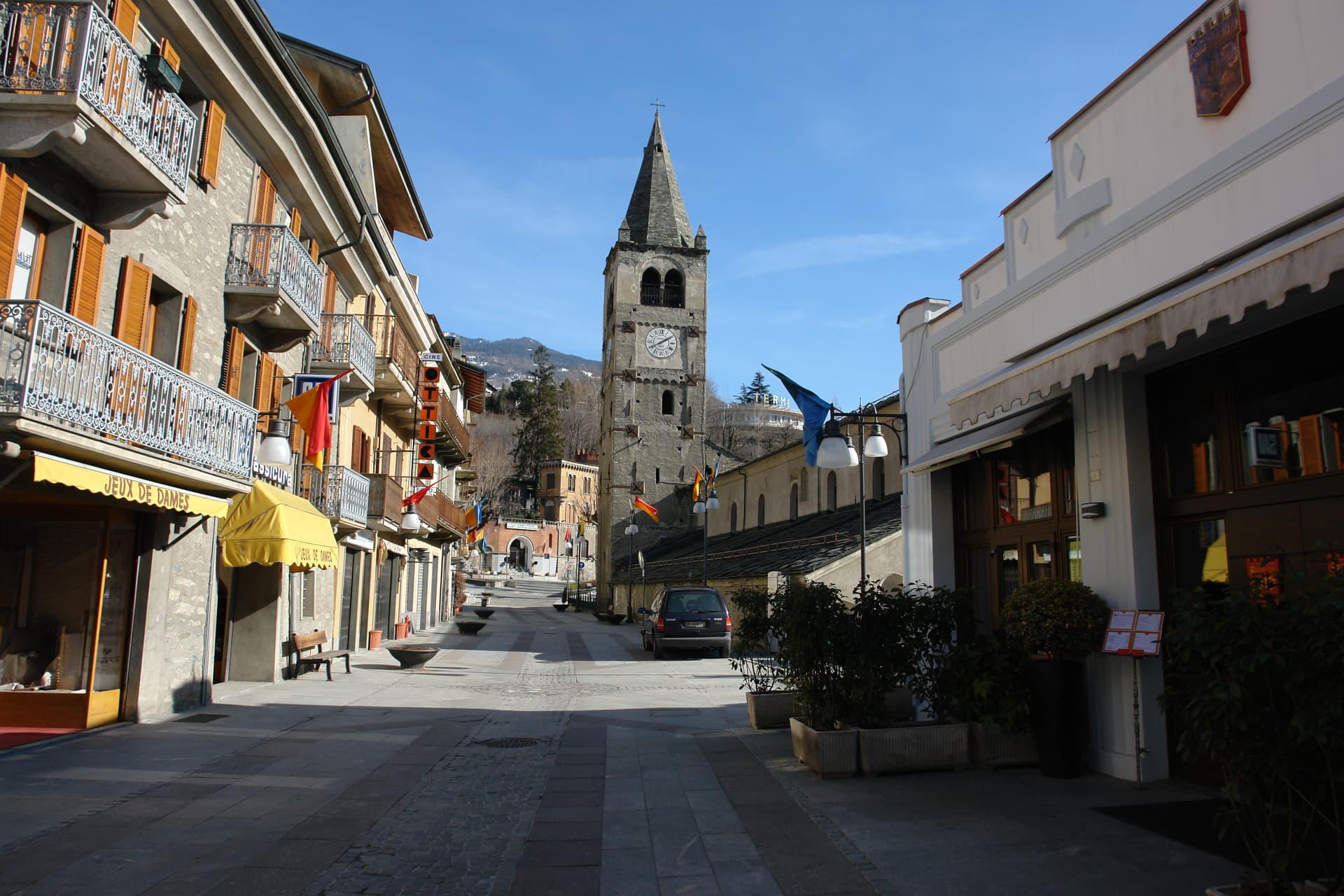
Saint-Vincent
Province: Aosta Valley · 575 m
The Aosta Valley's belle-époque thermal town — a 4,400-resident commune on a sunny south-facing terrace at 575m with the Fonte Salée mineral spring (in use since 1770), the Casinò de la Vallée (Italy's second-largest legal casino since 1947), and the Matterhorn peak visible north of town.
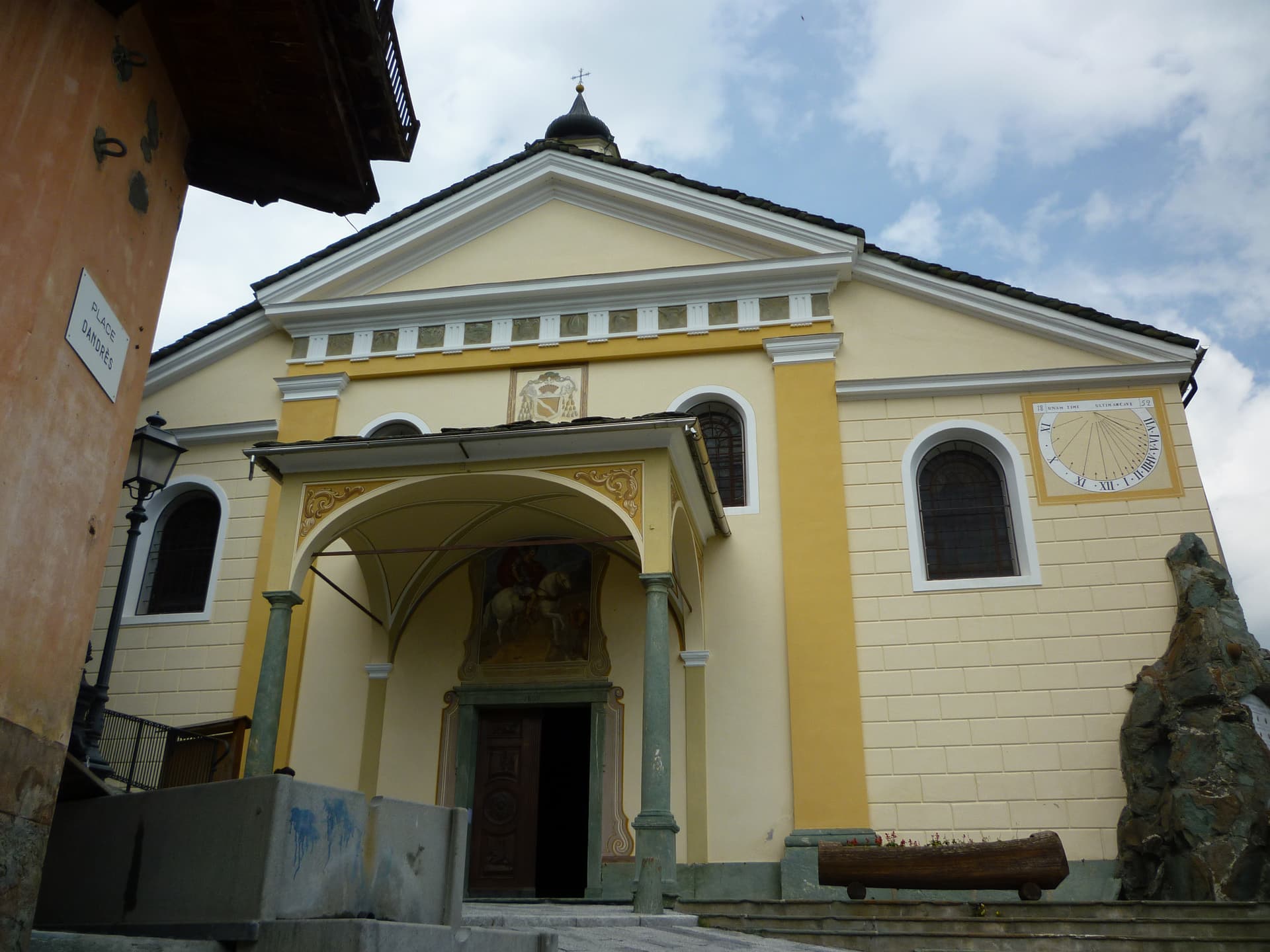
Ayas
Province: Aosta Valley · 1,710 m
A scattered upper-valley commune of three villages under the Monte Rosa, where Walser settlers and Romance-speaking herders share the slopes below Castor and Pollux.
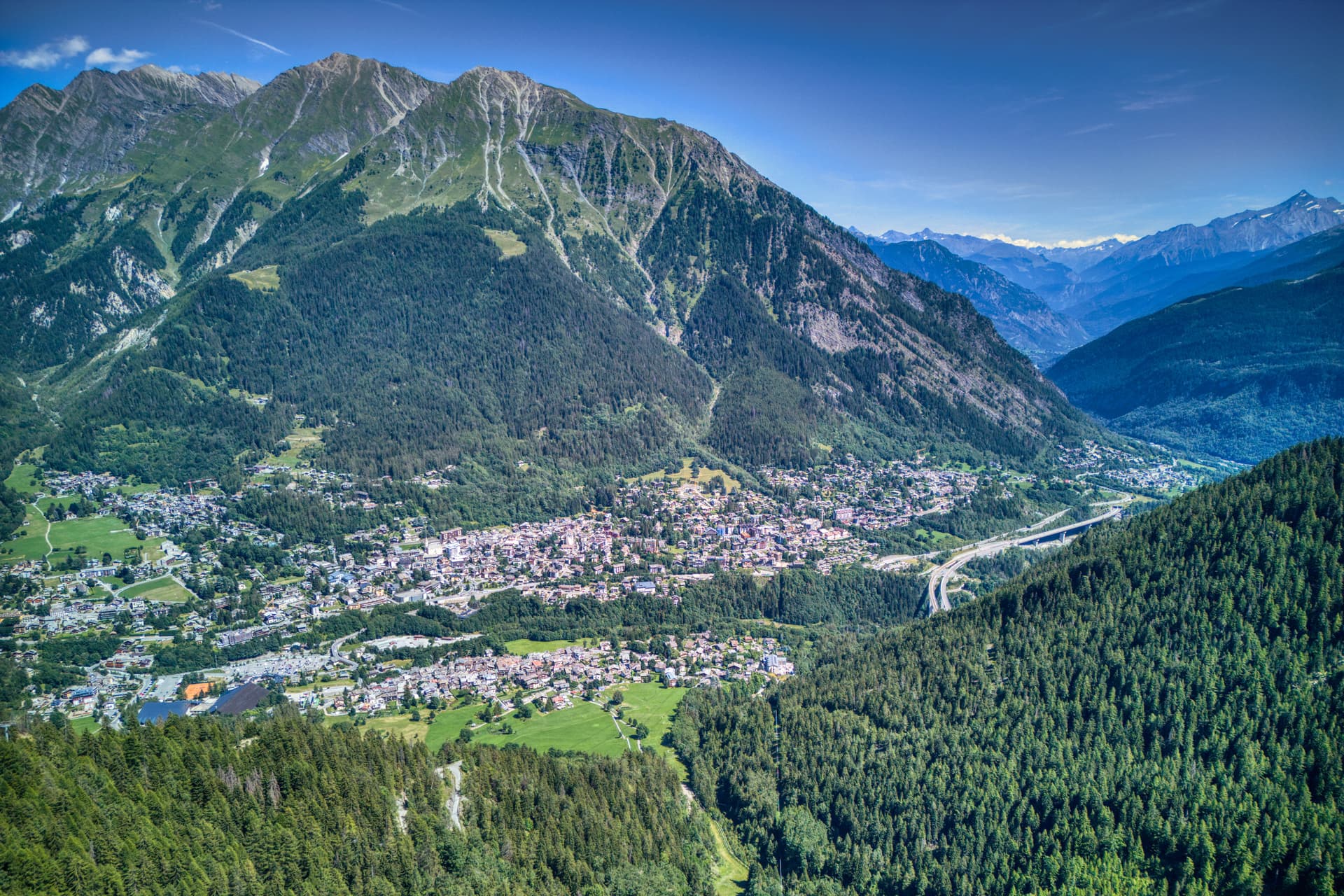
Courmayeur
Province: Aosta Valley · 1,224 m
The Italian base of Mont Blanc, a Roman waystation on the Via delle Gallie that became the country's highest commune and its best-known ski address.
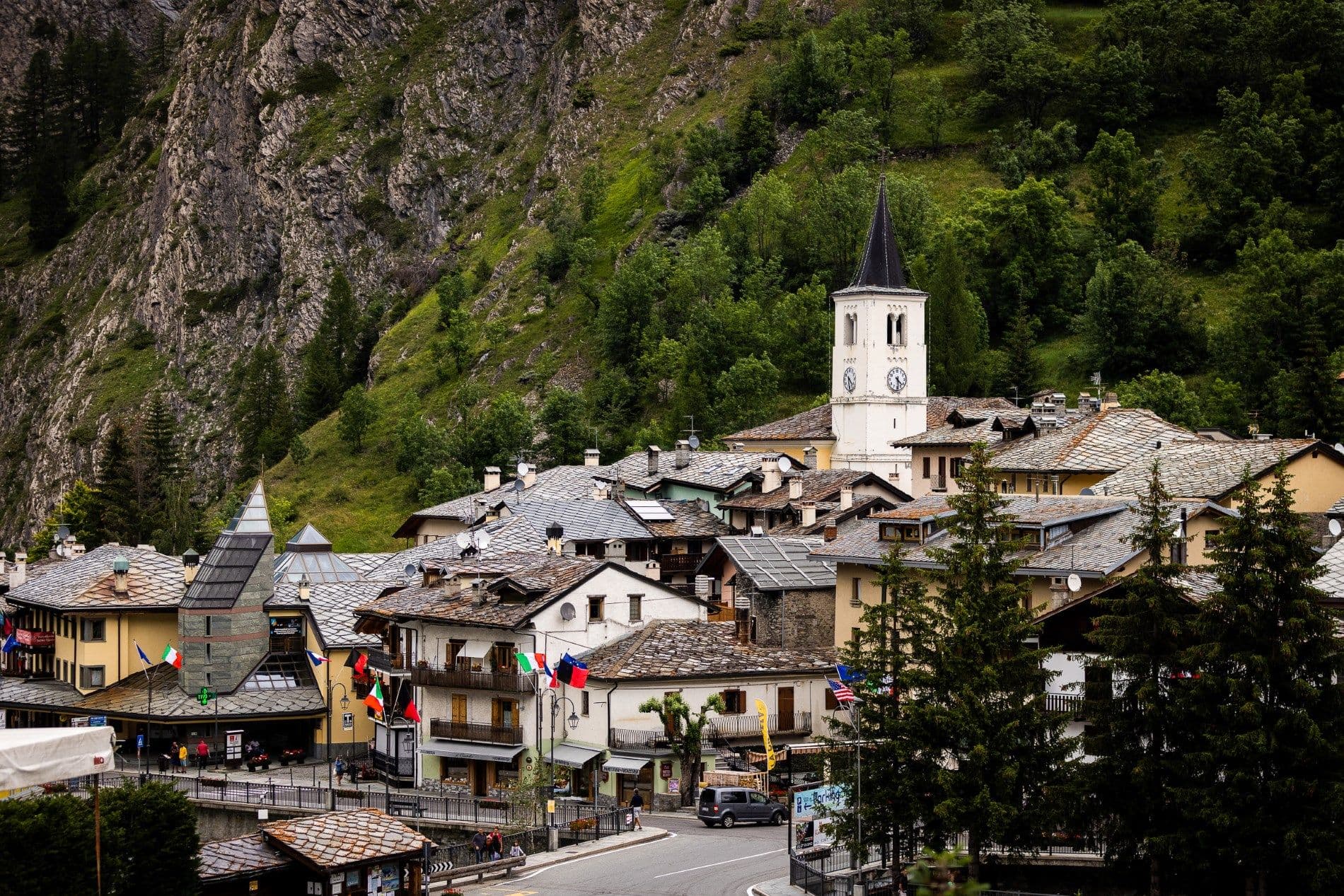
La Thuile
Province: Aosta Valley · 1,441 m
Italy's gateway to the Petit Saint-Bernard pass — a 1,441m alpine village under Mont Blanc with the Espace San Bernardo ski domain straddling the French border (152 km of pistes shared with La Rosière), the Rutor glacier and its tiered waterfalls behind it, and a Roman-Salassi history that goes back two millennia.
Valtournenche
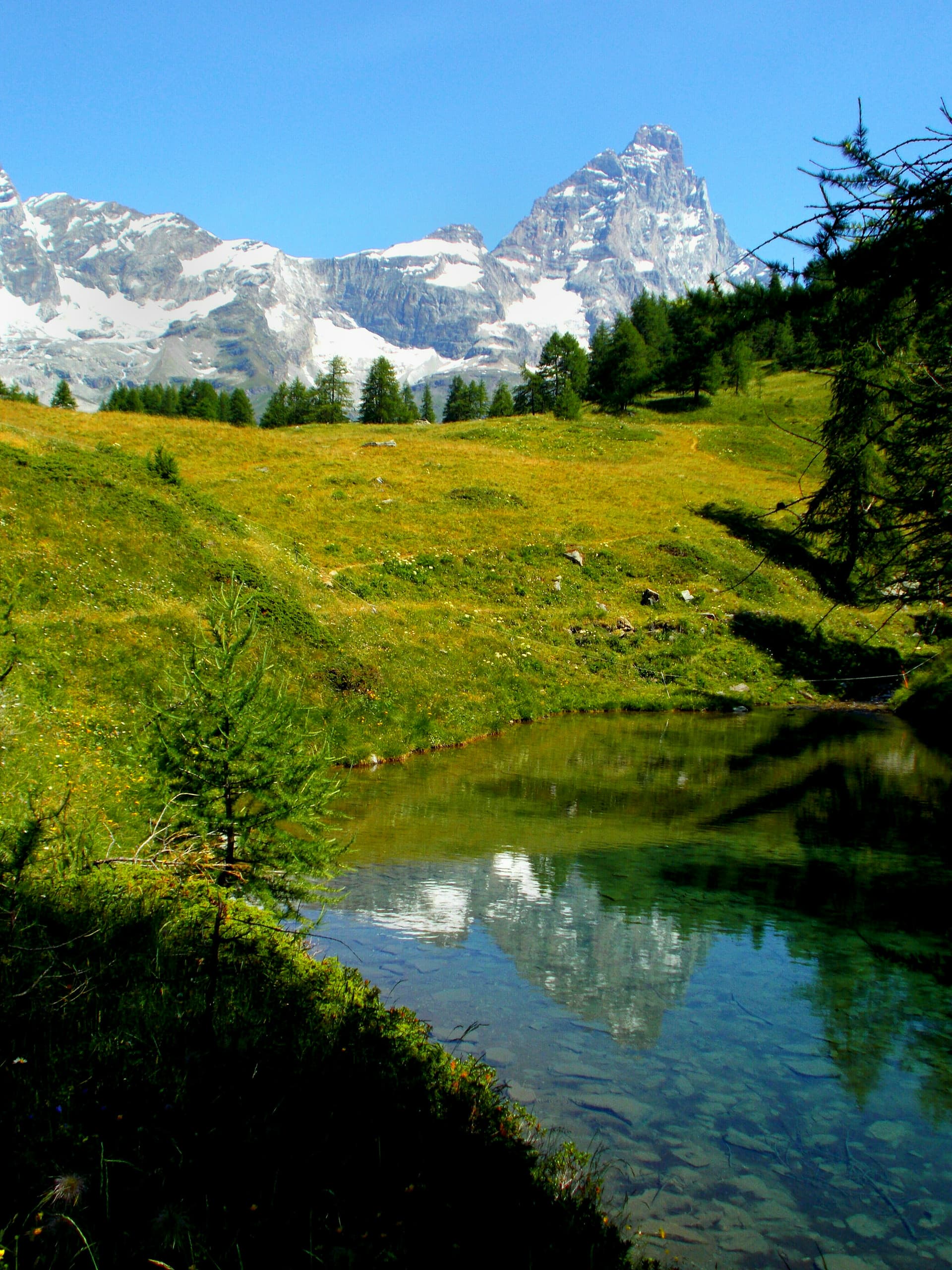
Province: Aosta Valley · 1,524 m
The valley under the Cervino, home of the guides who raced Whymper up the mountain in 1865 and the resort of Breuil-Cervinia at its head.
Subscribe — free
Get the best guides on hidden Italian towns.
One letter on Sundays. The week’s town, with the photo, the food, the festa. Free, by Peter & Sophia from Pietrasanta.
Substack sends a confirmation link to your inbox. The signup finishes when it’s clicked.
From elsewhere in Italy
Five more towns to discover
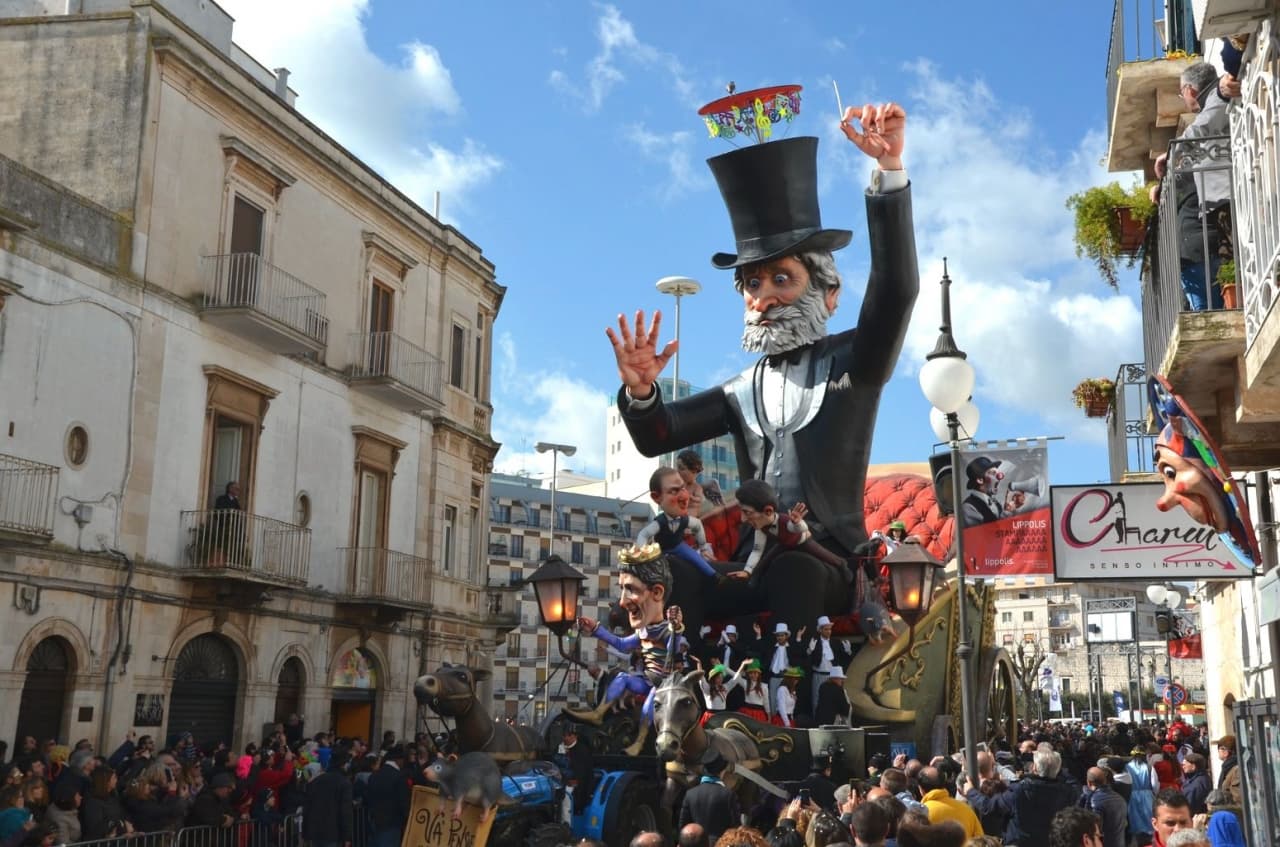
Putignano
Province: Bari
Europe's longest-running carnival — Putignano Carnevale has run continuously since 1394, with 631 years of cartapesta papier-mâché floats, a 26,000-resident Murgia town on the Bari–Lecce plateau, and the Grotta del Trullo karst cave inside the centro.

Pistoia
Province: Pistoia
Italy's nursery capital and the medieval Tuscan rival that gave its name to the pistol — a quietly extraordinary centro storico of zebra-striped Romanesque churches, Andrea della Robbia's polychrome frieze on the Ospedale del Ceppo, and Italy's Capital of Culture 2017, all 30 minutes from Florence by train.
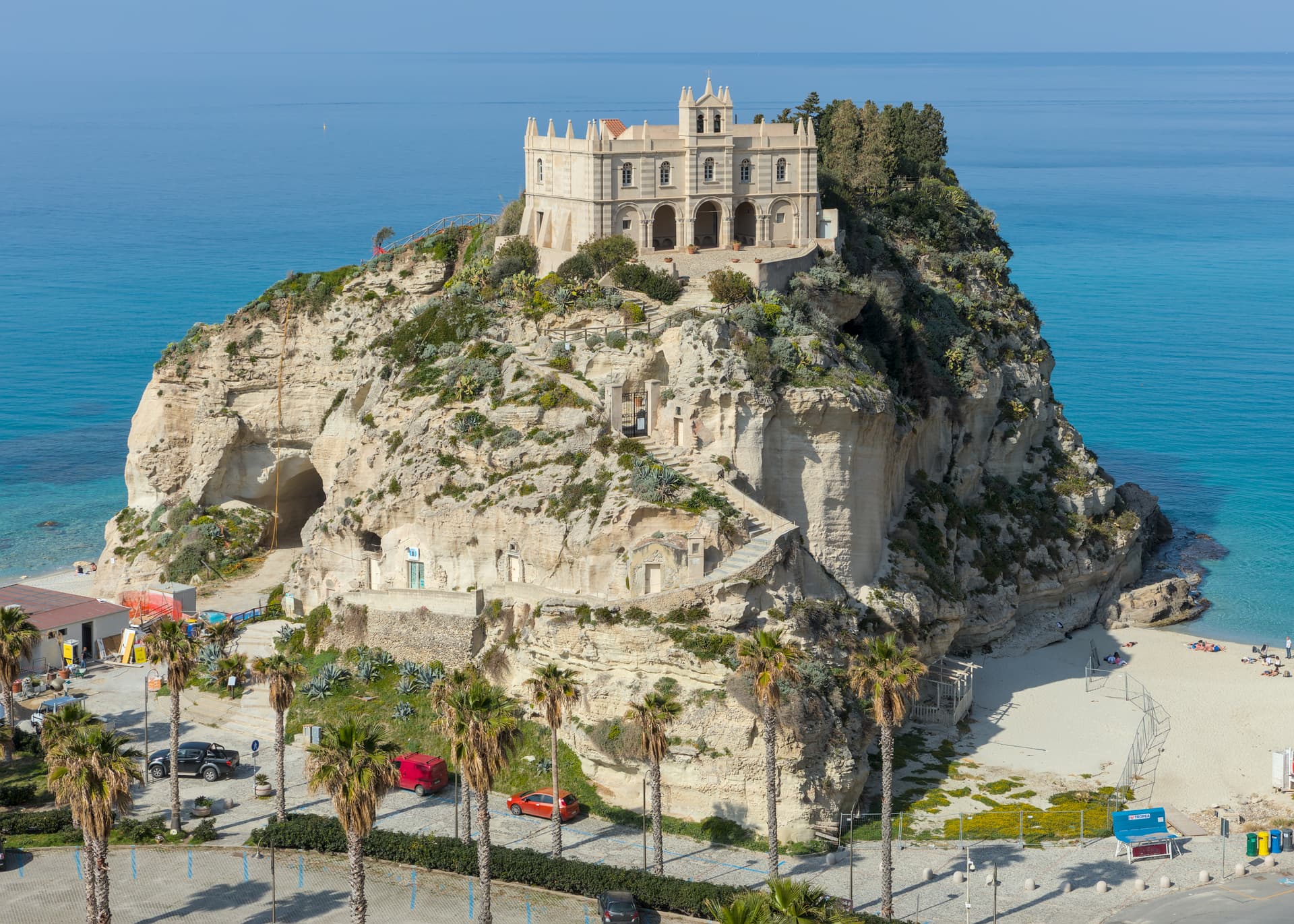
Tropea
Province: Vibo Valentia
Cliff town on a tufa headland over the Tyrrhenian Coast of the Gods, with a Norman monastery on a sea rock.
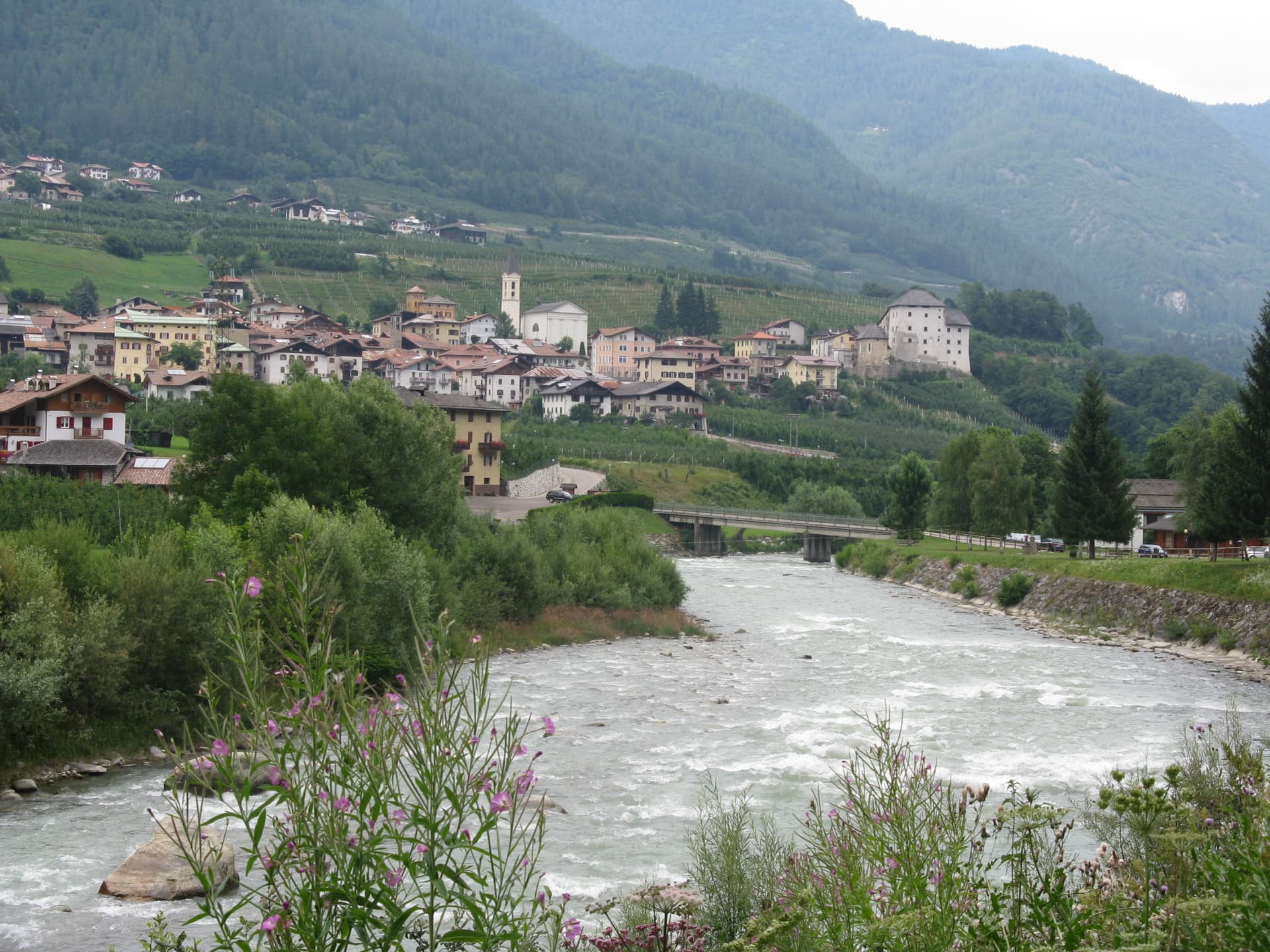
Caldes
Province: Trento
A scattered Val di Sole commune on the Noce, six hamlets gathered around a thirteenth-century tower-house castle that once belonged to the Thun family.
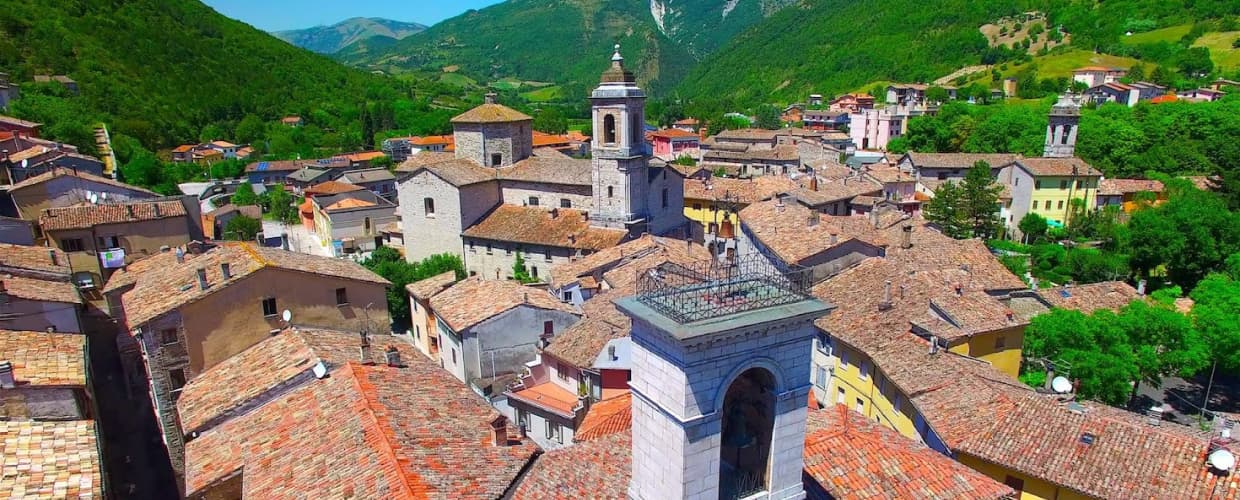
Cantiano
Province: Pesaro e Urbino
A border borgo at 374 meters under Monte Catria on the old Via Flaminia, known for the Good Friday Turba and the sour-cherry visciola harvest.