
Borghi più belli d'Italia
Borghi più belli d'Italia in Sicily
23 towns
Sicily carries 23 of the Borghi più belli d'Italia towns we cover. They cluster in the Messina, Enna, and Palermo provinces.
The three most recognised in our catalogue are Sambuca di Sicilia, Castiglione di Sicilia, and Cefalù. 20 more towns carry the mark alongside them.
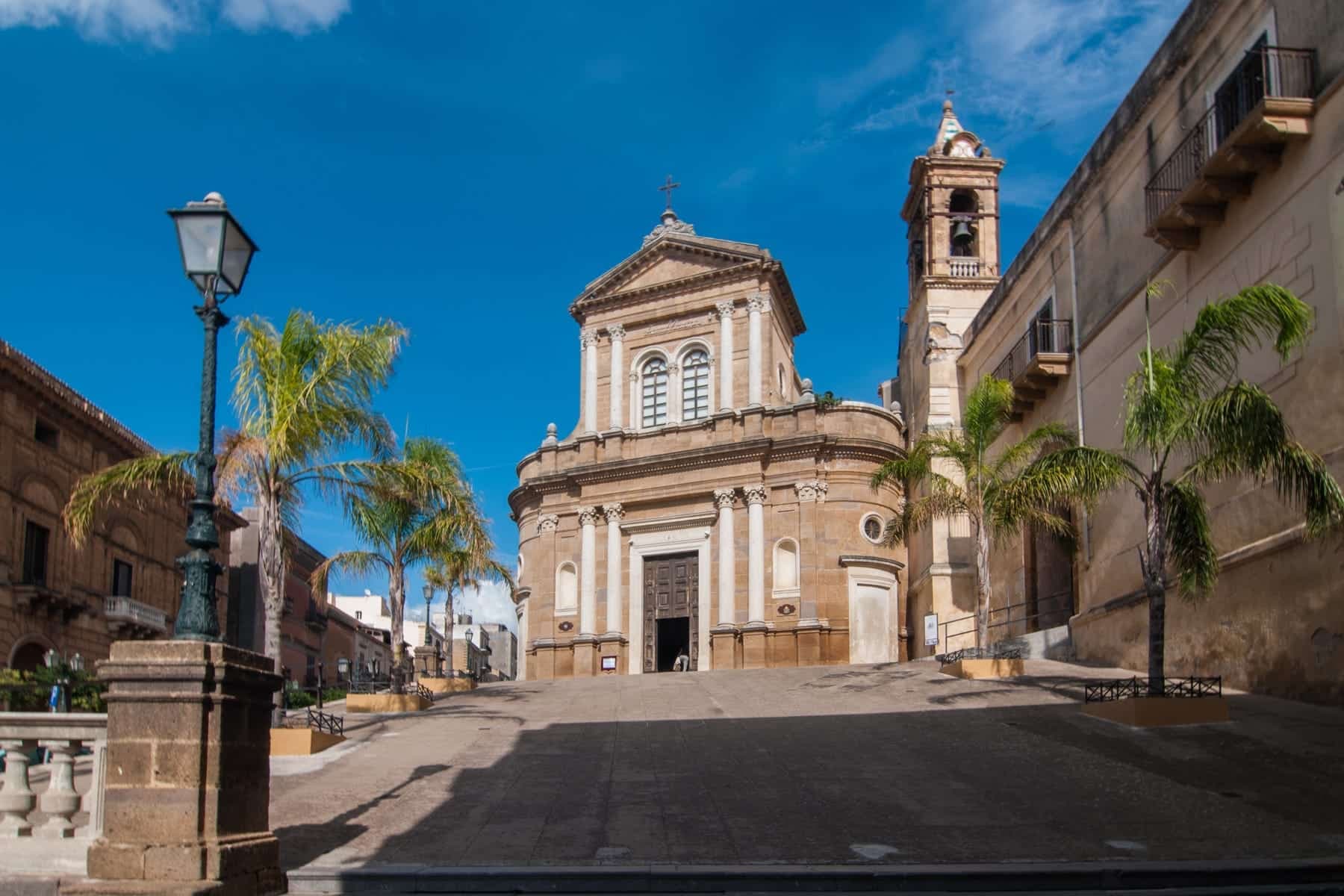
Sambuca di Sicilia
Province: Agrigento · 350 m
An Arab-founded hill town in the Belice valley, named Borgo dei Borghi in 2016, still called Zabut in living memory before 1923.
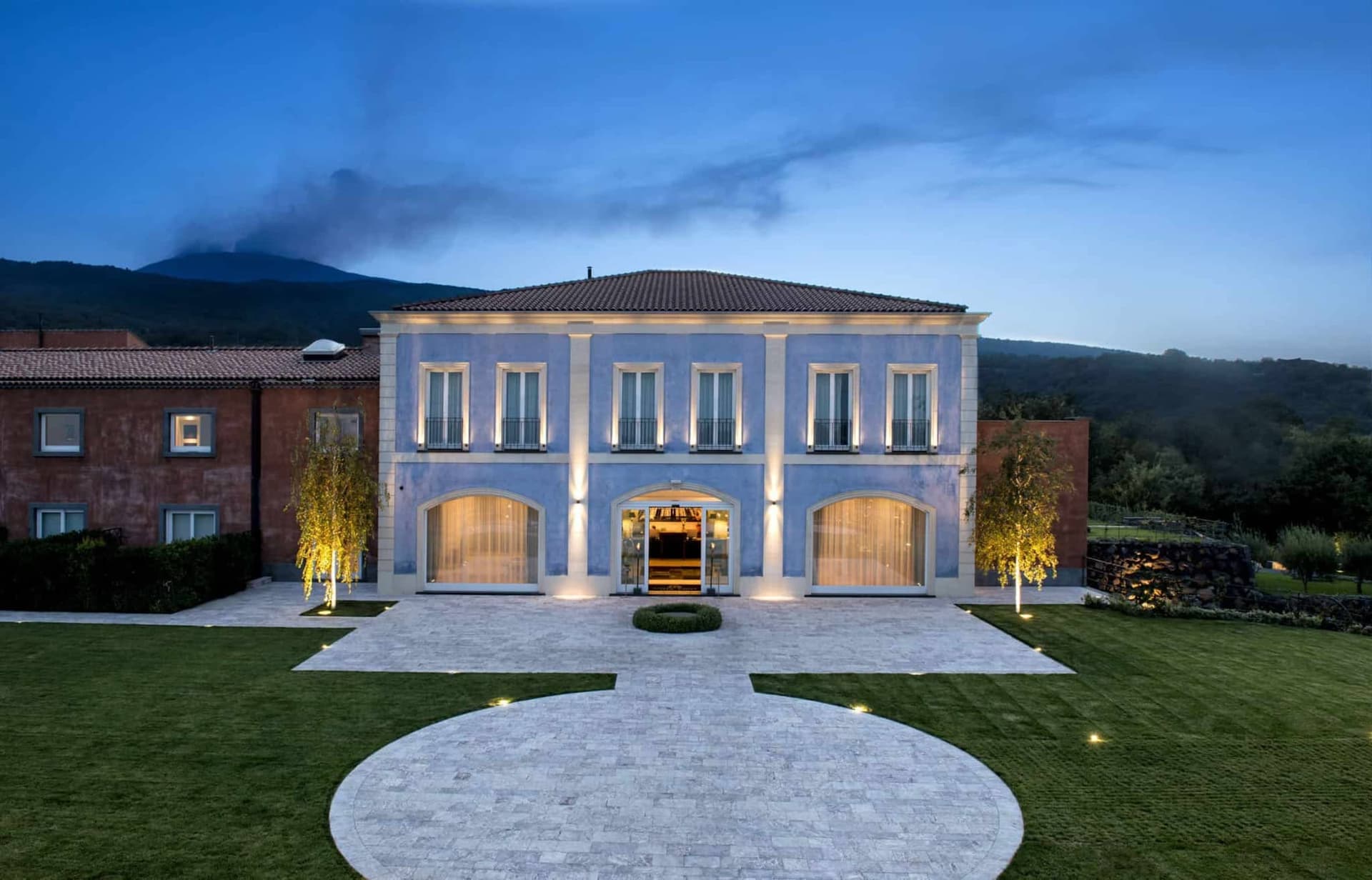
Castiglione di Sicilia
Province: Catania · 621 m
A hill town on the north flank of Etna at 621 meters, base camp for the Alcantara valley and the volcano's most serious red wines.
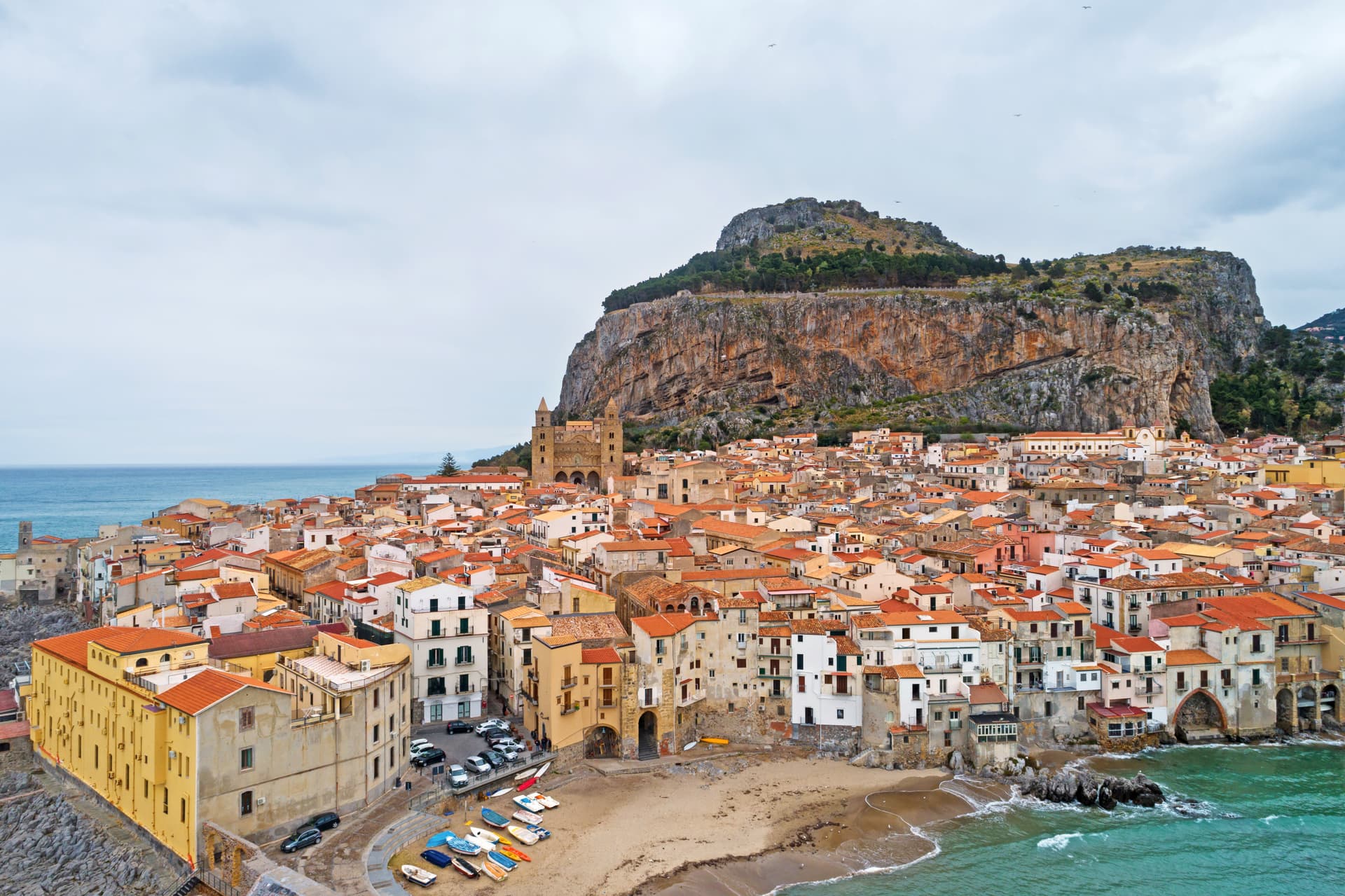
Cefalù
Province: Palermo · 16 m
A Norman cathedral at the foot of a 270-meter rock on the Tyrrhenian coast, founded by Roger II in 1131 and on the UNESCO Arab-Norman list since 2015.
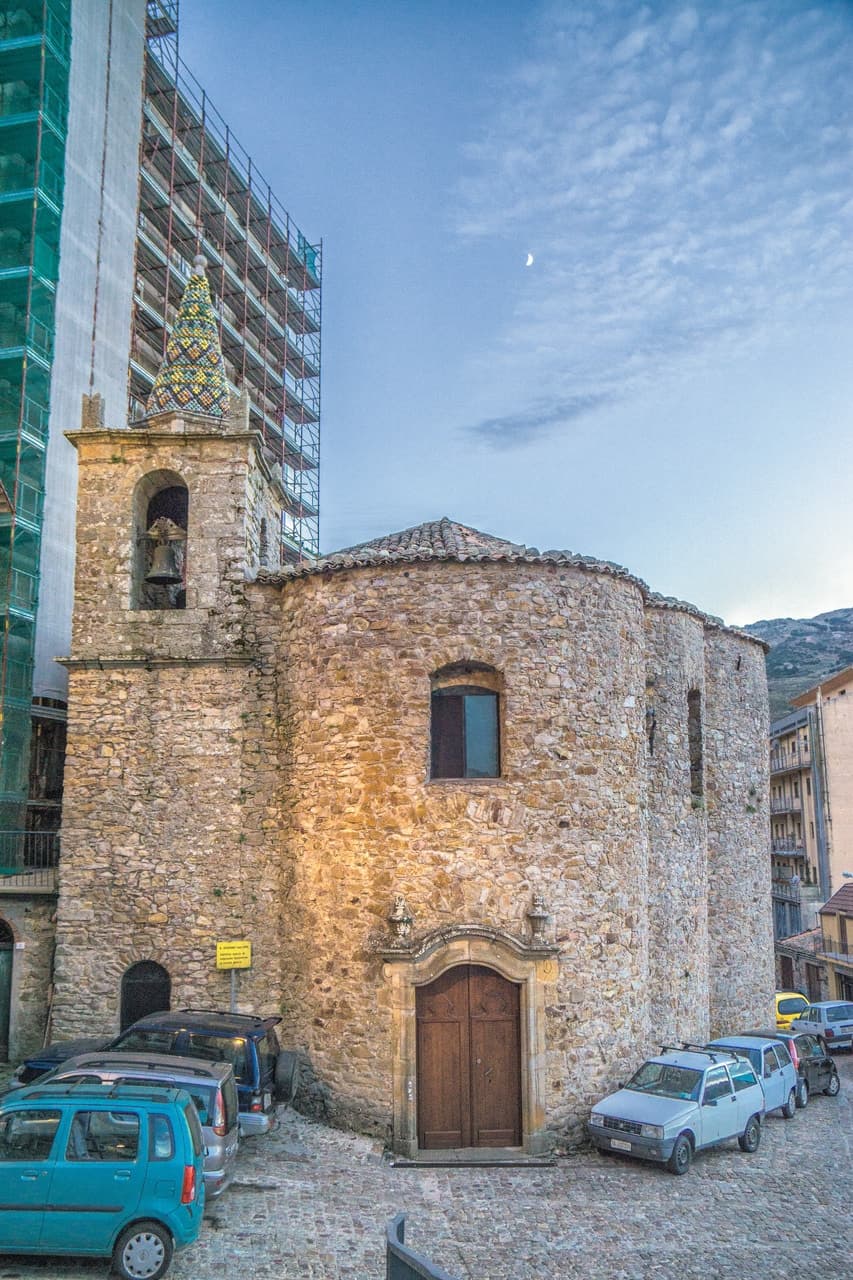
Geraci Siculo
Province: Palermo · 1,077 m
A Madonie ridge village at 1,077 meters, capital of the Ventimiglia marquisate from 1258 and the first marquisate granted in Sicily.
Montalbano Elicona
Province: Messina · 907 m
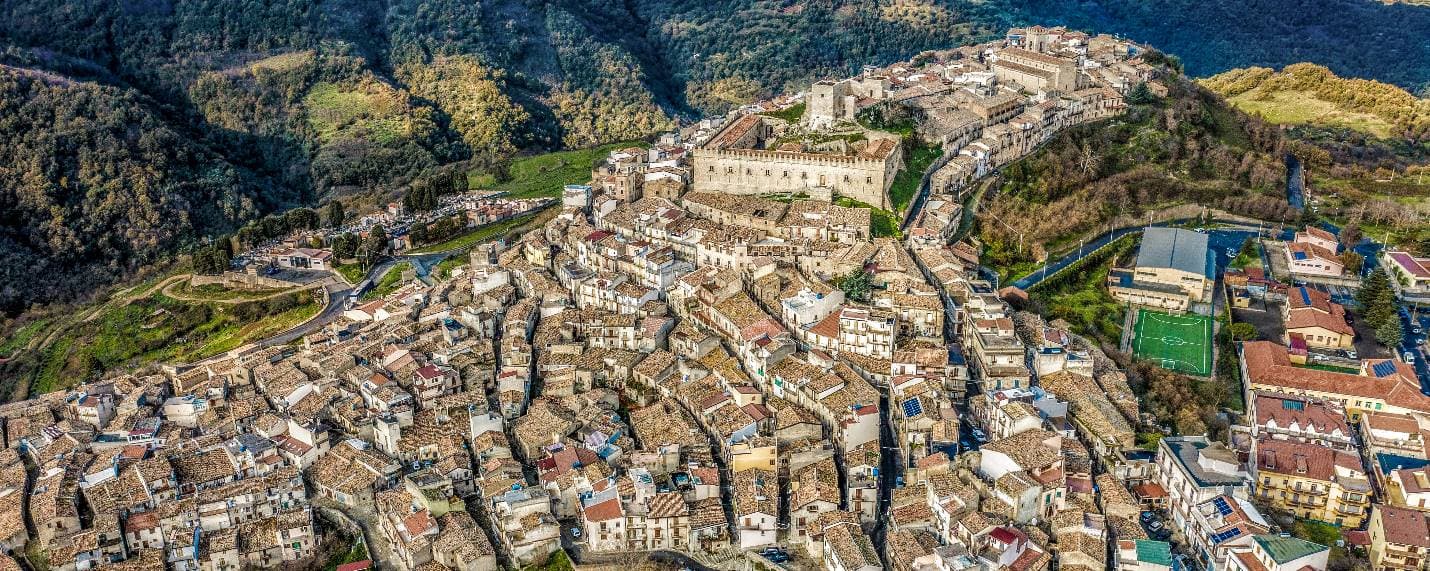
A Nebrodi castle town at 907 meters, Frederick III of Aragon's summer residence and gateway to the Argimusco megalithic plateau.
Palazzolo Acreide
Province: Siracusa · 670 m
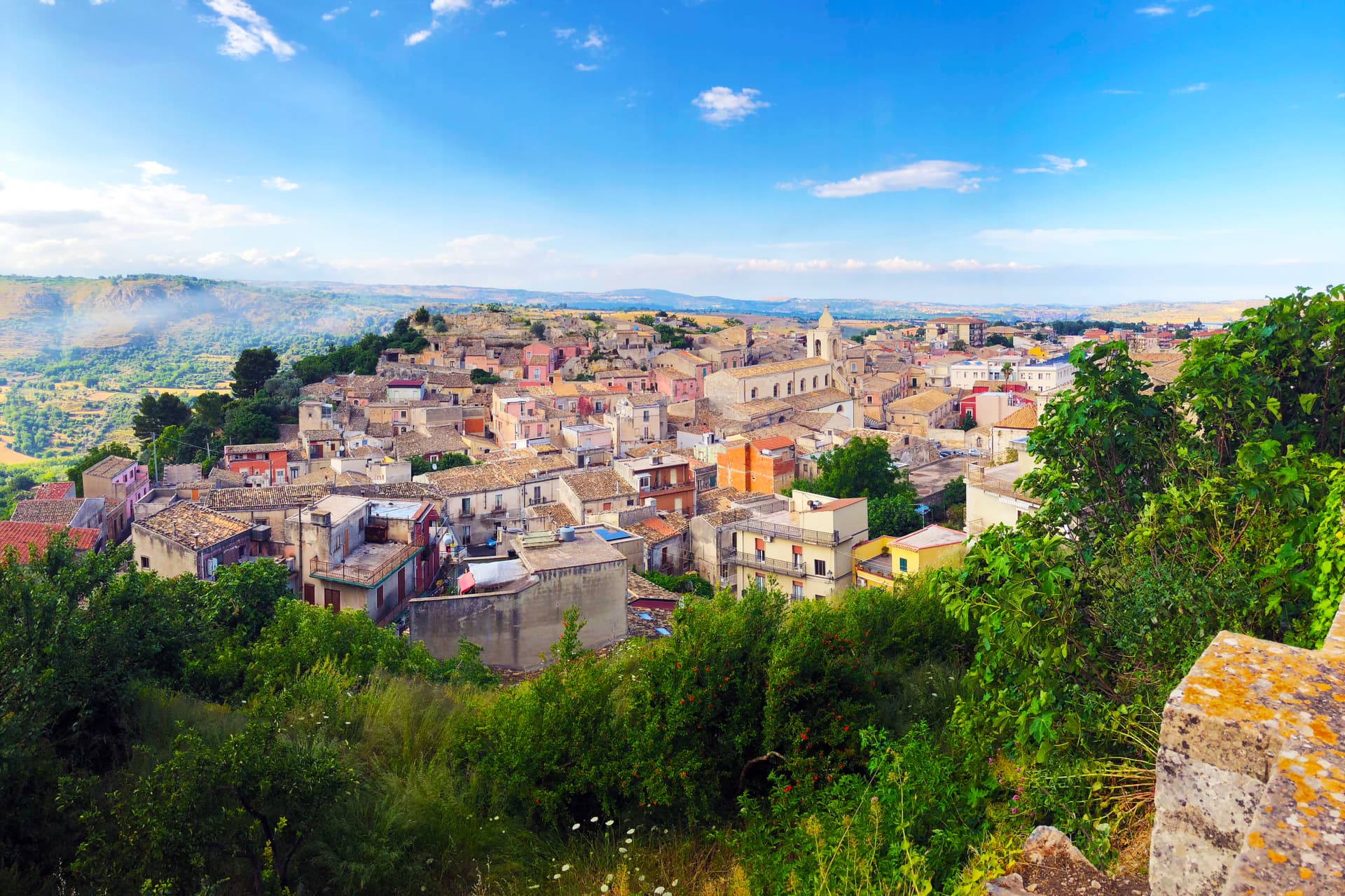
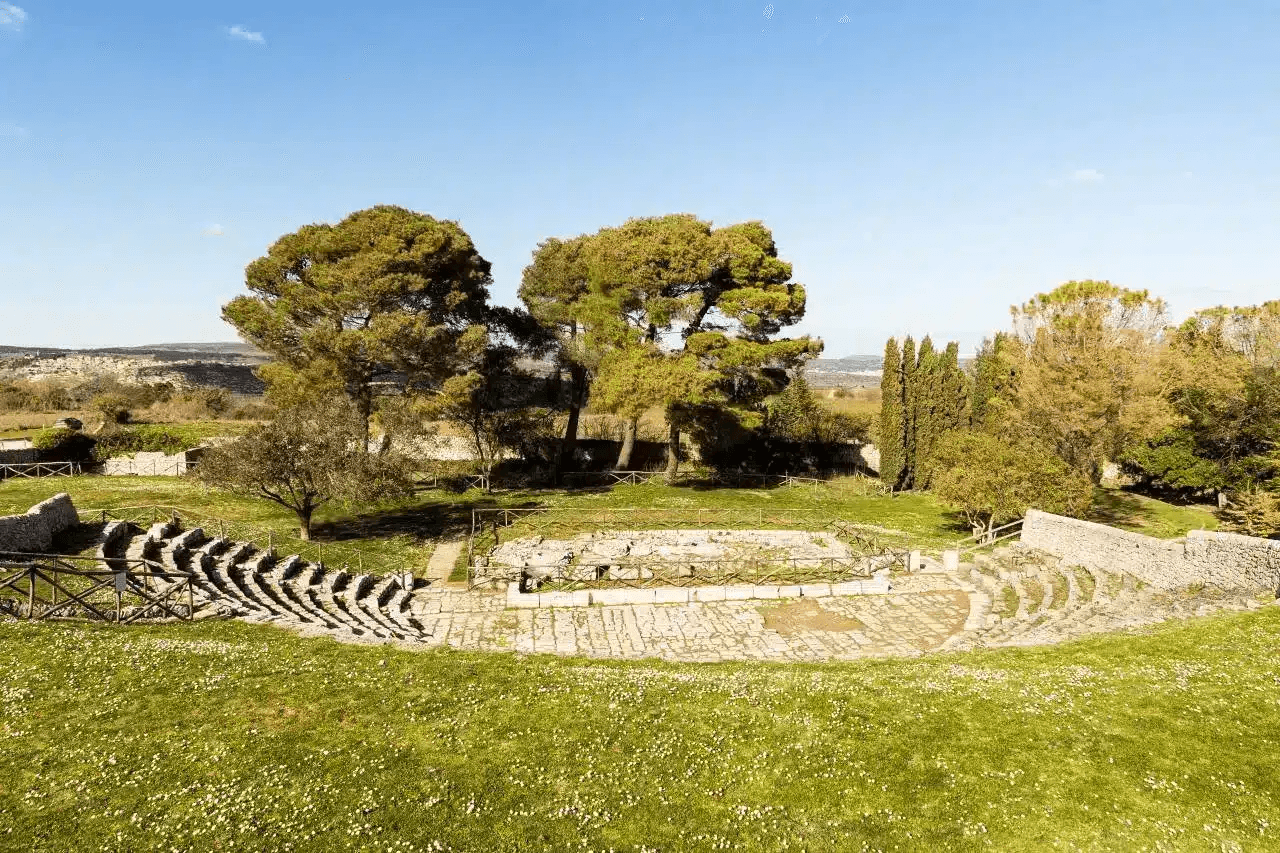
The Iblei plateau's UNESCO Baroque + Greek twin — 8,000-resident hilltop town at 670m, founded over the Greek Akrai colony (664 BC), rebuilt entirely in late Baroque after the 1693 earthquake (inscribed on the Val di Noto UNESCO listing 2002), with the original Greek theatre + the unique Santoni rock carvings of Cybele just outside the modern centro.
Petralia Soprana
Province: Palermo · 1,147 m
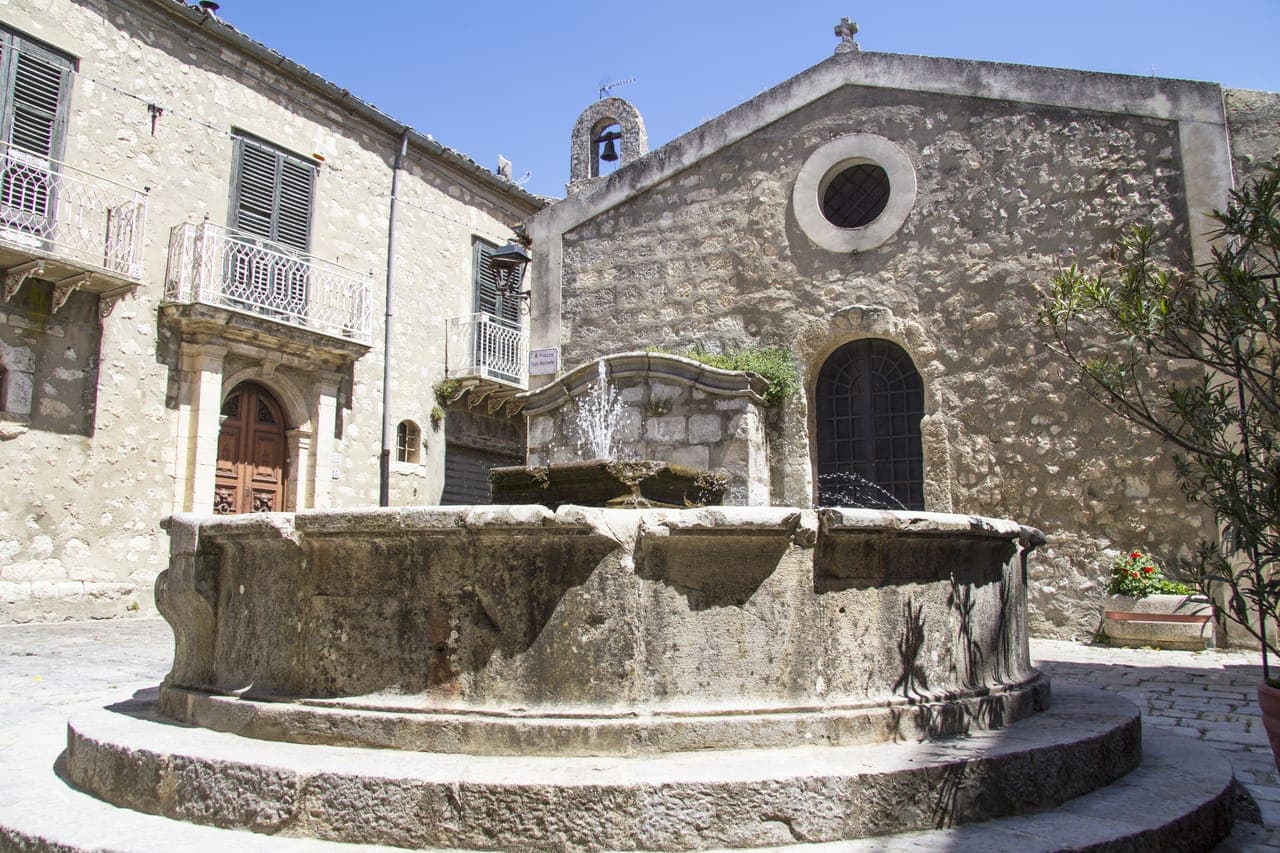
The highest village in the Madonie at 1,147 meters, RAI Borgo dei Borghi 2018 winner, sitting above 80 kilometers of salt tunnels.
Troina
Province: Enna · 1,121 m
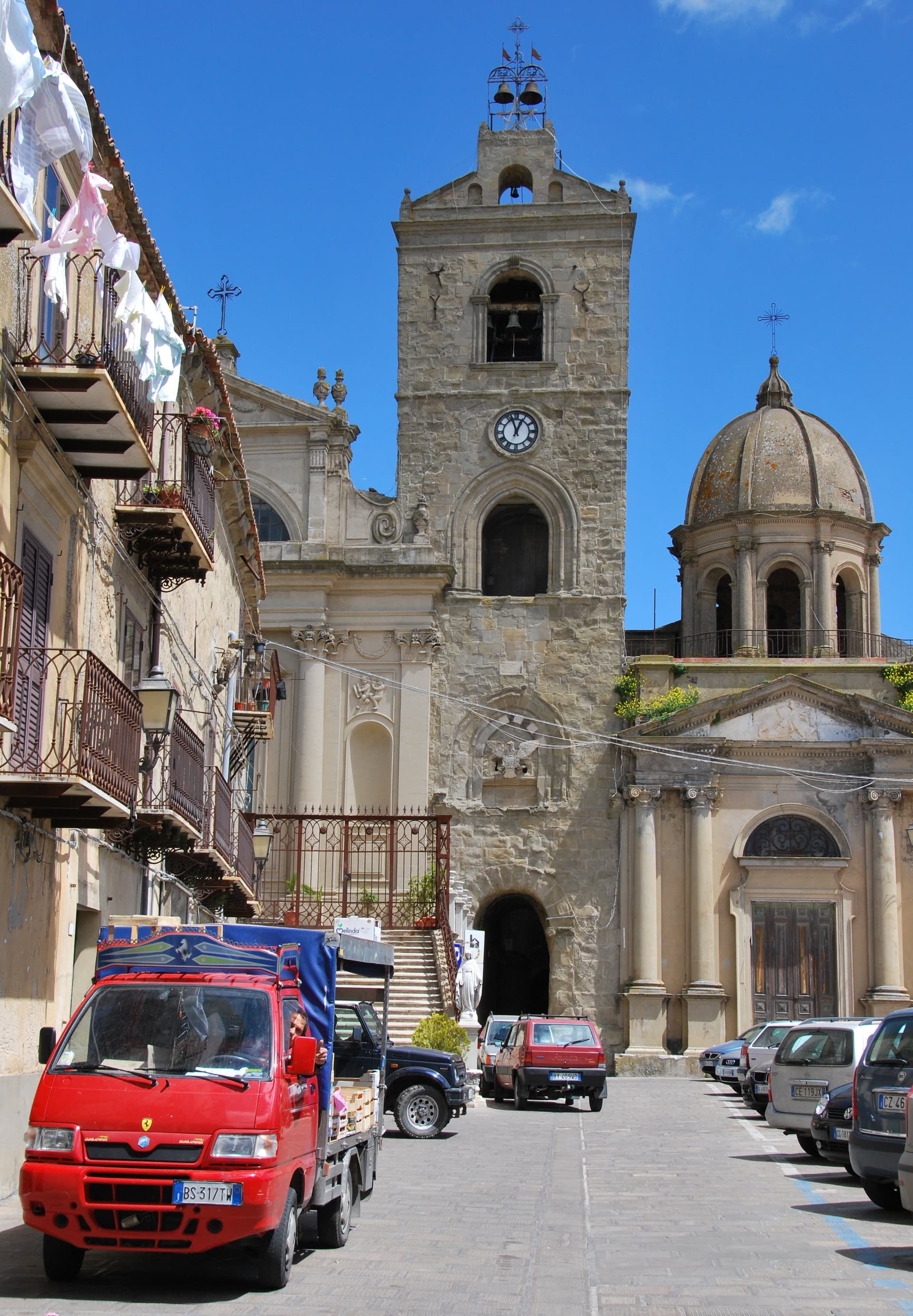
At 1,121 meters on the Nebrodi ridge, the first capital and first bishopric the Normans set up in Sicily after taking it from the Arabs.
Ferla
Province: Siracusa · 500 m
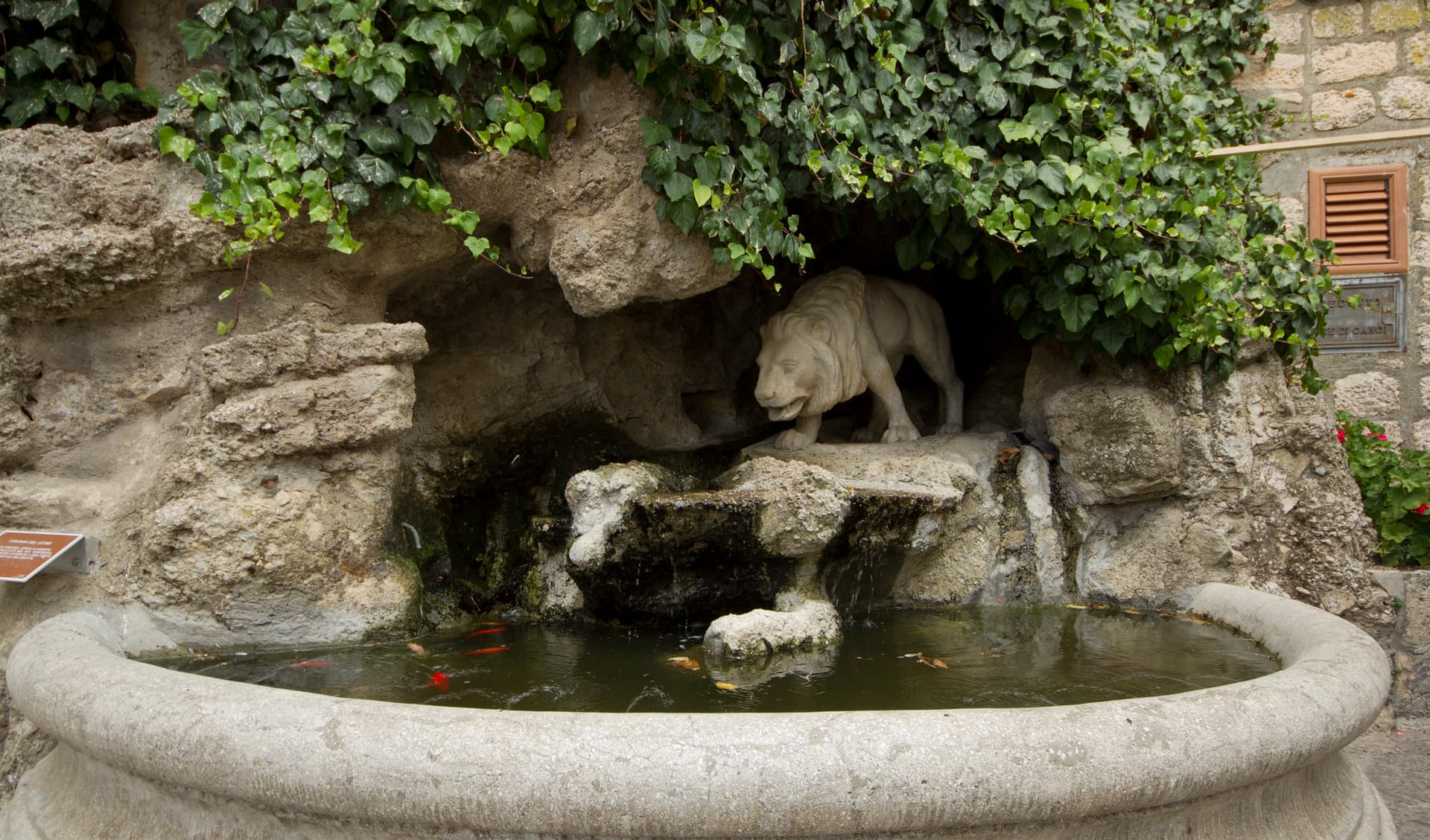
A baroque village at 500 meters on the Monte Lauro slopes, the western gateway to the UNESCO necropolis of Pantalica eleven kilometers downhill.
Gangi
Province: Palermo · 1,011 m
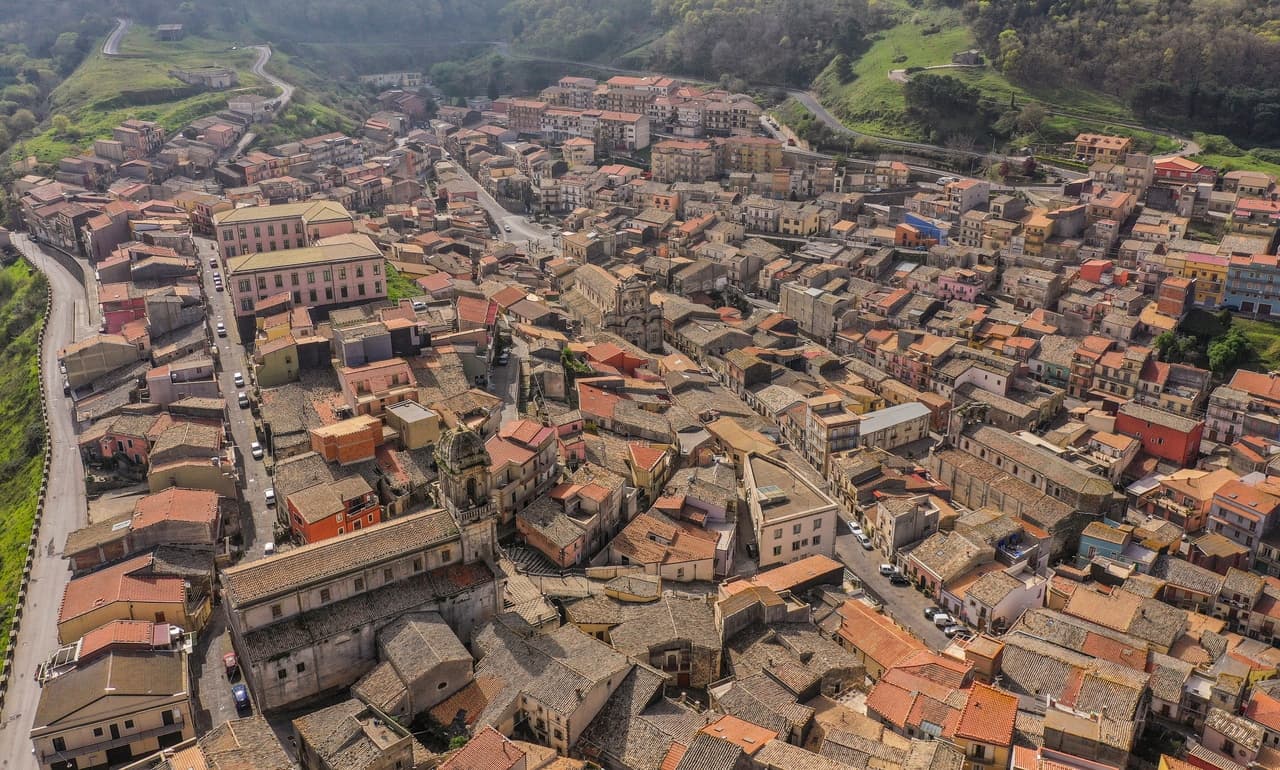
A Madonie hill town stacked down Monte Marone at 1,011 meters, RAI's Borgo dei Borghi 2014 and the launching pad for the one-euro-house programme.
Buccheri
Province: Siracusa · 820 m
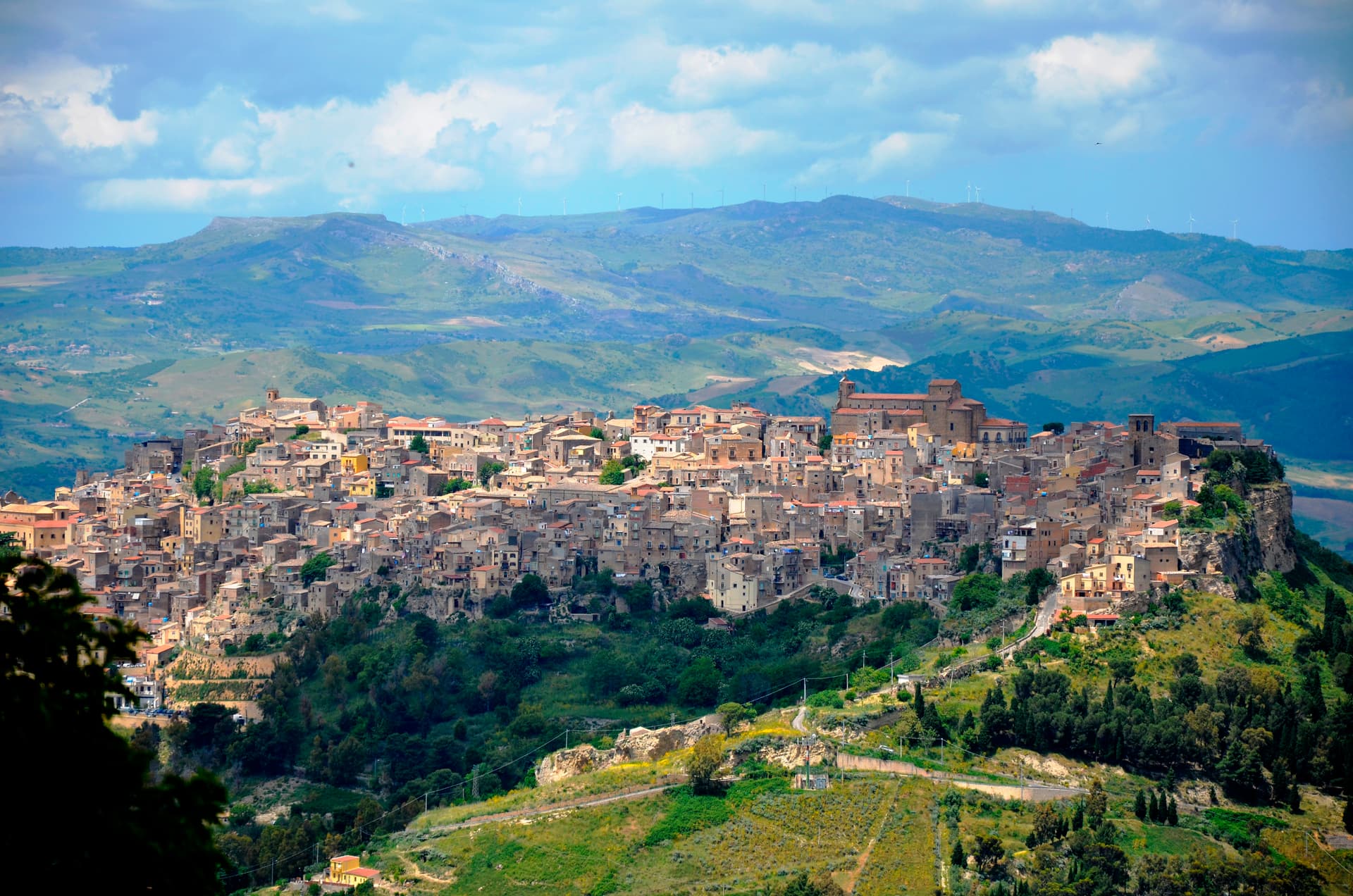
The highest village in the province of Syracuse at 820 meters on Monte Lauro, world capital of Tonda Iblea olive oil at the 2015 Sol d'Oro.
Calascibetta
Province: Enna · 691 m
A promontory town at 691 meters facing Enna across a ravine, founded in the ninth century as a Muslim camp to besiege Byzantine Henna.
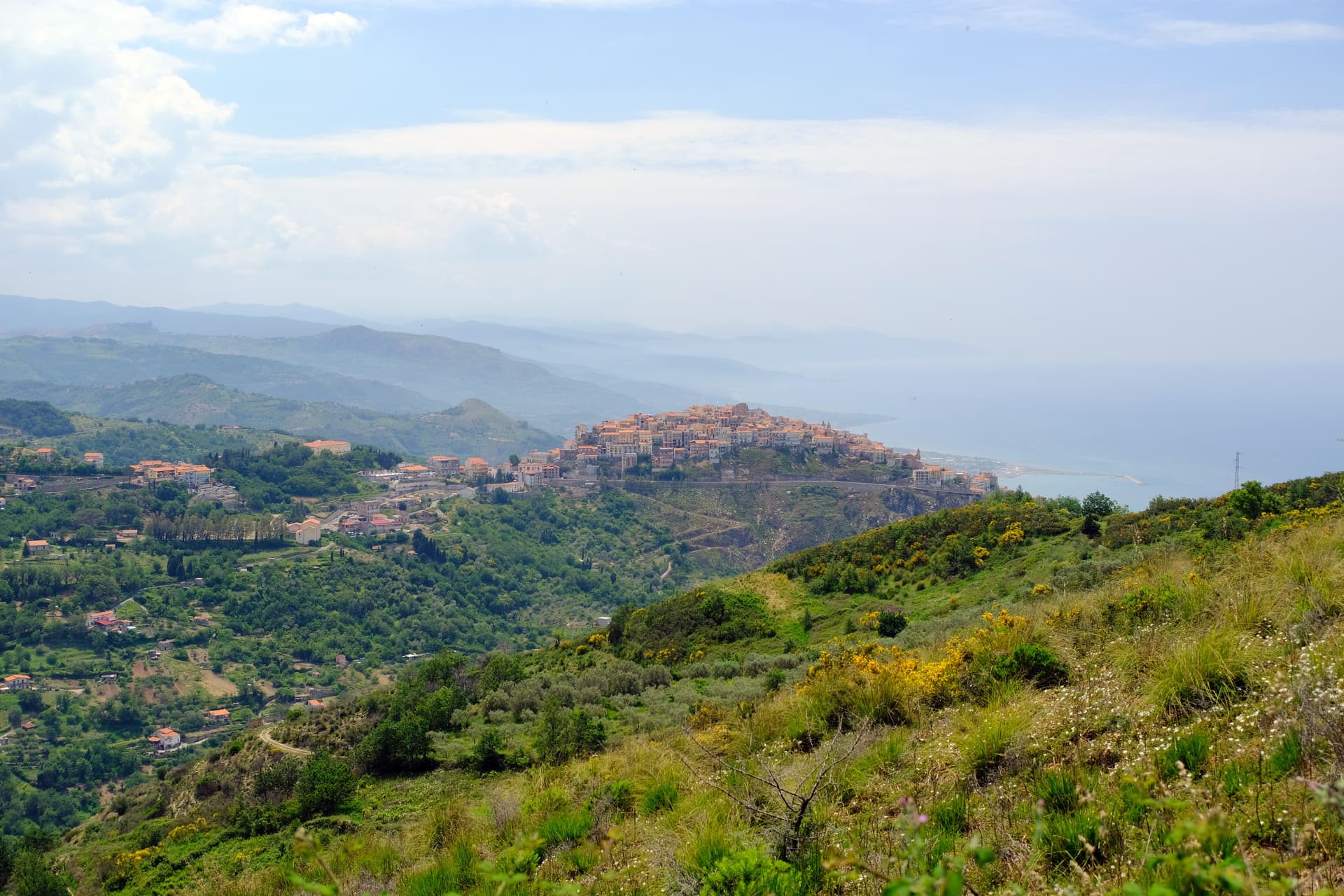
San Marco d'Alunzio
Province: Messina · 540 m
A hilltop borgo at 540 meters built in pink Aluntina marble, Robert Guiscard's first Sicilian base for the eleventh-century Norman conquest.
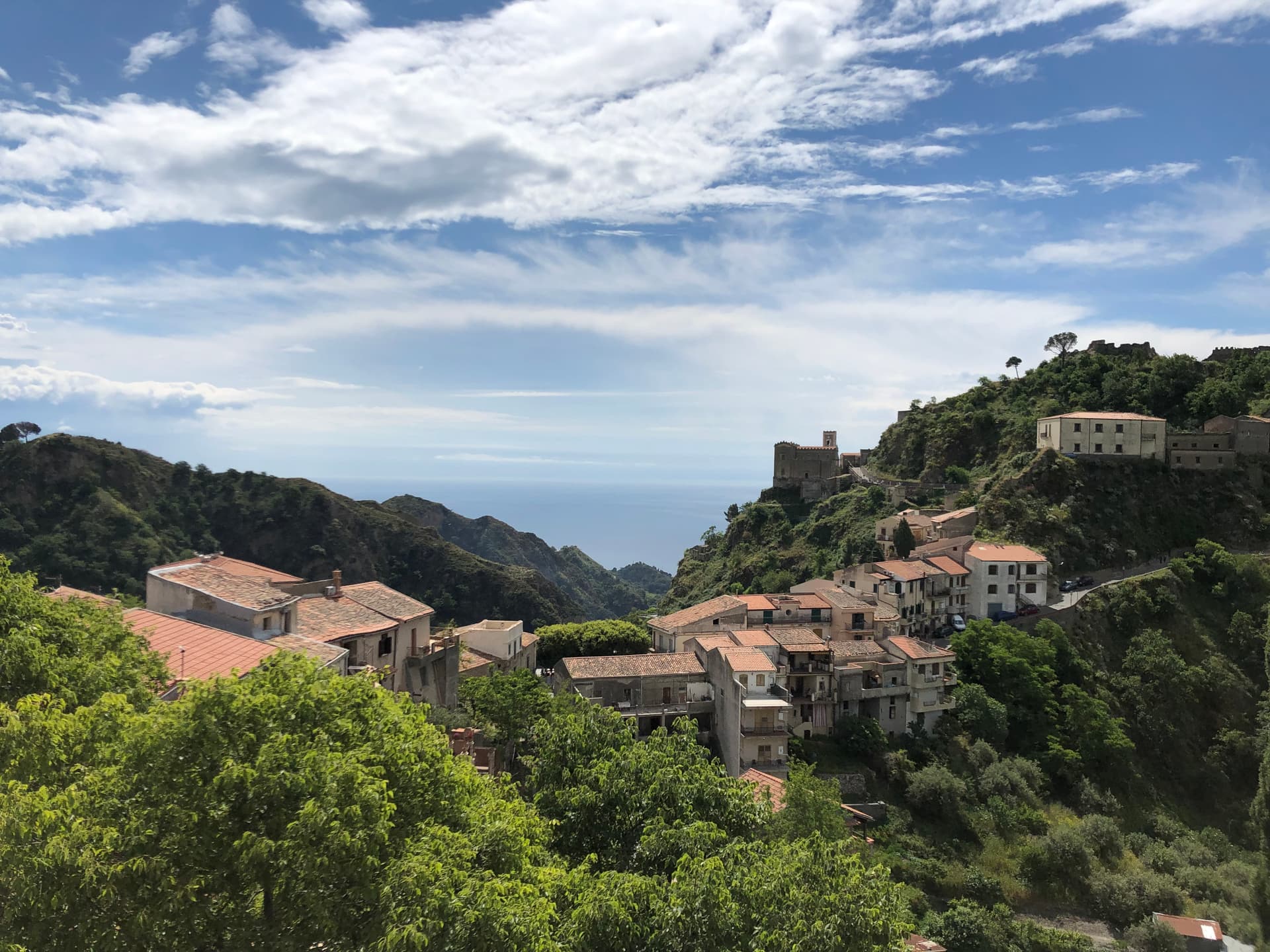
Savoca
Province: Messina · 300 m
A hilltop borgo at 300 meters above the Ionian where Francis Ford Coppola filmed the Sicilian scenes of The Godfather in 1971.
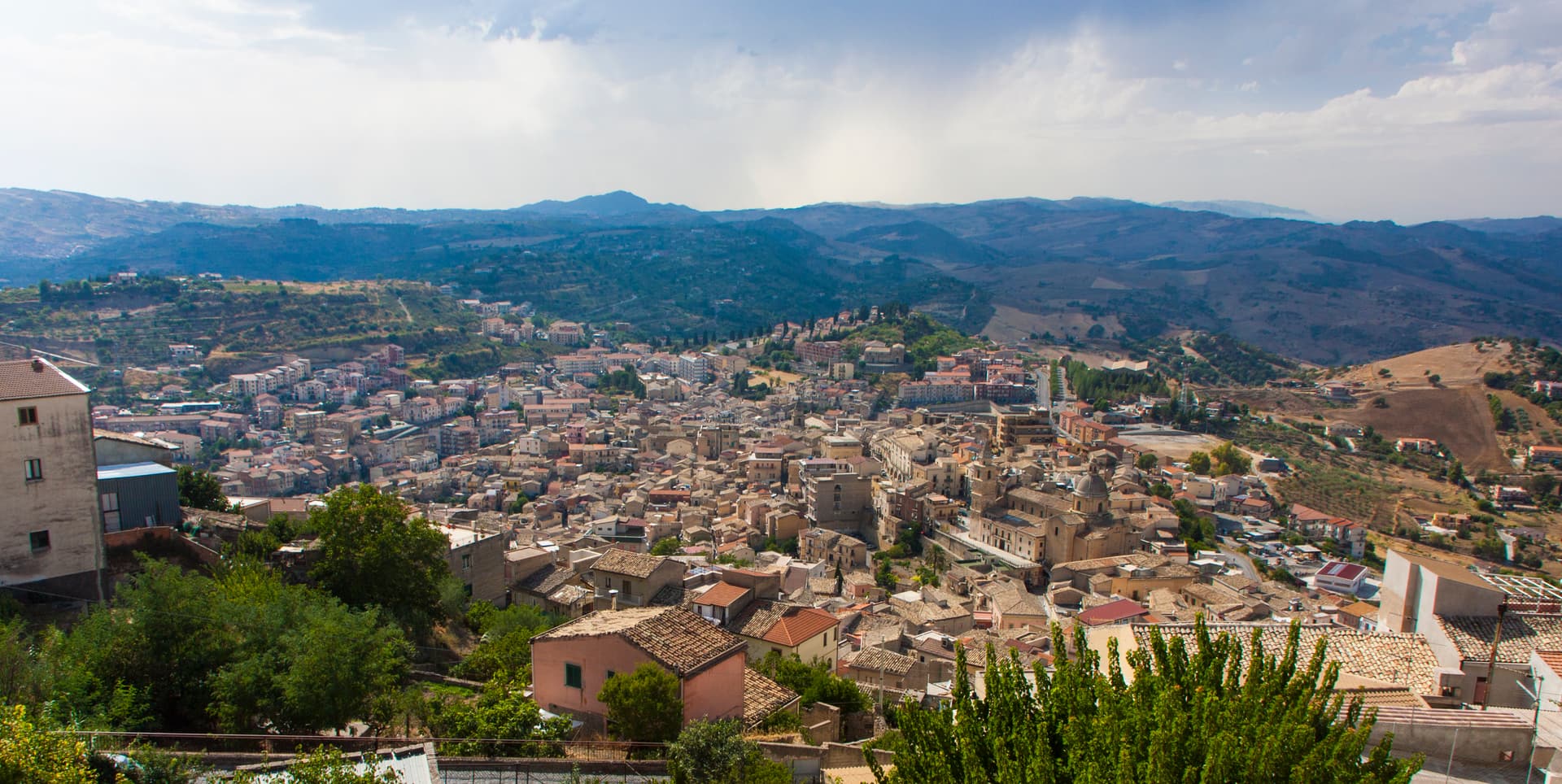
Agira
Province: Enna · 650 m
On the slopes of Monte Teja at 650 meters, birthplace of the Greek historian Diodorus Siculus and burial site of 490 Canadian soldiers of the 1943 campaign.
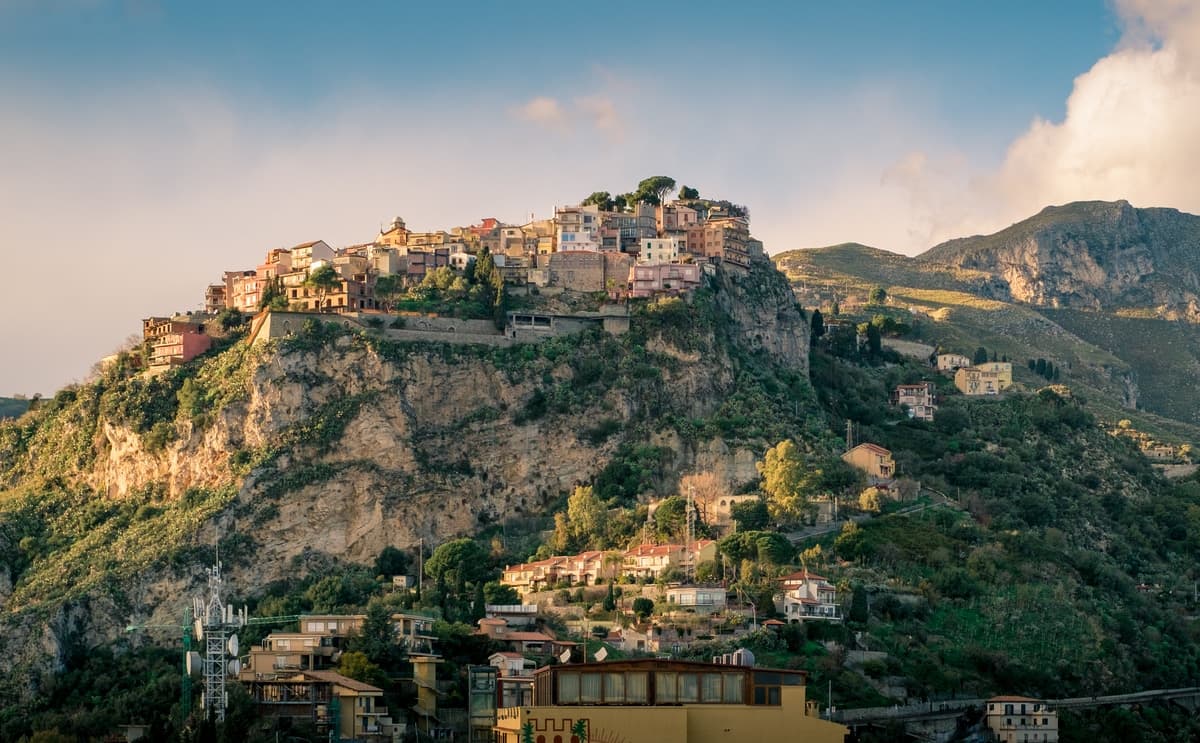
Castelmola
Province: Messina · 529 m
A rock village at 529 meters directly above Taormina, the upper acropolis of ancient Tauromenium with a Norman castle and a 1947 almond-wine bar.
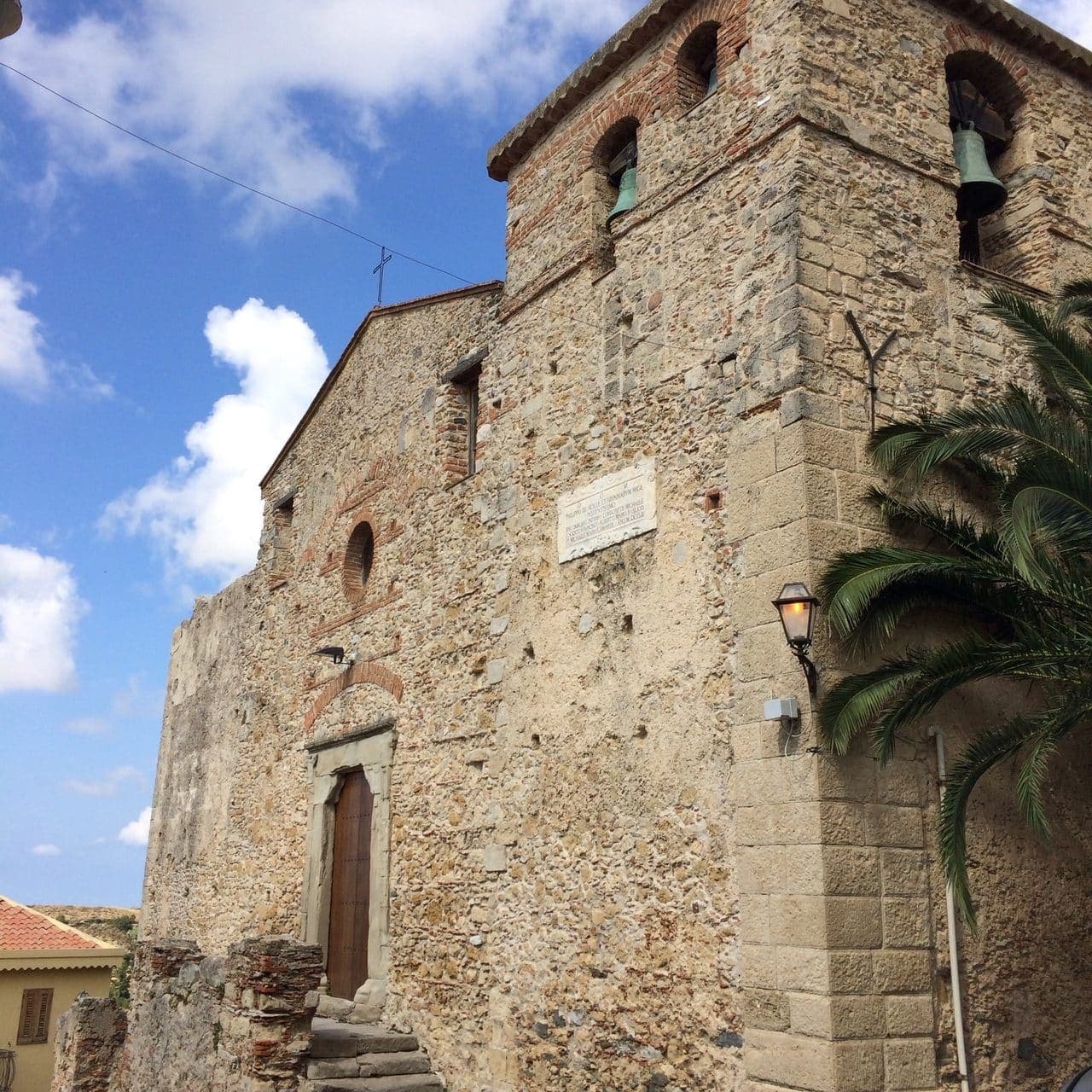
Castroreale
Province: Messina · 394 m
A ridge town at 394 meters above the Milazzo plain, rebuilt by Frederick II of Aragon in 1324 as a royal demesne and second in the 2018 Borgo dei Borghi.
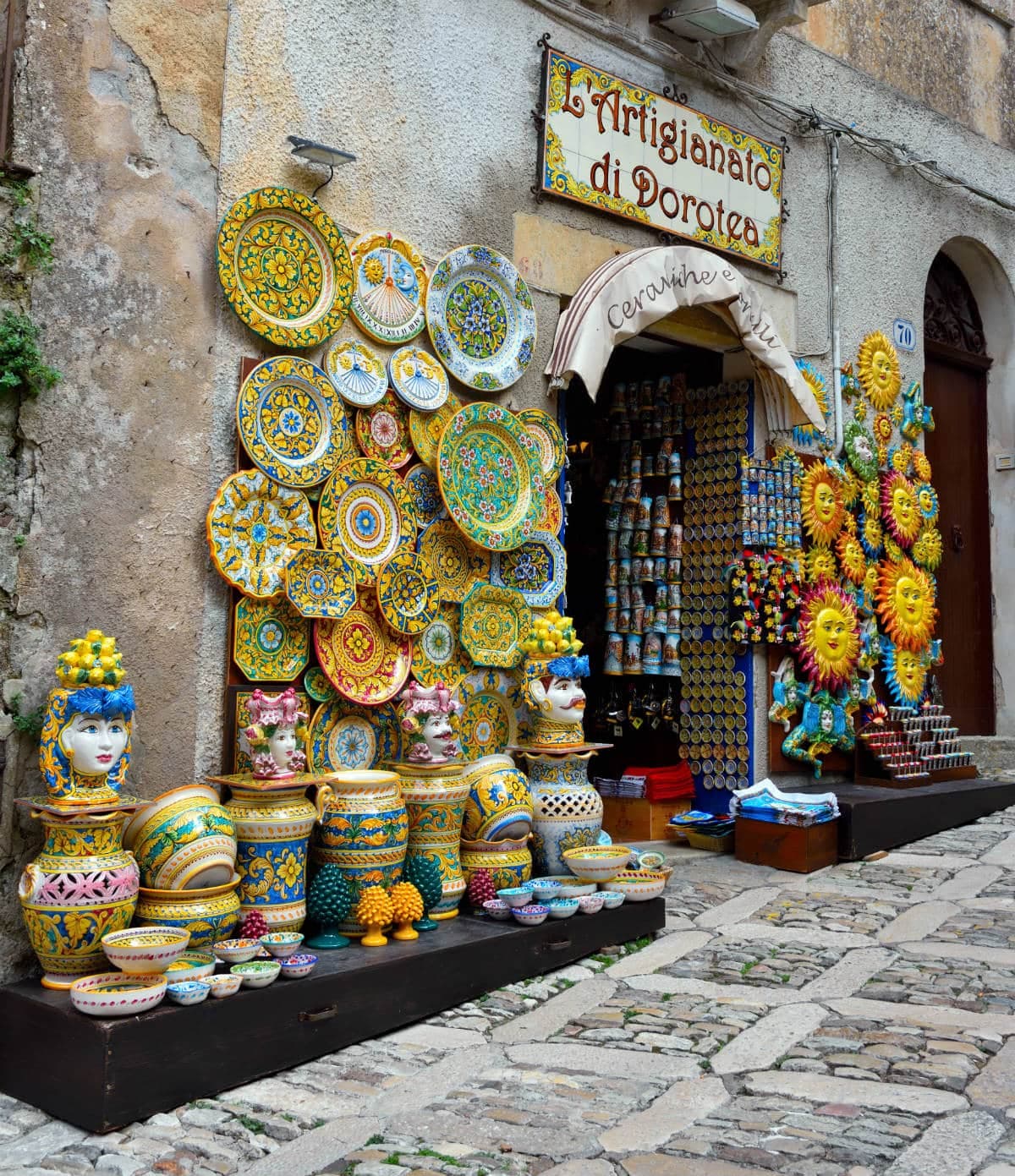
Erice
Province: Trapani · 751 m
An Elymian mountaintop city at 751 meters above Trapani, with a Norman castle on the site of the temple of Venus Erycina and a Cold War physics centre.
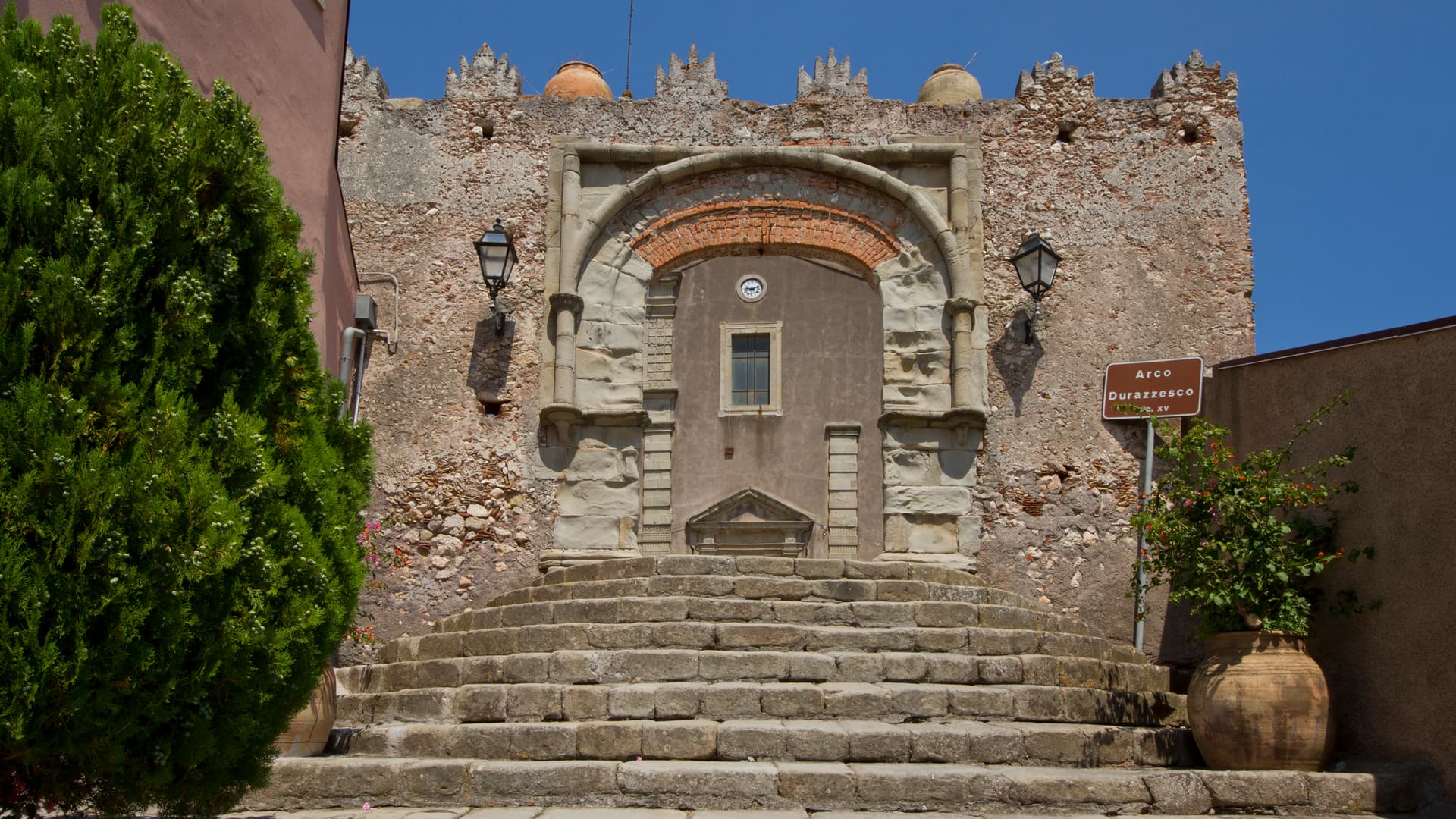
Forza d'Agrò
Province: Messina · 420 m
A ridge village of 835 people at 420 meters above the Ionian, the Norman fortress town Coppola used in 1972 to stand in for Mafia-era Corleone.
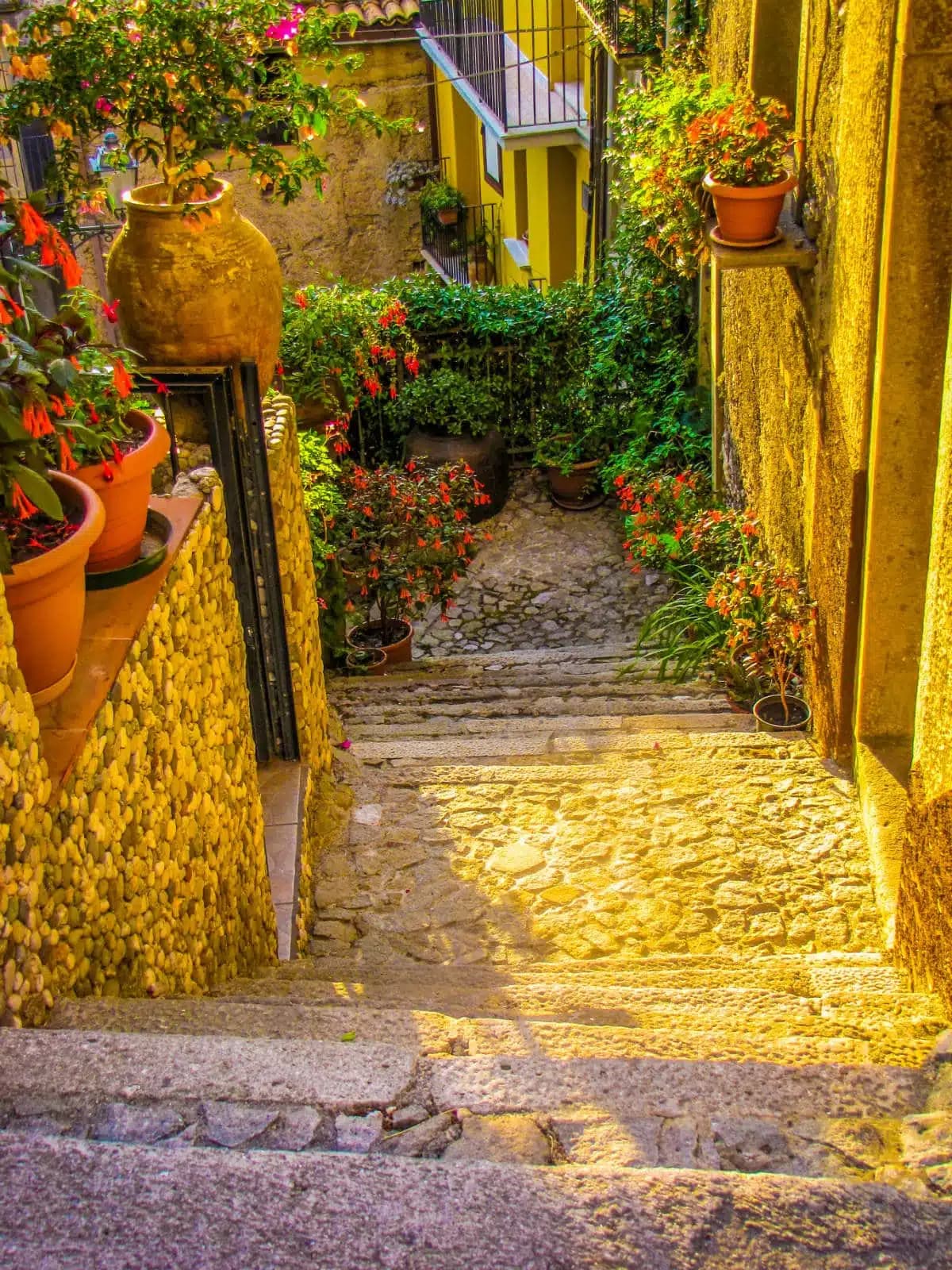
Novara di Sicilia
Province: Messina · 650 m
A stone village at 650 meters where the Peloritani meet the Nebrodi, with a UNESCO-listed cheese race tumbling down the main street at Carnival.
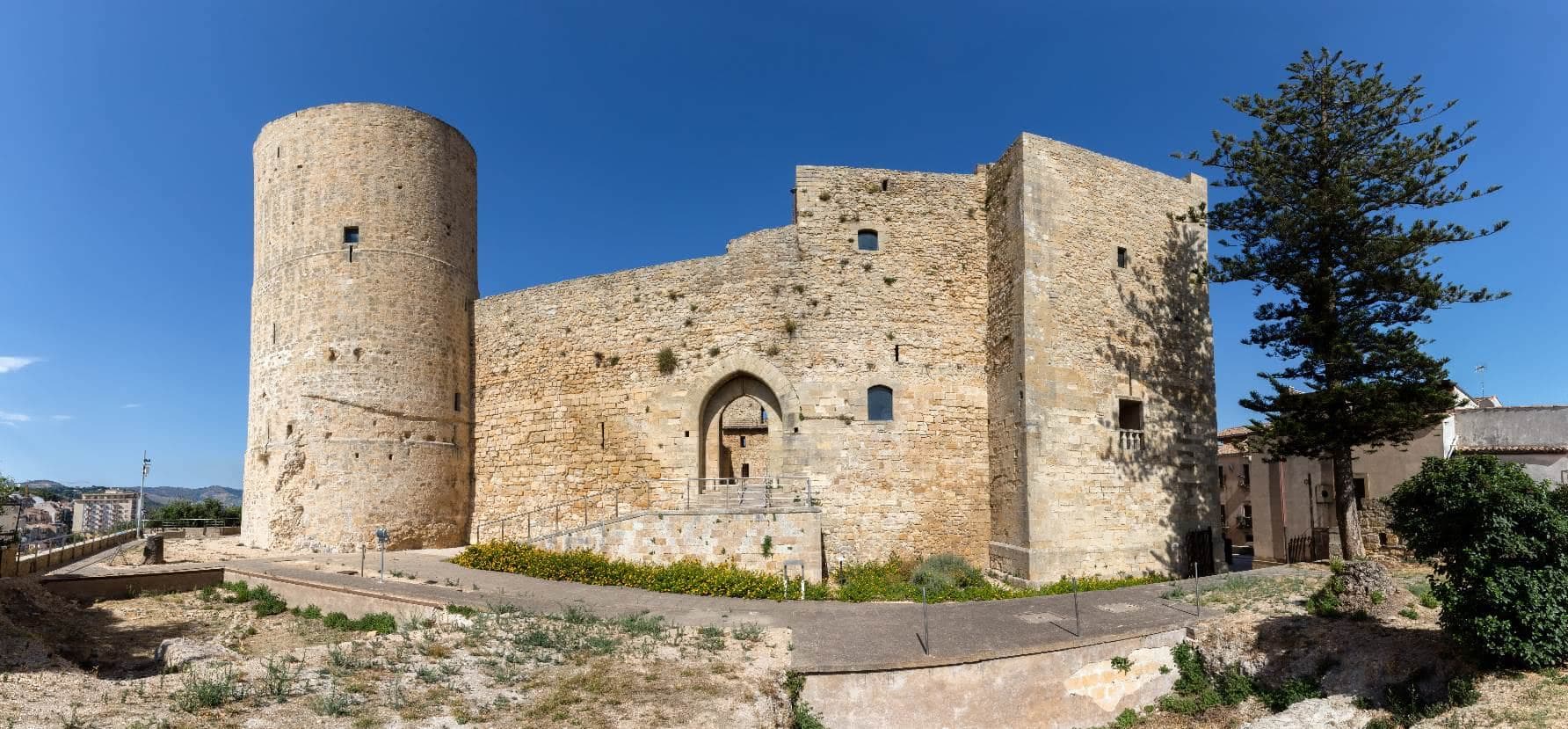
Salemi
Province: Trapani · 446 m
The Belice Valley town where Garibaldi raised the tricolor on 14 May 1860 and proclaimed Salemi the capital of Italy for a day.
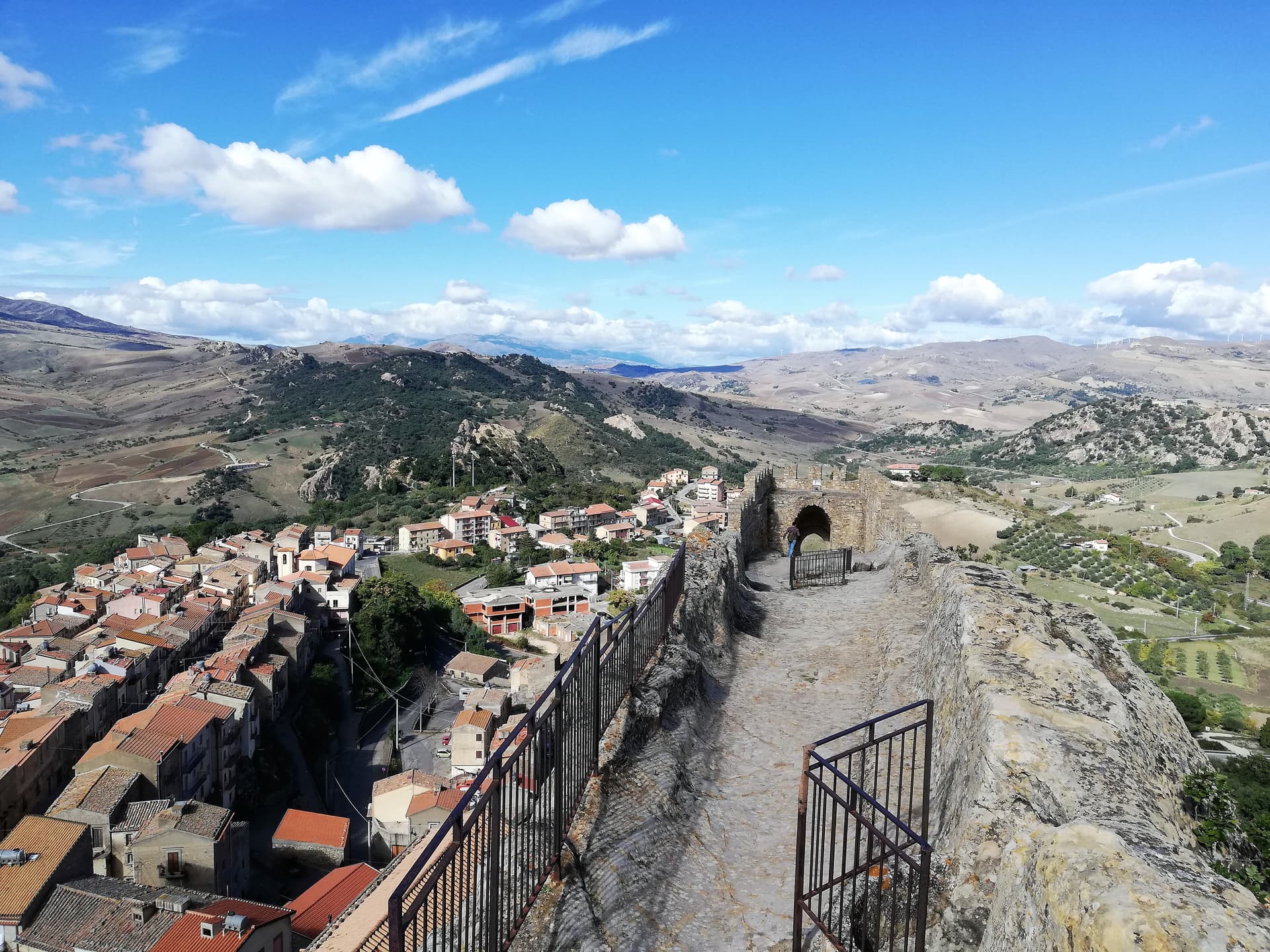
Sperlinga
Province: Enna · 750 m
A sandstone borgo at 750 meters in the Nebrodi foothills where a Norman castle and dwellings are carved into the rock as one continuous mass.
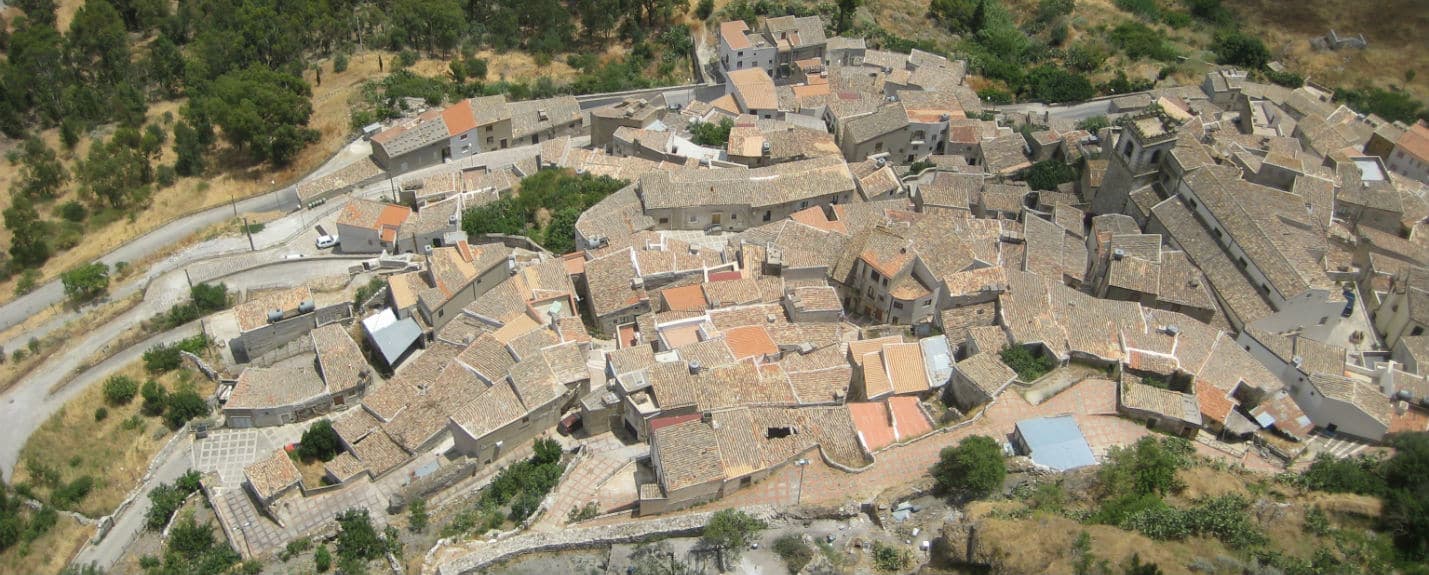
Sutera
Province: Caltanissetta · 600 m
A medieval village clinging to the base of a 800-meter monolith in the Nisseno interior, with an Arab quarter and a sanctuary on the summit.
Subscribe — free
Get the best guides on hidden Italian towns.
One letter on Sundays. The week’s town, with the photo, the food, the festa. Free, by Peter & Sophia from Pietrasanta.
Substack sends a confirmation link to your inbox. The signup finishes when it’s clicked.
From elsewhere in Italy
Five more towns to discover
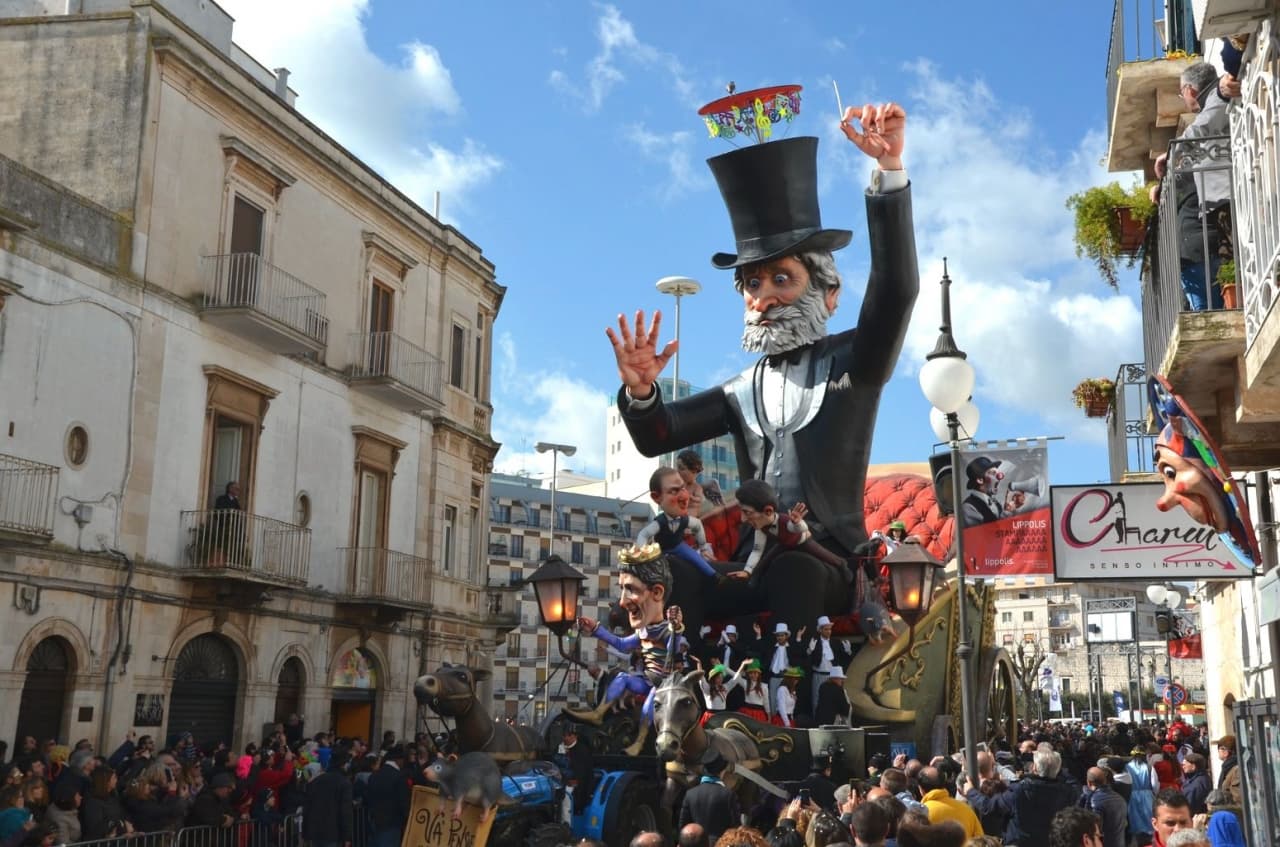
Putignano
Province: Bari
Europe's longest-running carnival — Putignano Carnevale has run continuously since 1394, with 631 years of cartapesta papier-mâché floats, a 26,000-resident Murgia town on the Bari–Lecce plateau, and the Grotta del Trullo karst cave inside the centro.

Pistoia
Province: Pistoia
Italy's nursery capital and the medieval Tuscan rival that gave its name to the pistol — a quietly extraordinary centro storico of zebra-striped Romanesque churches, Andrea della Robbia's polychrome frieze on the Ospedale del Ceppo, and Italy's Capital of Culture 2017, all 30 minutes from Florence by train.
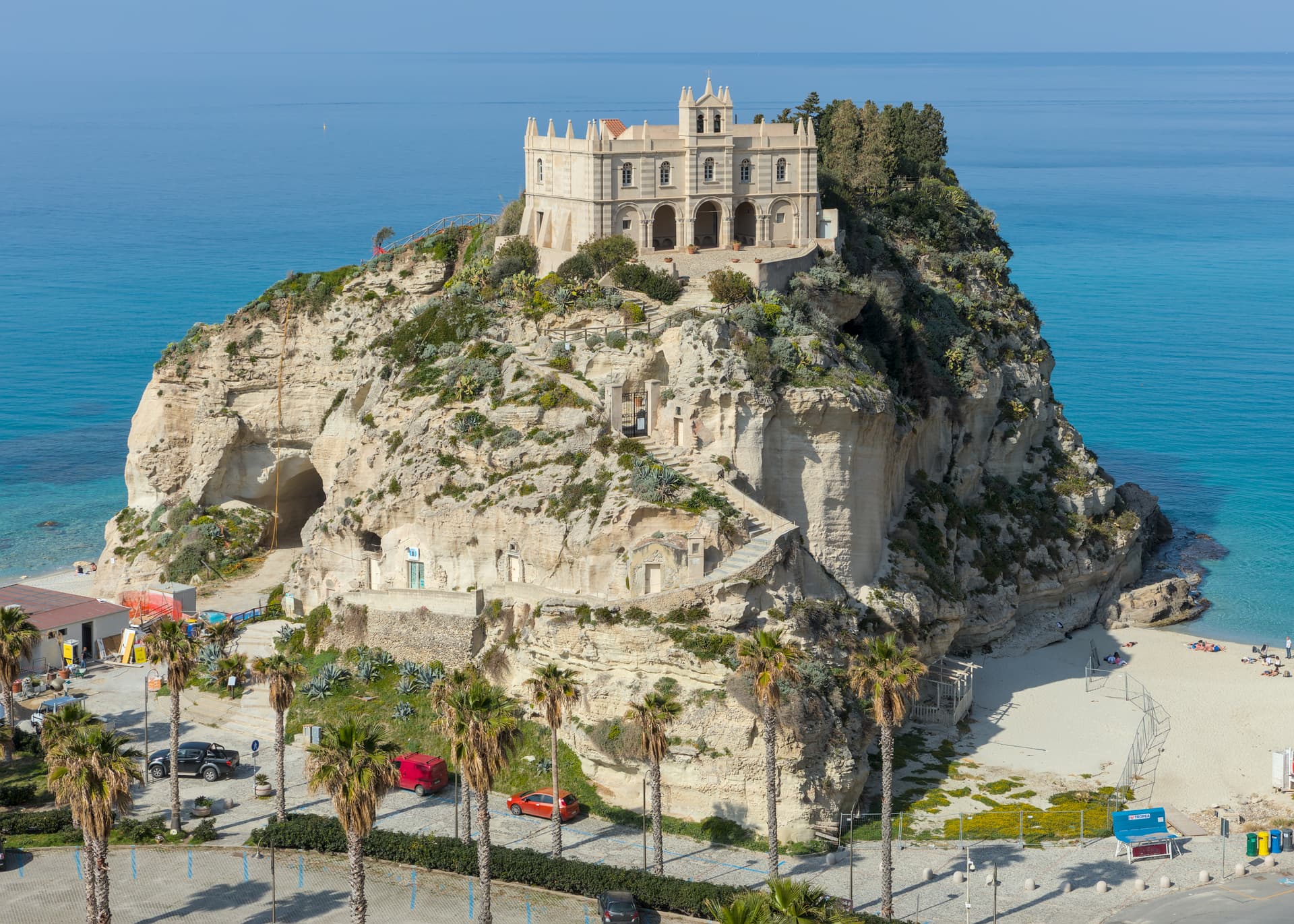
Tropea
Province: Vibo Valentia
Cliff town on a tufa headland over the Tyrrhenian Coast of the Gods, with a Norman monastery on a sea rock.
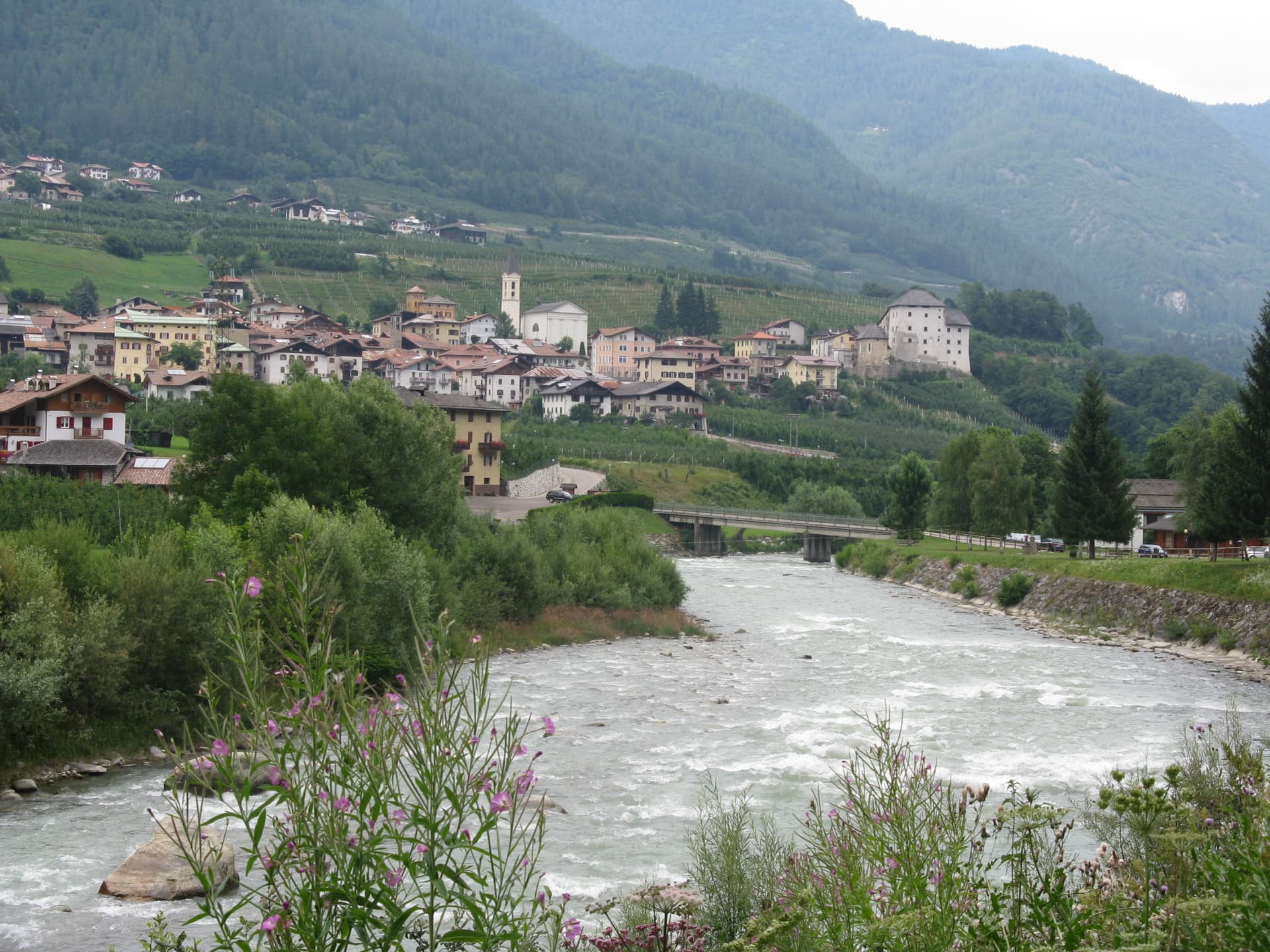
Caldes
Province: Trento
A scattered Val di Sole commune on the Noce, six hamlets gathered around a thirteenth-century tower-house castle that once belonged to the Thun family.
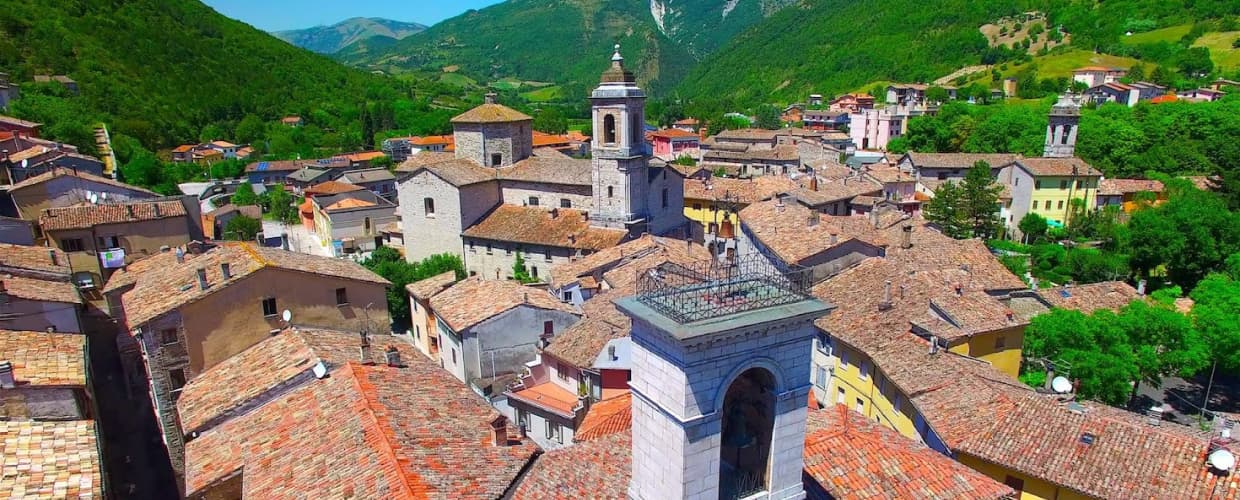
Cantiano
Province: Pesaro e Urbino
A border borgo at 374 meters under Monte Catria on the old Via Flaminia, known for the Good Friday Turba and the sour-cherry visciola harvest.