
Parco Regionale
Parco Regionale in Lazio
21 towns
Lazio holds 21 Parco Regionale sites inside our catalogue. They cluster in the Roma, Latina, and Viterbo provinces.
The three most recognised in our catalogue are Nemi, Oriolo Romano, and Subiaco. 18 more towns carry the mark alongside them.
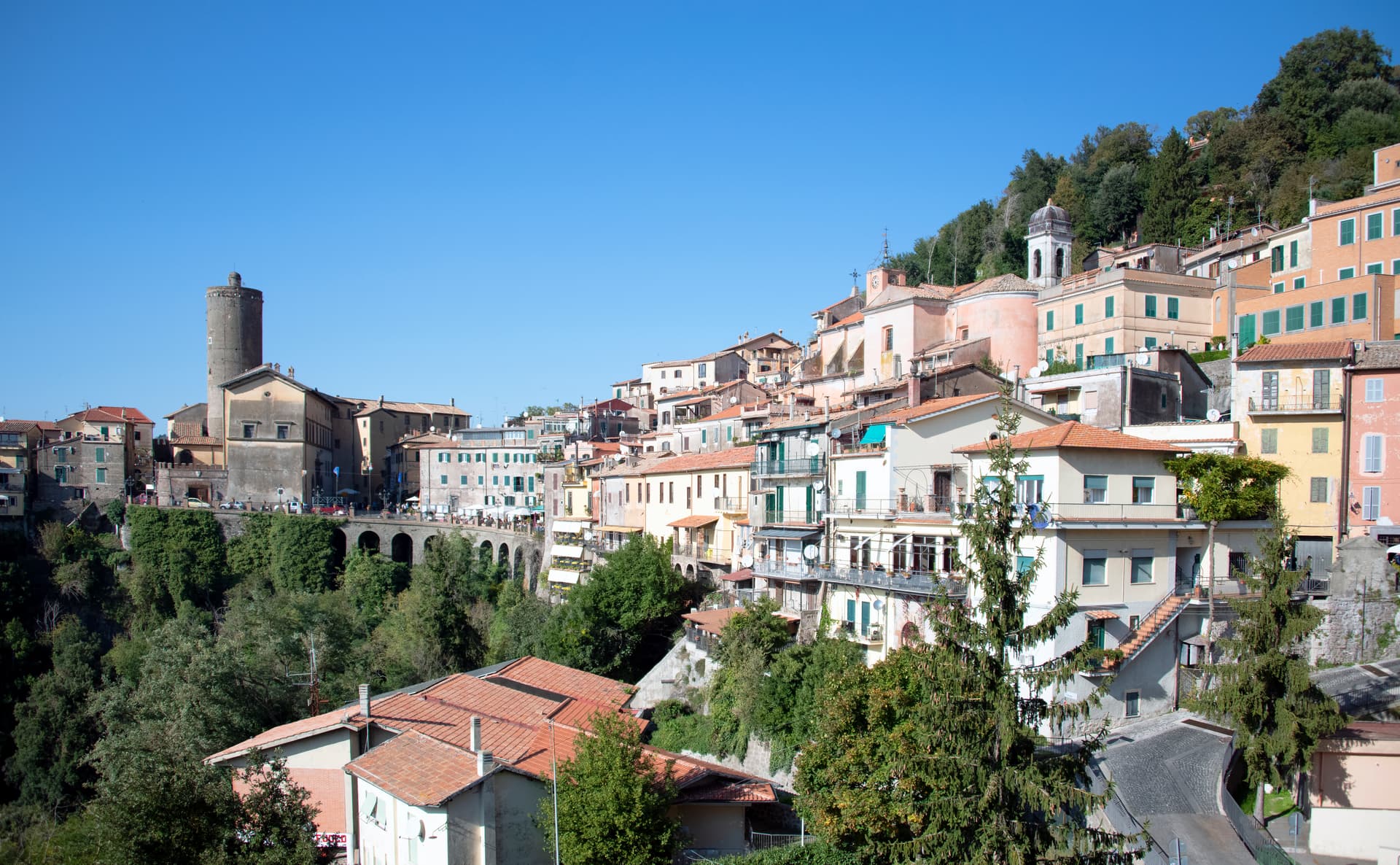
Nemi
Province: Roma · 521 m
The smallest comune in the Castelli Romani, perched at 521 meters above a volcanic crater lake the Romans called the mirror of Diana.
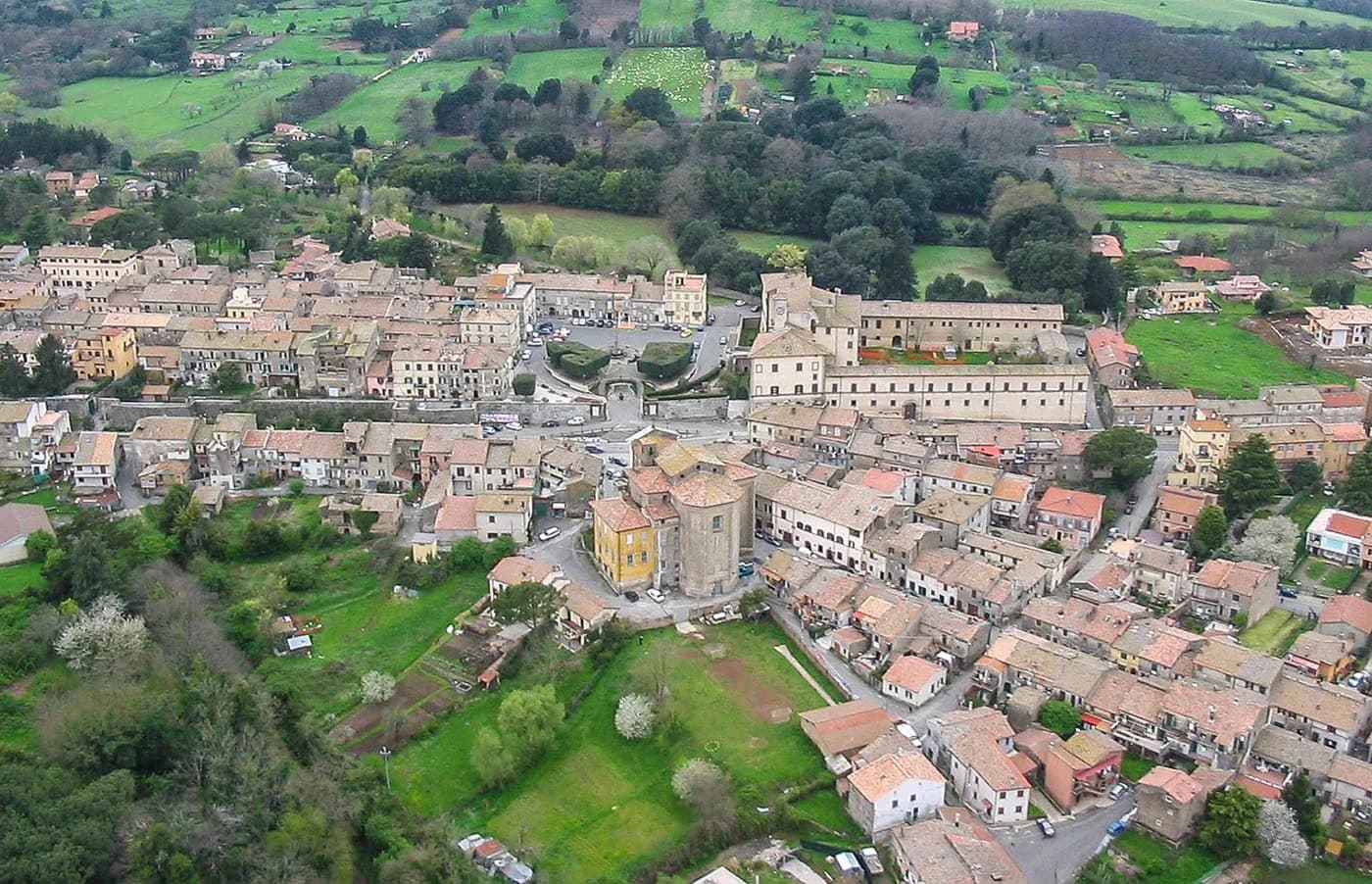
Oriolo Romano
Province: Viterbo · 420 m
A planned sixteenth-century village in the Sabatini hills, founded in 1560 by a Santacroce nobleman next to the UNESCO beech forest of Monte Raschio.
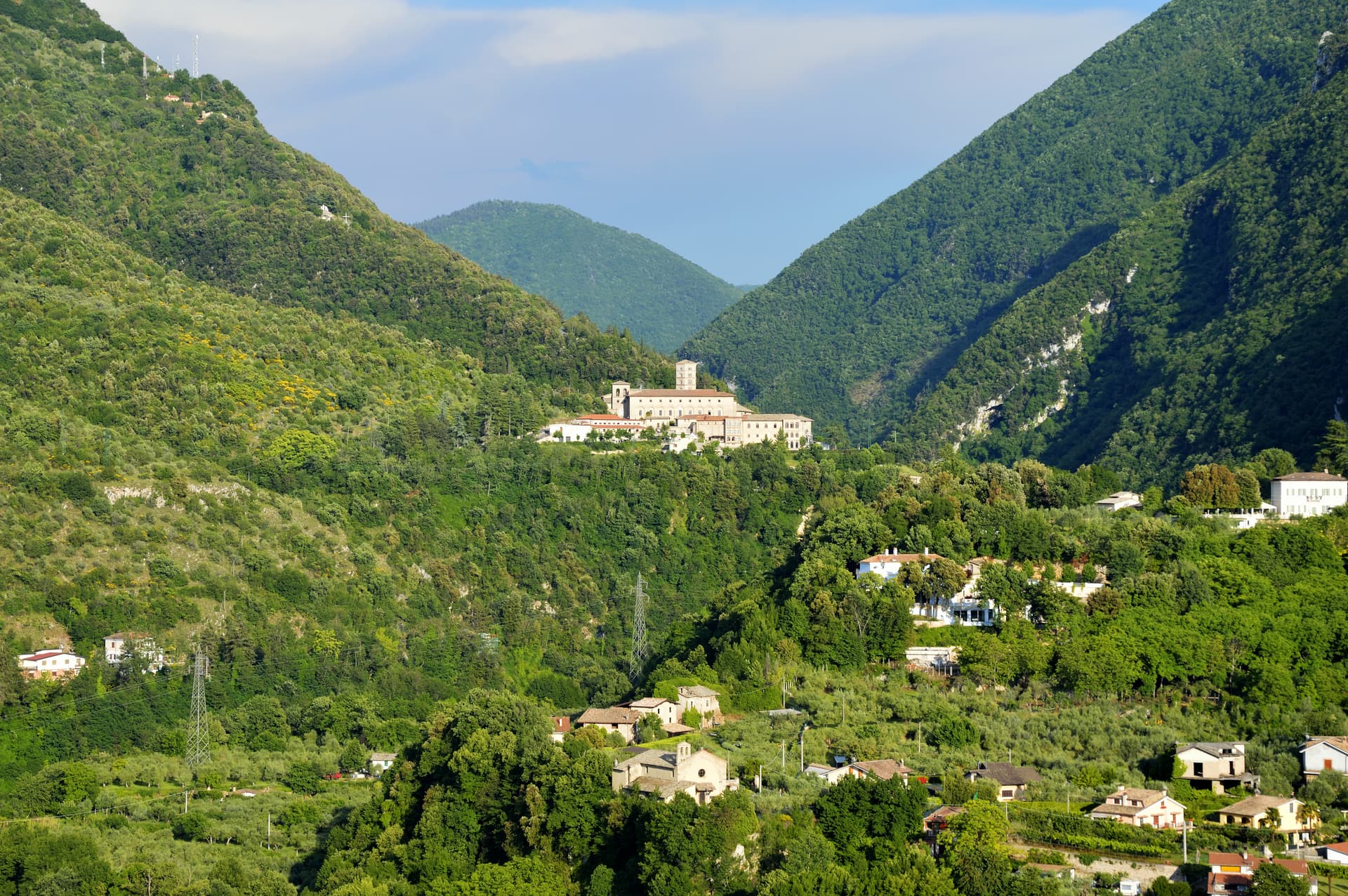
Subiaco
Province: Roma · 408 m
The Aniene valley town where Benedict spent three years in a cliff cave, and where Italy's first printed book appeared in 1465.
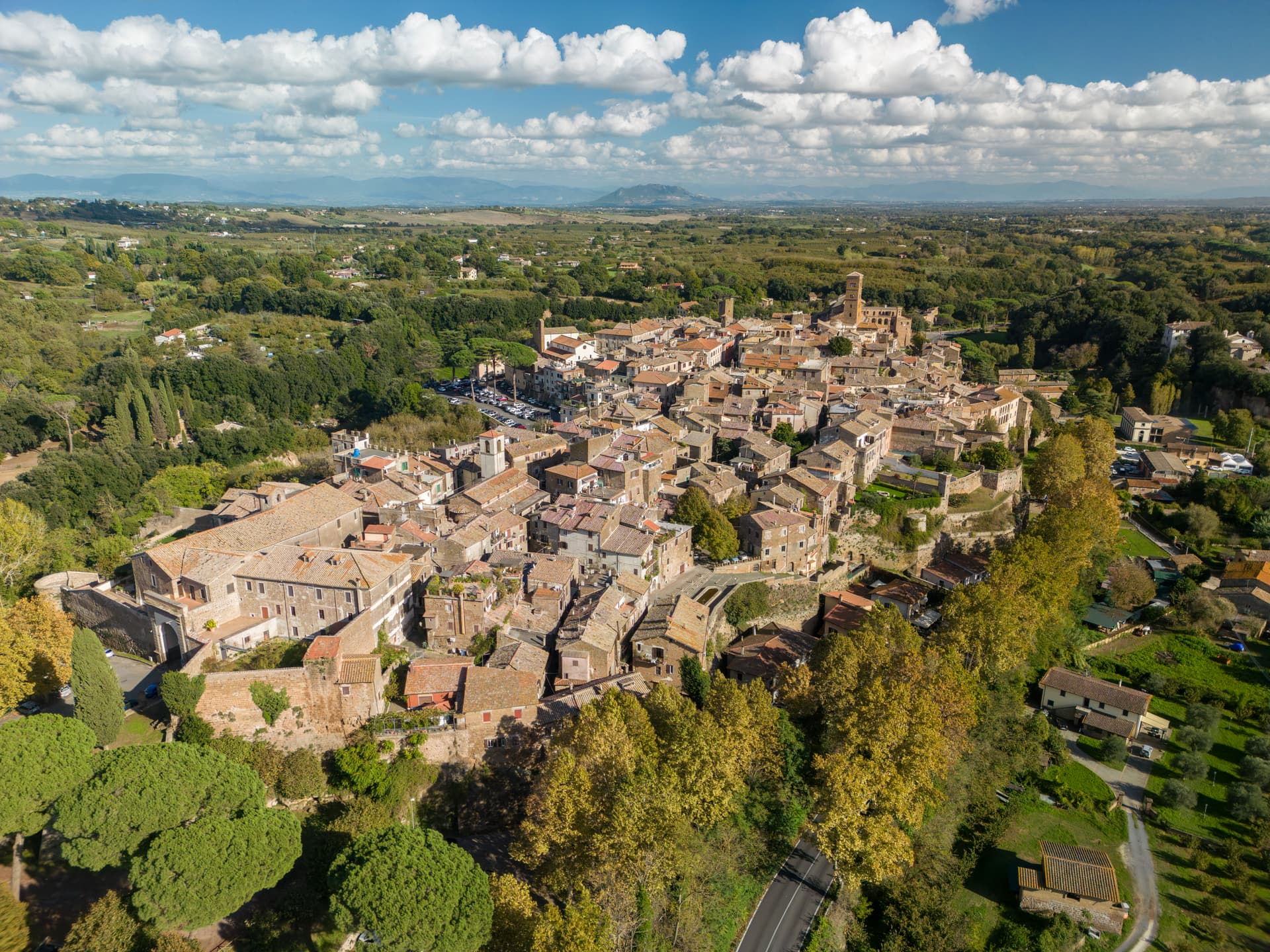
Sutri
Province: Viterbo · 291 m
An Etruscan and Roman town on a tuff spur, with a rock-cut amphitheater carved straight from the volcanic stone of the Cimini.
Minturno
Province: Latina · 140 m
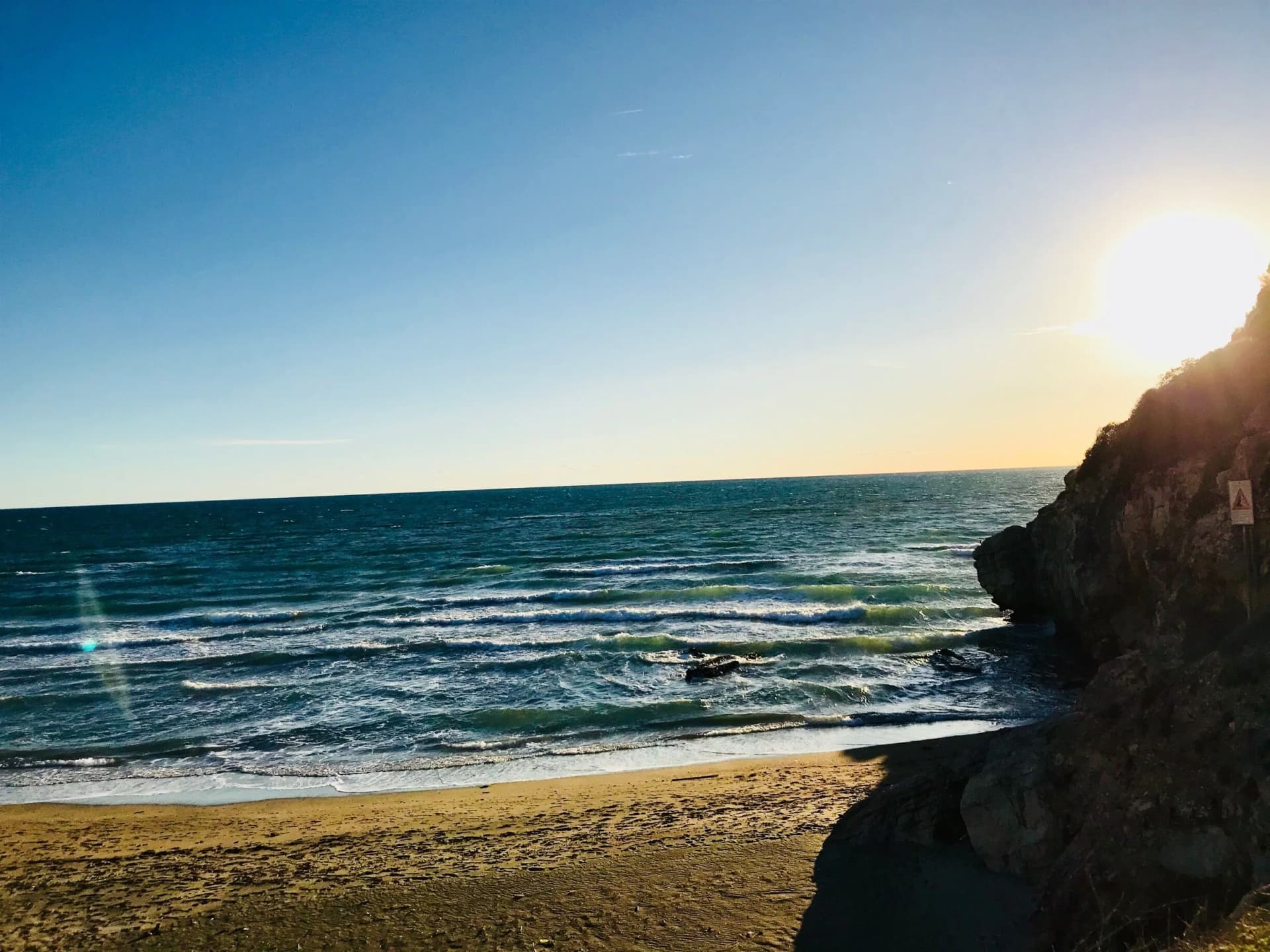
A coastal comune at the mouth of the Garigliano, built on the Roman colony of Minturnae, five-time Bandiera Blu through Scauri and Marina.
Sperlonga
Province: Latina · 55 m
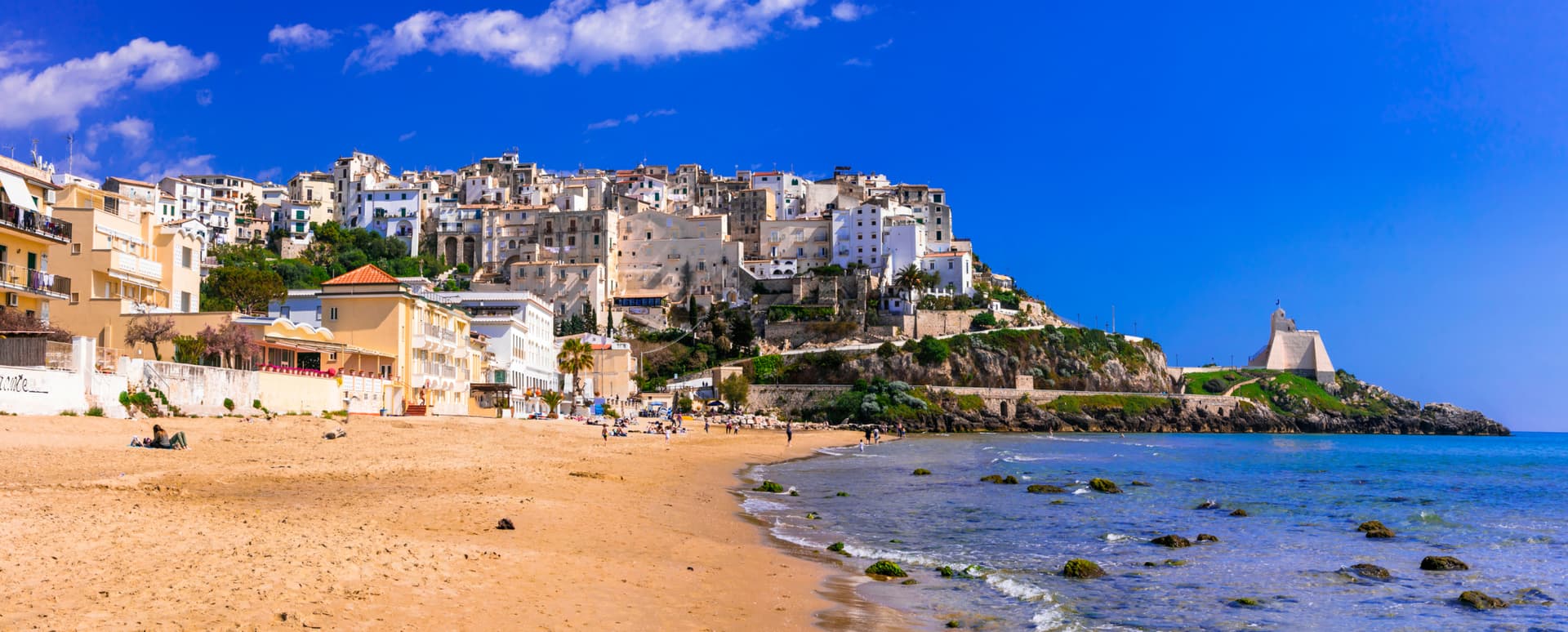
A whitewashed cliff town on Monte San Magno halfway between Rome and Naples, built above the sea grotto where Tiberius staged the Odyssey in marble.
Terracina
Province: Latina · 24 m
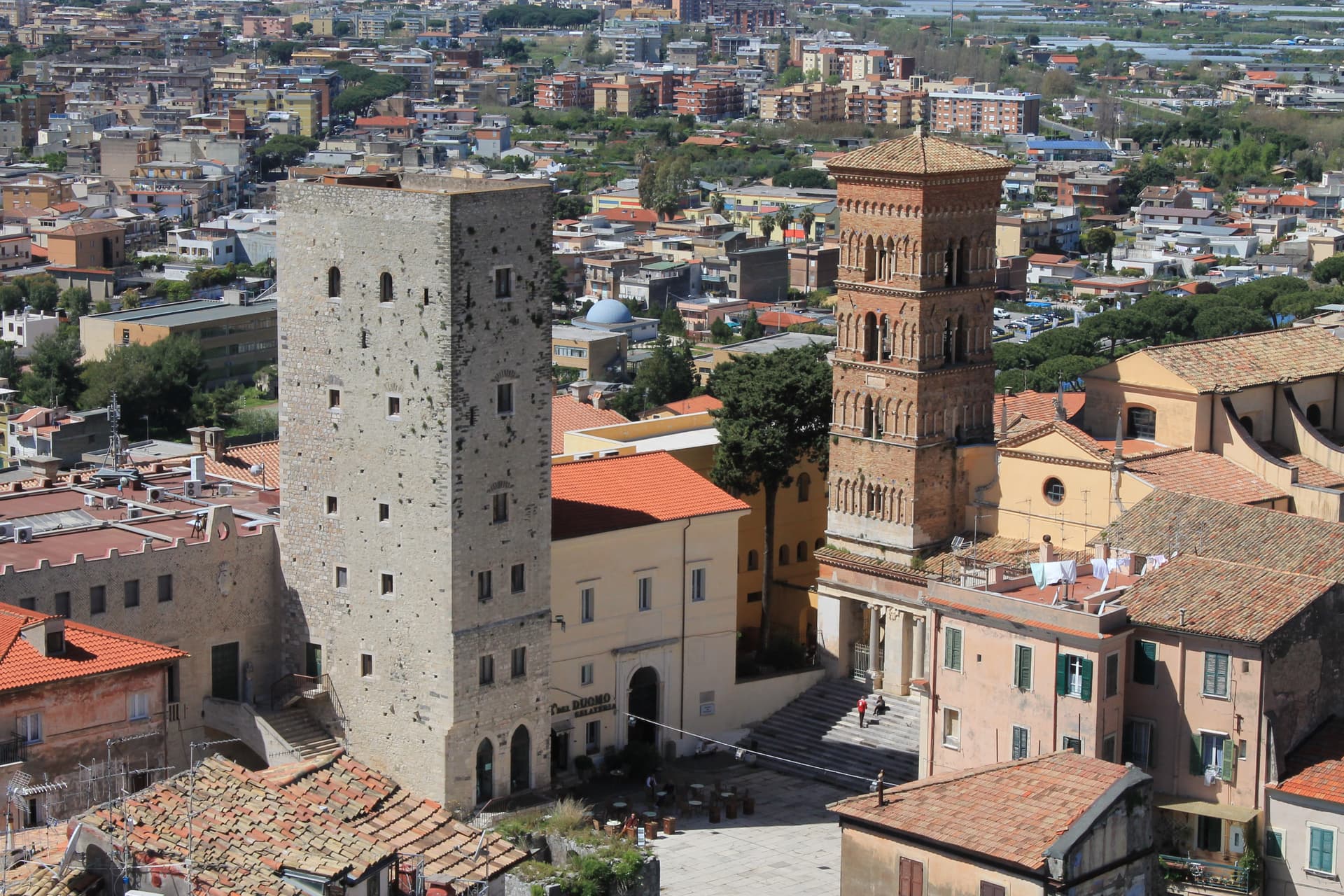
The Volscian Anxur on the Via Appia, where Jupiter's temple sits 227 meters above a port Trajan cleared through stone.
Bracciano
Province: Roma · 280 m
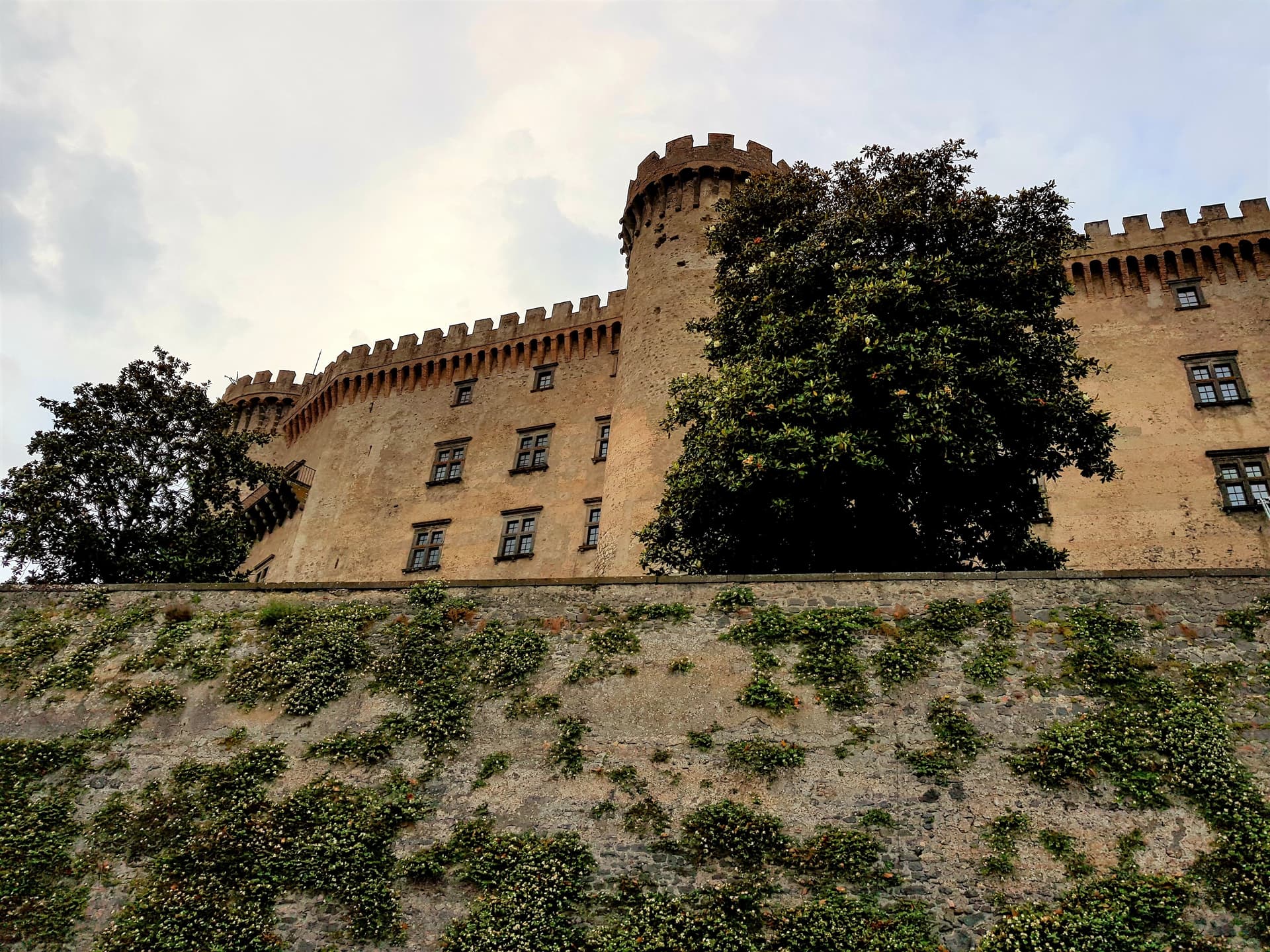
The Lazio lake town with the eighth-largest lake in Italy below it and one of the best-preserved Renaissance castles in the country above it.
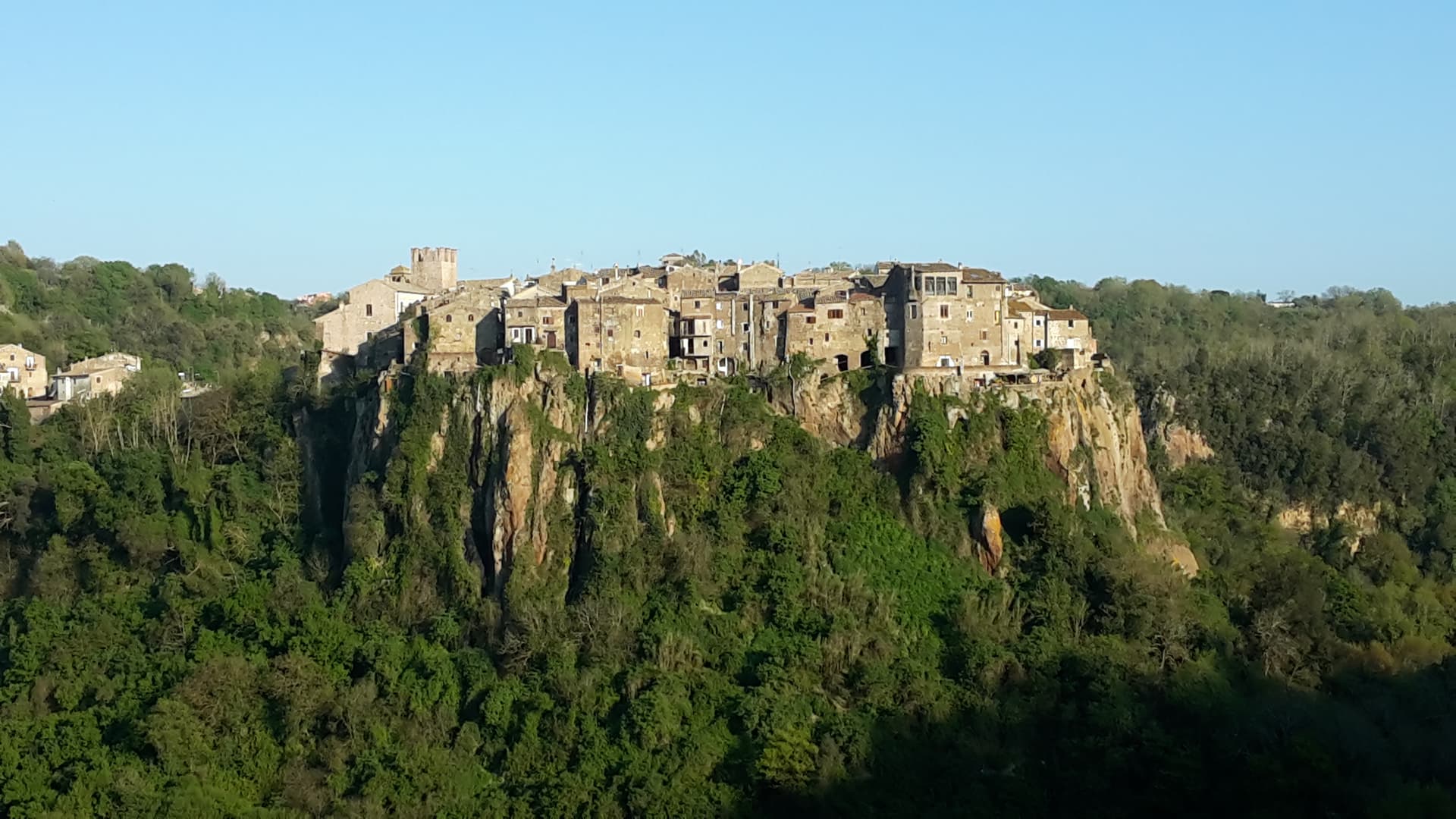
Calcata
Province: Viterbo · 220 m
A tufa-cliff village forty kilometers north of Rome, condemned and abandoned in the 1930s, then occupied by artists and never left.
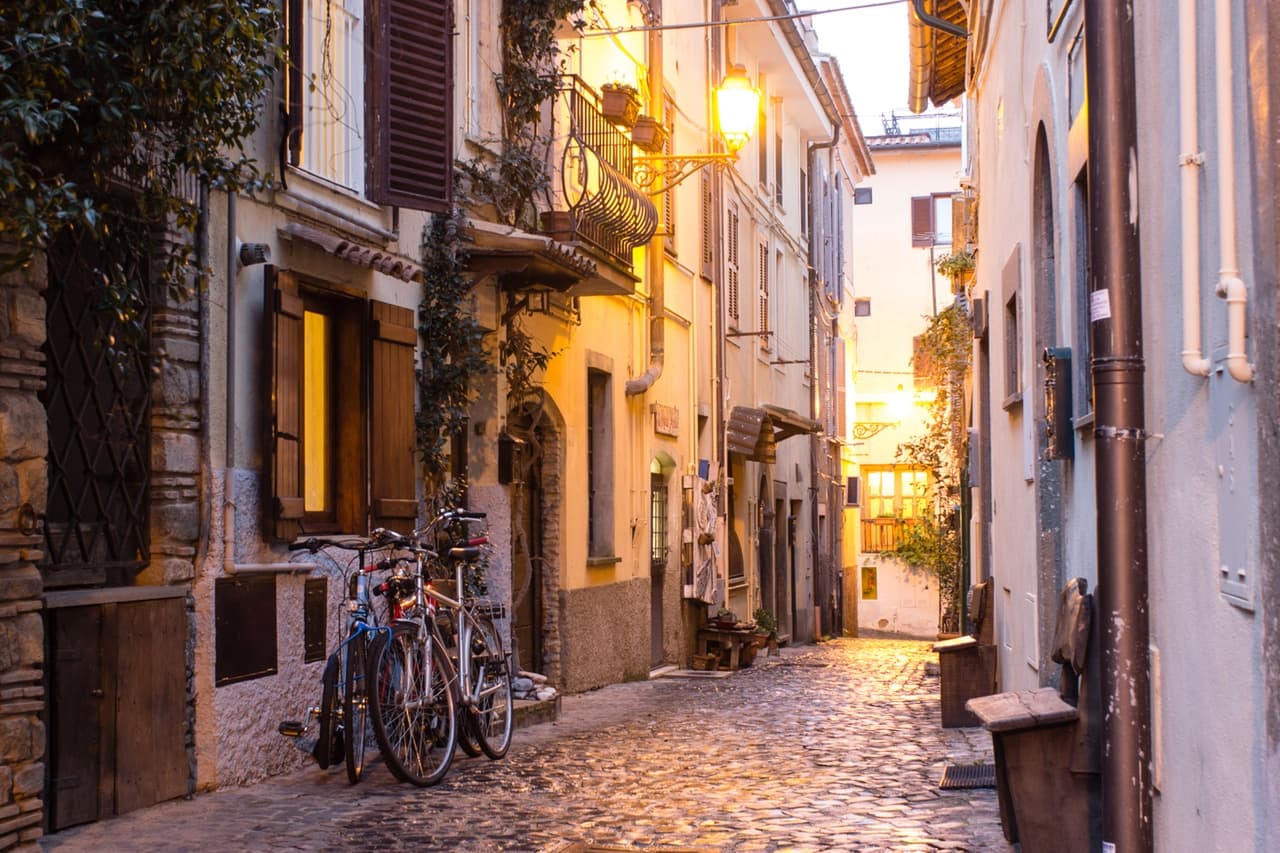
Castel Gandolfo
Province: Roma · 426 m
A papal town on the rim of Lake Albano's volcanic crater, summer residence of the popes since 1626 in the Castelli Romani.
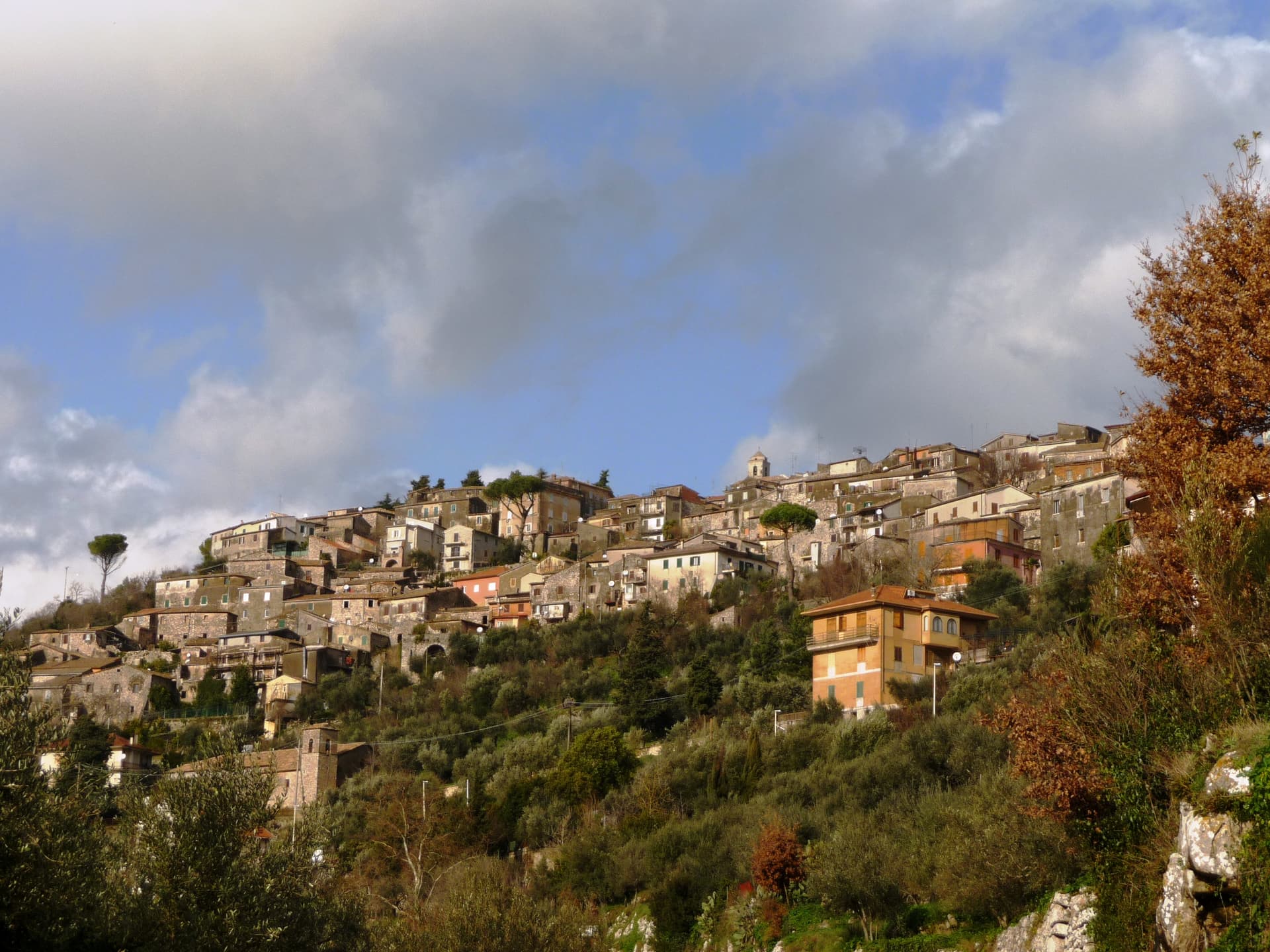
Castro dei Volsci
Province: Frosinone · 385 m
A Ciociaria hilltop borgo at 385 meters in the Sacco valley, named for the pre-Roman Volsci and birthplace of actor Nino Manfredi.
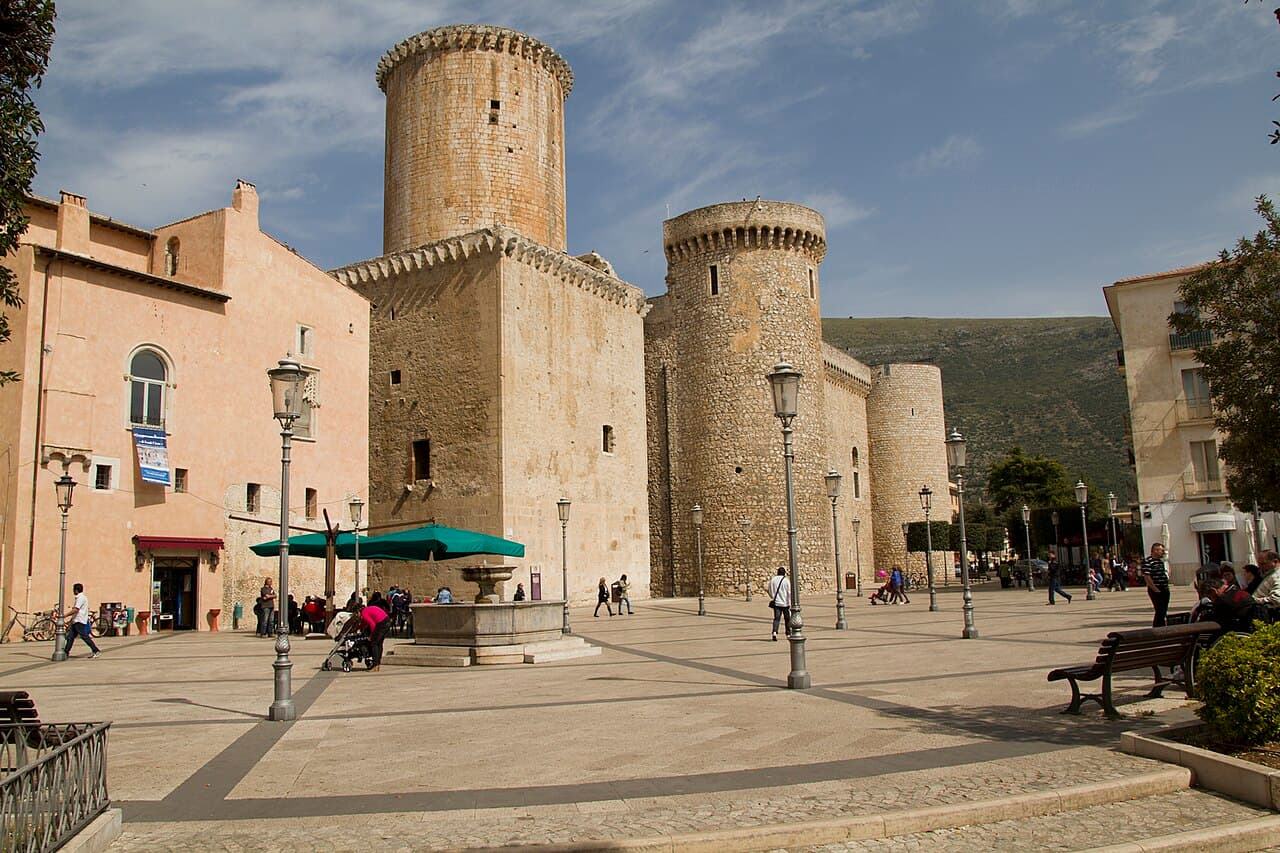
Fondi
Province: Latina · 9 m
The plain town between the Ausoni and Aurunci mountains where the Caetani built a castle in the middle of farmland instead of on a hill.
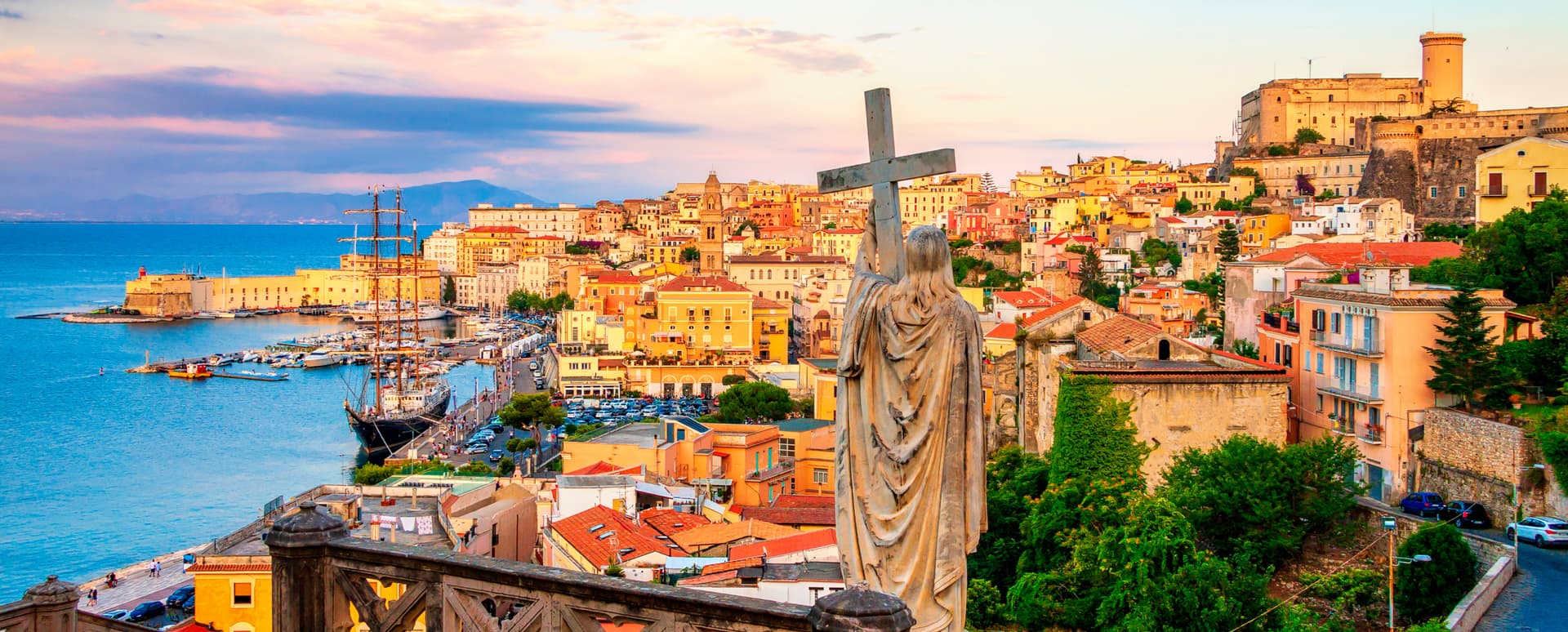
Gaeta
Province: Latina · 2 m
The promontory port where the Bourbon Kingdom of the Two Sicilies fell in February 1861 and the south of Italy stopped existing as a state.
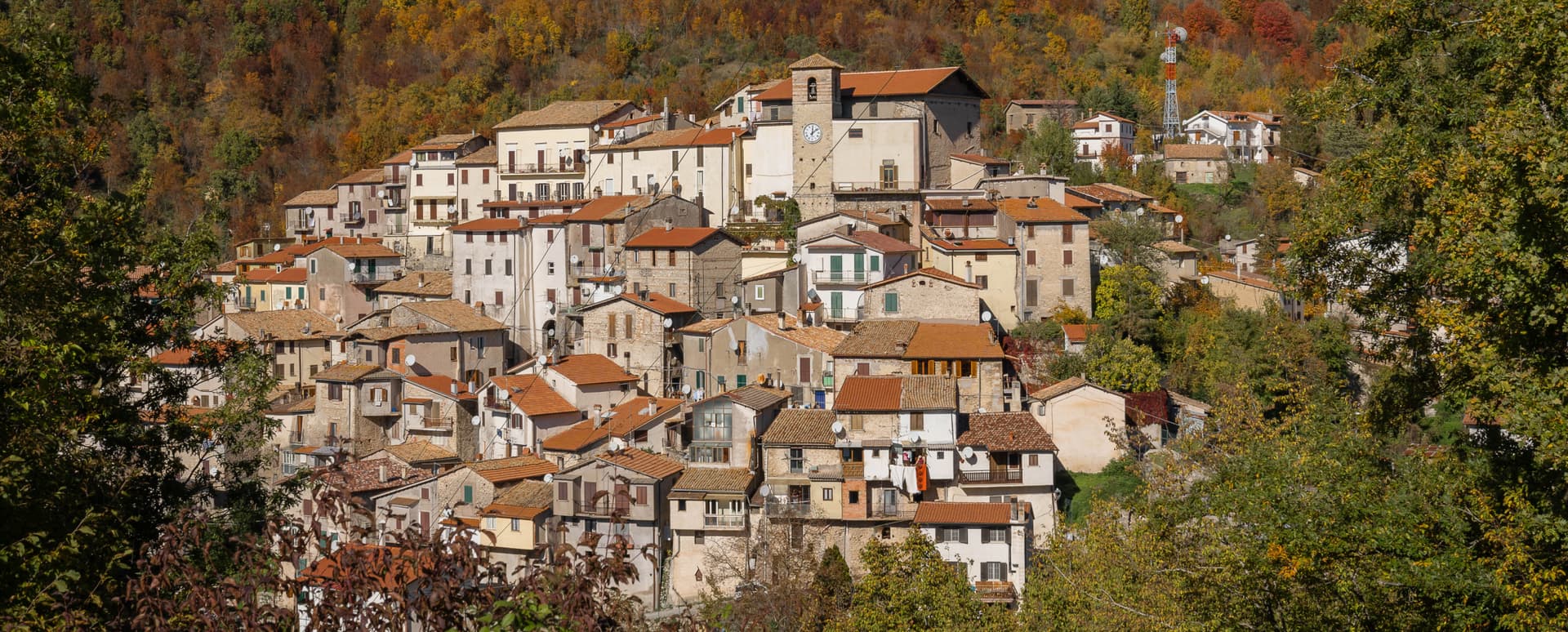
Orvinio
Province: Rieti · 840 m
The highest borgo in the Monti Lucretili park at 840 meters, called Canemorto until 1863 and dominated by the Castello Malvezzi-Campeggi.
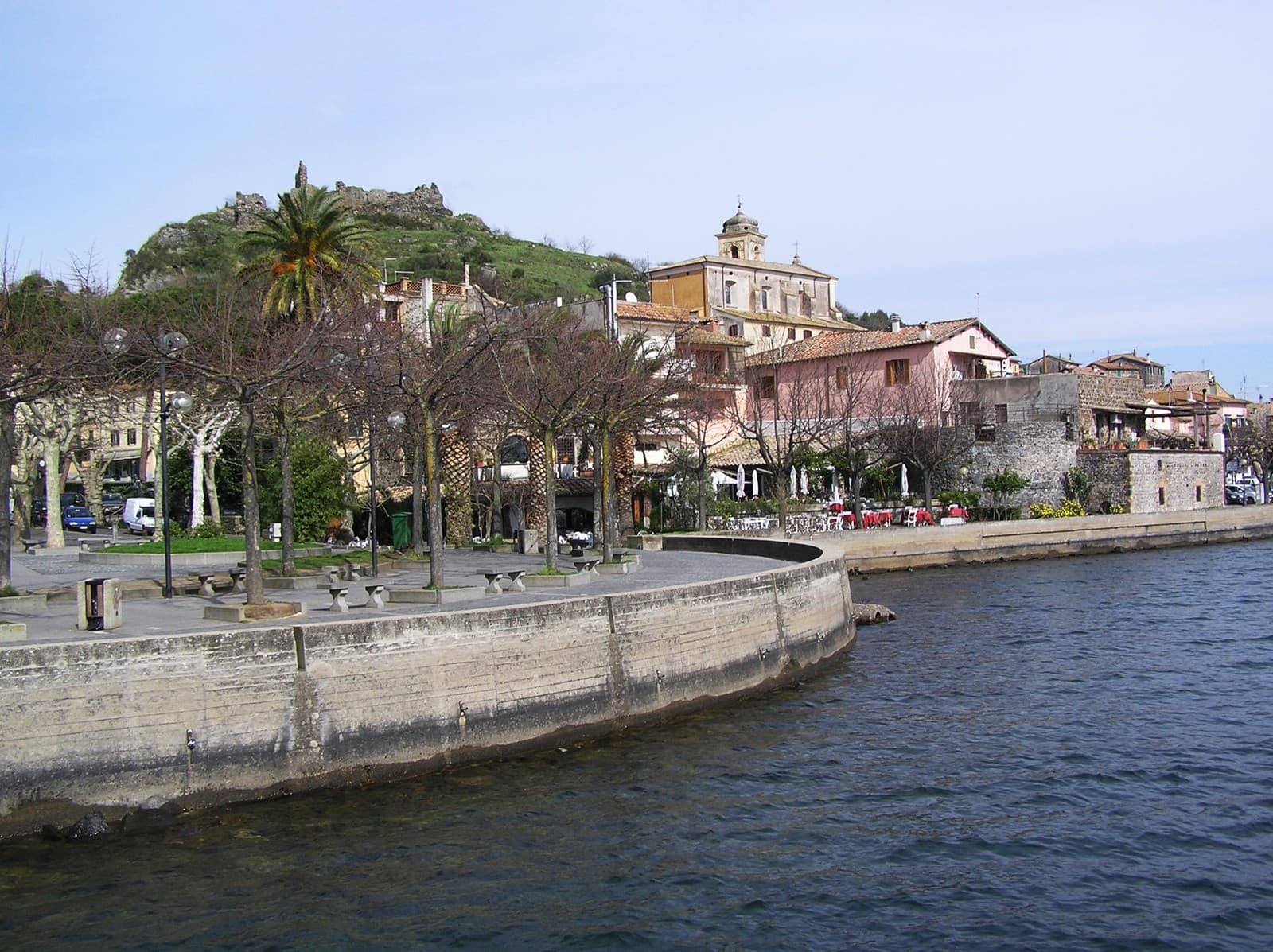
Trevignano Romano
Province: Roma · 173 m
A volcanic-crater lake town on the northern shore of Bracciano, thirty-five kilometers from Rome, with a medieval rocca above the water.
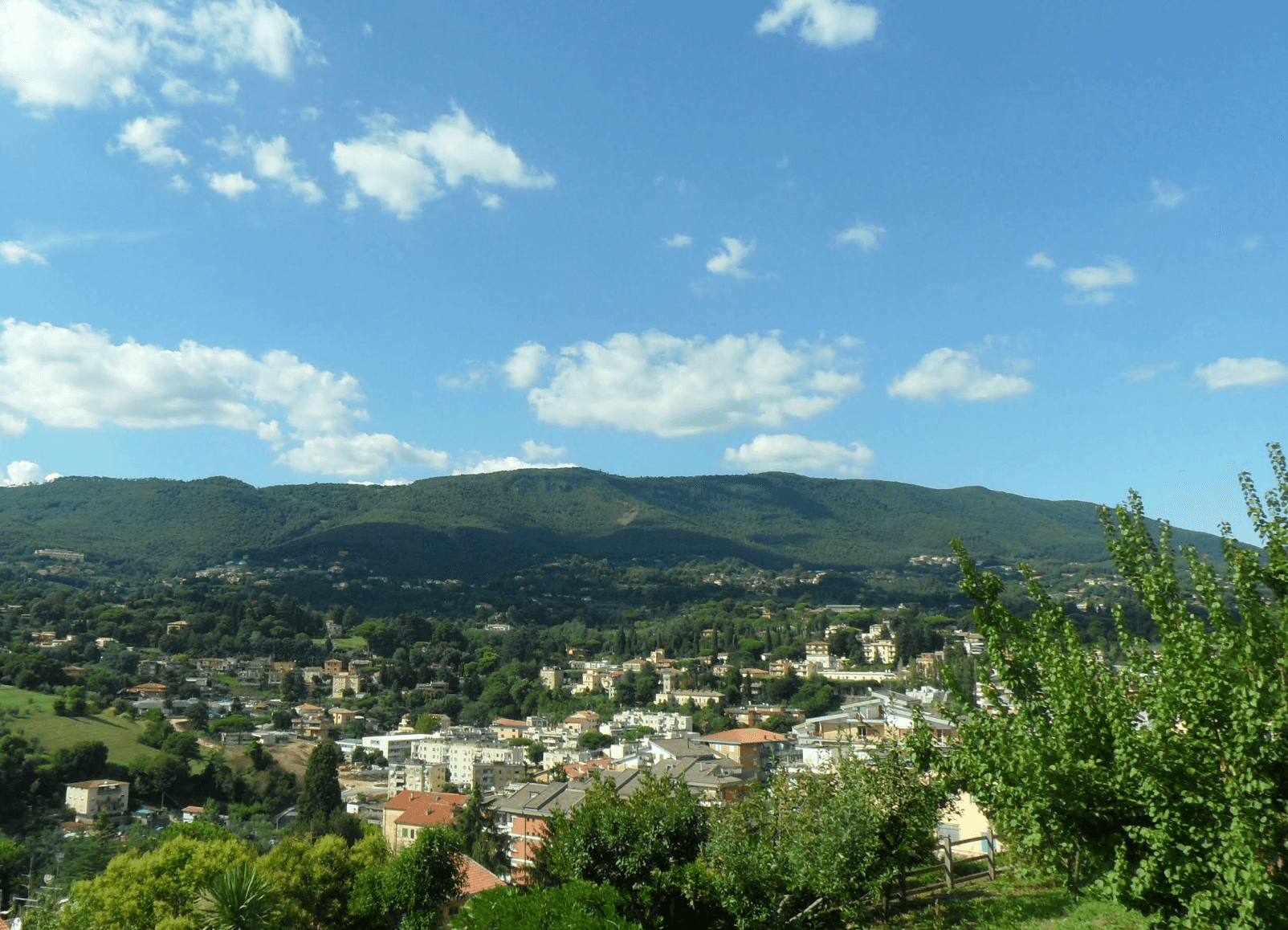
Velletri
Province: Roma · 332 m
The Castelli Romani town where Augustus grew up, now the largest wine commune in the Alban Hills.
Ariccia
Province: Roma · 412 m
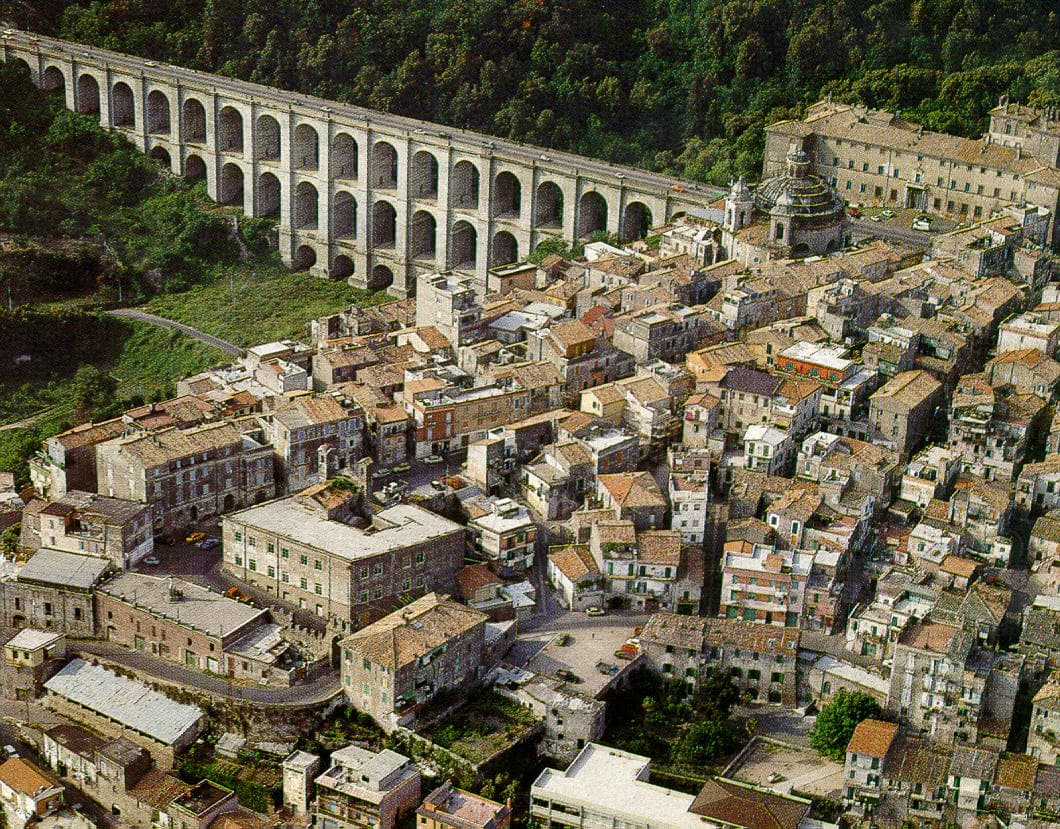
The Castelli Romani town where you go for porchetta — a Bernini-designed Baroque ensemble (palazzo + Santa Maria dell'Assunzione + Piazza di Corte) on a volcanic crater rim 25 km south of Rome, with the most concentrated cluster of fraschette porchetta restaurants in Italy and Lago di Albano below.
Castelnuovo di Porto
Province: Roma · 250 m
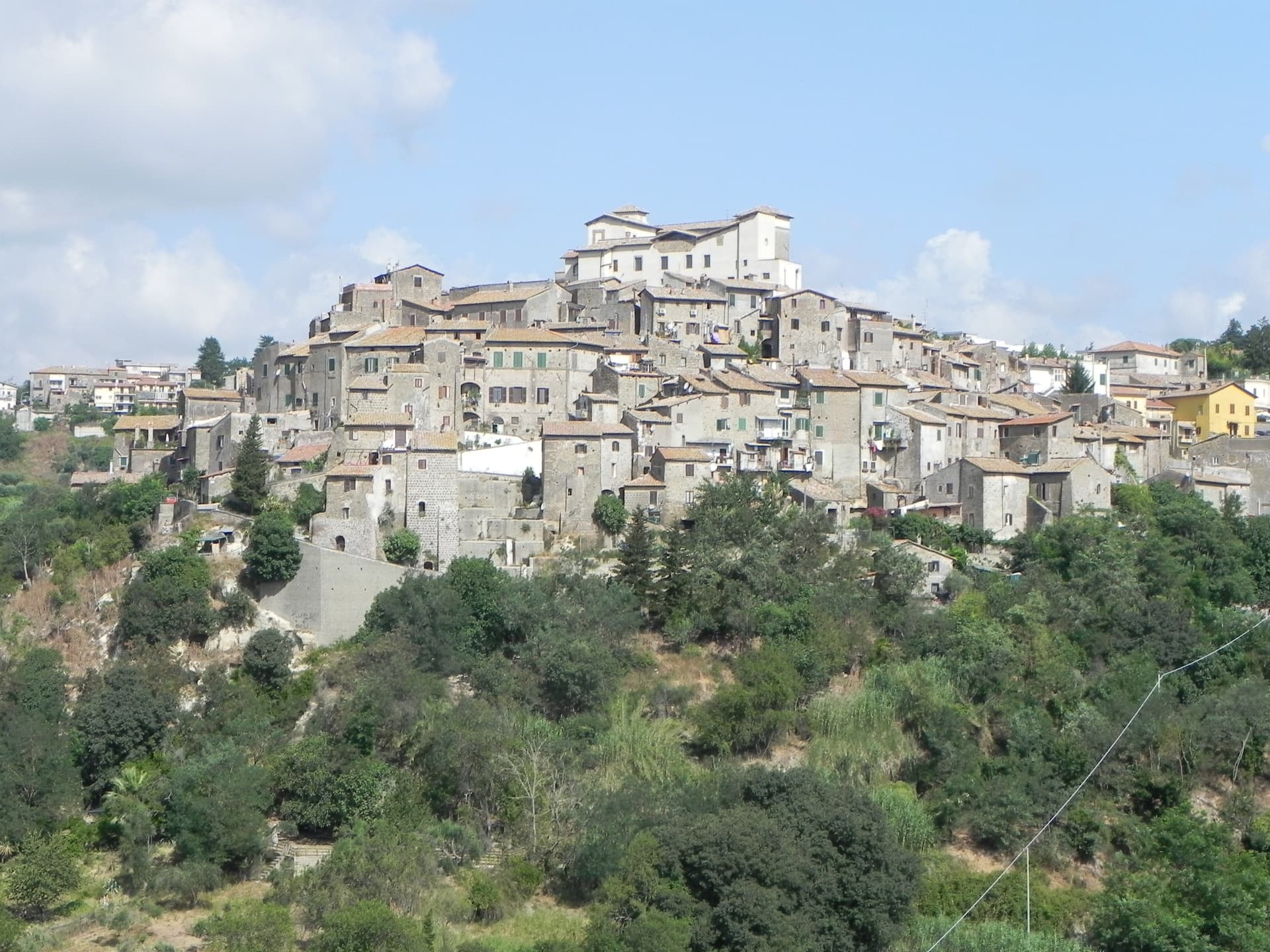
A tufa-ridge borgo twenty-five kilometers north of Rome inside the Parco di Veio, dominated by the Rocca Colonna above the Tiber valley.
Percile
Province: Roma · 575 m
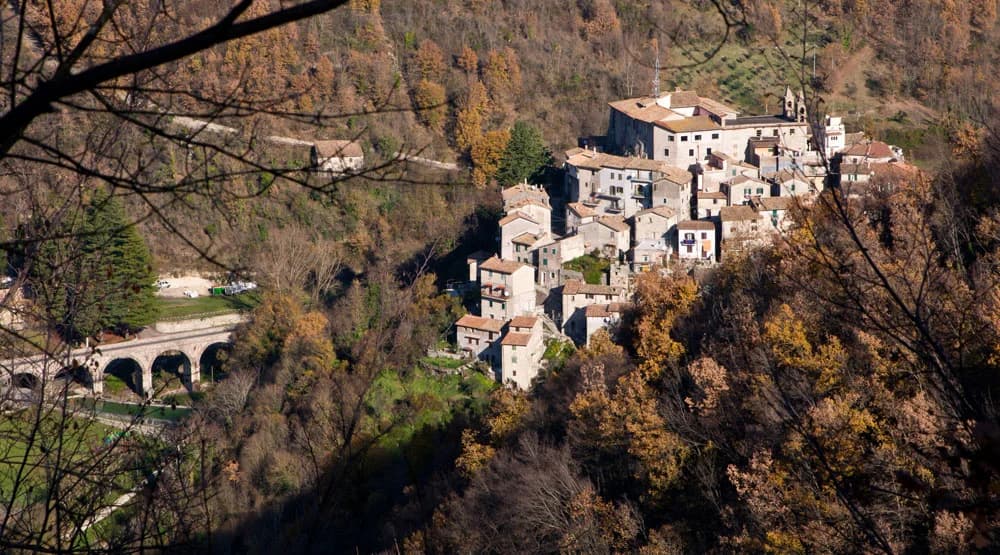
A 219-person medieval borgo at 575 meters in the Monti Lucretili park, with two karst lakes called Lagustelli hidden in the beech woods above.
Pico
Province: Frosinone · 220 m
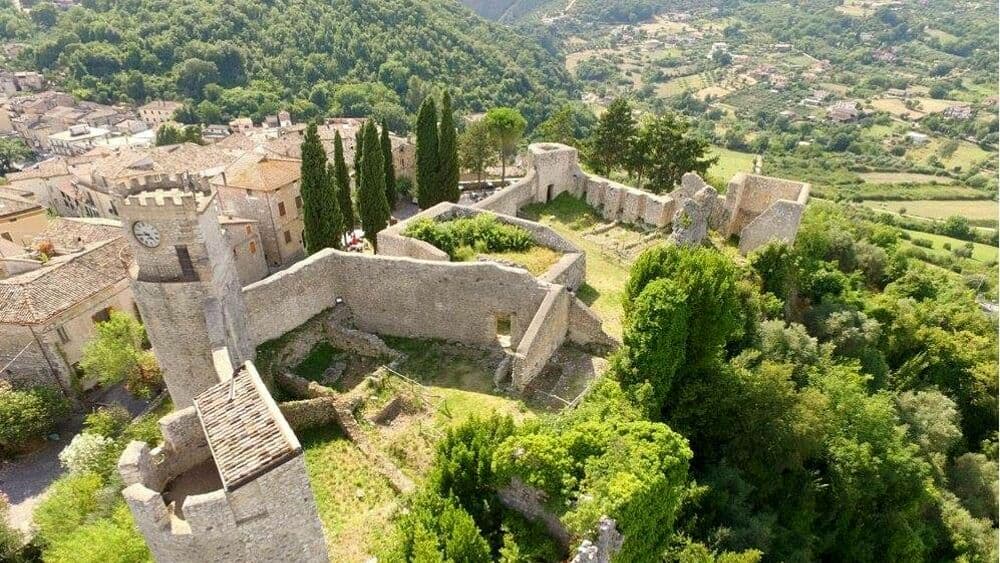
Tommaso Landolfi's home town — a 2,634-resident Ciociaria borgo at 220m on the Monti Ausoni between Rome and Naples, with the Castello Baronale dei Boncompagni (now the Casa Museo Tommaso Landolfi for the eccentric 20th-c Italian fantastic-realism writer), a BPB-inscribed medieval centro, and the surrounding Monti Ausoni hiking + wild boar country.
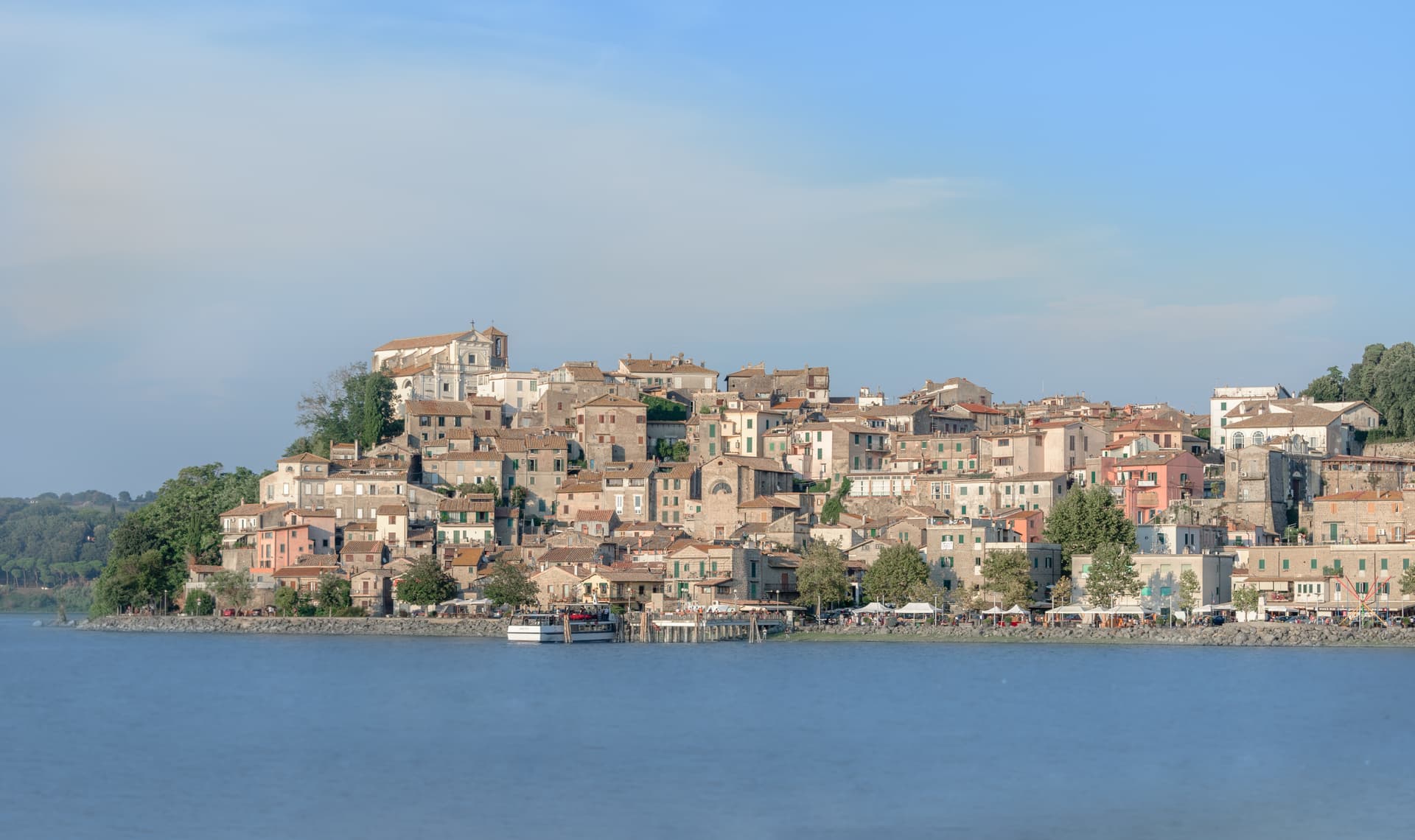
Anguillara Sabazia
Province: Roma · 195 m
A medieval cape town jutting into Lake Bracciano, twenty-five kilometers from Rome, built above a 5700 BC Neolithic lakeshore village.
Subscribe — free
Get the best guides on hidden Italian towns.
One letter on Sundays. The week’s town, with the photo, the food, the festa. Free, by Peter & Sophia from Pietrasanta.
Substack sends a confirmation link to your inbox. The signup finishes when it’s clicked.
From elsewhere in Italy
Five more towns to discover
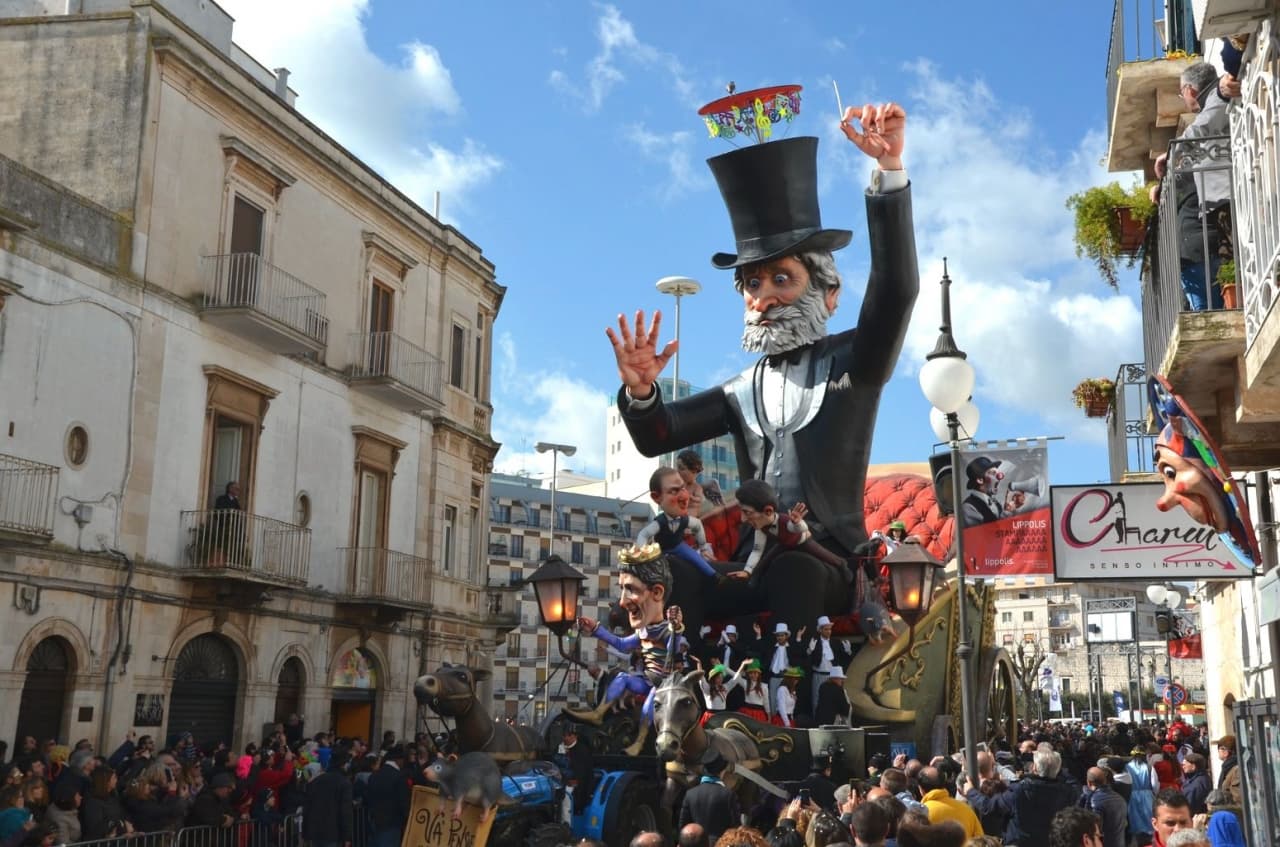
Putignano
Province: Bari
Europe's longest-running carnival — Putignano Carnevale has run continuously since 1394, with 631 years of cartapesta papier-mâché floats, a 26,000-resident Murgia town on the Bari–Lecce plateau, and the Grotta del Trullo karst cave inside the centro.

Pistoia
Province: Pistoia
Italy's nursery capital and the medieval Tuscan rival that gave its name to the pistol — a quietly extraordinary centro storico of zebra-striped Romanesque churches, Andrea della Robbia's polychrome frieze on the Ospedale del Ceppo, and Italy's Capital of Culture 2017, all 30 minutes from Florence by train.
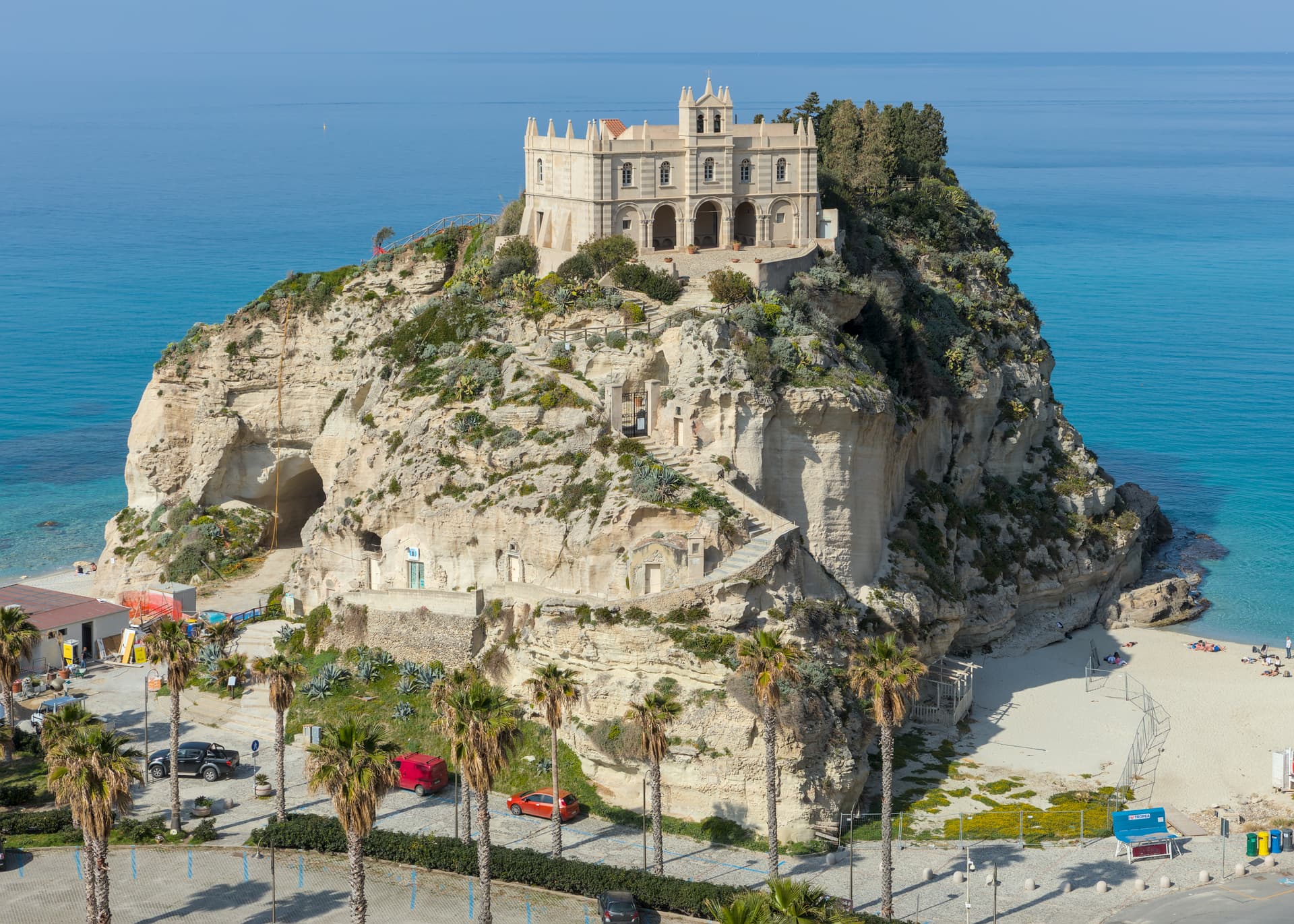
Tropea
Province: Vibo Valentia
Cliff town on a tufa headland over the Tyrrhenian Coast of the Gods, with a Norman monastery on a sea rock.
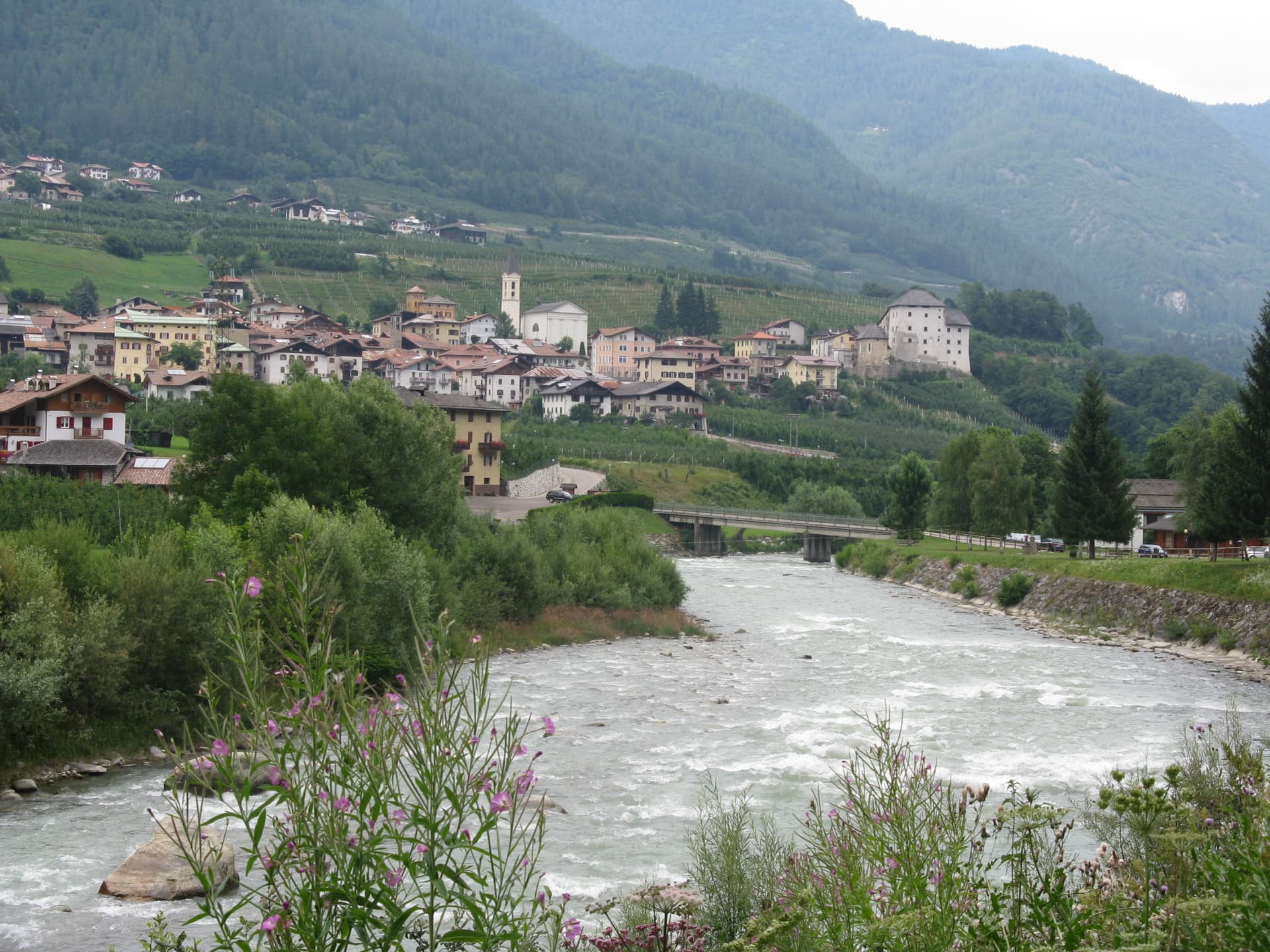
Caldes
Province: Trento
A scattered Val di Sole commune on the Noce, six hamlets gathered around a thirteenth-century tower-house castle that once belonged to the Thun family.
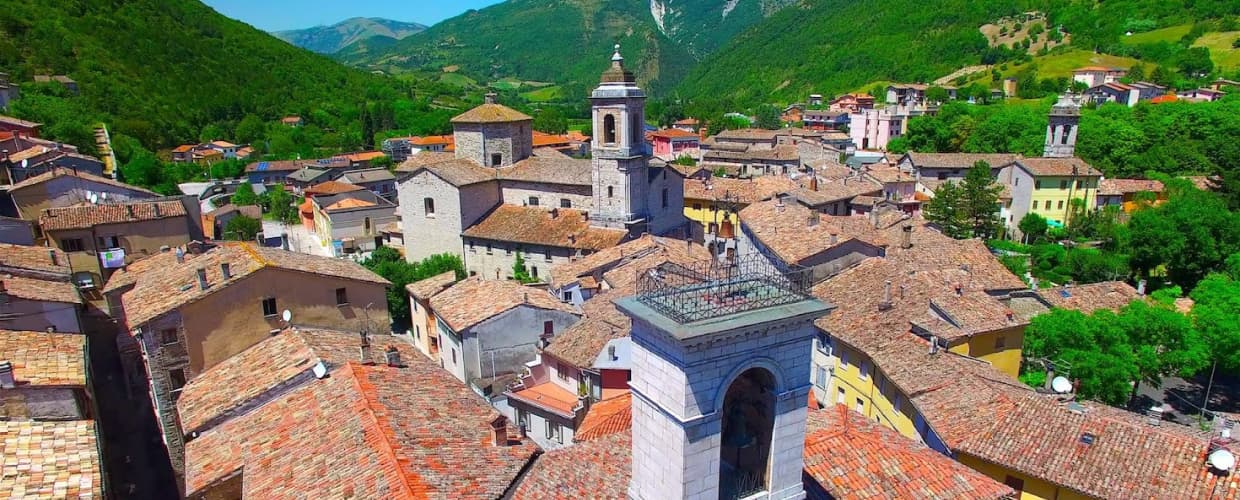
Cantiano
Province: Pesaro e Urbino
A border borgo at 374 meters under Monte Catria on the old Via Flaminia, known for the Good Friday Turba and the sour-cherry visciola harvest.