
Borghi Autentici
Borghi Autentici in Apulia
23 towns
Apulia holds 23 Borghi Autentici sites inside our catalogue. They cluster in the Lecce, Foggia, and Bari provinces.
The three most recognised in our catalogue are Castellaneta, Minervino Murge, and Vieste. 20 more towns carry the mark alongside them.
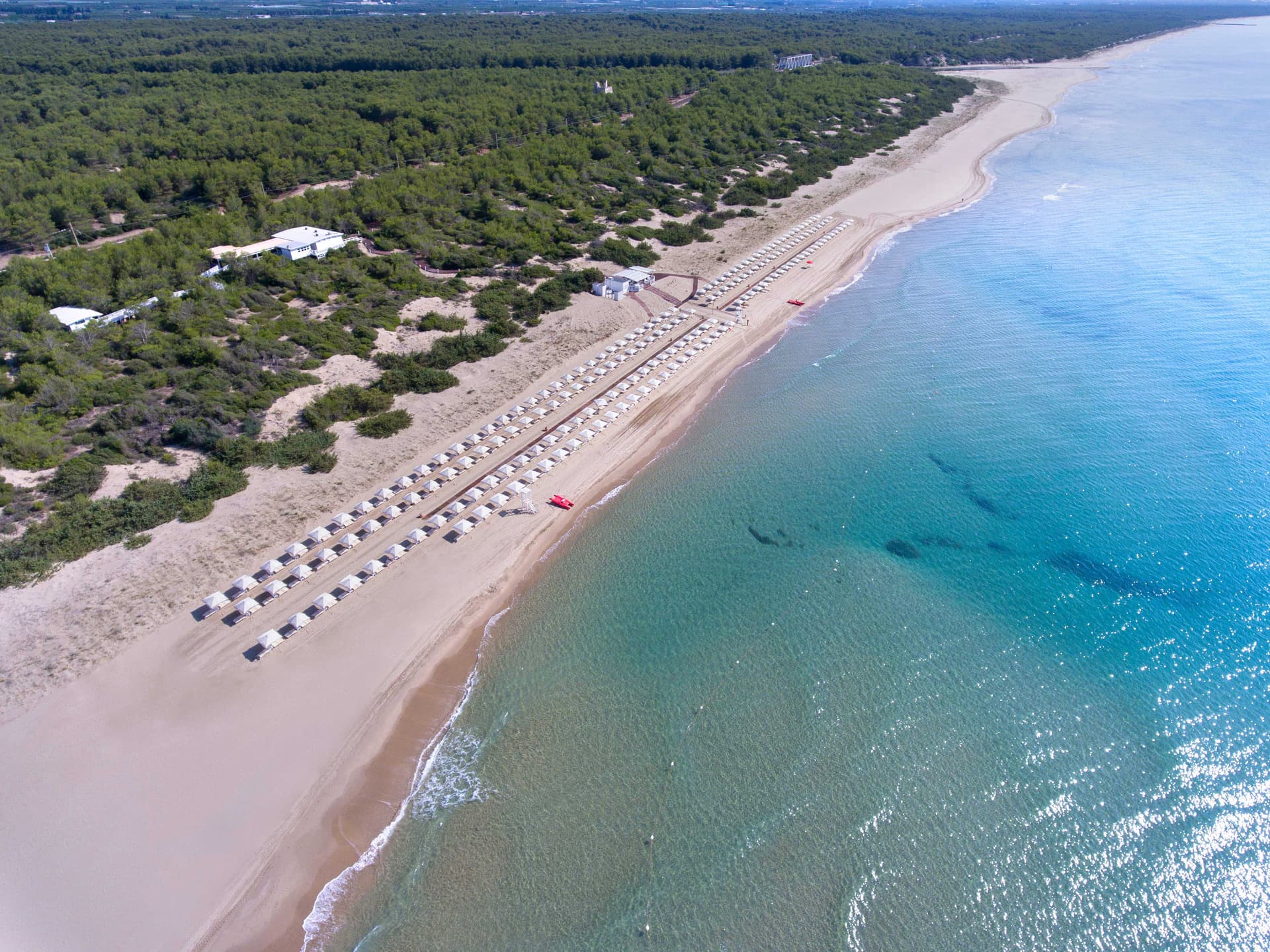
Castellaneta
Province: Taranto · 235 m
A cliff-edge Murge town at 235 meters above the Gravina Grande canyon, birthplace of Rudolph Valentino in 1895, with a Bandiera Blu Ionian marina.
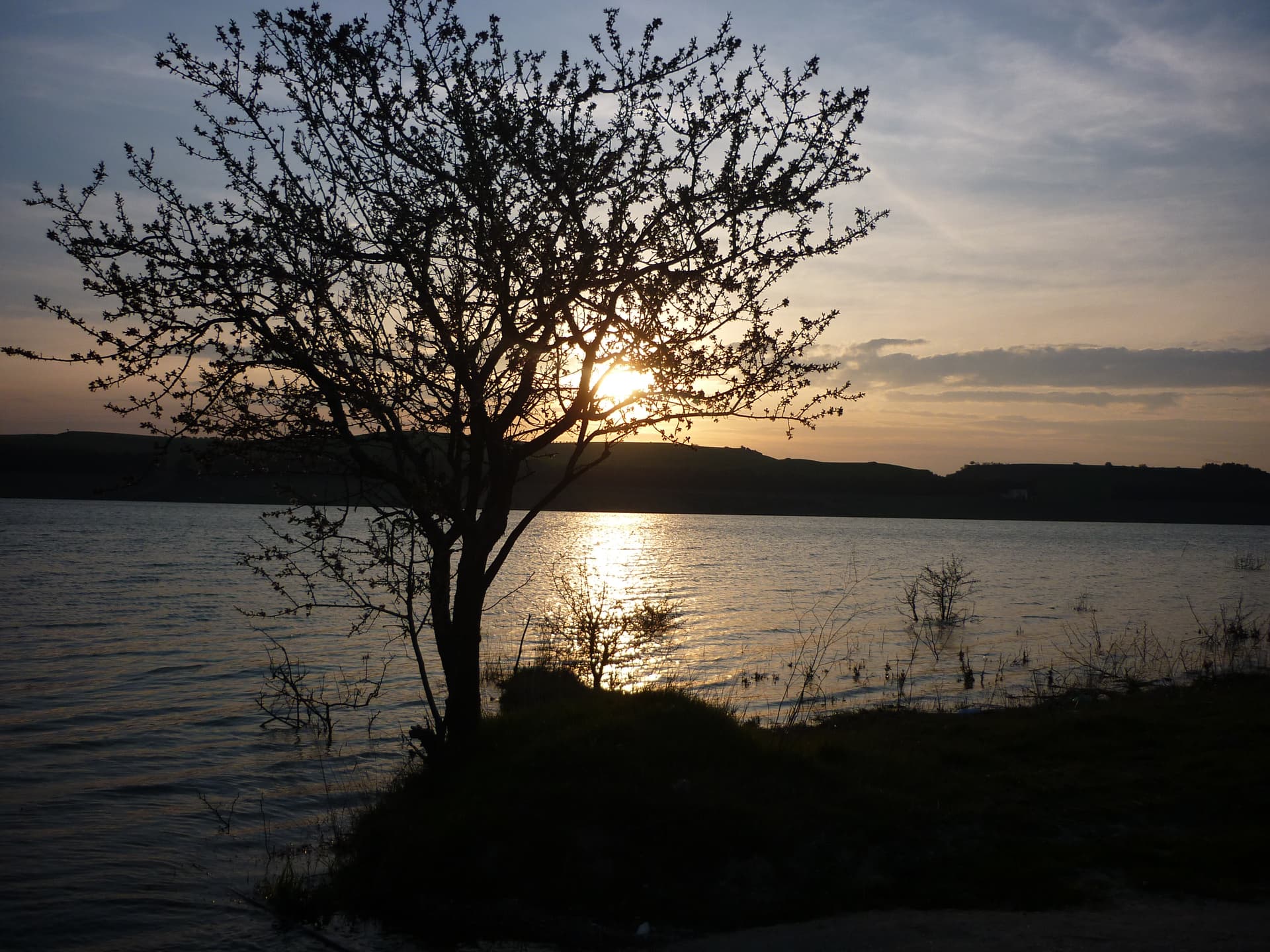
Minervino Murge
Province: Barletta-Andria-Trani · 445 m
The Balcone di Puglia at 445 meters on the Alta Murgia, between the Ofanto valley and Monte Vulture, inside the national park.
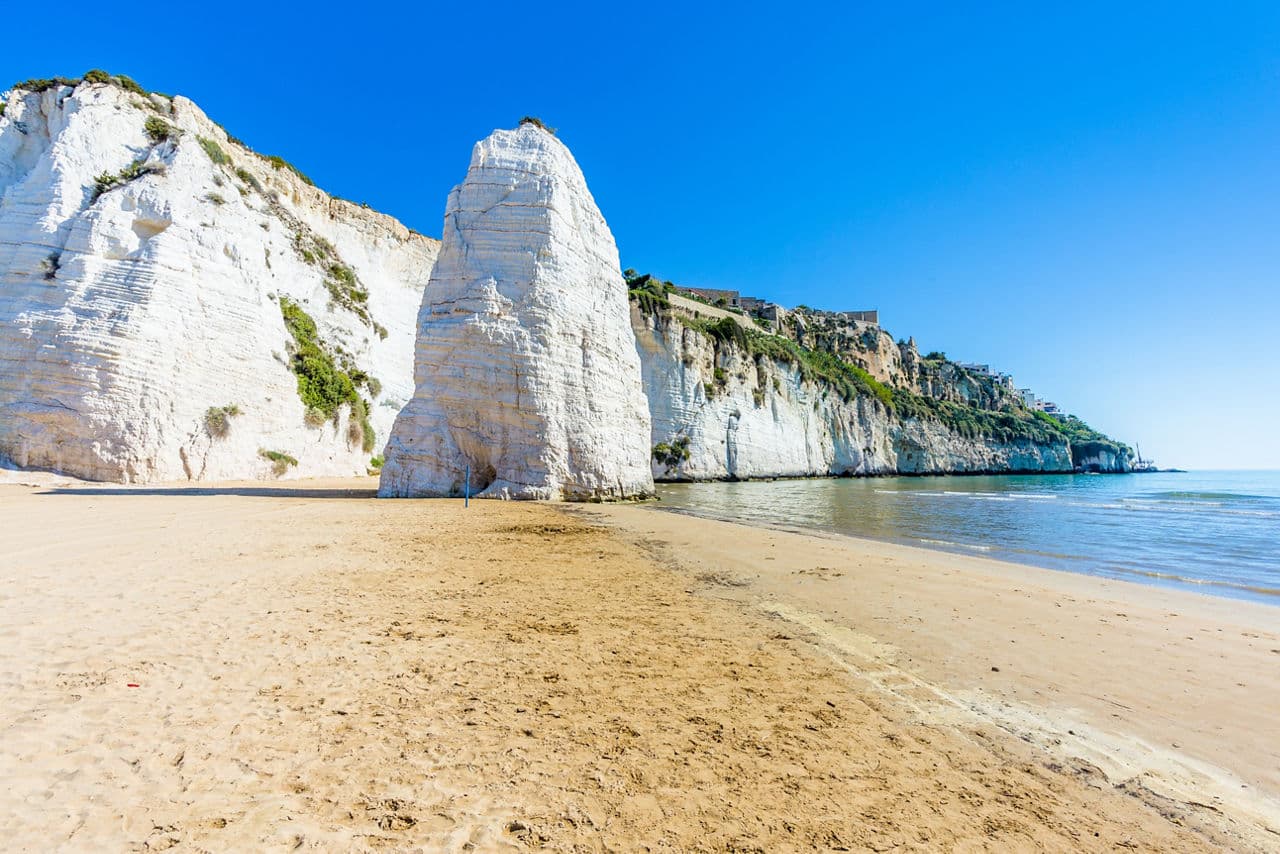
Vieste
Province: Foggia · 43 m
The Gargano headland of whitewashed alleys on a white limestone cliff, with the Pizzomunno sea stack standing 26 meters offshore.
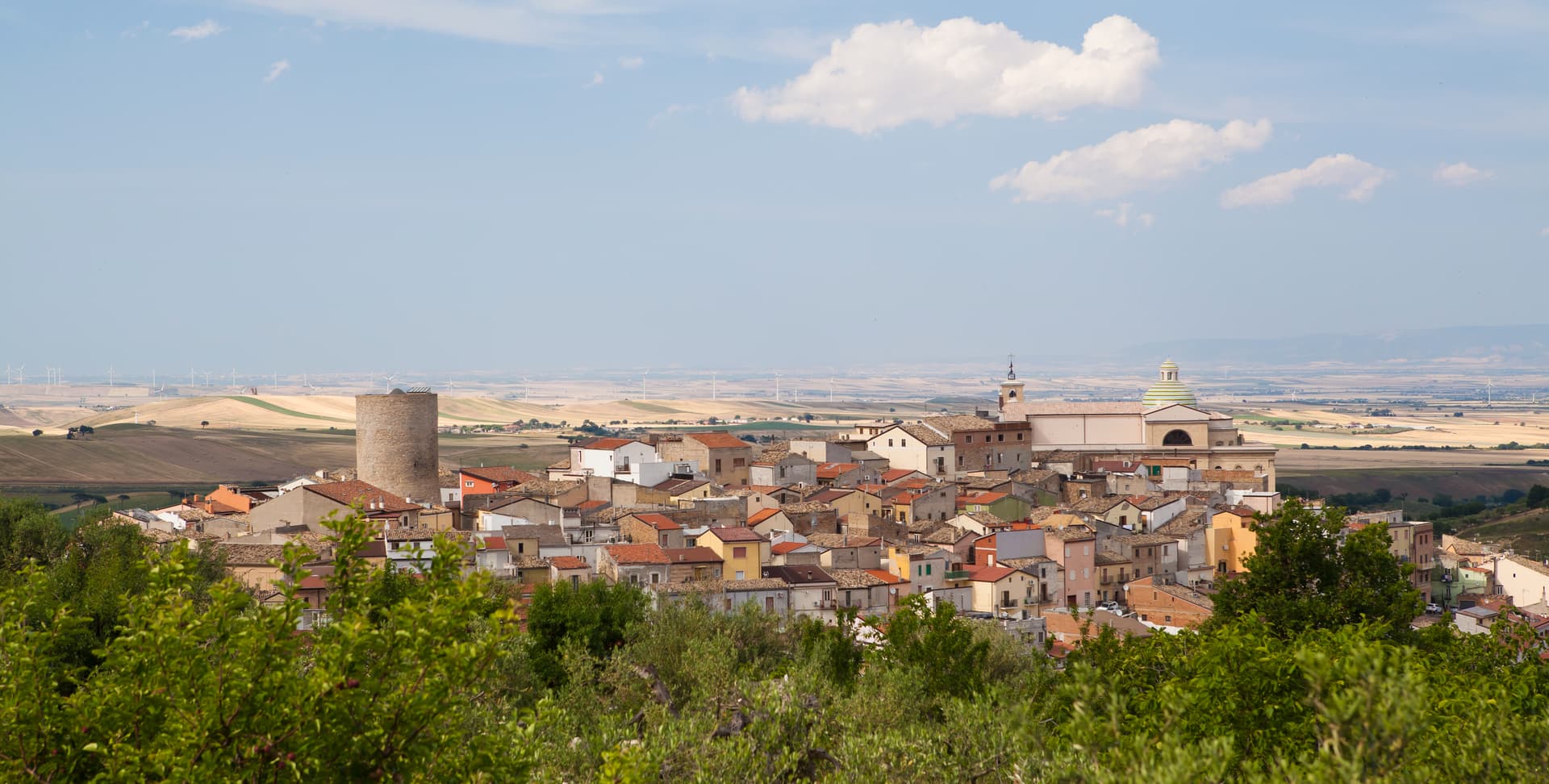
Biccari
Province: Foggia · 450 m
A Subappennino Dauno borgo at 450 meters under Monte Cornacchia, the highest peak in Puglia at 1,151 meters, with a Byzantine tower at its core.
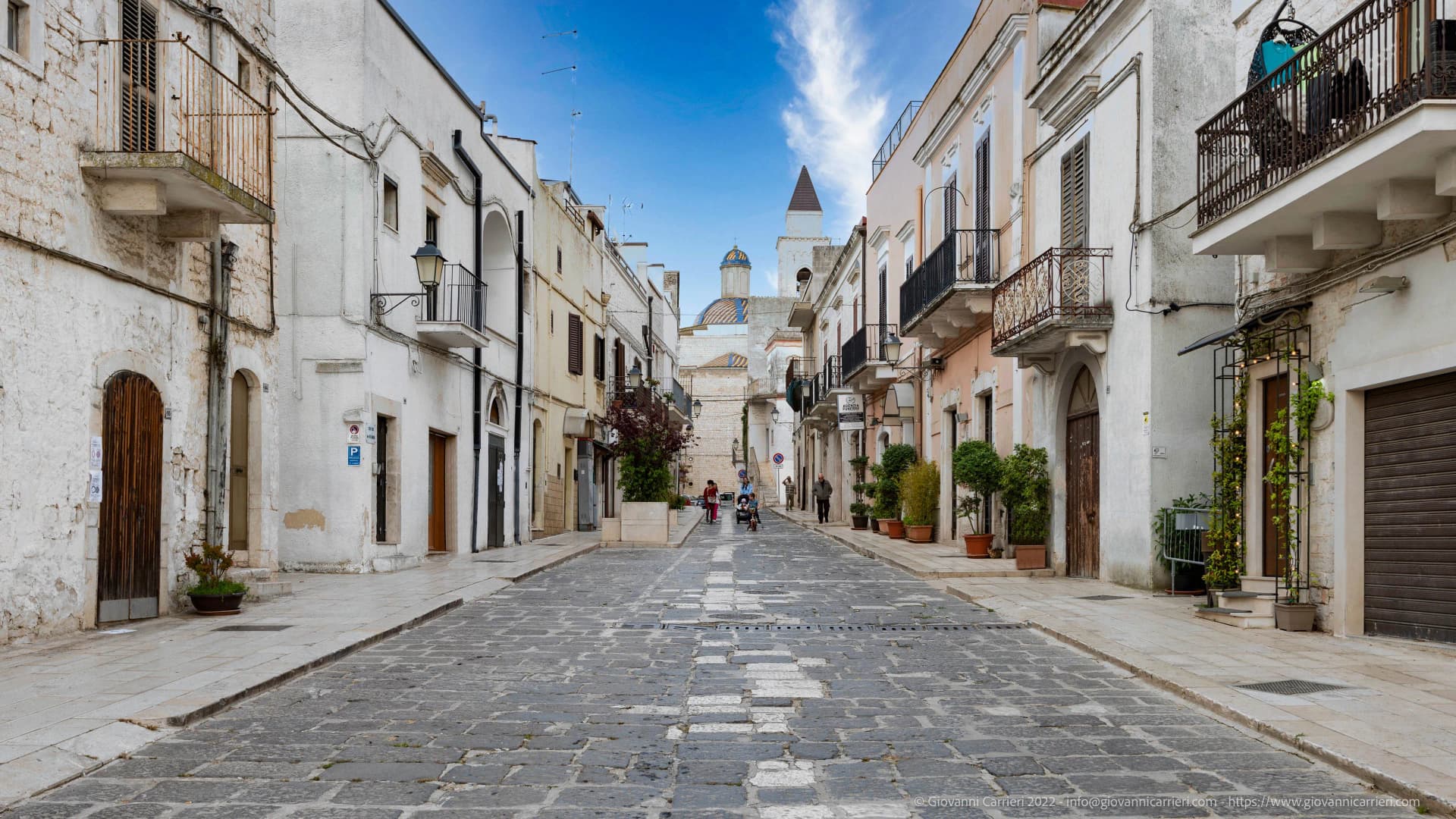
Cassano delle Murge
Province: Bari · 341 m
A Murge foothills town at 341 meters at the gate of the Alta Murgia park, with the 1,300-hectare Foresta Mercadante mostly inside its territory.
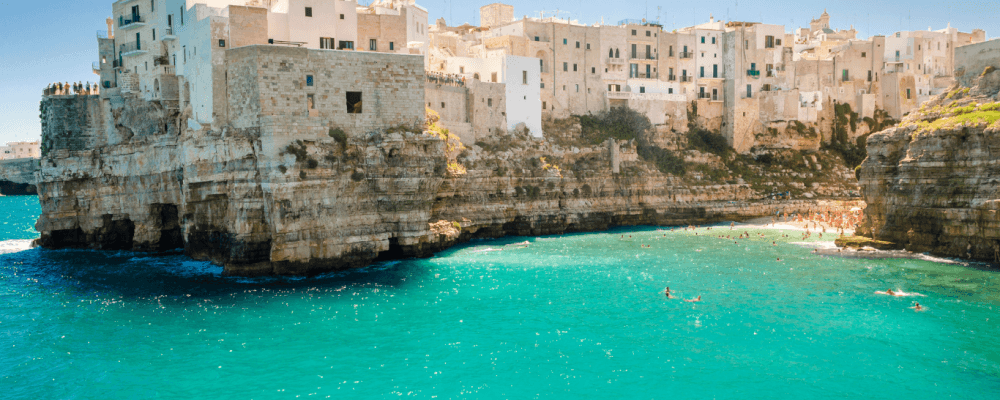
Melendugno
Province: Lecce · 36 m
Salento's archaeological-beach capital — a 10,000-resident Lecce-province comune covering 17 km of Adriatic coast with three Bandiera Blu beaches (Torre dell'Orso, San Foca, Sant'Andrea), the Grotta della Poesia karst pool (one of the world's most beautiful natural pools per National Geographic), and the Bronze-Age-to-Messapian-to-medieval Roca Vecchia archaeological site.
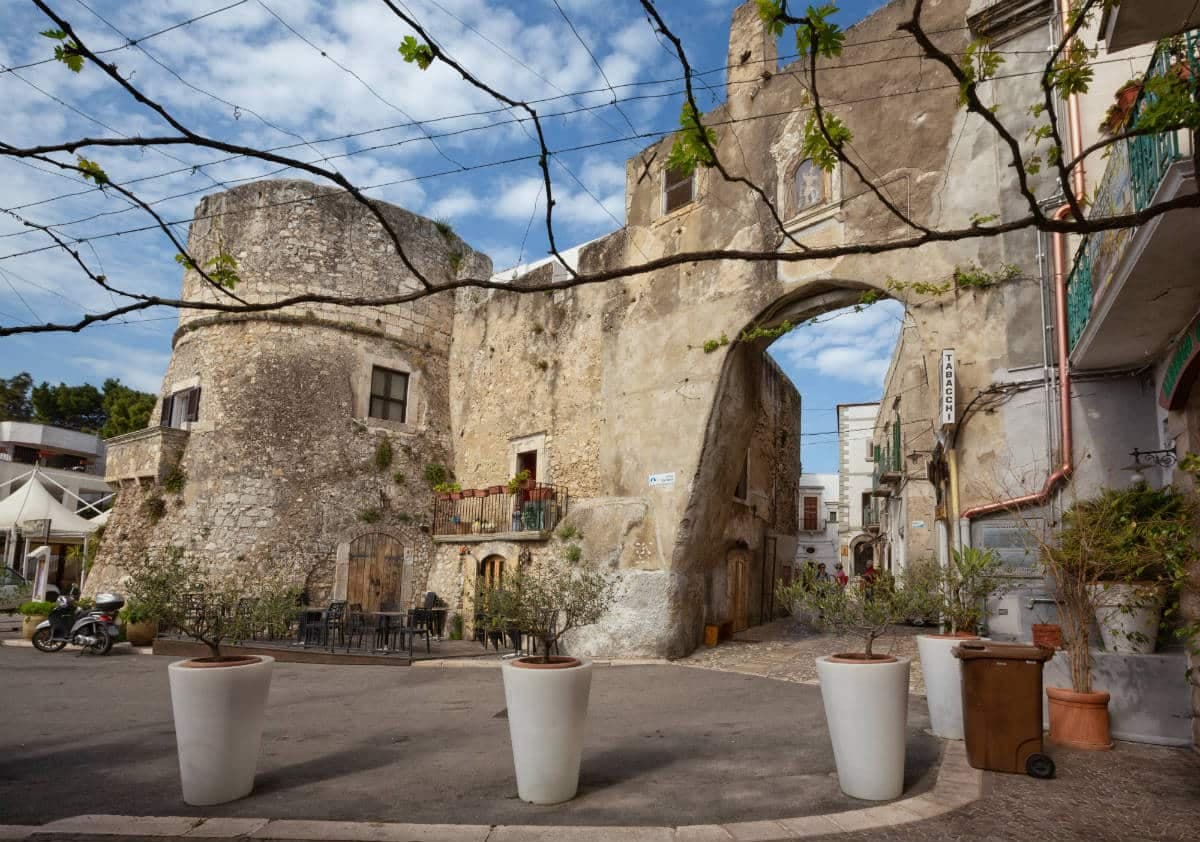
Peschici
Province: Foggia · 91 m
A Gargano cliff-top village above the Adriatic with a Norman castle of 1023, white houses spilling toward the sea and trabucchi on the headlands.
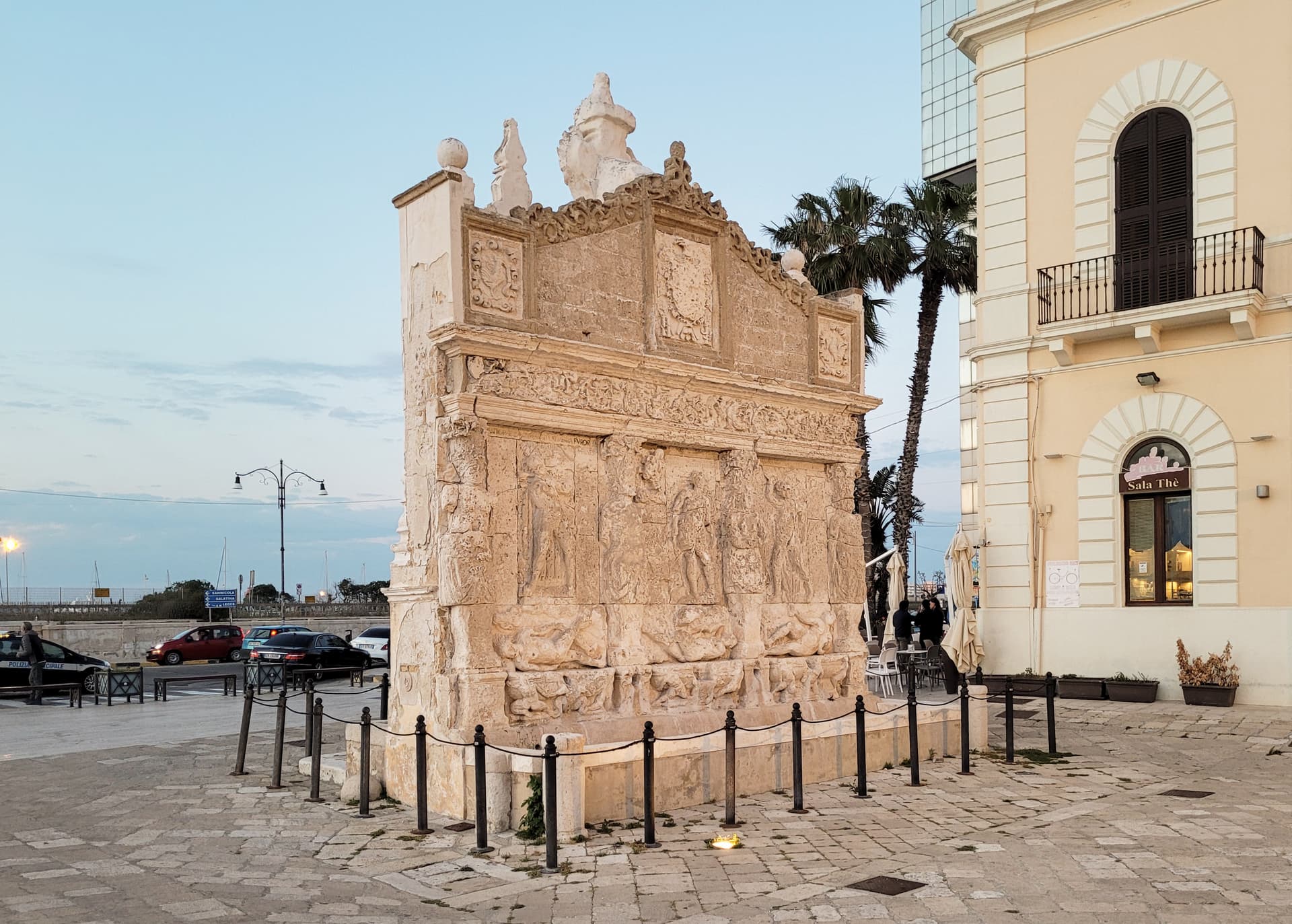
Gallipoli
Province: Lecce · 12 m
The Ionian beach city on a limestone island, Greek Kallipolis meaning beautiful city, tied to the mainland by a seventeenth-century bridge.
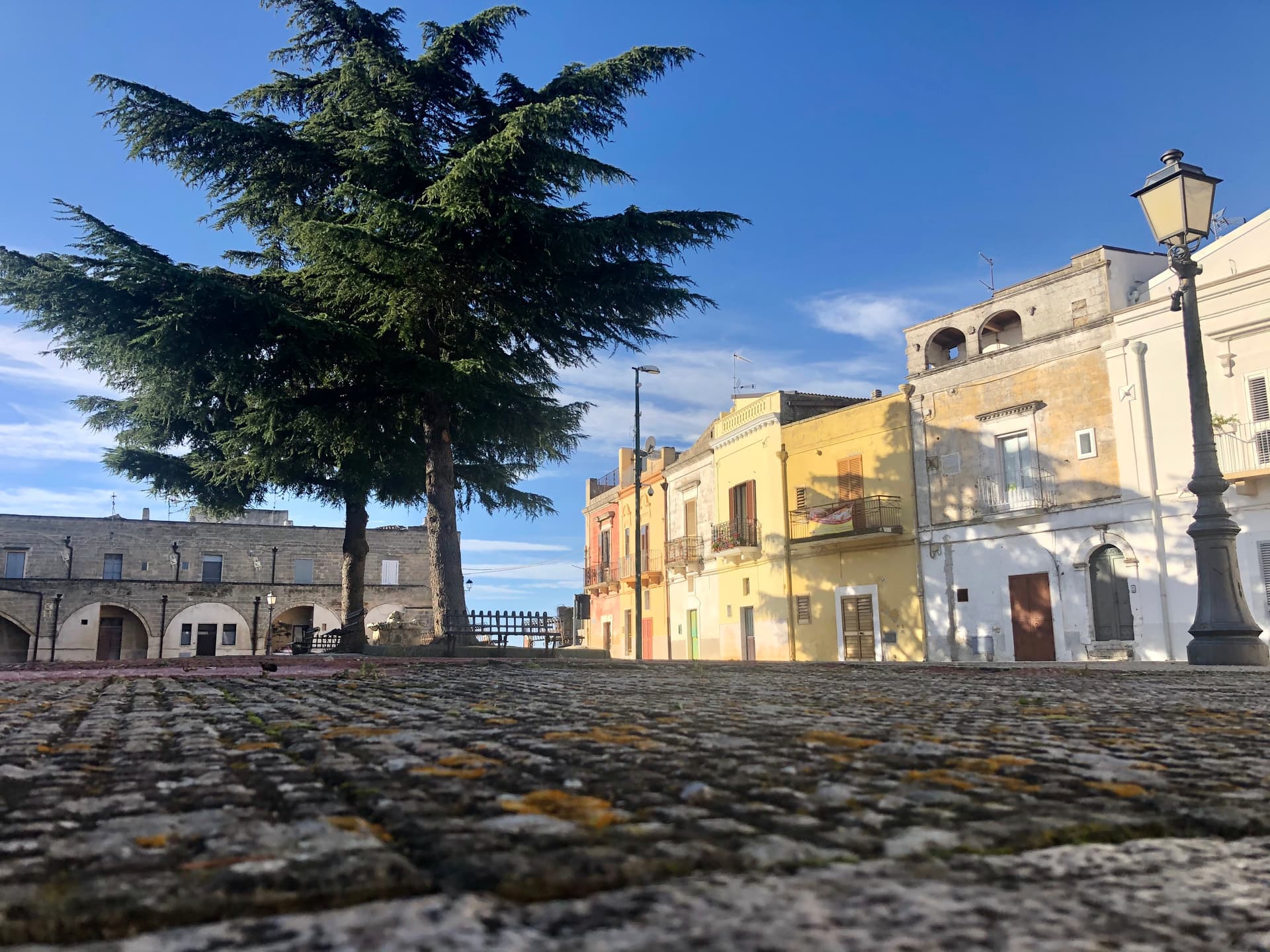
Poggiorsini
Province: Bari · 461 m
The smallest commune in metropolitan Bari, an Orsini estate of 1609 that became an independent town only in 1957.
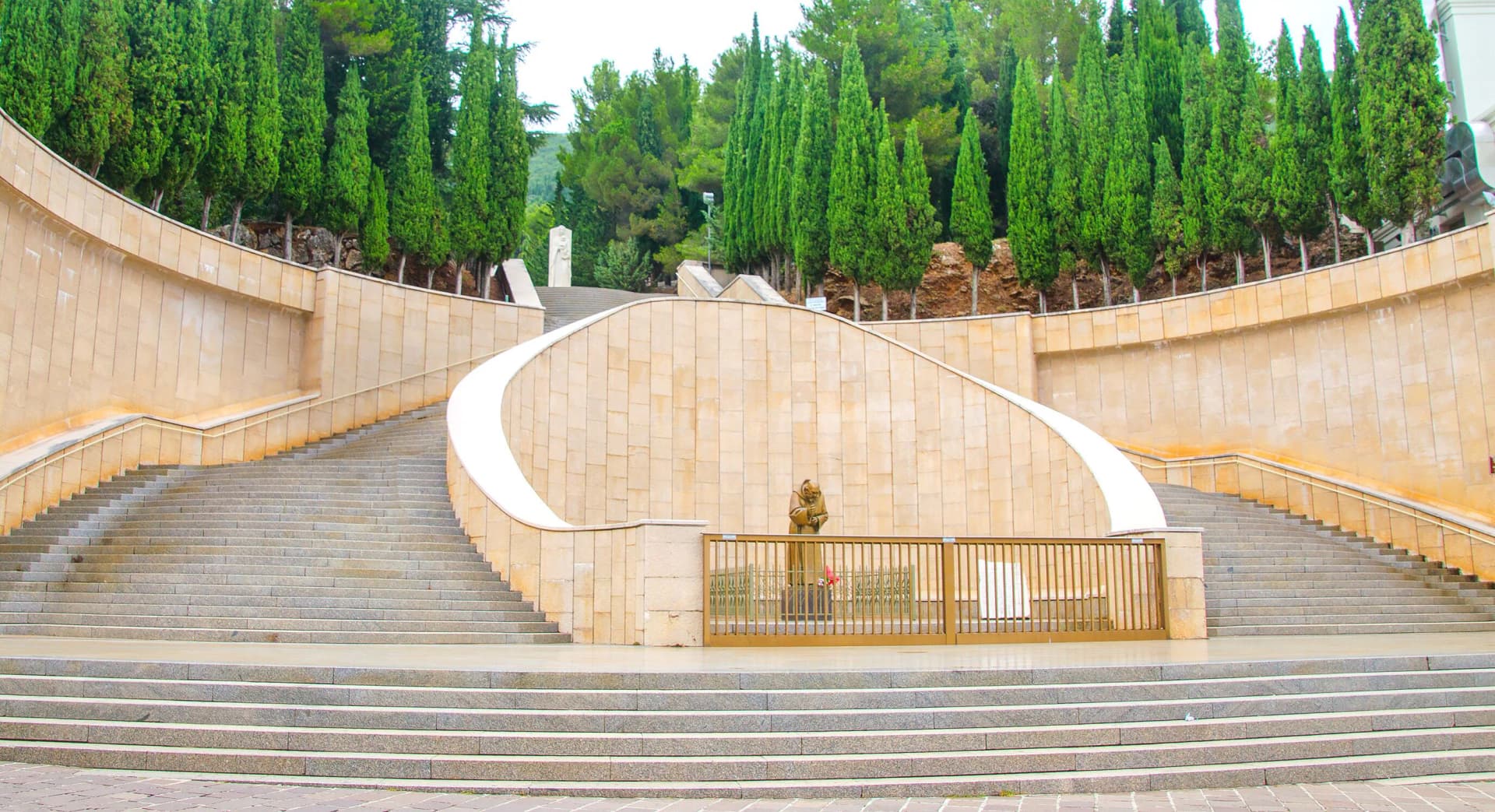
San Giovanni Rotondo
Province: Foggia · 565 m
The Gargano town where Padre Pio lived for fifty-two years, second-largest pilgrimage site in Italy, with a Renzo Piano sanctuary that seats 6,500.
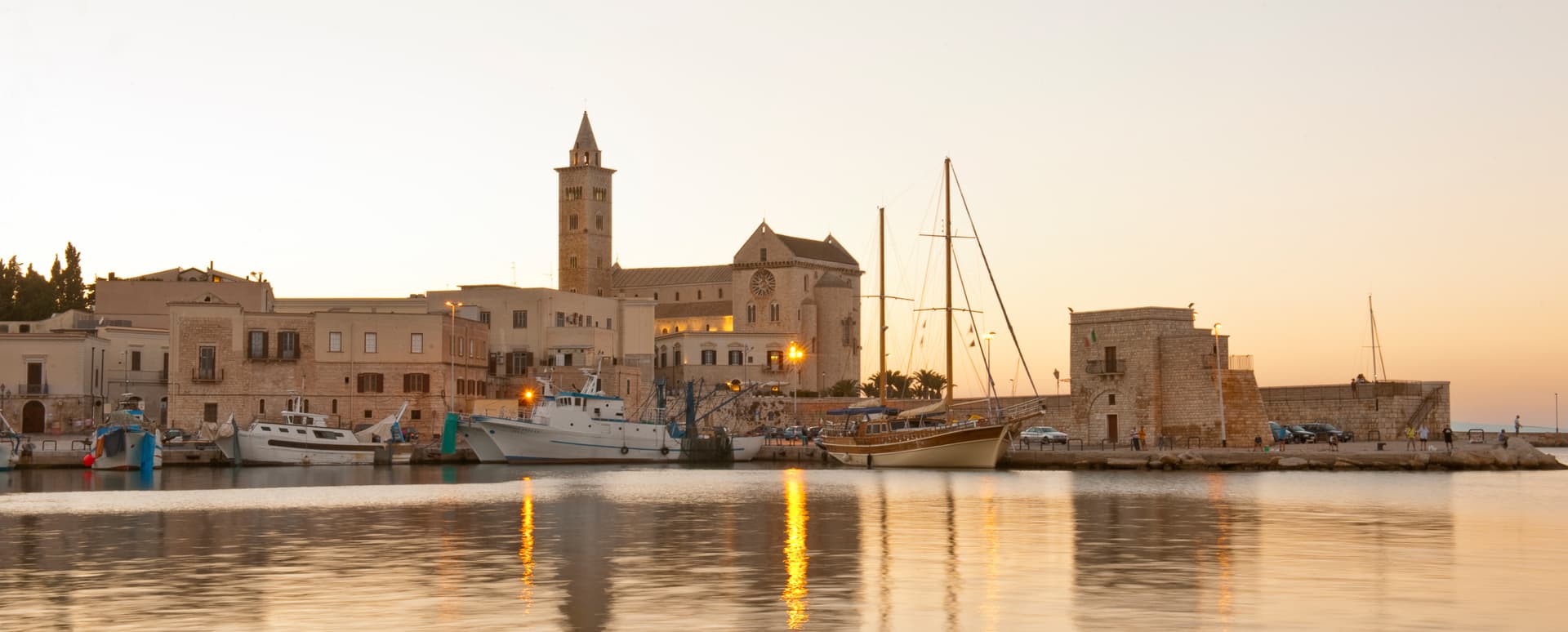
Trinitapoli
Province: Barletta-Andria-Trani · 5 m
A Tavoliere town between the Saline di Margherita and the Ofanto, sitting on a Bronze Age sanctuary that still surprises archaeologists.
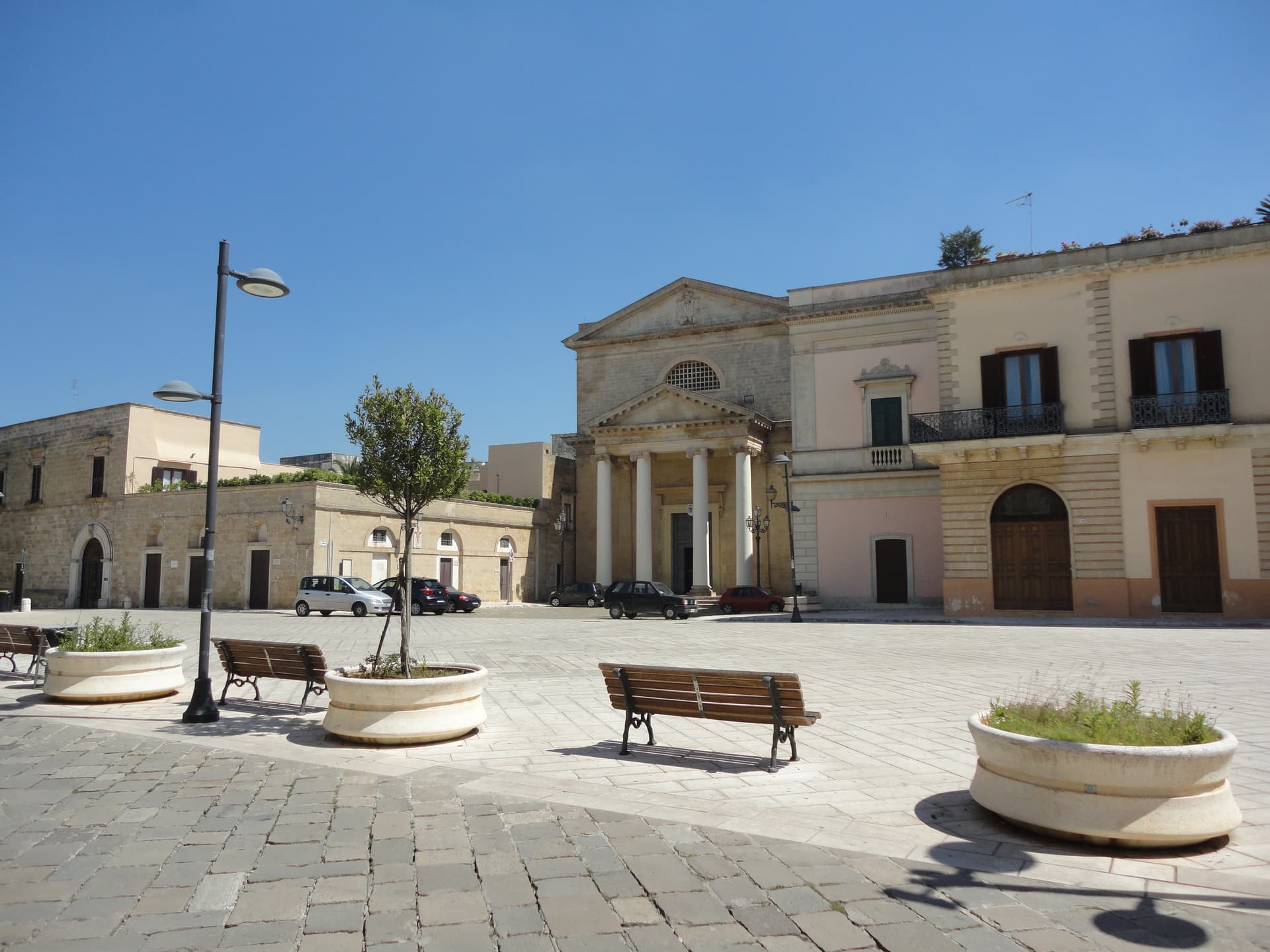
Ugento
Province: Lecce · 108 m
A Messapian-Roman town five kilometers from the Ionian, where a Baroque castle sits on the walls of the ancient city of Ozan.
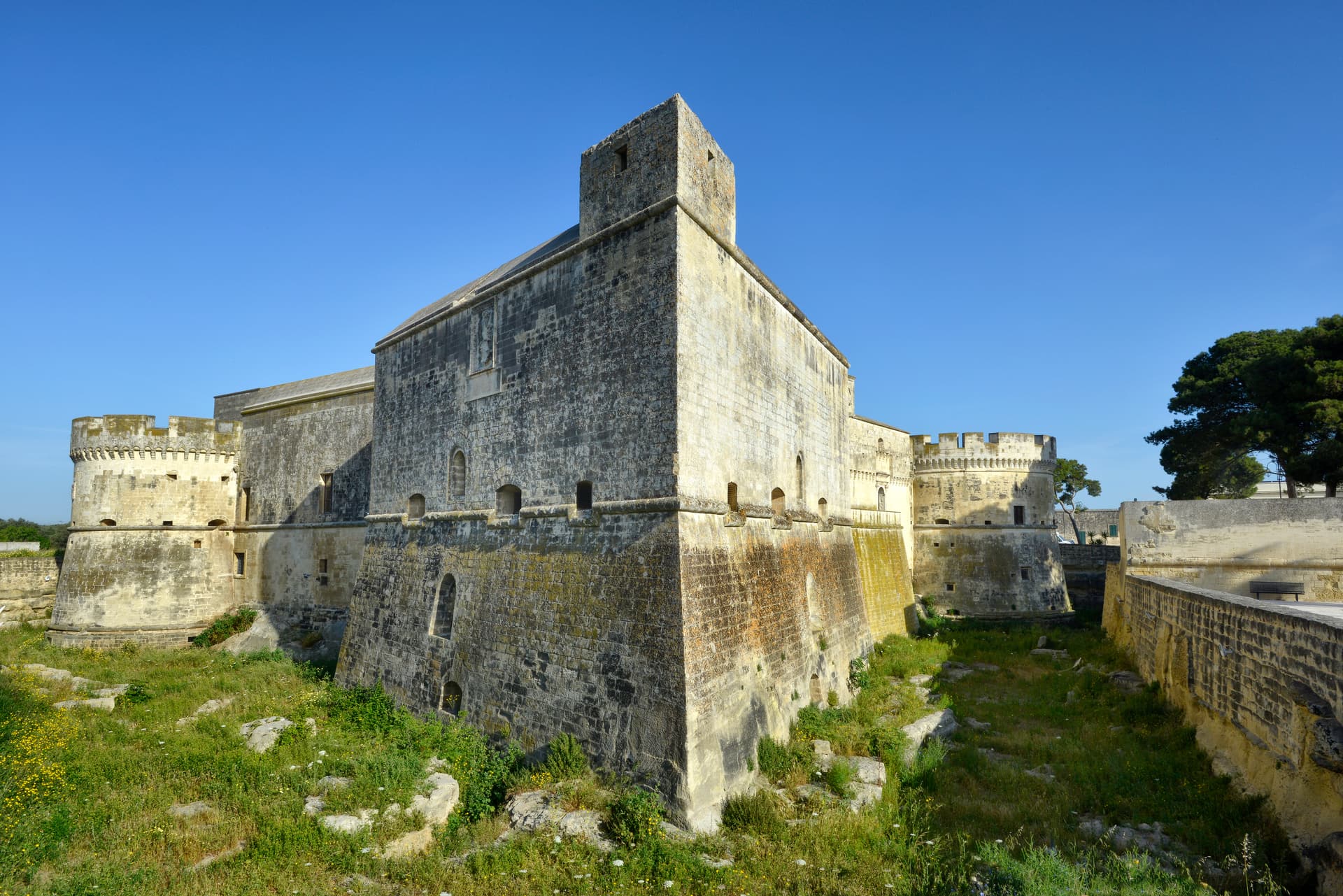
Vernole
Province: Lecce · 38 m
A Salento commune ten kilometers from Lecce whose frazione of Acaya is the only Renaissance fortified town in southern Italy.
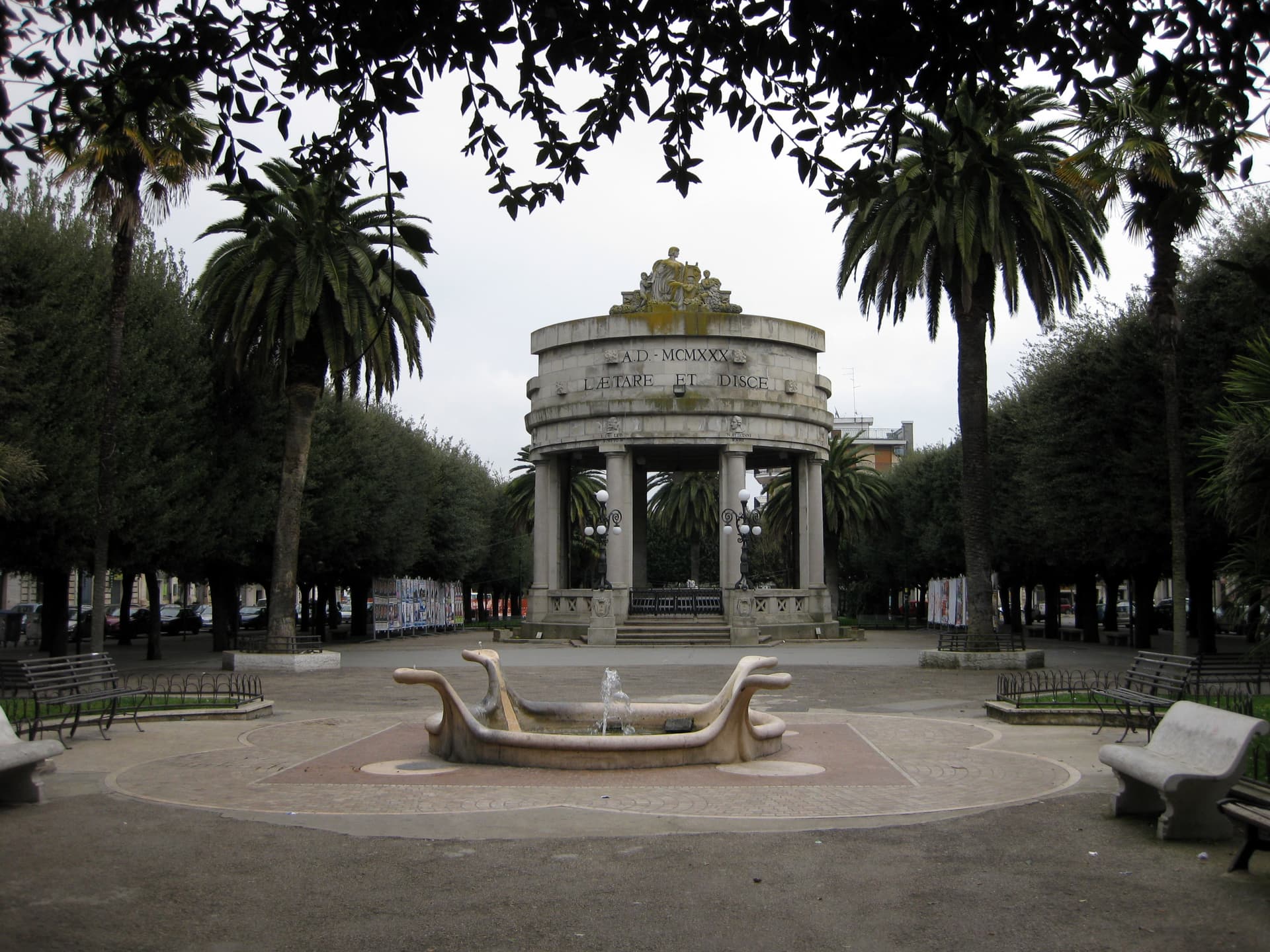
Acquaviva delle Fonti
Province: Bari · 300 m
A Murge town at 300 meters between Bari and the Itria valley, named for its springs and a DOP red onion.
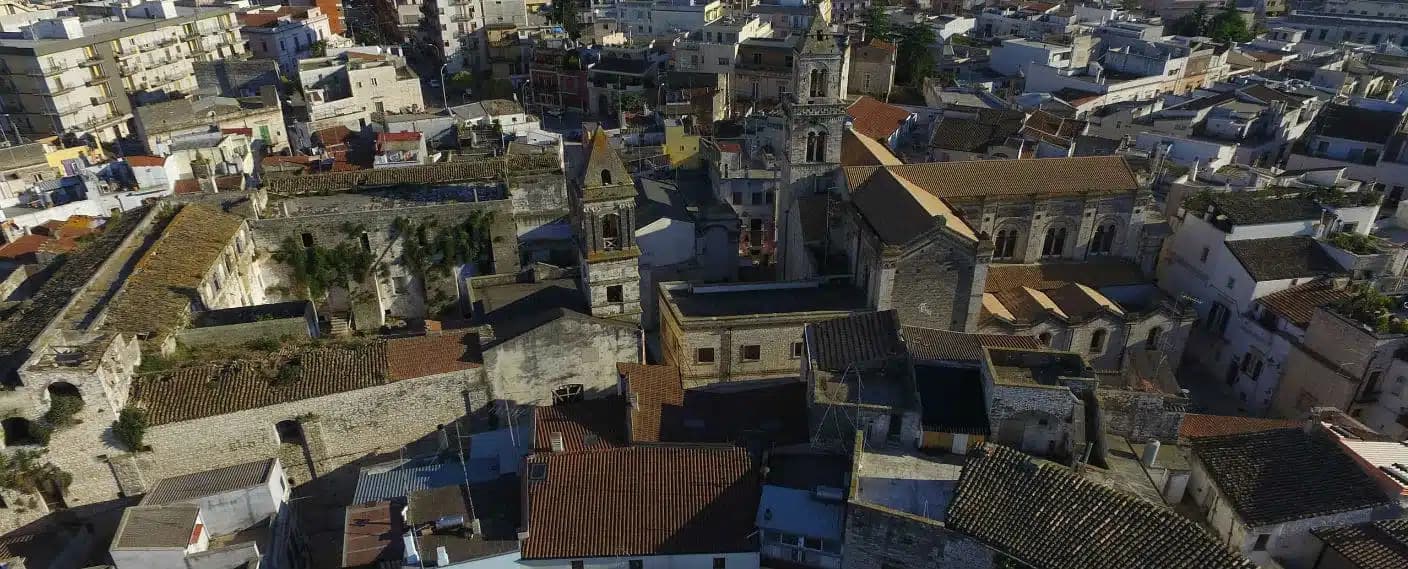
Casamassima
Province: Bari · 230 m
The blue town of the Murge, twenty kilometers south of Bari, its centro storico painted with copper-blue lime after the 1658 plague spared its residents.
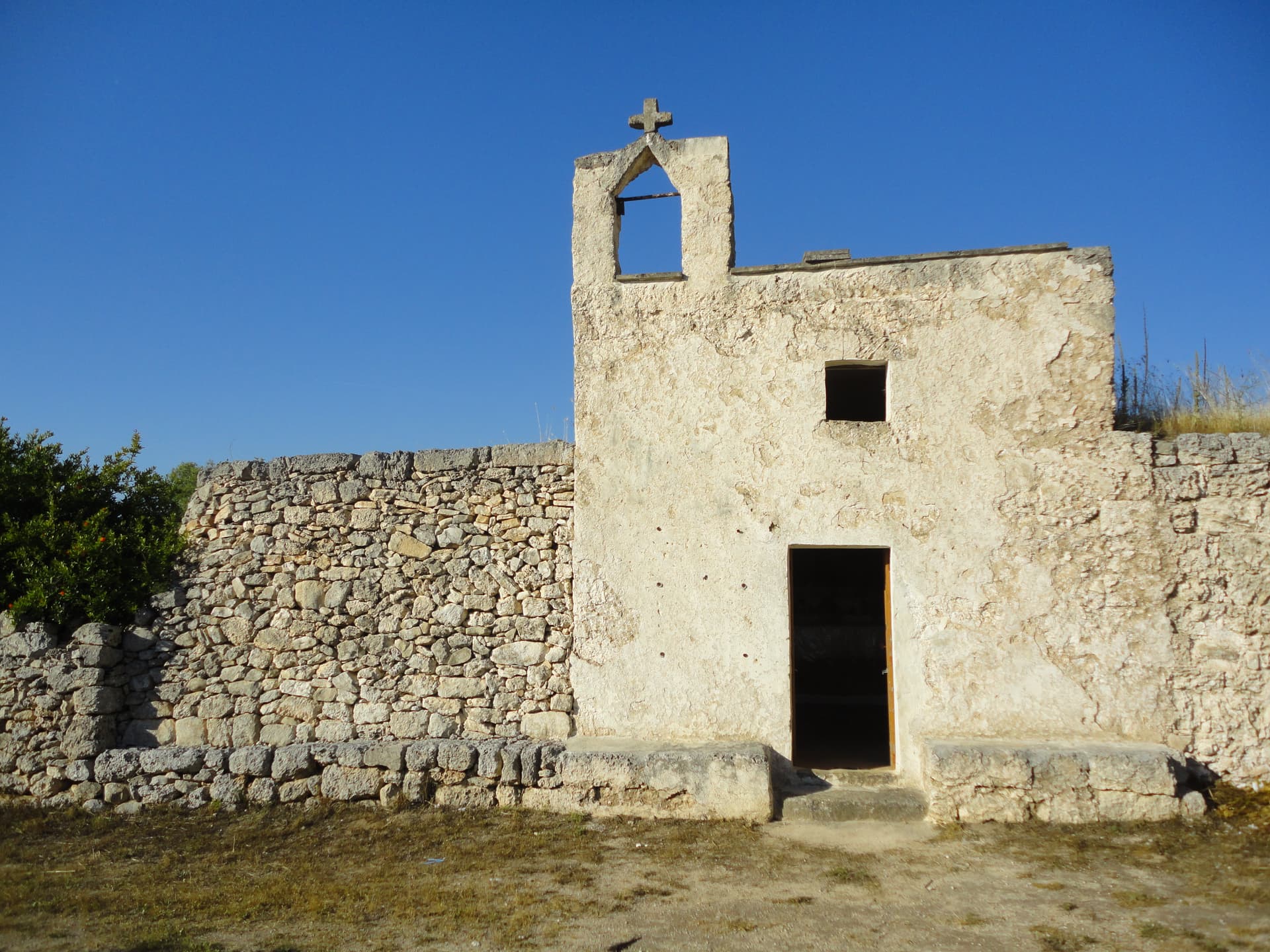
Galatone
Province: Lecce · 57 m
A Salento town at 57 meters thirteen kilometers from Gallipoli, built around a Baroque sanctuary raised over a fourteenth-century Byzantine icon.
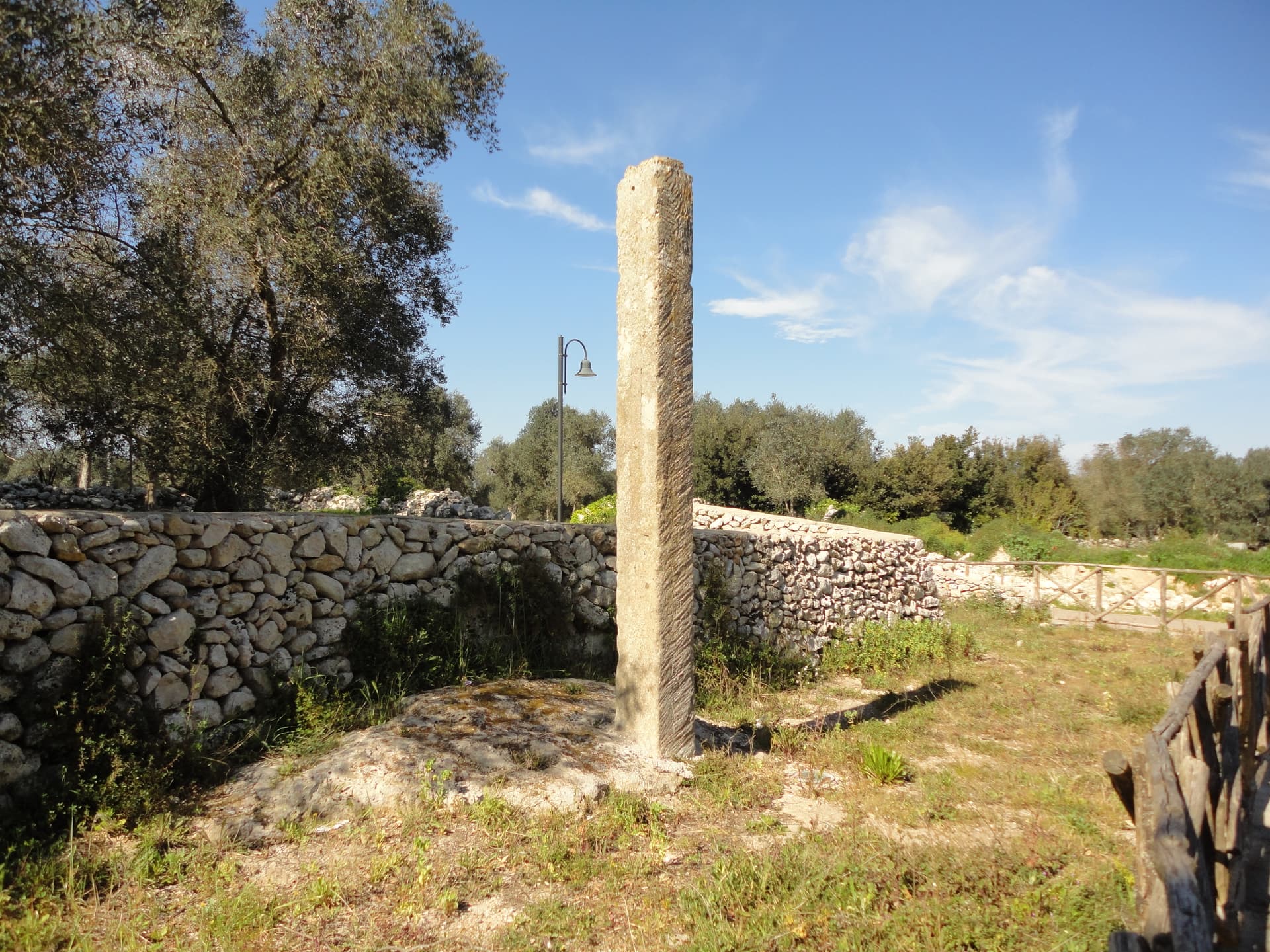
Giurdignano
Province: Lecce · 78 m
A two-thousand-resident Salento borgo at 78 meters known as the megalithic garden of Italy, with nineteen menhirs and a cluster of dolmens.
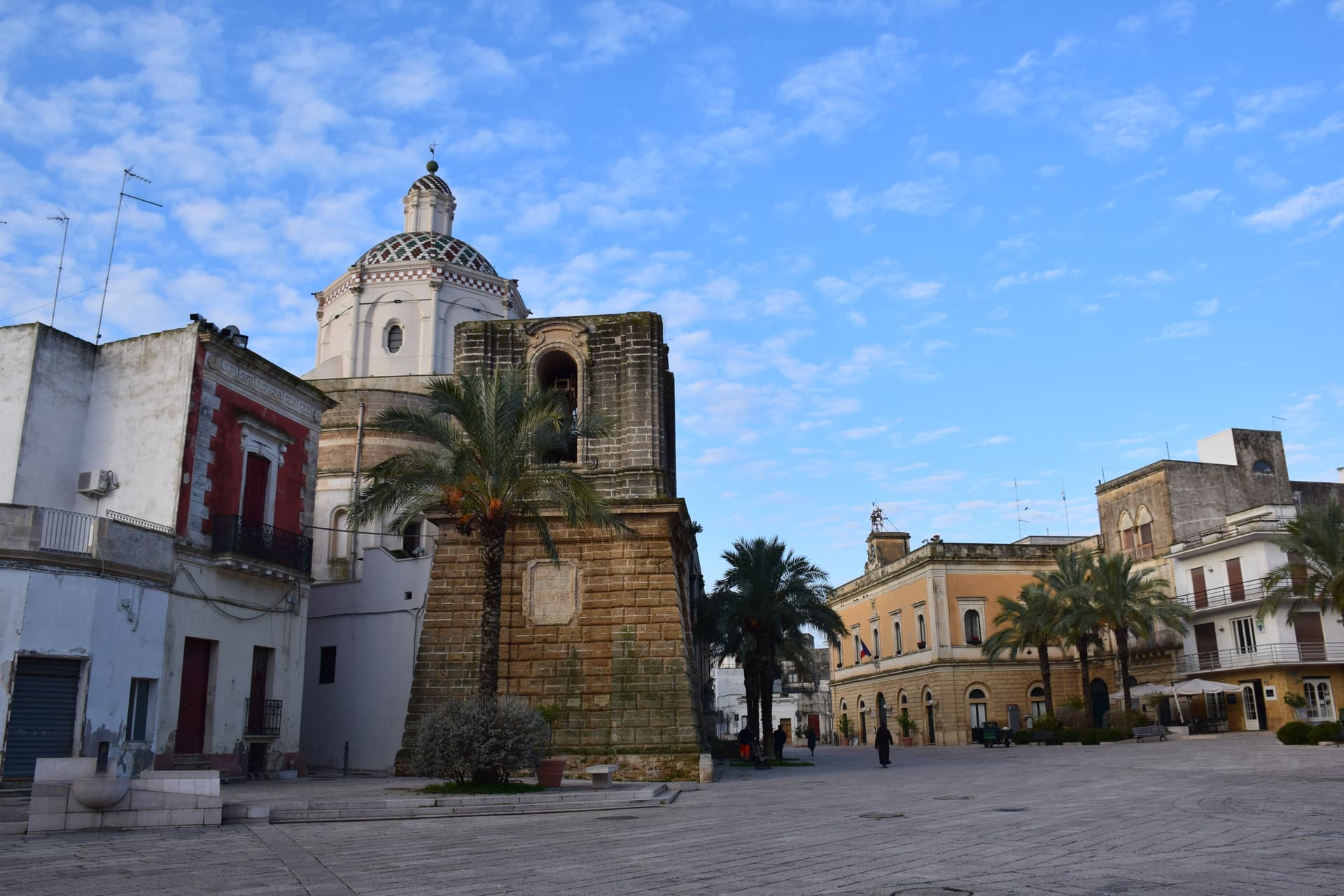
Campi Salentina
Province: Lecce · 47 m
A Salento plain town fifteen kilometers north of Lecce, founded after the Saracen raids of 926, with a Frederician castle that became a Paladini-Enriquez marquisate.
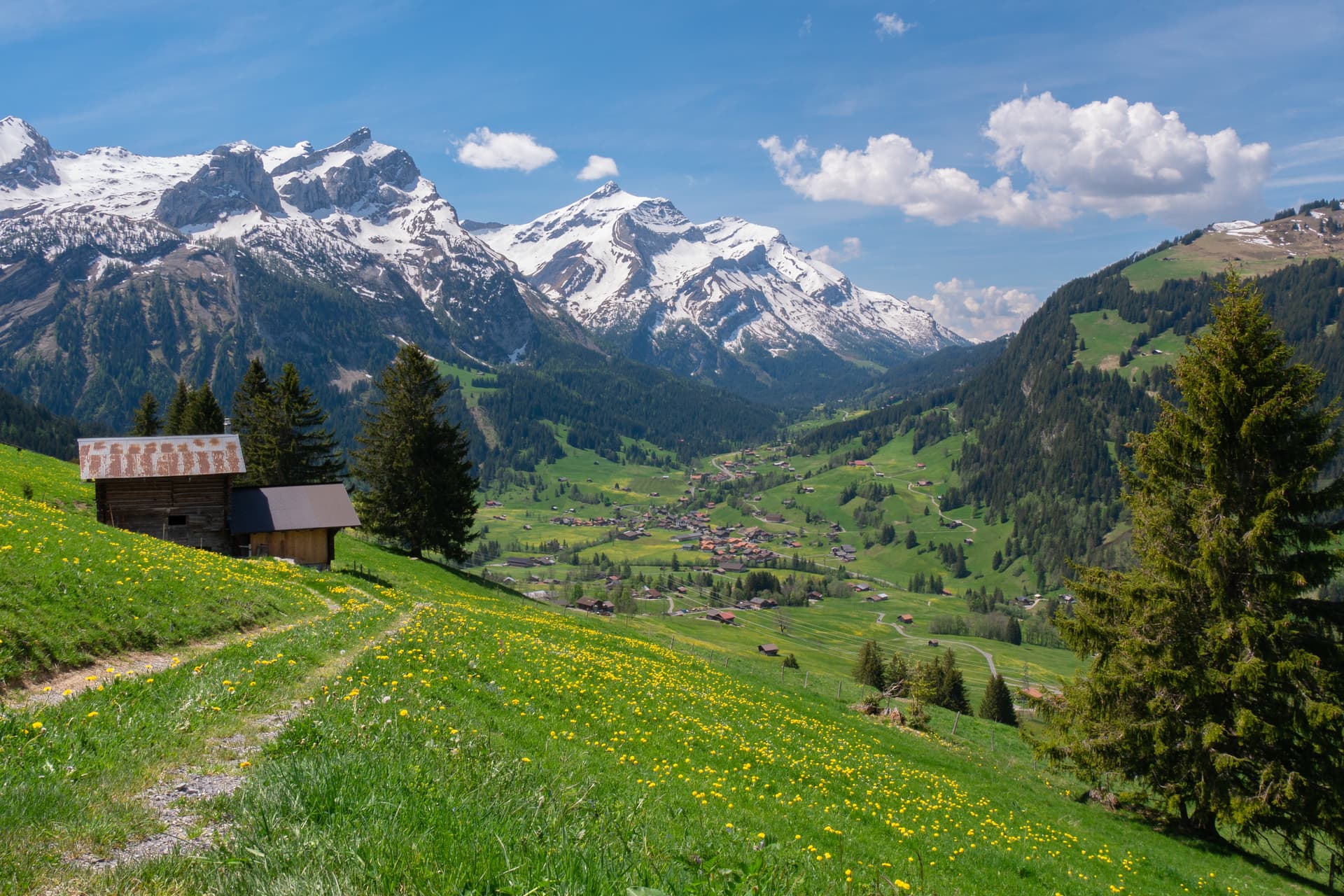
Celle di San Vito
Province: Foggia · 726 m
The smallest commune in Puglia, 148 residents at 726 meters in the Monti Dauni, one of two Franco-Provençal-speaking villages in the south.
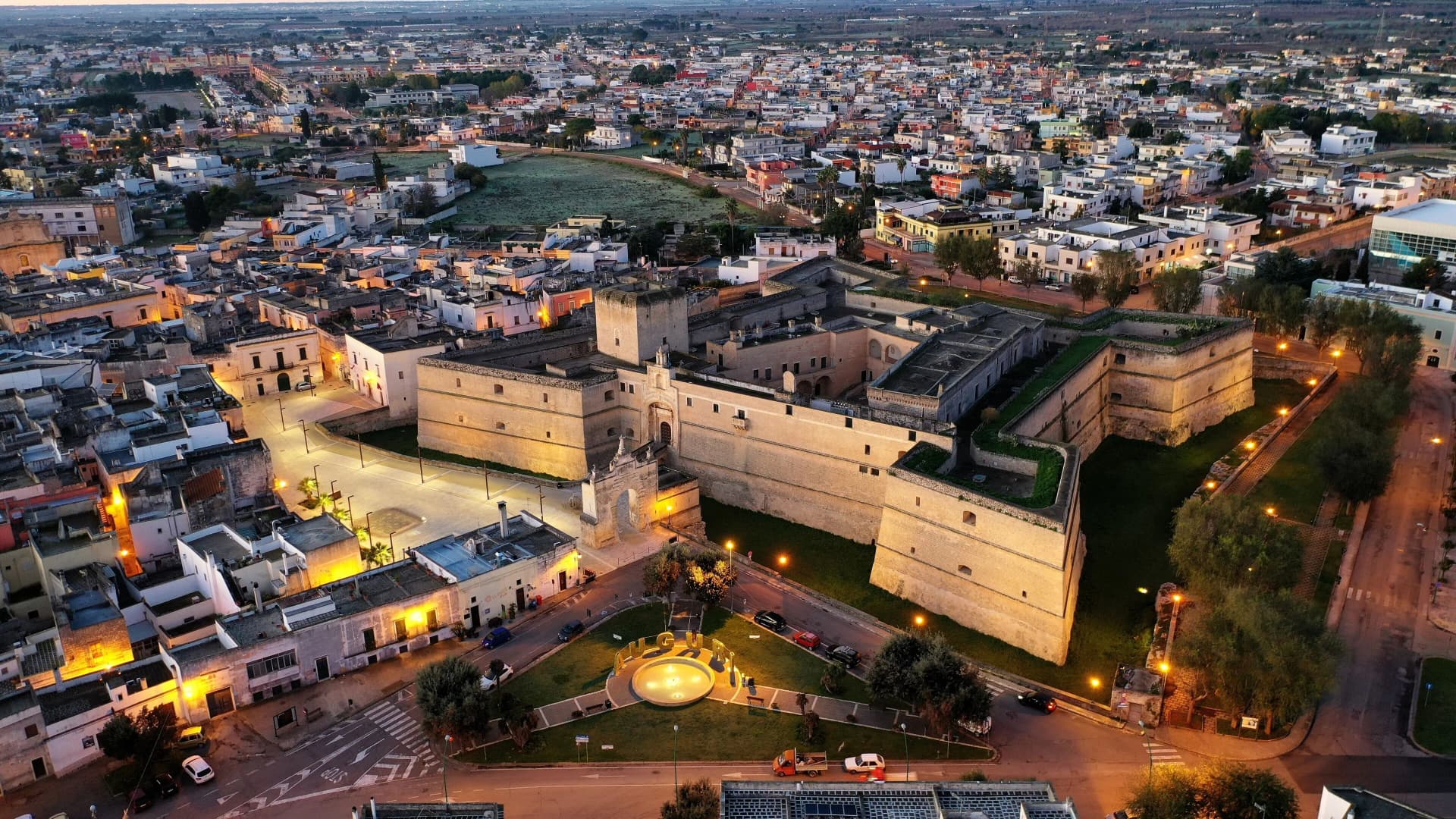
Copertino
Province: Lecce · 34 m
A Salento town fifteen kilometers west of Lecce, with one of Puglia's largest Renaissance fortresses and the birthplace of Saint Joseph of Copertino.
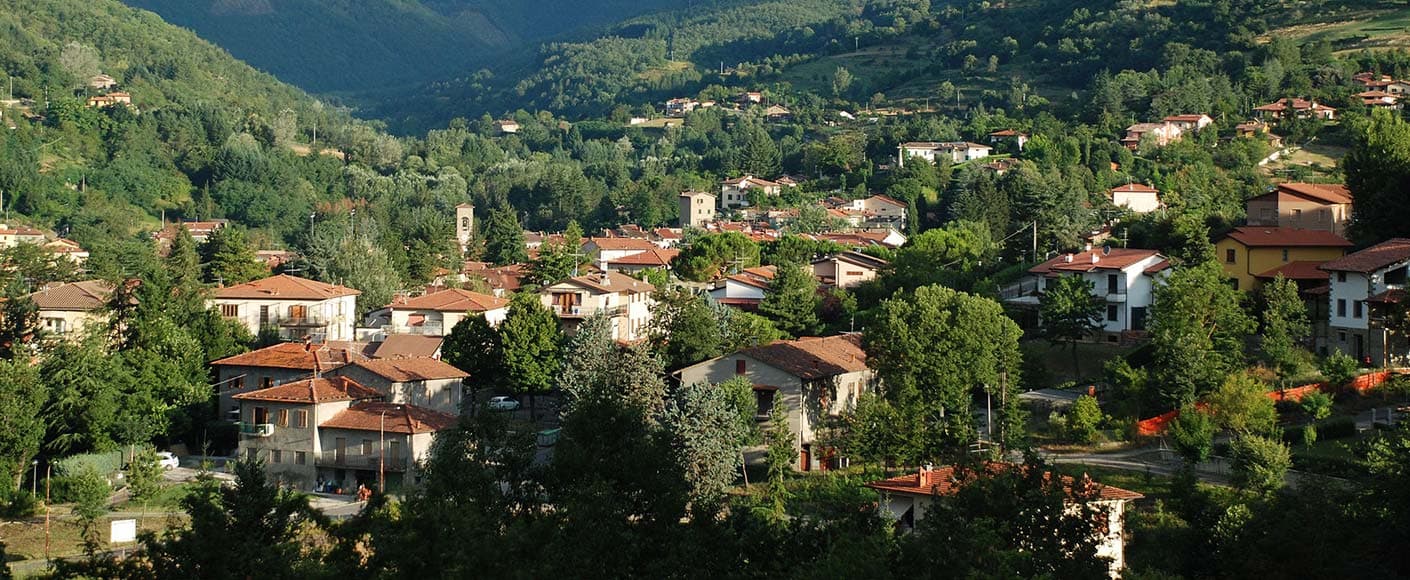
Faeto
Province: Foggia · 820 m
The highest village in Puglia at 820 meters, Franco-Provençal-speaking since 1266, on a Monti Dauni ridge below Monte Cornacchia.
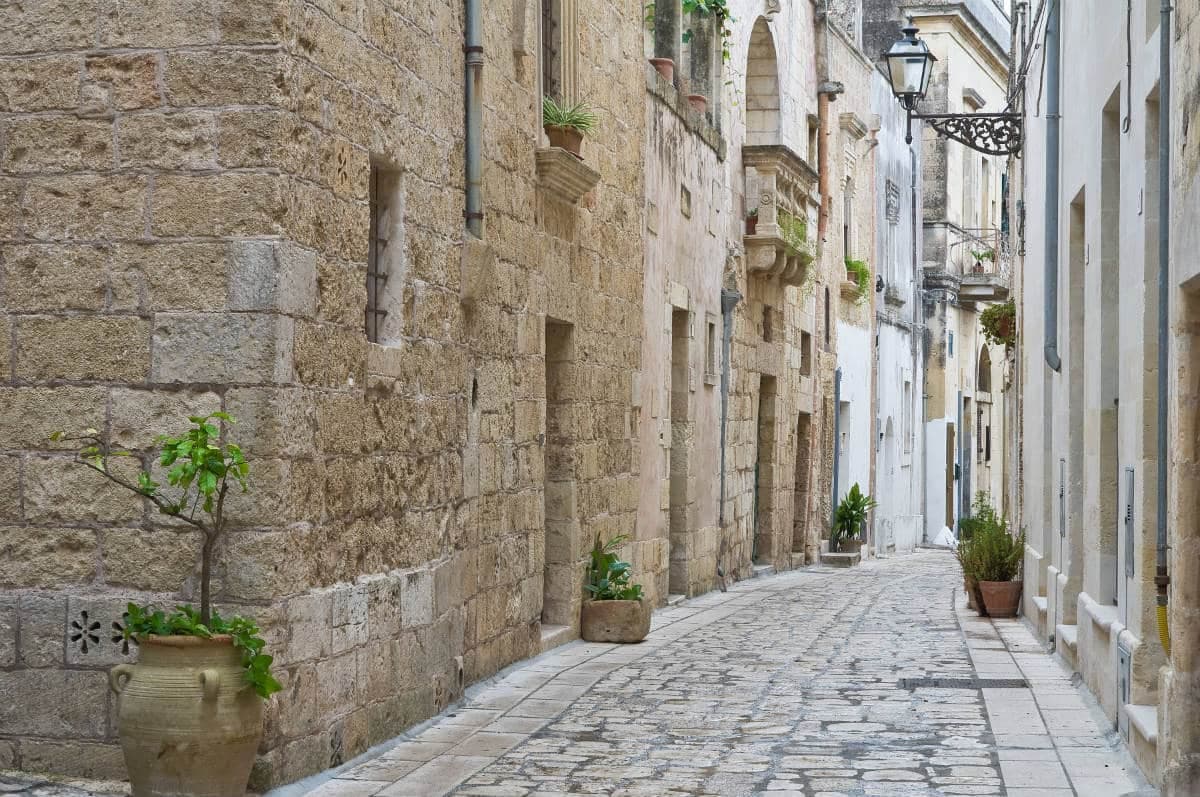
Martano
Province: Lecce · 91 m
The biggest town in the Grecìa Salentina, twenty kilometers south of Lecce, where the Griko language still survives among older residents.
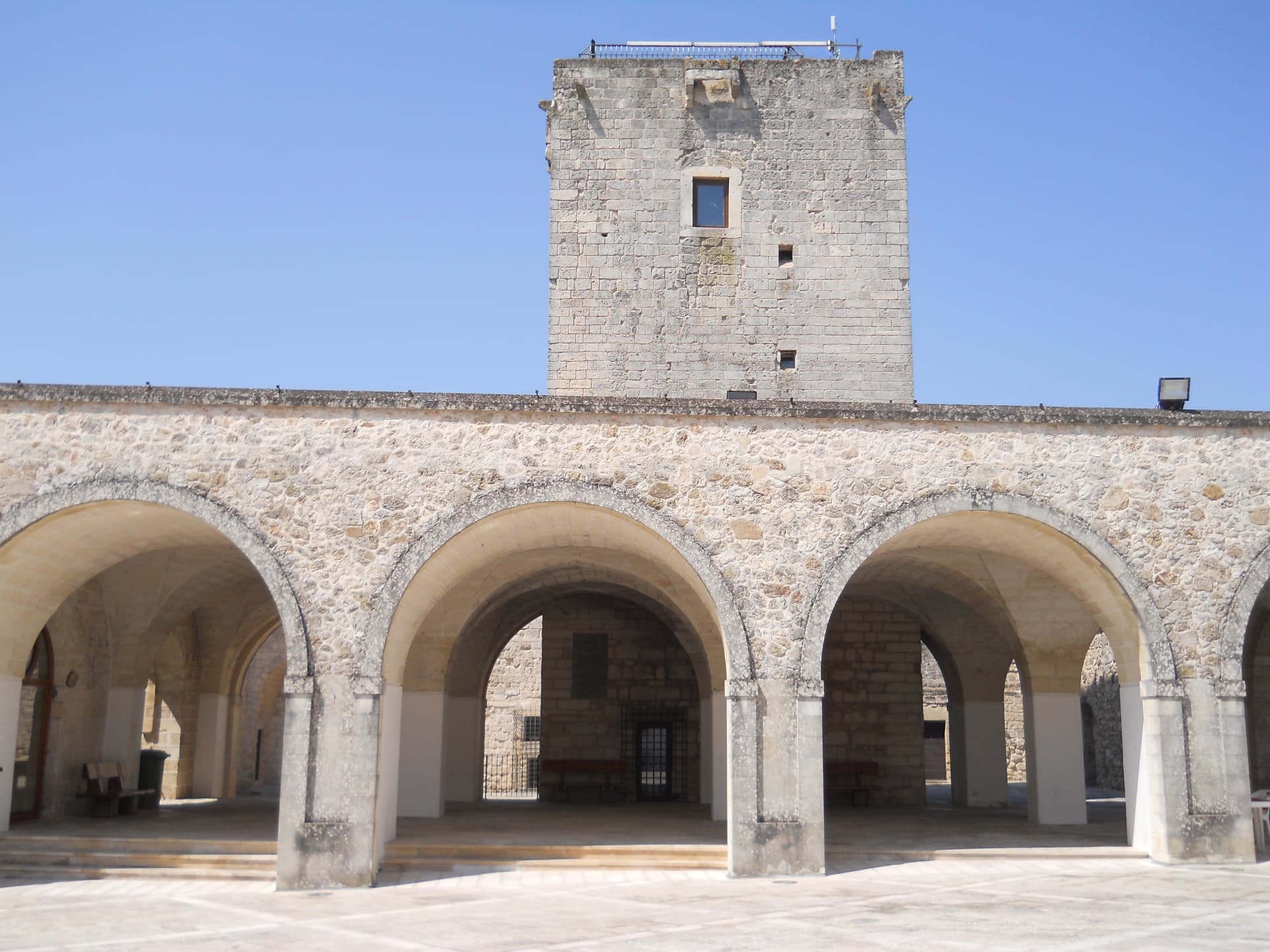
Nociglia
Province: Lecce · 90 m
A small Salento interior village forty kilometers south of Lecce, a fourteenth-century baronial castle and a Bosco Belvedere that gave the place its name.
Subscribe — free
Get the best guides on hidden Italian towns.
One letter on Sundays. The week’s town, with the photo, the food, the festa. Free, by Peter & Sophia from Pietrasanta.
Substack sends a confirmation link to your inbox. The signup finishes when it’s clicked.
From elsewhere in Italy
Five more towns to discover
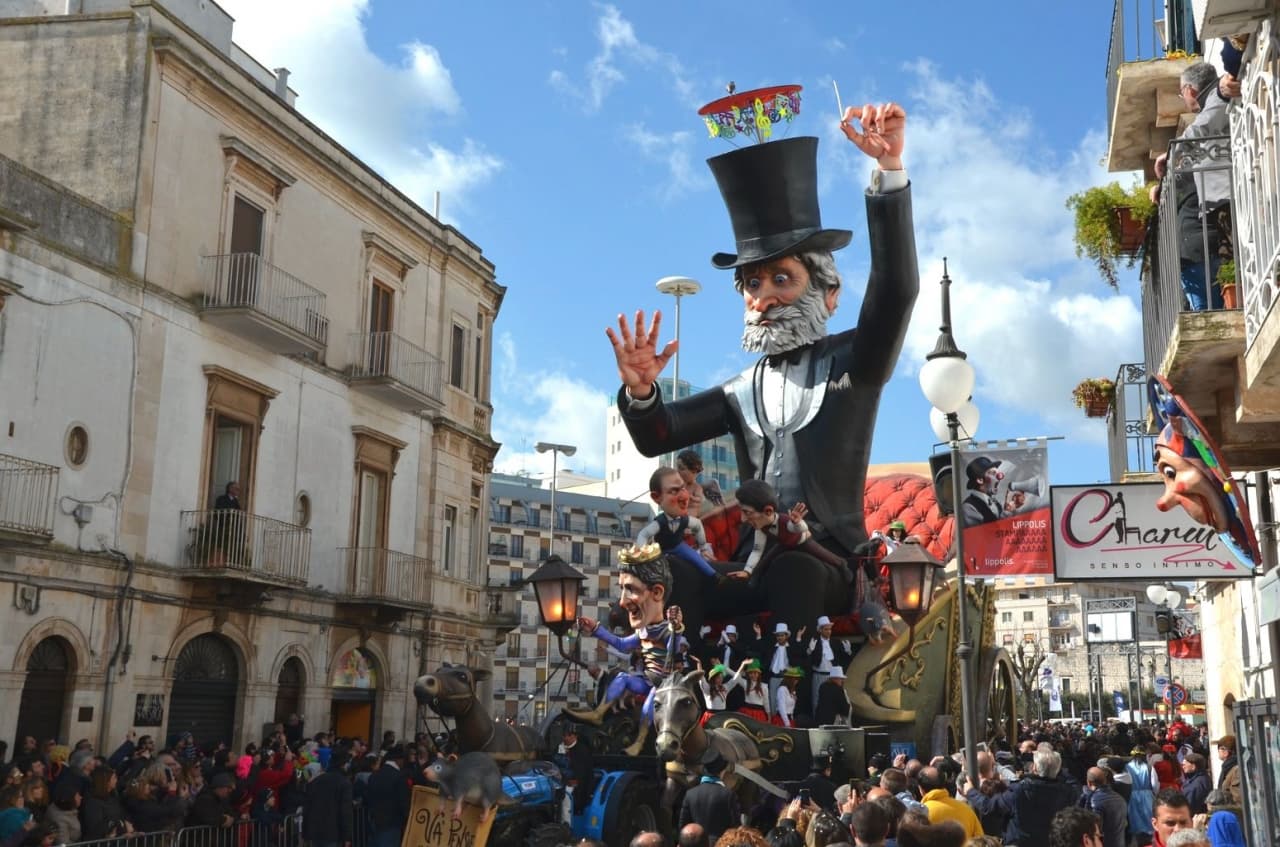
Putignano
Province: Bari
Europe's longest-running carnival — Putignano Carnevale has run continuously since 1394, with 631 years of cartapesta papier-mâché floats, a 26,000-resident Murgia town on the Bari–Lecce plateau, and the Grotta del Trullo karst cave inside the centro.

Pistoia
Province: Pistoia
Italy's nursery capital and the medieval Tuscan rival that gave its name to the pistol — a quietly extraordinary centro storico of zebra-striped Romanesque churches, Andrea della Robbia's polychrome frieze on the Ospedale del Ceppo, and Italy's Capital of Culture 2017, all 30 minutes from Florence by train.
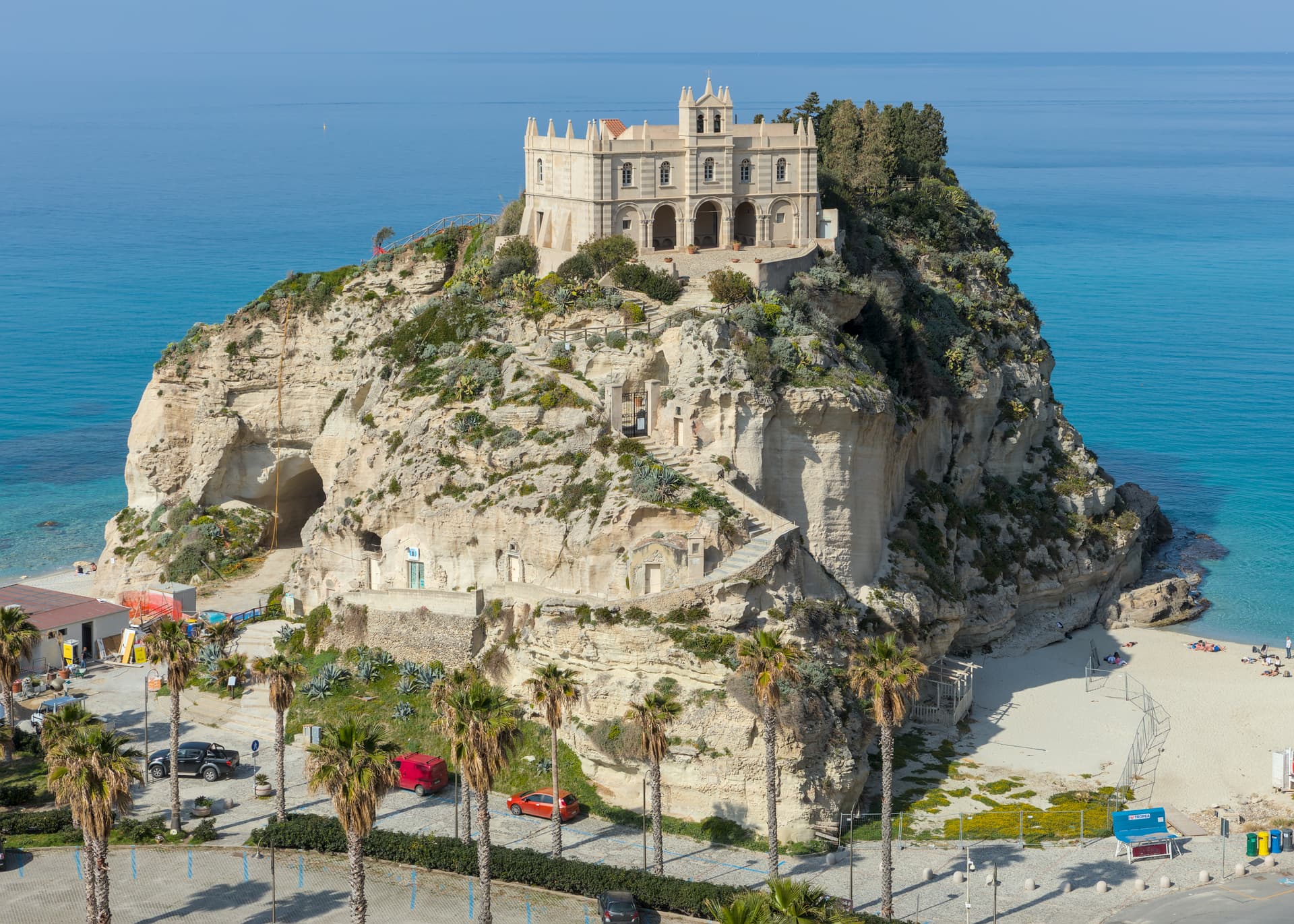
Tropea
Province: Vibo Valentia
Cliff town on a tufa headland over the Tyrrhenian Coast of the Gods, with a Norman monastery on a sea rock.
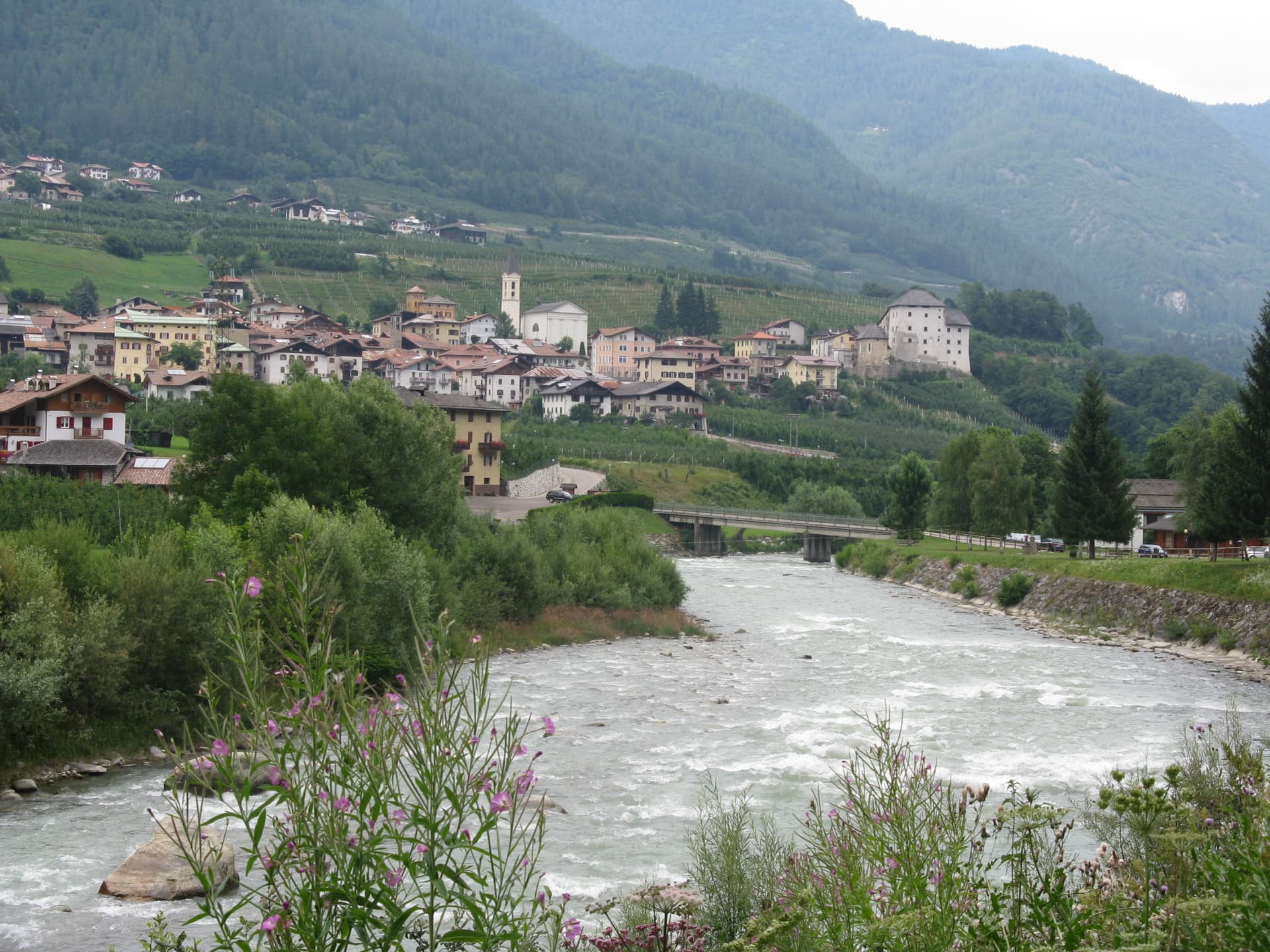
Caldes
Province: Trento
A scattered Val di Sole commune on the Noce, six hamlets gathered around a thirteenth-century tower-house castle that once belonged to the Thun family.
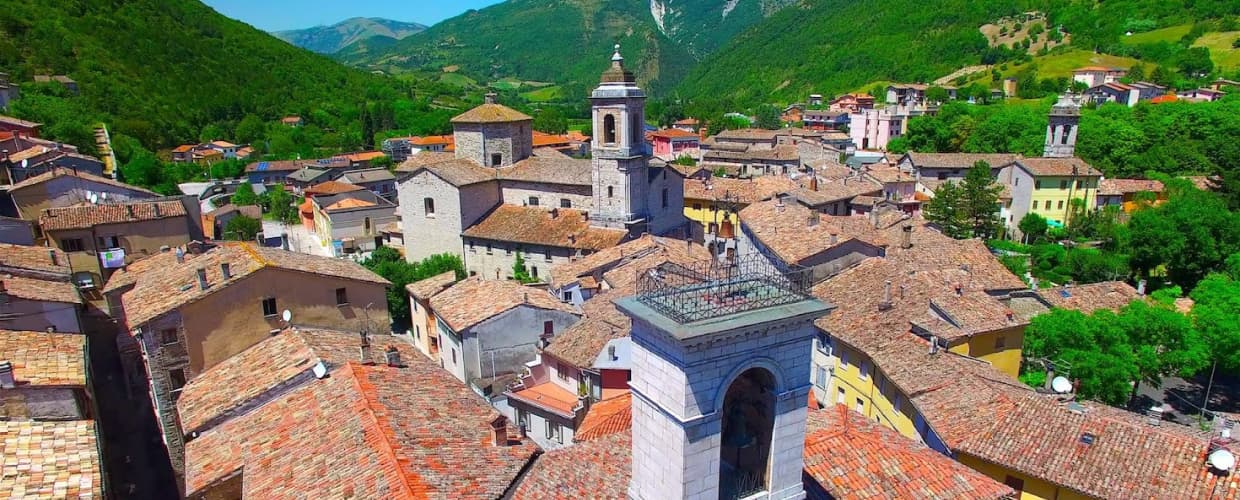
Cantiano
Province: Pesaro e Urbino
A border borgo at 374 meters under Monte Catria on the old Via Flaminia, known for the Good Friday Turba and the sour-cherry visciola harvest.