
Region
Friuli-Venezia Giulia
Friuli-Venezia Giulia's 26 towns in our catalogue split across the Udine, Pordenone, and Gorizia provinces; 13 carry the Borghi più belli d'Italia designation.
26 towns · highest: Sappada 1,250m · smallest: Sauris 389 people
26 of 26 towns
26 of 26 towns
Aquileia
Province: Udine
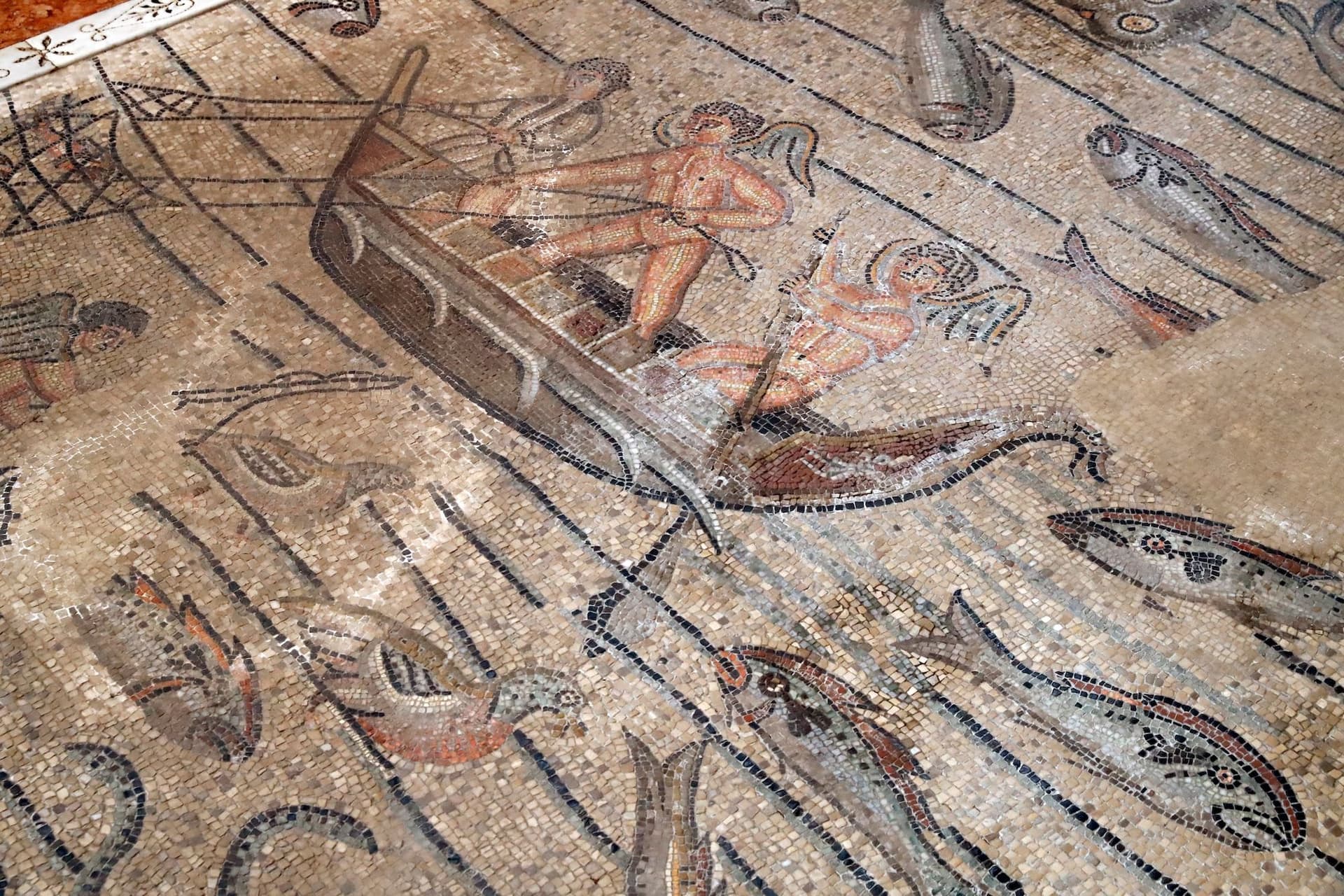
A village of 3,128 on a Roman capital of 100,000, where the largest paleochristian mosaic floor in the West runs under a Romanesque basilica.
Cervignano del Friuli
Province: Udine
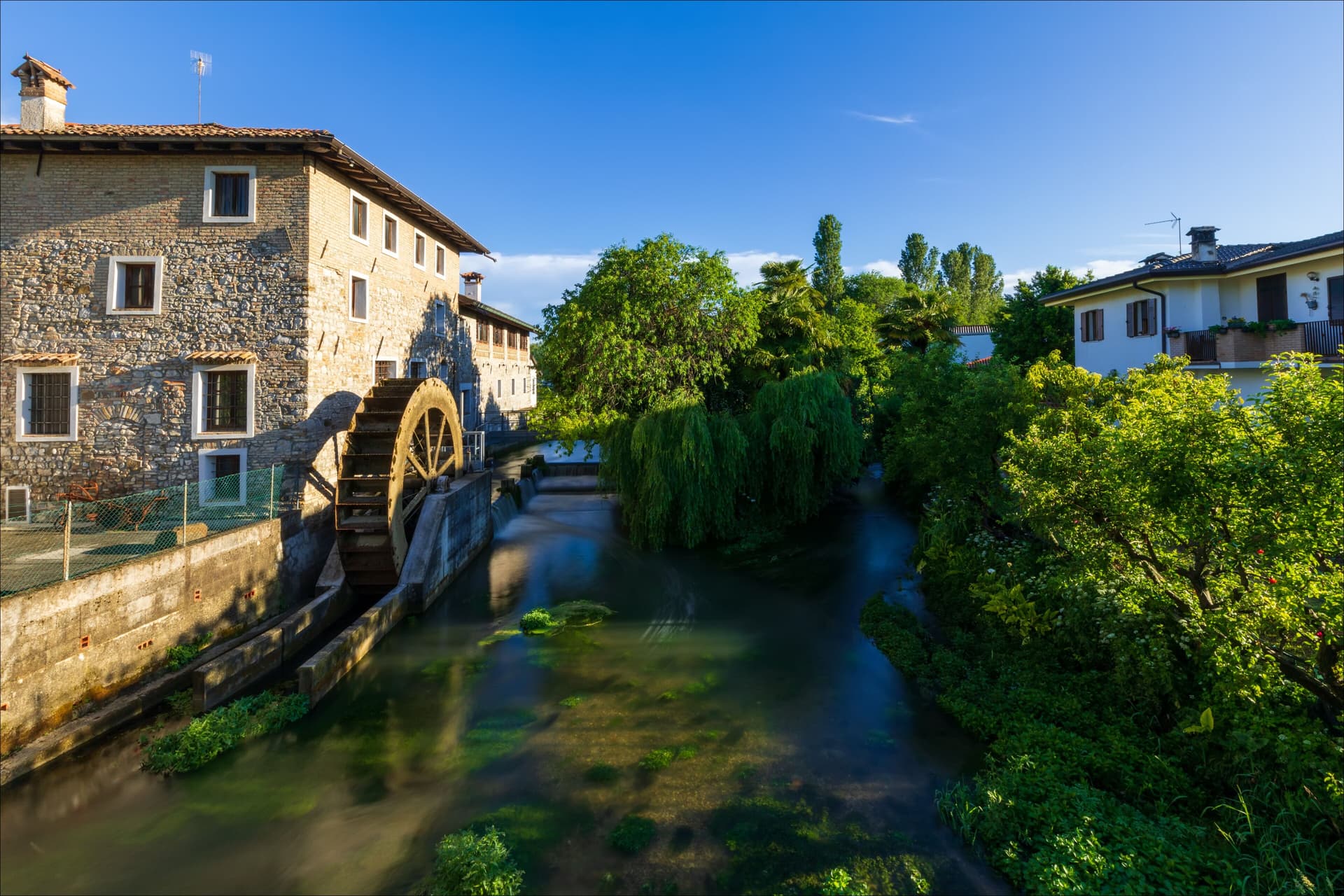
The capital of Bassa Friulana on the Ausa river, an inland river port for Aquileia in 181 BC and a railway junction since 1860.
Cividale del Friuli
Province: Udine
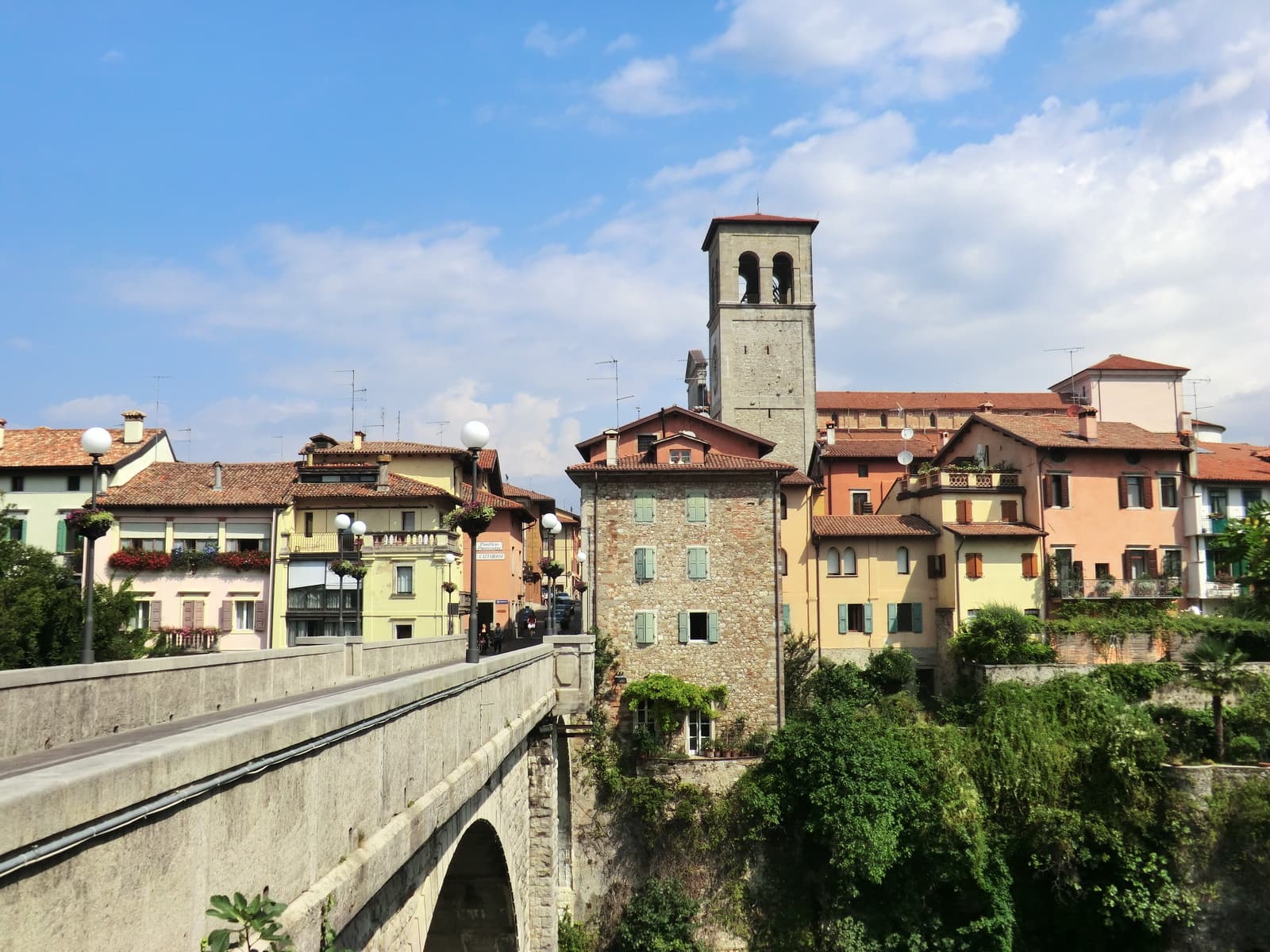
The Lombard capital on the Natisone, founded as Forum Iulii by Julius Caesar, where an eighth-century chapel still holds six stucco saints.
Cordovado
Province: Pordenone
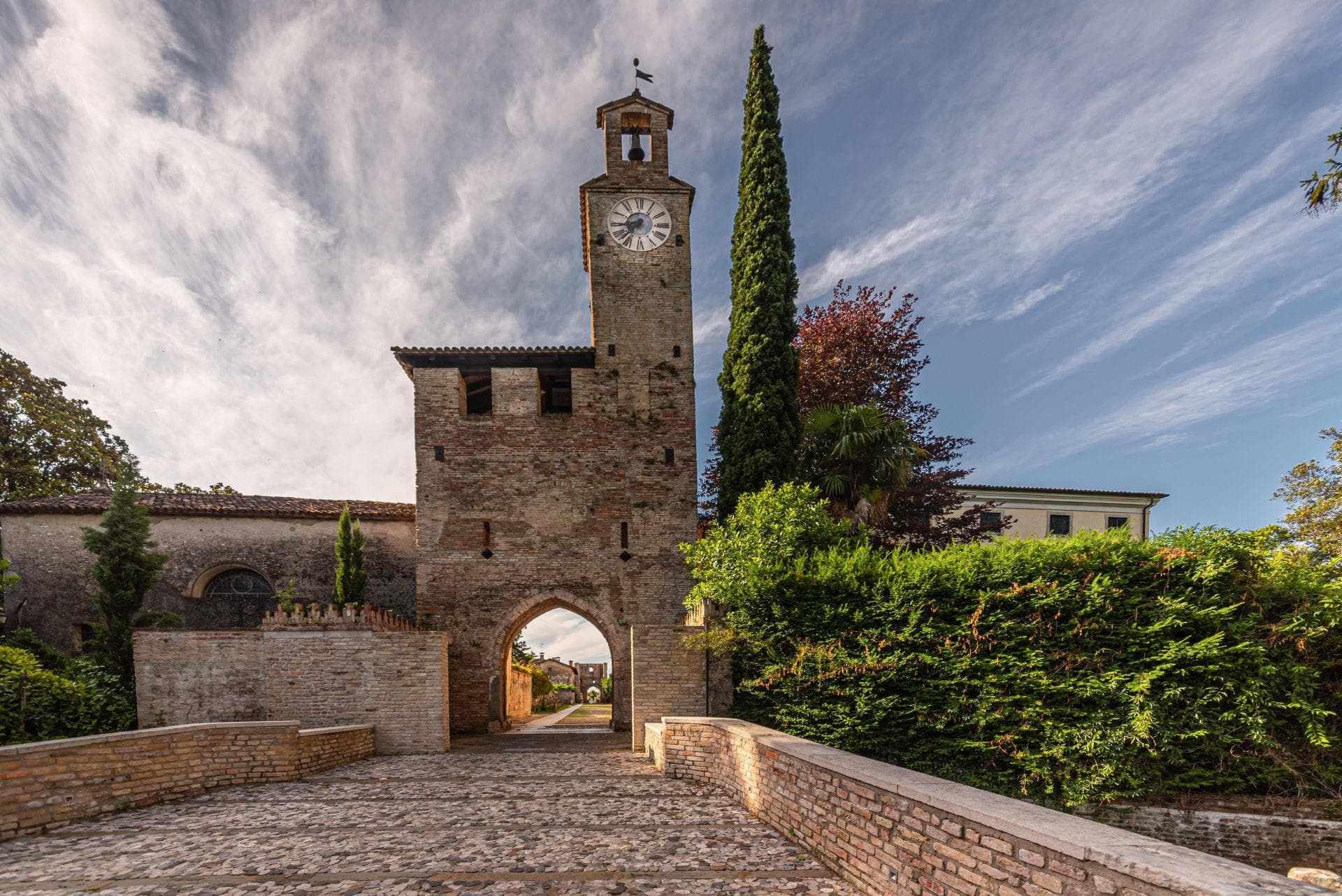
A 15-meter Friulian village in the Pordenone plain, fortified by the bishops of Concordia as their summer seat and described in Ippolito Nievo's Confessions.
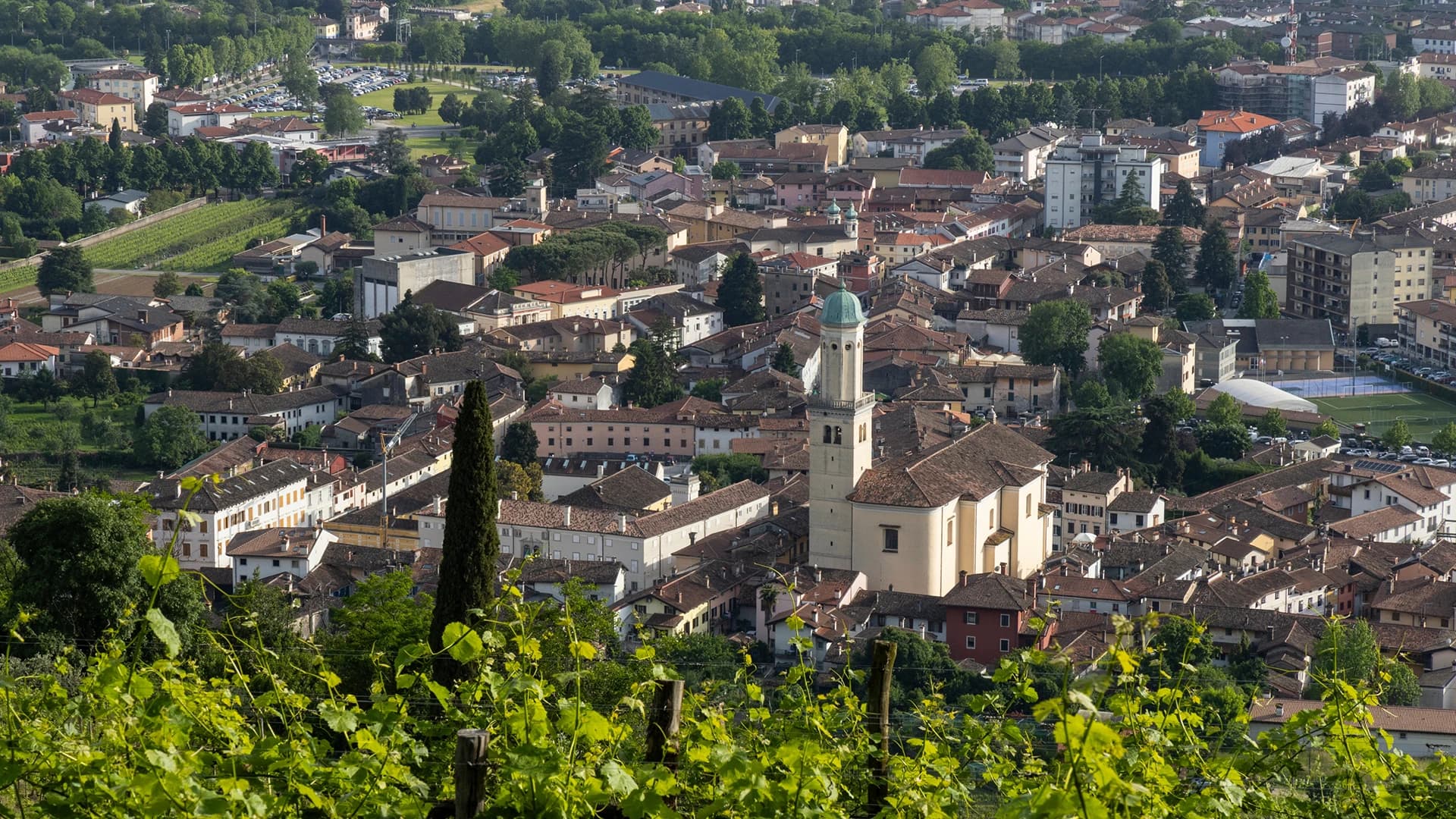
Cormons
Province: Gorizia
The capital of the Collio wine zone at the foot of the Friulian-Slovenian hills, with a statue of Emperor Maximilian I on its main square.
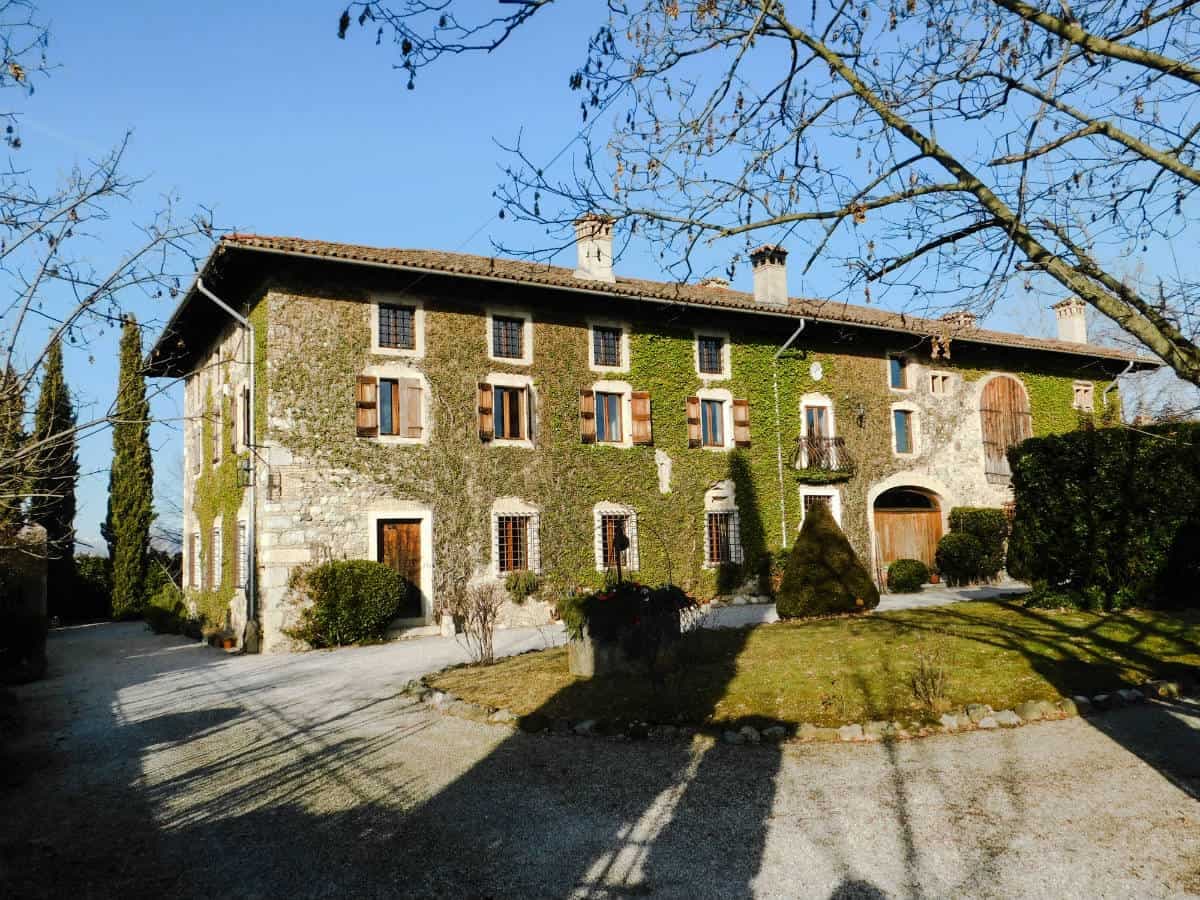
Fagagna
Province: Udine
A 177-meter Friulian hill town northwest of Udine, fortified by Otto II in 983 and racing donkeys in the piazza since 1891.
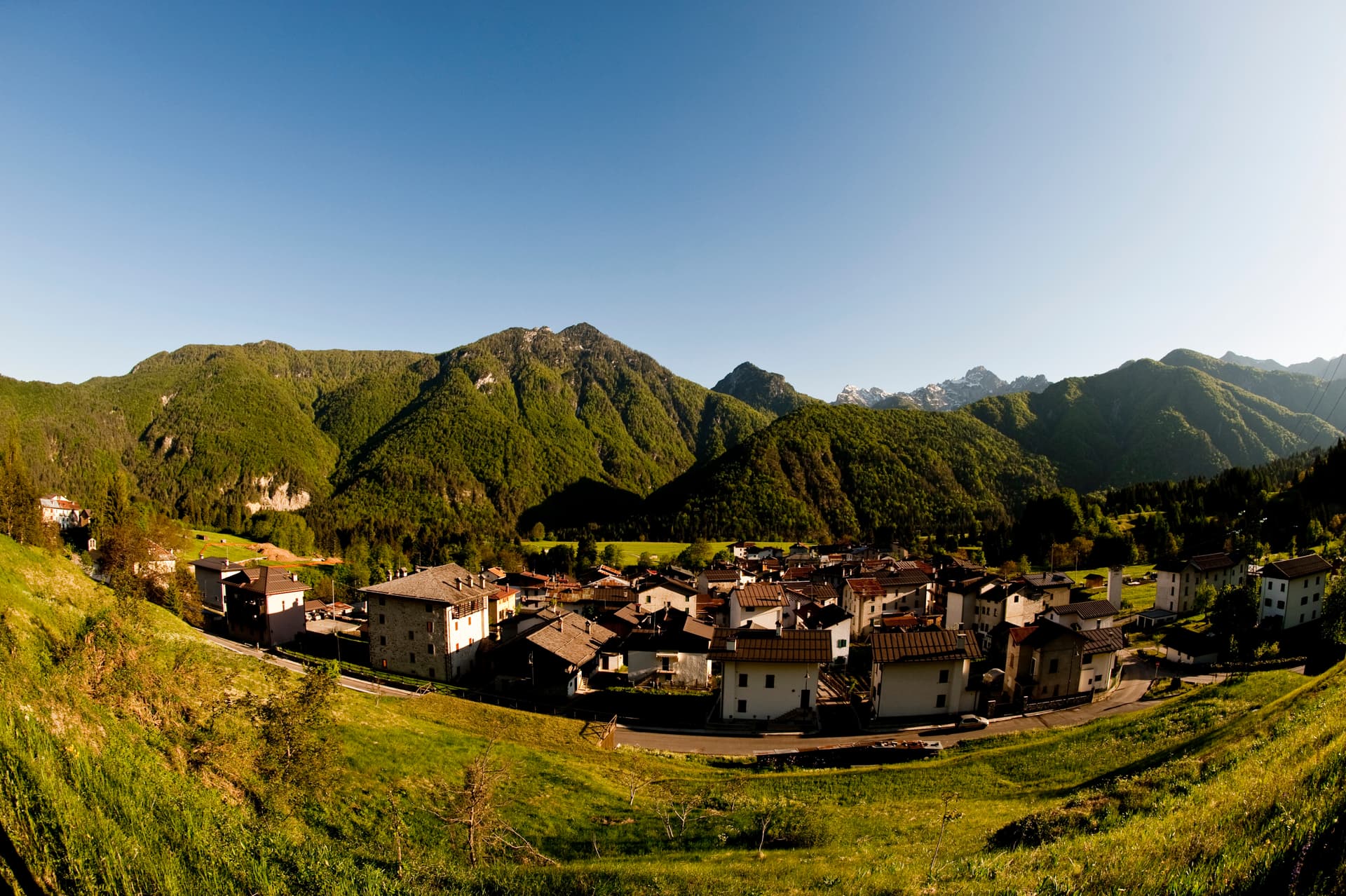
Forni di Sotto
Province: Udine
Carnia's Dolomite gateway — a 548-resident alpine borgo at 791m at the head of the Val Tagliamento, gateway to the Parco Naturale delle Dolomiti Friulane (UNESCO Dolomites), with Borgo Autentico mark, a centro almost entirely rebuilt after the 1944 German wartime burning, and direct access to the Forni Avoltri-Sappada ski + hiking circuit.
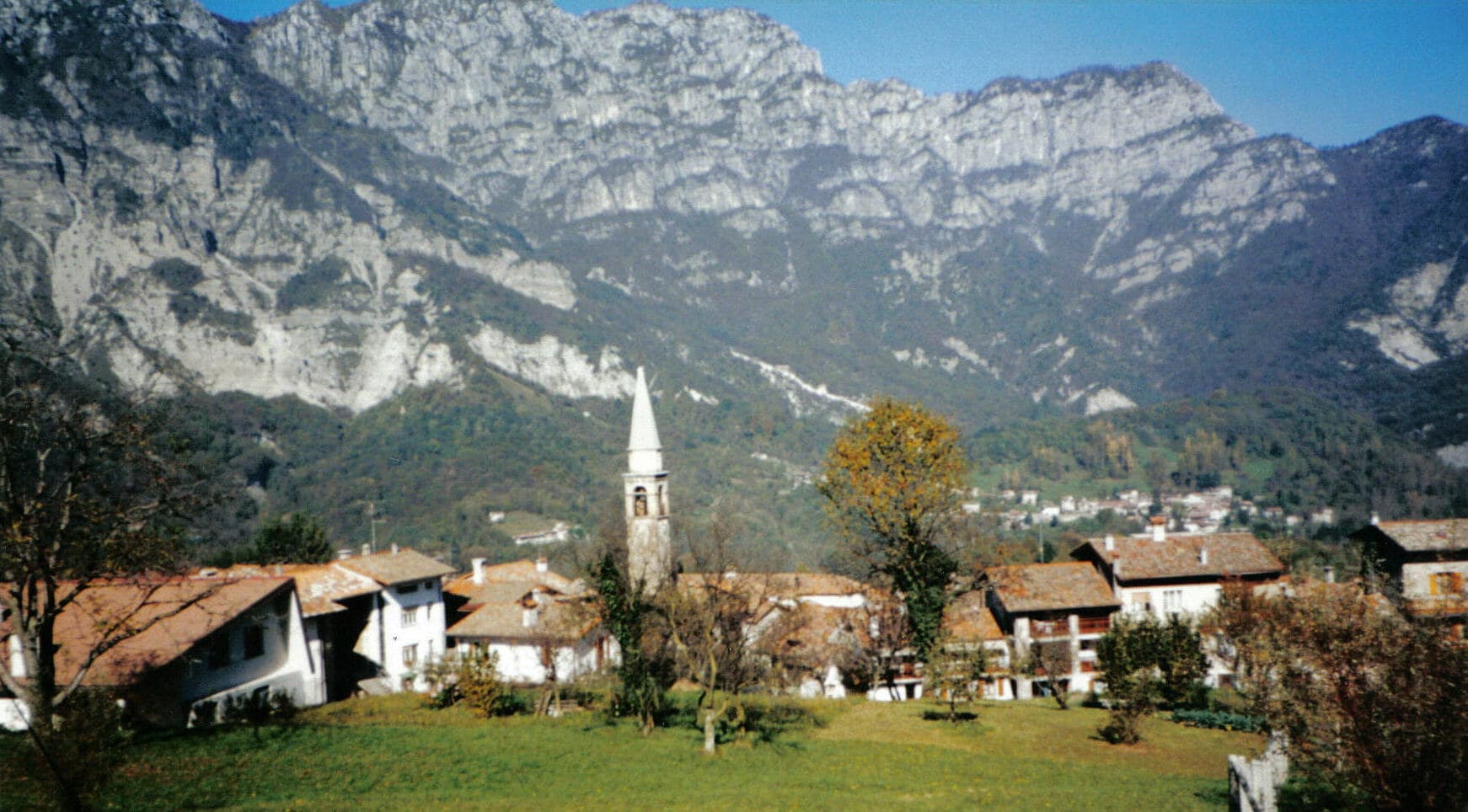
Frisanco
Province: Pordenone
A 572-resident commune in the Val Colvera whose frazione Poffabro, at 525 meters, became a model of Prealpine stone-and-wood vernacular architecture.
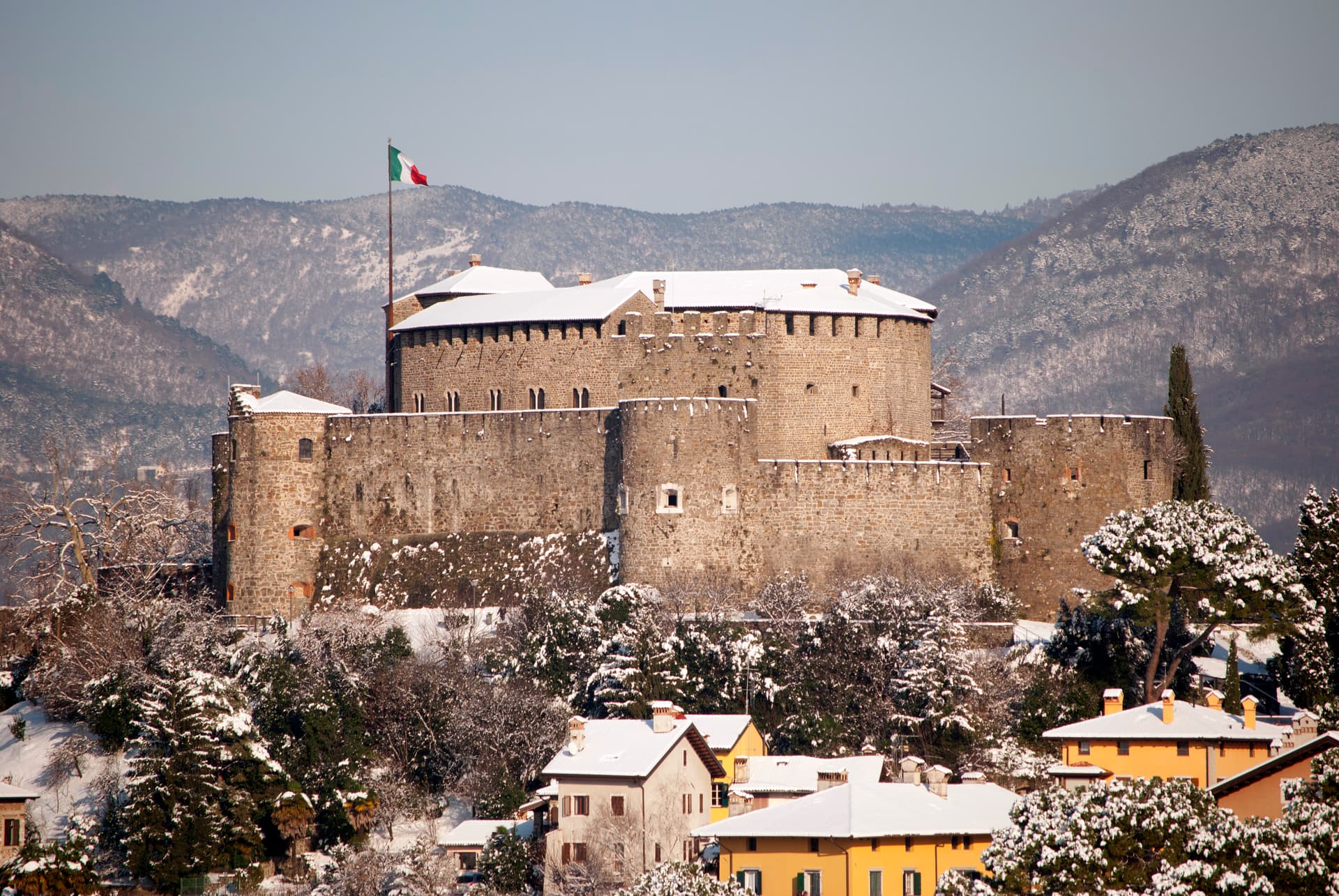
Gorizia
Province: Gorizia
Border city below the Julian Alps, divided from Nova Gorica by a 1947 wall and rejoined as European Capital of Culture 2025.
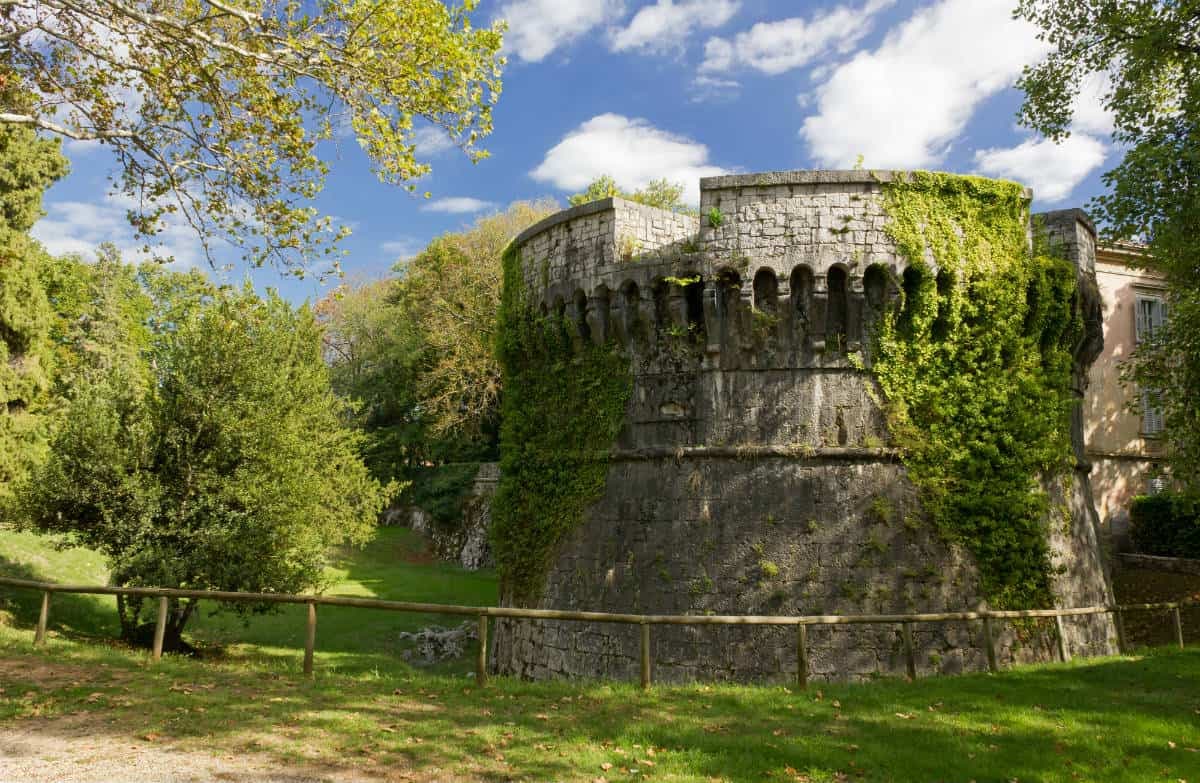
Gradisca d'Isonzo
Province: Gorizia
A 1479 Venetian bastion on the right bank of the Isonzo, with seven towers, twenty-meter walls, and a Habsburg court inside.
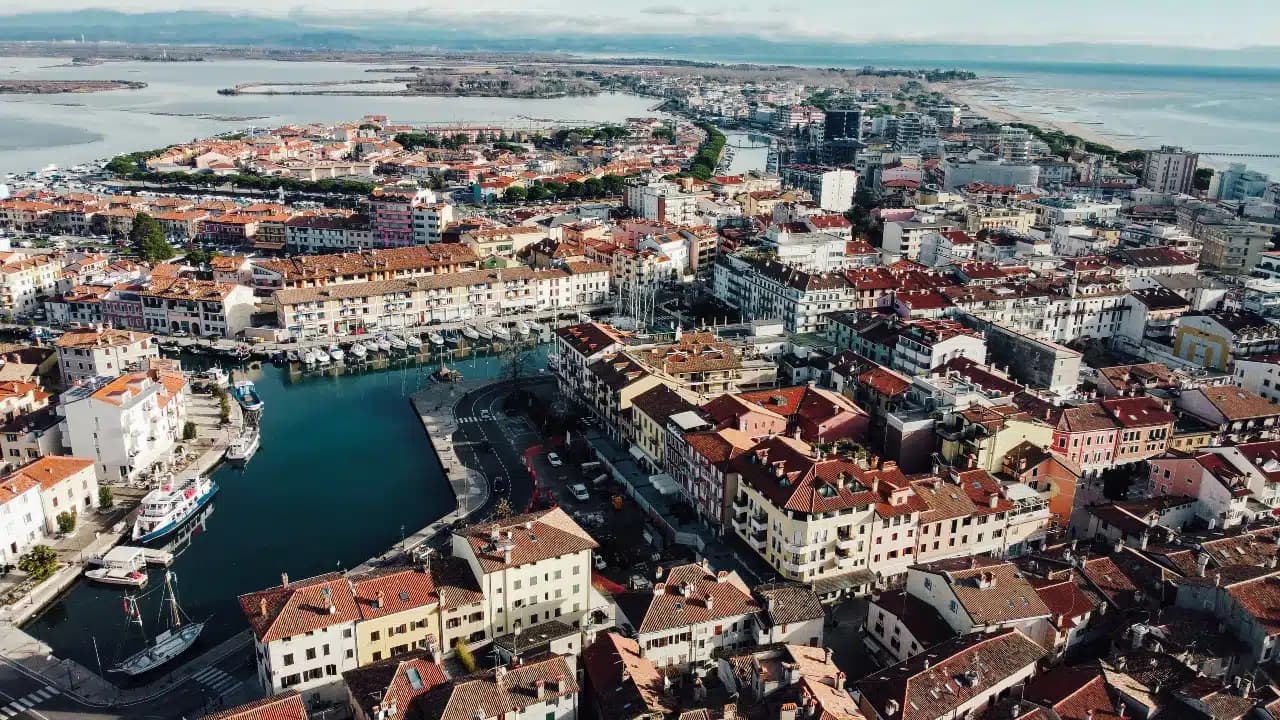
Grado
Province: Gorizia
An Adriatic island town inside a 90-square-kilometer lagoon, refuge of the Aquileian patriarchs after 568 and a Habsburg bathing resort thirteen centuries later.
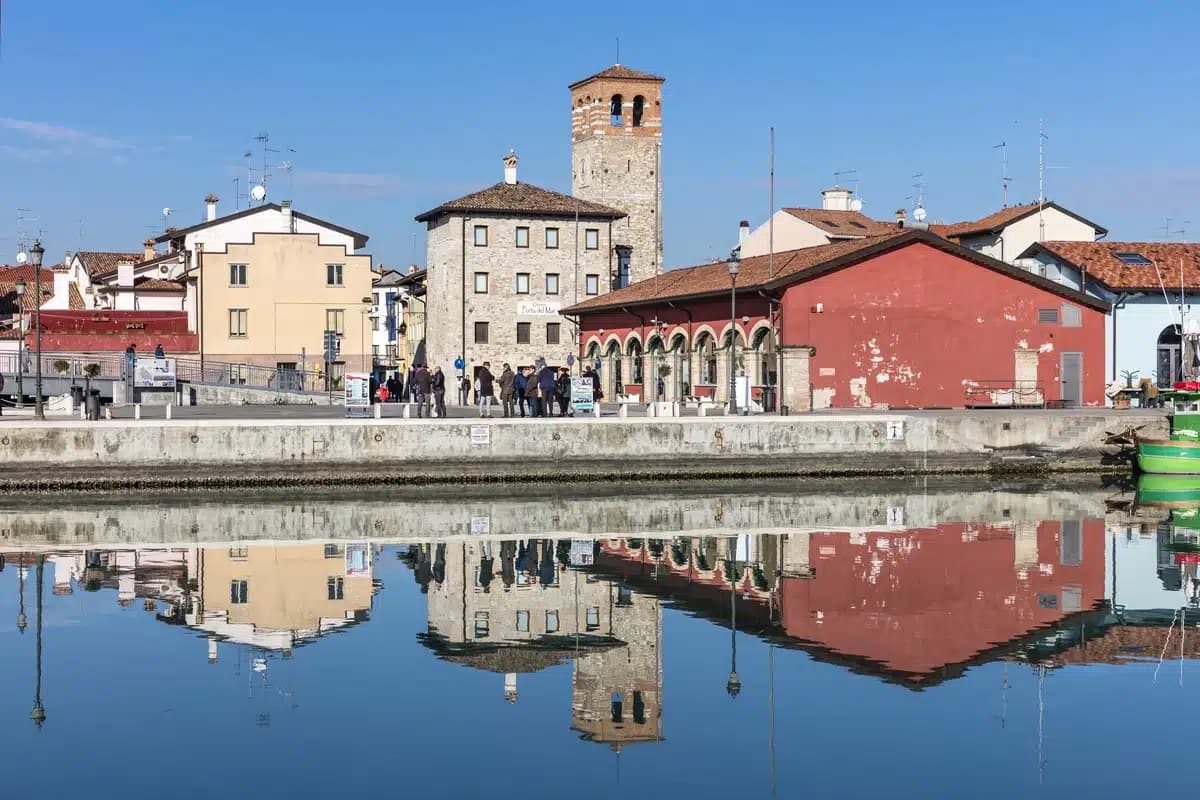
Marano Lagunare
Province: Udine
A fishing town on its own pastel-coloured harbour at the heart of the Laguna di Marano — the only Friulian commune set entirely inside the lagoon, with a working fleet, an Aquileian Venetian past, and a still-strict dialect of its own.
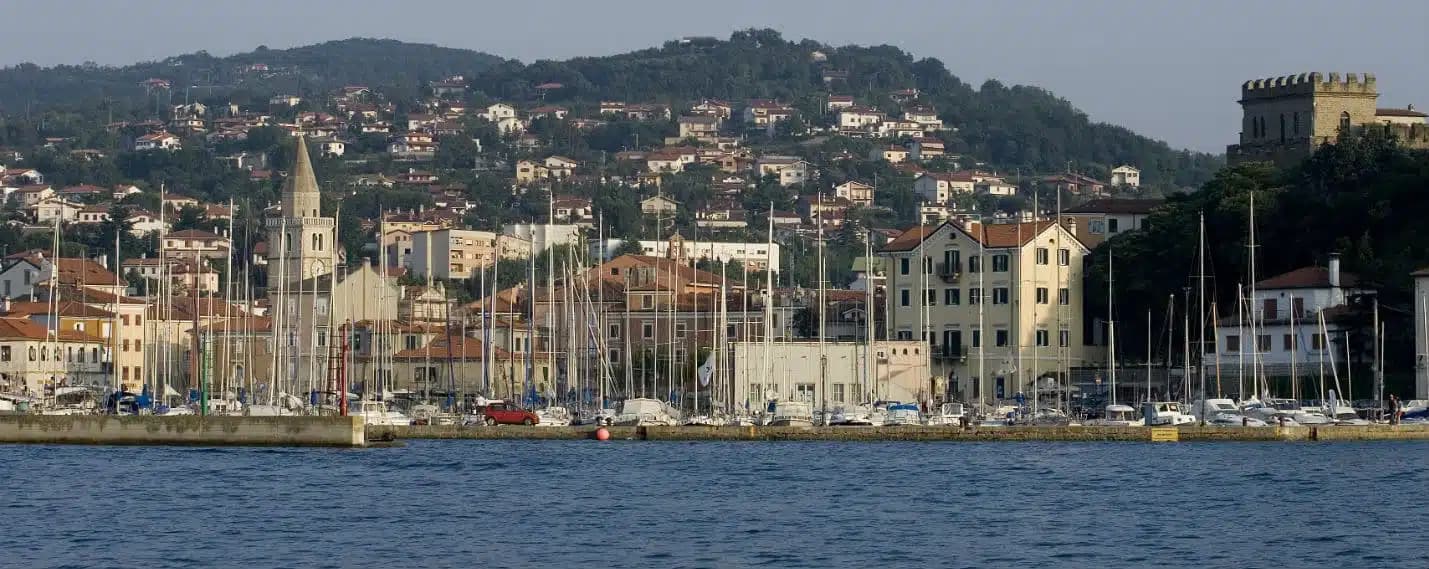
Muggia
Province: Trieste
The only town on the Istrian peninsula still inside Italy, a small Venetian port on the Gulf of Trieste five kilometers from the Slovenian border.
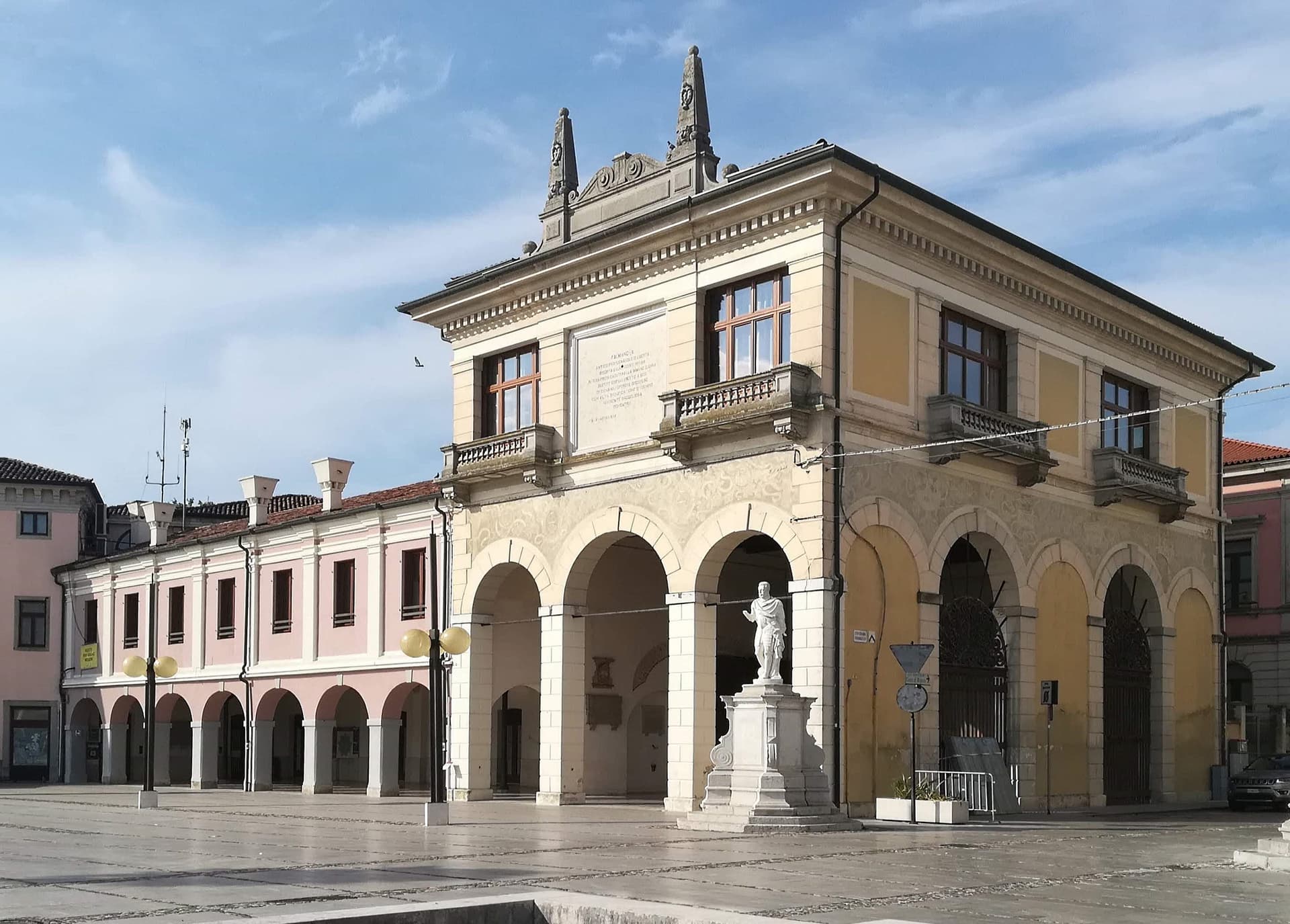
Palmanova
Province: Udine
A nine-pointed Venetian star fortress founded 7 October 1593, designed as a perfect Renaissance city and finished, in three phases, under Napoleon in 1813.
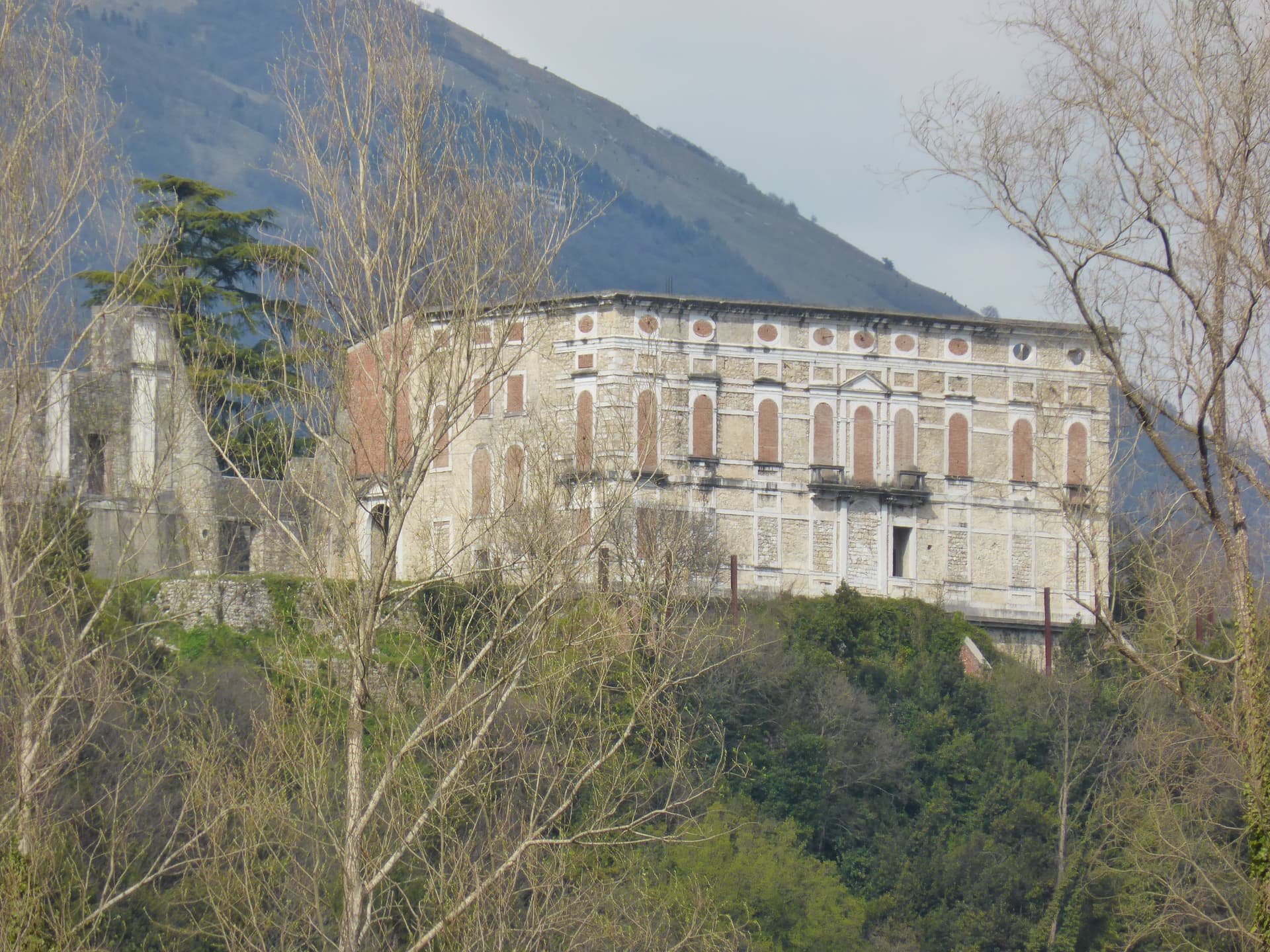
Polcenigo
Province: Pordenone
A 40-meter village at the foot of the Carnic Prealps where the Livenza rises, neighbour to the UNESCO Palù pile-dwelling site occupied since 4900 BC.
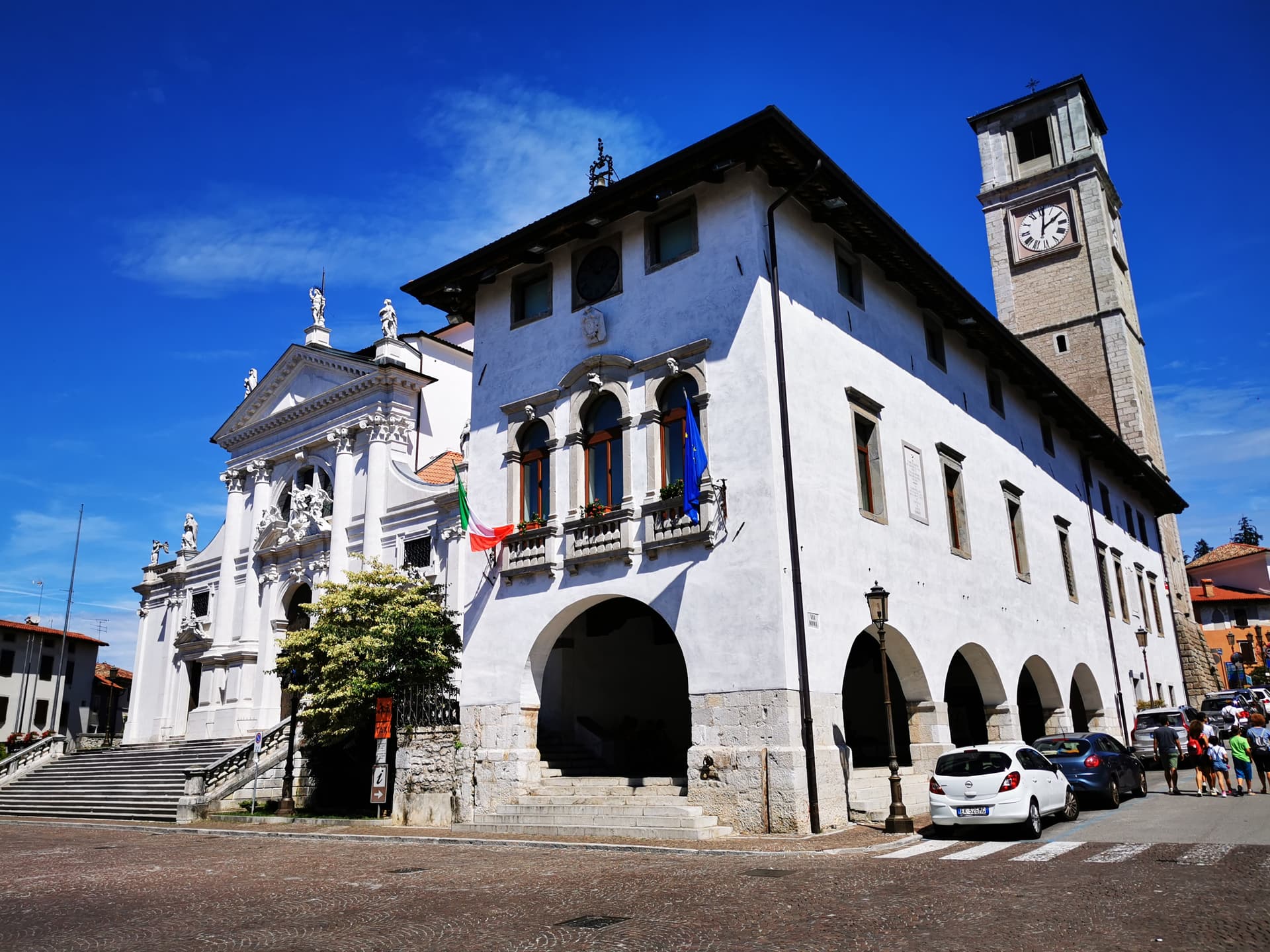
San Daniele del Friuli
Province: Udine
Italy's prosciutto capital — a 7,900-resident hill town in the Friuli morainic amphitheatre where the Tagliamento valley's south winds meet the alpine downdraughts, producing the San Daniele DOP raw-cured ham (31 producers, 14-month minimum cure) and where Pellegrino da San Daniele's 1497–1522 frescoes inside Sant'Antonio Abate are the regional Renaissance set-piece.
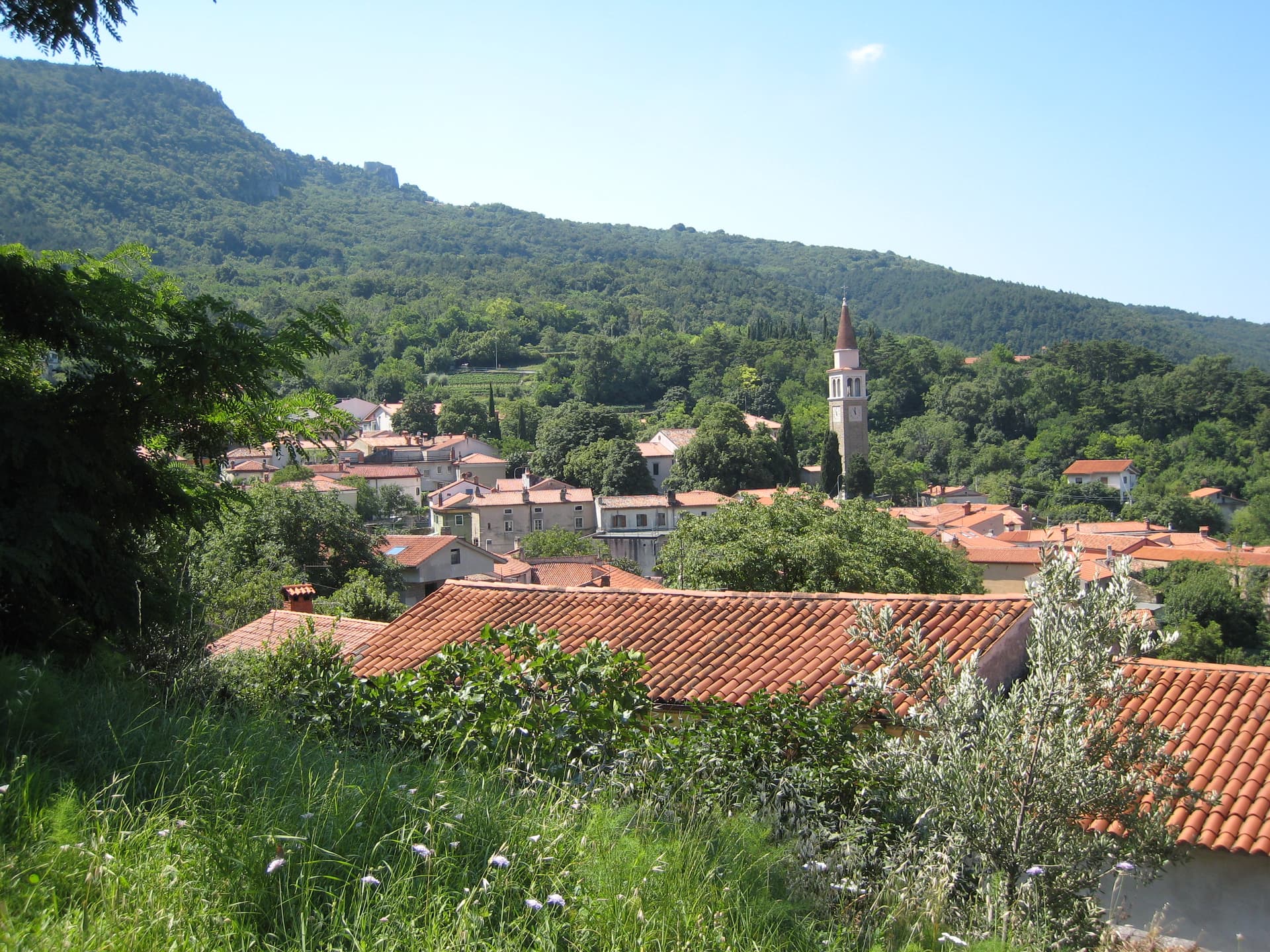
San Dorligo della Valle-Dolina
Province: Trieste
A Slovene-speaking Karst commune ten kilometers from Trieste, with its own valley, its own wine, and a canyon Roman aqueducts once crossed.
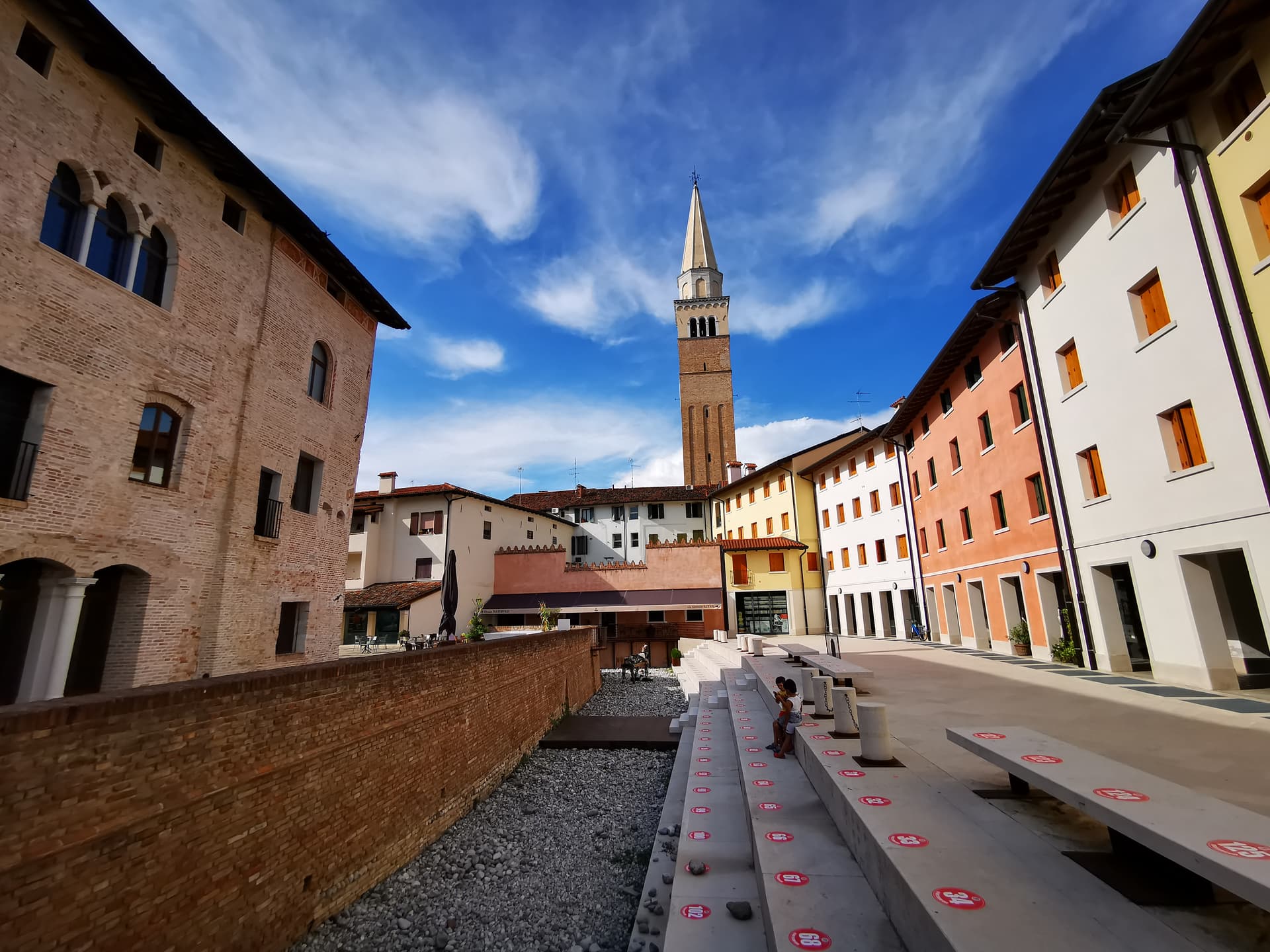
San Vito al Tagliamento
Province: Pordenone
A medieval Tagliamento-plain town inside three rings of moats and three towers, where the Renaissance painter Pomponio Amalteo worked from 1536 until 1588.
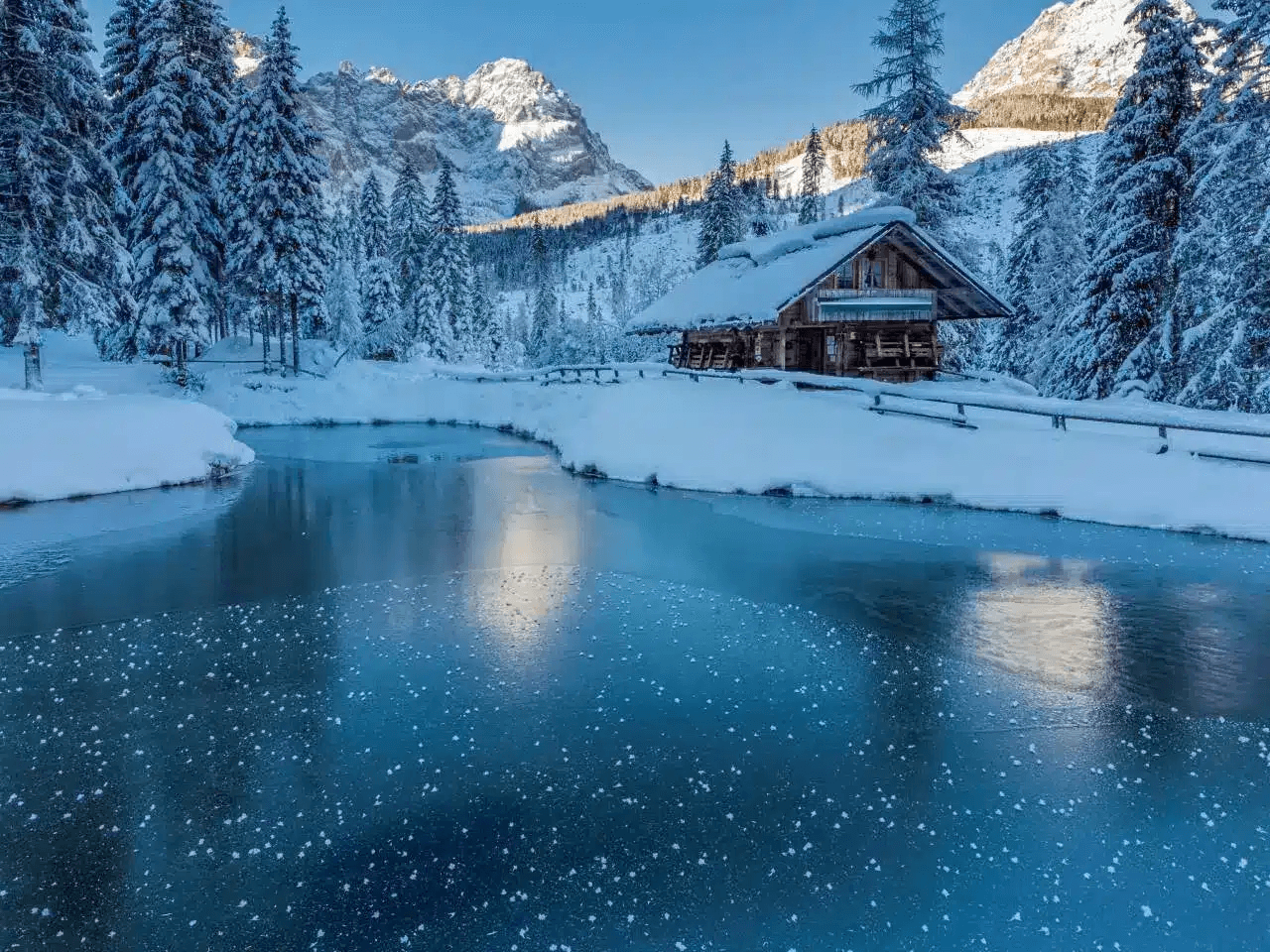
Sappada
Province: Udine
A German-speaking alpine village at 1,250 meters near the source of the Piave, settled from East Tyrol in the eleventh century and Italian since 1852.
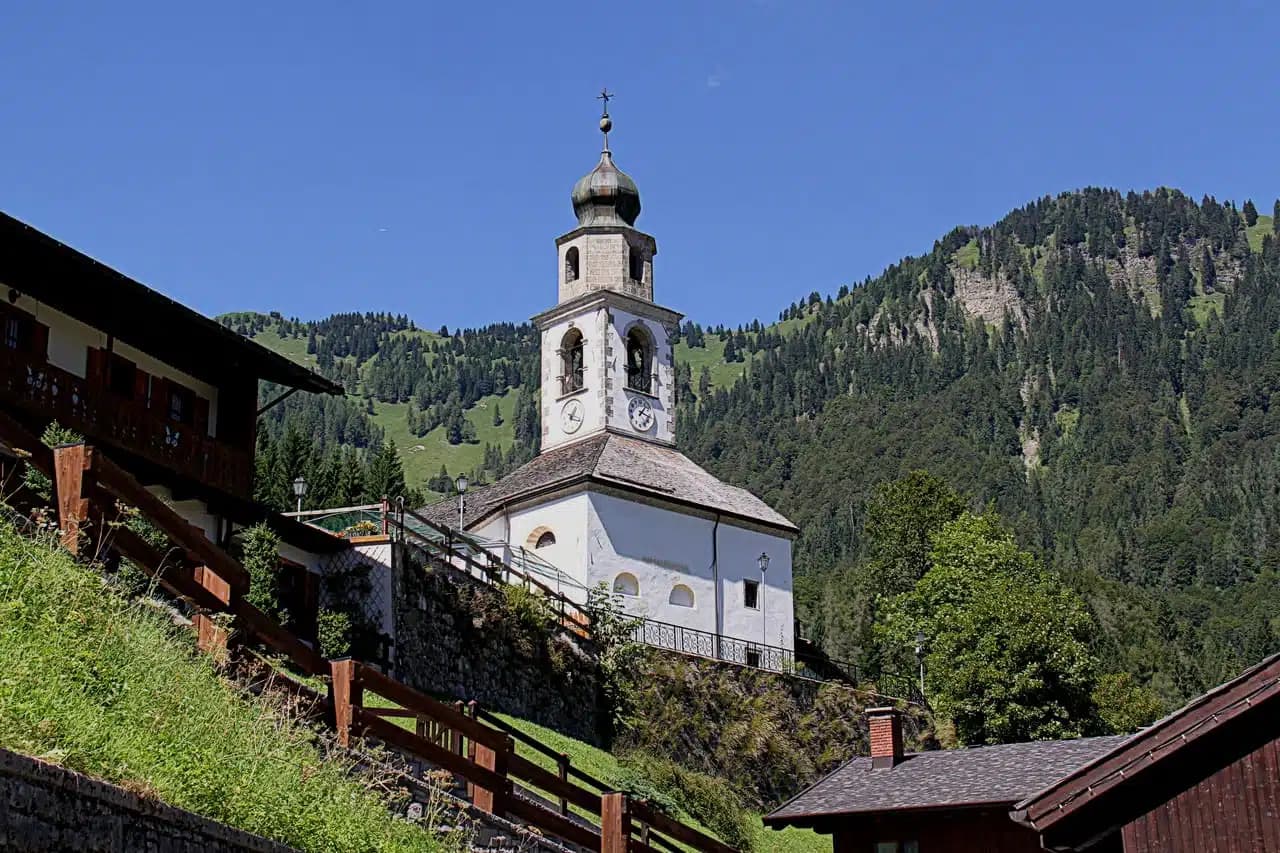
Sauris
Province: Udine
A 1,212-meter German-speaking island in the Carnic Alps, second-highest commune in Friuli, where Tyrolean settlers founded the village around the thirteenth century.
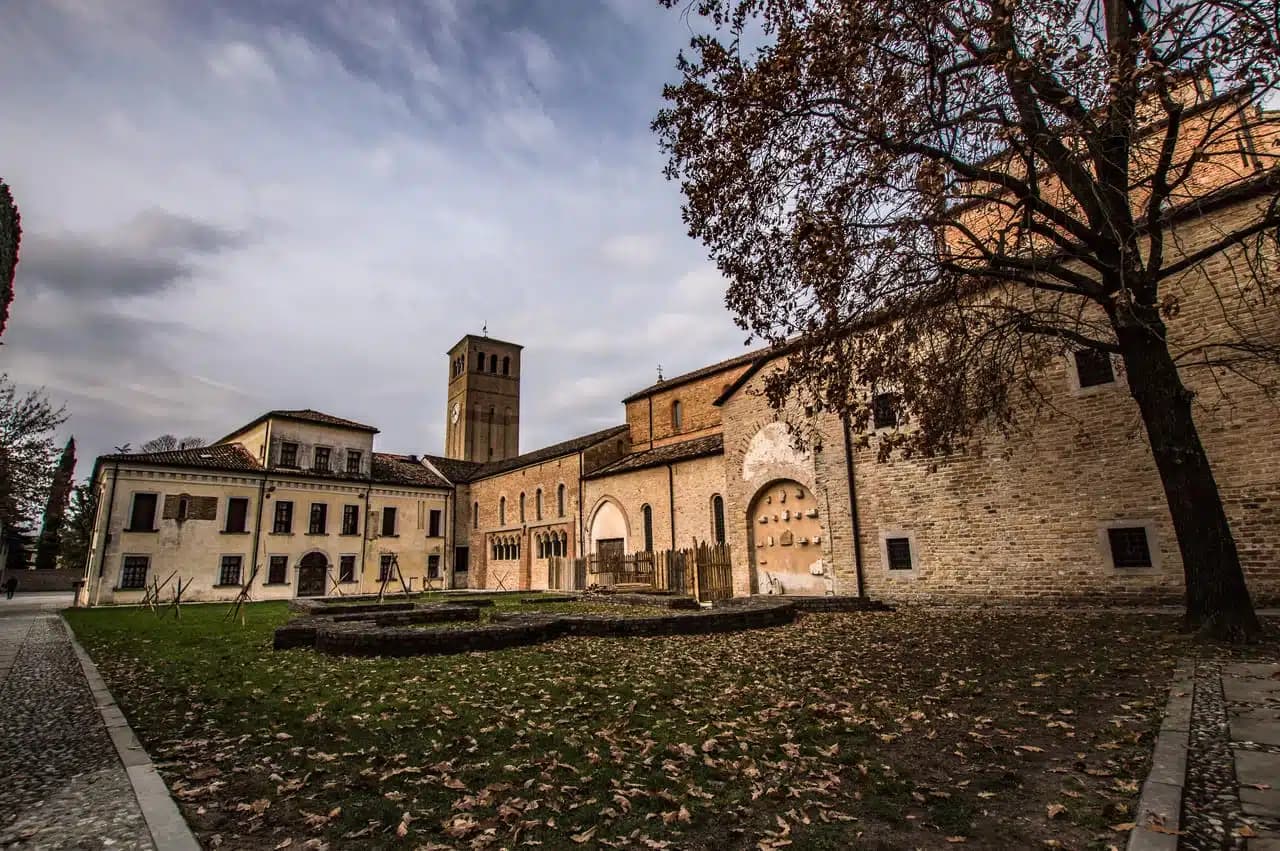
Sesto al Reghena
Province: Pordenone
A 730s Benedictine abbey on the Reghena, ravaged by Magyars in 899, refortified in the tenth century, and still the town hall today.
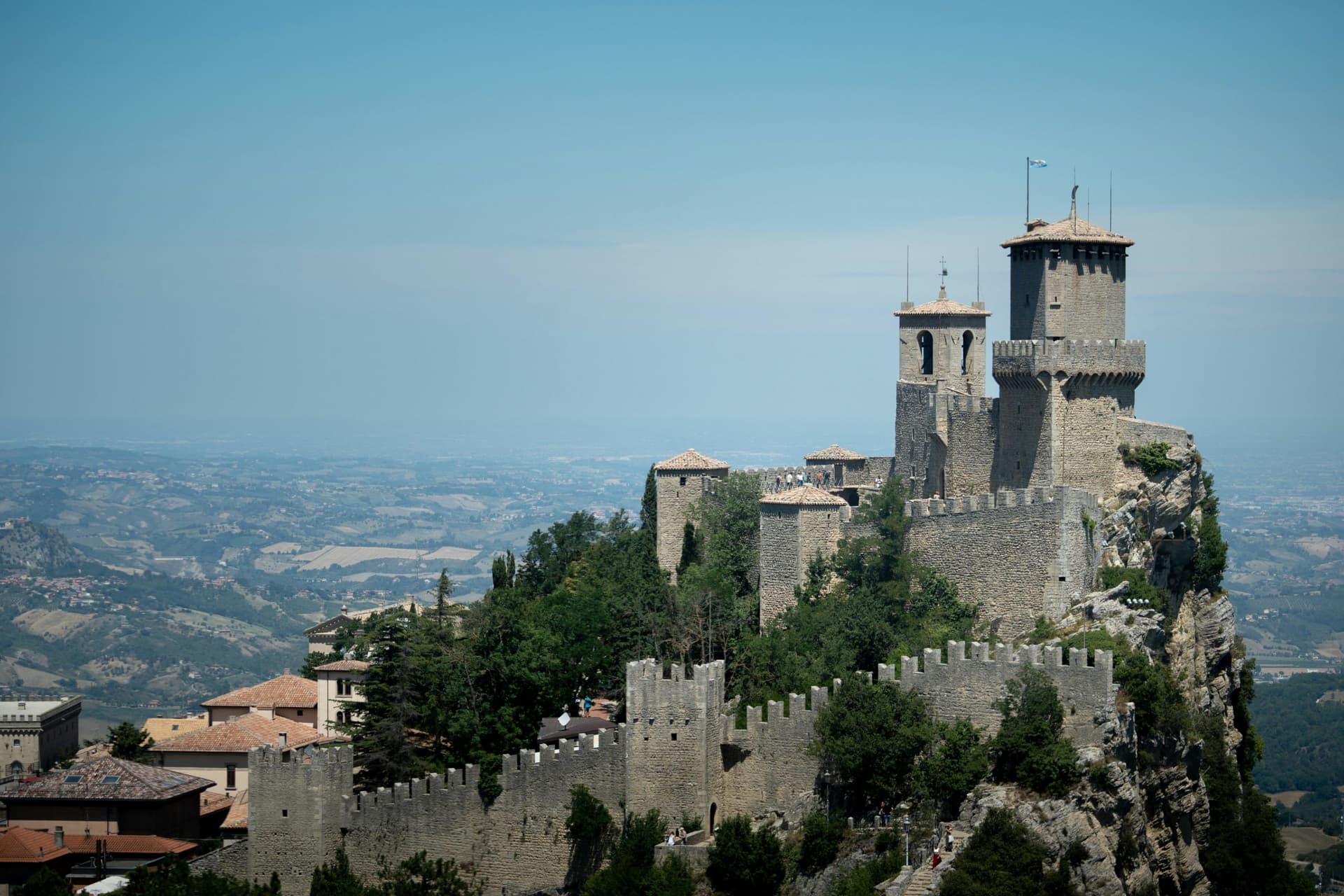
Spilimbergo
Province: Pordenone
A 132-meter Friulian town on the Tagliamento, home since 1922 to the Scuola Mosaicisti, whose alumni made the Library of Congress mosaics.
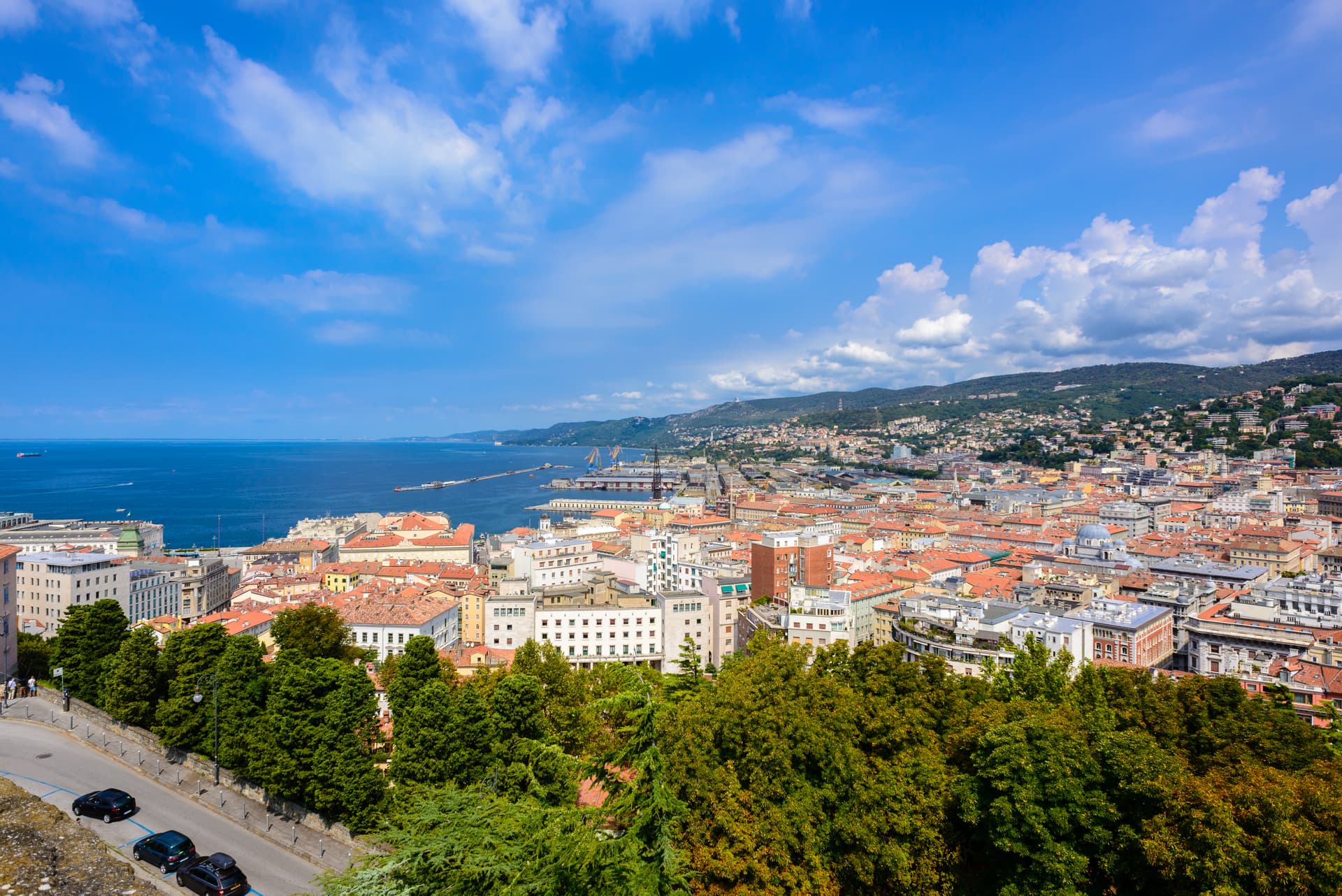
Trieste
Province: Trieste
The Adriatic port the Habsburgs built as their window on the sea, an Italian regional capital still arguing in four languages on the Slovenian border.
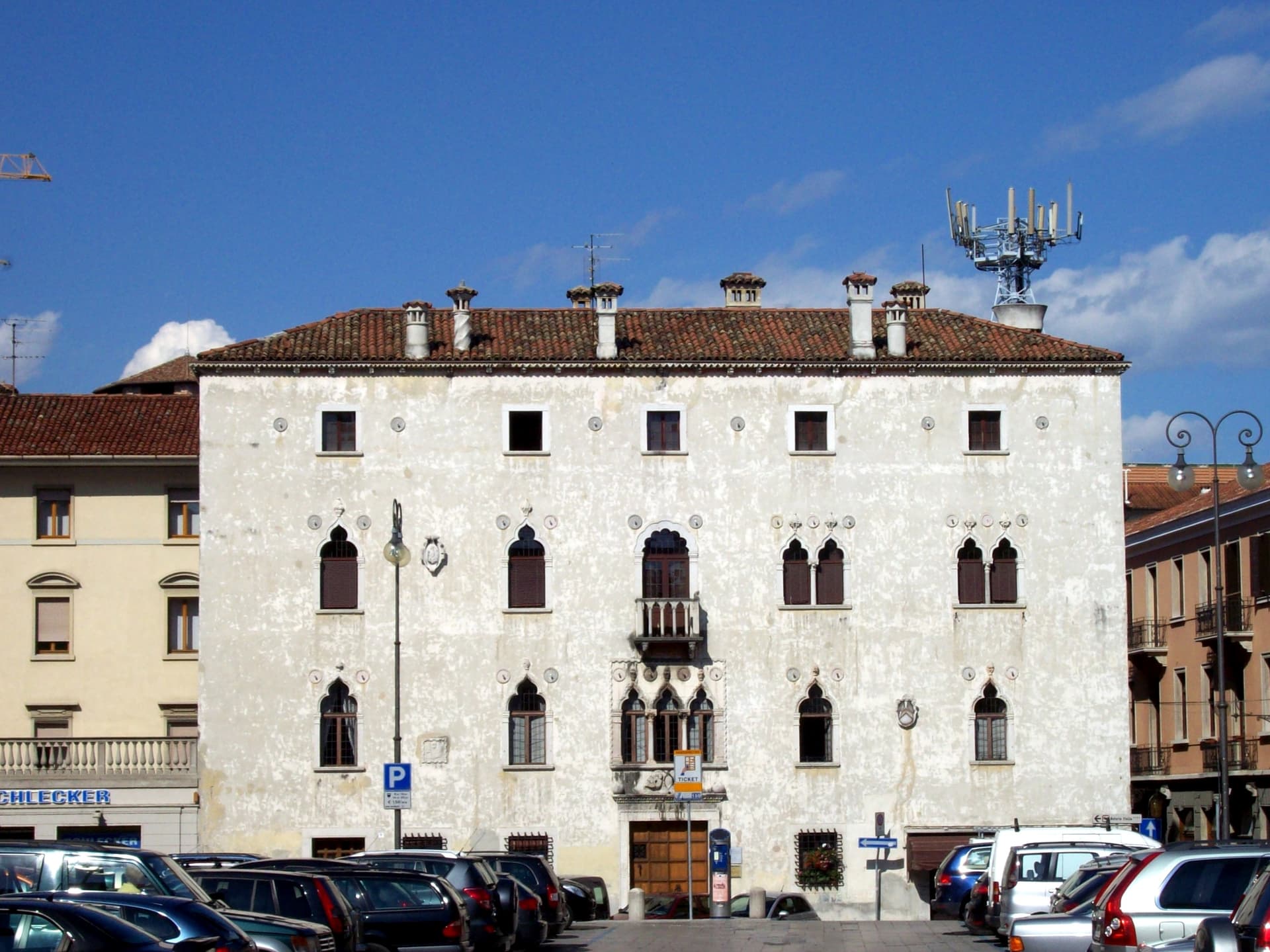
Udine
Province: Udine
The historic capital of Friuli, built around a man-made castle hill, the second home of the painter Giambattista Tiepolo.
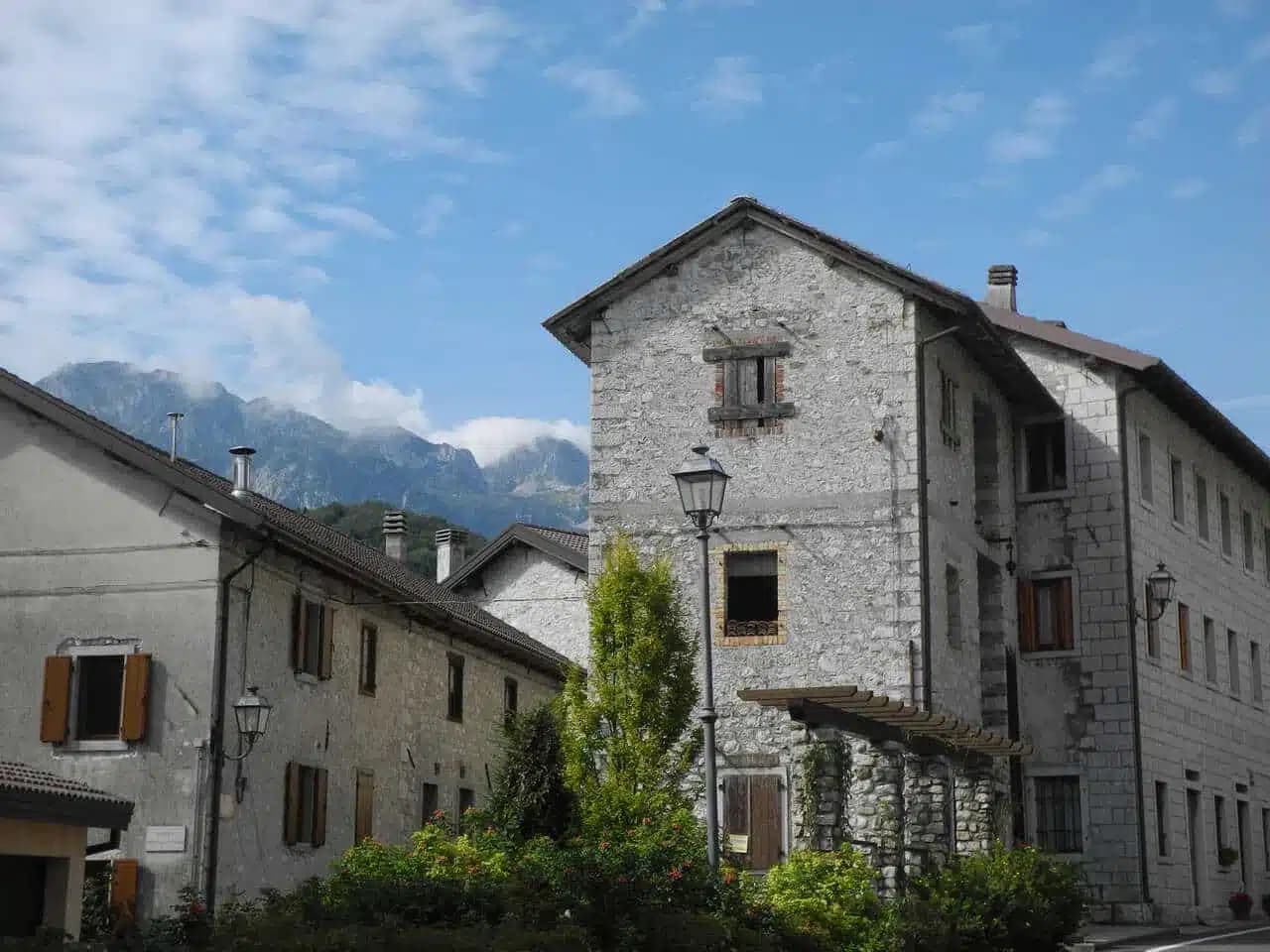
Valvasone Arzene
Province: Pordenone
A medieval borgo at 57 meters on the Tagliamento's right bank, organized around a castle and a Duomo with a 1532 Italian-built organ.
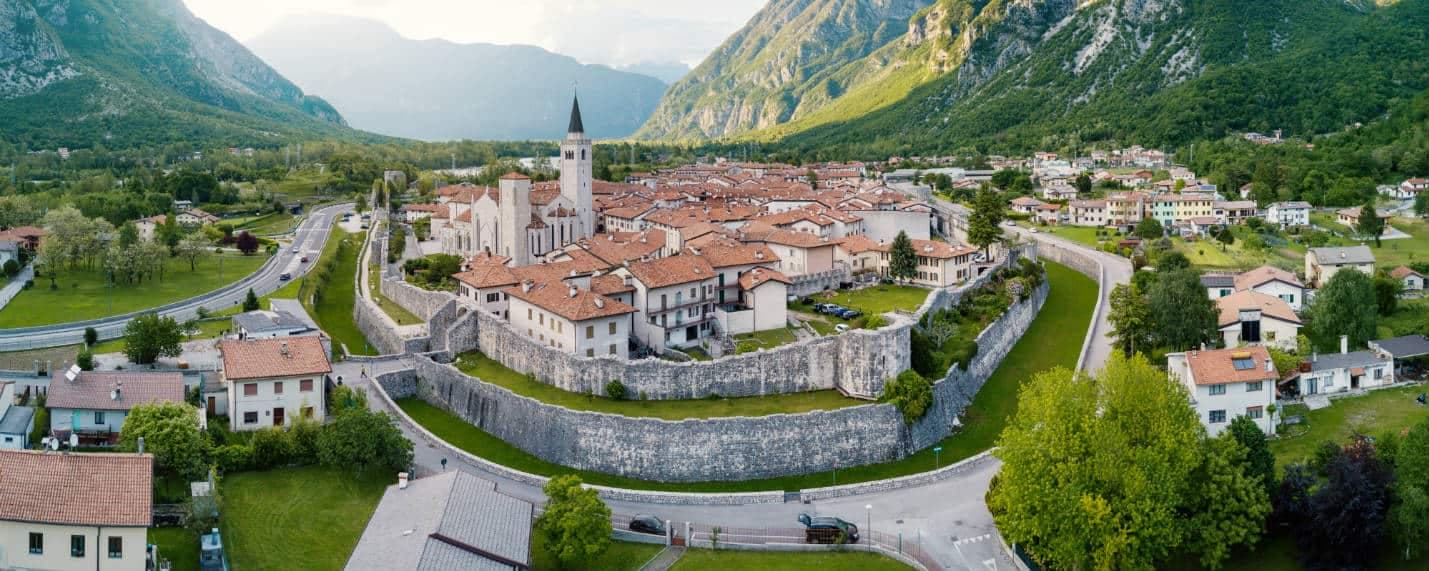
Venzone
Province: Udine
A 230-meter walled medieval town in the Tagliamento valley, leveled by the 1976 earthquake and rebuilt stone by stone, winner of Borgo dei Borghi 2017.
Subscribe — free
Get the best guides on hidden Italian towns.
One letter on Sundays. The week’s town, with the photo, the food, the festa. Free, by Peter & Sophia from Pietrasanta.
Substack sends a confirmation link to your inbox. The signup finishes when it’s clicked.
From elsewhere in Italy
Five more towns to discover
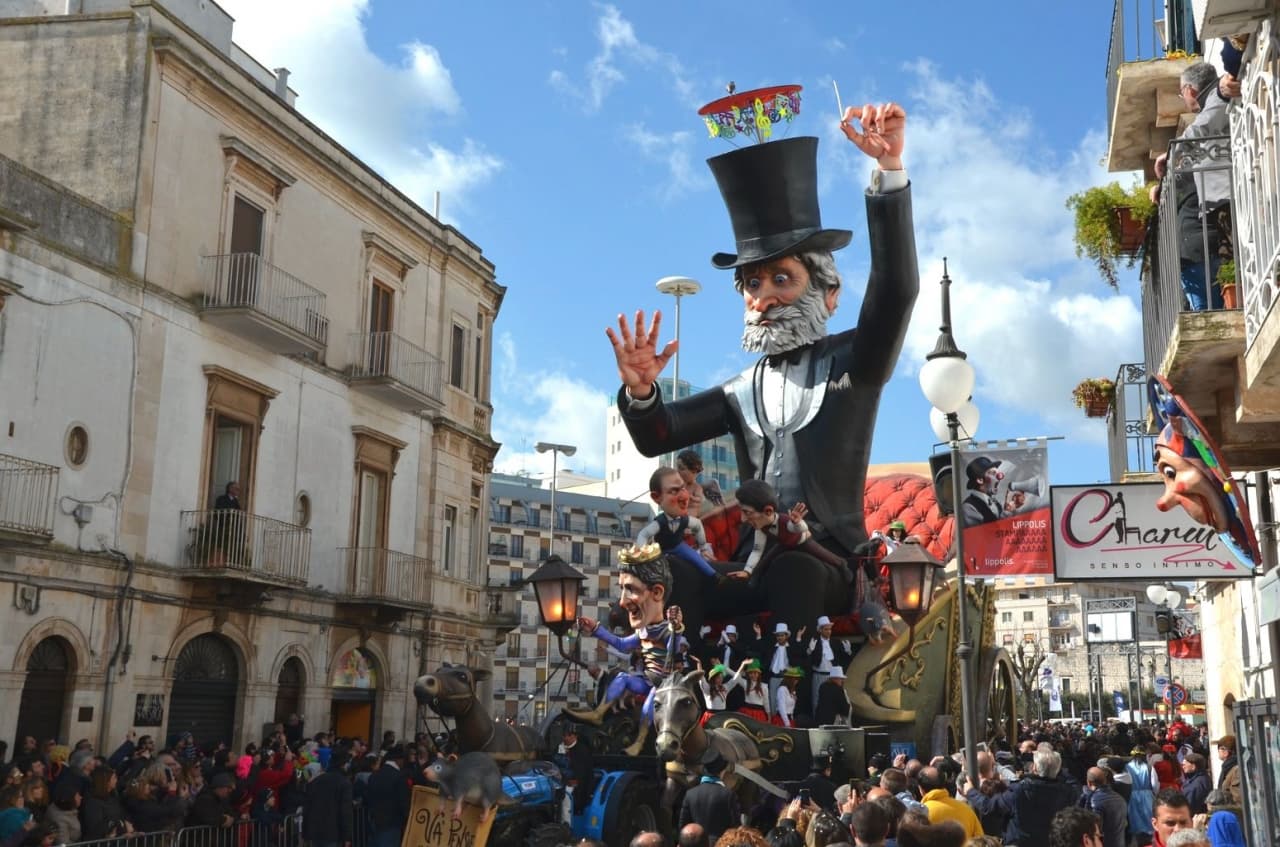
Putignano
Province: Bari
Europe's longest-running carnival — Putignano Carnevale has run continuously since 1394, with 631 years of cartapesta papier-mâché floats, a 26,000-resident Murgia town on the Bari–Lecce plateau, and the Grotta del Trullo karst cave inside the centro.

Pistoia
Province: Pistoia
Italy's nursery capital and the medieval Tuscan rival that gave its name to the pistol — a quietly extraordinary centro storico of zebra-striped Romanesque churches, Andrea della Robbia's polychrome frieze on the Ospedale del Ceppo, and Italy's Capital of Culture 2017, all 30 minutes from Florence by train.
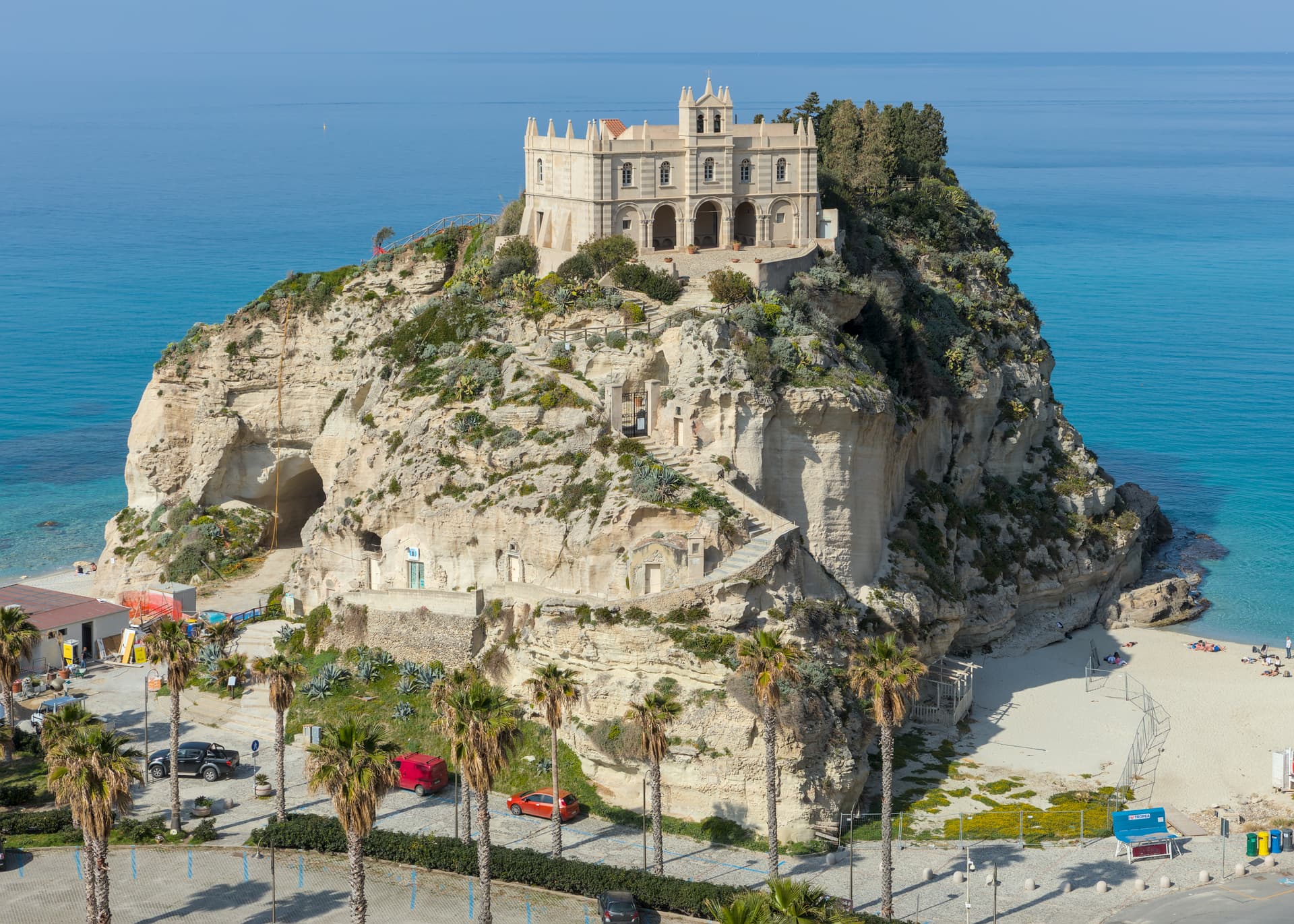
Tropea
Province: Vibo Valentia
Cliff town on a tufa headland over the Tyrrhenian Coast of the Gods, with a Norman monastery on a sea rock.
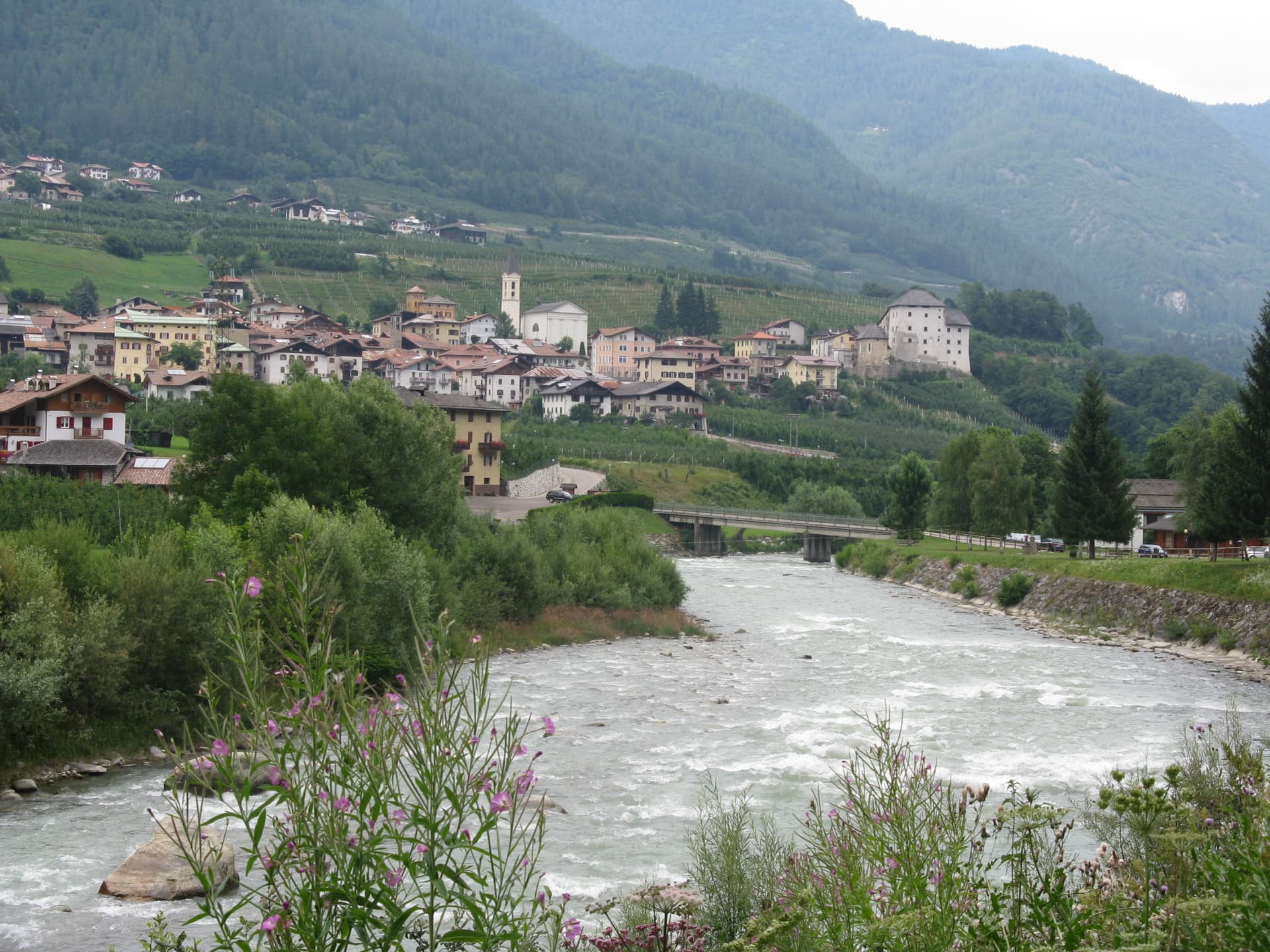
Caldes
Province: Trento
A scattered Val di Sole commune on the Noce, six hamlets gathered around a thirteenth-century tower-house castle that once belonged to the Thun family.
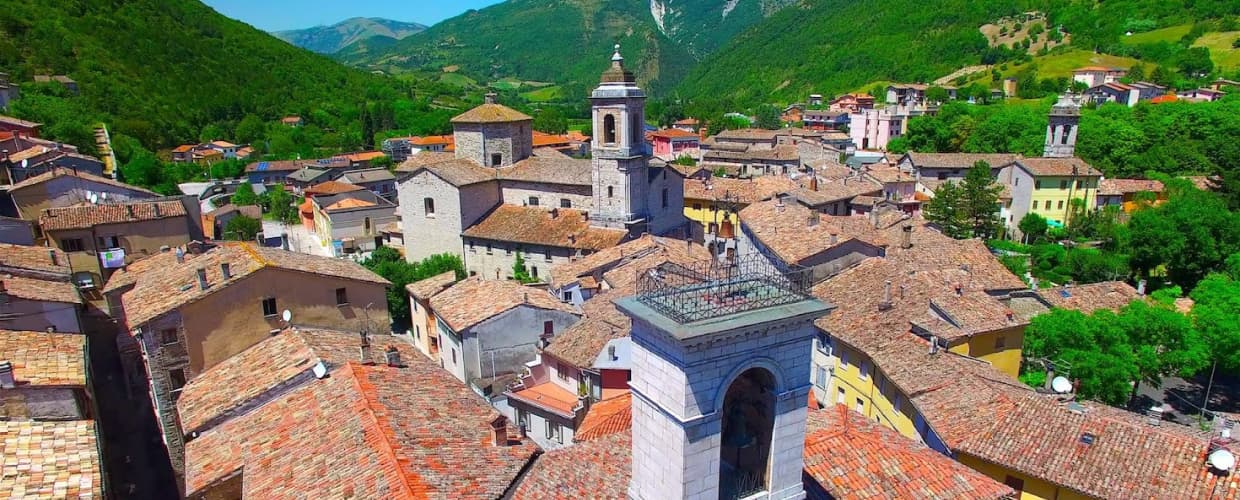
Cantiano
Province: Pesaro e Urbino
A border borgo at 374 meters under Monte Catria on the old Via Flaminia, known for the Good Friday Turba and the sour-cherry visciola harvest.