
Borghi più belli d'Italia
Borghi più belli d'Italia in Tuscany
23 towns
Tuscany carries 23 of the Borghi più belli d'Italia towns we cover. They cluster in the Grosseto, Arezzo, and Livorno provinces.
The three most recognised in our catalogue are San Casciano dei Bagni, Manciano, and Suvereto. 20 more towns carry the mark alongside them.
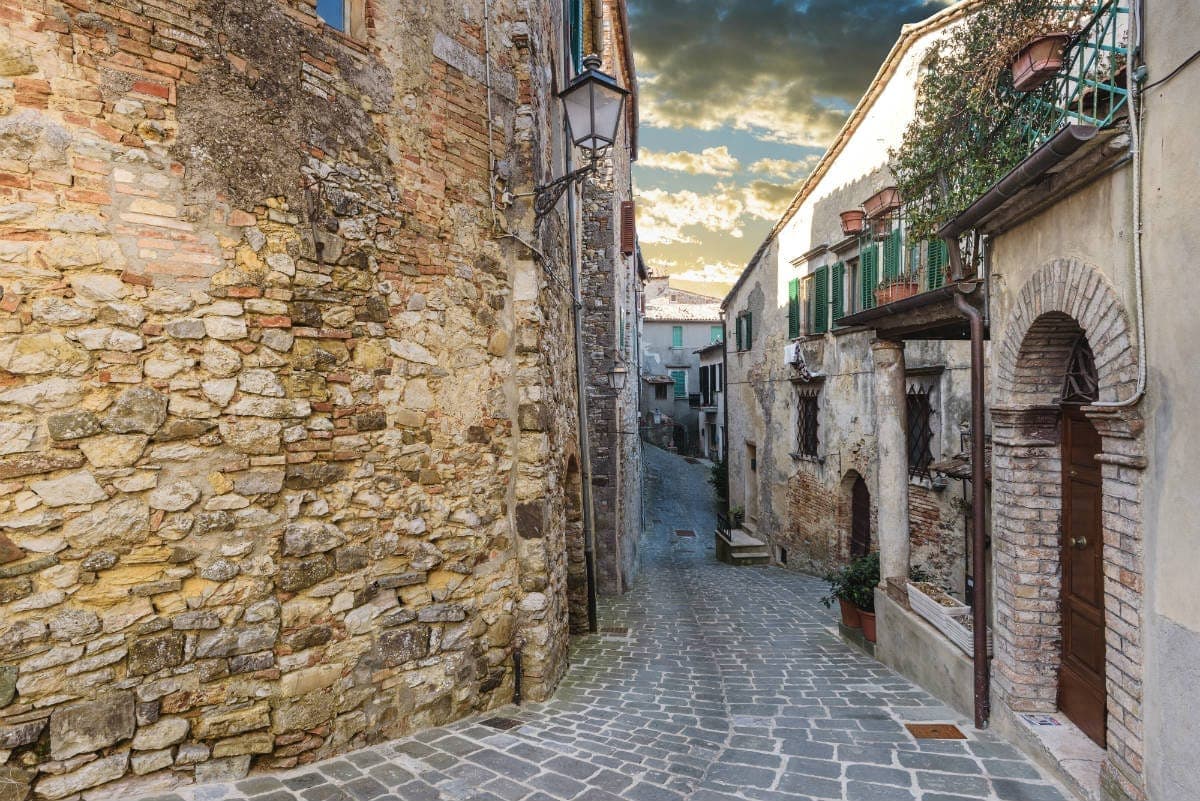
San Casciano dei Bagni
Province: Siena · 582 m
A hilltop borgo at 582 meters above 42 hot springs that produced the largest Etruscan bronze hoard of the last fifty years.
- ✷ We've been
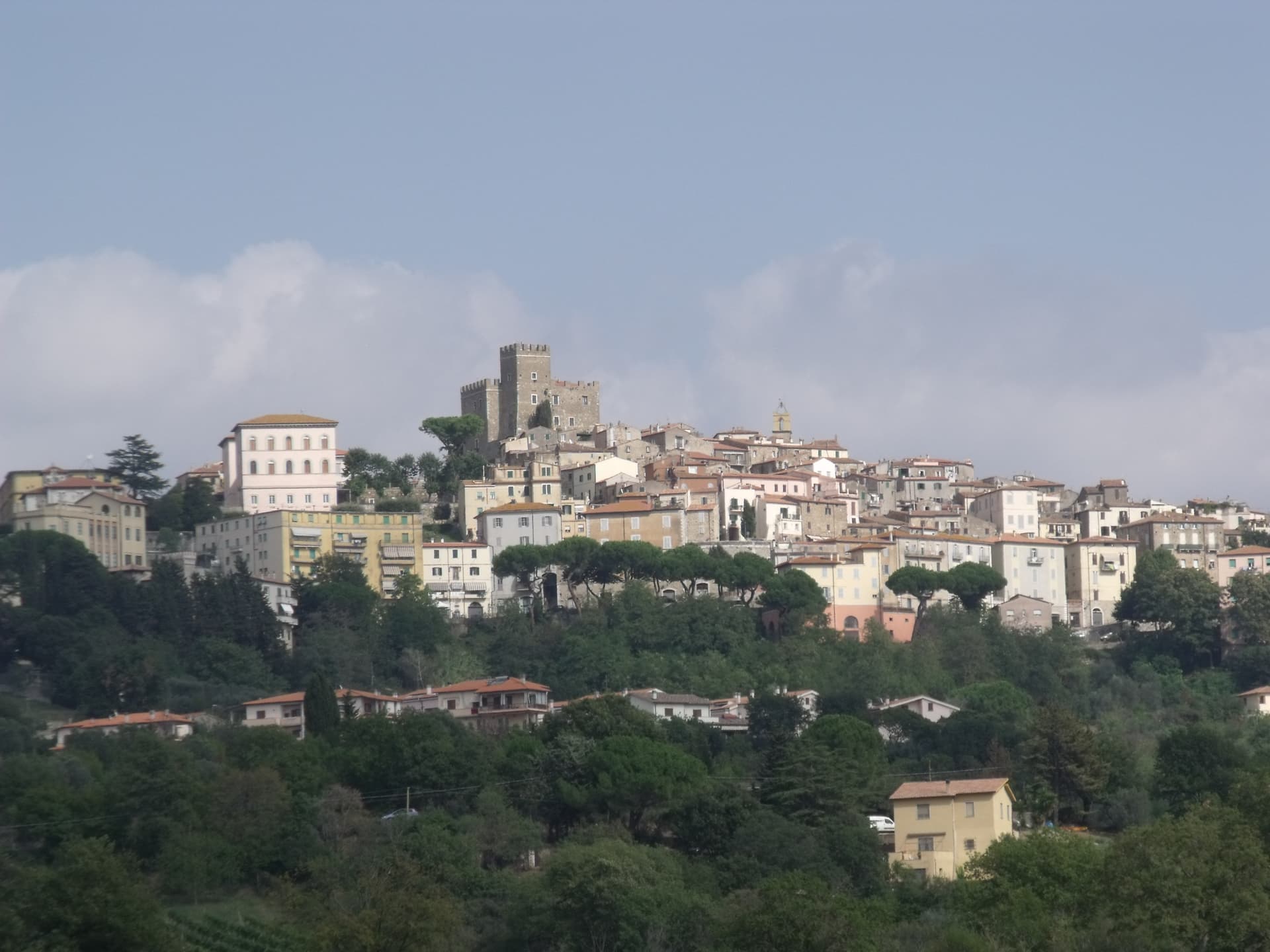
Manciano
Province: Grosseto · 444 m
A market town at 444 meters in the southern Maremma, with a Sienese fortress of 1424 and the thermal frazione of Saturnia in its territory.
- ✷ We've been
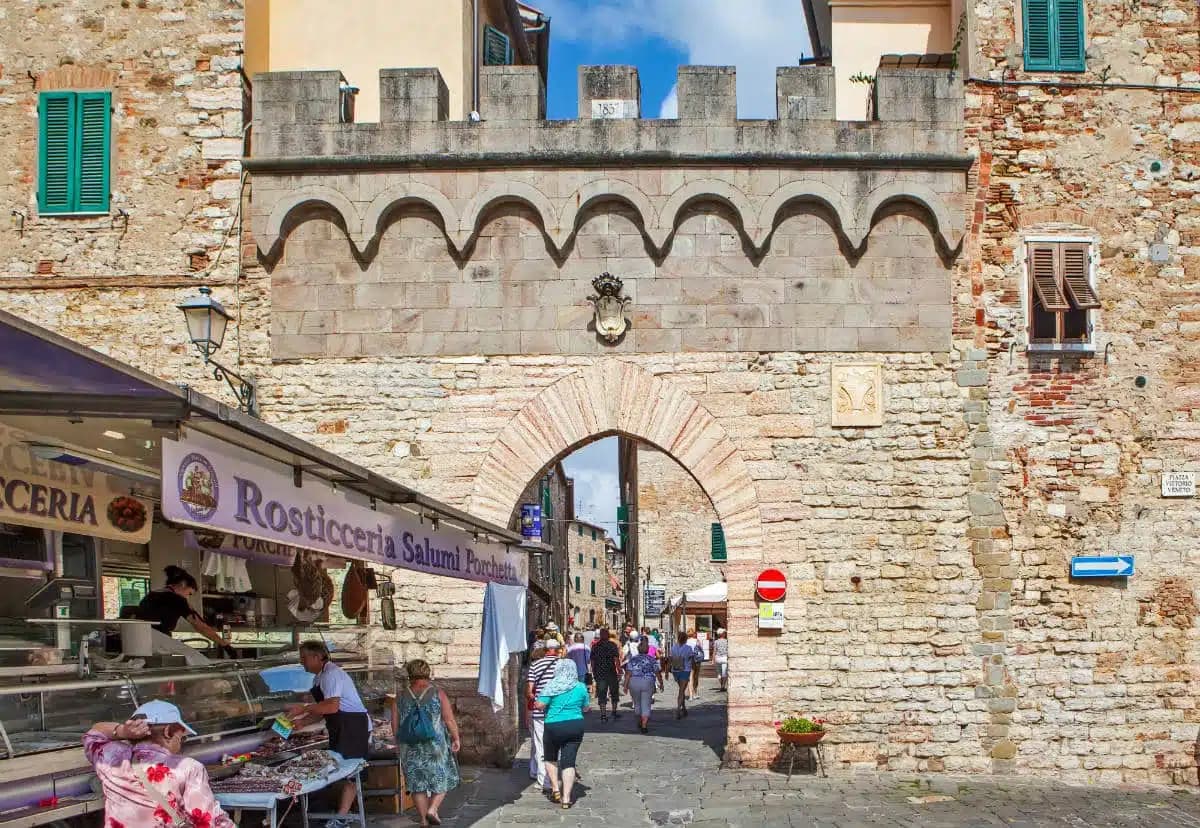
Suvereto
Province: Livorno · 127 m
A stone borgo at 127 meters above the Val di Cornia, named for the cork oaks of its forests and ruled from the Rocca Aldobrandesca since 973.
- ✷ We've been
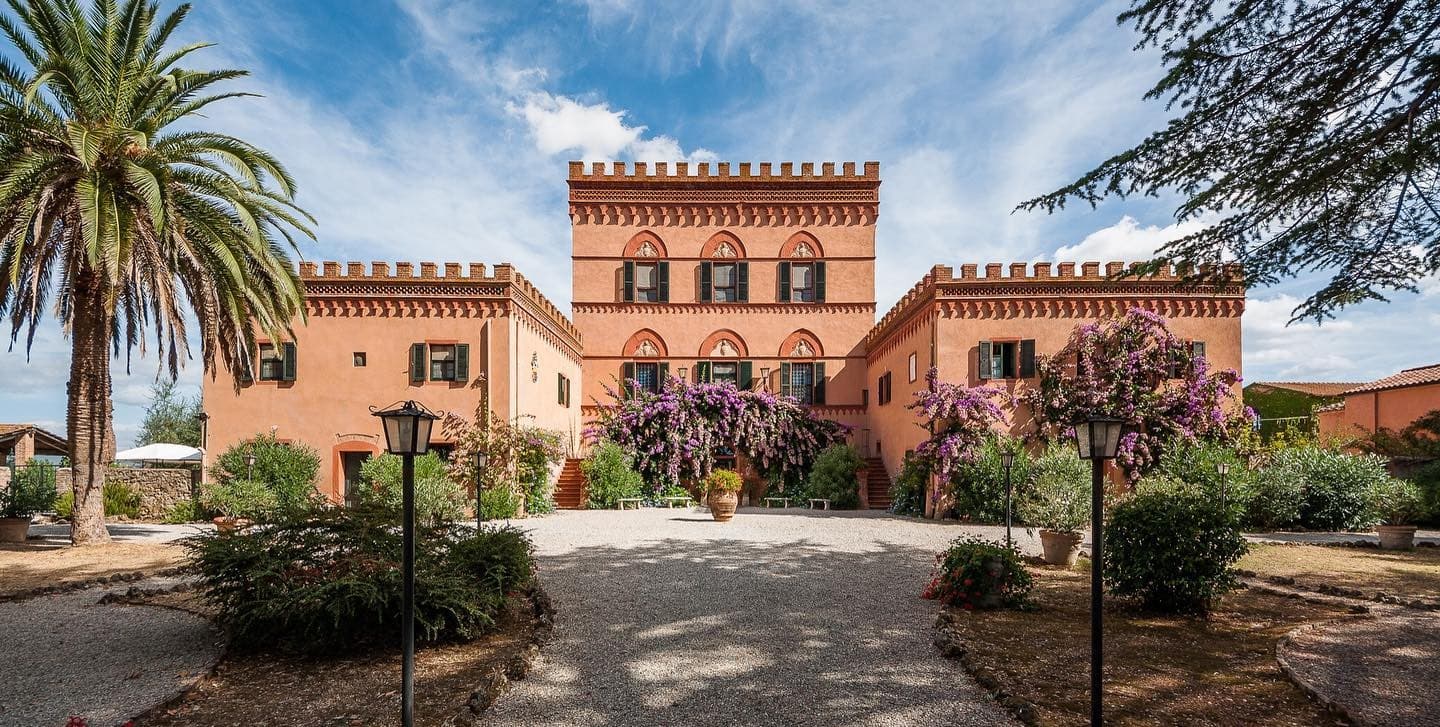
Campiglia Marittima
Province: Livorno · 231 m
A walled hilltop borgo above the Val di Cornia, where the Rocca tower watches a mining landscape worked from the Etruscans to 1976.
- ✷ We've been
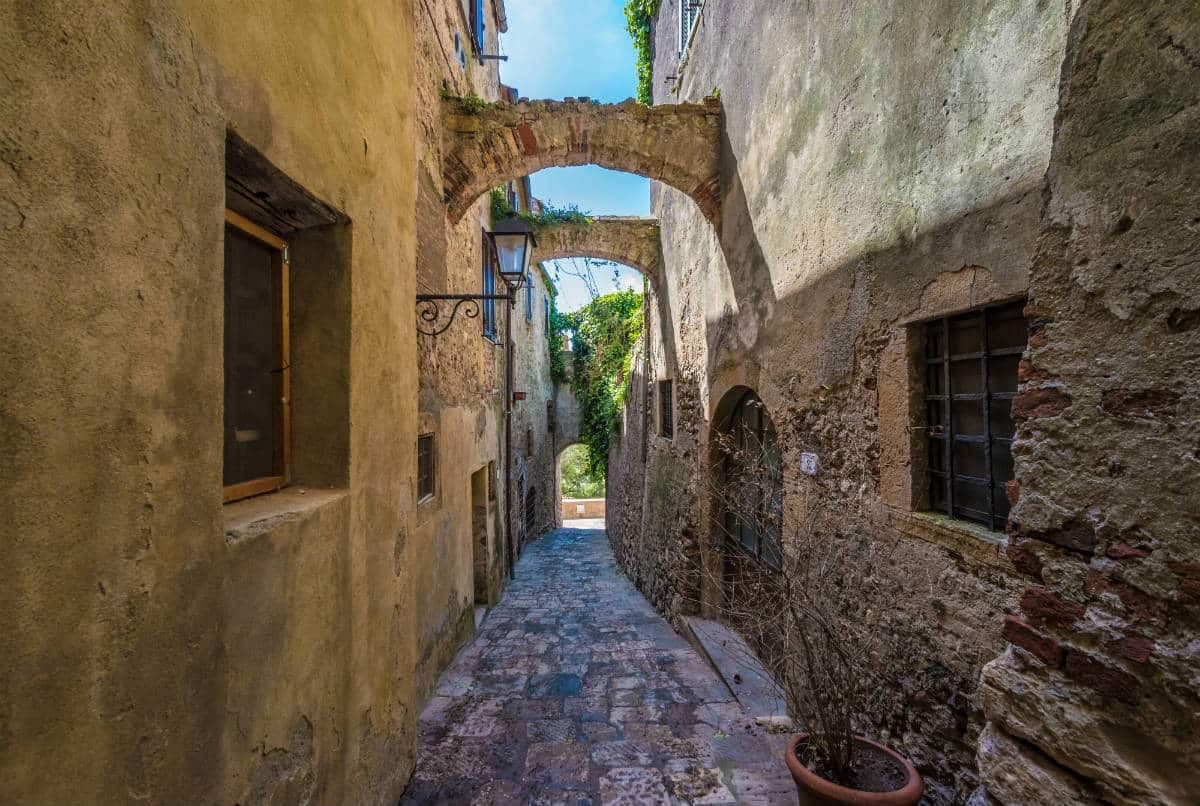
Capalbio
Province: Grosseto · 217 m
A walled hilltop borgo at 217 meters in the southern Maremma, donated to the Abbey of Tre Fontane by Charlemagne and home of Niki de Saint Phalle's Tarot Garden.
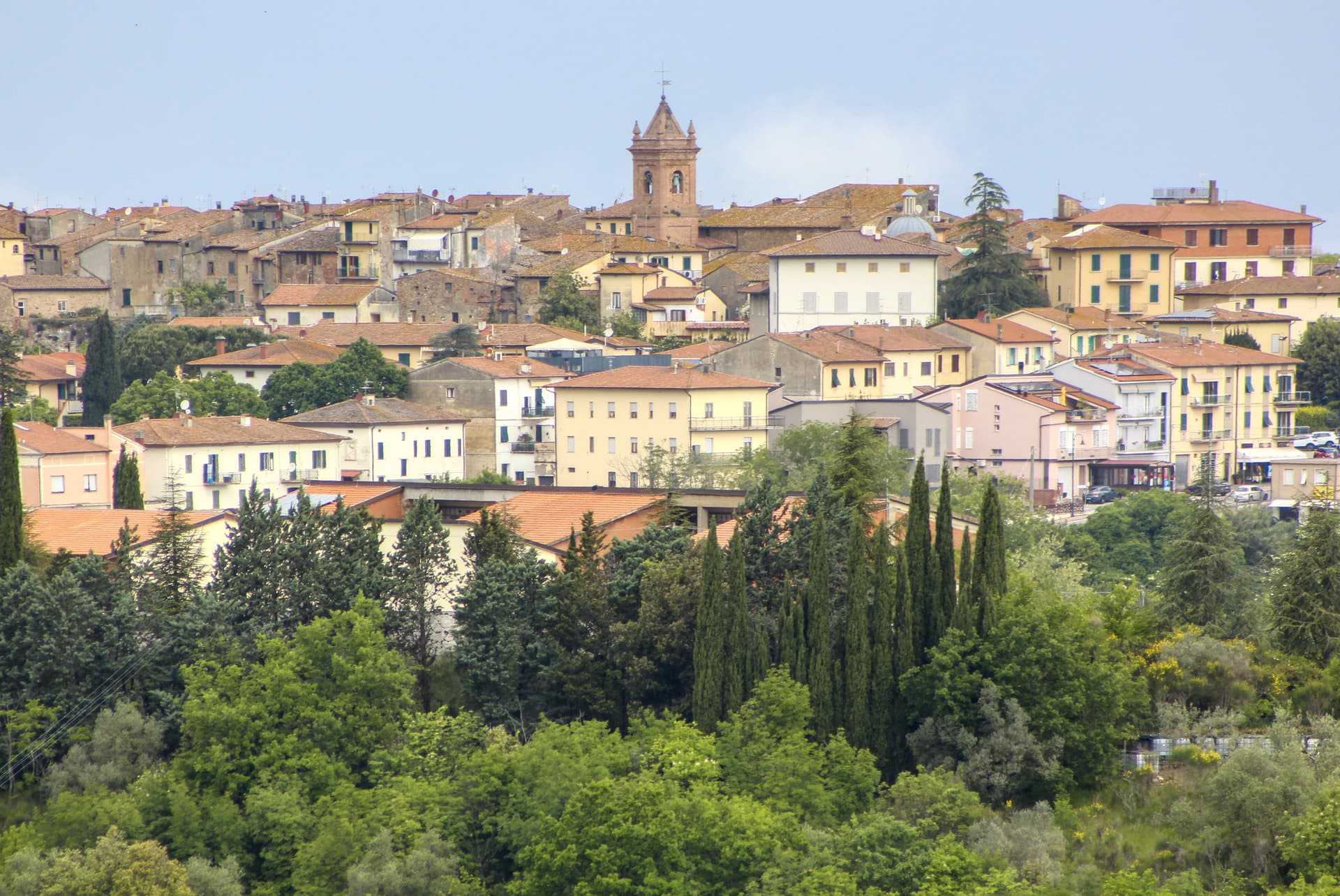
Montaione
Province: Firenze · 341 m
A medieval glassmaking and truffle borgo at 341 meters above the Valdelsa, with a Franciscan replica of Jerusalem in the woods at San Vivaldo.
- ✷ We've been
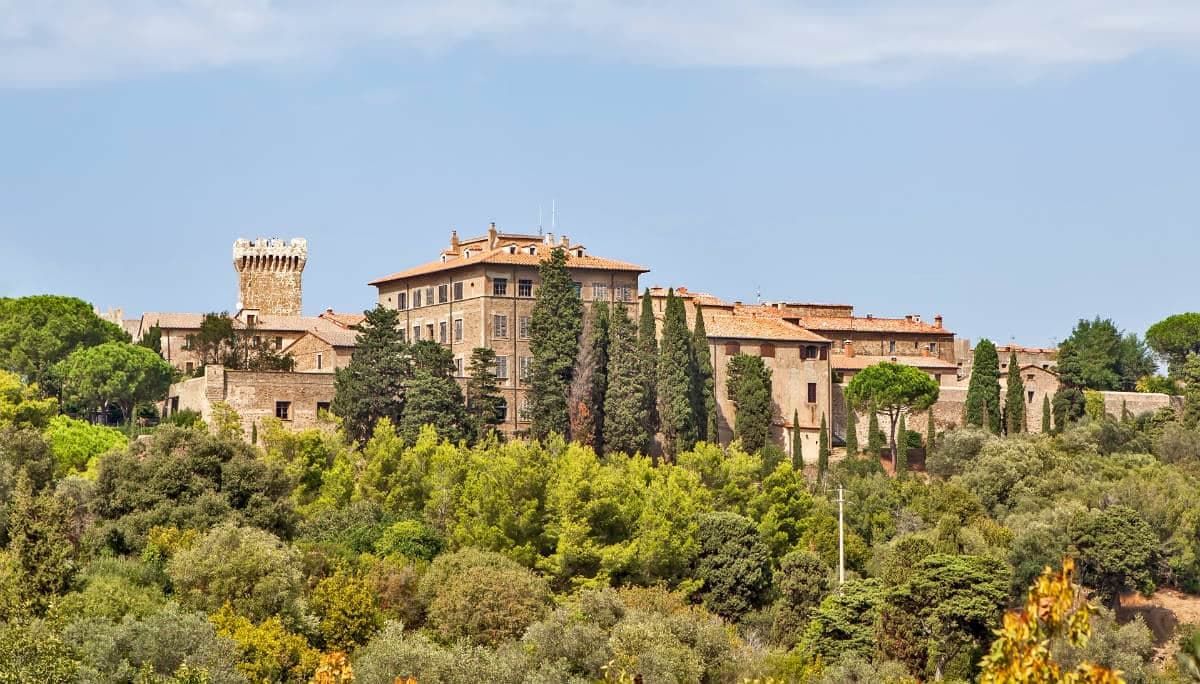
Piombino
Province: Livorno · 21 m
A promontory port facing Elba across the channel, founded by refugees from Etruscan Populonia and now the Tuscan archipelago's ferry capital.
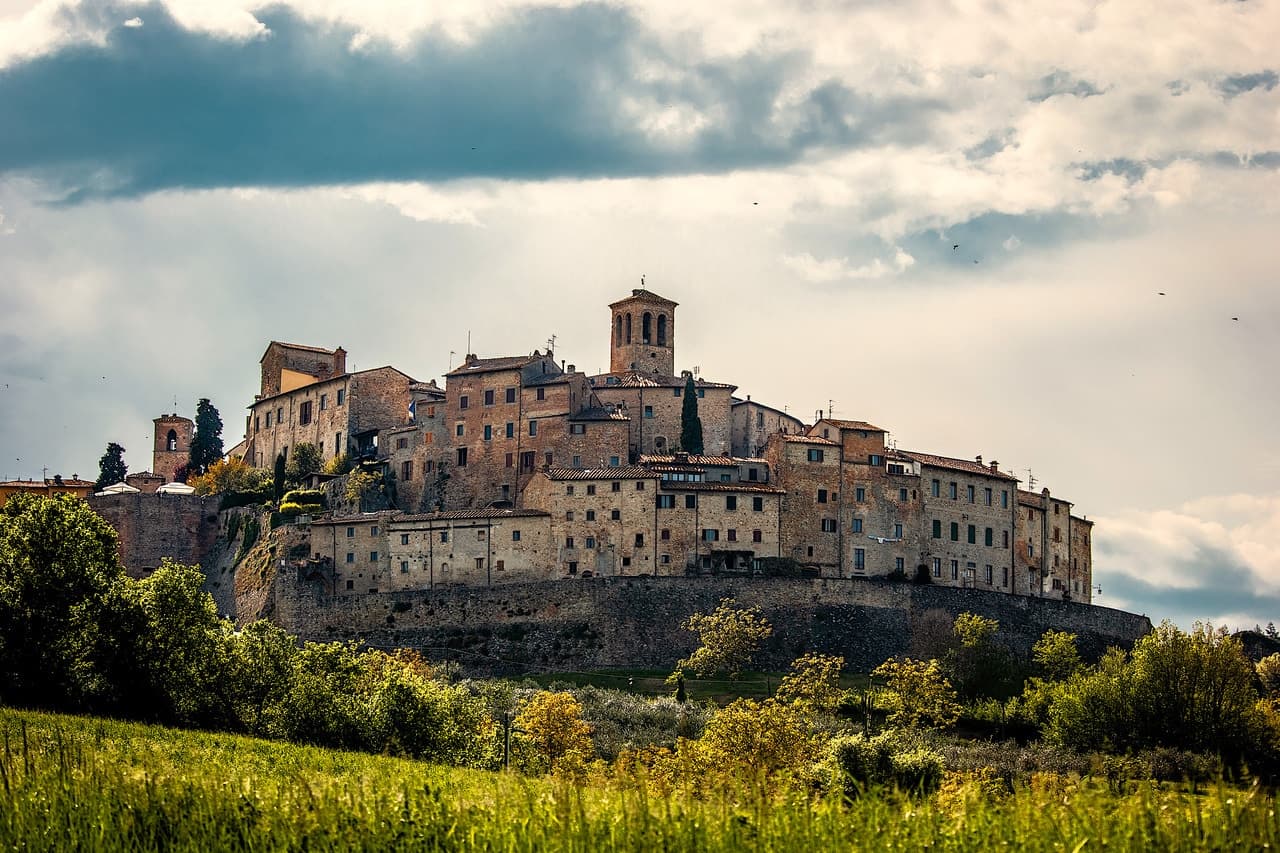
Anghiari
Province: Arezzo · 430 m
A walled medieval town at 430 meters over the upper Tiber valley, where Florence beat Milan in 1440 and Leonardo started the fresco he never finished.
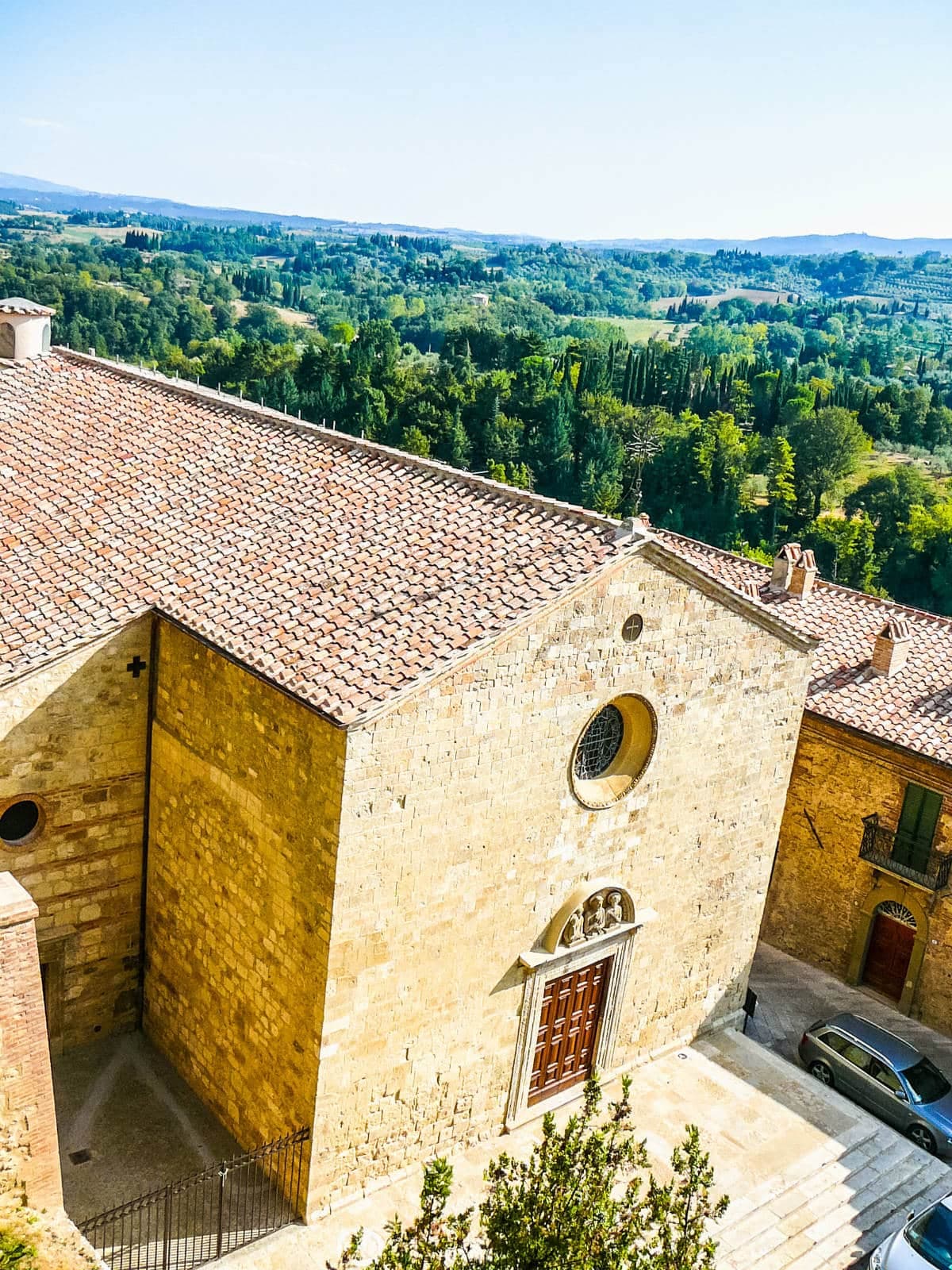
Cetona
Province: Siena · 384 m
A medieval borgo at 384 meters below Monte Cetona, sold by Cosimo I to the Vitelli in 1556 and the centro storico still shaped by their fortress reconstruction.
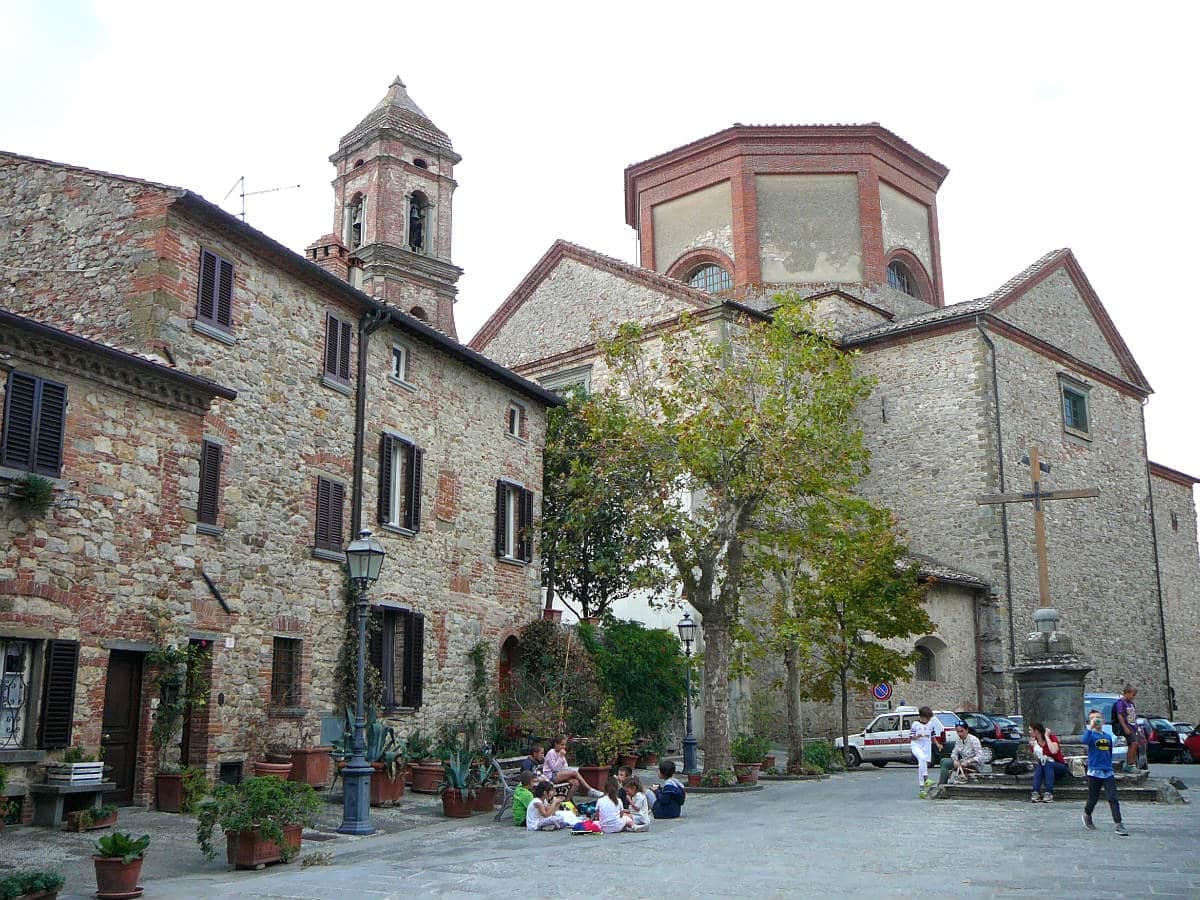
Lucignano
Province: Arezzo · 400 m
A walled elliptical hill town at 400 meters between Siena and Arezzo, planned in medieval concentric rings around the goldsmith's reliquary called the Tree of Life.
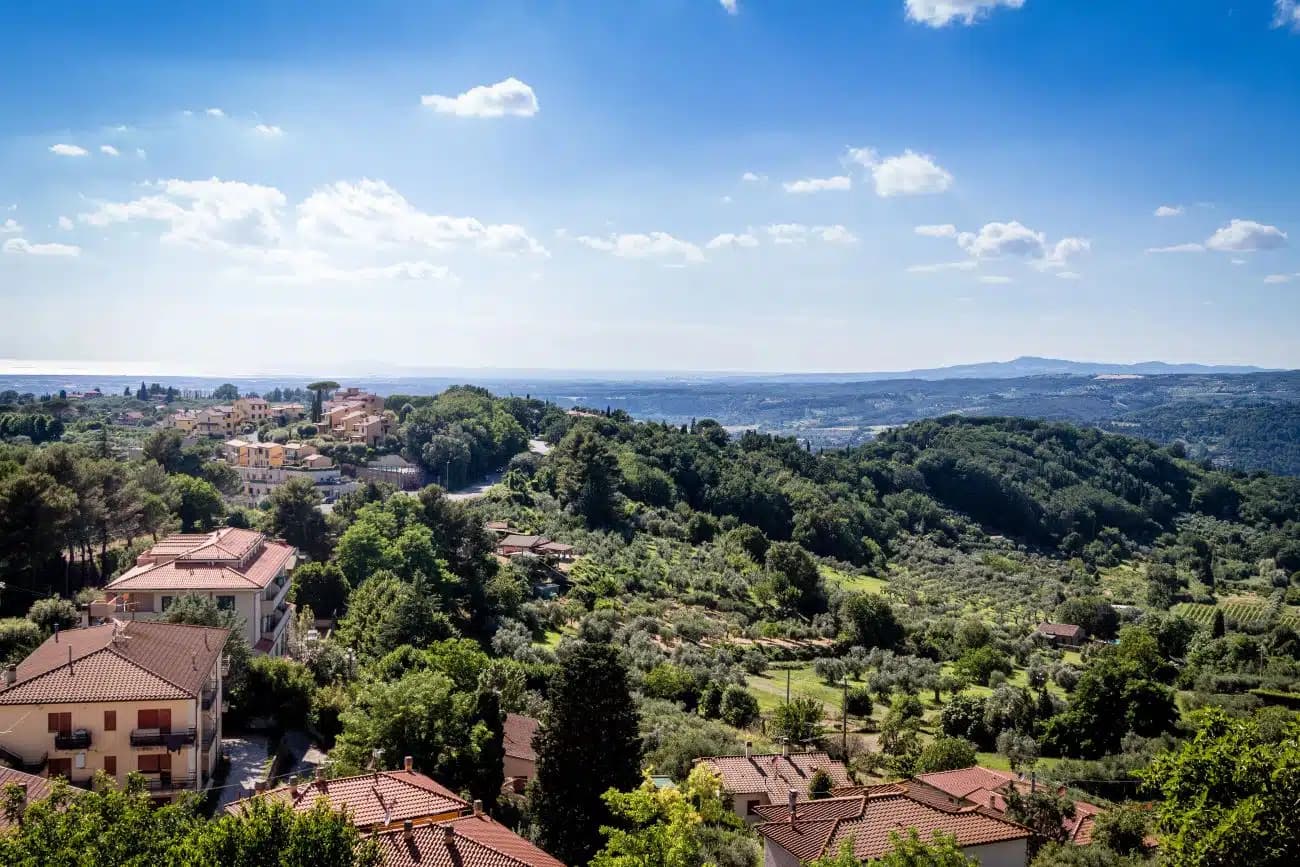
Montescudaio
Province: Pisa · 242 m
A fortified hill borgo at 242 meters above the Val di Cecina, named for a mountain of shields, with DOC wine since 1977 and bread, oil and grape all stamped in its identity.
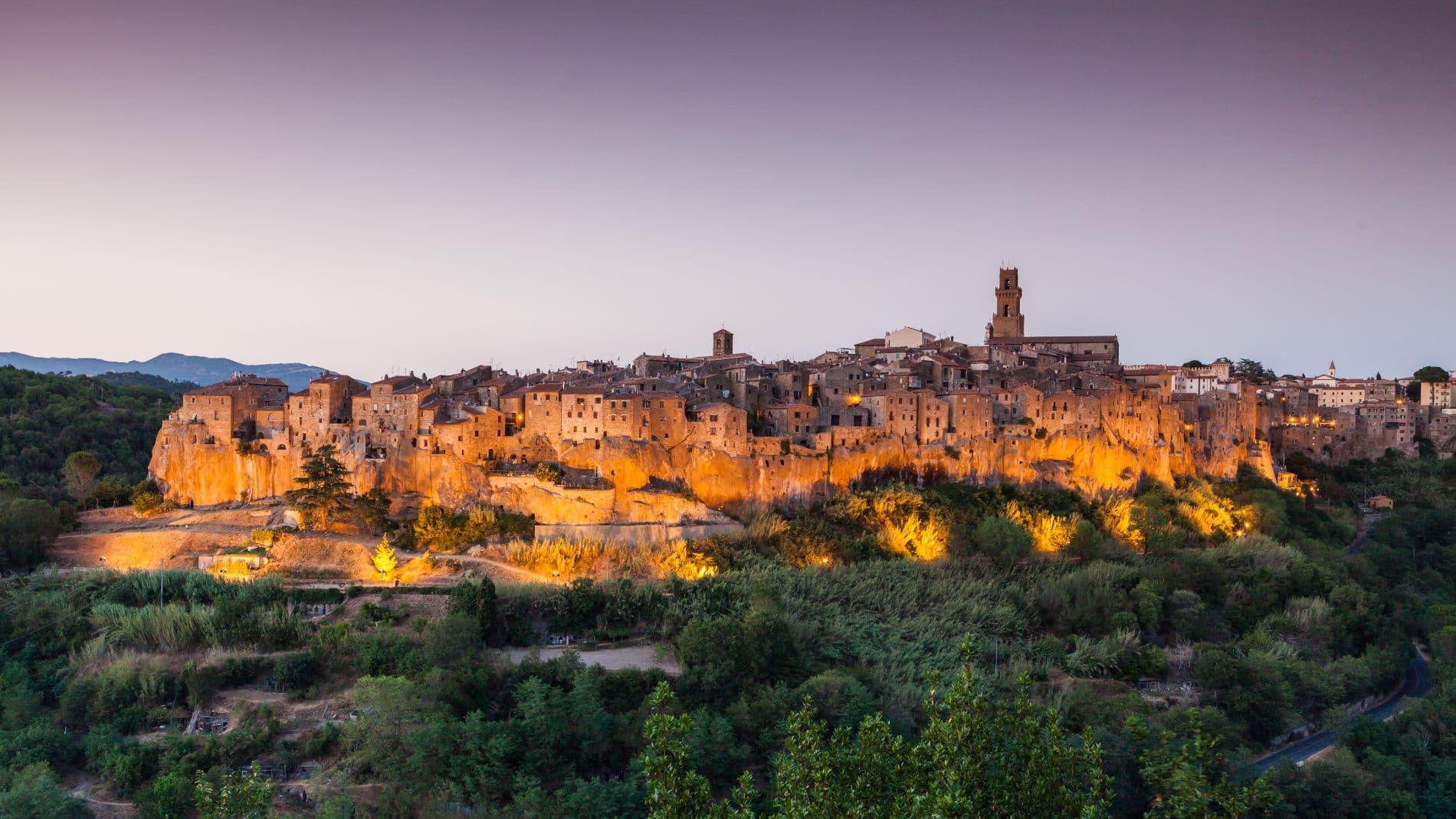
Pitigliano
Province: Grosseto · 313 m
The Little Jerusalem of southern Tuscany, carved into a tuff spur in the Maremma, where the houses, the synagogue and the streets are all cut from the same volcanic rock.
- ✷ We've been
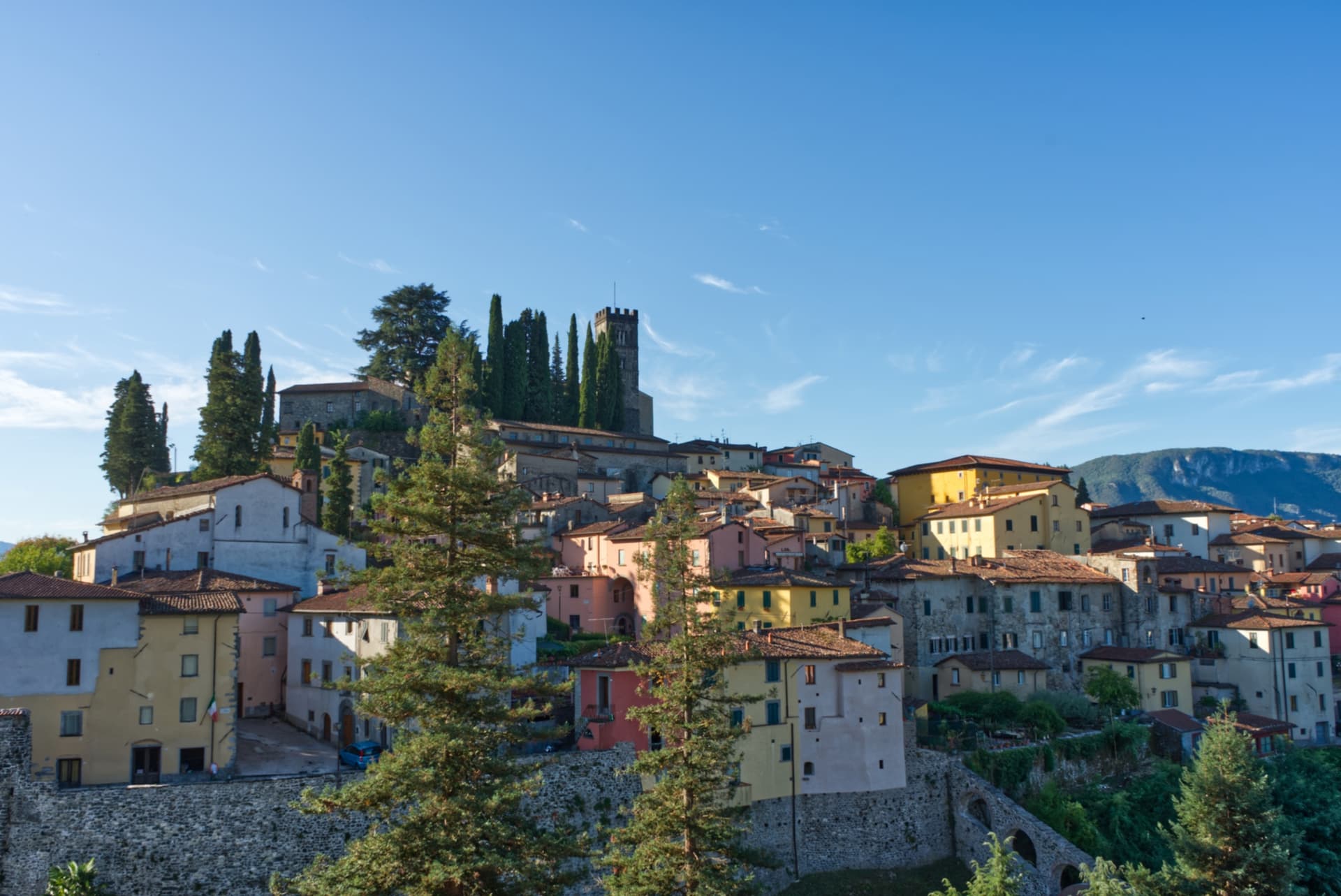
Barga
Province: Lucca · 410 m
A medieval hilltop town at 410 meters in the Serchio valley between the Apuan Alps and the Apennines, where Giovanni Pascoli wrote his last poems and the August festival serves fish and chips.
- ✷ We've been
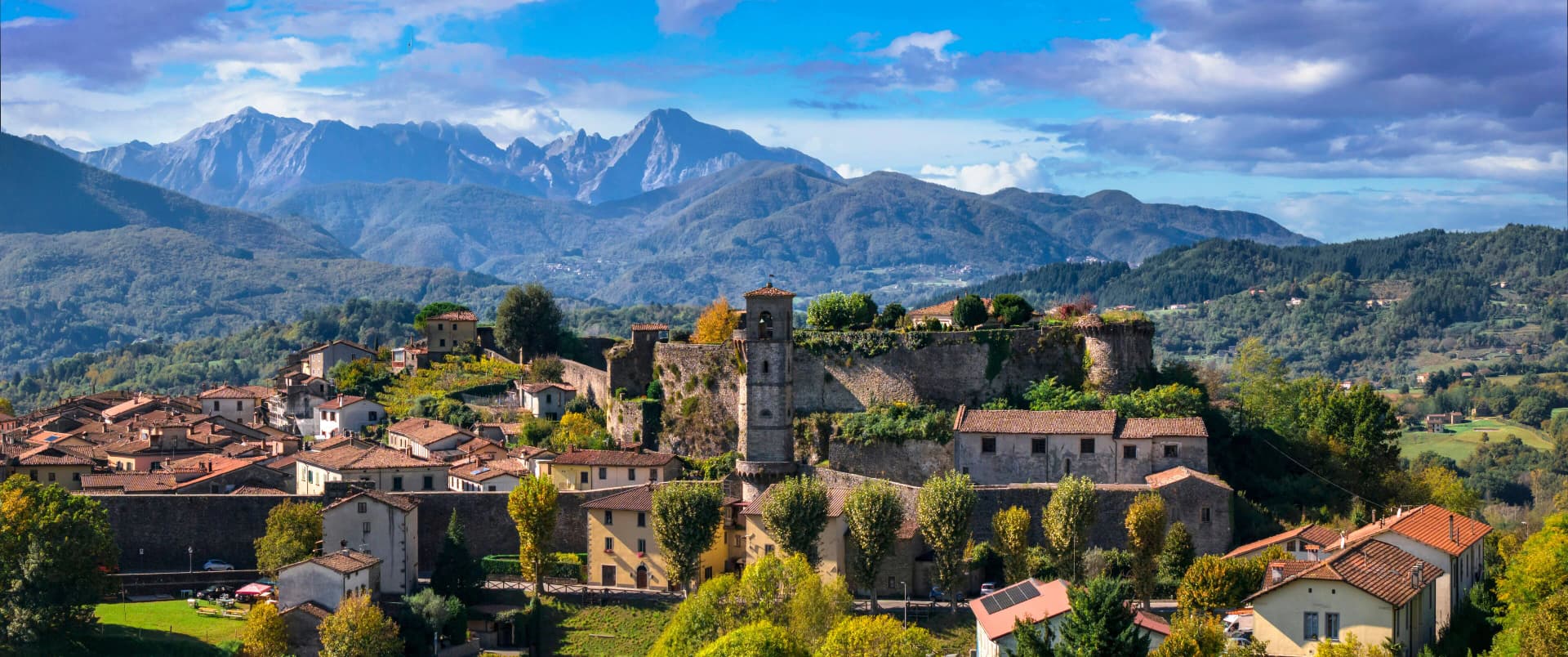
Castiglione di Garfagnana
Province: Lucca · 540 m
A walled medieval town at 540 meters in the Garfagnana, the Lucca outpost that refused to submit to the Este and held the pass to San Pellegrino.
- ✷ We've been
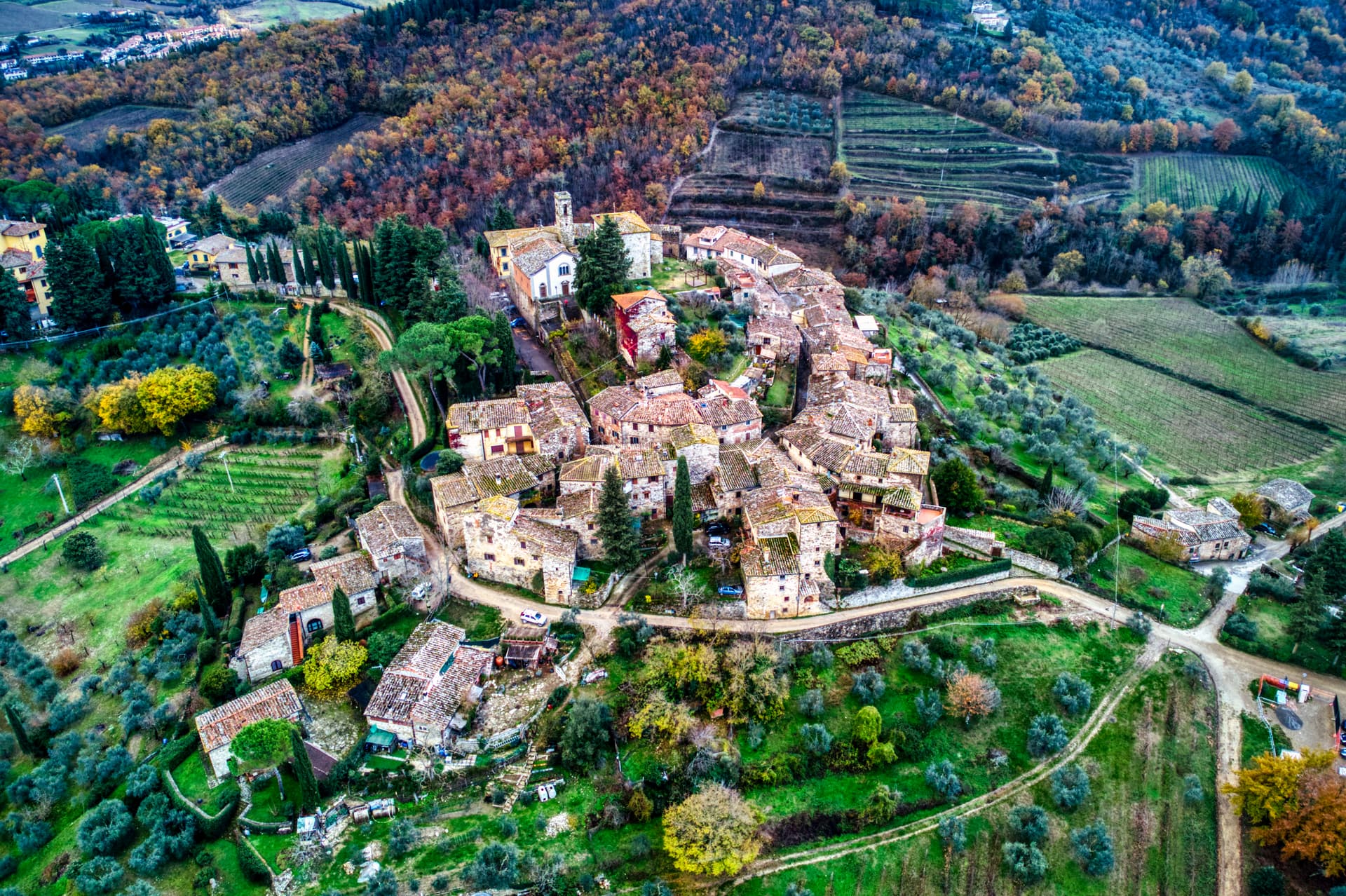
Greve in Chianti
Province: Firenze · 236 m
The market town of the Chianti Classico zone on the Greve river, with a triangular piazza arcaded since the sixteenth century.
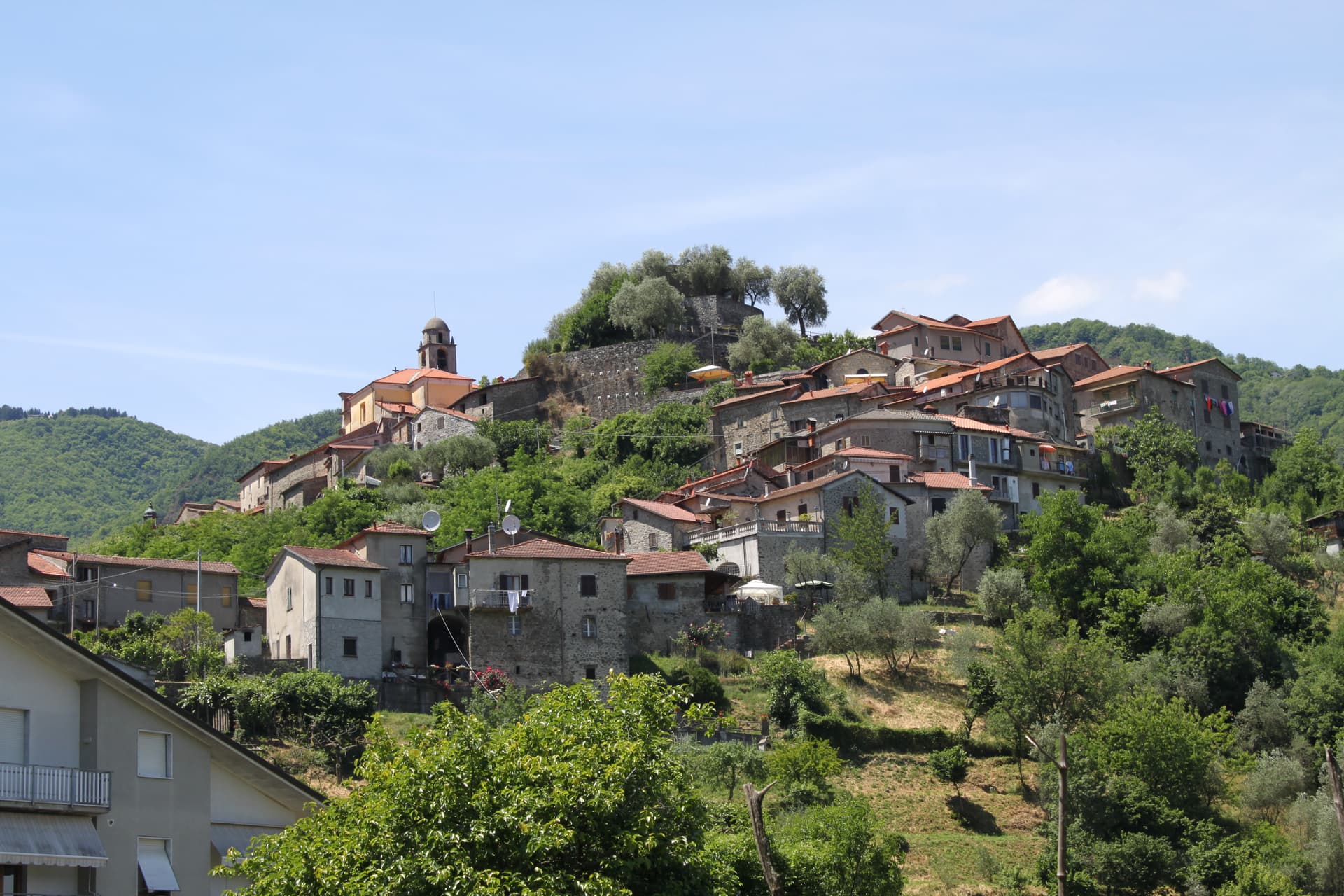
Mulazzo
Province: Massa-Carrara · 351 m
A Malaspina fief in the Lunigiana hills where Dante stayed in 1306, with a frazione of booksellers who walked their wares across Italy.
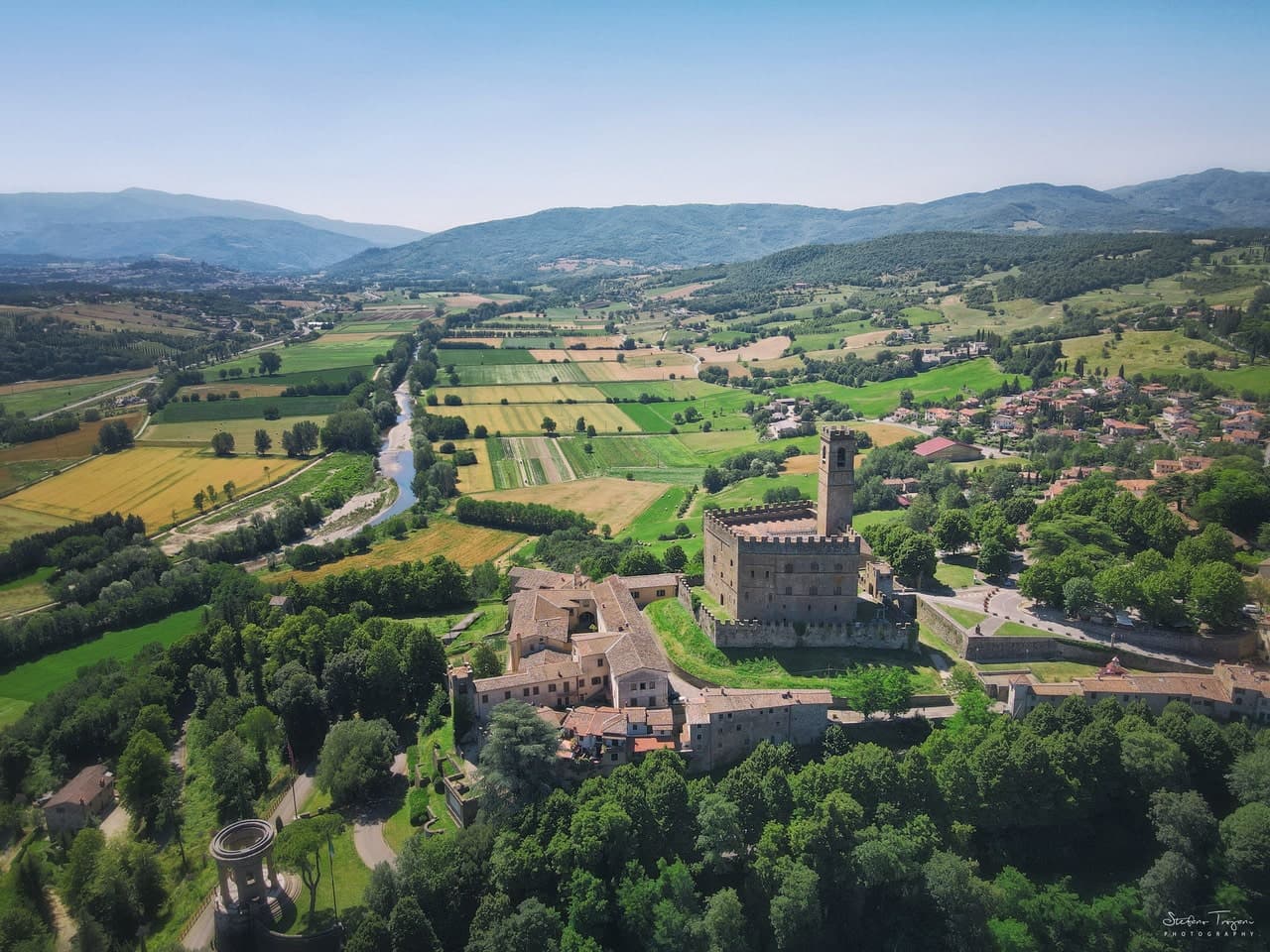
Poppi
Province: Arezzo · 437 m
The Casentino borgo at 437 meters whose castle sat above the field where Dante fought the Battle of Campaldino in June 1289.
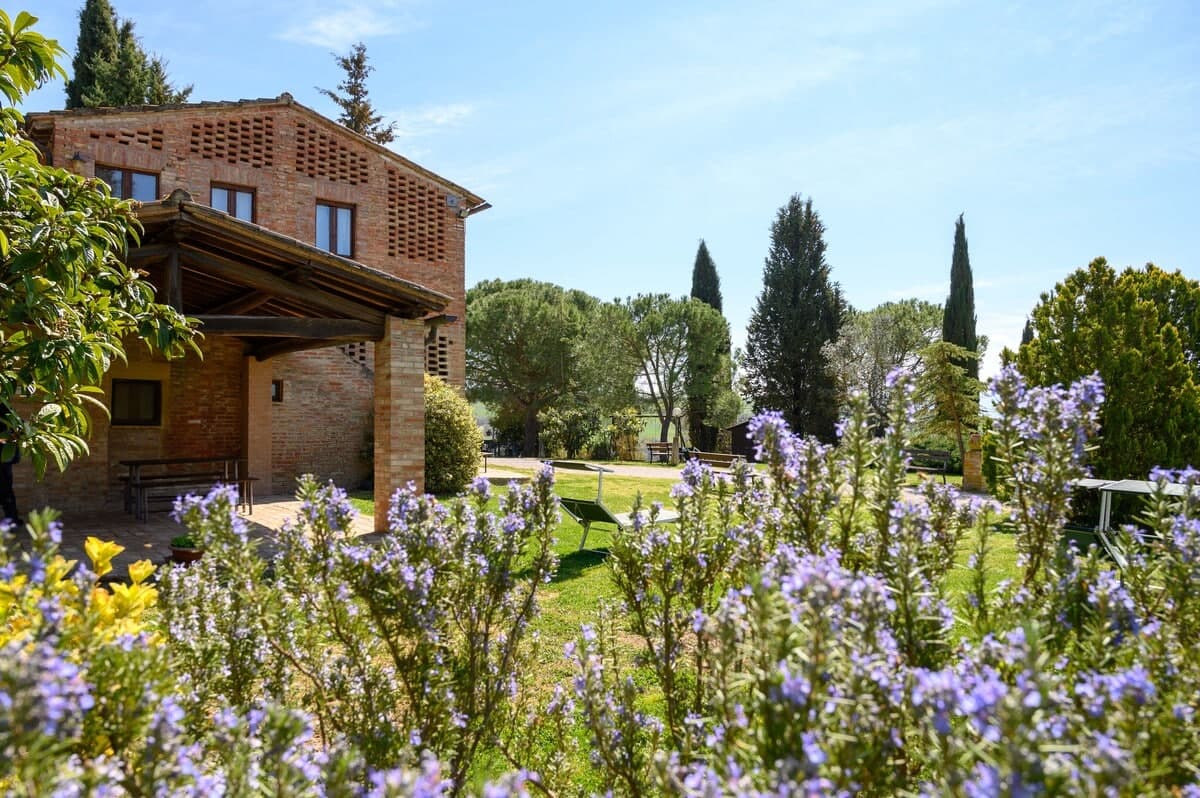
Buonconvento
Province: Siena · 147 m
The walled brick borgo in the Crete Senesi where Emperor Henry VII died in 1313, on the Via Cassia at the confluence of the Arbia and Ombrone.
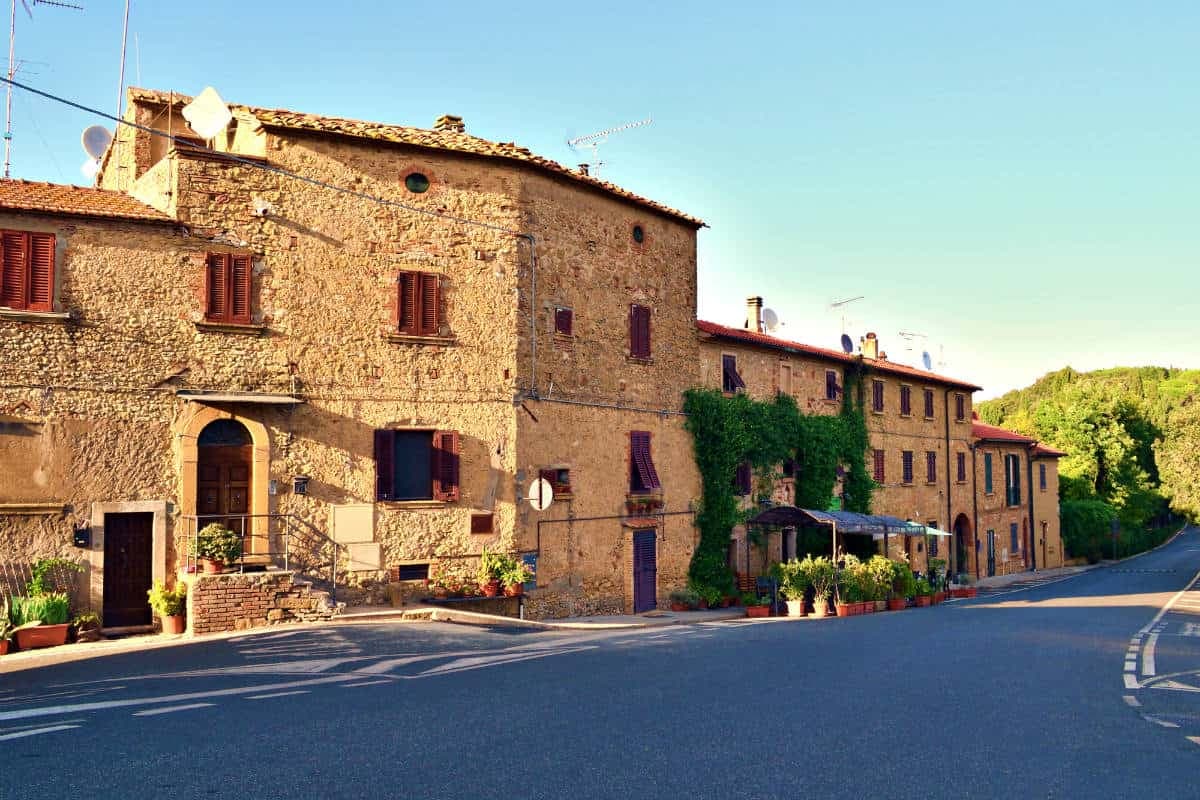
Casale Marittimo
Province: Pisa · 214 m
A concentric stone borgo at 214 meters above the Val di Cecina, built where a seventh-century BC Etruscan outpost of Volterra once stood.
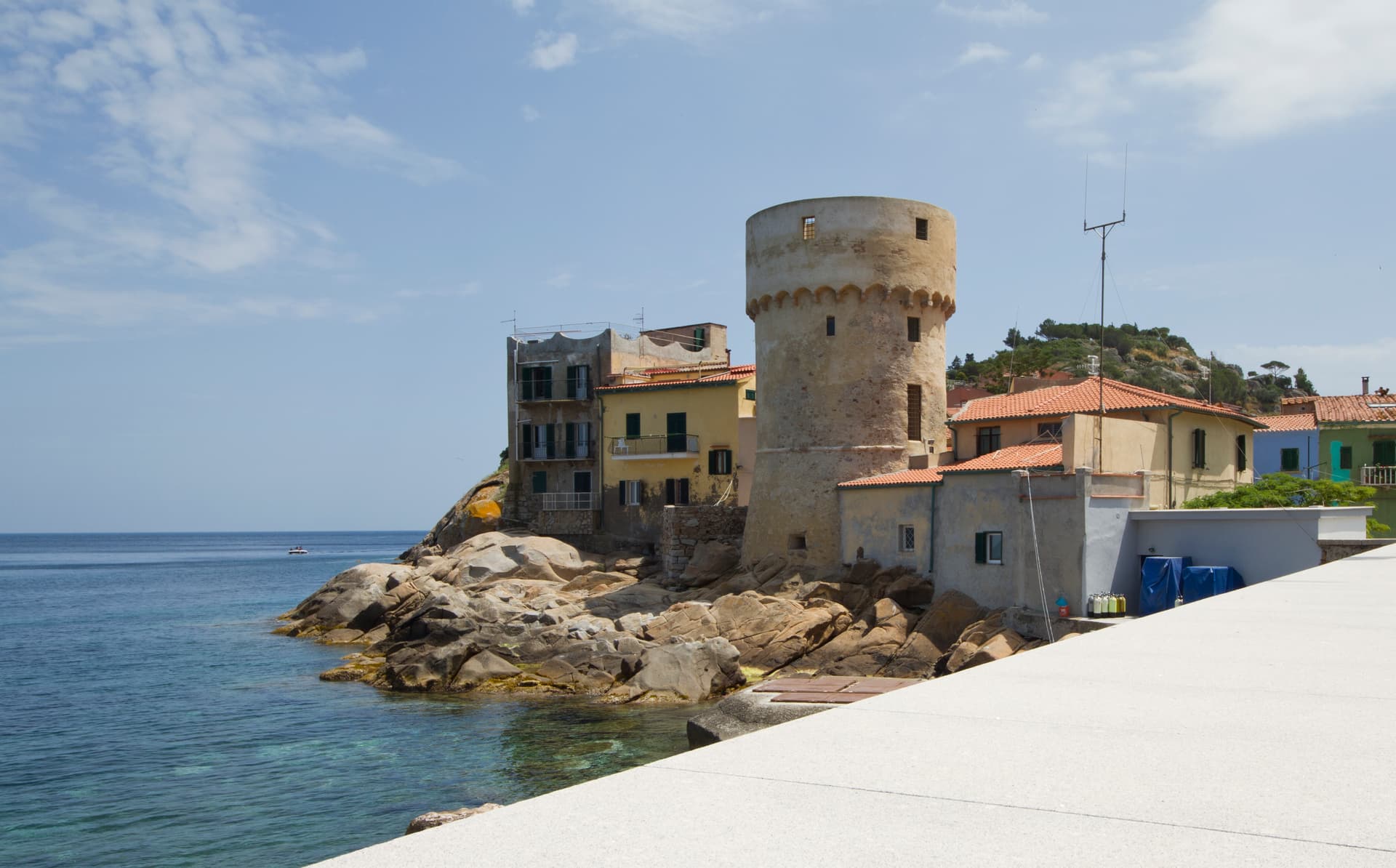
Isola del Giglio
Province: Grosseto · 405 m
A granite island in the Tyrrhenian Archipelago, walled village on the ridge, port below, where the Costa Concordia ran aground in January 2012.
- ✷ We've been
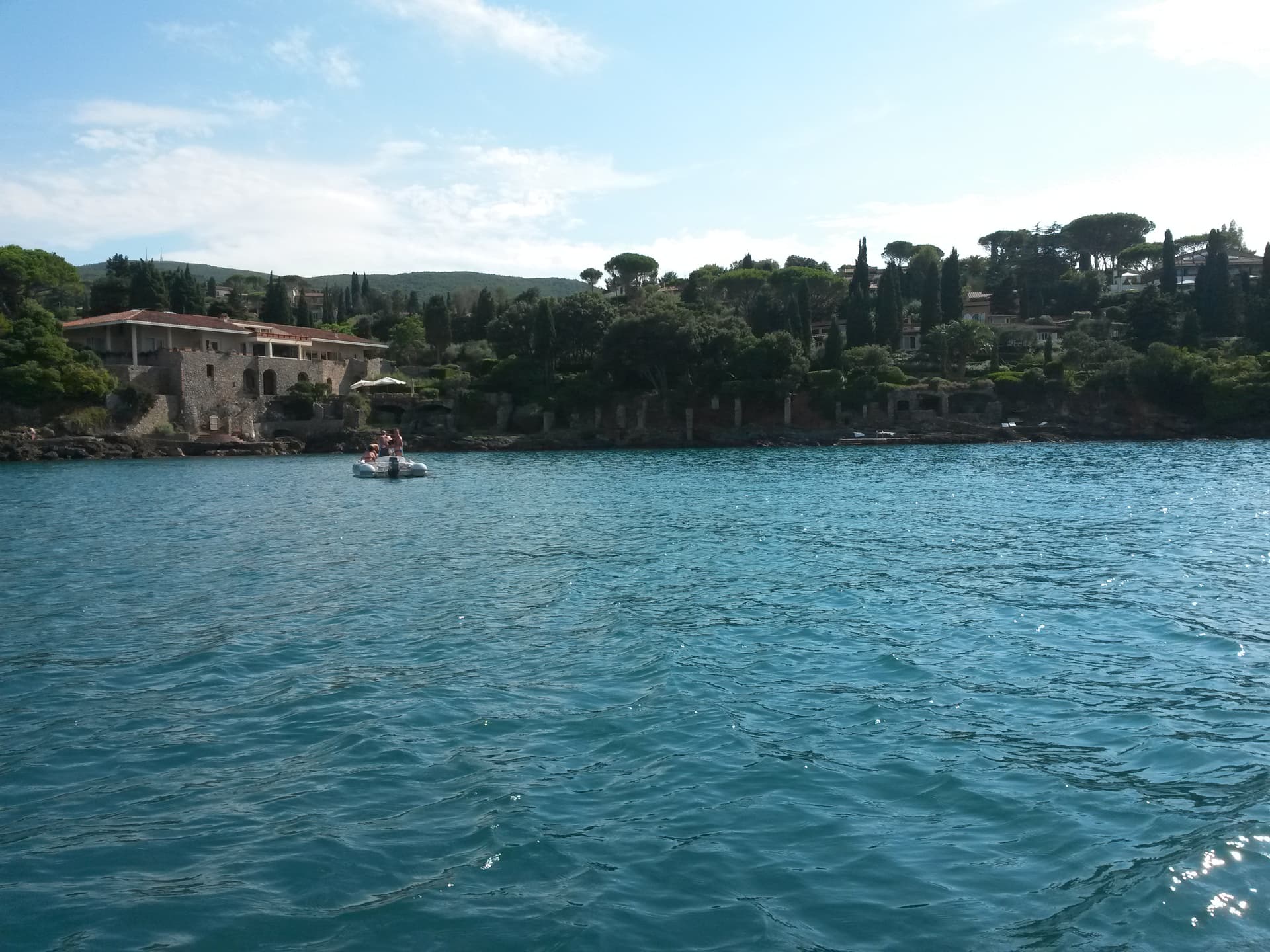
Monte Argentario
Province: Grosseto · 5 m
A 635-meter peninsula tied to the mainland by three sand spits, ringed by Spanish forts and the place where Caravaggio died in 1610.
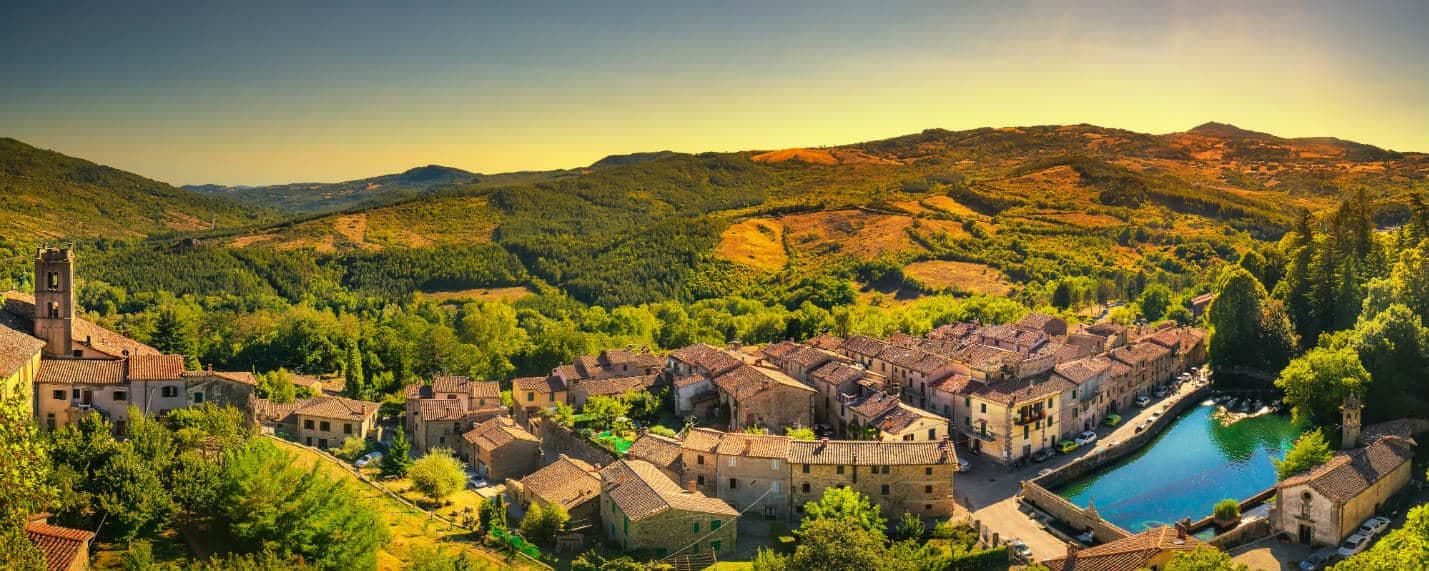
Santa Fiora
Province: Grosseto · 687 m
An Aldobrandeschi and Sforza mountain borgo on Monte Amiata at 687 meters, holding one of the world's largest collections of Della Robbia terracotta.
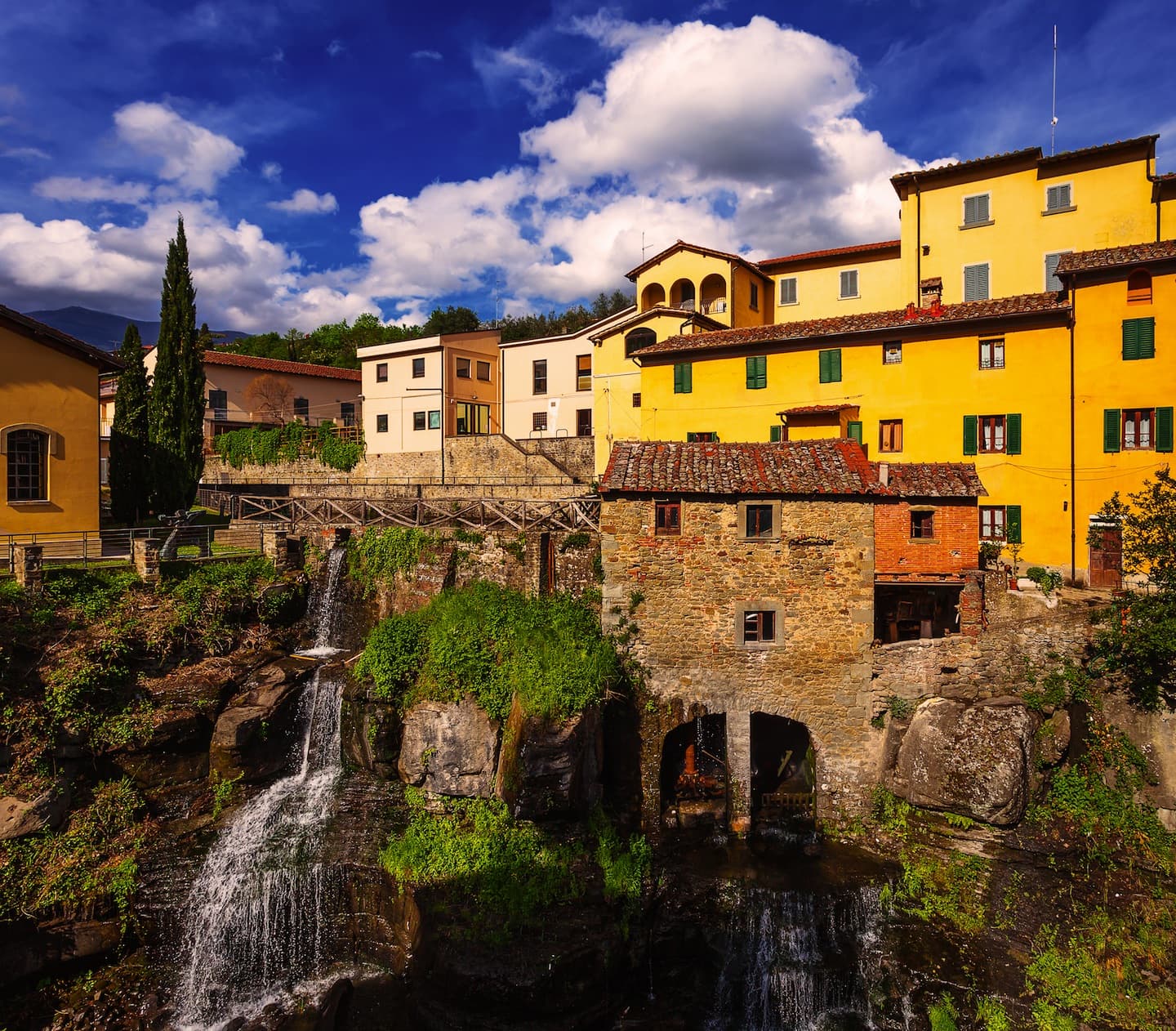
Loro Ciuffenna
Province: Arezzo · 330 m
A Valdarno village at 330 meters straddling the Ciuffenna torrent, with the oldest working water mill in Tuscany and a Lombard pulpit two kilometers up the road.
Subscribe — free
Get the best guides on hidden Italian towns.
One letter on Sundays. The week’s town, with the photo, the food, the festa. Free, by Peter & Sophia from Pietrasanta.
Substack sends a confirmation link to your inbox. The signup finishes when it’s clicked.
From elsewhere in Italy
Five more towns to discover
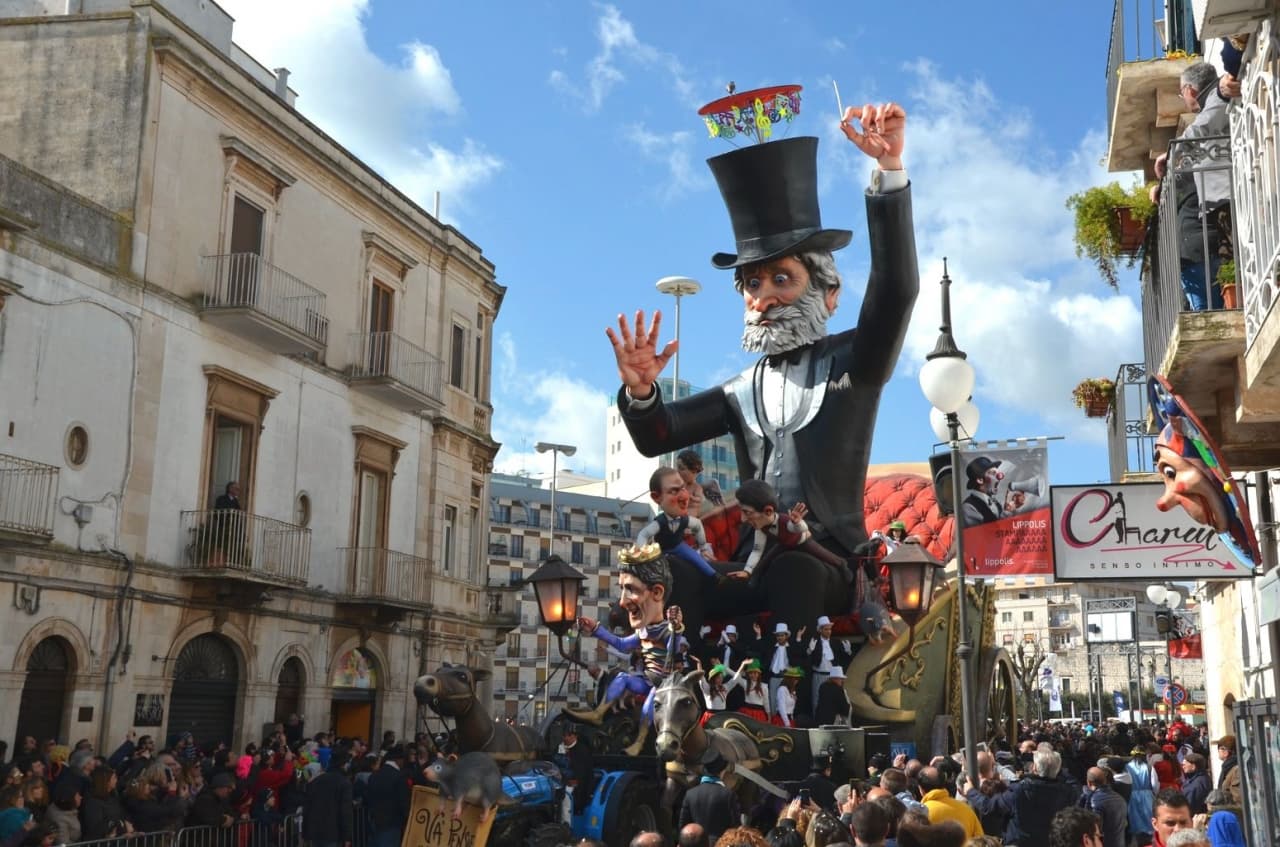
Putignano
Province: Bari
Europe's longest-running carnival — Putignano Carnevale has run continuously since 1394, with 631 years of cartapesta papier-mâché floats, a 26,000-resident Murgia town on the Bari–Lecce plateau, and the Grotta del Trullo karst cave inside the centro.

Pistoia
Province: Pistoia
Italy's nursery capital and the medieval Tuscan rival that gave its name to the pistol — a quietly extraordinary centro storico of zebra-striped Romanesque churches, Andrea della Robbia's polychrome frieze on the Ospedale del Ceppo, and Italy's Capital of Culture 2017, all 30 minutes from Florence by train.
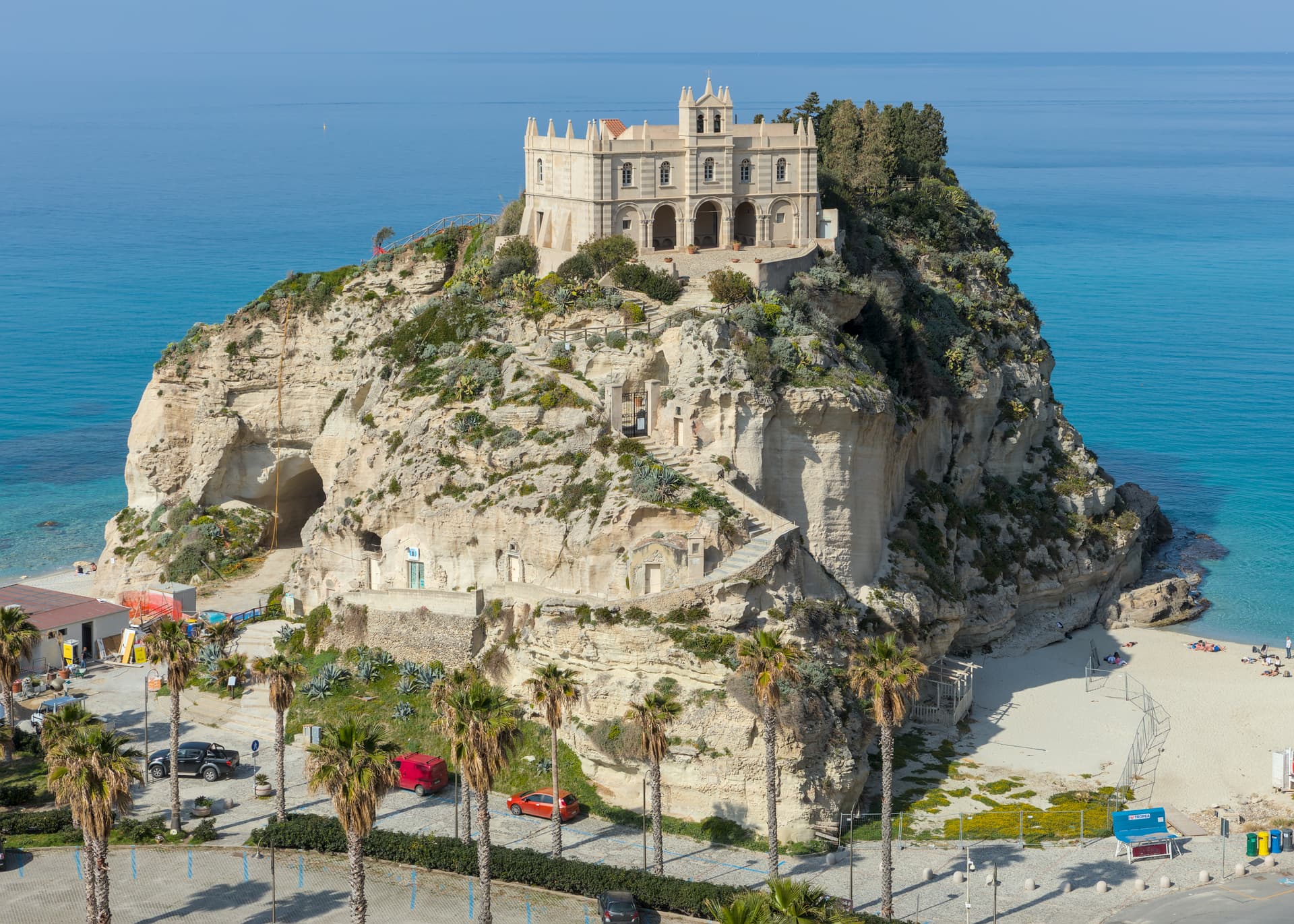
Tropea
Province: Vibo Valentia
Cliff town on a tufa headland over the Tyrrhenian Coast of the Gods, with a Norman monastery on a sea rock.
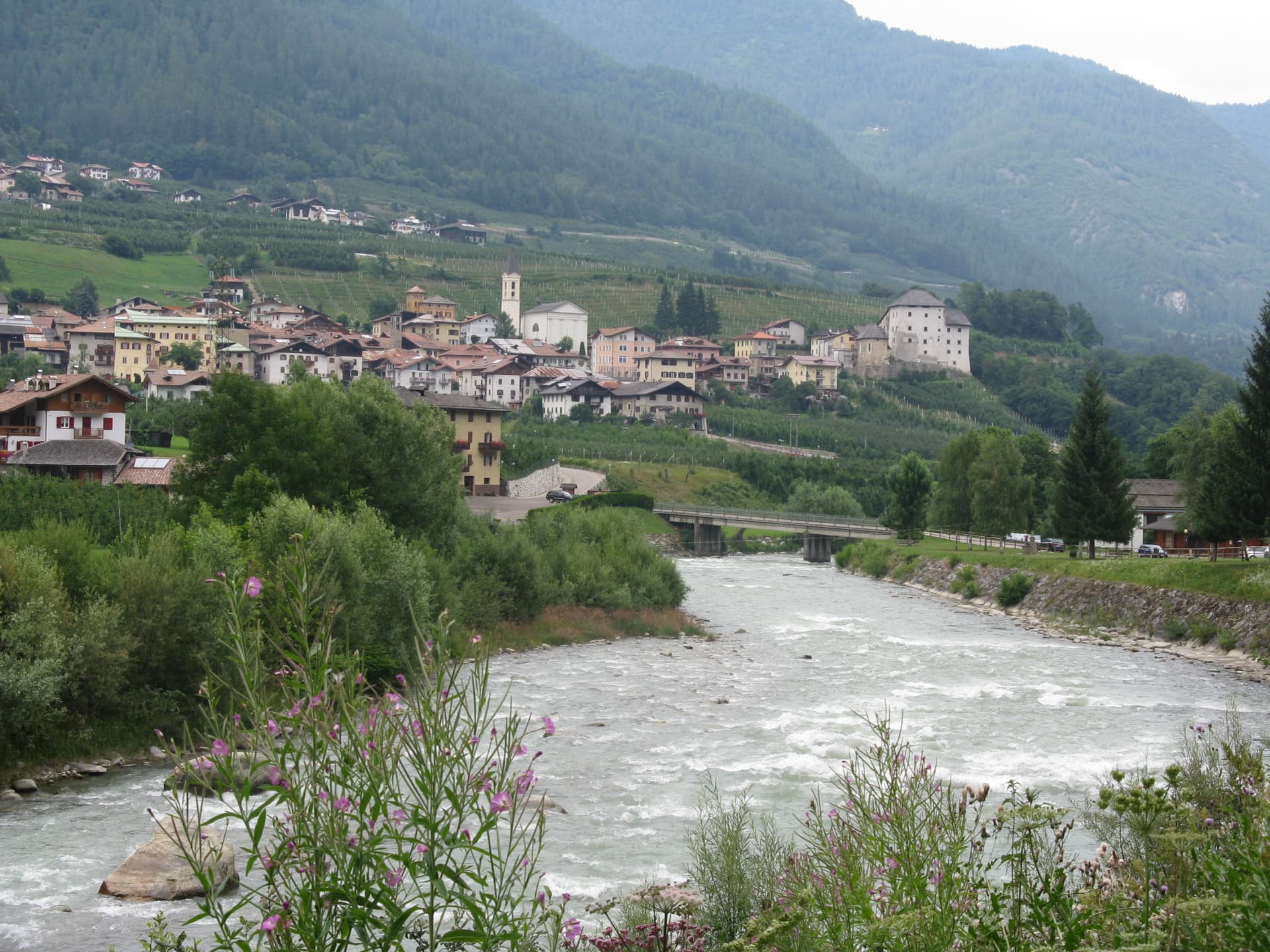
Caldes
Province: Trento
A scattered Val di Sole commune on the Noce, six hamlets gathered around a thirteenth-century tower-house castle that once belonged to the Thun family.
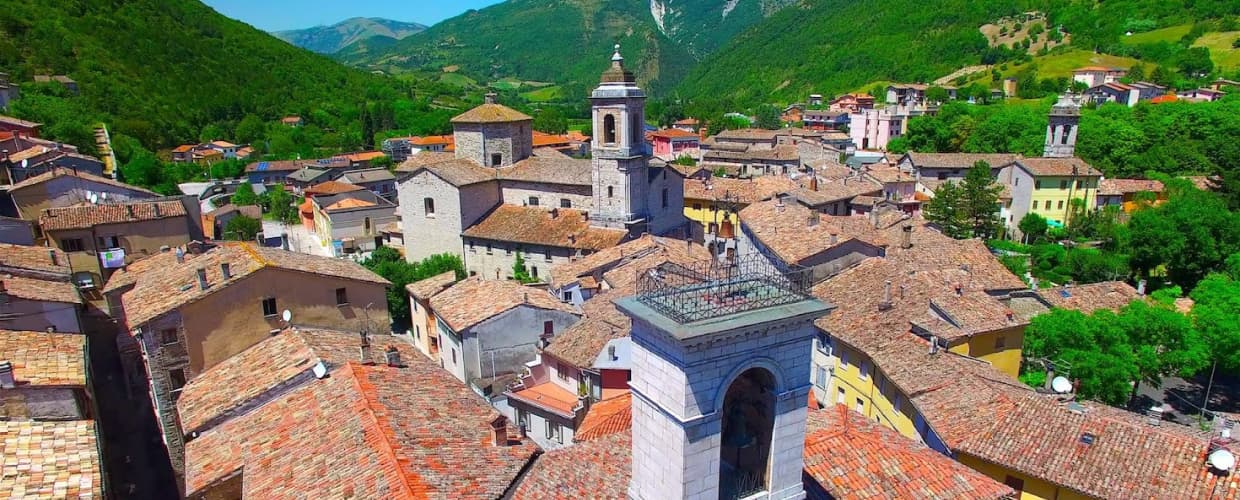
Cantiano
Province: Pesaro e Urbino
A border borgo at 374 meters under Monte Catria on the old Via Flaminia, known for the Good Friday Turba and the sour-cherry visciola harvest.