
Riserva Naturale
Riserva Naturale in Sicily
27 towns
Sicily has 27 Riserva Naturale communes in our index. They cluster in the Siracusa, Palermo, and Agrigento provinces.
The three most recognised in our catalogue are Sambuca di Sicilia, Menfi, and Montalbano Elicona. 24 more towns carry the mark alongside them.
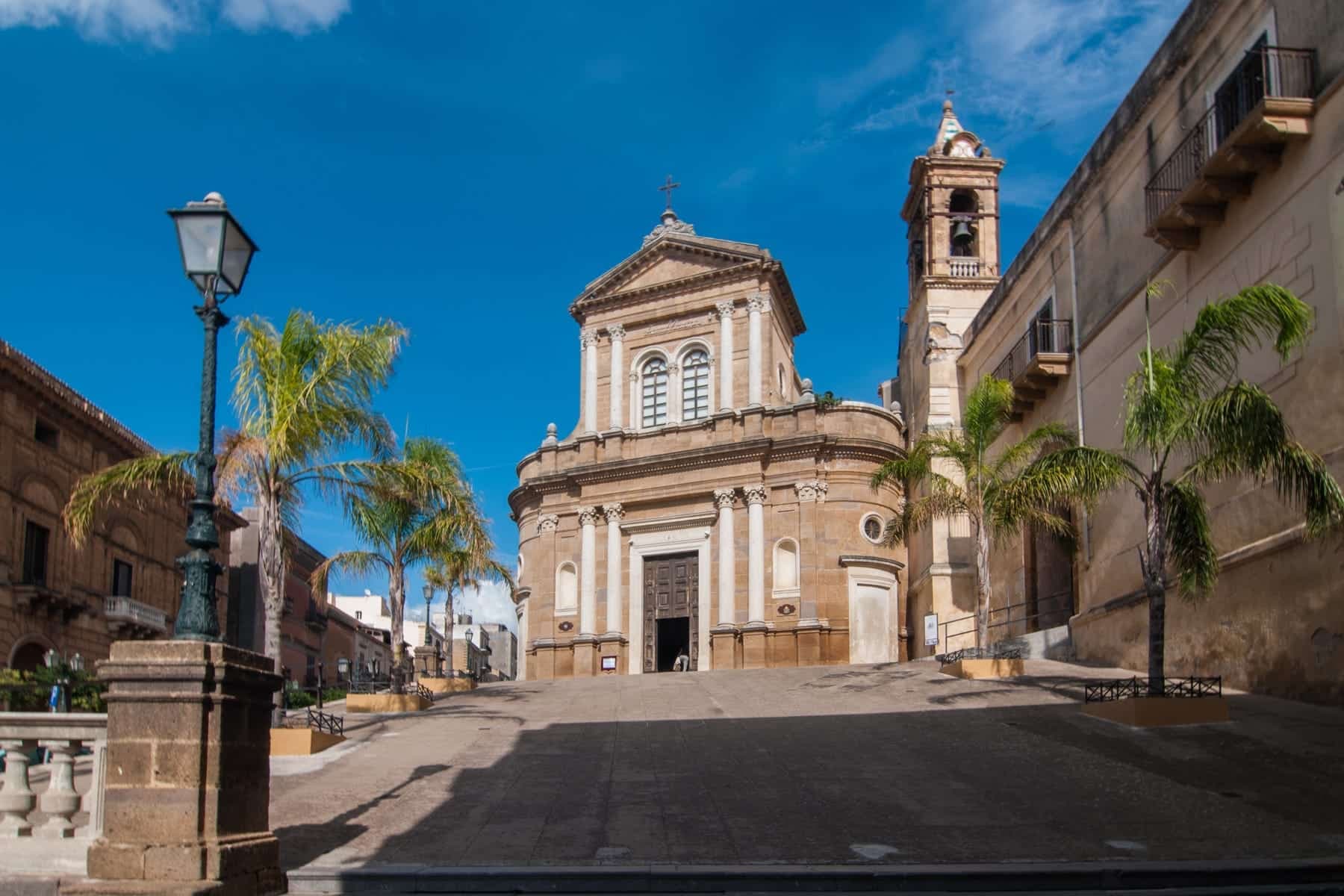
Sambuca di Sicilia
Province: Agrigento · 350 m
An Arab-founded hill town in the Belice valley, named Borgo dei Borghi in 2016, still called Zabut in living memory before 1923.
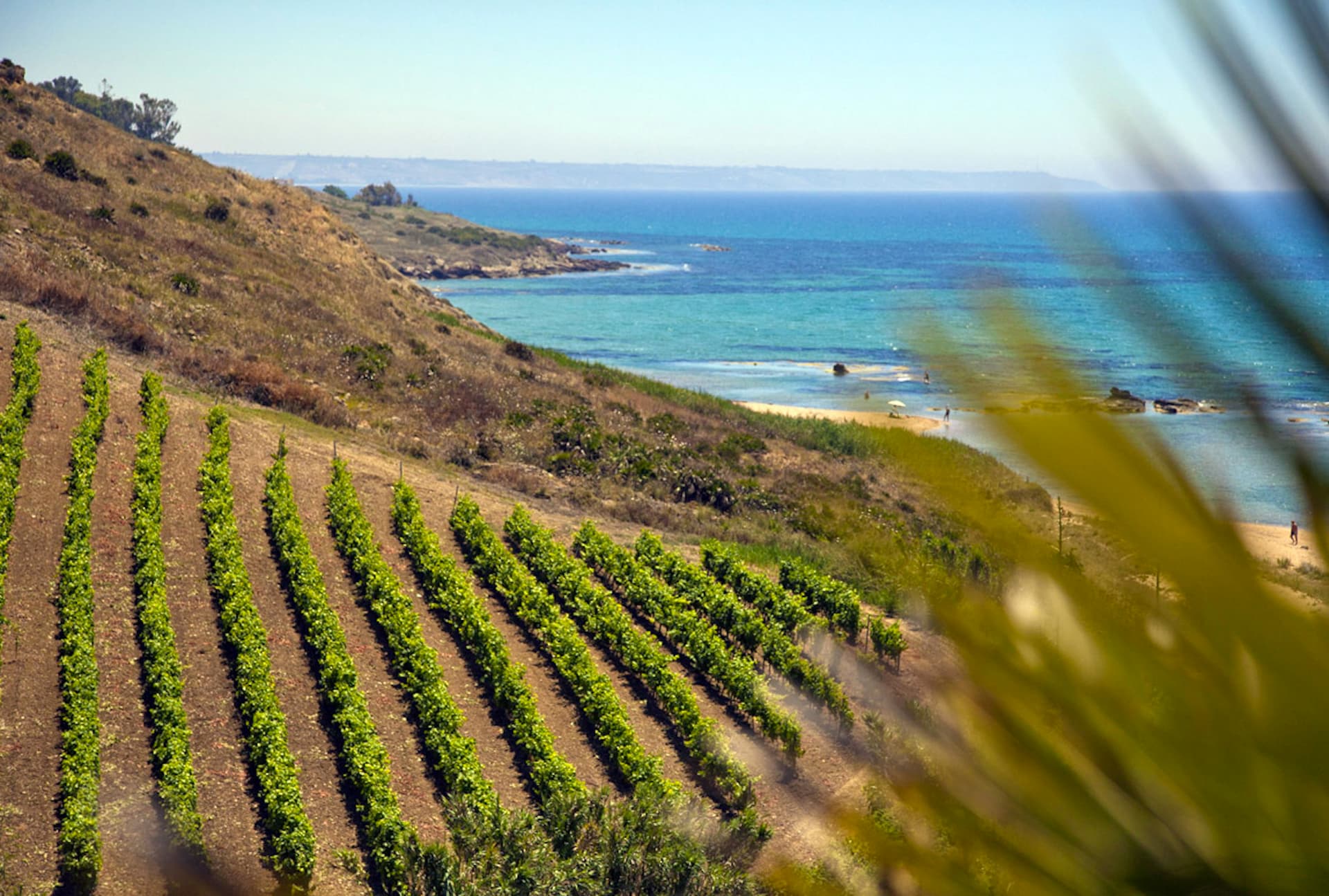
Menfi
Province: Agrigento · 119 m
Sicily's triple-signal western coast town — 11,800 residents on a low ridge above 9 km of Bandiera Blu sand at Porto Palo, with the Federico II tower, the Cantine Settesoli cooperative (Italy's largest by volume, 2,000 grower-members), and the rare Bandiera Blu + Città del Vino + Città dell'Olio combination.
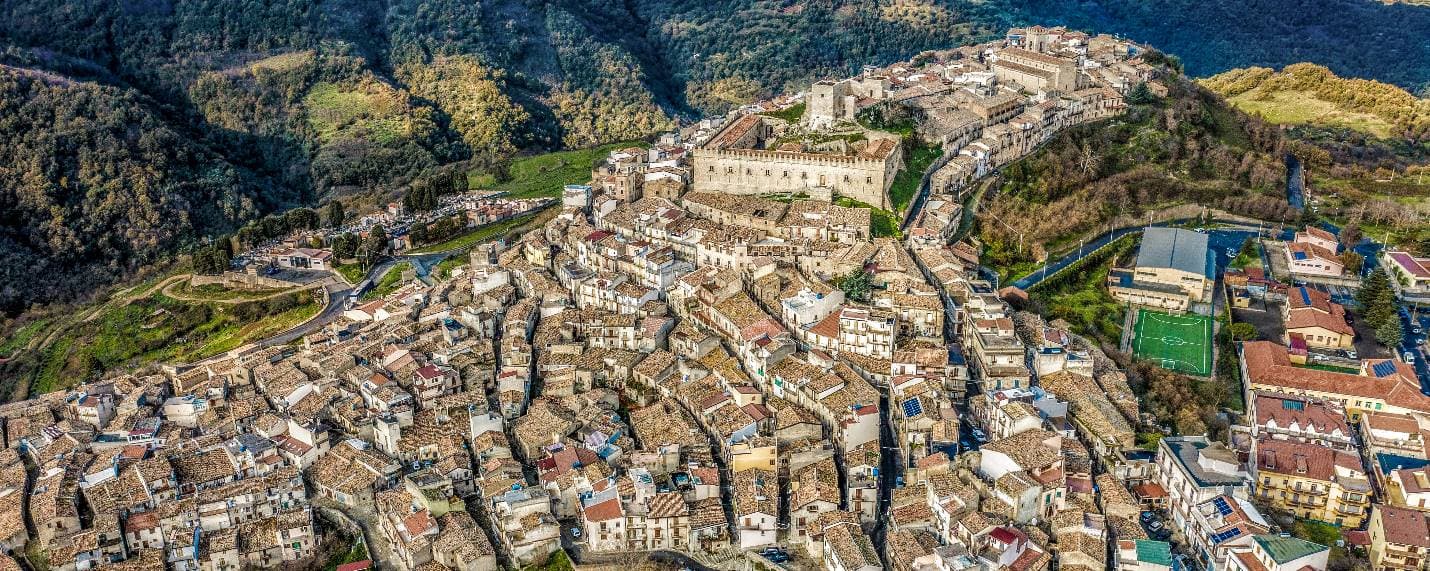
Montalbano Elicona
Province: Messina · 907 m
A Nebrodi castle town at 907 meters, Frederick III of Aragon's summer residence and gateway to the Argimusco megalithic plateau.
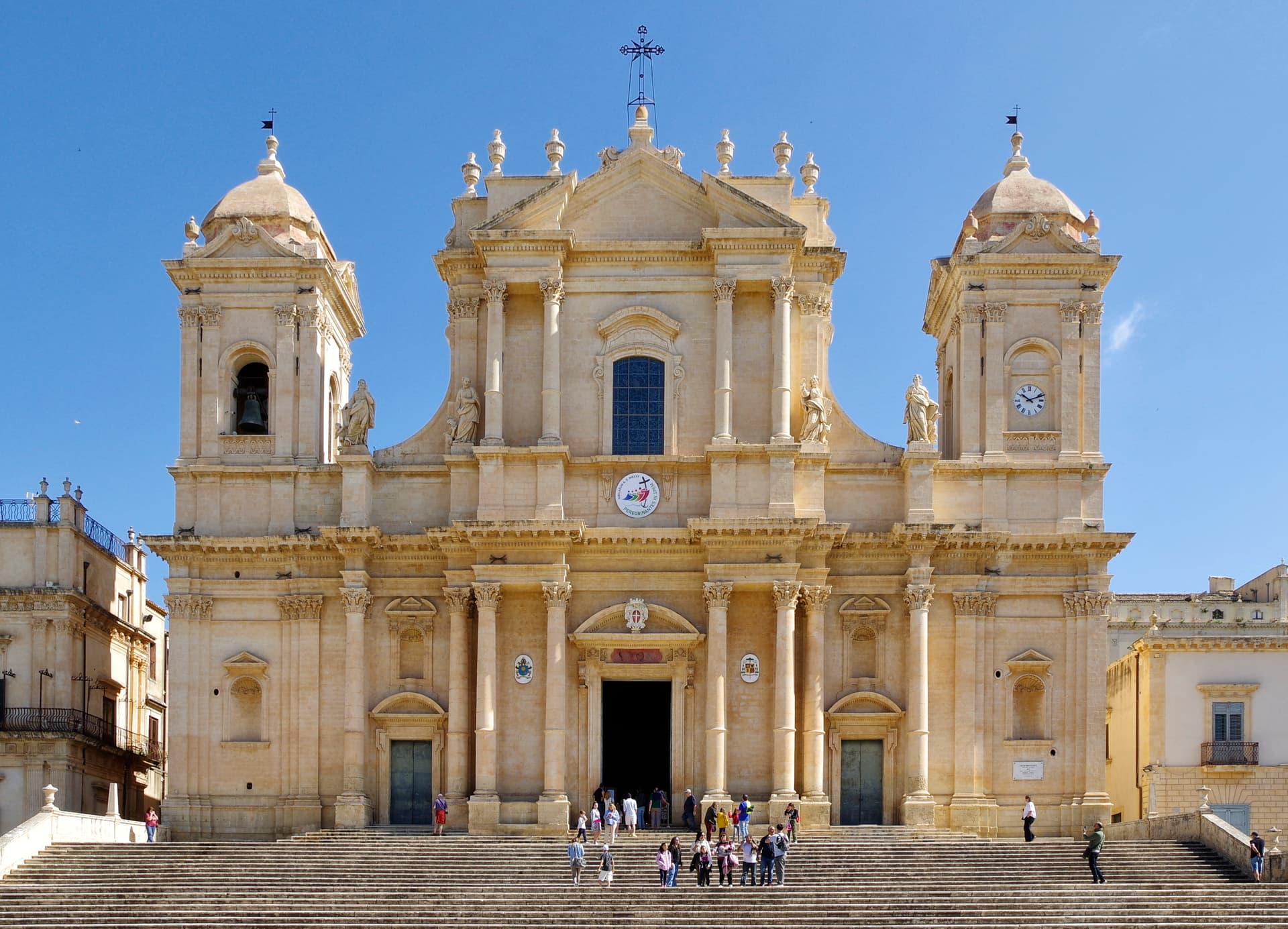
Noto
Province: Siracusa · 152 m
The capital of Sicilian Baroque, rebuilt in golden limestone after 1693 and the UNESCO showcase for the Late Baroque Towns of the Val di Noto.
Palazzolo Acreide
Province: Siracusa · 670 m
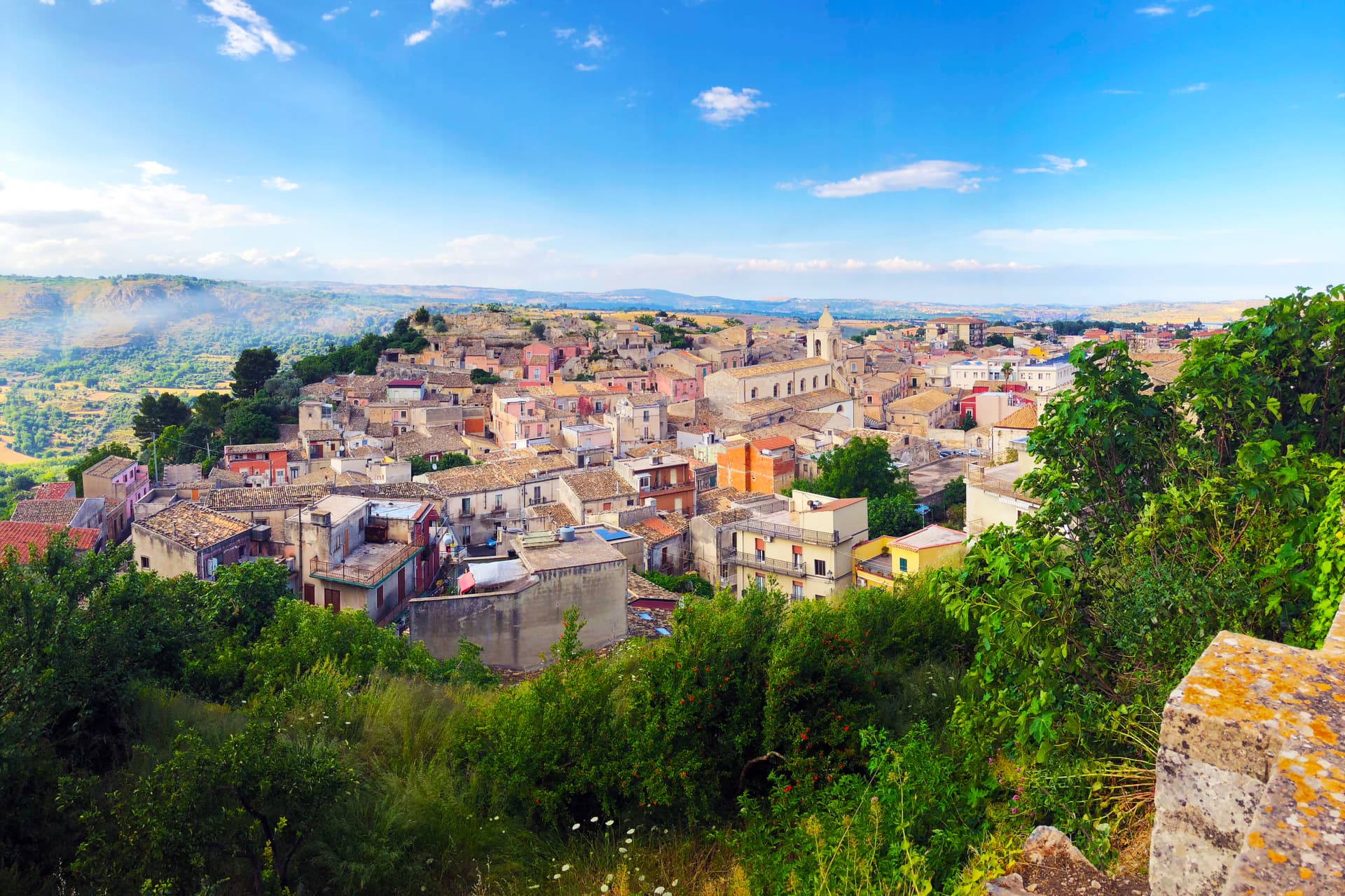
The Iblei plateau's UNESCO Baroque + Greek twin — 8,000-resident hilltop town at 670m, founded over the Greek Akrai colony (664 BC), rebuilt entirely in late Baroque after the 1693 earthquake (inscribed on the Val di Noto UNESCO listing 2002), with the original Greek theatre + the unique Santoni rock carvings of Cybele just outside the modern centro.
Pantelleria
Province: Trapani · 8 m
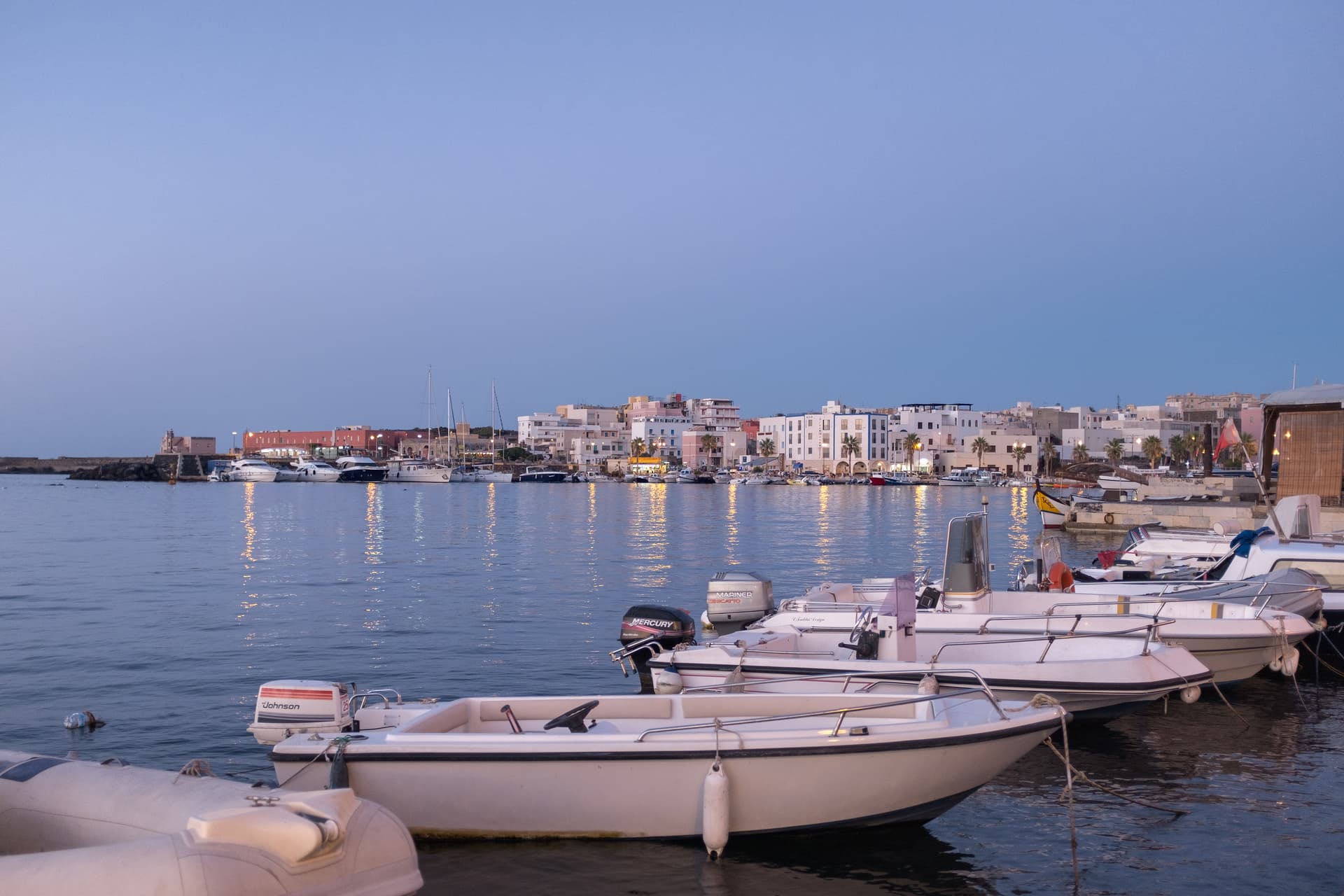
A volcanic island closer to Tunisia than Sicily, where dry-stone dammusi sit among bush-trained Zibibbo vines listed by UNESCO.
Ragusa
Province: Ragusa · 502 m
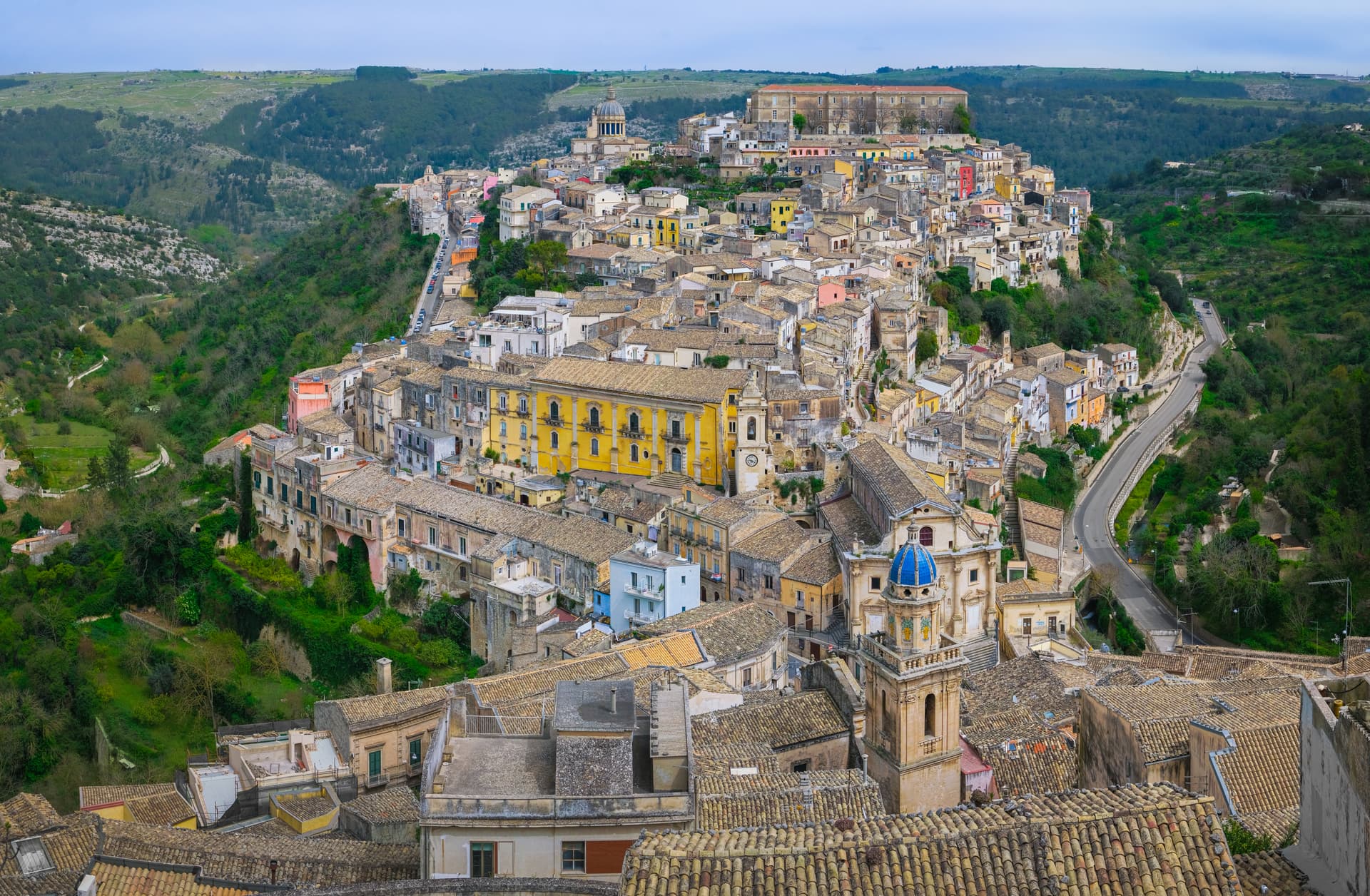
Two cities in one on a Hyblean plateau at 502 meters, Ragusa Ibla and Ragusa Superiore split by a ravine after 1693, both UNESCO Baroque.
Caltagirone
Province: Catania · 611 m
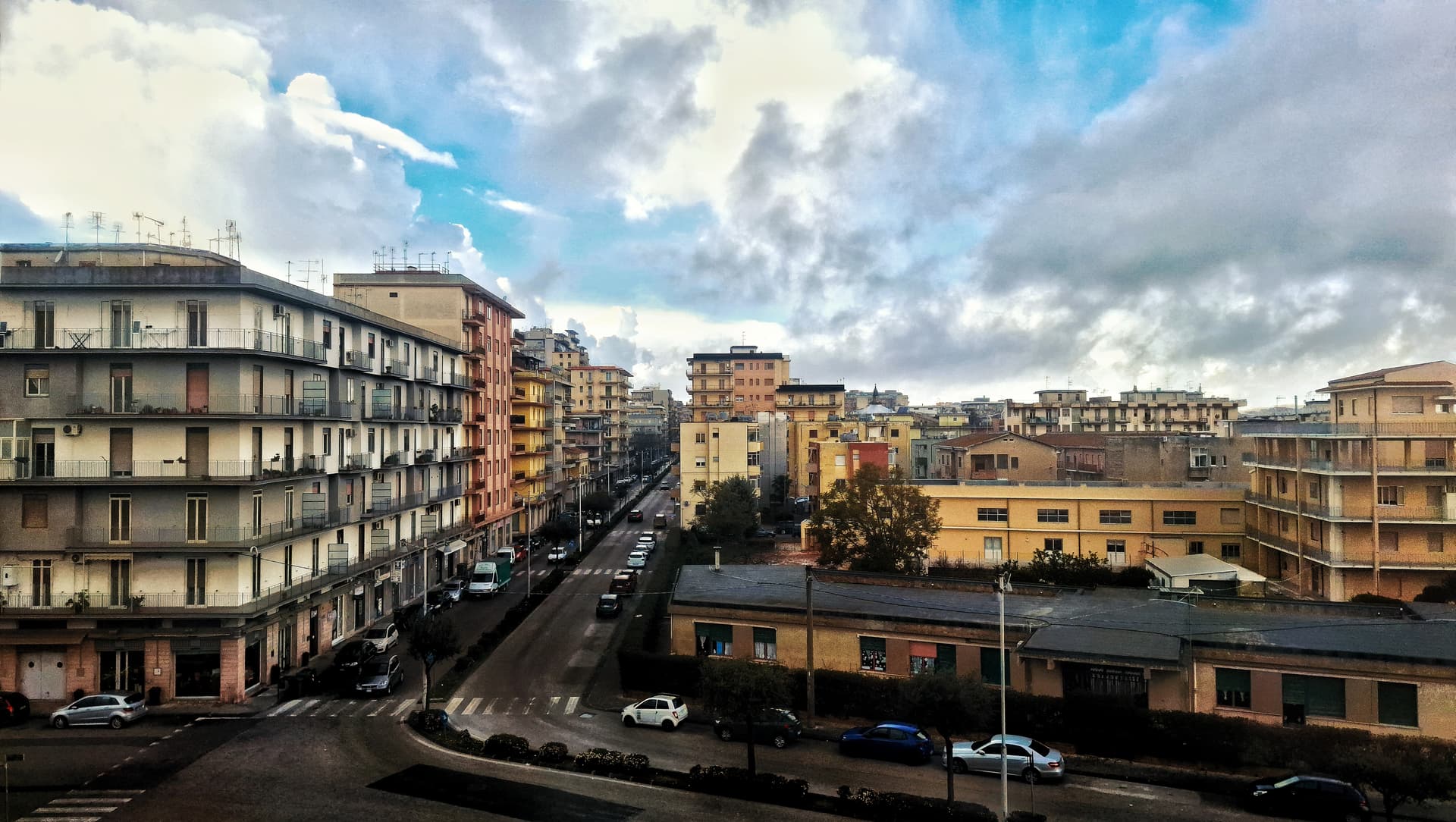
Sicily's ceramic capital at 611 meters on the Erei ridge, 142 majolica-tiled steps to Santa Maria del Monte and a Val di Noto UNESCO baroque rebuild.
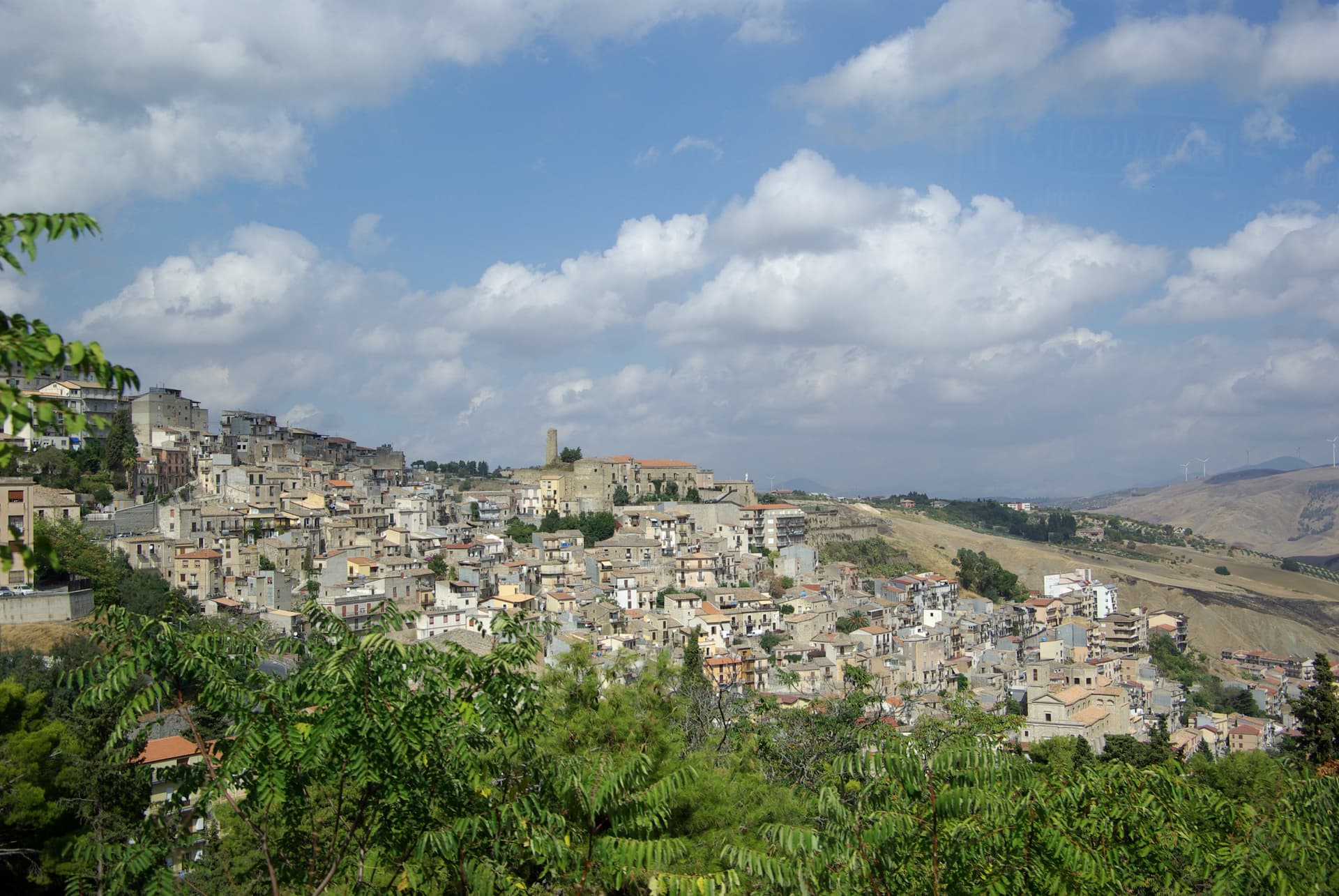
Cammarata
Province: Agrigento · 700 m
A Sicani town at 700 meters on the northeast slope of Monte Cammarata, the 1,578-meter peak that gives the comune its name and shape.
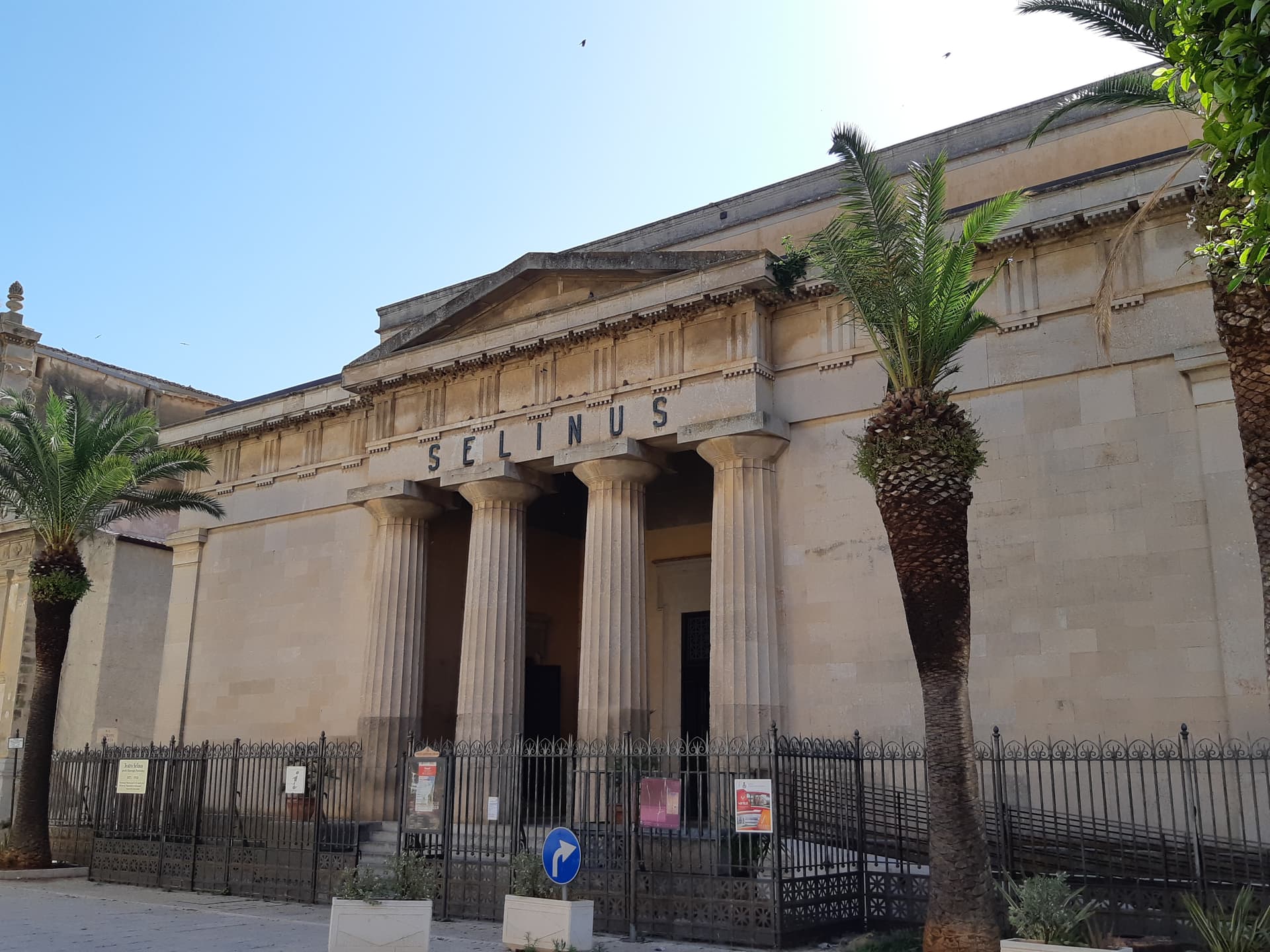
Castelvetrano
Province: Trapani · 187 m
The Belice valley town that owns Selinunte, the largest archaeological park in Europe, and bakes black bread from grain found in its tombs.
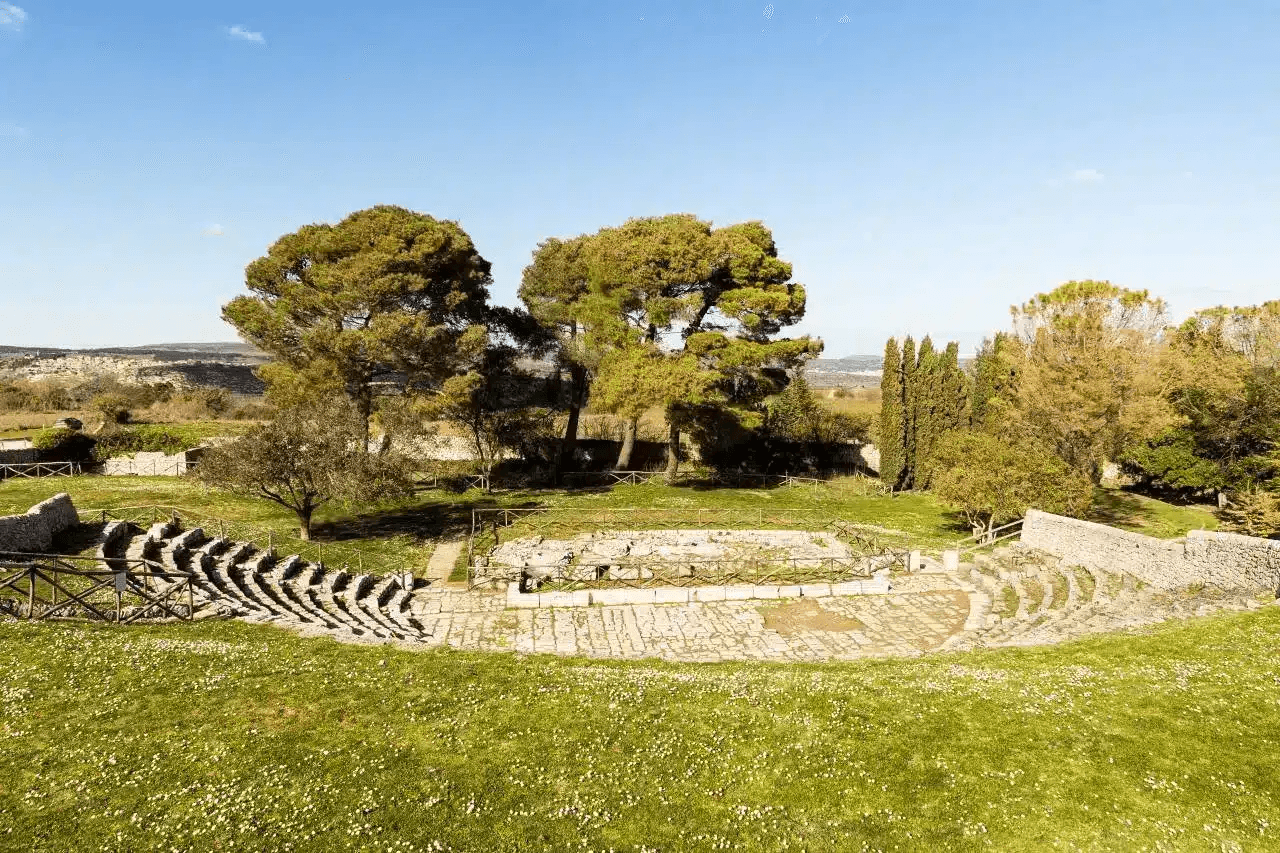
Ferla
Province: Siracusa · 500 m
A baroque village at 500 meters on the Monte Lauro slopes, the western gateway to the UNESCO necropolis of Pantalica eleven kilometers downhill.
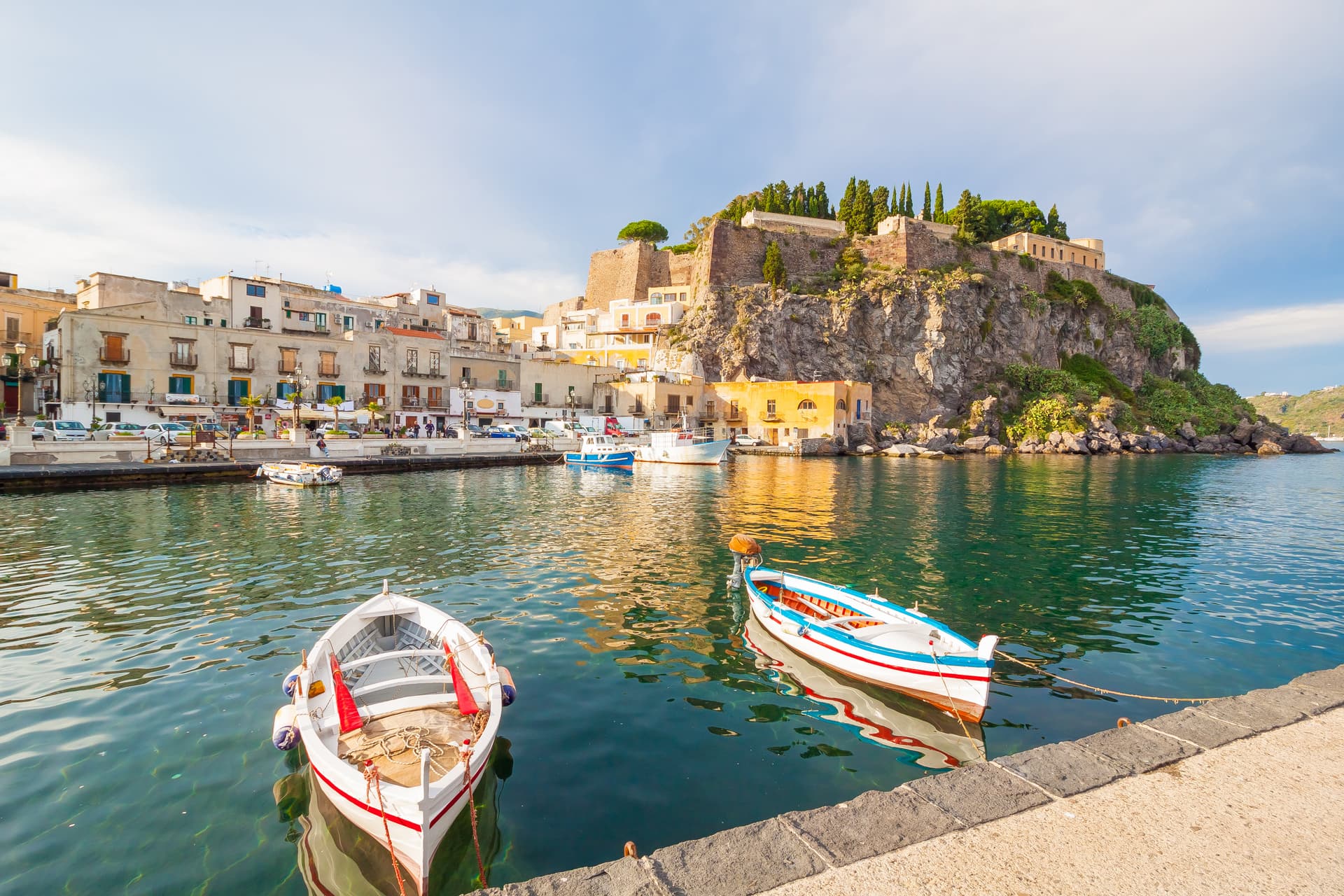
Lipari
Province: Messina · 44 m
The largest Aeolian island and the only municipality that administers six of the seven, with a clifftop castle citadel rising above two harbors.
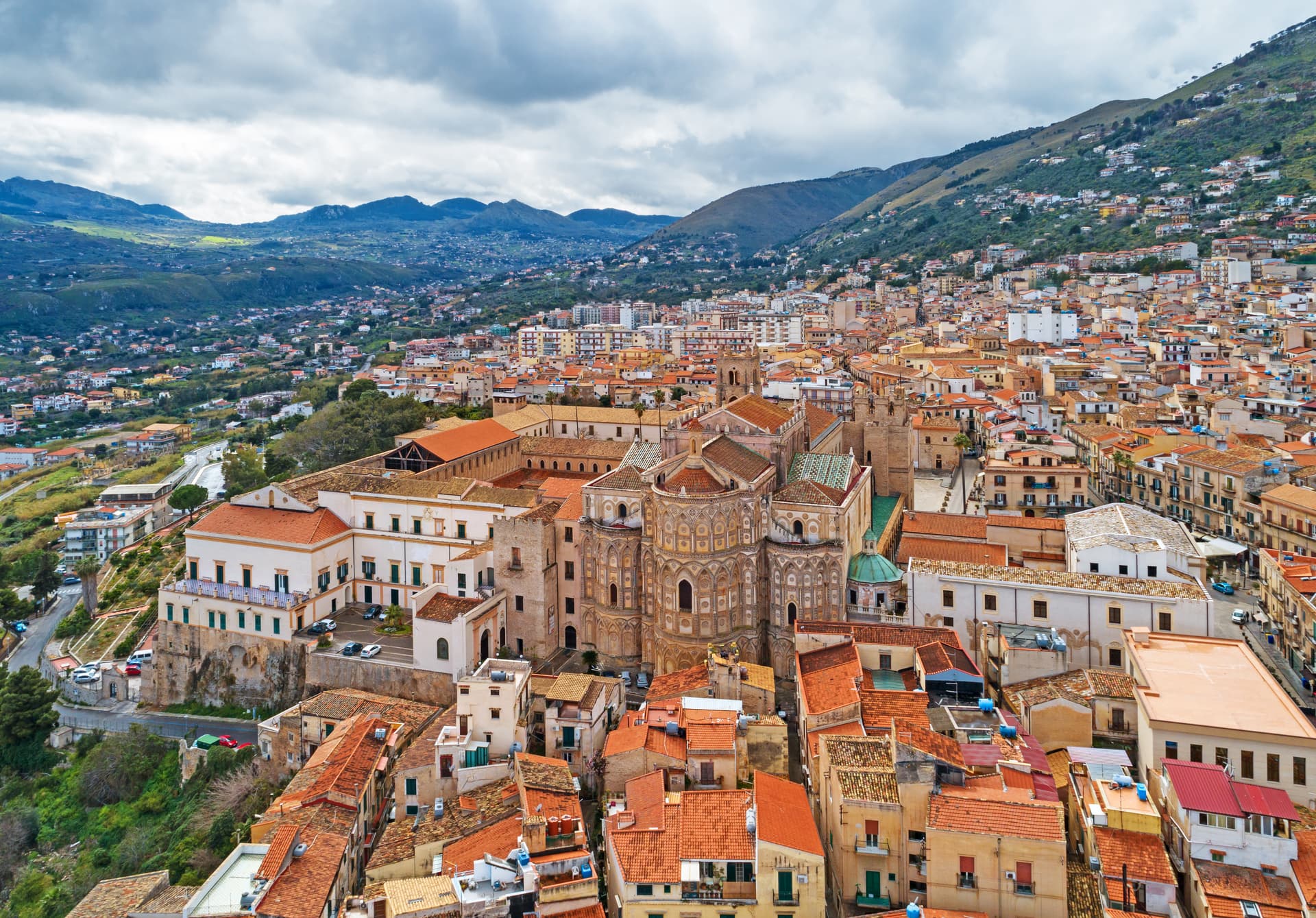
Monreale
Province: Palermo · 310 m
Above the Conca d'Oro at 310 meters, the cathedral William II built between 1174 and 1182 holds 6,340 square meters of Norman mosaics.
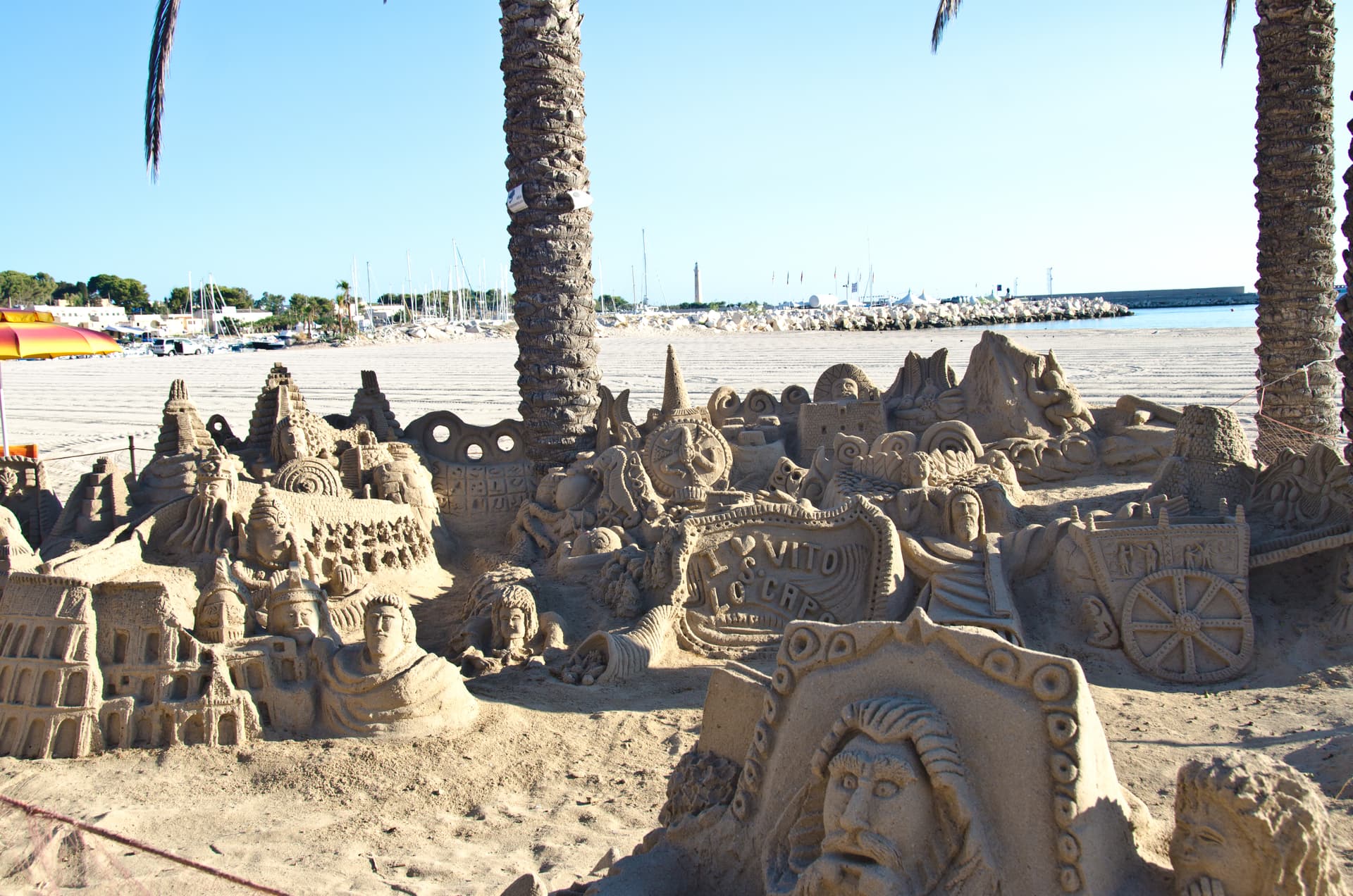
San Vito Lo Capo
Province: Trapani · 5 m
A three-kilometer white-sand beach under Monte Monaco at Sicily's northwest tip, the town that turned cous cous into a September festival.
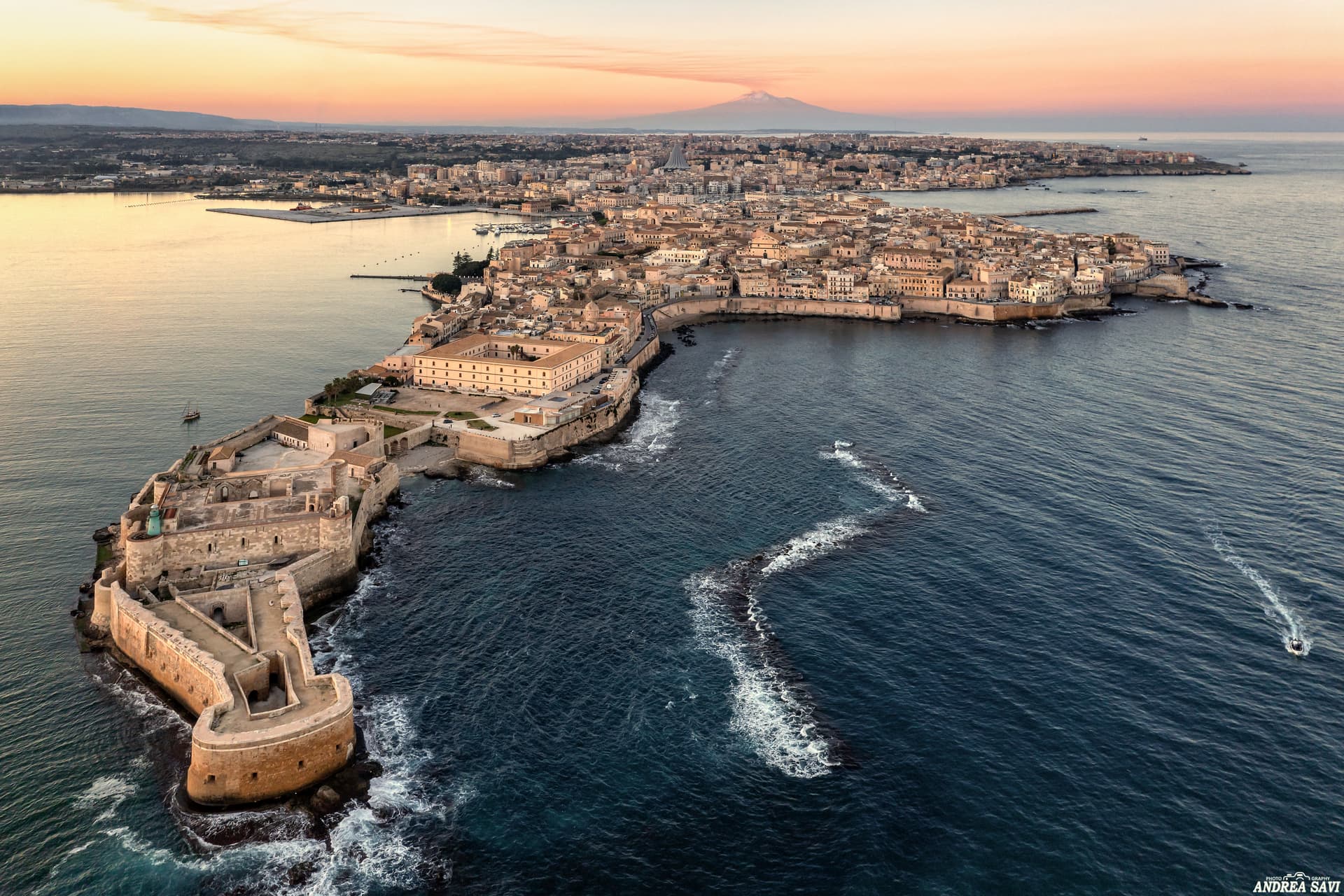
Siracusa
Province: Siracusa · 17 m
The 2,700-year-old Greek city Cicero called the most beautiful in the world — Ortigia island at its heart wrapped in honey-coloured Baroque stone, the 5th-century BC Greek theatre still in use every summer, and Catania's bigger UNESCO sister on the eastern Sicilian coast.
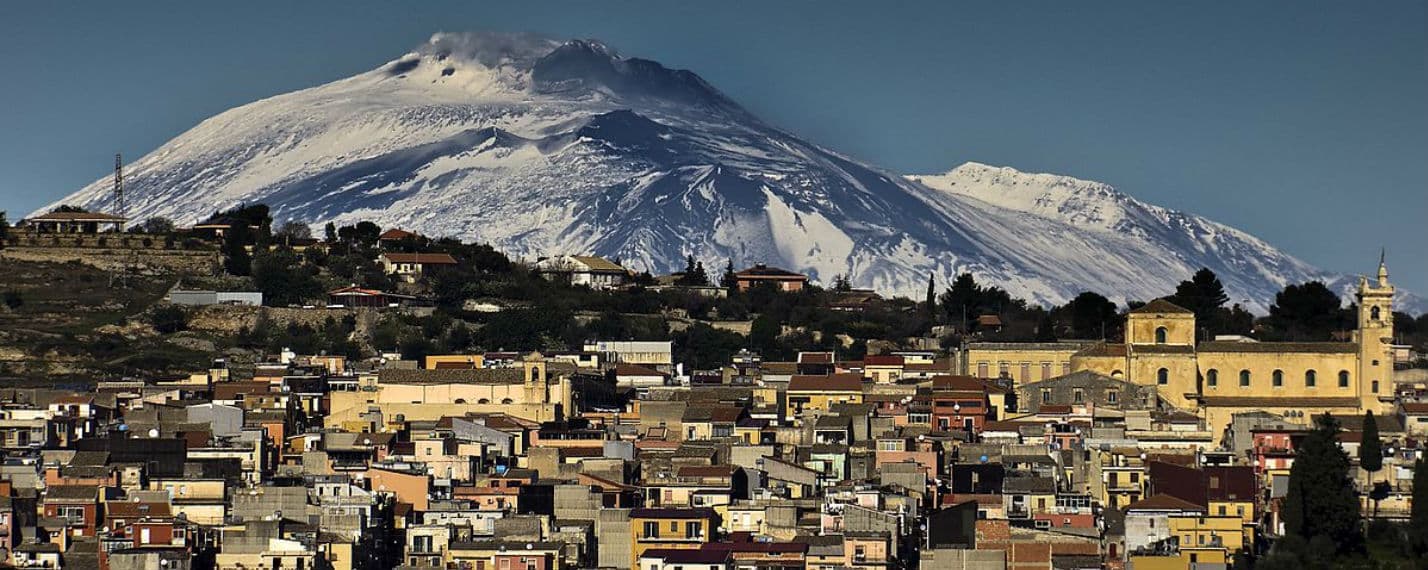
Sortino
Province: Siracusa · 438 m
The eastern gateway to UNESCO Pantalica at 438 meters in the Iblei, Sicily's city of honey and home of the stuffed Sortino pizzolo.
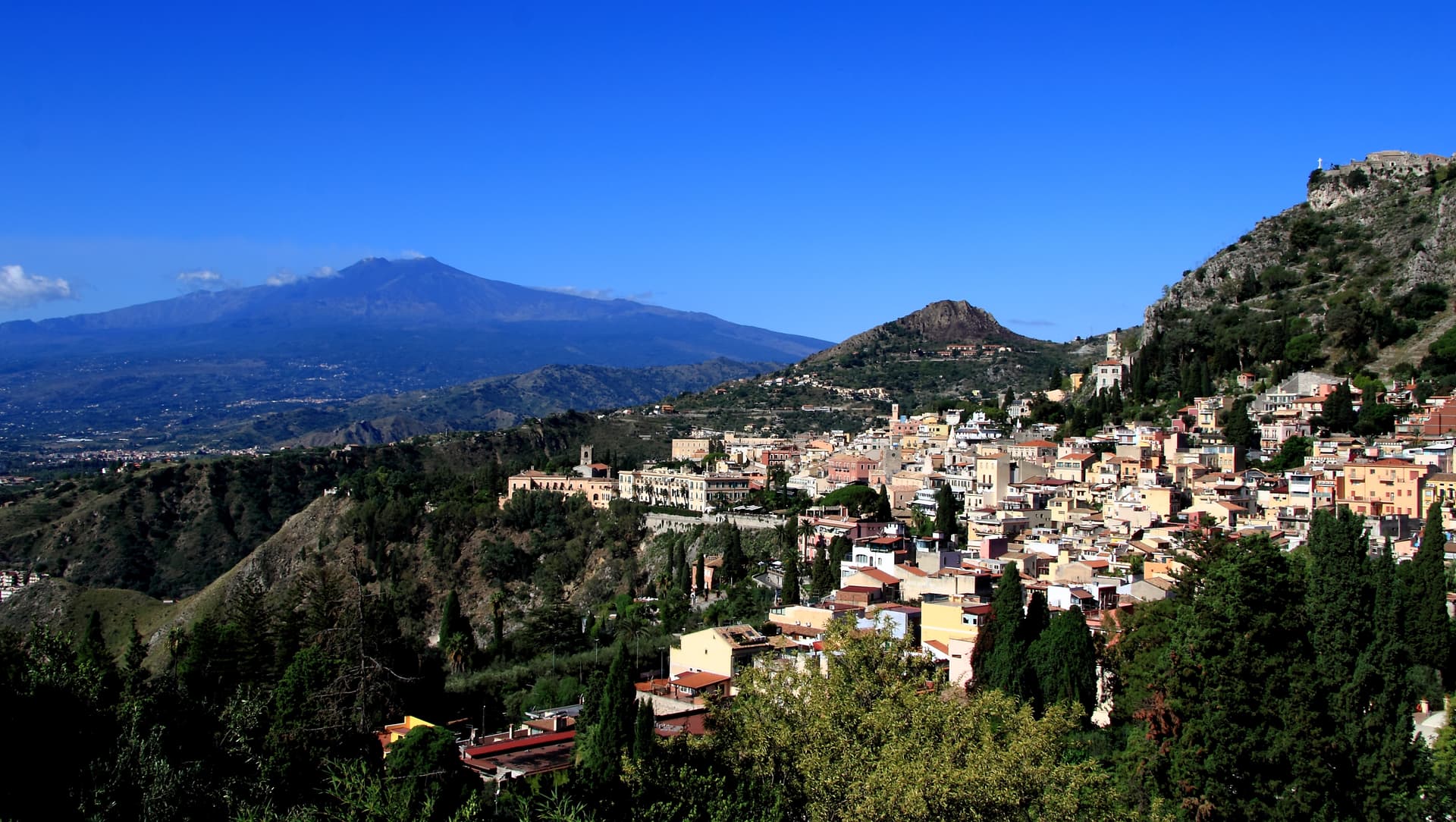
Taormina
Province: Messina · 204 m
A 204-meter terrace above the Ionian with Etna on the southern horizon, a Greek-Roman theatre carved into the rock since the third century BC.
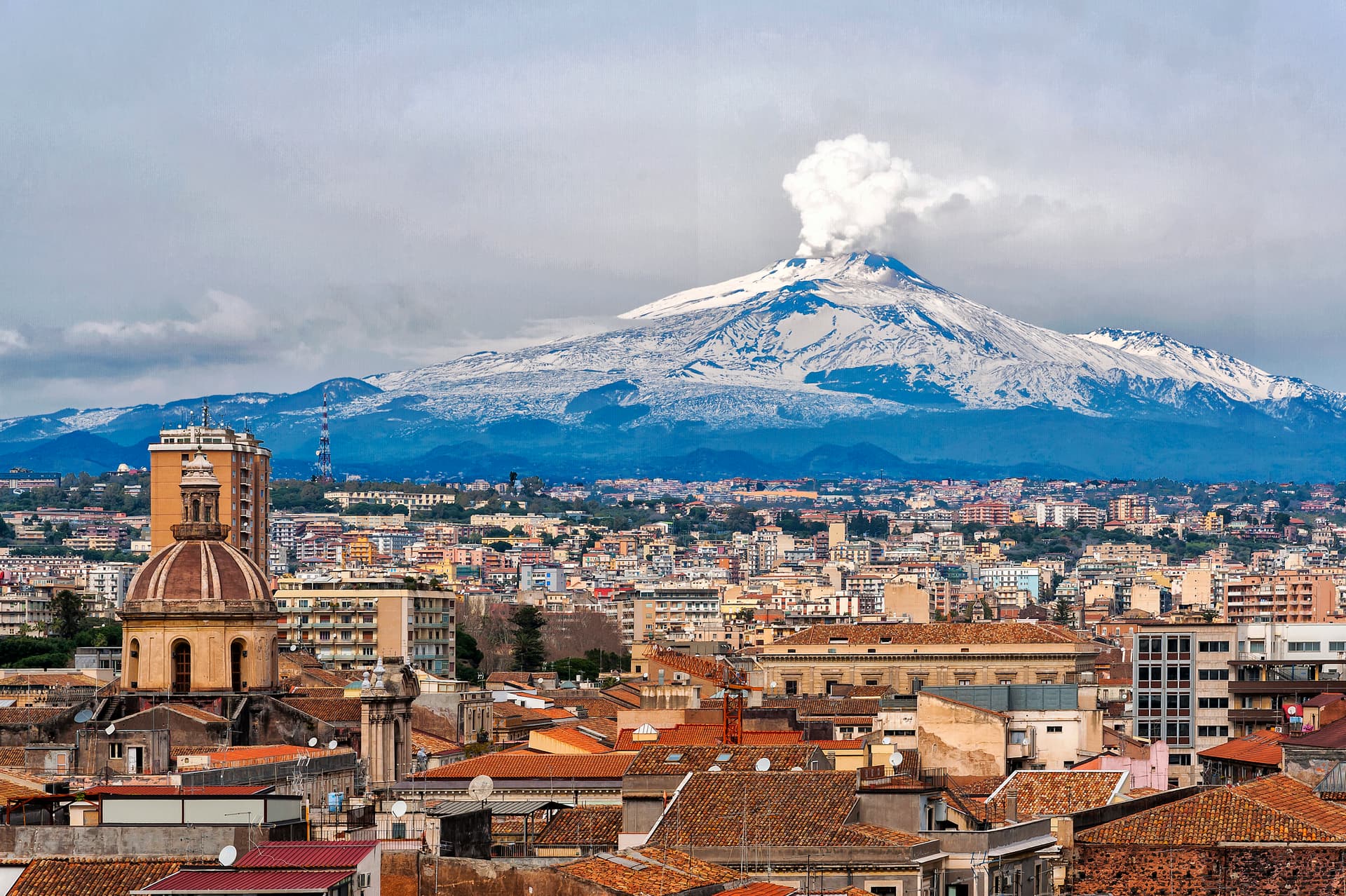
Catania
Province: Catania · 7 m
Sicily's second city and the cultural anchor of the Ionian coast — a UNESCO late-Baroque centro storico rebuilt in lava-black stone after the 1693 earthquake, sitting at the foot of Etna with a 17th-century elephant fountain (U Liotru) as its civic symbol.
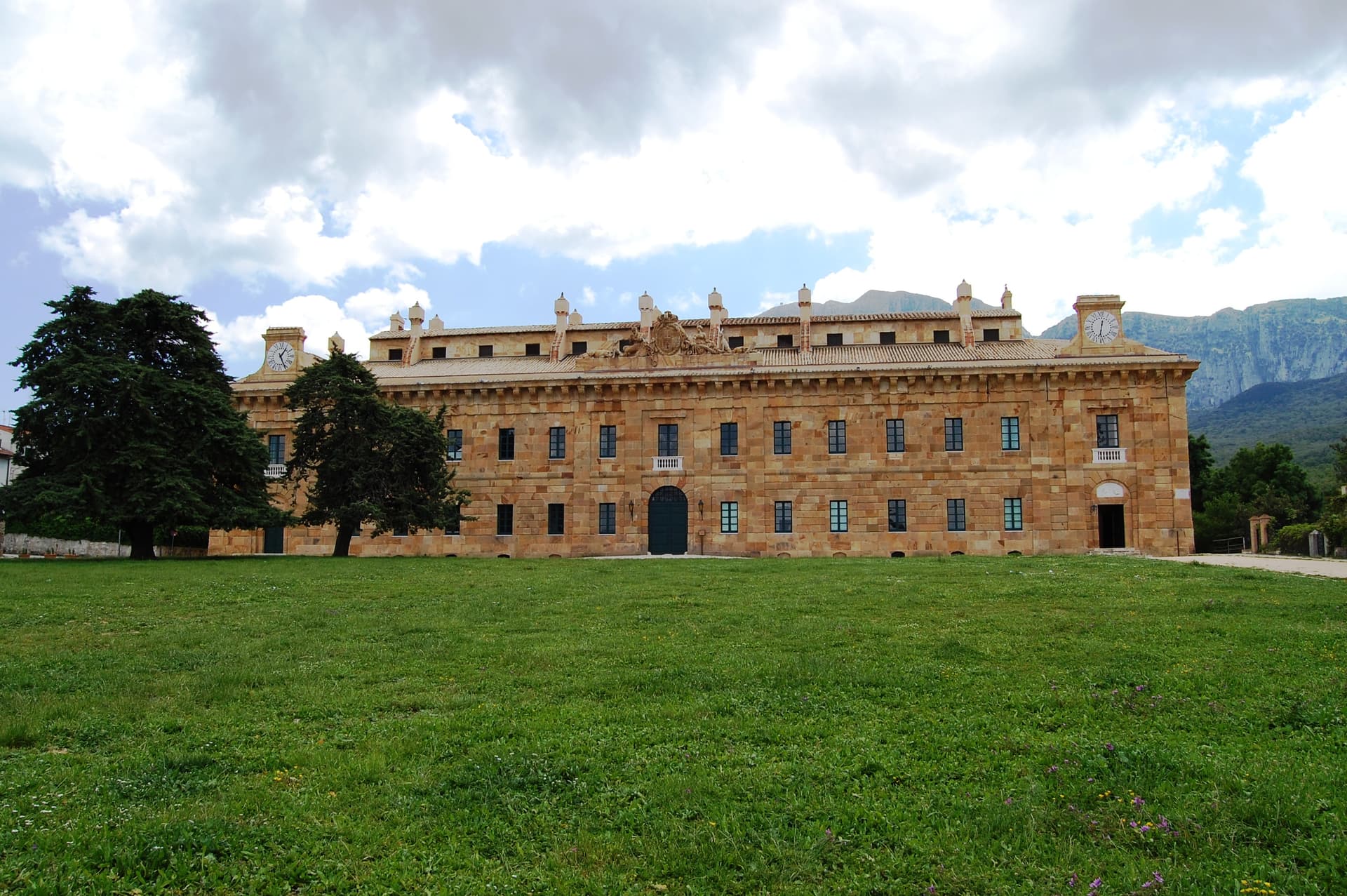
Corleone
Province: Palermo · 542 m
A town of 10,364 in the Palermo hinterland that gave its name to Mario Puzo's Don Vito and now runs Italy's national antimafia documentation centre.
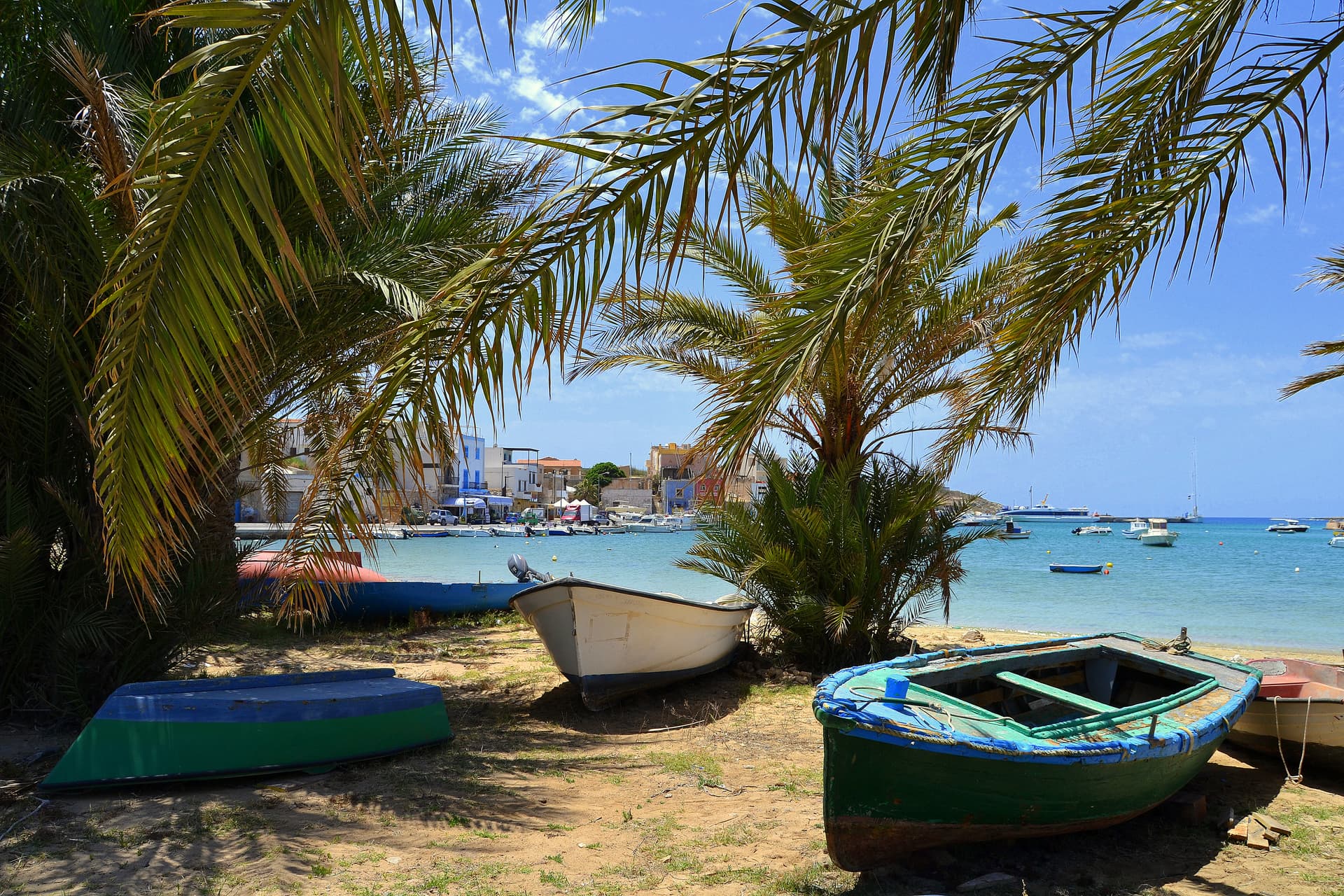
Lampedusa e Linosa
Province: Agrigento · 25 m
Italy's southernmost comune, three islands on the African continental shelf, closer to Tunisia than to Sicily.
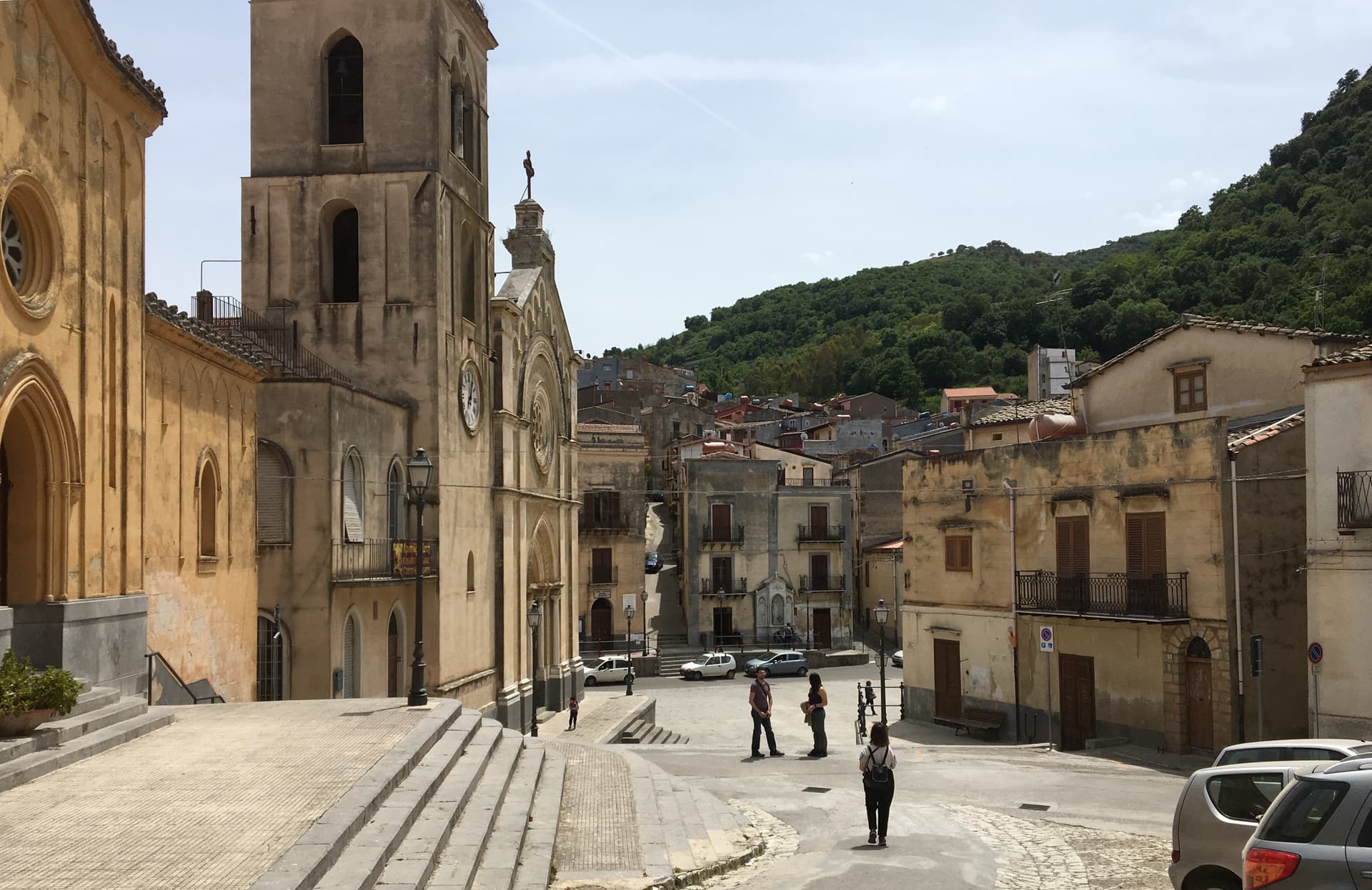
Mezzojuso
Province: Palermo · 534 m
An Arbëreshë village on the slope of Rocca Busambra, two mother churches (one Latin, one Byzantine), and an Arabic name meaning the houses of Joseph.
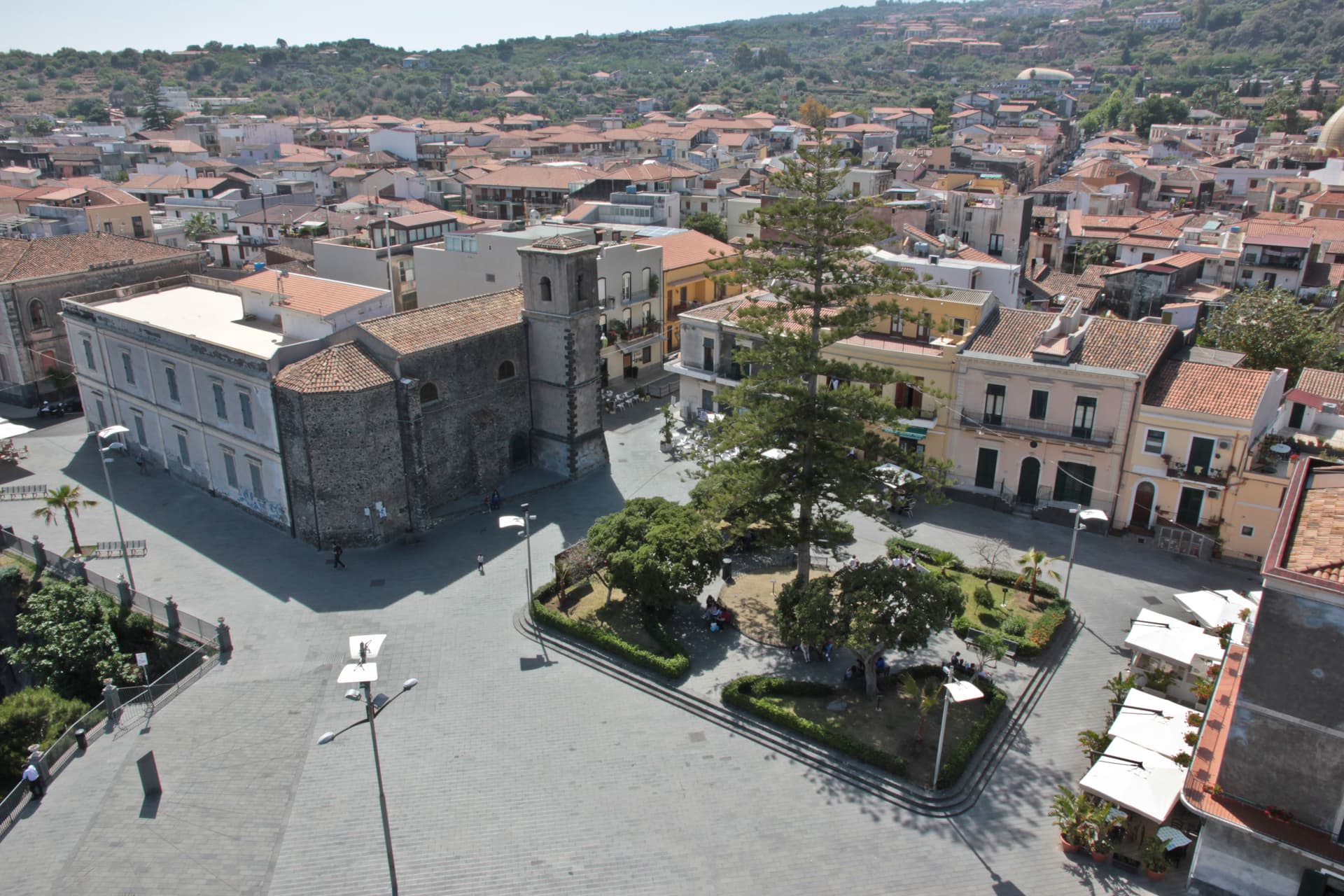
Aci Castello
Province: Catania · 15 m
A coastal town just north of Catania on the Riviera dei Ciclopi, where the basalt headland holds the 1076 Norman Castello d'Aci and the seven volcanic Faraglioni dei Ciclopi rise from the sea — the rocks the Cyclops threw at Odysseus in Homer's Odyssey.
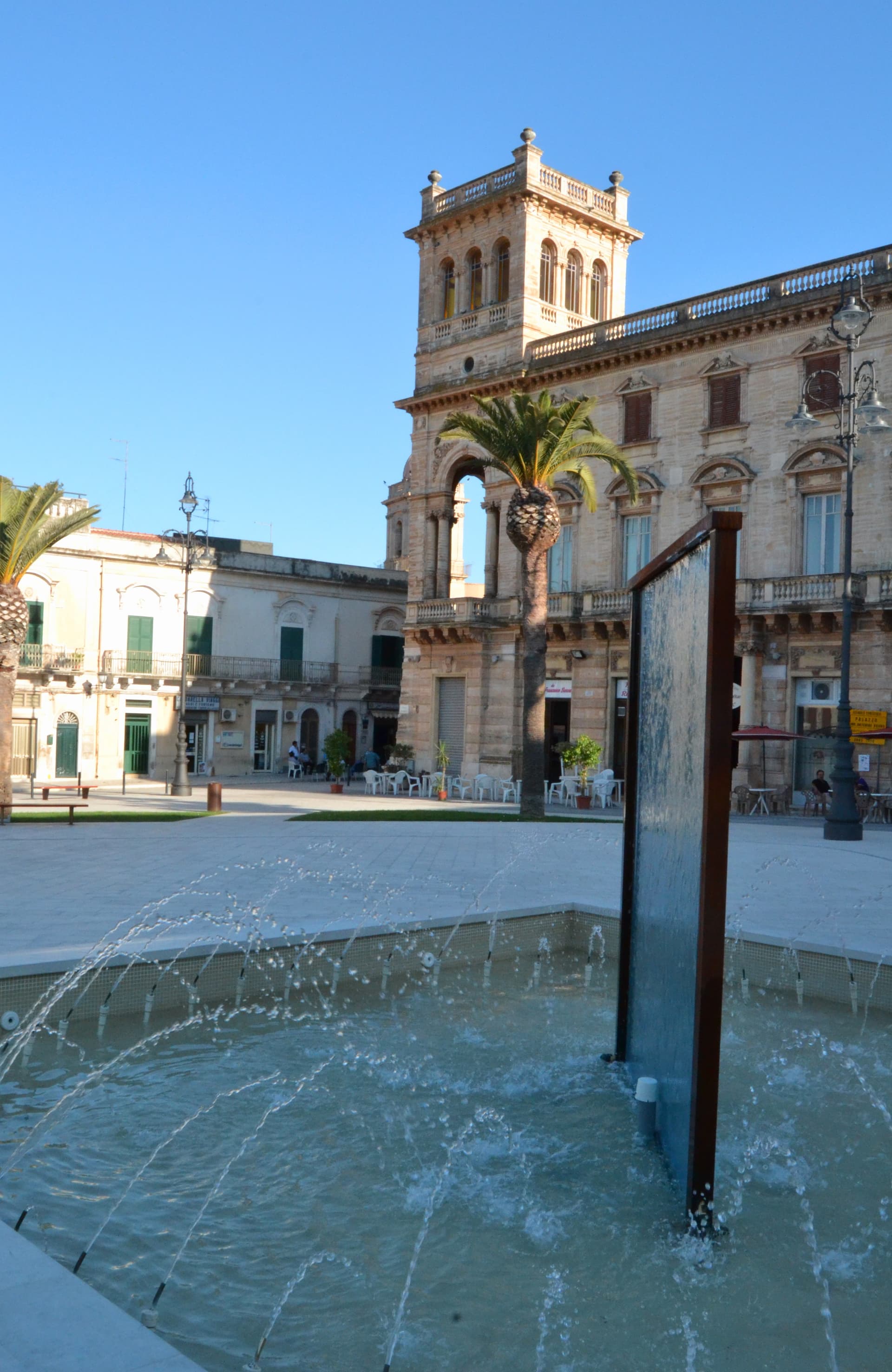
Ispica
Province: Ragusa · 170 m
A Val di Noto Baroque hilltown on the southern Iblei plateau anchored by the 13-km Cava d'Ispica canyon with its 3,000+ rock-cut tombs and prehistoric dwellings — one of the largest cave-necropolis sites in the Mediterranean.
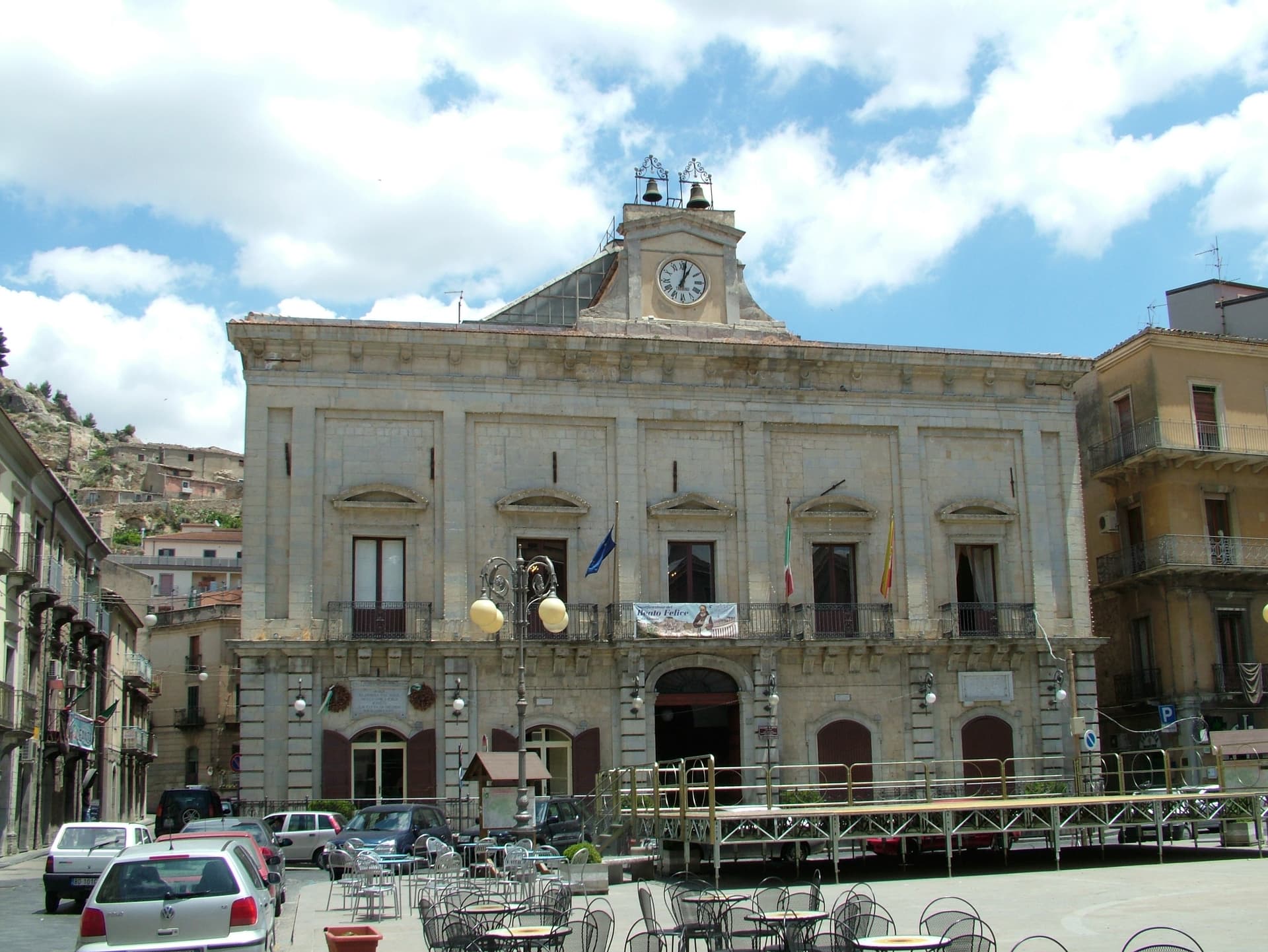
Nicosia
Province: Enna · 720 m
A Byzantine-Norman royal city at 720 meters on four hills, one of Sicily's principal Gallo-Italic centres where the Lombard dialect nkoukkà still survives.
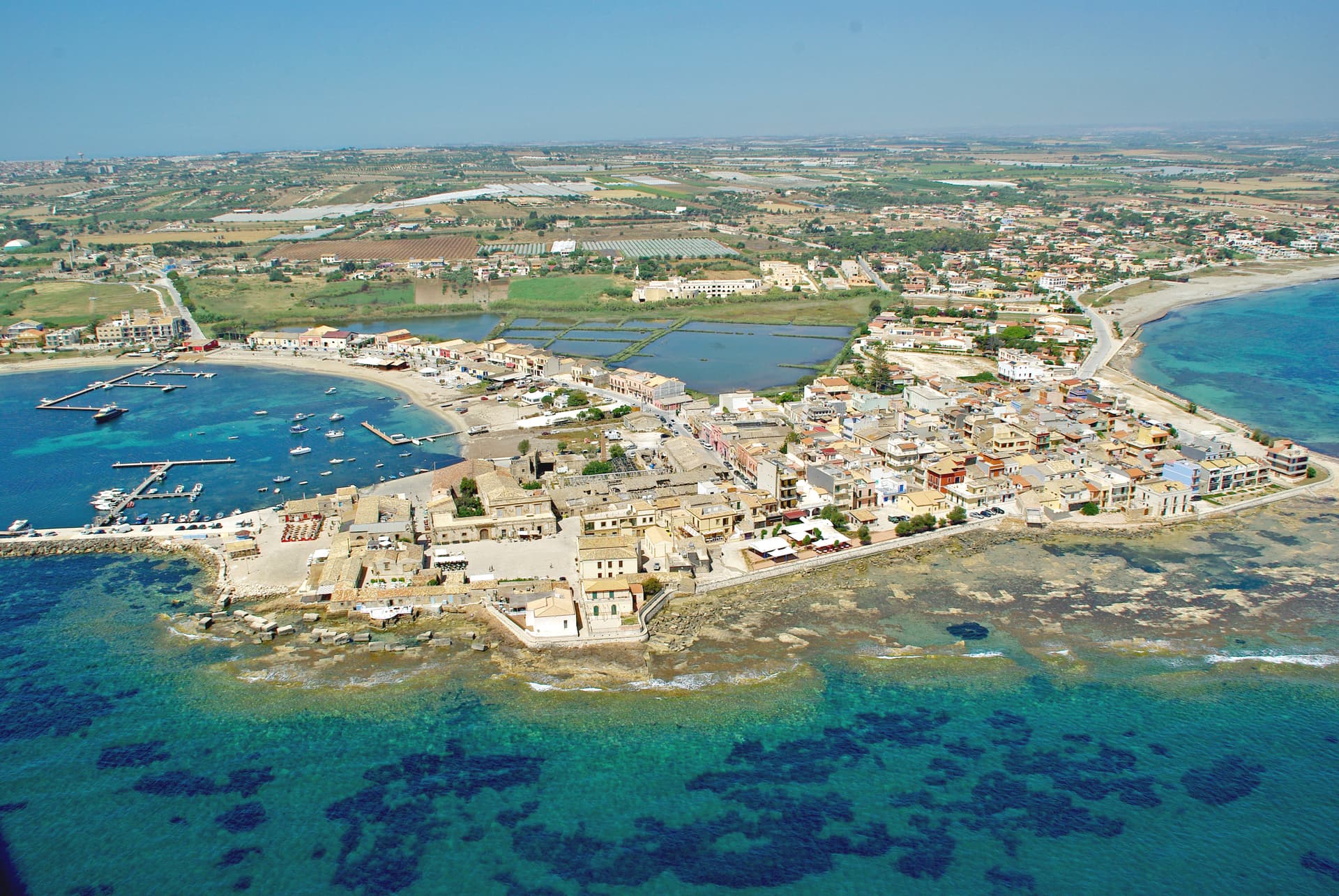
Pachino
Province: Siracusa · 65 m
Sicily's southernmost town on the Capo Passero promontory (further south than Tunis), home of the Pomodoro di Pachino PGI cherry tomato and the historic terroir for Nero d'Avola wine, with the Riserva Naturale Vendicari just up the coast.
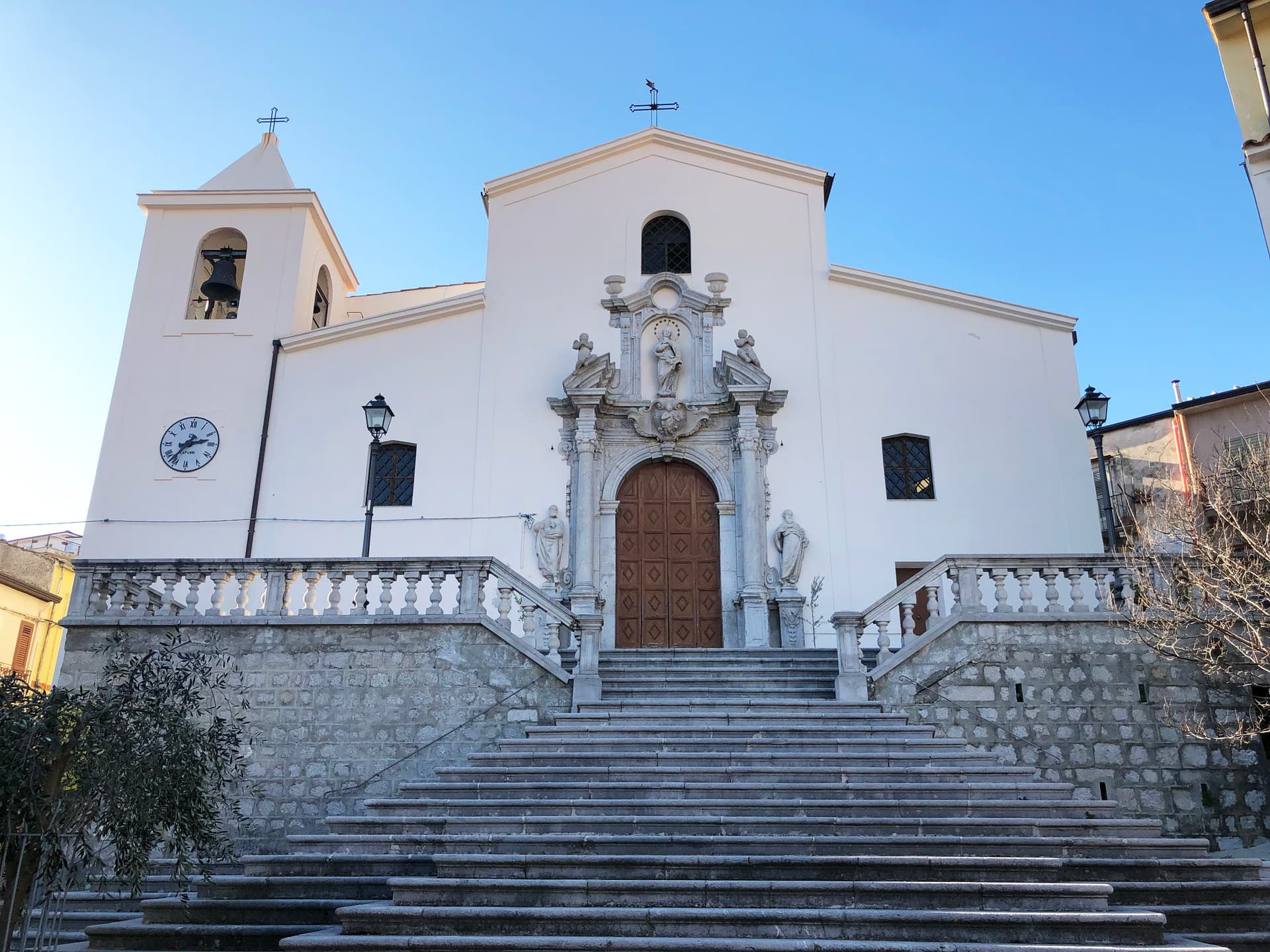
Piana degli Albanesi
Province: Palermo · 720 m
The principal Arbëresh town of Sicily at 720 meters, founded in the fifteenth century by Albanians fleeing the Ottomans and still speaking arbëresh.
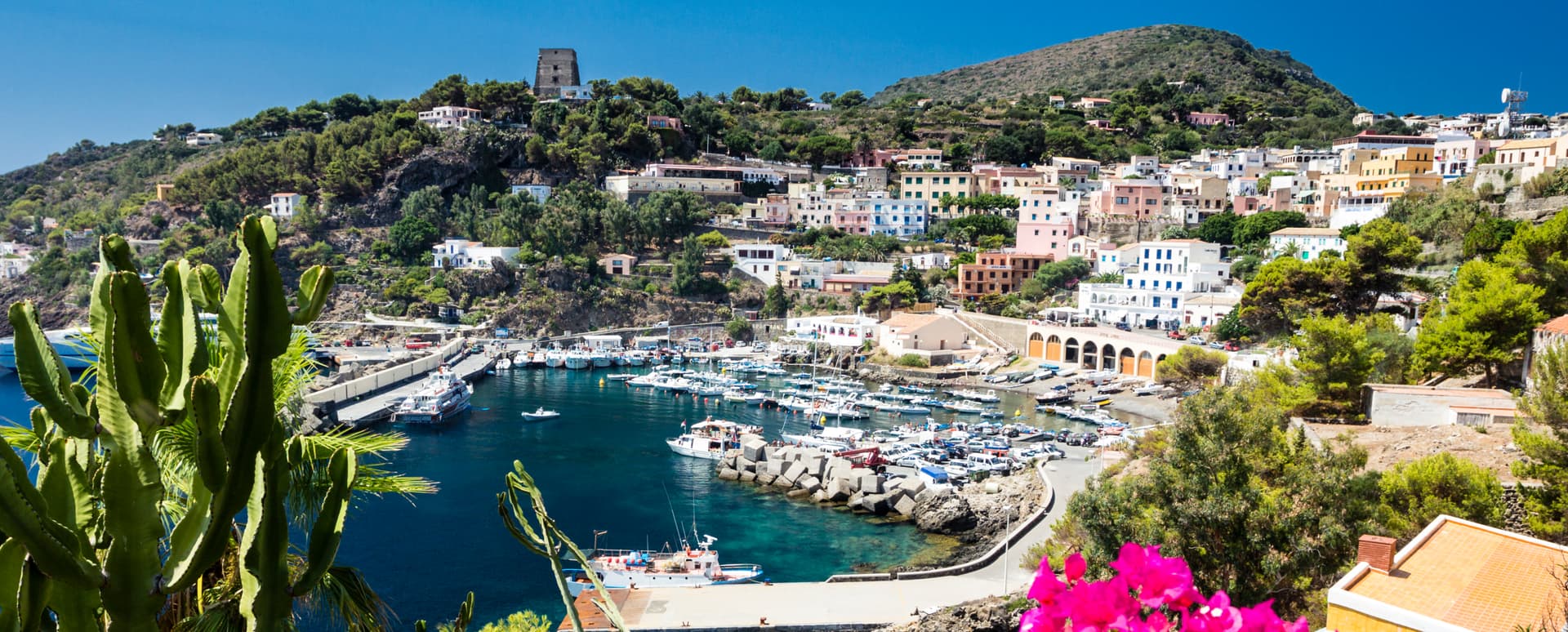
Ustica
Province: Palermo · 49 m
A volcanic island fifty-two kilometers north of Palermo with Italy's first marine protected area, lentil fields on lava, and a long memory as a prison.
Subscribe — free
Get the best guides on hidden Italian towns.
One letter on Sundays. The week’s town, with the photo, the food, the festa. Free, by Peter & Sophia from Pietrasanta.
Substack sends a confirmation link to your inbox. The signup finishes when it’s clicked.
From elsewhere in Italy
Five more towns to discover
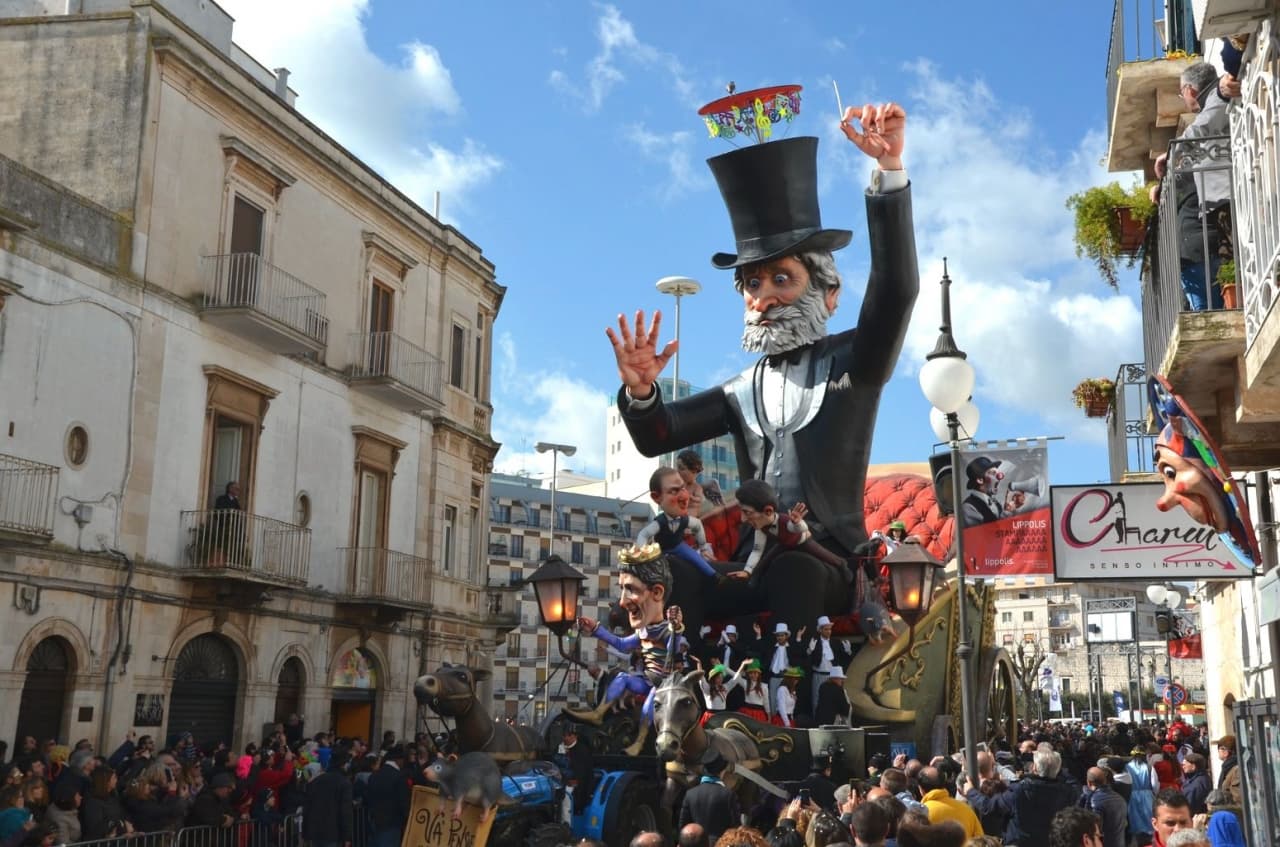
Putignano
Province: Bari
Europe's longest-running carnival — Putignano Carnevale has run continuously since 1394, with 631 years of cartapesta papier-mâché floats, a 26,000-resident Murgia town on the Bari–Lecce plateau, and the Grotta del Trullo karst cave inside the centro.

Pistoia
Province: Pistoia
Italy's nursery capital and the medieval Tuscan rival that gave its name to the pistol — a quietly extraordinary centro storico of zebra-striped Romanesque churches, Andrea della Robbia's polychrome frieze on the Ospedale del Ceppo, and Italy's Capital of Culture 2017, all 30 minutes from Florence by train.
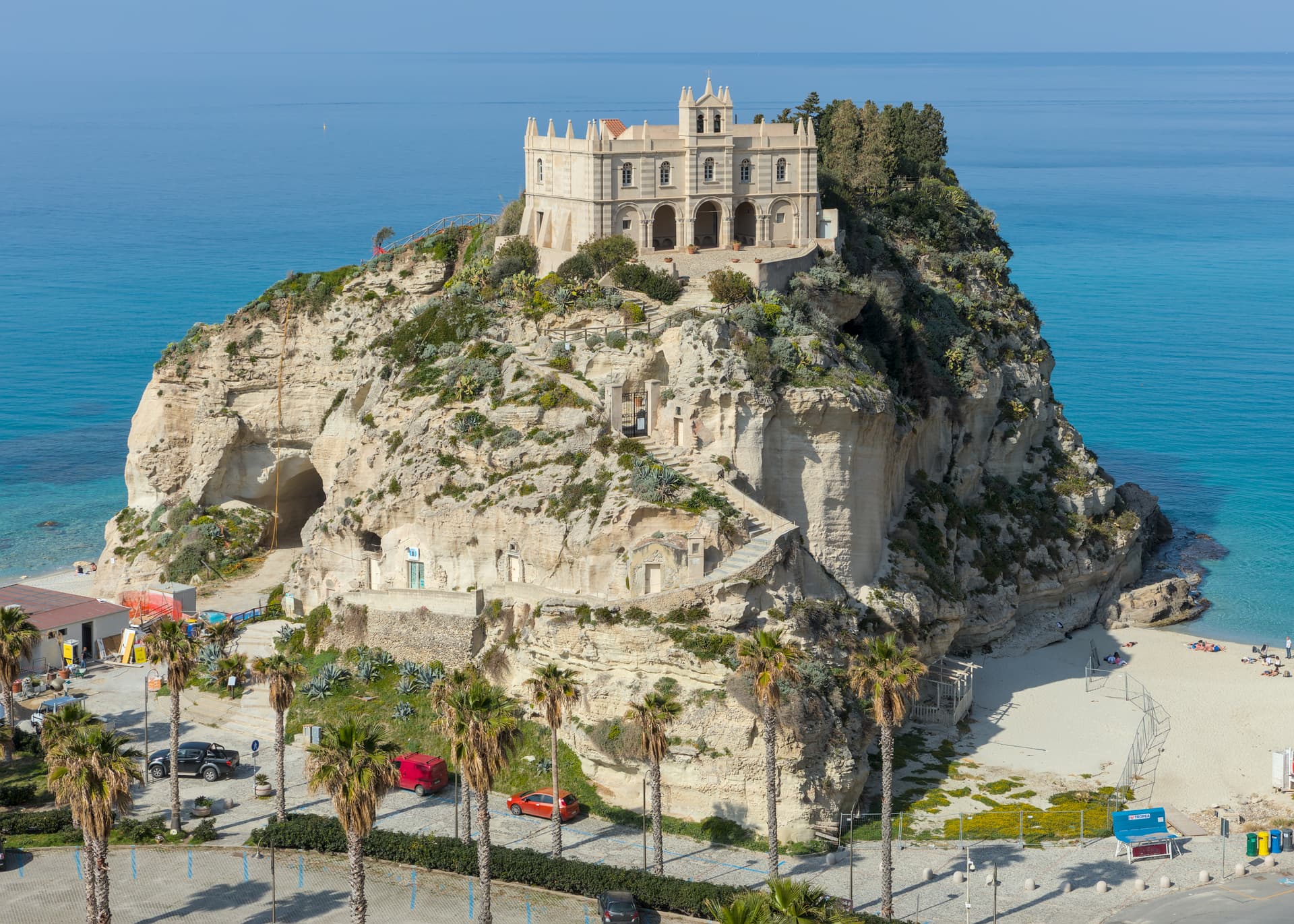
Tropea
Province: Vibo Valentia
Cliff town on a tufa headland over the Tyrrhenian Coast of the Gods, with a Norman monastery on a sea rock.
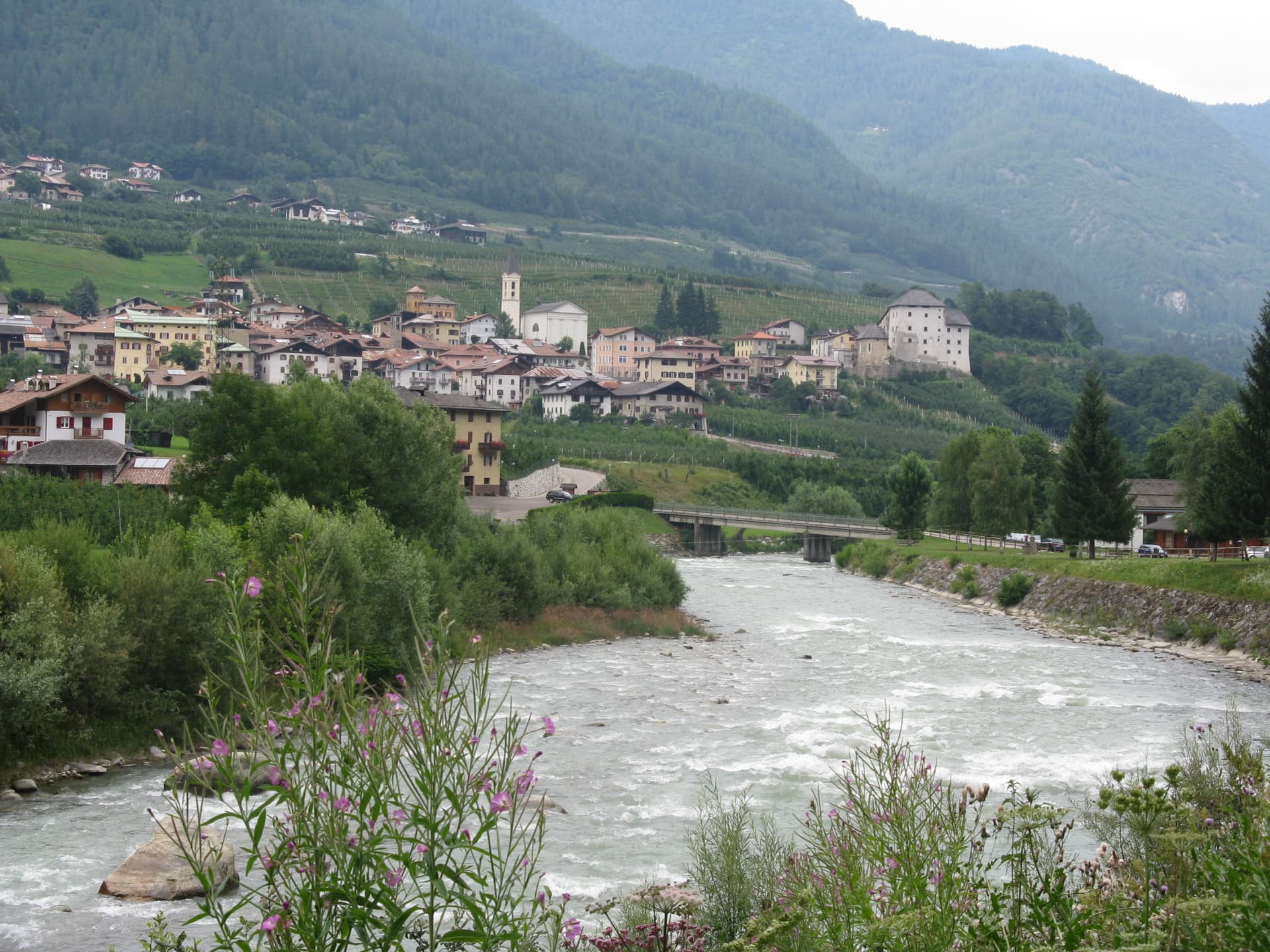
Caldes
Province: Trento
A scattered Val di Sole commune on the Noce, six hamlets gathered around a thirteenth-century tower-house castle that once belonged to the Thun family.
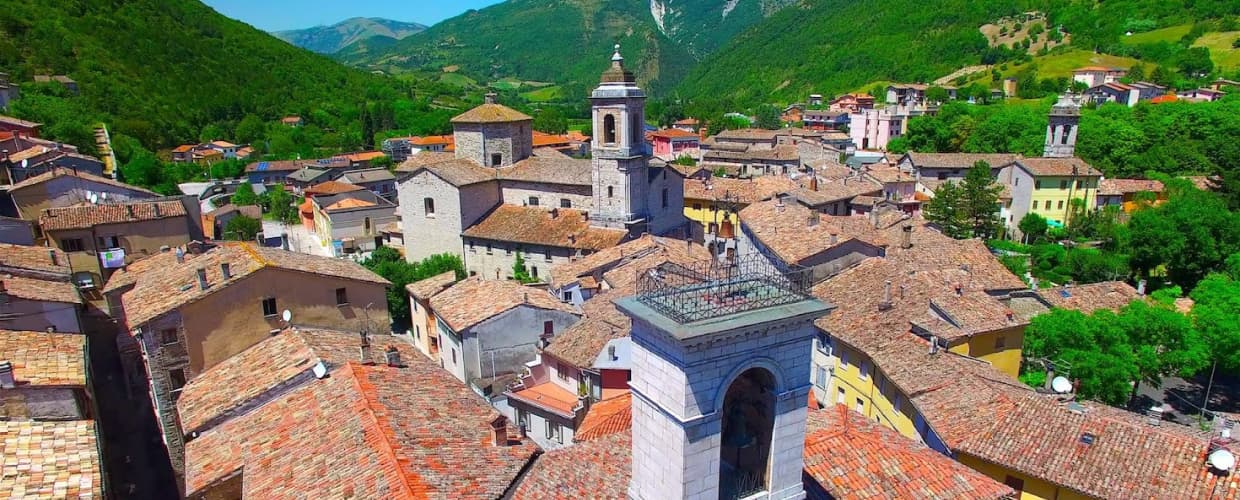
Cantiano
Province: Pesaro e Urbino
A border borgo at 374 meters under Monte Catria on the old Via Flaminia, known for the Good Friday Turba and the sour-cherry visciola harvest.